
Top 5 Swedish Beers

Last updated on September 23, 2026

Best Swedish Beers

01

Omnipollo

4.9 ·

Omnipollo is a Swedish microbrewery known for its artistic identity, experimental approach, and award-winning beer styles. Founded by brewer Henok Fentie and artist Karl Grandin, the brewery was created with the vision of redefining how beer is perceived - by merging bold graphic design with fearless brewing innovation.

After years of operating as a “gypsy” brewery in collaboration with partners, Omnipollo opened its own facility in 2020 inside a repurposed church in Sundbyberg, a suburb of Stockholm. The space blends industrial functionality with artistic flair, featuring murals and neon installations designed by Grandin himself.

Omnipollo seamlessly fuses the worlds of art and gastronomy: their bottles and cans are adorned with abstract, eye-catching labels, while the recipes showcase a masterful balance of flavor, creativity, and experimental spirit.

Awards
Beer Advocate - 96 World-Class
Untappd - 4.3
02

Närke Kulturbryggeri

4.9 ·

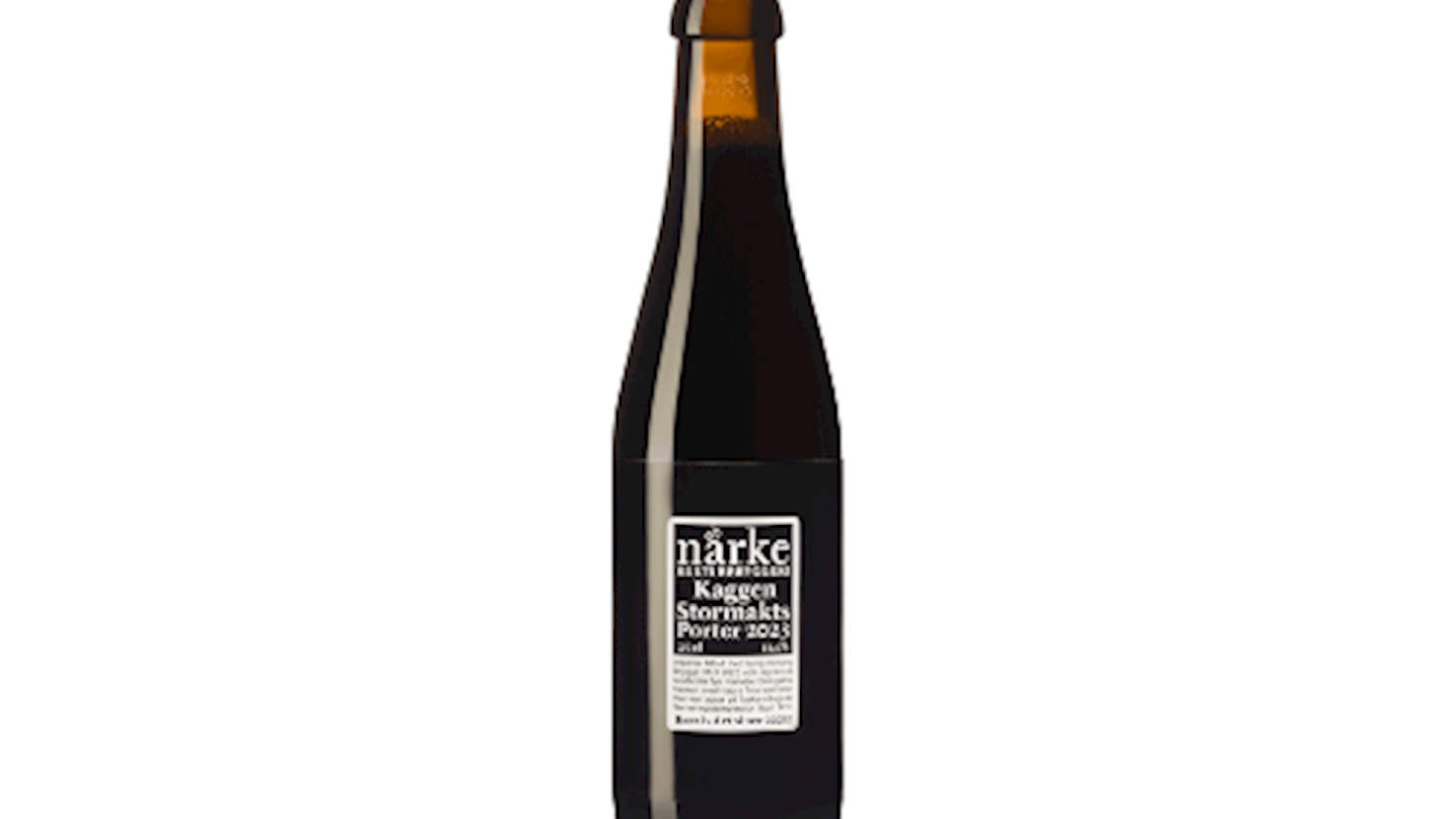
Närke Kulturbryggeri is an independent craft brewery from the city of Örebro, Sweden, founded in 2003 by Berith and Håge Karlsson. It is recognized as one of the first breweries to ignite the Swedish craft beer revolution.

Located in an industrial district of Örebro, the brewery is known for its handcrafted production, small-batch philosophy, and thoughtful, human-centered approach. It also offers tours and tastings at its in-house pub, Halva Glaset, which has become a popular gathering spot for the local community. Närke's portfolio is remarkably diverse, ranging from rustic lagers and matured ales to bold stouts, porters, sour ales, and barrel-aged specialties.

Their beers are available in numerous European craft pubs and specialty shops, with over 50 different labels reportedly on the market. The brewery’s styles are defined by authenticity and a strong foundation in traditional brewing methods and local ingredients, while also embracing modern and experimental techniques.

Many of their beers feature pronounced notes of dried fruit, roasted malt, spices, and oaky depth in aged variants. Närke Kulturbryggeri strikes a balance between historical brewing traditions and daring innovation. Their work is distinguished by small-scale production, meticulous attention to detail, and a commitment to creating beers with real character - from fruity ales to robust, barrel-aged porters.

This makes them one of the most significant and authentic names on the Swedish craft beer scene.

Awards
Beer Advocate - 100 World-Class
Untappd - 4.2
03

Stigbergets Bryggeri

4.8 ·

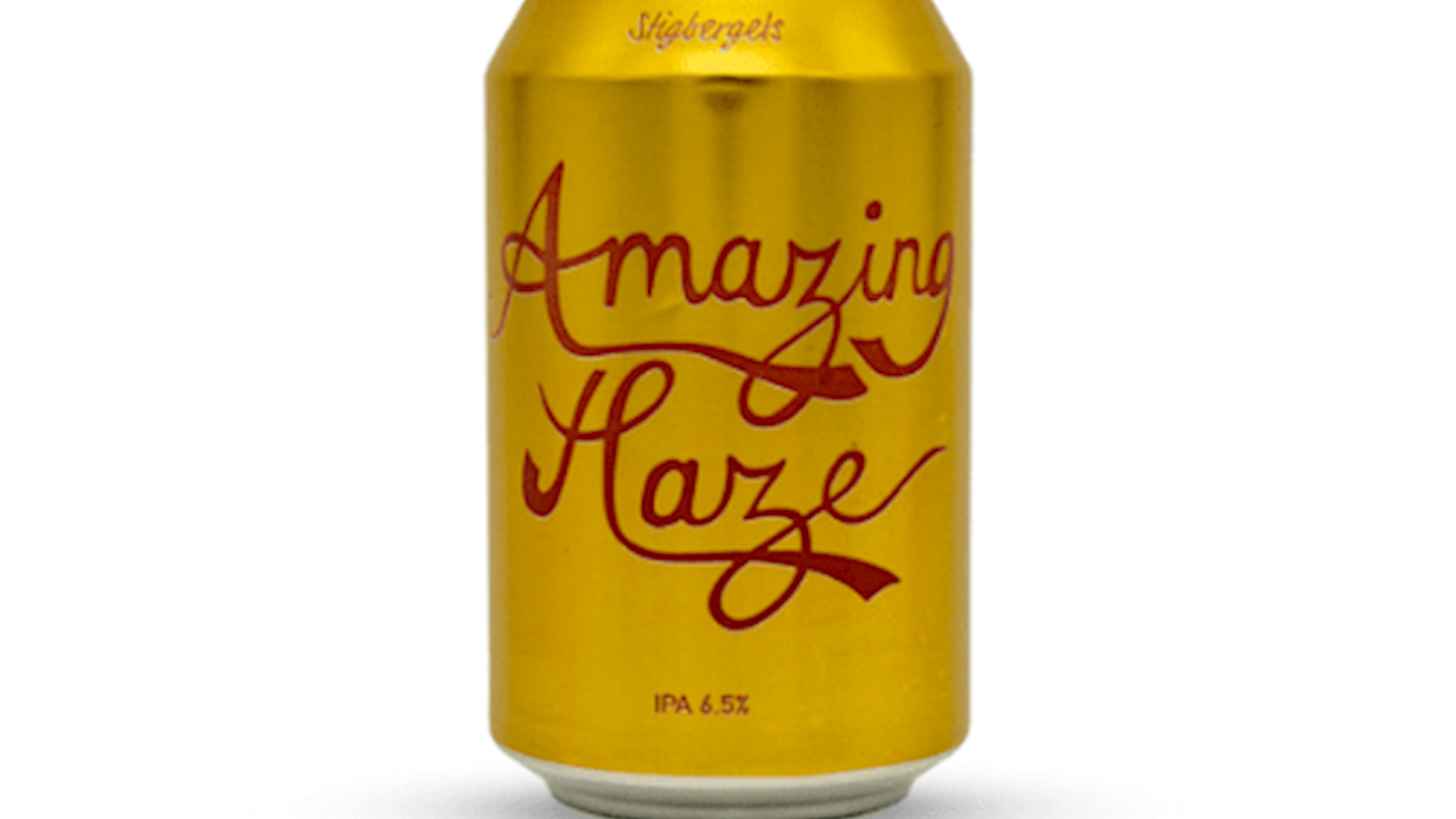
Stigbergets Bryggeri is a modern Swedish craft brewery from Gothenburg, founded in 2012 and now regarded as one of the most influential producers on the Scandinavian beer scene. It began as a small project created to supply the founders’ restaurant, but thanks to consistent quality and a distinctive style, it quickly grew into a notable brewery with its own taprooms and bars.

The brewery built its reputation on modern IPA and NEIPA styles, recognized for their expressive fruity aromas, soft mouthfeel, and precise technical execution. Stigbergets also stands out through its strong visual identity, combining Scandinavian aesthetics with contemporary label design.

Their approach is defined by the use of high-quality ingredients, a clear stylistic focus, and a constant drive for improvement - making each of their beers recognizable, consistent, and relevant within the European craft beer landscape.

Awards
Untappd - 3.8
Beer Advocate - 91 Outstanding
04

Vreta Kloster Bryggeri

4.5 ·
Awards
Concours International de Lyon - Gold (2024)
European Beer Star - Gold (2023)
05

Krönleins Bryggeri AB

4.3 ·
Awards
International Brewing Awards - Gold (2019)

Best Swedish Beer Types

01

Baltic porter

4.1 ·

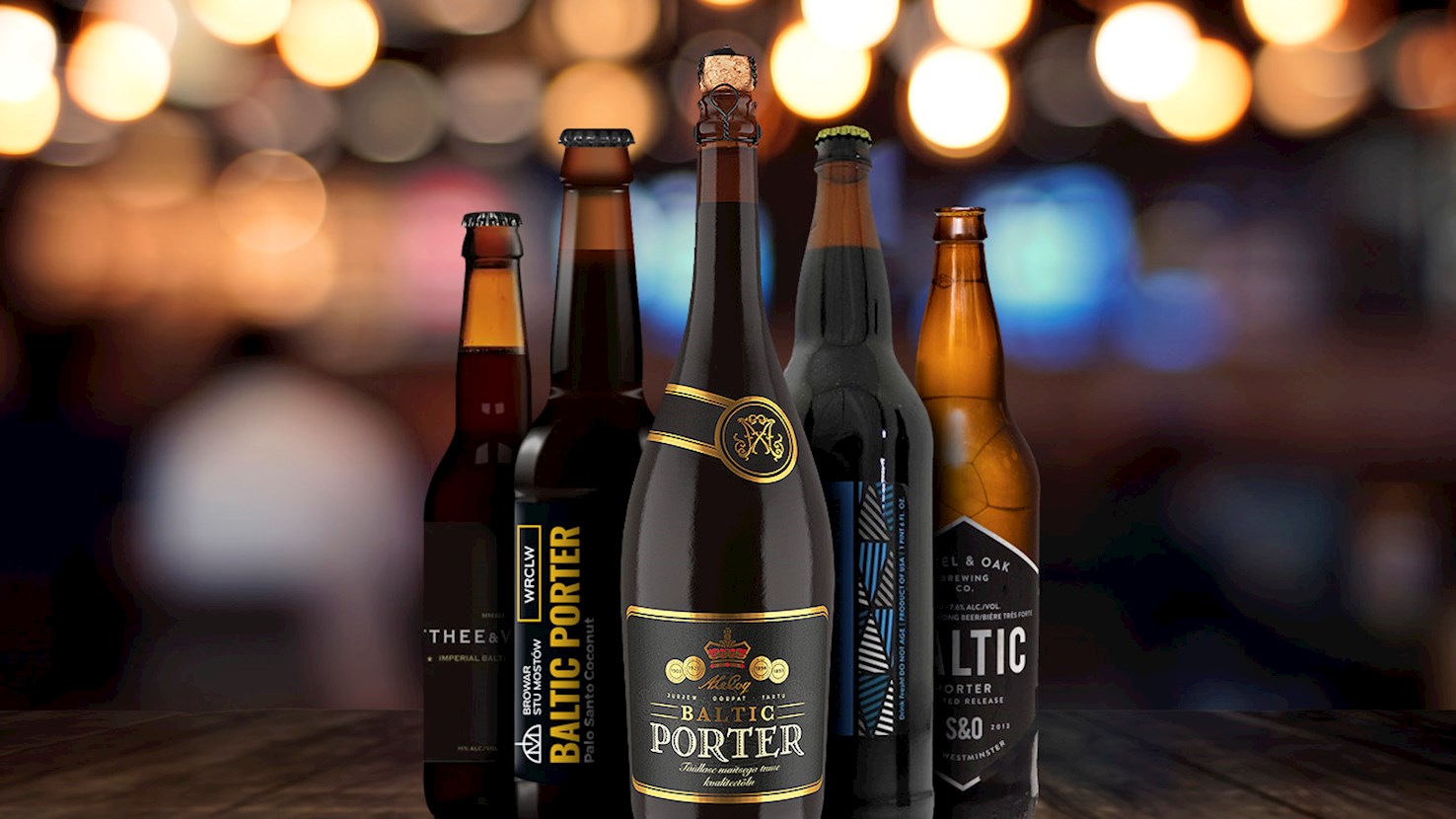
This beer style evolved from the British porter, and it was partially influenced by imperial stouts. The beers that fall under this category will typically have high alcohol content, usually between 5.5 and 9.5% ABV, while their color ranges from mahogany red to dark brown. They are full-bodied and smooth brews with typical malt flavors that are usually complemented by aromas of toast, caramel, licorice, dried fruit, chocolate, and coffee. Baltic porter first appeared when stronger and hoppier versions of British porter were sent to Russia. The shipments first reached Baltic, Scandinavian, and Northern European ports, including those in Finland, Poland, Sweden, Denmark, Lithuania, Estonia, and Latvia. Home breweries soon started to produce their versions using lager yeasts and regional ingredients, eventually creating a style that comes in many local expressions. Baltic porters are an excellent match to hearty dishes, especially roasted or grilled meat, and stews. They can also go well with chocolate or nut desserts and cheese.

02

Julöl

n/a ·

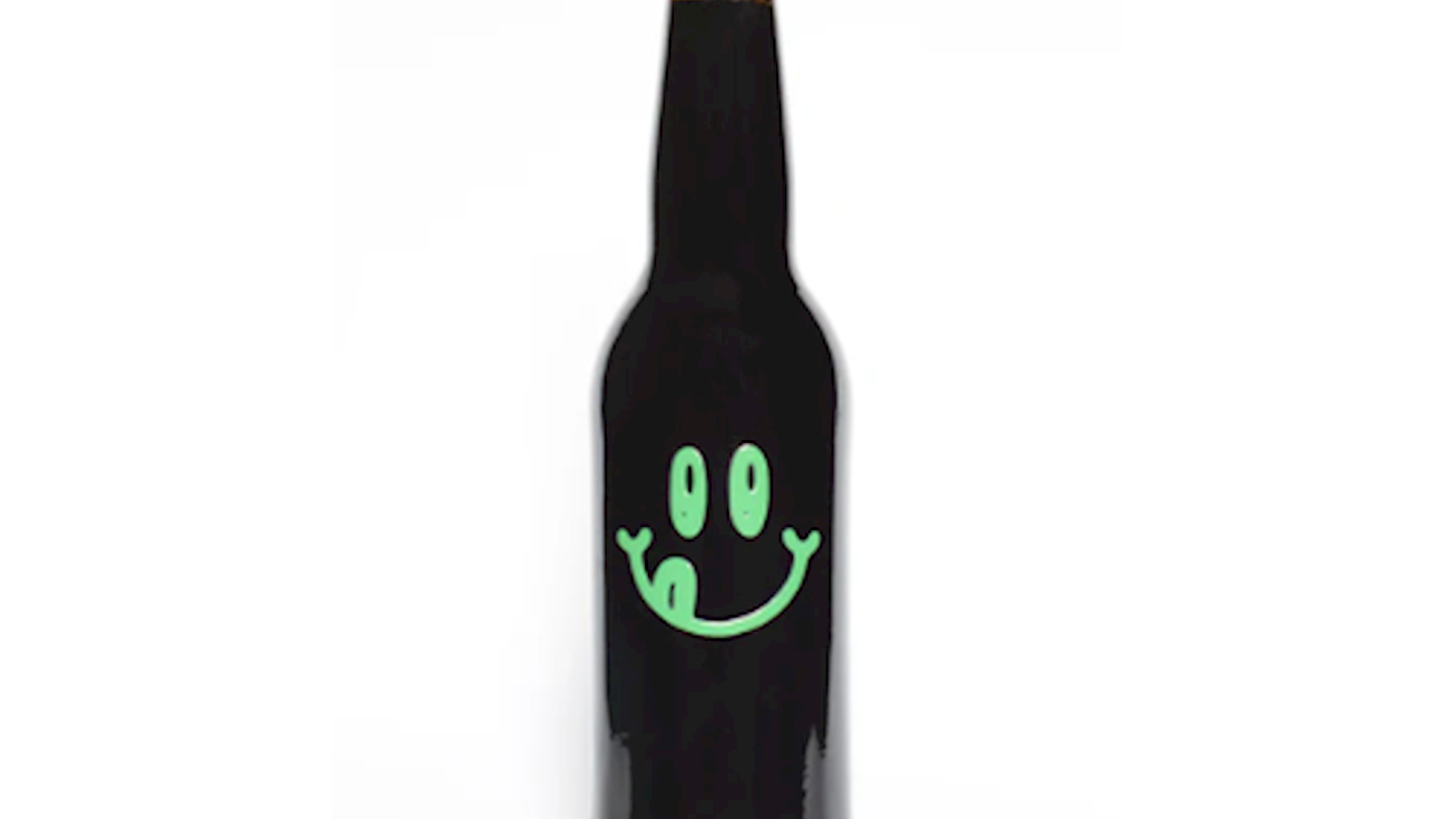
Julöl is a seasonal beer from Sweden, brewed specifically for the Christmas period and closely tied to the country’s festive table. It originated as part of the long-standing Nordic custom of producing stronger, darker beers in the winter months, when brewing was not only a necessity but also a communal practice. Over time, it became directly associated with Christmas celebrations, as breweries began marketing it under the name julöl, literally meaning “Christmas beer.” The drink is typically brewed as a darker lager, with malt-forward flavors that often include caramel, roasted notes, and mild sweetness balanced by a subtle bitterness. Some breweries produce stronger versions closer to bock style, while others keep it lighter and more accessible for pairing with rich holiday dishes. Unlike spiced winter ales common in other parts of Europe, Swedish julöl usually does not rely on cinnamon, cloves, or nutmeg, focusing instead on the character of the malt and the balance of the beer itself. In terms of serving, julöl is poured into standard beer glasses, often chilled but not as cold as lighter lagers, allowing the malt character to come through more fully. It appears on nearly every Swedish julbord, the Christmas buffet that features ham, pickled herring, meatballs, sausages, cheeses, and an array of breads. The beer’s depth complements the variety of savory and fatty foods, cutting through richness while enhancing smoky or salty flavors. Julöl is consumed mainly during December in Sweden, though it may appear in stores as early as November. It is tied so strongly to the festive season that it rarely extends beyond it, making it a beverage with a limited but highly anticipated role in the year. It is enjoyed both at home family gatherings and in restaurants offering julbord menus, and it is most often paired with Christmas ham, gravlax, or cheeses, though many Swedes simply enjoy it as a standalone drink while celebrating.

03

Gotlandsdricka

n/a ·

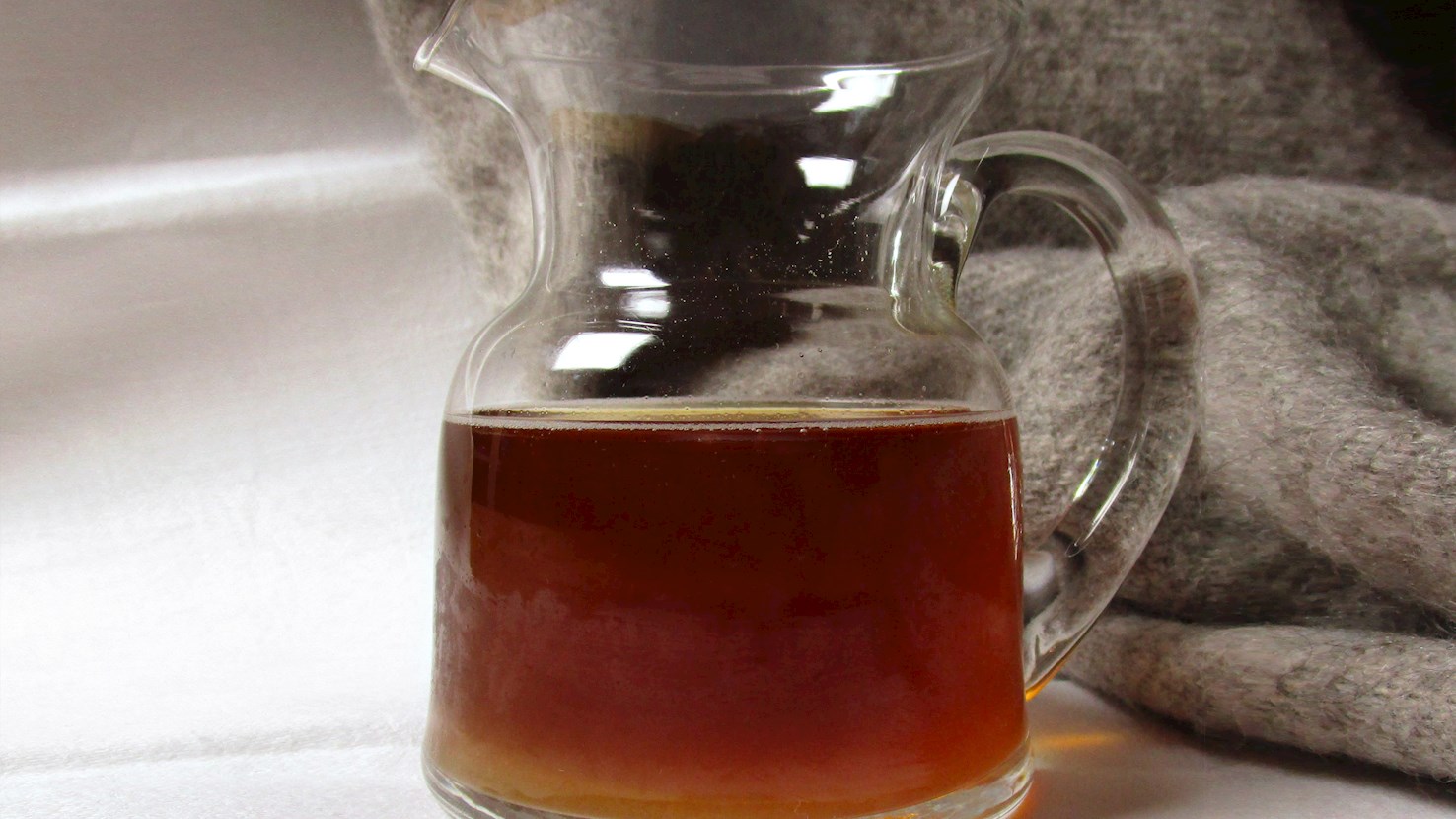
Gotlandsdricka is a beer style that originated on the Swedish island of Gotland. The brew was made with local ingredients and traditional techniques, and it is often classified as a type of farmhouse ale—an ancient European style initially made by farmers. Although these farmhouse beers were once brewed throughout the country, the tradition now mainly continues on Gotland. The ingredients depended on availability, and malt could be made with barley, wheat, rye, or oats. Brewers still usually make their malts and predominantly use juniper sprigs in the production. The resulting contemporary brews are versatile and can range in style. They are typically amber-colored and have a smoky character (due to smoked malts), with a sweet and subtly bitter flavor and juniper notes. Most examples are strong. It is often said that Gotlandsdricka was the drink of the Vikings, who might have enjoyed it as an everyday drink, unlike mead that was reserved for special occasions.

About this Ranking

TasteAtlas food rankings are based on the ratings of the TasteAtlas audience, with a series of mechanisms that recognize real users and that ignore bot, nationalist or local patriotic ratings, and give additional value to the ratings of users that the system recognizes as knowledgeable.

TasteAtlas Rankings should not be seen as the final global conclusion about food. Their purpose is to promote excellent local foods, instill pride in traditional dishes, and arouse curiosity about dishes you haven’t tried.

The initial list of top producers was compiled based on available reviews, awards, local recommendations, media and blog coverage, and consumer reviews. The list will be updated with ratings from TasteAtlas local ambassadors and TasteAtlas users.

What People Say

Similar Lists