Iichiko is a renowned Japanese producer of shochu, a traditional Japanese spirit made from various ingredients like barley, sweet potatoes, and rice. Founded by Sanwa Shurui, Iichiko is famous for its commitment to high-quality production and innovation. Headquartered in the Oita Prefecture of Kyushu, Japan, an area known for its clean water and natural beauty, Iichiko has become a global leader in the shochu industry.
Iichiko's most notable products include its flagship barley-based shochu, iichiko Saiten, which is crafted using unique methods such as the "all Koji" fermentation technique. This involves using barley Koji, a special mold that helps break down the starches in barley into sugars, enhancing the flavor profile of the spirit. The production also focuses on the single distillation process, preserving the delicate aromas and flavors of the barley.
Awards
SFWSC - San Francisco World Spirits Competition - Double Gold
(2024, 2023)
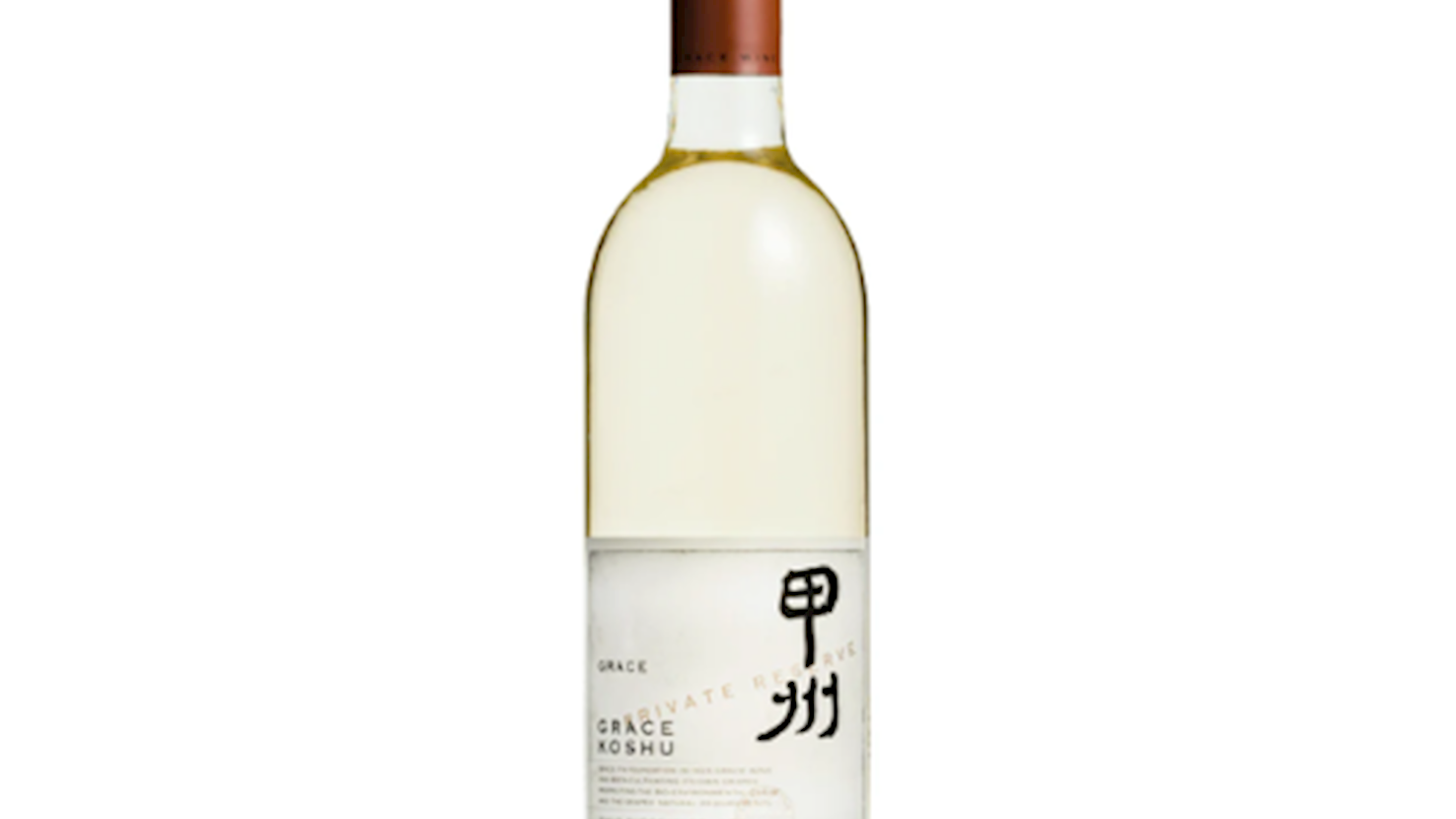
Grace Wine is a family-owned winery in Japan, founded in 1923 in Katsunuma, Yamanashi Prefecture, a region considered the cradle of Japanese winemaking. The winery’s main focus is the indigenous Japanese grape Koshu, a delicate white variety with pink-tinged skins that produces wines known for their minerality and subtlety. The vineyards are located at higher elevations, often above 700 meters, where cool nights and strong air circulation allow slow ripening and preserve natural acidity. The soils are rich in volcanic and alluvial sediments, contributing to the wines’ clean and linear profile. Their Koshu wines are characterized by elegance, discreet citrus notes, a saline mineral finish, and remarkable purity. In addition to Koshu, Grace Wine also produces red wines and traditional-method sparkling wines, but Koshu remains the defining element of the winery’s identity. Their wines pair exceptionally well with light and refined cuisine - especially fish, sashimi, and sophisticated Asian fusion dishes. Thanks to authenticity, consistent quality, and a long winemaking tradition, Grace Wine is considered a benchmark producer of Koshu in Japan. The winery preserves tradition while simultaneously pushing the boundaries of modern Japanese wine.
Awards
Decanter World Wine Awards - Platinum
(2017, 2016)
Sapporo is the oldest Japanese beer brand, founded in 1876 on the island of Hokkaido as part of a government initiative to modernize the country’s brewing industry. The first brewer was Seibei Nakagawa, a Japanese brewer trained in Germany, whose knowledge influenced the development of a European-style lager culture in Japan. The brand is recognizable by its star symbol, a legacy of the historical Kaitakushi Brewery, which later evolved into Sapporo Breweries. Over the years, Sapporo has grown from a regional brewery into an international group with production facilities in Japan, North America, and other markets. Production relies on precise control of fermentation and filtration, resulting in a clean, crisp, and refreshing flavor profile. Sapporo lagers are traditionally described as light, with pronounced carbonation and a dry finish. The quality of Hokkaido water plays an important role in the brewing process and is often cited as a factor in the beer’s distinct freshness. While the brand preserves its historical identity, its production is fully modern and industrially optimized. Although not a craft brewery, Sapporo maintains elements of tradition through heritage preservation, museum spaces, and a consistent visual identity rooted in its origins. Today, Sapporo is present in restaurants and retail markets worldwide and is closely associated with Japanese cuisine and beer culture paired with food. The brand positions itself as a balance between tradition and contemporary brewing, demonstrating how a historic label can remain relevant in a modern beer market.
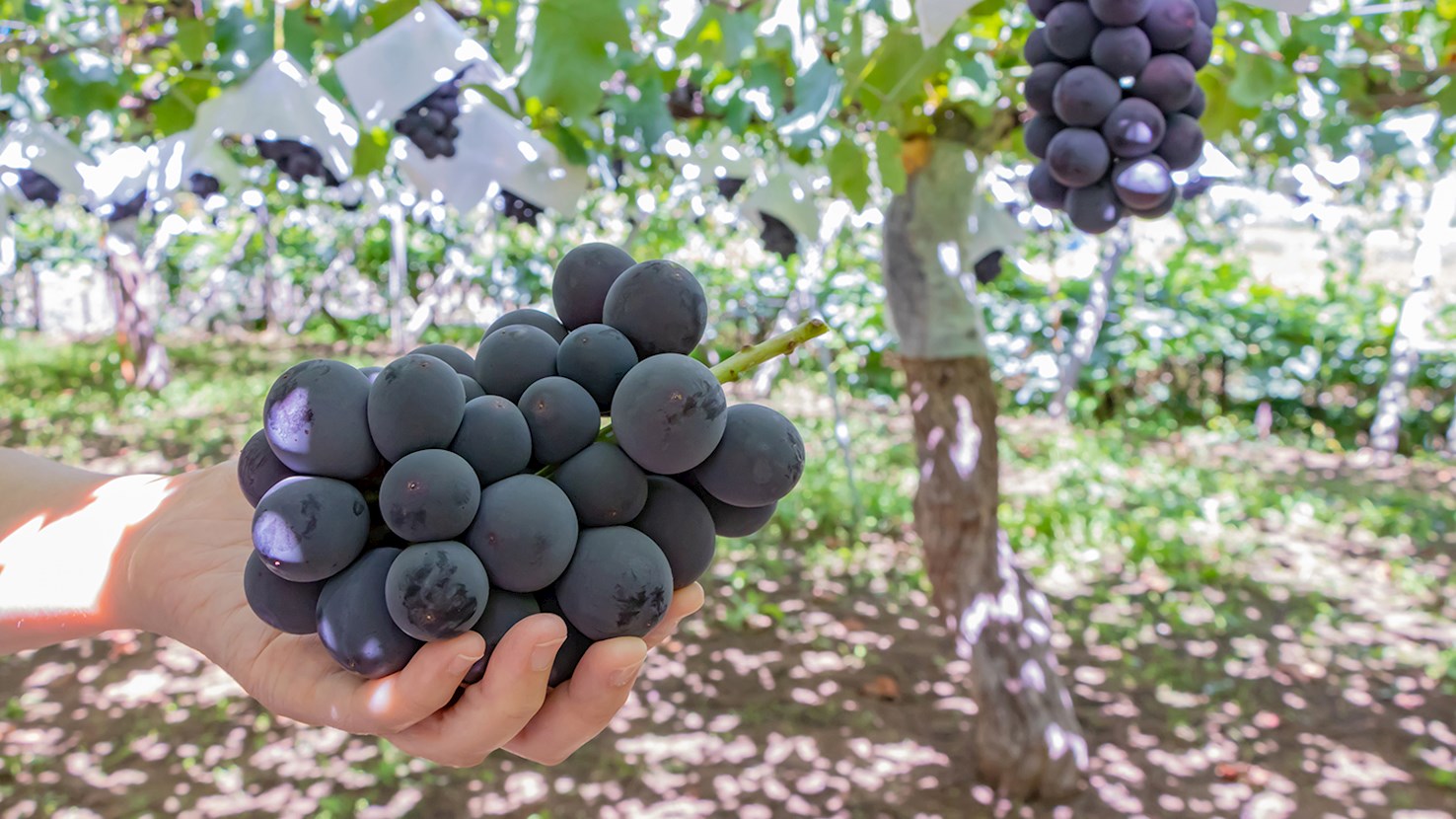
Kyoho is a Japanese variety of grapes that were developed in 1937 as a cross between the Vitis vinifera (European) and Vitis labrusca (American). These grapes are renowned for their size, which can be seen in its name, coming from a combination of characters for gigantic and peak. The grapes are deep purple to almost black in color, the texture is almost gelatinous, while the flesh has a sweet flavor and low acidity. In Japan, Kyoho grapes are eaten as they are, but they are also used as expensive gifts or in various desserts such as parfaits, cakes, fruit sandwiches, jellies, ice lollipops, or as a topping for shaved ice.
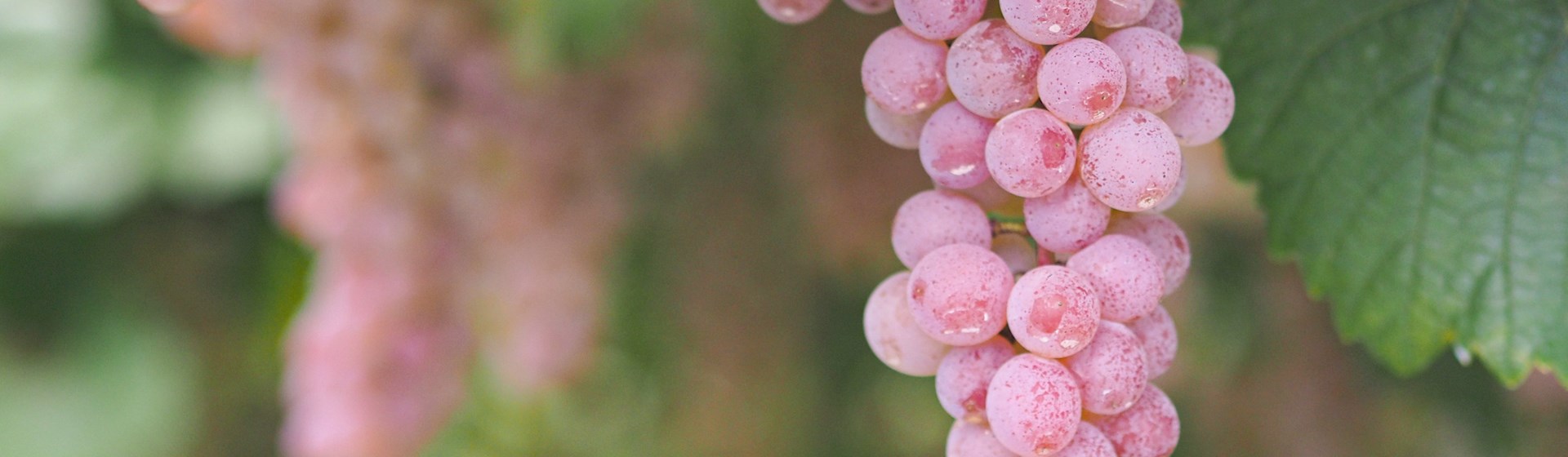
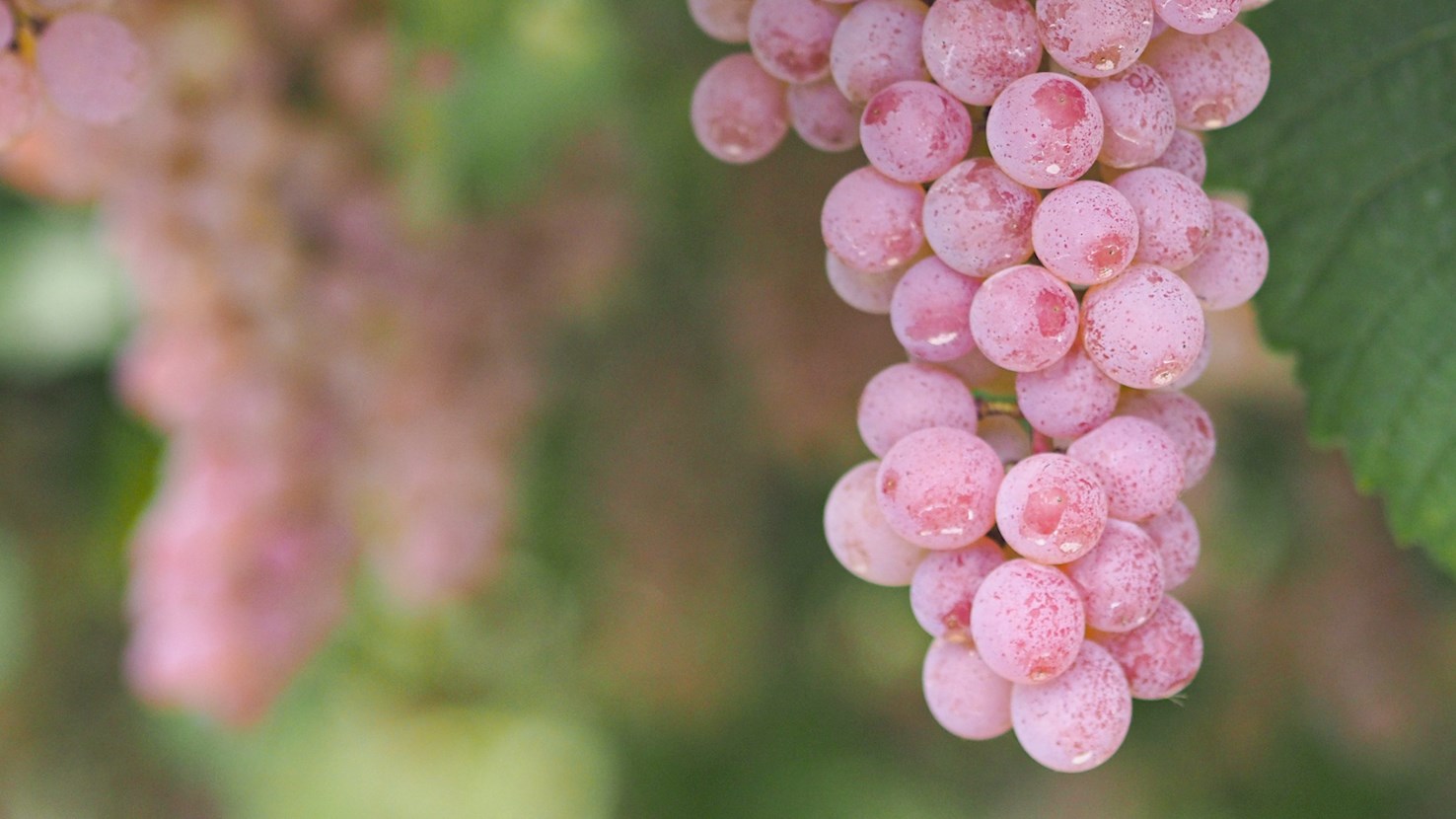
Koshu is a white grape variety native to Japan, primarily grown in the Yamanashi Prefecture, which is known as the heart of Japanese viticulture. This grape has a long history in Japan, dating back over a thousand years, and is well-suited to the country's unique climate and growing conditions. Koshu grapes are typically large, with thick, pinkish-purple skins, although they produce a white wine. Wines made from Koshu grapes are known for their delicate and subtle flavors, often exhibiting notes of citrus, pear, peach, and white flowers, along with a distinct minerality that reflects the volcanic soils of the region. The wines have a gentle and elegant aroma, often with hints of yuzu, a Japanese citrus fruit, and other floral elements. Koshu wines are characterized by their crisp acidity, making them refreshing and light on the palate. Koshu grapes thrive in the humid, rainy climate of Japan, particularly in the Yamanashi Prefecture, which benefits from well-drained volcanic soils and significant diurnal temperature variation. The thick skins of the Koshu grape help protect it from the region's high humidity and frequent rainfall. Japanese winemakers use a variety of techniques to produce Koshu wine, often emphasizing minimal intervention to preserve the grape's delicate flavors and aromas. The wines are usually fermented in stainless steel tanks to maintain their fresh and crisp character, though some producers also experiment with oak aging to add complexity. Koshu wines pair well with a wide range of foods, particularly those found in Japanese cuisine. They complement sushi, sashimi, tempura, and lightly seasoned dishes, as well as fresh seafood and salads. The wine's acidity and minerality also make it a good match for dishes with citrus-based sauces and vinaigrettes. Koshu is more than just a grape variety; it is a symbol of Japanese winemaking tradition and innovation. The cultivation of Koshu grapes and production of Koshu wine have become a point of national pride, representing Japan's ability to produce high-quality wines that reflect the country's unique terroir.
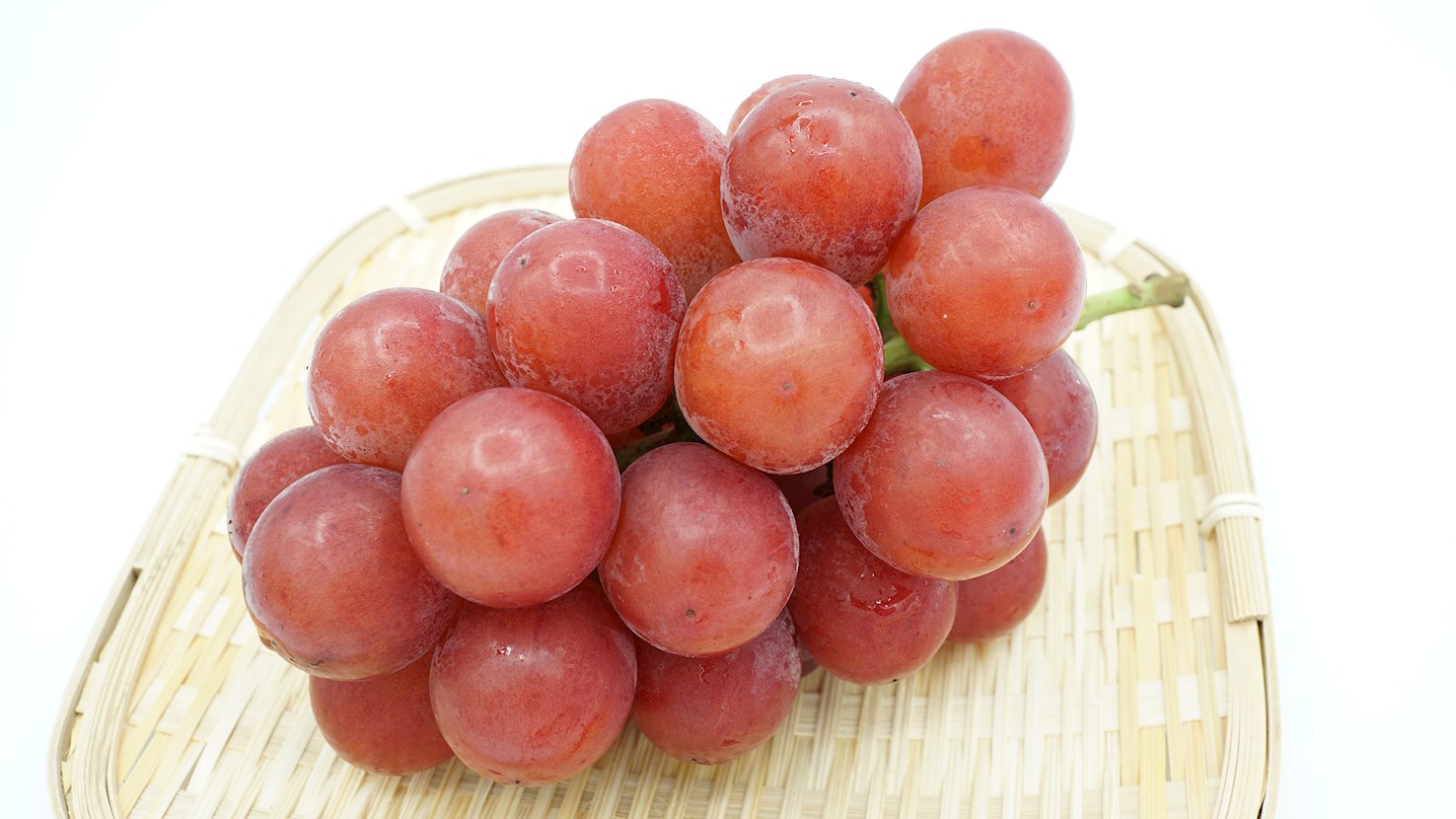
Ruby Roman is a traditional table grape variety originating from Iskihawa prefecture. This variety of grapes dates back to 2008. The grapes are red in color and their size is close to that of a ping pong ball – each grape weighs more than 20 grams. Ruby Roman is very juicy and has low acidity and high sugar content. Each grape is tested and comes with a seal of certification. These rare grapes are very expensive – in 2019, a bunch of Ruby Roman grapes were sold for 1.2 million yen.
Shiroi houseki is a rare Japanese white strawberry variety developed by farmer and breeder Yasuhito Teshima in Karatsu, Saga Prefecture, known for its pale ivory color, red seeds, large size, delicate fragrance, and soft, sweet flavor. Its name means “white jewel,” a description that suits the way the fruit is presented in Japan: carefully grown, carefully selected, and often sold as a luxury strawberry rather than an ordinary everyday berry. Unlike an unripe red strawberry, shiroi houseki is fully mature when its skin remains white or faintly cream-colored, with small red seeds standing out against the pale surface. The inside is also light-colored, and the flesh is tender, juicy, and aromatic, with a flavor that is usually milder and more refined than that of many red strawberries. It is sweet but not heavy, gently tart, and often described as having a soft tropical note, sometimes compared to pineapple or peach, while still retaining the clean freshness of a strawberry. White strawberries had existed before as rare or unusual forms, but Teshima worked for years to create a berry that was not merely pale but consistently beautiful, flavorful, and marketable as a high-end fruit. He spent years developing the variety through natural crossbreeding, with the first commercial release coming in 2012. Only a small share of the harvest reaches the most desirable pure white appearance, which helps explain both the fruit’s rarity and its high price. Its whiteness is not achieved by artificial coloring; it comes from the way the fruit develops little to no red pigment as it ripens. White strawberries, in general, are known for having very low levels of the compounds associated with the red color of ordinary strawberries, and they require careful growing conditions because too much light, stress, or uneven development can affect their appearance. Shiroi houseki is difficult to grow well because the ideal fruit must satisfy several demands at once. It should be pale enough to look like a true white strawberry, but also ripe enough to taste sweet and fragrant. It should be large and attractive, but still soft, juicy, and clean-flavored. It should look pristine, because bruises and blemishes show easily on the pale skin. This makes selection strict, and many berries cannot be sold as top-grade examples. The best fruits are usually packed with care, sometimes individually protected, and treated almost like edible gifts. It is best eaten fresh, slightly chilled, or close to room temperature, without sugar, syrup, or heavy cream, because the whole point is to notice the aroma and the gentle balance of sweetness and acidity. It can be used in fruit plates, shortcakes, parfaits, and refined desserts, but cooking it would waste much of what makes it special. Heat would dull its fragrance, and strong flavors would hide its pale color and delicate taste.
Sembikiya Queen is a premium Japanese strawberry sold by Sembikiya-Sohonten under the name Queen Strawberry, grown in Kagawa Prefecture and prized for its deep red color, balanced sweetness, refreshing acidity, and elegant appearance. It is not the kind of strawberry bought casually by the basket, but a carefully selected luxury fruit connected to Japan’s culture of seasonal gifts, fruit parlors, and beautifully presented produce. Sembikiya describes Queen Strawberry as a winter specialty available only through the company, grown with careful, elevated cultivation so the berries receive plenty of sunlight and ripen red throughout, with a juicy texture and a balance of sweetness and acidity. The fruit is especially associated with Miki, Kagawa, where selected growers cultivate the berries with close attention to size, color, shine, and shape, so the final product looks as polished as it tastes. A good Queen Strawberry has a bright crimson surface, a clean strawberry fragrance, firm but juicy flesh, and a flavor that is sweet without becoming flat, thanks to its gentle tartness, which keeps the berry fresh and lively. Compared with varieties that are prized mainly for intense sugar, Sembikiya Queen is more about balance: sweetness, acidity, aroma, juiciness, and a graceful appearance working together. That balance is part of why it suits Sembikiya’s style so well, since the brand has long treated fruit as something chosen, displayed, and served with ceremony rather than simply consumed. The berries are often sold in refined gift boxes, sometimes in carefully arranged rows, where each piece is protected from bruising and shown almost like a jewel. Queen Strawberry has been handled by the Sembikiya company for 25 years, and seasonal offerings have included boxed berries as well as fruit-parlor desserts such as parfaits and plates built around the strawberry itself. In its purest form, Sembikiya Queen is best eaten fresh, slightly chilled, or close to room temperature, without sugar or heavy toppings, because the appeal lies in the berry’s natural perfume, color, and juicy bite. In Sembikiya’s fruit parlor setting, it may appear in parfaits, short seasonal desserts, or simple fruit plates with cream or ice cream, but even there, the fruit is usually treated as the centerpiece rather than a decoration. Its season is mainly winter into early spring, when Japanese strawberries are at their peak and gift fruit is in strong demand in department stores and specialty shops.
Bijinhime is a luxury Japanese strawberry variety from Gifu Prefecture, known for its unusually large size, deep red color, glossy appearance, strong fragrance, and high sweetness. Its name is usually translated as “beautiful princess,” which fits the way the fruit is presented: not as an everyday supermarket berry, but as a carefully grown premium fruit meant to be admired as much as eaten. Bijinhime was developed by Okuda Farm in Hashima, Gifu, after years of cultivation and refinement, and is especially famous for producing berries that can grow far larger than ordinary strawberries while still maintaining an attractive shape and a concentrated flavor. Some of the largest examples can reach around 100 grams (3.5 oz), closer in size to a small tomato than to a typical strawberry, yet the variety is valued not only for its size but also for the balance of color, shine, aroma, sweetness, and firmness. The berries are usually bright to deep crimson, with a polished surface and a pointed, elegant shape, while the flesh is juicy, tender, and notably sweet, often described as having very little sharp acidity compared with many common strawberry varieties. This makes bijinhime taste rounder and softer on the palate: fragrant, honeyed, and fresh, with the gentle tartness of strawberry kept in the background rather than placed at the center. Because growing such large berries without losing flavor, symmetry, or texture is difficult, bijinhime is produced in limited quantities and often sold as a gift fruit, a category that has particular importance in Japan, where exceptional fruit is commonly chosen for seasonal presents, formal visits, and special occasions. The most perfect specimens are selected for appearance and taste, packed carefully to prevent bruising, and priced according to size, beauty, and rarity. Smaller bijinhime berries may be eaten like other premium strawberries, but the largest examples are often treated almost like a dessert on their own, served chilled or at room temperature so their aroma can develop. They are best eaten plain, without sugar, cream, or pastry, because the point is to appreciate the fruit’s natural sweetness, fragrance, and texture. In cooking, bijinhime would be wasted in jams, sauces, or baked desserts, where its visual impact and delicate perfume would be lost. Its place is closer to that of a luxury table fruit: simple, seasonal, carefully handled, and meant to show the skill of the grower.
TasteAtlas food rankings are based on the ratings of the TasteAtlas audience, with a series of mechanisms that recognize real users and that ignore bot,
nationalist or local patriotic ratings, and give additional value to the ratings of users that the system recognizes as knowledgeable.
For the “Top 6 Japanese Berries” list until June 10, 2026, 23 ratings were recorded, of which 16 were recognized by the system as legitimate.
TasteAtlas Rankings should not be seen as the final global conclusion about food. Their purpose is to promote excellent local foods,
instill pride in traditional dishes, and arouse curiosity about dishes you haven’t tried.
The initial list of top producers was compiled based on available reviews, awards, local recommendations, media and blog coverage, and consumer reviews.
The list will be updated with ratings from TasteAtlas local ambassadors and TasteAtlas users.