Top 6 Aostan Beverages

Last updated on June 24, 2026

Best Aostan Beverages
01

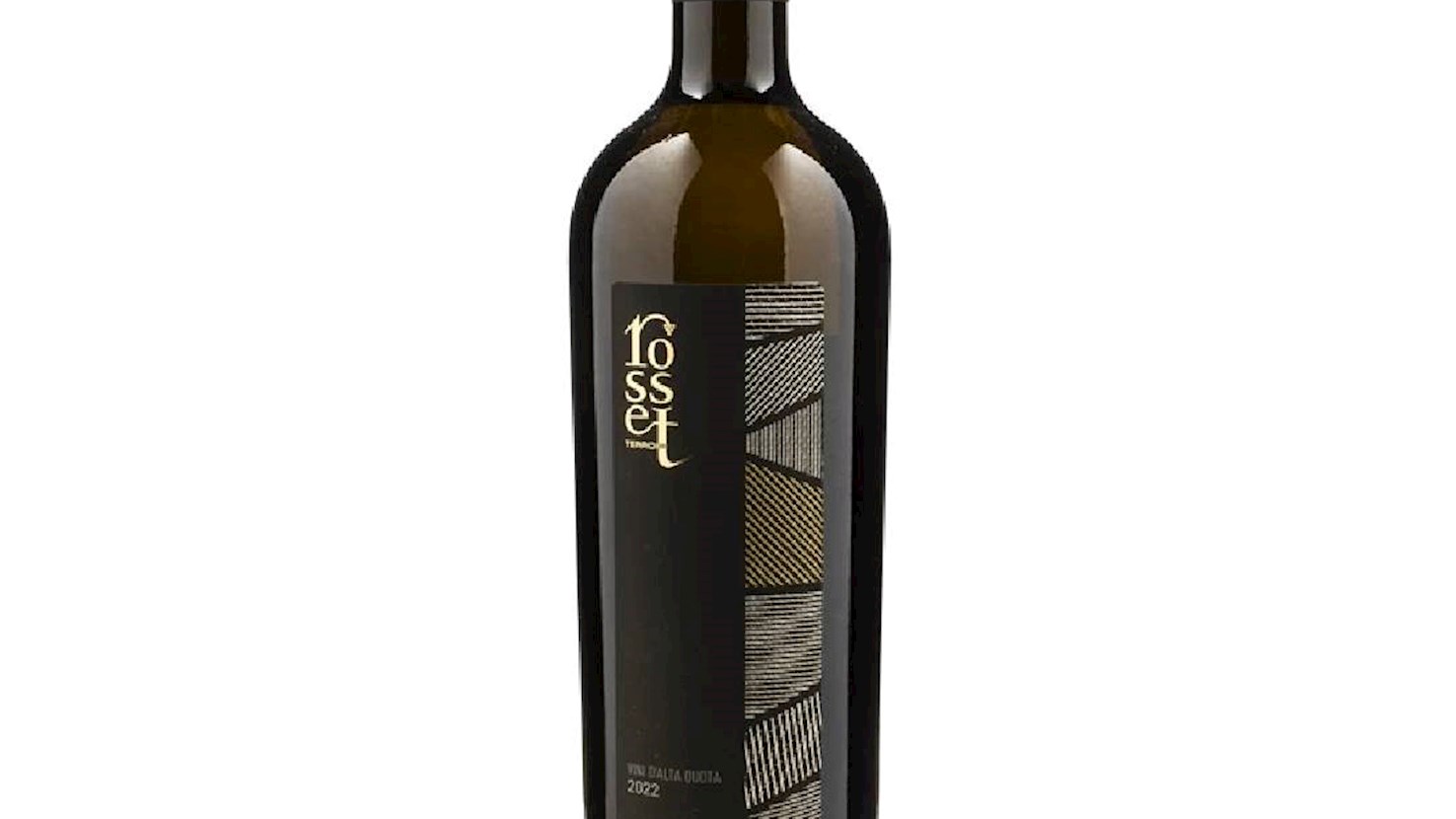
Rosset Terroir

4.8 ·
The Rosset Terroir winery was established in 2001 when the Rosset family began cultivating vineyards on their estate in the Senin area of Saint-Christophe, in the Aosta Valley. The first vineyard, covering approximately three hectares, was planted with Chardonnay, Syrah, and the indigenous Cornalin variety. Rosset Terroir produces around 50,000 bottles annually, focusing on sustainability and quality. In addition to wine, the winery is engaged in the cultivation of raspberries, Génépy (Artemisia umbelliformis), and saffron (Crocus sativus) for the production of liqueurs.
Awards
James Suckling - 98 points (2024)
02

Distillerie Dell'Alpe

4.8 ·
Awards
IWSC- International wine & spirit competition - Spirit Gold (2024)
03

Grosjean

4.6 ·
Awards
Decanter World Wine Awards - Platinum (2018)
04

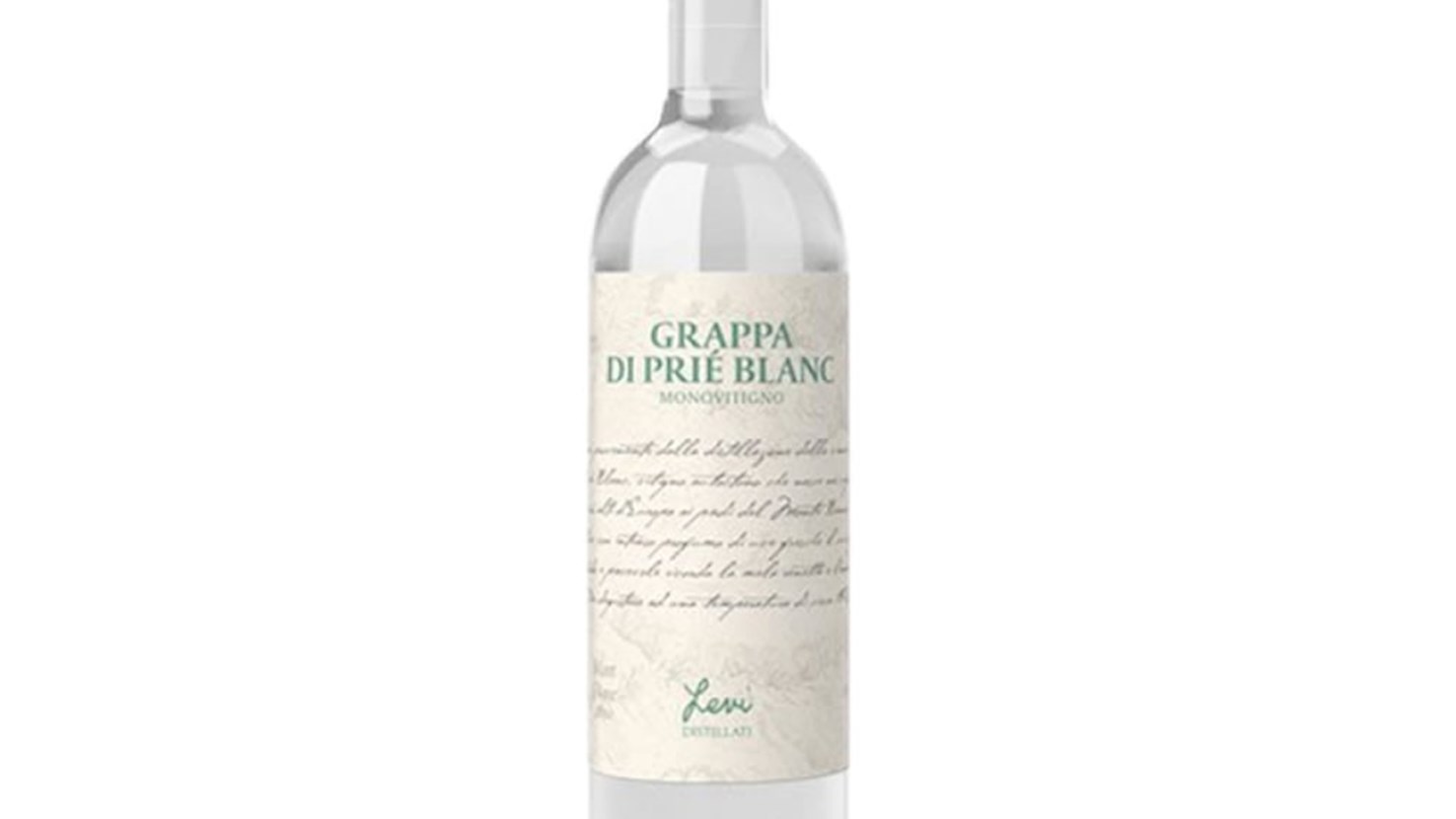
Distillati Levi

4.5 ·
Awards
World Grappa Awards - Best Unaged/Giovane (2021)

Best Aostan Beverage Types

01

Grappa

3.2 ·

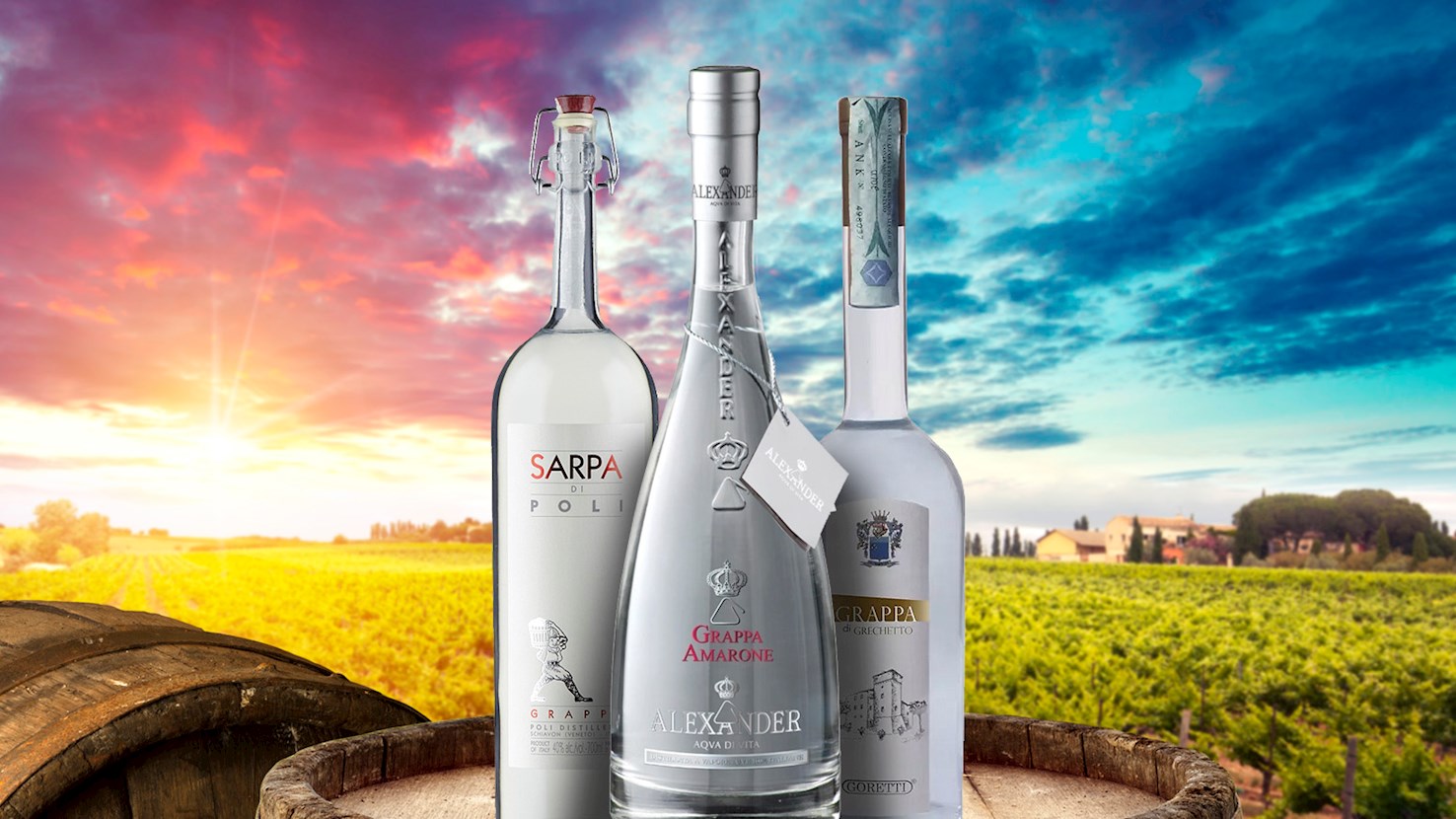
Italian grappa is distilled from fermented pomace—solid components of grapes that are left after the juice has been pressed. The taste profile of grappa varies, and each variety is distinguished for their unique character that depends on the choice of raw materials, distillation, as well as nature and the length of maturation. The basic distinction is made between grappa bianca, which is aged in stainless steel, and golden varieties that are traditionally aged in large barrels. Through history, grappa was mainly associated with northern parts of Italy, but today it is produced throughout the country. In Italy, grappa is typically enjoyed as a digestif and is usually served straight, in shot glasses.

02

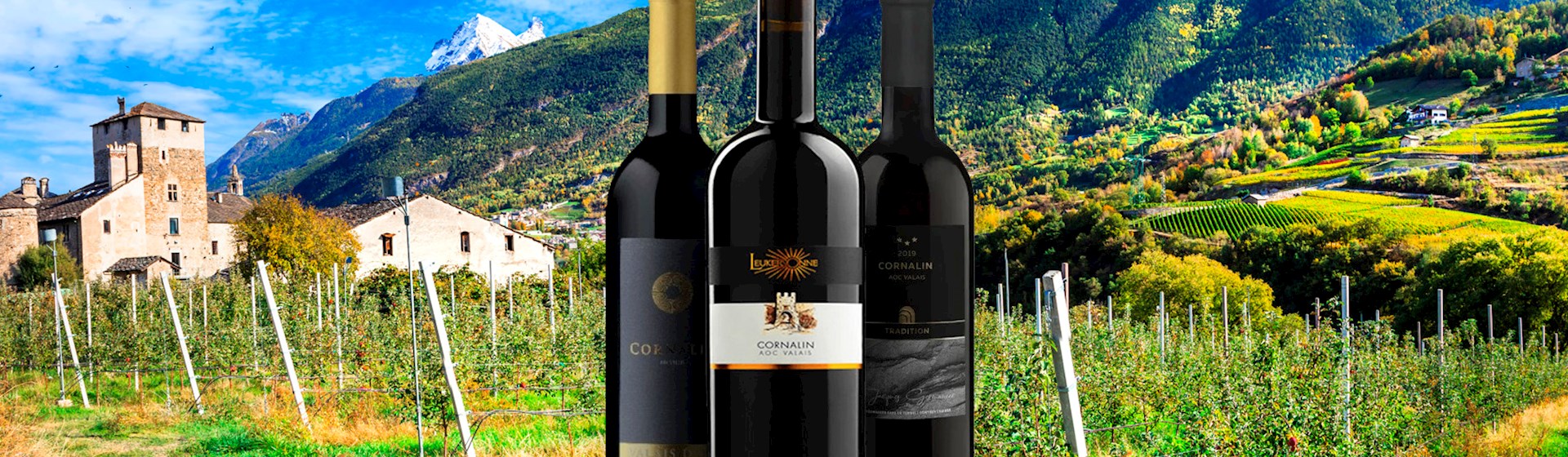
Cornalin

n/a ·

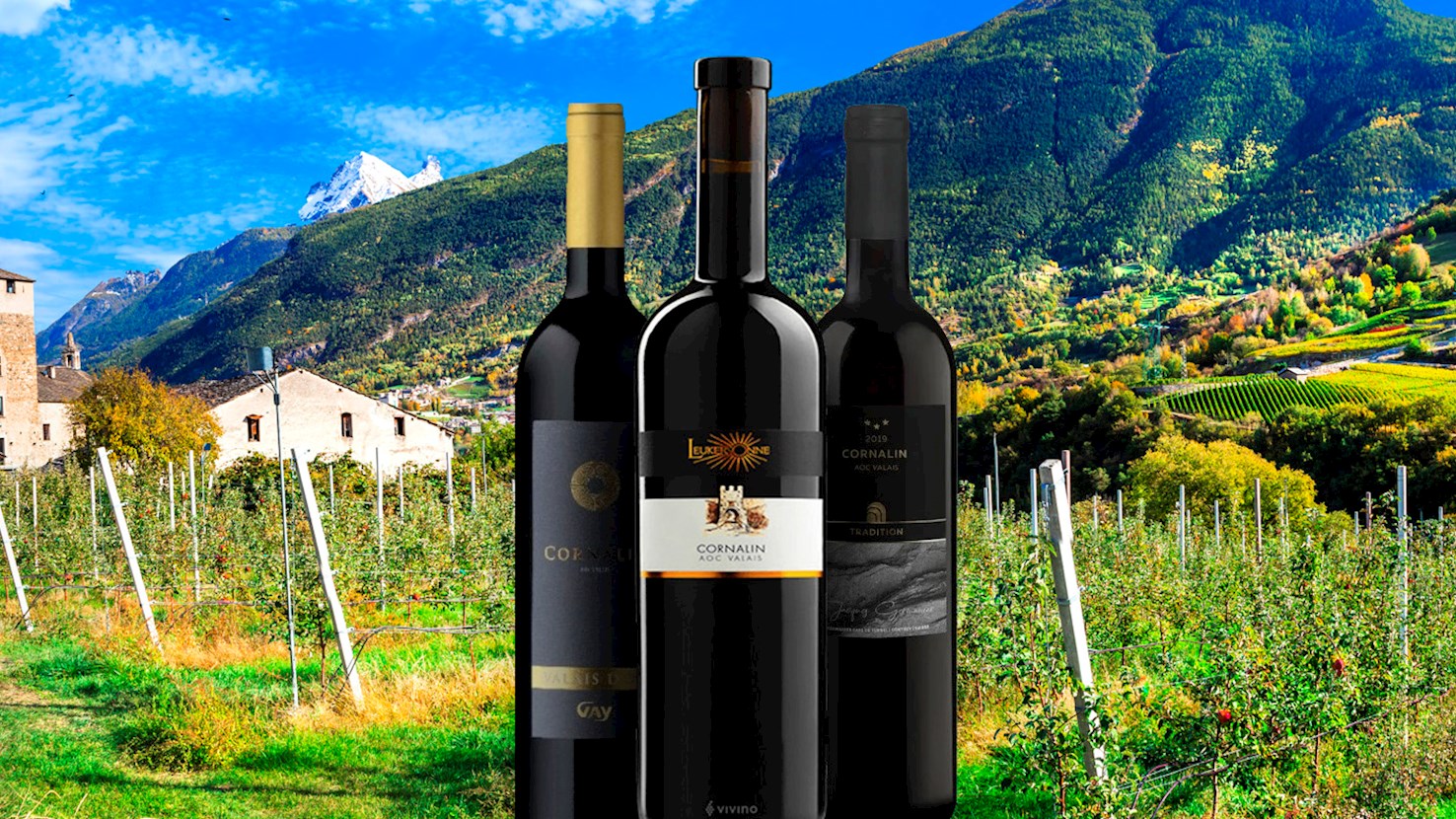
Cornalin is an ancient red grape from Valle d’Aosta in northern Italy. It is now mainly cultivated in Valais in Switzerland, where it is also known as Humagne Rouge. The grape produces refreshing, fruity red wines. It is the most important red variety in Valais, and as a varietal wine, it can be included in Valle d’Aosta DOC. Cornalin-based wines usually have a somewhat rustic character. They are typically well-structured and intense, with aromas that are reminiscent of dark fruit, sweet spices, plums, and some peppery notes. They are usually enjoyed young, but they can also age well, resulting in pleasantly tannic, soft, rounded red wines. Cornalin from Valle d’Aosta has long been confused with Cornalin from Valais, which is usually called Rouge du Pays or Cornalin du Valais. To further complicate things, it was discovered that this Italian Cornalin is the offspring of Rouge du Pays. Cornalin wines would pair well with meat dishes, especially charcuterie and pork.

03

Caffè alla valdostana

n/a ·

Caffè alla valdostana is a type of coffee from the Aosta Valley. It is a communal beverage made from strong coffee, sugar, citrus peel, spices, grappa, and génépi. The likely origin of the coffee is the alpine rural life, where cold climate, social drinking customs, and access to local spirits shaped a shared preparation that emphasized warmth, endurance, and collective consumption rather than individual service. Making it involves brewing strong coffee and heating it with sugar until dissolved, adding strips of lemon and orange peel along with cloves and sometimes cinnamon, then incorporating grappa and génépi before briefly igniting the surface to meld flavors and soften the alcohol, after which the liquid is poured into a communal wooden bowl designed to retain heat and facilitate sequential drinking. Caffè alla valdostana is consumed hot, most often after meals or during winter gatherings, passed from person to person according to custom, and typically enjoyed on its own or with simple sweets, functioning as both a digestif and a social ritual rooted in collective participation rather than individual consumption.

04

Grappa della Valle d'Aosta

n/a ·

Grappa della Valle d'Aosta (Grappa de la Vallee d'Aoste IG) is a grape marc spirit produced exclusively in the Aosta Valley. It is reserved for spirits obtained from raw materials in an excellent state of conservation derived from grapes grown and vinified in the region. The entire territory of the Autonomous Region of Valle d'Aosta serves as its production area. This grappa is made by the direct distillation of fermented or semi-fermented grape marc. The distillation process is carried out exclusively using a discontinuous system. It is distilled directly by means of water vapor or by adding water to the still using a bain-marie system. In production, natural liquid wine lees may be used up to a maximum of 25 kg per 100 kg of grape marc. The alcohol derived from the lees cannot exceed 35% of the total alcohol in the finished product. Wine lees may be added to the grape marc before the distillation process. All distillation operations, including any redistillation, must be performed in the same production distillery. The distillation of the pomace must occur at an alcohol concentration of less than 86% by volume. The process also permits the addition of honey, aromatic plants, or fruit parts, reflecting traditional methods. Sugars can be added up to 20 grams per litre, expressed as inverted sugar, while caramel is allowed only for grappa aged at least 12 months. Grappa della Valle d'Aosta may be aged in barrels, vats, or other unpainted or uncoated wooden containers, with the term “Invecchiata” used for products aged at least 12 months and “Riserva” or “Stravecchia” for those aged 18 months or more. Additional specifications may include references to a specific grape variety or a designated production sub-zone from the Valle d'Aosta DOC wine, and the spirit must always be obtained using an exclusively discontinuous distillation method.

05

Roussin de Morgex

n/a ·

Roussin de Morgex is a rare red Italian grape that had almost completely disappeared from the vineyards. It was rescued and promoted by Ian D'Agata, but it is still one of the rarest Italian varieties, found only in its place of origin, the western part of Valle d'Aosta in Morgex municipality. The grape is pale and produces pink-colored juice, and as such, it was not a popular option in the region, but it proved suitable for sparkling rosé styles. The plantings are still rare, and commercially produced examples are impossible to find. Still, this resilient grape remains a very intriguing local variety that will probably get more spotlight in the future. Interestingly, Roussin de Morgex is not related to Roussin, another regional variety that is on the verge of extinction.

06

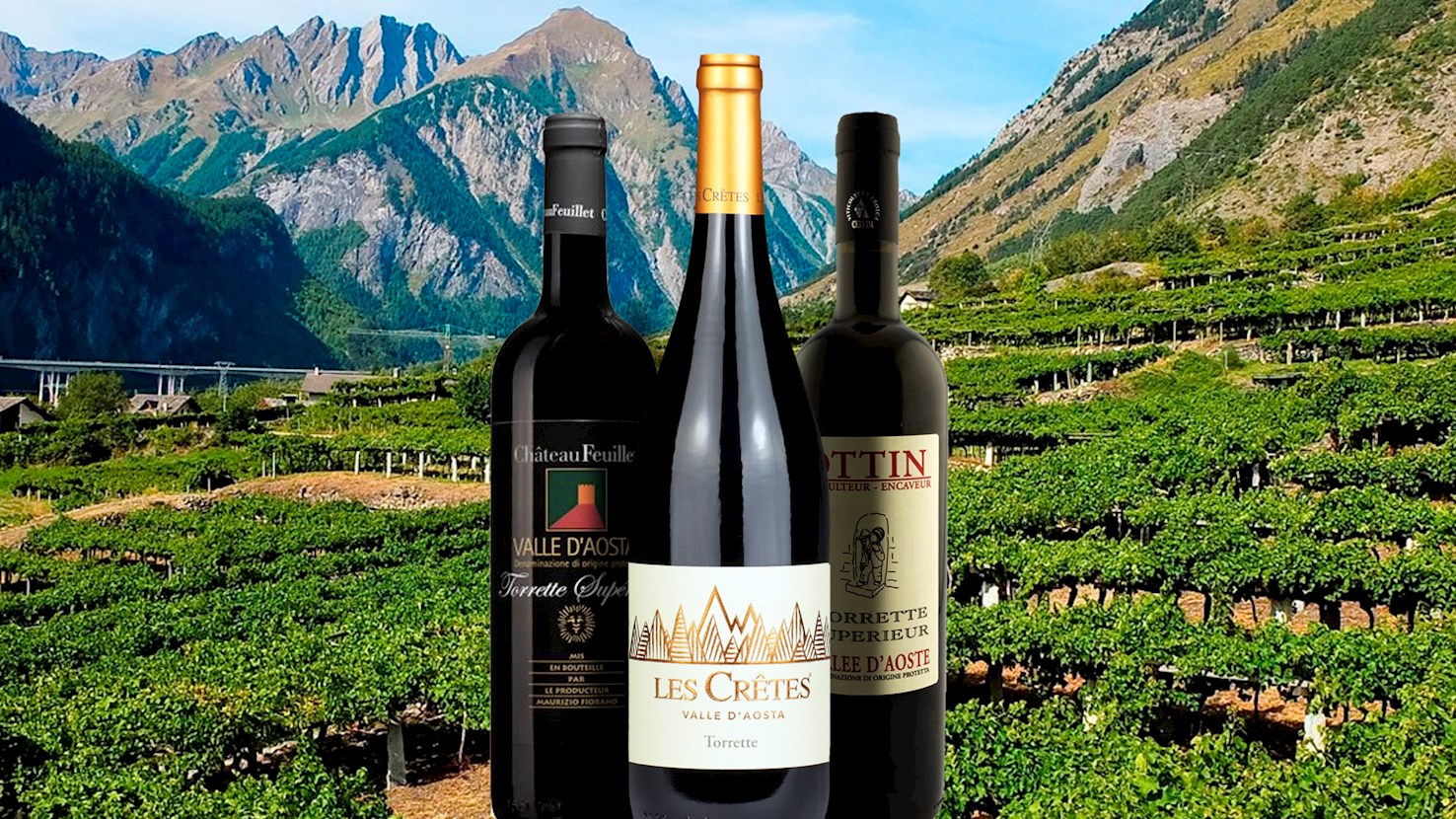
Valle d'Aosta Torrette

n/a ·

Classified as a sub-zone of the Valle d'Aosta DOC, Torrette is a small wine region that produces medium-bodied red wines from Petit Rouge grapes. Torrette wines are mostly ruby red with purple highlights, while their aromas typically include floral and fruity nuances of roses, violets, and red fruit which may develop into subtle almond notes. Velvety and light Torrette wines perfectly match local specialties from the Aosta Valley, including charcuterie, cheese, white meat, and stews.

Read more
View all
View map
About this ranking

TasteAtlas food rankings are based on the ratings of the TasteAtlas audience, with a series of mechanisms that recognize real users and that ignore bot, nationalist or local patriotic ratings, and give additional value to the ratings of users that the system recognizes as knowledgeable. For the “Top 6 Aostan Beverages” list until June 24, 2026, 135 ratings were recorded, of which 106 were recognized by the system as legitimate. TasteAtlas Rankings should not be seen as the final global conclusion about food. Their purpose is to promote excellent local foods, instill pride in traditional dishes, and arouse curiosity about dishes you haven’t tried.

The initial list of top producers was compiled based on available reviews, awards, local recommendations, media and blog coverage, and consumer reviews. The list will be updated with ratings from TasteAtlas local ambassadors and TasteAtlas users.

Similar lists