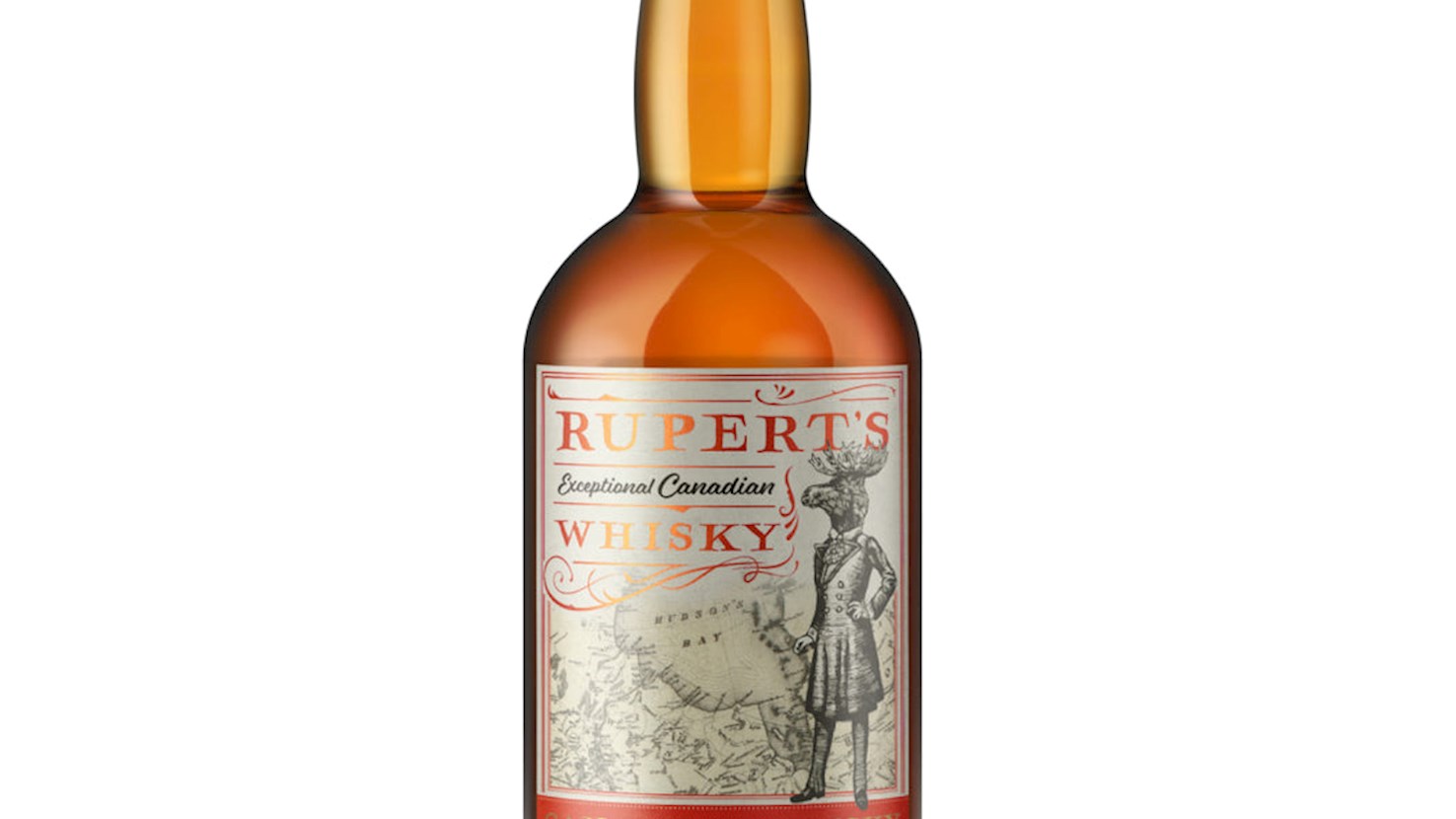
Top 100 Canadian Beverages

Last updated on June 10, 2026

Best Canadian Beverages
01

Alberta Distillers

5 ·
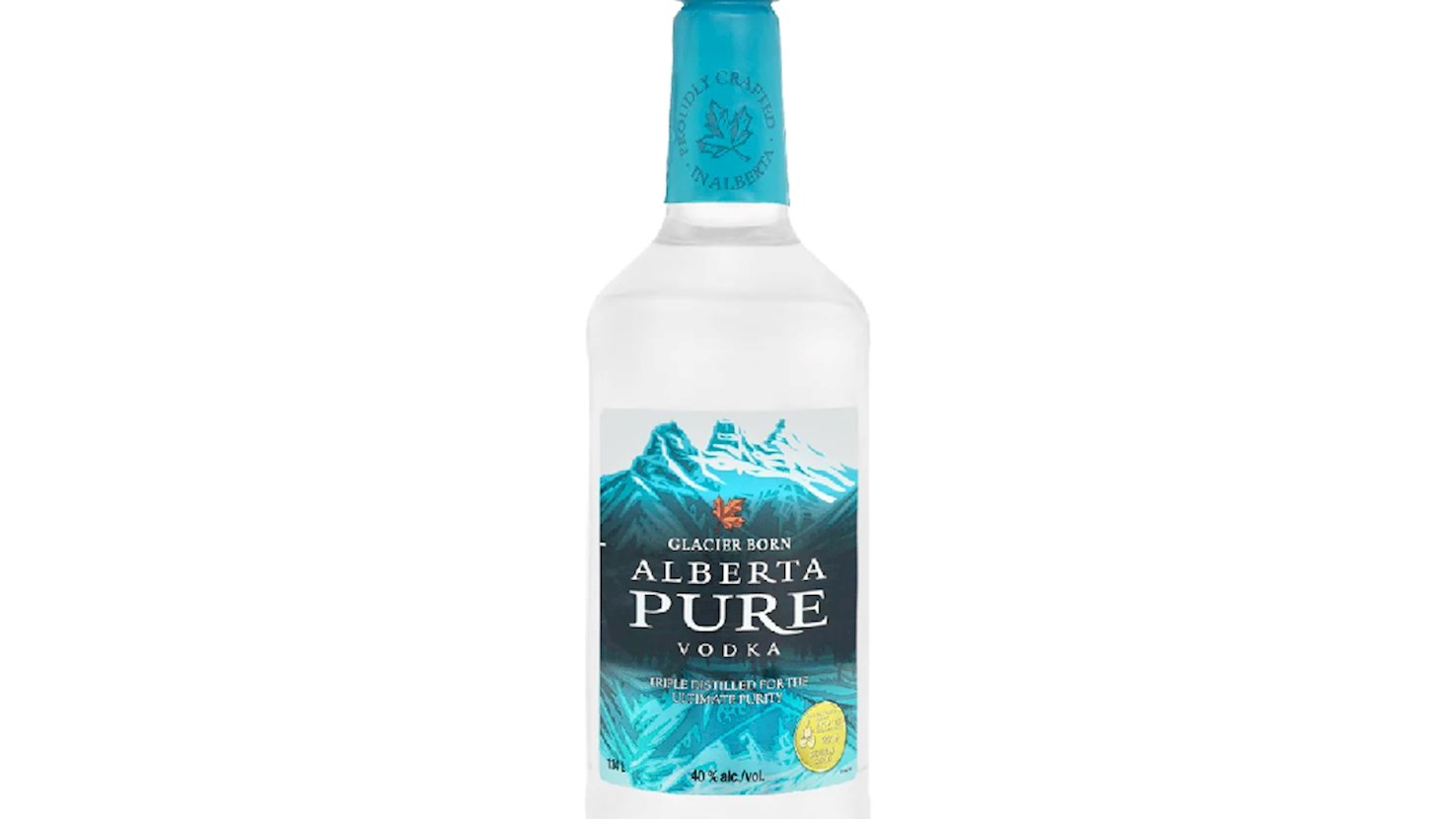
Alberta Distillers, located in Calgary, Alberta, is known for its high-quality rye whisky made from 100% Canadian prairie rye. They are one of Western Canada’s oldest distilleries and have received numerous awards for their Alberta Premium line, including "World’s Best Rye Whisky." The distillery prides itself on using local ingredients, including glacier-fed Rocky Mountain water, to craft a range of spirits that includes cask strength whisky, Alberta Springs, and premium vodkas like Alberta Pure.
Awards
ISC-International Spirits Challenge - Double Gold (2023, 2021)
IWSC- International wine & spirit competition - Spirit Gold (2024, 2022, 2021)
02

Eau Claire Distillery

5 ·
Eau Claire Distillery, established in 2013, is Alberta's first craft distillery, located in Turner Valley. The distillery emphasizes a farm-to-glass philosophy, utilizing locally sourced grains and traditional methods, including horse-drawn farming with Percheron draft horses. Housed in a restored 1929 building that once served as a movie theatre and dance hall, Eau Claire produces a range of artisanal spirits, such as gin, vodka, and whisky, and offers tours and tastings to showcase their commitment to quality and heritage.
Awards
SFWSC - San Francisco World Spirits Competition - Double Gold (2024, 2023)
NYWSC - New York World Spirits Competition - Double Gold (2023)
03

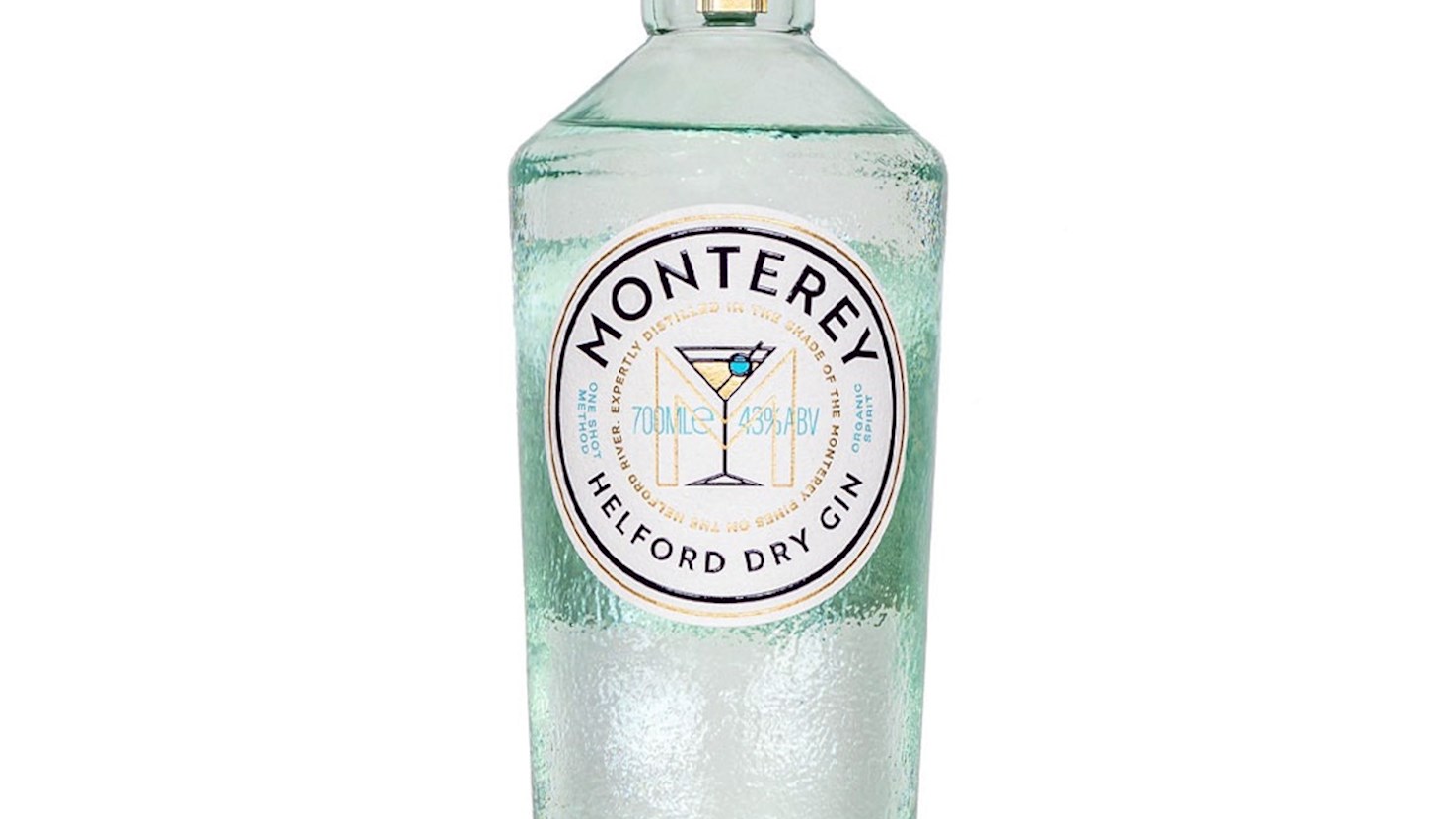
Helford River Distillery

5 ·
Awards
IWSC- International wine & spirit competition - Gin Gold Trophy (2020)
IWSC- International wine & spirit competition - Gold outstanding (2020)
04

Residence

Gin

5 ·
Awards
SFWSC - San Francisco World Spirits Competition - Double Gold (2023)
05

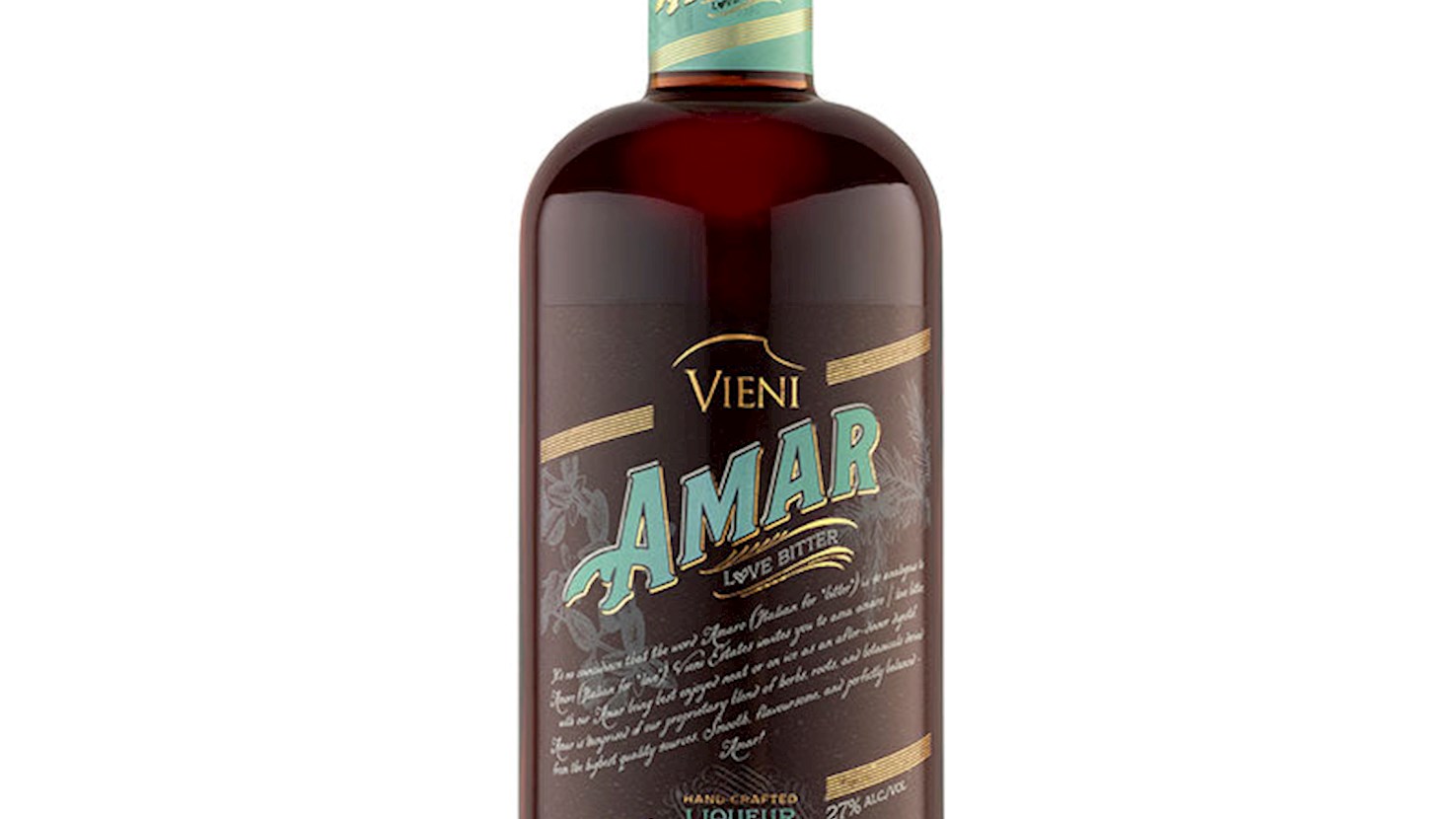
Vieni Estates

5 ·
Awards
SFWSC - San Francisco World Spirits Competition - Double Gold (2023)
06

Copperpenny Distilling

5 ·
Awards
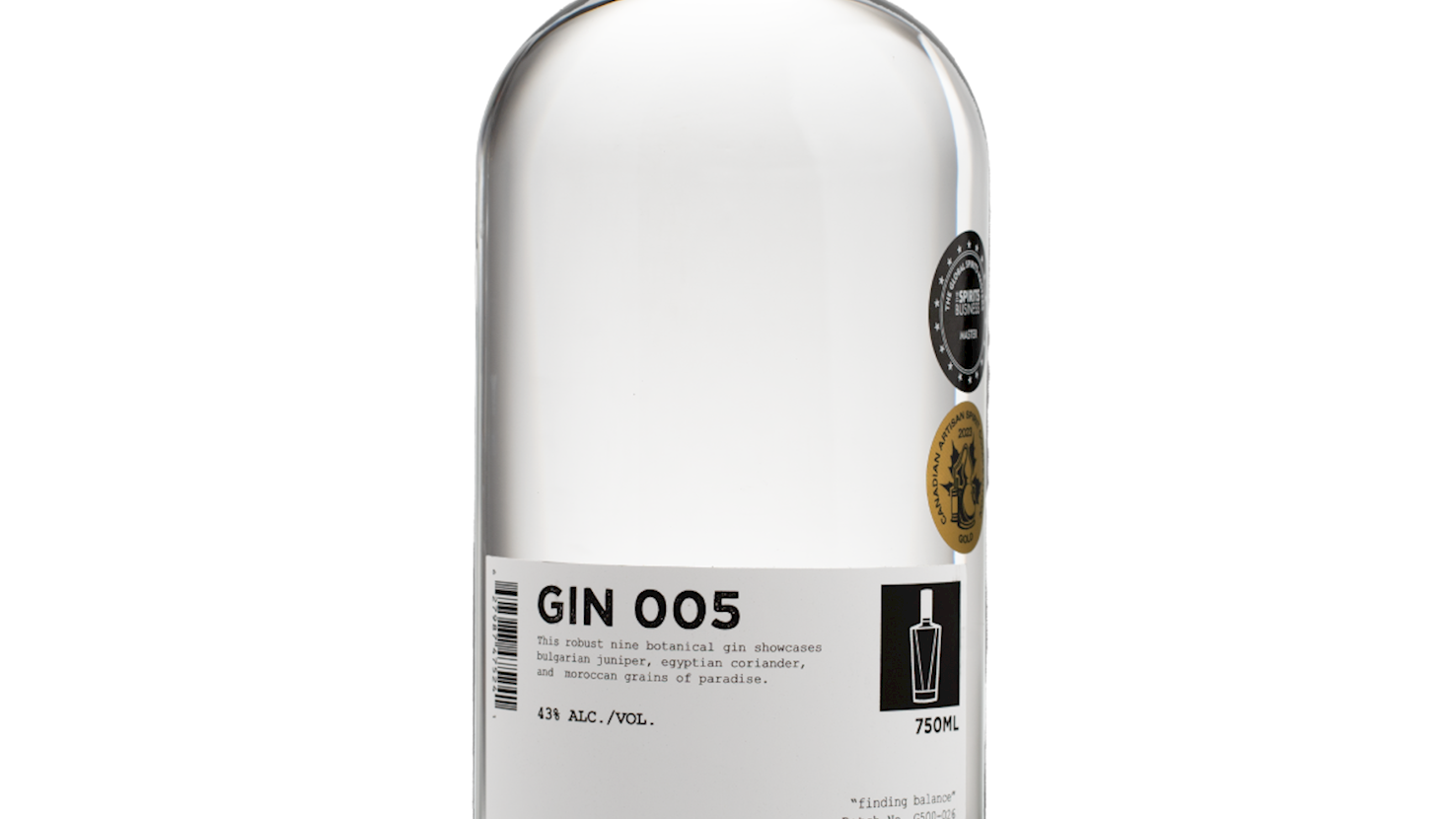
The Gin Masters - Master (2022)
07

The Biggar Gin Company

5 ·
Awards
IWSC- International wine & spirit competition - Spirit Gold Outstanding (2021)
08

Corby Spirit and Wine

5 ·
Awards
ISC-International Spirits Challenge - Double Gold (2020)
IWSC- International wine & spirit competition - Spirit Gold (2022)
09

Reid's Distillery

5 ·
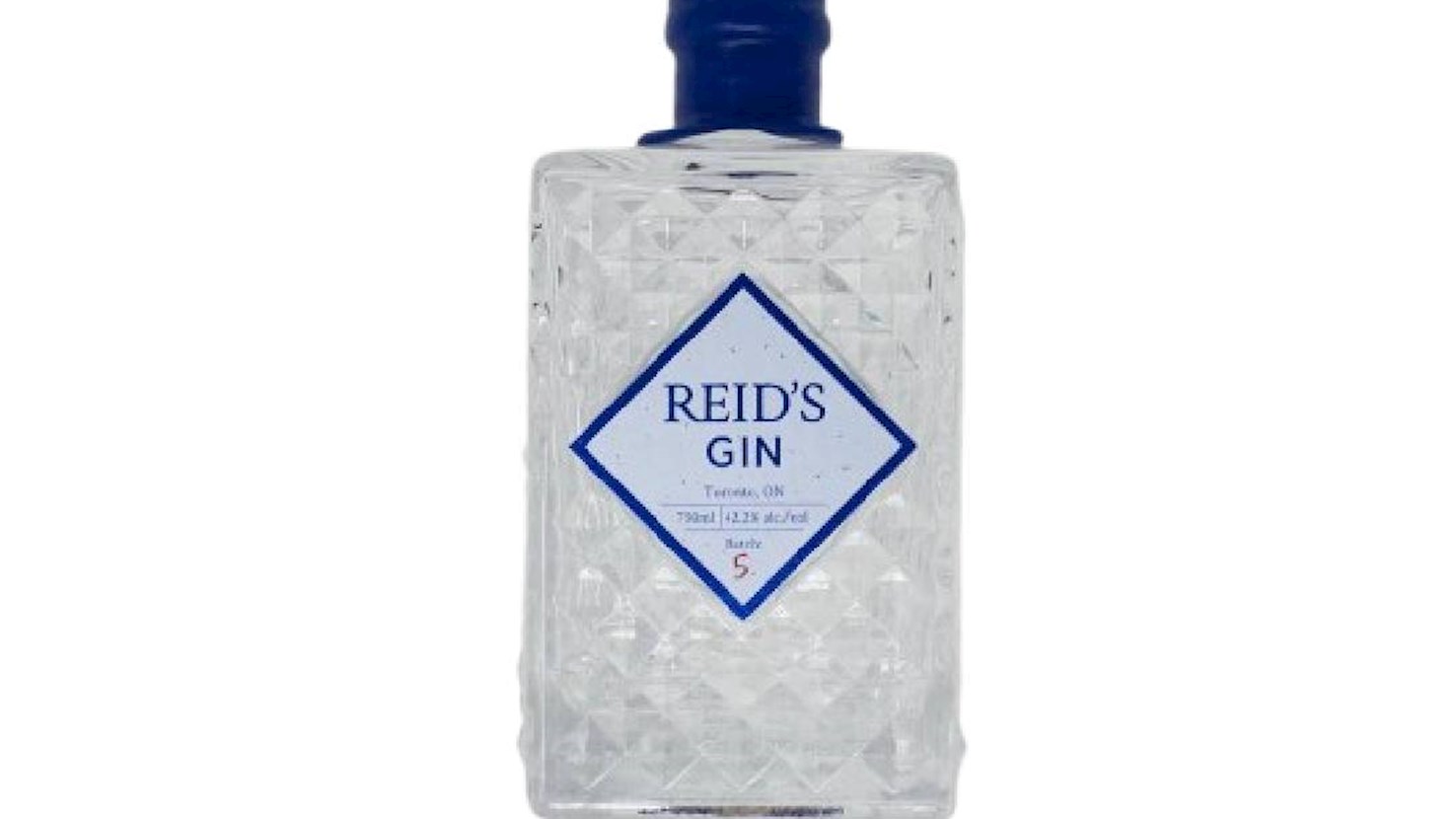
Reid's Distillery is a family-run craft distillery devoted to the art of exceptional gin making, where passion for quality, tradition, and modern creativity come together in every bottle. Their gins are crafted using Canadian wheat and a thoughtful blend of botanicals, with wild-foraged Canadian juniper taking center stage to deliver a truly distinctive flavor profile. Inspired by a spirit of exploration and a desire to create something uniquely their own, Reid’s combines classic distillation techniques with a bold, contemporary approach. The result is a collection of gins that are elegant, nuanced, and instantly memorable—ranging from timeless dry styles to inventive, aromatic expressions. Each one reflects the skill, care, and character that defines their work.
Awards
World Gin Awards - Country Winner (2023)
10

Last Best Brewing & Distilling
5 ·
Awards
SFWSC - San Francisco World Spirits Competition - Double Gold (2023)
World Gin Awards - Country Winner (2024, 2022)

Best Canadian Beverage Types

01

B-52

3.8 ·

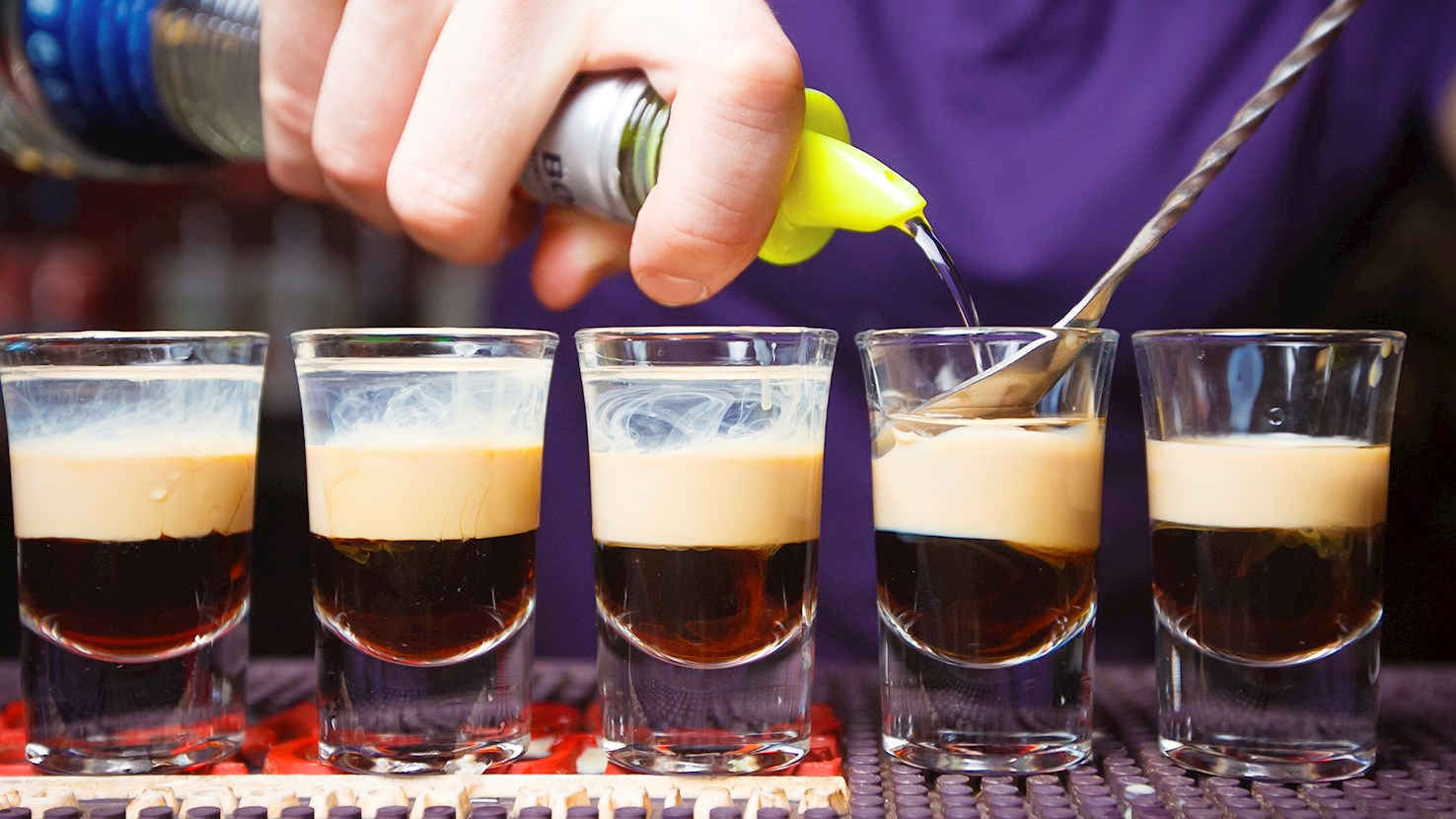
B-52 is a layered cocktail that was invented in Banff, Canada in 1977, and was allegedly named after the long-range bomber used by the Americans during Vietnam War. It consists of coffee liqueur (usually Mexican Kahlúa), Irish cream (usually Baileys), and Grand Marnier orange liqueur. In some versions, Grand Marnier can be replaced with triple sec, Amaretto, Cointreau, or even absinthe. If prepared correctly, the elements are built in a shot glass, and the layers should be visible, with coffee liqueur on the bottom and orange liqueur on top. The classic B-52 version is served neat in a shot glass, while the variation known as Flaming B-52 usually comes with a top layer of rum, which helps to ignite the flame.

02

Vidal

3.6 ·

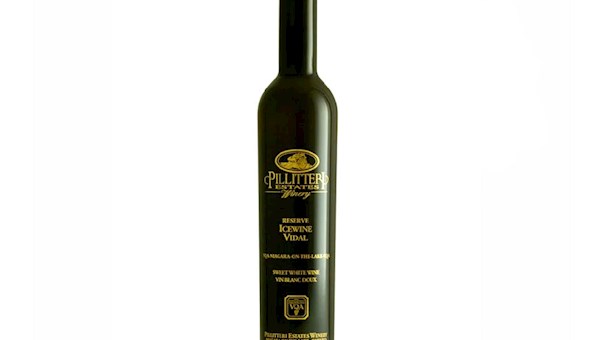
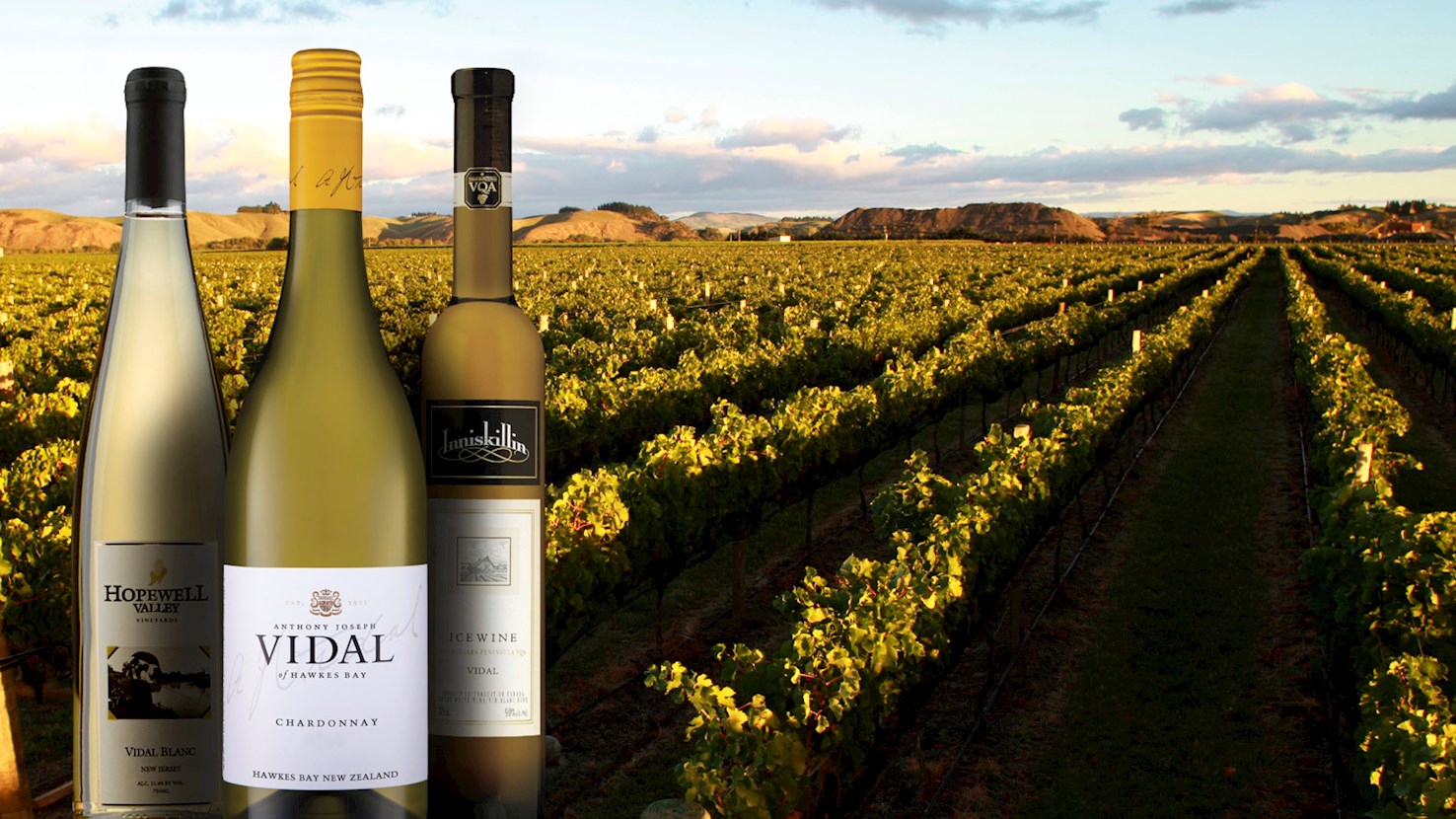
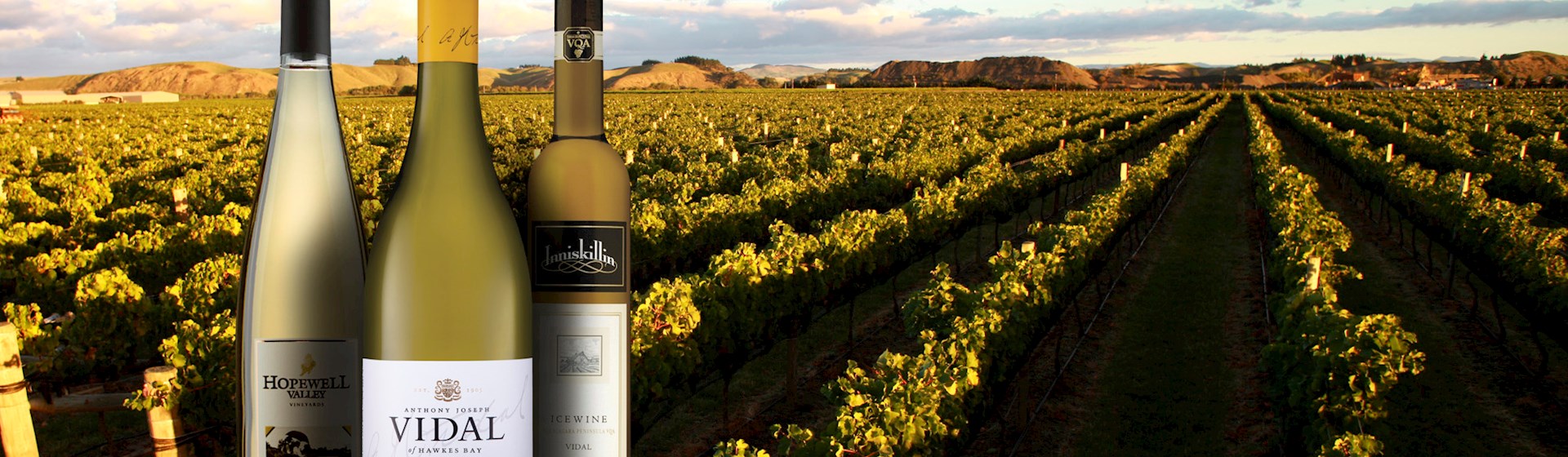
Vidal Blanc, commonly known as Vidal, is a dry white wine produced from the Vidal hybrid grape variety that is grown in Ontario and the northeastern United States. The Vidal hybrid is a cross between the French Ugni Blanc and Rayon d'Or. This hardy variety with thick skin is very resistant to cold, has high natural acidity and sugar levels, and it is very low in tannins. As a result, Vidal wine can be made in two varieties: medium-bodied dry and off-dry variety, but it can also be vinified into a luscious dessert wine or ice wine. Regardless of the variety, Vidal always has strong fruity and floral flavors with tropical aromas of peaches and mangoes, while the flavors and aromas of caramel, apricots, honey, and butterscotch can be experienced in its ice wine variety. While off-dry Vidal pairs well with pork, ham, cold cuts, fruit salads, and dishes from Tex-Mex, Chinese, Mexican, and Cajun cuisines, the dry variety is best paired with light seafood dishes, chicken, salads, smoked meat dishes, and numerous dishes from Asian cuisine. The sweet variety of Vidal can be consumed as a dessert wine on its own, but it can also be combined with cheese-based desserts, fruits, and blue cheese.

03

Caesar

3.5 ·

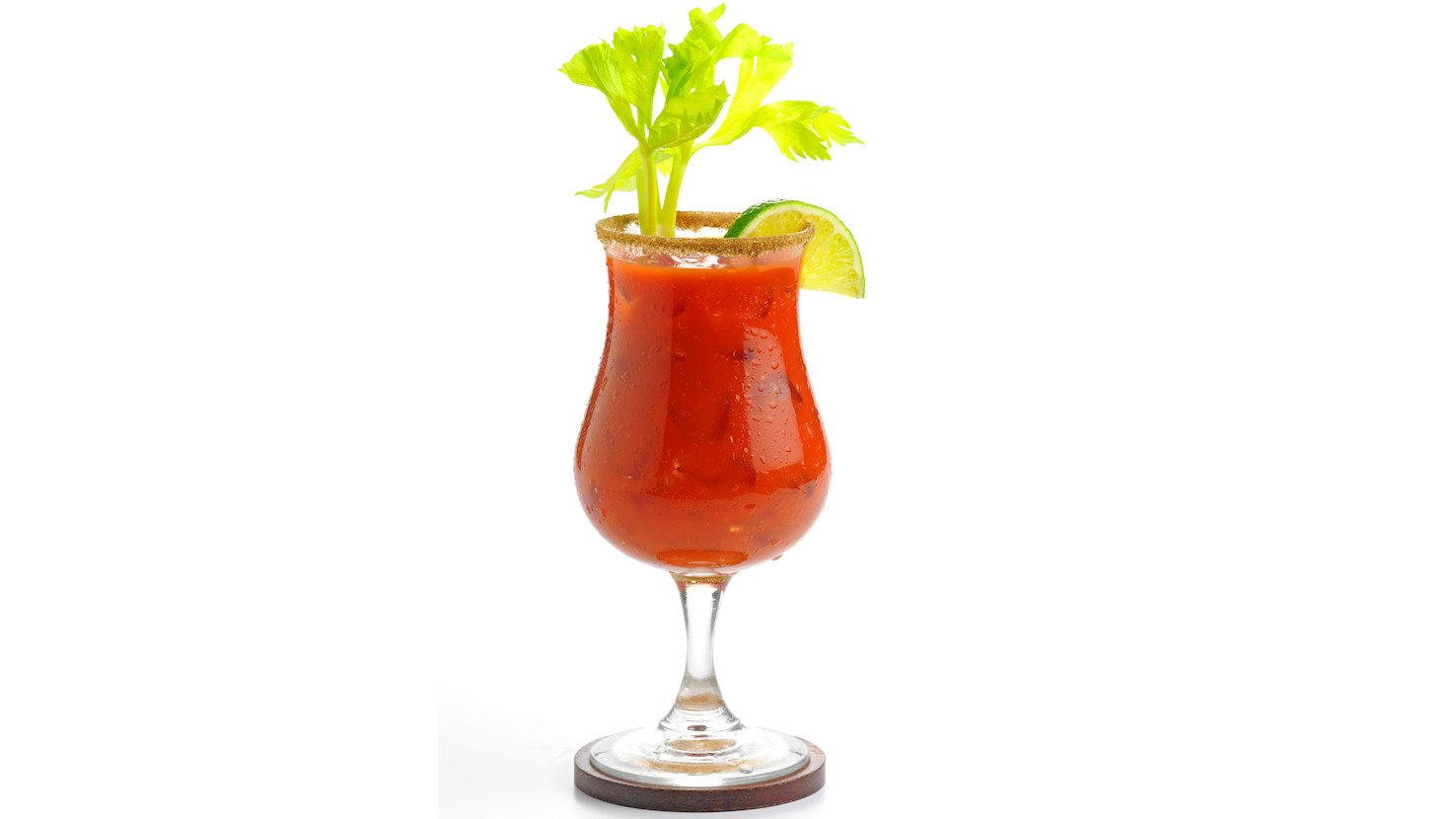
Caesar is a Canadian cocktail made with a combination of vodka, clam-infused tomato juice, hot sauce, and Worcestershire sauce. The cocktail is typically served with ice in a large glass with a celery salt rim, garnished with a lime wedge and a celery stalk. It is believed that Caesar was invented in 1969 in Calgary by a restaurateur named Walter Chell, who made it to celebrate the opening of a new Italian restaurant. The drink got its name after Chell’s Italian ancestry. Although the cocktail hasn’t gotten much love beyond the Canadian borders, it is considered a great hangover cure and nowadays it is a staple at Canada Day celebrations and informal gatherings.

04

Ice Cider

3.5 ·

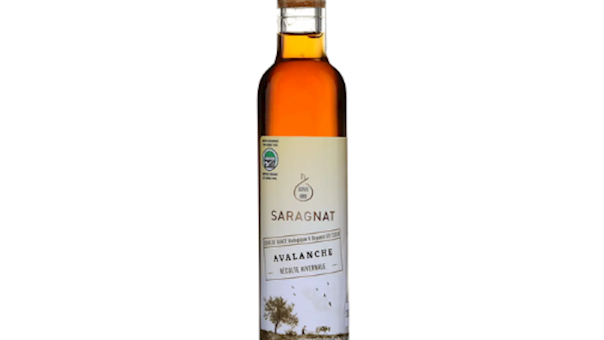
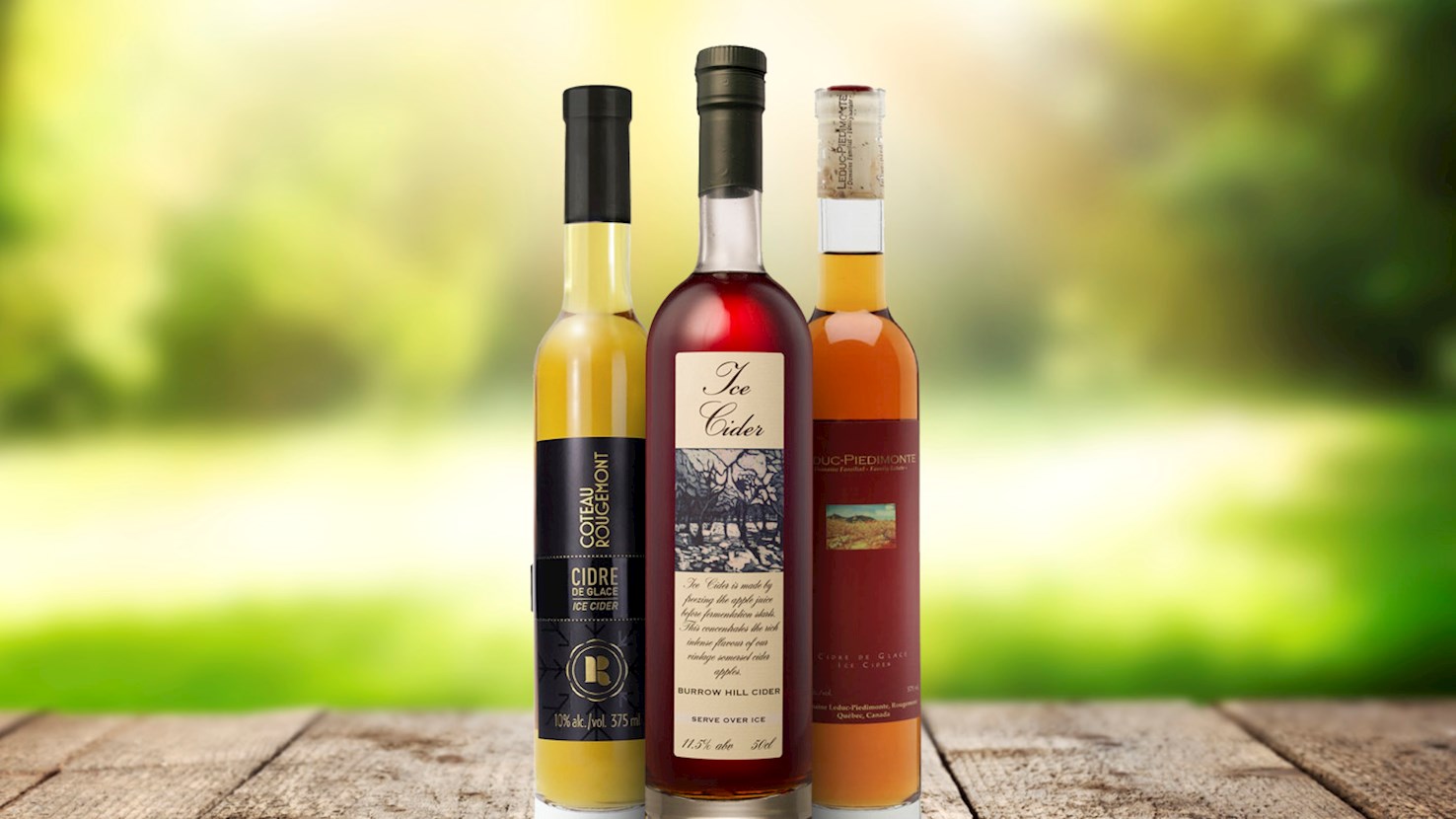
Ice cider is a novel invention introduced in the 1990s in Quebec. The idea for this cider variety was based on ice wine—in which the grapes are frozen before fermentation, creating concentrated, dessert-style wines. Making ice cider involves freezing fresh cider or leaving the fruit to freeze. It results in full-bodied and fruity ciders that are sweet but should be balanced by subtle astringency and bright acidity. The ciders are usually golden or amber-colored, while the alcohol content varies between 7 and 13%. They are mostly bottled in smaller bottles and are intended for sipping. These ciders can be made with various, usually local North American apple varieties. Ice ciders are traditionally made in winter. Commercial varieties were introduced in 1996, and most production is still based in Quebec. Christian Barthomeuf and Pierre Lafond are considered pioneers of the style.

05

Canadian Whisky

3.5 ·

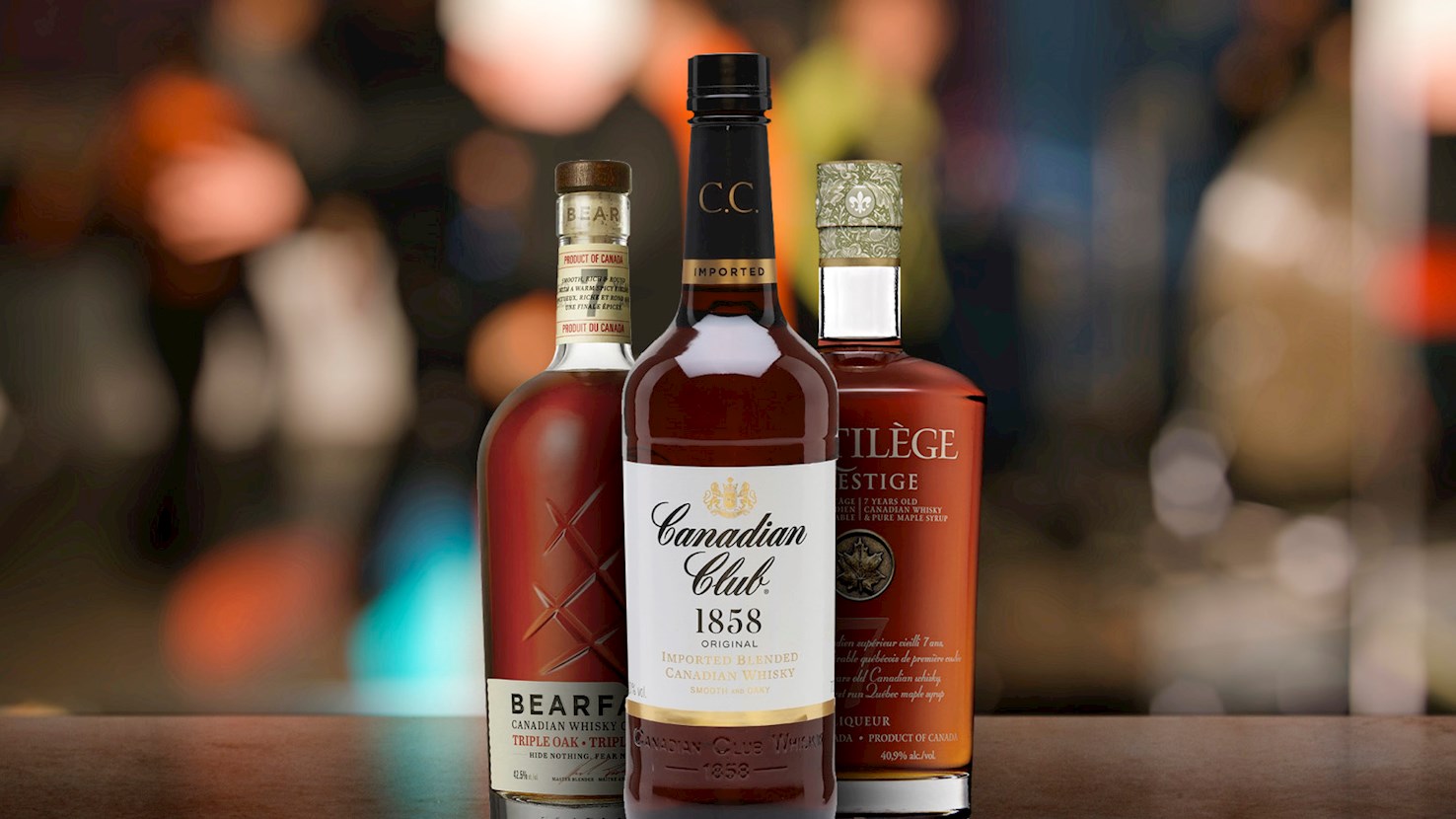
Canadian whisky is a complex and somewhat confusing whisky style. Officially, to be labeled Canadian whisky the spirit must be distilled from a mash of cereal grains and aged for a minimum of three years. Most examples are blends, and they almost always include some percent of rye whisky, though not always. It is a common misconception that Canadian whisky is rye whisky, and the two terms are often used interchangeably. This stems from the time when rye was added to spirits, mostly based on wheat, to improve their flavor. The name rye whisky soon caught up, and it was often used for most Canadian whisky styles—regardless of their rye content. Most producers in Canada distill and age whisky separately, and then blend them. The law also permits the addition of 9.09% of other spirits—such as brandy, bourbon, or rum—to the blend. Corn is probably the most important grain, but rye provides the most flavor. All these elements influence the great diversity among the category. Canadian whisky rose in popularity during Prohibition. It was smuggled and supplied to speakeasies that were scattered across the States. Even after the Prohibition, it was the whisky of choice among Americans, mostly because of its lighter character. Nowadays, some of the best-selling whiskies in the United States are Canadian. For a very long period, Canadian whisky got a bad rep because of their blending technique. However, this perception has recently started to change, and Canadian whisky became a legitimate contender on the global whisky market. Most examples are of high-quality and showcase a unique character—mostly due to the great art of blending. Interestingly, Canadian whisky is spelled without an e—same as its Scottish counterpart—unlike whiskey, used in Ireland and the United States.

06

Spruce Beer

3.2 ·

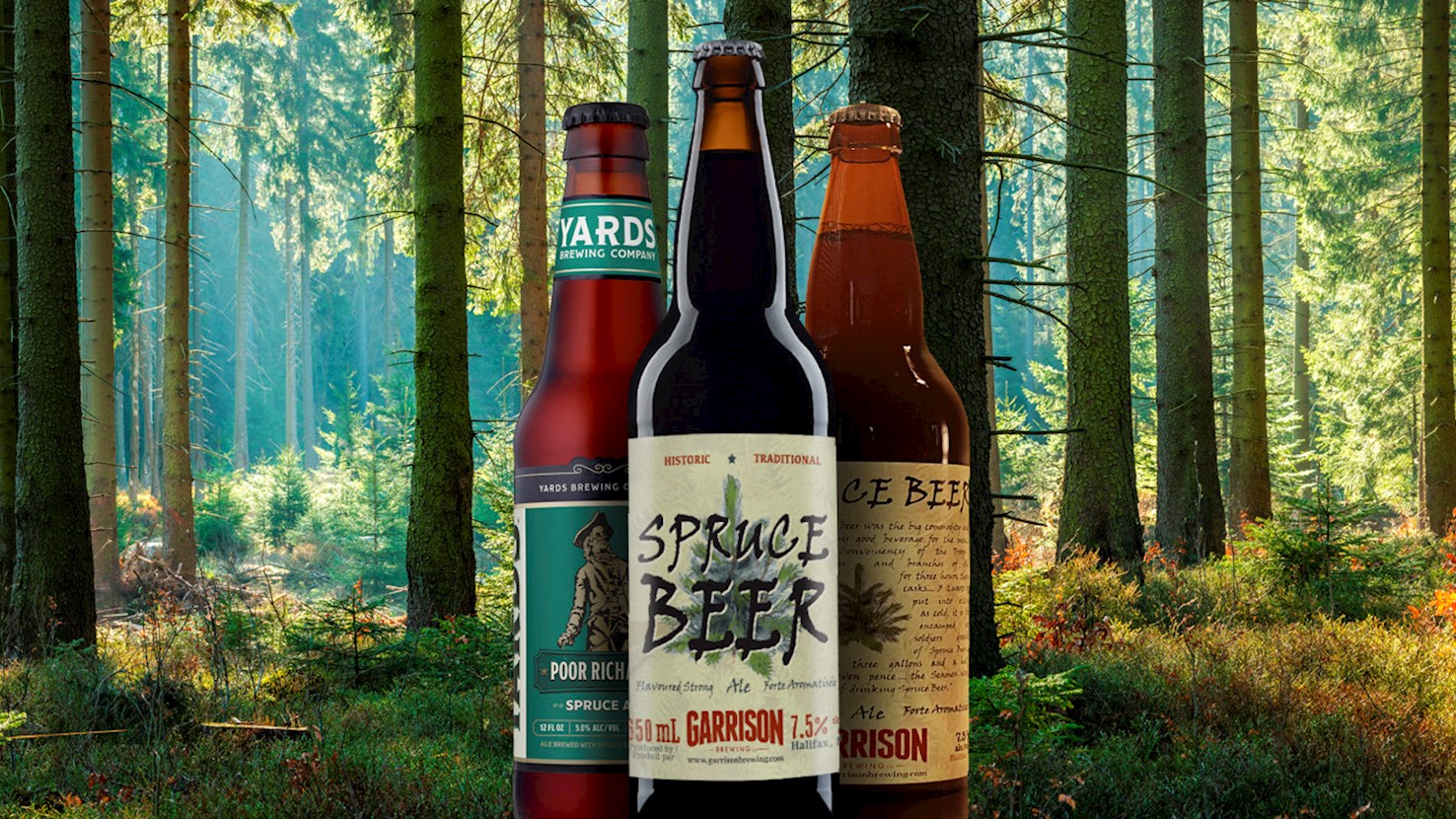
Spruce beer or bière d'epinette is a fermented beverage flavored with spruce—needles, buds, or spruce essence. It comes in an alcoholic and non-alcoholic form, and it typically takes on fruity, citrusy, and herbal aromas. Modern varieties usually come in the form of herbaceous soft drink, with an alcohol content that does not go over 0.5% ABV. Alcoholic versions were not common, but several microbreweries have recently introduced modern spruce beer interpretations, usually promoted as seasonal, wintertime, or Christmas specials.The history of spruce beer is ancient, dating back to Vikings and Native Americans. In the 18th century, American colonists promoted spruce beer as an excellent scurvy remedy.

07

Yukon Jack

2.7 ·

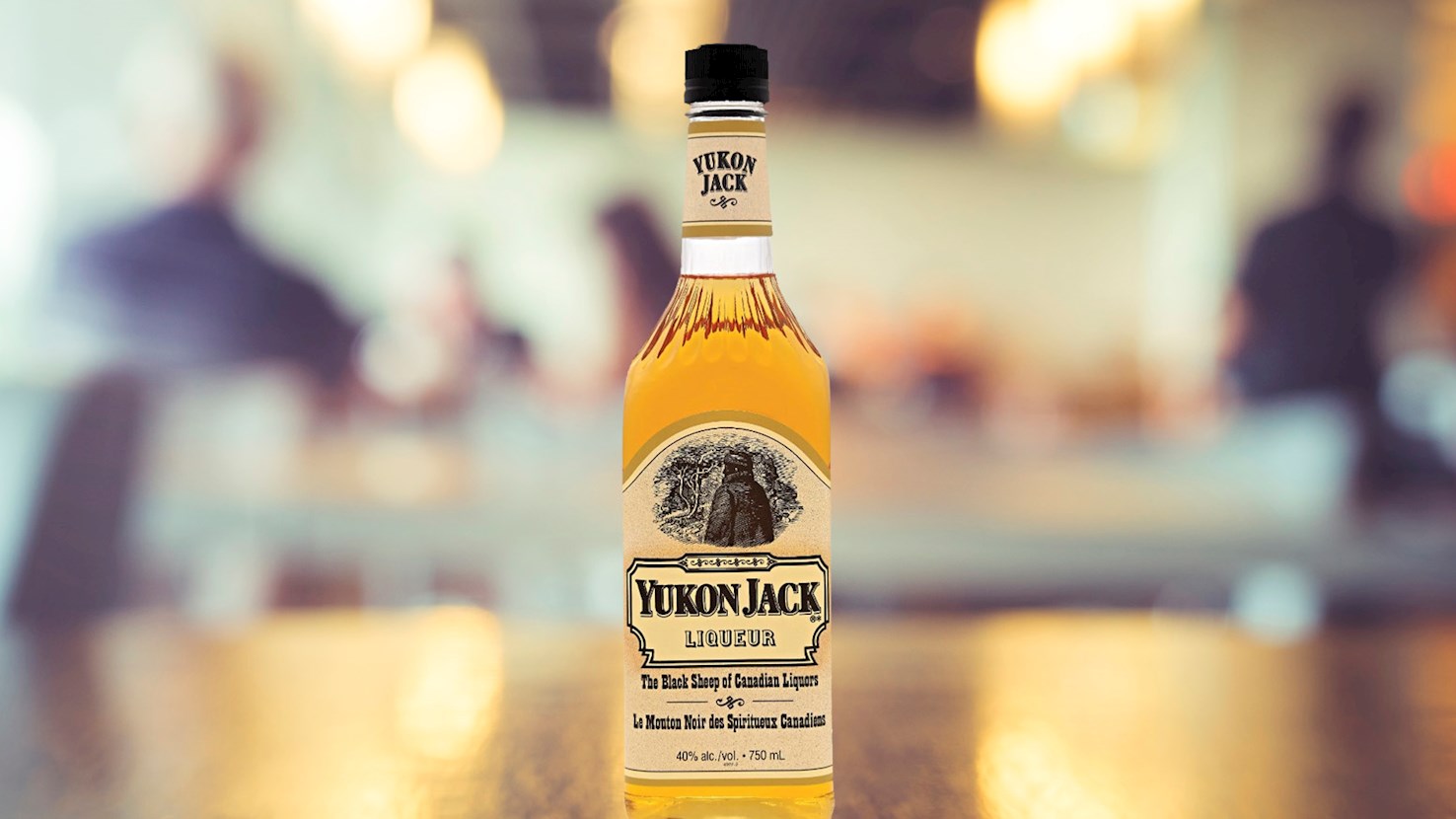
Advertised as the black sheep of Canadian liqueurs, Yukon Jack is a liqueur that combines blended Canadian whiskey and honey. It is an overproof liqueur available as 100 proof for American and 80 proof for the Canadian market. Yukon Jack has an appealing golden color. It is a potent and sweet liqueur that has a smooth flavor and aromas of vanilla and spices. Although it can be enjoyed neat or on the rocks, it also works well in cocktails and long drinks. Yukon Jack is produced in Valleyfield, Quebec, while the Sazerac Company owns the brand.

08

Toronto Cocktail

n/a ·

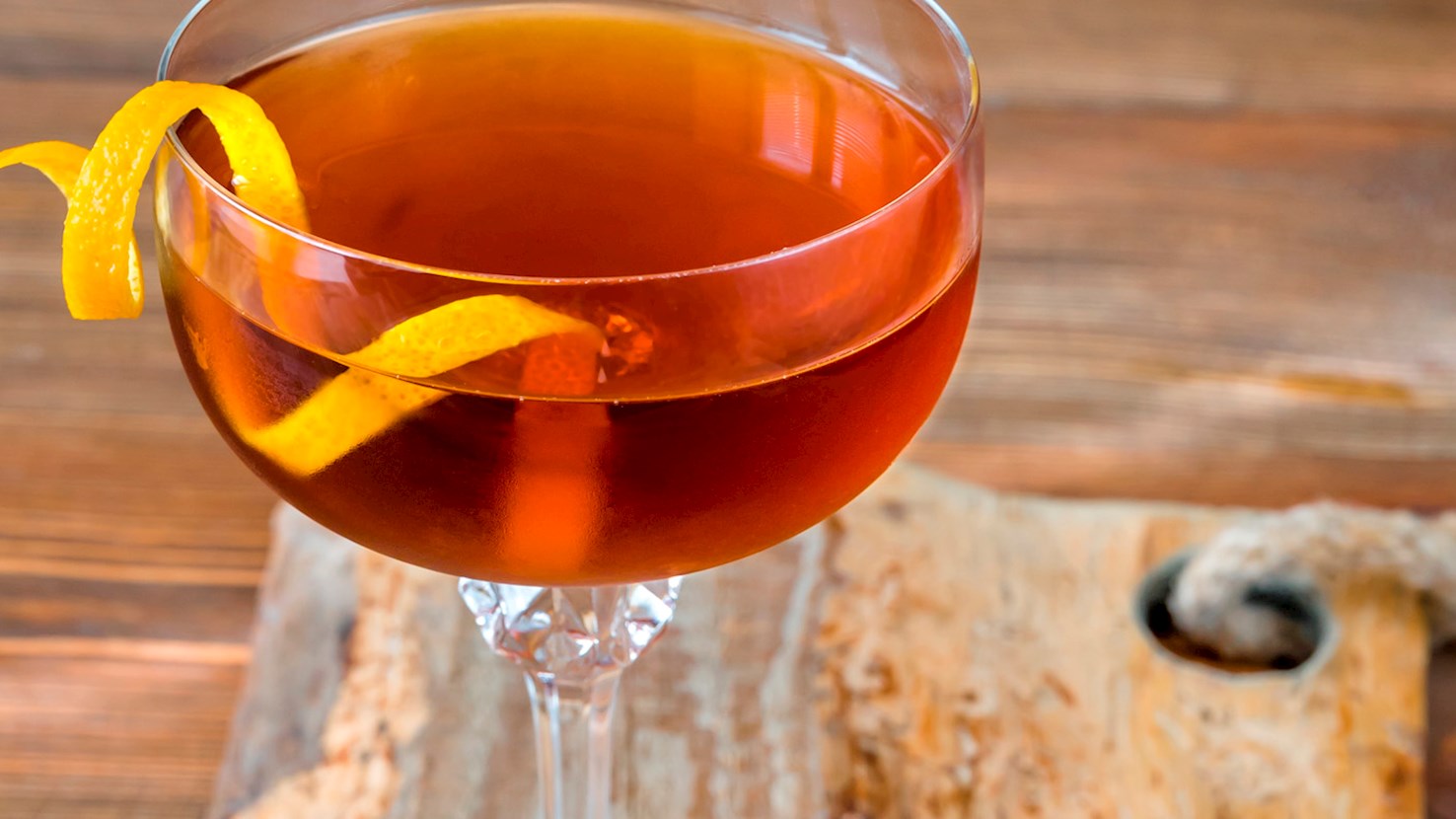
Toronto is a bold and rich classic cocktail based on Canadian rye whisky and Fernet Branca—the bittersweet Italian amaro. Other ingredients include simple syrup or maple syrup. Some recipes include bitters, and some replace whisky with brandy (usually Cognac). The recipe was first published as Fernet Cocktail in Robert Vermeire's Cocktails: How to Mix Them. Vermeire states that the cocktail was appreciated by the citizens of Toronto. It was later featured in several other publications as a Toronto Cocktail. The drink is served in a coupe or a cocktail glass and garnished with an orange twist.

09

Caribou

n/a ·

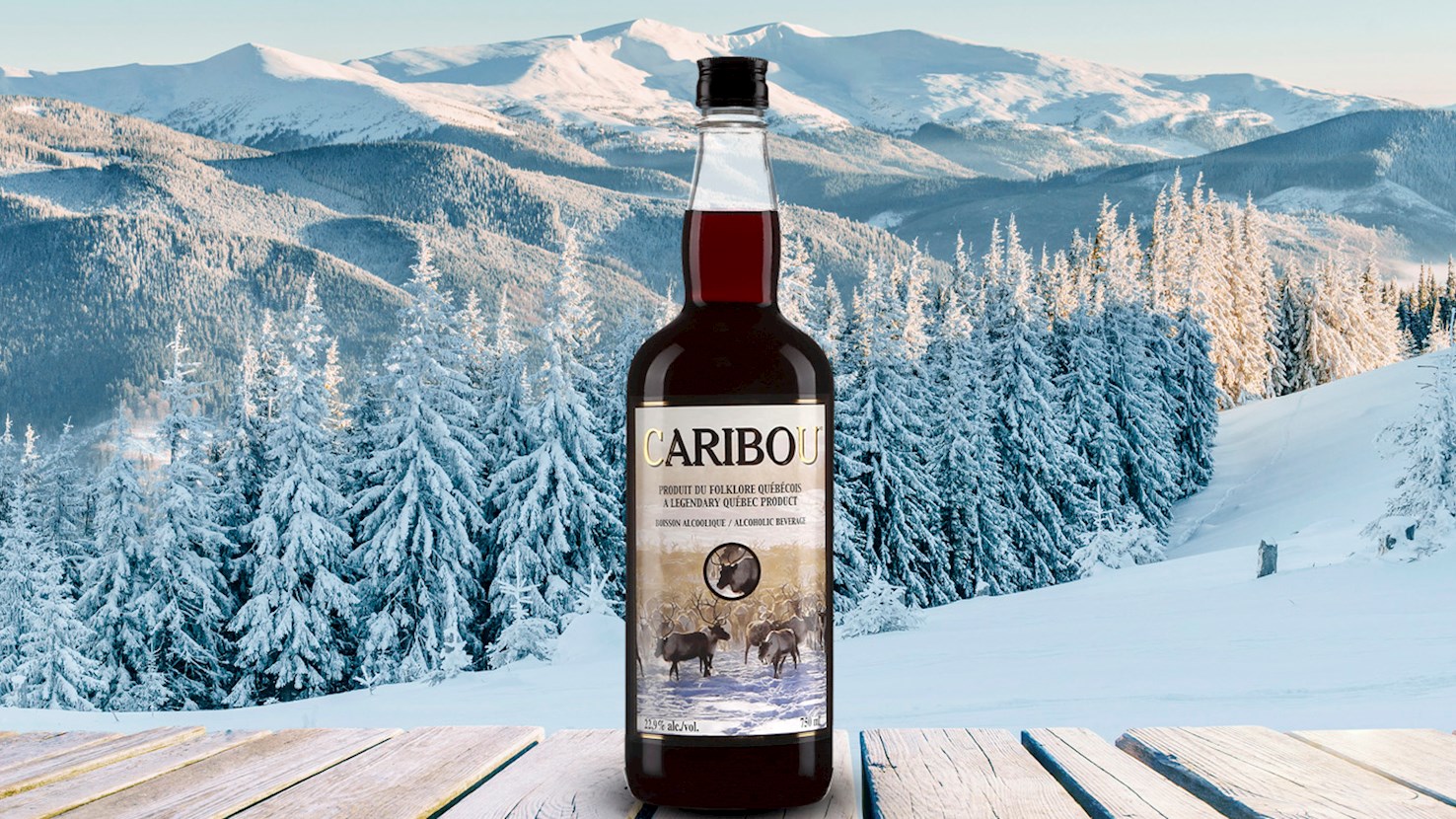
Caribou is an alcoholic drink hailing from Quebec that usually combines red wine, maple syrup, and grain spirits such as whisky or vodka. The blends often include spices, brandy, sherry, or port. Although it might sound similar to European mulled wine, this Canadian specialty is often served chilled. Caribou is a staple drink during La Carneval de Quebec when it is sometimes served in shot glasses carved from ice. Its origin is mostly associated with French-Canadian traders who traveled across North America in the 17th century. The legend says that the original version was made with grain spirits and caribou blood—hence the name—but this remains an unconfirmed theory. Commercial varieties are available, but the drink is also mixed at home.

10

Mahogany

n/a ·

Mahogany is a cocktail that is popular both in Canada and England. It is made with two parts of gin (and/or rum), and one part of treacle (most commonly, golden syrup). It is prepared by shaking all of the ingredients with ice and fine-straining it into a chilled cocktail glass.

Read more
View all
View map
About this ranking

TasteAtlas food rankings are based on the ratings of the TasteAtlas audience, with a series of mechanisms that recognize real users and that ignore bot, nationalist or local patriotic ratings, and give additional value to the ratings of users that the system recognizes as knowledgeable. For the “Top 100 Canadian Beverages” list until June 10, 2026, 214 ratings were recorded, of which 189 were recognized by the system as legitimate. TasteAtlas Rankings should not be seen as the final global conclusion about food. Their purpose is to promote excellent local foods, instill pride in traditional dishes, and arouse curiosity about dishes you haven’t tried.

The initial list of top producers was compiled based on available reviews, awards, local recommendations, media and blog coverage, and consumer reviews. The list will be updated with ratings from TasteAtlas local ambassadors and TasteAtlas users.

Similar lists