shutterstock

Top 4 Montenegrin Beverages

Last updated on June 10, 2026

Best Montenegrin Beverages
01

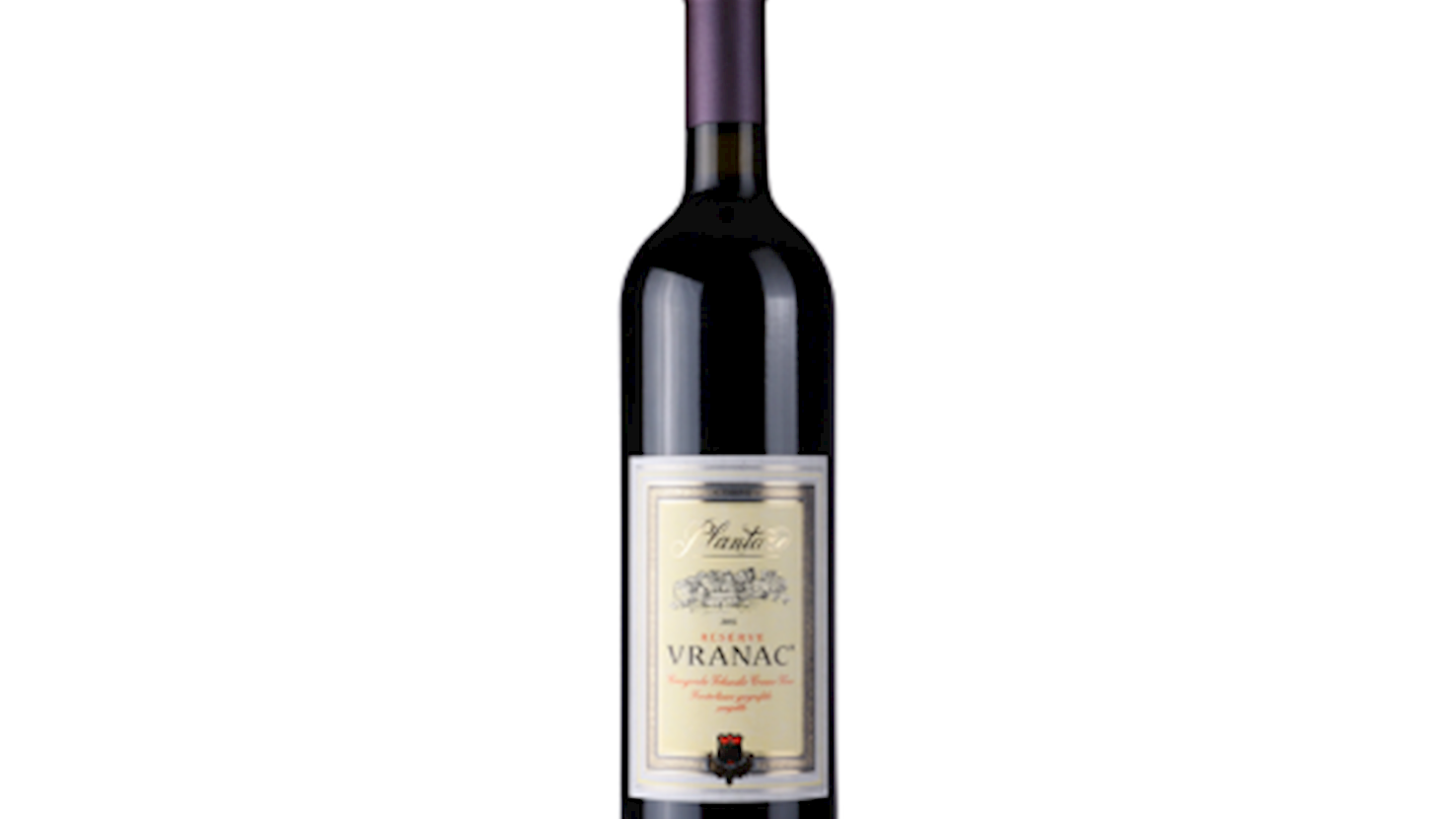
Plantaže

4.5 ·
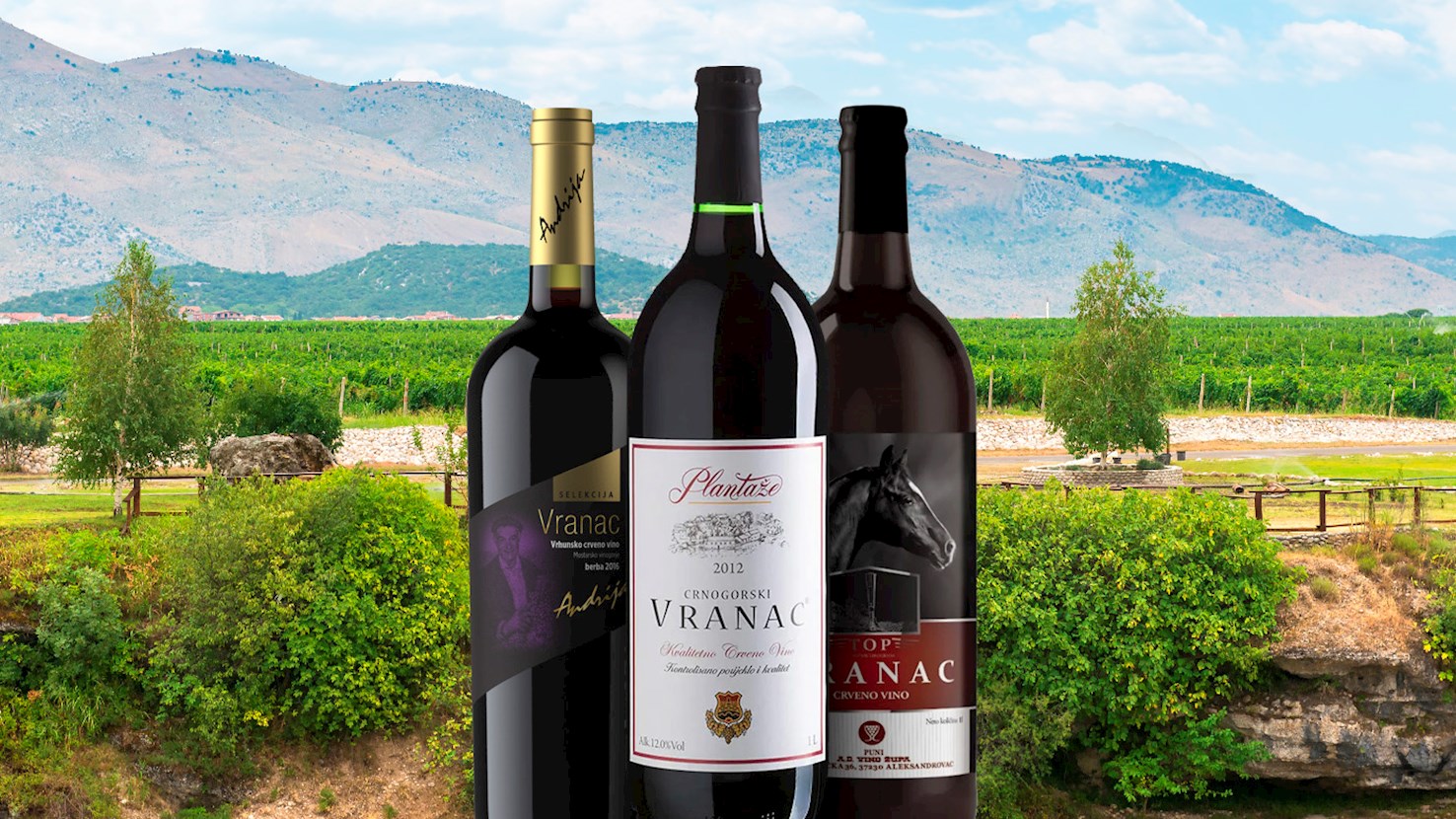
Plantaže is Montenegro’s largest winery and one of the most significant viticultural enterprises in the region, founded in 1963 and best known for its vast vineyard at Ćemovsko Polje, one of the largest single-site vineyards in Europe. Spanning more than 2,300 hectares and home to over ten million vines, the estate is dominated by the indigenous variety Vranac, alongside Krstač and a range of international grapes. The company processes over 22 million kilograms of grapes annually and exports its wines to more than 40 countries, supported by three major cellars, including the impressive underground Šipčanik cellar. Its portfolio covers a wide spectrum of styles - from fresh whites and aromatic rosés to complex red blends and premium barrel-aged wines. Plantaže also cultivates a strong wine tourism program, offering tastings, cellar tours, and gastronomy rooted in local ingredients. The combination of tradition, modern practices, and the unique Podgorica terroir has established Plantaže as a key ambassador of Montenegrin winemaking.
Awards
Vivino - 4.1
Vivino - 4.0

Best Montenegrin Beverage Types

01

Rakija

3.6 ·

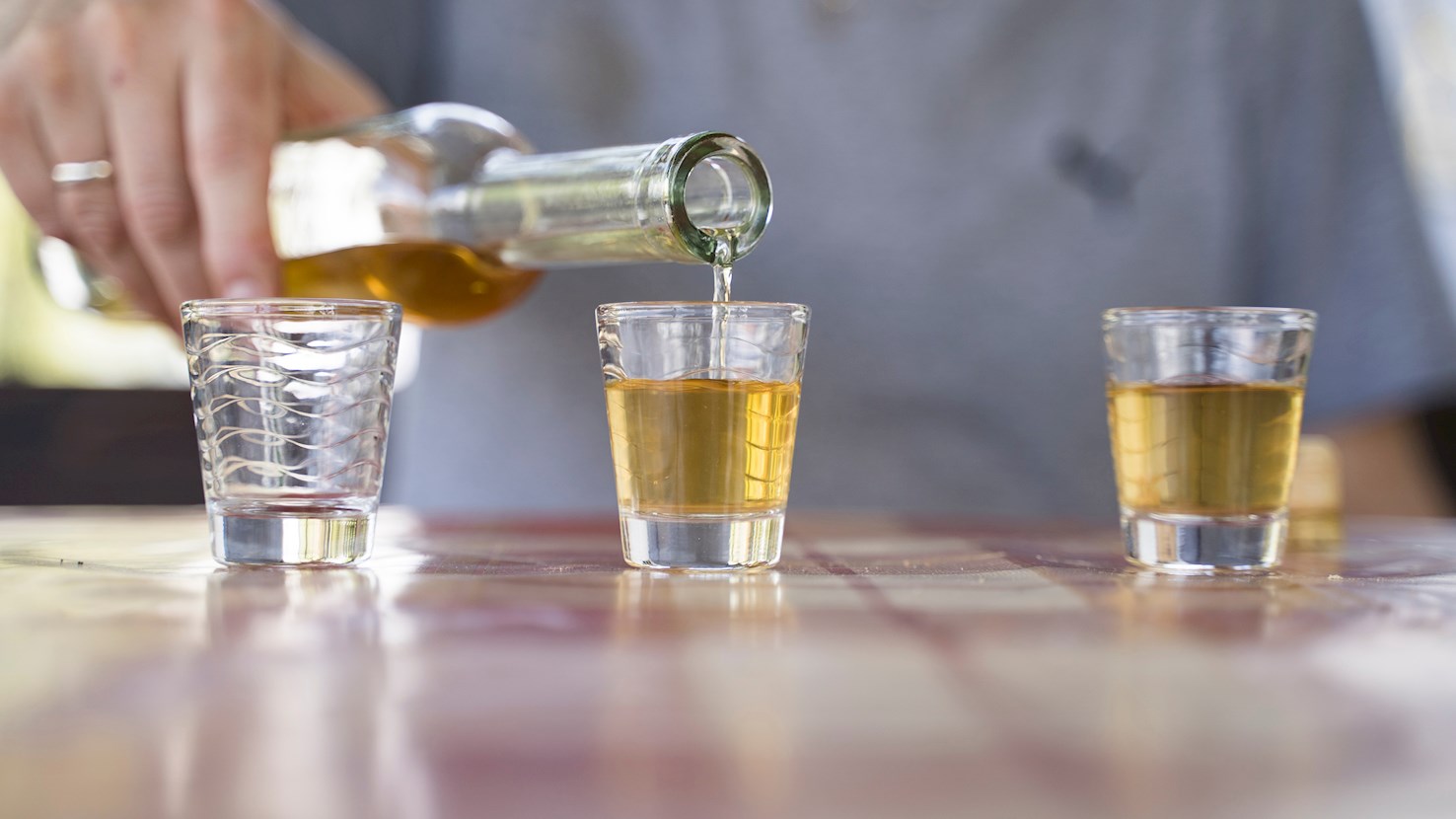
Rakija is a universal term used for various fruit brandies produced in several Balkan countries (Southeast Europe). This strong spirit is distilled from different fruit and is sometimes additionally flavored or used as a liqueur base. The most common versions are made from plums (šljivovica), Williams pear (viljamovka), quinces (dunjevača), apricots (kajsijevača), apples (jabukovača), grapes (lozovača/komovica), and many more. Rakija has present in the region for centuries. It is mainly associated with Croatia, Serbia, Bosnia, Montenegro, and North Macedonia. Although fruit brandies are produced in other European countries and regions, in the Balkans, rakija is a household name and has a large following among all generations. This potent spirit typically falls between 40% to 60% ABV. It is usually served neat, preferably well chilled, in a shot glass. Rakija is primarily a social beverage meant to be consumed with friends or as a welcome drink. Locals also like to believe that rakija is a terrific health remedy, and they use it boosts their immune system or ease any minor medical problems. Rakija can be in the form of a pure distilled spirit, but sometimes it is flavored with herbs and fruits. Many producers often use rakija as a liqueur base, but although these liqueurs are often labeled as rakija—such as orahovac made with walnuts or honey-flavored medica—they are technically liqueurs and not fruit brandies. Although rakija holds a reputation as a crude and harsh drink, many producers try to break away from its traditional image and create exceptional labels, which they promote as savoring and sipping drinks.

02

Vranac

3.4 ·

Vranac is a red grape variety most likely native to Montenegro. It is assumed that it originated around Lake Skadar, but it is also an important variety in several Balkan countries and regions, primarily in North Macedonia, Herzegovina, southern Croatia, and Serbia. The grape probably has ancient origins because it is related to several regional varieties, including Crljenak kaštelanski, also known as Tribidrag, Zinfandel, and Primitivo. Vranac produces intensely colored and full-bodied red wines typically high in alcohol with lively and bright acidity. On the nose and the palate, they display fruity notes reminiscent of cherries and blackberries. These wines have excellent aging potential and usually gain complexity and character. The tannins tend to soften, and the aroma attains the notes of ripe fruit, spices, and licorice. Vranac is best paired with red meat, game, lamb roast, and cured meat.

03

Krstač

n/a ·

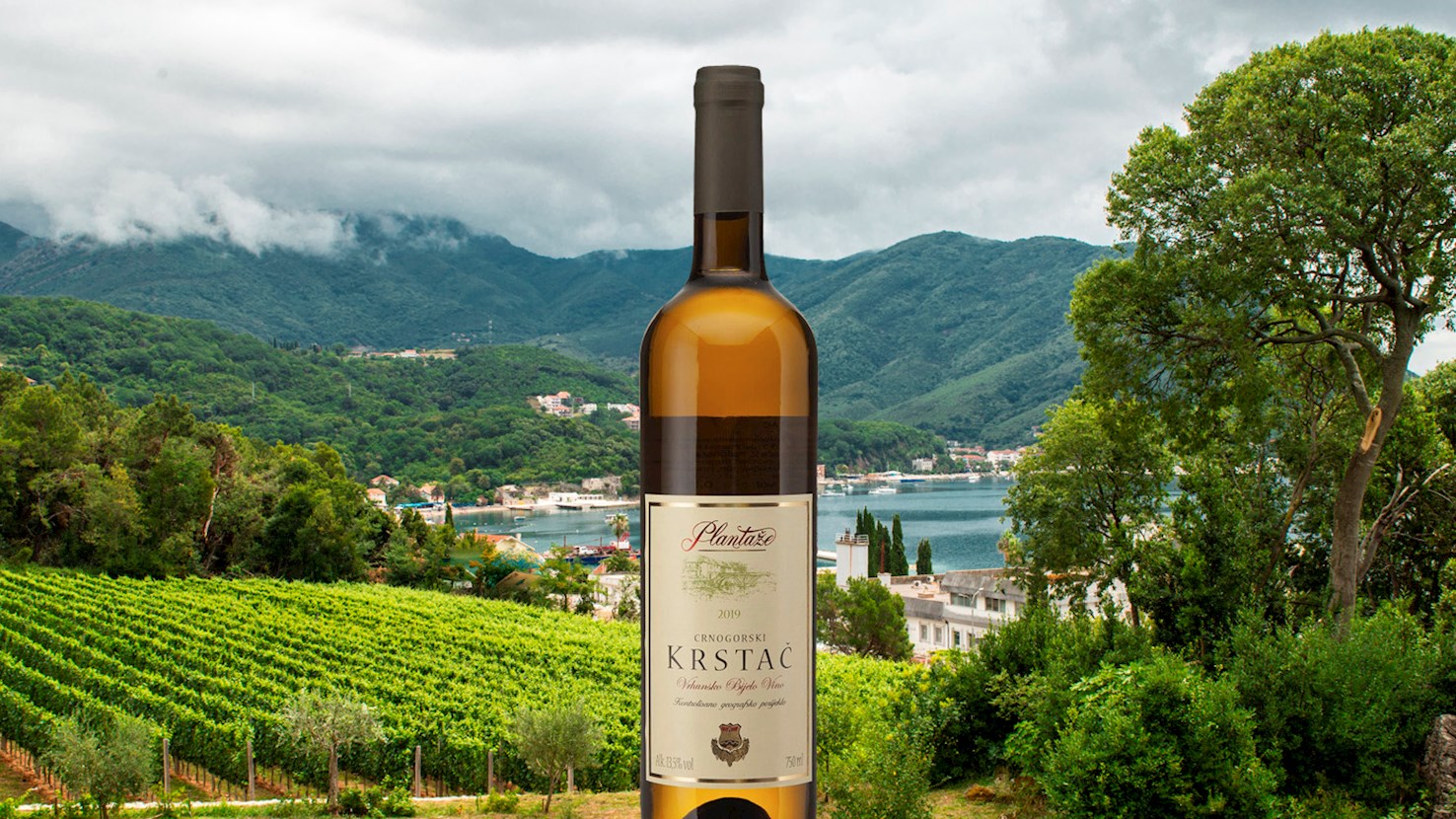
Krstač is a native Montenegrin white grape variety. It is a rare grape that produces light and easy-drinking white wines. The variety originates from the south, most likely from the Podgorica region. The name Krstač, which translates as a cross, was inspired by the cross-like appearance of the bunch. The grape produces light-colored white wines with a fruity and floral aroma reminiscent of peach, apricot, and elderflower. The wines are light-bodied and refreshing, sometimes with herbal and mineral notes. They are best paired with appetizers, fish, and poultry.

04

Kratošija

n/a ·

Kratošija is a red grape variety grown mainly in Montenegro, North Macedonia, and parts of neighboring Balkan regions, recognized for producing medium- to full-bodied wines with red fruit notes, moderate acidity, and firm tannins depending on vineyard site and winemaking approach. Its presence in the Balkans is documented for centuries through regional agricultural records and ampelographic surveys that identified it as a long-established cultivar cultivated in inland valleys and hillside vineyards, and genetic studies have shown close relationships with several other regional grapes, confirming its deep integration into local viticulture rather than recent introduction. Winemakers harvest it by hand or by carefully calibrated mechanical methods, ferment it in stainless steel or concrete tanks to preserve clarity of fruit or in oak vessels for added structure, and choose maturation strategies that range from neutral containers to new oak depending on desired texture and aging potential; bottling is carried out after the wine stabilizes and tannins have softened to a suitable level. A notable aspect of Kratošija is its genetic connection to internationally known Zinfandel and Primitivo, which has been confirmed through DNA profiling and places it within a broader family of varieties sharing similar traits while retaining its own regional identity through distinct growing conditions and local winemaking choices. Kratošija wines are consumed throughout Montenegro and North Macedonia and appear in export markets focused on Balkan wines, and they are served at cool cellar temperatures with foods such as grilled lamb, beef stews, roasted vegetables, hard cheeses, cured meats, and lightly spiced dishes, with still water, sparkling water, or neutral aperitifs often accompanying them during meals.

Read more
View all
View map
About this ranking

TasteAtlas food rankings are based on the ratings of the TasteAtlas audience, with a series of mechanisms that recognize real users and that ignore bot, nationalist or local patriotic ratings, and give additional value to the ratings of users that the system recognizes as knowledgeable. For the “Top 4 Montenegrin Beverages” list until June 10, 2026, 243 ratings were recorded, of which 156 were recognized by the system as legitimate. TasteAtlas Rankings should not be seen as the final global conclusion about food. Their purpose is to promote excellent local foods, instill pride in traditional dishes, and arouse curiosity about dishes you haven’t tried.

The initial list of top producers was compiled based on available reviews, awards, local recommendations, media and blog coverage, and consumer reviews. The list will be updated with ratings from TasteAtlas local ambassadors and TasteAtlas users.

Similar lists