Top 11 Local Beverages
in Northern Mexico

Last updated on August 19, 2026

Best Beverages in the World
01

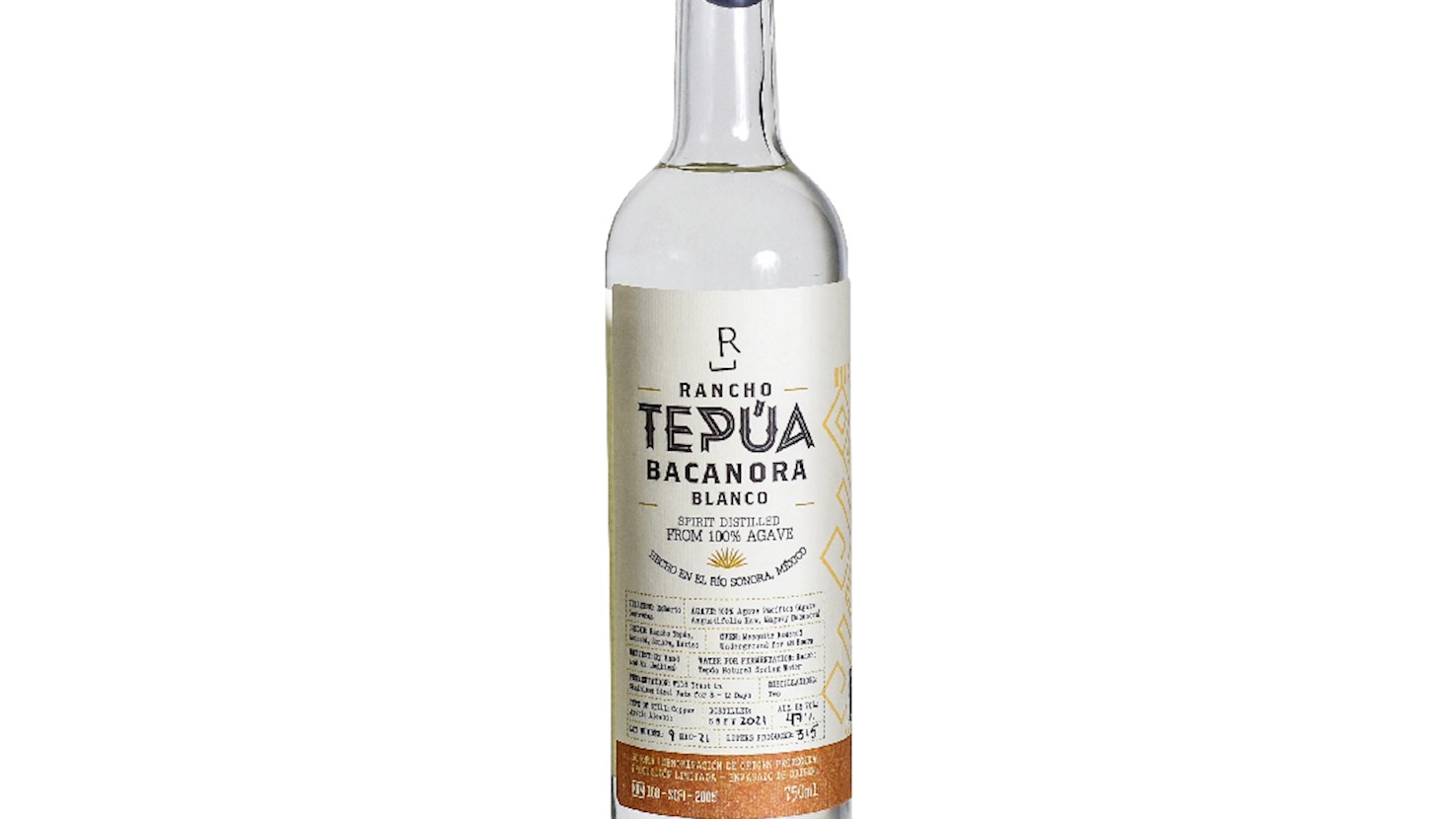
Rancho Tepua

5.0 ·

Rancho Tepúa, run by the Contreras family, has been producing Bacanora in Sonora, Mexico, for over a century. Established formally in 2006, Rancho Tepúa preserves traditional Bacanora-making methods, including harvesting agave with a "Jaíbica" ax, honoring the heritage of the Ópata indigenous people.

Despite Bacanora's 77-year prohibition in Sonora, the Contreras family maintained production, creating a legacy of artisanal Bacanora known for its earthy, herbaceous flavors that reflect Sonora's rich cultural and natural landscape.

Awards
NYWSC - New York World Spirits Competition - Double Gold (2024)
02

Kilinga

5.0 ·

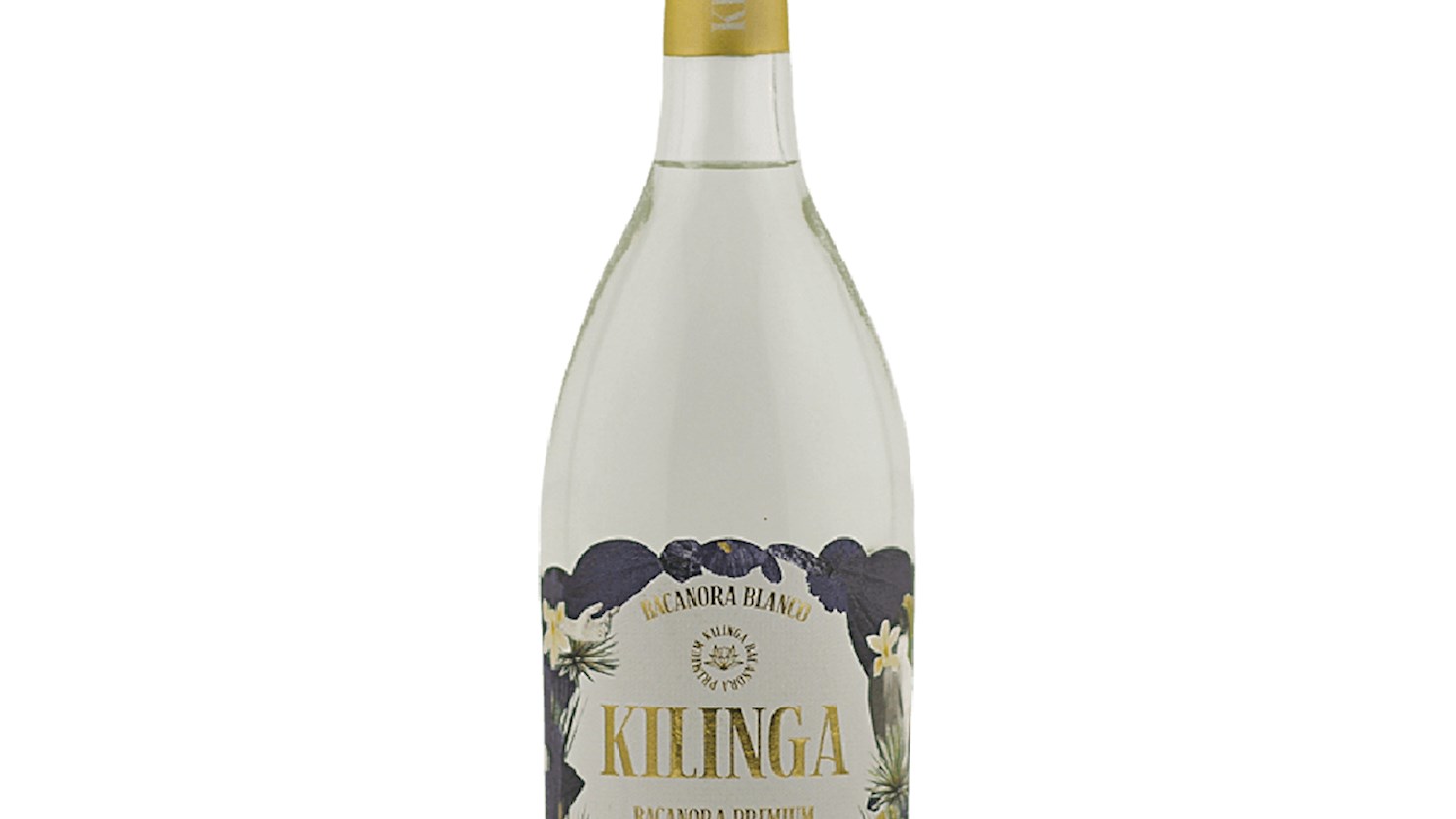
Kilinga Bacanora is a family-owned distillery founded in 2018 in Álamos, in the Mexican state of Sonora, by Rodrigo Bojórquez Bours. Named after his mother, Kilinga produces authentic bacanora, a traditional agave distillate unique to the Sonora region.

The distillery uses agaves grown on their own family farm, employing sustainable and environmentally friendly farming methods. Kilinga is the first officially registered bacanora available in the United States, reflecting its quality and commitment to preserving Sonora’s cultural heritage.

Awards
NYWSC - New York World Spirits Competition - Double Gold (2024)
03

Acronimo Spirits

4.8 ·

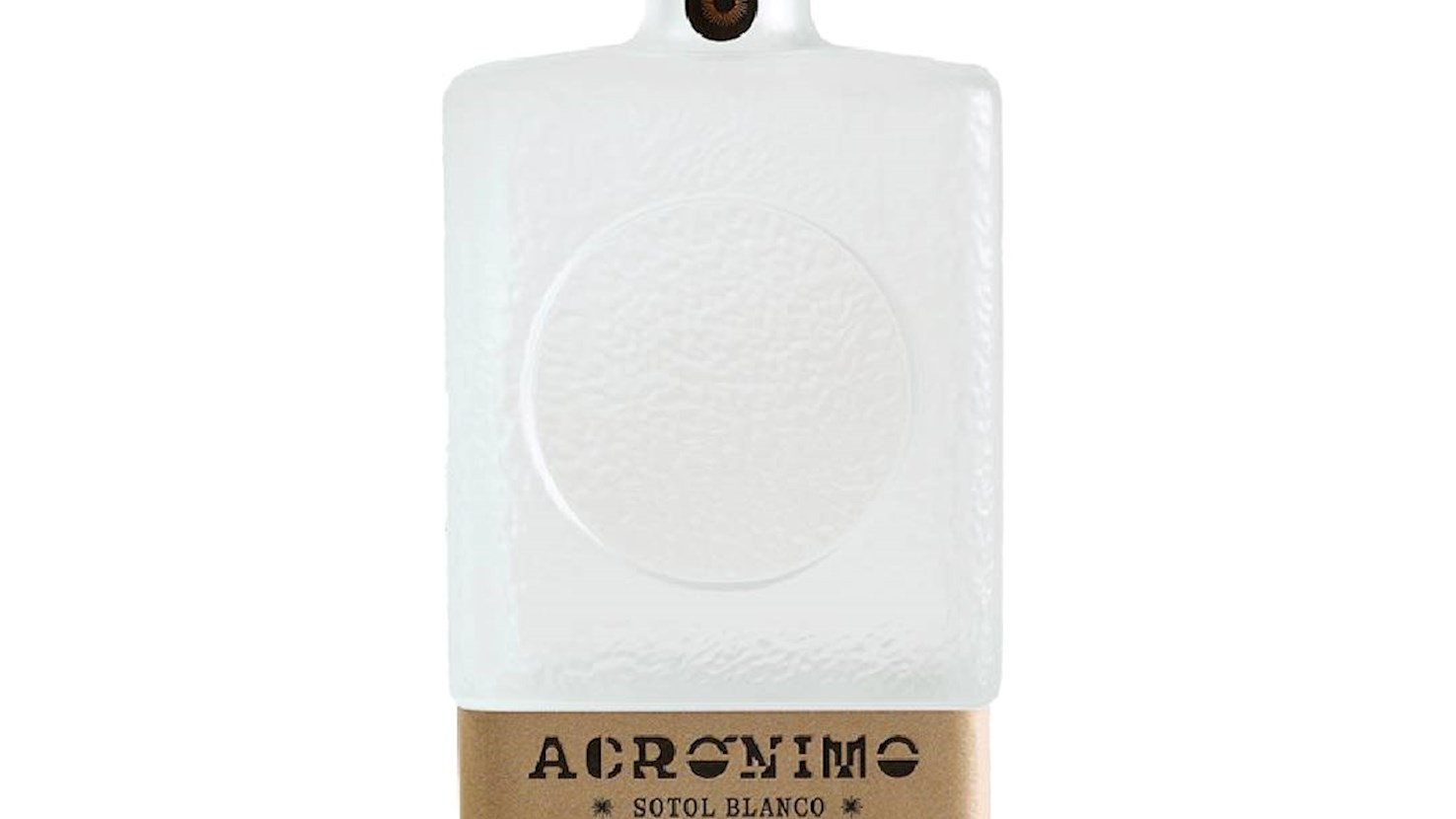
Acrónimo is a premium spirits brand based in Chihuahua, Mexico, dedicated to crafting authentic beverages that honor the region's rich heritage while embracing innovation. Founded by siblings Alessandra and Jose Luis, along with their mother Denise, the brand emerged from their family-owned Central Hotel Boutique, driven by a passion for gin and a desire to share Chihuahua's traditions with the world. Acrónimo is a premium spirits brand based in Chihuahua, Mexico, dedicated to crafting authentic beverages that honor the region's rich heritage while embracing innovation.

Founded by siblings Alessandra and Jose Luis, along with their mother Denise, the brand emerged from their family-owned Central Hotel Boutique, driven by a passion for gin and a desire to share Chihuahua's traditions with the world. In addition to Sotol, Acrónimo has pioneered a distinctive gin crafted from Sotol, blending ten locally sourced botanicals, including juniper from the Sierra Tarahumara, citrus zest, peppercorns, lavender, anise, and cardamom. This innovative spirit seamlessly merges tradition with modernity, offering a unique flavor profile that reflects the terroir of Chihuahua.

Awards
IWSC- International wine & spirit competition - Spirit Gold (2024)
SFWSC - San Francisco World Spirits Competition - Gold (2024)
04

Vulpis SA de CV

4.7 ·
Awards
IWSC- International wine & spirit competition - Spirit Gold (2019)
IWSC- International wine & spirit competition - Mezcal Gold Trophy (2019)
05

Buqui Bichi Brewing

4.6 ·
Awards
World Beer Cup - Gold (2024)
06

Vinicola Solar Fortun

4.4 ·
Awards
Concours Mondial de Bruxelles - Grande Médaille d'or (2024)
07

Vinicola Parvada

4.4 ·
Awards
Concours Mondial de Bruxelles - Grande Médaille d'or (2022)
08

Vinícola Tres Raíces

4.4 ·
Awards
Concours Mondial de Bruxelles - Grande Médaille d'or (2023)
09

Vinícola San Lorenzo, S.A de C.V

4.4 ·
Awards
Concours Mondial de Bruxelles - Grande Médaille d'or (2024)
10

Cerveza Rrëy

4.3 ·

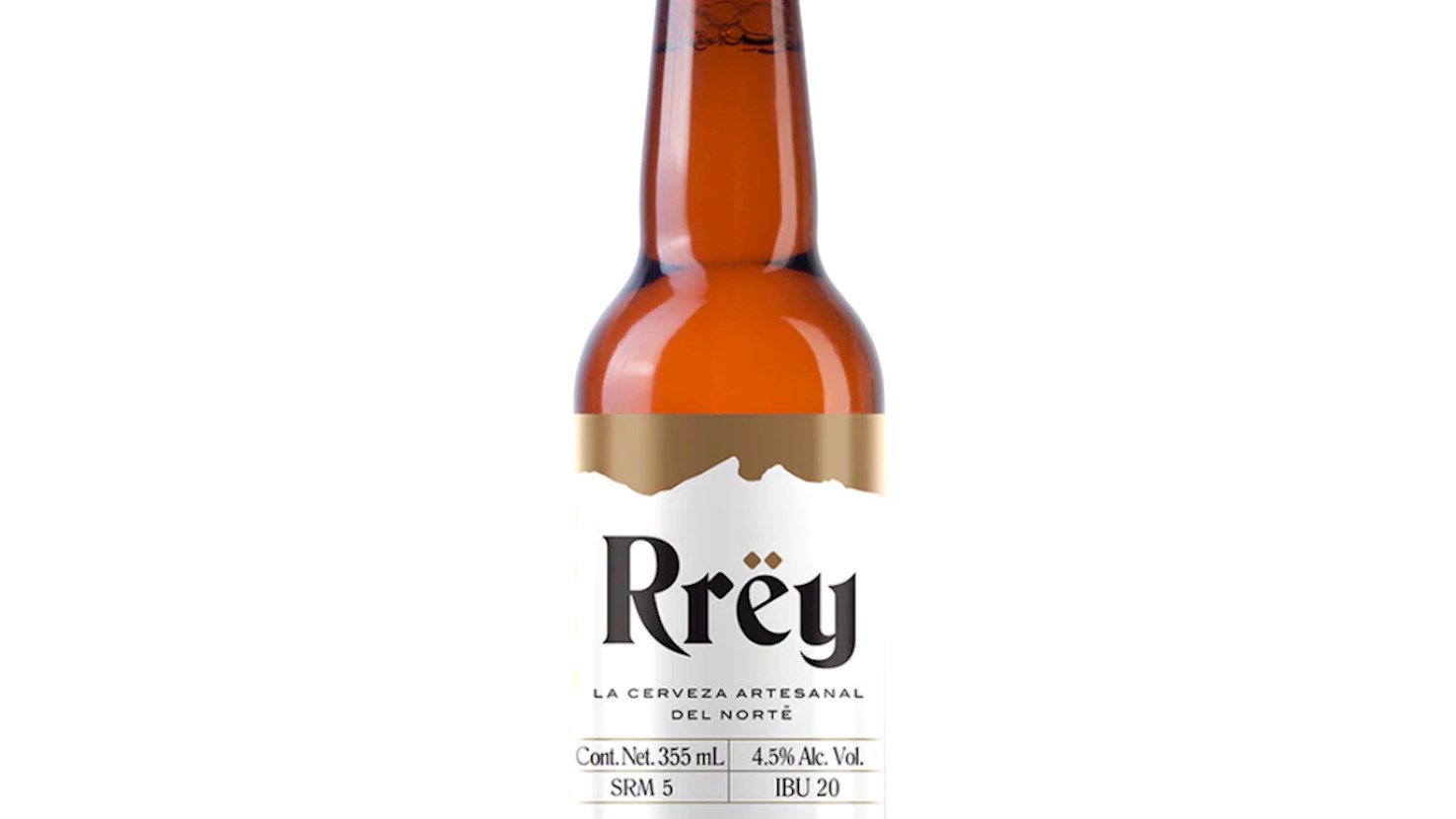
Cerveza Rrëy is a Mexican craft beer brand known for producing premium beers with distinctive flavors. The brewery focuses on high-quality ingredients and a variety of styles, including lagers and IPAs, aiming to deliver balanced and enjoyable brews.

Rrëy is recognized for its attention to detail and quality, making it a popular choice among craft beer enthusiasts in Mexico.

Best Beverage Types in the World

01

Sotol

3.4 ·

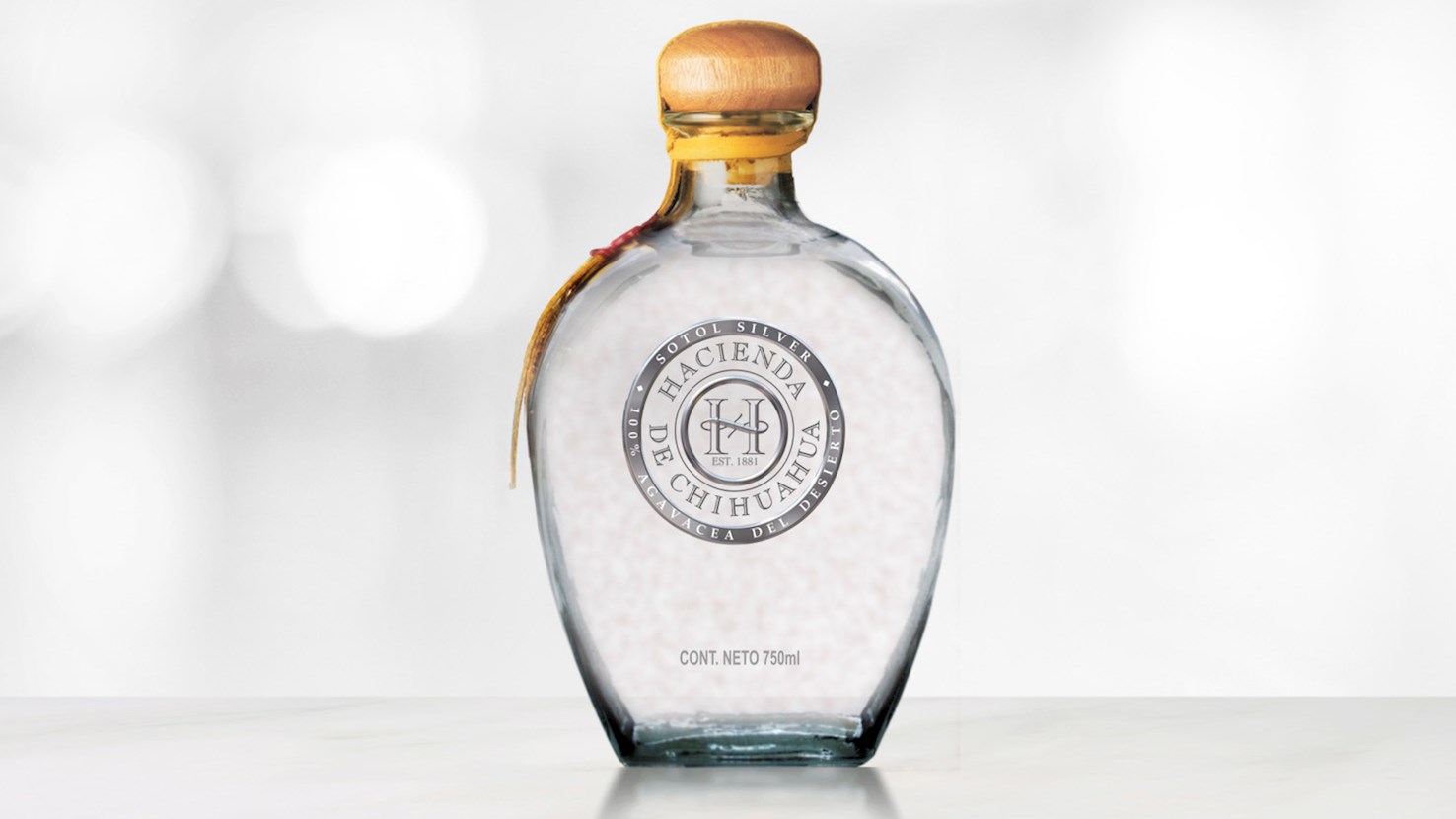
Sotol is a clear Mexican spirit distilled from a group of plants of the Dasylirion genus. The plants are known as sotol in Spanish, while the most common English term is the desert spoon. Sotol is an ancient Mexican spirit, often dubbed as a close relative to tequila and mezcal. It is mainly produced in Chihuahua. The drink is made by roasting, fermenting, and then distilling piña—the center of the plant. The final result is a drink with a smoky character similar to mezcal. The flavor is smooth and mellow, and the drink has a long-lasting, warming finish. In Mexico, sotol is served neat, and it should be sipped. It is also promoted as an excellent cocktail ingredient.

02

Tesguino

3.2 ·

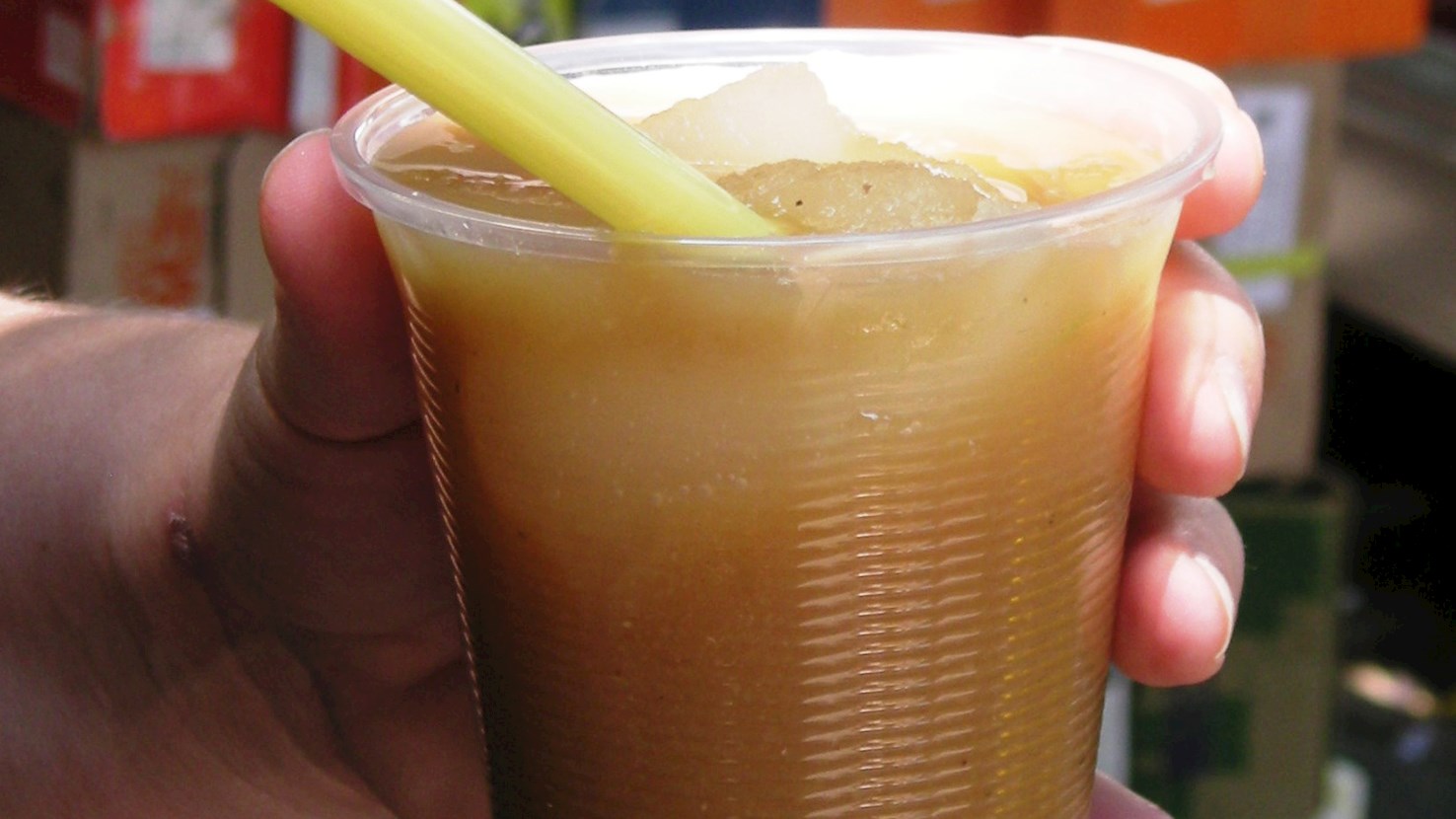
Tesguino (tesgüino) is a type of beer made from malted corn that originated among the Tarahumara, a tribe from the Sierra Madre valleys in the Mexican state of Chihuahua. The beer is made by soaking and then mashing corn kernels. The mash is boiled with water for several hours and then shortly fermented together with herbs, roots, or barks, which help ferment. The drink is strained and should be enjoyed immediately. It does not have a long shelf life, and it tends to go bad relatively fast. Tesguino is a vital part of everyday life among the Tarahumara. It is a staple on every celebration and special occasion. It is also tied to religious and ceremonial practices and has a status of a God-given elixir. Any social gathering that involves tesguino is usually referred to as tesguinada. At these gatherings, the beer is served from a gourd that is passed around among the people.

03

Bacanora

2.7 ·

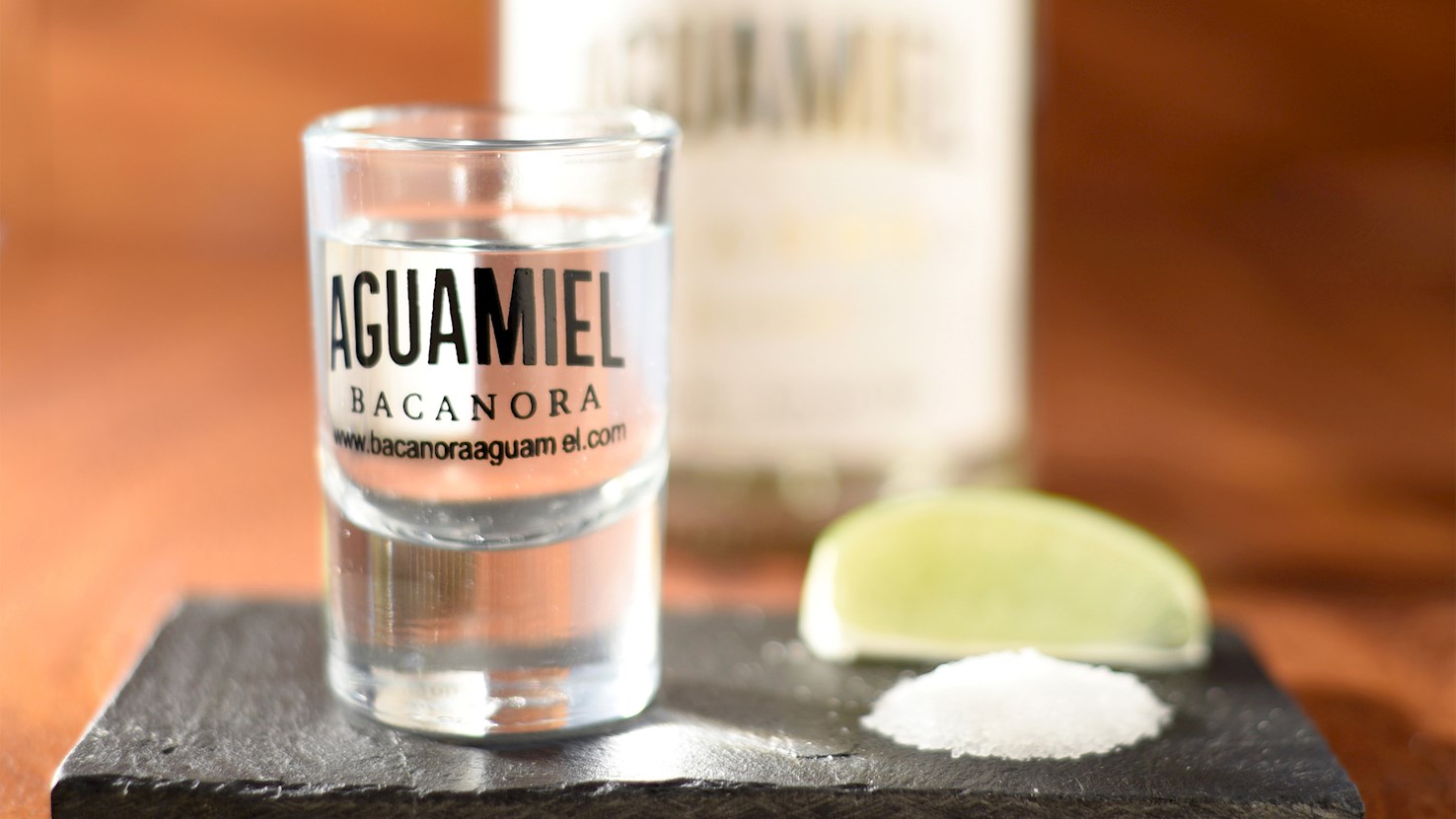
Bacanora is a native Mexican spirit exclusively made in the Sonora region. It is made with a specific type of agave called Pacifica (agave Angustifolia). Despite its turbulent history, in 2000, this once outlawed spirit has been awarded a denomination of origin status. Bacanora is a type of mezcal and a close cousin to tequila. It tends to be smoother than mezcal, while it typically has more smoky notes than tequila. Due to specific terroir, bacanora attains distinctive, complex character, smoky nuances, and an earthy finish. Bacanora has a long and rich history, but in the early 1900s, the government issued a ban on its production and consumption. It was only in 1992 that the ban was lifted. Following the decision, the tradition of making bacanora was slowly revived in Sonora. Bacanora is produced by mashing and fermenting roasted agaves. The mash is typically twice distilled, cut with water, and bottled between 40-50% ABV. Sometimes, the spirit is infused with anise or uvelama fruits. The spirit was named after the town of Bacanora in Sonora.

Best producers
04

Valle de Parras

n/a ·
Valle de Parras wine is produced by fermenting grapes grown in the high-altitude Parras Valley basin located in the southern region of the Coahuila state in northern Mexico, centered around the municipality of Parras de la Fuente. The development of this specific wine initiated in the late sixteenth century following the arrival of Spanish conquistadors and Jesuit missionaries who discovered abundant wild native grapevines irrigated by natural mountain springs, leading to a formal land grant signed by King Philip II of Spain in 1597 that established the Hacienda de San Lorenzo, which effectively functions as the oldest continuously operating commercial winery facility in the entire American continent. Preparation involves the strategic irrigation of cultivated grape varieties, including red cultivars such as Cabernet Sauvignon, Shiraz, Merlot, and Tempranillo, alongside white cultivars like Chardonnay and Chenin Blanc, using groundwater extracted from local calcareous aquifers, followed by manual selective harvesting during the cooler night hours, mechanical sorting, controlled fermentation in stainless steel tanks, and subsequent structural maturation inside French, American, or Eastern European oak barrels for durations extending between six and twenty-four months depending on the desired body profile. Valle de Parras wine is served poured into standard stemmed wine glasses, with the red variations maintained at sixteen to eighteen degrees Celsius and white variations chilled thoroughly to eight to ten degrees Celsius, utilizing glass decanters for long-aged reserve bottles to separate residual grape solids and allow aromatic compound volatization before consumption. It is drunk across domestic culinary establishments, regional tasting venues, and private residences throughout Mexico, operating as a primary cultural export showcased annually during the local Fiestas de la Vendimia harvest event. For food and beverage pairings, the pronounced spice notes, concentrated fruit profiles, and firm tannin matrices of the red wines require heavily seasoned proteins or rich, earthy sauces to soften the palate texture, meaning it is consumed alongside roasted cabrito, slow-braised beef birria, grilled ribeye steaks, and complex dark mole sauces, whereas the crisp white expressions are paired with fresh Baja-style seafood dishes, green ceviches, and semi-cured goat cheeses.
About this Ranking

TasteAtlas food rankings are based on the ratings of the TasteAtlas audience, with a series of mechanisms that recognize real users and that ignore bot, nationalist or local patriotic ratings, and give additional value to the ratings of users that the system recognizes as knowledgeable.

TasteAtlas Rankings should not be seen as the final global conclusion about food. Their purpose is to promote excellent local foods, instill pride in traditional dishes, and arouse curiosity about dishes you haven’t tried.

The initial list of top producers was compiled based on available reviews, awards, local recommendations, media and blog coverage, and consumer reviews. The list will be updated with ratings from TasteAtlas local ambassadors and TasteAtlas users.

What People Say

Similar Lists