Top 34 Polish Beverages

Last updated on June 10, 2026

Best Polish Beverages
01

Wyborowa

5 ·
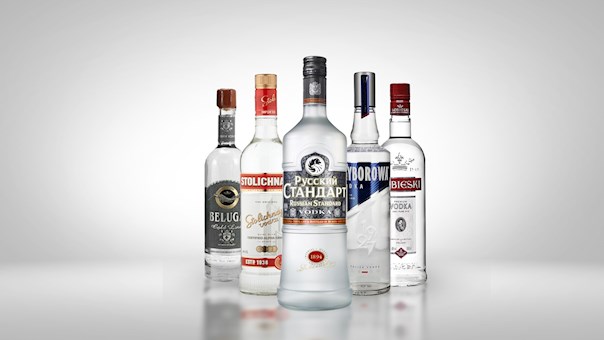
Wyborowa is a renowned Polish vodka brand with a rich heritage dating back to 1823. Crafted exclusively from pure Polish rye and water, its production process honors nearly 600 years of Polish distilling tradition, resulting in a vodka celebrated for its velvety texture and natural, subtle sweetness. Over the years, Wyborowa has garnered significant international acclaim, securing over 40 awards at various global fairs and competitions. Notably, according to the Drinks International 2020 ranking, it ranked among the top ten best-selling vodkas in the world's most popular bars. In 1999, Wyborowa became part of the Pernod Ricard portfolio, further expanding its global reach. The brand's commitment to quality and authenticity is underscored by the "Made in Poland" inscription on its bottles, emphasizing its origin and the artistry of Polish craftsmanship.
Awards
ISC-International Spirits Challenge - Double Gold (2023)
IWSC- International wine & spirit competition - Spirit Gold (2024, 2019)
02

Belvedere

5 ·
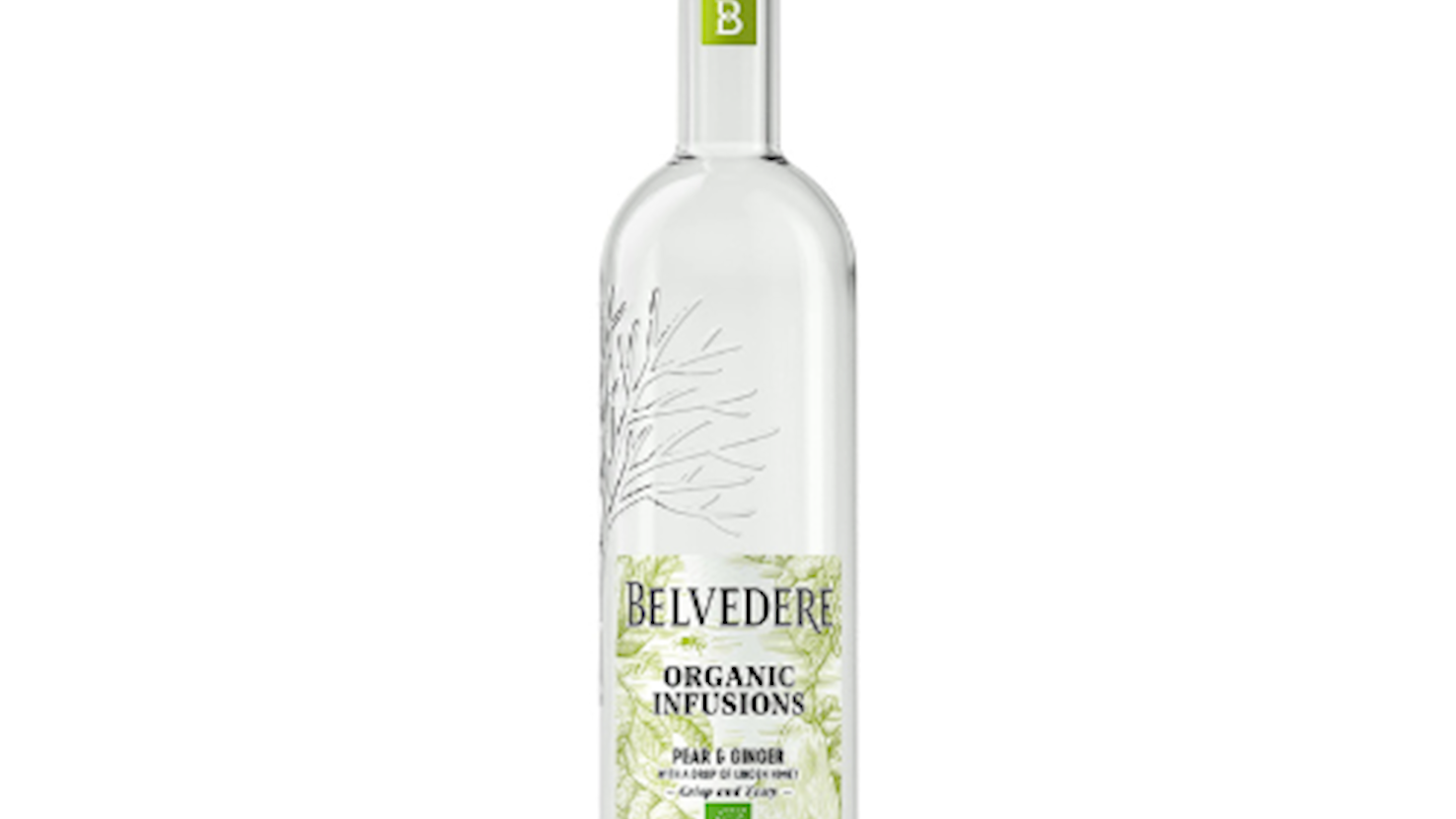
Belvedere is a premium vodka brand crafted in Żyrardów, Poland, by Polmos Żyrardów, with over a century of distilling tradition. It is made from Dankowskie Gold Rye, a heritage grain, and undergoes a meticulous quadruple distillation process for a smooth, velvety taste. Belvedere adheres to the strict standards of Polish Vodka certification, using only natural ingredients with no additives or sugar. The flagship Belvedere Pure is celebrated for its purity, while the brand also offers Single Estate Rye and Organic Infusions. Sustainability is a core focus, with renewable energy and eco-friendly practices in production. The vodka has won numerous international awards for its quality and craftsmanship. Belvedere is globally recognized as a symbol of luxury and Polish heritage, often featured at high-profile events and occasions.
Awards
The Vodka Masters - Gold (2022)
The Vodka Masters - Master & Taste Master (2022)
03

Furious Meads

5 ·
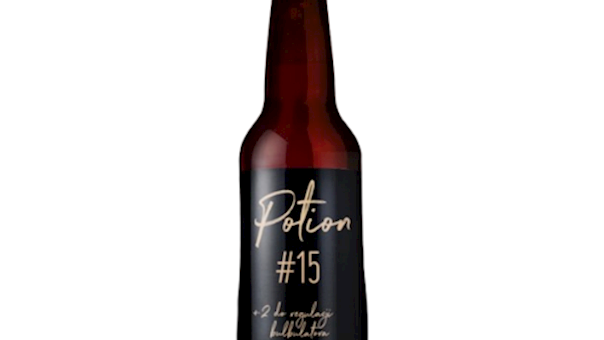
Furious Meads is a small craft meadery from Krakow, Poland, positioned as a producer of modern dessert-style meads with pronounced aromatic and layered profiles. Their philosophy is based on the use of high-quality honey and fruit, often combined with barrels that previously held fine wines or spirits to add extra complexity. Their products frequently incorporate black currant, cranberry, strawberry, or chokeberry, along with spices and oak aging, resulting in a dessert-like, almost liqueur character. The texture of their meads is typically full, creamy, and intense, with a long finish where fruit, honey, and woody notes intertwine. This brand represents a new generation of Polish producers who see mead as a space for creativity and innovation, but without compromising on quality.
Awards
Untappd - 4.5
Untappd - 4.4
04

Pravda Spirits International

5 ·
Awards
ISC-International Spirits Challenge - Double Gold (2023)
The Vodka Masters - Gold (2023)
05

Kavka Vodka

5 ·

Kavka Vodka is a Polish spirits brand inspired by traditional vodka-making methods that were common in Poland before modern filtration techniques became widespread. Founded by Jan Woroniecki, the brand was created to revive historical approaches that emphasized character, regional identity and distinctive flavor profiles rather than complete neutrality. Kavka draws on the distilling heritage of Sandomierz, one of Poland’s oldest towns and a region long associated with fruit cultivation and spirit production. The company works with Polish distillers and sources local ingredients that reflect this agricultural tradition. According to the brand, its products are made using a blend of rye and wheat spirits together with small quantities of aged fruit distillates, a technique rooted in historic Polish vodka production. The name “Kavka” refers to the jackdaw bird and also carries cultural associations within Polish folklore. Since its launch, the brand has positioned itself as a modern interpretation of classic Polish vodka traditions while remaining closely connected to regional heritage. Kavka has gained recognition in international markets for highlighting the diversity and historical depth of Polish distilling culture. Its portfolio includes several expressions inspired by local ingredients and traditional maturation methods. Today, the brand represents a combination of Polish craftsmanship, historical inspiration and contemporary design.

Awards
SFWSC - San Francisco World Spirits Competition - Double Gold (2023)
06

PUH Chemirol Sp. z o.o. - Torunskie Wodki Gatunkowe
5 ·
Awards
ISC-International Spirits Challenge - Double Gold (2023)
ISC-International Spirits Challenge - Gold trophy (2023)
07

Quantum Satis

4.8 ·
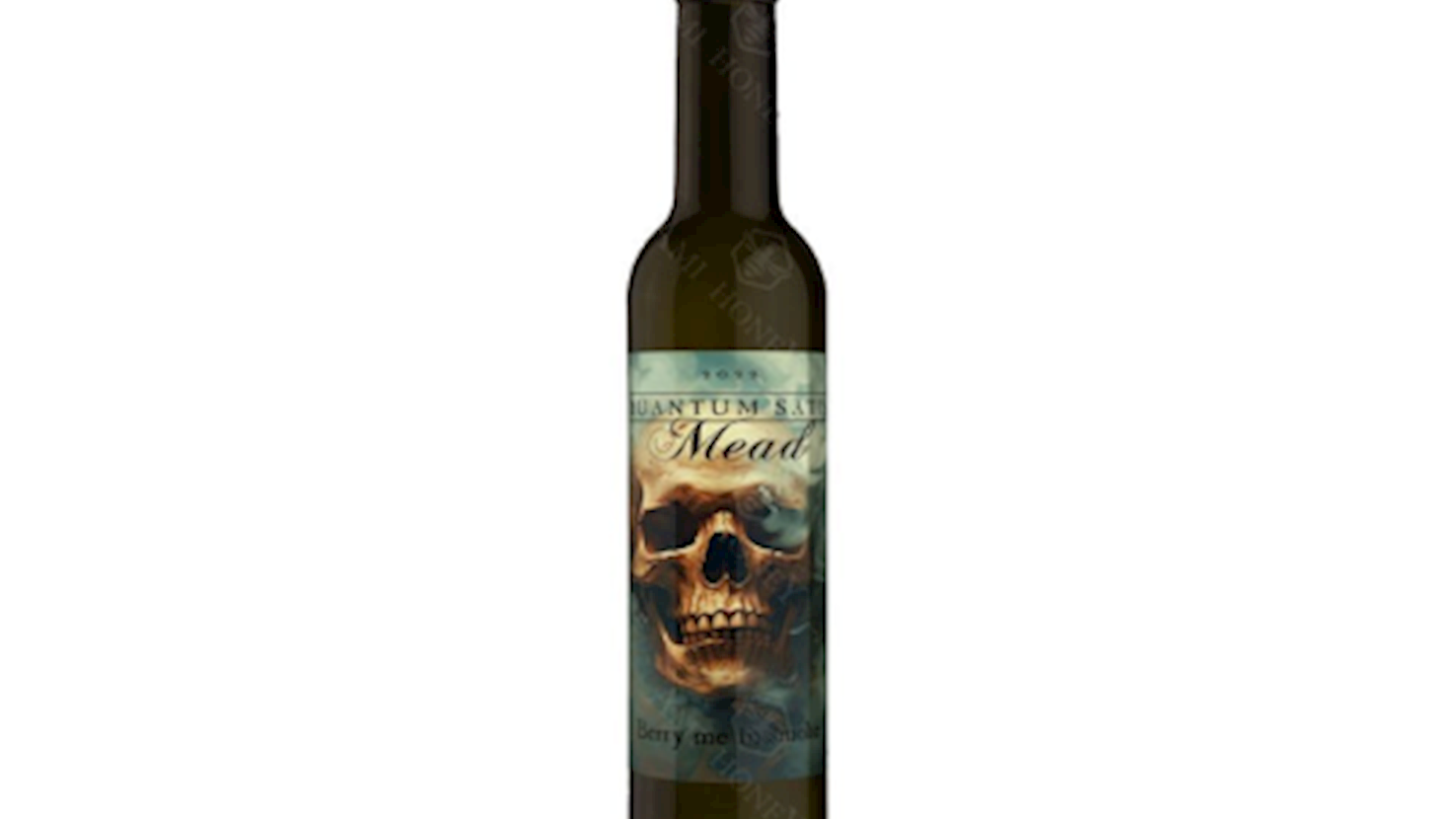
Quantum Satis is a modern mead producer from Domasław, Poland. Their philosophy is based on small-batch production and an experimental approach, which sets them apart from traditional meaderies. They are particularly known for melomels made with dark fruits such as cherries, aronia, and black currants, where they combine a semi-sweet profile with pronounced fruit acidity. In their production process, they often use acacia honey, which adds a more delicate and elegant character to the drink. Their labels attract enthusiasts who seek complex yet approachable meads, with a focus on balancing sweetness and acidity. Quantum Satis stands out as a brand that merges innovation with craftsmanship and attention to detail. Their focus is a constant search for balance between tradition and modern expression. A special emphasis is placed on the use of natural ingredients and creative fermentation techniques. In this way, Quantum Satis positions itself as a producer for consumers who want to explore a new dimension of mead and discover its potential beyond conventional boundaries.
Awards
Untappd - 4.2
Untappd - 4.0
08

Podlaska Wytwornia Wodek Polmos

4.8 ·
Awards
IWSC- International wine & spirit competition - Spirit Gold (2024)
09

Ima Polska S.A.

4.8 ·
Awards
IWSC- International wine & spirit competition - Spirit Gold (2024)
10

Kravt & Co. Sp. z o.o.
4.8 ·
Awards
IWSC- International wine & spirit competition - Spirit Gold (2023)

Best Polish Beverage Types

01

Póltorak Staropolski Tradycyjny

4.4 ·

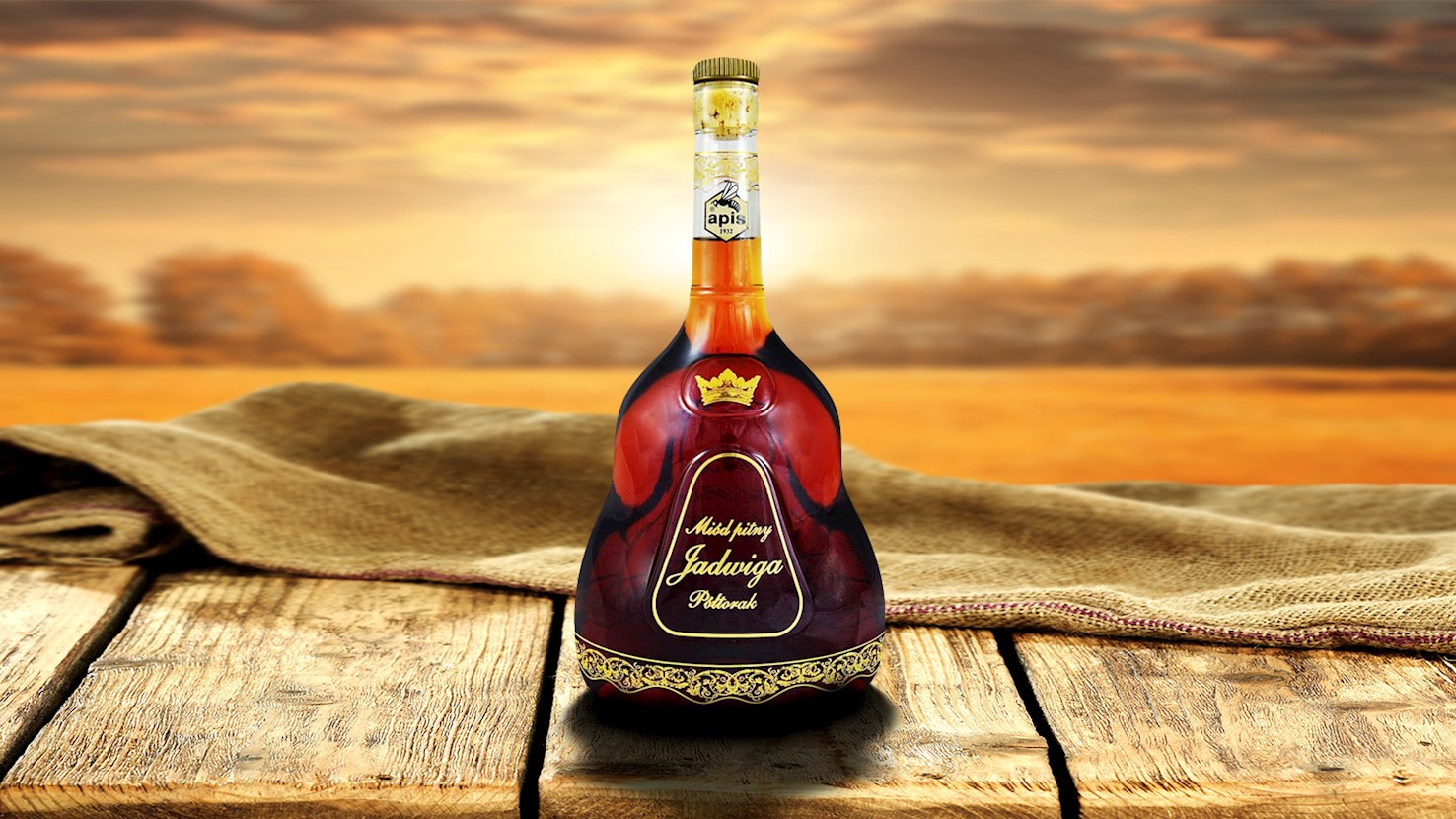
Póltorak is a mead produced in Poland in accordance with old Polish traditions that date back over a thousand years. Its alcohol content ranges from 15 to 18% vol. and it is fermented from mead wort. In order to be called Póltorak", the mead must be made in proportions of one part honey to 0,5 part water (alternatively, water mixed with fruit juice). It gets its name from the numeral '1,5' (póltora in Polish), referring to the ratio of honey and water. This alcoholic beverage is golden to dark amber, with a delicate aroma and flavor of honey, which may be enhanced with spices such as ginger, nutmeg, cinnamon or cloves. Póltorak is often sold in traditional packagings such as ceramic containers, oak barrels, and carboys. Due to the strict rules regarding maturing and mellowing of the mead, the final product is matured for at least 3 years and as such it is of the best quality.

02

Dwójniak Staropolski Tradycyjny

4.3 ·

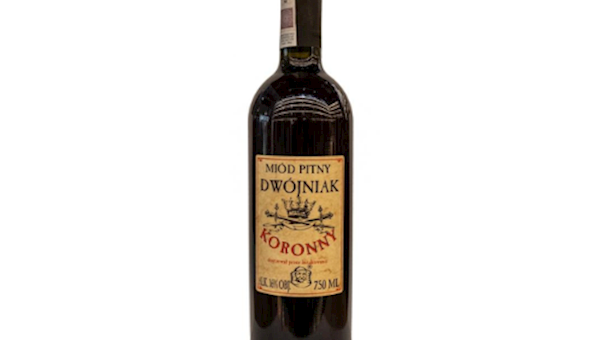
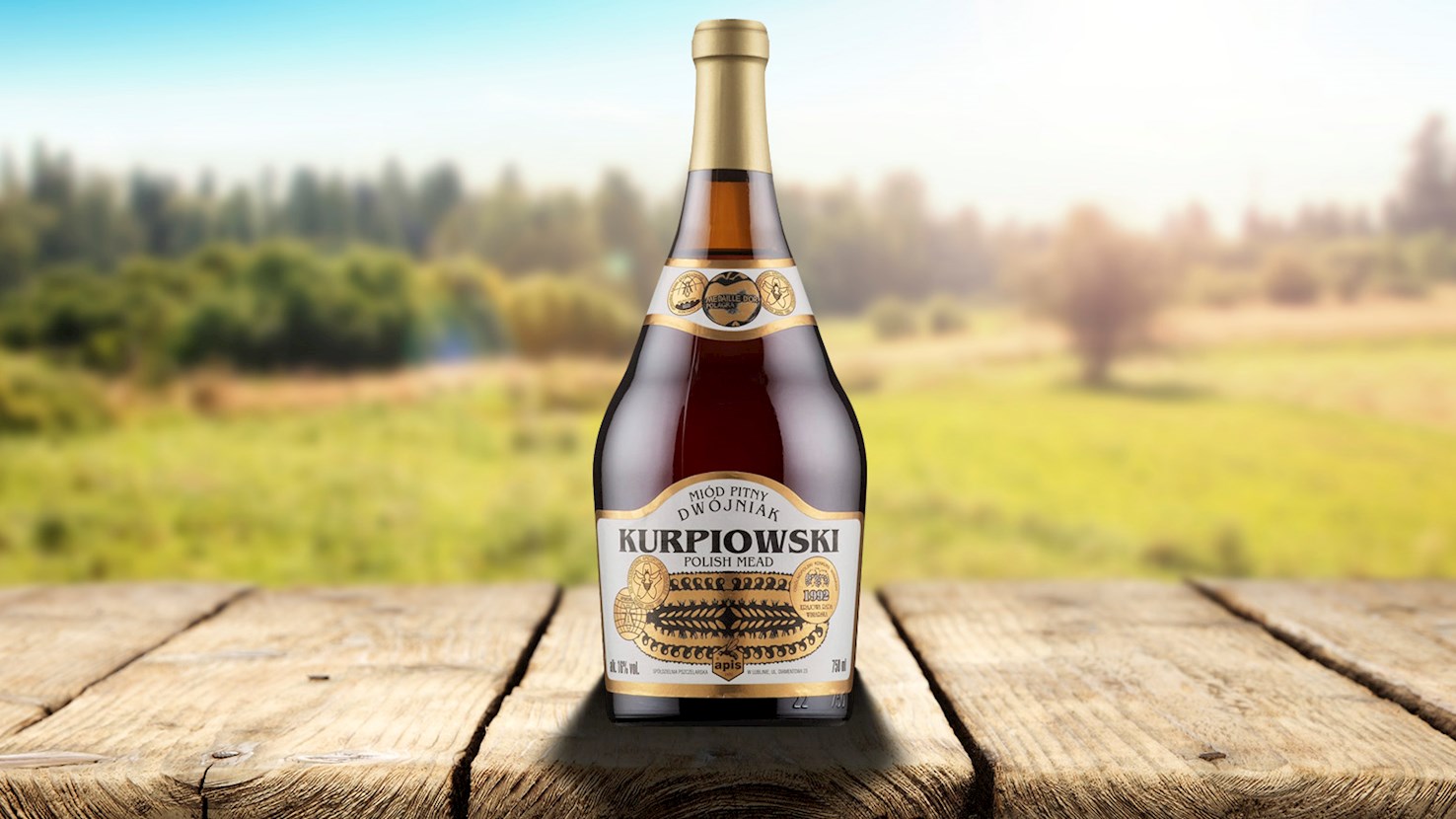
Dwójniak is a traditional mead product with an alcohol content ranging from 15 to 18 % vol., fermented from mead wort and produced throughout Poland. To be called Dwójniak, mead must be made from one part honey and one part water. It gets its name from the numeral 2, referring to the proportions of mead and water. It is a clear alcoholic beverage, with a unique aroma and flavor of honey, which may be enhanced using spices such as cloves, ginger, nutmeg and cinnamon. It is golden to dark amber in color, depending on the type of honey used in the process. Dwójniak is often sold in traditional packagings such as ceramic containers, oak barrels, and carboys. Due to the strict rules regarding maturing and mellowing of the mead (it must mature for at least two years), the final product is of the best quality.

Best producers
03

Trójniak staropolski Tradycyjny

4.1 ·

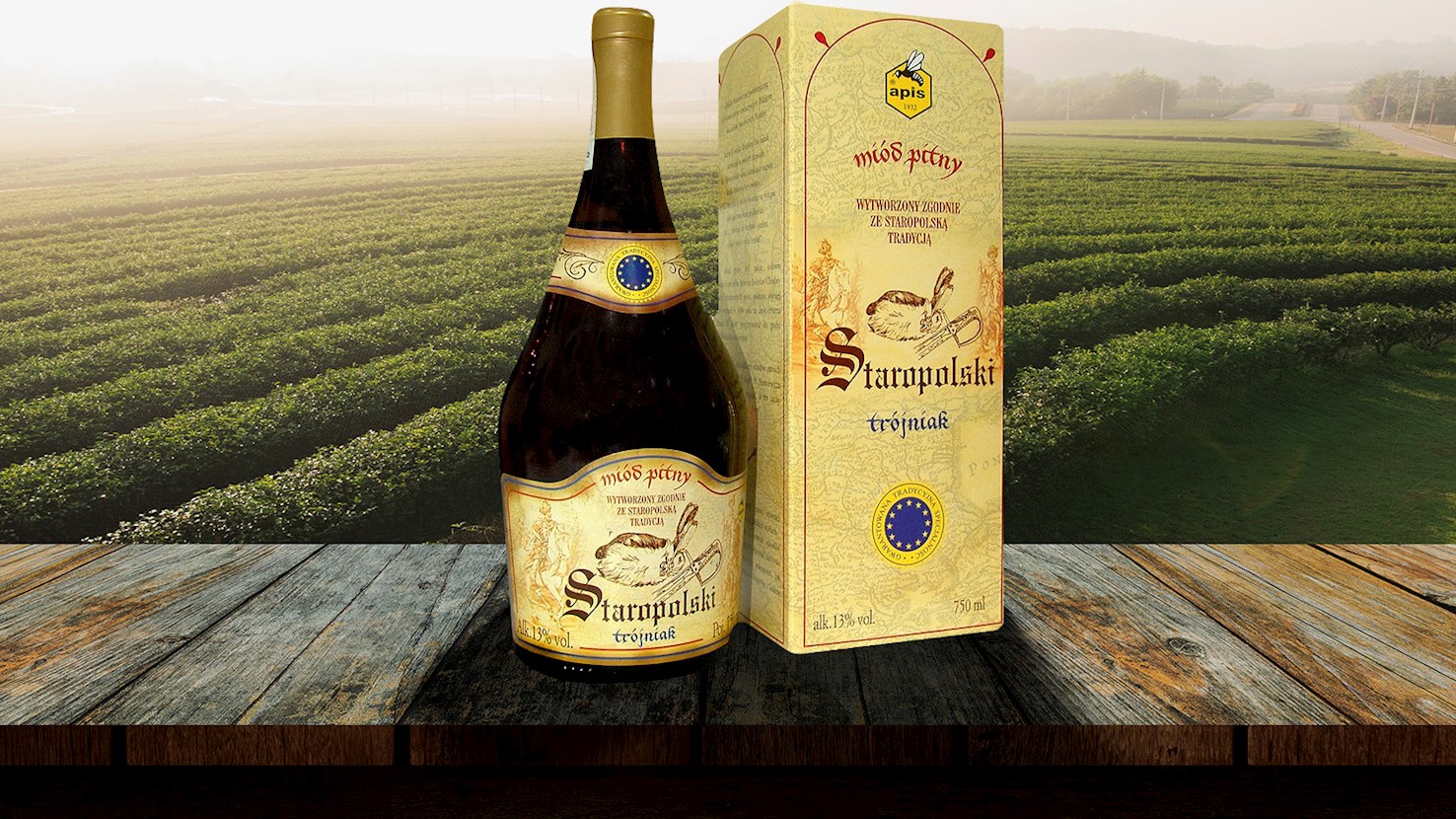
Trójniak is a mead produced in Poland in accordance with old Polish traditions which date back over a thousand years. Its alcohol content ranges from 12 to 15% vol. and it is fermented from mead wort. In order to be called Trójniak, the mead must be made in proportions of one part honey to two parts water (alternatively, water mixed with fruit juice). It gets its name from trzy, the Polish word for the numeral '3', referring to the ratio of honey and water in the product. Trójniak is golden to dark amber in color, with a delicate aroma and flavor of honey, which may be enhanced with spices such as ginger, nutmeg, cinnamon or cloves. It is often sold in traditional packaging such as ceramic containers, oak barrels, and carboys. Due to the strict rules regarding maturing and mellowing of the mead (it must mature for at least one year), the final product is of the best organoleptic properties.

04

Szarlotka

4.1 ·

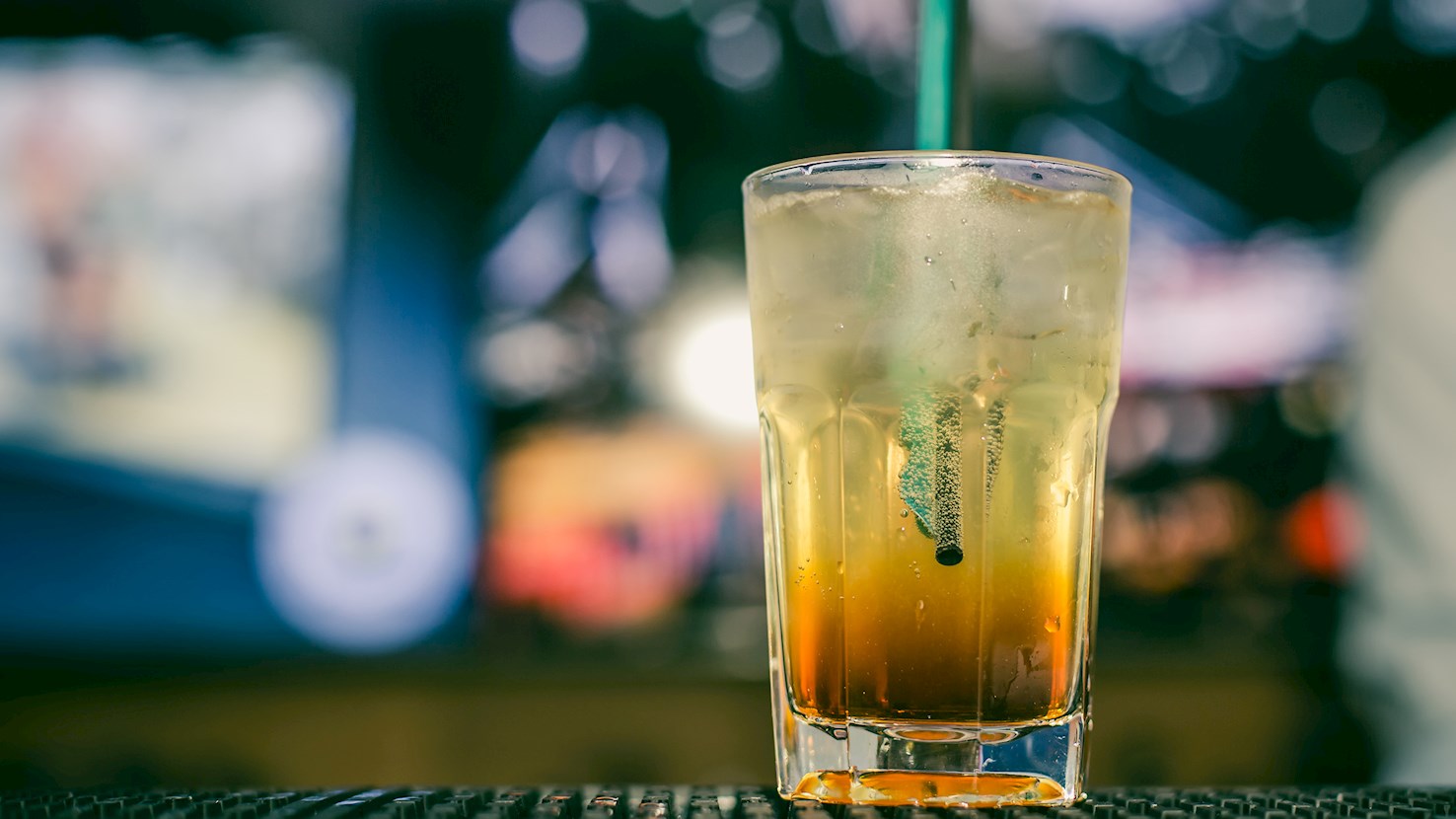
Szarlotka (or Tatanka) is a Polish cocktail that combines apple juice and Żubrówka, popular Polish vodka flavored with bison grass. The ratio is 2:1 in favor of apple juice. To assemble it, a shot of vodka is poured into a glass filled with ice, and apple juice is added next. The drink is usually served in a highball glass. It can be made with clear or cloudy apple juice, while the variations sometimes include lemon or lime juice. Also, it can be dusted with cinnamon.

Szarlotka is a Polish term for an apple cake. In this cocktail, it is used as a reference to apple juice.

05

Baltic porter

4.1 ·

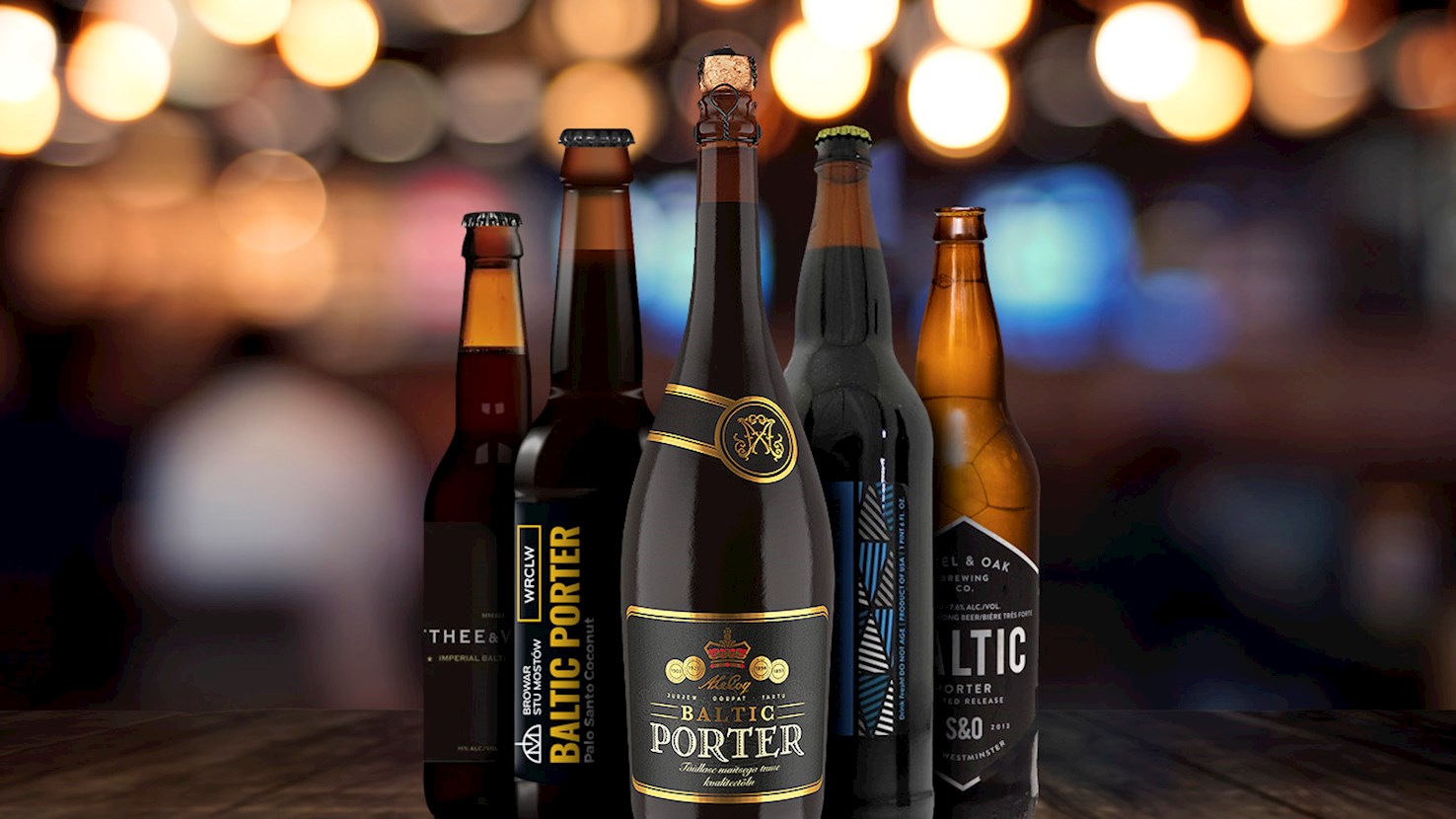
This beer style evolved from the British porter, and it was partially influenced by imperial stouts. The beers that fall under this category will typically have high alcohol content, usually between 5.5 and 9.5% ABV, while their color ranges from mahogany red to dark brown. They are full-bodied and smooth brews with typical malt flavors that are usually complemented by aromas of toast, caramel, licorice, dried fruit, chocolate, and coffee. Baltic porter first appeared when stronger and hoppier versions of British porter were sent to Russia. The shipments first reached Baltic, Scandinavian, and Northern European ports, including those in Finland, Poland, Sweden, Denmark, Lithuania, Estonia, and Latvia. Home breweries soon started to produce their versions using lager yeasts and regional ingredients, eventually creating a style that comes in many local expressions. Baltic porters are an excellent match to hearty dishes, especially roasted or grilled meat, and stews. They can also go well with chocolate or nut desserts and cheese.

06

Czwórniak Staropolski Tradycyjny

4 ·

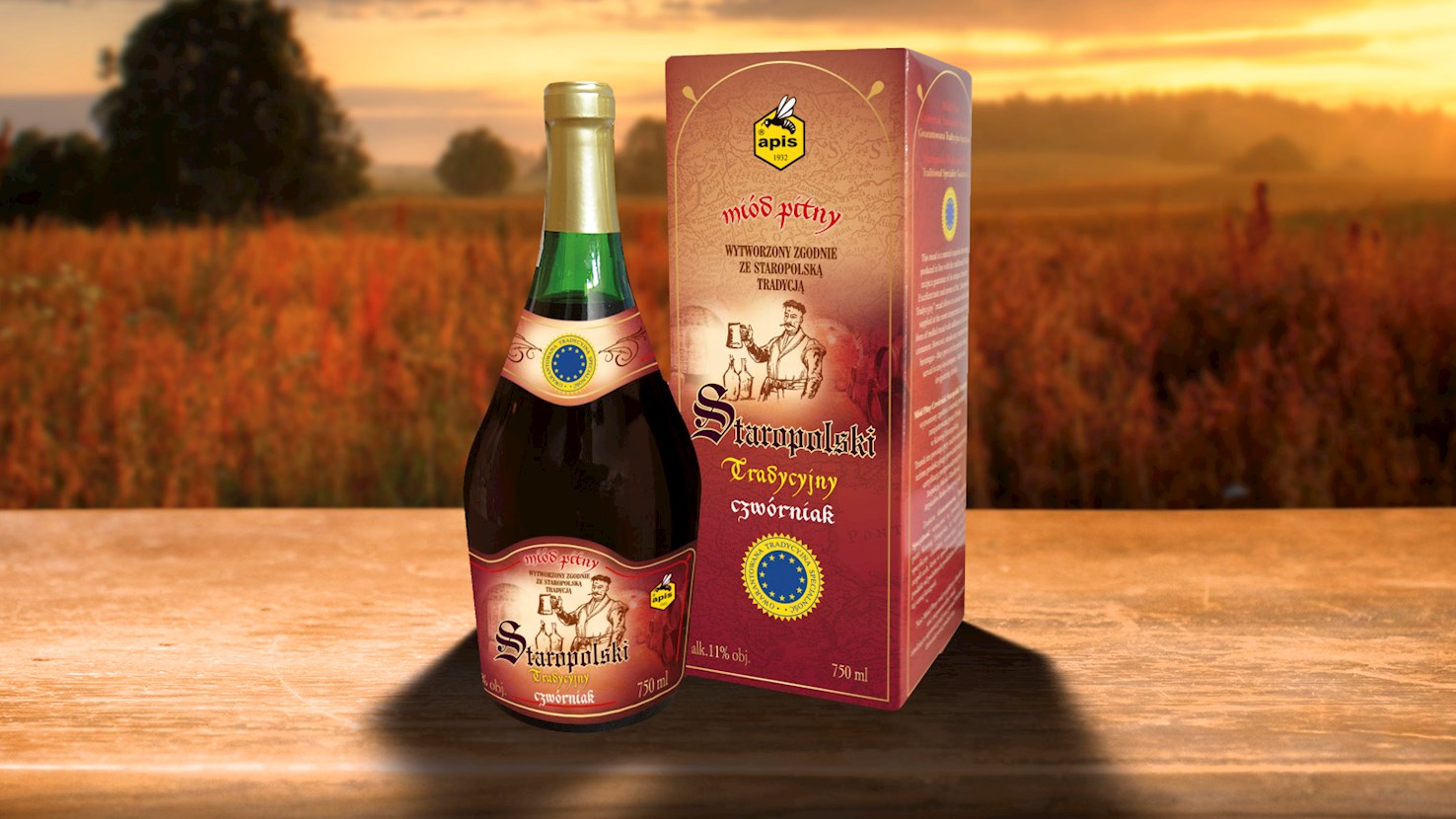
Czwórniak is a traditional mead product with an alcohol content from 9 to 12 % vol., fermented from mead wort and produced throughout Poland. To be called Czwórniak, mead must be made from one part honey and three parts water. It is a clear alcoholic beverage, with a unique honey aroma and flavor, which may be enhanced using selected spices such as cloves, ginger, nutmeg and cinnamon. It is golden to dark amber in color, depending on the type of honey used in the process. Czwórniak is often sold in traditional packagings such as ceramic containers, oak barrels, and carboys. Due to the strict rules regarding maturing and mellowing of the mead, the final product is a beverage of a rich and delicate taste and top quality.

07

Goldwasser

4 ·

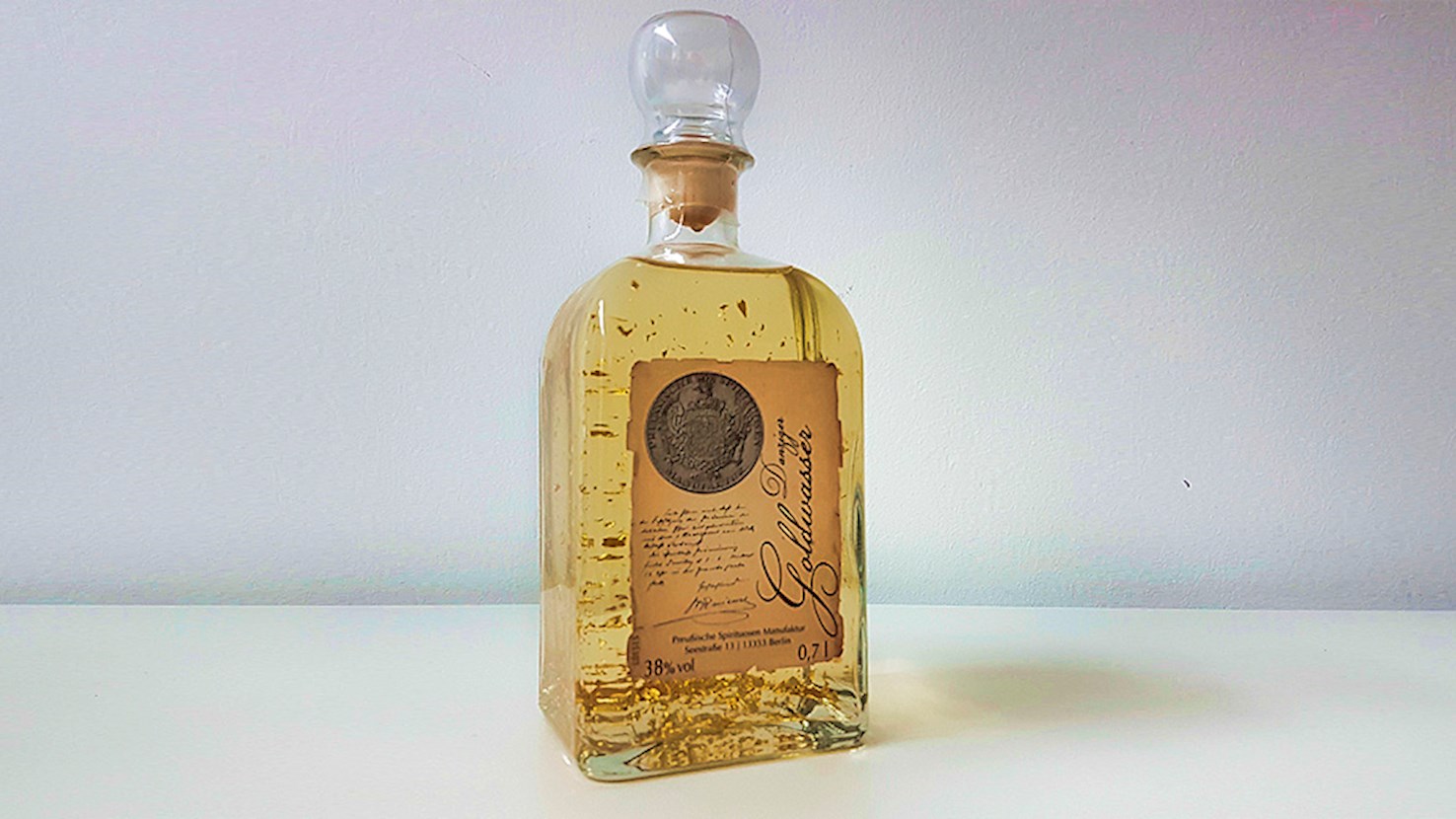
Hailing from Gdańsk, this herbal liqueur is easily distinguished by the flakes of real gold. According to the written records, it first appeared in 1598, and it was an invention of a Dutch Ambrose Vermollen who created a recipe that was based on a secret combination of 20 different herbs and roots. Considered as one of the oldest liqueurs in the world, Goldwasser comes at 40% ABV and displays both sweet and spicy cinnamon aromas, with underlying notes of licorice and mint. Though its history is closely intertwined with Poland, following the political turmoil and the Second World War Goldwasser is now produced in Germany, but it remains a symbol of the city of Gdańsk.

08

Grodziskie

3.9 ·

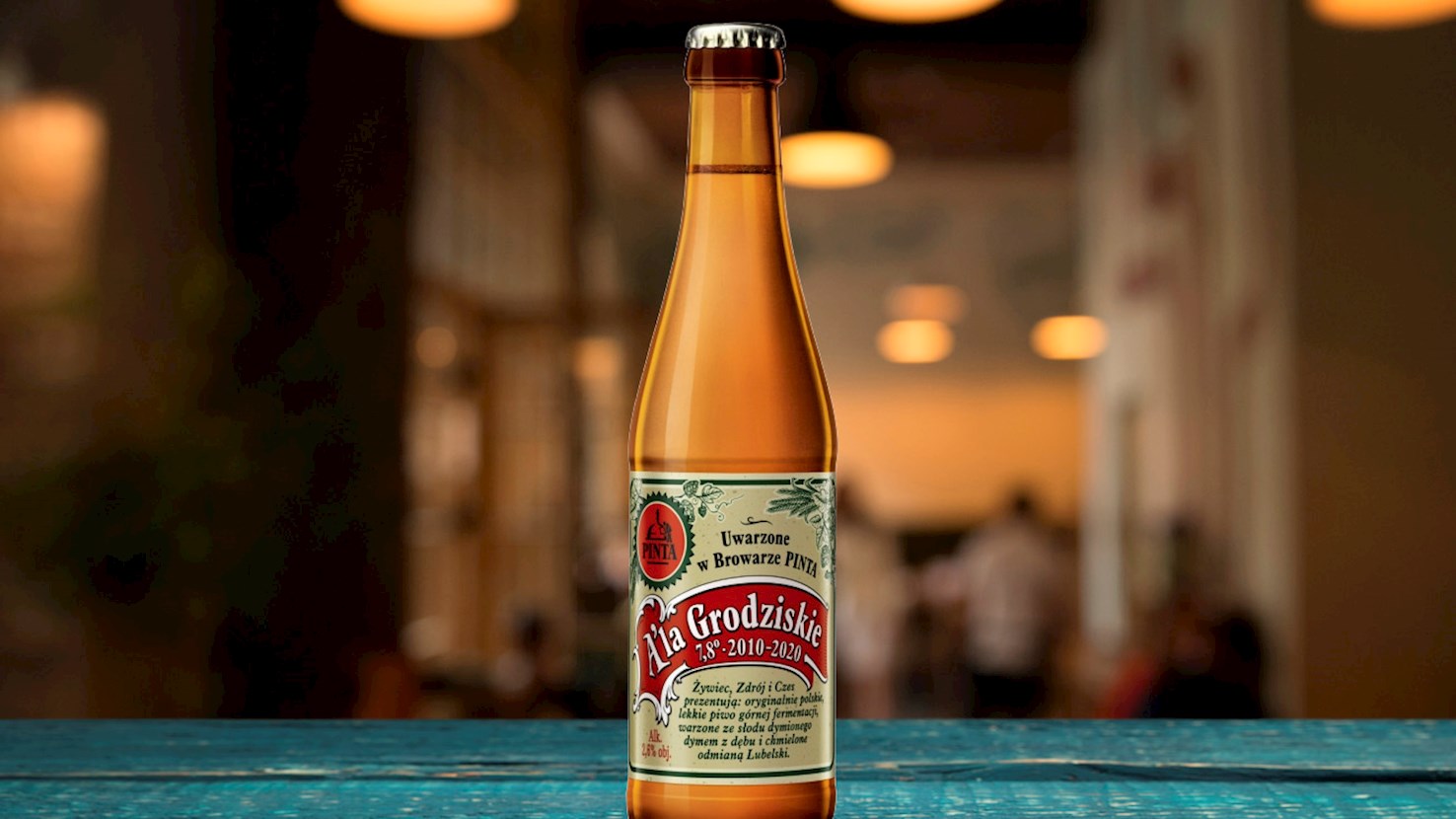
Grodziskie is a historical beer style that originated in Grodzisk. When it was under Prussian rule, the city was also known as Grätz, which is why the style is known as Grätzer. The style disappeared in the early 1990s, and though it is still rare, it was slowly reintroduced, mainly by homebrewing enthusiasts and several breweries. Grodziskie can range from light straw to golden yellow. Traditionally, this beer was brewed from oak-smoked wheat malt. It is typically a light-bodied and highly carbonated style with low alcohol content (2.5-3.3%). The aroma and the flavor display smoky oak notes that are often accompanied by herbal, floral, or spicy nuances. Bitterness is medium to high, while the finish is crisp and dry. Brewing tradition in Grodzisk started centuries ago, and mass production was introduced in the mid-16th century. By the 1700s, it enjoyed immense popularity, and in the 19th and the early 20th century, it was exported and was often praised for its exceptional quality. However, the popularity declined following WWII, and the last brewery was closed in 1993. Grodziskie style that pairs well with smoked and grilled dishes or cheese.

09

Bimber

3.8 ·

IT IS ILLEGAL TO PRODUCE AND SELL TRADITIONAL HOMEMADE BIMBER DUE TO HEALTH RISKS.

Bimber is a type of Polish homemade or illicitly distilled alcohol, much like moonshine in English-speaking countries. Bimber has deep roots in Polish rural culture, where it has been produced for centuries, particularly in times of economic hardship or during periods when alcohol was heavily taxed or regulated. Historically, people in rural areas would distill their own alcohol to avoid the cost of commercial spirits. The process of making bimber was often passed down through generations, and it became a symbol of self-reliance and tradition in many communities. Bimber can be made from various ingredients, most commonly grains (such as wheat, rye, or barley), potatoes (a common base in Eastern European spirits), or fruits (such as plums, apples, or cherries). The process begins with the fermentation of these ingredients, where yeast is used to convert the sugars into alcohol. After fermentation, the mixture is distilled, often in makeshift or homemade stills. The distillation process involves heating the fermented mixture to separate the alcohol from the other components. The result is a clear, strong spirit with a high alcohol content, often reaching 40-80% alcohol by volume (ABV), depending on the number of distillations. Because bimber is typically made in unregulated settings, the equipment used and the skill of the distiller greatly influence the quality and safety of the final product. Poorly made bimber can contain harmful substances, such as methanol, which can lead to serious health risks. In Polish culture, bimber has been both romanticized and vilified. On one hand, it is seen as a symbol of resilience and independence, especially during times of political oppression, such as during World War II or the communist era, when access to commercial alcohol was restricted. On the other hand, the production and sale of bimber are illegal in most places due to the lack of safety standards and government taxation. Despite its illegal status, bimber remains popular in certain regions and among certain groups. It is often consumed during family gatherings, weddings, or other celebrations, sometimes as a point of pride for those who produce it.

10

Żubrówka

3.6 ·

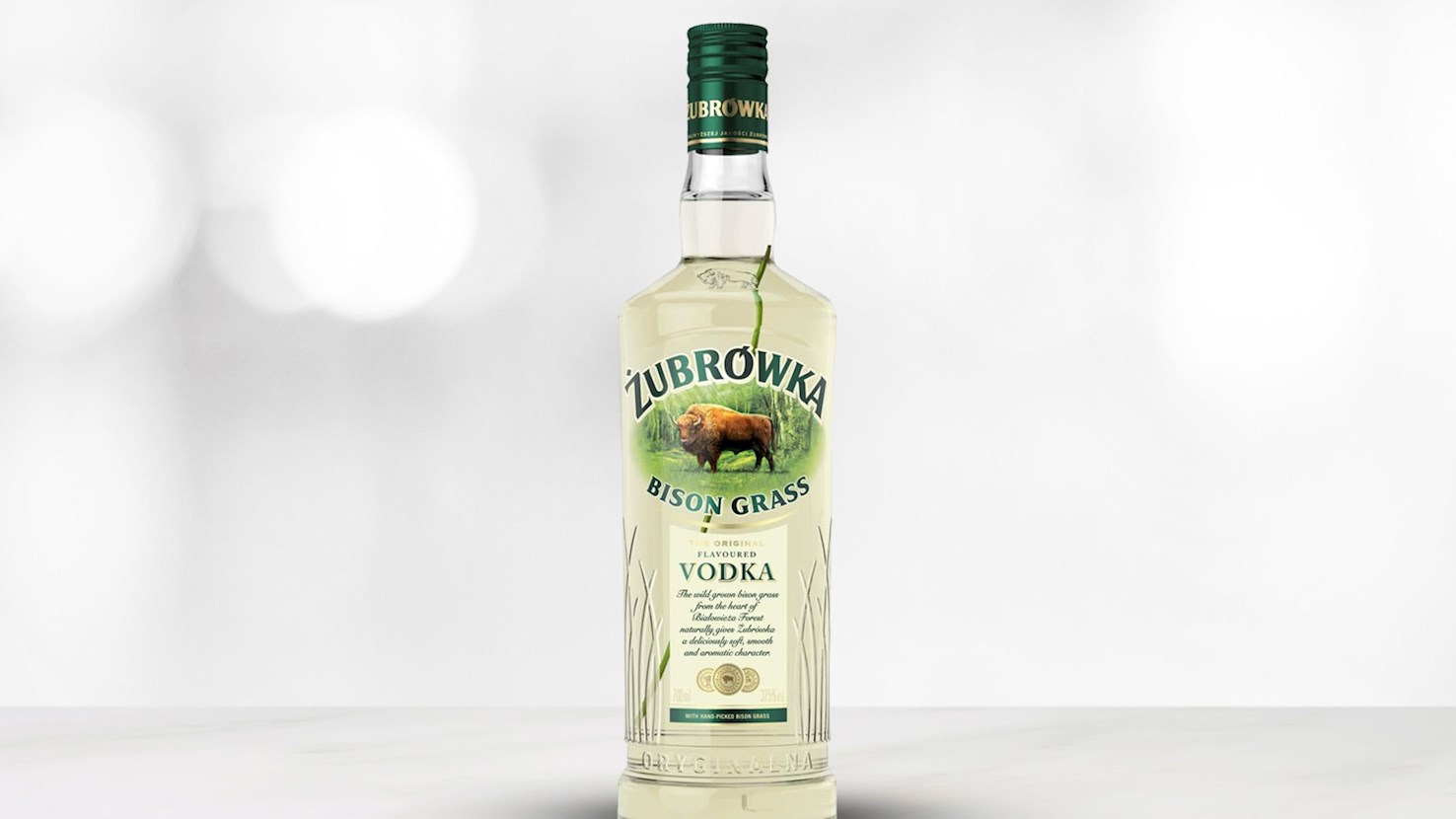
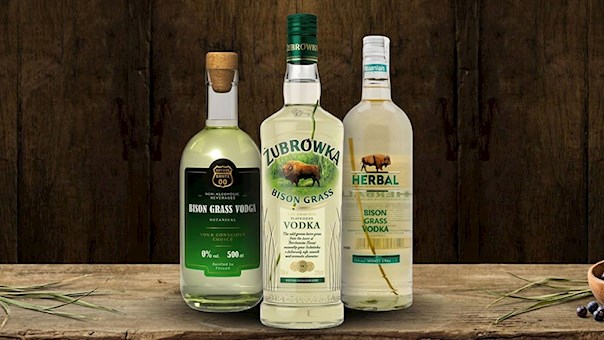
Żubrówka is a Polish vodka flavored with bison grass (Hierochloe odorata), and each bottle contains a blade of bison grass. The original recipe for this vodka allegedly dates to the 14th century, but commercial production started in 1928. It is made from a rye base and bison grass picked at the height of summer. Żubrówka is clear and has a slight green tinge. It is rounded and refreshing with subtle herbal and earthy notes and a touch of spice. The finish is soft and mellow with lingering herbal and vanilla-like nuances. Bison grass is picked in Białowieża Forest in Northern Poland. The plant has been used for various medicinal and ritual purposes, and the forest is a place where bison (buffalo) freely roam, hence the name. Żubrówka is produced by Polmos Bialystok Distillery. The brand also produces standard, non-flavored vodka. Żubrówka is best served ice-cold. It is traditionally enjoyed neat or on the rocks, and it is sometimes mixed with apple juice to make tatanka/szarlotka cocktail. Żubrówka is the third best-selling vodka in the world.

Read more
View all
View map
About this ranking

TasteAtlas food rankings are based on the ratings of the TasteAtlas audience, with a series of mechanisms that recognize real users and that ignore bot, nationalist or local patriotic ratings, and give additional value to the ratings of users that the system recognizes as knowledgeable. For the “Top 34 Polish Beverages” list until June 10, 2026, 1,115 ratings were recorded, of which 962 were recognized by the system as legitimate. TasteAtlas Rankings should not be seen as the final global conclusion about food. Their purpose is to promote excellent local foods, instill pride in traditional dishes, and arouse curiosity about dishes you haven’t tried.

The initial list of top producers was compiled based on available reviews, awards, local recommendations, media and blog coverage, and consumer reviews. The list will be updated with ratings from TasteAtlas local ambassadors and TasteAtlas users.

Similar lists