Top 10 Local Beverages
in the Province of Vicenza

Last updated on June 04, 2026

Best Province of Vicenza Beverages
01

Rossi d'Asiago

5 ·
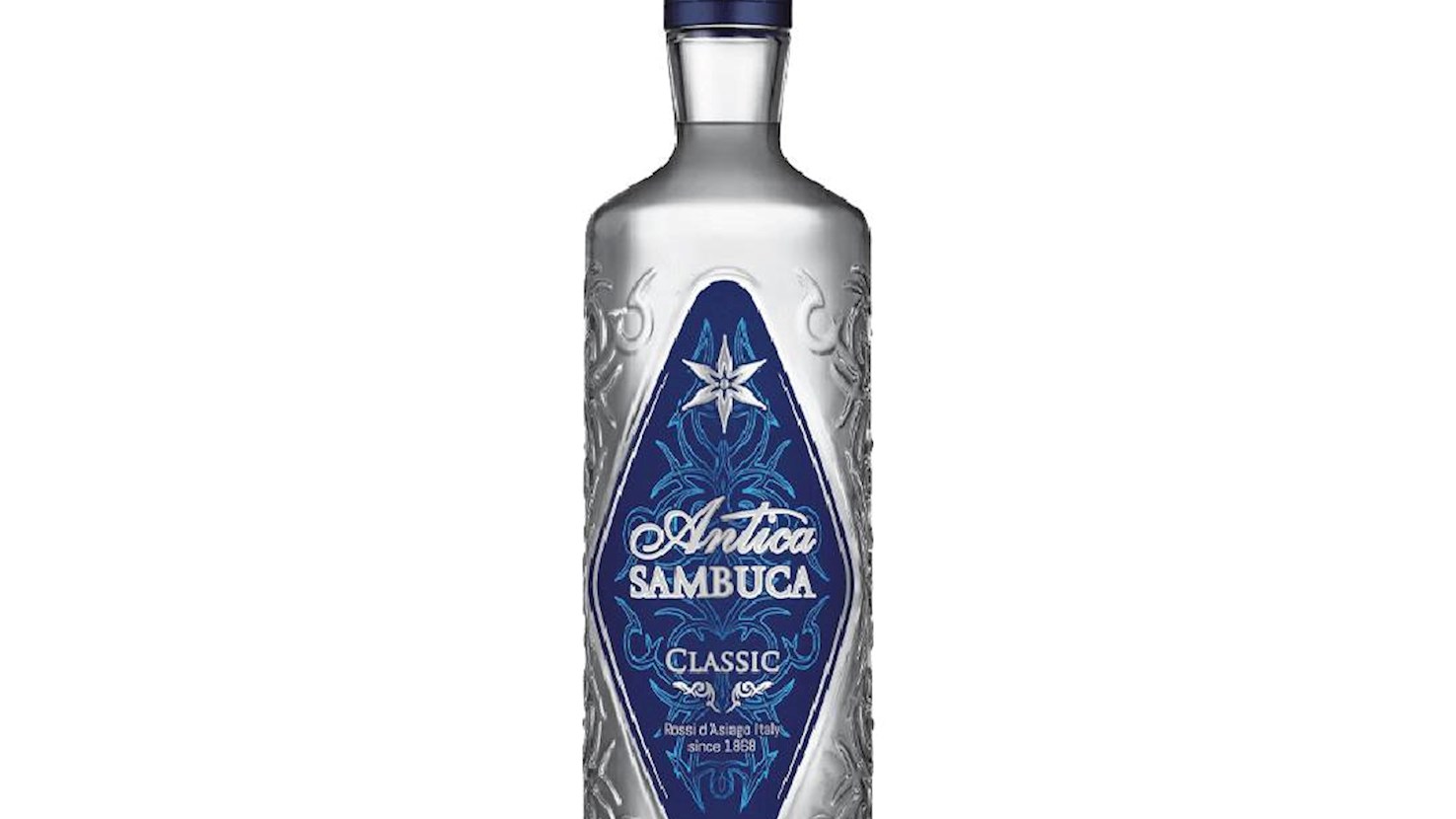
Rossi d'Asiago is an Italian distillery founded in 1868 by pharmacist Giovan Battista Rossi in Asiago, a picturesque town in the Venetian Alps. Initially, Rossi created elixirs and natural remedies for tourists, and his products' success led to the establishment of the distillery, which became known as the "highest distillery in Europe." In 1993, the Dal Toso family, with a longstanding tradition in distillation, acquired the Rossi d'Asiago brand, revitalizing it under the name Antiche Distillerie Riunite. This acquisition included traditional recipes and production techniques passed down since 1868. The distillery is renowned for its innovative products characterized by intense aromas and smooth flavors. Notable creations include Antica Sambuca, a sambuca variant that blends tradition with modernity, and Kranebet, a white bitter liqueur distilled from juniper berries, gentian, and alpine roots, which has become emblematic of the Asiago plateau.
Awards
European Spirits Challenge - Gold (2023)
02

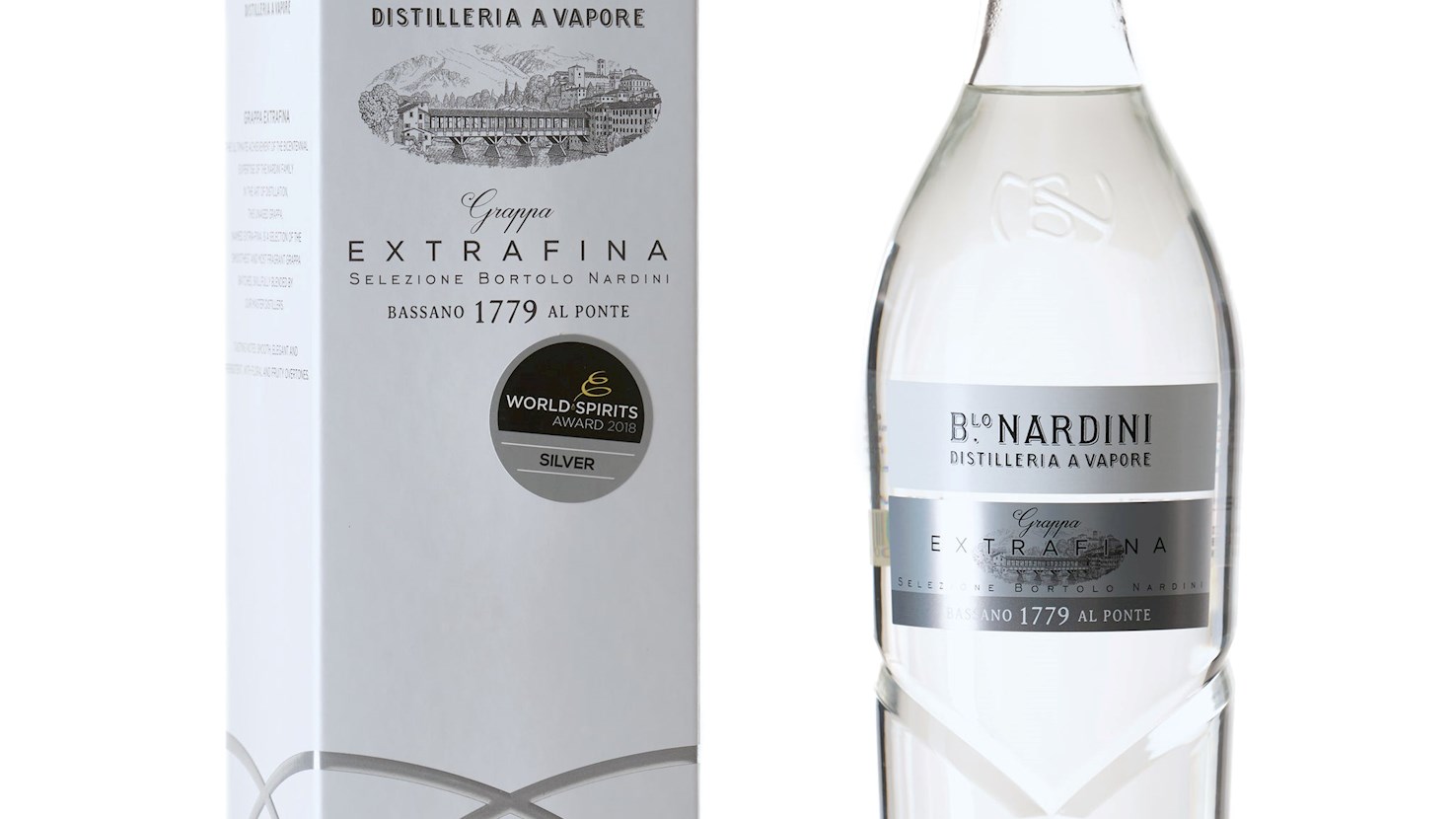
Distilleria Nardini

5 ·
Awards
IWSC- International wine & spirit competition - Spirit Gold Outstanding (2024, 2021)
IWSC- International wine & spirit competition - Spirit Gold (2022)
03

Ditta Bortolo Nardini

4.8 ·
Awards
IWSC- International wine & spirit competition - Spirit Gold (2019)
04

Farmacia Bason Dr Sandro

4.8 ·
Awards
IWSC- International wine & spirit competition - Spirit Gold (2019)
05

Threespirits Srl

4.5 ·
Awards
IWSC- International wine & spirit competition - Spirit Gold (2019)
06

Cielo E Terra S.p.A.

4.4 ·
Awards
USA Wine Ratings - Gold (2021)
07

Birrificio La Villana

3.7 ·
Awards
Barcelona Beer Challenge - Gold (2021, 2020)
08

Laura de Vito

n/a ·
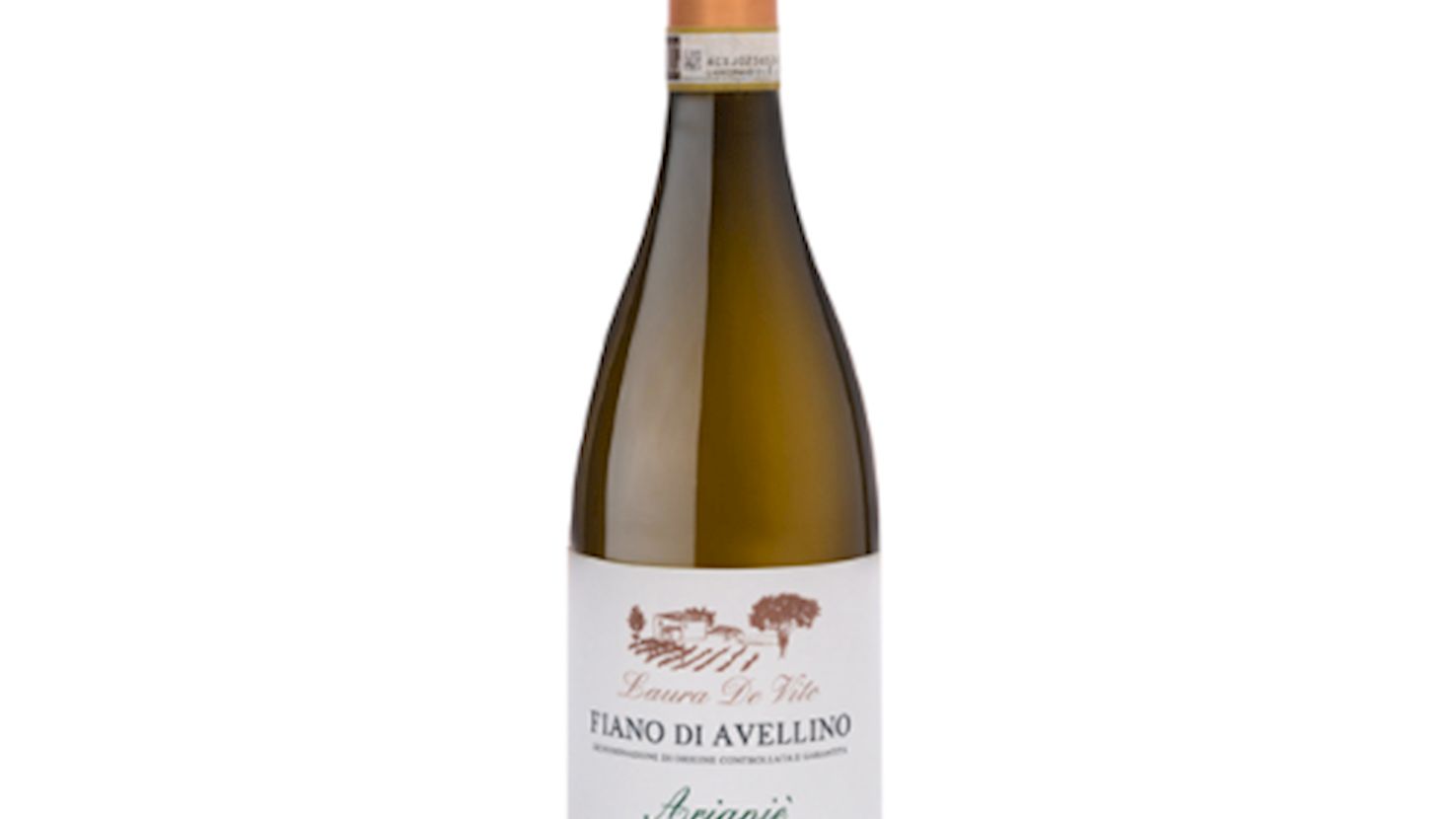
Laura De Vito is a small, terroir-focused winery based in Lapio, at the heart of the Fiano di Avellino DOCG area in Campania, dedicated exclusively to expressing the potential of this historic white grape. After years of selling grapes, Laura De Vito began bottling her own wines with the aim of translating vineyard identity into precise, transparent expressions of Fiano. The estate works with several distinct parcels in the contrade Verzare, Arianiello and Li Sauruni, each characterized by different volcanic–limestone soils and microclimates. Winemaking is deliberately minimal: fermentations take place in stainless steel, aging occurs on fine lees, and oak is avoided in order to preserve freshness, minerality and varietal clarity. The wines are known for their tension, purity and depth, showing aromas of citrus, pear, herbs and subtle nutty notes, supported by vibrant acidity and long aging potential. Laura De Vito’s style emphasizes site expression over intervention, resulting in elegant, precise wines that highlight both the complexity of Fiano di Avellino and the distinct identity of each vineyard.
09

Zanin 1895

n/a ·

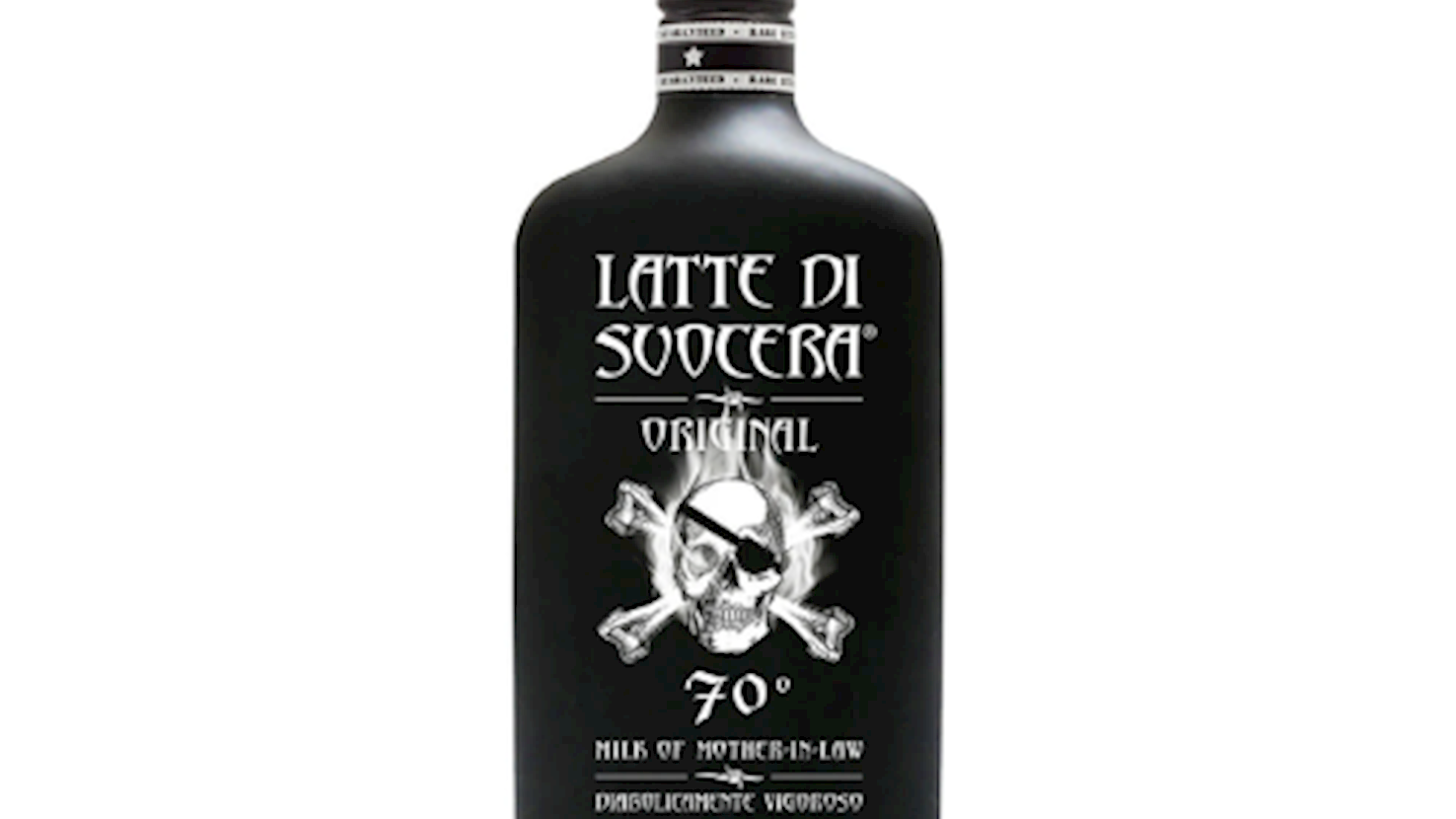
Zanin 1895 is an Italian distillery based in Zugliano, in the Veneto region, founded in 1895. Its story began when Bortolo Zanin started producing grappa in a small distillery using a traditional still, laying the foundation for a family business that has continued across four generations. Today, operating under the name Zanin 1895, the company combines its historic distilling heritage with a contemporary approach to spirits production. While grappa remains a core part of its identity, the portfolio also includes liqueurs, gin, ready-to-drink cocktails, and the well-known Latte di Suocera line, one of its most recognizable heritage spirit brands. The company emphasizes more than a century of family continuity, craftsmanship, and quality as defining elements of its brand identity. Over time, Zanin has evolved from a local Venetian producer into an internationally distributed Italian spirits company, exporting to more than 50 countries while maintaining strong roots in traditional Italian distillation.

Best Province of Vicenza Beverage Types
01

Grappa

3.2 ·

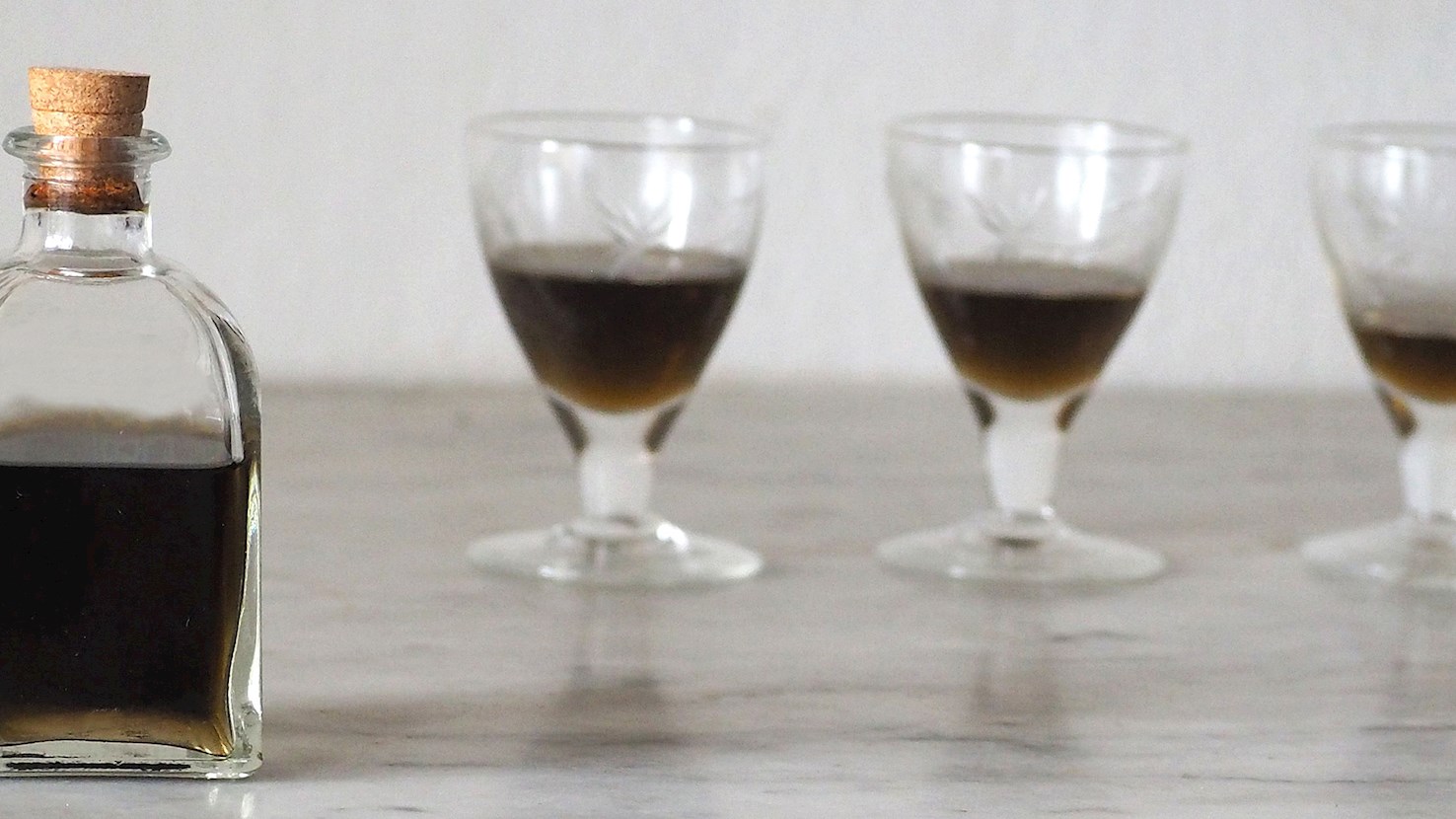
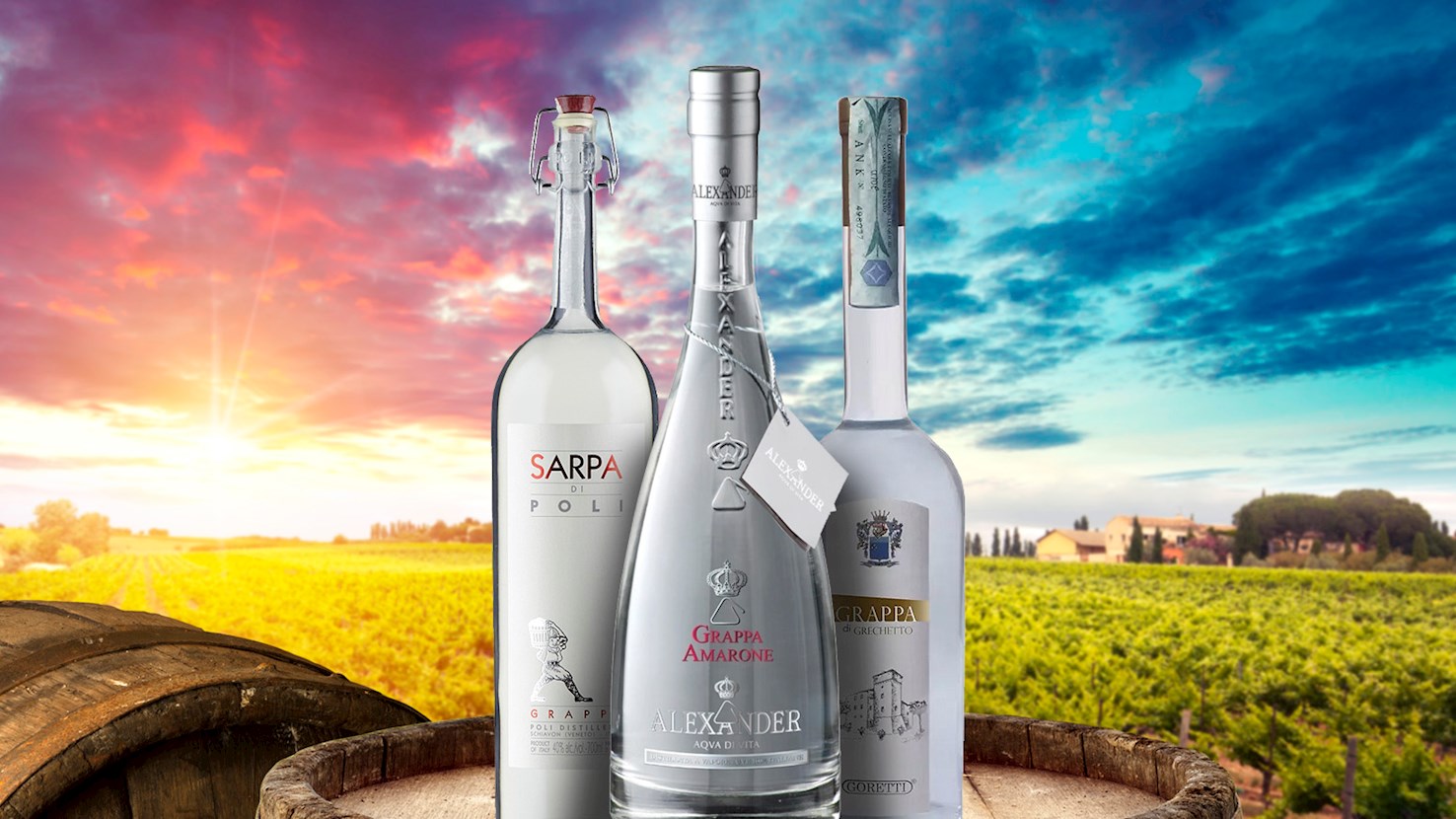
Italian grappa is distilled from fermented pomace—solid components of grapes that are left after the juice has been pressed. The taste profile of grappa varies, and each variety is distinguished for their unique character that depends on the choice of raw materials, distillation, as well as nature and the length of maturation. The basic distinction is made between grappa bianca, which is aged in stainless steel, and golden varieties that are traditionally aged in large barrels. Through history, grappa was mainly associated with northern parts of Italy, but today it is produced throughout the country. In Italy, grappa is typically enjoyed as a digestif and is usually served straight, in shot glasses.

02

Recioto di Gambellara

n/a ·

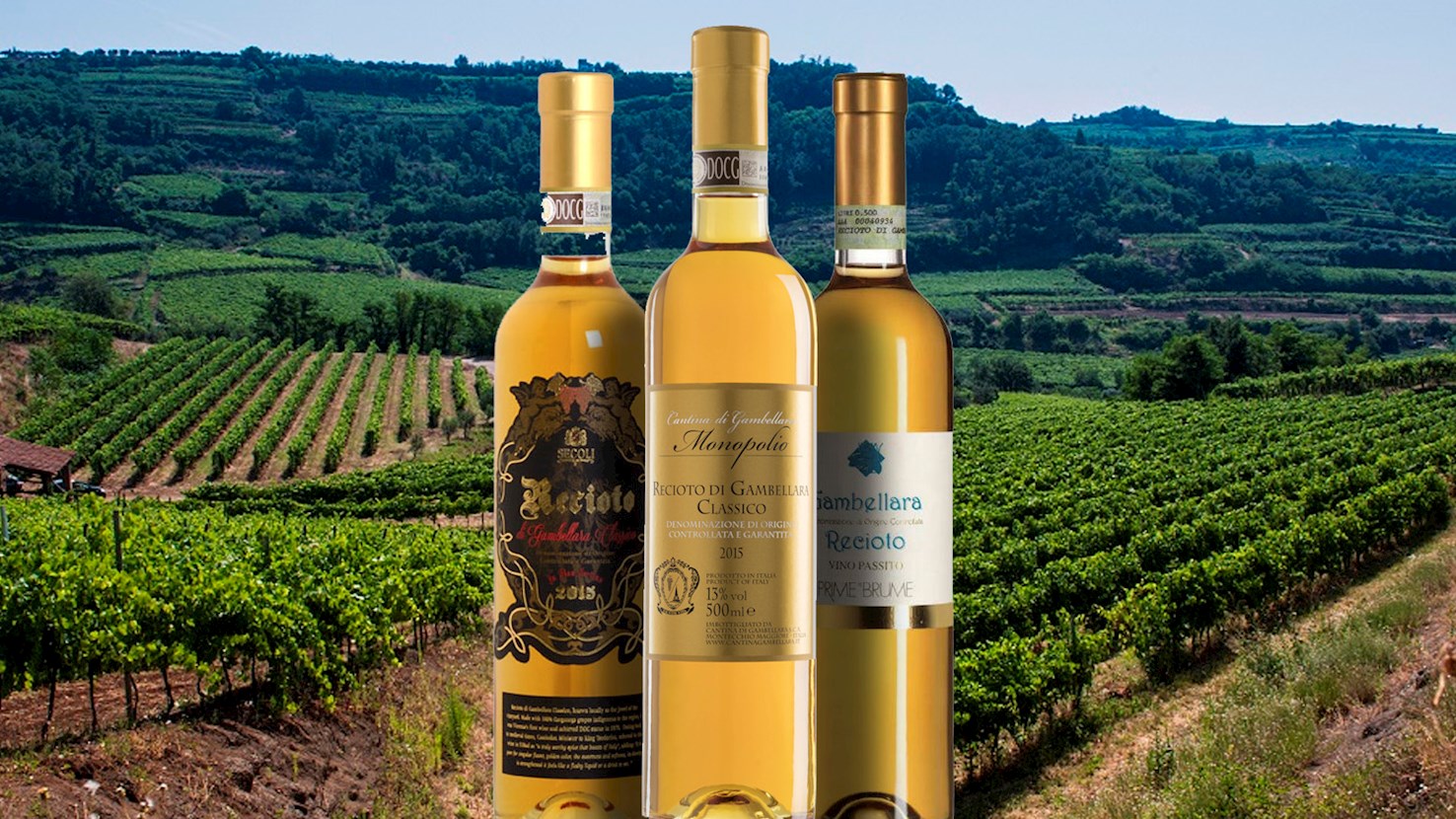
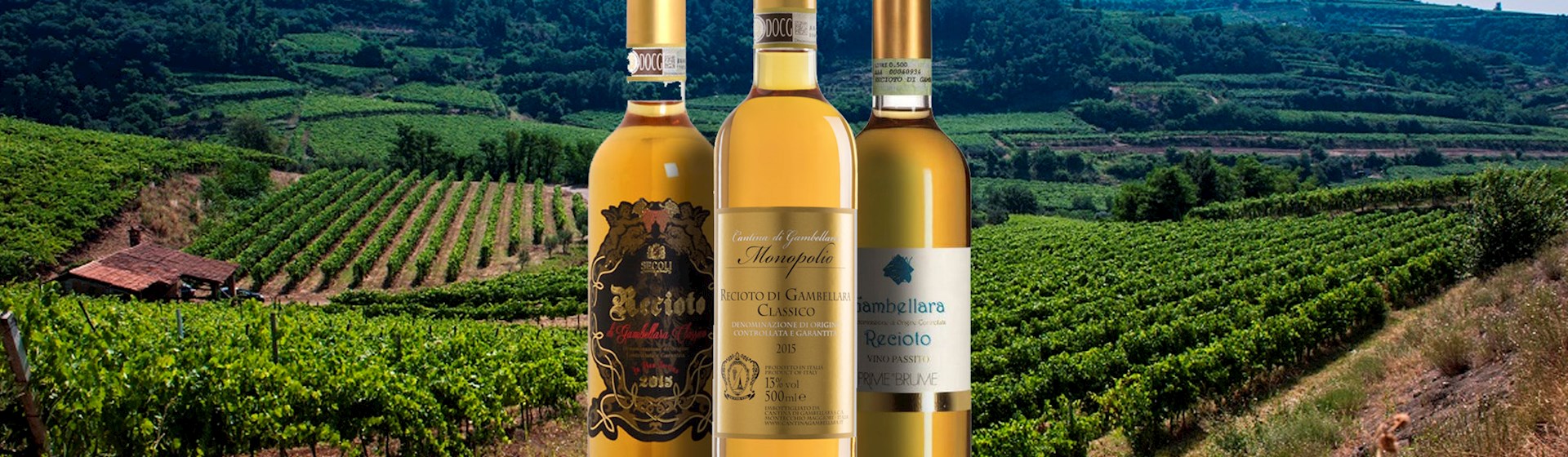
Produced in the province of Vicenza, these sweet wines are exclusively made from air-dried Garganega grapes. The region produces dry Classico styles, as well as harmonious sparkling (spumante) wines. Dry Recioto di Gambellara wines range from bright yellow to amber, and typically display notes of ripe fruit, with occasional hints of vanilla. Although intense, on the palate they remain lively, fresh, and mineral. Sparkling varieties are characterized by fine and persistent perlage and similar fruity notes. Both styles can be enjoyed on their own, but are best paired with desserts, primarily cookies and the local sweet bread known as brasadelo. They can also match creamy sweets such as gelato or zabaione.

03

Latte di Suocera

n/a ·

Latte di Suocera is a highly concentrated, dry herbal liqueur originating from the Veneto region in northeastern Italy, with its commercial production centered at the historic Zanin distillery in Zugliano, within the Province of Vicenza. The formulation of this spirit belongs to a category of composite herbal extractions known in Italy as centerbe, meaning "one hundred herbs," which was developed during the late nineteenth century by regional distillers who processed alpine botanicals to create potent shelf-stable digestifs. Preparation of the liqueur involves gathering a diverse selection of dried berries, roots, and alpine plants, which are subjected to a cold extraction technique where they macerate in pure grain alcohol to leach out their essential oils and aromatic compounds without heat degradation. This concentrated hydroalcoholic infusion is subsequently blended with a minimal amount of sugar syrup, filtered at cold temperatures to ensure clarity, and aged for approximately three to four months in stainless steel tanks or large oak barrels to allow the intense vegetal notes to stabilize. A unique characteristic of latte di suocera is its exceptionally high proof, commonly containing 70 to 75 percent alcohol by volume, which ranks it among the strongest commercial spirits available globally and results in immediate flammability. This extreme chemical composition requires a distinctive packaging convention, featuring a prominent white skull design on a black background to explicitly warn consumers of its caustic strength. The liqueur is primarily consumed across Italy as a digestif after heavy meals, served in small shot glasses at room temperature or slightly chilled to highlight its dry, sharp, and intensely warm finish. Because its high proof makes it volatile, it is frequently used in mixology as a combustible top-layer to create flambé cocktails, or diluted directly into sweet orange juice, lemon soda, or cream to manage the proof. Appropriate food pairings are limited to rich, high-fat items that can withstand the intense alcohol bite, such as dark chocolate tortes, dense hazelnut pralines, or scoops of vanilla bean ice cream over which the liqueur is poured as a sharp contrast.

04

Colli Berici

n/a ·

Colli Berici refers to a wine-producing hilly area south of the city of Vicenza in the Veneto region of Italy and to the wines made under the Colli Berici DOC, which include both red and white styles sourced from limestone-rich hills distinct from the surrounding plains. Viticulture in the Colli Berici developed within a landscape shaped by ancient marine sediments uplifted into low hills, where well-drained calcareous soils and sheltered exposures supported grape growing alongside olives and cereals, and where proximity to Vicenza encouraged structured agriculture and commercial wine production rather than isolated subsistence farming. Wine production in the area focuses on both indigenous and international grape varieties, with reds often based on Tai Rosso, Merlot, Cabernet Sauvignon, and Cabernet Franc, and whites commonly produced from Garganega, Pinot Bianco, and Chardonnay, vinified with methods that emphasize balance and clarity, typically using controlled fermentation and moderate aging that may include oak for certain red wines while avoiding excessive extraction. A defining aspect of Colli Berici wines is the prominence of limestone influence, which contributes firmness and freshness across styles and supports Tai Rosso in particular, a grape that shows a markedly different profile here than in neighboring zones due to soil and microclimate rather than winemaking technique. These wines are consumed primarily as table wines in homes and restaurants across Veneto, served at appropriate temperatures depending on style, and they pair well with grilled meats, poultry, cured meats, vegetable dishes, and medium-aged cheeses, while lighter examples accompany everyday meals and more structured reds are reserved for dinner settings where food is central to consumption rather than tasting alone.

05

Vin Santo di Gambellara

n/a ·

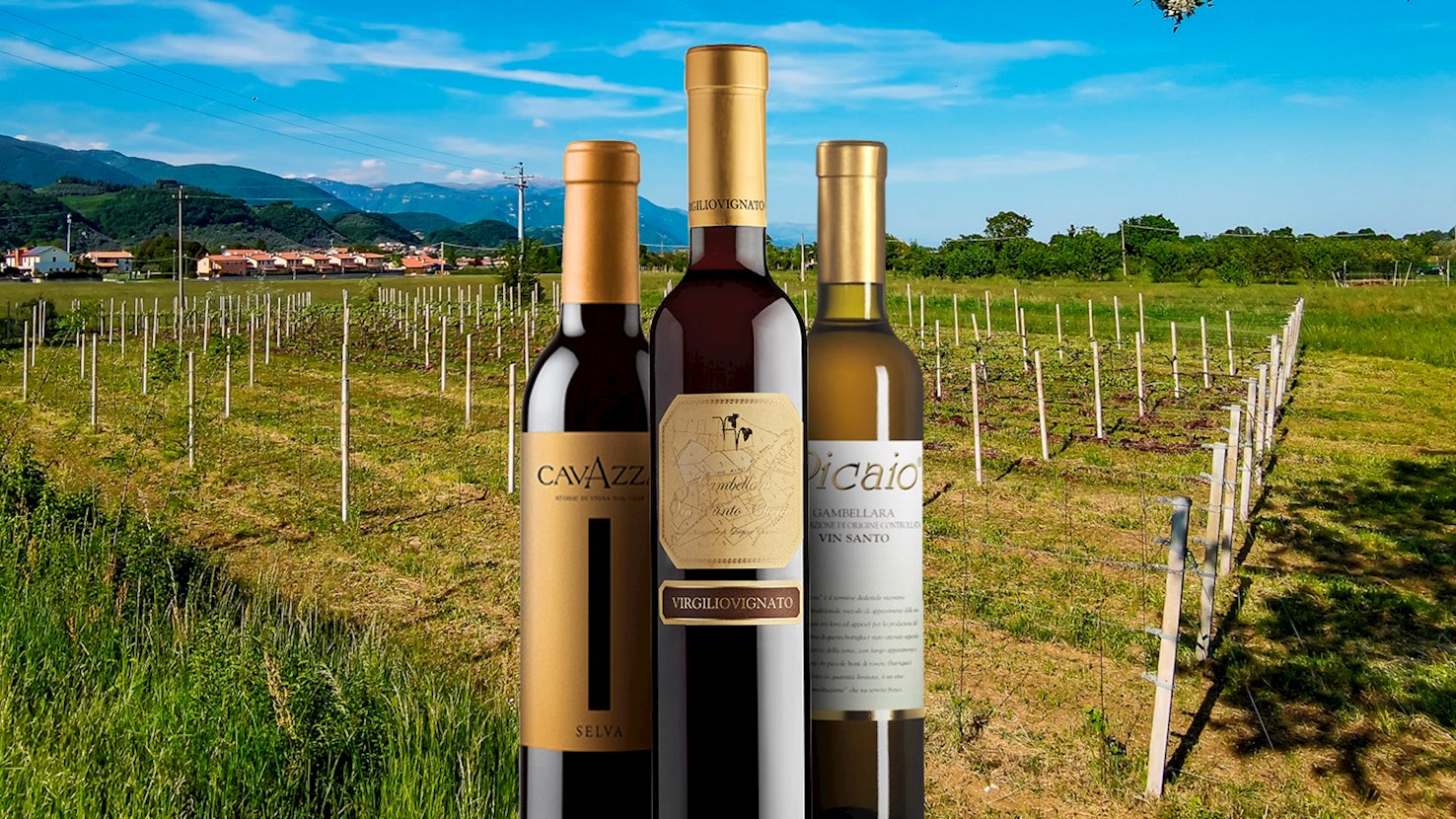
Vin Santo di Gambellara is a sweet wine that falls into the general Gambellara DOC. The wines are made from Garganega grapes (minimum of 80%) that are dried before vinification. The style is traditional for the region, but the wines are rare and only made in the best years with carefully selected Garganega grapes. To attain their complex character, the wines are oak-aged. Vin Santo di Gambellara is typically golden or amber-colored wine with intense aromas reminiscent of ripe fruit, figs, and prunes, with hints of vanilla, balsamic, and wood. On the palate, they are soft and sweet, with a long-warming finish. These wines have excellent aging potential. They are ideal as an after-dinner drink, but they can also pair with aged cheese, pâté, cookies, or dry pastries.

06

Gambellara

n/a ·

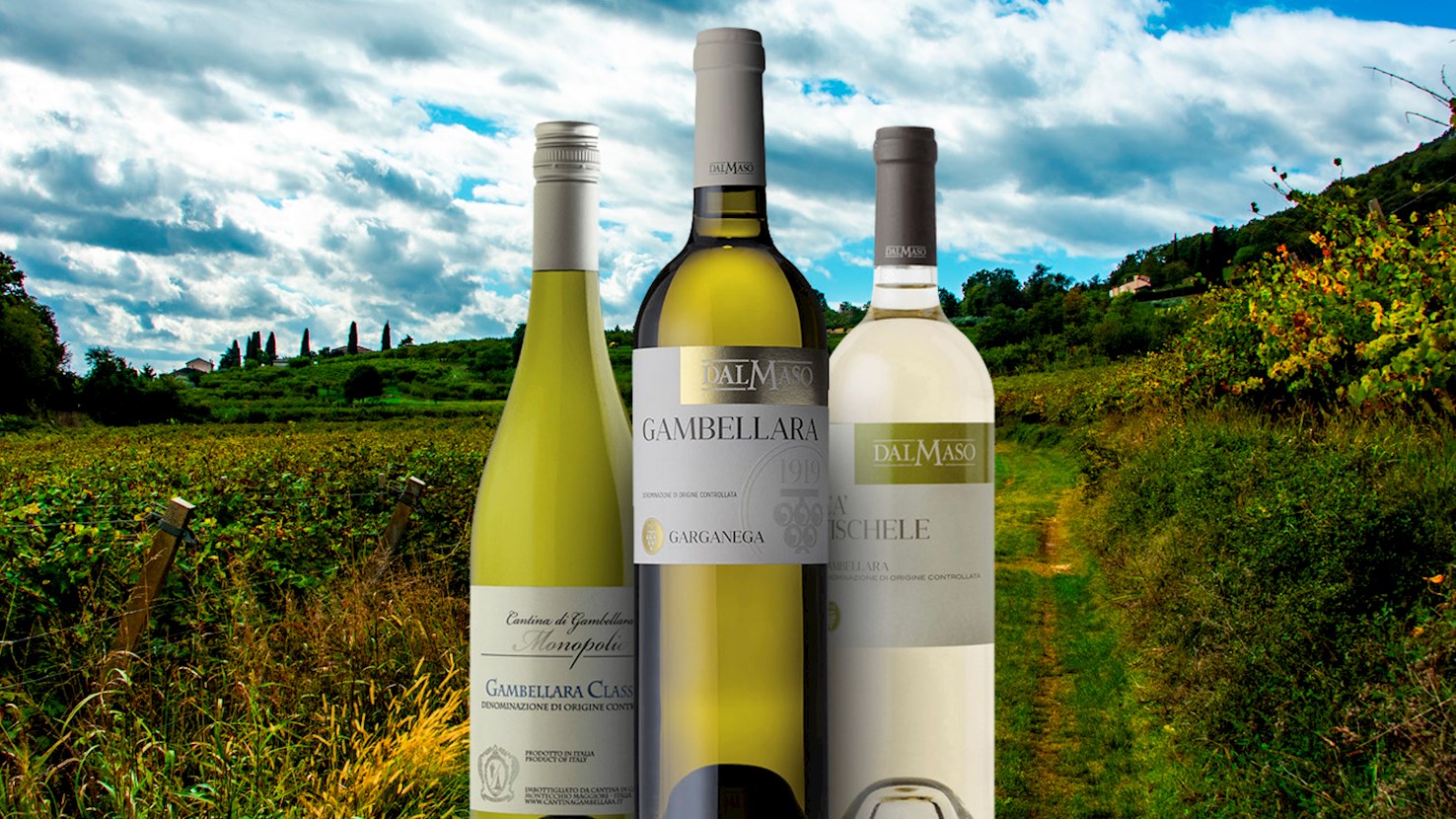
Gambellara is an Italian appellation for white wines made from Garganega grapes (a minimum of 80%). It is located in Vicenza, Verona, on the slopes of the Lessini Mountains. The region includes sparkling (spumante), sweet (vin santo), and base dry wine. Dry wines from Gambellara are pale yellow, with good acidity and medium body. They have delicate fruity and floral aromas reminiscent of citrus, peaches, and elderflower. On the palate, they are light and soft. They typically have a subtle bitter, almost almond-like note. These wines are well-balanced and pleasant, with good aging potential. Gambellara wines are best paired with appetizers and seafood-based main courses.

07

Mezzoemezzo

n/a ·

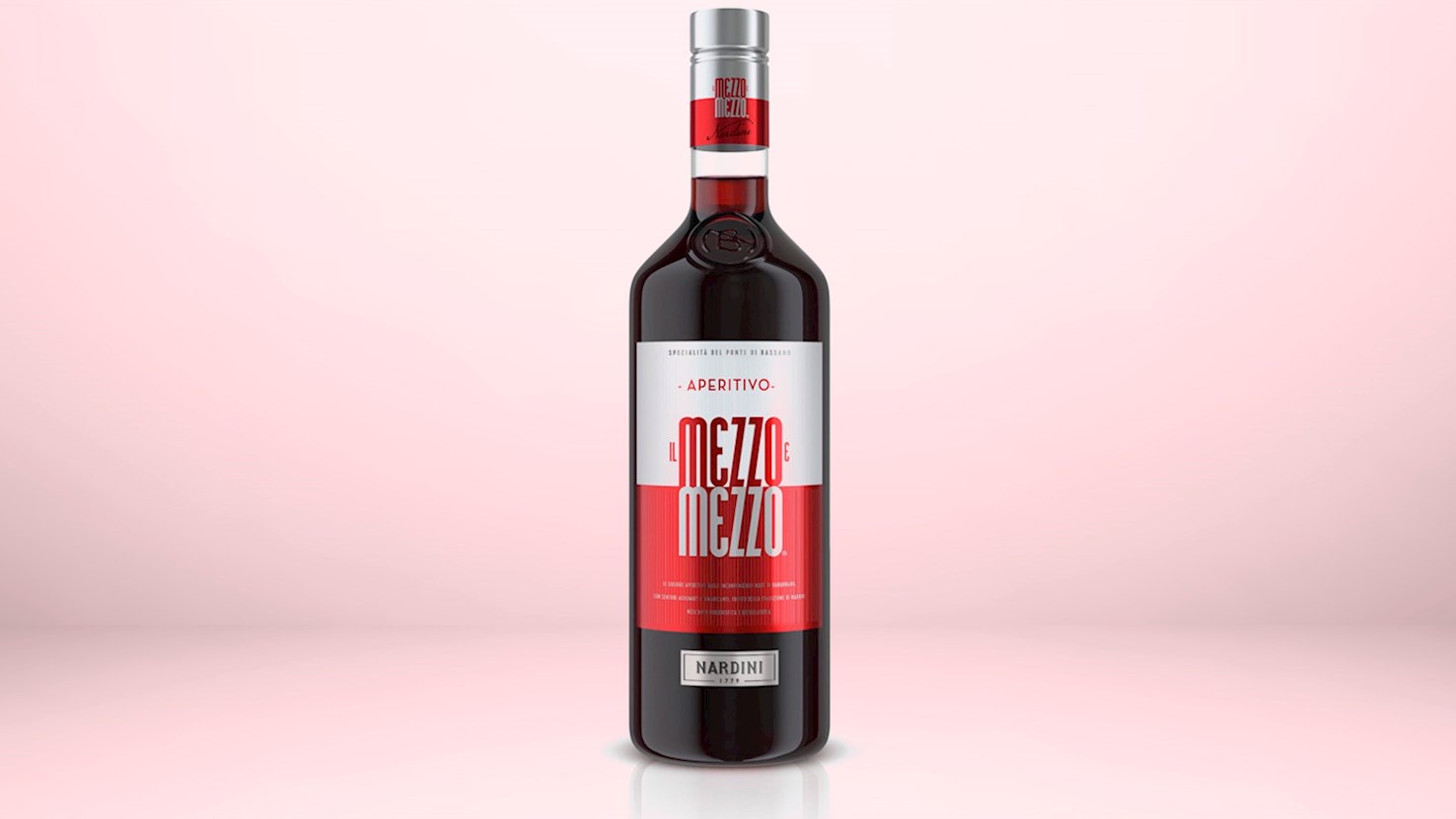
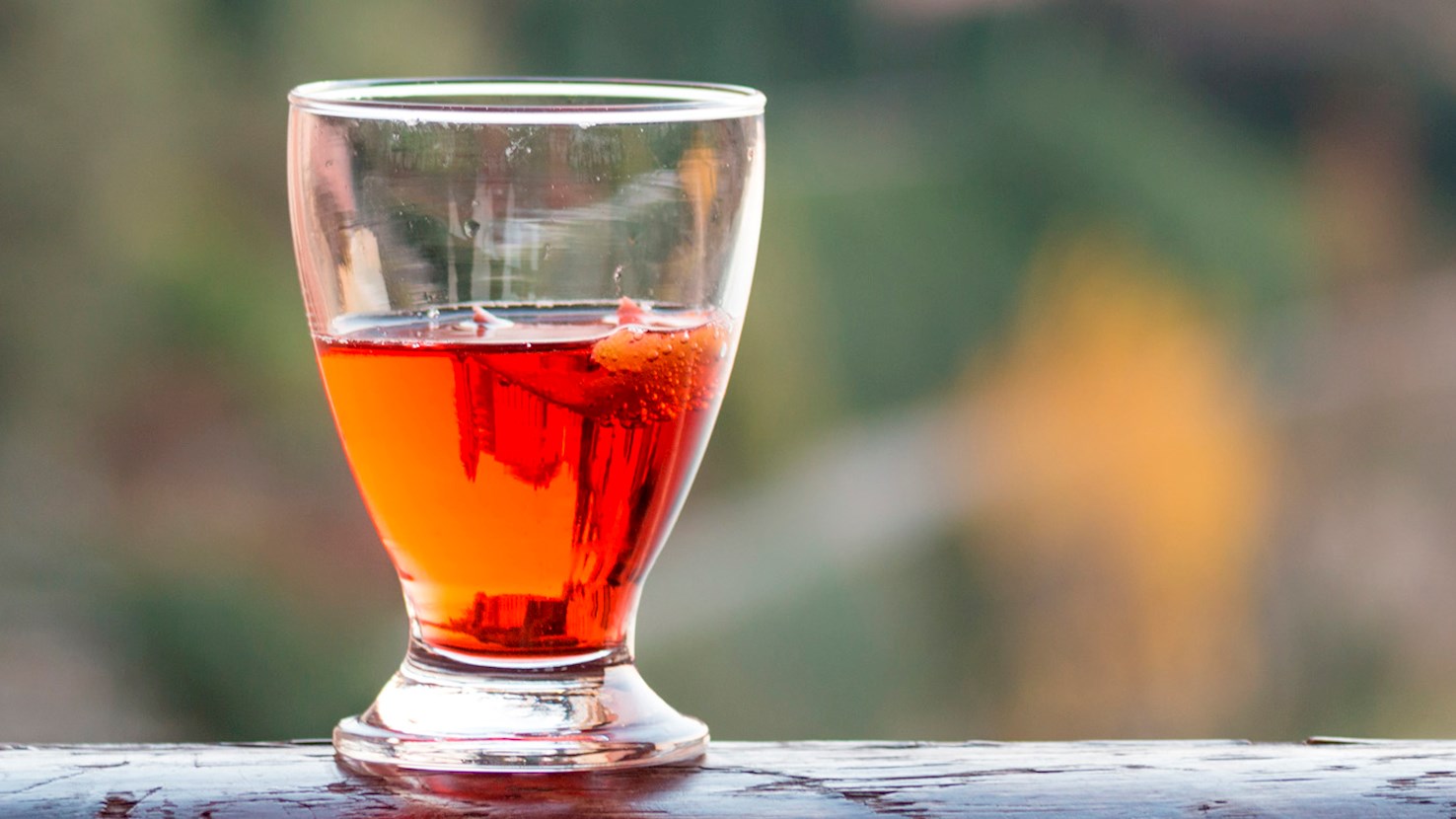
Mezzoemezzo is an Italian liqueur that was based on the cocktail Mezzo e Mezzo. The cocktail was invented in 1970, and as it became increasingly popular, the company decided to bottle a premixed blend of Nardini Rosso and Nardini Rabarbaro. The liqueur is bittersweet, aromatic, and herbal, with citrus and rhubarb notes. It is best served on ice, optionally with a dash of soda, and garnished with a lemon twist.

08

Mezzo e Mezzo

n/a ·

Mezzo e Mezzo is an Italian aperitif made with equal parts Nardini Rabarbaro, a bitter liqueur flavored with Chinese rhubarb, and Nardini Rosso, a bitter liqueur infused with herbs and spices. The drink is finished with a dash of soda. It is traditionally served neat and garnished with a lemon twist. Mezzo e Mezzo was invented in 1970 at the Grapperia Nardini, a bar located in Bassano del Grappa and ooperated by the Nardini distillery. As it became popular, the company even decided to bottle a preblended version and named it Mezzoemezzo. The first bottled version was released in 1917.

09

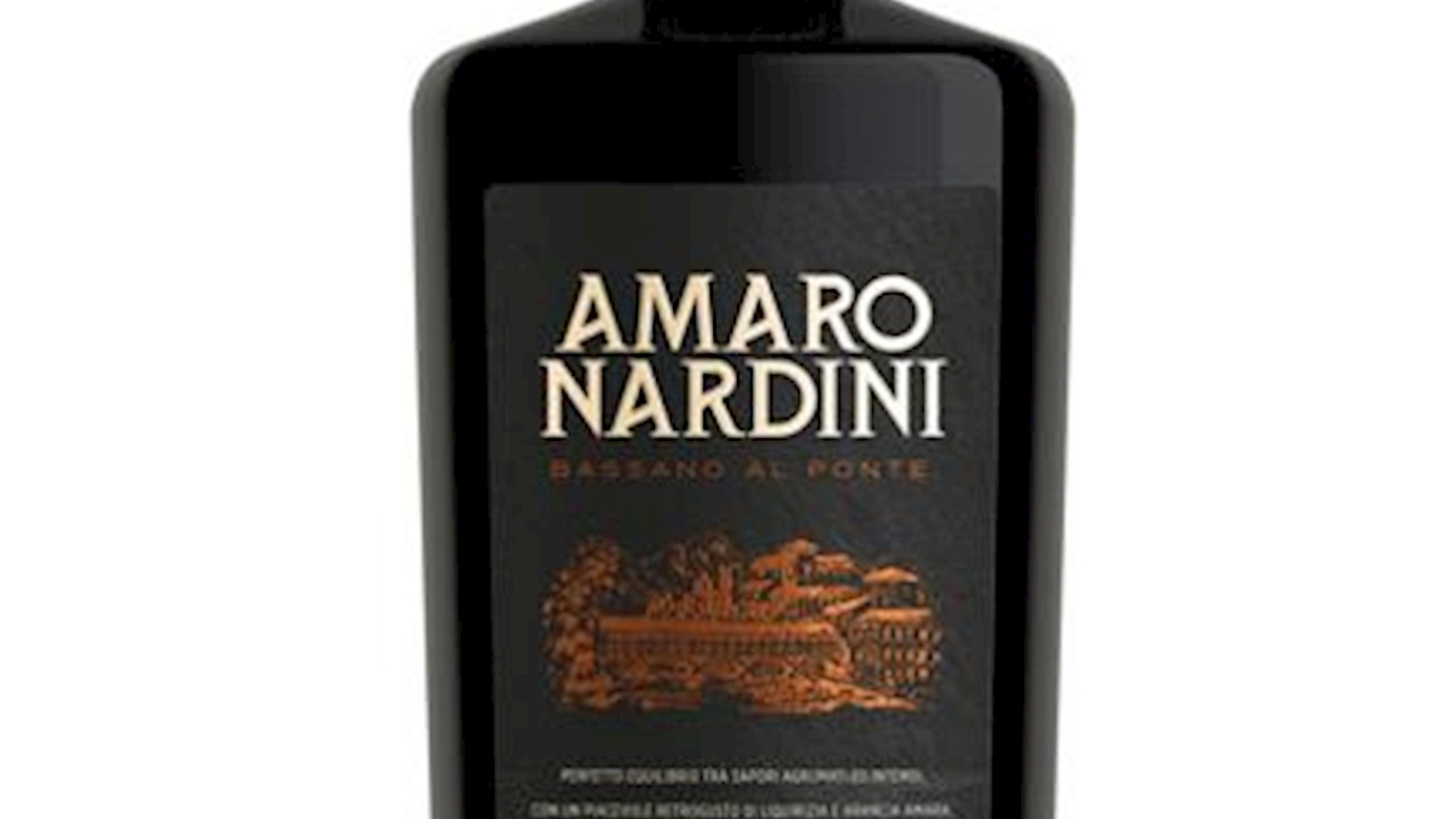
Amaro Nardini

n/a ·

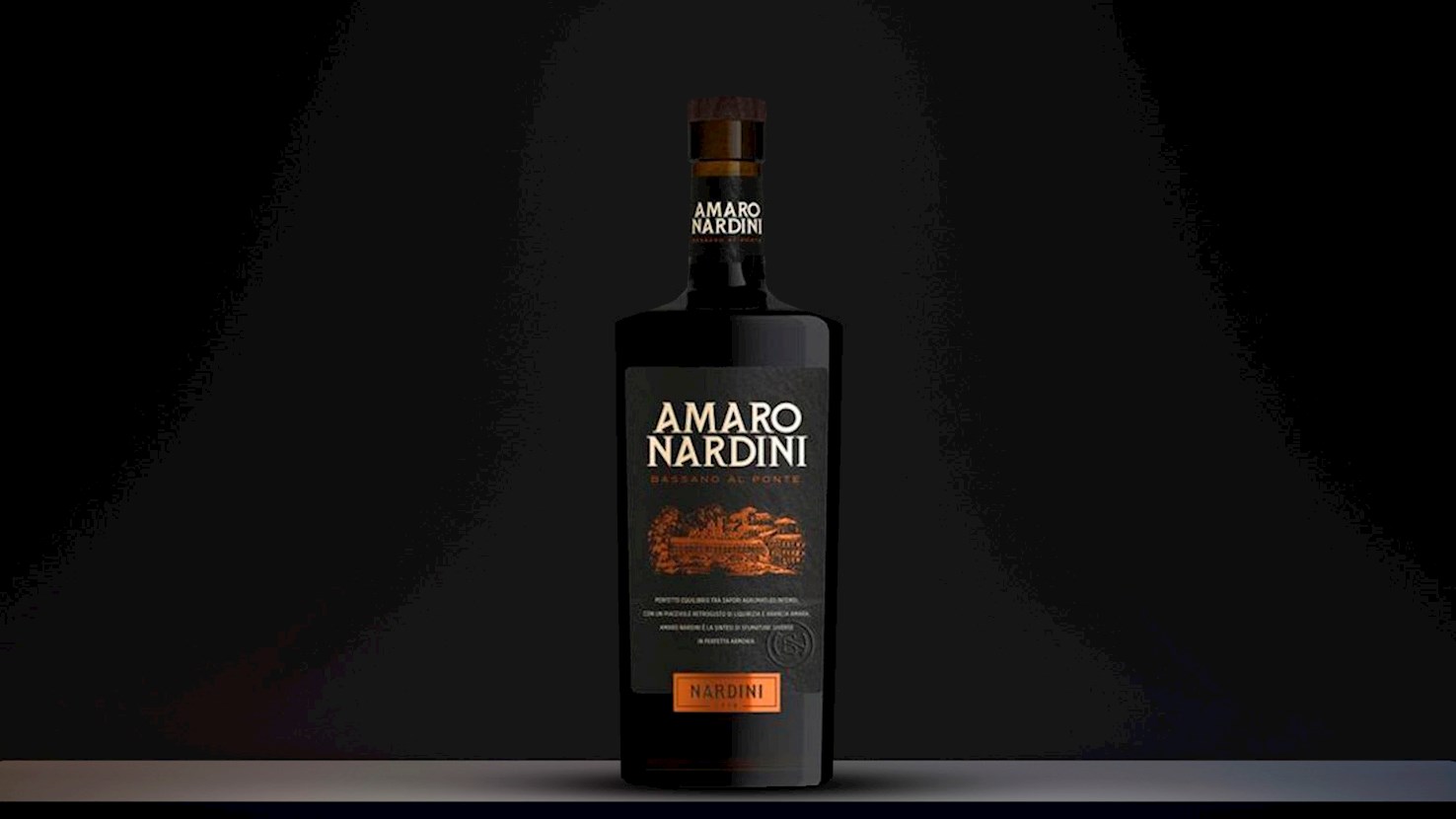
Nardini is an Italian amaro made with grappa and a macerate of several botanicals. Although the recipe is a closely guarded family secret, some ingredients include peppermint, bitter oranges, licorice, cloves, and gentian. This is a clear amaro that has dark, almost mahogany color. It is a rich and herbal liqueur with a smooth texture and an aroma reminiscent of mint, milky chocolate, licorice, herbs, warming spices, citrus fruit, and dark cherries. It is best enjoyed as an after-dinner drink, served neat or on the rocks, along with an orange slice. Nardini is a family-operated business located in Bassano del Grappa.

10

Torcolato

n/a ·

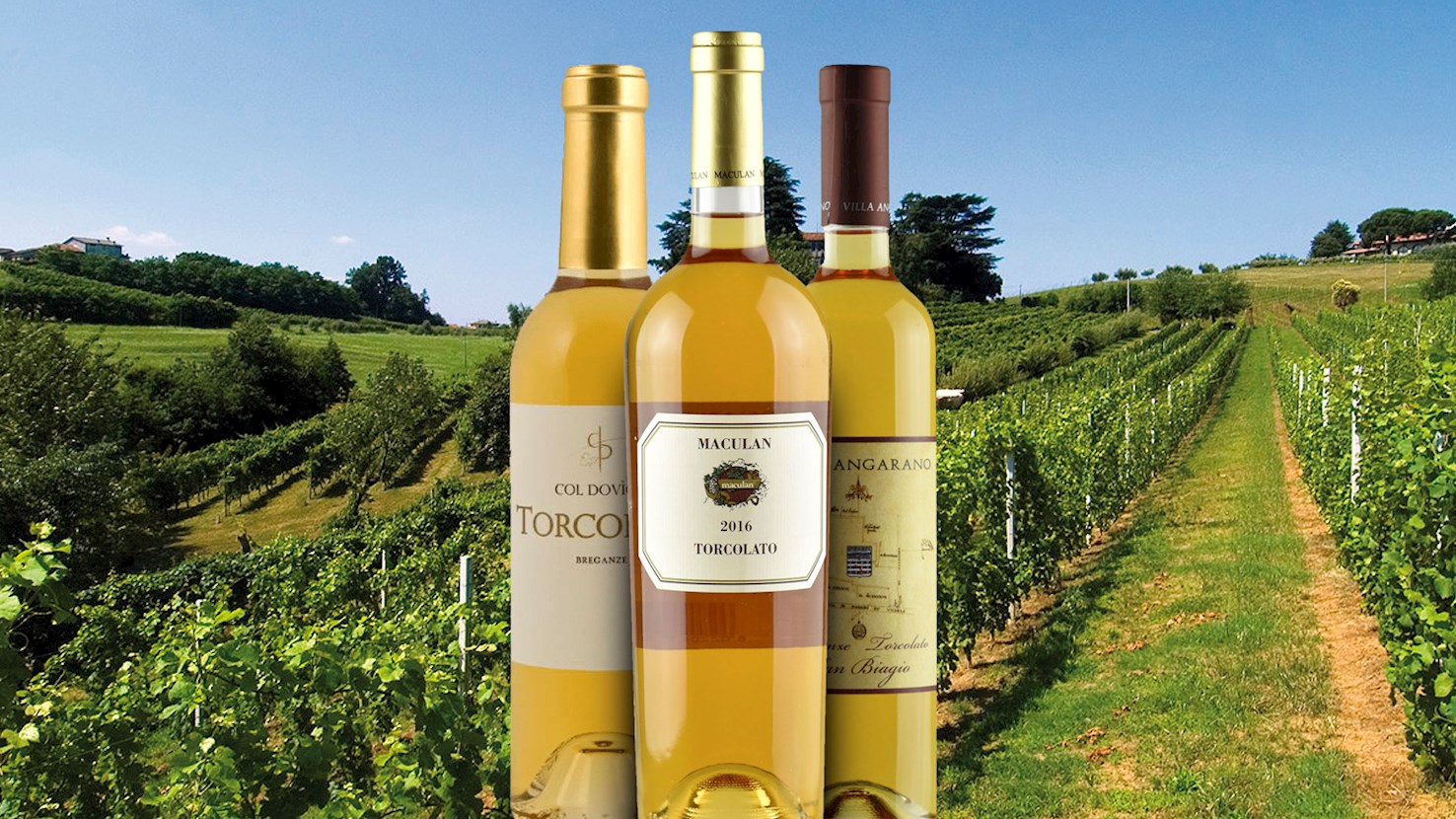
Torcolato is an Italian appellation for sweet dessert wines. Located in Vicenza, Torcolato wines belong to the larger Breganze appellation, but they are made exclusively with Vespaiolo grapes that are handpicked and dried (passito method) before they are fermented. The unique production method includes twisting and hanging grape clusters from strings that are suspended on the ceiling. The local word torcolare—meaning twisted—also gave Torcolato its name. These golden yellow wines are intense, but without being cloying or overly sweet. Typical flavors and aromas include a combination of ripe fruit, raisins, honey, hazelnuts, and spices such as vanilla and nutmeg. These wines are best enjoyed with dry desserts and aged or blue cheese. Torcolato must be aged for at least one year, while the Riserva label has a minimum aging requirement of two years.

About this ranking

TasteAtlas food rankings are based on the ratings of the TasteAtlas audience, with a series of mechanisms that recognize real users and that ignore bot, nationalist or local patriotic ratings, and give additional value to the ratings of users that the system recognizes as knowledgeable. For the “Top 10 Local Beverages in the Province of Vicenza” list until June 04, 2026, 134 ratings were recorded, of which 103 were recognized by the system as legitimate. TasteAtlas Rankings should not be seen as the final global conclusion about food. Their purpose is to promote excellent local foods, instill pride in traditional dishes, and arouse curiosity about dishes you haven’t tried.

The initial list of top producers was compiled based on available reviews, awards, local recommendations, media and blog coverage, and consumer reviews. The list will be updated with ratings from TasteAtlas local ambassadors and TasteAtlas users.

Similar lists