Top 20 Slovak Beverages

Last updated on June 04, 2026

Best Slovak Beverages
01

BGV

5 ·
Awards
ISC-International Spirits Challenge - Gold (2024)
The World Whiskey Masters - Gold (2023)
02

Hubert

4.7 ·
Awards
IWSC- International wine & spirit competition - Spirit Gold Outstanding (2021)
03

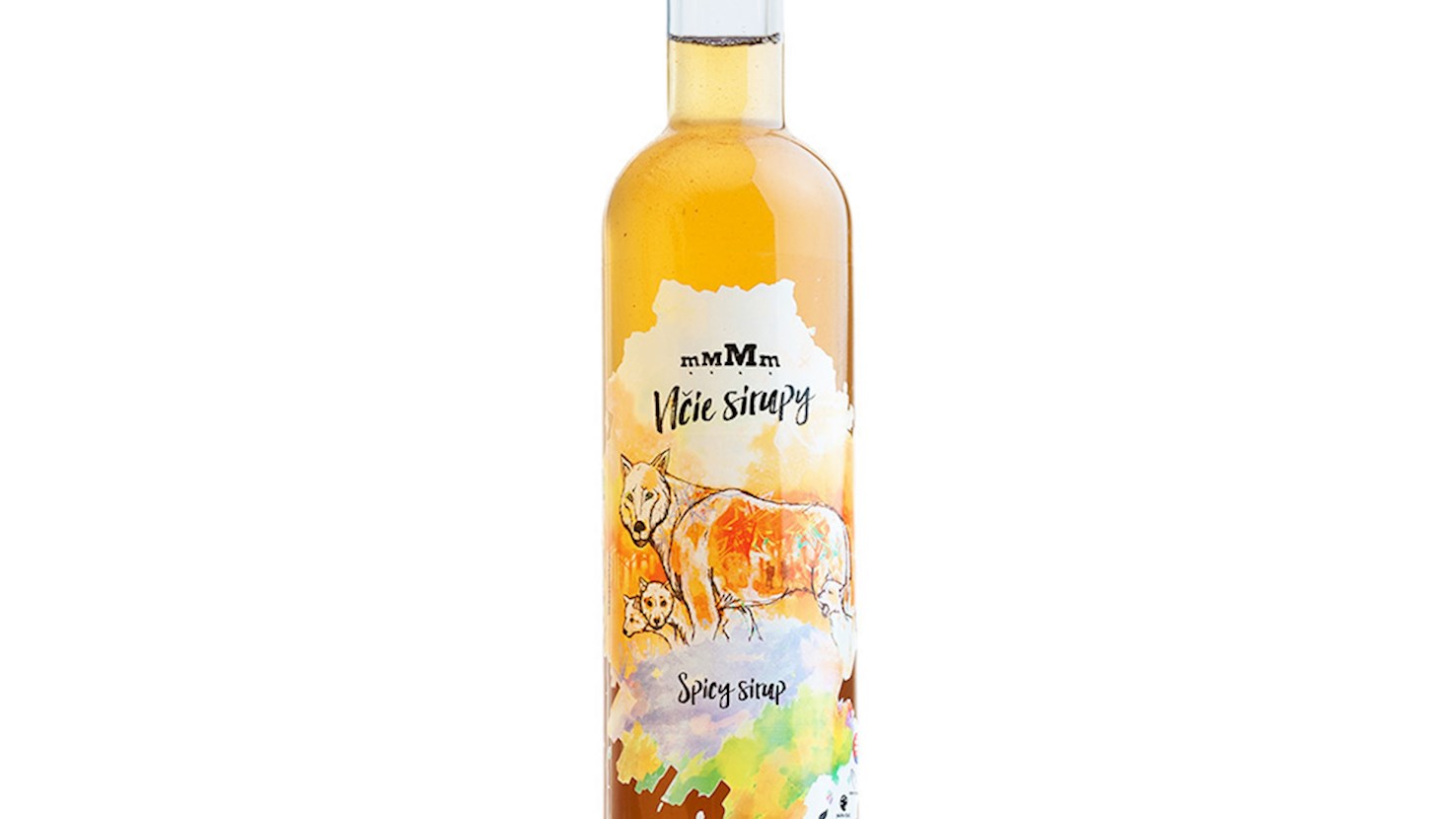
Vlčie Sirupy

4.5 ·
Vlčie Sirupy is a small producer of handcrafted soft drink syrups. The company focuses on using natural ingredients without artificial preservatives. Their product range includes a variety of unique and traditional flavors. They distribute their syrups primarily through local markets and specialty stores.
Awards
Great Taste Awards - 2 Stars (2024, 2022, 2021)
04

HELIX Co. s.r.o.

4.5 ·
Awards
World Liqueur Awards - Country Winner (2024)
05

spirit company s.r.o.

4.5 ·
Awards
World Gin Awards - Country Winner (2022)
06

Best Wines Slovakia s.r.o.

4.4 ·
Awards
Concours Mondial de Bruxelles - Grande Médaille d'or (2019)
07

Víno Mrva & Stanko A.S

4.4 ·
Awards
Concours Mondial de Bruxelles - Grande Médaille d'or (2020)
08

Shebo Winery

4.4 ·
Awards
Concours Mondial de Bruxelles - Grande Médaille d'or (2023)
09

Peter Ščepán Vinovin

4.4 ·
Awards
Asia Wine Trophy - Grand Gold (2019)
Berlin Wine Trophy - Grand Gold (2019)
10

J & J Ostrožovič - Jaroslav Ostrožovič

4.4 ·
Awards
Berlin Wine Trophy - Grand Gold (2023, 2018)
Portugal Wine Trophy - Grand Gold (2022)

Best Slovak Beverage Types

01

Žinčica

3.2 ·

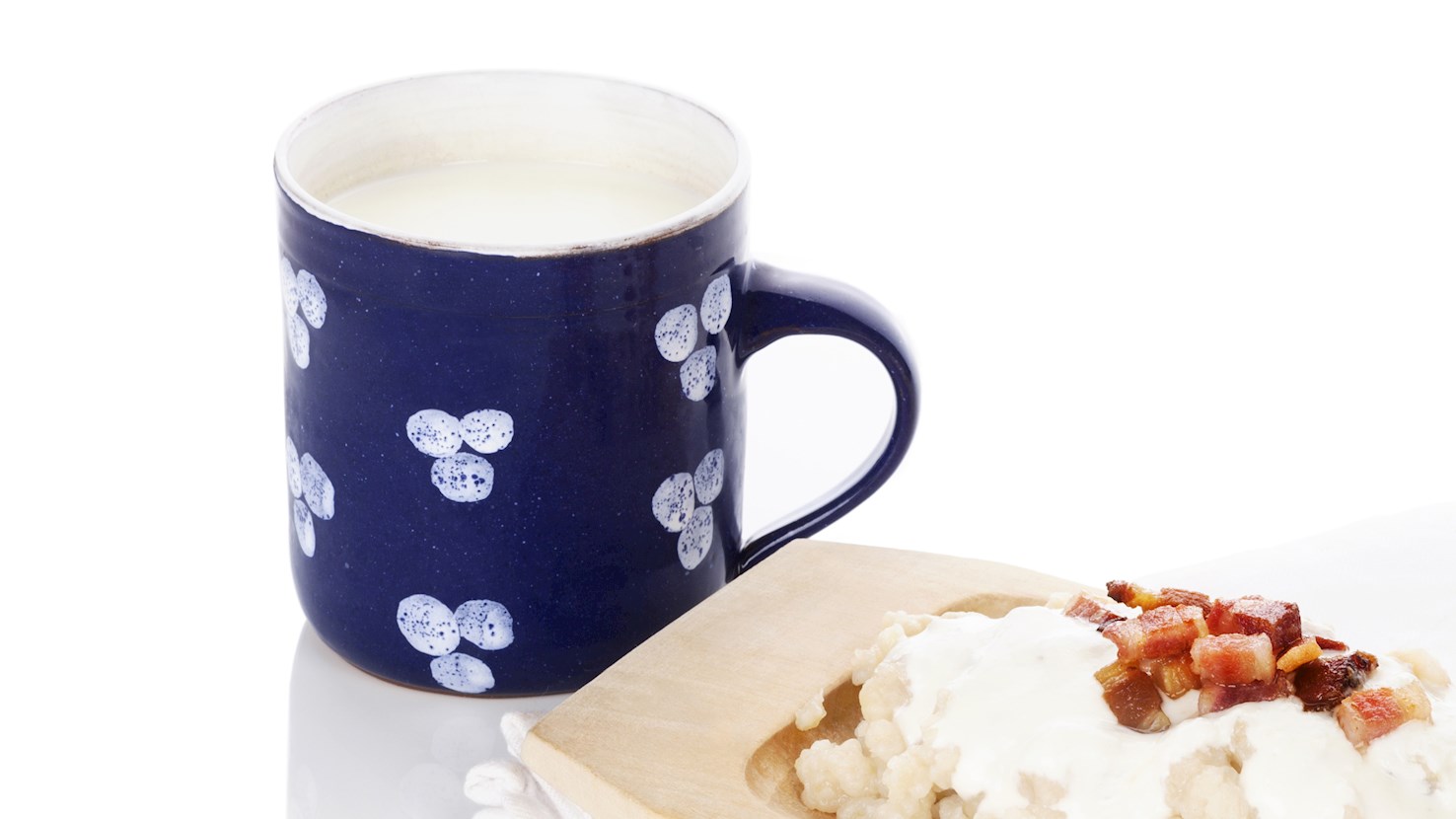
Žinčica is a Slovak dairy beverage made from sheep's milk. It is a sweet and sour drink produced from whey that is typically a byproduct of making bryndza cheese. Žinčica has a long tradition, but until the mid-20th century, it was mostly prepared and enjoyed by shepherds in the mountainous regions, where it is still traditionally served in a traditional wooden cup known as črpák. It is also enjoyed in the Czech Republic, where it is called žinčice, and Poland, where it goes under the name żętyca. Nowadays, žinčica is also commercially produced, but only the varieties labeled as Žinčica salašnícka are made following traditional recipes and techniques. A cup of žinčica is often served with bryndzové halušky.

02

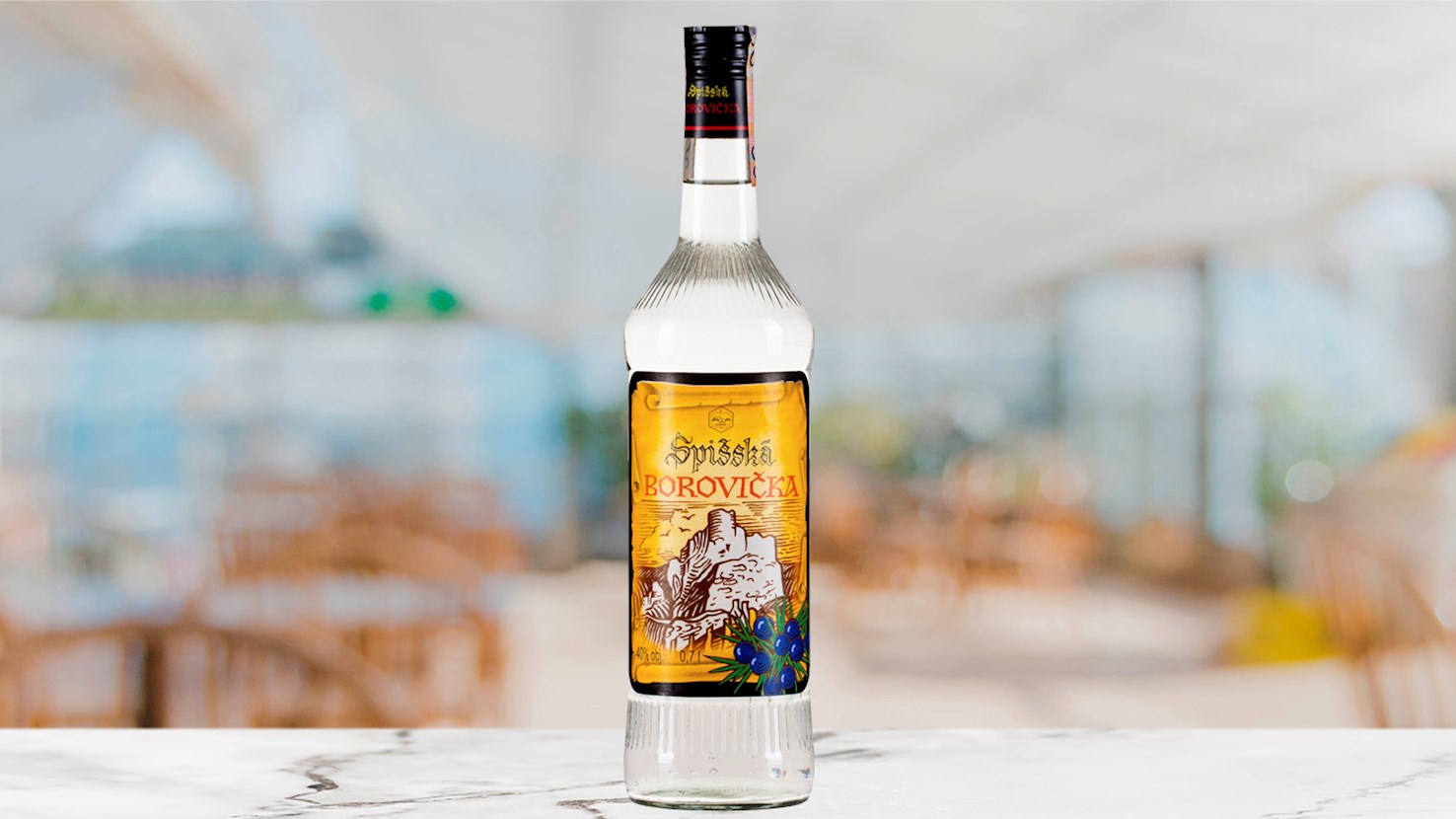
Spišská borovička

2.7 ·

Spišská borovička is a Slovak juniper-flavored spirit that is often bottled with dried juniper berries or a sprig of common juniper. It is made with juniper and grain spirit distillates and purified spring water from the Tatra mountains. The ingredients are locally sourced, and the production must take place in the designated Spiš area. This clear spirit typically has a light-yellow hue and a mild, juniper-like aroma and flavor. It is a potent drink with 40 % ABV. Borovička is produced in other regions and comes in several different styles. In Spiš, which is now administratively divided between Poprad and Košice, this style has a centuries-long tradition. It is believed that a combination of traditional distilling techniques and specific terroir greatly influences the aromatic component of this juniper-flavored spirit. This borovička is best served chilled, neat or on the rocks. It also works great mixed with tonic water.

03

Hriatô

n/a ·

Hriatô is a traditional drink that combines alcohol with bacon and honey (or sugar). It's particularly popular in the winter months and during festive occasions. The base of the drink is typically a strong spirit, such as homemade fruit brandy (often plum brandy, known locally as slivovica), to which honey or caramelized sugar is added, with some recipes calling for the addition of spices like black pepper, caraway, or even garlic. It is traditionally served hot and is known for its distinctive, strong taste as well as its supposed medicinal properties, including the ability to ward off colds and flu.

04

Trenčianska borovička JUNIPERUS

n/a ·

Trenčianska borovička JUNIPERUS is a traditional spirit from the Trenčín region, renowned for its robust juniper flavor and an alcohol content of 42 percent. Crafted using a blend of matured juniper berry distillate, refined neutral spirit, and liquid sugar, this spirit has been perfected over more than a century. The production process involves a two-stage distillation using only ripe berries from common juniper (Juniperus communis) and prickly juniper (Juniperus oxycedrus), ensuring no rot or unripe berries are used. The result is a spirit with a full and intense flavor of juniper berries, pleasantly mild, with a long, slightly spicy aftertaste. The spirit is clear and potent, typically enjoyed as a shot, and bears similarities to gin, though with a more intense juniper taste. Deeply embedded in Slovak culture, Trenčianska borovička JUNIPERUS is often enjoyed during social gatherings and festive occasions.

05

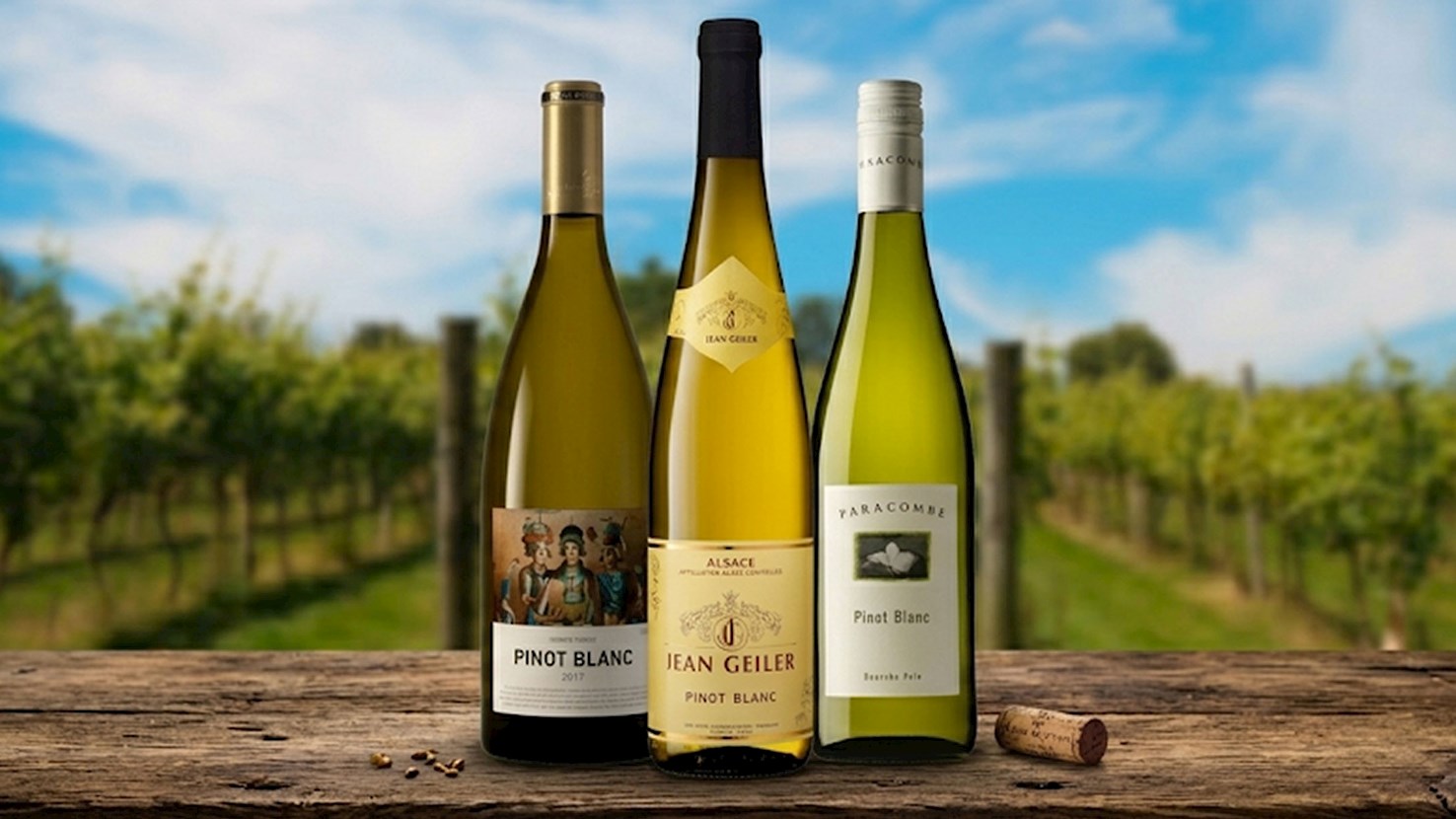
Pinot Blanc

n/a ·

Pinot Blanc is a white wine grape variety used to produce dry white wines in regions such as Alsace, Germany, Austria, and parts of Italy, where it is valued for moderate acidity, pale color, and a restrained aromatic profile. The variety developed as a natural mutation within the Pinot family, closely related to Pinot Noir and Pinot Gris, and its cultivation spread through Central Europe via monastic vineyards and regional plant exchanges during the medieval period, where growers selected it for reliability and adaptability rather than intensity, leading to its steady presence in cooler and temperate climates. Winemaking typically involves gentle pressing of the grapes, fermentation at controlled temperatures to preserve freshness, and aging in stainless steel or large neutral vessels, though some producers use oak or extended lees contact to add texture without dominating the wine’s character. Pinot Blanc is generally bottled dry and served cool, allowing its subtle fruit and structure to remain balanced, and it is rarely decanted unless made in a fuller-bodied style. A defining aspect of Pinot Blanc is its role as a neutral but structured wine that reflects site and winemaking choices more than varietal aroma, which has led to stylistic diversity across regions while maintaining a consistent framework. Pinot Blanc is consumed primarily with meals, paired with foods such as fish, shellfish, poultry, veal, mild cheeses, and vegetable-based dishes, and it is also used as an everyday table wine in Central European dining, where its moderate alcohol and restrained profile allow it to accompany a wide range of cuisines without overpowering the food.

Read more
View all
View map
About this ranking

TasteAtlas food rankings are based on the ratings of the TasteAtlas audience, with a series of mechanisms that recognize real users and that ignore bot, nationalist or local patriotic ratings, and give additional value to the ratings of users that the system recognizes as knowledgeable. For the “Top 20 Slovak Beverages” list until June 04, 2026, 70 ratings were recorded, of which 49 were recognized by the system as legitimate. TasteAtlas Rankings should not be seen as the final global conclusion about food. Their purpose is to promote excellent local foods, instill pride in traditional dishes, and arouse curiosity about dishes you haven’t tried.

The initial list of top producers was compiled based on available reviews, awards, local recommendations, media and blog coverage, and consumer reviews. The list will be updated with ratings from TasteAtlas local ambassadors and TasteAtlas users.

Similar lists