Top 11 Local Beverages
in Trentino

Last updated on June 15, 2026

Best Trentino Beverages
01

Ferrari Trento

5 ·
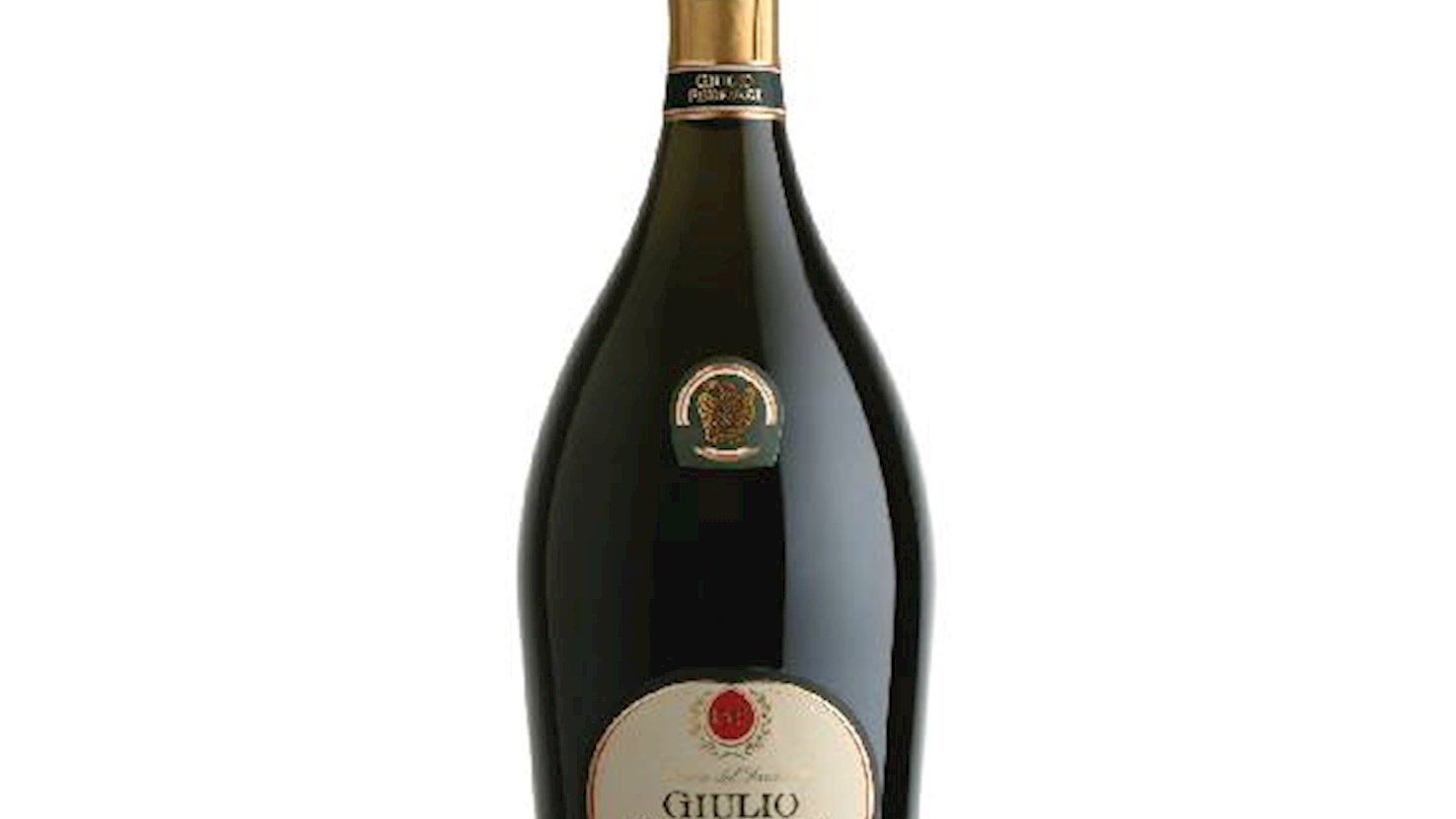
Ferrari Trento is a prestigious Italian sparkling wine house synonymous with exceptional quality and tradition in the production of sparkling wines. Founded in 1902, Ferrari is recognized as one of the leaders in producing Trento DOC (Denominazione di Origine Controllata) wines, which are crafted using the traditional method, also known as the Champagne method. Throughout over a century, Ferrari has remained committed to high standards and innovation, creating sparkling wines that reflect the richness of the Italian terroir. Ferrari Trento is particularly known for its use of Chardonnay, which, combined with meticulous vineyard practices and winemaking techniques, produces wines with rich, elegant, and fruity aromas. Among the most renowned products of the house is the Ferrari Perlé, a sparkling wine resulting from exceptional grape selection and careful production, as well as the Ferrari Rosé, which offers a refined balance between freshness and complexity. Ferrari is also celebrated for wines that consistently win numerous awards worldwide and is a symbol of luxury at prestigious events and special occasions. With a dedication to tradition, a passion for viticulture, and a continuous pursuit of innovation, Ferrari Trento has become synonymous with Italian luxury and quality in the world of sparkling wines.
Awards
Vivino - 4.6
Vivino - 4.0
02

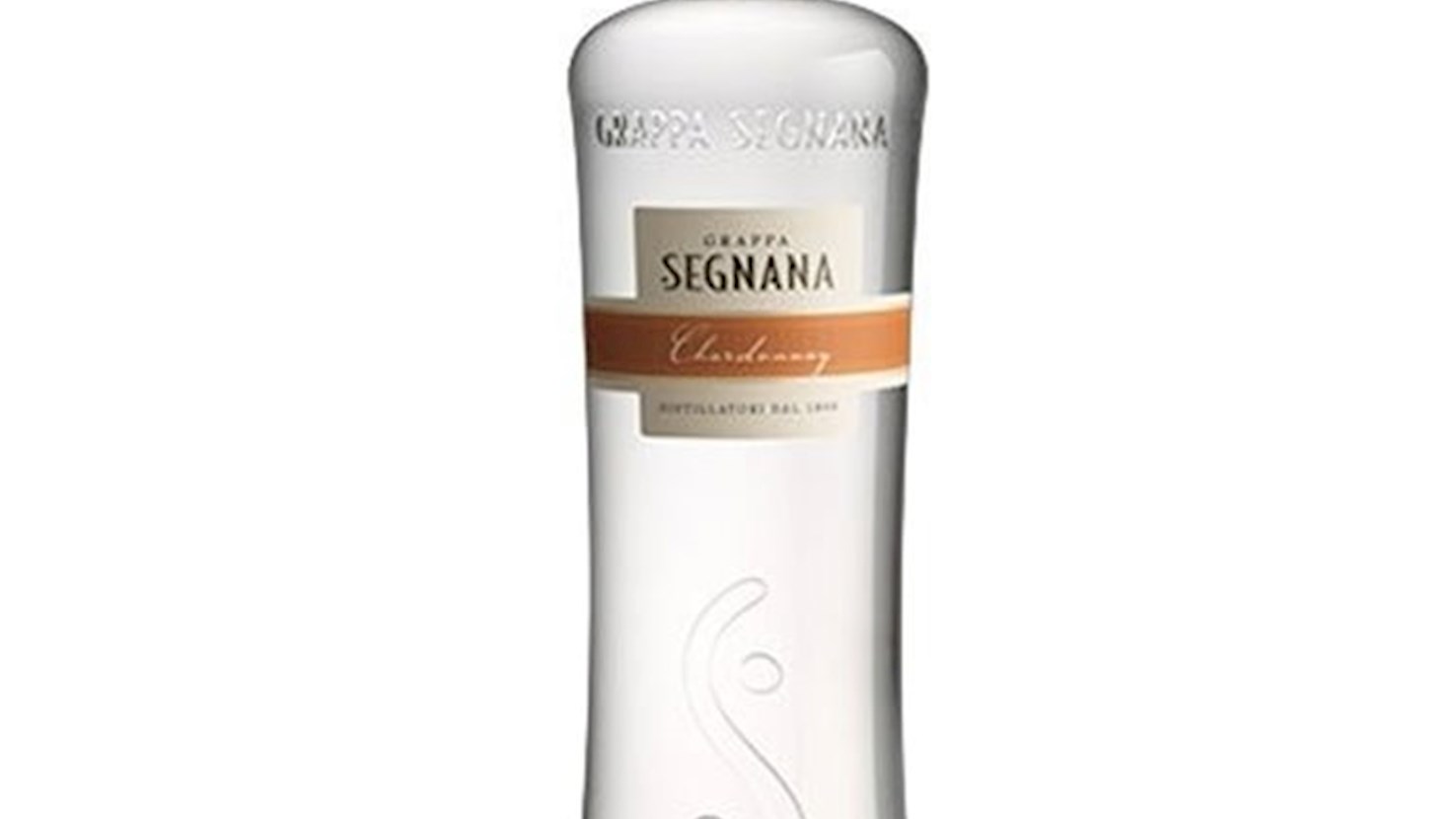
Distilleria Segnana

4.9 ·
Awards
IWSC- International wine & spirit competition - Spirit Gold (2019)
IWSC- International wine & spirit competition - Pomace Brandy Gold Trophy (2019)
03

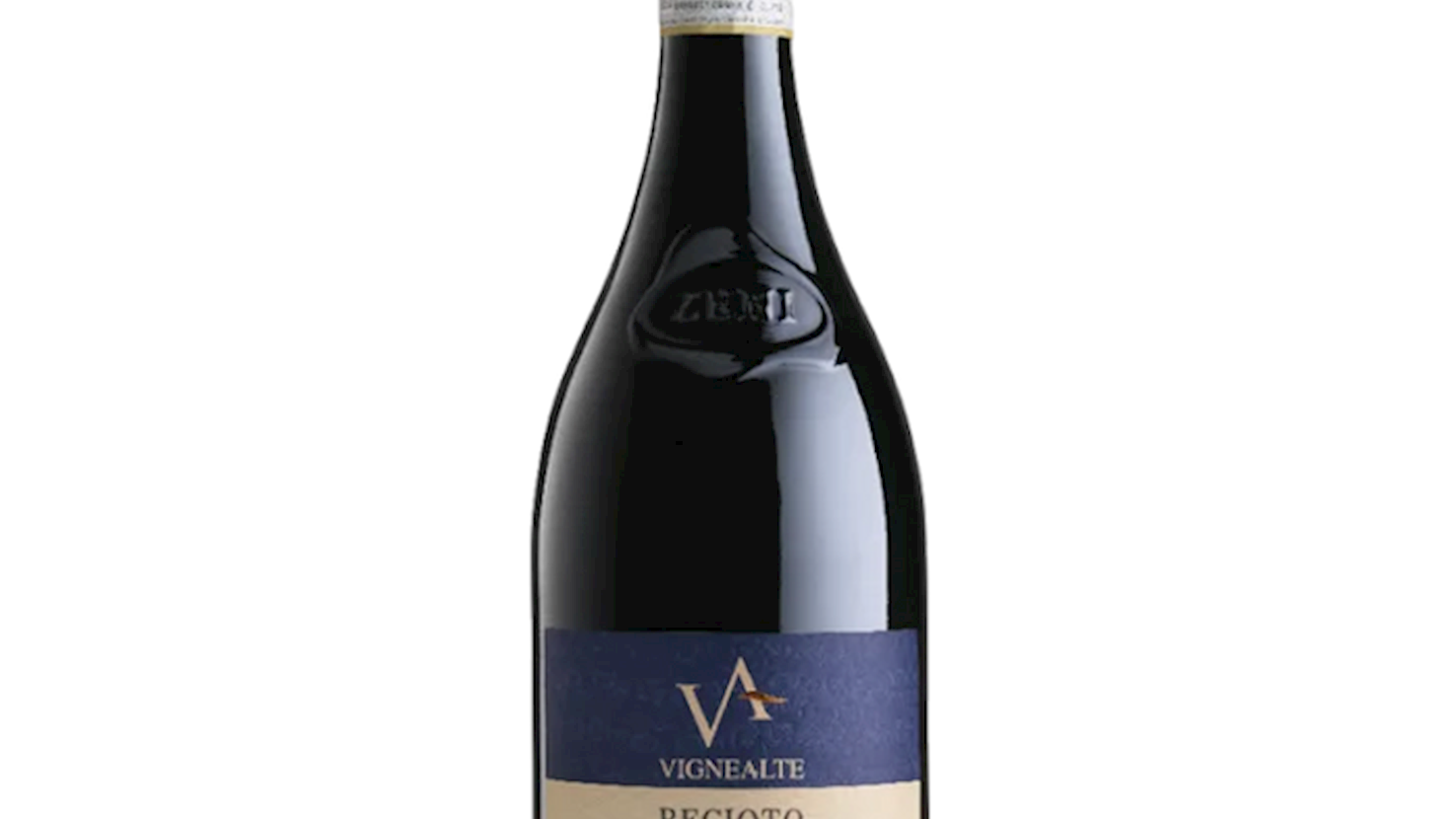
Zeni

4.9 ·
Awards
Decanter World Wine Awards - Platinum (2018)
04

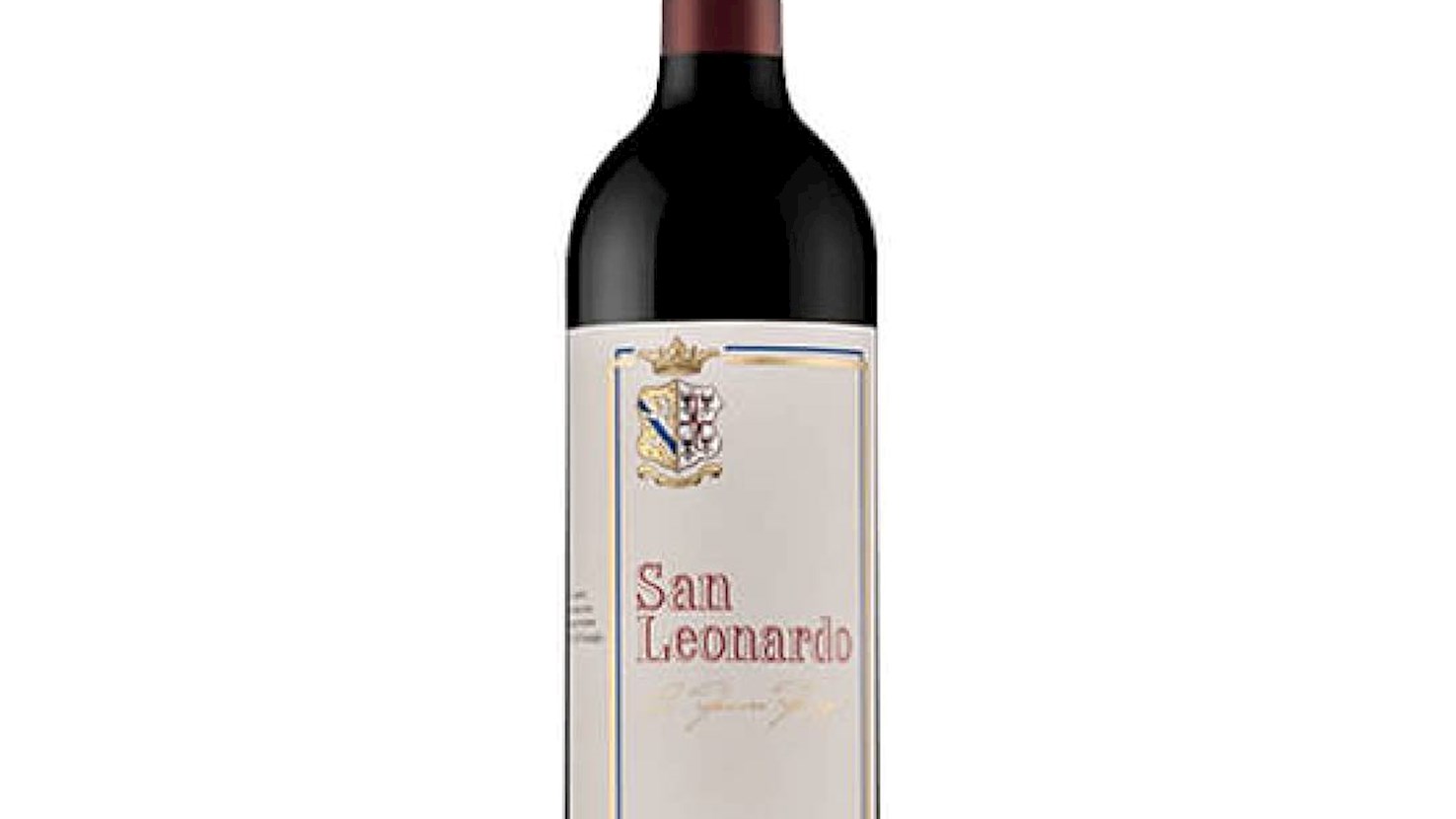
San Leonardo

4.8 ·
Tenuta San Leonardo is a historic estate and Italian wine producer located in the Lagarina Valley in Trentino. Their flagship wine, San Leonardo, is a Bordeaux-style red wine, described by journalist Jancis Robinson as "arguably the most successful Bordeaux blend in northern Italy." San Leonardo is the estate's flagship wine, deeply rooted in its centuries-old history. It is a classic Bordeaux blend with aristocratic elegance and exceptional longevity.
Awards
James Suckling - 98 points (2024)
05

Agricola Foradori

4.7 ·
Azienda Agricola Foradori is a family-owned winery located in Mezzolombardo, in the Trentino region of Italy. Established in 1901, the winery is currently managed by the fourth generation of winemakers. Elisabetta Foradori and Rainer Zierock made significant contributions to preserving and regenerating the Teroldego grape variety through the cultivation of its original genetic strains. Today, their children, Emilio, Theo, and Myrtha Zierock, continue this tradition. Azienda Agricola Foradori is dedicated to preserving local grape varieties and biodiversity, combining traditional methods with innovative approaches in viticulture and winemaking.
Awards
James Suckling - 97 points (2023)
06

Distilleria Alpina

4.5 ·
Awards
World Gin Awards - Country Winner (2022)
07

Distilleria Leonardelli

4.5 ·
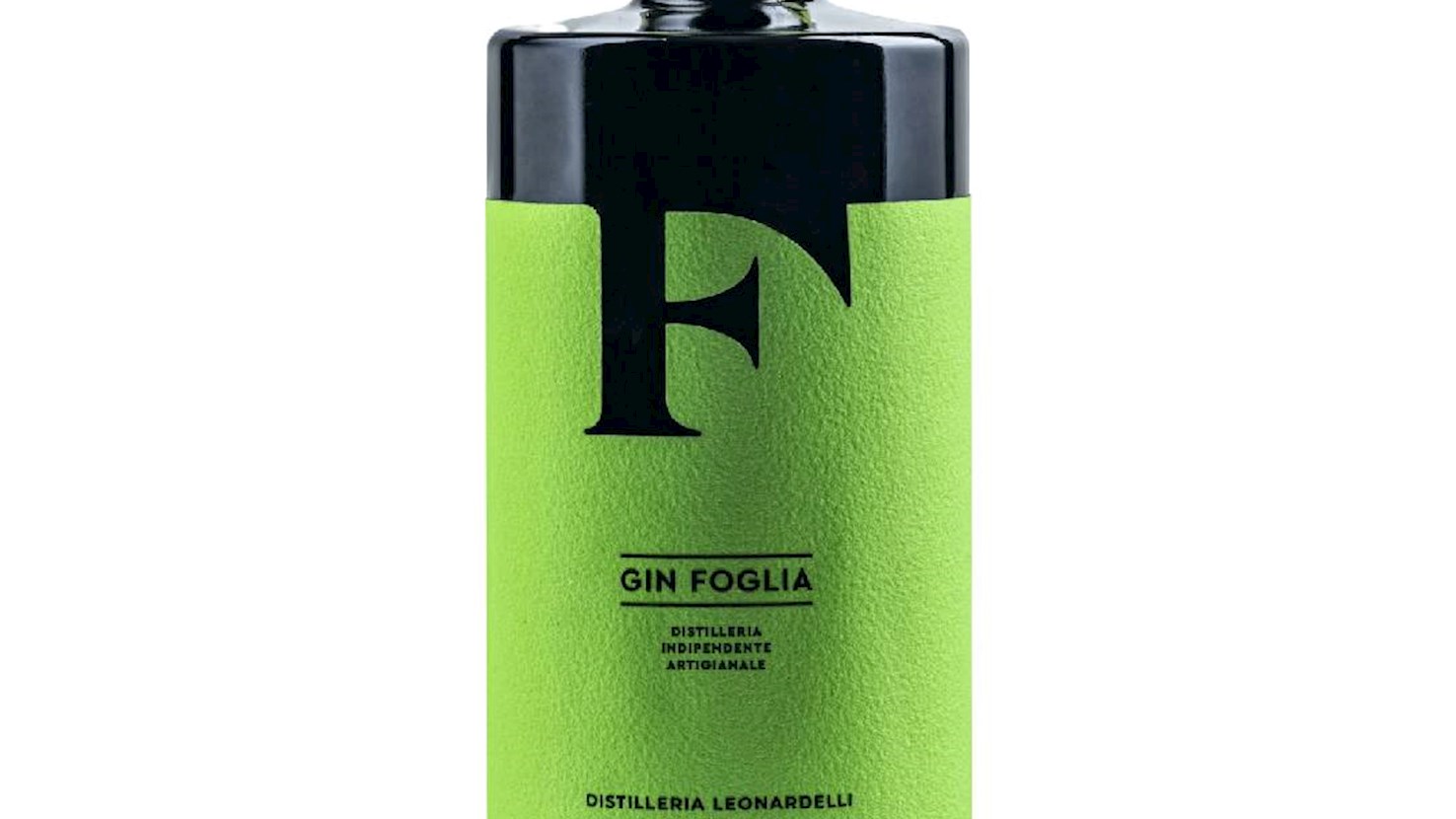
Distilleria Leonardelli is a renowned Italian distillery located in Trento, within the heart of the Trentino-Alto Adige region, an area famous for its deep-rooted traditions in fine distillation. Founded with a passion for craftsmanship and quality, the distillery specializes in producing premium grappas and other traditional spirits, reflecting the essence of Italian heritage and expertise. At Distilleria Leonardelli, production combines time-honored artisanal techniques with modern innovation, ensuring that each product is crafted with exceptional care. The use of local grape pomace, sourced from the vineyards of Trentino, ensures authenticity and a strong connection to the land. Their grappas are distilled in small batches using traditional copper stills, a method that allows for precise control over flavor and aroma, resulting in a smooth, refined spirit. Leonardelli’s offerings include a wide range of spirits, from classic white grappas to aged varieties matured in oak barrels, which develop rich, complex notes of wood, vanilla, and dried fruit. Each bottle represents the distillery's commitment to quality, tradition, and innovation, appealing to both connoisseurs and those discovering Italian spirits for the first time. With a reputation for excellence and a dedication to showcasing the best of Trentino's natural bounty, Distilleria Leonardelli stands as a symbol of authenticity and Italian craftsmanship in the world of fine spirits.
Awards
London Spirits Competition - Gold (2024)
08

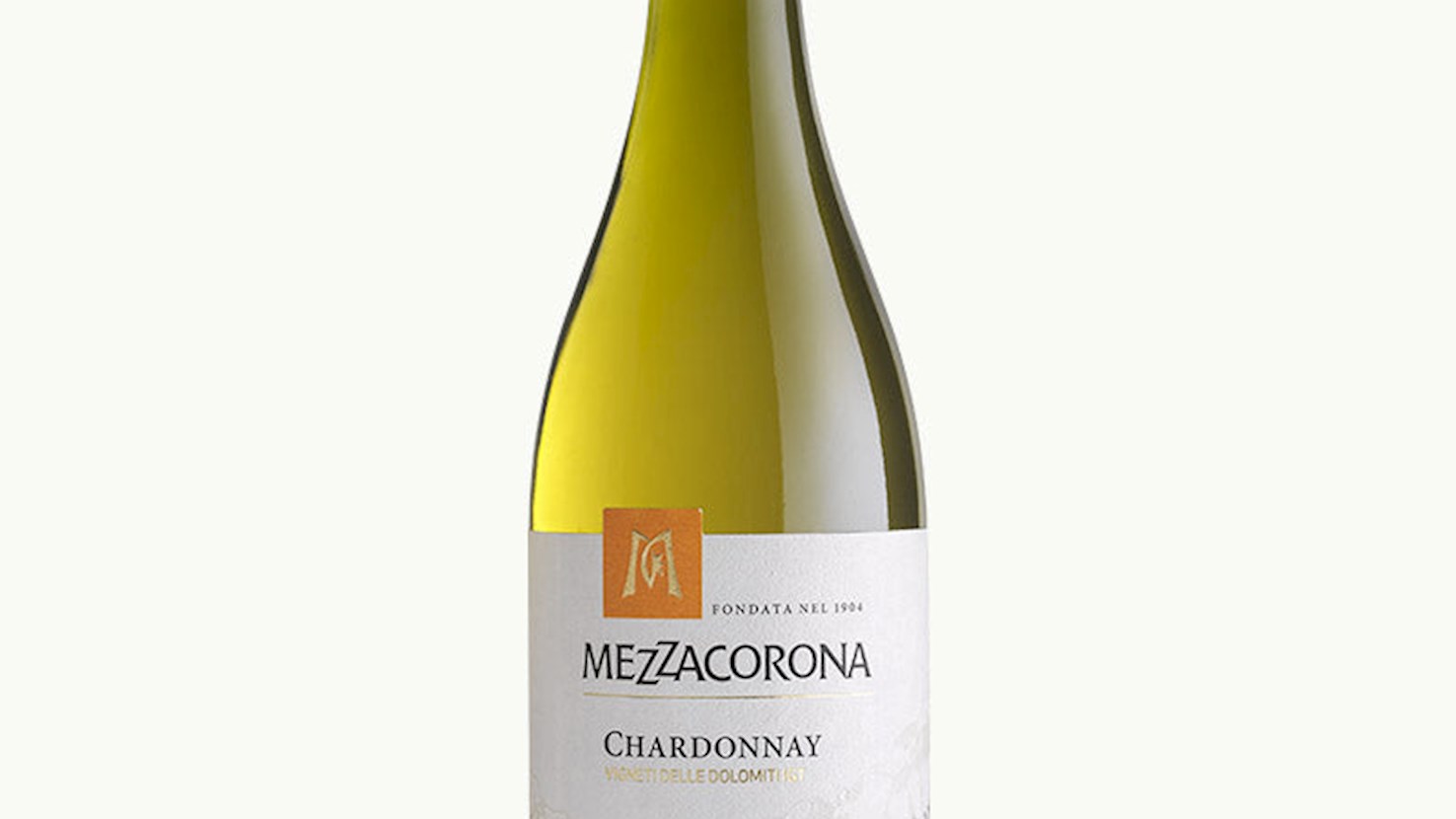
Gruppo Mezzacorona/Prestige Wine Imports

4.4 ·
Awards
USA Wine Ratings - Gold (2023)
09

Stemmari

4.4 ·
Awards
USA Wine Ratings - Gold (2021)
10

Nosio Spa - Gruppo Mezzacorona
4.4 ·
Awards
Concours Mondial de Bruxelles - Grande Médaille d'or (2019)

Best Trentino Beverage Types
01

Nosiola

n/a ·

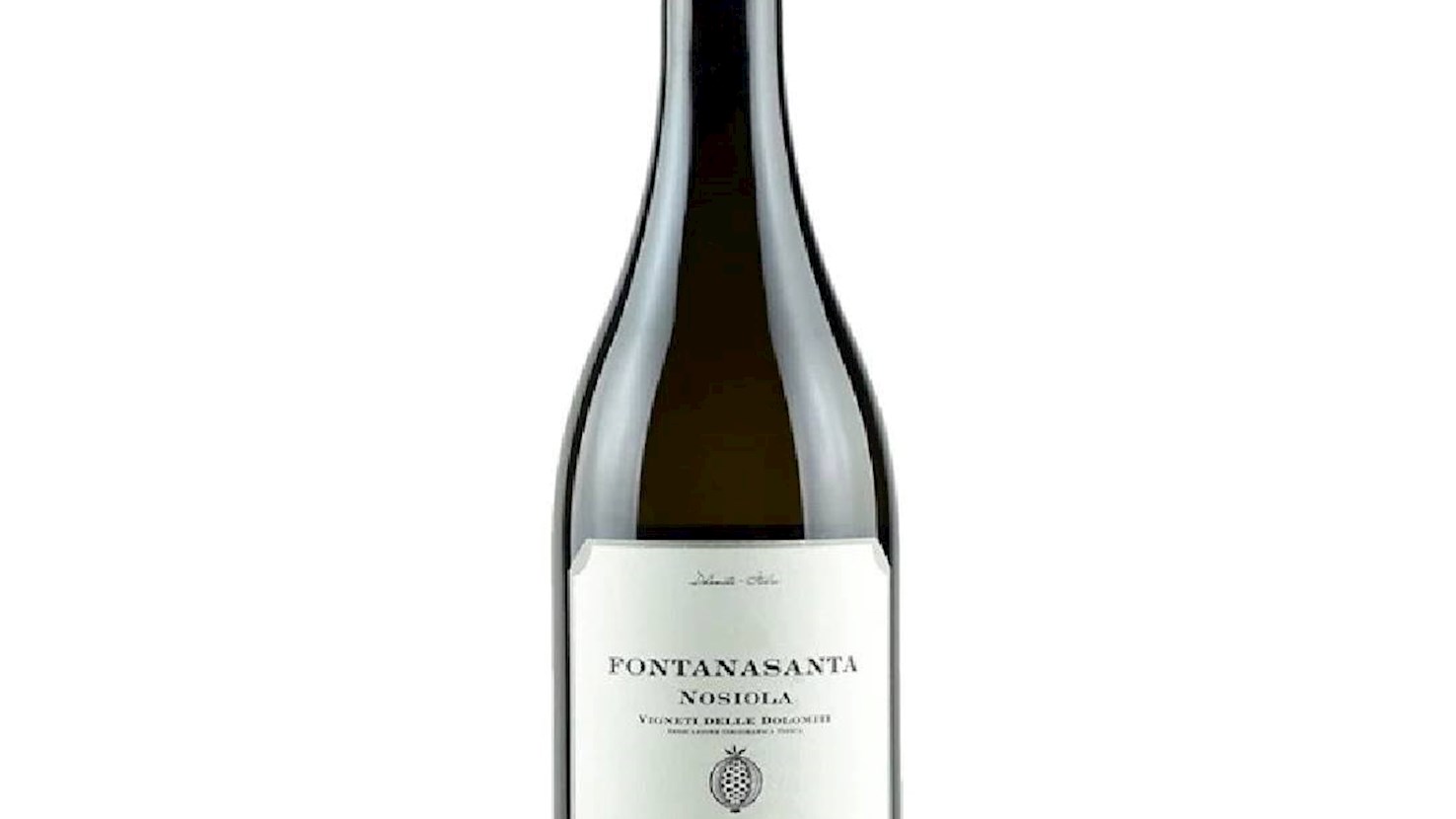
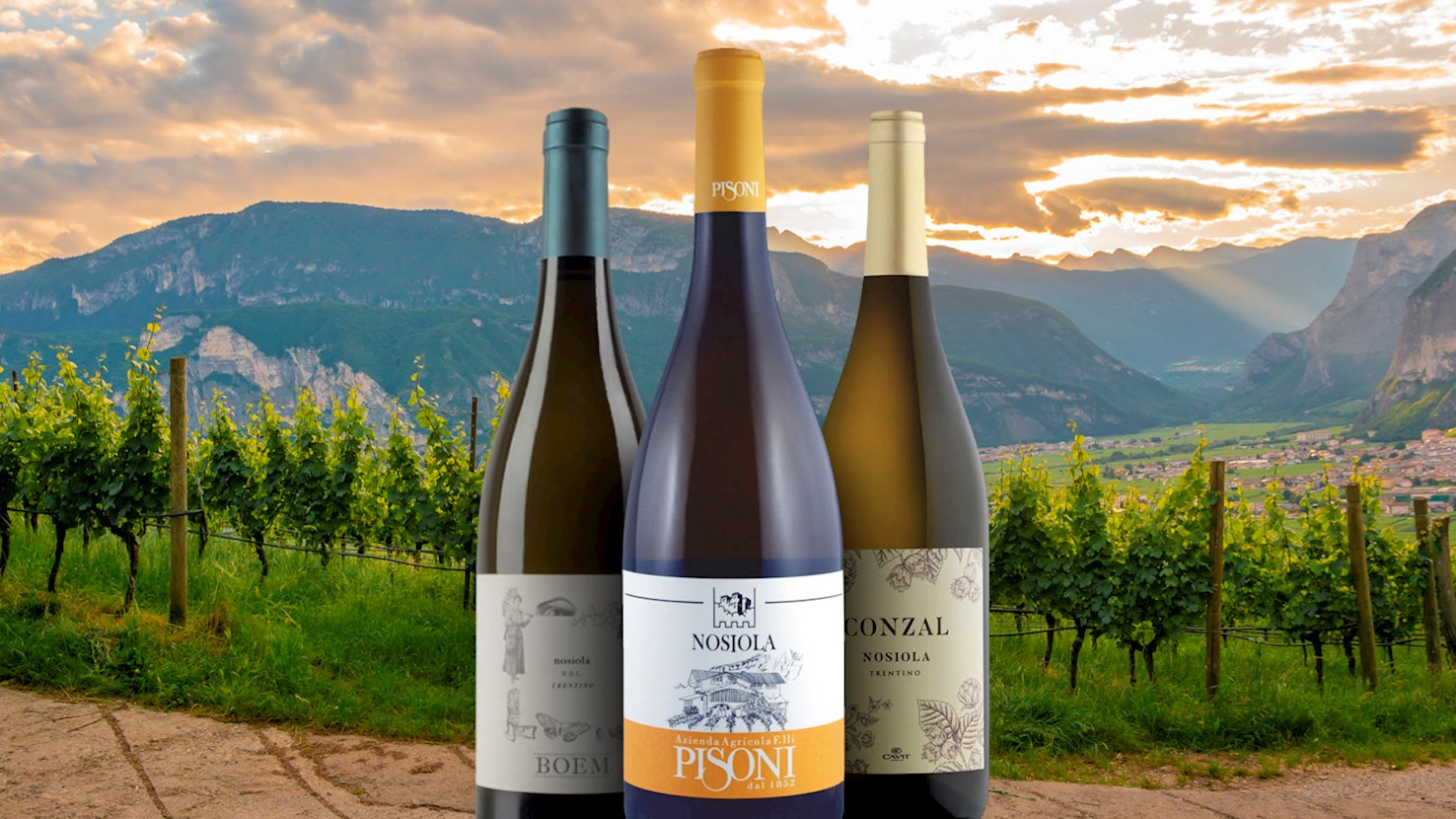
Nosiola is the only remaining native Trentino grape. The variety makes both dry and sweet white wines, and it is the main grape used in the rare Trentino Vino Santo, a wine made from dried grapes (passito) affected by noble rot. Dry white wines made from Nosiola are light-bodied and approachable. They usually have a refreshing and mineral character with lemon and apple aromas. Nosiola will usually display a distinctive nutty note, and it is believed that this feature gave the grape its name—Italian nocciola translates as hazelnut. Nosiola is now cultivated only in Trentino, but it was once common in Alto Adige. Dry Nesiola wines make an excellent aperitif and pair with freshwater fish, seafood, vegetables, or fresh cheese. Vino Santo labels are best paired with desserts.

02

Parampampoli

n/a ·

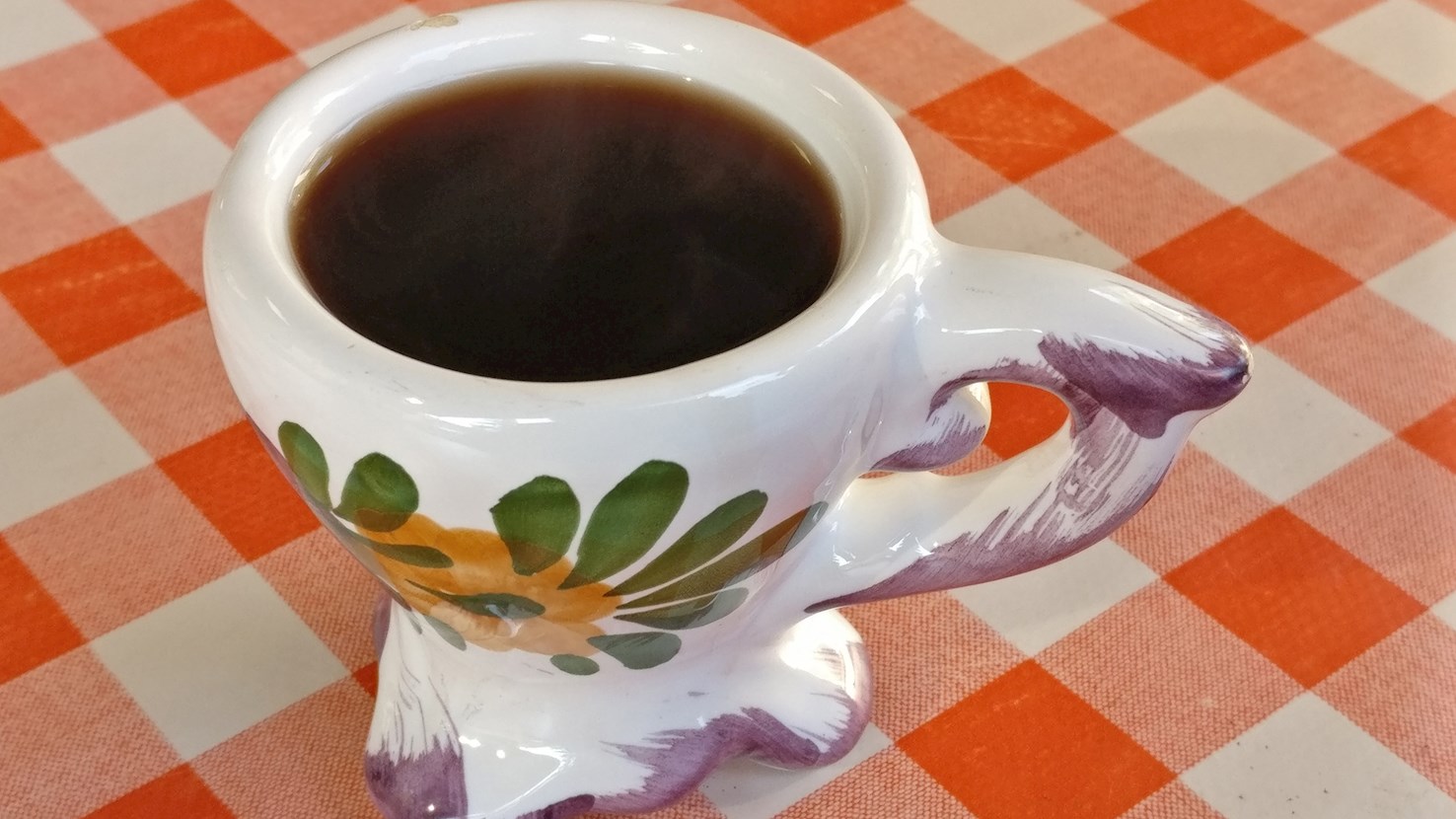
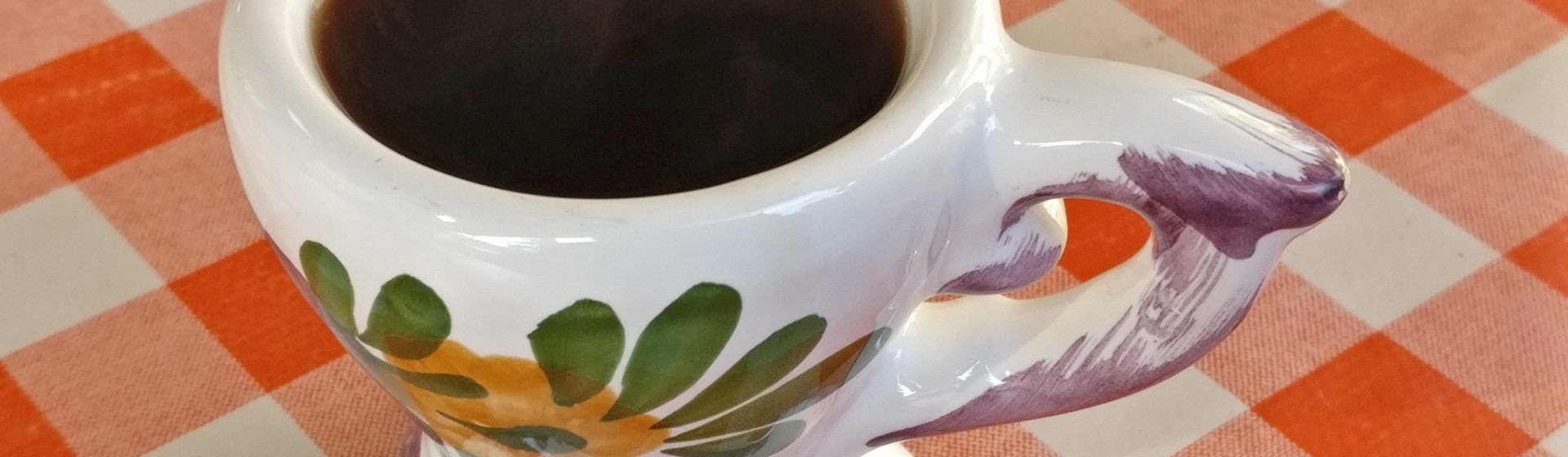
Parampampoli is an alcoholic drink made with wine, coffee, honey, grappa (fruit brandy), and caramelized sugar. The drink was invented in the 1950s by Purin Giordano at Rifugio Crucolo, a mountain tavern located near Valsugana in the municipality of Scurelle. The exact recipe is a closely guarded secret, but in addition to the basic ingredients, the drink also includes a secret list of spices. Parampampoli is first heated then flambéed before it is served in ceramic cups. This wintertime drink is mostly enjoyed in alpine huts and on Christmas markets.

03

Teroldego Rotaliano

n/a ·

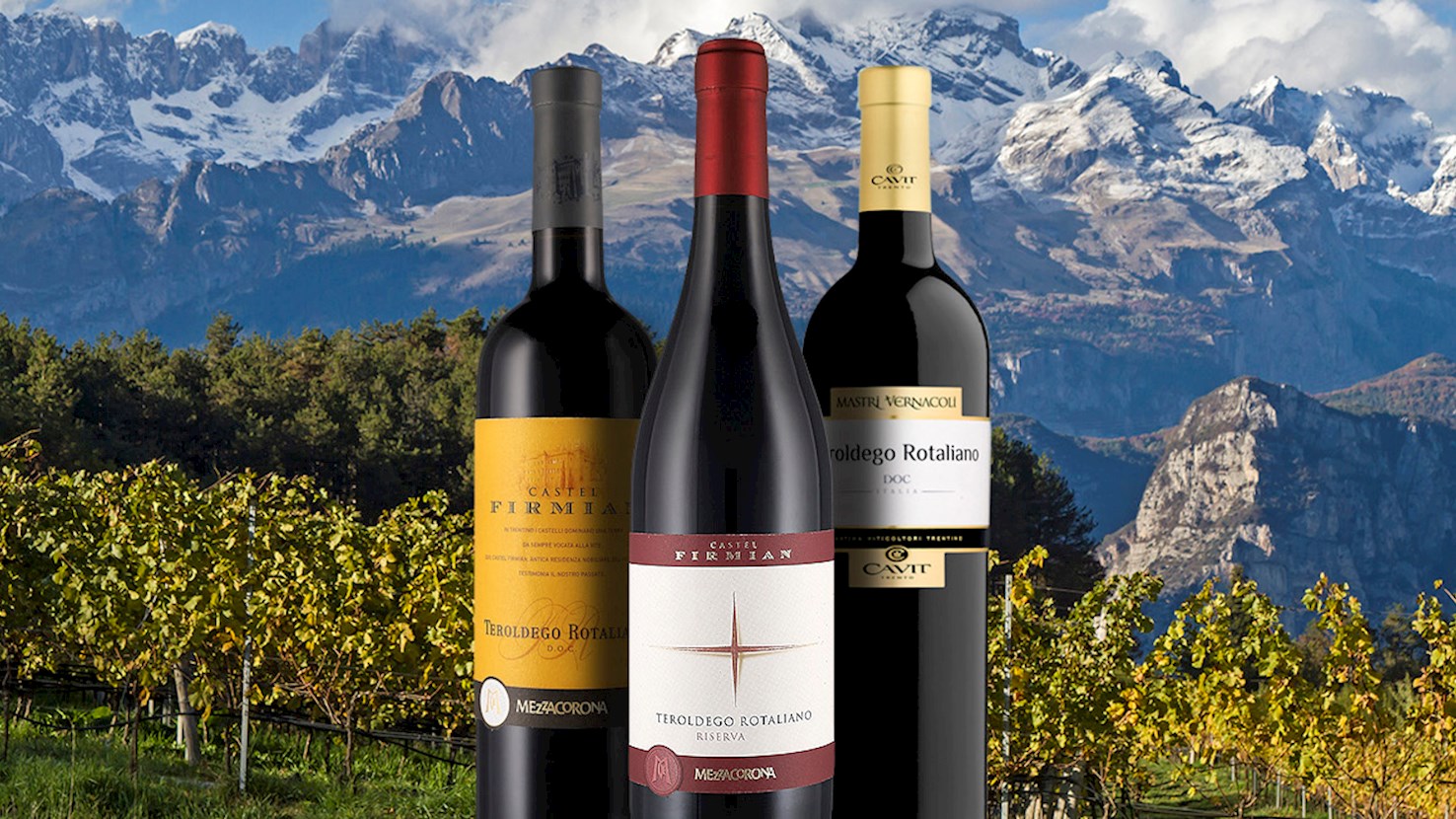
This dark red Italian wine is exclusively produced from the local Teroldego grapes which are primarily grown in the Rotaliana plain located in the province of Trento. The wines are praised for their rich, fruity notes of blackberries, raspberries, and blueberries, with the occasional nuances of licorice and balsamic. When young, these food-friendly, medium-bodied wines are a perfect match to rustic, local dishes, but if aged correctly they can pair well with roasted meat, game, and mature cheese. The DOC also includes rosé (rosato or kretzer) styles.

04

Cappelletti Aperitivo

n/a ·

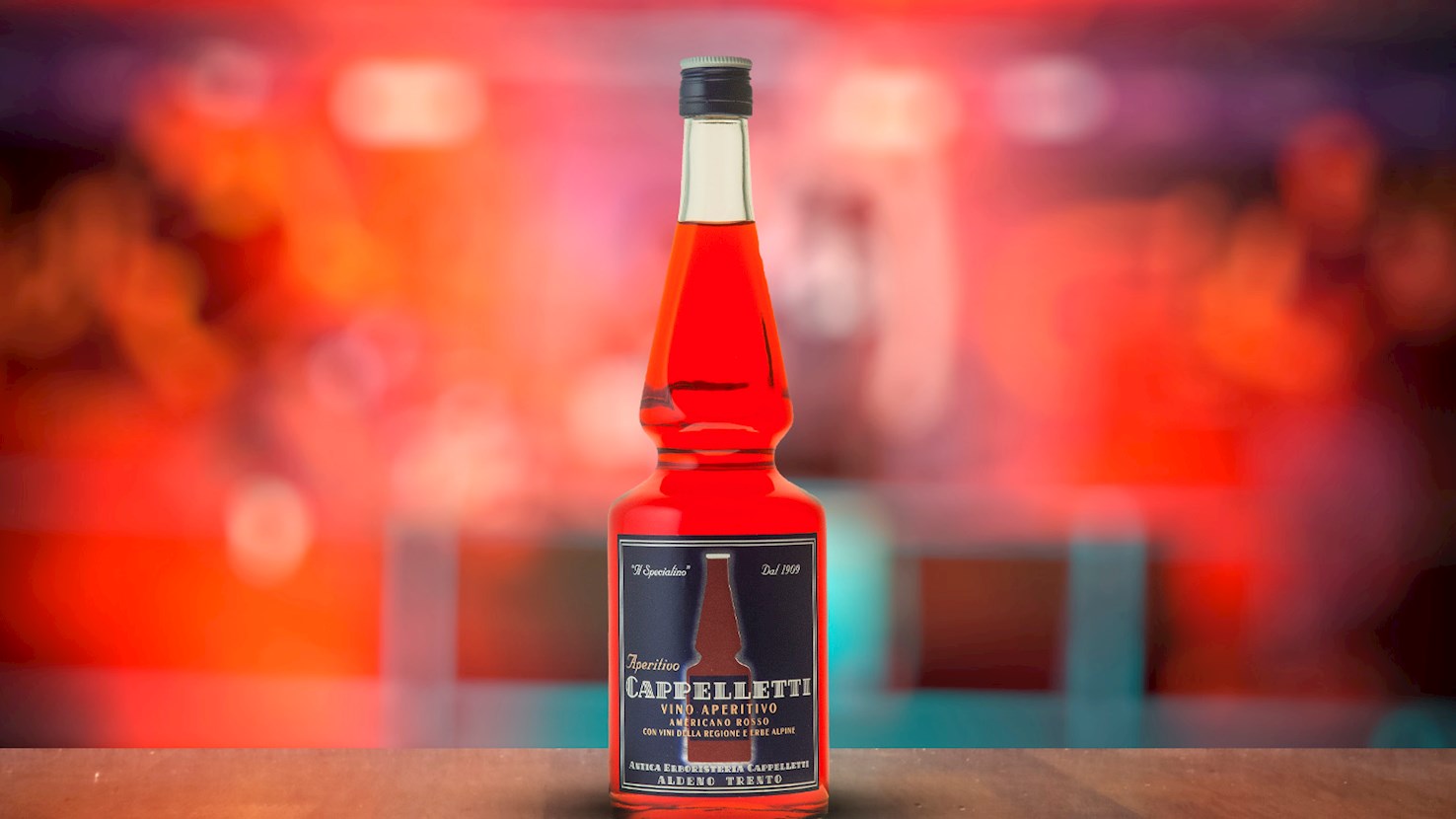
Cappelletti is an Italian wine-based aperitif that is colored with natural carmine and infused with various Alpine herbs. The drink originated in 1920, and it is still produced following the original secret recipe based on white wine and a selection of herbs and spices. Cappelletti is a bitter red liqueur with 17% ABV. It has a light bittersweet character with a fruity aroma that is partnered with herbal and spice-like notes. It can be enjoyed on its own, served chilled over ice, but it is also a great ingredient in cocktails, best suited for Spritz Veneziano and other spritz-like variations.

05

Trento DOC

n/a ·

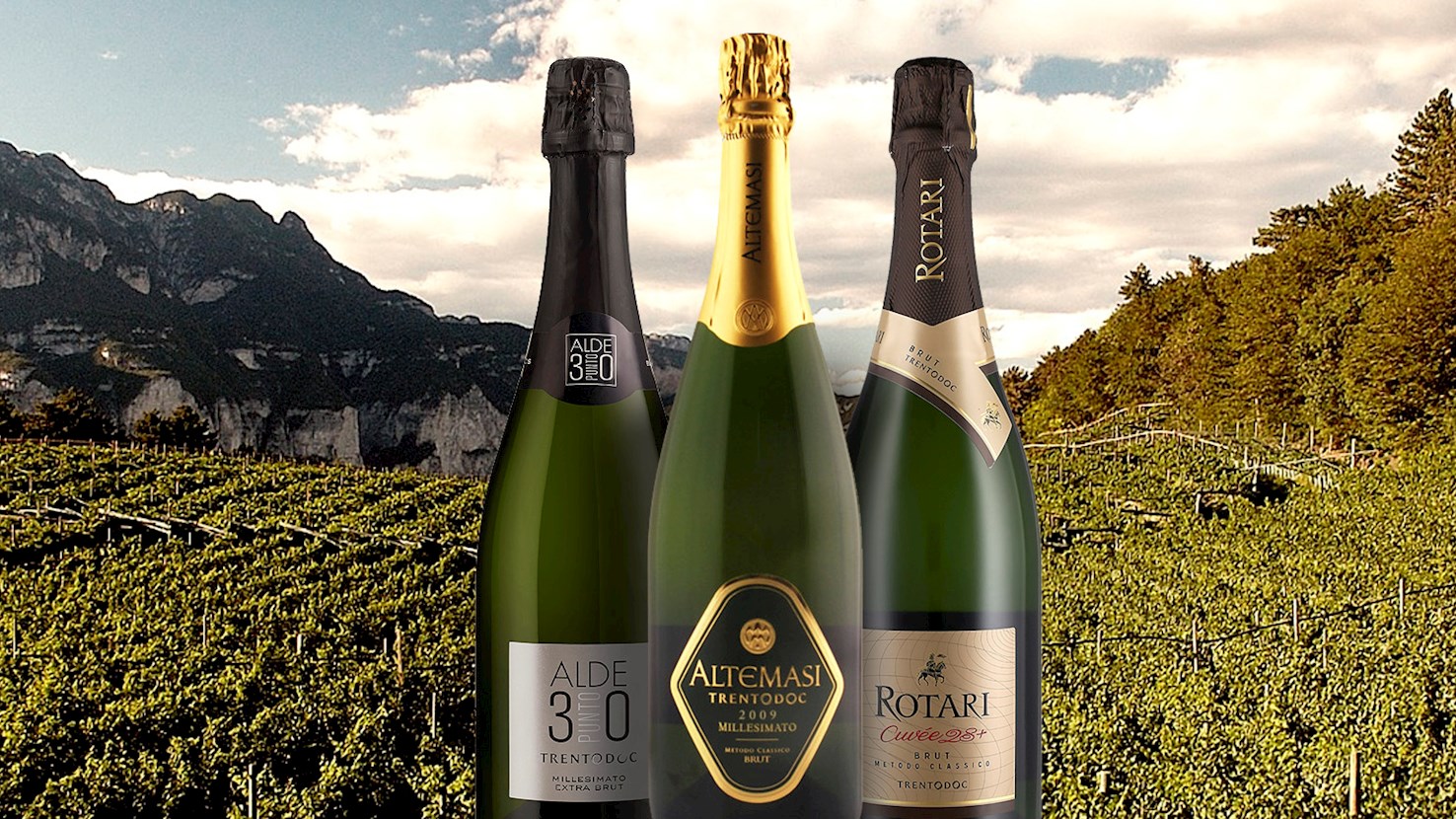
Trento or Trentodoc is an Italian wine region that produces white and rosé sparkling wines with varying percentages of Chardonnay, Pinot Bianco, Pinot Meunier, and Pinot Nero. All the wines are produced with metodo classico – in which the second fermentation takes place in the bottle. Trento wines are characterized by fine and persistent perlage, crisp acidity and minerality, while they typically display fruity and floral notes that may be complemented by hints of apricot, tropical fruit, nuts, or vanilla. Trentodoc wines are best served well-chilled, and although they make an excellent aperitif, they are a perfect match to a variety of dishes including light and hearty pasta dishes, risottos, fish, or crustaceans, as well as poultry and red meat.

Best producers
06

Marzemino

n/a ·

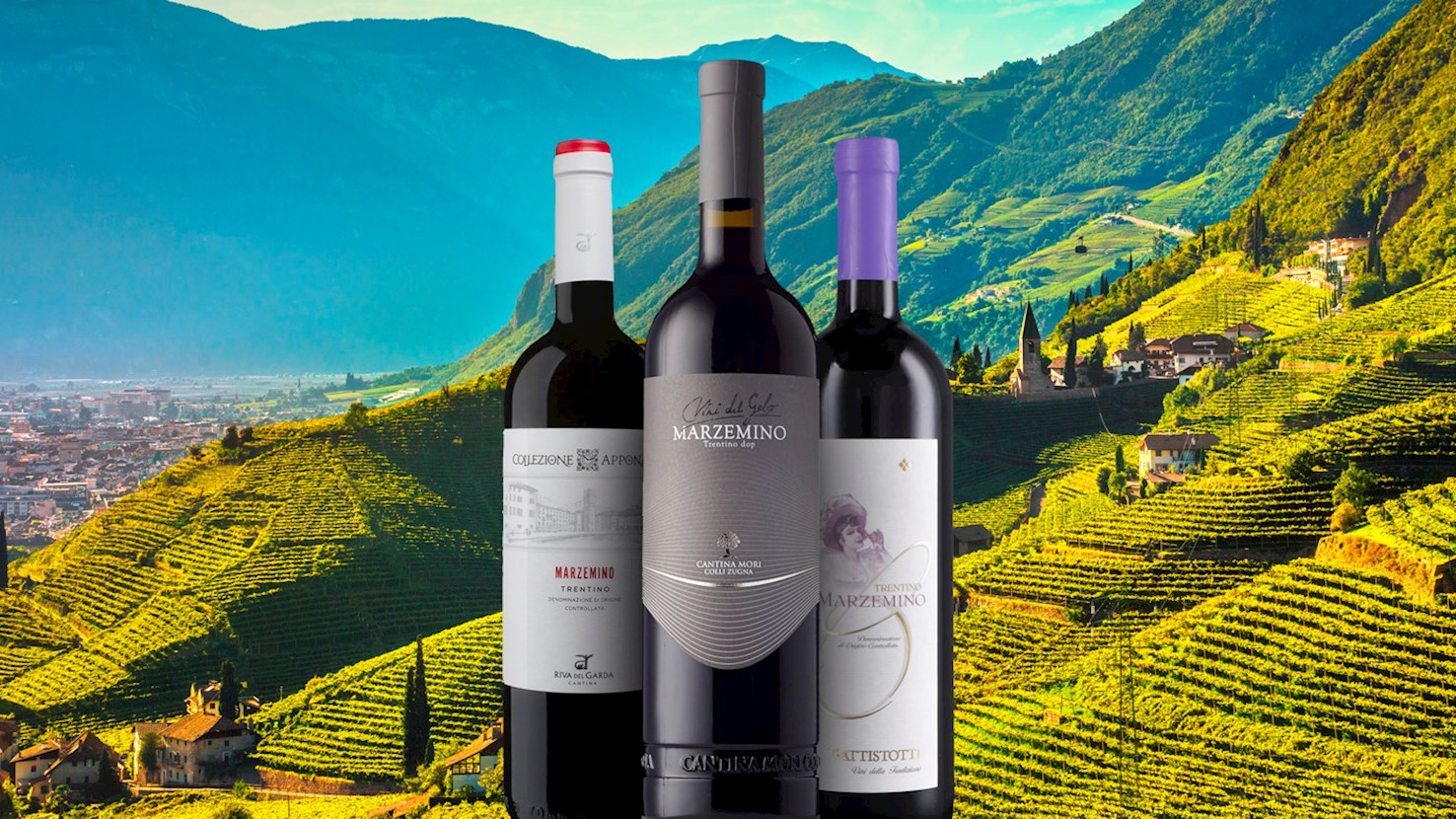
Marzemino is a native Italian red grape. It is an old variety with vague origins, but it is mainly cultivated and associated with northern Italy. Marzemino is used to produce varietal wines, but it is probably best known for its use in Colli di Conegliano, a dessert wine made from partially dried (passito) grapes. This late-ripening grape produces fragrant and fresh ruby red wines with a light and smooth body. The aroma is often reminiscent of red fruits and violets. It is sometimes vinified in off-dry or lightly sparkling styles, but most production focuses on still red wines within the Trentino DOC. Apart from Trentino, Marzemino is cultivated in Lombardy, Veneto, Emilia-Romagna, and Friuli-Venezia Giulia. Marzemino is best paired with local cuisine. It can be served with red or white meat, but it also works with lighter dishes such as polenta or pizza.

07

Trentino

n/a ·

Trentino wine refers to wines produced in the province of Trentino in northern Italy, made primarily under the Trentino DOC and covering white, red, and sparkling styles from grape varieties such as Pinot Grigio, Chardonnay, Müller-Thurgau, Teroldego, Marzemino, and Lagrein. Viticulture in Trentino developed within an Alpine valley system shaped by the Adige River, where Roman settlement introduced organized grape growing and later monastic and civic land management refined vineyard placement along valley floors and terraced slopes, gradually establishing a wine culture influenced by both Italian and Central European practices due to the area’s position along north–south trade routes. Wine production in Trentino emphasizes site-specific viticulture, with vineyards ranging from low valley elevations to high-altitude slopes that preserve acidity and aromatic clarity, and winemaking typically involves controlled fermentation in stainless steel for whites and selected reds, alongside neutral oak use for structured wines, with sparkling wines produced mainly by the metodo classico using Chardonnay and Pinot Noir. Wines are served according to style, with whites and sparkling wines chilled, lighter reds slightly cool, and fuller reds at cellar temperature, and decanting used sparingly. A defining feature of Trentino wine is the coexistence of alpine freshness and reliable ripeness within a relatively compact geographic area, allowing both aromatic whites and structured reds to develop balanced profiles without excessive alcohol. Trentino wines are consumed primarily with meals in northern Italy and export markets, paired with foods such as freshwater fish, cured meats, poultry, risotto, mushroom dishes, alpine cheeses, and vegetable-based preparations, and they are also commonly enjoyed as everyday table wines due to their clarity, moderate weight, and adaptability to a wide range of cuisines.

08

Grappa del Trentino

n/a ·

Grappa del Trentino, also known as Grappa Trentina, is a grape marc spirit produced exclusively within the autonomous province of Trento, Italy. This spirit is crafted by distilling well-preserved fermented or semi-fermented grape skins, known as pomace, derived from locally grown and vinified grapes. The distillation process employs traditional discontinuous (batch) methods, often utilizing steam or adding water directly into the alembic still. Notably, Tullio Zadra, a coppersmith from Trentino, perfected the "bain-marie batch distillation method" in the 1950s and 60s, a technique still in use today. The resulting grappa boasts an alcohol content ranging between 40% and 60% by volume. To enhance its flavor profile, producers may incorporate aromatic plants, fruits, or sugars (up to 20 grams per liter). Additionally, caramel may be added for grappas aged a minimum of 12 months. Aging typically occurs in unvarnished wooden barrels, vats, or other wooden containers, imparting unique characteristics to the spirit. The proximity of local wineries to distilleries ensures that fresh pomace is processed promptly, preserving the sensory qualities of the grapes and contributing to the distinctive organoleptic properties of Grappa del Trentino.

09

Pasubio

n/a ·

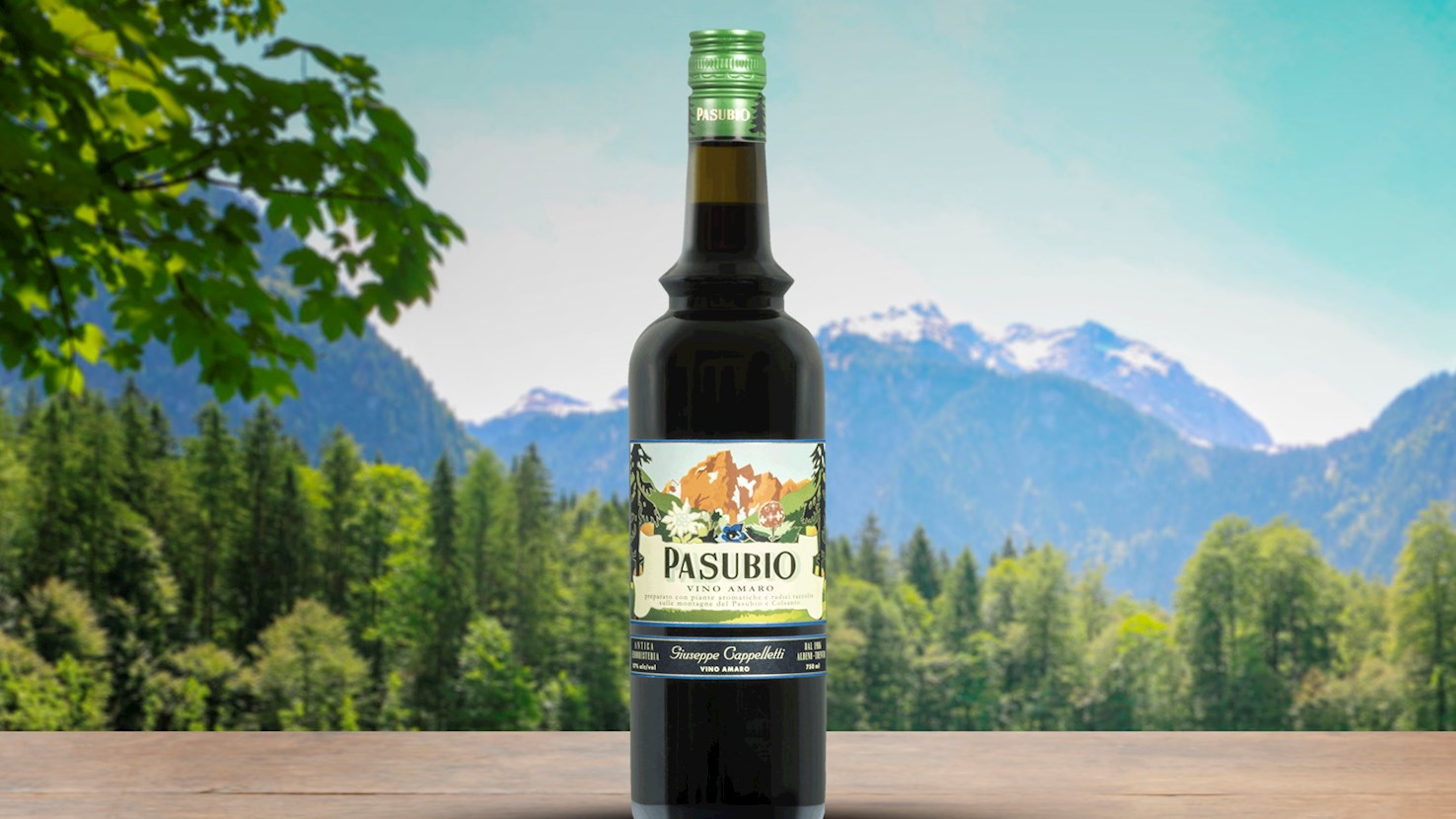
Pasubio is an alpine-style liqueur from Alto Adige. It is made with a wine base enriched with Pinus mugo pine, herbs, and wild blueberries. This amaro is rich, smooth, and pleasantly bitter. The aroma is herbal, reminiscent of pine and Alpine herbs, with hints of earthy notes and a touch of mint. Pasubio can be served chilled or at room temperature. It is best enjoyed neat, preferably as a digestif. Pasubio is produced by Antica Erboristeria Cappelletti in Aldeno, Trentino. It was introduced in the early 20th century, and it is bottled at 17% ABV.

10

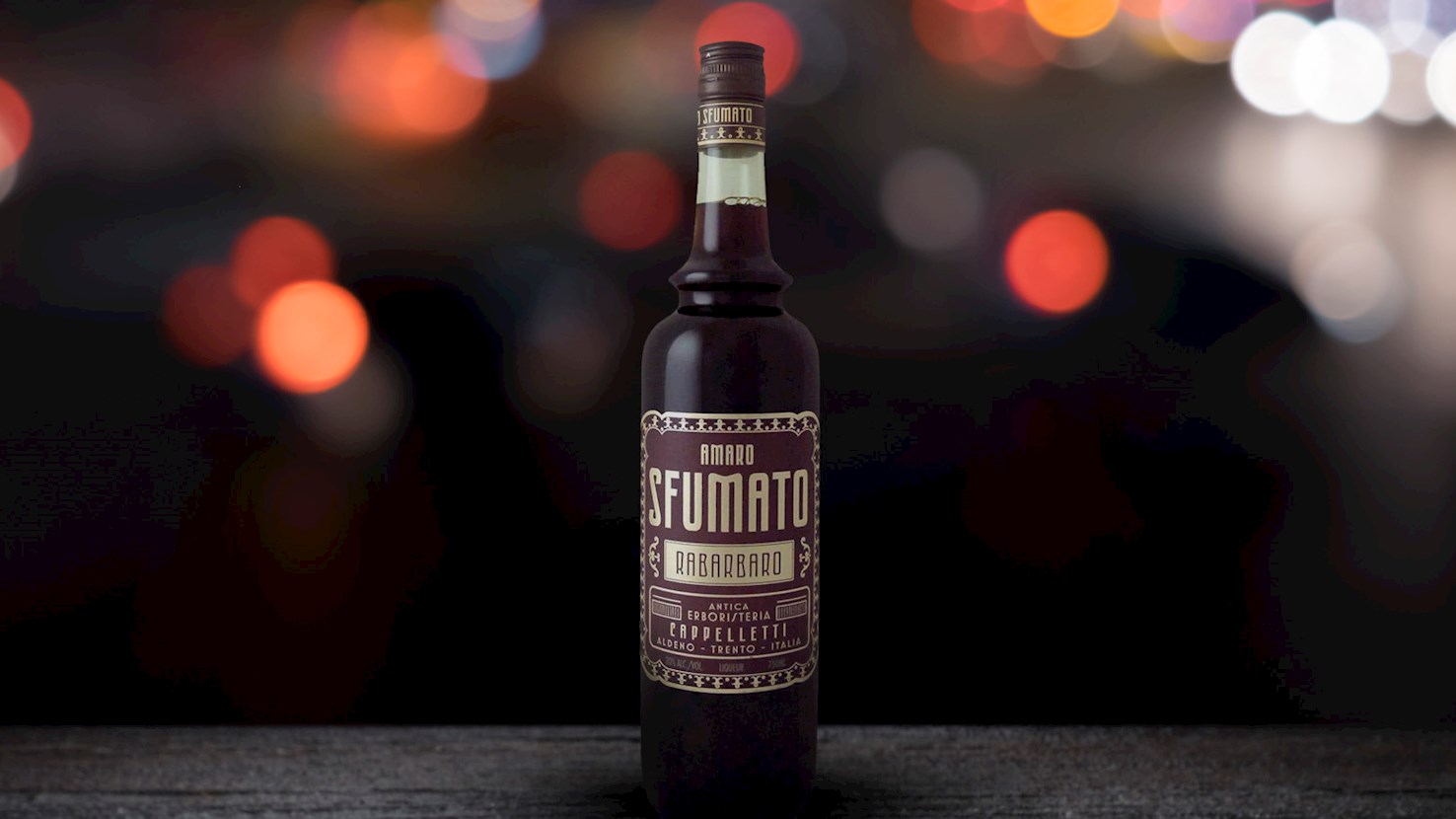
Sfumato Rabarbaro

n/a ·

Sfumato Rabarbaro is a type of amaro that hails from Trentino. It is made with various botanicals macerated in a neutral spirit, but the main flavoring comes from Chinese rhubarb—hence the name. This amaro is richly flavored and complex. It has an intense earthy aroma reminiscent of fruit jams, candied oranges, and herbs. The flavor is bittersweet with spicy and smoky notes, while the finish is long and has caramel and molasses-like notes. Sfumato can be served neat or on the rocks, and it is best enjoyed as a digestif, but it can also work well in cocktails and long drinks. This liqueur is still produced by the legendary Cappelletti family, who first introduced it at the beginning of the 20th century. Sfumato stems from the Italian term fumo, meaning smoke. The name is a reference to the distinctive smoky character attained from Chinese rhubarb.

About this ranking

TasteAtlas food rankings are based on the ratings of the TasteAtlas audience, with a series of mechanisms that recognize real users and that ignore bot, nationalist or local patriotic ratings, and give additional value to the ratings of users that the system recognizes as knowledgeable. For the “Top 11 Local Beverages in Trentino” list until June 15, 2026, 32 ratings were recorded, of which 18 were recognized by the system as legitimate. TasteAtlas Rankings should not be seen as the final global conclusion about food. Their purpose is to promote excellent local foods, instill pride in traditional dishes, and arouse curiosity about dishes you haven’t tried.

The initial list of top producers was compiled based on available reviews, awards, local recommendations, media and blog coverage, and consumer reviews. The list will be updated with ratings from TasteAtlas local ambassadors and TasteAtlas users.

Similar lists