shutterstock

Top 17 Vietnamese Beverages

Last updated on June 04, 2026

Best Vietnamese Beverages
01

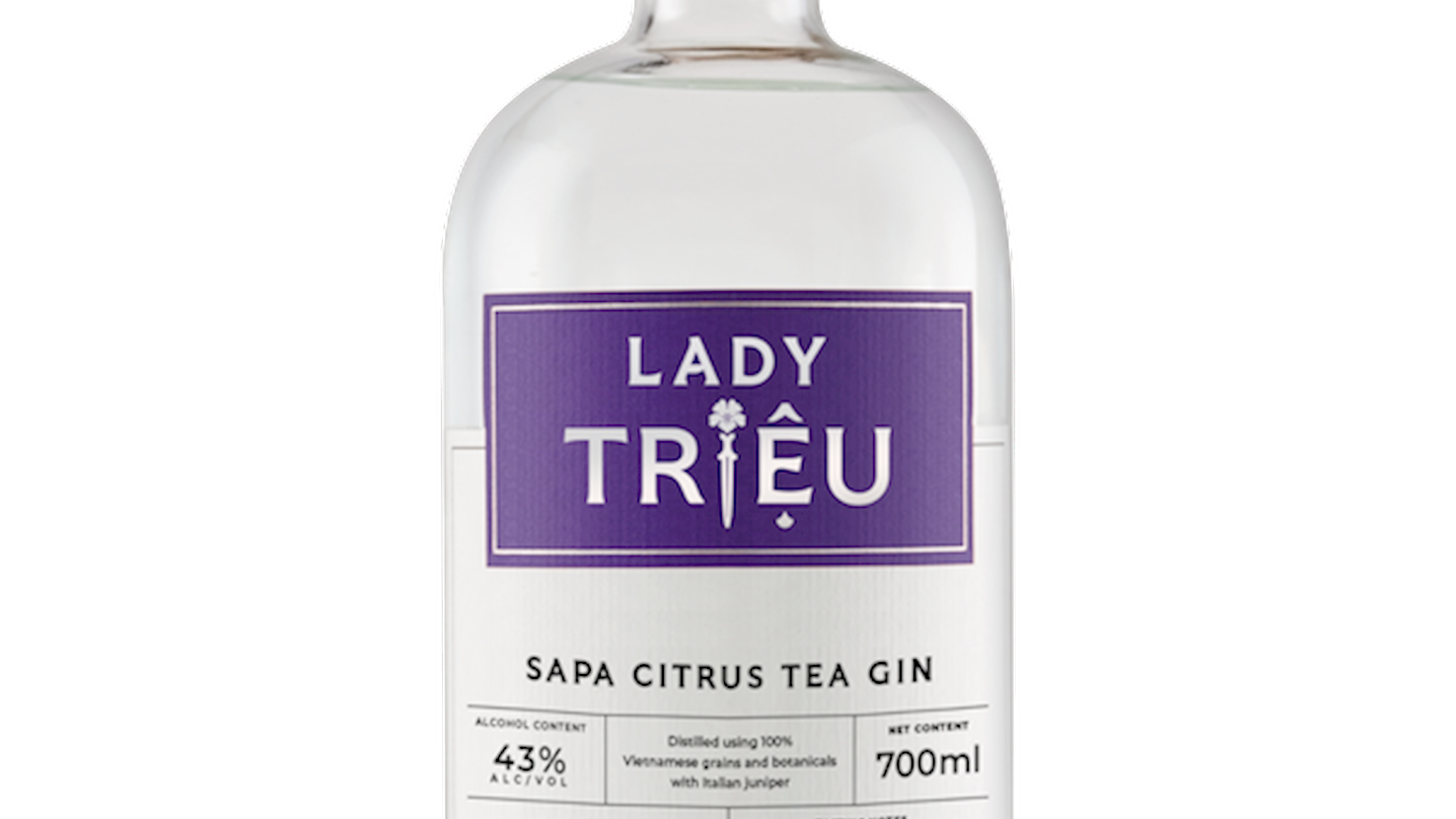
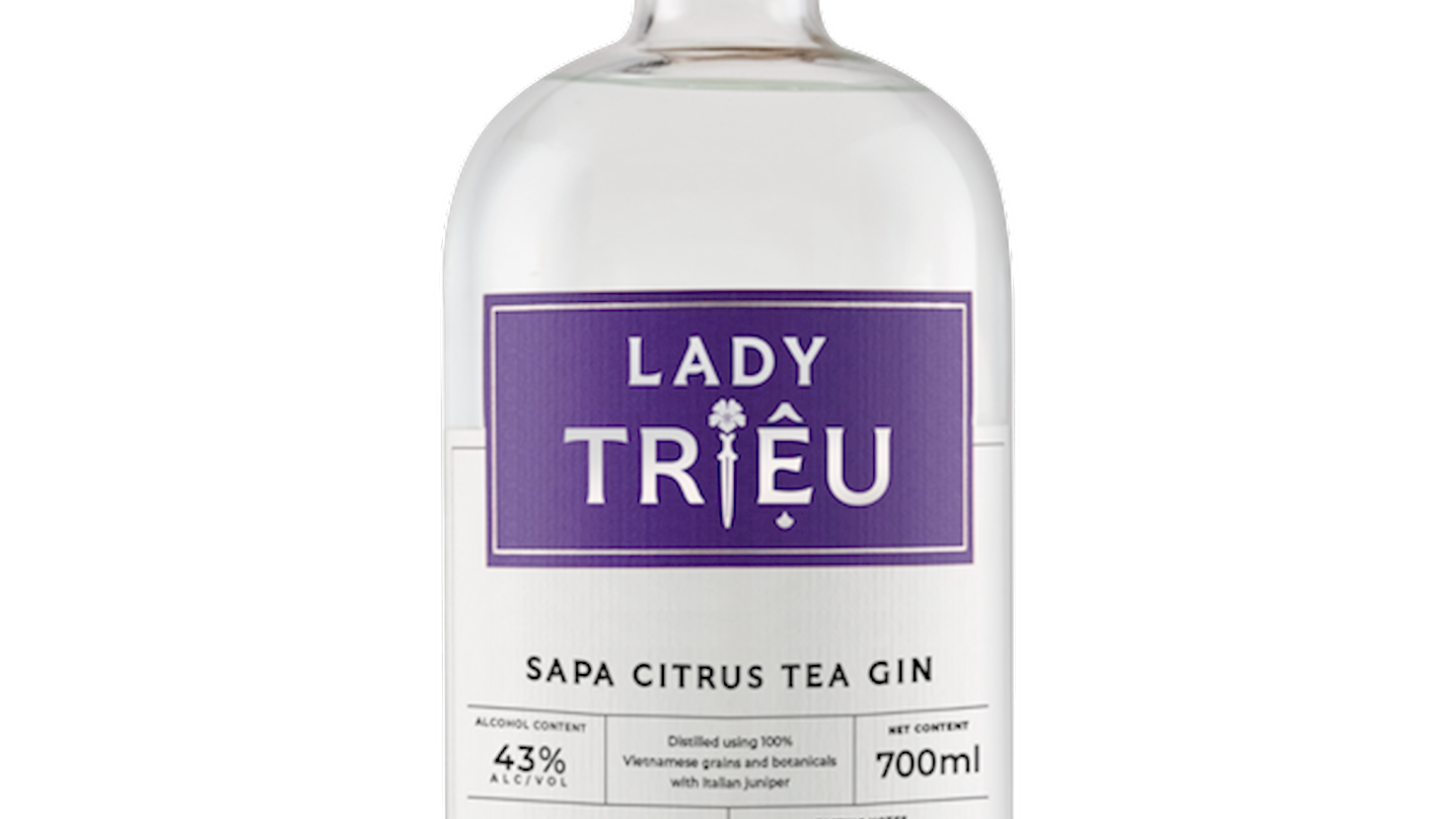
Lady Trieu

5 ·
Awards
SFWSC - San Francisco World Spirits Competition - Double Gold (2024)
02

Pasteur Street Craft Beer

4.8 ·
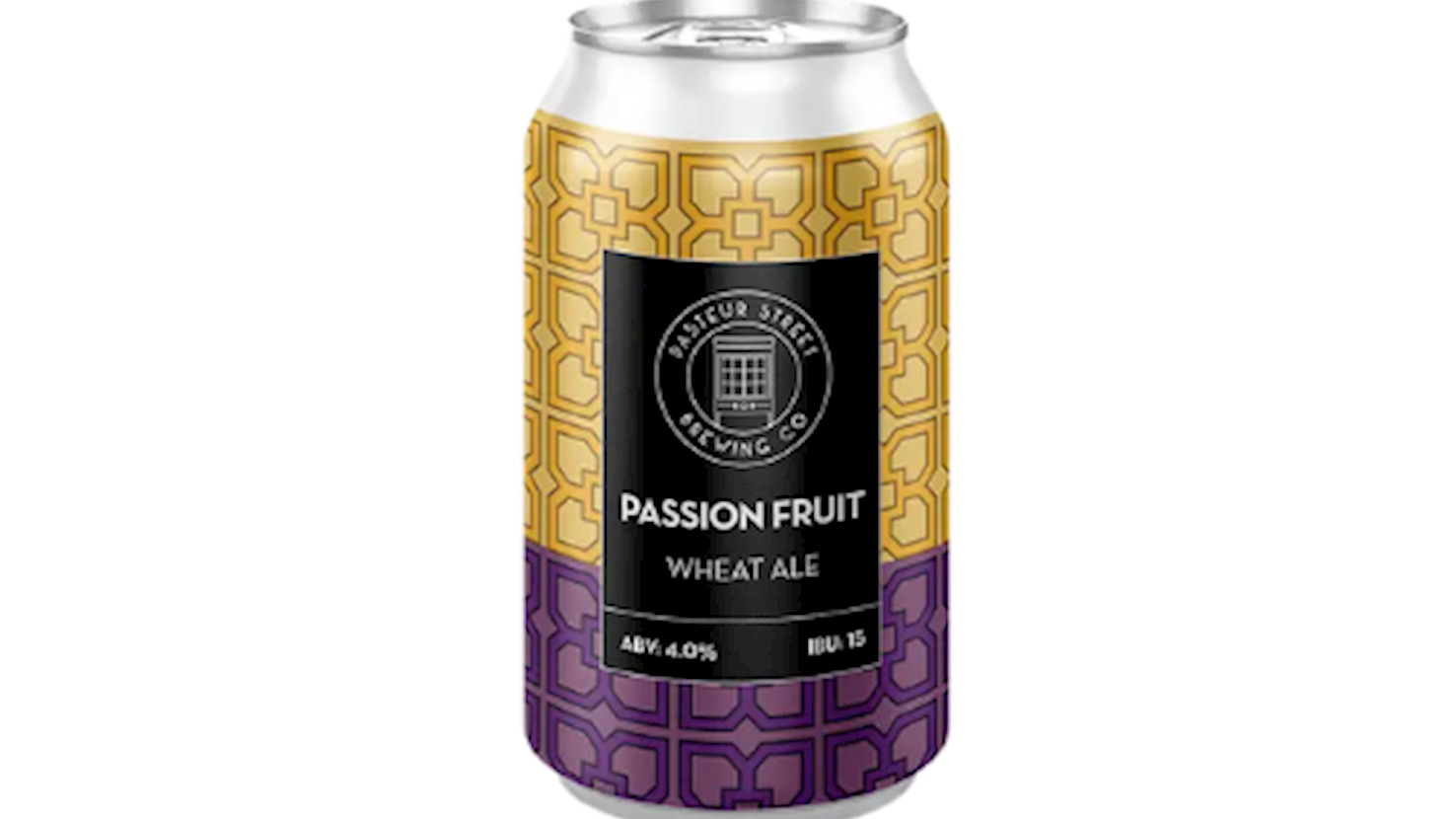
Pasteur Street Craft Beer is a modern craft brewery from Ho Chi Minh City that introduced a completely new approach to beer in Vietnam in 2015. The brewery was founded by combining American brewing know-how with local Vietnamese ingredients, which became their core identity. The founders aimed to create beers that were not copies of Western styles, but expressions of local terroir through ingredients such as jasmine, passion fruit, lemongrass, or Vietnamese cocoa. Pasteur Street now operates multiple taprooms across the country, including locations in Ho Chi Minh City and Hanoi, and supplies more than 600 bars and restaurants. Technologically, the beers are brewed according to Western craft standards, while the aromatic profile is shaped through local fruits and spices. The portfolio includes IPAs, stouts, sour ales, and experimental small-batch releases. The brewery’s philosophy focuses on exploring seasonal ingredients and collaborating with local farmers. This approach made Pasteur Street the first brand to present a Vietnamese craft identity on a global level. The taprooms offer tasting flights, rotating taps, and limited editions available only on site. The ambiance is urban and modern, yet retains a strong local character through visual identity and food pairing. Pasteur Street shows how craft brewing can flourish in a country without a long brewing tradition by using authenticity as a competitive advantage. Their beers are exported beyond Vietnam, making them one of the few Southeast Asian craft breweries present on international markets. Their success demonstrates that the combination of local ingredients and global brewing expertise can create a completely new style and identity.
Awards
World Beer Cup - Gold (2016)
Untappd - 3.7
03

Trà Sen Hiền Xiêm

4.7 ·
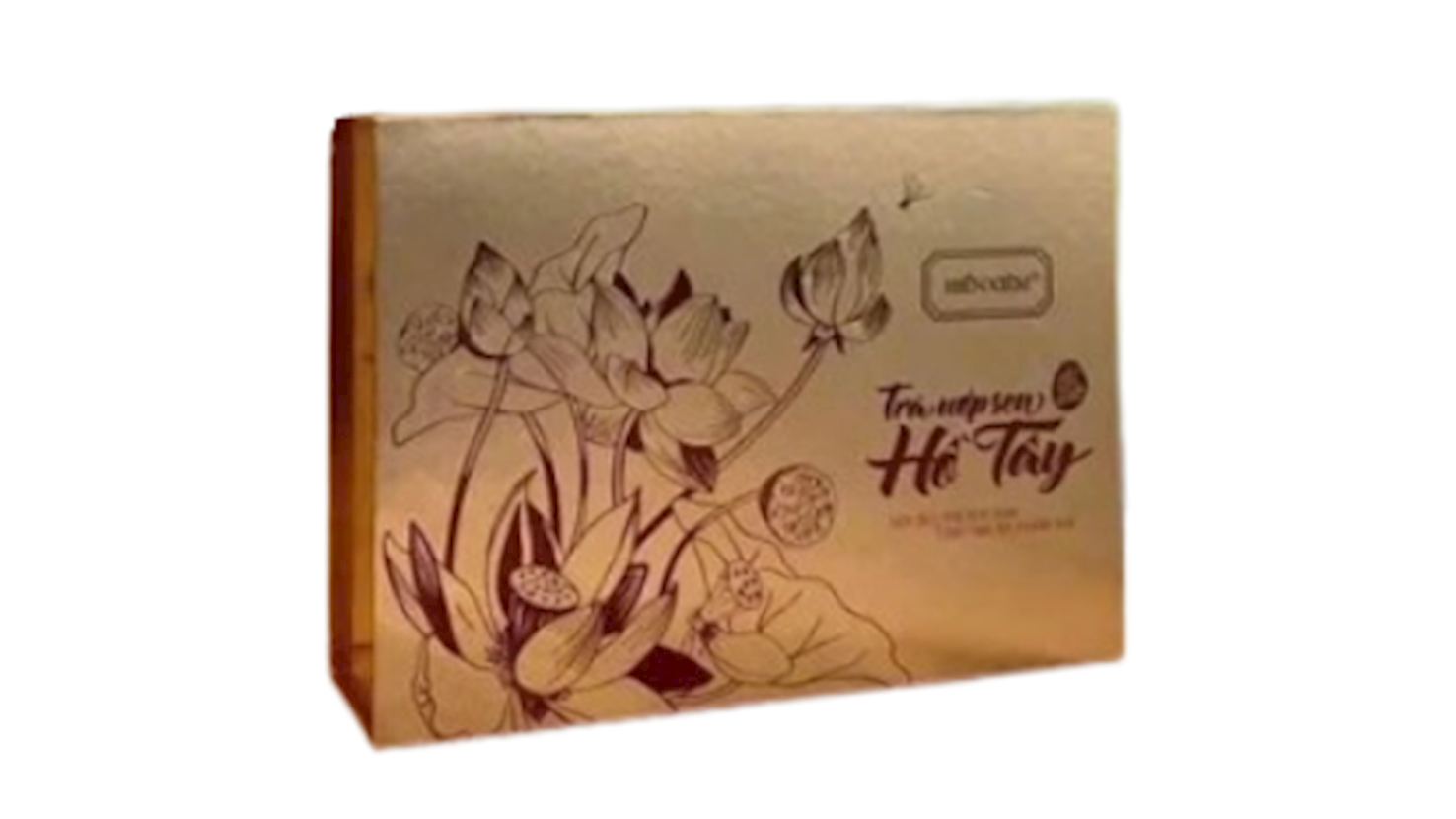
Trà Sen Hiền Xiêm is a family-run artisanal brand from Hanoi’s Tây Hồ district, recognized as one of the most respected guardians of the traditional technique of infusing green tea with fresh lotus petals. Their production relies entirely on manual craftsmanship - from harvesting lotus flowers at dawn, to carefully separating the petals, and repeatedly layering fine tea leaves with the fragrant “gạo sen” pollen over several days. This demanding method, which requires more than a thousand lotus flowers to produce a single kilogram of tea, results in a delicate brew with soft floral notes, gentle bitterness, and an elegant, naturally sweet finish. The brand holds a prestigious four-star OCOP certification and is often chosen for ceremonial occasions and high-quality gifts. Despite modern challenges such as urbanization and declining lotus cultivation, Hiền Xiêm remains a symbol of authenticity, cultural continuity, and the highest level of traditional Vietnamese lotus-tea craftsmanship.
04

Hoàng Trà

4.7 ·
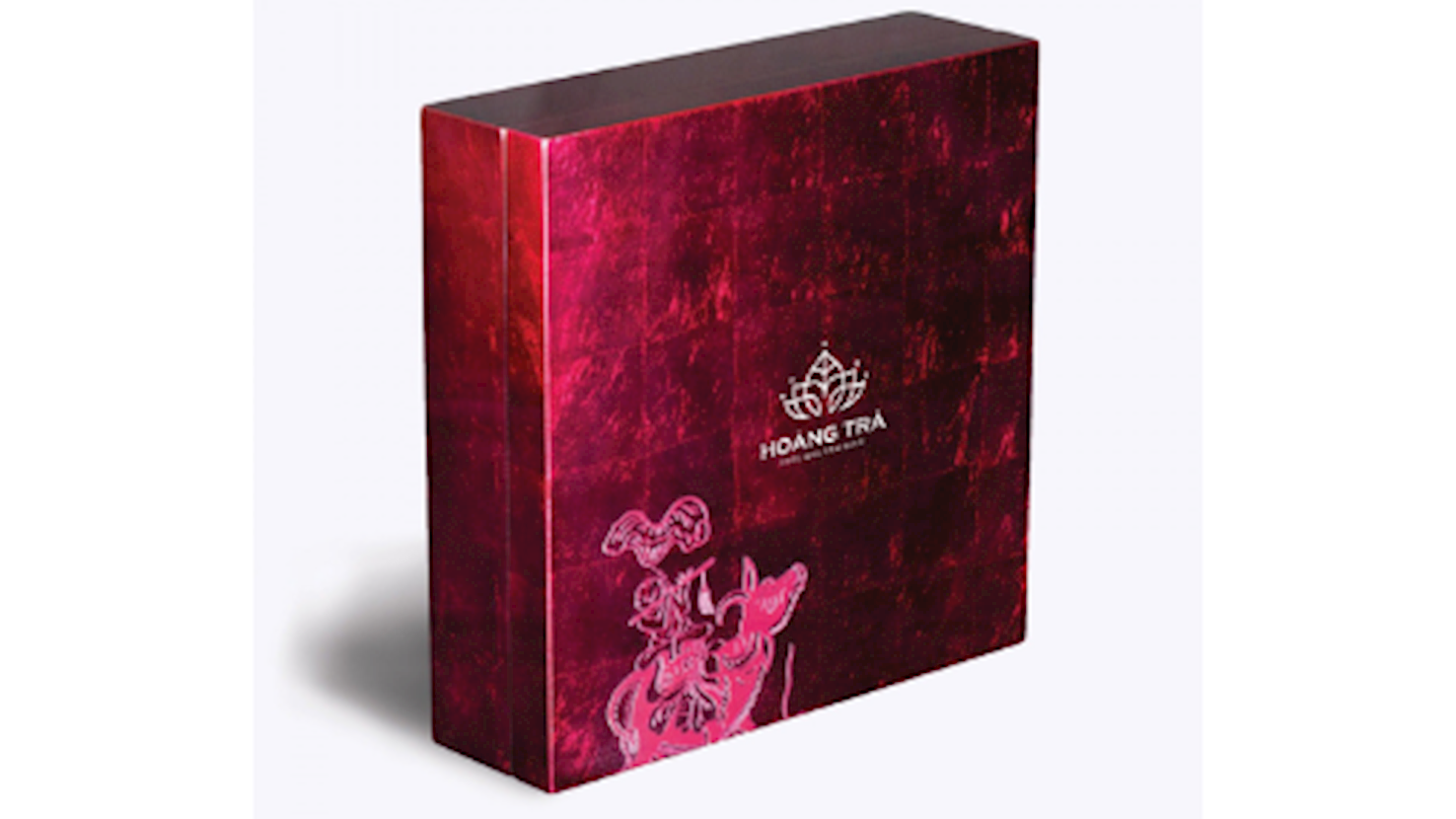
Hoàng Trà is a Hanoi-based tea brand specializing in Trà Sen Tây Hồ, a traditional Vietnamese green tea naturally infused with lotus petals harvested around West Lake. The tea is made from high-quality leaves sourced from the Tân Cương region, which are repeatedly layered with fresh lotus petals so the leaves absorb a delicate, authentic floral aroma without artificial essences. This slow, meticulous process - typically four to seven infusion cycles per batch - creates a tea with subtle lotus fragrance, gentle bitterness, and a lingering sweet finish. Hoàng Trà offers several forms of this tea, from fresh-lotus–infused versions to dried-lotus variants suited for longer storage. As part of Hanoi’s cultural heritage, their lotus tea is regarded as a symbol of elegance, tranquility, and refined artisanal craftsmanship.
05

Brewstillery

4.5 ·
Awards
World Gin Awards - Country Winner (2022)
06

Song Cai Distillery

4.5 ·
Awards
World Gin Awards - Country Winner (2020)
07

Thi Mau Spirits Joint Stock Company

4.5 ·
Awards
The Liqueur Masters - Gold (2023)
08

Nguyen Nguyen Distillery

4.5 ·
Awards
World Gin Awards - Country Winner (2024)
09

Overmorrow Brewing

4.3 ·
Overmorrow Brewing is a Hanoi-based craft brewery that blends classic global beer styles with local Vietnamese ingredients and a distinctly experimental approach. Their portfolio ranges from Belgian-inspired farmhouse and saison ales to multiple IPA variations, as well as dark ales, stouts, sours, and modern reinterpretations of traditional European styles. The brewery stands out for its use of regional raw materials such as Vietnamese cane sugar, rice, fruit, and aromatic herbs, which give their beers a subtle local signature while maintaining stylistic balance and technical precision. Beers like Hồ Ly Water Brut IPA, Sơn Sette farmhouse ale, and Leann on Mía Scottish export ale illustrate their commitment to merging historical brewing traditions with contemporary sensibilities, always emphasizing drinkability, aromatic depth, and authenticity. Overmorrow positions itself as a brewery that bridges global brewing heritage and Vietnam’s terroir, creating beers that are both technically refined and creatively distinctive.
Awards
Untappd - 3.5
10

Turtle Lake Brewing

4.3 ·
Turtle Lake Brewing Company is a Hanoi-based craft brewery and brewpub situated along the edge of West Lake, known for combining quality beer, striking industrial design, and a strong community-oriented concept. The venue is designed as a social hub - a spacious, light-filled area with glass walls that allow visitors to observe the brewing process while tasting a wide range of styles, from easy-drinking American pale ales to robust imperial IPAs, rich stouts, and aromatic saisons. With rotating guest taps, collaborations with other Vietnamese breweries, and regular events, Turtle Lake stands out as a place that embodies Hanoi’s emerging craft culture - blending beer, community, and atmosphere into a cohesive and inviting experience.
Awards
Untappd - 3.7

Best Vietnamese Beverage Types

01

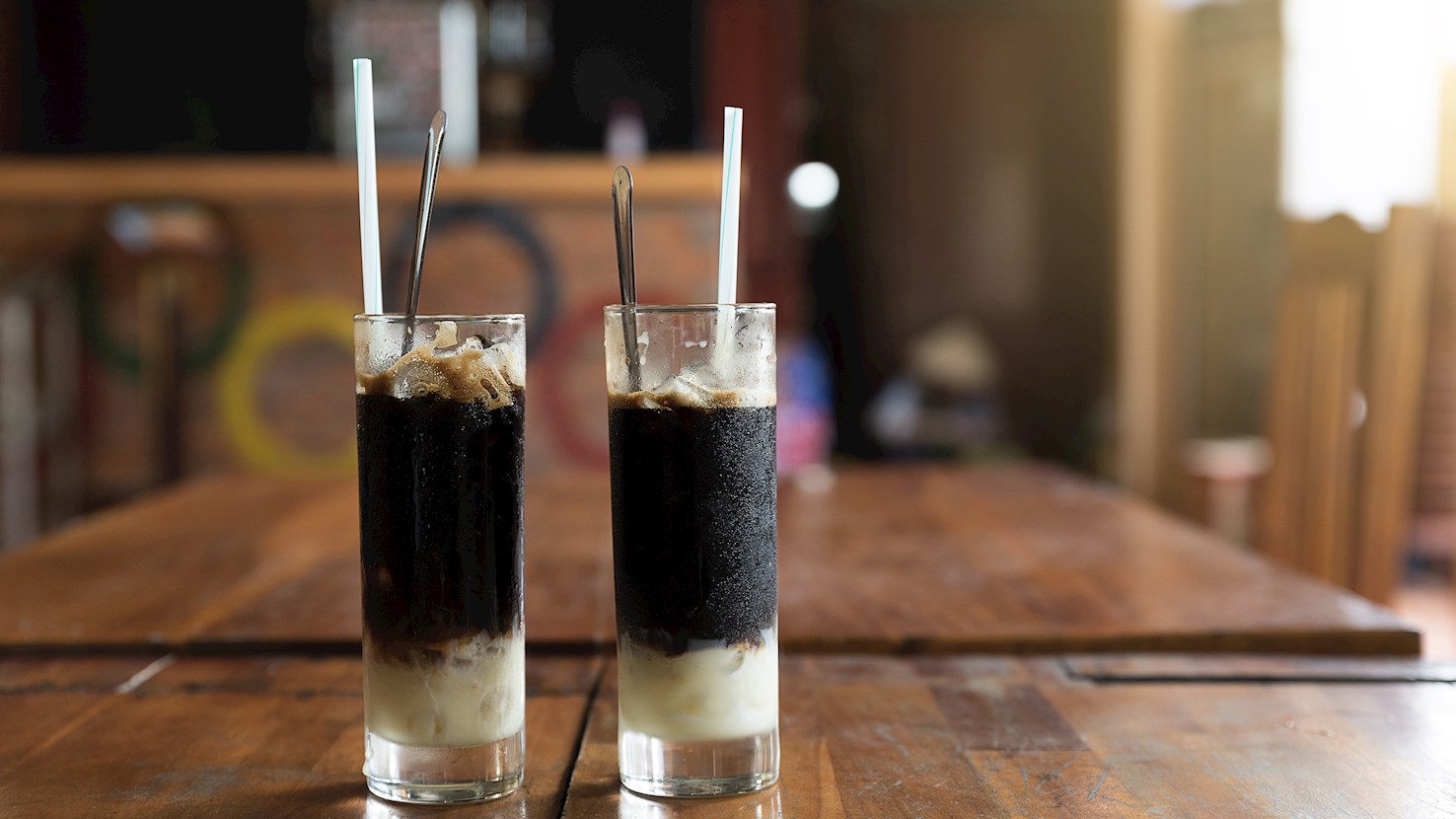
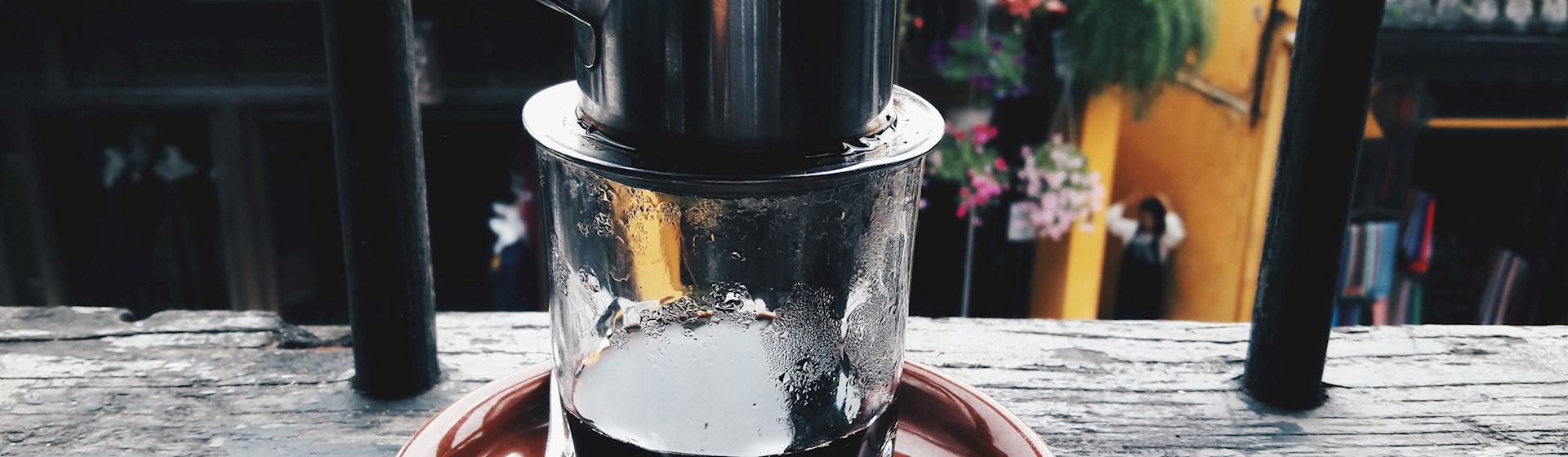
Vietnamese Iced Coffee

4.2 ·

Vietnamese iced coffee is a drink that combines strong coffee, condensed milk, and ice. It is traditionally made with medium or coarse ground Vietnamese-grown coffee, typically the Robusta variety, which is brewed using a drip phin filter—in which the coffee is brewed and then slowly dripped in the cup. The coffee is then poured over ice and mixed with condensed milk. It is usually served in a tall glass. Although it is most commonly made with condensed milk (cà phê sữa đá), there is also a version that combines only coffee and ice (cà phê đá).

02

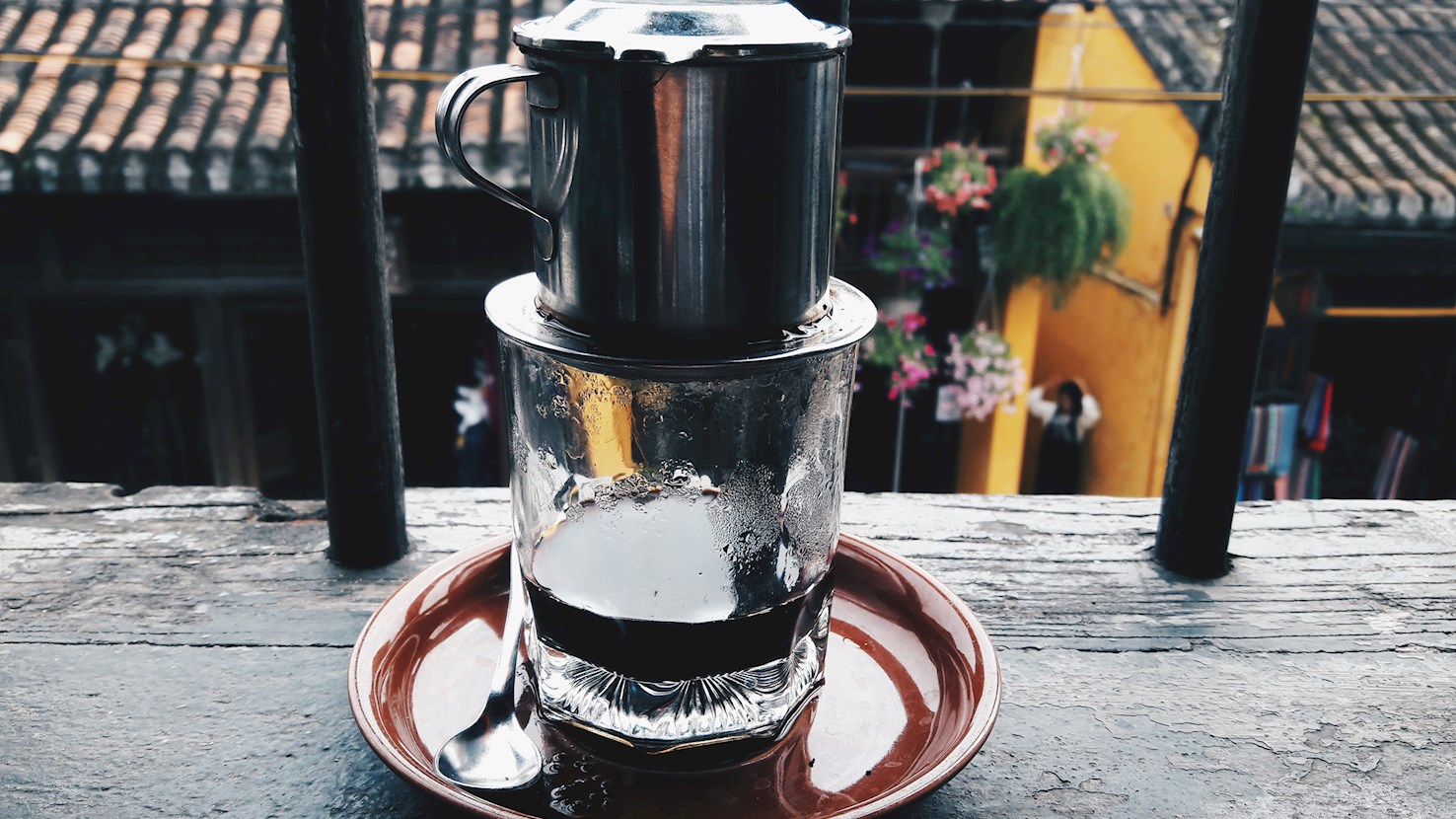
Vietnamese Coffee

4.1 ·

Coffee culture is an important part of daily life in Vietnam. Although it was first brought by the French colonist in the mid-19th century, coffee quickly became popular, and Vietnam is currently one of the largest coffee producers, as well as the leading producer and exporter of the Robusta coffee variety. Robusta is also the most commonly used variety in Vietnam. It attains its quite strong flavor and a thick texture due to the slow and long dark roast. Occasionally, the beans are also roasted with butter and sugar, while some even decide to add cocoa and vanilla during roasting. Vietnamese coffee is traditionally brewed with a phin filter—which consists of a perforated plate that is placed on top of the cup. The plate is topped with a metal vessel in which the ground coffee is mixed with hot water, and brewed coffee is then slowly dripped directly in the cup. Because Vietnamese coffee is quite strong and bitter, the local prefer to mix it with ice and sweeten it with condensed milk (cà phê sữa đá), but it can also be enjoyed as a straight black coffee (cà phê đen) or black coffee with ice (cà phê đá). Another popular local variation is coffee mixed with egg yolks (cà phê trứng).

03

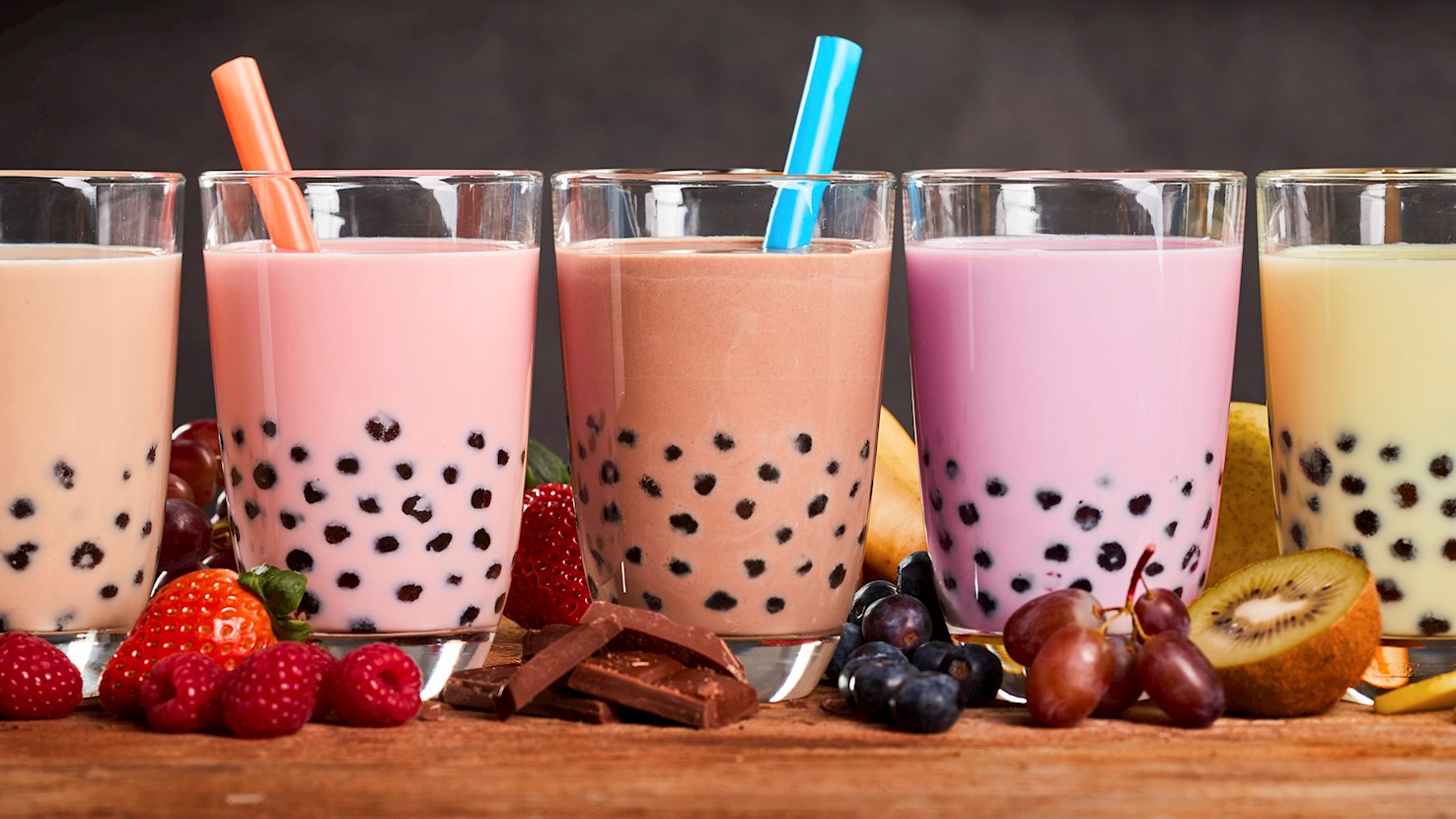
Bubble Tea

4 ·

Invented in Taichung, Taiwan in the 1980’s, bubble tea is a tea-based beverage that is shaken or mixed with fruit or milk. It is combined with tapioca balls, also known as bubbles, pearls, or boba, so the drink is also often referred to as boba milk tea, boba tea, tapioca tea, pearl tea or bubble drink. Over the decades, a wide range of ingredients has been included in the production, which resulted in many varieties of bubble tea. Some recipes replace milk with cream, ice cream, or soya milk, and flavor it with chocolate, coffee, ginger, caramel, rose, or lavender. Others use black tea or green jasmine tea mixed with fresh fruits such as strawberries, apples, mangos, avocados, bananas, coconut, pineapple, kiwi, or peaches. However, the most popular varieties are bubble milk tea with tapioca and bubble green milk tea with tapioca. Bubble tea is not just a beverage, it's also an interactive game, because you never know which sip will be liquid tea, and which will deliver a sticky and sweet tapioca ball through the giant straw, which is an integral part of the bubble tea experience.

04

Ca phe trung (Egg Coffee)

4 ·

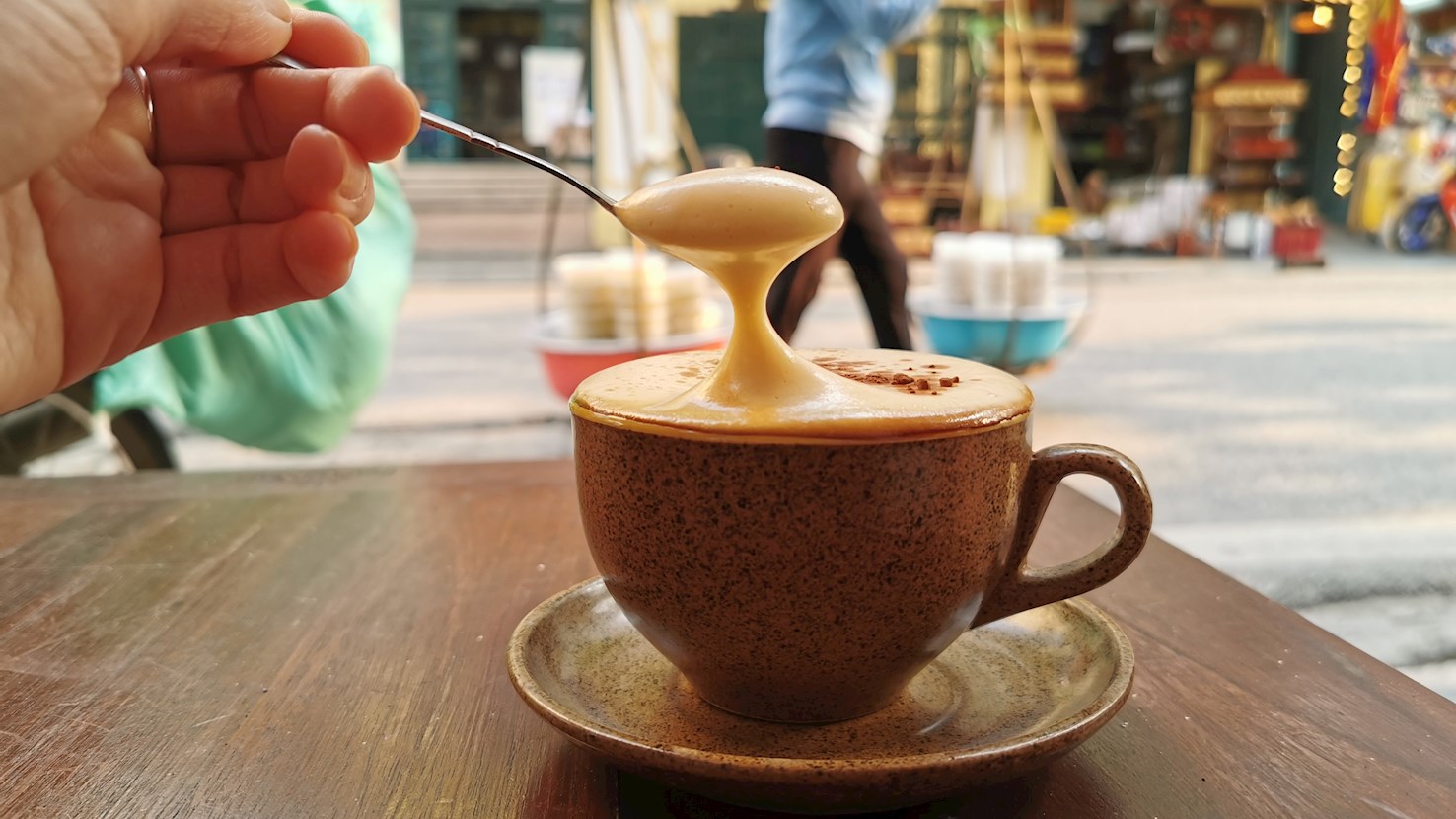
Egg coffee (ca phe trung) is a sweet and dense Vietnamese beverage that traditionally consists of strong black robusta coffee that is mixed with egg yolks and sweetened condensed milk. The egg yolks and the milk are whipped for about 10 minutes, and boiled until meringue-like consistency. The coffee is mostly made using a traditional Vietnamese phin filter in which the coffee is brewed and then slowly dripped in a cup. It is poared into the whipped eggs, forming the characteristic, aromatic foam. The origin of the drink dates back to 1950s and the French Indochina War. During the period, milk was scarce, and a barista by the name Nguyen Van Giang decided to use eggs as a replacement. At the time, he was working at the Sofitel Hotel in Hanoi, but after his creation became successful, he eventually opened his shop, Giang Cafe, which still exists in Hanoi and is run by his son.

05

Trà sen (Lotus tea)

3.7 ·

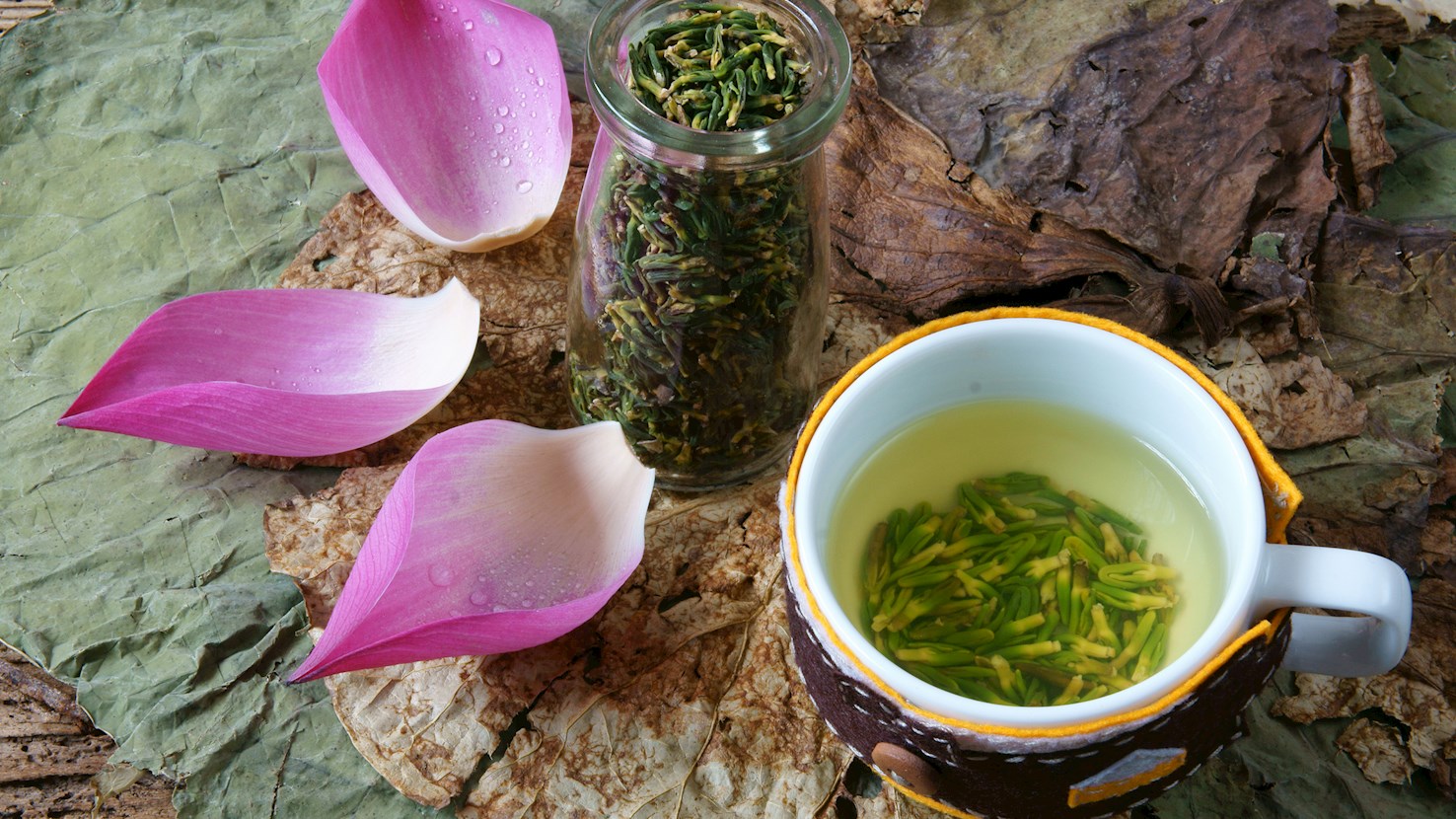
Vietnamese lotus tea is a type of green tea flavored with lotus flowers. Often regarded as the most prestigious Vietnamese tea, it is produced on a small scale in a labor-intensive and time-consuming process that is rarely seen nowadays. The production first started during the reign of the emperor Tu Duc. During the night, his servants would fill the lotus flowers with green tea and then let it infuse. By the morning, the tea already had a subtle lotus aroma, and it could be brewed. Most contemporary production relies on imparting flavor by mixing green tea with hand-picked lotus stamens. The mixing process can be repeated several times until the tea attains desired flavor. When brewed, the tea is amber-colored and has a clean flavor with subtle vanilla hints. This tea is an integral part of Vietnamese culture and is often enjoyed on festivals, ceremonies, and other special occasions. The best and the most expensive version of this tea comes from the West Lake in Hanoi.

06

Vietnamese Yogurt Coffee

2.8 ·

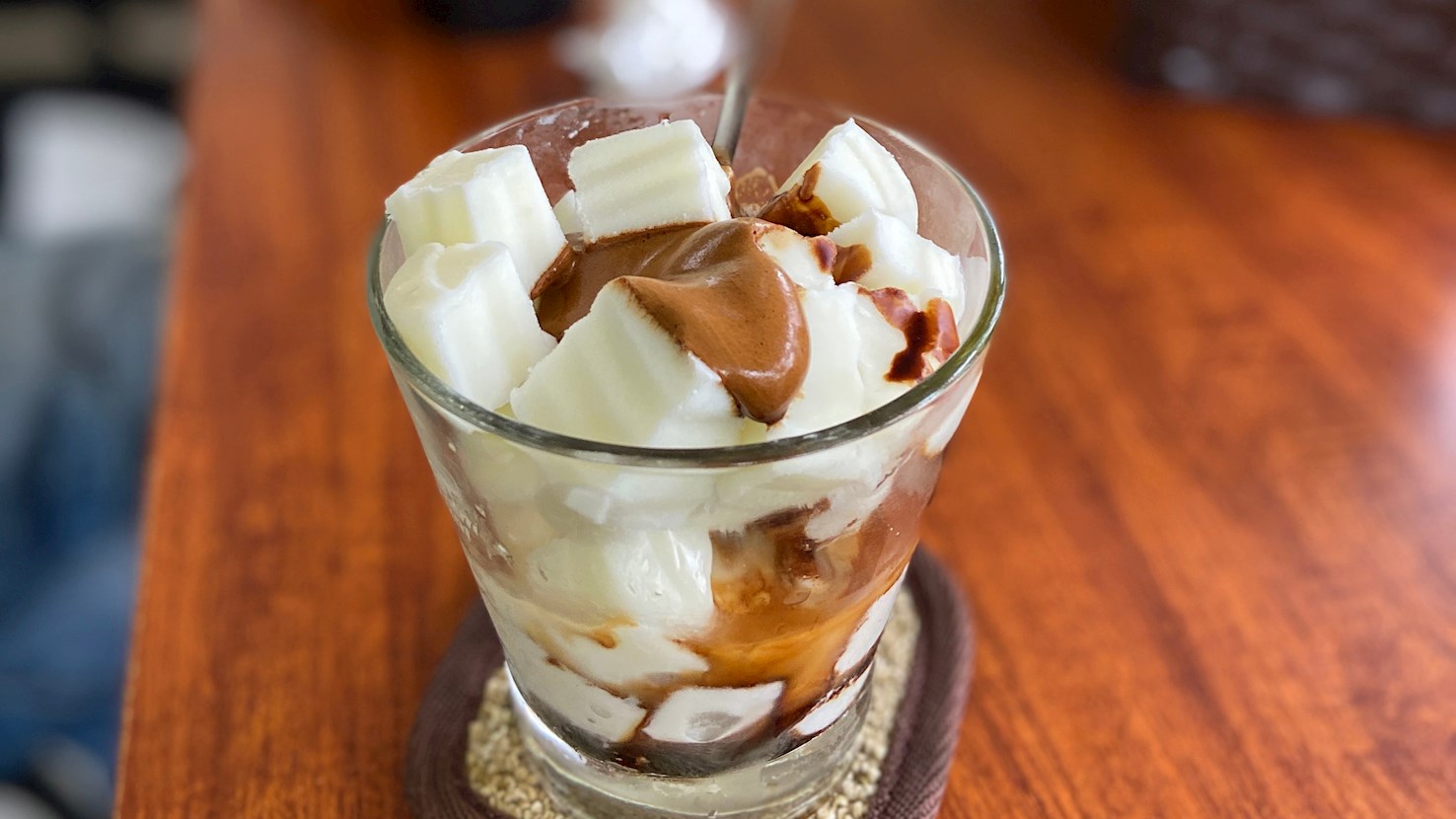
This Vietnamese coffee is a slightly unusual combination of brewed black coffee—traditionally made using a phin filter—yogurt, condensed milk, and ice. The drink can also be served as a warm beverage, while some variations also may include lemon juice. The ingredients can be mixed together or blended until smooth, while sometimes milk and yogurt are combined with ice, and the coffee is then poured last. This coffee variety is usually enjoyed during hot and humid days as a tangy refreshment.

07

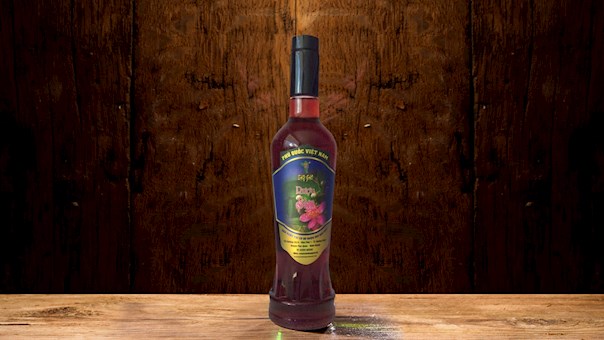
Rượu Táo Mèo

n/a ·

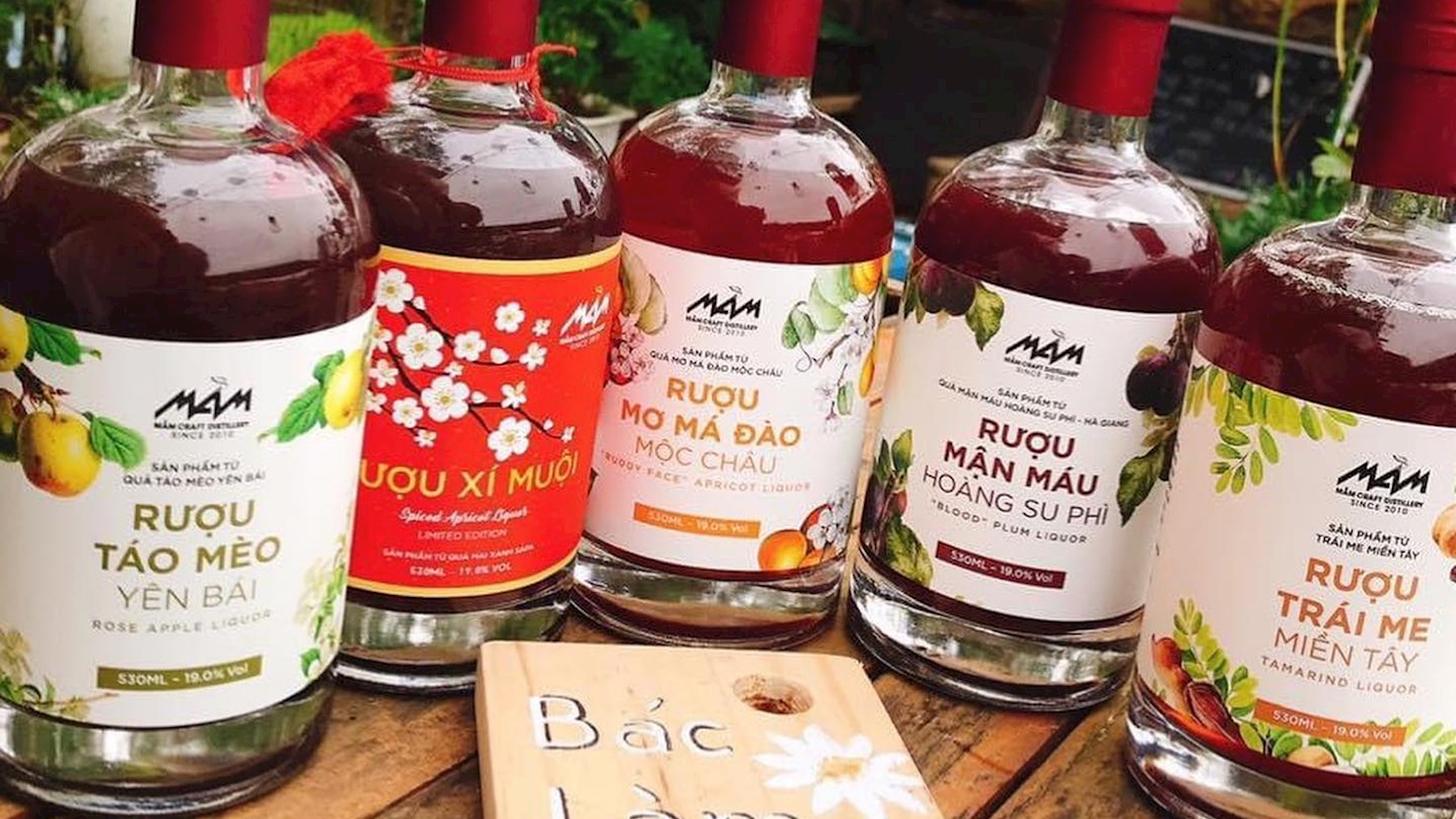
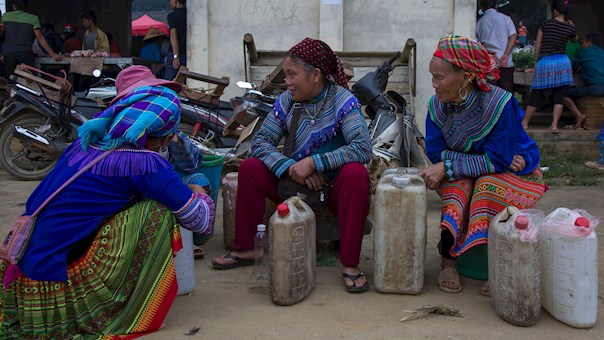
Táo mèo is a type of a liqueur that is traditionally associated with Sapa and the H'Mong ethnic group. It is made from the eponymous wild apples (Docynia indica) that are harvested and then soaked and fermented in water before they are macerated in rice wine (rượu), usually for several months. Optionally, it can also be made with sliced and dried apples. The beverage has an amber color and a subtly sweet flavor, while the aromas are reminiscent of apples and caramel. This traditional drink is often promoted for its numerous health benefits. It is still traditionally produced on a small scale in rural areas, though some bottled versions are available.

08

Rượu cần

n/a ·

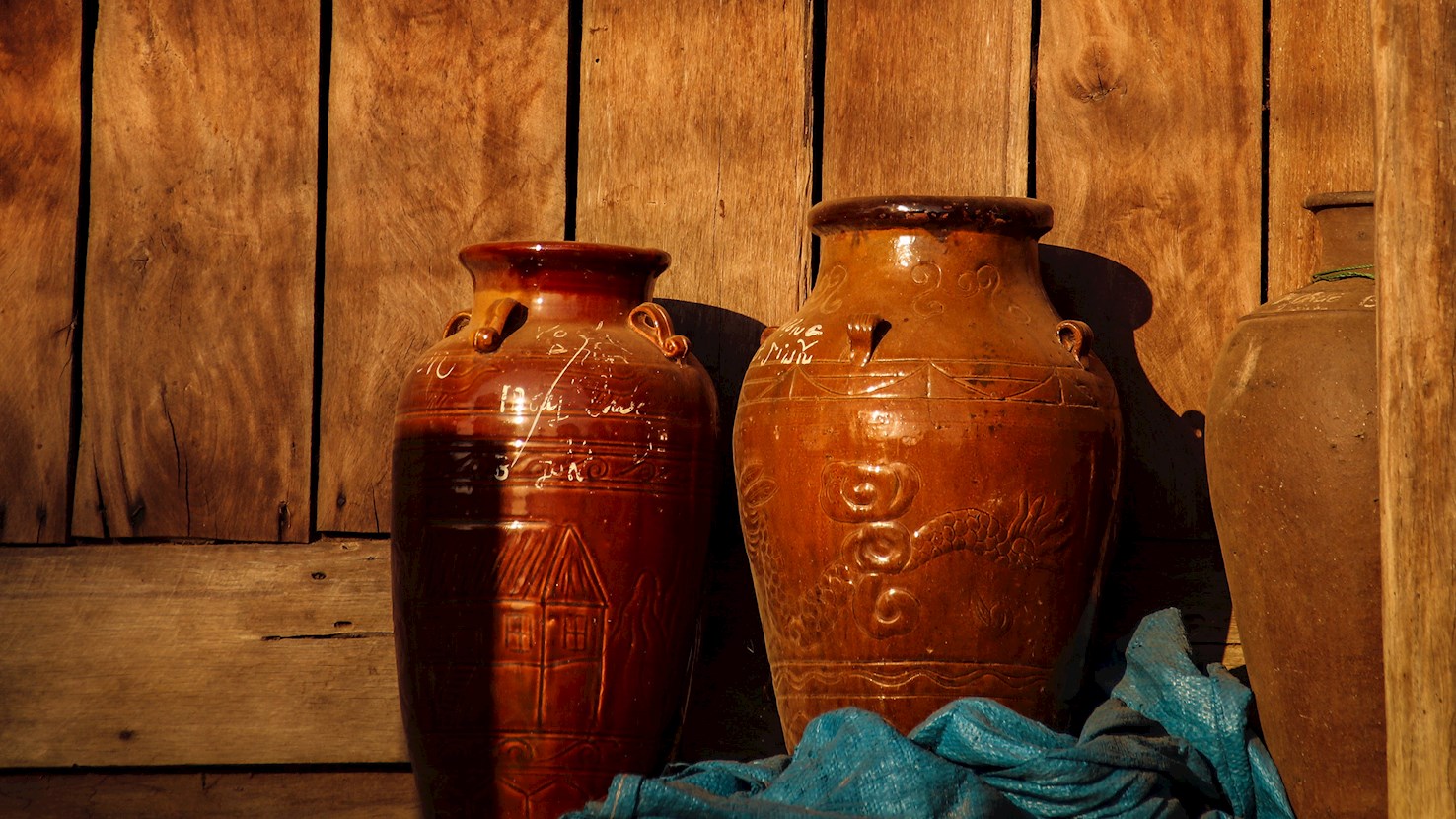
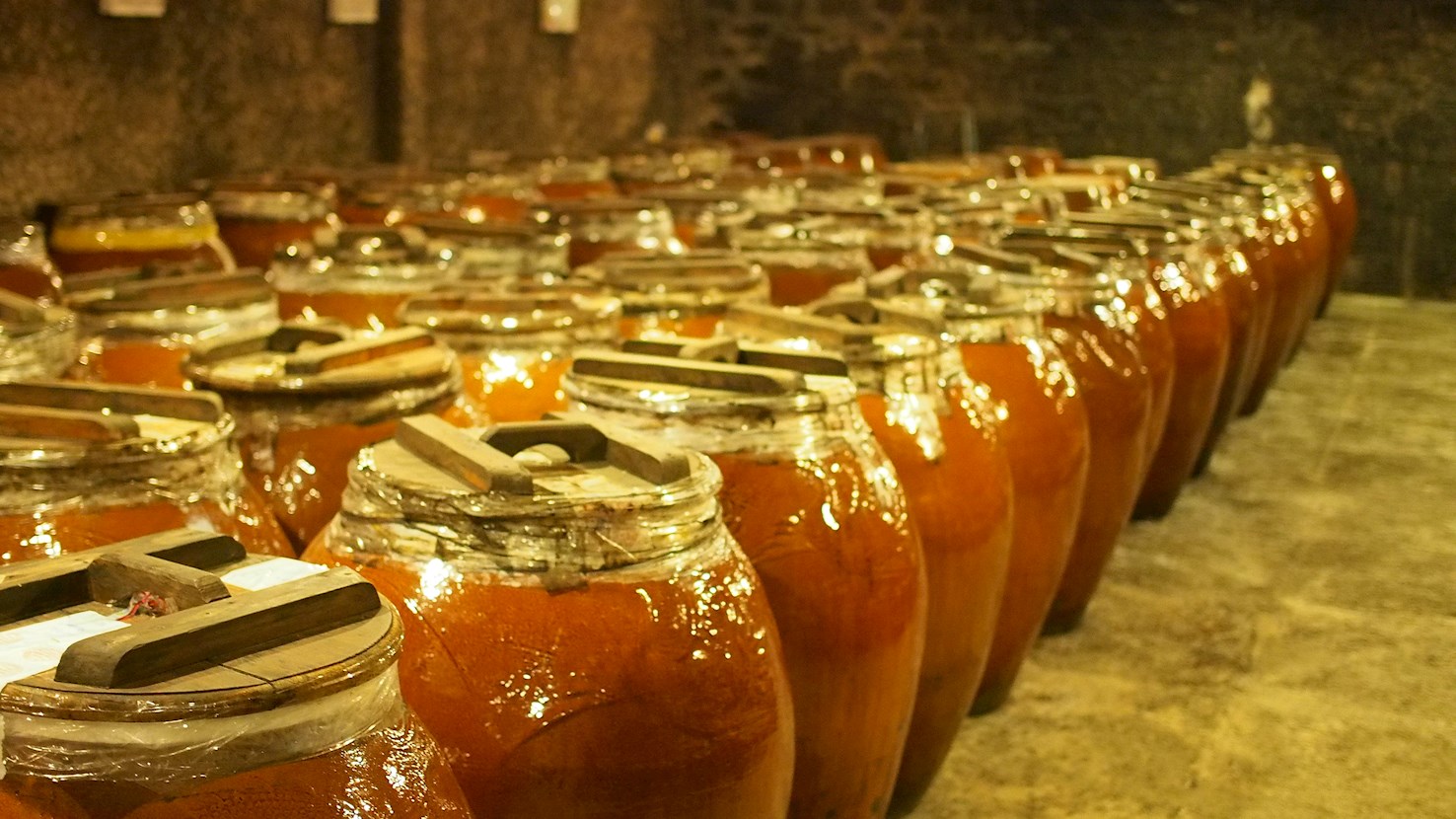
Rượu cần is a variety of Vietnamese rice wine that is usually made with glutinous (sticky) rice, though plain rice, millet, or cassava can also be used as a base. Unlike similar varieties, this type is not distilled, and the rice is usually combined with various herbs, spices, and roots before it is left to ferment for several weeks. The process is traditionally done in large earthenware pots, which are covered with banana leaves. Rượu cần holds ceremonial value in Vietnam, and it is mostly enjoyed during ceremonies and festivities. The pot is usually placed in the center, and the wine is slowly sipped with the help of long bamboo straws. Since this wine is usually associated with ethnic minorities, the final flavor can significantly vary, and it is heavily influenced by the choice of added botanicals and the exact technique of production. Rượu cần is usually found in rural areas of Vietnam.

09

Nếp cẩm

n/a ·

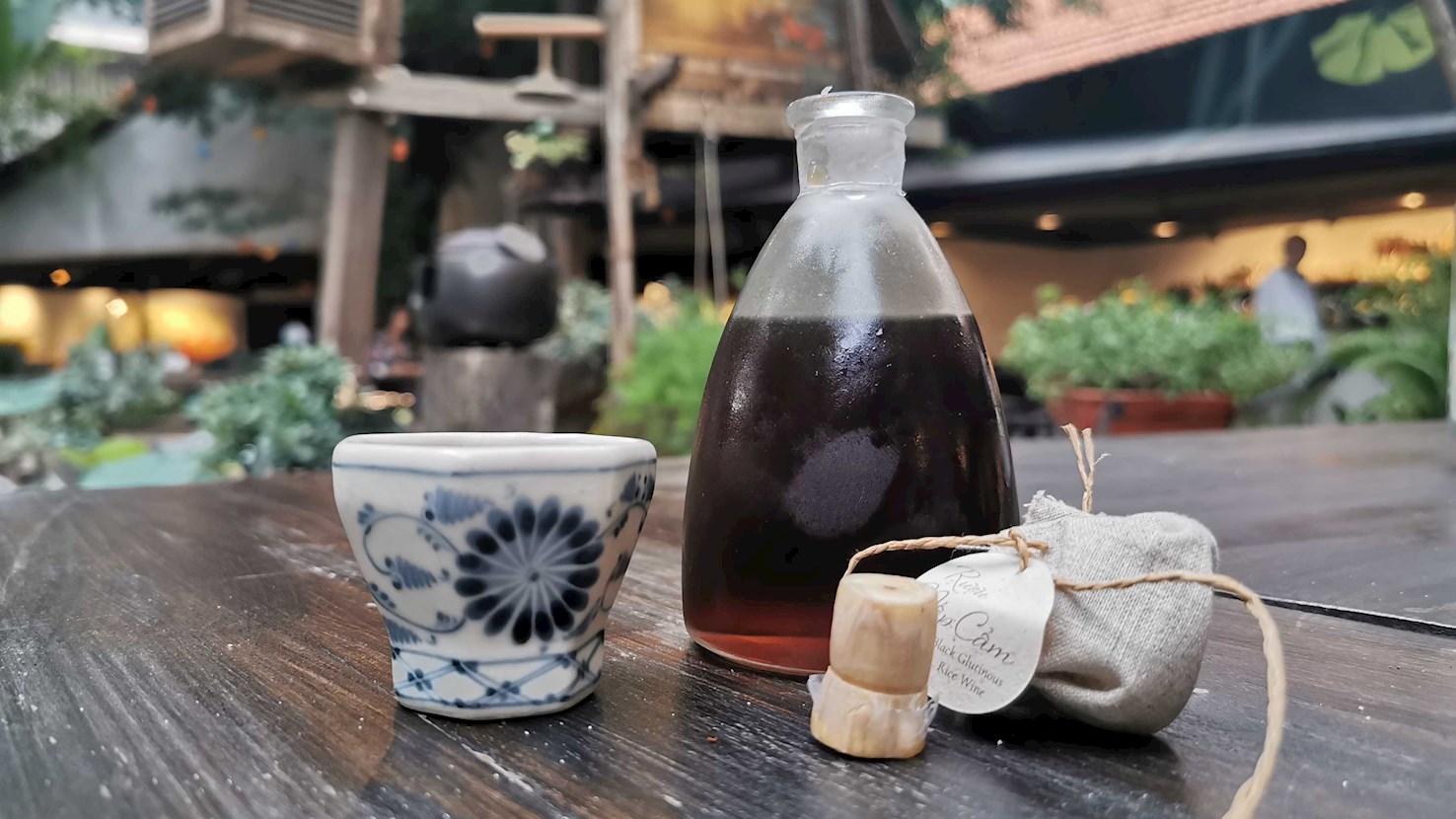
Rượu nếp cẩm is a variety of Vietnamese fermented rice wine. It is made with black rice (gạo nếp cẩm), which attains a distinctive deep purple hue. When the rice is cooked or soaked, it is combined with yeast, and it is then left to ferment. It is also sometimes fortified with the addition of clear rice wine. The resulting beverage is purple in color, and it can be slightly hazy. There are several bottled versions of the drink, but this unique rice wine is also commonly made at home.

10

Rượu

n/a ·

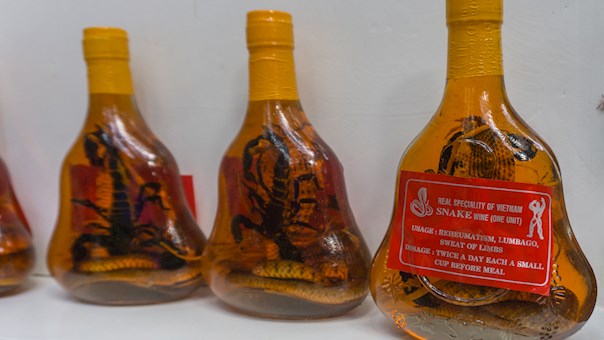
Vietnamese rice wine is known under various names, but it is usually, and somewhat mistakenly, referred to as rượu - a term that is also used for other alcoholic drinks. Two main types include rượu gạo or rượu đế, which is a distilled rice wine that is often infused with fruit, and rượu cần, a fermented variety that is usually made in clay pots and drank with straws. The latter is sometimes made with other base ingredients, and it is also commonly infused with herbs. Another popular option includes rượu thuốc, a distilled variety that is considered a medicine and which is often infused with plants, herbs, or whole animals. Rice wine in Vietnam is still predominantly made in home distilleries that are mostly located in rural parts, and while glutinous rice is the most common base, other types of rice are also used. There is no uniformed way how the wine is produced—resulting in a large number of varieties. However, the most common procedure involves combining cooked rice with yeast and then allowing the mixture to ferment. The type of rice, the combination of botanicals in the yeast, and unique local techniques all influence the final profile of Vietnamese rice wines. The best examples are clear, mellow, and usually quite potent. They appear under various names, and it is not uncommon to name them after a specific region or a place where they are produced.

Read more
View all
View map
About this ranking

TasteAtlas food rankings are based on the ratings of the TasteAtlas audience, with a series of mechanisms that recognize real users and that ignore bot, nationalist or local patriotic ratings, and give additional value to the ratings of users that the system recognizes as knowledgeable. For the “Top 17 Vietnamese Beverages” list until June 04, 2026, 699 ratings were recorded, of which 532 were recognized by the system as legitimate. TasteAtlas Rankings should not be seen as the final global conclusion about food. Their purpose is to promote excellent local foods, instill pride in traditional dishes, and arouse curiosity about dishes you haven’t tried.

The initial list of top producers was compiled based on available reviews, awards, local recommendations, media and blog coverage, and consumer reviews. The list will be updated with ratings from TasteAtlas local ambassadors and TasteAtlas users.

Similar lists