Top 100 Western European Beverages

Last updated on June 15, 2026

Best Western European Beverage Types
01

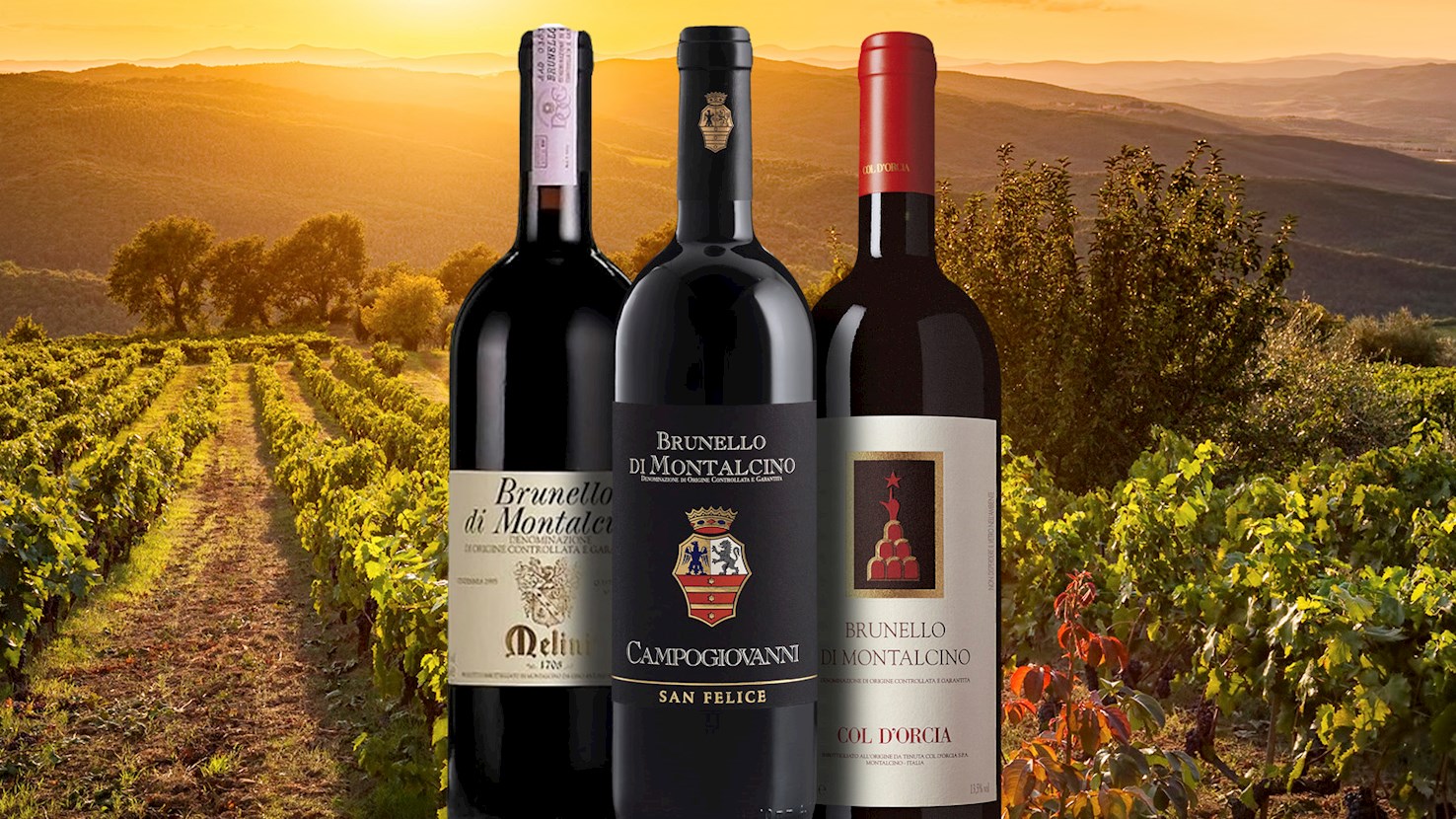
Brunello di Montalcino

4.5 ·

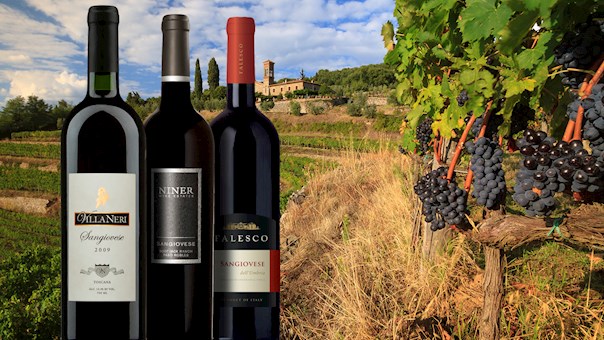
Brunello di Montalcino is a red Italian wine produced in the vineyards surrounding the town of Montalcino in the Tuscany wine region. Though it was initially considered to be made from a separate grape variety named Brunello, it was later discovered that the grape used in the production of the wine is in fact Sangiovese. Regarded as one of the most renowned Italian wines, Brunello di Montalcino was awarded the designation of origin (DOCG), and it is produced with 100% Sangiovese grapes. At first, it comes off as juicy and spicy, with notes of oregano and balsamic, and it may develop strong aromas of cherry and leather. The wine pairs well with red meat and rich, tomato-based dishes, and it usually sells at a lower price than the prestigious Barolo wines.

02

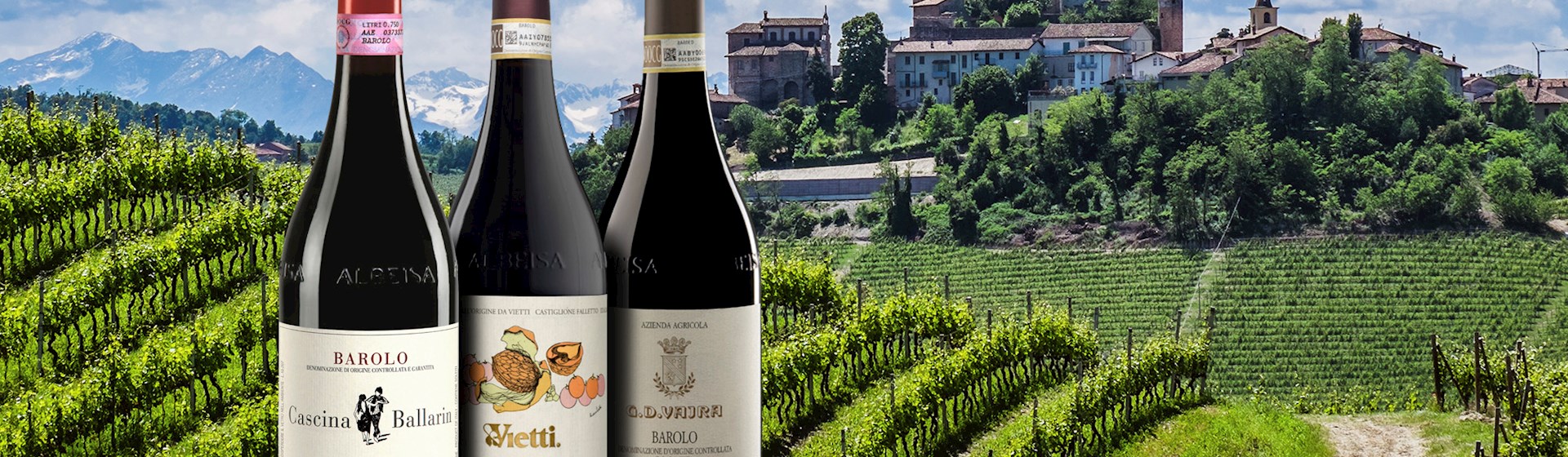
Barolo

4.4 ·

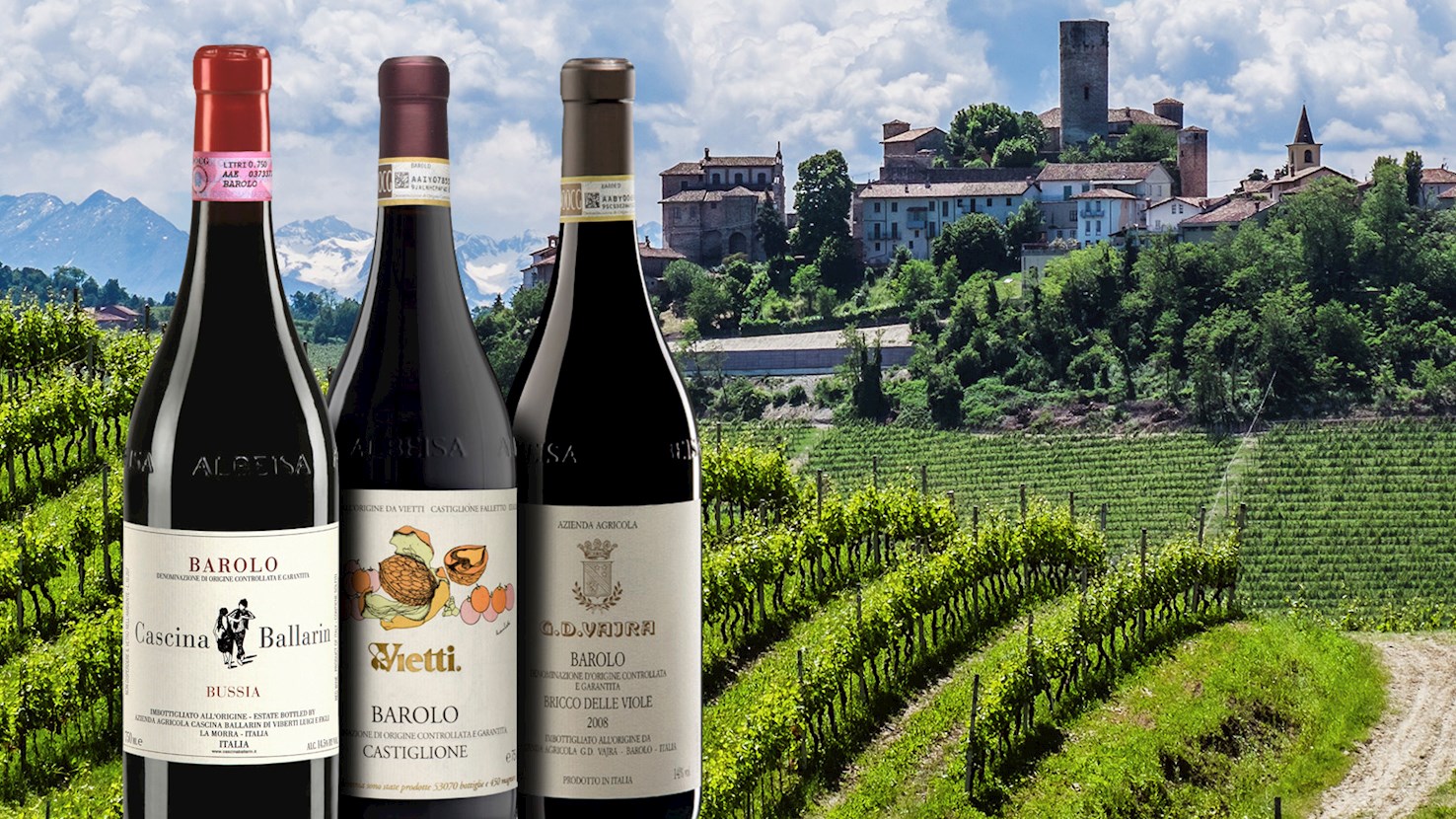
This full-bodied, red wine is made from Nebbiolo grapes in a small area in Piedmont with a unique soil and climate conditions. It has been produced since the 19th century, and soon after its invention, it became a favorite among the Italian and European nobility. According to Italian DOCG regulations, Barolo needs to matured for at least 36 months, while those aged for five years carry the prestigious Riserva label. It is a robust, but elegant wine, which is very high in tannins that soften with aging. Because of its distinctive notes of rose petals, dark fruit, tobacco, mocha, tar, and truffles, it pairs well with various dishes. Serve it with beef or game meat, aromatic tomato and truffle sauces, or aged and blue cheese varieties.

03

Nero d’Avola

4.4 ·

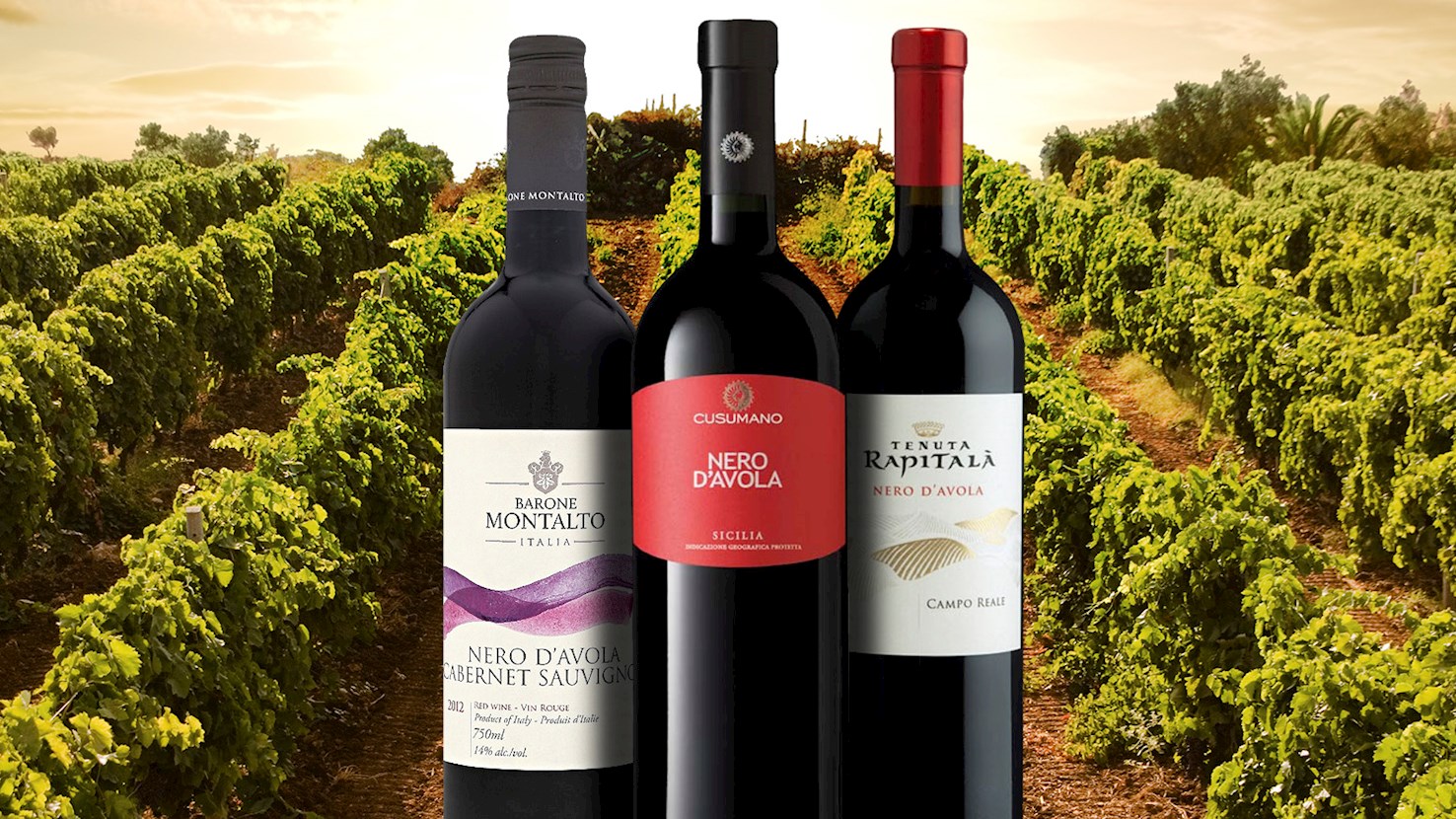
Nero d’Avola is an indigenous Sicilian red grape, whose name, meaning the black of Avola, refers to its distinctive dark color. For most of the 20th century, Nero d'Avola was used as a blending grape, but in the 1990s winemakers started making high-quality, bold varietal wines. Nero d’Avola wines are typically produced as dense and dark, with flavors reminiscent of black fruit and chocolate, or as young and fresh wines that are characterized by cherry and herbal notes. They are high in tannins and pair well with rich meat dishes, hearty stews, and barbecued meat.

Best producers
04

Châteauneuf-du-Pape

4.4 ·

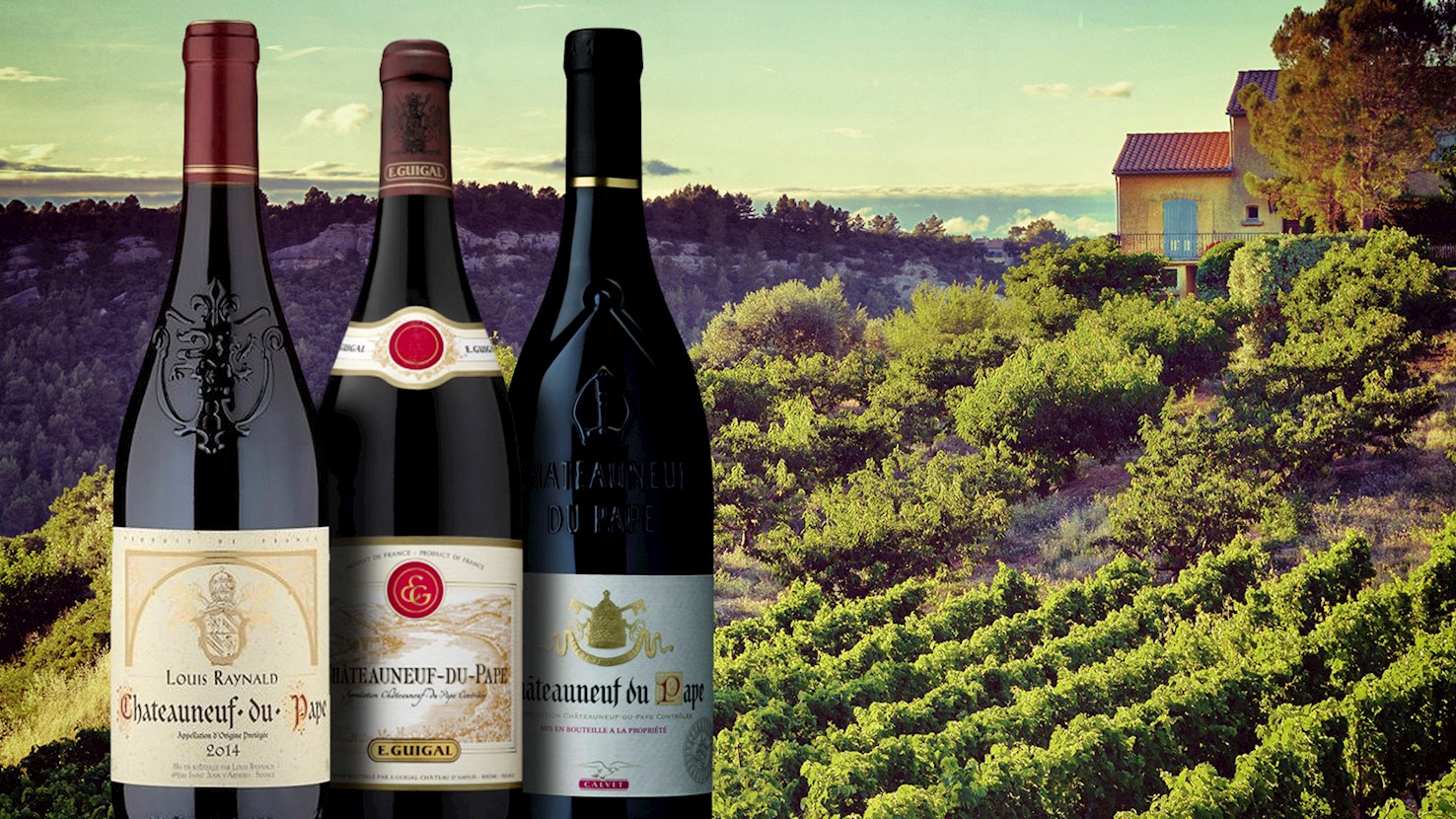
Châteauneuf-du-Pape is the largest and the most important appellation in the southern part of the Rhône Valley that comprises of five communes. Most Châteauneuf-du-Pape wines are predominantly red blends, with a small percentage of whites. Officially eighteen grape varieties are allowed, including different colors of the same grape variety. However, the most common are Grenache, Mourvèdre, Syrah, and Cinsault grapes. These rich wines can greatly differ in style, but they are mainly characterized by the spicy and earthy aromas of red berries, black pepper, tar, and leather. The lighter versions are suitable for relatively early drinking, while some age-worthy blends are cellared before they are enjoyed. Châteauneuf-du-Pape wines are perfect to serve alongside grilled beef, veal, pork, game, sausages, lamb, stews, braised dishes, cassoulets, and rich seafood dishes.

05

Amarone della Valpolicella

4.4 ·

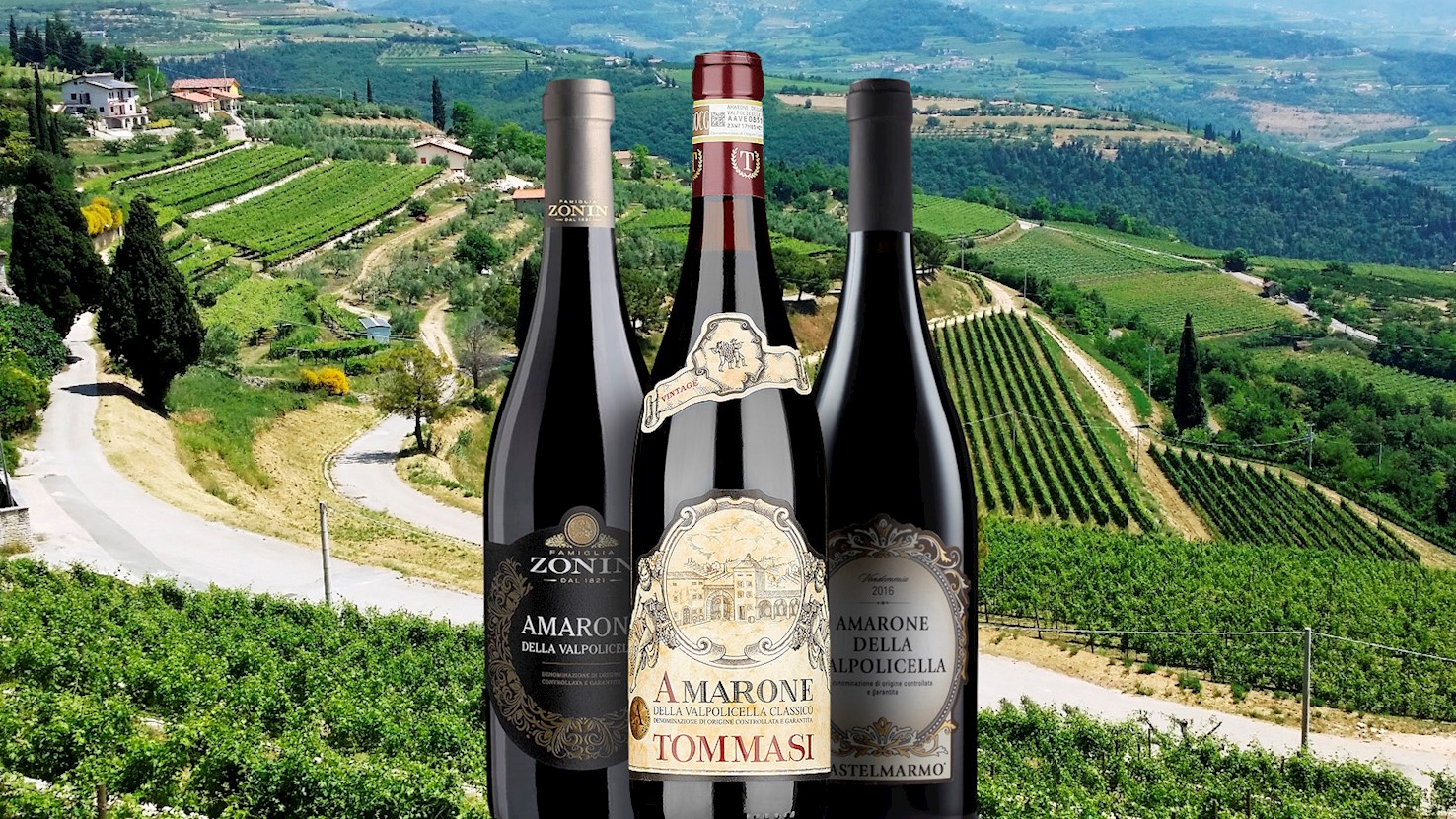
Amarone della Valpolicella (DOCG) is a rich, dry Italian red wine made from dried grapes of the varieties Corvina, Corvinone, Rondinella, and Molinara. It is considered to be the most prestigious wine of the Veneto region and one of the most important Italian big reds, which is usually highly priced. The wine ages exceptionally well and though the minimum required period for the prestigious Amarone Riserva is four years, great producers tend to age it much longer. Amarone is an incredibly flavorful, concentrated wine, with aromas of fruit jams, cinnamon, chocolate, and spices. It is recommended to pair it with grilled, braised or roasted meat, game, or well-aged cheese varieties.

06

Cidre de Bretagne

4.3 ·

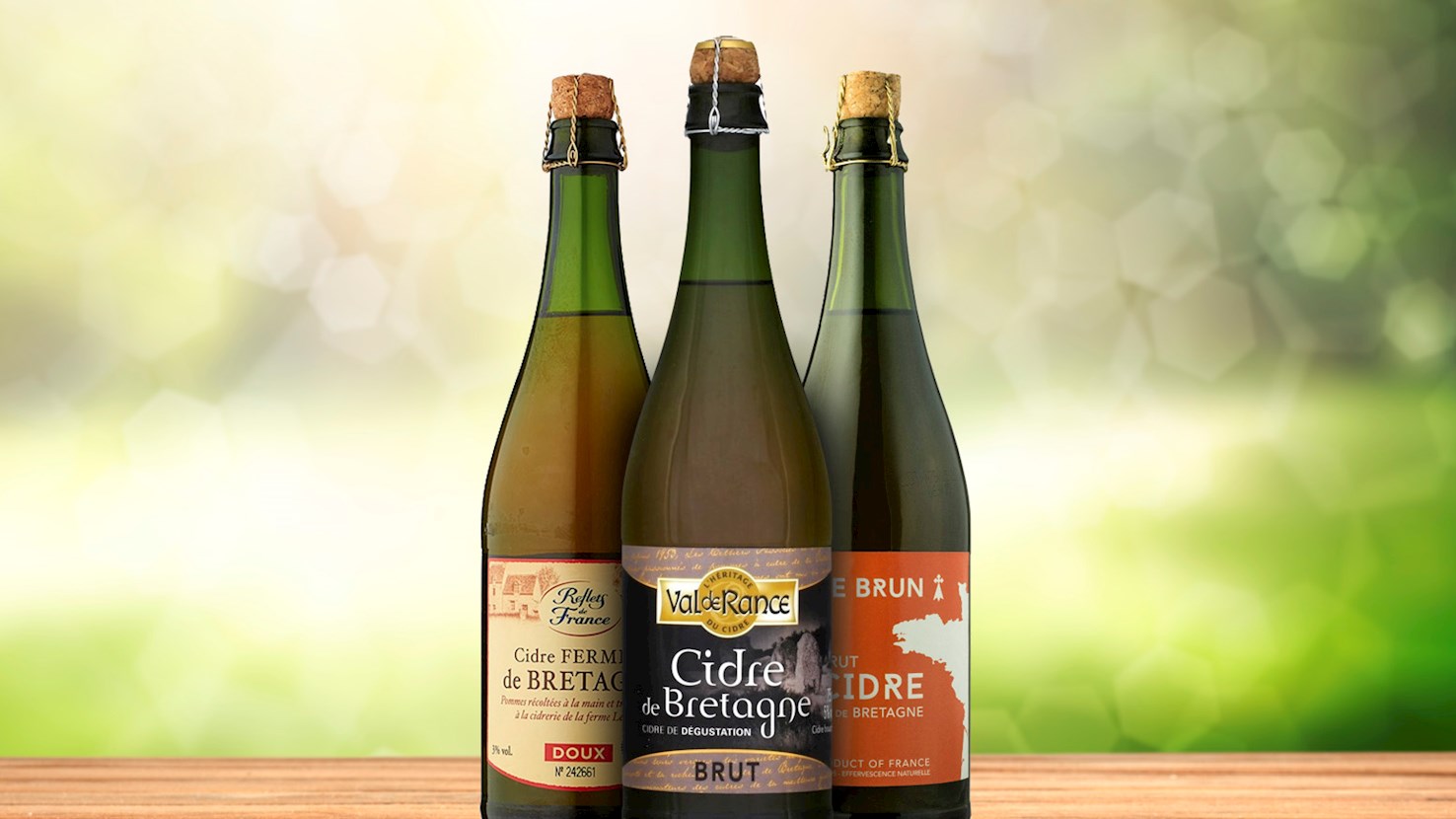
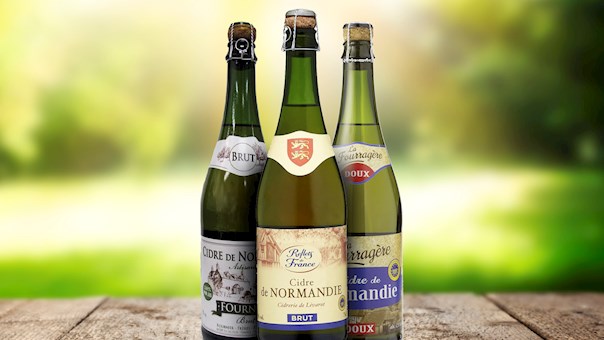
Cidre de Bretagne are ciders produced in the Brittany region in France, clear or muddy alcoholic beverages made by the fermentation process, with a foamy head and fine bubbles throughout the body. The ciders vary in color from yellow to brown, according to their geographical positions, so ciders from Ille-et-Vilaine, which are more acidic, have a lighter color, and ciders from Finistére have a darker color because of the bitter apples from the area. Britanny ciders have a rich, rustic, fruity, flowery and bold flavor, and develop spicier flavors as they mature. When in Brittany, do not be alarmed when you order a cider and get it served in a cup instead of a glass, it is a traditional oddly-shaped tea cup, with or without handles, used to drink the local ciders.

07

Vintage Port

4.3 ·

Vintage Port is a style made from the best grapes of a single year harvest. It is considered the most prestigious and the highest quality port style. Vintage is not produced every year, but only when port houses decide that the wine is of sufficient quality. Vintages make only about 2% of all port production, and in the best years, all port houses will declare a Vintage. The decision to declare a Vintage can be made after Portugal’s Port Wine Institute had approved it. Vintages are barrel-aged for two to three years and are not filtered before they are bottled. The lees in the wine allow the wine to age in the bottle, and during this time, the wine will mellow and develop complexity. The best examples are usually matured for years, and in the best harvests, even for decades. Vintages are full-bodied and rich, with complex flavors and aromas that can vary depending on the age and the harvest year, but they typically display powerful expressions of spices, licorice, plums, and dark berries. Younger styles can make an excellent accompaniment to small plates and charcuterie, while a classic pairing with older styles includes chocolate, nuts, figs, and aromatic cheese varieties. Some of the recent vintages include 2016, 2011, 2009, 2007, 2003, 2000, 1997, and 1994.

08

Primitivo

4.3 ·

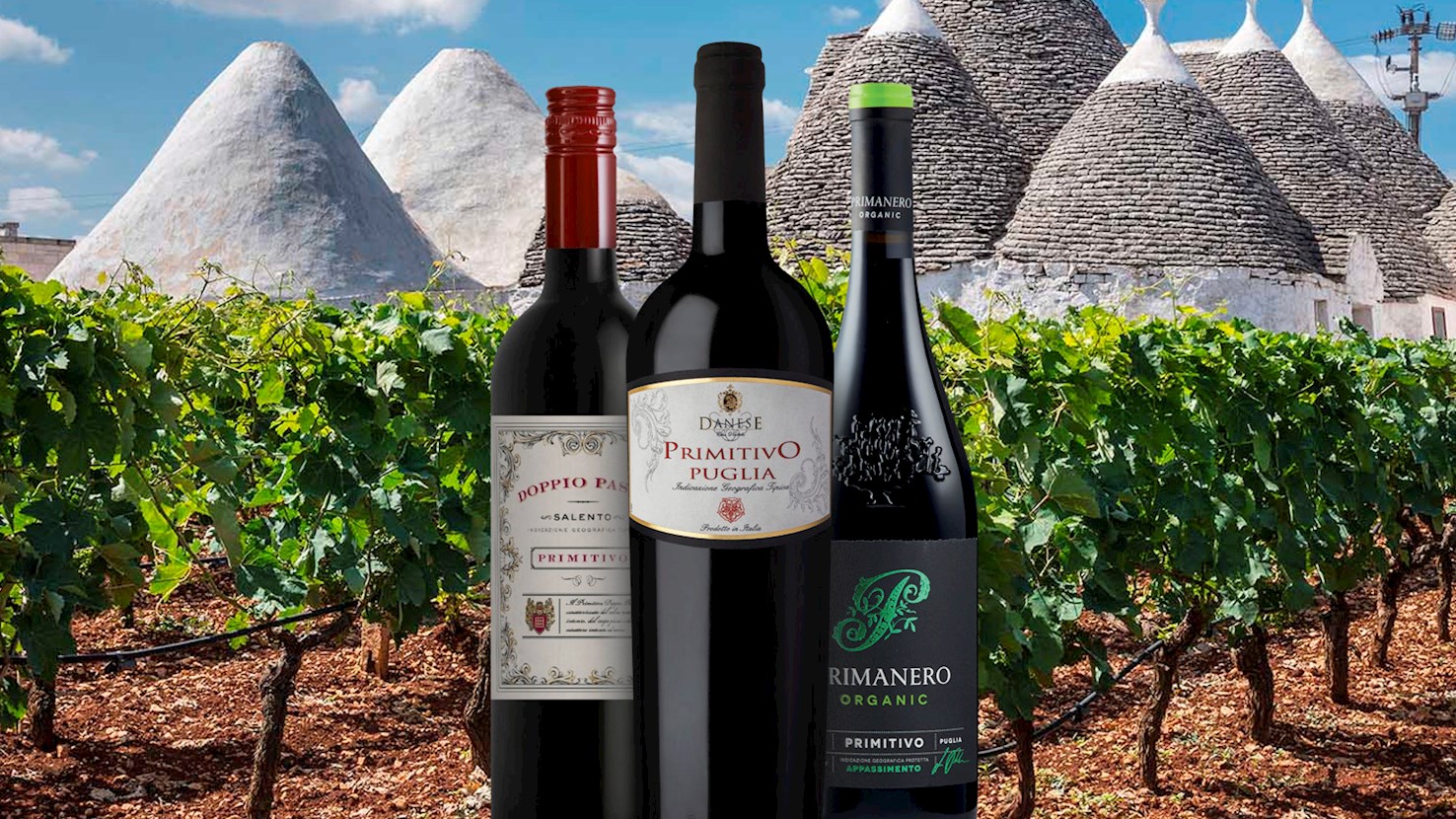
Primitivo is an Italian grape variety with quite interesting origins. Research conducted in 1994 proved that the grape is identical to Californian Zinfandel, while it was later discovered that both grapes originated from an old and obscure Croatian grape Crljenak Kaštelanski. Despite the same lineage, these grapes are influenced by their terroir, and they can slightly differ in character. In Italy, Primitivo is mostly cultivated in Apulia, where it is used in the appellation Primitivo di Manduria. Primitivo is a somewhat rustic wine, dark, intense, and rich in tannins that tend to mellow with age. Young styles usually display fruity aromas of cherries, plums, and blackberries, as well as floral notes of violets. Aged varieties tend to develop nuances of cocoa, tobacco, and spices. Primitivo is best paired with meat dishes and aged cheese. It can also work well with lamb, vegetable dishes, game, and legumes.

09

Montepulciano d'Abruzzo

4.3 ·

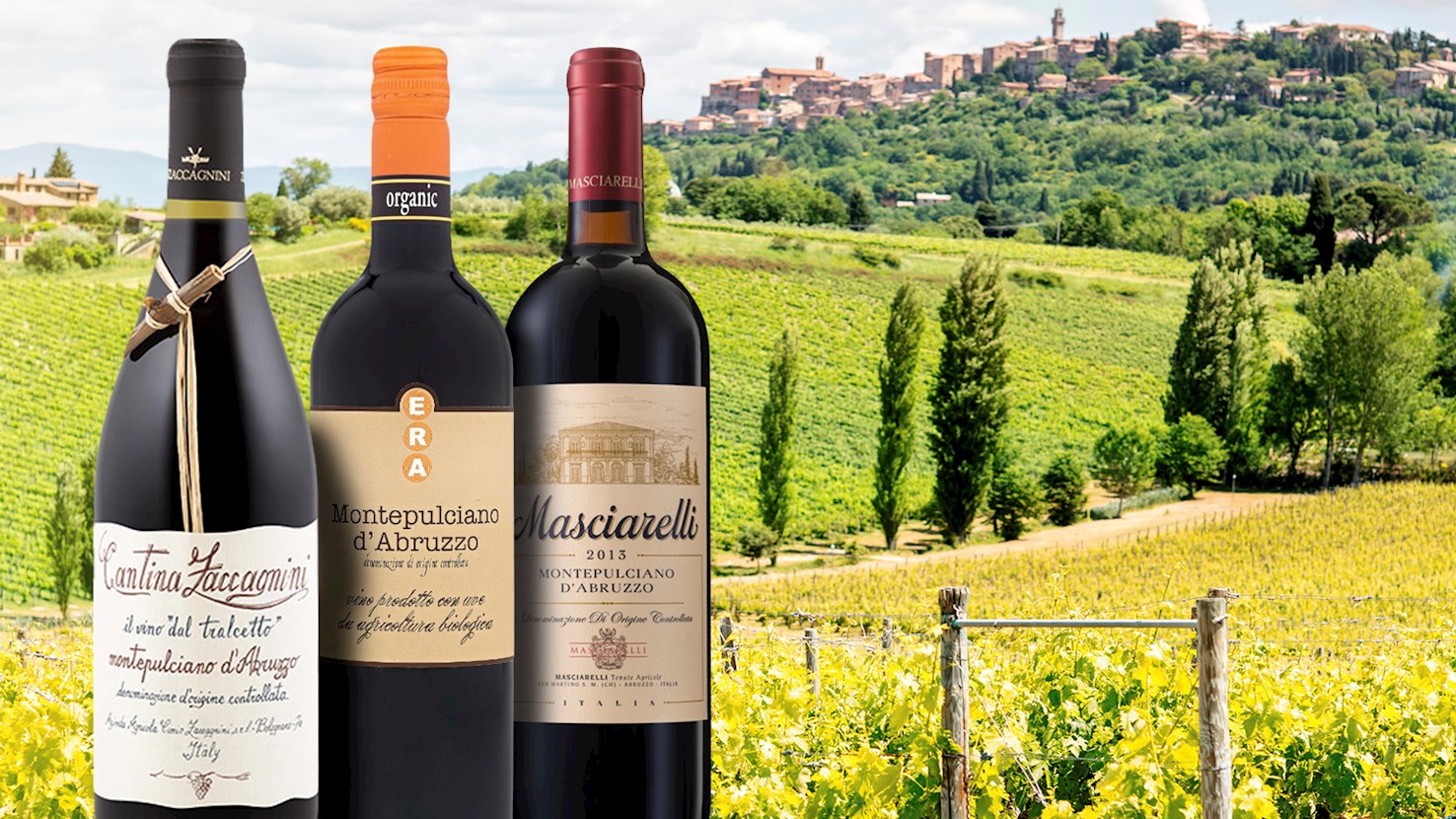
Montepulciano d'Abruzzo is a medium-bodied red Italian wine that is produced in all four provinces of Abruzzo. The wines must be made from at least 85% of Montepulciano grapes, while the only other permitted variety is Sangiovese. Though Montepulciano d'Abruzzo wines may vary in style, they are typically dark-red, with earthy notes of dark fruits and spices. They have some aging potential and are mostly at the low end of the price spectrum. This food-friendly wine pairs well with lamb, beef, and tomato-based pasta dishes. Montepulciano d'Abruzzo should not be mistaken with a Tuscan village of the same name, famous for its wine Vin Nobile di Montepulciano (made from Sangiovese grapes).

10

Gewurztraminer d'Alsace

4.3 ·

Gewurztraminer is a pink-skinned grape that produces some of the most aromatic and complex white wines in the world. The exact origin of Gewurztraminer is hard to trace, but the grape is related to Traminer family that is cultivated across Europe, and although Gewurztraminer has shown success in Germany, Austria, Australia, Washington and California, the French Alsace region remains its foreground. Alsace produces varietals that are rich and typically deeply colored, often low in acidity and high in alcohol with exotic aromas of lychee and rose petals. Their character and the body heavily depends on the terroir and ripeness of the grapes, and they may range from dry to off-dry and sweet styles. Dry Gewurztraminer from Alsace is a perfect match to cheese and savory, preferably spicy or creamy dishes, while sweeter styles may match fruit or spiced desserts.

Best Western European Beverages
01

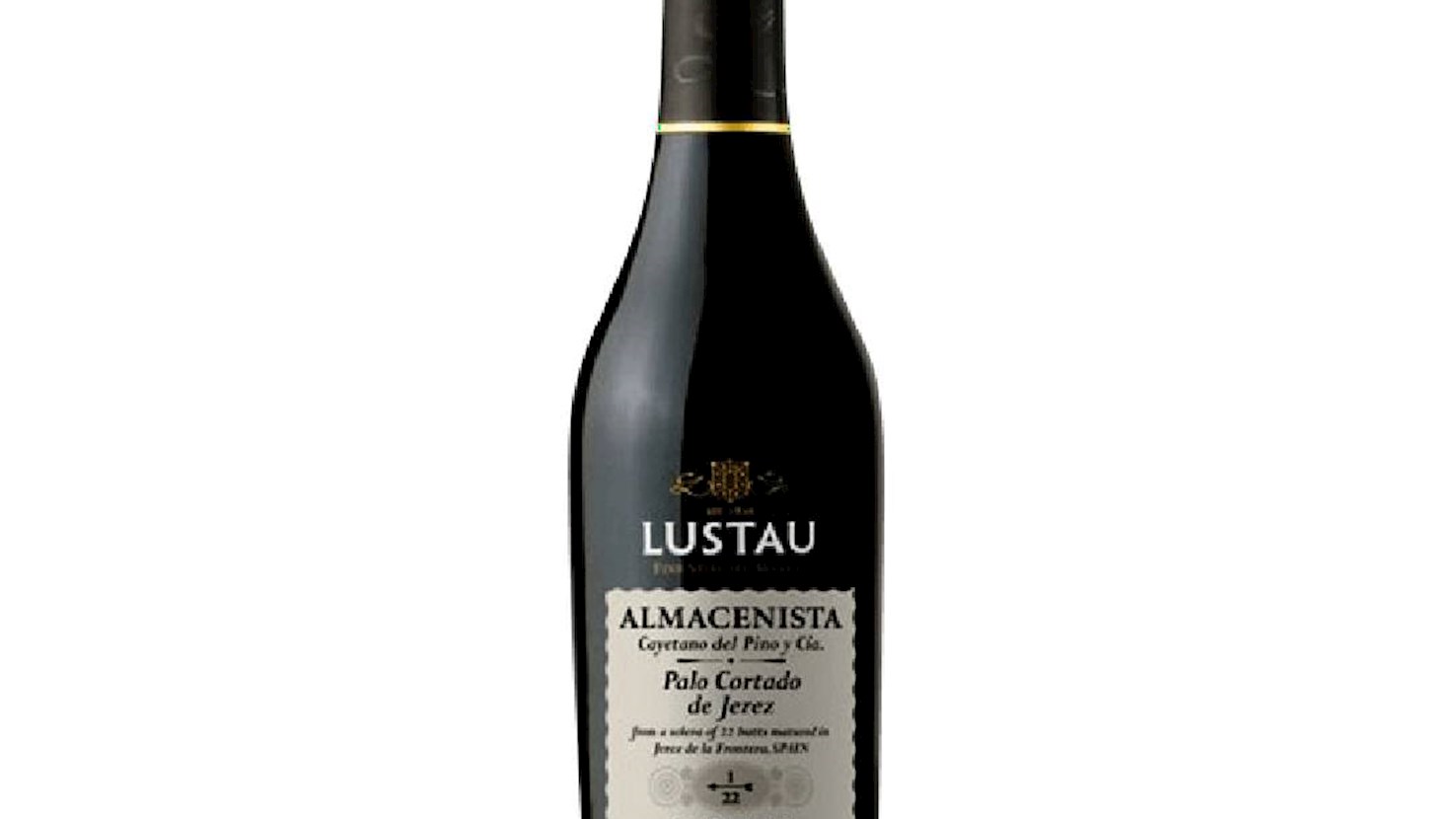
Bodegas Lustau

5 ·
Bodegas Lustau is one of the most important and influential wineries in the world of Sherry, based in Jerez de la Frontera, with a tradition that dates back to the late 19th century. It was founded in 1896 as a small family bodega and has grown over the decades into a global reference for both quality and stylistic diversity in Jerez wines. Lustau is especially known for being among the first to systematically highlight the origin of its wines from different parts of the Marco de Jerez, including Jerez, El Puerto de Santa María, and Sanlúcar de Barrameda, thereby emphasizing the role of microclimate and local character. Its portfolio covers almost every style of Sherry, from Fino and Manzanilla to Amontillado and Palo Cortado, as well as deep Oloroso and sweet styles such as Pedro Ximénez. In Lustau’s cellars, soleras of different ages are carefully maintained, with a strong focus on long aging and the preservation of traditional methods. The winery is also known for its precise selection of wines, often working with small, historic producers whose soleras are integrated into its own system. The house style is defined by a balance between authenticity and accessibility, without the need to follow short-lived trends. Over the years, Lustau has received numerous international awards and has been repeatedly named the world’s best Sherry producer, yet its reputation rests above all on consistent quality.
Awards
Decanter World Wine Awards - Best in Show (2023, 2022, 2020, 2019, 2018)
Decanter World Wine Awards - Platinum (2023, 2022, 2021, 2020, 2019, 2018)
02

Champagne Krug

5 ·
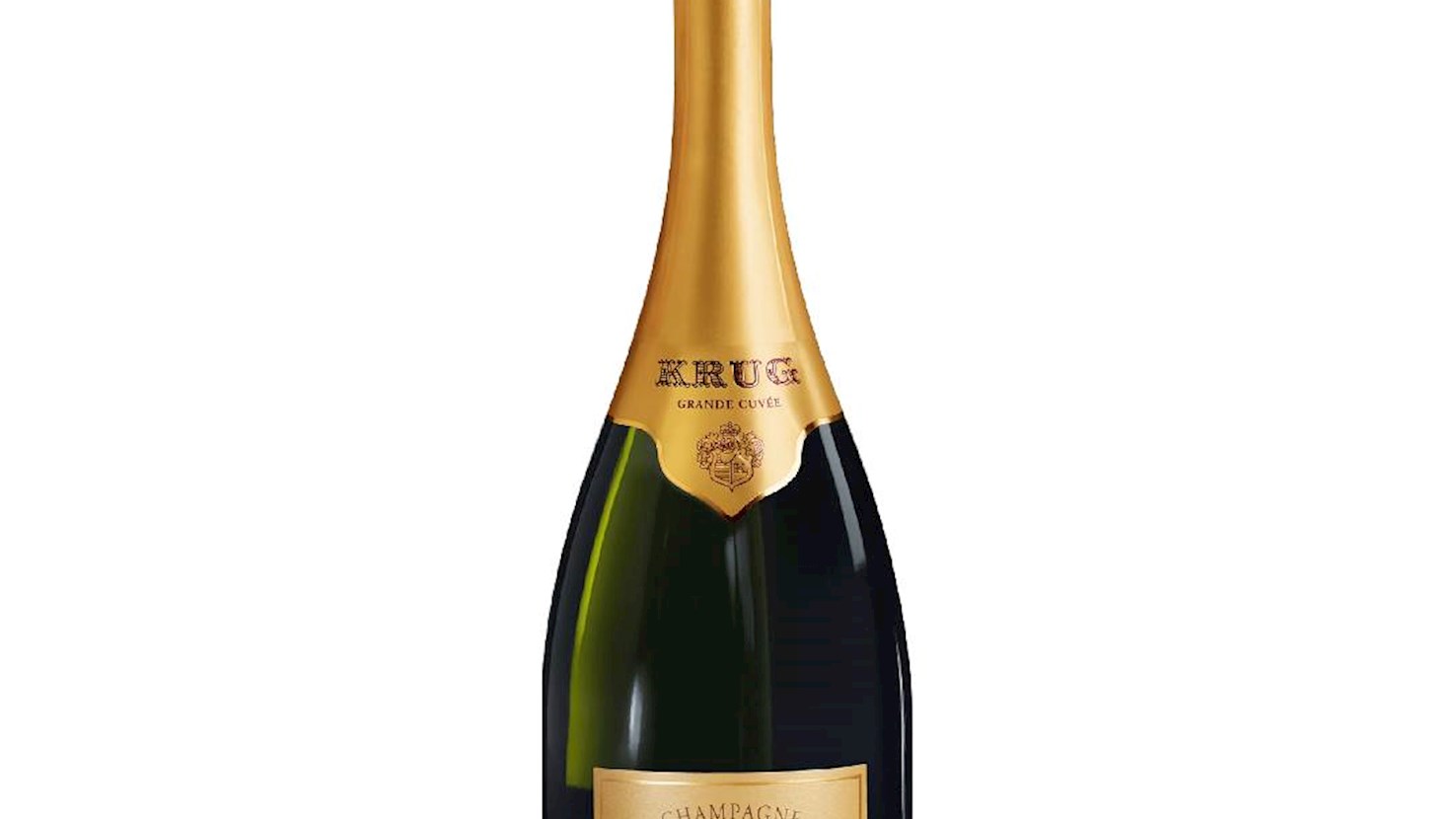
Champagne Krug is one of the most prestigious and revered Champagne houses, renowned for its unwavering commitment to excellence and the artistry of champagne-making. Founded in 1843 by Johann Joseph Krug, this family-run house has always adhered to a philosophy of uncompromising quality, emphasizing the individuality of each vintage and terroir. Krug stands apart with its unique approach - each bottle of champagne is crafted from meticulously selected wines from different years and vineyards, creating unparalleled depth, complexity, and richness. Their most iconic champagne, Krug Grande Cuvée, embodies this philosophy, blending up to 200 wines from over 10 different vintages to achieve perfect harmony and sophistication in every edition. Additionally, Krug is renowned for its exclusive vintage champagnes, Krug Rosé, and rare single-vineyard expressions like Clos du Mesnil and Clos d'Ambonnay, which originate from exceptional, limited-production plots. Each bottle undergoes an extended aging process in Krug’s cellars, allowing the champagnes to develop profound aromas, refined textures, and remarkable elegance. With an uncompromising dedication to quality, a deep respect for tradition, and an innovative spirit, Krug remains synonymous with luxury, refinement, and the ultimate champagne experience.
Awards
Wine Spectator - 99 (2021)
Falstaff - 100
03

Château de Meursault

5 ·
With over 1000 years of history, Château de Meursault follows an approach of excellence in respect of nature, the environment and the climates. With the 2022 vintage, the entire vineyard of Château de Meursault is conducted in organic farming.
Awards
Decanter World Wine Awards - Best in Show (2023, 2021, 2019)
Decanter World Wine Awards - Platinum (2020, 2019)
04

Louis Roederer

5 ·
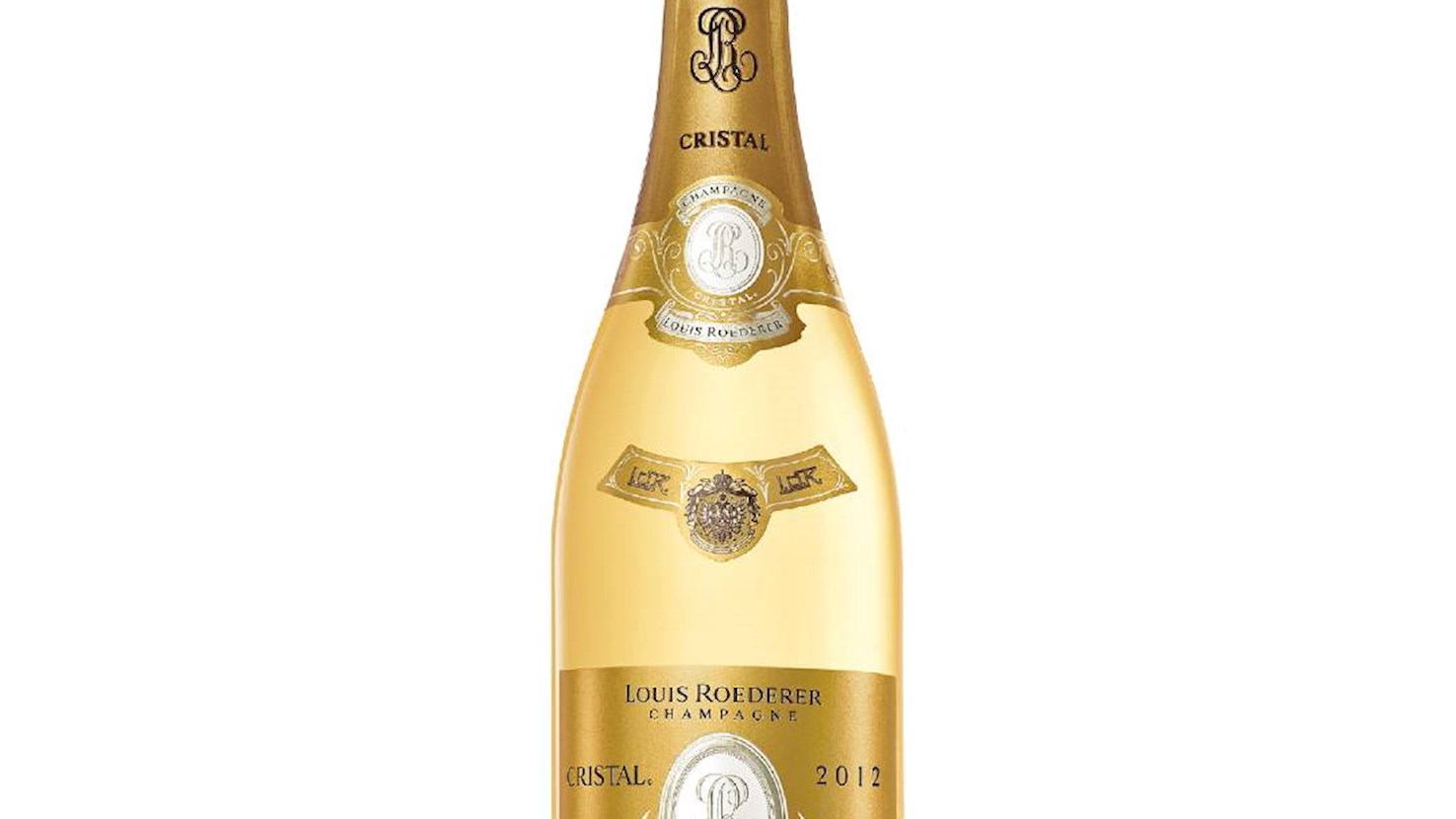
Louis Roederer is one of the most prestigious and oldest independent Champagne houses, synonymous with luxury, tradition, and innovation. Founded in 1776 in the heart of Champagne, in the city of Reims, this family-run house has been nurturing the art of producing exceptional Champagnes for centuries, captivating connoisseurs worldwide. The true rise of the house began in 1833, when Louis Roederer took over the family business and introduced a revolutionary approach - unlike other producers who purchased grapes, he decided to own and cultivate his own vineyards. This decision allowed him complete control over quality, terroir, and the unique style of his Champagnes, establishing the Louis Roederer brand’s distinctive signature. Thanks to its passion, expertise, and unwavering commitment to excellence, Louis Roederer remains one of the most respected Champagne producers in the world, cherished by collectors, sommeliers, and lovers of fine wines.
Awards
Wine Spectator - 98 (2022)
Falstaff - 100
05

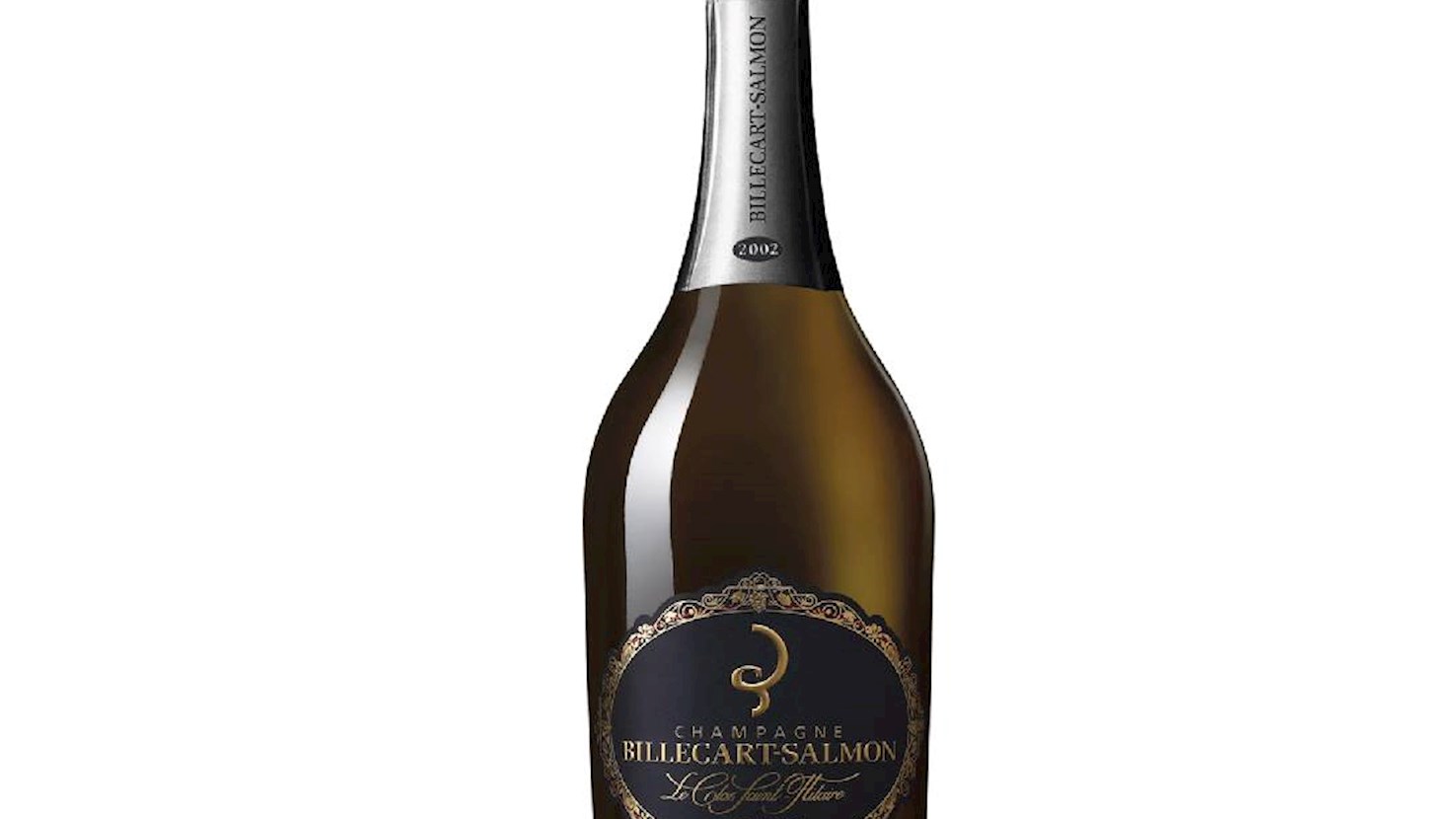
Champagne Billecart-Salmon

5 ·
Champagne Billecart-Salmon is a renowned Champagne house with a rich history and a strong commitment to quality. Founded in 1818 in the village of Mareuil-sur-Aÿ, France, by Nicolas François Billecart and Élisabeth Salmon, Billecart-Salmon is one of the few Champagne houses that has remained family-owned for seven generations. Today, it is led by Mathieu Roland-Billecart, who continues the tradition of combining innovation with deep respect for the terroir. Billecart-Salmon sources its grapes from some of the finest locations in the Champagne region, including Montagne de Reims, Vallée de la Marne, and Côte des Blancs. The house is known for its meticulous vinification at low temperatures, which helps preserve the freshness and aromatic complexity of its wines. Visits to the Billecart-Salmon estate in Mareuil-sur-Aÿ are available by appointment. Guests can enjoy cellar tours, tastings, and learn about the house's rich history and philosophy.
Awards
James Suckling - 99 points (2024)
Falstaff - 99
06

Gaja

5 ·
Gaja is one of the most respected names in the world of wine, known for exceptional quality, refined elegance, and a harmonious blend of tradition and modern vision. The philosophy of this family-run winery is rooted in deep respect for nature and thoughtful care throughout every stage of production, from vineyard to bottle. The wines are celebrated for their precision, structure, and layered complexity. Whether crafted from native or international grape varieties, each expression reflects the distinct character of the land and the meticulous attention given to the vineyard. Single-vineyard labels hold a special place, capturing the unique identity of their origin. Gaja balances heritage with innovation. The winery remains committed to its values while continuously evolving. Each wine embodies expertise, passion, and a clear vision, leaving a lasting impression through its depth and authenticity. The name Gaja stands for consistency, character, and timeless style, earning its place among the most esteemed producers in the world of fine wine.
Awards
Falstaff - 100
Falstaff - 99
07

Maison Albert Bichot

5 ·
Maison Albert Bichot is a historic Burgundy wine house founded in 1831 and based in Beaune, at the heart of the region. Still family-owned, it has evolved from a traditional négociant into a major vineyard owner, managing over 100 hectares across six estates in key areas such as Chablis, Côte de Nuits, Côte de Beaune, and Beaujolais. The house combines estate-grown fruit with grapes sourced from long-term partner growers, all vinified under strict quality control to ensure consistency and authenticity. Its philosophy centers on expressing Burgundy’s “climats,” emphasizing the unique identity of each vineyard through minimal intervention and precise winemaking. The portfolio focuses mainly on Pinot Noir and Chardonnay, ranging from regional appellations to Premier Cru and Grand Cru wines. Sustainability is a core principle, with most estates farmed organically and a strong commitment to environmentally responsible practices. The wines are known for their balance, purity, and clear sense of origin. Over time, Maison Albert Bichot has built a strong international reputation, supported by numerous awards and consistent critical recognition.
Awards
Decanter World Wine Awards - Platinum (2024, 2023, 2022, 2021, 2020)
Decanter World Wine Awards - Best in Show (2021, 2020)
08

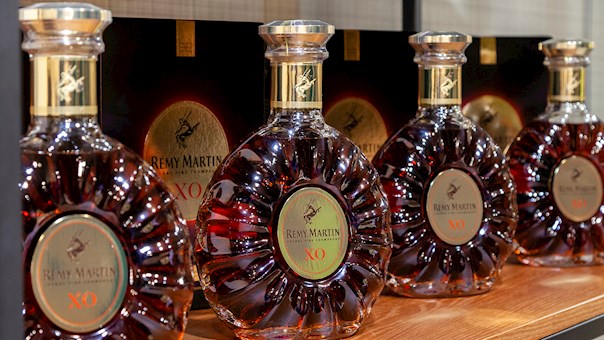
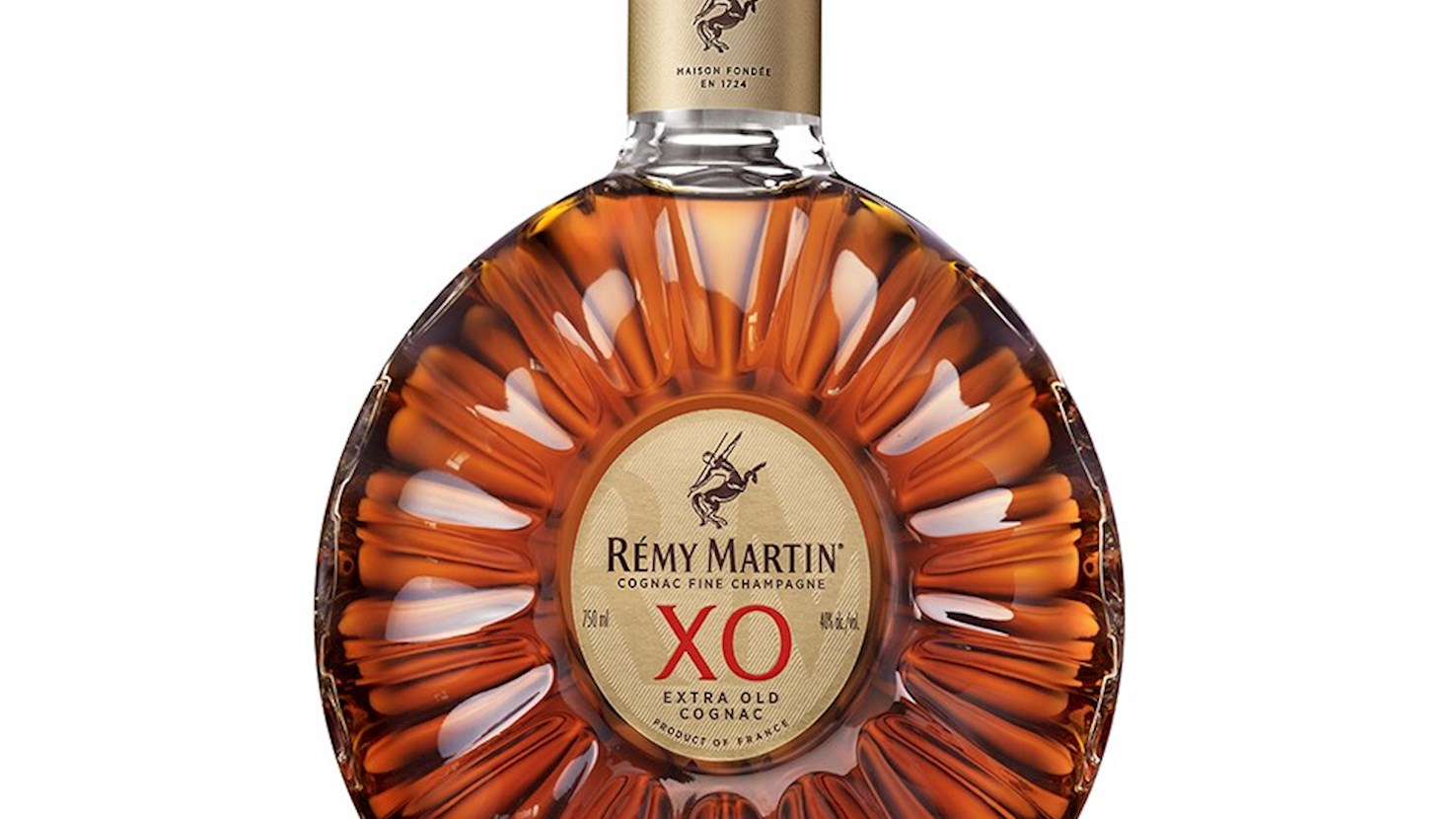
Rémy Martin

5 ·
Awards
SFWSC - San Francisco World Spirits Competition - Double Gold (2024, 2023)
SWSC - Singapore World Spirits Competition - Double Gold (2023)
09

Fundador

5 ·
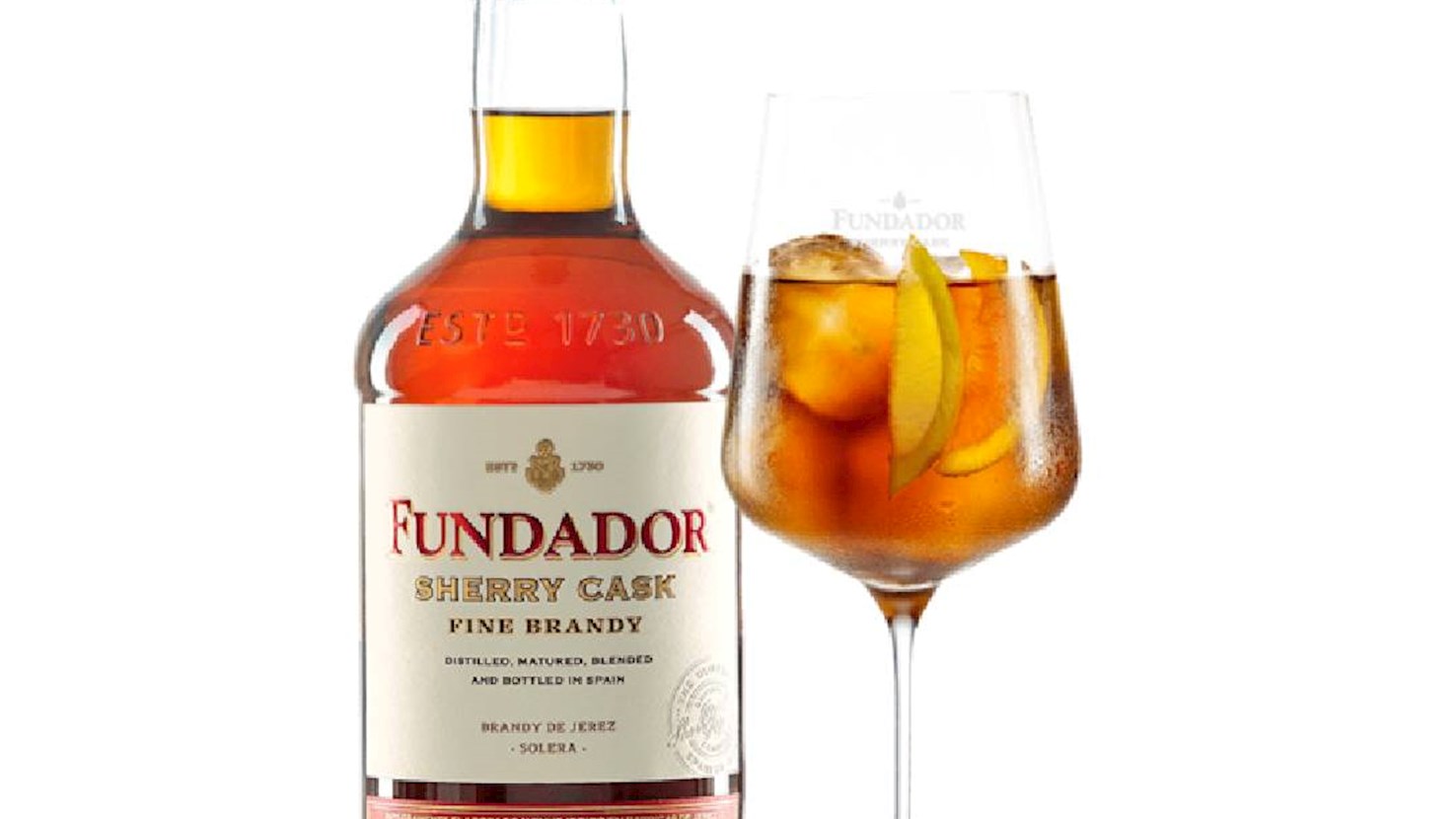
Fundador is a distinguished Spanish brandy producer, renowned for crafting the first Brandy de Jerez. Established in 1730, it stands as the oldest bodega in Jerez, Spain, with a rich history spanning nearly three centuries. The brand's legacy began in 1874 when it introduced Fundador, the inaugural Spanish brandy, marking a significant milestone in the spirits industry. Over the years, Fundador has maintained its commitment to quality and tradition, producing brandies aged in Sherry Casks that previously held some of the finest sherry wines. Today, Fundador continues to be a leader in the production and exportation of Brandy de Jerez, offering a diverse range of products that honor its storied heritage while embracing innovation.
Awards
SFWSC - San Francisco World Spirits Competition - Double Gold (2024, 2023)
ISC-International Spirits Challenge - Double Gold (2022, 2021, 2019)
10

Martell

5 ·
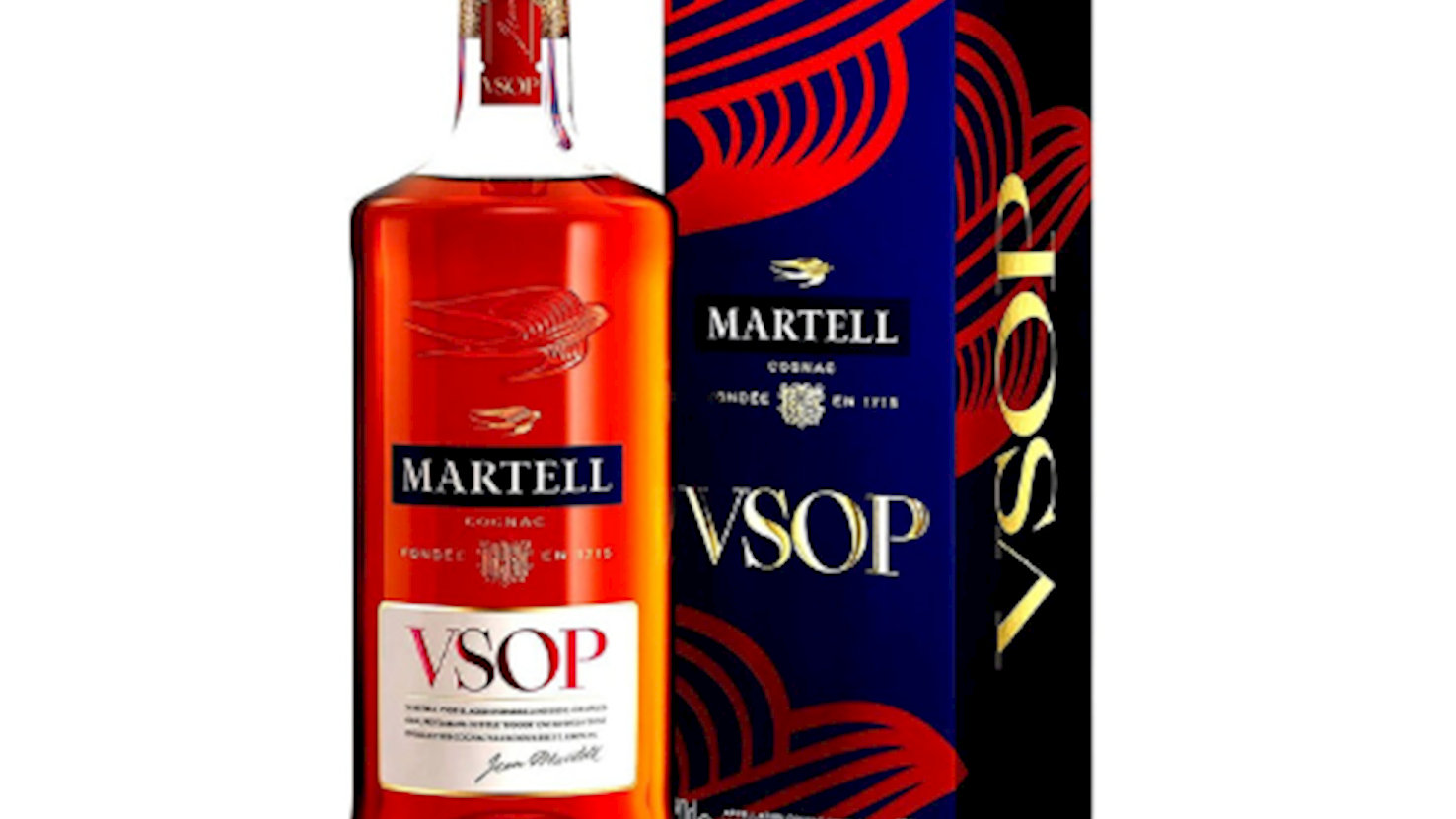
Martell is one of the oldest and most prestigious cognac houses, founded in 1715 in Cognac, France. Known for its expertise, Martell uses grapes from the finest vineyards and traditional double distillation methods. Their portfolio includes iconic cognacs like Martell VS, VSOP, Cordon Bleu, and XO. Visitors can explore the brand’s rich history, book tours, and enjoy tastings at their distillery in Cognac.
Awards
SFWSC - San Francisco World Spirits Competition - Double Gold (2024, 2023)
SWSC - Singapore World Spirits Competition - Double Gold (2023)
Read more
View all
View map
About this ranking

TasteAtlas food rankings are based on the ratings of the TasteAtlas audience, with a series of mechanisms that recognize real users and that ignore bot, nationalist or local patriotic ratings, and give additional value to the ratings of users that the system recognizes as knowledgeable. For the “Top 100 Western European Beverages” list until June 15, 2026, 17,148 ratings were recorded, of which 13,875 were recognized by the system as legitimate. TasteAtlas Rankings should not be seen as the final global conclusion about food. Their purpose is to promote excellent local foods, instill pride in traditional dishes, and arouse curiosity about dishes you haven’t tried.

The initial list of top producers was compiled based on available reviews, awards, local recommendations, media and blog coverage, and consumer reviews. The list will be updated with ratings from TasteAtlas local ambassadors and TasteAtlas users.

Similar lists