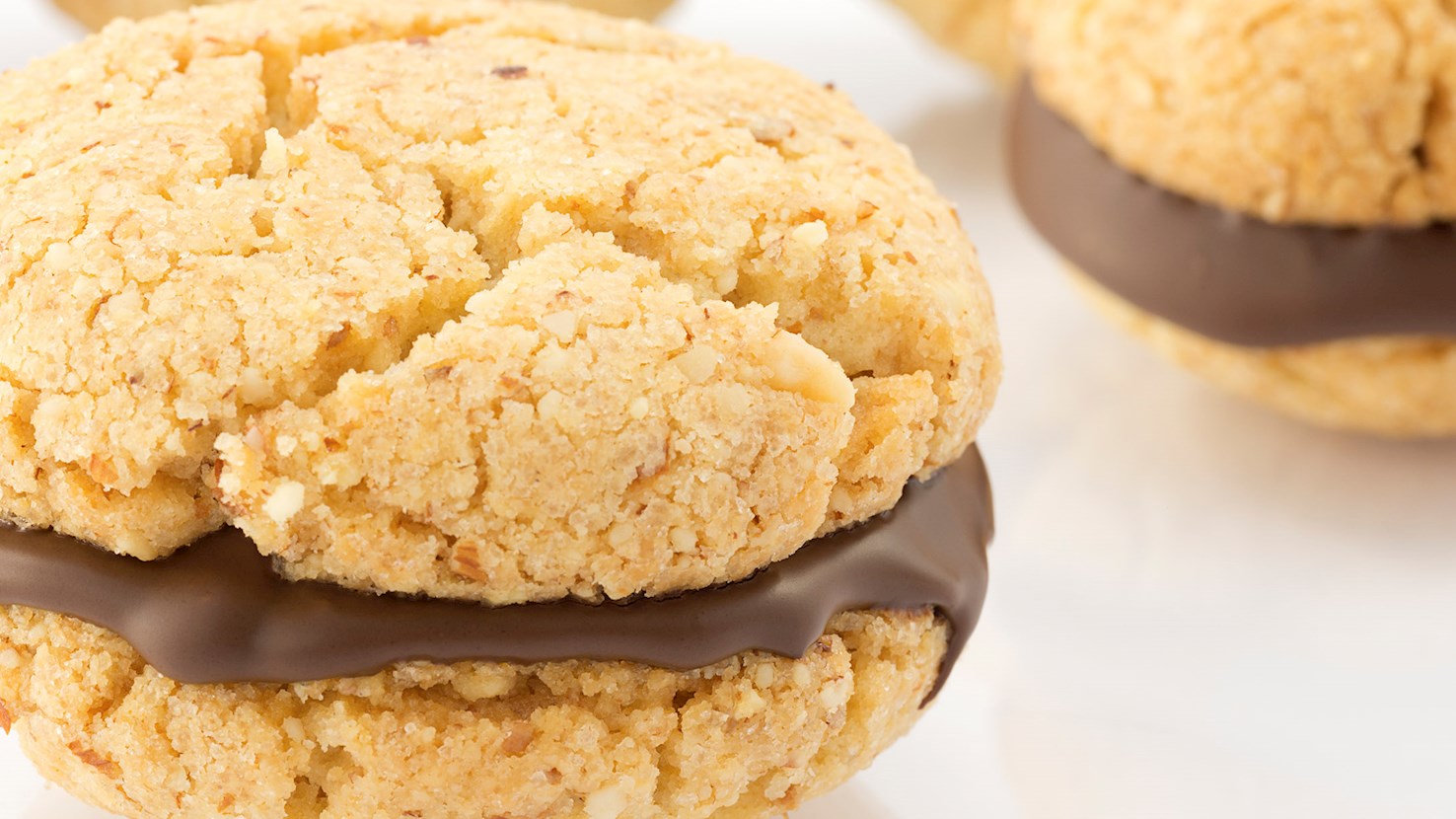
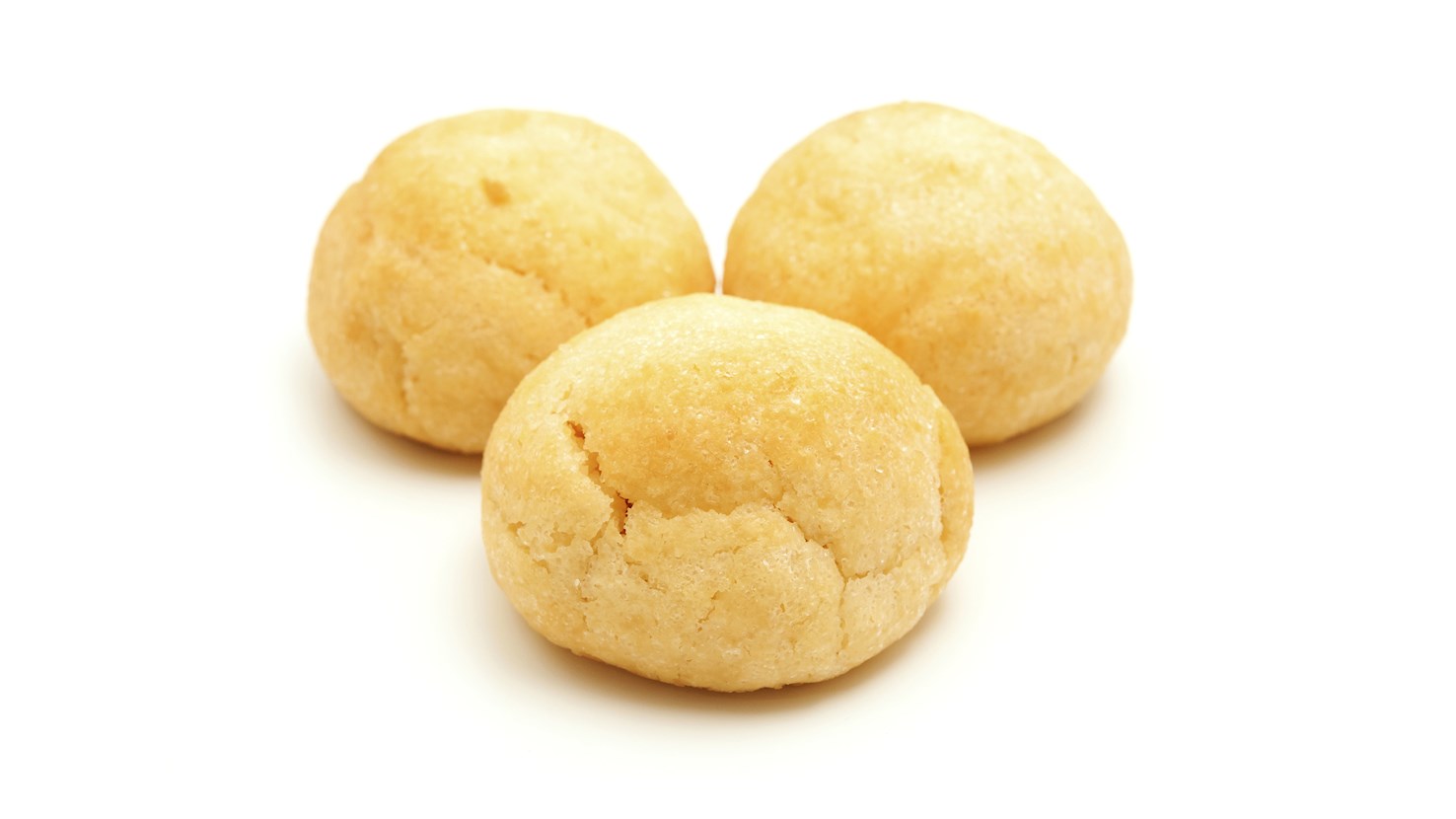
Baci di dama, meaning lady's kisses, are traditional hazelnut butter cookies with a layer of chocolate-hazelnut spread sandwiched between them. They originated in pastry shops in Tortona, Piedmont (famous for its hazelnuts), in the second half of the 19th century. The name of these cookies refers to their visual appearance, since it is reminiscent of two mouths kissing, or the mouth of a lady (ladies didn't use to open their mouths while kissing, as it was considered crude). Baci di dama is often used as a holiday cookie, and they are sometimes even referred to as the Italian version of popular Oreo cookies.
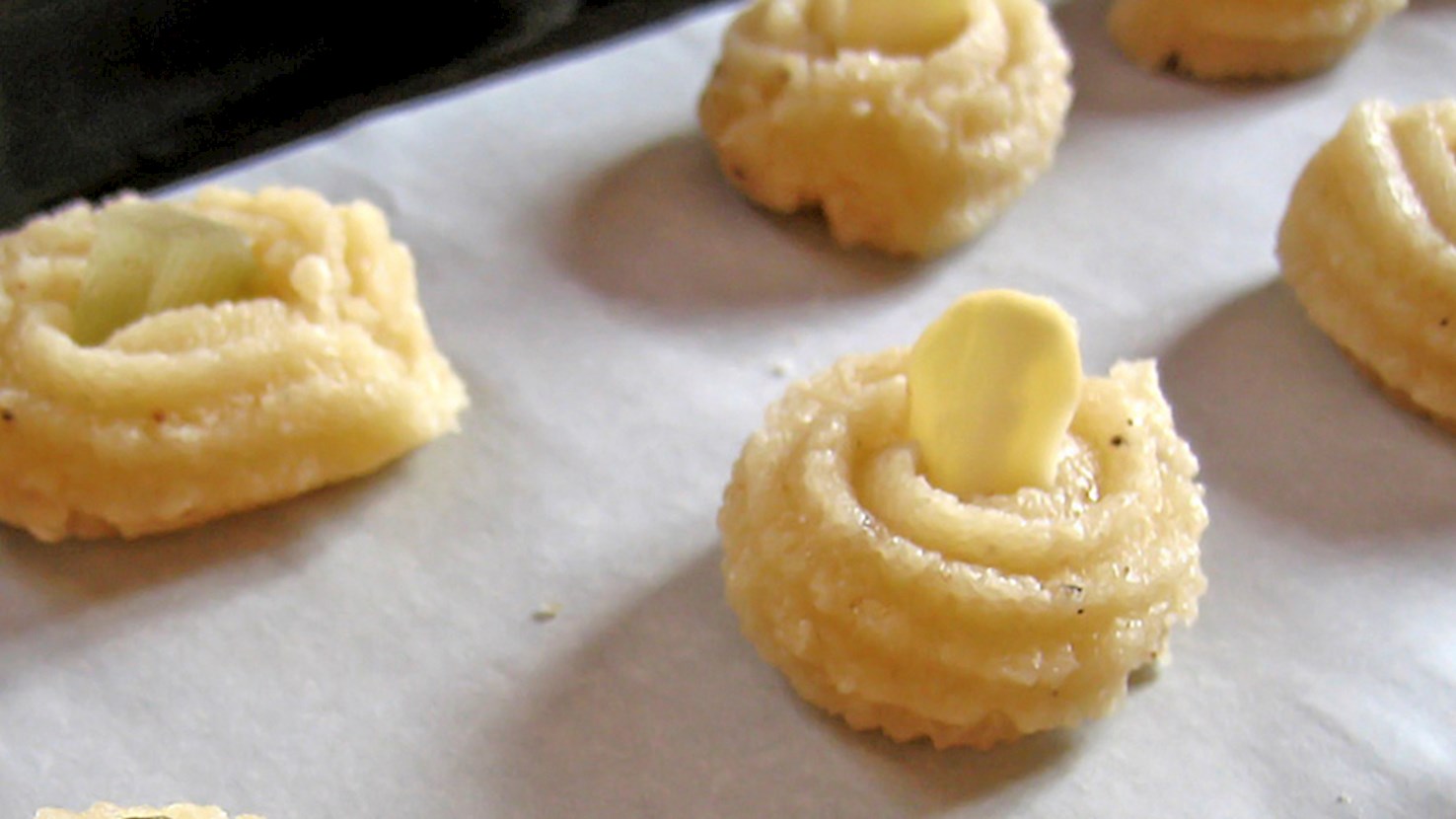
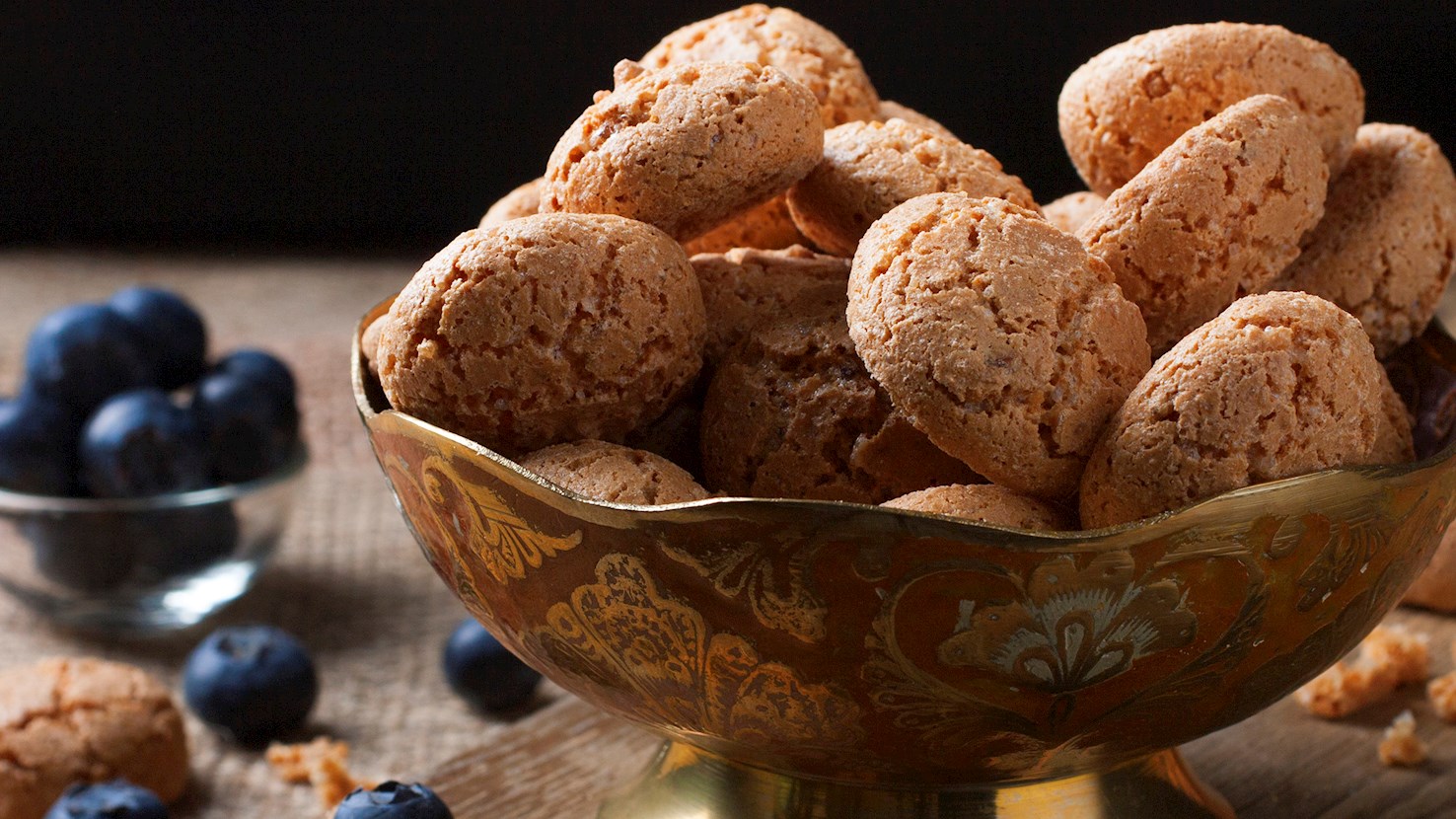
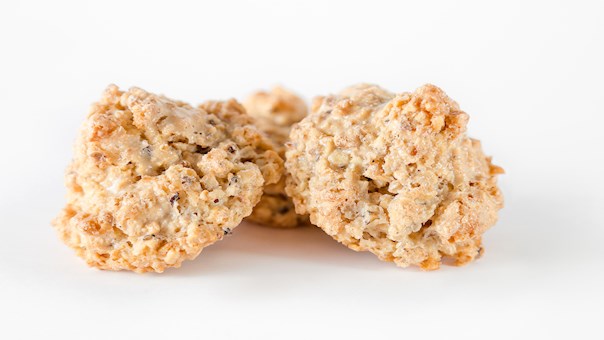
Amaretti, the famous Italian almond cookies are so popular in their homeland that almost every region has their version of the recipe, using different proportions and combinations of the basic ingredients: sweet and bitter almonds, apricot kernels, eggs, and sugar. The Sicilian version is made with egg whites, sugar, and both bitter and sweet almonds, preferably the world-famous ones grown in the province of Syracuse, in south-eastern Sicily, around the cities of Noto, Avola, Rosolini, and Canicattini Bagni. Besides almonds, Sicily is also renowned for exquisite pistachios, so it is also possible to stumble upon amaretti made with pistachios instead of almonds.
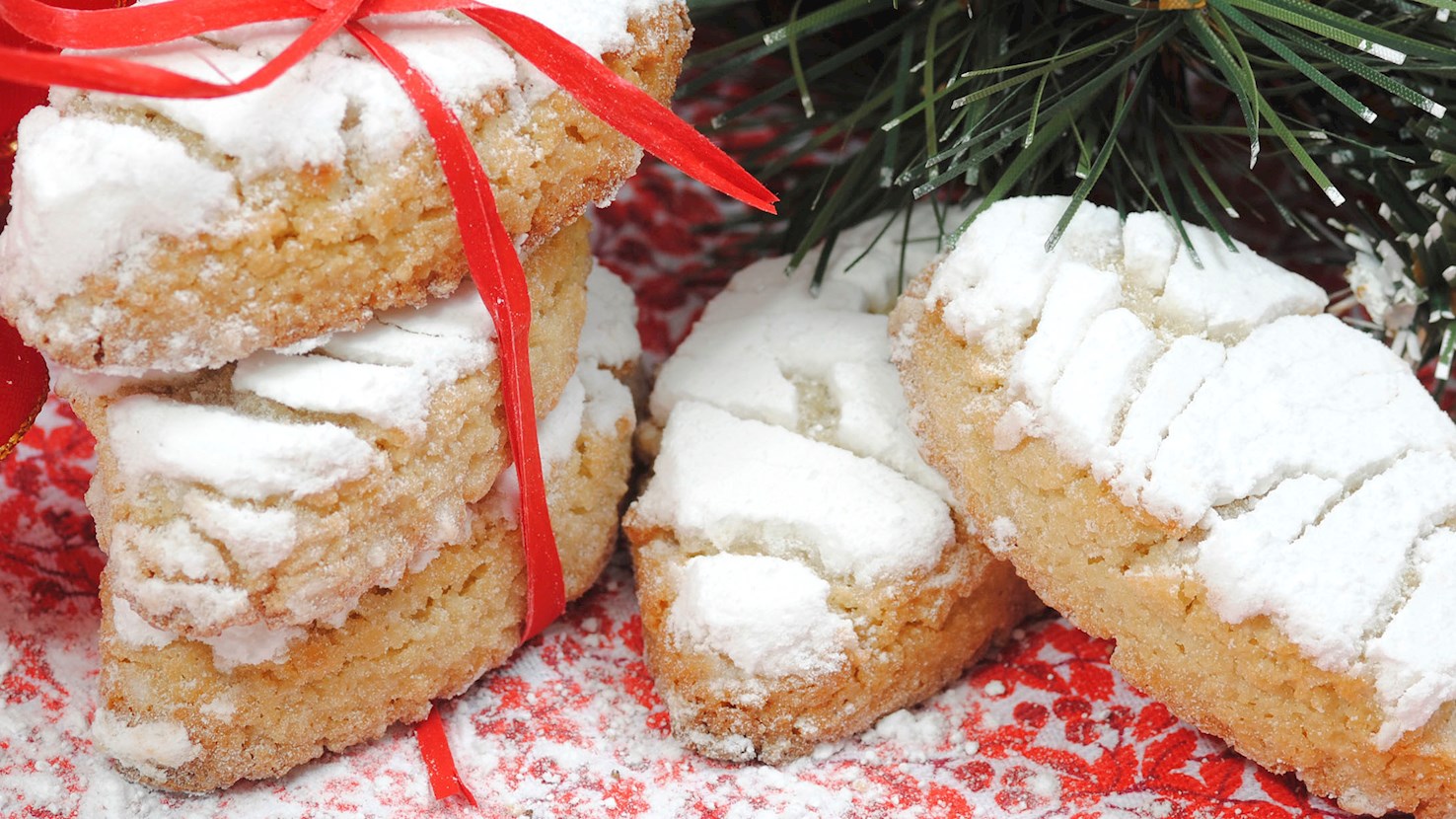
A typical dessert of Sienese cuisine, ricciarelli di Siena are soft almond biscuits whose origins date back to the 14th century. According to a popular legend, they were named after a Sienese nobleman Ricciardetto Della Gherardesca, who brought similar lozenge-shaped Arab sweets to Siena upon his return from the Crusades. Back then, these cookies were also known as marzapanetti alla Senese or morzelletti, and they were reserved for the lavish banquets and feasts of Tuscan royalty, since almond paste or marzipan was a precious and expensive ingredient sold only in Renaissance apothecaries along with the most exotic spices of the time. Today, the aromatic ricciarelli are made with both sweet and bitter almonds, sugar, and egg whites; they are often flavored with candied orange peel and dusted with icing sugar. In Tuscany, they are a traditional Christmas treat, typically enjoyed with dessert wines such as Moscadello di Montalcino or Vin Santo.
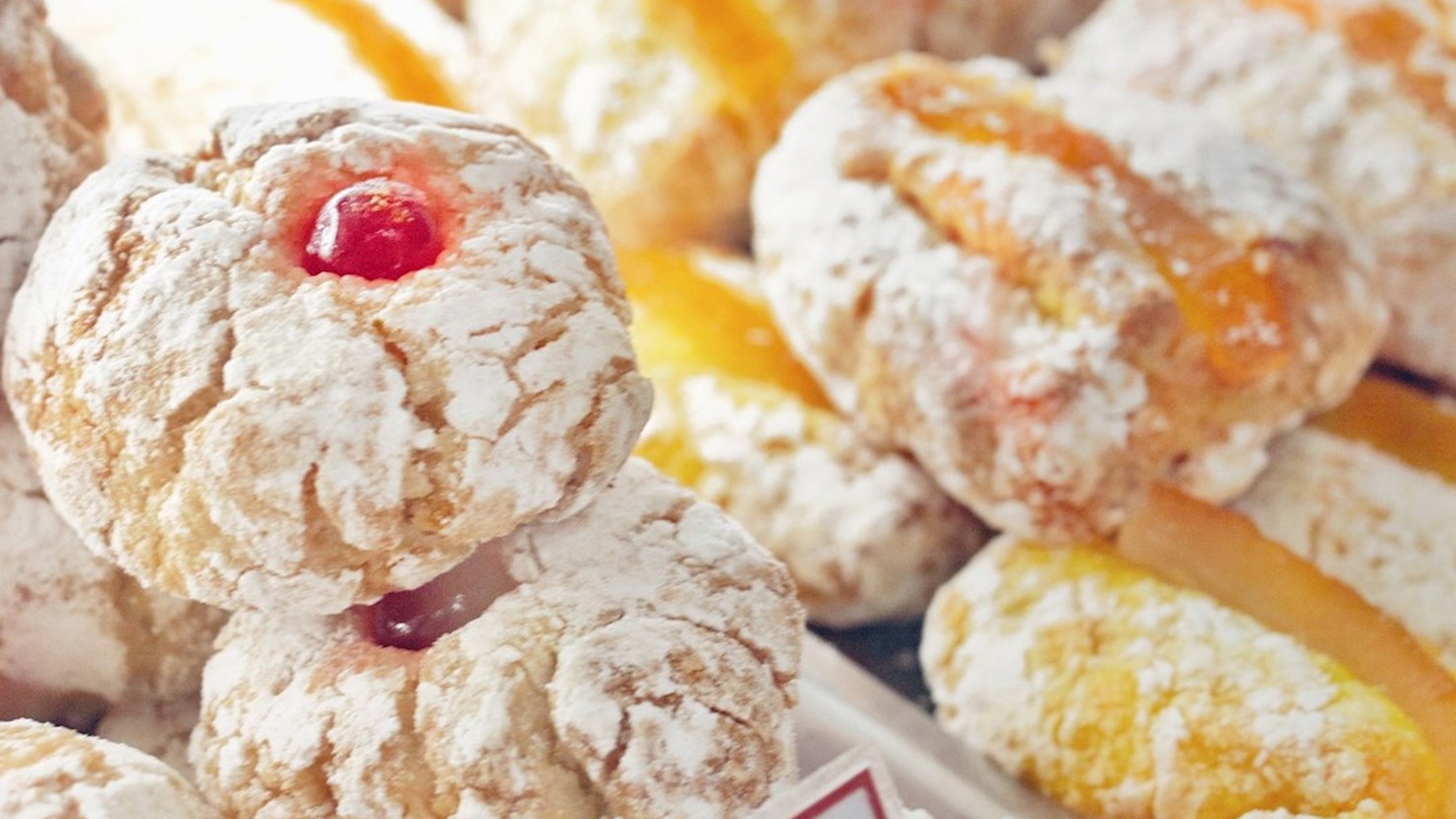
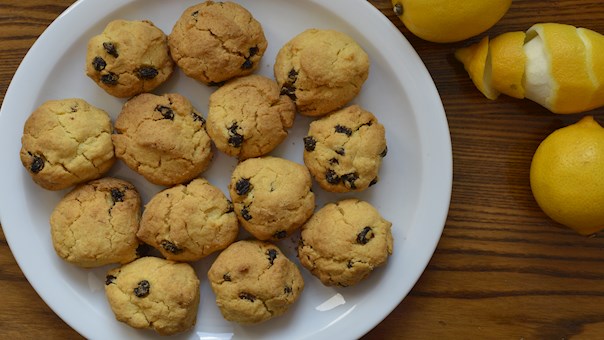
Biscotti di mandorla are soft almond biscuits or cookies that are prepared with a combination of finely crushed almonds, beaten egg whites, icing sugar, lemon zest, and almond flakes. The ingredients are combined into a thick almond paste which is then shaped into a desired form and baked until nicely colored. The cookies are typically sprinkled with powdered or granulated sugar, and they are often garnished with ingredients such as candied maraschino cherries, whole almonds, pine nuts, pistachios, or hazelnuts. They may take on different shapes including small round balls, disks, or S-shapes, and they're also often flavored with almond and vanilla extracts. These almond cookies are especially popular in the southeastern part of Sicily which is renowned for the production of some of the finest almonds in the world.
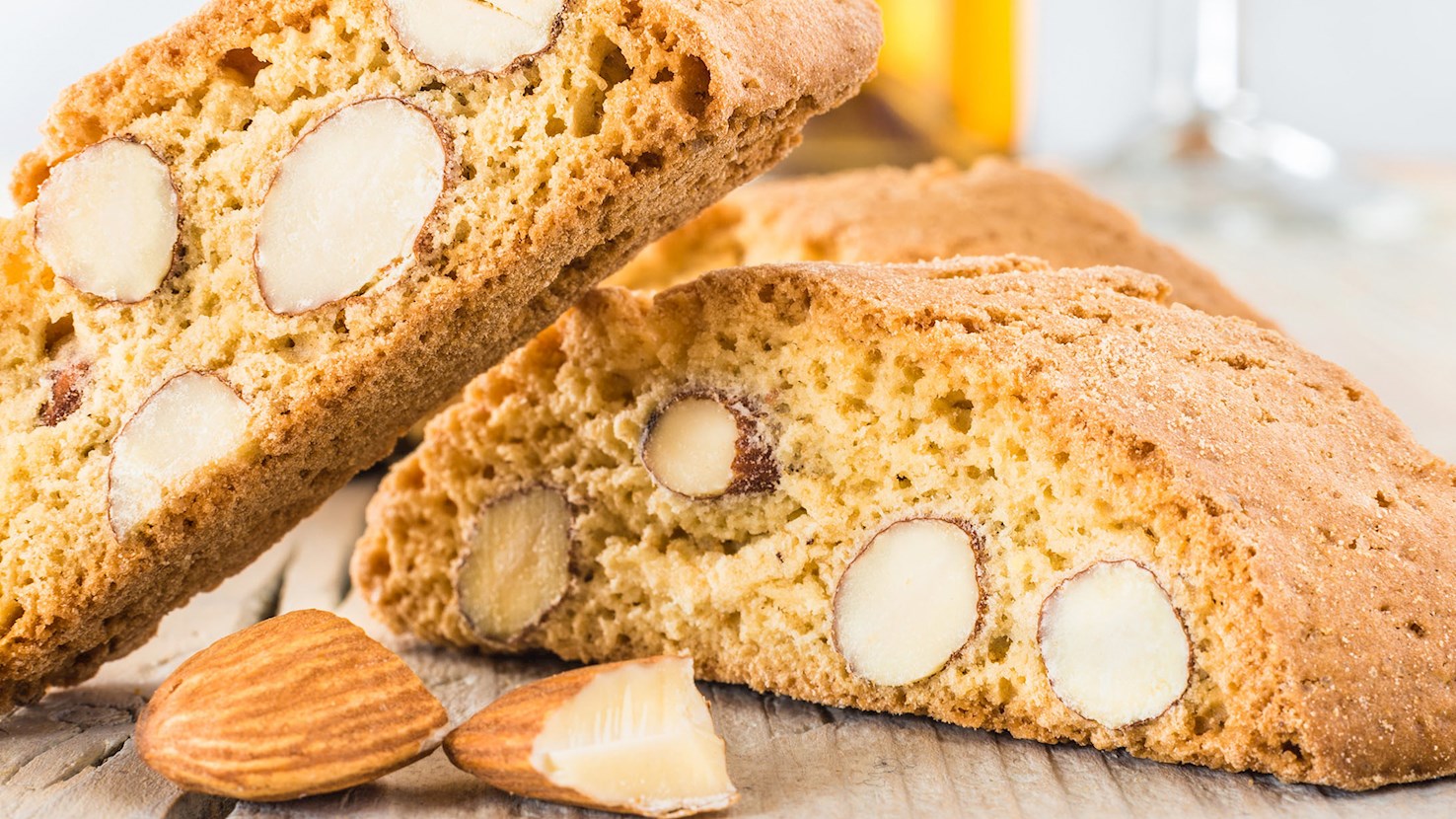
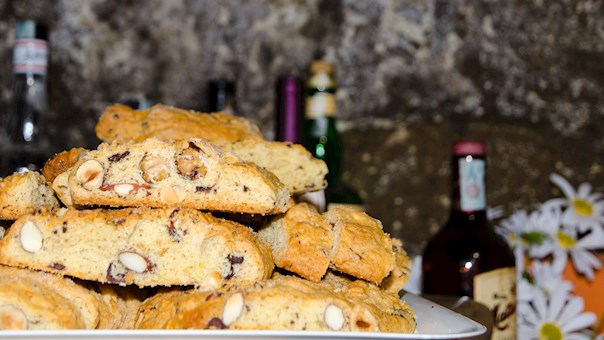
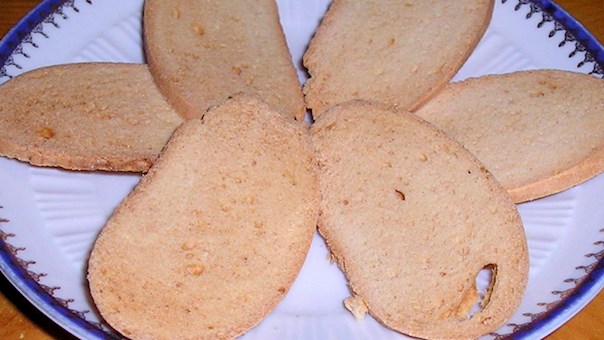
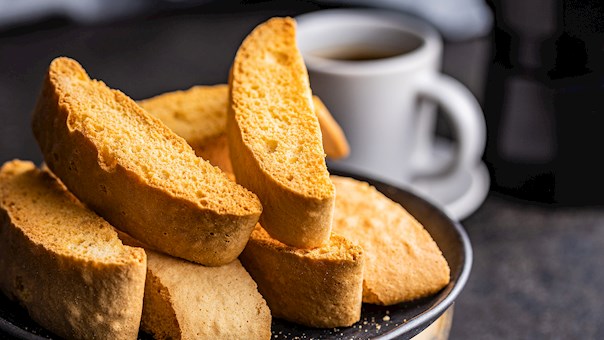
These hard almond biscuits visually resemble tiny slices of bread, or cantellus in Latin, which is how they gained the name cantuccini, though they are also known as biscotti, meaning twice-baked. Cantuccini supposedly originated in the Tuscan city of Prato in the 16th century, and they were even served at the Medici court. However, according to some historical records, they did not contain any almonds, being similar to the already famed biscuits from Pisa and Genova. Almonds were added to the recipe towards the end of the 19th century, after which Tuscan bakers started using butter and leavening agents to give the cantuccini a longer shelf life and make them suitable for export. Cantuccini are an excellent after-meal snack, and they are typically accompanied by a glass of Vin Santo, a popular Italian dessert wine, though they are also often enjoyed for breakfast, dipped in milk, coffee, or tea.
These delicious almond-flavored biscotti have an ancient history, as they were supposedly first made during the Middle Ages. Their name is derived from the Italian amaro, meaning bitter, in reference to the sharp flavor of bitter almonds or apricot kernels, which are traditionally used in the recipe, together with egg whites and sugar. They can be made either dry and crispy, or soft and chewy—secchi or morbidi, respectively—though amaretti are today synonymous with the crispy amaretti di Saronno from the homonymous Lombardian town, commercialized by Lazzaroni family and often referred to as the original amaretti. Over time, they have become ubiquitous in Italy, and each region has its own version of the recipe, using different proportions of the basic ingredients or different stiffness of egg whites, temperatures, and times of baking, or additional ingredients such as egg yolks, flour, or leavening agents. Piedmont’s version, amaretti di Mombaruzzo are also crunchy and made exclusively with sugar, egg whites, sweet almonds, and apricot kernels, while the small town of Sassello in Liguria is renowned for their round-shaped, very soft and chewy amaretti, with almost marzipan-like interior, due to a very high percentage of almonds in the dough. Lombardy's version, amaretti di Gallarate, are also very soft, but irregularly shaped, while amaretti Casperiani - from the province of Rieti - are made with hazelnuts instead of almonds. Amaretti di Carmigiano, also known as amaretti di Fochi, can be found in Tuscany - they are soft, imperfectly shaped, and smaller than the others, with characteristical amber color and strong almond aroma. In Lazio, soft and oval-shaped amaretti of Fiuggi and of Guarcino are made with both sweet and bitter almonds, egg whites, and sugar, and they are traditionally placed on a disc of wafer paper. Also made with the combination of sweet and bitter almonds is Emilia-Romagna’s version, amaretti di Modena, which are crunchy on the outside and soft on the inside. Regardless of the type, amaretti are an excellent after-meal snack that pairs perfectly with the sweet, almond flavored liqueur called amaretto Disaronno, but they also go very well with a cup of coffee or Italian espresso.
Legend says that these crispy bittersweet cookies were invented some three centuries ago when the Cardinal of Milan visited the town of Saronno in Italy. Two young lovers, Giuseppe and Osolina, presented him with sweets made from a mixture of sugar, apricot kernels and egg whites, wrapped in pairs, which symbolized their love. The Cardinal was very pleased with the gift, so he gave his blessings to the couple, who got married and lived happily ever after. Although the name amaretti di Saronno is often generically used for any crispy amaretto cookie, the exclusive right to produce these airy Lombardian cookies under that name is in the hands of the Lazzaroni family.
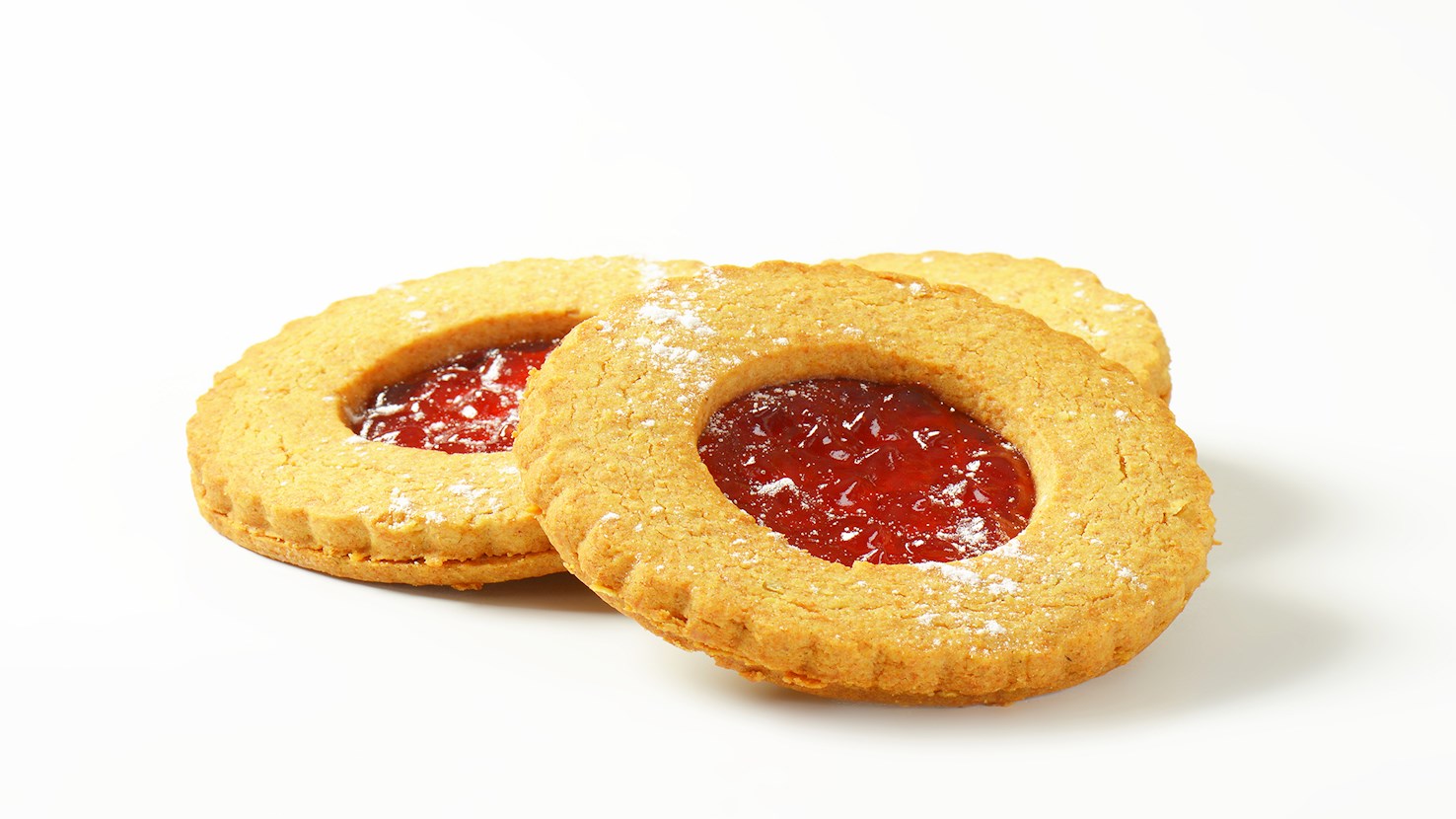
This traditional Italian treat (that is quite similar to the Austrian linzer augen) consists of two classic shortbread butter cookies sandwiched with a delicious fruit jam filling—typically either apricot, strawberry, or cherry jam. After baking, the cookies are dusted with icing sugar which makes the red filling pop, indeed resembling an occhio di bue, or "bull's eye" in Italian. These cookie sandwiches have become ubiquitous in Italy and can be found in virtually any pastry shop, although they are most prevalent in northern parts of the country. However, modern recipes often include almond meal, while the jam is sometimes substituted with chocolate or Nutella.
Amaretti, the famous Italian almond cookies are so popular in their homeland that almost every region has their version of the recipe, using different proportions and combinations of the basic ingredients: sweet and bitter almonds, apricot kernels, eggs, and sugar. The crispy variant of this cookie is world-famous, but the small town of Sassello in Liguria is renowned for its round-shaped, very soft and chewy amaretti, with an almost marzipan-like interior, due to a very high percentage of almonds in the dough.
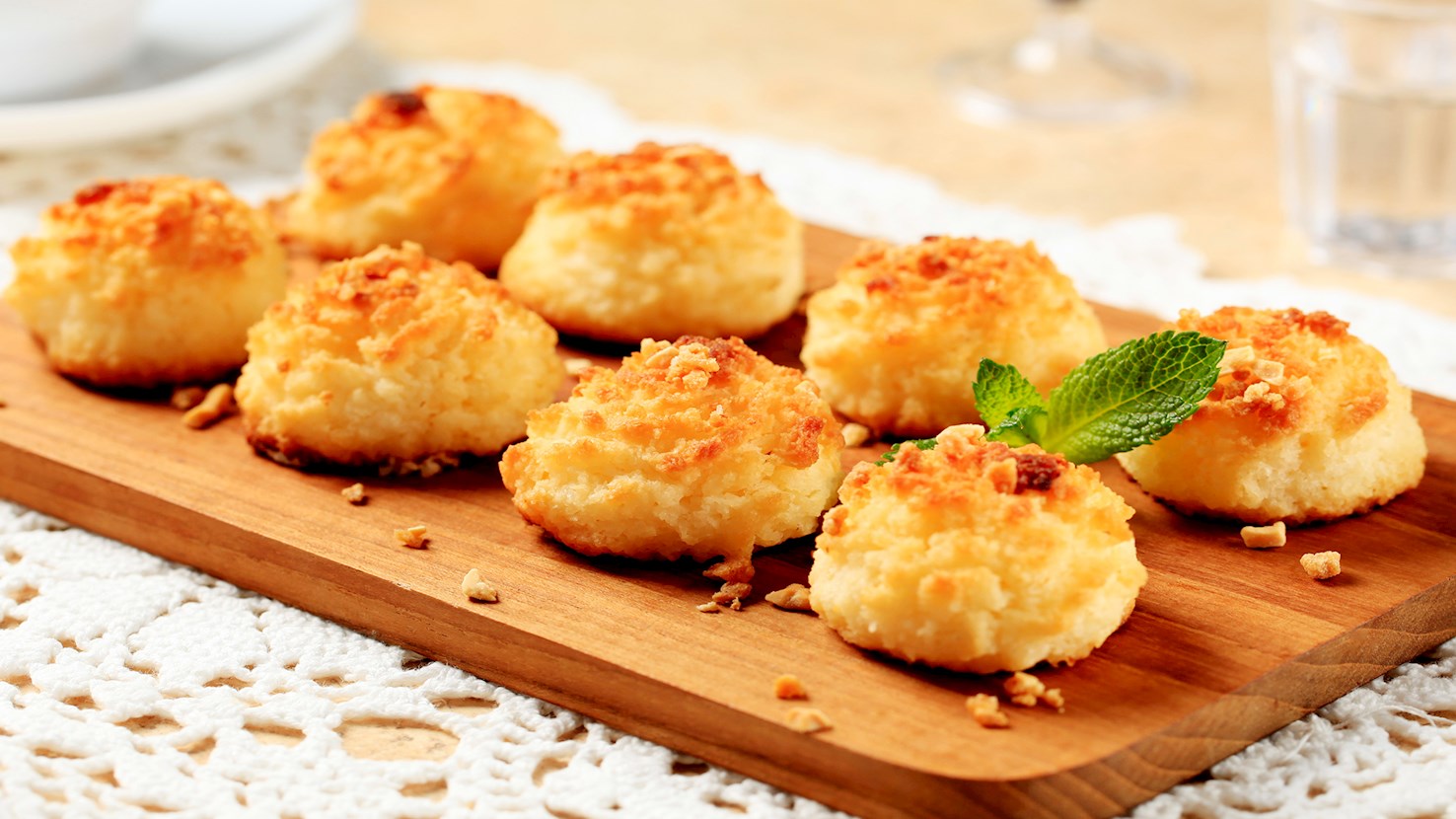
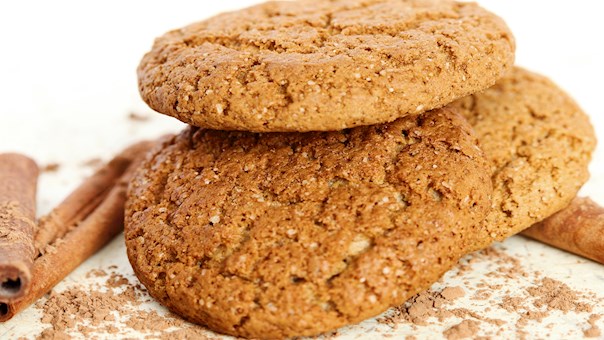
These crumbly, buttery cookies use coconut as the star ingredient. The dough is prepared with a combination of eggs, sugar, butter, and grated coconut, and when combined, it is usually rolled into balls or flat discs. Biscotti al cocco are baked until golden and crispy and can be served plain or decorated with melted chocolate or powdered sugar.
TasteAtlas food rankings are based on the ratings of the TasteAtlas audience, with a series of mechanisms that recognize real users and that ignore bot,
nationalist or local patriotic ratings, and give additional value to the ratings of users that the system recognizes as knowledgeable.
For the “31 Biscotti Varieties Ranked From the Best To the Worst” list until May 22, 2026, 768,607 ratings were recorded, of which 496,938 were recognized by the system as legitimate.
TasteAtlas Rankings should not be seen as the final global conclusion about food. Their purpose is to promote excellent local foods,
instill pride in traditional dishes, and arouse curiosity about dishes you haven’t tried.