M.B.

Top 90 Western European Bloomy Rind Cheeses

Last updated on June 05, 2026

Best Western European Bloomy Rind Cheese Types
01

Saint-Félicien

4.4 ·

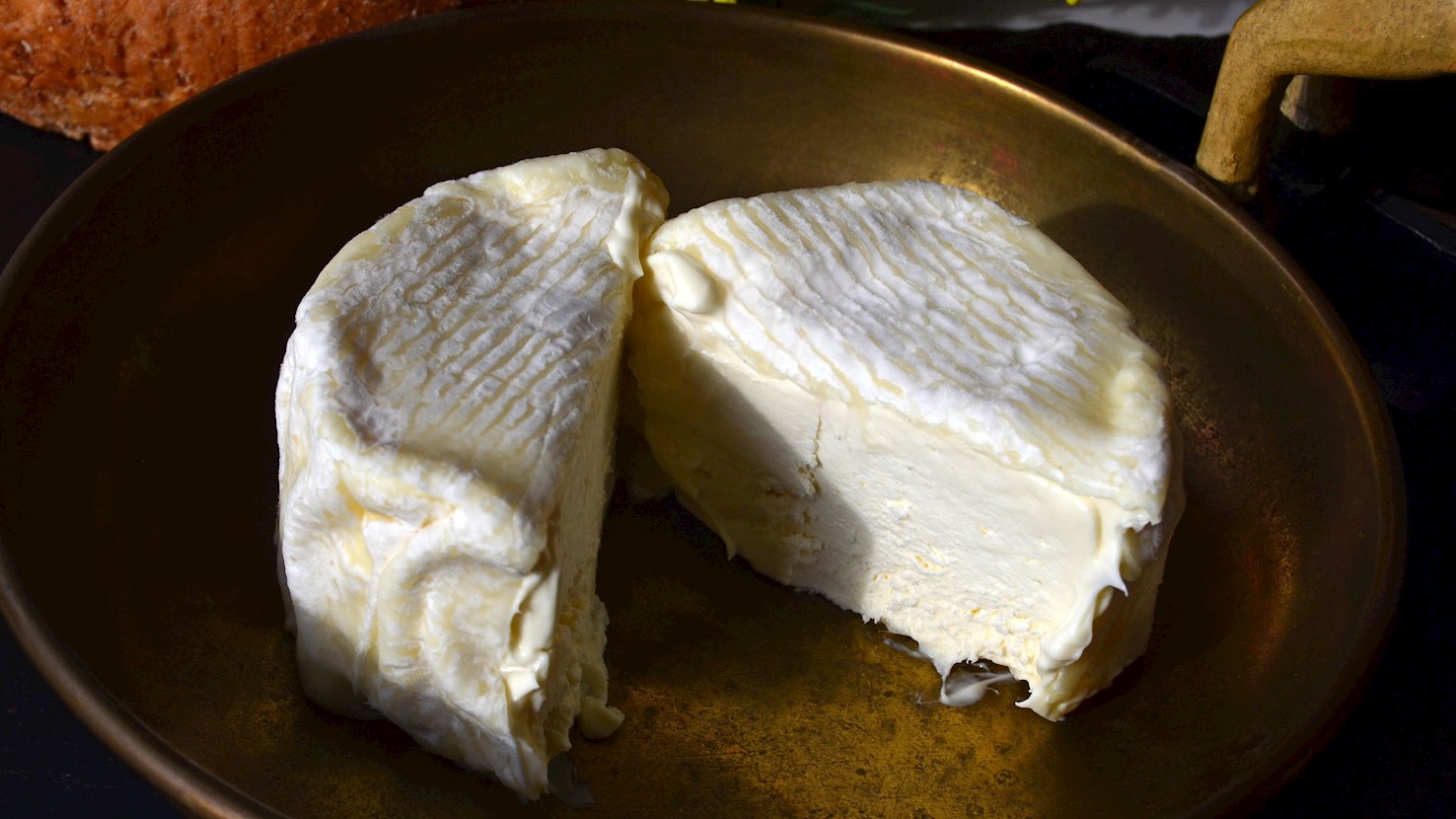
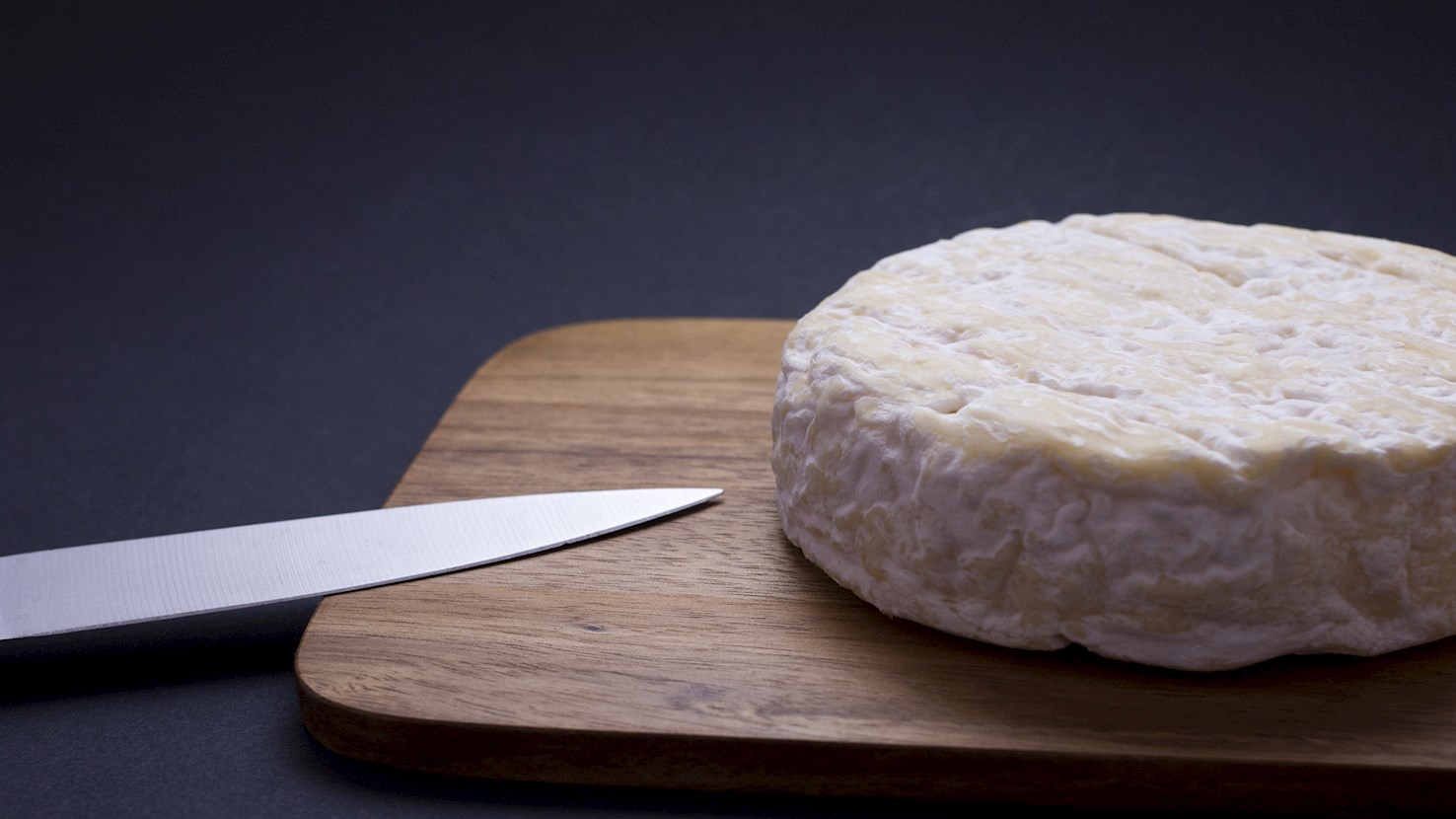
Saint-Félicien is a soft French cheese originating from the region of Rhône-Alpes. The cheese is made from cow’s milk and has a creamy texture, while its flavor can be described as fruity, sour, nutty, and buttery. During the aging process, it develops a bloomy rind with a strong mushroomy aroma which does not really match the flavors of the cheese. Due to its fragile nature, this cheese often comes packaged in small terracotta pots. It is recommended to pair it with crusty baguettes, olives, or a glass of red wine.

02

Saint-André

4.4 ·

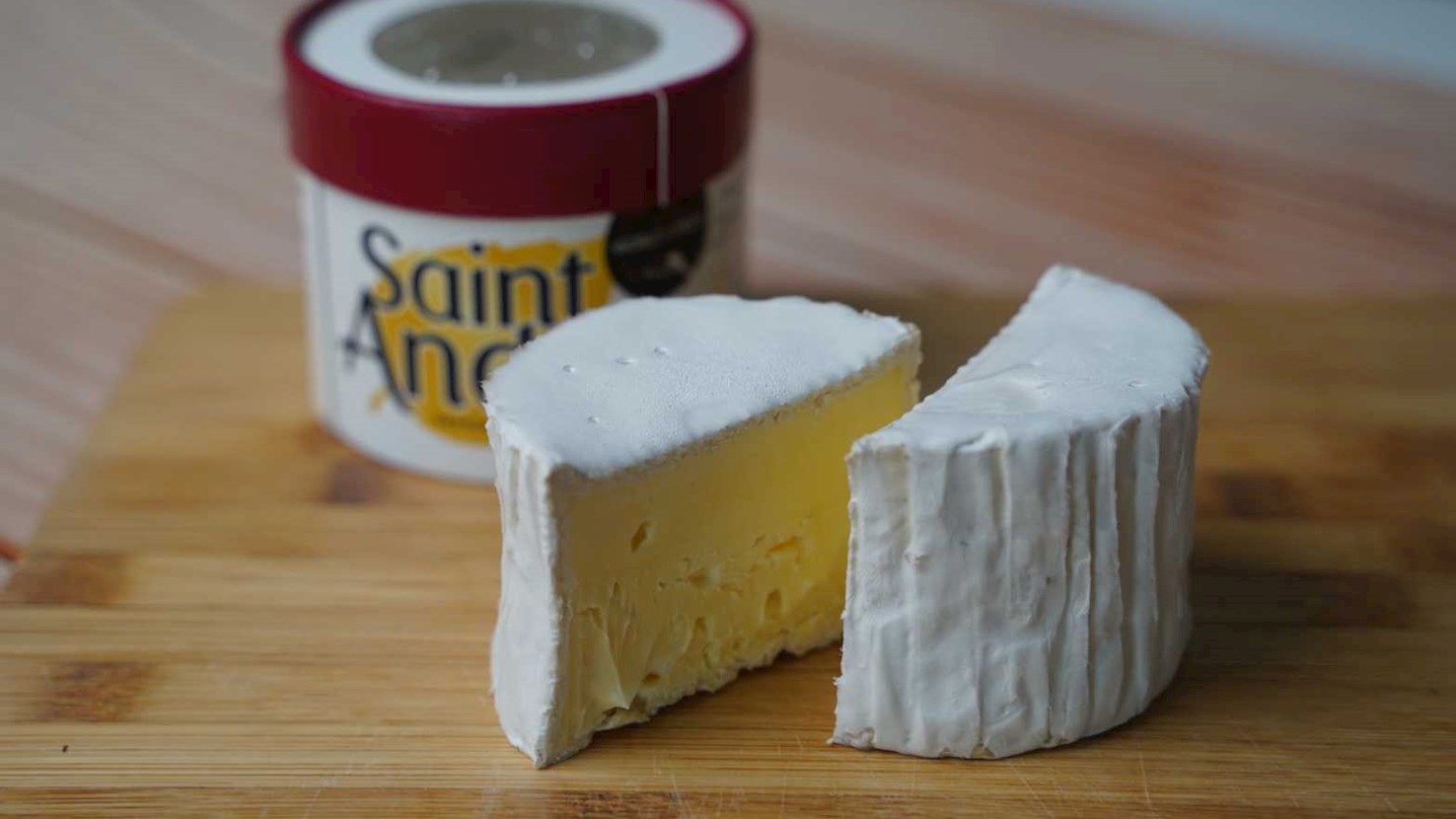
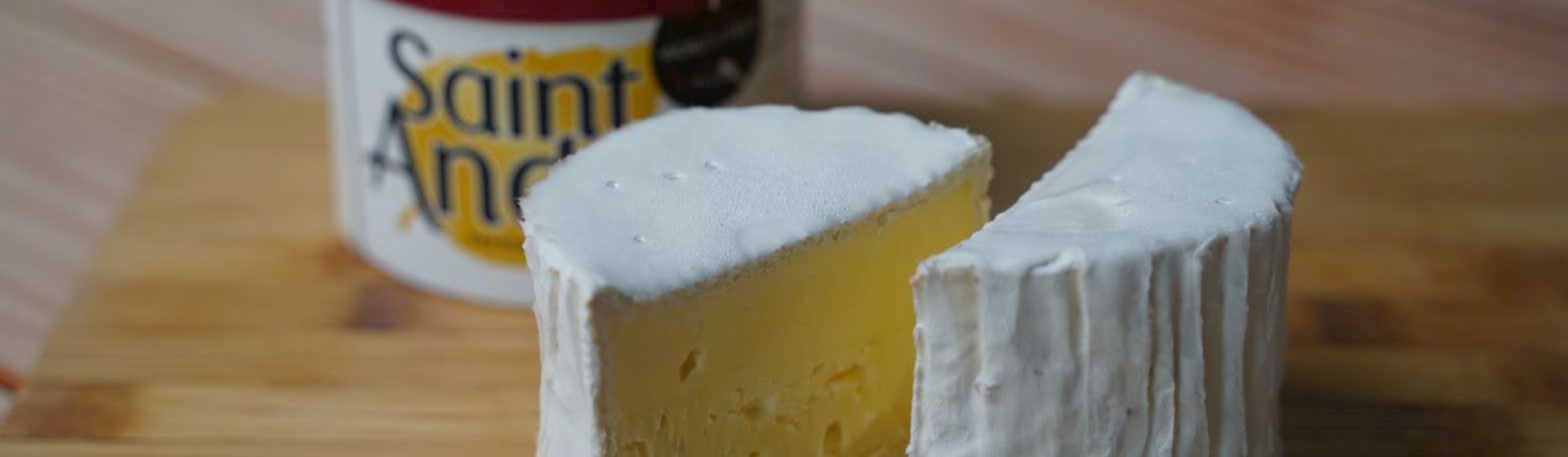
Often called the heavenly cheese, St. André is a French triple-crème cheese made from cow’s milk. It originated from Coutances in the region of Normandy. Underneath its bloomy edible rind, there is a dense, creamy-textured body with mild and rich aromas and flavors which can best be described as sour, tangy, buttery, and salty. Because it is enhanced with the addition of heavy cream, its fat content is quite high - typically 75%. It is recommended to pair it with crusty bread, pear slices, or a glass of light and fruity rosé.

03

Brillat-Savarin

4.4 ·

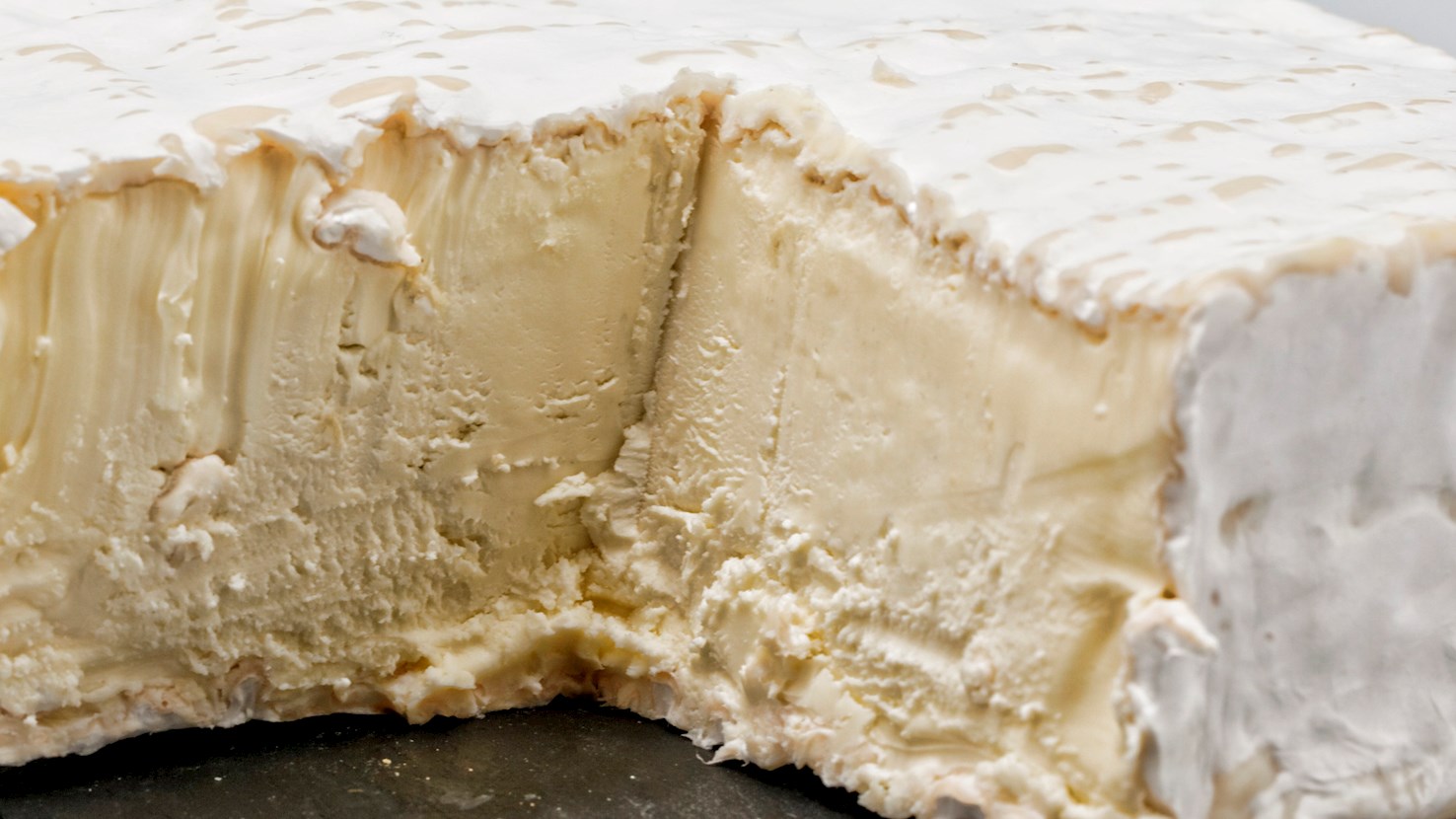
Originally known as Excelsior, Délice des Gourmets, or Le Magnum, this triple-cream cheese was first produced in the late 1800s near Forges-les-Eaux, Normandy. In the 1930s, to pay homage to an 18th-century gourmet Jean Anthelme Brillat-Savarin, the famous French cheesemaker Henri Androuët renamed the cheese to Brillat-Savarin. Available year round throughout Normandy and Burgundy, Brillat-Savarin is a soft, white-crusted cow's milk cheese with at least 75% butterfat, and an edible snowy rind. It is luscious, creamy, and neutral to faintly sour when fresh, but it can develop pronounced earthy flavors with longer aging. Like any other triple-crème cheese, Brillat-Savarin is best enjoyed with sparkling wines, and for a nice fruity twist, try pairing it with fresh berries.

04

Brie de Melun

4.3 ·

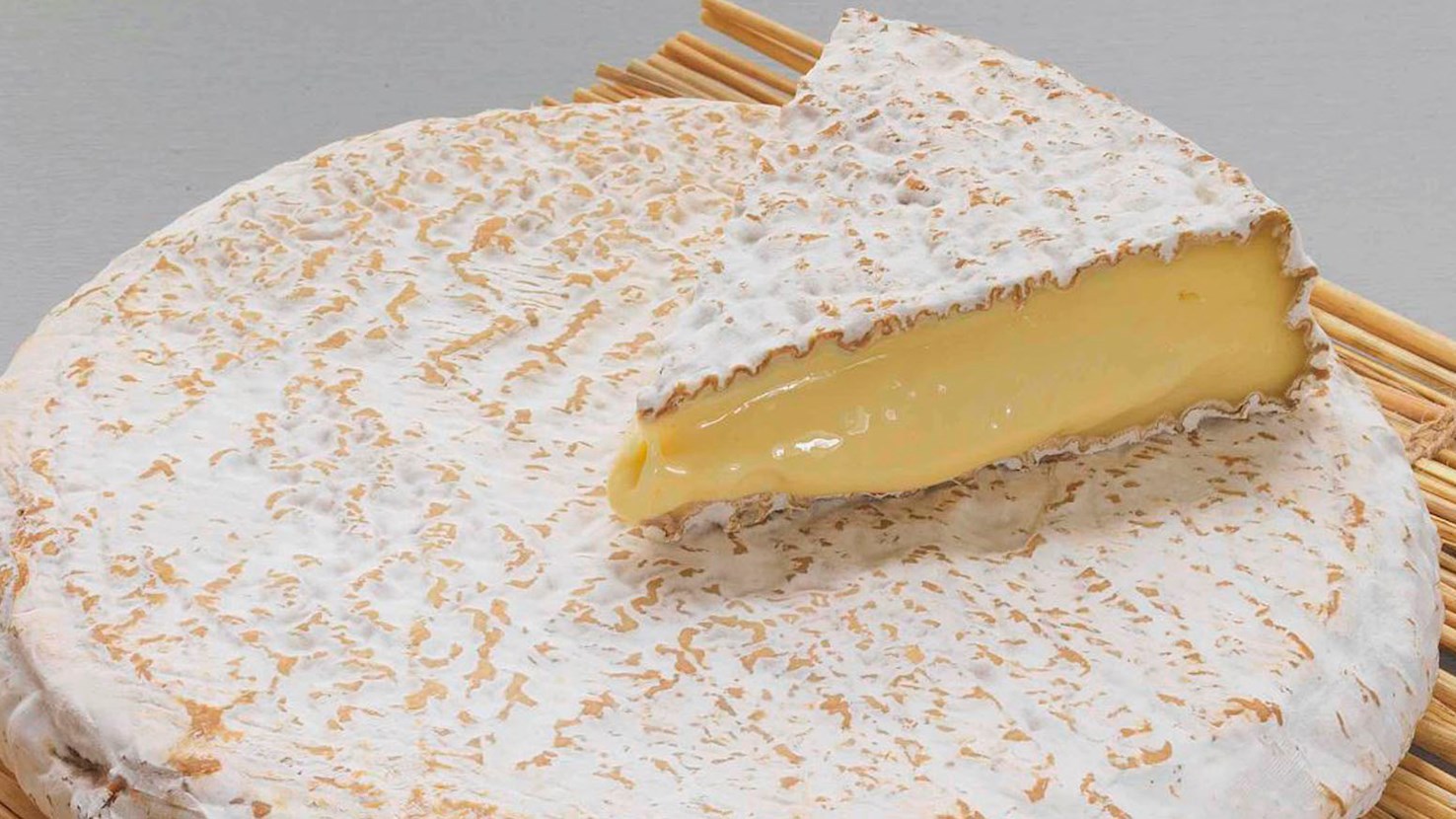
Brie de Melun is a soft, flat-formed cheese made from unpasteurized cow's milk in the areas of Aube and Yonne and the Brie region of Île-de-France. This Brie is even smaller than its widely popular cousin Brie de Meaux and it is also stronger and saltier in taste. Its body is golden yellow and has a white, moldy rind with dispersed reddish strokes. Brie de Melun needs more time to be produced than Brie de Meaux, and it also matures for quite a longer period (4-8 weeks). The flavor of the cheese is fruity, musty and reminiscent of straw. It goes well with bread, pears and lighter red wines that will not overpower the delicate flavors of Brie de Melun.

05

Selles-sur-Cher

4.2 ·

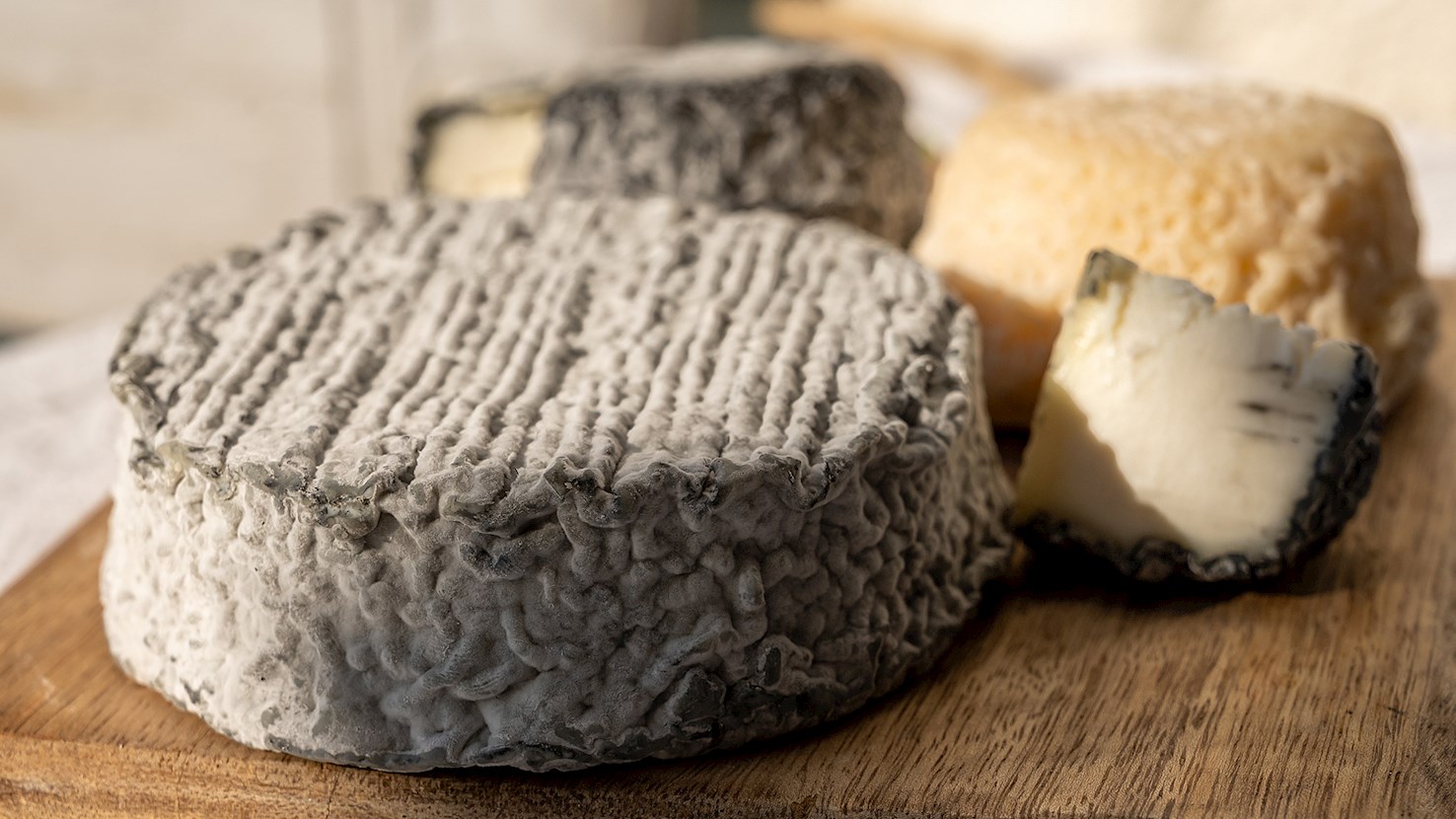
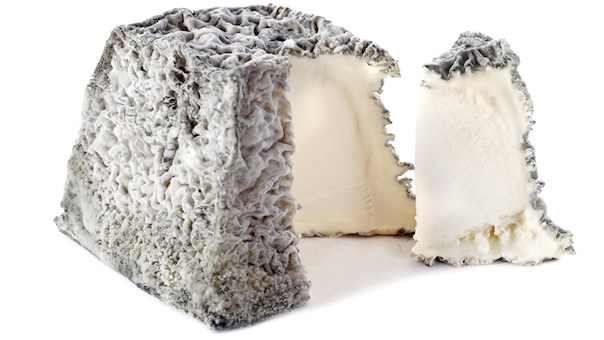
Selles-sur-Cher is a soft cheese made from full-fat goat's milk, dusted with wood ash to develop a unique rind with strong mineral notes. It is produced in Western Sologne including the Cher region in France. The word 'Selles' refers to the shape of the cheese, that is, a disk. The texture is that of moist clay and the flavor of the body tastes salty, goaty, nutty, and grass-like. The more mature it is, the more its nutty flavor is pronounced. If the rind is eaten together with the cheese, it produces a more intense, sharper flavor due to the ash remnants and mold. It goes well with white wines, like most goat cheeses usually do, and it is perfect for the end of a meal, served in salads or with sliced fruit such as apples or pears.

06

Délice de Bourgogne

4.2 ·

Délice de Bourgogne is a French triple crème cheese originating from the region of Burgundy, hence the name. The cheese is made from cow’s milk and butterfat, and it has a fat content of 75%. Its texture is smooth and creamy, while the flavors are tangy, tart, salty, buttery, and mushroomy. The rind is white, bloomy, and quite pungent. It is recommended to serve the cheese on its own or pair it with ciders and white wines.

07

Caña de Cabra

4.1 ·

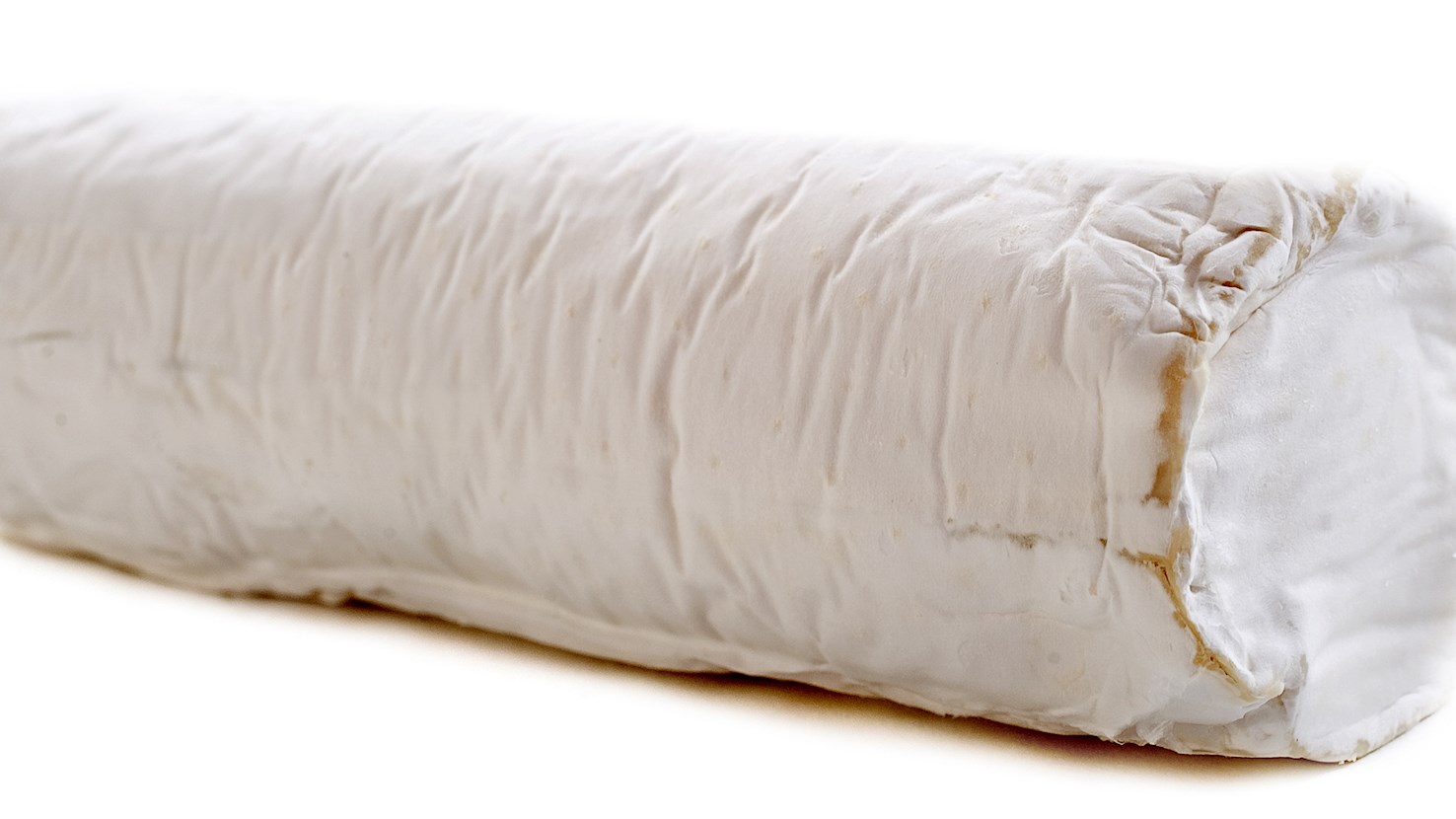
Murcia is a mountainous region known for high-quality goat milk products such as this soft-ripened goat milk cheese log. Young caña is mild and creamy with refreshing lemony notes. As it ages, the cheese gets a sharp and intense flavor with a note of earthiness. Caña de Cabra is typically enjoyed with local honey, figs, and almonds or pine nuts. It is recommended to pair it with crisp white wines.

08

Buche de Chevre

4.1 ·

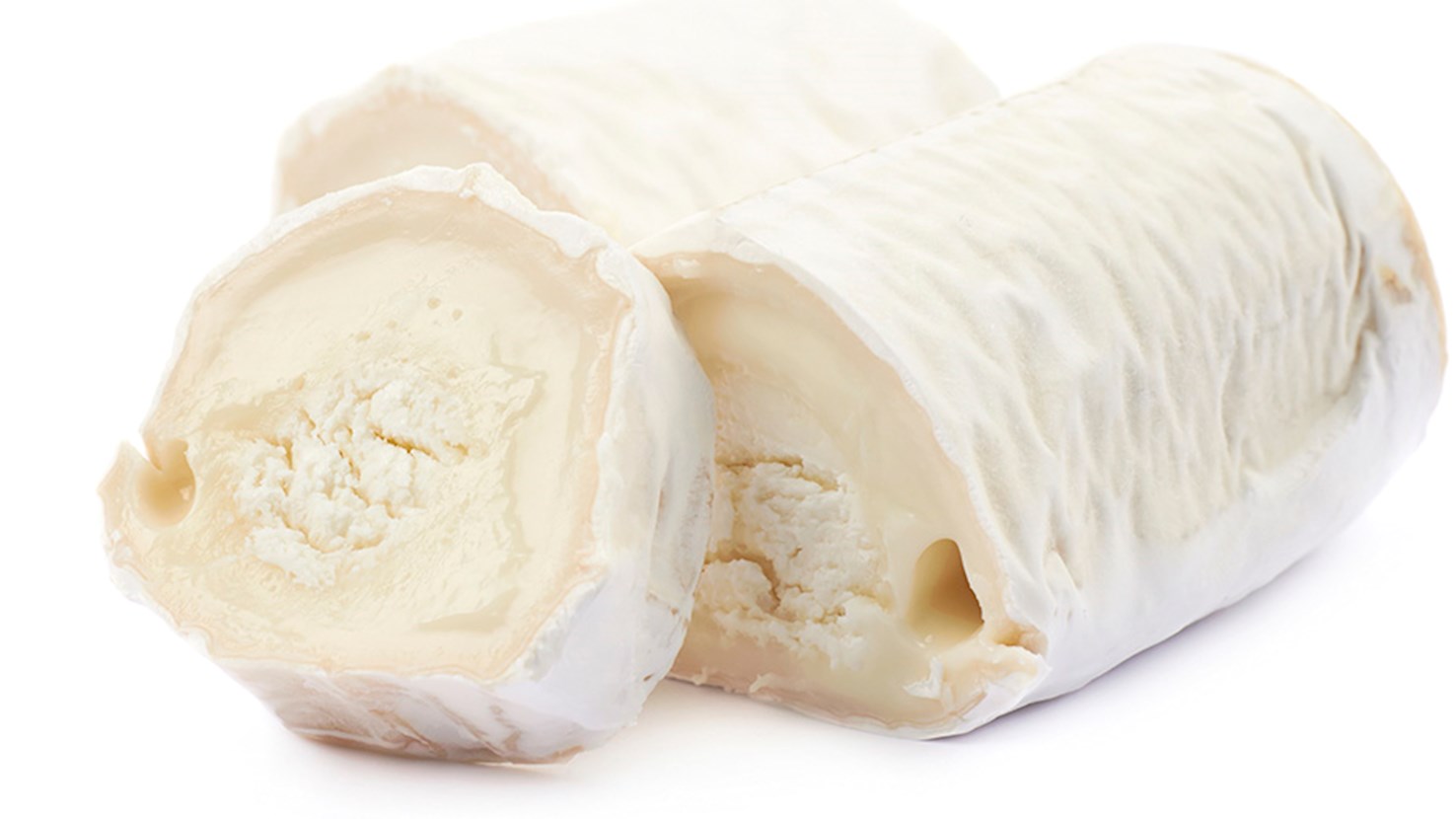
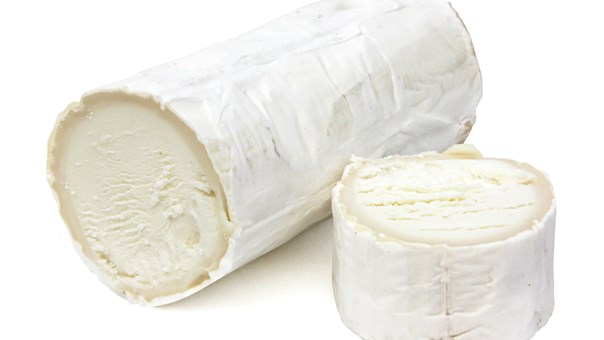
Buche de Chevre is a French cheese originating from the Poitou-Charentes region. Made from goat's milk, this soft cheese has a white color, bloomy rind, and a creamy, flaky texture. The flavors are tangy, earthy, and slightly sweet. The cheese is shaped into a log and it must mature for at least 7 days before consumption. It is recommended to serve Buche de Chevre with crusty baguettes, fruit, or honey. The cheese can also be used in salads and quiches. Pair it with a glass of robust red Bordeaux wine or a glass of crisp white wine from the Loire Valley.

09

Brie de Meaux

4.1 ·

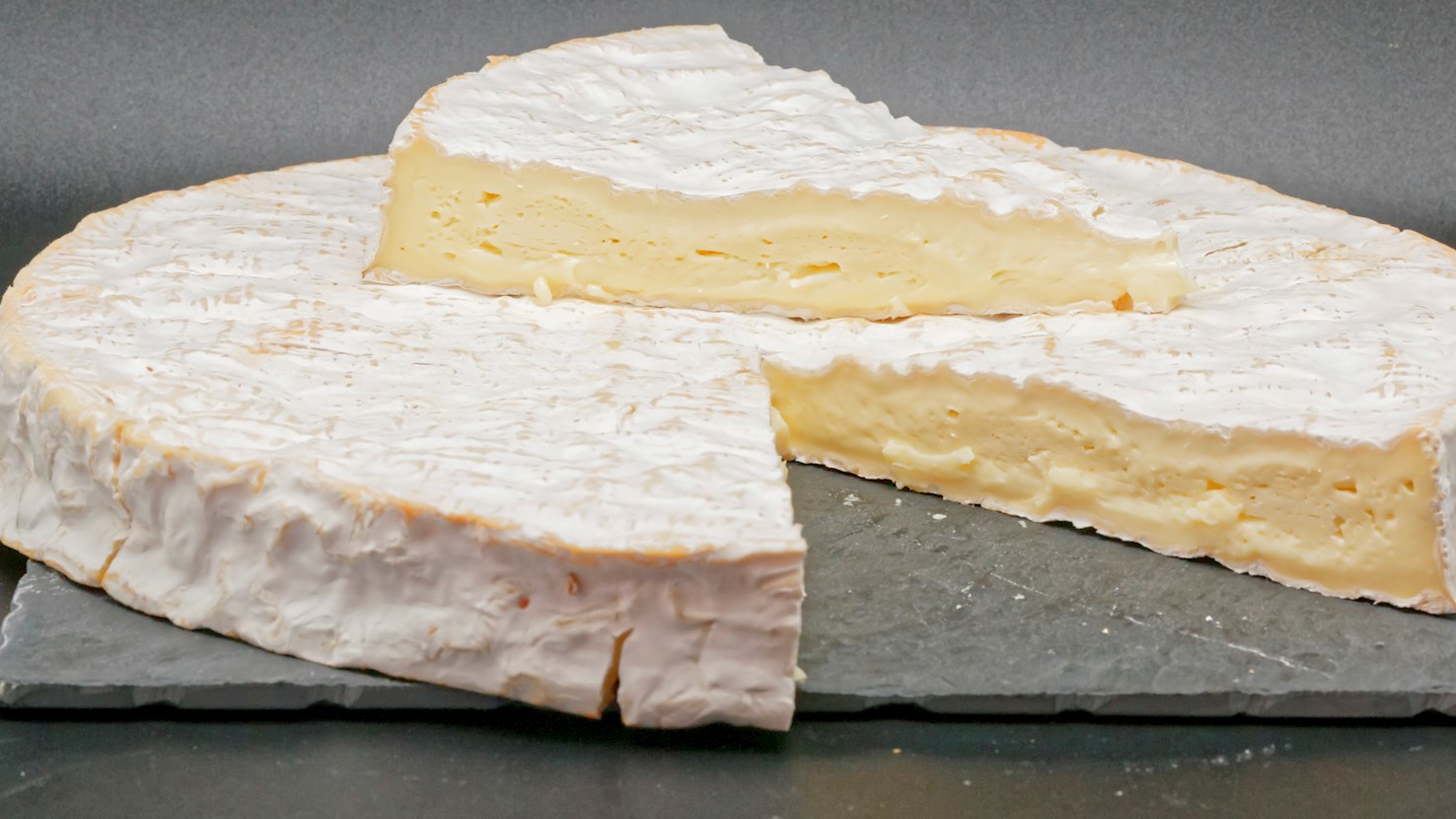
Brie de Meaux is a soft French cheese made from cow's milk. The flat cheese has a delicate rind covered in white mold. It matures in cellars on straw mats in the Île-de-France area near Paris for at least four weeks. This particular variety of Brie is the most famous of all, and in the past, it has been known as the cheese of royalty and well-off people. It is important to let the Brie reach room temperature before consumption in order to fully appreciate its range of flavors - moldy, mushroomy, nutty, and fruity. The cheese is commonly used in French culinary specialties such as Galettes briardes and Bouchées á la reine au Brie. Pair it with Champagne or full-bodied red wines.

10

Camembert de Normandie

4.1 ·

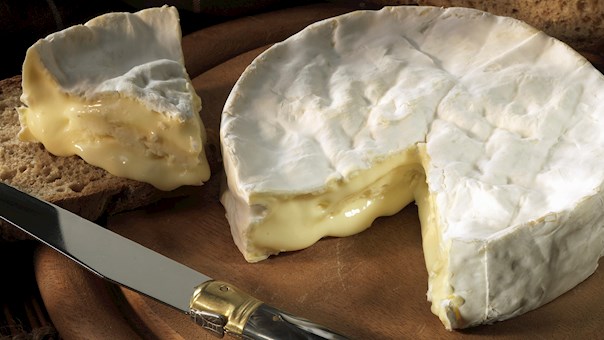
Camembert de Normandie, Normandy's most famous and iconic cheese is made from raw cow's milk and weighs an average of 250 grams. The flavor is intense, pungent and similar to that of mushrooms, grass and butter, while the aroma is moldy and cabbage-like. As one legend says, a farming woman named Marie Harel protected a priest who was on the run and in return, he gave her the recipe for the Camembert we know today. The cheese is ladled into molds by hand, dry-salted, then matured for 30 to 35 days. Its body is soft and creamy while its exterior is covered with a white, moldy rind. Camembert is usually packed in a small wooden box, to prevent the running and spilling of its gooey interior. It is best to try it with sliced apples, crusty baguettes, hard ciders or even in desserts.

Best Western European Bloomy Rind Cheeses
01

E. Graindorge Fromagerie

4.5 ·
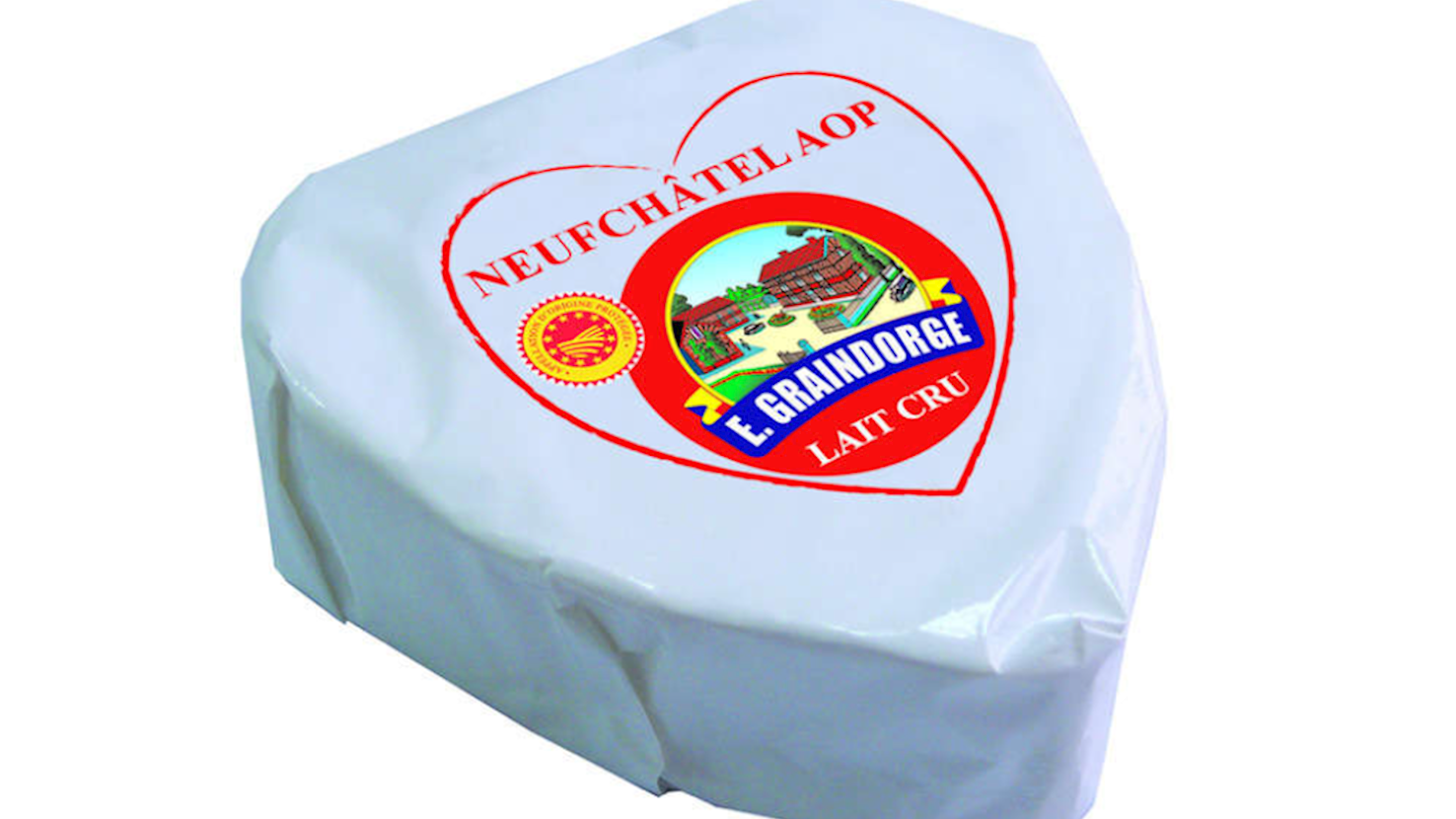
Fromagerie E. Graindorge is a renowned cheese dairy located in Livarot, in the heart of the Normandy region of France. Founded in 1910 by Eugène Graindorge, this family-run business has, over generations, become synonymous with the production of traditional Norman cheeses with Protected Designation of Origin (PDO) status. The dairy sources its milk exclusively from local producers, collecting it from around one hundred farms that raise Normande cows, known for their high-quality milk ideal for cheesemaking. Despite modernizing its operations, Graindorge remains committed to traditional production methods, preserving the authenticity and rich flavors of its cheeses. Visitors can explore the "Village Fromager," an educational center featuring glass galleries that showcase every stage of cheese production, from milk reception to packaging. The tours include informative panels, video presentations, and interactive activities, and conclude with a cheese tasting in the on-site shop.
Awards
Concours International de Lyon - Gold (2025)
Read more
View all
View map
About this ranking

TasteAtlas food rankings are based on the ratings of the TasteAtlas audience, with a series of mechanisms that recognize real users and that ignore bot, nationalist or local patriotic ratings, and give additional value to the ratings of users that the system recognizes as knowledgeable. For the “Top 90 Western European Bloomy Rind Cheeses” list until June 05, 2026, 3,035 ratings were recorded, of which 2,446 were recognized by the system as legitimate. TasteAtlas Rankings should not be seen as the final global conclusion about food. Their purpose is to promote excellent local foods, instill pride in traditional dishes, and arouse curiosity about dishes you haven’t tried.

The initial list of top producers was compiled based on available reviews, awards, local recommendations, media and blog coverage, and consumer reviews. The list will be updated with ratings from TasteAtlas local ambassadors and TasteAtlas users.

Similar lists