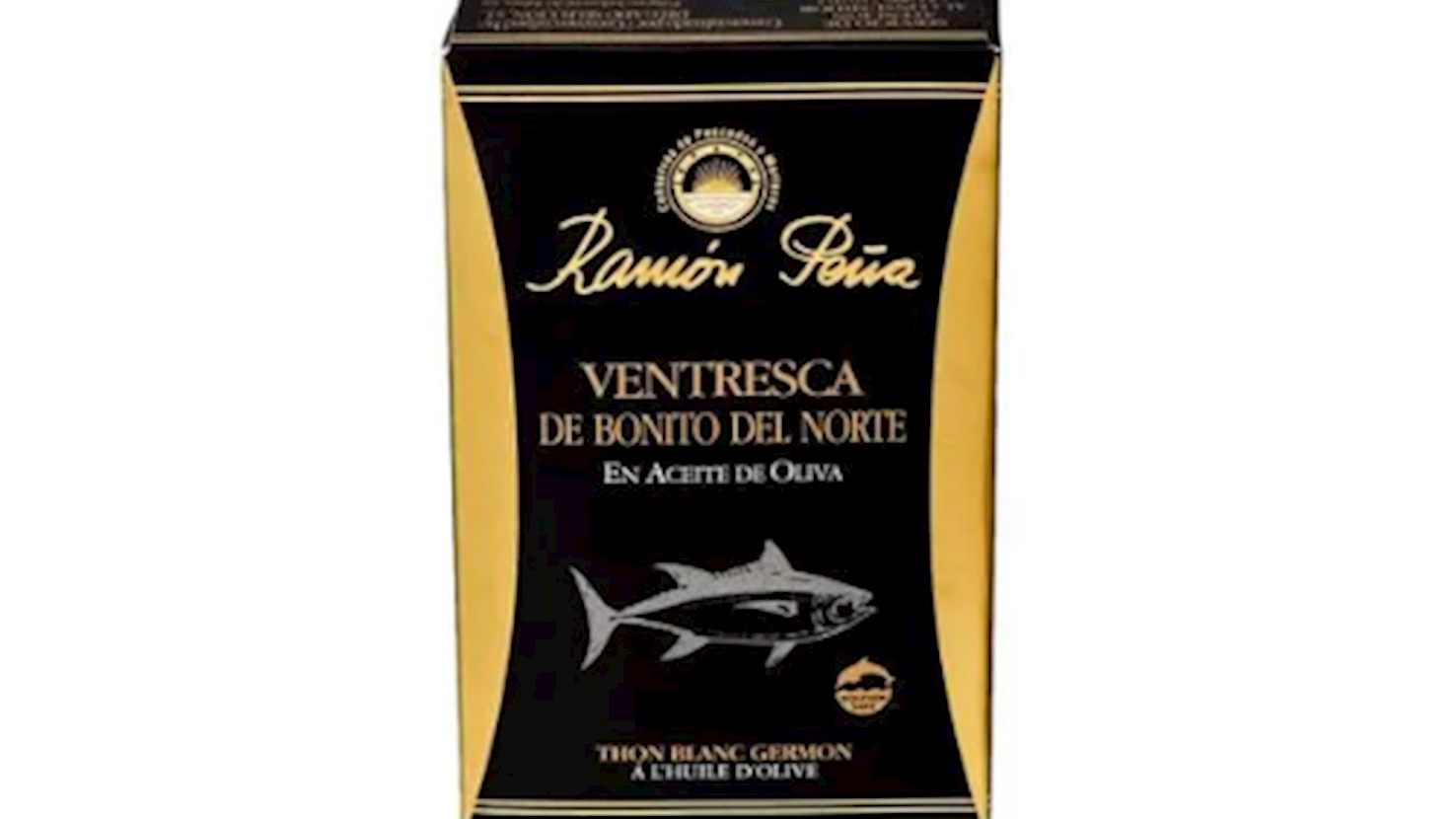
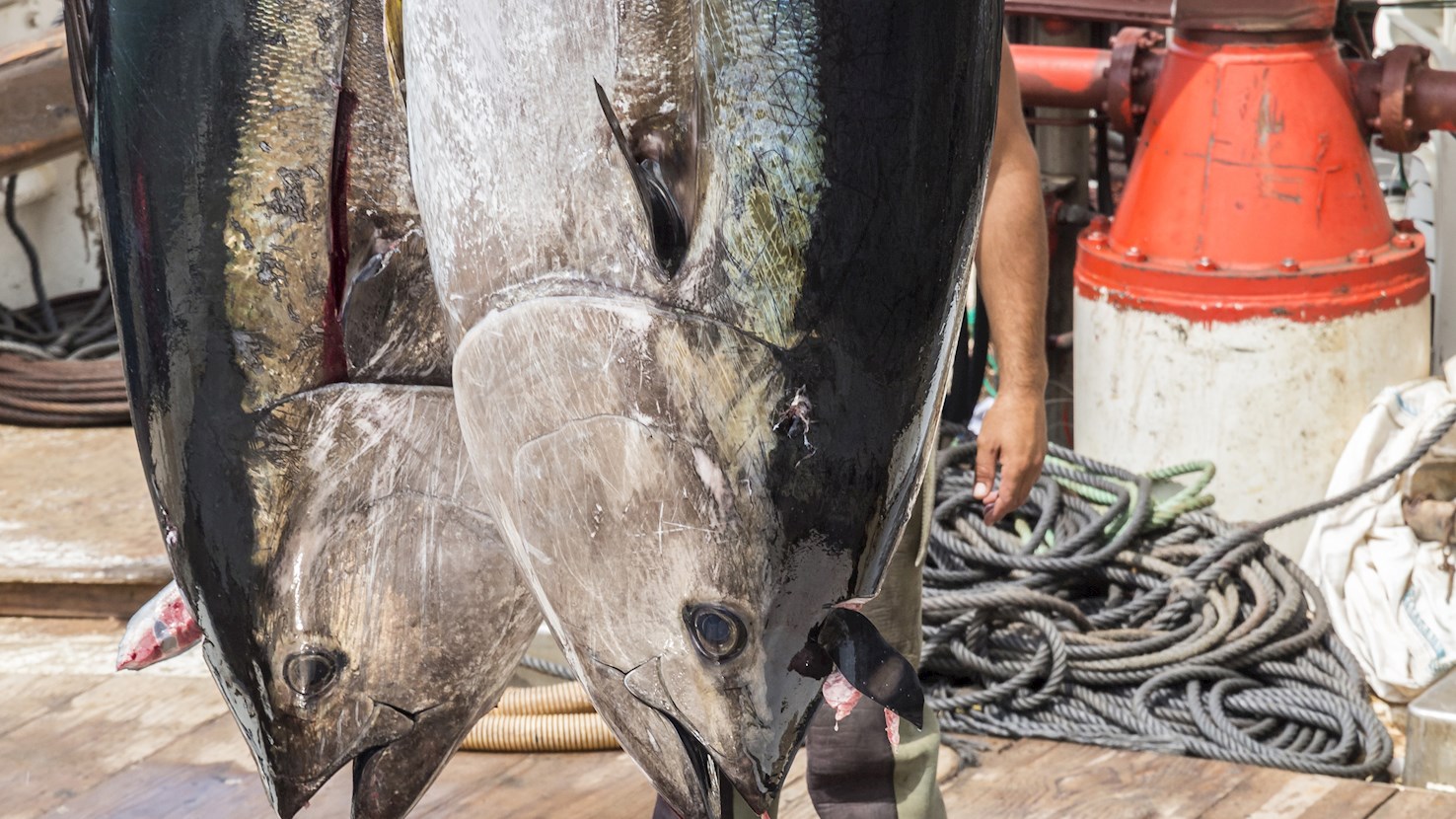
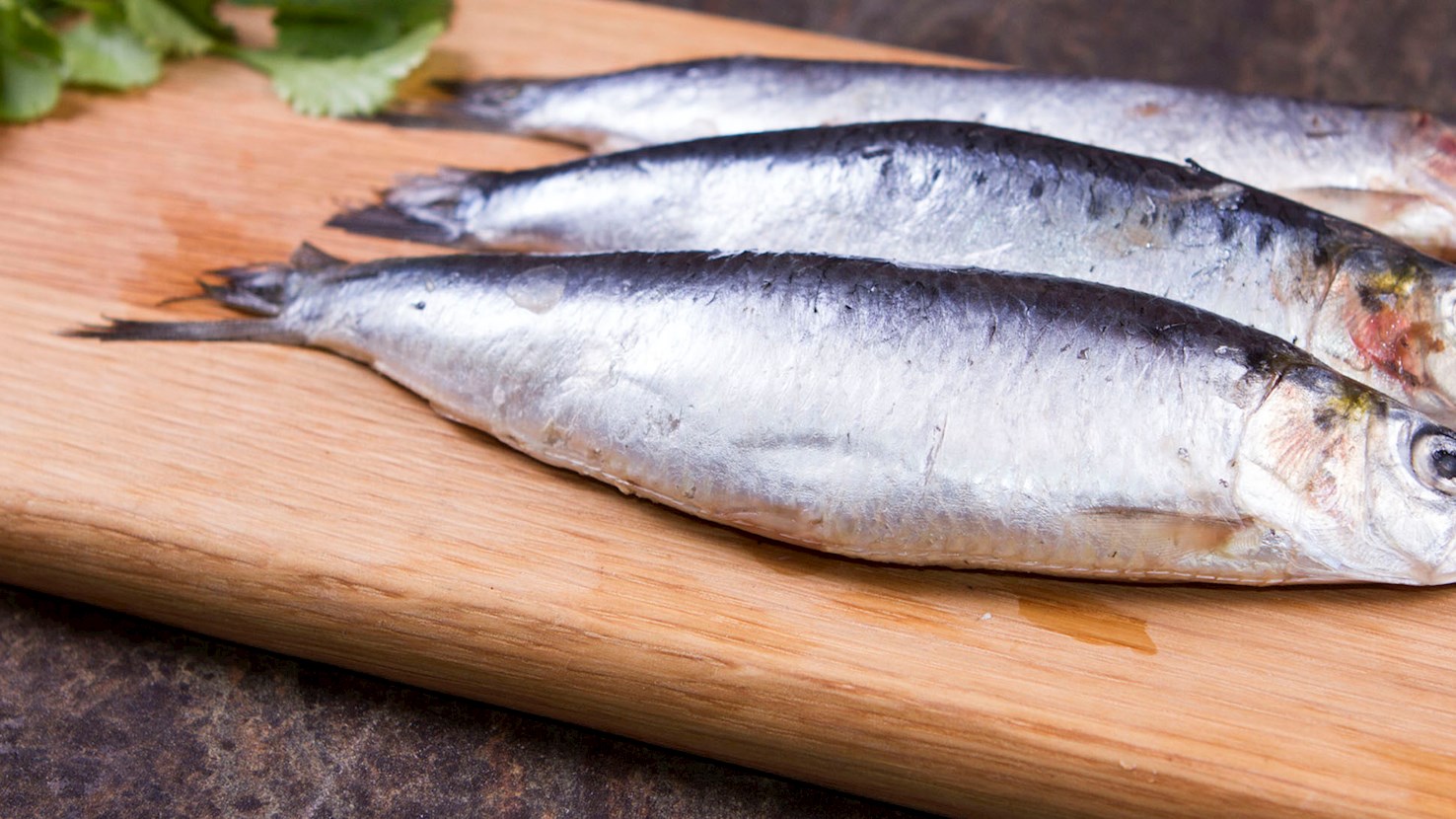
Established in Galicia, Conservas Ramón Peña specializes in gourmet offerings such as mussels, sardines, and tuna, sourced sustainably from the Atlantic Ocean. The brand’s products are hand-prepared and packed, following artisanal methods that enhance natural flavors and texture. Their dedication to quality has made them a top choice for chefs and seafood enthusiasts worldwide. With a focus on flavor and heritage, Conservas Ramón Peña has earned a reputation as a luxury seafood brand representing Spanish gastronomic excellence.
Awards
World's 101 Best Canned Products from the Sea - Top 10 Sardines
(2024)
World's 101 Best Canned Products from the Sea - Top 10 Anchovies
(2024)
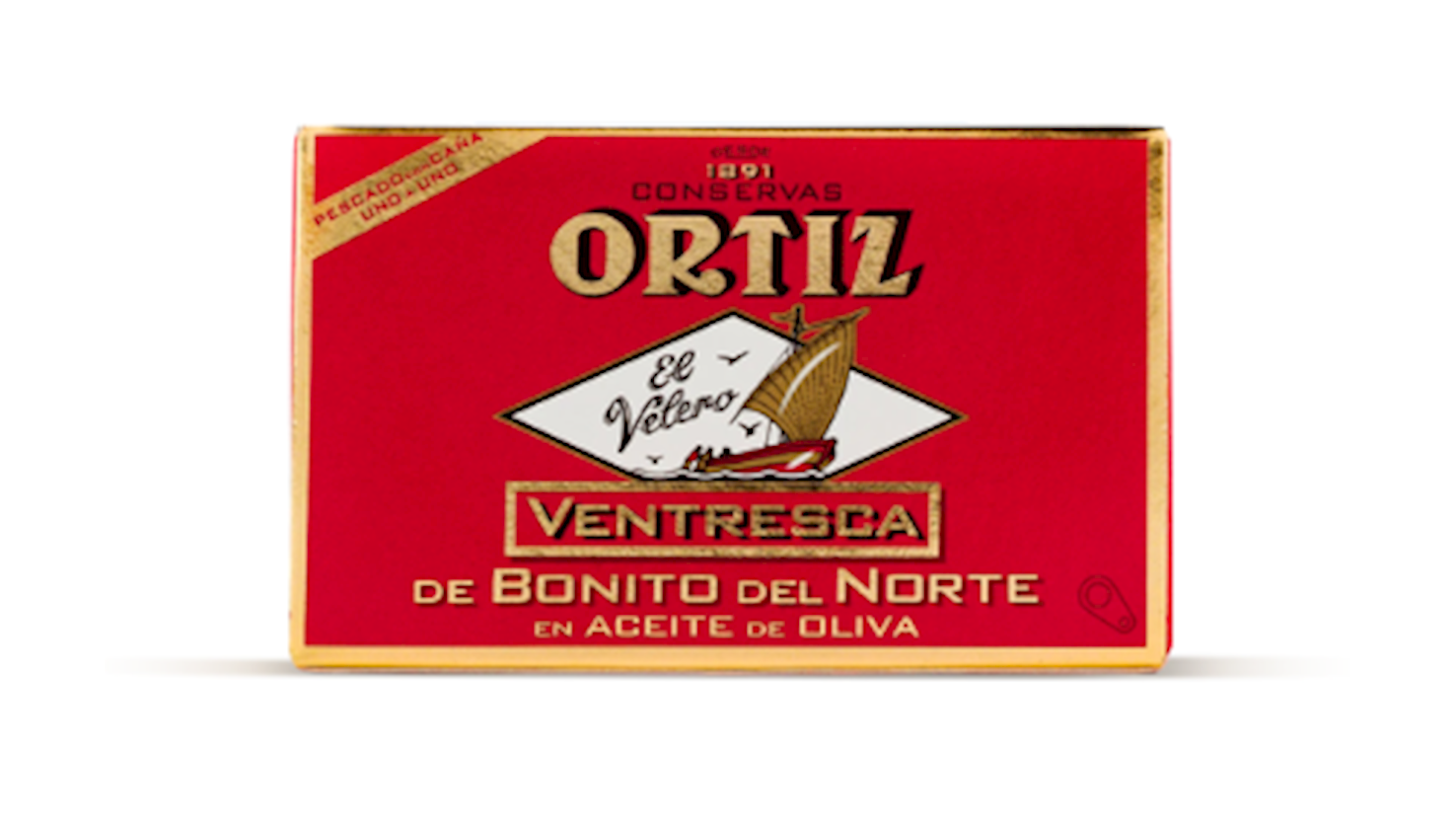
Conservas Ortiz is a prestigious Spanish company specializing in the production of high-quality canned seafood, with over 130 years of tradition. Founded in 1891, the company has become synonymous with top-notch quality and a passion for preserving the best fishing traditions. All products are carefully processed using the oldest and most precise canning techniques, ensuring an unmistakable flavor and a high level of freshness.
Ortiz is best known for its Bonito del Norte, one of the most highly regarded products in the industry. Additionally, their range includes anchovies, sardines, tuna, and other seafood products, all carefully selected and hand-packed to maintain their natural freshness and nutritional value. Many of these products come in eco-friendly packaging, further emphasizing their commitment to sustainability and marine conservation.
Awards
World's 101 Best Canned Products from the Sea - Top 10 Anchovies
(2024)
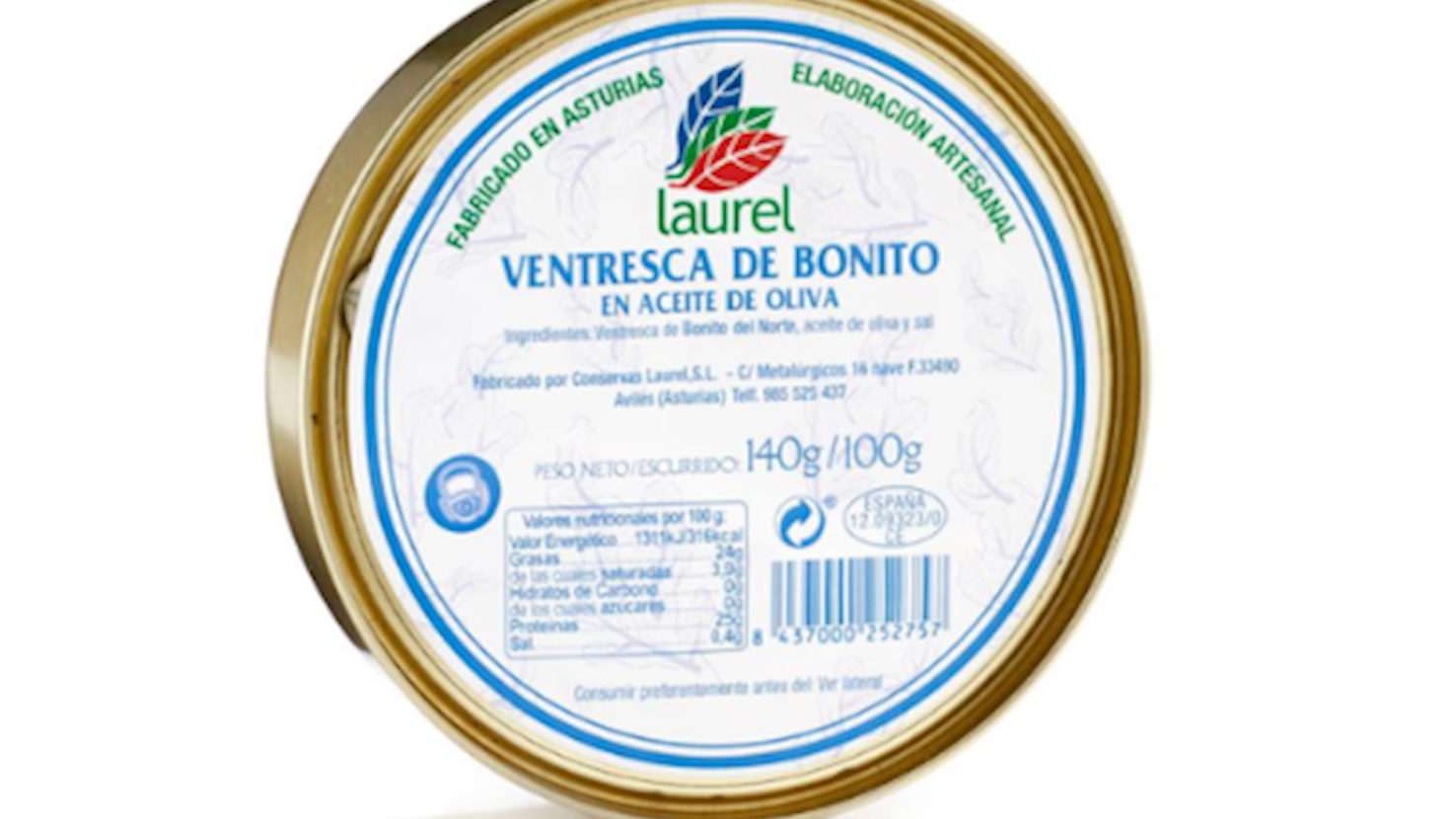
Conservas Laurel is a Spanish producer of canned seafood based in Cantabria, a region with a long-standing tradition of fish preservation and high-quality conservas. The company operates within the premium segment, focusing on carefully selected raw materials sourced from the Cantabrian Sea and processed to retain their natural characteristics. Its production approach combines traditional techniques such as manual cleaning, filleting, and hand-packing with modern quality and safety standards. The product range includes anchovies, bonito del norte, tuna, mussels, clams, and other seafood specialties, with strong emphasis on origin and seasonality of the catch. In the case of anchovies, the process involves salting and controlled maturation over several months, which contributes to a firm texture and a well-developed, balanced flavor. After processing, the products are typically preserved in olive oil or their own juices, ensuring stability without the need for additives. Conservas Laurel is positioned within the gourmet market, where its products are valued for authenticity, traceability, and a low-intervention approach that highlights the quality of the raw ingredients.
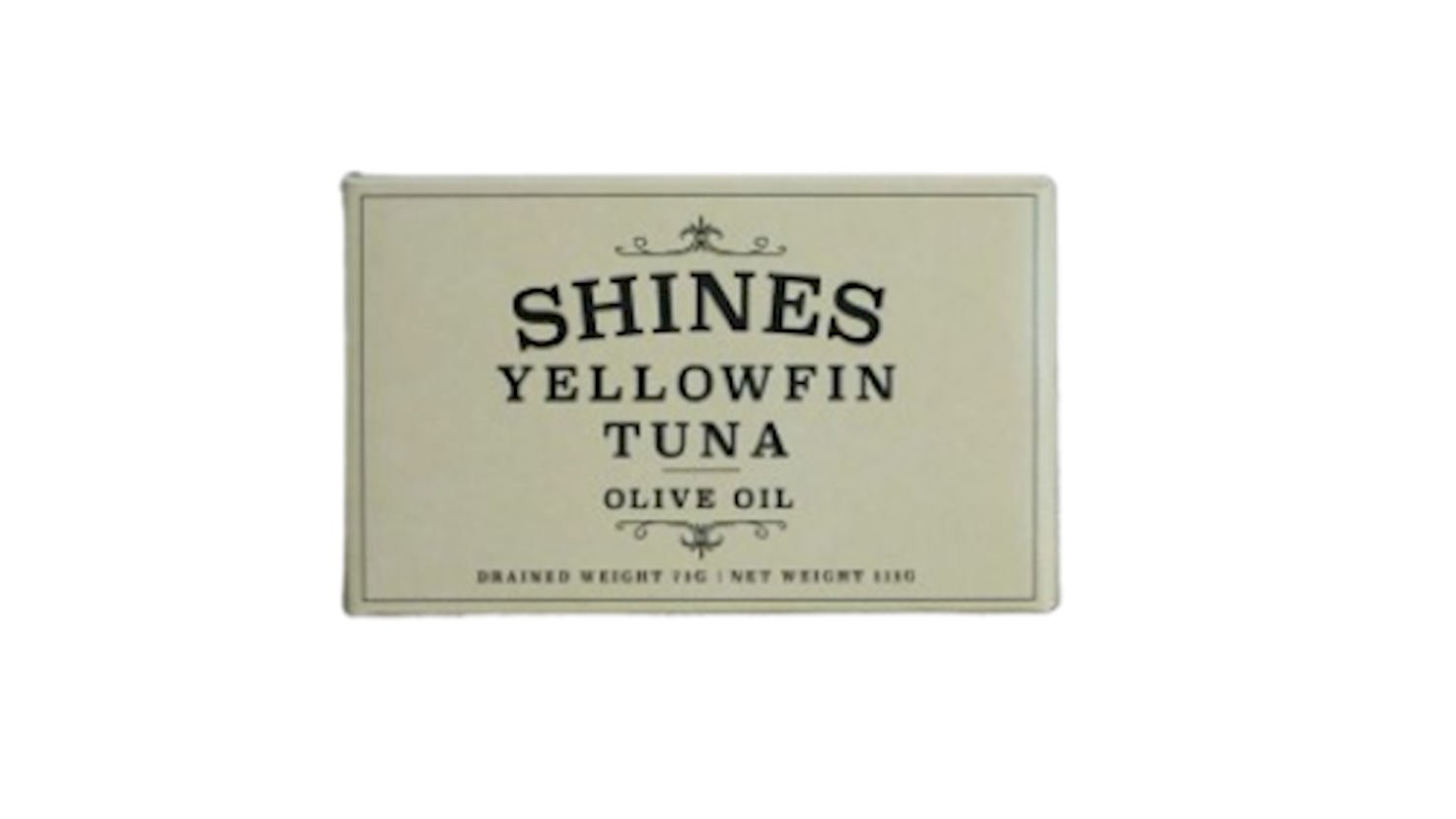
Shines Seafood is a family-run business based in Killybegs, County Donegal, Ireland. Specializing in wild-caught, sustainably sourced seafood, Shines Seafood offers an exquisite range of products, including tuna, sardines and mackerel. Shines Seafood has built a reputation for high-quality, fresh seafood, with products that highlight the natural flavors of Irish waters. Their offerings, such as the famous Shines Wild Irish Tuna, come in a variety of packaging options, including jars of tuna in olive oil and sunflower oil, perfect for both everyday meals and gourmet dishes.
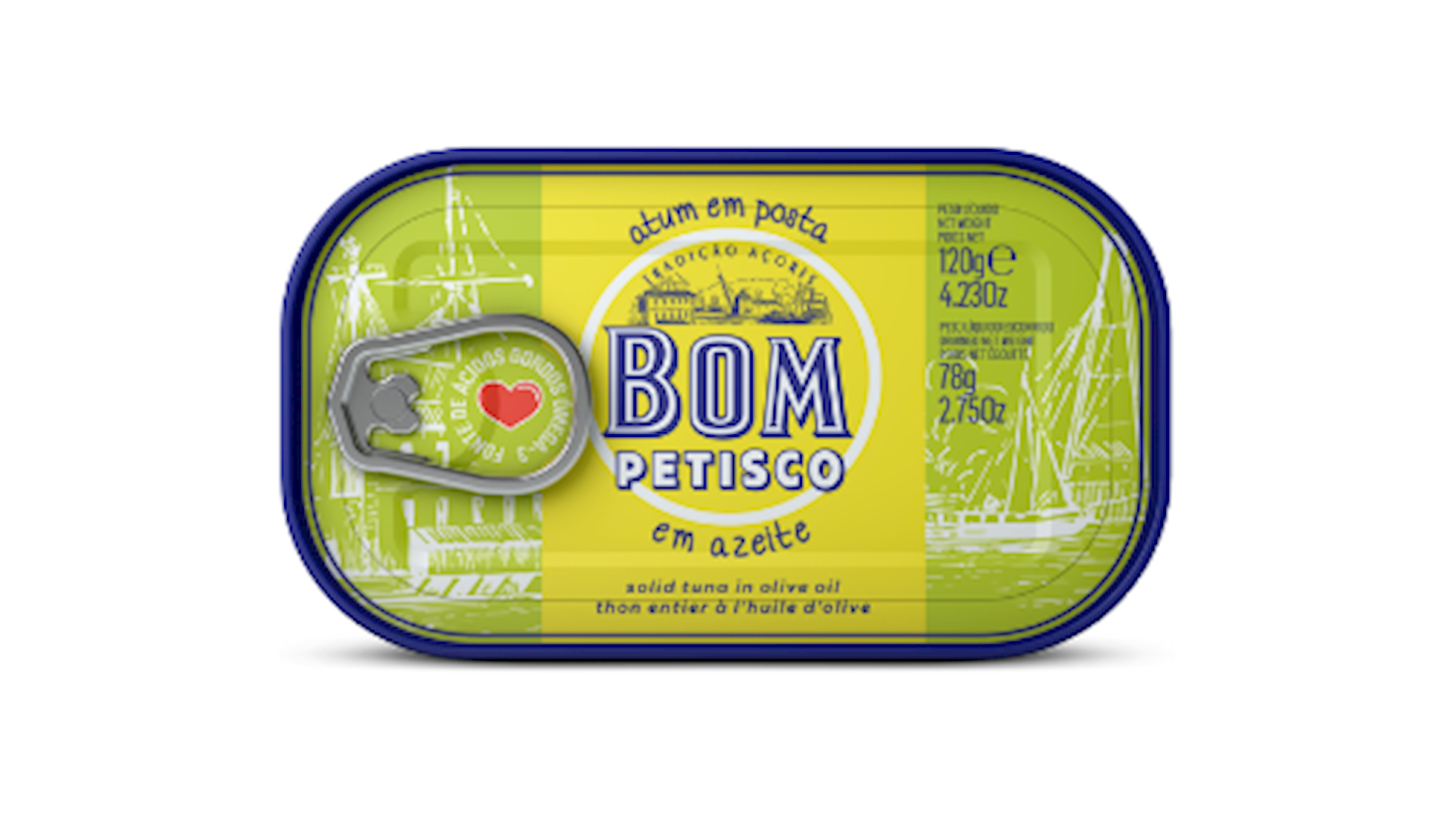
Bom Petisco is one of the most renowned Portuguese canned fish brands, with a tradition spanning over half a century. It was established in 1962 in the Azores archipelago under the umbrella of Cofaco Açores, a leading producer of canned tuna in Portugal. The brand is a symbol of authentic Portuguese gastronomy and the country’s rich “conservas” culture. Its product range is led by tuna offerings - fillets in olive oil, with seasonings like oregano, curry, or chili peppers - as well as sardines in various preparations. The fish is caught in the Atlantic, carefully processed using heat, and canned without artificial additives, preserving full flavor and natural nutritional value. In collaboration with chefs and designers, the brand develops innovative recipes that elevate canned fish to a gourmet level. Bom Petisco is a staple of the Mediterranean diet and is commonly enjoyed in salads, pastas, sandwiches, or as a ready-to-eat meal. Its cans have become a recognizable symbol of Portuguese culinary lifestyle. Today, Bom Petisco is present in many international markets, serving as an ambassador of Portuguese quality and taste.
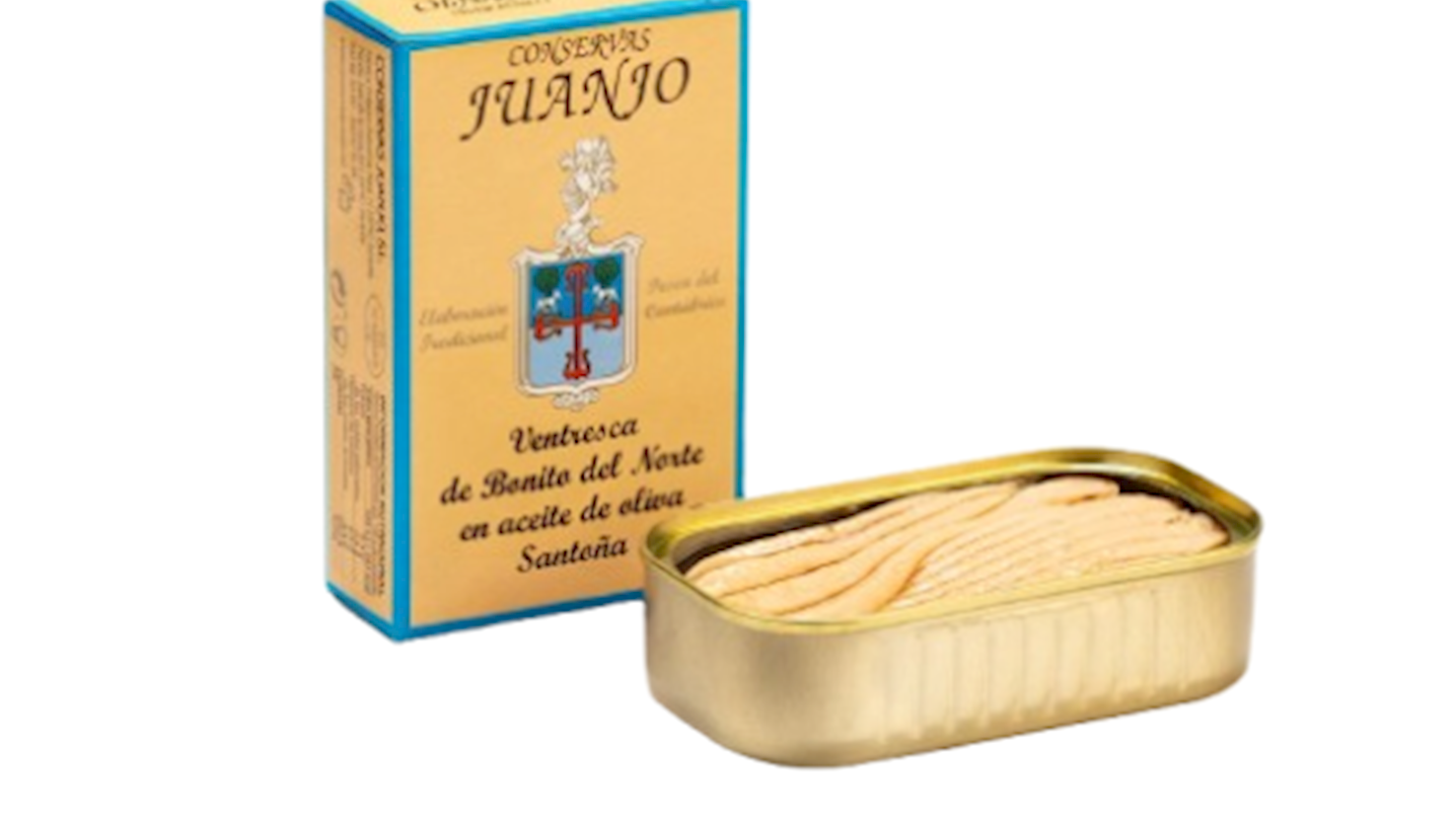
Conservas Juanjo is a family-owned company based in Santoña, Cantabria, a region widely regarded as one of the main centers of anchovy production in Spain. Founded in 1989, the company was established with the aim of preserving traditional, small-scale canning methods in a sector increasingly shaped by industrial production. Its core range focuses on Cantabrian anchovies and bonito del norte tuna, both processed using artisanal techniques that rely heavily on manual work. Fish is cleaned, filleted, and packed by hand, allowing for greater control over texture and consistency. Raw materials are sourced from the Cantabrian Sea, known for its high-quality catches, and processed in a way that maintains the natural characteristics of the fish. The company deliberately operates on a limited production scale, prioritizing quality over volume. Today, Conservas Juanjo is positioned within the premium segment of canned seafood, defined by its emphasis on origin, craftsmanship, and continuity of traditional methods.
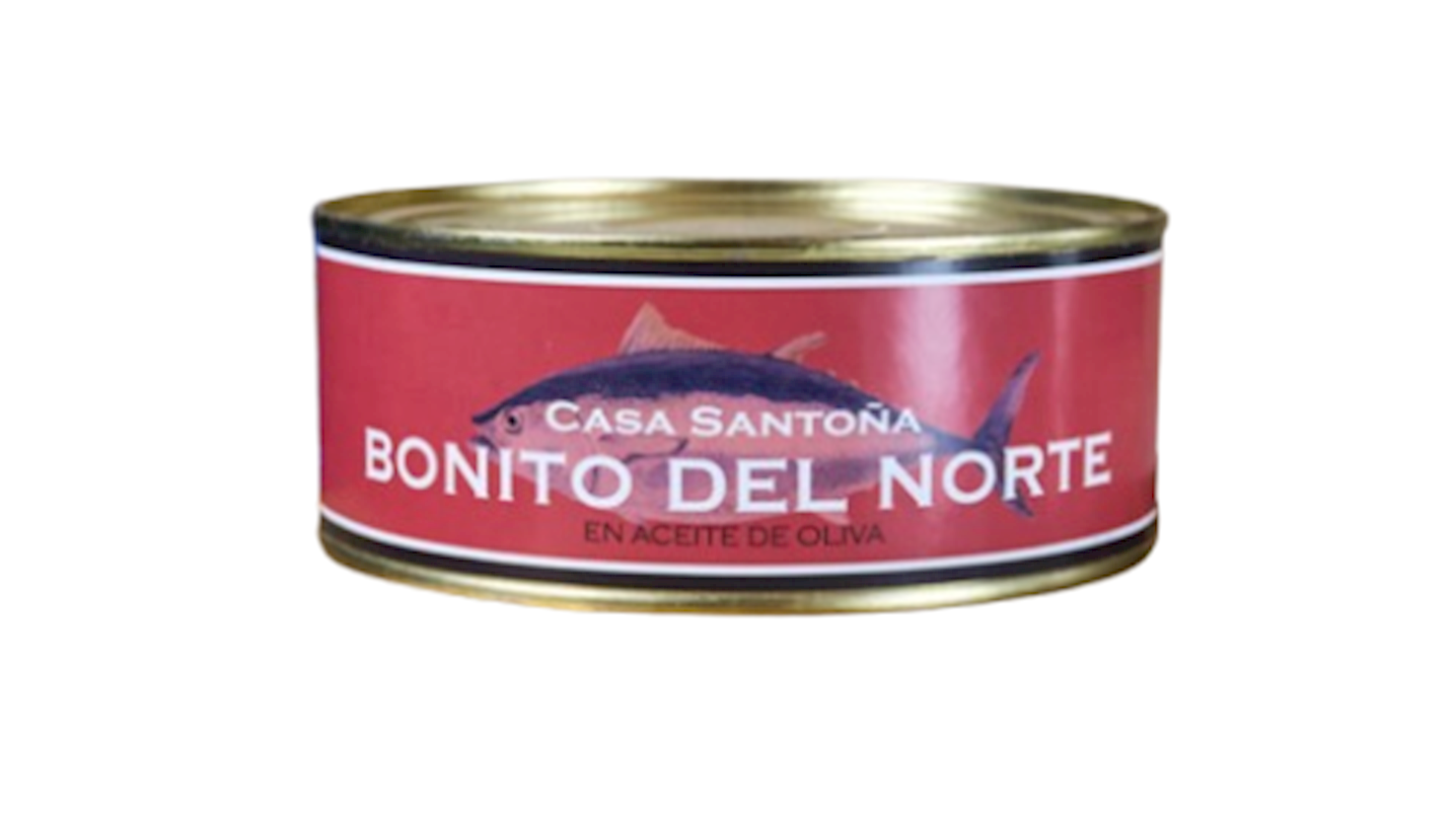
Casa Santoña is a Spanish producer of gourmet seafood products, particularly known for its anchovies sourced from the Cantabrian Sea. The brand is inspired by the long tradition of fish preservation in the coastal town of Santoña in northern Spain, historically one of the main centers of anchovy processing. Casa Santoña focuses on high-quality raw materials and combines modern facilities with traditional techniques to prepare its products. Anchovies are carefully selected and undergo a maturation process before being cleaned and filleted by hand to achieve a refined texture and balanced flavor.
The company’s portfolio includes a wide range of seafood delicacies such as Cantabrian anchovies in olive oil, salted anchovies, smoked fish products, seafood preserves and tapas-style specialties. Many of these products are prepared using traditional methods that emphasize the natural flavor of the fish and the quality of the ingredients. By combining artisanal processing with modern quality standards, Casa Santoña has positioned itself as a producer of premium seafood preserves within Spanish gastronomy.
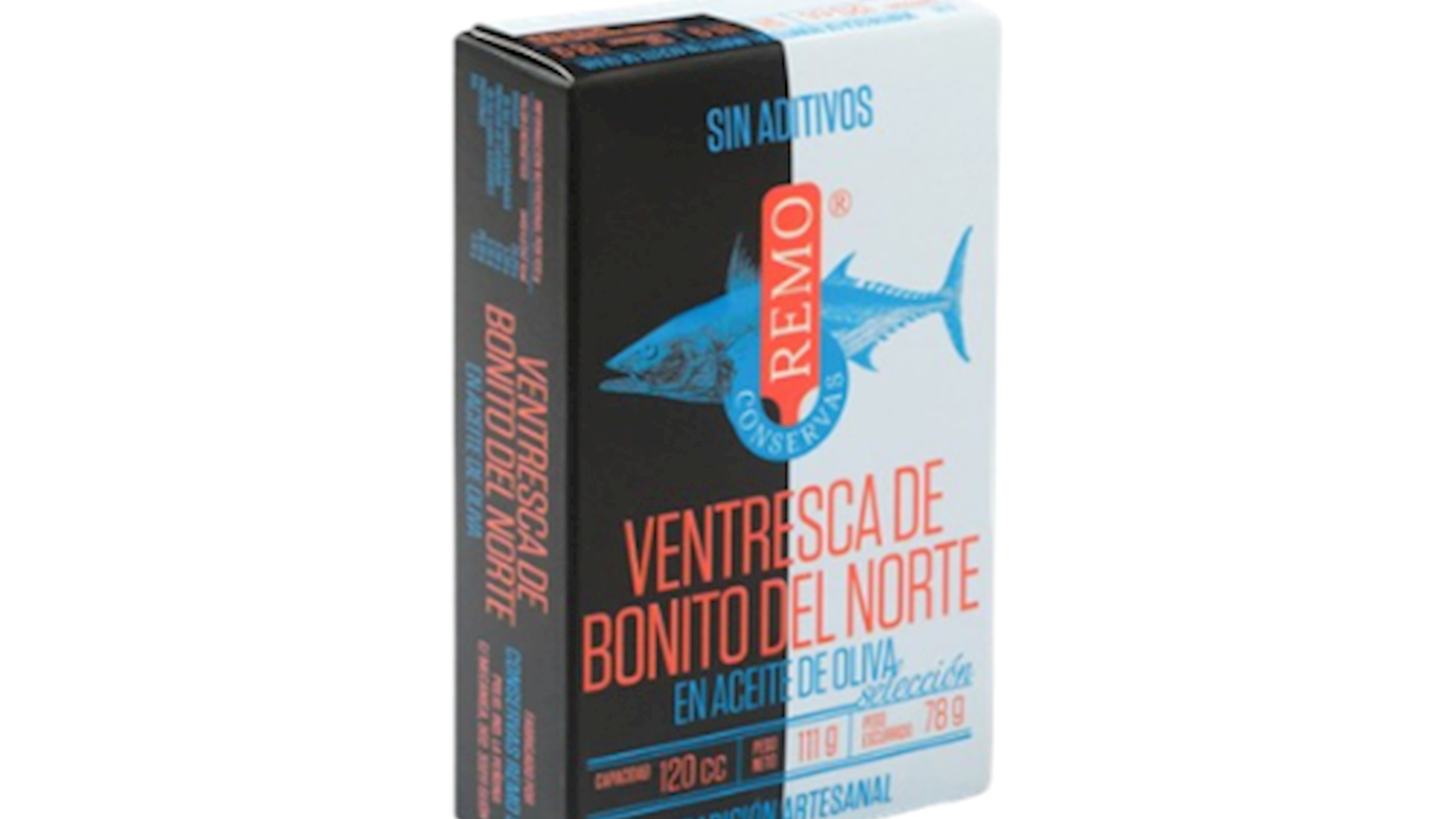
Conservas Remo is a Spanish producer of canned seafood based in Cantabria, a region known for its long-standing tradition of fish preservation along the northern coast. The company focuses on maintaining the quality of raw materials by ensuring a short time between catch and processing, a key principle in the conservas sector where freshness directly influences the final product. Its sourcing is closely tied to the Cantabrian Sea, whose environmental conditions contribute to the firm texture and distinct flavor of the fish. The product range typically includes anchovies, tuna, bonito del norte, mussels, and other seafood specialties, processed using traditional methods such as salting, cooking, and preservation in olive oil or natural juices. This approach allows the products to retain their original characteristics without relying on additives, emphasizing a clean and simple ingredient composition. Certain stages of production, including selection and packing, involve manual handling to ensure consistency and control over quality.
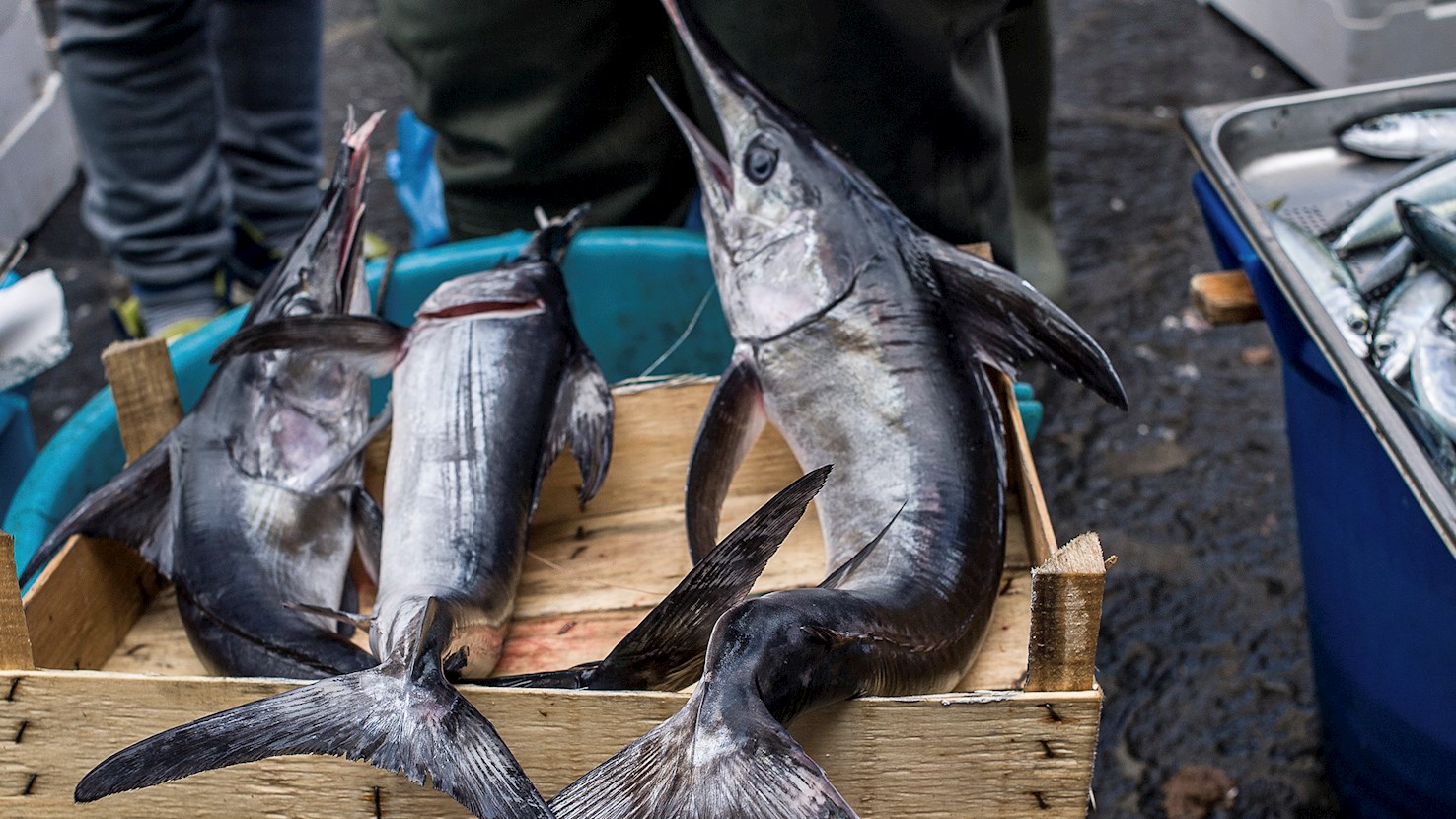
A pelagic fish whose typical habitats are temperate and tropical waters, although it may inhabit cold waters as well, xiphias is a species of swordfish that is sourced from the Mediterranean Sea and its embayments (Aegean and Ionian Seas) in Greece. The long and slender sword-like bill is its most recognizable feature, and it is also the reason why this fish was given the name Xiphias gladius, from the Greek xiphos and Latin gladius, both of which translate to sword in English, referring to the characteristic shape of the bill. Xiphias is listed among the fastest fish worldwide, and it is distinguished by a large and heavy, cylindrical body with a pair of both dorsal and anal fins, while the typical coloration of the body is blackish-brown, which gradually becomes paler underneath. Scales and teeth are present in juveniles, while adults lack both of these. Being a carnivorous fish, its diet mostly consists of other fish such as Atlantic mackerel, redfish, silver hake, and barracudinas, but it also preys on crustaceans and squids, all the while using its bill as a means of catching the prey. Known to be a highly migratory species, this fish is an attractive game fish and a highly appreciated seafood delicacy in Greece and beyond, and it is available in both fresh and frozen versions. In Greece, there is an annual ban on swordfish fishing from the beginning of October through January as a protective measure against overfishing of the species.
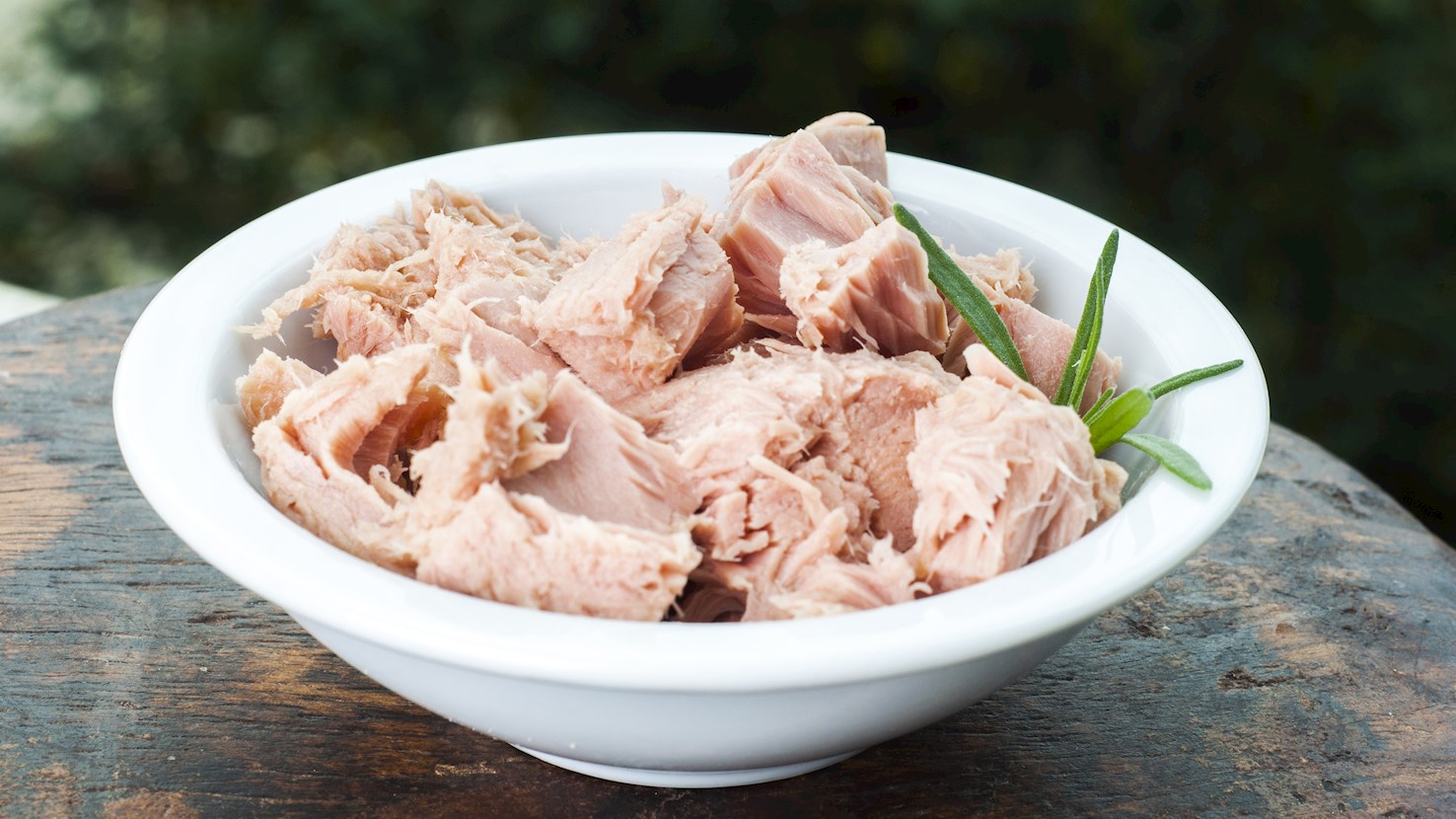
Northern Albacore tuna is the prized fresh fish originating from the Basque waters. Also known as hegaluzea and bonito del norte, the tuna is white-fleshed, savory, and aromatic. Its skin is dark blue and almost black, but it fades to white along its underside. The meat is succulent and has a bit of fat along the belly. This tuna is individually line-caught from small fishing boats in the Bay of Biscay, and the process is important because it ensures that each fish is the right quality and size. Albacore tuna is often packed in tins with olive oil and salt, making it perfect for everyday eating and enjoying it throughout the year, and locals suggest to just top it with lemon juice and freshly ground pepper. Whether fresh or canned, this tuna is used in the preparation of many Basque dishes and pintxos (pinchos).
Baltic herring (lat. Clupea harengus membras) is a subspecies of the Atlantic herring, but it is smaller and lives in the brackish waters of the Baltic Sea. It is a schooling fish that feeds on zooplankton and small crustaceans, and typically reaches only 5.5 to 7 inches (14 to 18 cm) in length. It is a staple food source in the Baltic region, featuring in dishes like smoked herring and salads.
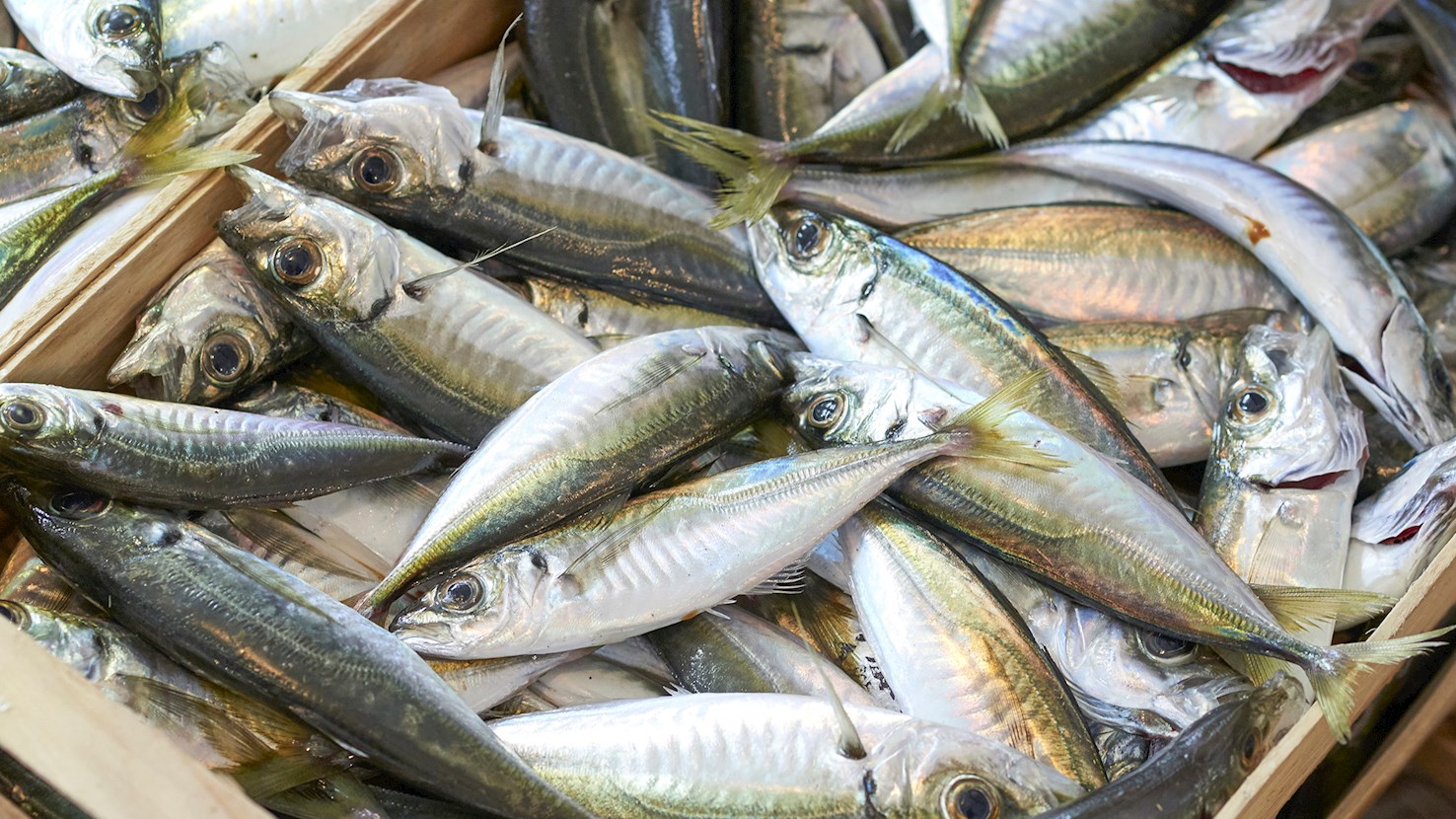
Safridia is a species of horse mackerel caught in the Mediterranean Sea waters in Greece, where the safridia fishing season typically takes place between August 15 and the end of January. It is an oily fish with a silvery body that typically reaches a length of up to 70 cm. Other fish and small crustaceans form the basis of its diet. This fish is one of the cheaper varieties of fish in Greece, and it is typically fried or grilled with a wide range of spices. The flavor of safridia is often said to be reminiscent of sardines.
Called atún de almadraba in Spanish, wild almadraba bluefin tuna refers primarily to Atlantic bluefin tuna (atún rojo in Spanish) that is caught using an ancient artisan method of fishing known as almadraba. The method uses an intricate maze of interconnecting trap nets that lead the tuna fish to their final destination - a circular central trap surrounded by boats, where only the largest adult tuna are caught and lifted from the nets, while the smaller and younger ones are set free into the ocean, making this technique of fishing sustainable. Almadraba fishing method has been practiced in Andalusia for thousands of years with little to no changes, and it is thought to have been invented by the Phoenicians. Its Spanish name stems from Arabic and means a place of fighting or a place of hitting. Starting in May, the tuna are sourced off the coastline of Cadiz Province, in the towns of Barbate, Tarifa, Conil de la Frontera, and Zahara de Los Atunes, during their migration to warmer spawning-grounds in the Mediterranean waters. The tuna is of the highest quality during this period as the blubber it has built up over the winter months results in meat that is juicy and succulent, with melting texture and an exceptionally sweet flavor. In Spain, the season of almadraba Bluefin tuna is a time of grand celebration and many gastronomic festivities revolving around this culinary delicacy, which is omnipresent in tapa bars and restaurants at this time of the year.
Cornish sardines are caught and processed on the Cornish coast and belong to the species sardina pilchardus. They are olive or metallic green on the back and silvery white on the belly. The flesh is bright and firm to the touch with a fine texture which softens as the temperature rises. Full of Omega 3 fatty acids, their taste is best in late summer, when the flavor is full and moist. When sold, they can be either fresh or frozen, and can be cooked whole, grilled, roasted or barbecued.
Atún rojo de almadraba is wild bluefin tuna caught off the Atlantic coast of Cádiz, mainly around Barbate, Zahara de los Atunes, Conil de la Frontera, and Tarifa. The fish is Thunnus thynnus, the Atlantic bluefin tuna, and the word almadraba refers to the fixed net system used along this coast to catch tuna during their seasonal movement from the Atlantic through the Strait of Gibraltar toward the Mediterranean. The product is strongly associated with the province of Cádiz, especially the Costa de la Luz and the area around the Strait, where tuna fishing has shaped local work, food, trade, and restaurant culture for centuries. Sources from Cádiz and Andalusia often trace the method back to the Phoenicians and later Roman fish-salting industries, when tuna from this coast was already valued and preserved in products such as salted fish and garum. The modern almadraba is still based on a maze of anchored nets placed in the tuna’s path, with the catch brought into a final chamber before the levantá, the moment when the nets are raised and selected tuna are brought to the surface. Today, the activity is regulated by quotas, inspections, traceability rules, and international conservation measures, which is important because Atlantic bluefin tuna was heavily pressured in the past. The Cádiz almadrabas are now few in number and closely identified with their towns, while companies and producer groups market the fish fresh, frozen at very low temperatures, canned, salted, or cured. Once the tuna reaches land, one of the key moments is the ronqueo, the cutting of the fish into separate parts. The name comes from the sound the knife makes against the backbone, and the process matters because bluefin is not treated as one uniform fillet. Different cuts have very different textures and fat levels: lomo is leaner, tarantelo sits between lean and fatty, ventresca is rich belly, morrillo and mormo come from the head area, descargamento and descargado are darker working muscles, parpatana is taken near the jaw and collar, and facera, galete, ijada, and other cuts have their own uses. This breakdown is one reason atún rojo de almadraba has become so important in both local Cádiz cooking and Japanese-influenced restaurants. It can be eaten raw as sashimi, tartare, carpaccio, or tataki when handled for that purpose, but it is just as common in cooked dishes such as atún encebollado, tuna in tomato, grilled ventresca, marmitako-style stews, rice dishes, meatballs, or tuna preserved in manteca. The fattiest pieces need very little heat, while leaner cuts can take marinades, stews, or stronger sauces. Good atún rojo de almadraba should have a clean color, firm texture, clear fat lines in the richer cuts, and a deep but not metallic flavor. Its quality depends on the season, the size and condition of the fish, how quickly it is bled and chilled, and how well each cut is handled after landing. In Cádiz, it is eaten in restaurants, beach towns, tuna routes, food festivals, market bars, tabernas, and home kitchens, especially during spring and early summer when the almadraba season is at its strongest. Barbate is one of the main reference points, with restaurants such as El Campero helping build the modern reputation of the product, while Zahara de los Atunes, Conil, and Tarifa also hold major local tuna events and restaurant routes. It is usually served as a tapa, a main seafood course, a tasting menu item, or a shared plate built around several cuts. It goes well with manzanilla, fino, dry white wine, light red wine, cava, cold beer, or sparkling water. As for side dishes, it works with tomato salad, roasted peppers, potatoes, onions, olives, crusty bread, salmorejo, rice, grilled vegetables, seaweed, soy sauce in raw preparations, and simple citrus.
Ostkustströmming is a wild-caught Baltic herring belonging to the Clupea harengus species, sourced from an explicit geographic zone in the Baltic Sea that extends along the eastern Swedish coast from the village of Öregrund in the north to the village of Kristianopel in the south. The regulatory and physical character of this marine item is determined by the specific brackish water environment of the central Baltic coast, which features low salinity levels, distinct local currents, and a extensive, highly fragmented skerry topography comprised of small islands and reefs that serve as primary spawning grounds. This localized ecosystem limits the feeding habits of the fish, which subsists primarily on zooplankton, mysid shrimp, and amphipods, resulting in a distinct biological structure marked by a size ranging between 12 and 25 centimeters, a silver appearance, and a variable fatty acid composition heavily dominated by oleic and palmitic acids depending on the exact harvest point along the coastline. The gathering of the fish relies on small-scale maritime operations utilizing specific, selective equipment designed to minimize by-catch, including passive tools like gillnets, entangling nets, handlines, stationary pound nets, and jigging machinery, alongside regulated trawling vessels using mesh sizes greater than 32 millimeters. Under official quality standards, the catch must be landed, sorted, and subjected to primary processing within 24 hours of clearing the nets, and it can be distributed whole, filleted, salted, pickled, or dried. A specific structural aspect of this fish is its raw chemical profile, which possesses a metallic, iron-heavy flavor with a subtle sweetness and a pliable texture that exhibits clear resilience to touch, whereas cooking transforms the meat into an opaque white or gray state with a delicate, flaking consistency and an elevated presence of rich, earthy umami compounds. The fish holds a protected designation of origin (PDO) status within the European Union, which legally restricts the commercial name to specimens caught and handled within the designated coastal borders. It is eaten hot or cold as a central protein source across eastern Sweden, prepared via pan-frying with breadcrumbs, smoking, or cold-pickling in vinegar solutions, with the hot-smoked variant commercially labeled as Böckling av Ostkustströmming. Fried and smoked iterations are served alongside mashed potatoes, crisp flatbread, red onions, and fresh dill, or packed into sandwiches for immediate consumption. For beverage pairings, the pronounced umami and subtle fat content match with crisp, highly carbonated pilsner lagers, dry Swedish hard ciders, or mineral-driven white wines like Chablis and Sauvignon Blanc, which cut through the oiliness of the cooked meat without masking its delicate sea profile.
Norrlandsströmming is a wild-caught Baltic herring belonging to the Clupea harengus species, sourced exclusively from the brackish waters of the Bothnian Sea and Bothnian Bay along the northern Swedish coast, spanning from the mouth of the Dalälven river in the south to Haparanda in the north. The distinct status of this marine product is shaped by the unique ecological conditions of the northern Baltic Sea, which forms the largest brackish water body globally, maintaining a low salinity profile that sits between oceanic saltwater and freshwater lakes. This specific aquatic environment restricts the growth and feeding patterns of the herring, causing the fish to remain smaller, typically measuring between 12 and 20 centimeters in length, and to possess a significantly lower fat content than herrings caught in saltier marine zones. The gathering of the fish relies on small-scale, localized maritime operations that utilize passive catching equipment, such as gillnets, entangling nets, handlines, pound nets, or jigging machines, specifically chosen to ensure low by-catch rates. Regulatory frameworks governing the official designation enforce strict processing windows, requiring that the catch be landed, sorted, and undergoing initial handling within the geographic zone within 24 hours of clearing the nets. Because of the low body fat and unique fatty acid composition, which is dominated by C20 and C16 monounsaturated and polyunsaturated fatty acids like palmitic acid due to a high concentration of diatoms in the regional food chain, the meat possesses a lean, tender consistency that yields a less sweet flavor profile. This structural absence of heavy fat makes the raw material uniquely suited for the sugar-free, enzymatic breakdown involved in producing surströmming, where the whole fish is submerged in a controlled brine solution for several months to allow lactic acid enzymes in the spine to drive a controlled fermentation. When prepared fresh, the fish can be sold whole or filleted, and it is cooked through shallow pan-frying, boiling, pickling, or smoking, with the smoked version commercially designated as Böckling av Norrlandsströmming. The cooked fish delivers a delicate texture and a clean flavor profile marked by umami, notes of green asparagus, egg white, and sea broth, while the fermented canned version produces volatile organic compounds like propionic, butyric, and acetic acids that generate an exceptionally pungent aroma. It is eaten primarily as a main course in residential settings and outdoor gatherings across northern Sweden, with the fermented variant served cold by carefully opening the pressurized cans underwater to contain the gases, rinsing the fish, and removing the spine. The prepared pieces are assembled inside buttered tunnbröd, a regional soft or crisp flatbread, alongside sliced almond potatoes and finely diced red or yellow onions to construct a dense wrap. In terms of beverage pairings, the fresh, fried, or pickled iterations are accompanied by crisp pilsner lagers or dry white wines, whereas the high acidity and rich umami of the fermented preparation pair with cold milk, carbonated water, light beers, or distilled Swedish snaps to balance the sharp, savory intensity.
TasteAtlas food rankings are based on the ratings of the TasteAtlas audience, with a series of mechanisms that recognize real users and that ignore bot,
nationalist or local patriotic ratings, and give additional value to the ratings of users that the system recognizes as knowledgeable.
For the “Top 9 European Blue Fishes” list until June 15, 2026, 129 ratings were recorded, of which 82 were recognized by the system as legitimate.
TasteAtlas Rankings should not be seen as the final global conclusion about food. Their purpose is to promote excellent local foods,
instill pride in traditional dishes, and arouse curiosity about dishes you haven’t tried.
The initial list of top producers was compiled based on available reviews, awards, local recommendations, media and blog coverage, and consumer reviews.
The list will be updated with ratings from TasteAtlas local ambassadors and TasteAtlas users.