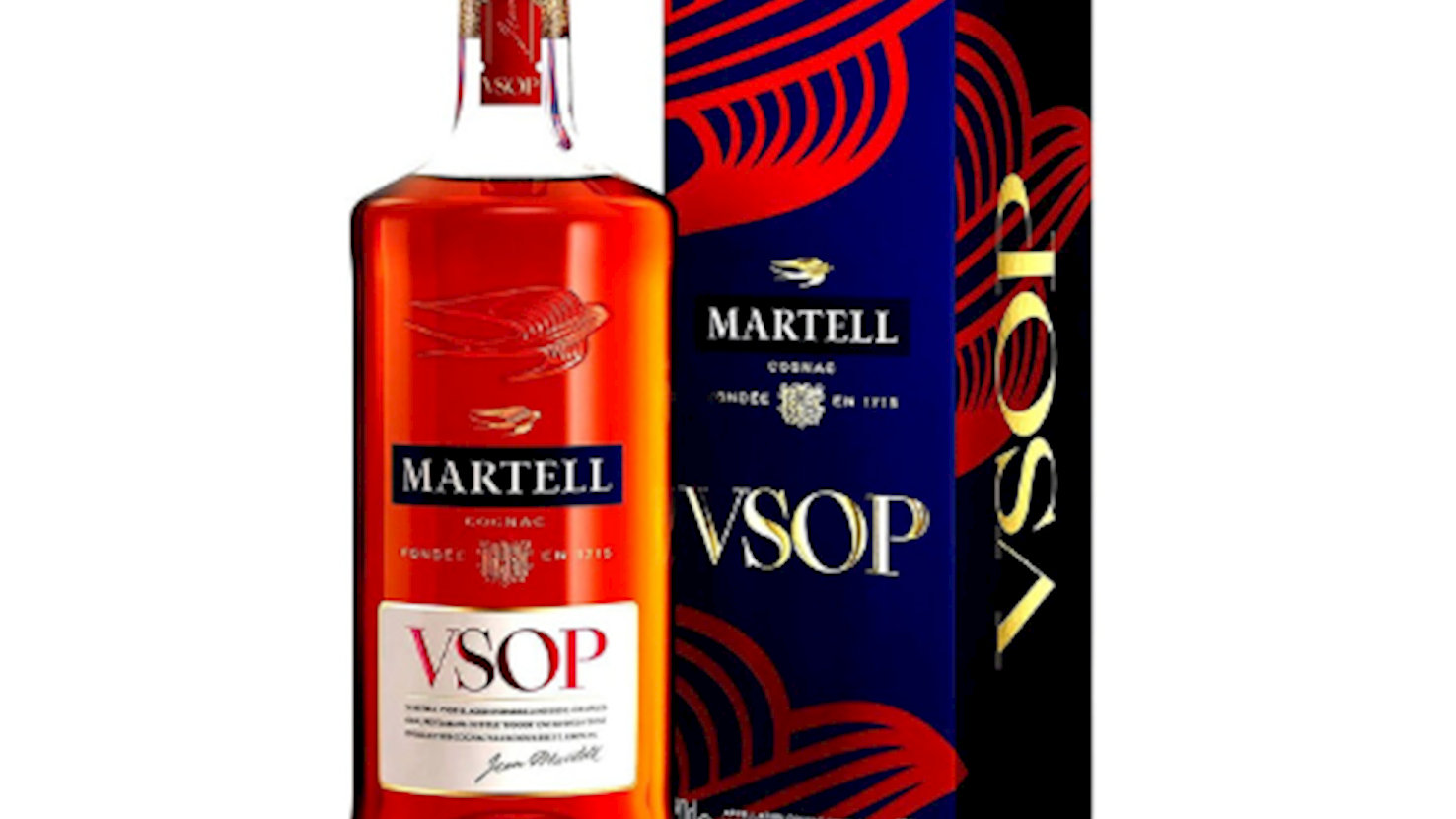
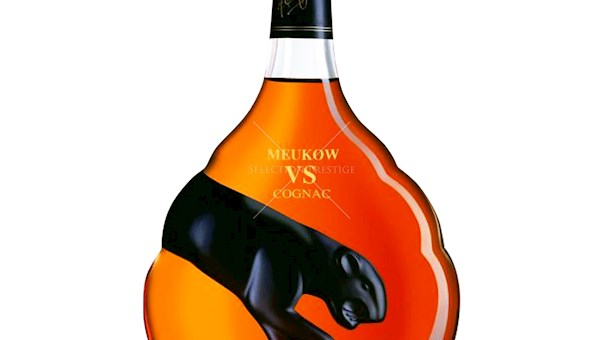
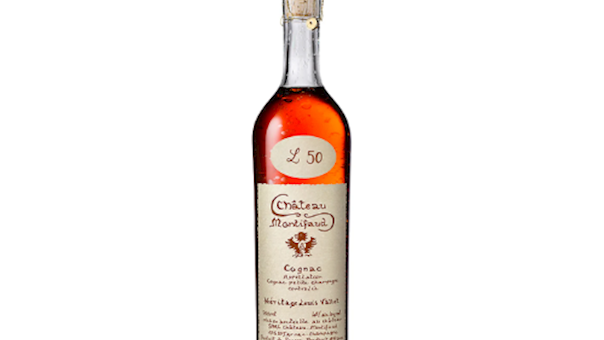
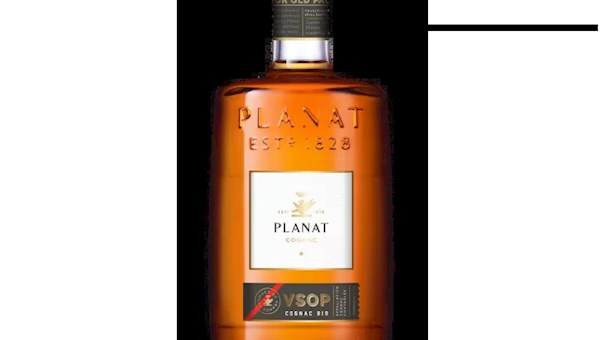
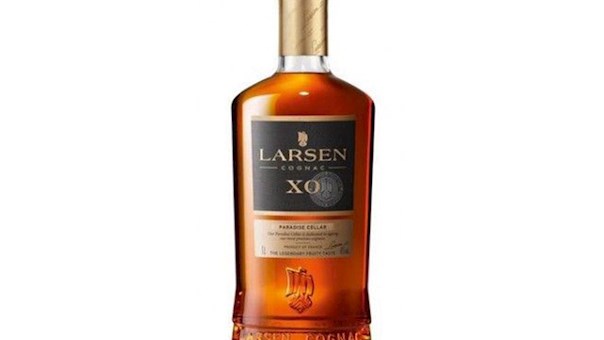
Martell is one of the oldest and most prestigious cognac houses, founded in 1715 in Cognac, France. Known for its expertise, Martell uses grapes from the finest vineyards and traditional double distillation methods. Their portfolio includes iconic cognacs like Martell VS, VSOP, Cordon Bleu, and XO. Visitors can explore the brand’s rich history, book tours, and enjoy tastings at their distillery in Cognac.
Awards
SFWSC - San Francisco World Spirits Competition - Double Gold
(2024, 2023)
SWSC - Singapore World Spirits Competition - Double Gold
(2023)
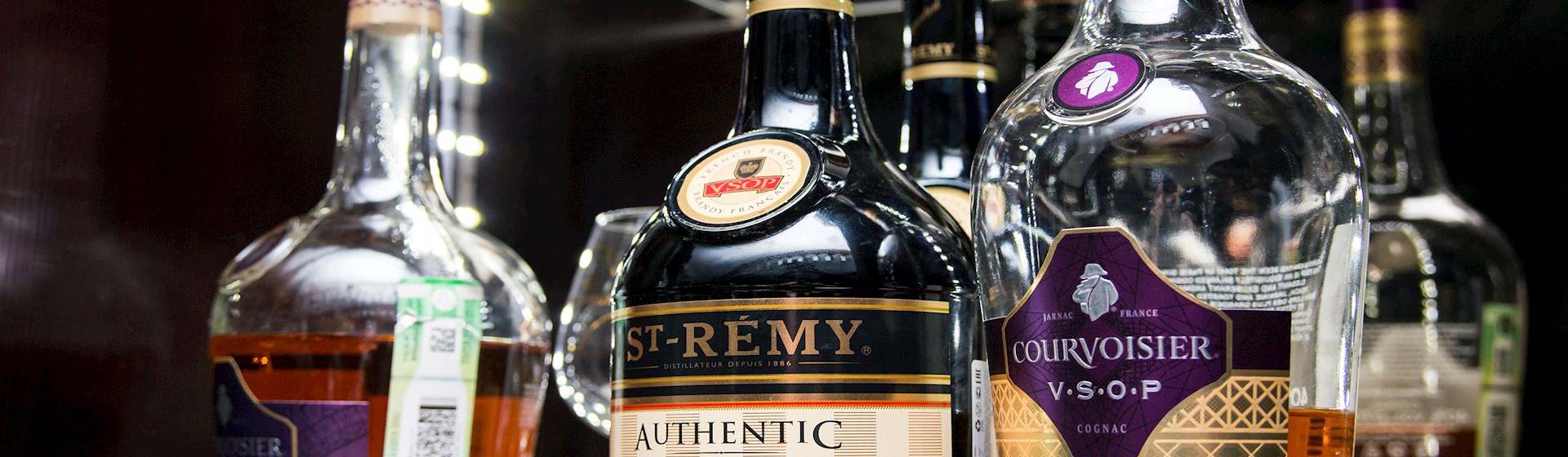
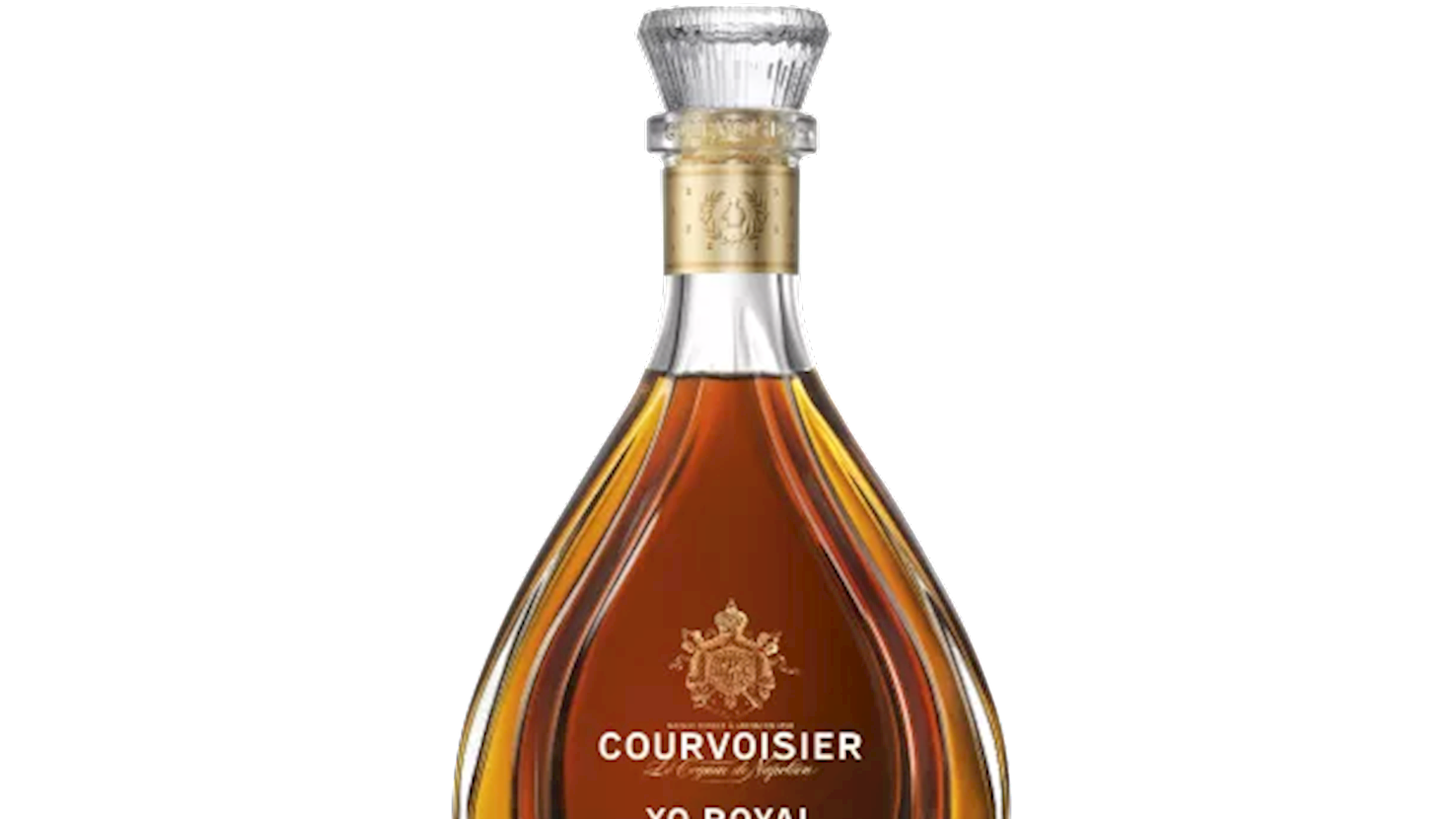
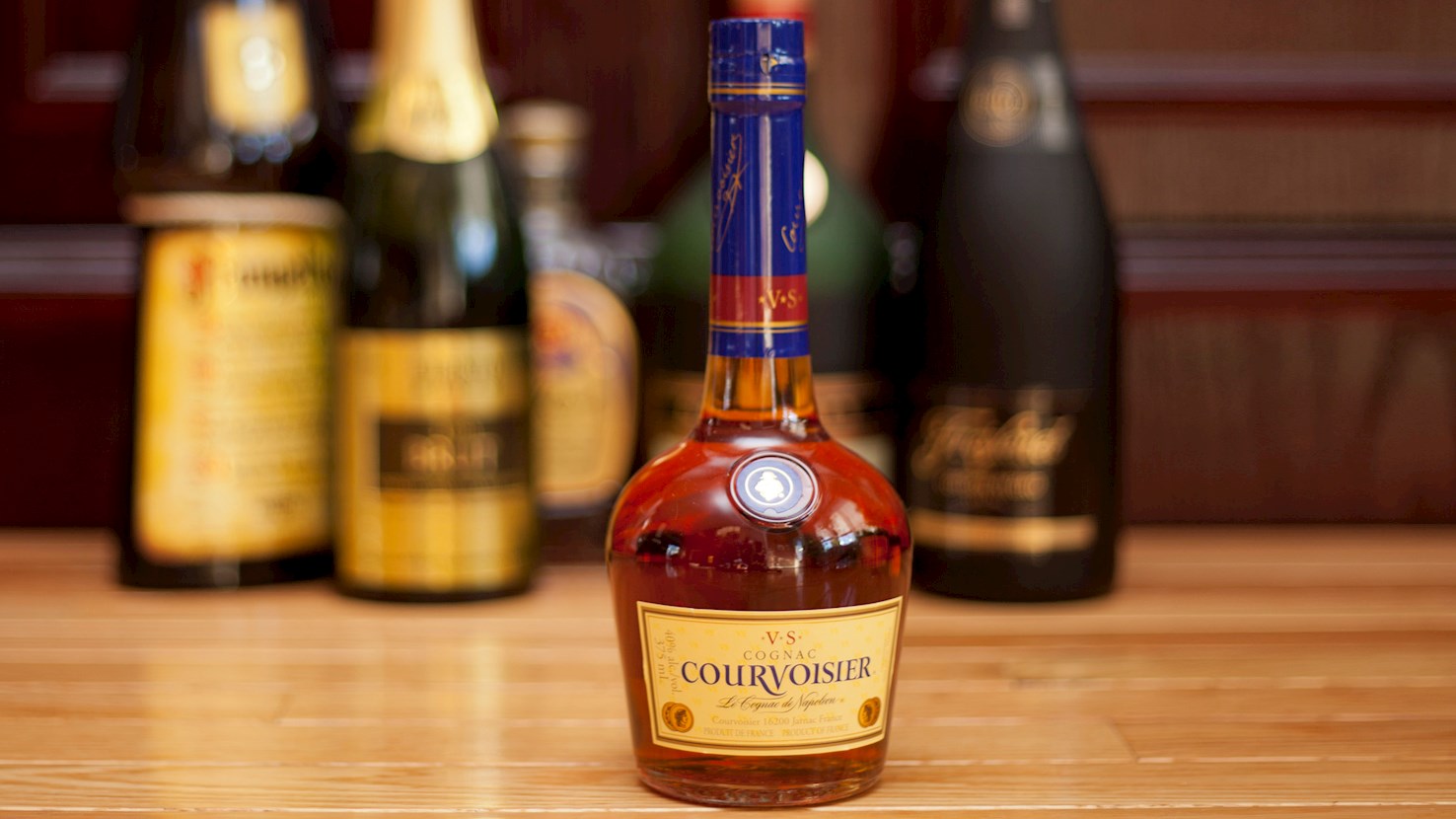
Courvoisier is a prestigious French cognac producer known for its high-quality craftsmanship and rich history. Founded in the early 19th century, it is located in Jarnac, in the heart of the Cognac region. Courvoisier blends tradition with innovation, using meticulously sourced grapes and a refined distillation process to create its premium cognacs. The brand has earned a reputation for luxury, often associated with French elegance and heritage.
Awards
SFWSC - San Francisco World Spirits Competition - Double Gold
(2024, 2023)
NYWSC - New York World Spirits Competition - Double Gold
(2023)
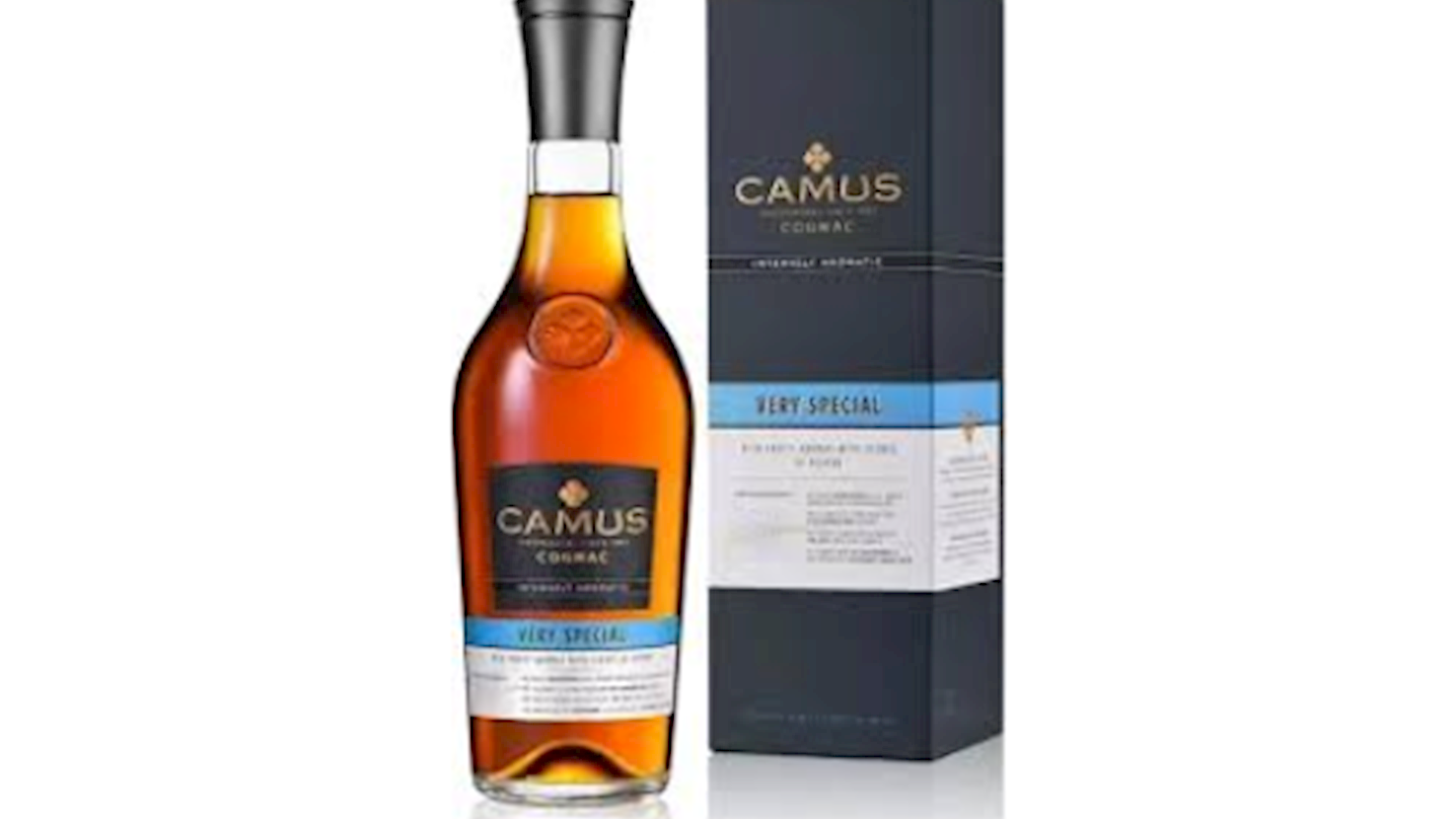
Camus is a historic, family-owned Cognac house founded in 1863 by Jean-Baptiste Camus and still independently run by the same family today, making it the largest family-owned producer in the Cognac region. The house is known for its strong emphasis on aromatic intensity and terroir expression, supported by proprietary techniques such as distillation using non-filtered wines and extended contact with the lees to preserve natural esters. Camus places particular importance on small-batch distillation and careful aging to enhance fragrance, texture, and complexity. Its portfolio spans classic expressions such as VS, VSOP, XO, and Extra, alongside more terroir-driven and distinctive lines, including Borderies Single Estate Cognac, which highlights the floral character of this rare cru, and Île de Ré Fine Island Cognac, shaped by Atlantic maritime influences. Innovation plays a key role in the house’s identity, seen in both production methods and limited, high-end releases. Camus positions itself at the intersection of tradition and modern craftsmanship, with a clear focus on aromatic precision and stylistic clarity.
Awards
SFWSC - San Francisco World Spirits Competition - Double Gold
(2024, 2023)
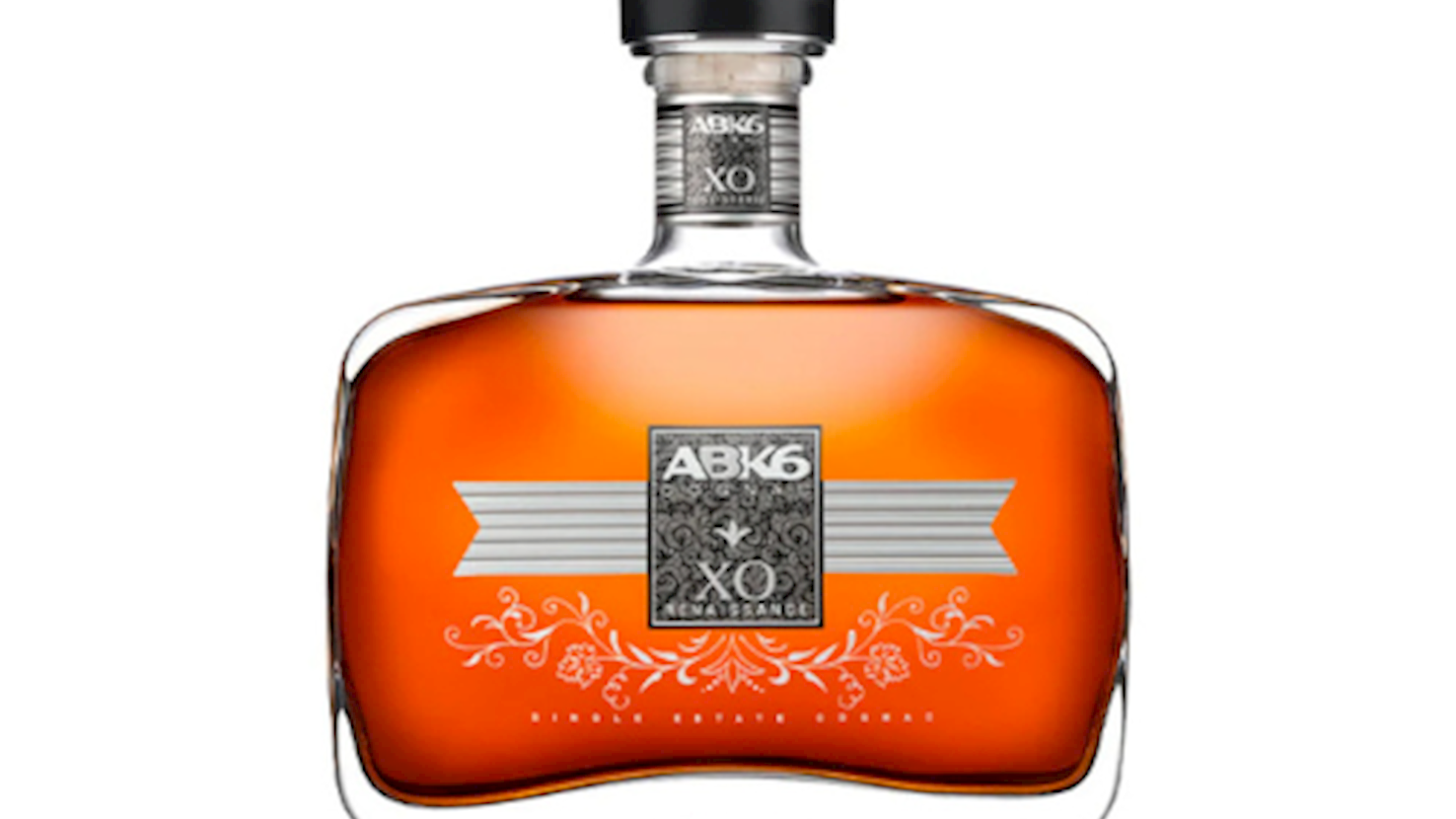
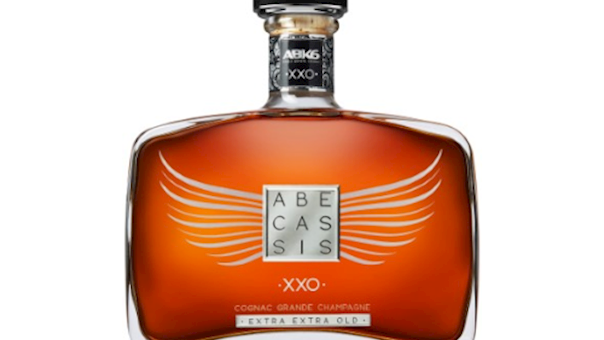
ABK6 Cognac is a prestigious brand created in 2005 by Francis Abécassis. The name "ABK6" is a condensed version of the family name and represents the fusion of tradition and modernity. The brand focuses on producing Single Estate Cognac, meaning the entire process, from vineyard cultivation to bottling, is handled on their own estate. This ensures a unique and high-quality product that reflects the expertise of their Master Blender. ABK6's offerings include a wide range of cognacs, all crafted with meticulous attention to detail and respect for tradition.
Awards
SFWSC - San Francisco World Spirits Competition - Double Gold
(2024, 2023)
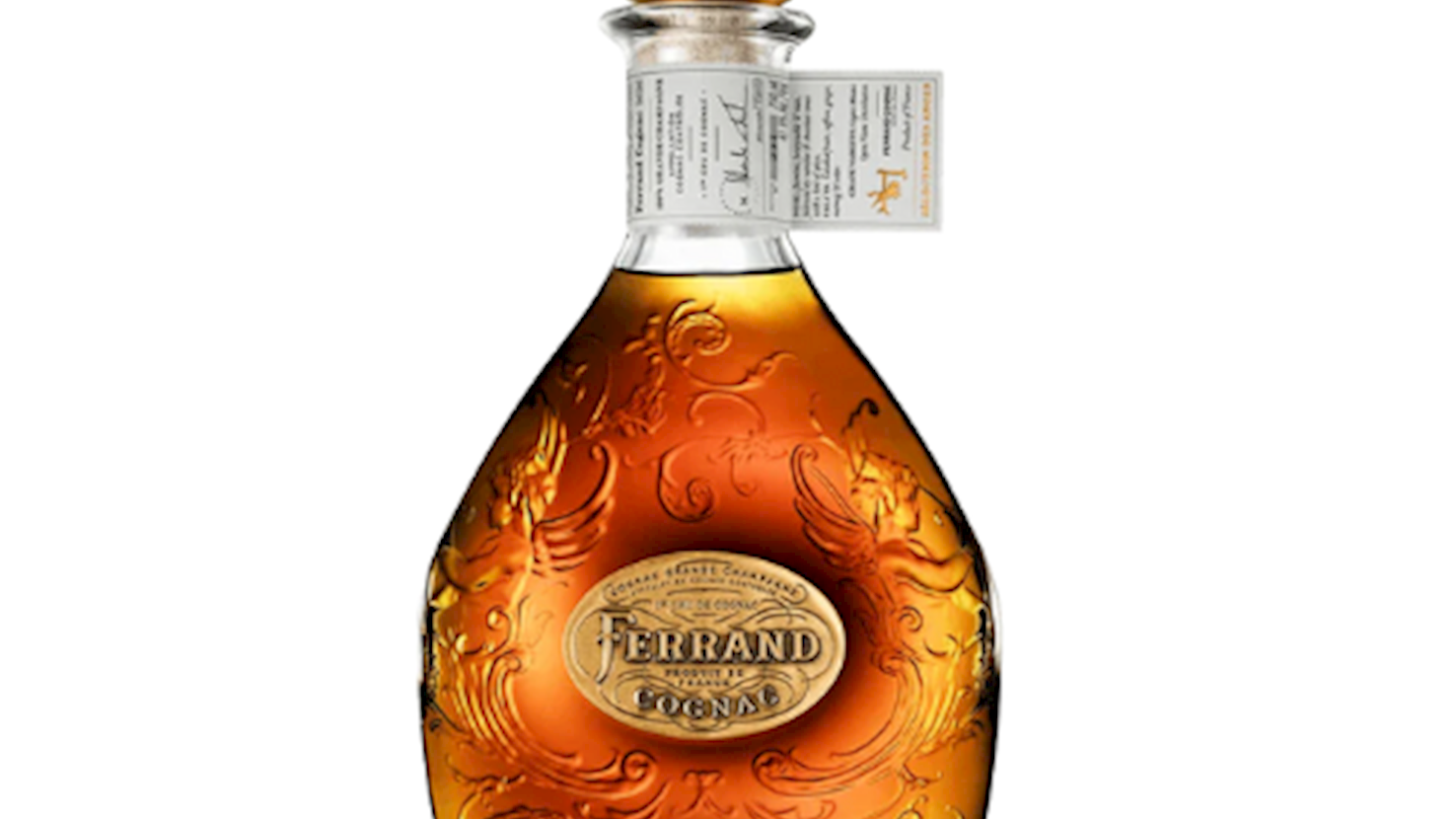
Maison Ferrand is an independent French producer of premium spirits, founded in 1989 in the Charente region, at the heart of the Cognac appellation, under the leadership of Alexandre Gabriel. The house is focused on preserving authentic distillation and ageing techniques while applying a contemporary, research-driven approach to terroir and raw materials. Its portfolio includes Ferrand Cognac from the prestigious Grande Champagne cru, Citadelle Gin as one of the earliest modern French craft gins, Planteray rum (formerly Plantation), as well as liqueurs such as Ferrand Dry Curaçao. The house is particularly known for its double ageing approach to rum, whereby spirits mature first in their countries of origin and are then further aged in France, often in French oak or ex-cognac casks. Maison Ferrand directly operates or closely collaborates with distilleries in the Caribbean, including the West Indies Rum Distillery in Barbados, ensuring strong control over the production process. Sustainability, transparency, and long-term partnerships with local producers are central to its philosophy. The house maintains a careful balance between tradition and innovation, deliberately avoiding an industrial, mass-production model. Today, Maison Ferrand is widely regarded as a reference point in the world of high-quality spirits, with a clearly defined identity and strong global presence.
Awards
World Cognac Awards - Best V.S.O.P.
(2023)
SFWSC - San Francisco World Spirits Competition - Double Gold
(2023)
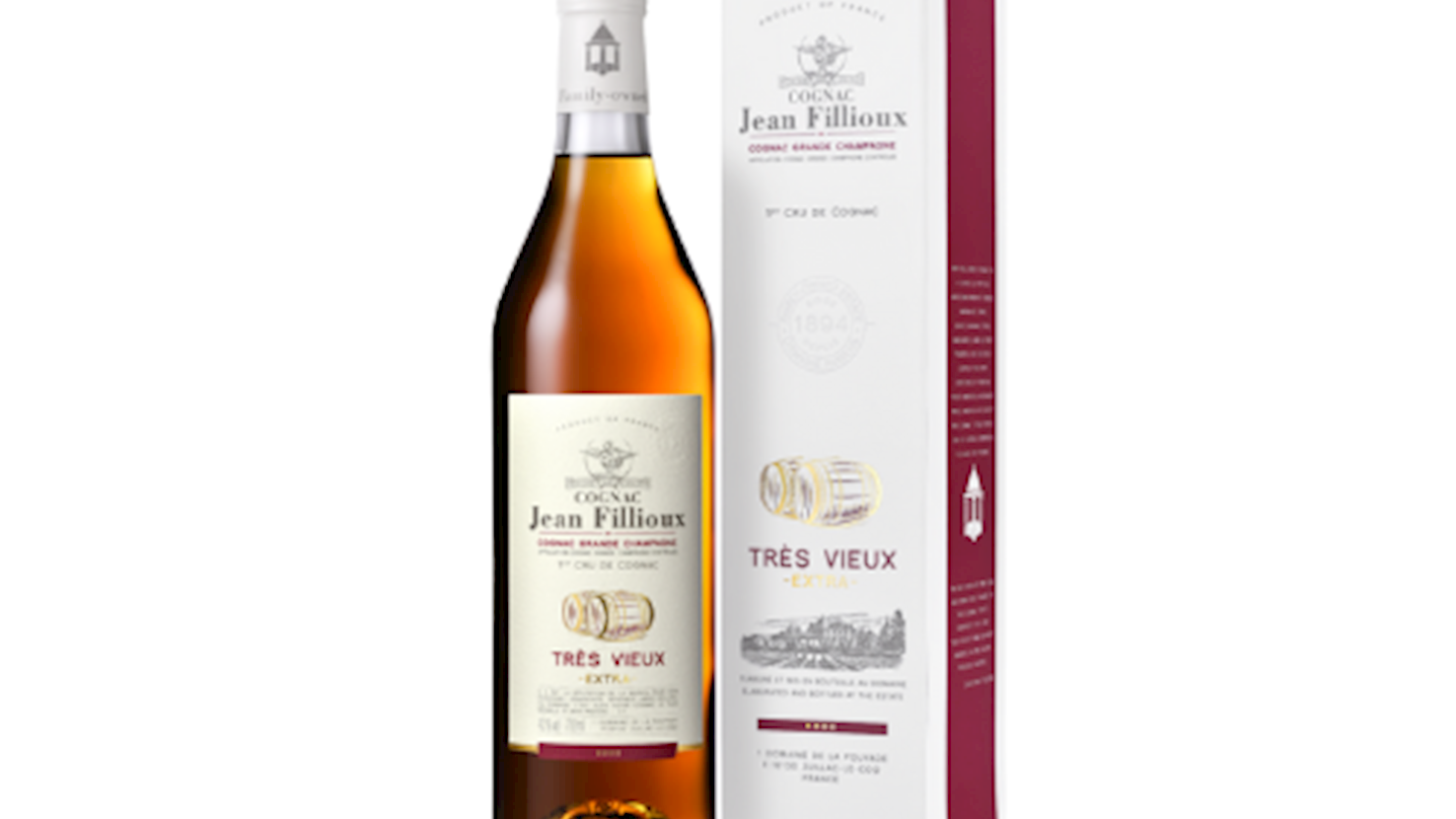
Cognac Jean Fillioux is a family-owned Cognac house based in Grande Champagne, the most prestigious cru of the Cognac region, with a history spanning more than a century. The estate is located in La Pouyade and relies exclusively on its own vineyards, planted mainly with Ugni Blanc. Production follows a traditional approach, with distillation in copper pot stills and long aging in French oak barrels, without excessive oak influence or stylistic manipulation. Jean Fillioux cognacs are known for their finesse and balance, expressing floral notes, ripe fruit, vanilla and gentle spice, along with a refined, persistent finish. The house focuses on small-scale production and a pure expression of terroir, which has earned it strong recognition among connoisseurs and fine-dining professionals.
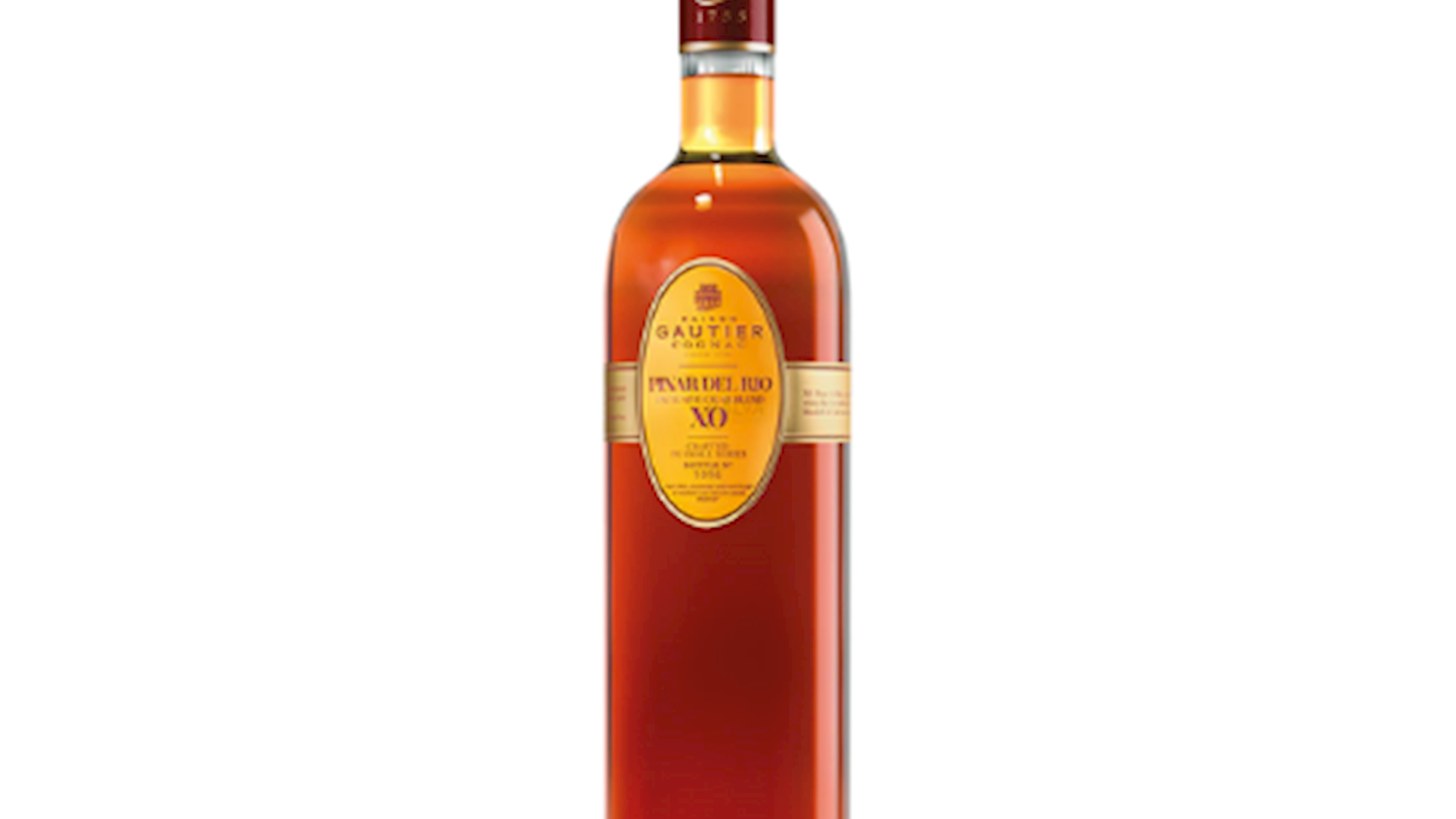
Cognac Gautier is one of the oldest Cognac houses in the world, founded in 1755 and located in Aigre, in the Charente region of France. The house is distinguished by its historic cellars built directly above the Osme River, where naturally high humidity creates ideal conditions for slow, balanced aging and enhanced aromatic roundness. Gautier works with eaux-de-vie sourced from several Cognac crus, including Grande Champagne, Petite Champagne, Fins Bois, and Bons Bois, which are blended to achieve harmony and complexity. Distillation follows the traditional Charentais double distillation method, with a strong emphasis on smoothness and texture. The style of Cognac Gautier is typically rich and supple, marked by notes of ripe and tropical fruit, vanilla, gentle spice, and well-integrated oak. Its range includes classic VS, VSOP, and XO expressions, alongside older and limited releases that reflect the house’s long heritage and cellar expertise.
Awards
SFWSC - San Francisco World Spirits Competition - Double Gold
(2024, 2023)
World Cognac Awards - Best Superior Quality Cognac
(2020)
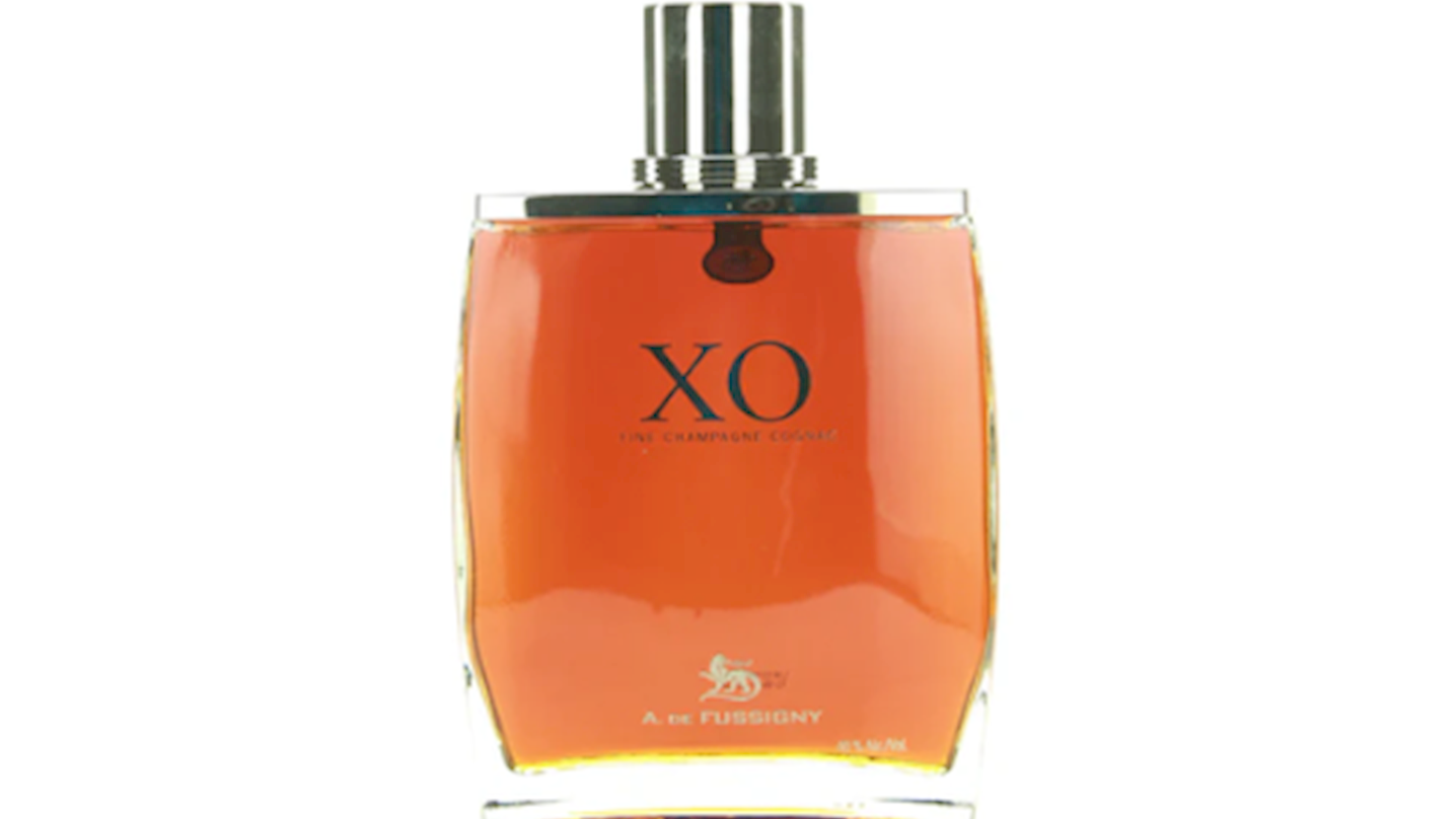
A de Fussigny is a historic Cognac house founded in 1814 and located in the town of Cognac, along the banks of the Charente River. Its cellars benefit from the river’s natural humidity, which supports slow, even aging and contributes to a smooth, rounded style. The house works primarily with Fine Champagne blends, combining eaux-de-vie from Grande and Petite Champagne to achieve balance and aromatic depth. Production focuses on careful selection and maturation of eaux-de-vie in French oak, preserving fruit character while allowing complexity to develop gradually. The style of A de Fussigny Cognacs is generally elegant and approachable, marked by floral notes, ripe fruit, gentle spice, and well-integrated oak. Alongside traditional craftsmanship, the brand is also recognized for its modern presentation and contemporary positioning within the Cognac category.
Awards
SFWSC - San Francisco World Spirits Competition - Double Gold
(2024)
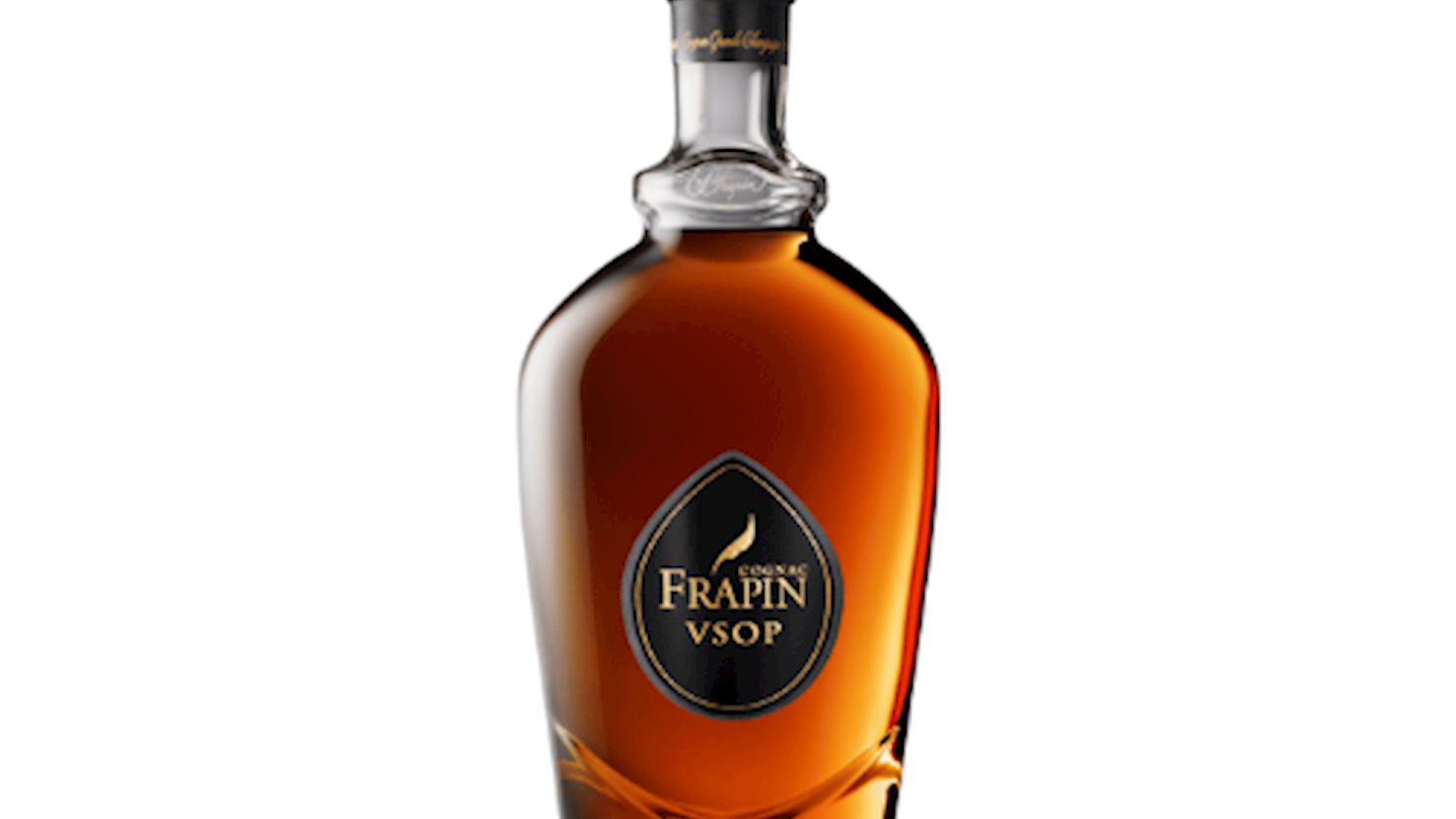
Cognac Frapin is one of the oldest and most respected family-owned Cognac houses, with a history dating back to 1270, making it unique in the Cognac region. The estate is based at Château de Fontpinot, in the heart of the Grande Champagne cru, and Frapin is among the few producers working exclusively with grapes from its own vineyards. Production is fully integrated, covering everything from Ugni Blanc cultivation to distillation in copper pot stills and long maturation in French oak barrels. Frapin cognacs are known for their precision, elegance and clear expression of terroir, offering aromas of ripe fruit, floral notes, honey and subtle spice. The house is widely recognized for producing cognacs with strong aging potential and a distinctive, refined identity valued by connoisseurs and collectors worldwide.
Extra old Cognac label is the one with a blend that has been aged the longest. Although the previous legislation stated that XO needs to be at least six years old, new categorization, which will be fully implemented by March 31, 2019, will indicate that to be labeled as an XO, the blend will have to be at least ten years old. However, the age limitation only signifies that the youngest in the blend is six (ten) years old, but when it comes to XO most blends are significantly older than that. XO Cognac should always be served neat in a snifter glass, and are best enjoyed as a digestif.
Very superior old pale is a Cognac category whose blend is aged for at least four years—which means that the youngest brandy mixed in the blend is four years old, while the others can be aged for longer. VSOP is both lively and serious, and it can be enjoyed on its own, preferably slowly sipped from a snifter glass, but it also incorporates well into mixed drinks and cocktails.
This classic French brandy is distilled from grapes in order to produce eau-de-vie, which is then aged and blended to make cognac. The drink originated when it was revealed that eau-de-vie brandy of the Charente region develops different and more sophisticated flavors when aged in oak casks. Since its introduction to the global market, cognac became a sought-after drink, especially enjoyed by the British aristocracy. With the influx of low-quality drinks that were marketed as cognac, it was necessary to control its production. In 1936, cognac was regulated by the Appellation d’Origine Contrôlée (AOC), which restricted its production to six different terroirs and the area that includes the entire department of the Charente-Maritime, most of the department of Charente, and small parts of the Deux-Sèvres and Dordogne. Cognac is produced from white grape varieties, predominately Ugni Blanc, Folle Blanche or Colombard, which have low alcohol content and high level of acidity. It can be aged for a minimum of two years, while most varieties reach their peak of maturation after 60 years. The official quality grades of each cognac are strictly controlled and include VS (aged for at least two years), VSOP (aged for at least four years), XO or Napoléon (aged for at least six years), and Hors d'âge (high-quality, aged beyond the official scale). The great art of cognac is in the blending process, and if done properly, the final blend will result in a balanced and harmonious product. Younger varieties are typically characterized by floral and fruity notes, while the older varieties develop more complex, spicy flavors with subtle notes of vanilla, cinnamon, and coffee. High-quality cognac can be enjoyed neat, over ice, or diluted with water. It is traditionally served in a balloon or tulip glass, which helps to release its bouquet. If used in cocktails, it is recommended to opt for younger cognac varieties. Some of the prominent cognac brands include Hennessy, Martell, Courvoisier, Camus and RémyMartin.
Very special Cognac is the youngest that is allowed on the market. It must be aged for at least three years, with the reference date being October 1. The fresh and lively character of these labels makes them an excellent option for cocktails and mixed drinks.
XXO is a legal classification of Cognac produced in the Cognac region of France, specifically within the departments of Charente and Charente-Maritime. This designation, an acronym for "Extra Extra Old," represents the highest official age category regulated by the Bureau National Interprofessionnel du Cognac (BNIC). To bear this label, the youngest eau-de-vie in the blend must have been aged in oak barrels for a minimum of 14 years. The geography of the region is divided into six distinct growing areas or crus, including Grande Champagne, Petite Champagne, and Borderies, each providing unique soil compositions that influence the final spirit. The XXO category was formally integrated into the Cognac regulatory framework on December 6, 2018. While the term "X.X.O." was used by the house of Hennessy as early as 1870 to denote exceptional older blends, the classification lacked a legal definition for over a century. The modern implementation followed a legal dispute regarding the use of the term on labels, leading the Institut National de l'Origine et de la Qualité (INAO) to establish it as an official grade above the XO (Extra Old) category, which requires a 10-year minimum. This establishment provided a standardized tier for spirits that had surpassed the aging requirements of existing classifications but did not fit the more subjective "Hors d'Âge" designation. Preparation begins with the harvest of white grapes, primarily Ugni Blanc, which are pressed and fermented into a high-acid, low-alcohol wine. This liquid undergoes a double distillation in copper Charentais alembic stills, a process that must be completed by March 31 of the year following the harvest. The resulting clear spirit, or eau-de-vie, is then transferred into French oak barrels, typically sourced from the Limousin or Tronçais forests. Due to the minimum 14-year requirement, XXO Cognac undergoes significant evaporation, known as the "angels' share," which concentrates the sugars, acids, and flavors. Serving occurs at room temperature, ideally between 18°C and 20°C, in a tulip-shaped glass to concentrate the volatile aromatic compounds. A specific characteristic of XXO Cognac is the presence of "rancio," a sensory profile that only develops after long periods of oxidative aging in oak. This manifest as notes of dried fruit, forest floor, walnut oil, and leather. The structural density of the spirit is significantly higher than younger grades, resulting in a persistent finish on the palate. Unlike younger Cognacs that may be used in cocktails, XXO is produced specifically for neat consumption to maintain the integrity of its complex aromatic layers. XXO Cognac is consumed as a digestive after a meal or alongside specific food items that match its intensity. It is paired with high-fat, high-protein foods that can balance the spirit's tannins and alcohol. Suitable pairings include aged cheeses such as Comté or Roquefort, and cured meats like Iberian ham. In a culinary context, it accompanies rich main courses such as roasted duck with orange glaze or venison stews. It is also served with desserts featuring dark chocolate with at least 70% cocoa, dried figs, or candied orange peel, which complement the spicy and toasted notes derived from the prolonged barrel maturation.
TasteAtlas food rankings are based on the ratings of the TasteAtlas audience, with a series of mechanisms that recognize real users and that ignore bot,
nationalist or local patriotic ratings, and give additional value to the ratings of users that the system recognizes as knowledgeable.
For the “Top 32 Local Brandies in Charente” list until June 10, 2026, 278 ratings were recorded, of which 239 were recognized by the system as legitimate.
TasteAtlas Rankings should not be seen as the final global conclusion about food. Their purpose is to promote excellent local foods,
instill pride in traditional dishes, and arouse curiosity about dishes you haven’t tried.
The initial list of top producers was compiled based on available reviews, awards, local recommendations, media and blog coverage, and consumer reviews.
The list will be updated with ratings from TasteAtlas local ambassadors and TasteAtlas users.