

shutterstock

Top 56 Bread Rolls
in the World

Last updated on June 15, 2026
01

Pan de bono

4.5 ·

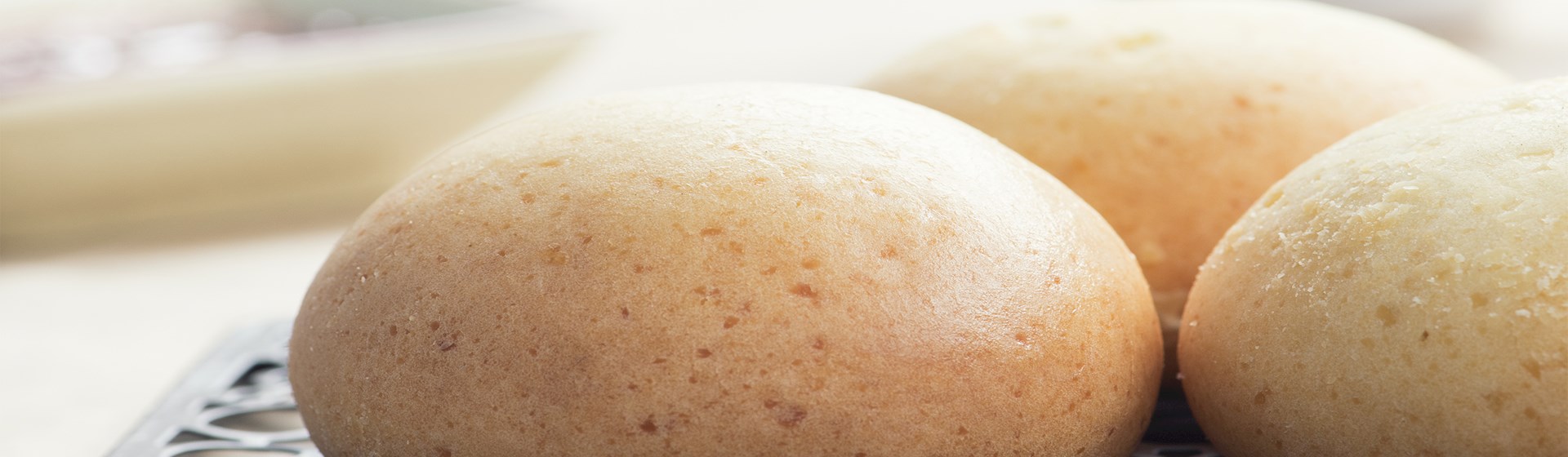
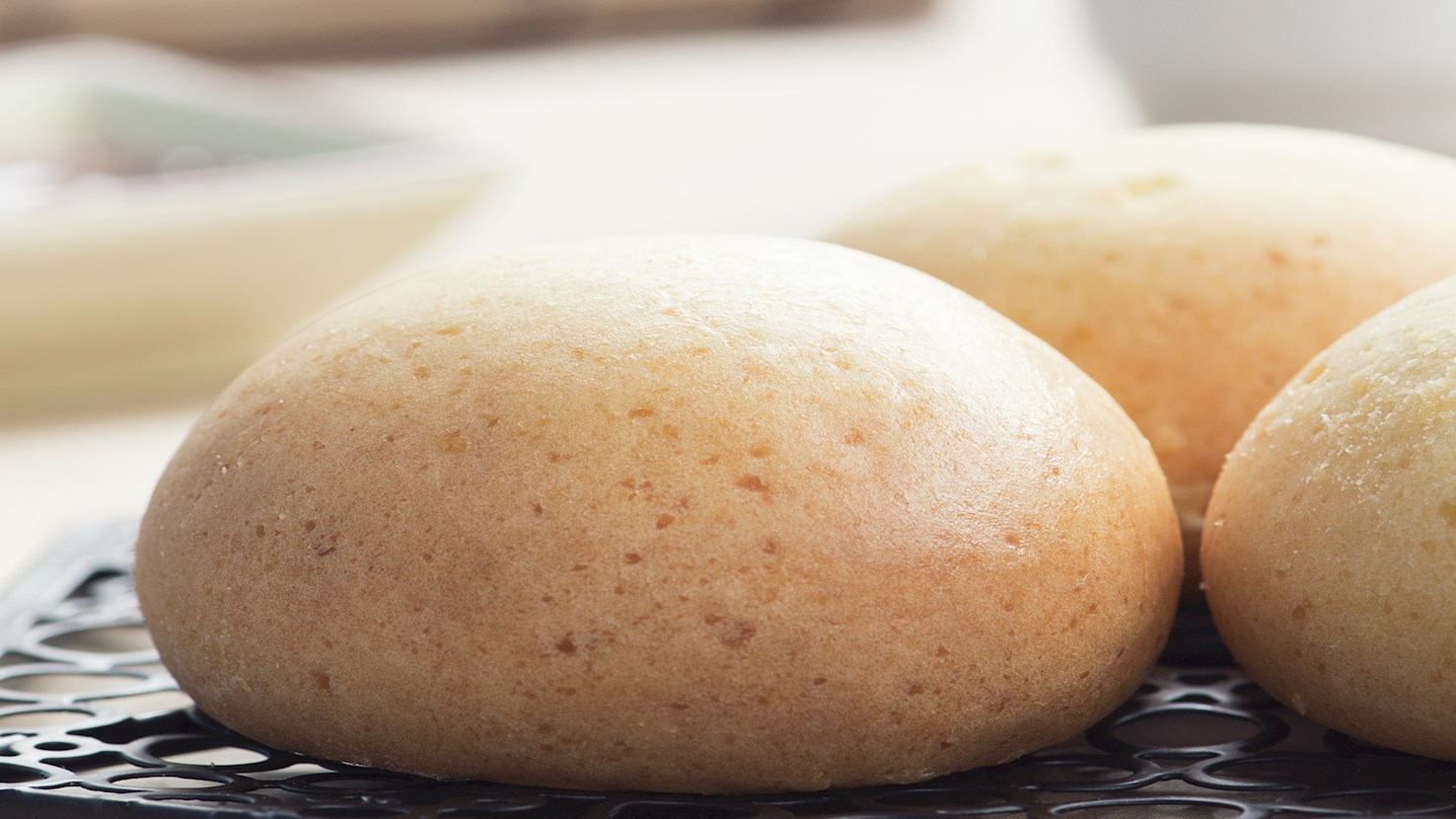
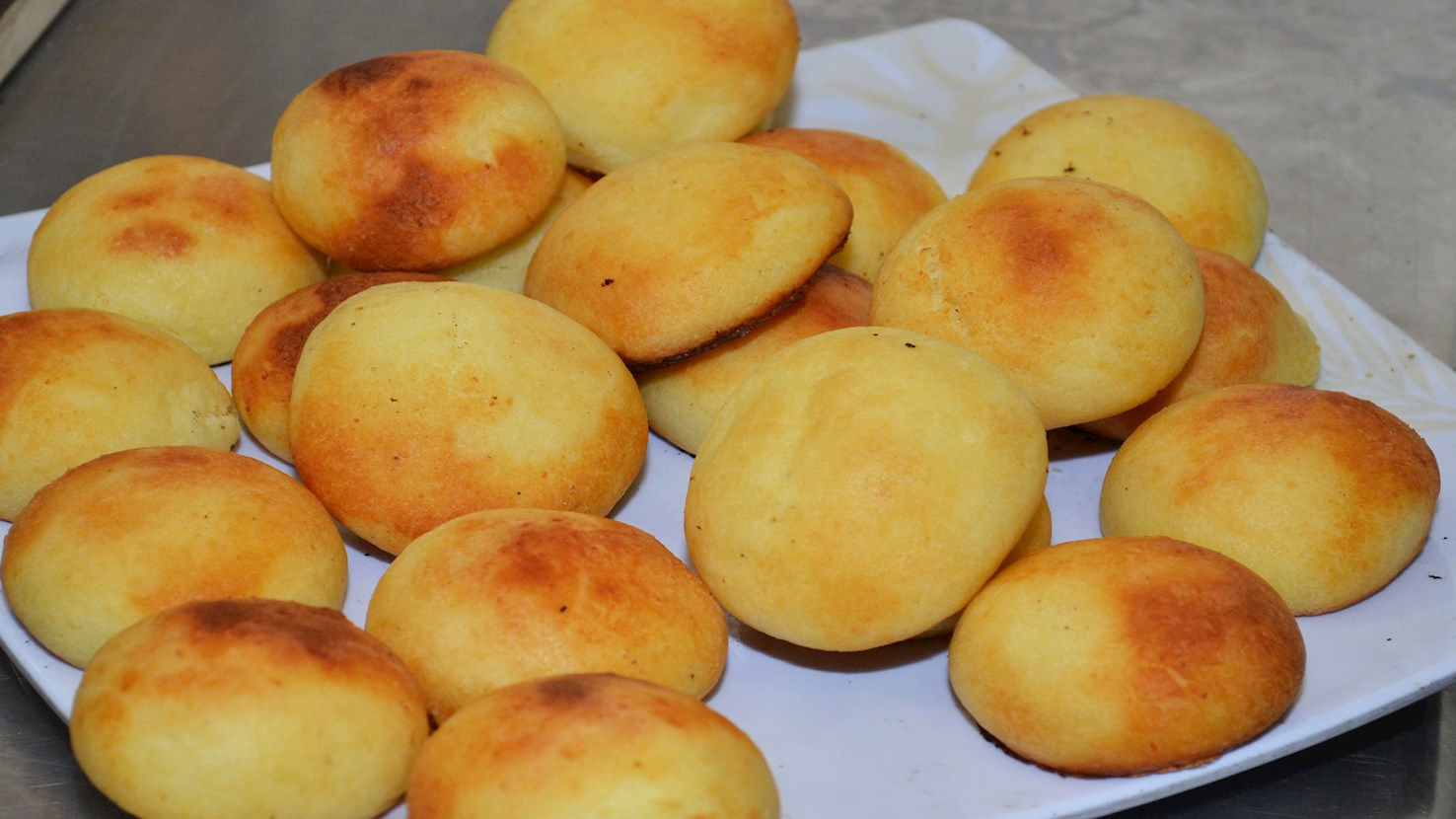
Pan de bono is a traditional bread consisting of cassava starch, cornmeal or corn flour, queso fresco, eggs, and sugar. The bread is shaped into bagels or balls that are slightly larger than golf balls. Pan de bono is similar to other South American cheese breads like pan de queso, difference being added conr flour or cornmeal, and a hint of sweeteness due to the addition of sugar. It is usually served warm with a cup of hot chocolate on the side. Some claim that the name pan de bono was created after an Italian baker in Cali who used to yell pane del buono (good bread), while others say that it is named after a place called Hacienda El Bono, where it was first made.

02

Pão de queijo

4.4 ·

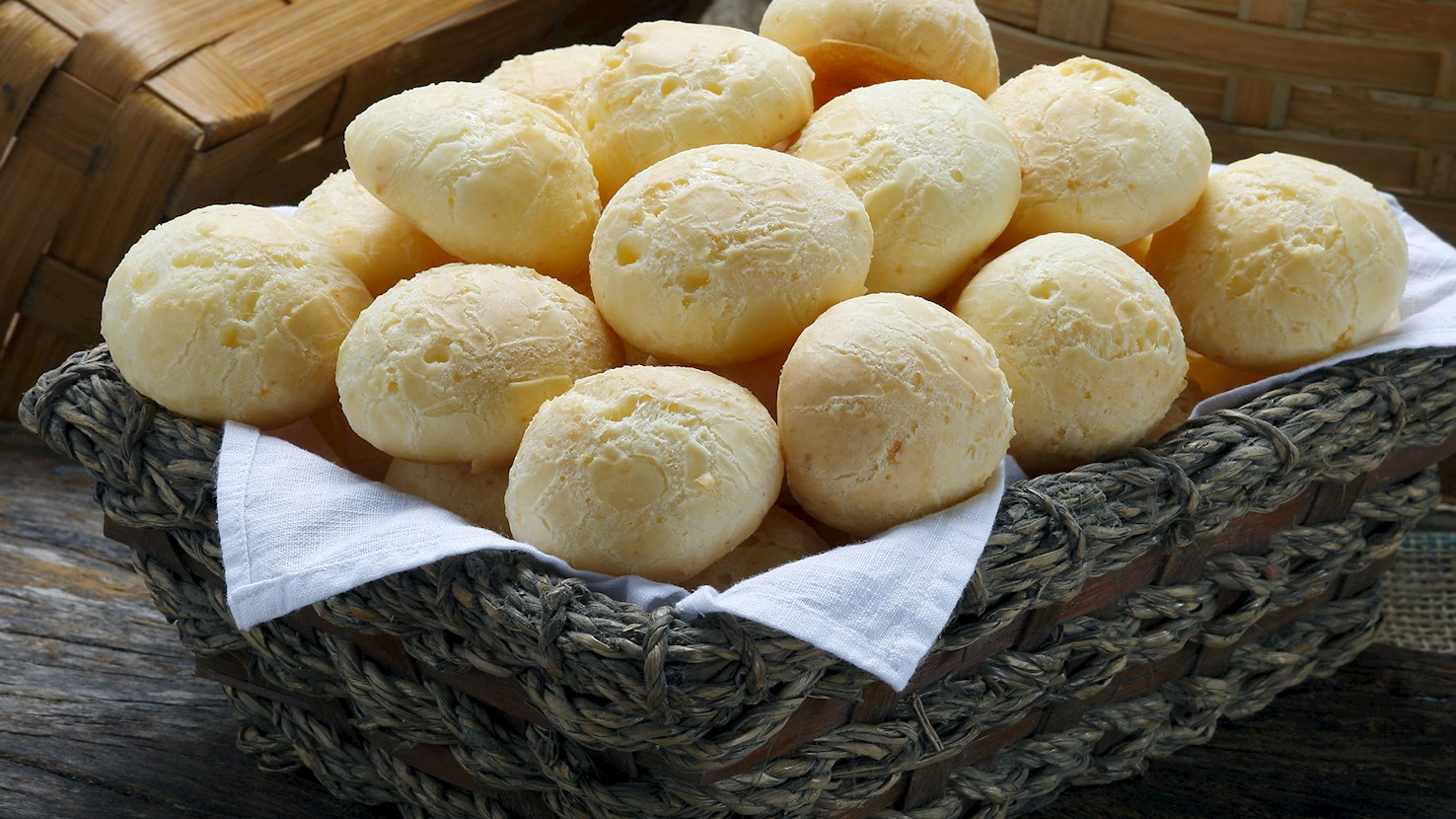
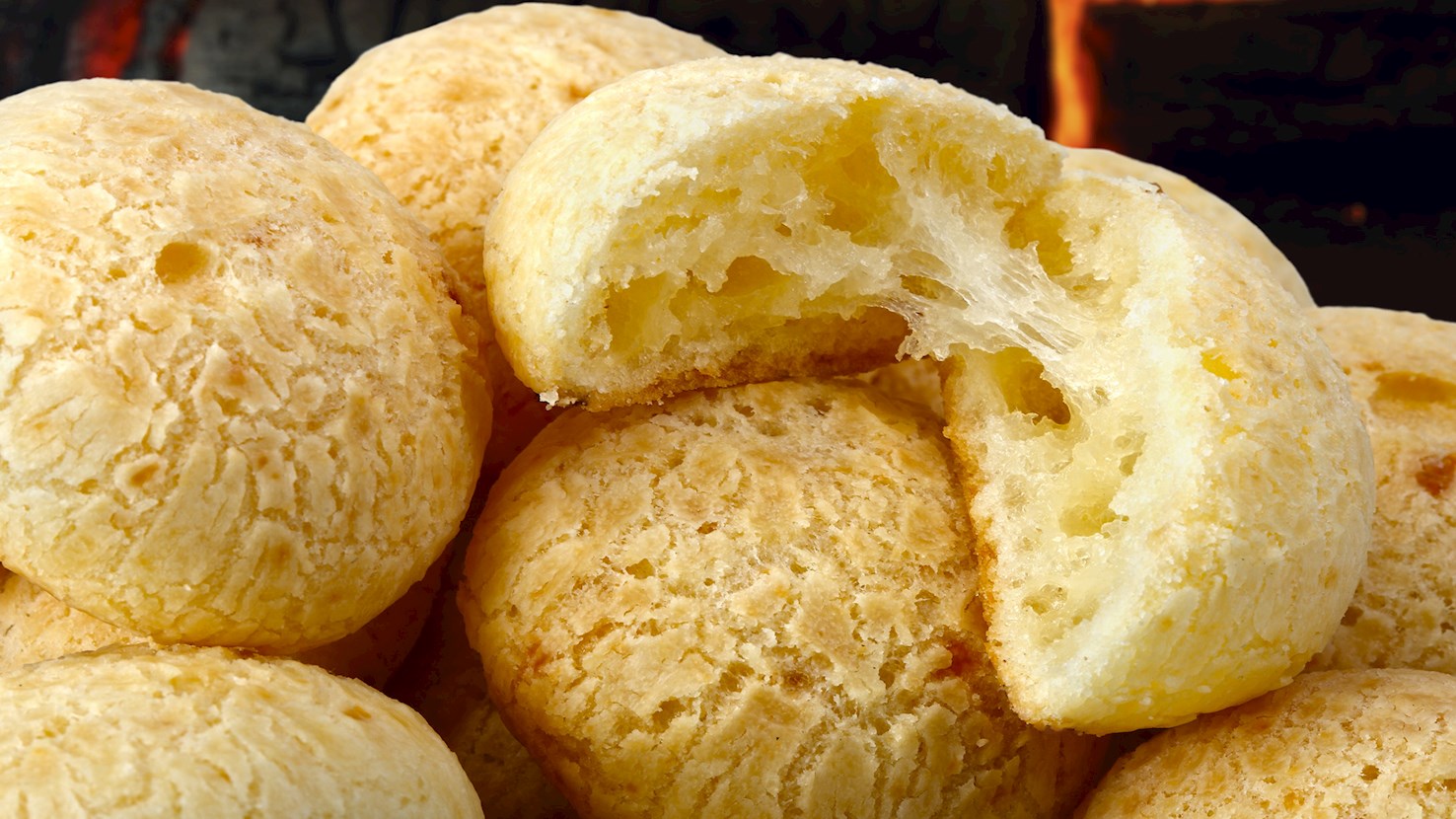
Literally translated to cheese bread, pão de queijo has its origins in the culinary inventions of African slaves, when they started to use the residue of the cassava plant. A fine white powder, or starch, was rolled into balls and baked. At the time, no cheese was added, so it was just baked starch, but at the end of the 19th century, when slavery ended, other foods started to become available to the Afro-Brazilians for the first time. In the state of Minas Gerais, the dairy center of Brazil, cheese and milk started to be added to the starchy balls, and pão de queijo was created. Today, it is a popular Brazilian snack or breakfast food that is also widely consumed in northern Argentina, sold at numerous coffee shops, snack bars, and bakeries.

03

Almojábana

4.4 ·

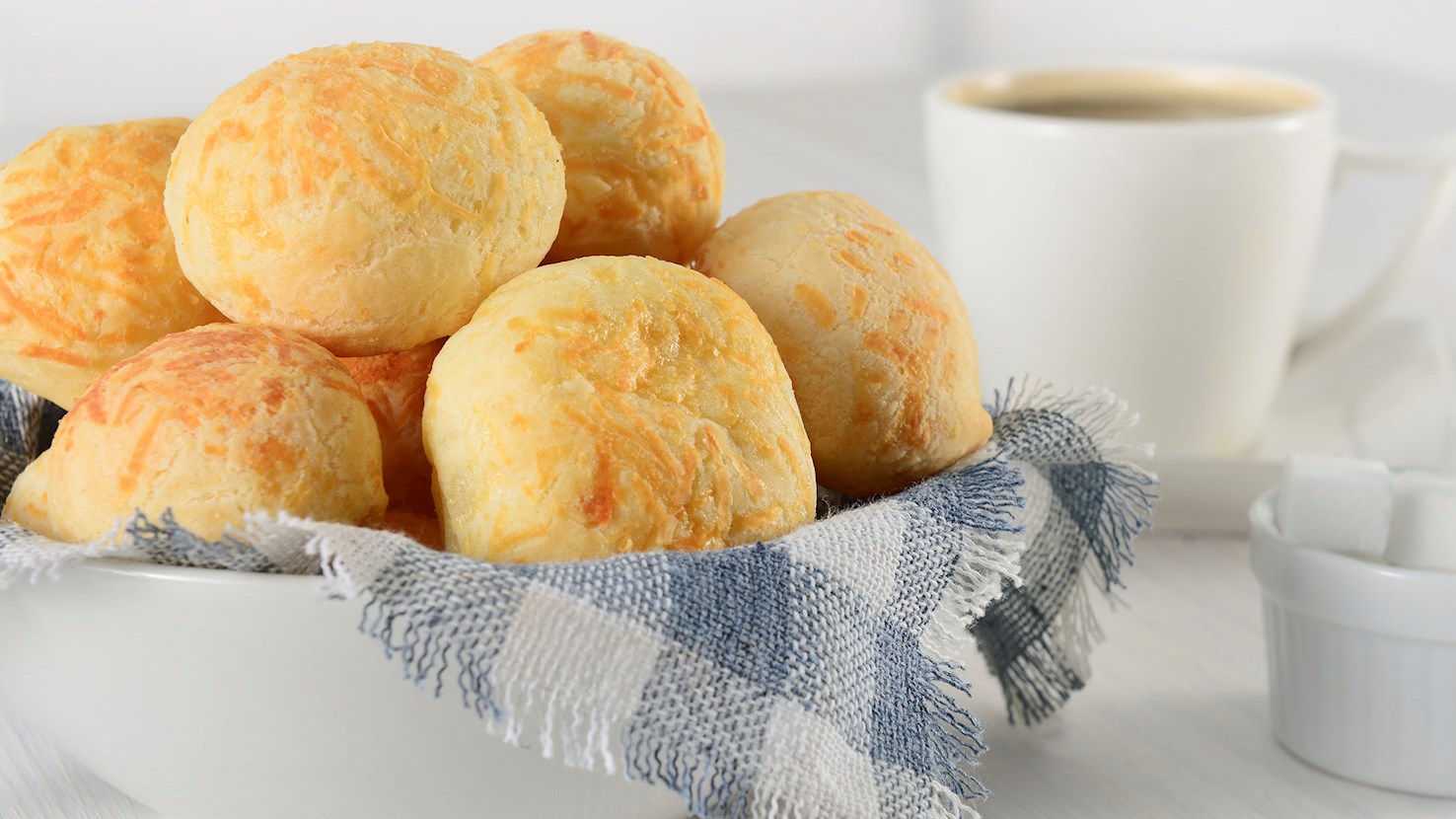
Almojábana is a traditional and Puerto Rican bread (although it is also popular in other countries of Latin America) that is very similar to pandebono. Pandebono is usually made with yuca flour and costeño cheese, while almojábanas are made with cuajada white cheese and cornmeal flour. Almojábanas are baked until they develop a spongy texture and a golden brown color of the exterior. This small, round bread is traditionally served warm.

04

Pampushka

4.3 ·

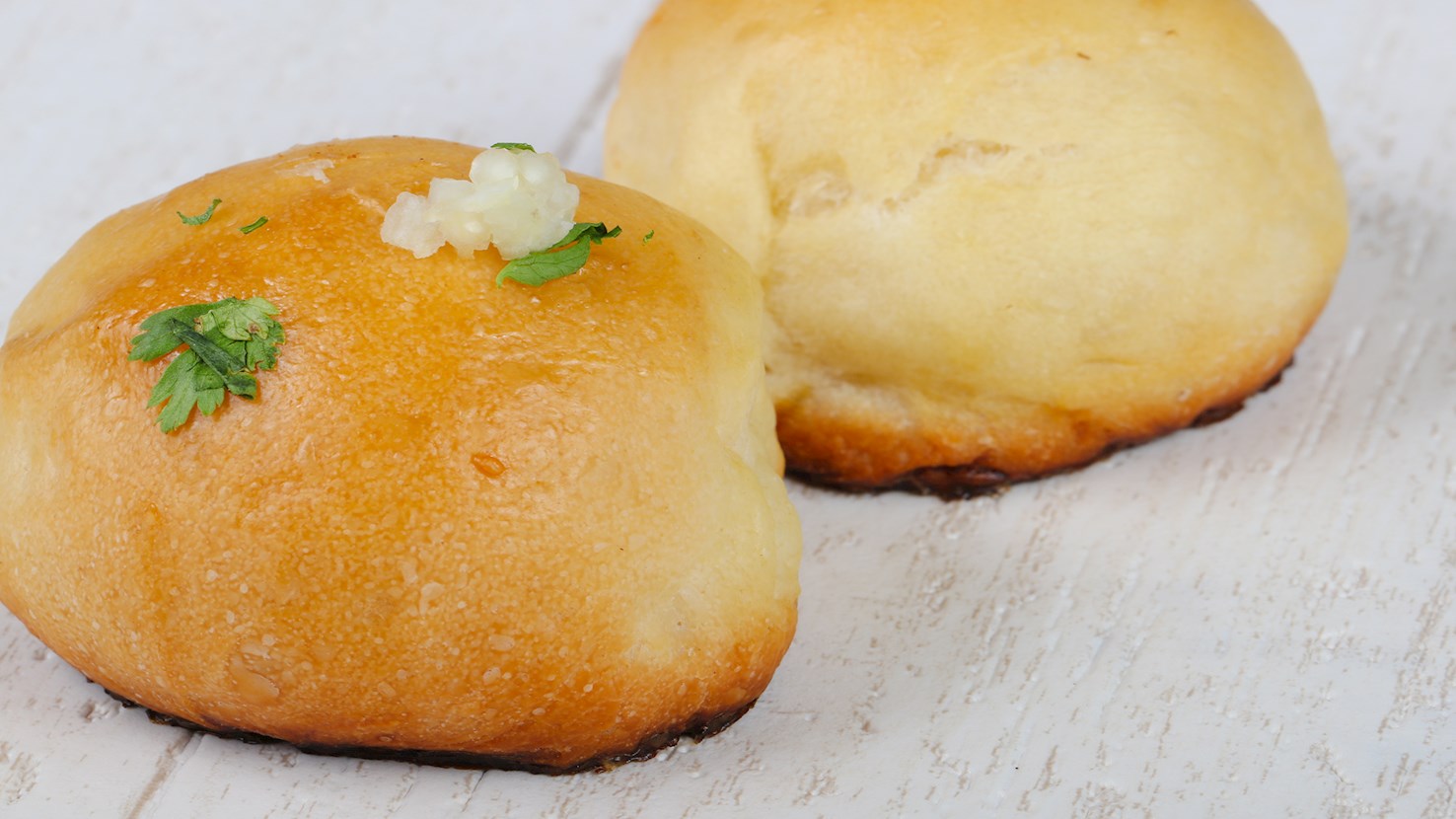
Pampushki are small Ukrainian yeasted buns. They can be prepared in sweet or savory versions. The dough usually consists of milk, flour, eggs, sugar, butter, yeast, oil, and salt, and it is then shaped into small balls. The sweet version is often stuffed with ingredients such as fruit jam, berries, fresh fruit, or cottage cheese, while the savory ones have no filling, but are traditionally flavored with garlic sauce and served alongside borscht.

05

Marraqueta

4.3 ·

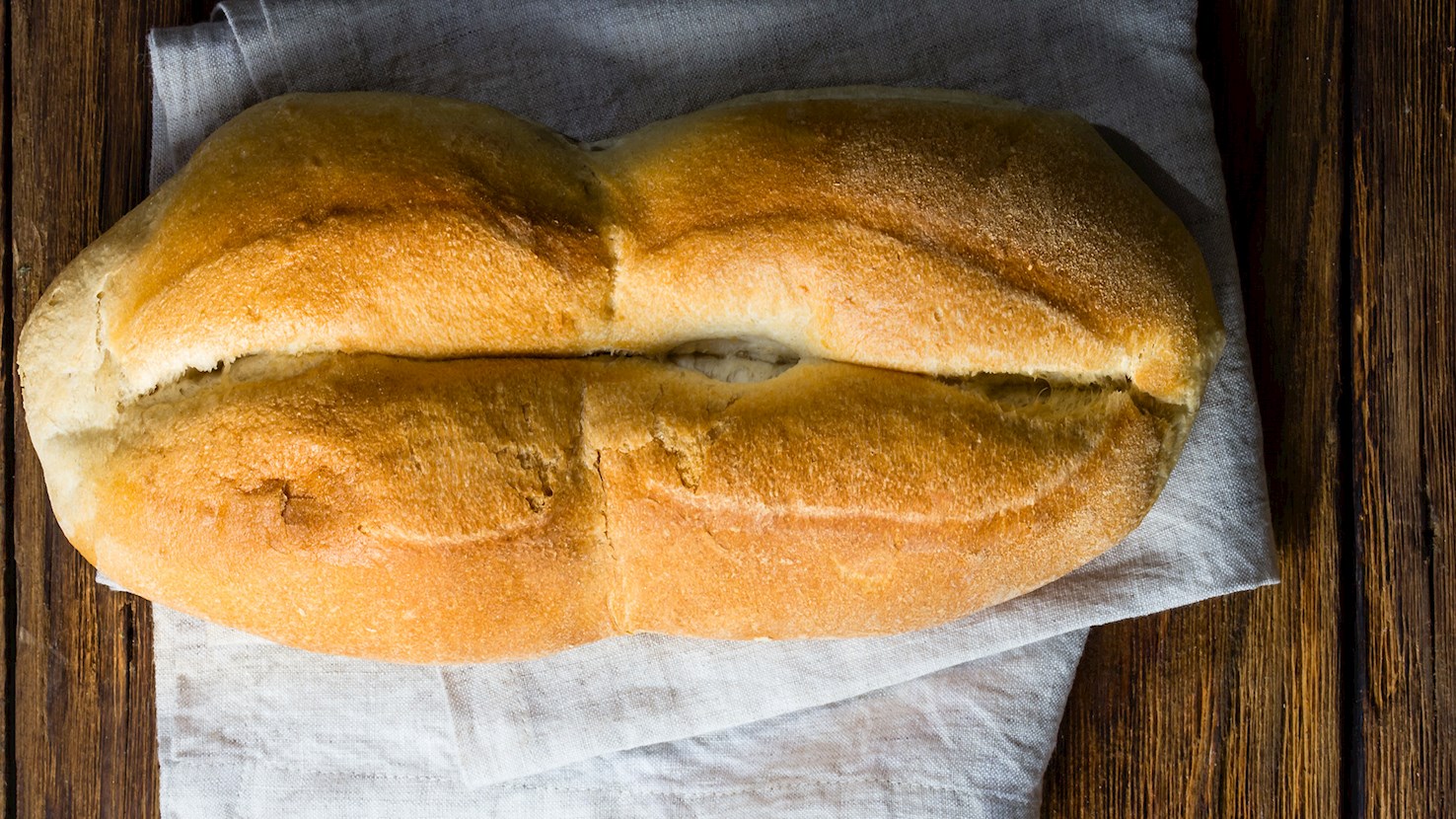
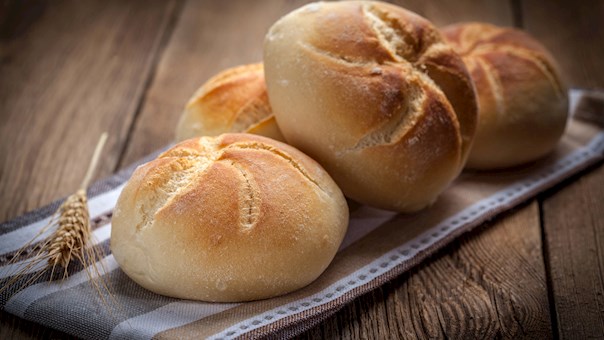
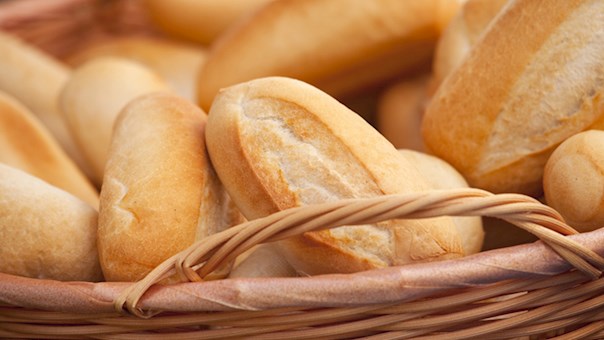
Marraqueta (also known as pan batido and pan francés) is the most popular bread in Chile and Bolivia, a staple food that is often consumed three times a day. It is made with flour, water, salt, and yeast. Two balls of dough are typically pressed together, then nearly split down the middle before the bread is baked in the oven, usually with a pan of water which gives marraqueta its characteristical crust. The crust is so beloved that some people even pull out the crumb (called miga) before consumption. It is believed that marraqueta dates back to the late 19th and early 20th century, when a large number of Europeans immigrated to Chile and Bolivia. Some claim that the bread was first baked by two French brothers called Teran-Marraquett, and that's how this daily staple got its name.

06

Pan de queso

4.3 ·

Pan de queso is a cheese bread from Colombia, namely the Paisa region where it is extremely popular. The main ingredients are tapioca flour and grated cheese, but it is the fermented cassava starch that gives these rolls their lightness and volume. They are eaten for breakfast or as a parva—a quick breakfast snack, either plain or filled with cream cheese or jelly.

07

Pan de yuca (Cassava bread)

4.2 ·

Pan de yuca is a traditional bread consisting of cassava flour, eggs, and cheese. It is usually shaped into small, round balls. The bread is popular throughout Colombia and Ecuador, although there are variations on pan de yuca throughout Latin America. It makes for a delicious warm appetizer or an afternoon snack, preferably paired with a cup of hot chocolate, tea, or coffee.

Best restaurants
08

Bolo lêvedo

4.2 ·

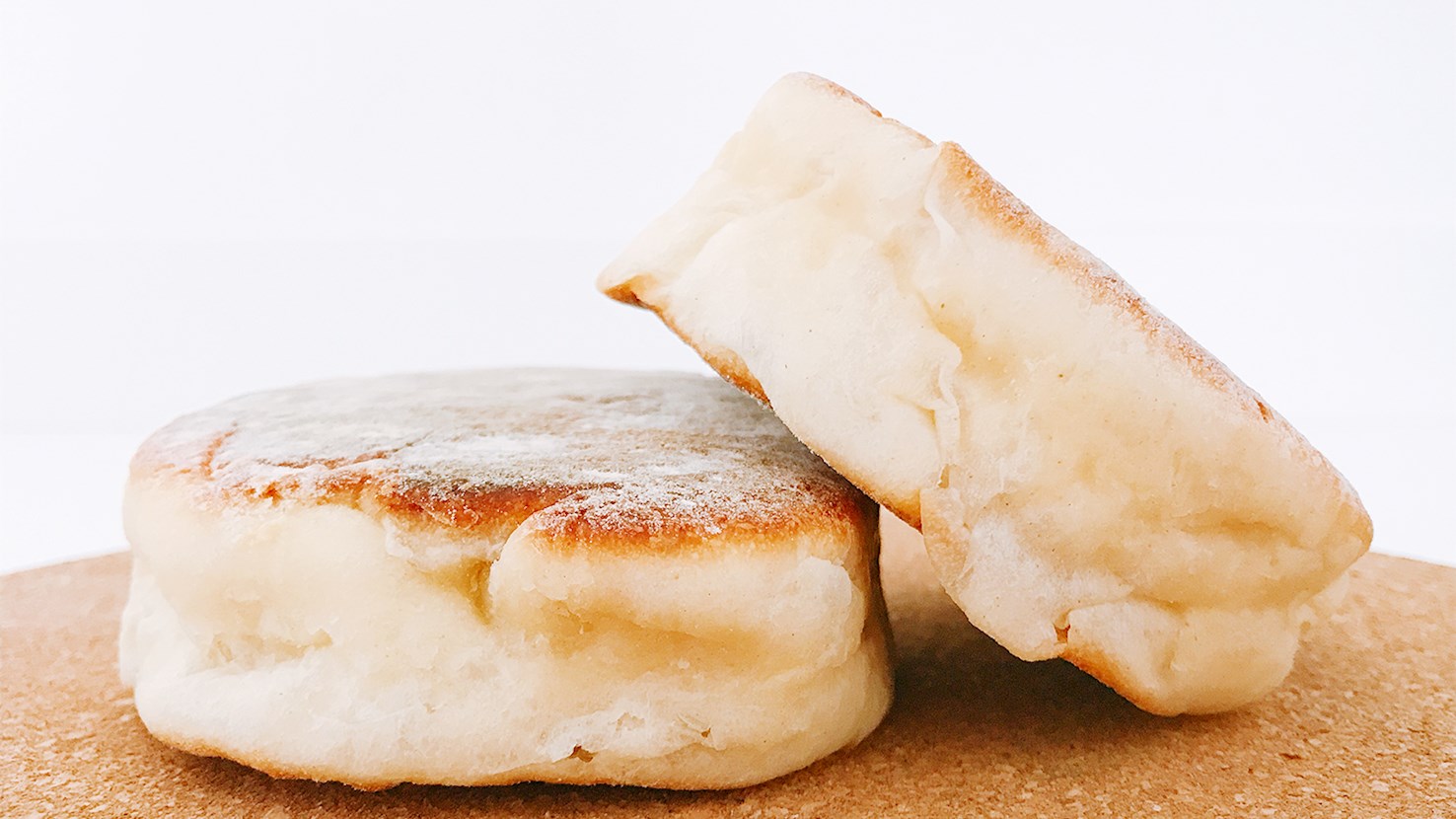
Bolo lêvedo is a traditional bread originating from the Azores. These sweet muffins are made with a combination of water, flour, sugar, eggs, butter, salt, milk, and yeast. The dough is shaped into small balls that are dusted with flour, then cooked over low heat. As soon as one side turns golden brown, bolo lêvedo is turned over and cooked on the other side. They're best served hot, then slathered with butter or fruit jams. It's recommended to pair them with a cup of coffee on the side.

09

New York City Bagels

4.1 ·

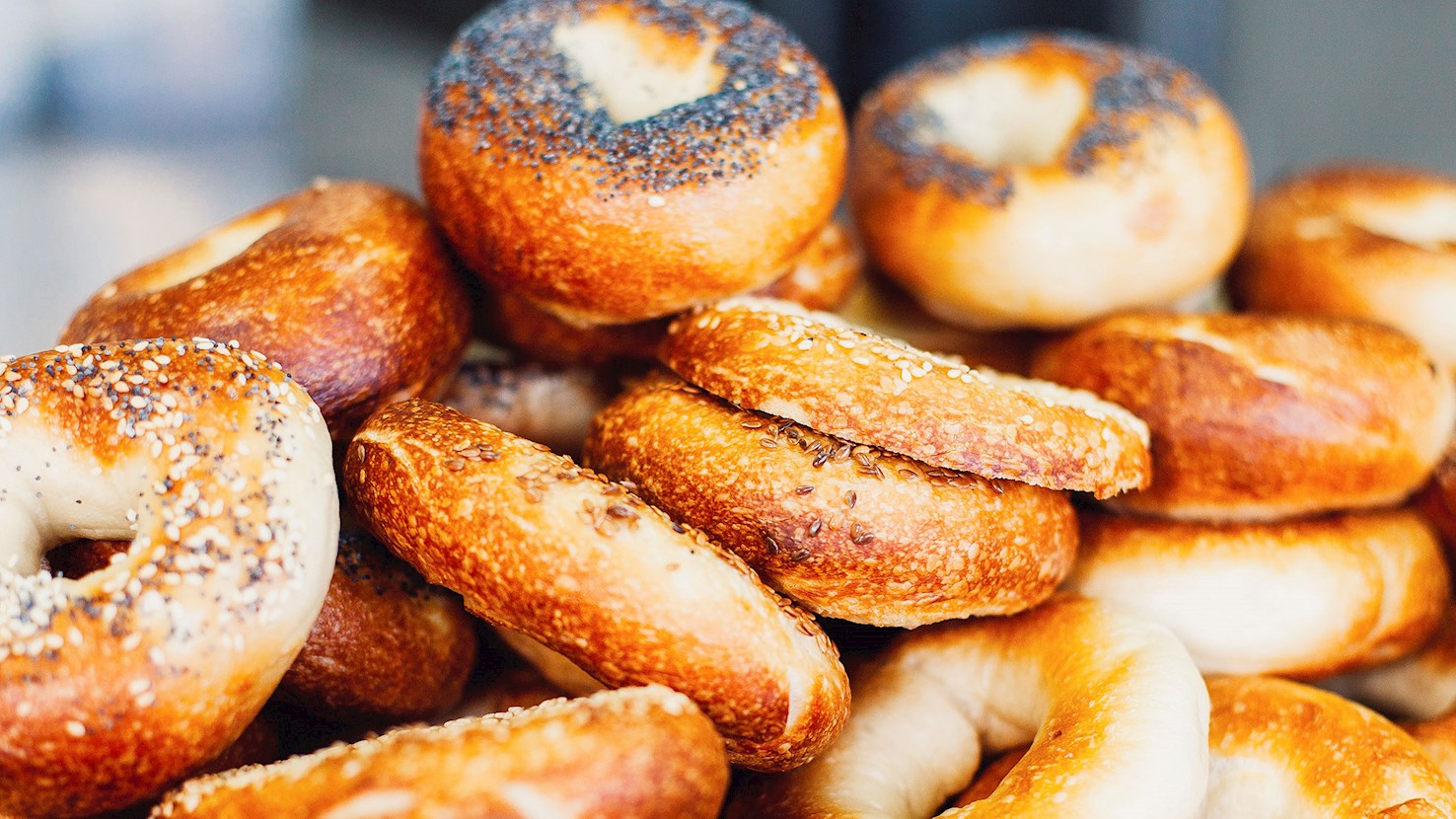
Bagels are an iconic New York City food: boiled, then baked hand-shaped, round rolls with a hole in the middle. It is a small and dense bread with a malty flavor and a dark, shiny, and crunchy exterior which should snap when bitten into it. Originally, they were brought to the United States by Jewish immigrants from Eastern Europe. There is a theory that bagels were popular in the Jewish community because the dough needs to rest for twelve hours before being baked, so it was convenient for Jews to let it rise during the Sabbath, when work is forbidden. New Yorkers claim that their bagels are the best due to the water's softness, as there are low levels of calcium and magnesium that could toughen the dough when combined with gluten. In the past, bagels were made in four original varieties: plain, poppy, salt or sesame, but nowadays they are made with garlic, onion, cinnamon, and raisins, best enjoyed fresh out of the oven and paired with butter, scallions, lox, and cream cheese.

10

Pandesal

4.1 ·

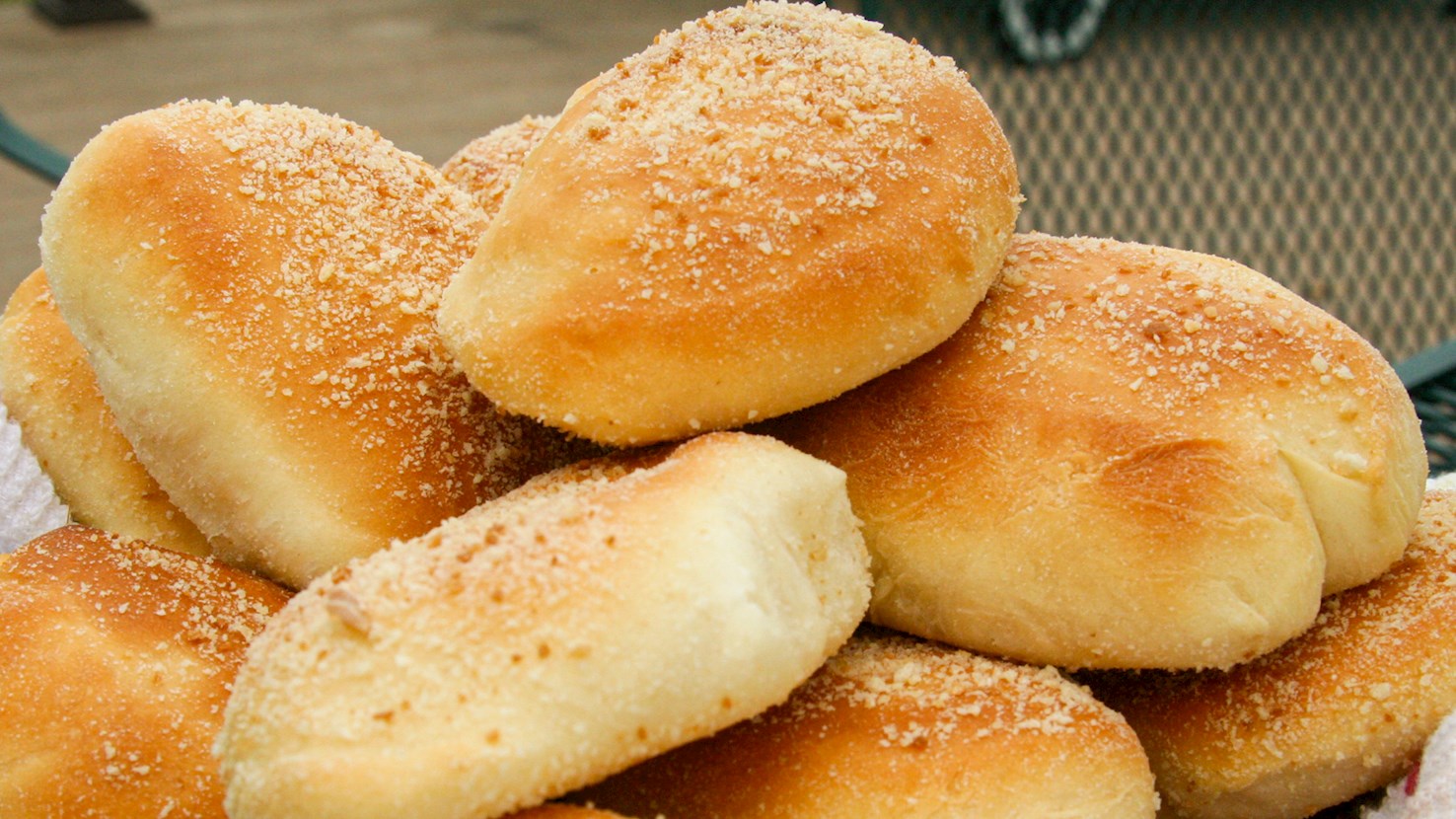
Pandesal is a popular bread roll from the Philippines. Its name is derived from the Spanish words "pan de sal," which translates to "bread of salt." However, despite its name, pandesal is characteristically slightly sweet rather than salty. The outside is usually coated in fine breadcrumbs, which give it a unique texture. This bread is a staple at many Filipinos' breakfast tables and is often enjoyed dipped in hot coffee or filled with various fillings like cheese, corned beef, or coconut jam. Over the years, its simple ingredients of flour, yeast, sugar, and salt have provided comfort and sustenance to generations of Filipinos.

About this ranking

TasteAtlas food rankings are based on the ratings of the TasteAtlas audience, with a series of mechanisms that recognize real users and that ignore bot, nationalist or local patriotic ratings, and give additional value to the ratings of users that the system recognizes as knowledgeable. For the “Top 56 Bread Rolls in the World” list until June 15, 2026, 3,741 ratings were recorded, of which 2,491 were recognized by the system as legitimate. TasteAtlas Rankings should not be seen as the final global conclusion about food. Their purpose is to promote excellent local foods, instill pride in traditional dishes, and arouse curiosity about dishes you haven’t tried.

Similar lists