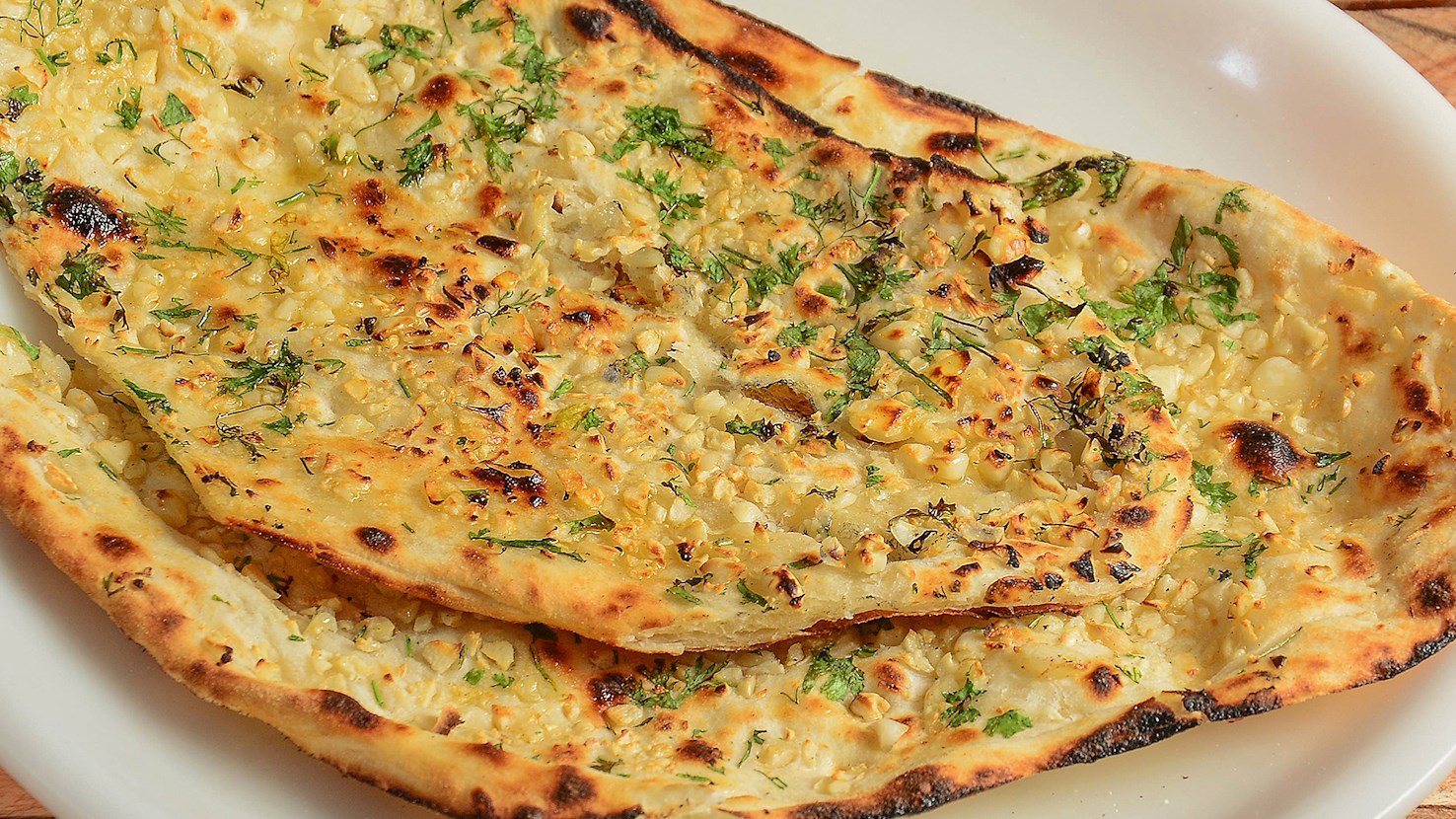
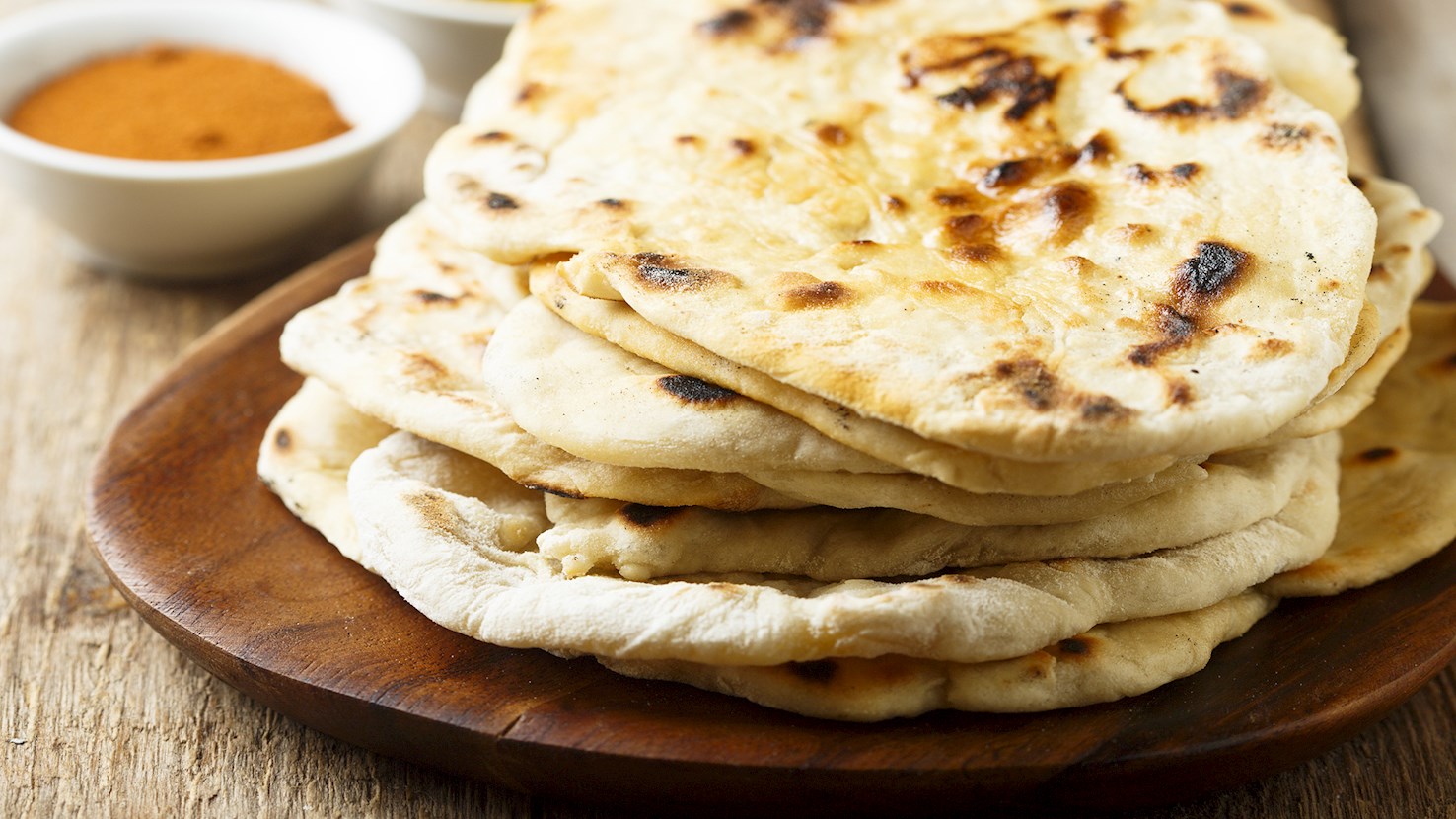
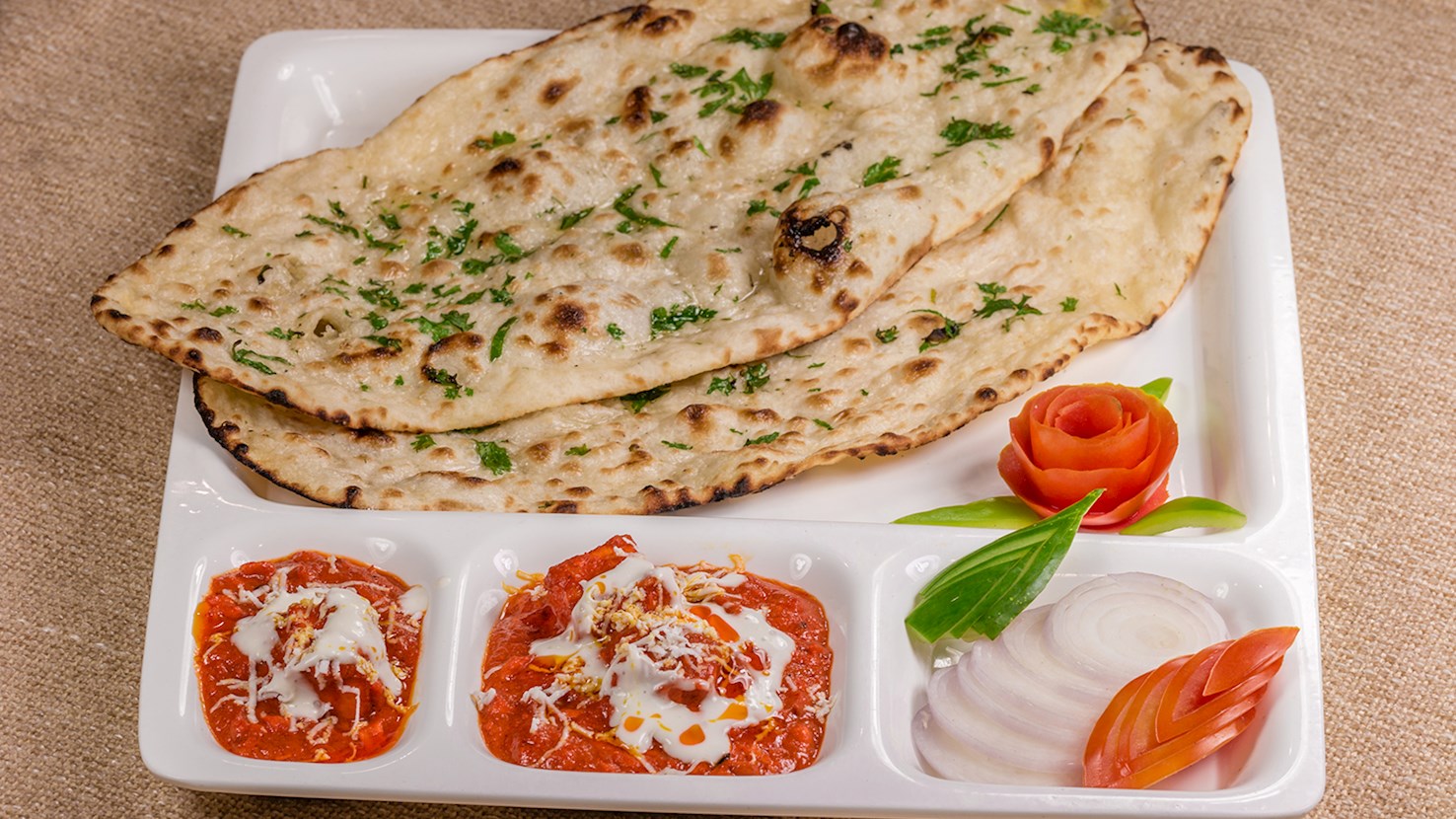
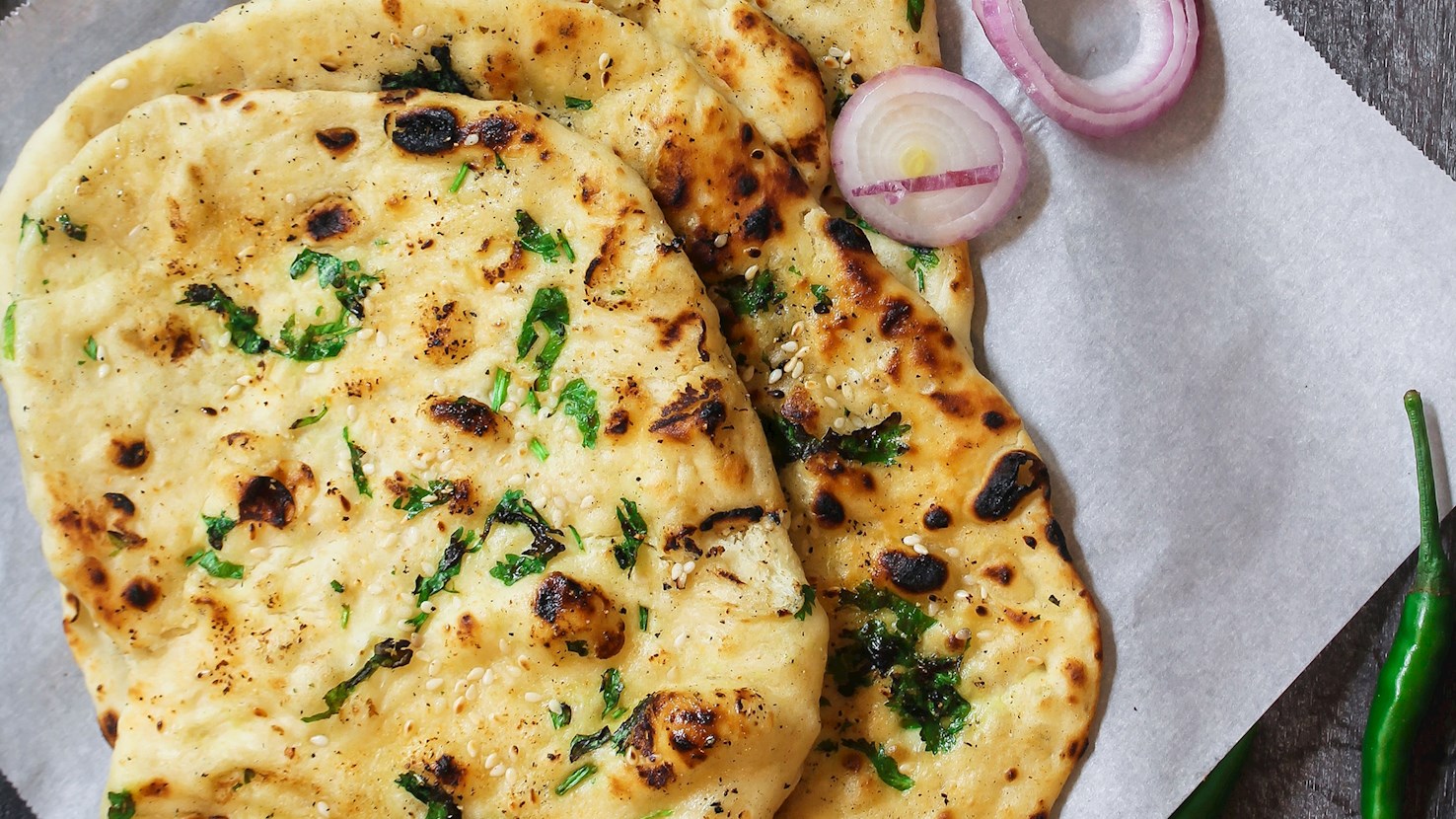
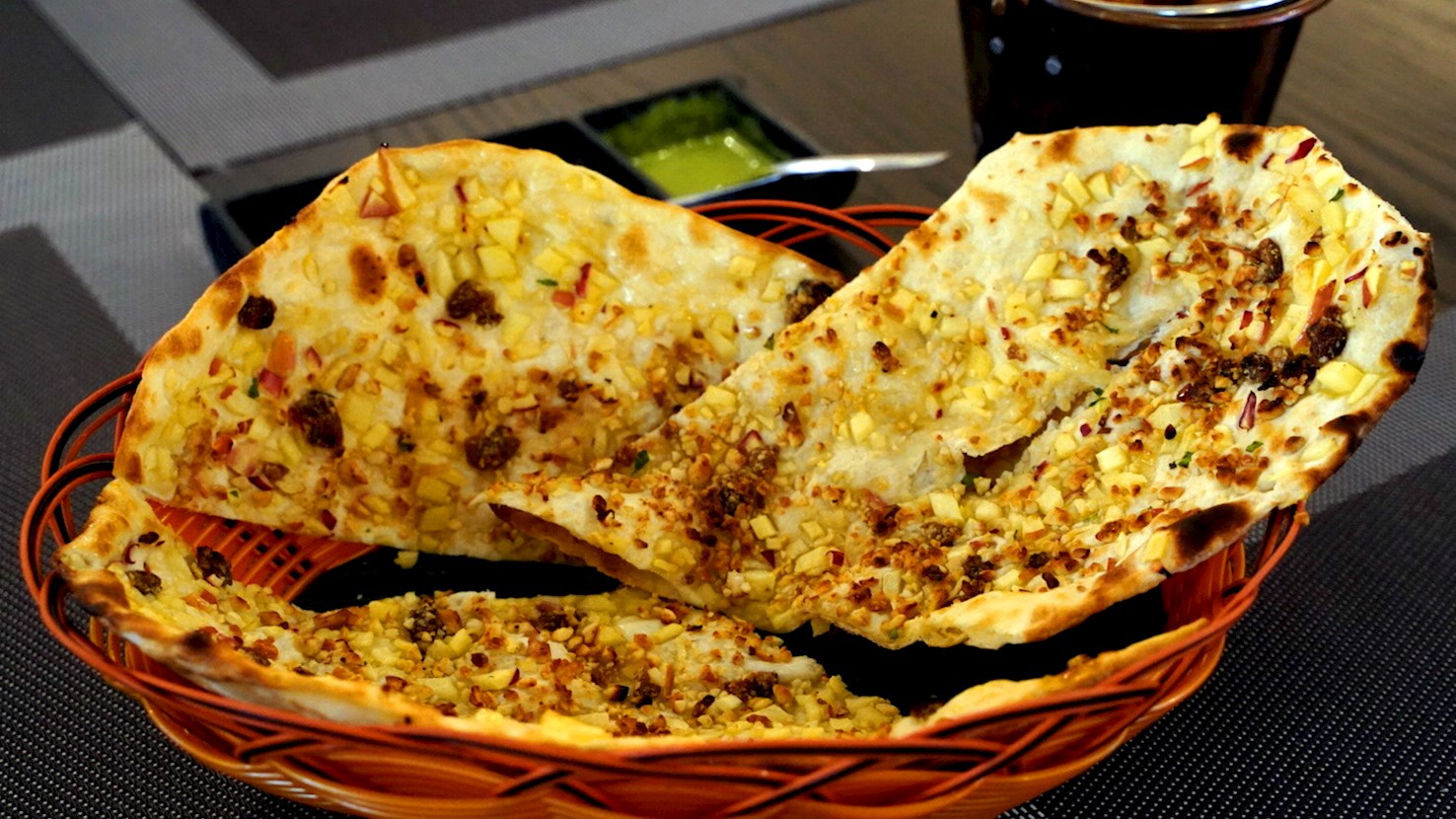
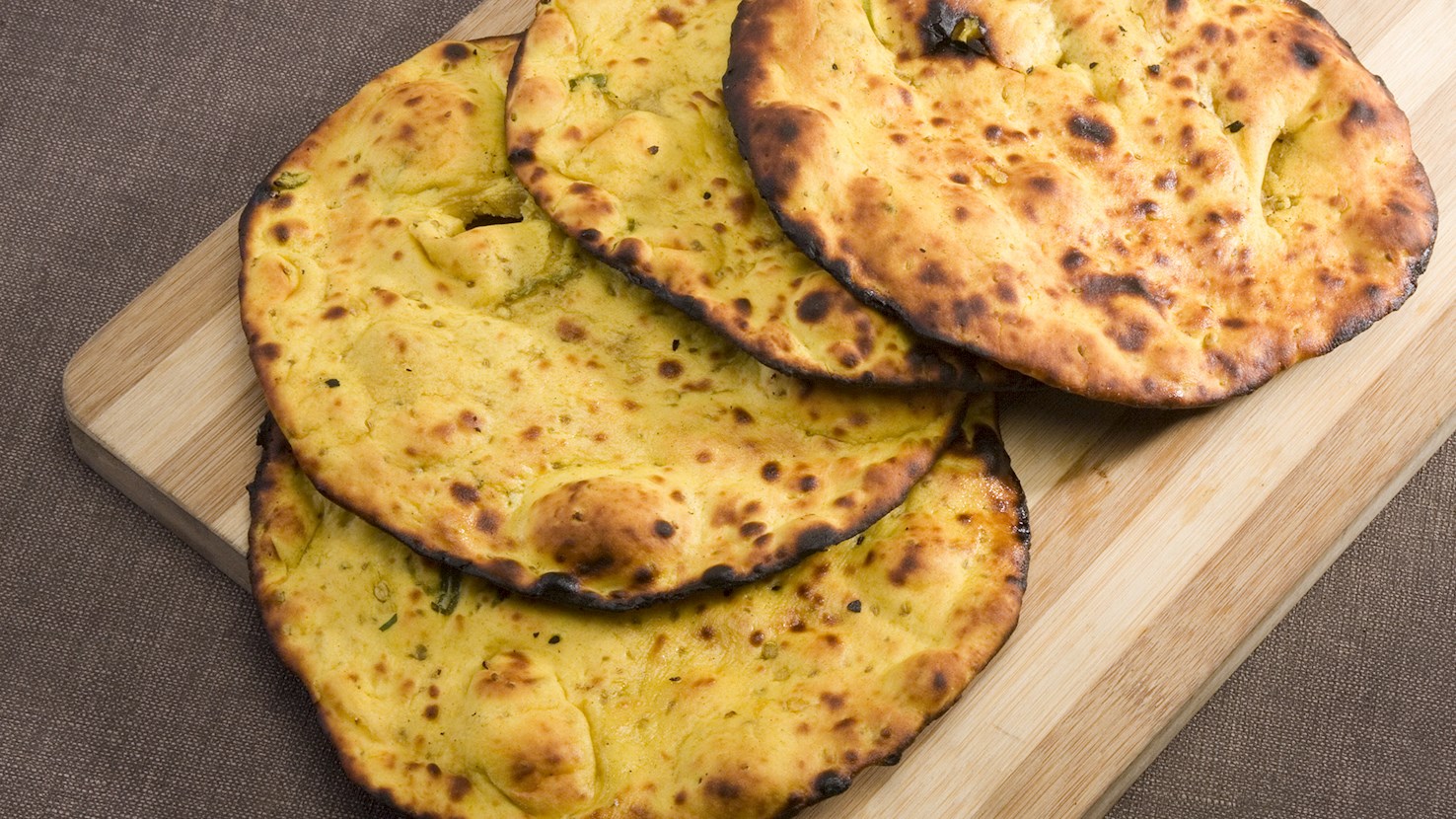
Butter garlic naan is a traditional flatbread and one of the most popular versions of naan. It’s made with flour, baking powder, salt, sugar, and dahi. Once the dough has been baked in a hot tandoor oven, the golden naan is taken out and brushed with butter or ghee, then topped with minced garlic. It’s recommended to serve butter garlic naan with a variety of Indian dishes such as curries, butter chicken, dal makhani, malai kofta, or shahi paneer.
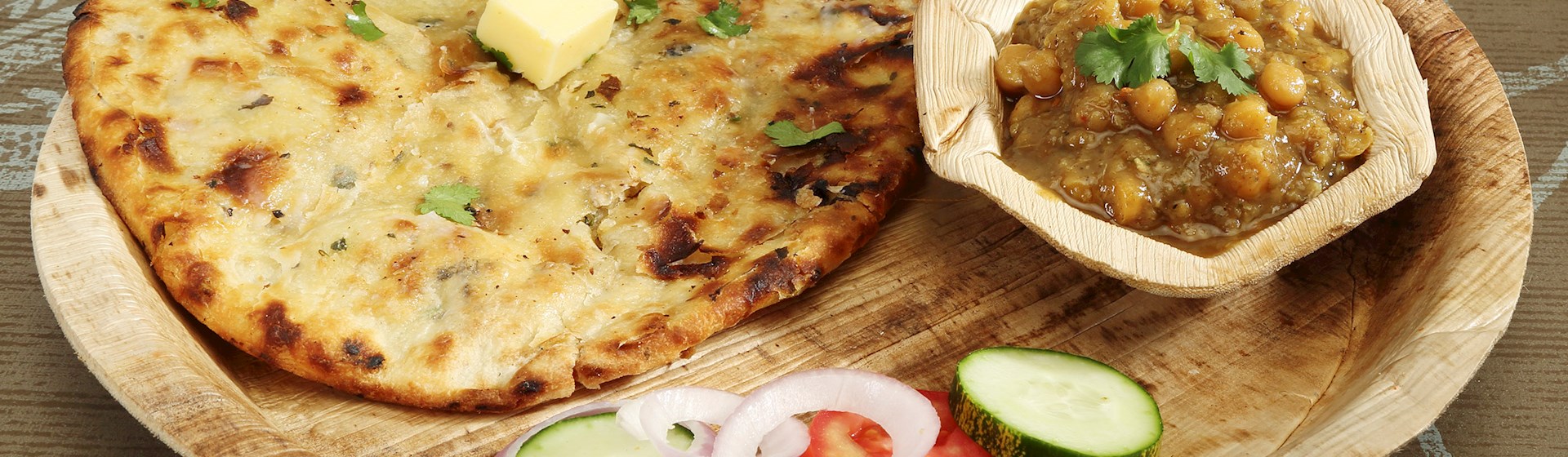
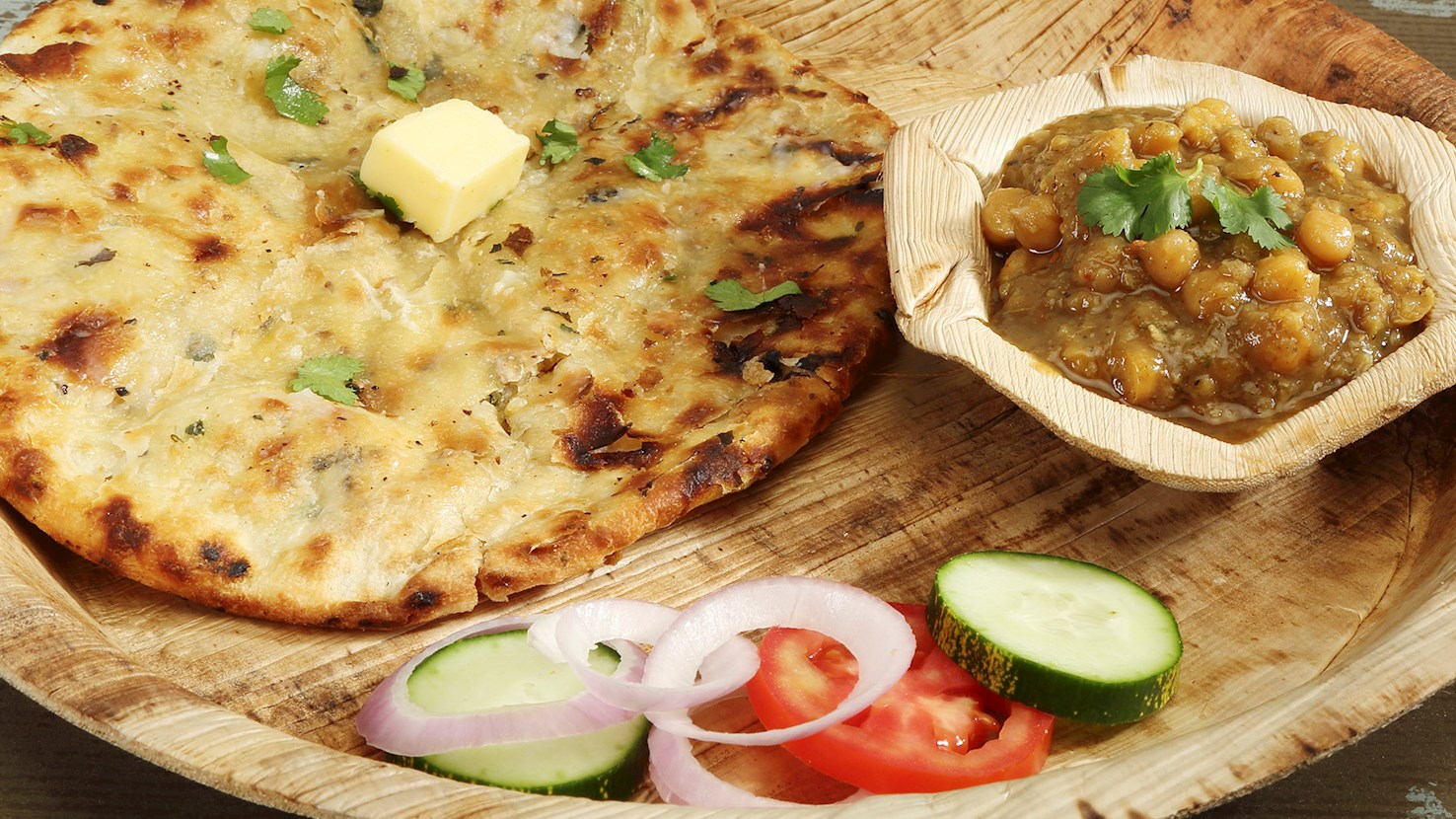
Coming from the North Indian city of Amritsari, Amritsari kulcha is a flatbread stuffed with potatoes, onions, cottage cheese, and spices. The flatbread is commonly garnished with coriander seeds, cilantro, and red chili powder. Thin, crispy, and smeared with ghee butter, it is a staple food in Amritsar, with almost every shop in the city sizzling with the sound of kulchas baked in large tandoor ovens. Not much is known about the history of this flavorful dish, and even the locals say that kulcha is just something they have always eaten, a variation on numerous flatbreads that the country is known for.
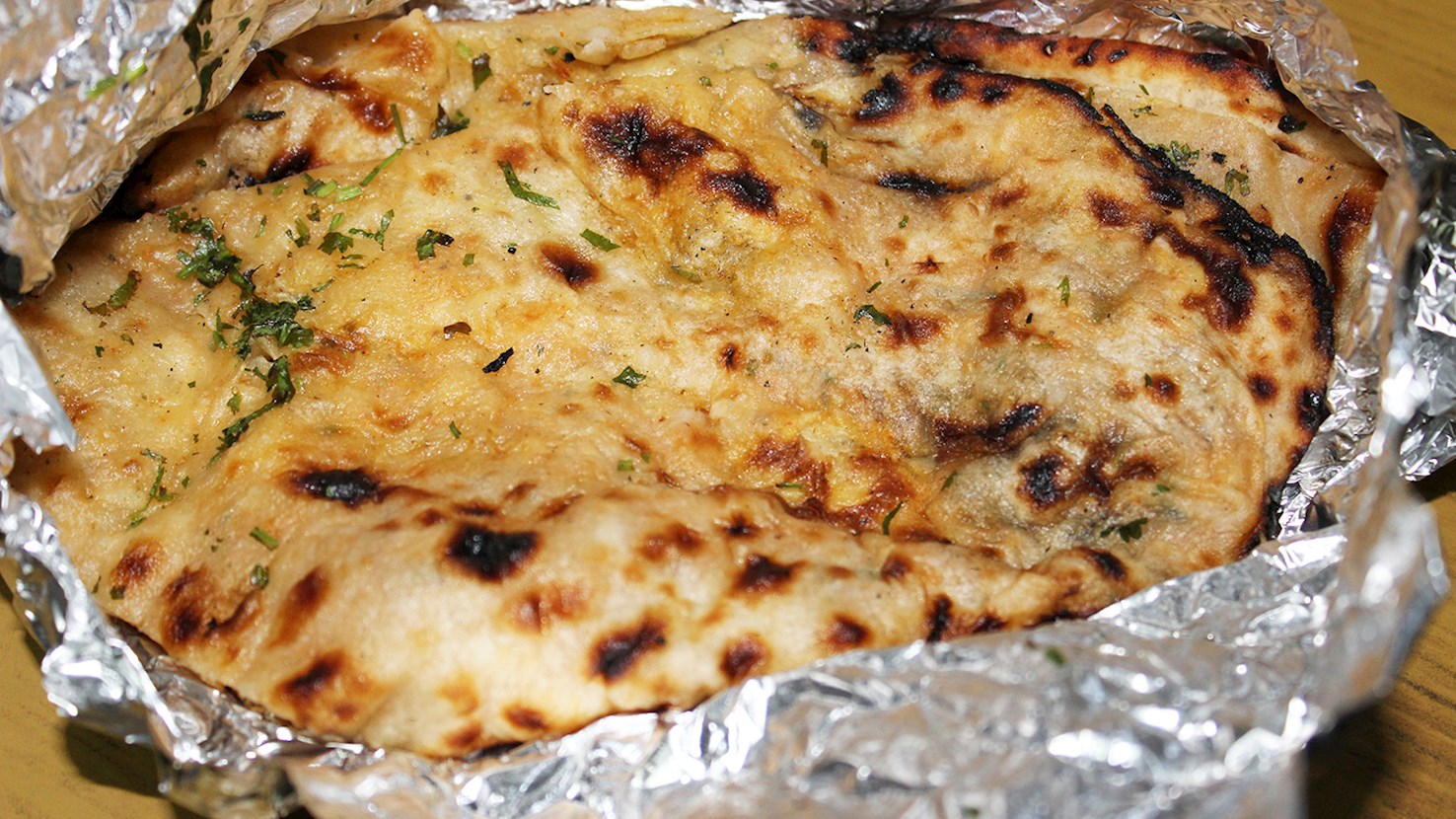
Aloo naan is a traditional flatbread and a version of naan. It’s made with a combination of flour, yeast, salt, sugar, and dahi. The naan is stuffed with a spicy combination of mashed potatoes, chili peppers, coriander, and garam masala, if desired. Once prepared, the golden tandoor-baked naan is brushed with butter or ghee, then served hot. It’s recommended to serve aloo naan with a variety of Indian dishes such as raita, chola, and dal makhani.
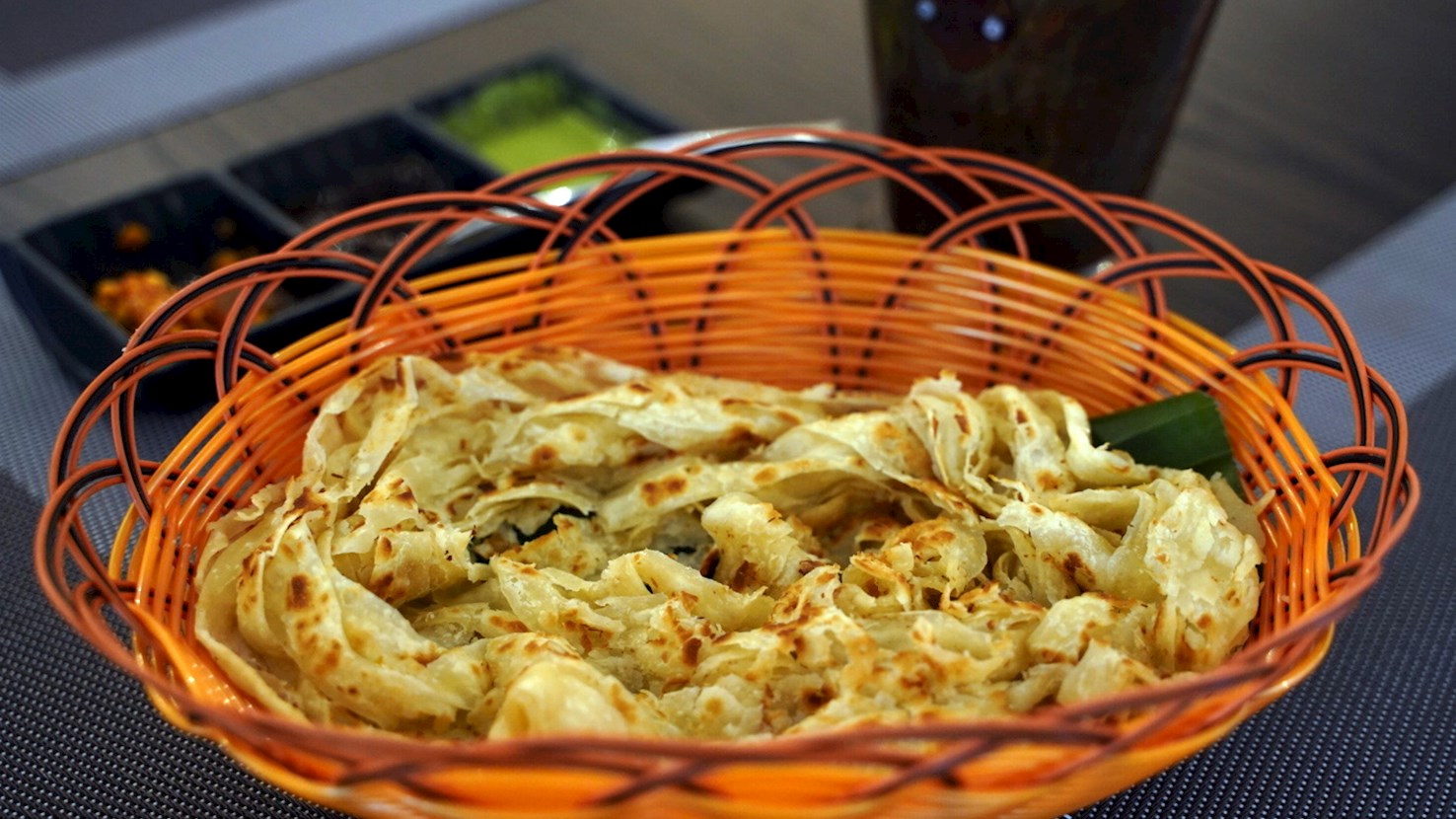
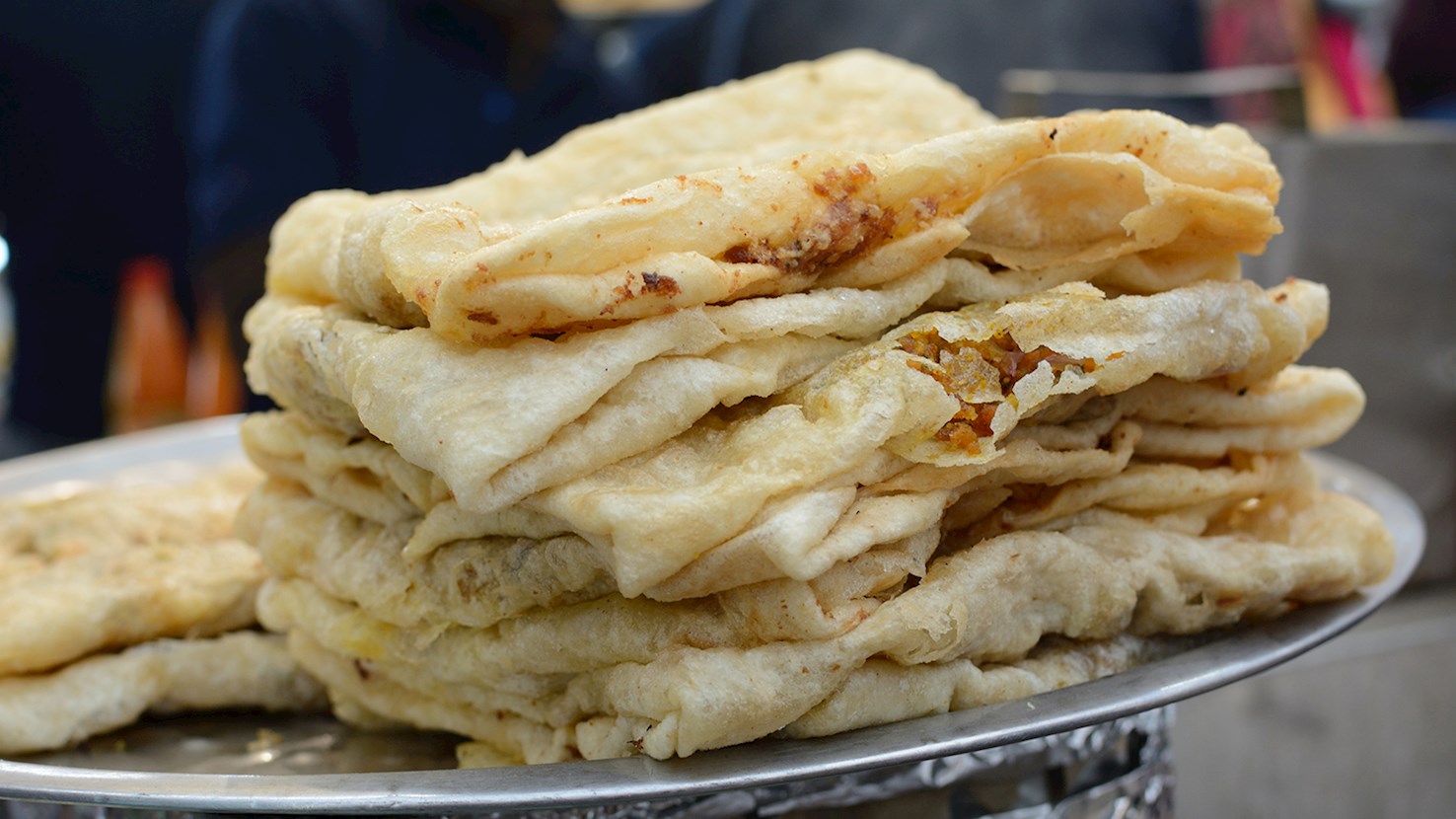
Parotta is a traditional Southern Indian flatbread, usually sold as street food. It is also popular in Malaysia and Sri Lanka. It is made with oil or ghee, water, refined wheat flour known as maida (unlike parathas, which are made with regular wheat), and occasionally eggs. The resulting dough is pan-fried and served with various vegetable or meat curries. This flatbread may also be incorporated into various dishes such as kothu parotta that combines shredded parotta with meat, eggs, and a spicy saalna sauce. A common variation of this popular flatbread is atta parotta, which is prepared with whole wheat flour.
Naan is a unique and popular flatbread with a chewy texture that has its roots in India. The first documented traces of naan are found in the 1300 AD notes of Amir Kushrau, an Indo-Persian poet. Its name comes from the Persian word for bread. Naan was originally made in two versions at the Imperial Court in Delhi - naan-e-tunuk (light bread) and naan-e-tanuri (baked on the stone walls of a tandoor oven). It consists of white flour, yeast, eggs, milk, salt, and sugar, baked in a tandoor oven. Its typical tear-drop shape is achieved by the way the dough droops as it cooks on the tandoor walls. Many Indian villages had a communal tandoor, placed in the middle of the village so that all the locals could bake naan. There are also many varieties of naan, such as kulcha (the flatbread is stuffed with a filling of nuts and raisins, potatoes, or onions) and garlic naan, topped with butter and crushed garlic. Traditionally, naan is served hot from the oven, slightly charred, brushed with ghee - Indian clarified butter, and it is usually consumed as an accompaniment to a variety of dishes.
Golden-brown in color, flaky and layered, paratha is a type of Indian bread that is typically consumed for breakfast. The name comes from a combination of words parat and atta (flour), referring to the cooked, layered dough. It consists of whole wheat flour that is baked in ghee (Indian clarified butter) and comes in round, triangular, square, or heptagonal shapes. Parathas are often stuffed with ingredients such as boiled potatoes, cauliflower, garlic, ginger, chili, paneer, or radish. They are sometimes accompanied by pickles, yogurt, homemade chutneys, or meat and vegetable curries. In Punjab, paratha is traditionally paired with lassi, a popular yogurt-based drink. Although the flatbread originated in Peshawar, Pakistan, it has spread throughout India where it can be found at numerous street stands and roadside eateries. The southern Indian version is called parotta. Another way of eating paratha is to roll it into a pipe and dip it into tea. Versatile, buttery, and aromatic - parathas are irresistible in the morning, and that just may be the key to their popularity.
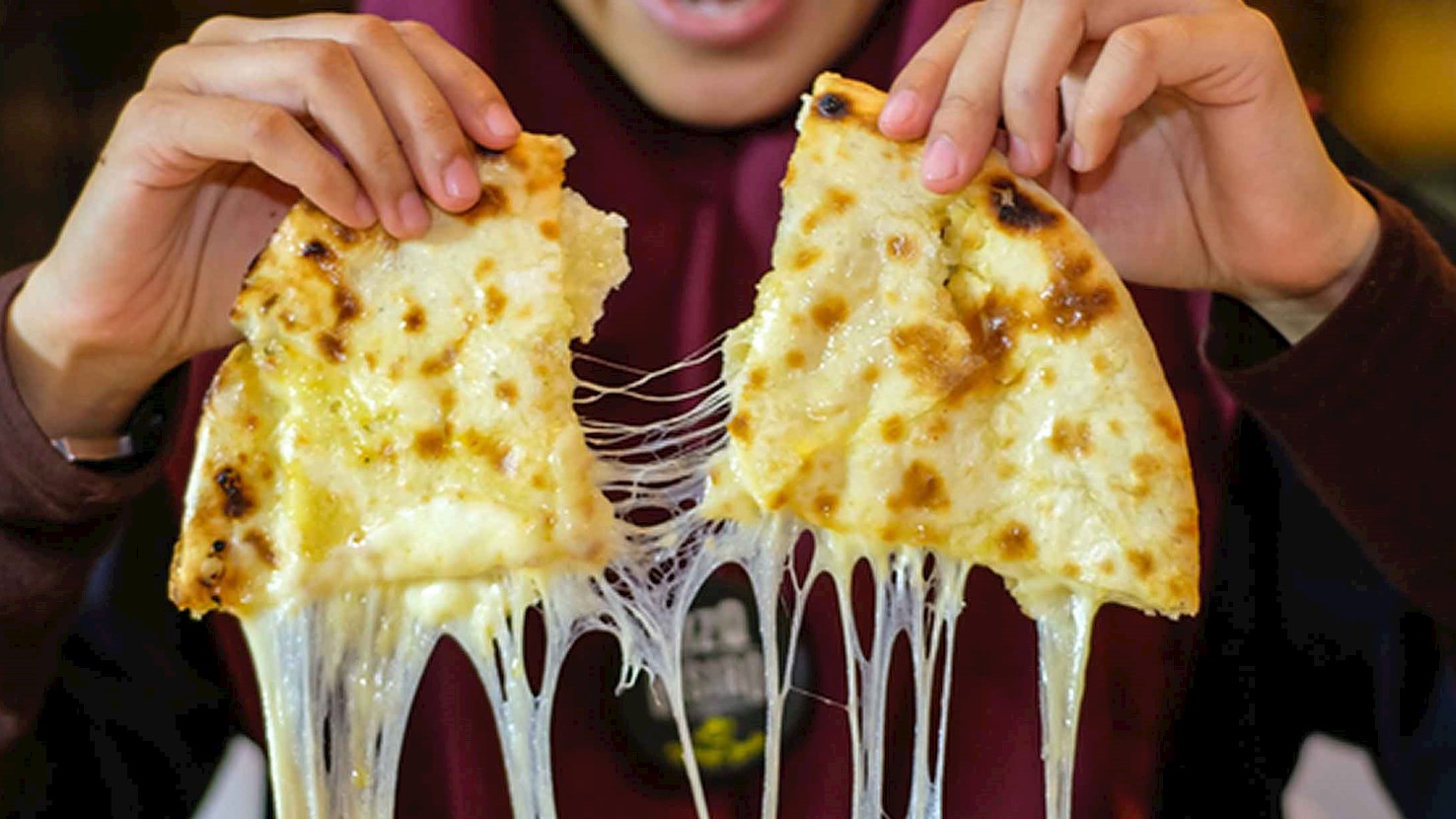
Paneer naan is a traditional flatbread and a version of naan. The dough is made with a combination of flour, yeast, sugar, salt, and yogurt. Once rolled, it’s usually stuffed with freshly grated paneer cheese (preferably homemade), coriander, masala spices, and cumin. Although plain naan is baked in a tandoor, this stuffed version is typically baked in a tava pan until the dough puffs up and becomes golden brown. Once done, paneer naan is brushed with melted butter or ghee, and it’s then served while still hot. It’s recommended to pair it with various Indian dishes such as curries or dal makhani.
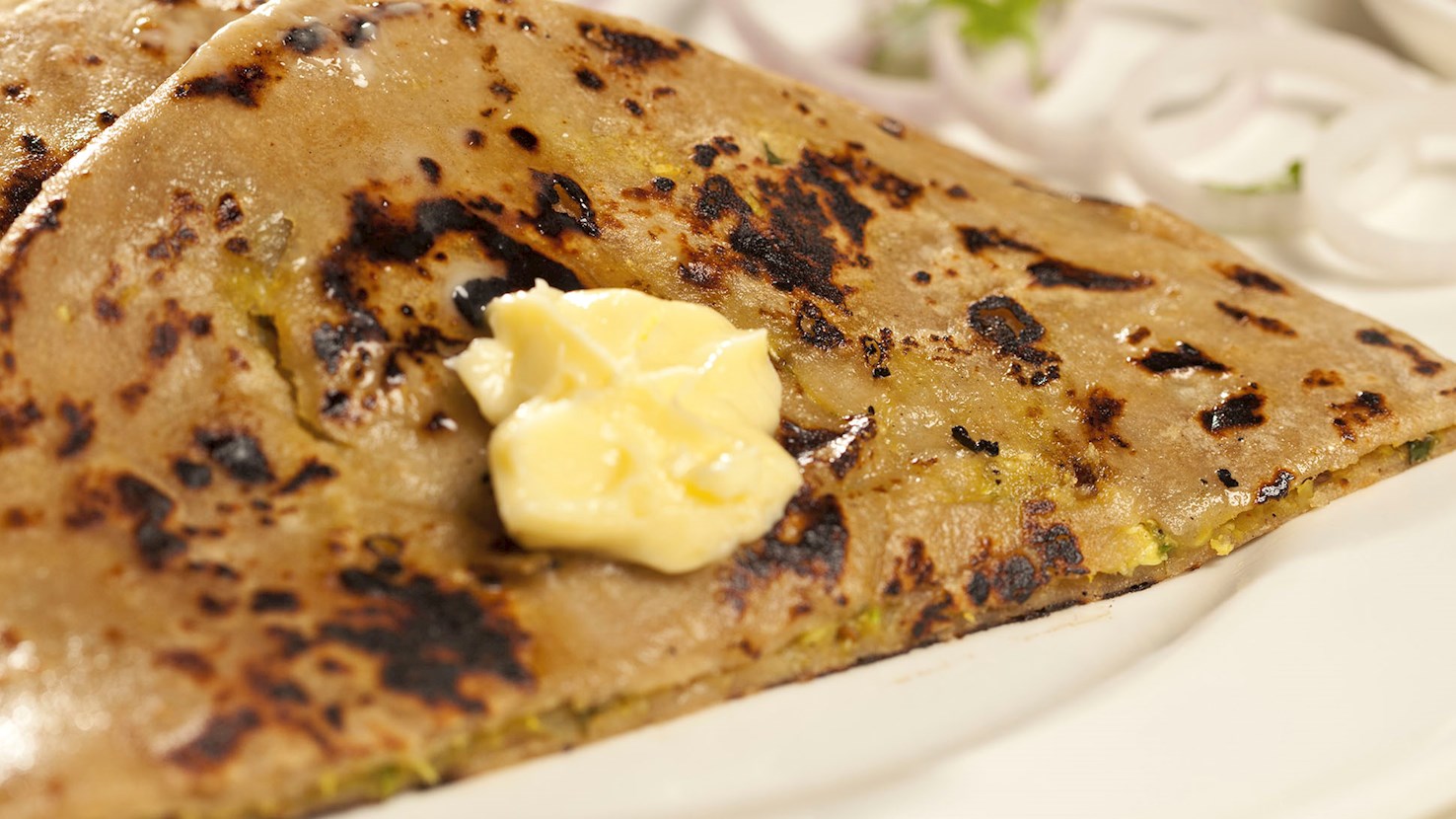
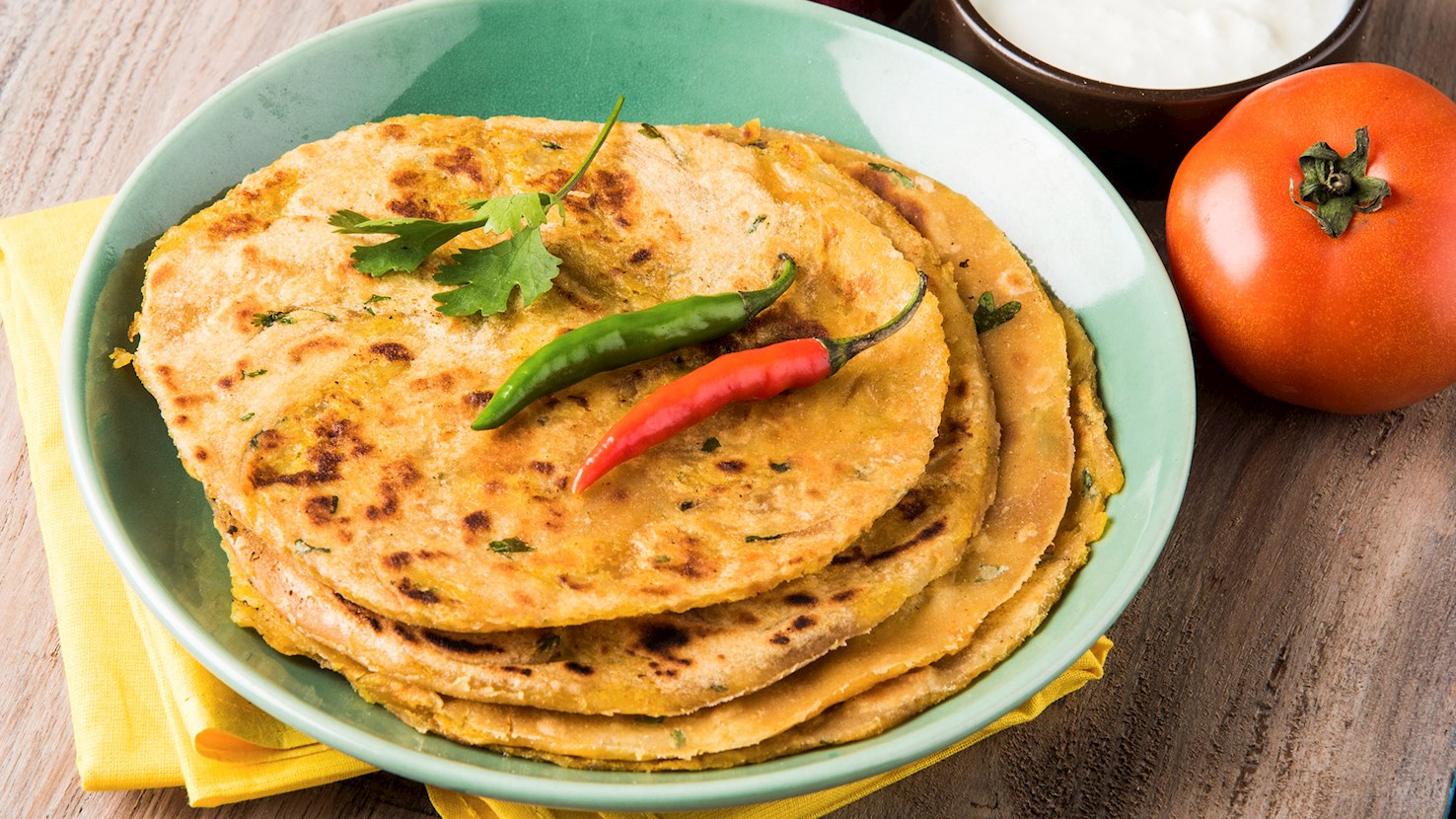
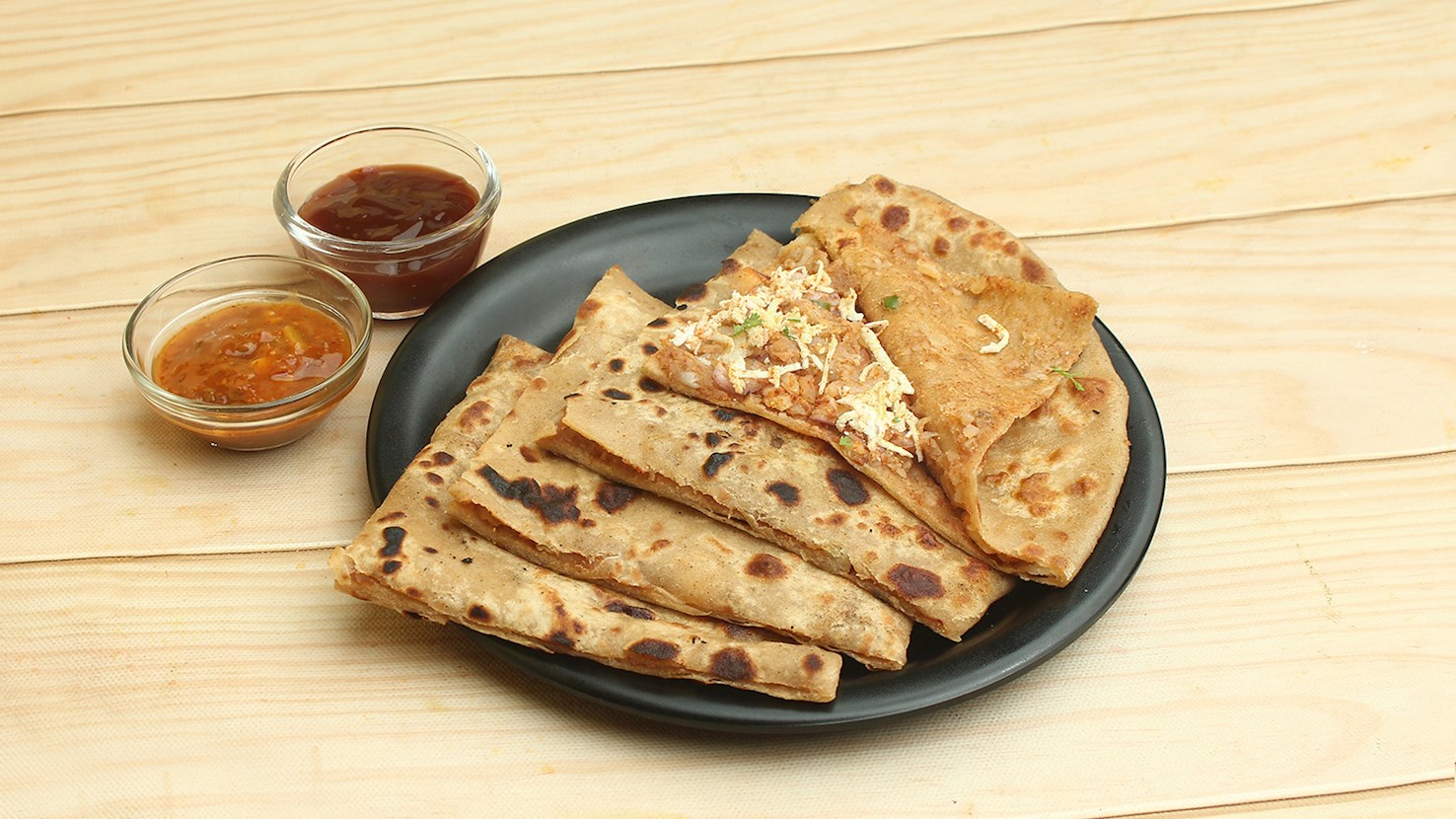
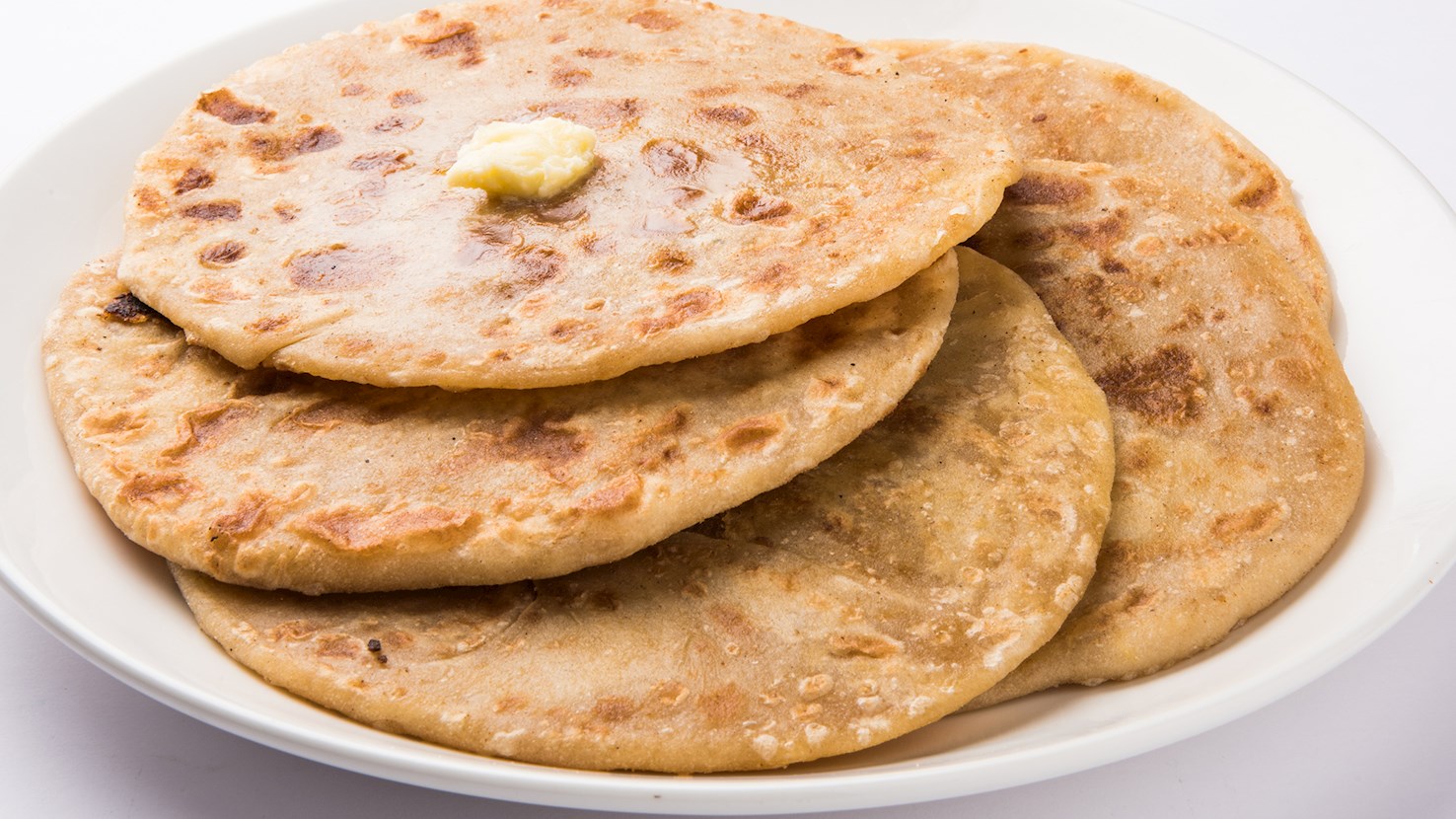
Aloo paratha is one of the most popular breakfast foods in northern India, a flatbread stuffed with a spicy potato mixture. Its name is derived from aloo, denoting a potato, parat, denoting layers, and atta, denoting flour. The flatbread is made from whole-wheat flour, salt, and ghee, forming flaky, soft, and crispy layers that are golden-brown in color. The filling consists of mashed potatoes, ginger, green chilies, coriander, dried pomegranate seeds, chili powder, and salt. The dish is often topped with Indian homemade butter called makhan and it is traditionally served with chutneys, pickles, onions, and yogurt or tea on the side. Due to its popularity, it spread from Punjab to various parts of the Indian subcontinent, but also to Malaysia, Mauritius, Singapore and the Caribbean.
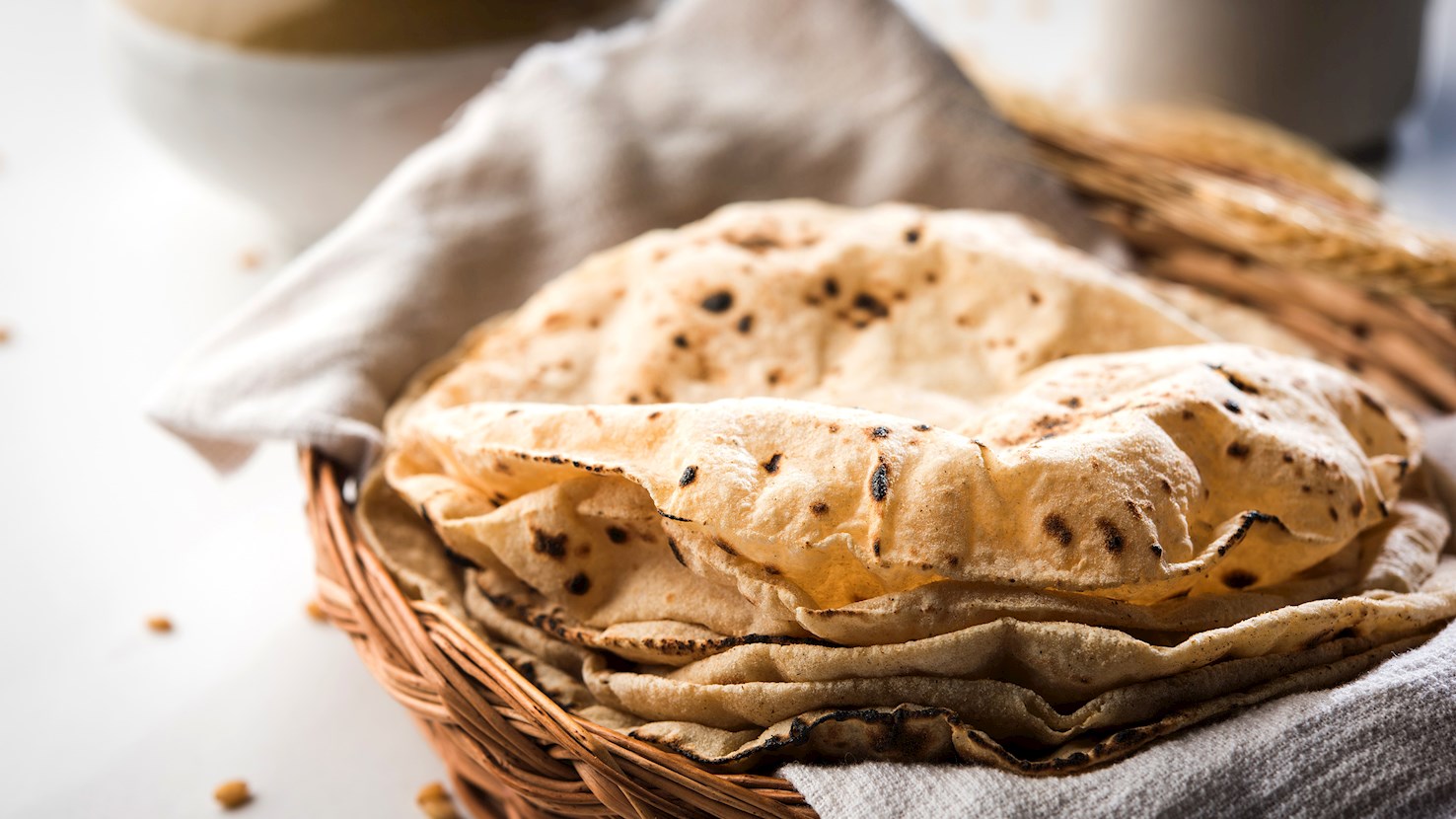
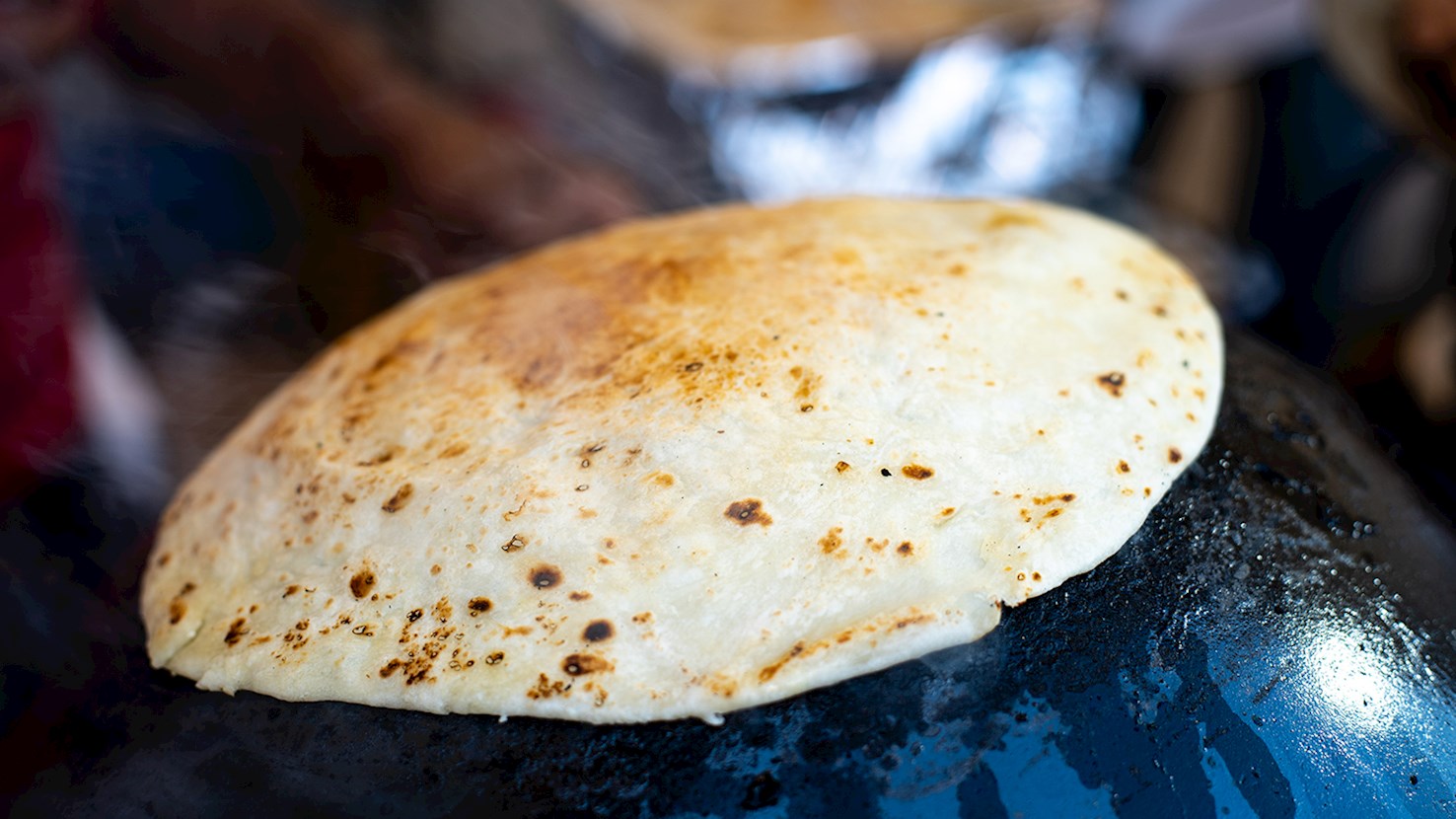
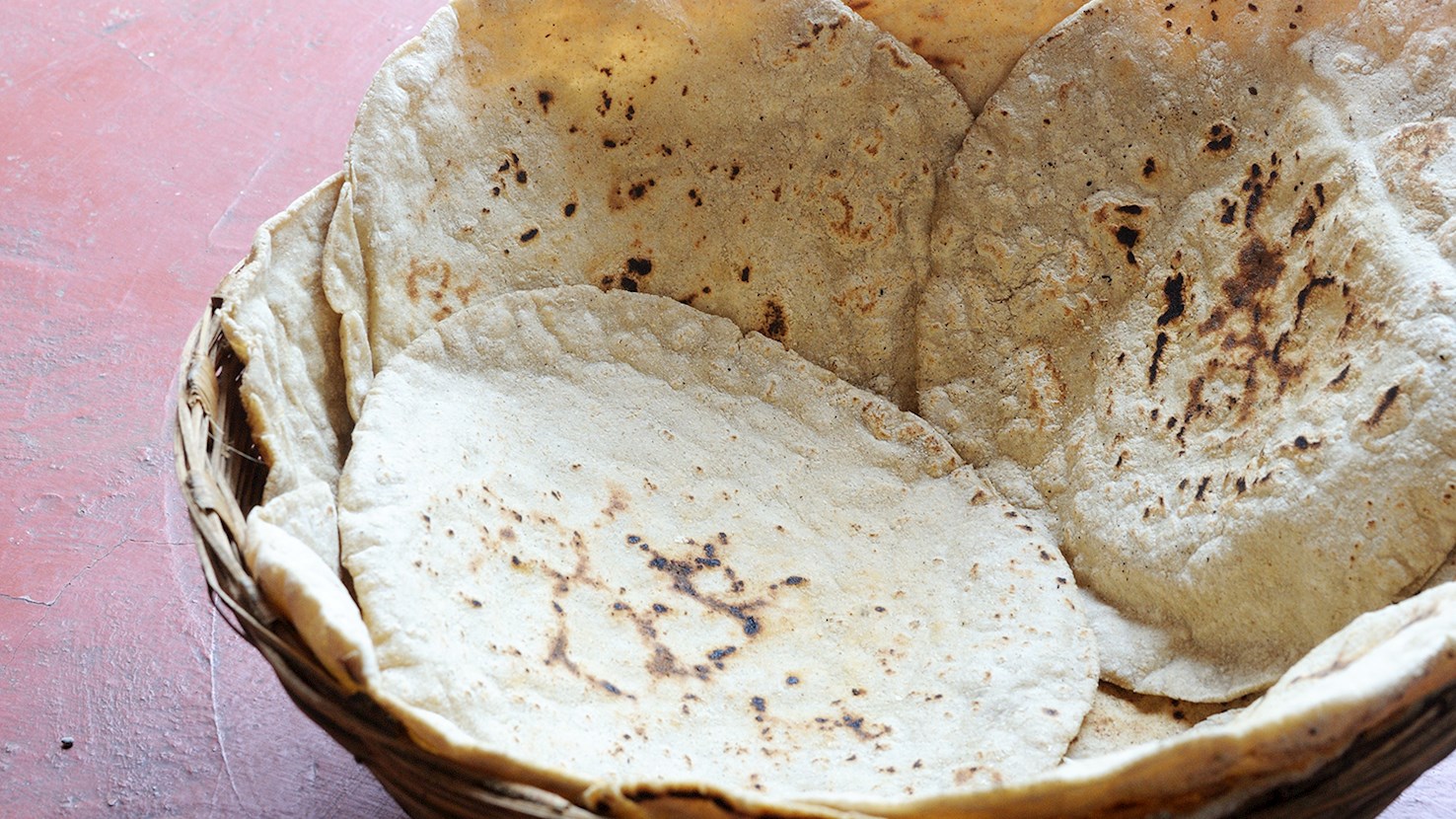
Roti is a flat and unleavened bread made with wholemeal flour. It is traditionally cooked on an iron griddle called tava, an important vessel in the Indian cuisine. In Indian cuisine, roti is as essential as rice. There are several theories regarding its origin. One says that it was invented in Persia, when it was made with maida and was much thicker than today's rotis. Another theory says that it traveled to India from East Africa, where unleavened bread was a staple and the production of wheat was abundant. The Ayurveda dates it back to India's Vedic period. Regardless of the origin, roti is nowadays popular throughout the world, in countries such as Pakistan, Nepal, Sri Lanka, Maldives, South Africa, and South Asia. Its name stems from the Sanskrit word रोटिका, meaning bread. There are many variations of the basic roti, such as chapati, makki di roti, tandoori roti, and roti canai. It is commonly used as an accompaniment to various dishes, including curries, and on the Caribbean, it is commonly used as a sandwich wrap and consumed as street food.
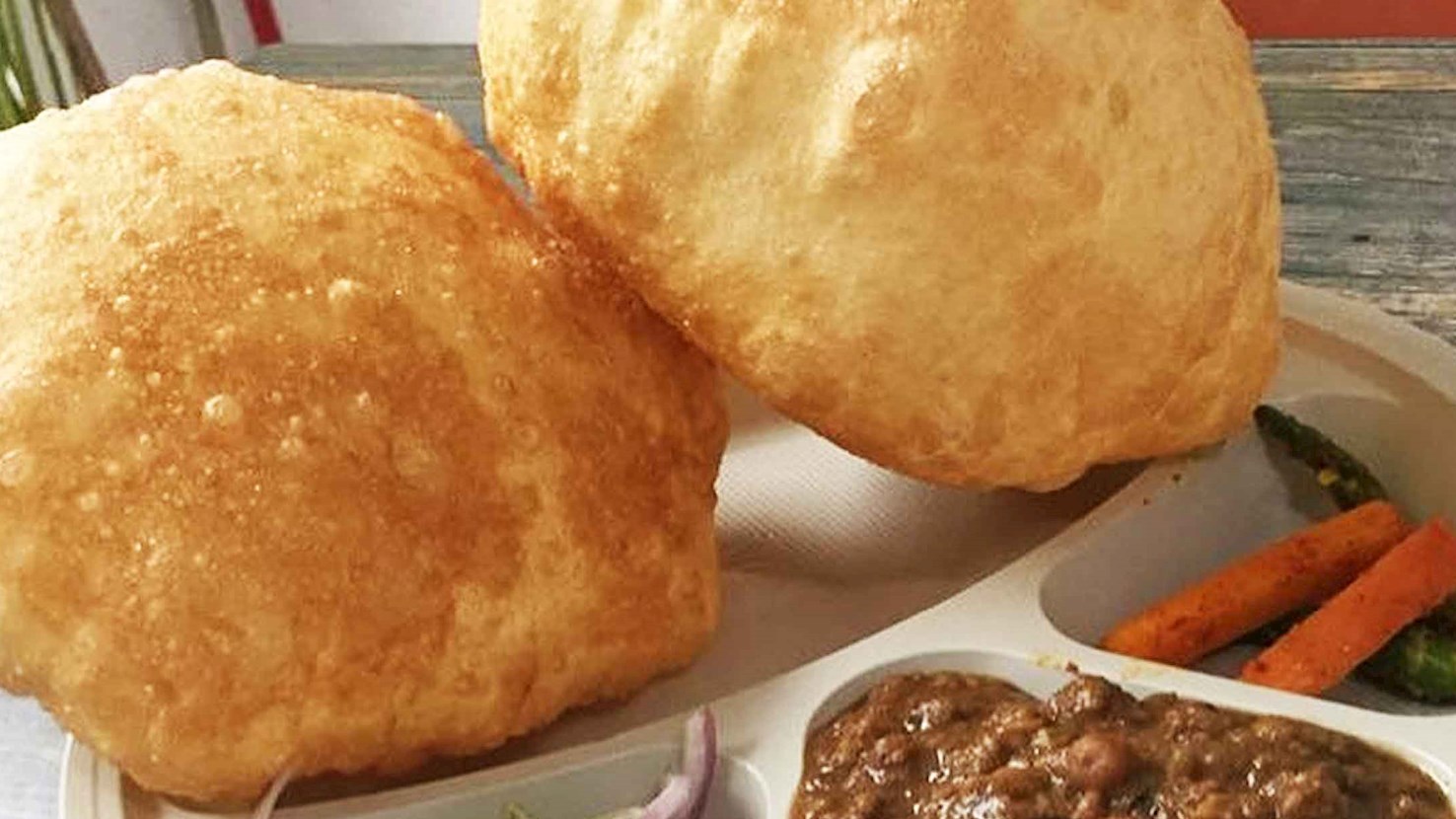
Bhatura is a deep-fried, leavened bread with North Indian origins and a light, fluffy texture. Its unique texture is achieved by letting the dough ferment for almost one hour. The dough consists of flour, oil, baking powder, and yogurt. After the bread is fried, it is usually sprinkled with Indian masalas or stuffed with paneer. If it's stuffed with chickpea curry, it becomes another popular dish, known as chole bhatura, found at almost every street corner in North India. Bhatura's versatility is seen in kulcha, which is made with the same dough, but it is baked or cooked on a pan instead of being deep-fried.
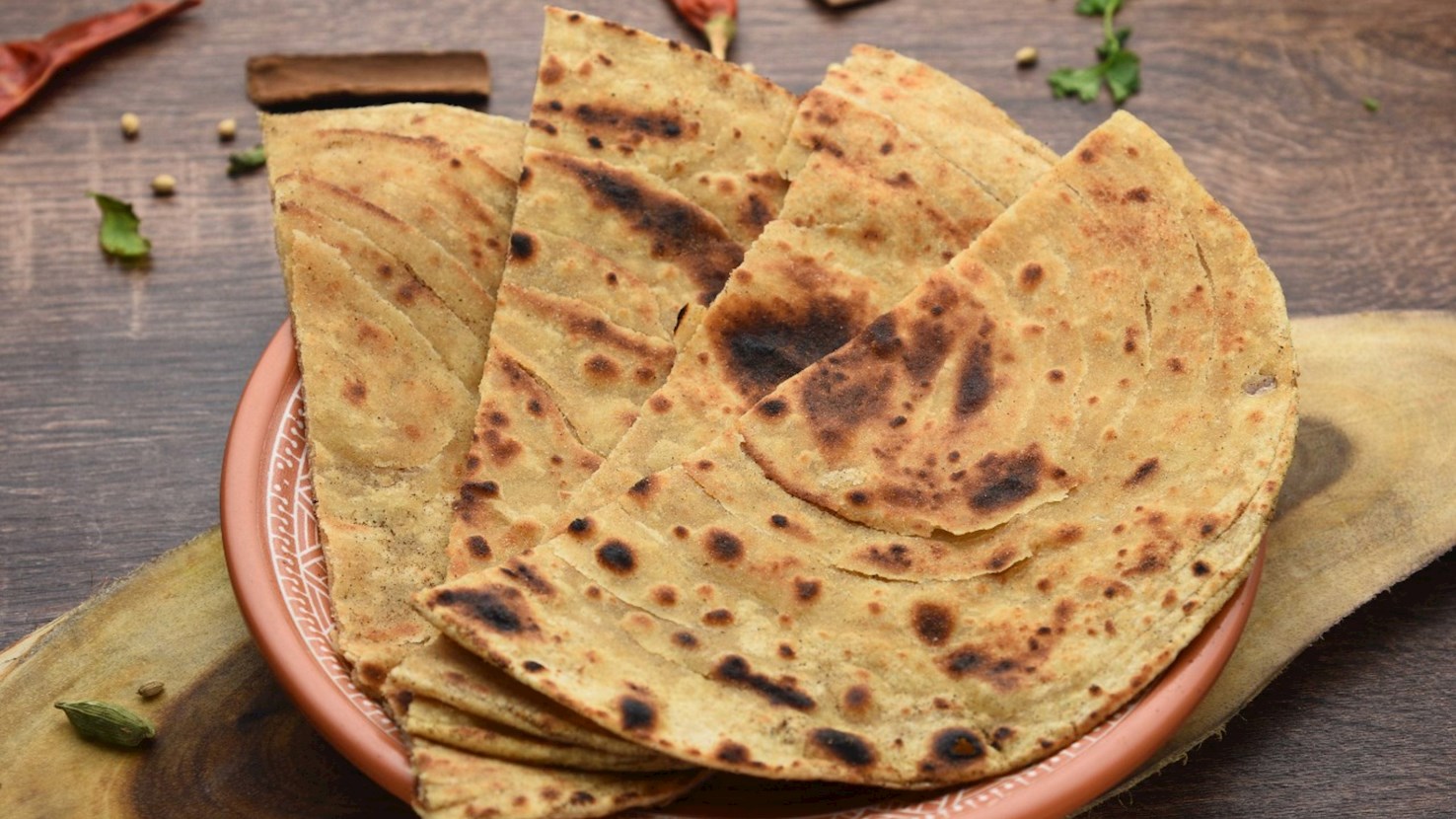
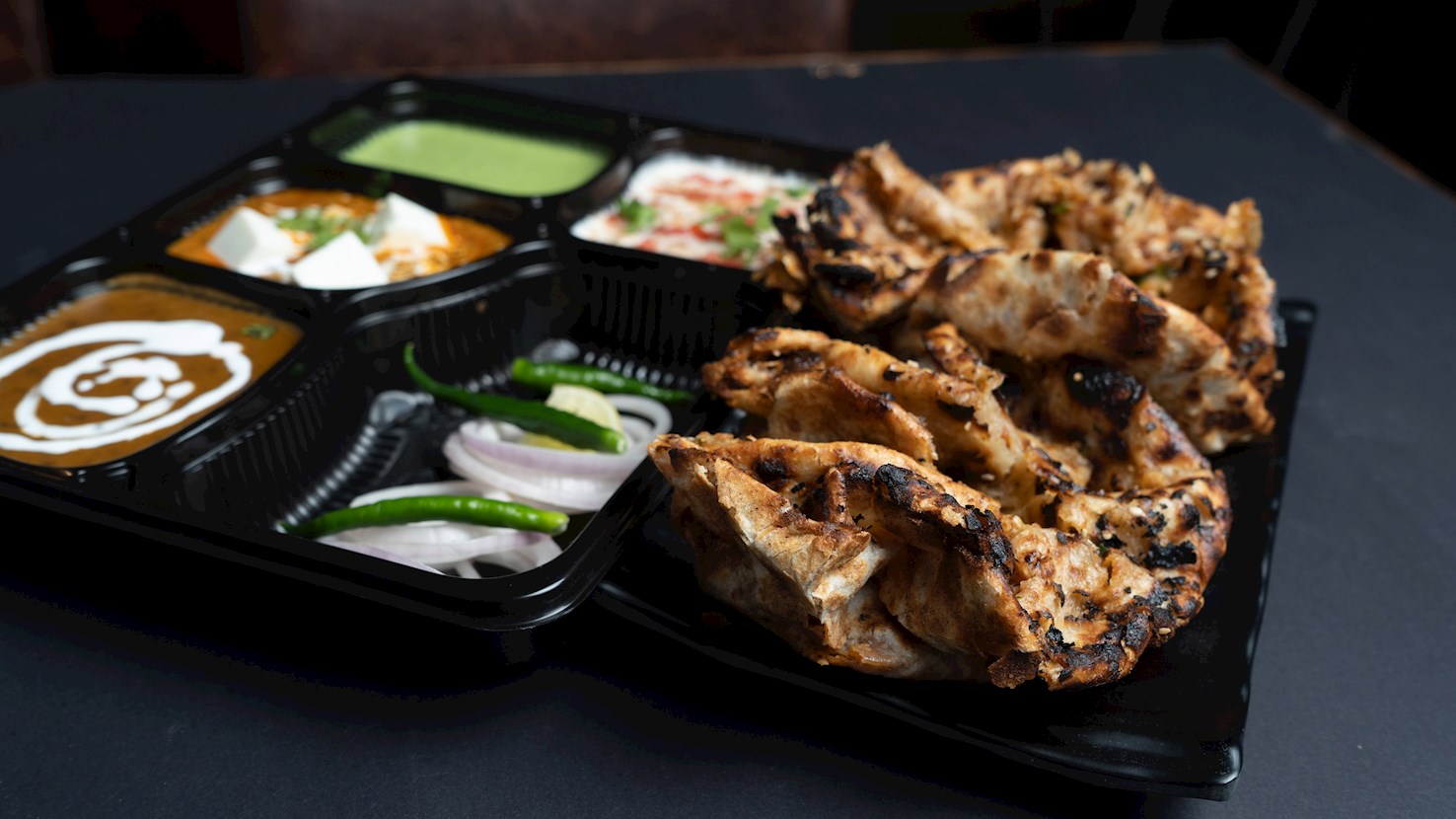
Laccha paratha is a traditional flatbread originating from the northern parts of India. The name of this paratha variety means multi-layered paratha, referring to its flaky and layered texture that goes well with rich and creamy curries and dal dishes. These layers are made by creating pleats from the dough, and it’s then folded like a pinwheel. The flatbread is made with a simple combination of flour, water, salt, and oil or ghee. After it’s been cooked in a tandoor, laccha paratha should be flaky and crispy on the exterior and soft inside.
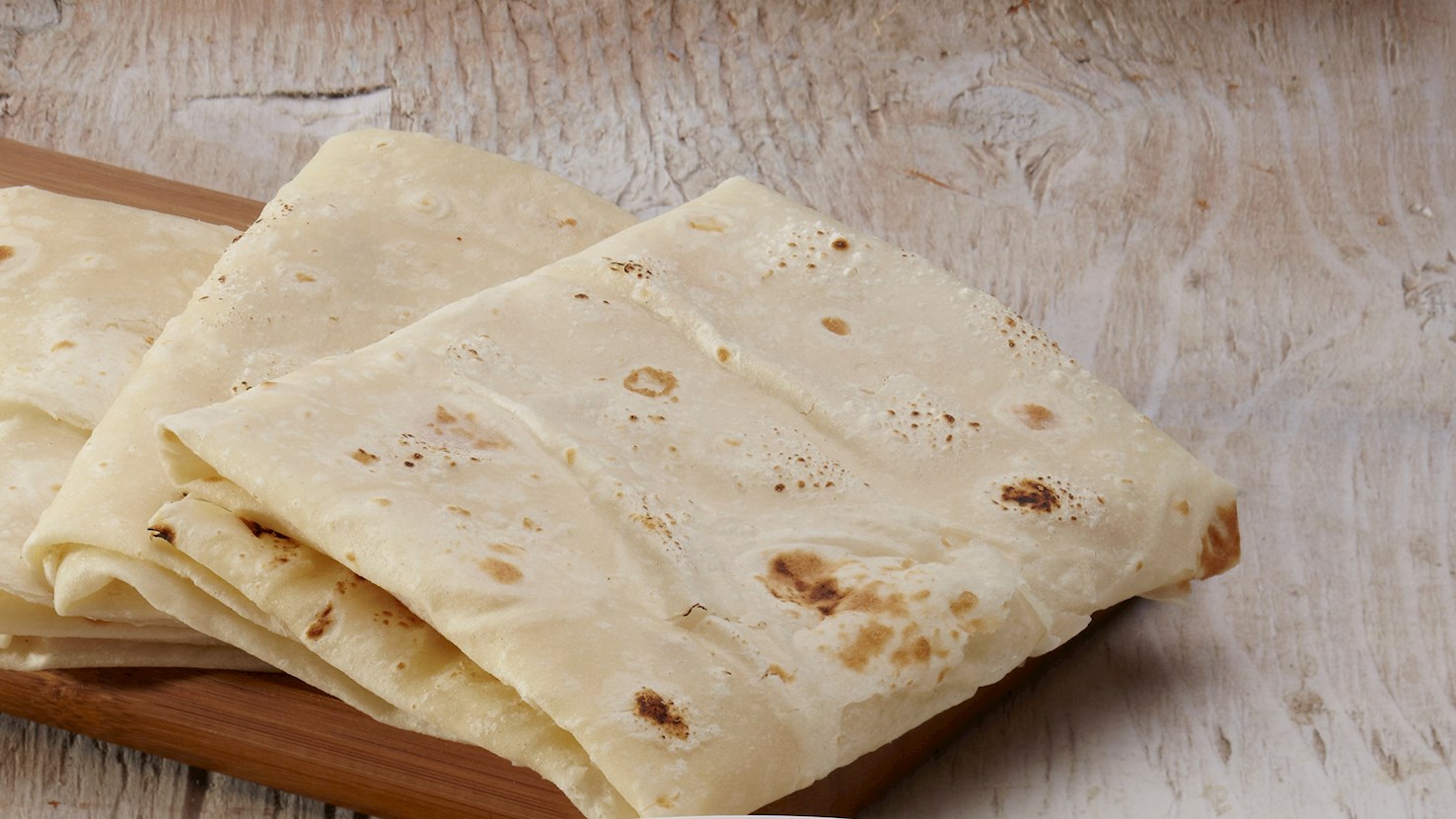
Rumali roti is a popular Indian flatbread made with white and wheat flour, water, and oil. The dough is baked on a traditional tawa, and since it is extremely thin, it was named handkerchief (rumali) bread. Some say that the bread got its name because it was used instead of a handkerchief after a meal. Rumali roti is typically served as an accompaniment to various curries or with any sort of liquid meal that can be scooped up with the flatbread. It is important to serve the bread slightly moist so that it does not become stiff and unpalatable. Although it has origins in the Mughal cuisine, today it is mainly consumed in North India and Pakistan.
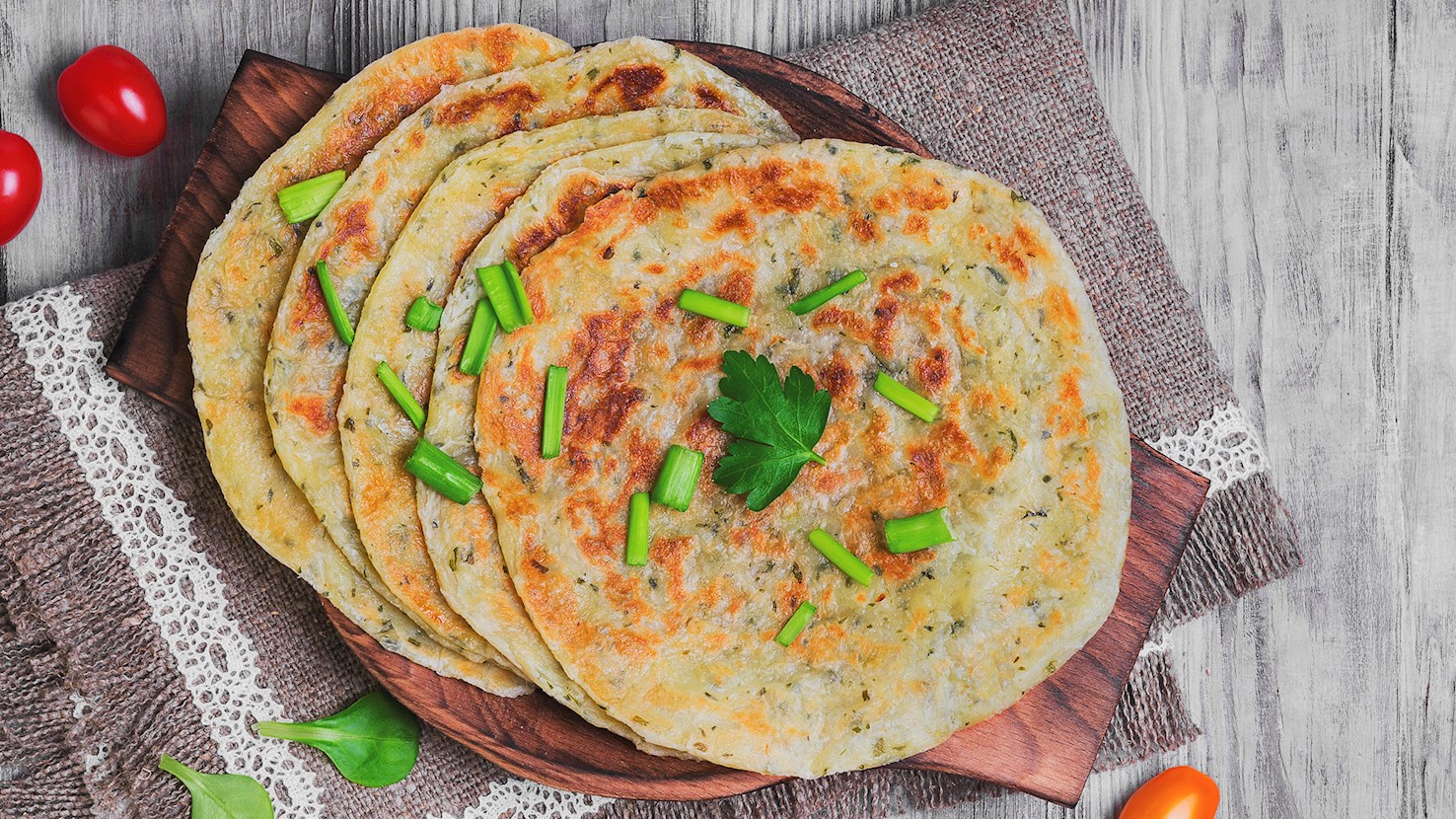
Gobi paratha is a traditional flatbread originating from North India. This type of paratha is stuffed with spiced cauliflower. The dough is made with a combination of flour, water, salt, and oil. Once shaped, it's stuffed with spiced cauliflower, fried on both sides and brushed with butter or ghee until golden brown and fully cooked. The stuffing is typically made with a combination of cauliflower, ginger, turmeric, red chili powder, coriander, cumin, garam masala powder, dry mango powder, and salt. It's recommended to serve gobi parathas hot with chutneys, curd, raita, or Indian pickles. The dish can be found on most street food stalls in the area, where vendors serve gobi paratha for breakfast.
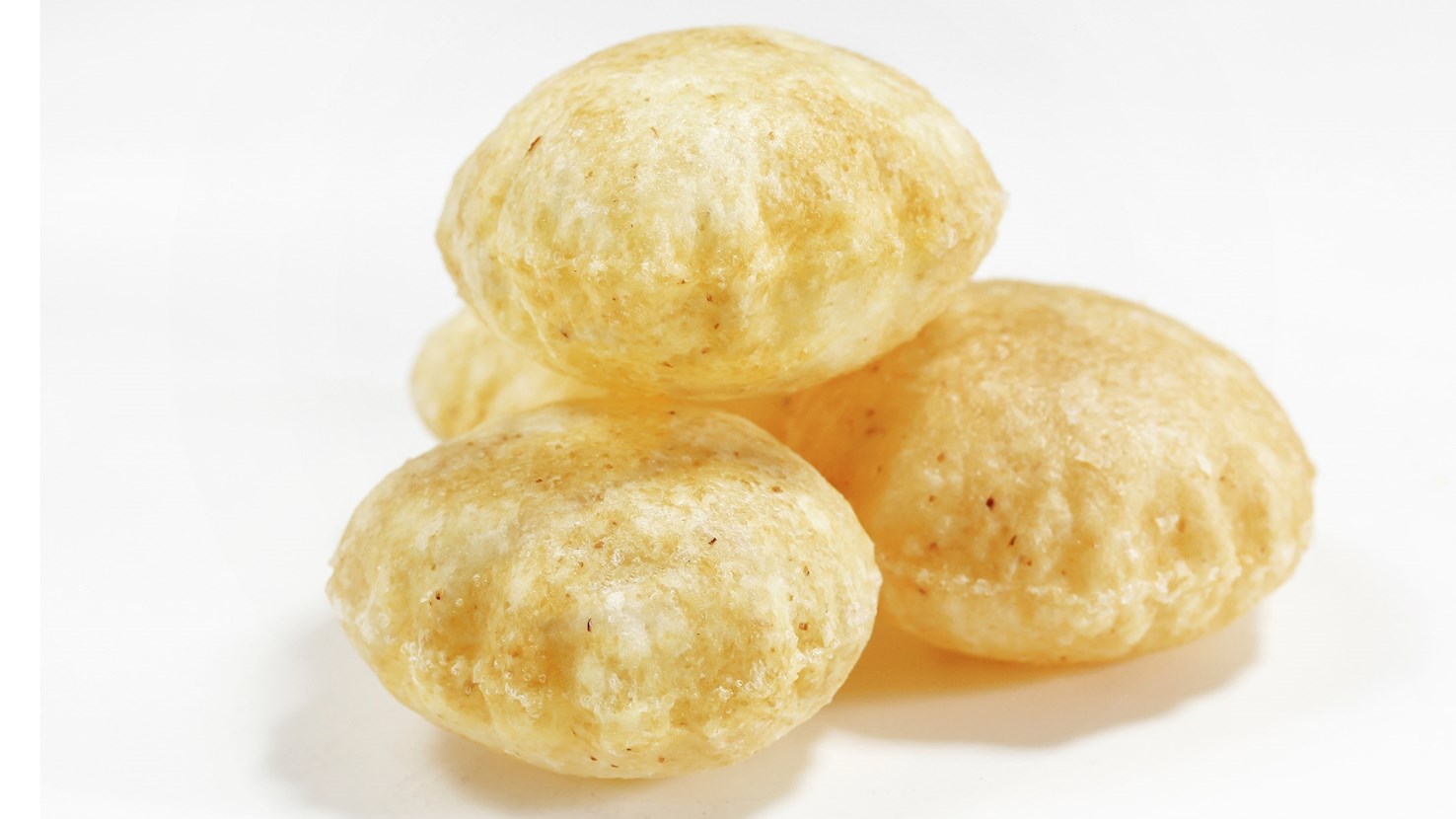
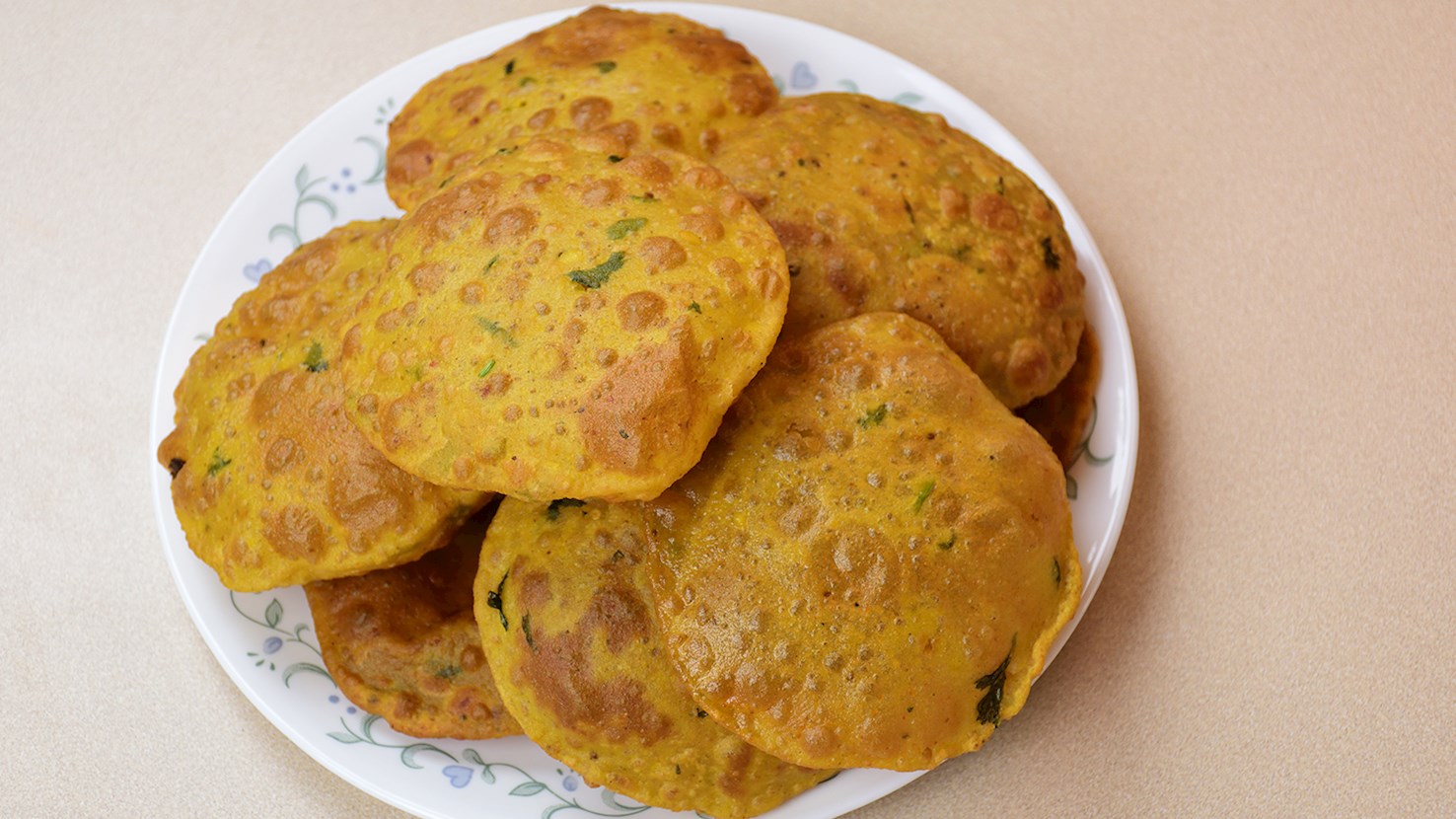
Puri is an unleavened, fried Indian bread made with water, finer or coarser wheat flour, and occasionally cumin seeds. The dough is rolled into flat round shapes and fried in copious amounts of vegetable oil or ghee. During frying, the dough absorbs oil and puri acquires the typical puffy appearance, crispy texture, and an appealing golden color. Occasionally, uncooked puri is punctured to produce a flat variety of the bread. It is consumed across the Indian subcontinent, but its origin is probably in the northern regions, where wheat flour was more usually employed. Most commonly, puri is consumed as a side dish, alongside creamy and spicy curries or a variety of vegetable dishes. It also represents an important breakfast staple and is commonly served during festivities and on special occasions. In some Indian states, it is also served as an accompaniment to sweet dishes, such as the creamy mango pulp or semolina halwa. Typical varieties include the spicy puri variety, a stuffed version filled with mashed potatoes, and the ones incorporating mashed or grated vegetables.
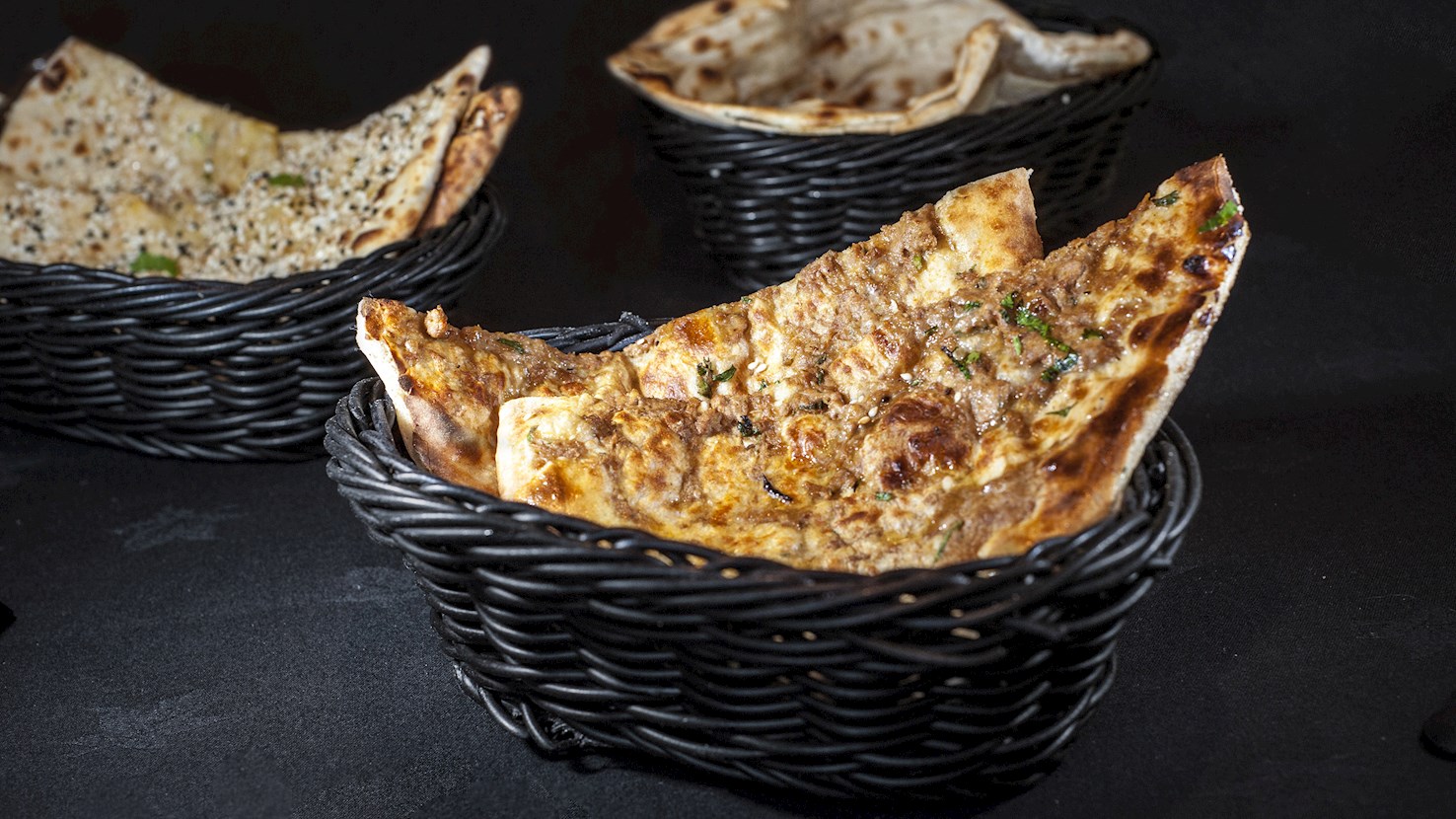
Keema naan is a traditional flatbread and a version of naan. The soft and elastic dough is made with a combination of flour, yeast, salt, sugar, and yogurt. Once rolled, it’s stuffed with keema, a curry-like stew containing lamb, mutton, or chicken meat, potatoes, green peas, ginger, chili, onions, garlic, and garam masala spices. Once stuffed and shaped, keema naan is baked in a hot tandoor, on a griddle, or on a tava pan until fully cooked and golden. If desired, the flatbread can be sprinkled with black sesame seeds for a nice visual appearance. Keema naan is usually brushed with warm butter or ghee before serving. It’s recommended to serve keema naan with a smashed onion, cucumber raita, and fresh yogurt on the side. This type of naan is usually prepared to make use of leftover keema stew.
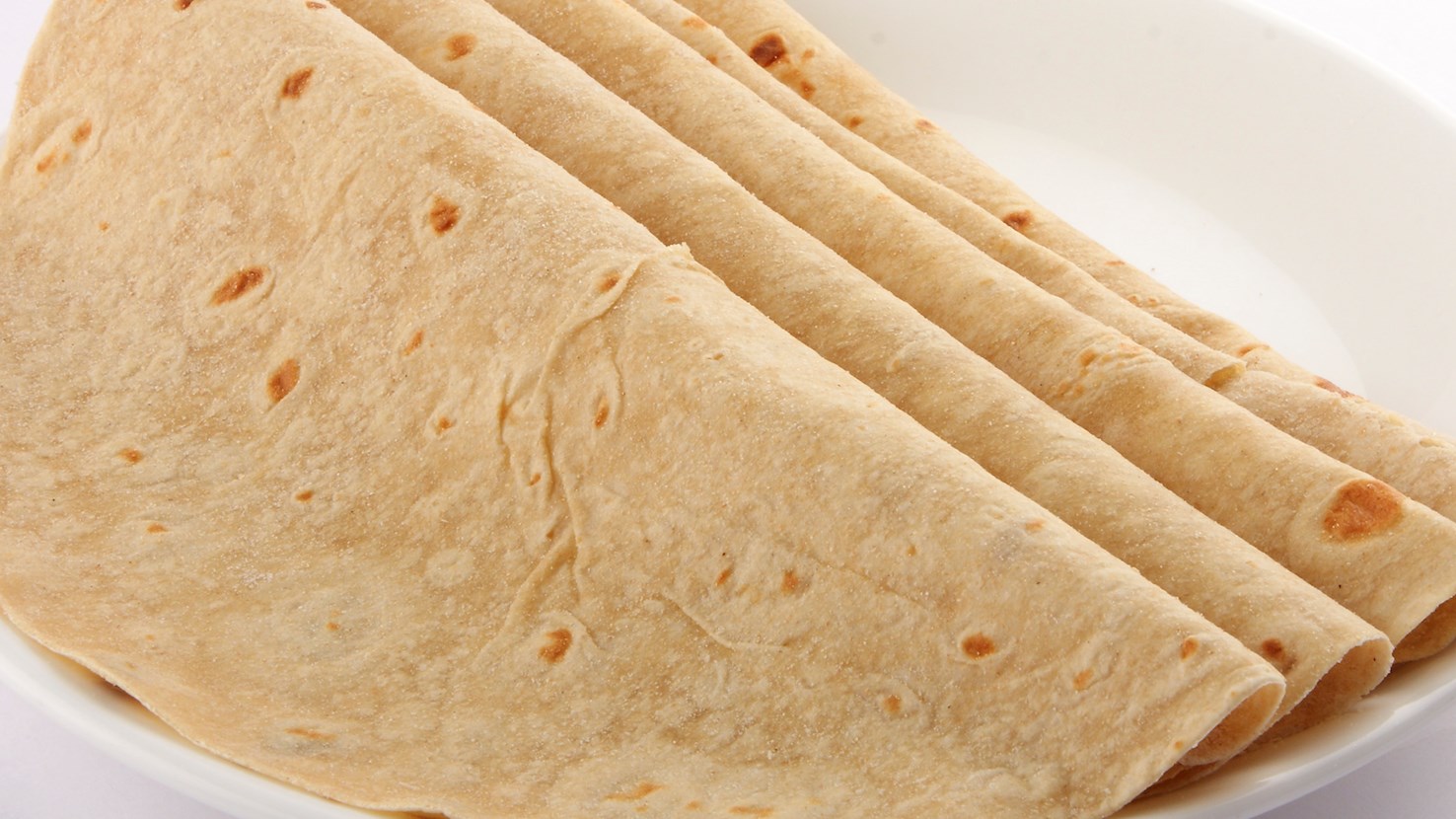
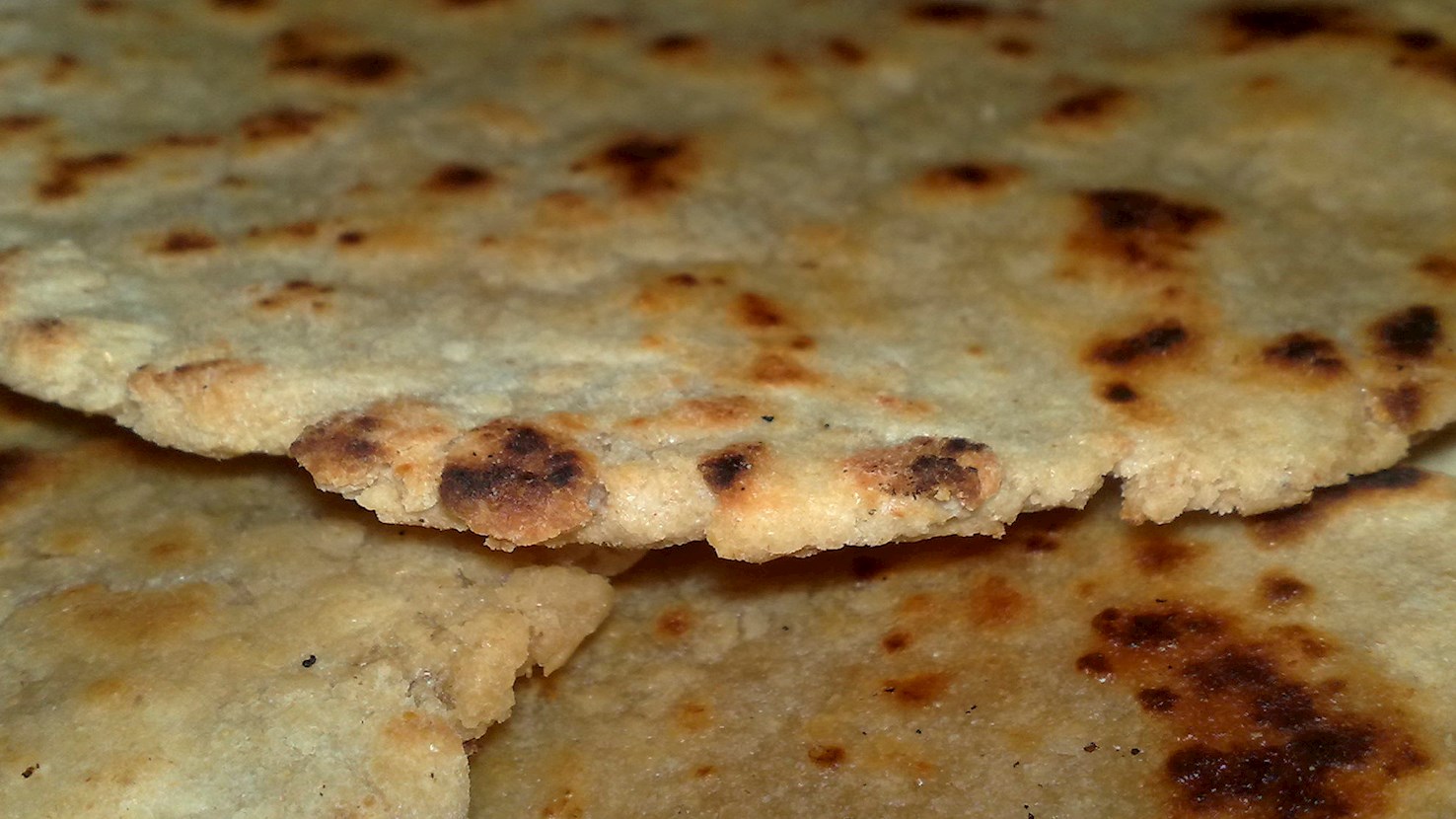
Chapati is an unleavened flatbread made with whole wheat flour, water, and salt. The dough is usually baked on a griddle. It is extremely popular throughout India, Bangladesh, Nepal, Pakistan, and Sri Lanka, but the bread had also spread to Africa and Southeast Asia. In Kenya, chapati is considered a traditional food although it arrived there at the end of the 19th century, when Indian people worked on the Kenya-Uganda railway. The name of the flatbread comes from the Hindi word chapat, meaning to slap, referring to the traditional method of forming the dough by slapping it between one's palms. Chapati is mostly consumed as an accompaniment to various dishes, but the flatbread can also be used as a scoop to collect foods of a liquid consistency. Throughout India, there is a number of regional varieties of chapati, such as paneer chapati, radish chapati, and chapati stuffed with vegetables.
Paneer kulcha is a traditional dish that's especially popular in its flaky Amritsari-style version. The dish consists of leavened flatbread called kulcha that's stuffed with paneer cheese. Although there are many variations, the flatbread is usually stuffed with crumbled or grated paneer, chili peppers, coriander leaves, chaat masala, carom seeds, and salt. The dough for the kulcha is made with flour, dahi, ghee, sugar, salt, water, and baking soda and powder. Paneer kulcha is often prepared during winter, and it's traditionally cooked in a tandoor oven. Serve the dish with chole, raita, yogurt, or chutneys on the side.
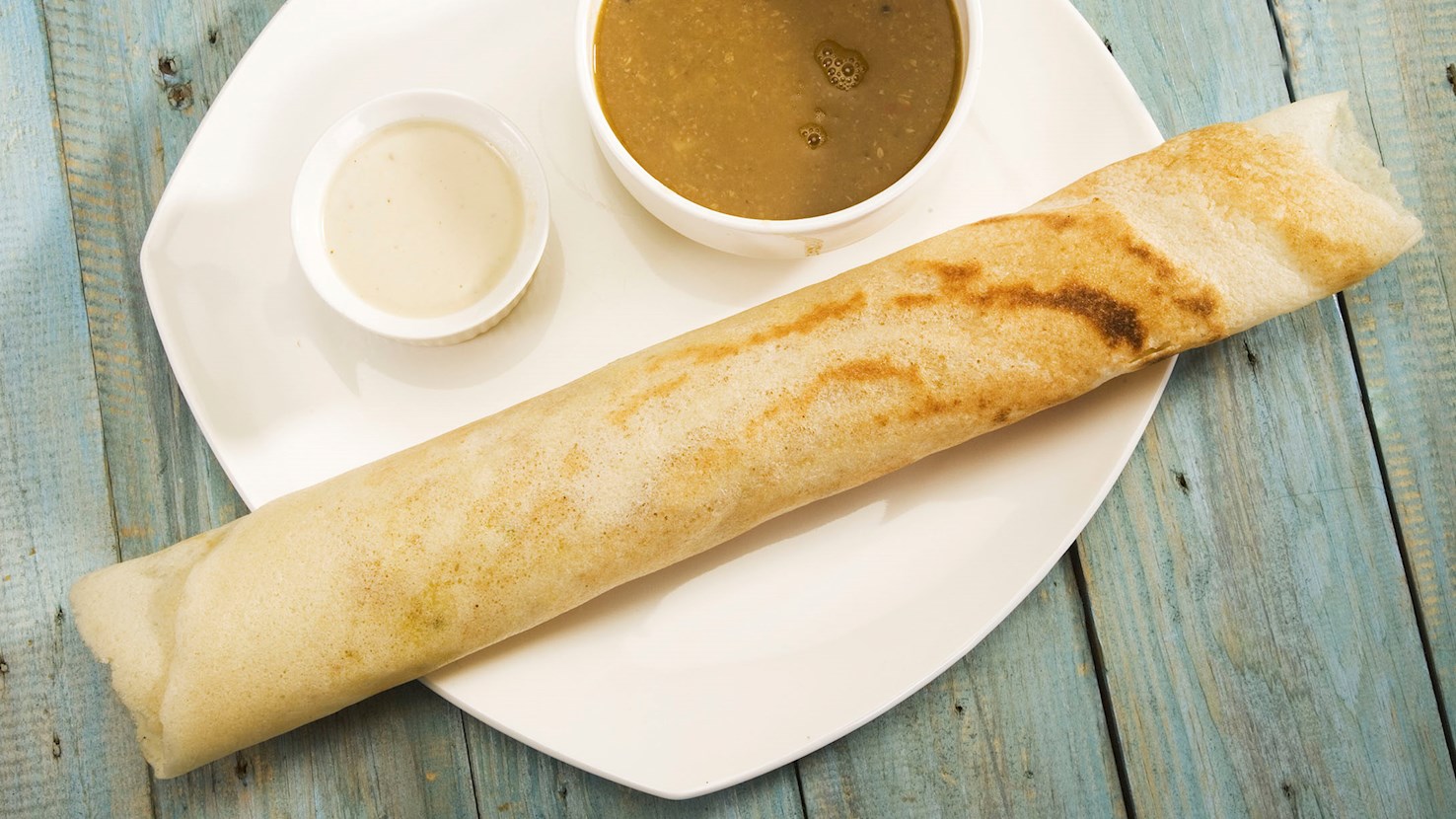
Pesara dosa (also called pesara attu or mung bean dosa) is India's national dish and one of the most popular breakfast foods in Andhra and Rajasthan. Dosa is the world's thinnest griddlecake, a paper-thin pancake made with an earthy batter that is left to ferment and rise for eight to ten hours. It has a bubbly texture and a unique, complex, toasted, and buttery flavor. Pesara dosa is made with ground mung bean and batter, resulting in a unique flatbread that is healthy and quick to prepare. Additionally, ginger, cumin seeds, onions, and green chiles may be added to enhance the flavors. Served either hot or cold, pesara dosa is usually accompanied with upma and a side dish of various chutneys, such as ginger, tamarind, or coconut chutney.
Onion kulcha is a traditional flatbread originating from the northern parts of India. This kulcha variety is stuffed with onions. It’s made with a combination of wheat flour, dahi, oil, salt, milk, and a leavening agent – in this case, baking powder. The filling is made with a combination of chopped onions, cumin seeds, coriander leaves, and salt, while hot chili peppers are an optional addition. Once shaped, the round dough is stuffed with the filling and the flatbread is then cooked in a tandoor. After it’s been baked, onion kulcha is brushed with butter, if desired, and it’s then usually served with green chutneys on the side.
Puran poli is a sweet flatbread that is traditionally made during Ganesha Chaturthi, a Hindu festival celebrating the birthday of Lord Ganesha, son of Shiva and Parvati. Originating from the state of Maharashtra, the flatbread consists of flour, turmeric powder, salt, water and ghee (Indian clarified butter), and the sweet filling consists of black gram lentils, jaggery (cane sugar) and cardamom powder. The name of the dish refers to the stuffing called puran, while the outer layer (flatbread) is called poli. Puran poli can be made three to four days in advance and is usually eaten hot, for breakfast, as a snack, or as a dessert after the main meal.
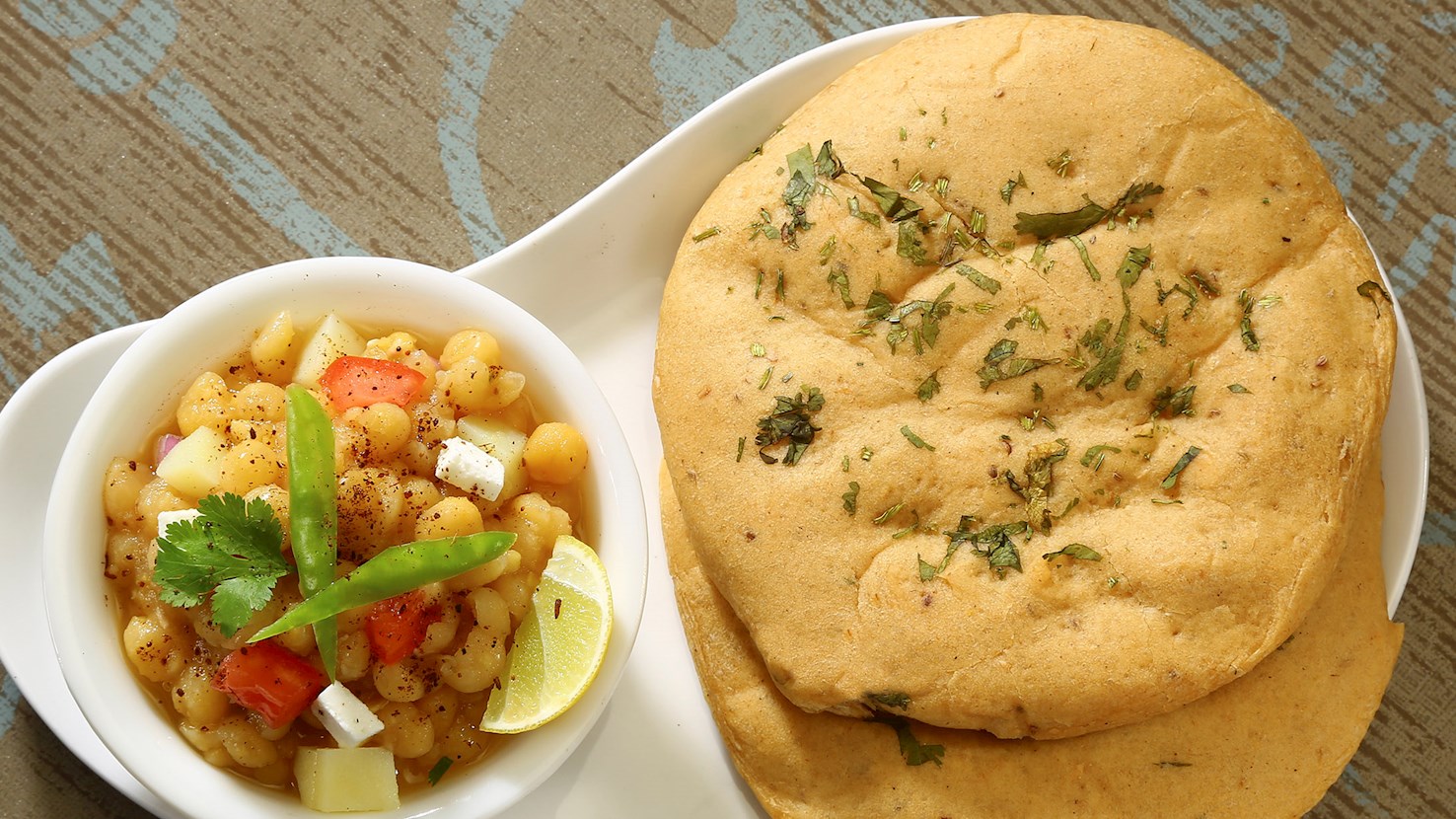
Kulcha is a flatbread from Punjab made from leavened refined wheat flour, typically baked in a clay tandoor oven, and celebrated for its soft, pillowy interior and golden-brown, blistered exterior. Kulcha is historically leavened with baking powder, baking soda, or a natural sour starter, resulting in a unique, slightly denser yet exquisitely flaky crumb. The bread holds an esteemed place in Indian royal history, famously tracing back to the courts of the Nizams of Hyderabad in the 18th century, where legend states that the first Nizam, Mir Qamar-ud-Din, chose the simple kulcha as the official emblem on the royal Asaf Jahi flag because a holy sufi saint had blessed his rule while offering him a handful of the humble breads. The absolute pinnacle of the craft is found in the city of Amritsar, where the world-renowned Amritsari kulcha has been elevated to an art form through meticulous dough engineering. Bakers create a laminated dough by repeatedly folding and rolling out the flour with generous layers of ghee or butter, a process similar to crafting puff pastry. This layered dough is then stuffed with a highly seasoned mixture of boiled, mashed potatoes, crumbled paneer, onions, and a vibrant spice blend featuring crushed coriander seeds, carom seeds, dried pomegranate seeds for a sharp tang, and fiery green chilies. The stuffed dough ball is meticulously flattened by hand, pressed with coriander leaves or caraway seeds, and slapped onto the scorching inner walls of a wood-fired tandoor, where it bakes rapidly as the intense heat expands the thin layers of fat, creating a shattered, crisp shell that gives way to a soft, steaming savory center. Beyond Punjab, a distinct variation thrives in Jammu, where kulcha is a soft, unstuffed pocket bread filled with spicy kidney beans, and in Uttar Pradesh, where the spongy, plain, round bread matar kulcha is paired with a tangy, dry yellow pea curry. Crushed slightly by hand immediately upon leaving the oven to release the steam and slathered with a decadent amount of white butter, kulcha is traditionally served alongside a robust bowl of chole (spicy chickpea curry), sliced raw onions, and a tangy mint chutney.
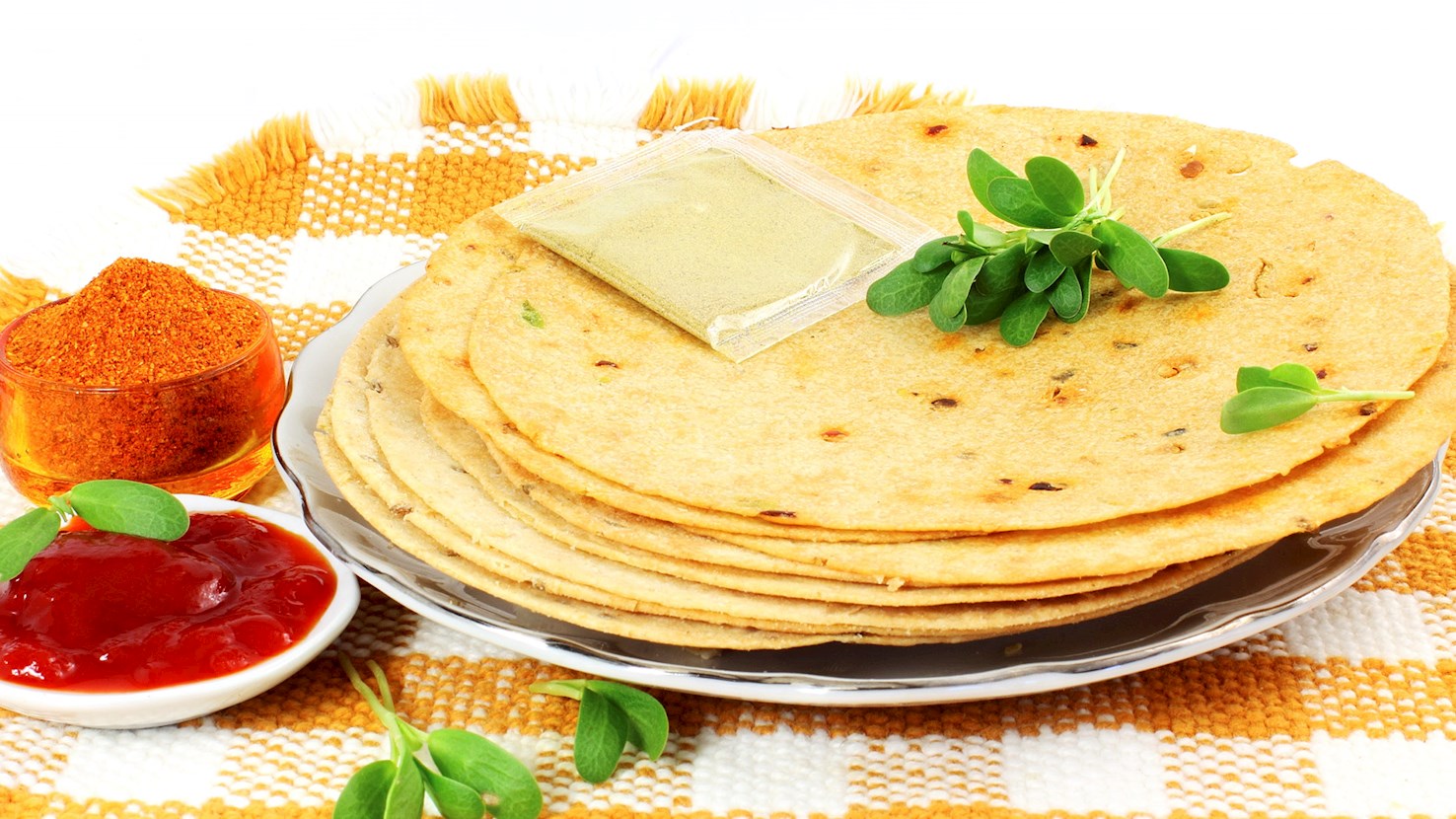
Khakhra is a popular, crispy flatbread originating from the Indian state of Gujarat. Made with wheat flour, moth bean, and oil, the crackers are typically consumed for breakfast, providing a healthy snack that is best enjoyed when accompanied by chutneys or curries. Since khakhra is very similar to chapati, another popular Indian flatbread, it is believed that a cook in Gujarati roasted leftover chapatis on a griddle and served them with tea for breakfast, creating khakhras in the process. Khakhra can also be transformed into a sweet snack by spreading some ghee and sugar on top of it. Today, the snack has moved out of Gujarat and became popular throughout the world, but it is still believed that a true Gujarati home is incomplete without its khakhras.
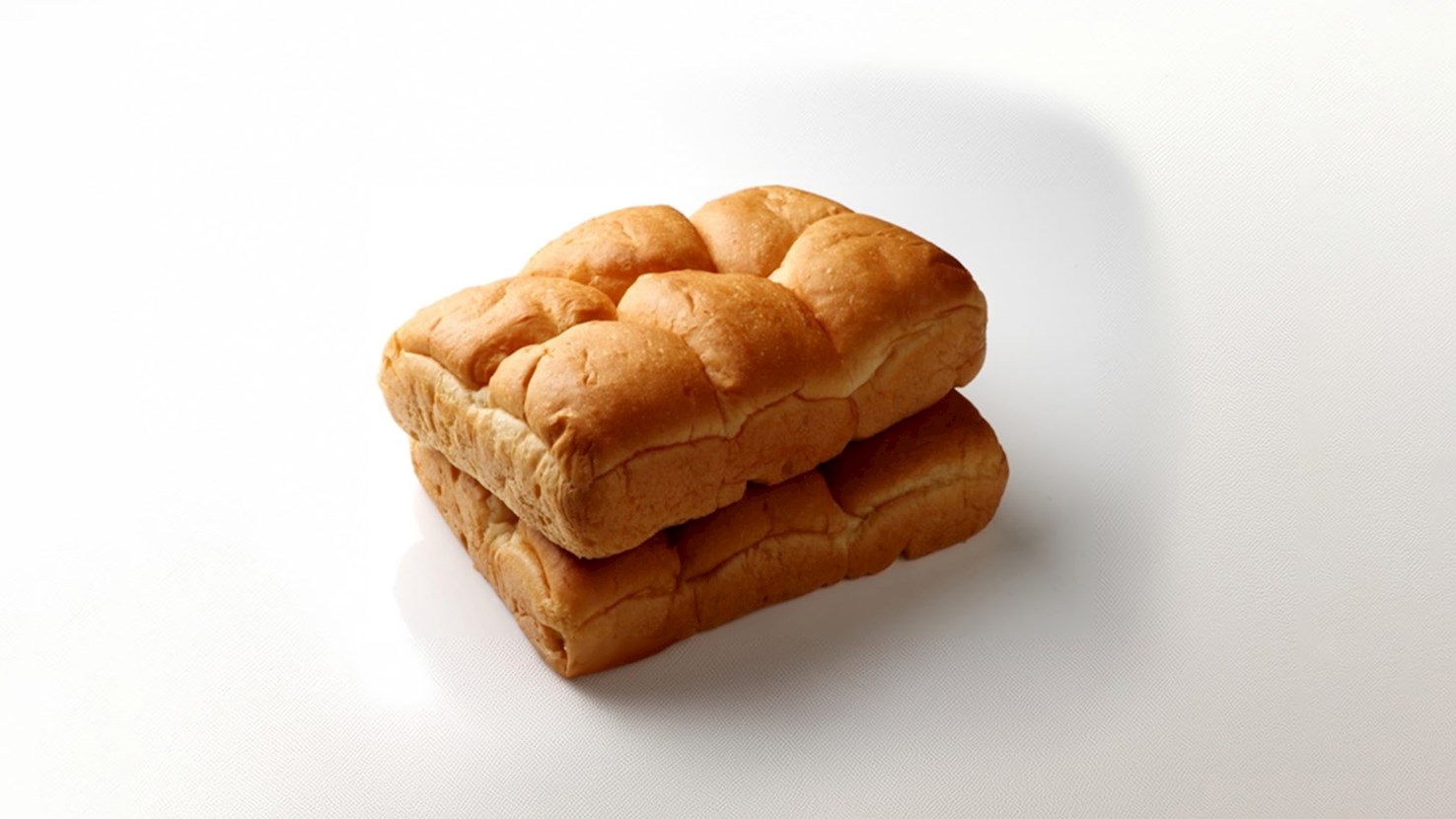
Pav in India refers to a type of soft, fluffy bread roll that is commonly used in various street foods and meals. The term "pav" comes from the Portuguese word "pão," which means bread. Pav was introduced to India during Portuguese colonization, particularly in Goa and Mumbai, and has since become a staple in Indian cuisine. Pav is soft, pillowy, and slightly chewy, with a light crust and a subtle sweetness, making it versatile for pairing with both savory and spicy dishes. Pav is traditionally made with a dough of refined flour (maida), water, yeast, sugar, salt, and a little butter or oil. The dough is kneaded, allowed to rise, shaped into rolls, and baked until soft and golden brown. It is typically small in size and comes in sets, perfect for individual servings. Pav is a key component of popular Indian dishes like vada pav, a spicy potato fritter sandwiched in pav, pav bhaji, where pav is served with a spicy, buttery vegetable mash, misal pav, which pairs pav with a spicy lentil curry, and keema pav, where pav accompanies spiced minced meat curry.
Kashmiri naan is a traditional flatbread and a variety of naan originating from Kashmir, a state that borders India and Pakistan. The dough is made with a combination of flour, yeast, salt, sugar, dahi, and ghee. Once rolled, the dough is filled with dried fruits, nuts, and spices such as raisins, almonds, cashews, cumin, and fenugreek. The naan is then baked in a hot tava pan until fully cooked, a bit puffy, and golden brown. This type of sweet naan is usually served for breakfast or as an afternoon snack, when it’s typically paired with tea (Kashmiri chai) or coffee. It’s often served with spicy curries, gravy, raita, or chutneys.
Chur chur is a traditional flatbread and a variety of naan. The dough is usually made with flour, sugar, baking powder, ghee, salt, dahi, water, and oil. Once shaped, the dough is stuffed with a mixture of boiled and mashed potatoes, grated paneer, chopped onion, hot chili peppers, ginger, red chili powder, garam masala, amchur, cumin, coriander, salt, and pepper. The stuffed dough is baked in a tandoor or cooked on a tawa until it turns golden brown. Once done, chur chur naan is lightly crushed, then brushed with ghee or butter and served as it is. If desired, the flatbread can be garnished with grated paneer on top.
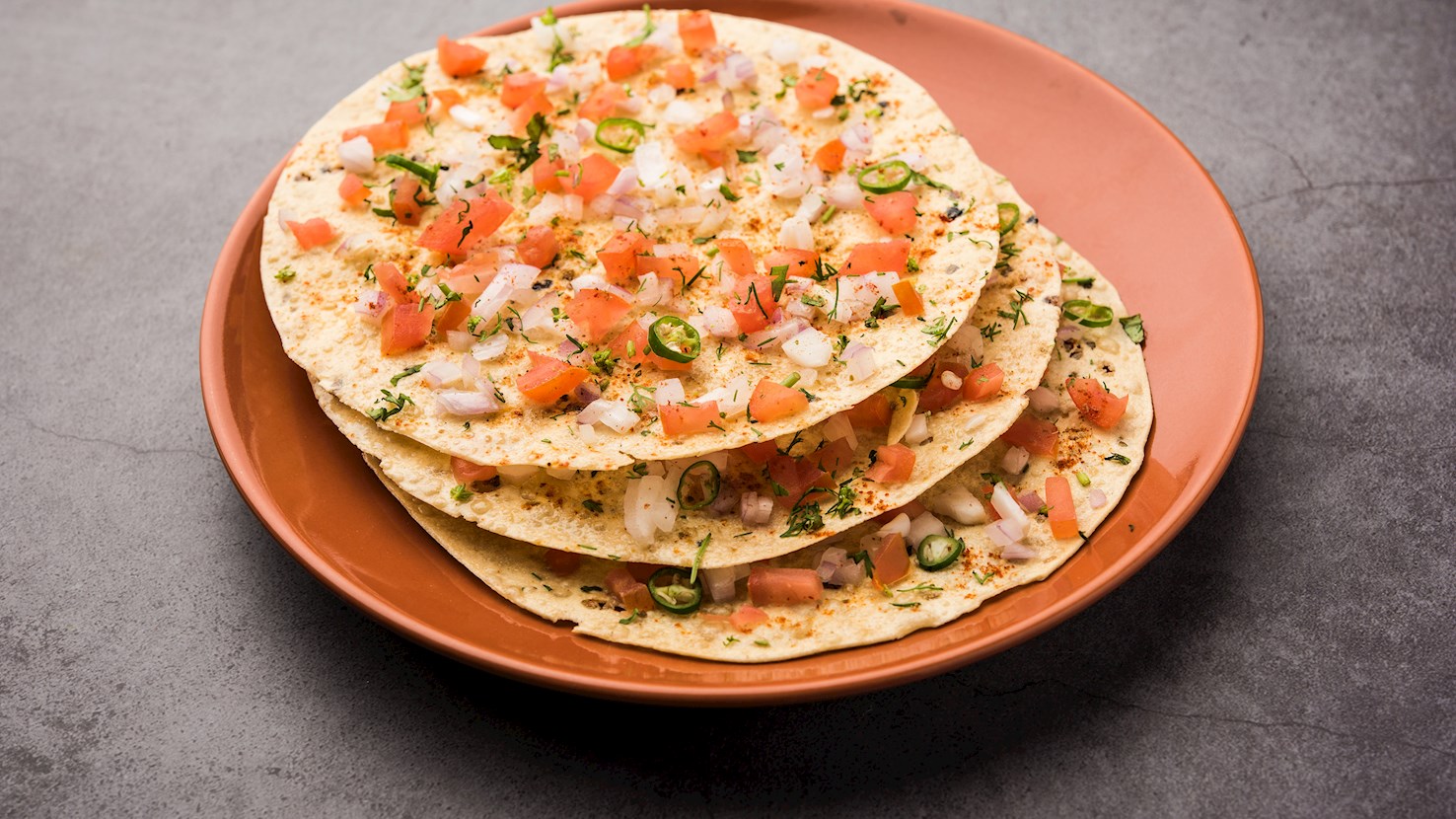
Masala papad is a traditional snack and a version of papadum flatbread that’s topped with a mix of tangy and spicy ingredients. The flatbread is roasted or fried and it’s usually made with lentil, chickpea, or rice flour. After it’s been roasted or fried until crunchy, it’s topped with a mixture of onions, tomatoes, coriander, hot chili powder, lemon juice, chaat masala, and salt. It’s important to add the topping after the flatbread has been fried or roasted, otherwise it will get soggy. If desired, additional ingredients can be added to the topping, such as cucumbers, mint leaves, carrots, or raw mango. Masala papad is traditionally served as a snack or an appetizer, but it can also be served as an accompaniment to various Indian meals.
Phulka is a traditional flatbread that’s very similar to a chapati. Although both flatbreads are made from wheat flour, there are some key differences. Phulka is smaller in size and diameter than a chapati. Regarding the cooking method, phulka is first cooked on a tawa on one side, while the other side is placed over direct heat such as embers, resulting in its puffed up, ballooney appearance because of the trapped steam between the layers of dough. Consequently, phulka is served immediately, as it is, otherwise it will lose its puffed up shape, while chapati is often brushed with ghee or butter after it’s been cooked. This puffy flatbread is usually served with different curries.
Ajwain paratha is a traditional flatbread originating from India. This paratha variety is stuffed with ajwain (carom seeds), giving the flatbread a unique aroma once it's been baked. The dough is prepared with a combination of wheat flour, ghee or oil, water, and salt. Once the dough has been prepared, ajwain seeds are sprinkled over it with a bit of salt, and the dough is then folded with ghee or oil until it's ready to be rolled into a paratha flatbread and baked on a hot tawa. Once done, ajwain parathas are typically served hot or warm with raita, chutneys, or a cup of tea on the side. Alternatively, use ajwain parathas as a scoop with a wide array of curries.
Hailing from North India, dal puri is a variety of puri, a type of round-shaped Indian bread that is deep-fried until crispy, puffy, and golden. This version of the bread consists of puri dough that’s kneaded with a lentil-based mixture. Numerous versions of the dish exist throughout different regions, and depending on the spices used for its preparation, the dish can range from mildly spicy to hot. The dough is typically made with plain flour, water, salt, and oil, while the filling usually combines mung dal lentils with oil and spices such as ginger, green chili, cumin, fennel seed powder, mango powder, asafetida, and salt. Other typical spices include garam masala powder, carom seeds, turmeric, pepper, garlic, and coriander leaves. Dal puri is traditionally prepared for various celebrations and festivals, and it is usually enjoyed for breakfast or as an accompaniment to a variety of main dishes. These crispy-fried puris pair nicely with Indian specialties such as aloo ki sabzi (potato curry), gajar ka halwa (carrot halwa), chole (chickpea curry), or spicy squash curry.
Bhakri is a popular Indian unleavened flatbread native to the Indian state of Maharashtra, although it is commonly found throughout Gujarat, Goa, and Rajasthan. It can be made with jowar, ragi, sorghum, wheat, or rice flour, all of them high in dietary fibers, making bhakri a healthy type of flatbread. It is sometimes additionally flavored with ghee butter or cumin seeds, and served with chutneys, baingan bharta, vegetables, curry, or rice. Traditionally, bhakri was often consumed by the farmers for breakfast and lunch, providing sustenance throughout the long working days. Since it tastes the best when the flour is freshly milled, some Indian cooks use a millstone before making the bread in order to enhance bhakri's texture and flavor.
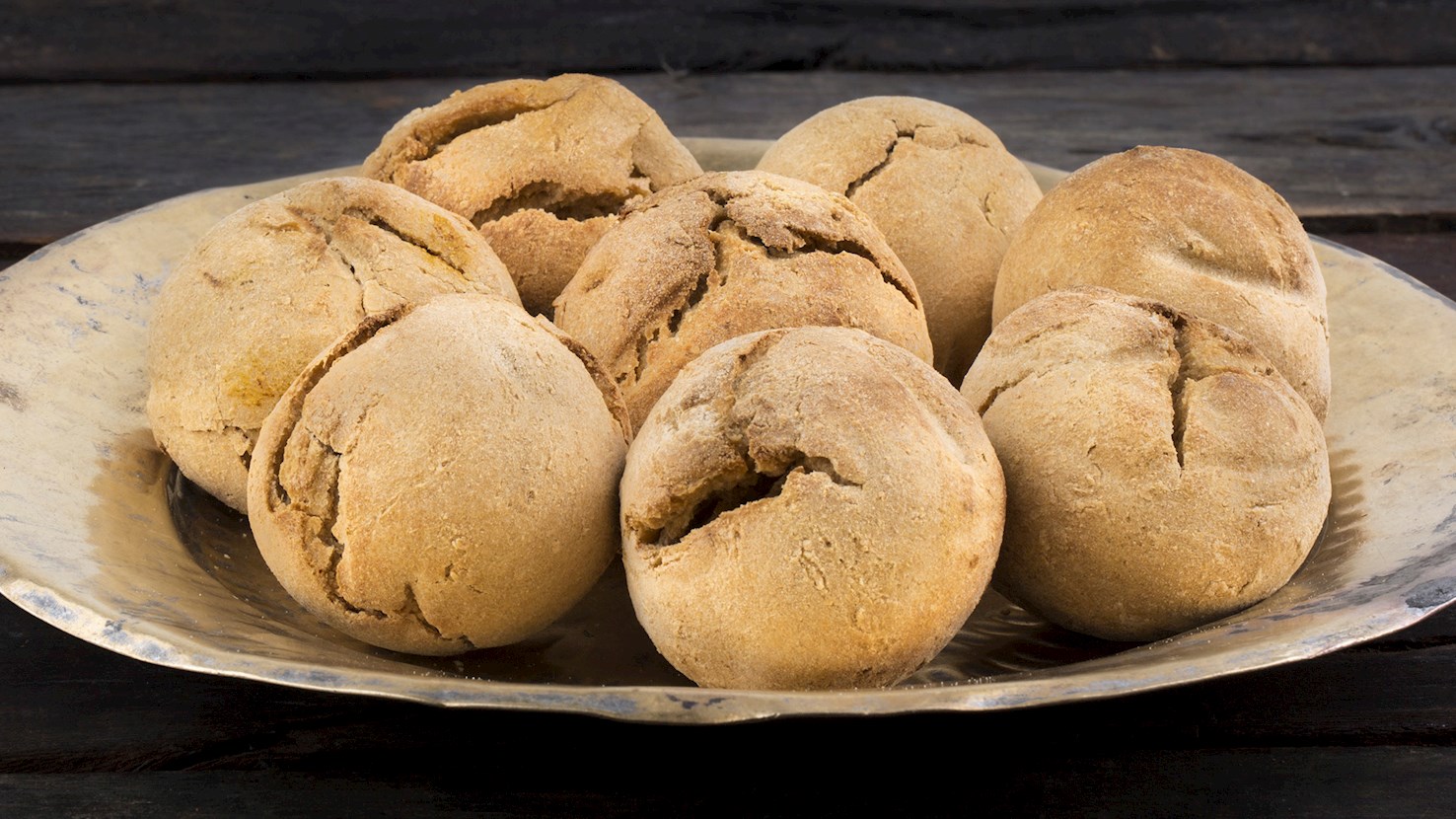
Baati is a hard, unleavened Indian bread that is typically prepared in the desert areas of Rajasthan, Uttar Pradesh, and Madhya Pradesh. Traditionally, baati is baked over the ambers of dried cow-dung. It consists of wheat flour, salt, ghee, and very little water, so the resulting low moisture and high fat content give it an extended shelf life. Baati is often eaten with dal, resulting in a dish called dal bati, a popular Rajasthani delicacy where baati is dipped in ghee and traditionally served in an earthenware pot. The bread can be prepared in a basic, plain version, but it can also be filled with peas, onions, or sattu.
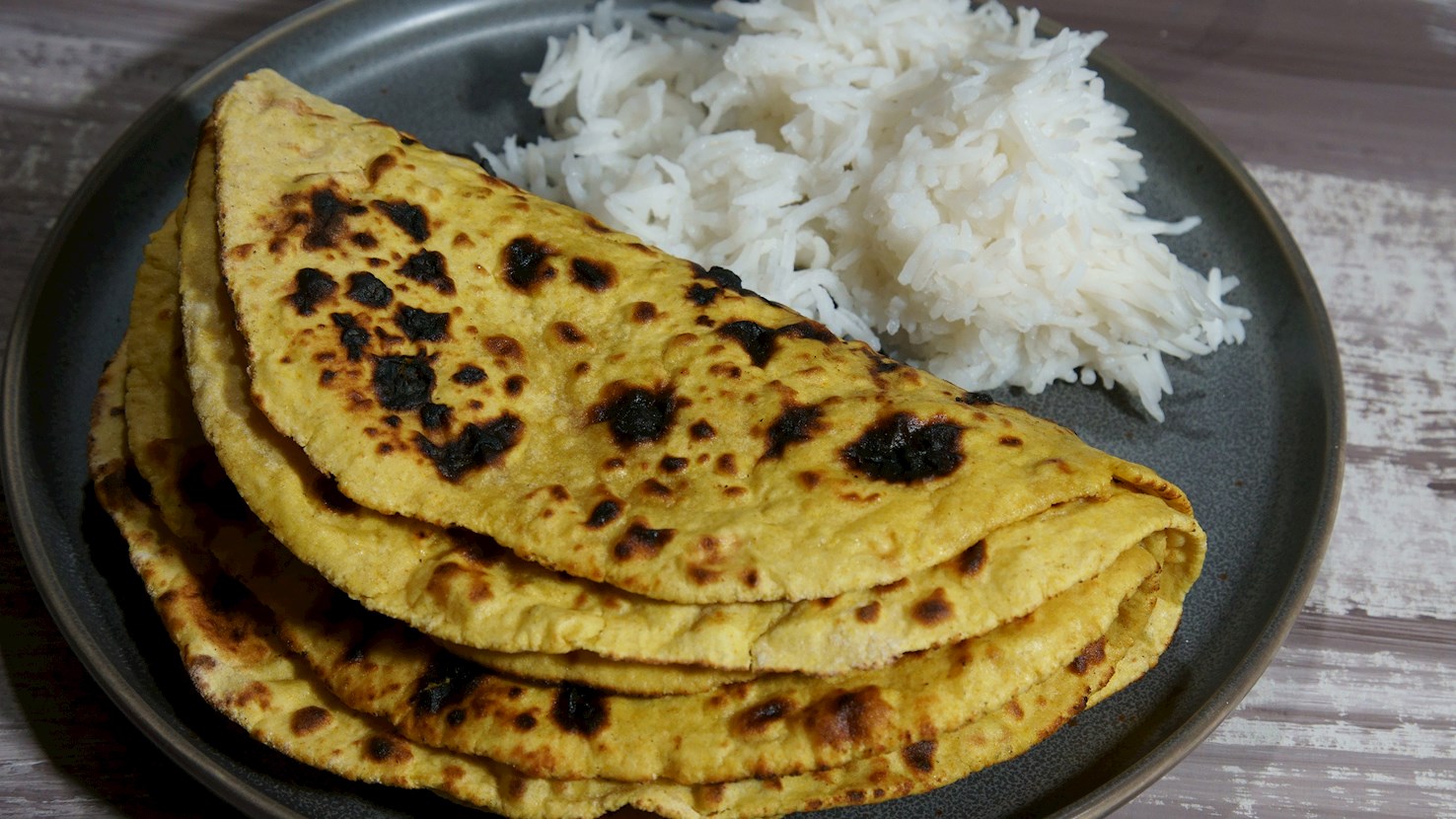
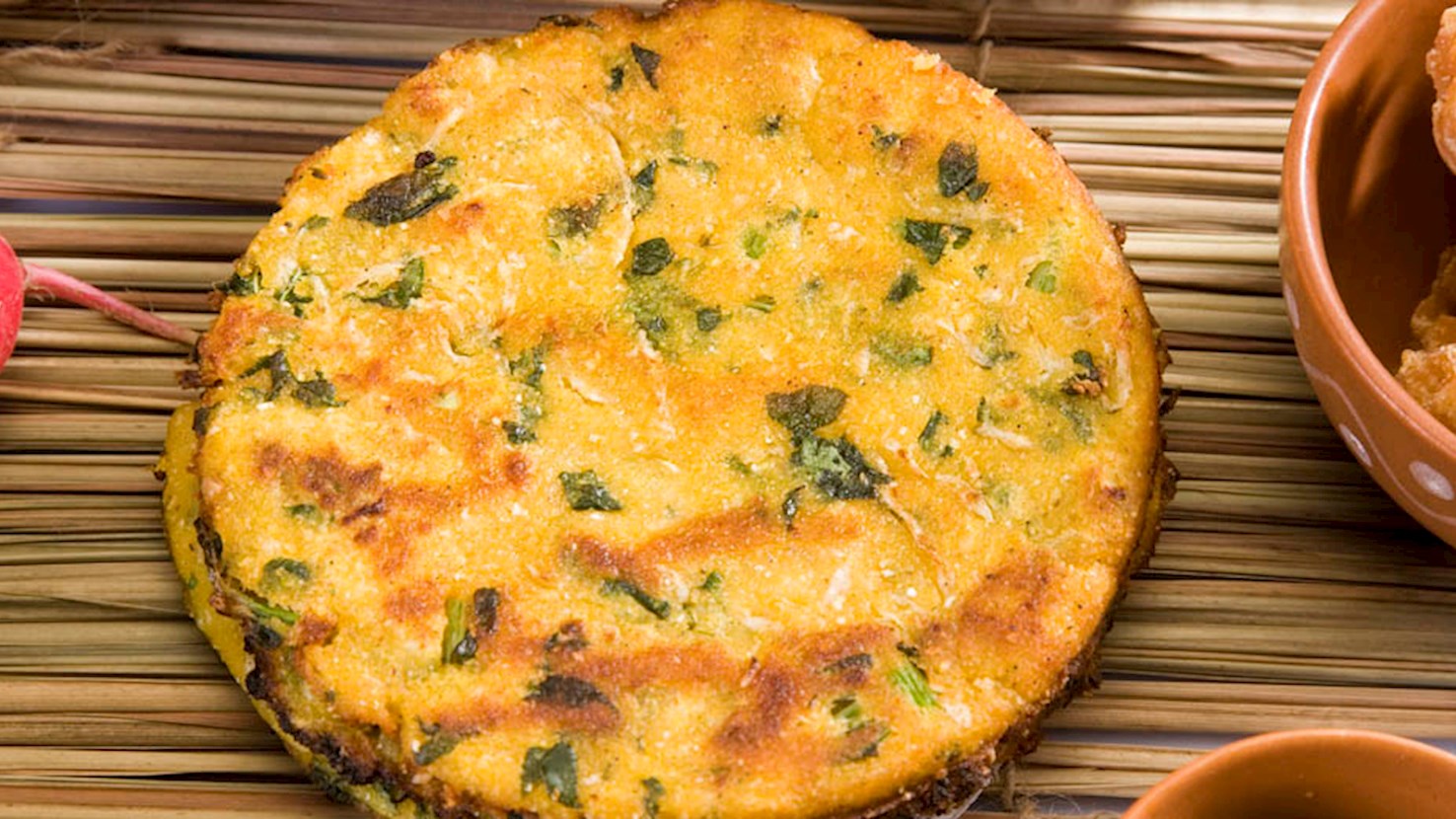
Roti is a flat, unleavened whole wheat bread, visually similar to a pancake, cooked on a traditional iron griddle called tawa, a key element of the rural cuisine of Punjabi. It is one of the most basic breads in India, a cross between pita bread and a tortilla that is buttered on one side. Makki ki roti is made from makai atta cornmeal flour, salt, and water, and once it's done, it is brushed with ghee and traditionally served piping hot with sarson da saag (cooked mustard leaves and spices), especially during the winter months. It is yellow in color and quite different from wheat flour roti. The bread is healthy, simple, nutritious and easy to prepare, so it is not a wonder that it can be found in most Punjabi homes.
Missi roti is a North Indian variety of roti, an unleavened flatbread made by combining whole wheat flour, gram flour, salt, water, and a blend of freshly ground Indian spices such as red chili powder, cumin seed powder, carom seed powder, turmeric, coriander, and crushed dry pomegranate seeds. The resulting dough is often enhanced with sliced green chilis and finely chopped vegetables such as onions, spinach, or fenugreek leaves. The dough is then rolled into flat disks before it is traditionally cooked on a hot iron griddle called tawa until brown and slightly crispy. This spiced flatbread is usually brushed with ghee or oil and it's traditionally served piping hot with a wide variety of chutneys, curries, sabzis (mixed vegetable dishes), mixed lentil dishes, pickles, or curd. Missi roti commonly accompanies Indian breakfasts, but it can be eaten at any time of the day, and with any meal.
Nawabi naan is a traditional flatbread and a version of naan. This flatbread is basically a traditional baked naan studded with nuts. The ingredients used to prepare it include plain flour, yeast, sugar, oil, salt, cardamom, rose water, and finely chopped nuts such as almonds, pistachios, and cashews. Once it’s been rolled, the dough is sprinkled with nuts, then rolled once again so they stick to the dough. The flatbread is cooked in a tava frying pan, and it’s then usually served with spicy curries. When served, nawabi naan is often decorated with edible silver foil.
Mughlai paratha is a traditional dish originating from Bengal and dating back to the Mughal Empire. Traditionally, this street food staple consists of a deep-fried paratha stuffed with minced chicken or mutton, but there are a few versions of the dish, so it can be prepared without meat as well. The stuffing typically contains onions, chili peppers, ginger, garlic, eggs, carrots, garam masala powder, coriander, turmeric, cumin, and amchur (dried mango powder). Once assembled, this stuffed paratha is roasted on a hot tawa or fried in oil. The dish is usually served as a snack with raita or curries.
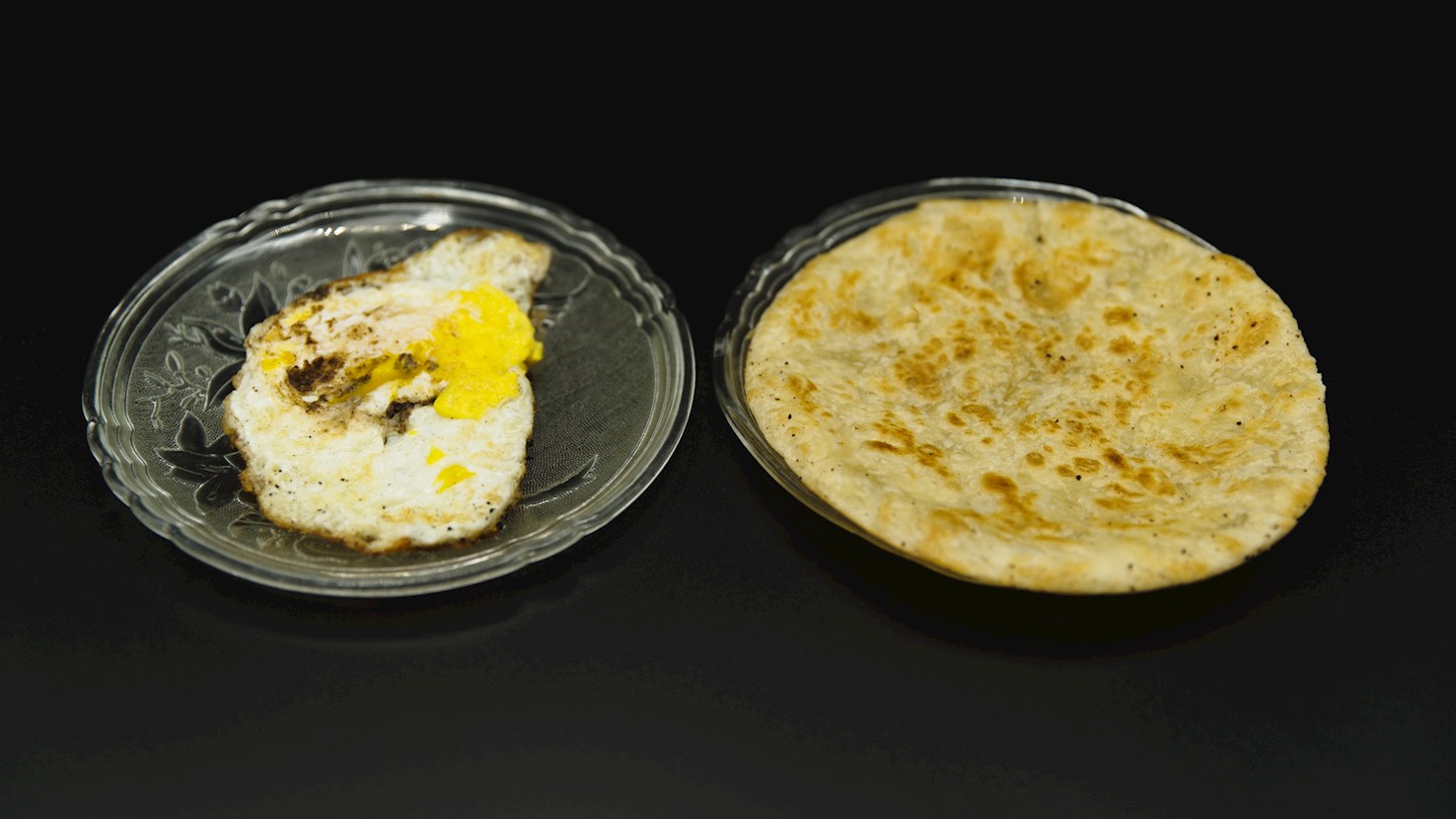
Anda paratha is a traditional flatbread originating from India. This omelet-stuffed flatbread is made with a combination of water, flour, salt, and oil. The omelet is typically made with eggs, onions, coriander, chili peppers, and garlic. The layered dough is cooked on both sides until golden brown, and it's then sliced and stuffed with the omelet. This easy and healthy breakfast staple is often served with an array of sides and condiments such as chutneys, yogurt dips, salads, or Indian pickles.
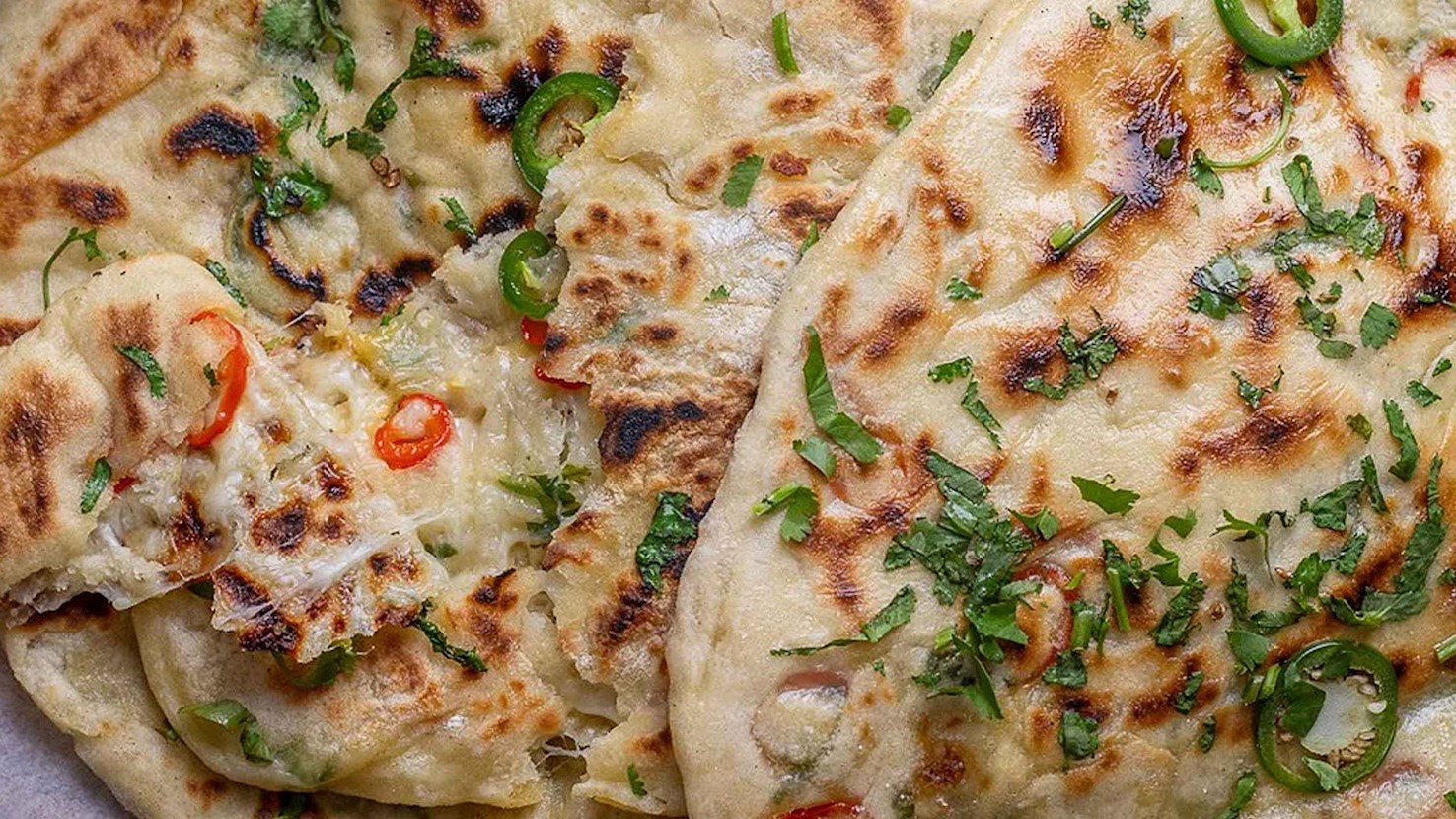
Bullet naan is a traditional variety of the naan flatbread originating from India. This spicy variety is made with a combination of wheat flour, yeast, butter, milk, yogurt, and salt. After the dough has been shaped, it's topped with chopped jalapeños and coriander leaves, then baked in a tandoor until it's golden and puffed up. If desired, black sesame seeds can also be used as a topping. Once baked, the flatbread is brushed with butter. Bullet naan is traditionally served with different curries.
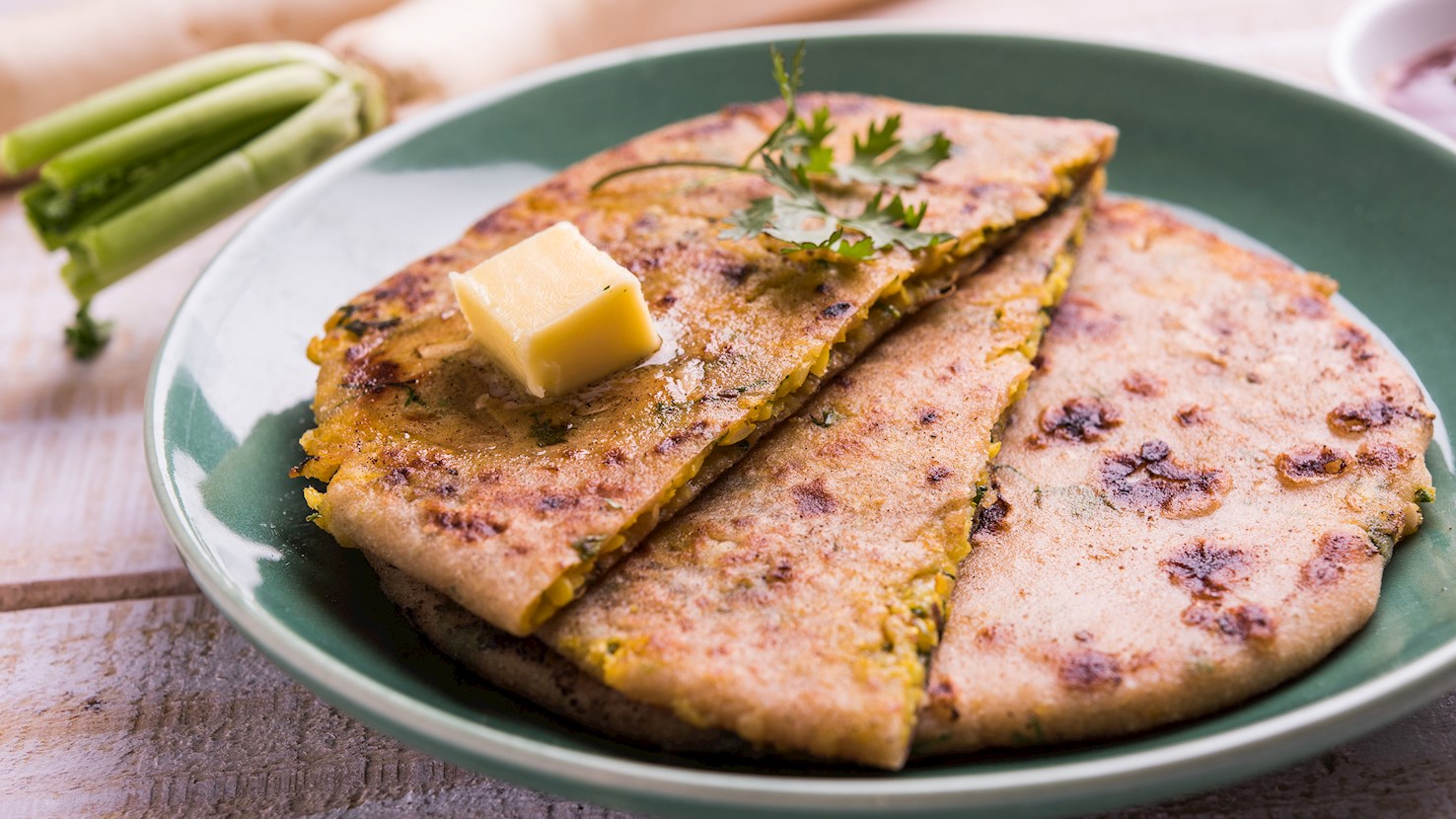
Mooli paratha is a traditional flatbread and a type of paratha, originating from Punjabi cuisine. For this paratha variety, the flatbread is stuffed with grated white radish or daikon that should be fresh and tender. The leftover water from the radish can be added to the paratha dough, while the grated radish stuffing is often enriched with finely chopped green chili peppers, garam masala, red chili powder, and salt. Once stuffed and shaped, mooli paratha is fried in oil or ghee on a tawa until slightly browned and puffed up. It's recommended to brush mooli paratha with more ghee or butter on top, then serve it with pickles or chutneys.
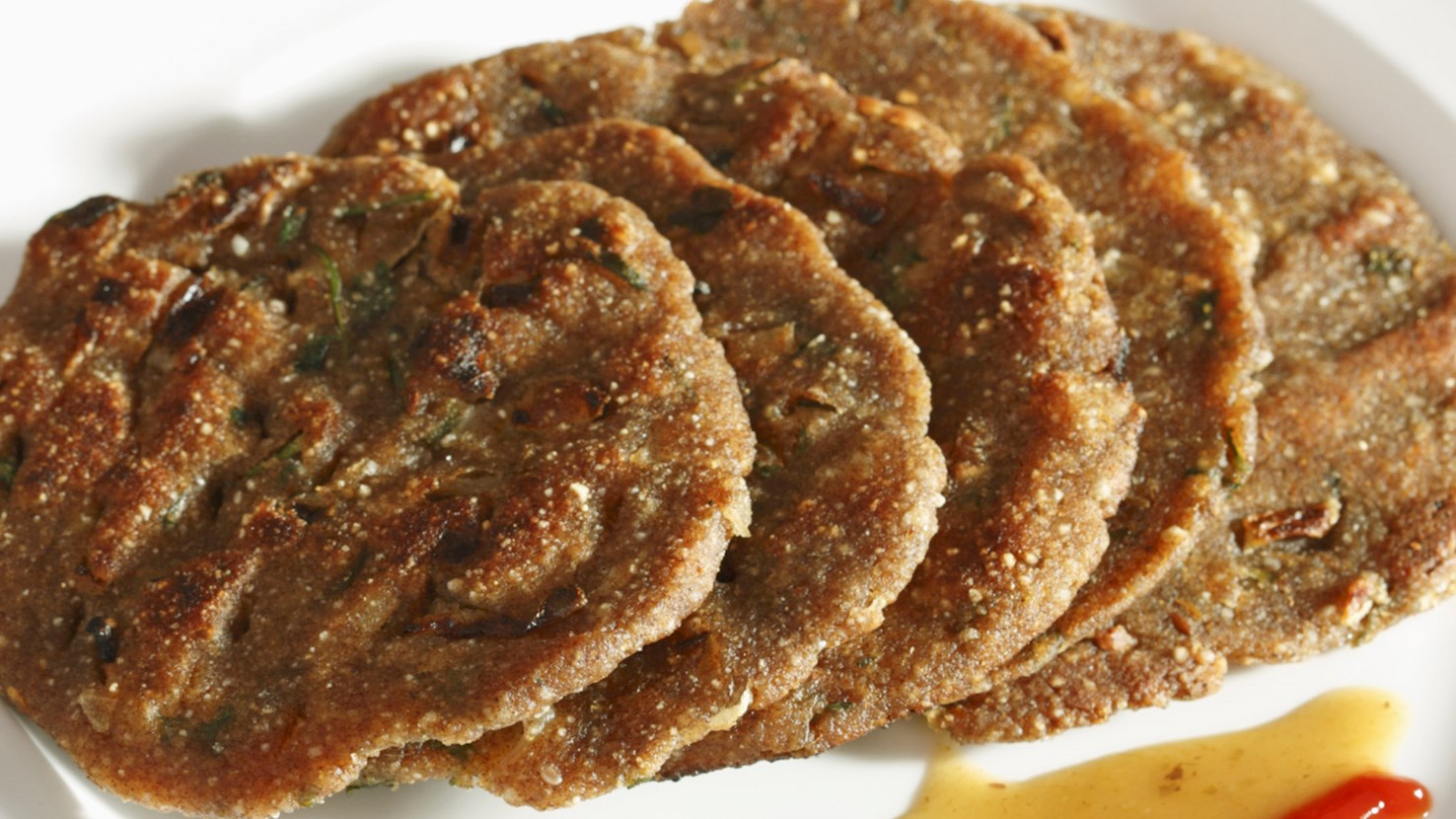
Thalipeeth is a pancake-like bread belonging to the Maharashtrian cuisine of India. The batter is prepared with a base of Bhajani multi-grain flour, while cumin, chilies, coriander, turmeric, and onions are also added to the mix, making the dish slightly hot and spicy in the process. Thalipeeth is commonly served for breakfast with butter, yogurt, or curd, and it is characterized by a hole in the center. Hot oil is drizzled in the hole, making sure that the pancake is cooked evenly. Although the dish is mostly served for breakfast, it is also popular as a daily snack or a flavorful dinner, best accompanied by tomato chutney on the side. There are also some variations on the dish, such as thalipeeth with potatoes and peanuts, and thalipeeth with finely chopped vegetables.
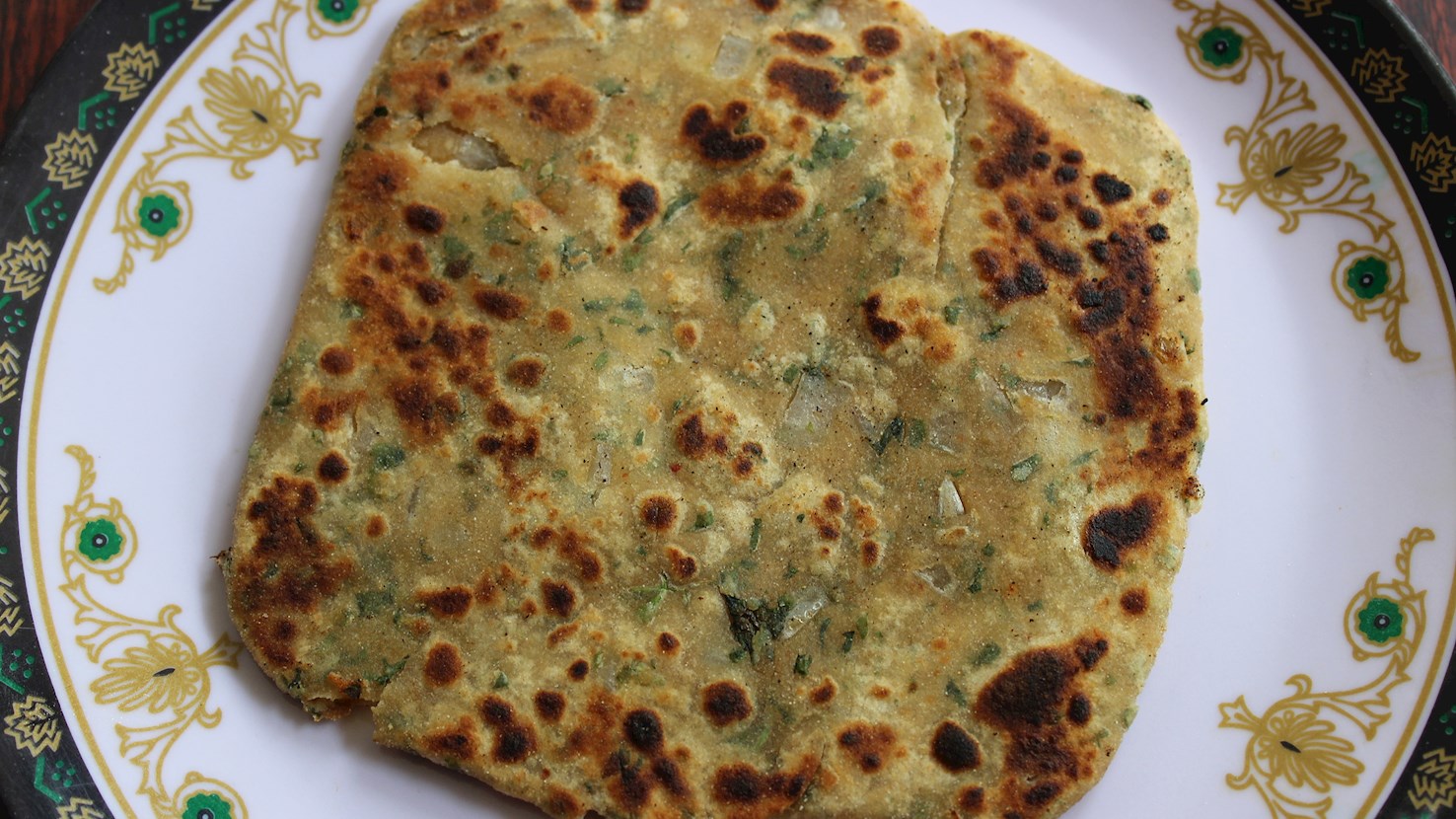
Pudina paratha is a traditional flatbread originating from North India. This paratha variety is flavored with mint, hence the name, as pudina means mint. The unleavened flatbread is made with a combination of wheat flour, oil or ghee, salt, water, and mint leaves. Once prepared and shaped, the dough is sprinkled with a spice mix consisting of roasted mint leaves, cumin seeds, and fennel seeds. The flatbread is cooked in a tandoor or on a tawa griddle until crisp and fully cooked. It’s usually served hot or warm as an accompaniment to dal dishes or curries. For the best experience, try pudina paratha with a cup of tea on the side.
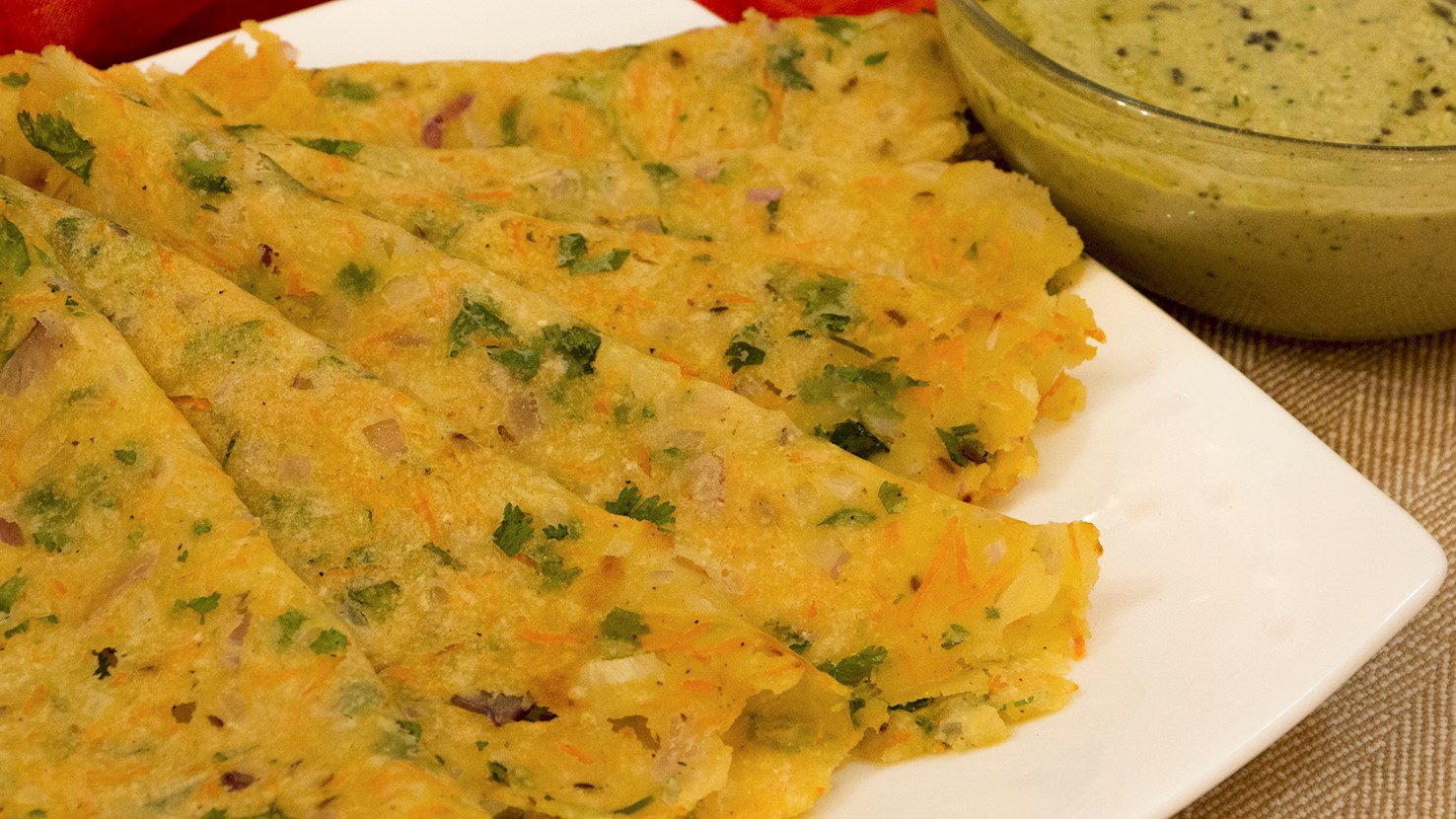
Akki rotti is a dish that is especially popular in the Indian region of Karnataka, consisting of griddle-baked rice flour that is shaped like a pancake or a flatbread. It is commonly consumed either for breakfast or lunch, usually accompanied by various chutneys. Onions, carrots, coriander, cumin, and sesame seeds can also be added to the dough before baking in order to enhance the flavors of the dish. Originally, a housewife had some leftover rice, but decided to make a new dish using the leftovers, so she mashed the rice, added some salt and rice flour, and baked the dough on a tawa, creating a staple dish in the process. For the most authentic akki rotti, the dough should be flattened on a banana leaf and cooked on a tawa, with the leaf on top of the flatbread, helping it to cook evenly and giving the dish a distinctive, unique flavor.
Warqi paratha is a traditional flatbread and a type of paratha that's characterized by its layered texture. It's made with a combination of flour, sugar, salt, ghee, and milk. The dough is flattened and folded many times in order to create layers, and each one is brushed with melted butter or ghee and dusted with flour. Once baked, warqi paratha should be flaky and tender. The flatbread goes well with any type of curry or dal, and it's typically used as an edible spoon for scooping up the sauces.
Rotla is a traditional flatbread originating from Gujarat. The name of the bread is a Gujarati word for a roti made with bajra, also known as black millet flour. Other ingredients include warm water and salt, while melted ghee is used for brushing the flatbread. Once shaped, the dough is cooked on a tava griddle pan over high flames until it puffs up and brown spots develop on both sides. Rotla is usually served immediately because if it cools down it will become dry and hard. It's recommended to serve this flatbread with jaggery, ghee, and garlic chutney. In some villages, the thicker version of rotla is traditionally cooked over cow dung cakes, giving the flatbread a smoky flavor. Interestingly, rotla is especially popular during cold winter months.
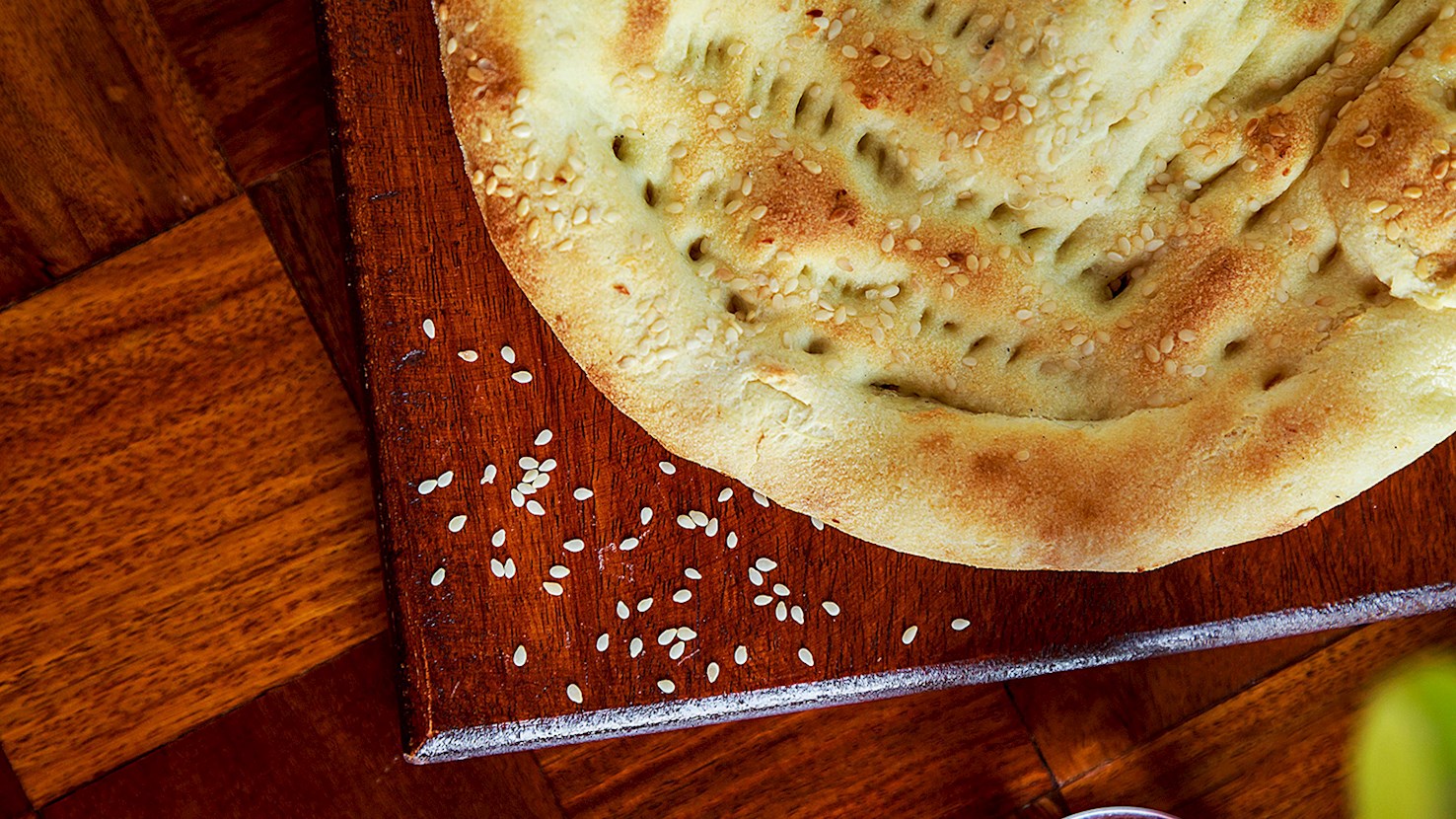
Roghni naan is a traditional flatbread and a version of naan. It’s made with a combination of flour, yeast, sugar, salt, ghee, milk, yogurt, and sesame seeds. Traditionally, this naan is baked in a hot tandoor oven until it becomes golden and fully cooked. If desired, it can be sprinkled with onion seeds or poppy seeds on top, in addition to the sesame seeds. Roghni naan is usually prepared on special occasions, and it’s recommended to serve it with chicken dishes (butter chicken, chicken tikka masala), vegetables, or paneer cheese.
TasteAtlas food rankings are based on the ratings of the TasteAtlas audience, with a series of mechanisms that recognize real users and that ignore bot,
nationalist or local patriotic ratings, and give additional value to the ratings of users that the system recognizes as knowledgeable.
For the “Top 44 Indian Breads and Flatbreads” list until July 16, 2026, 3,628 ratings were recorded, of which 2,824 were recognized by the system as legitimate.
TasteAtlas Rankings should not be seen as the final global conclusion about food. Their purpose is to promote excellent local foods,
instill pride in traditional dishes, and arouse curiosity about dishes you haven’t tried.