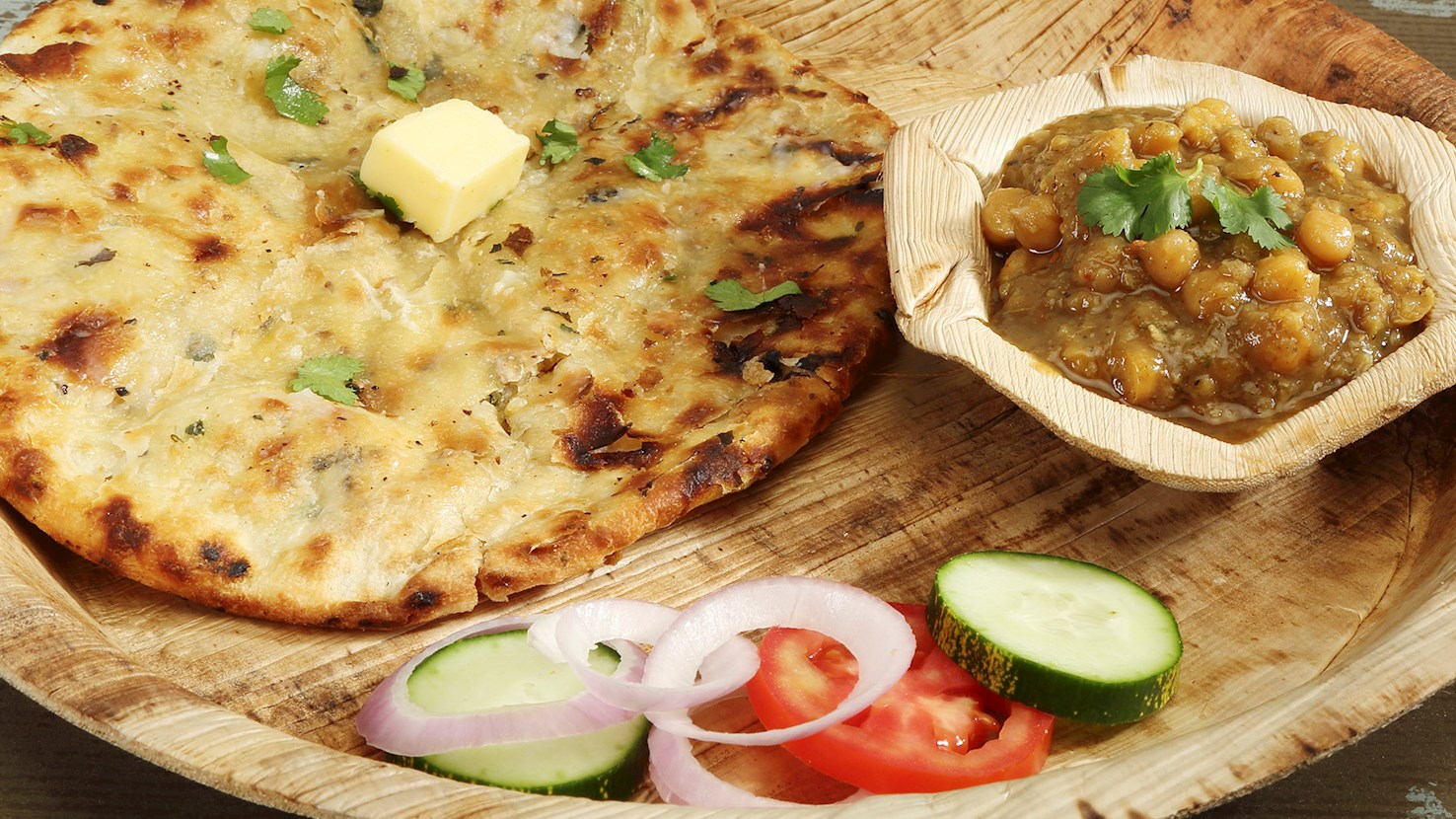
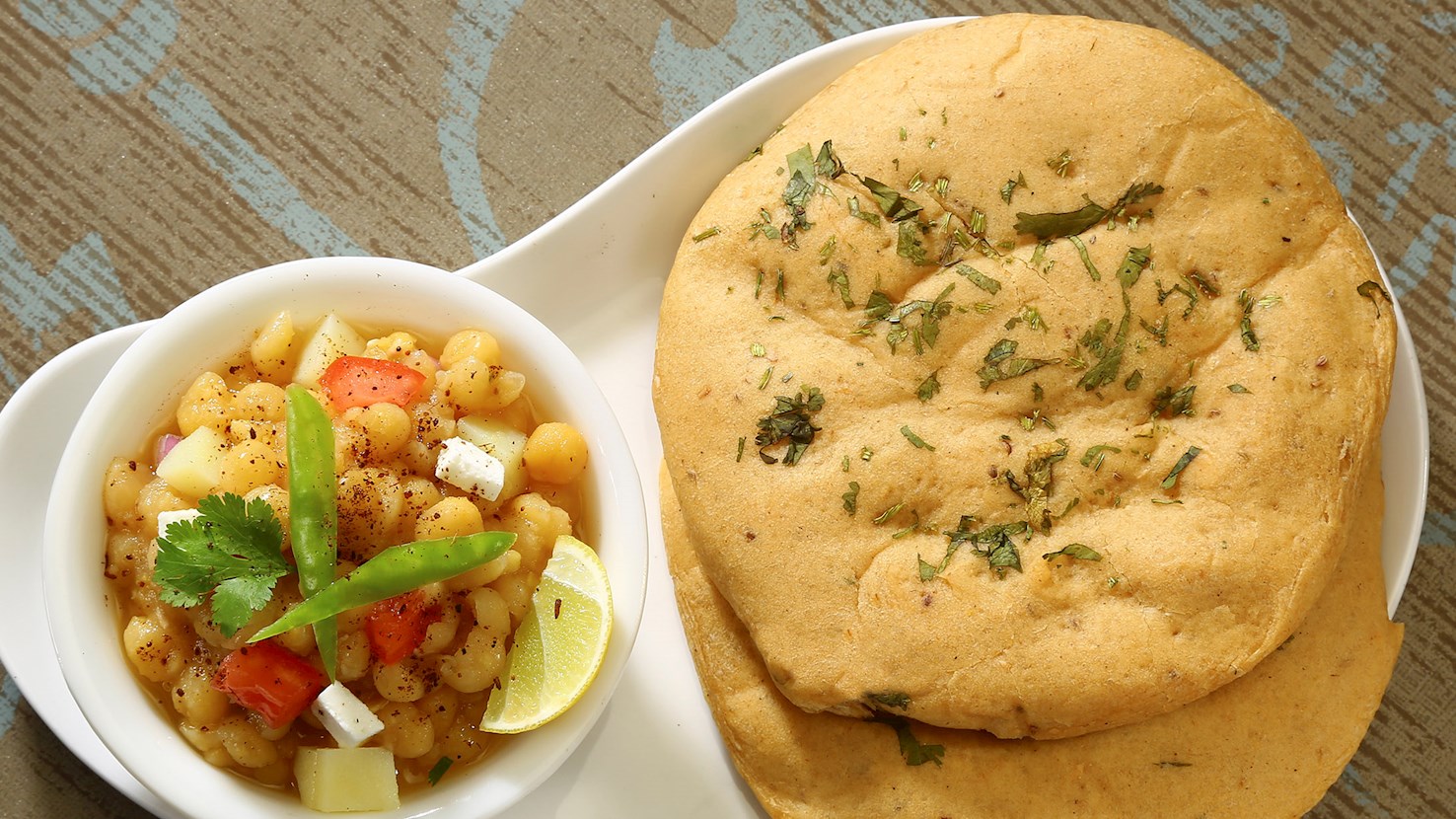
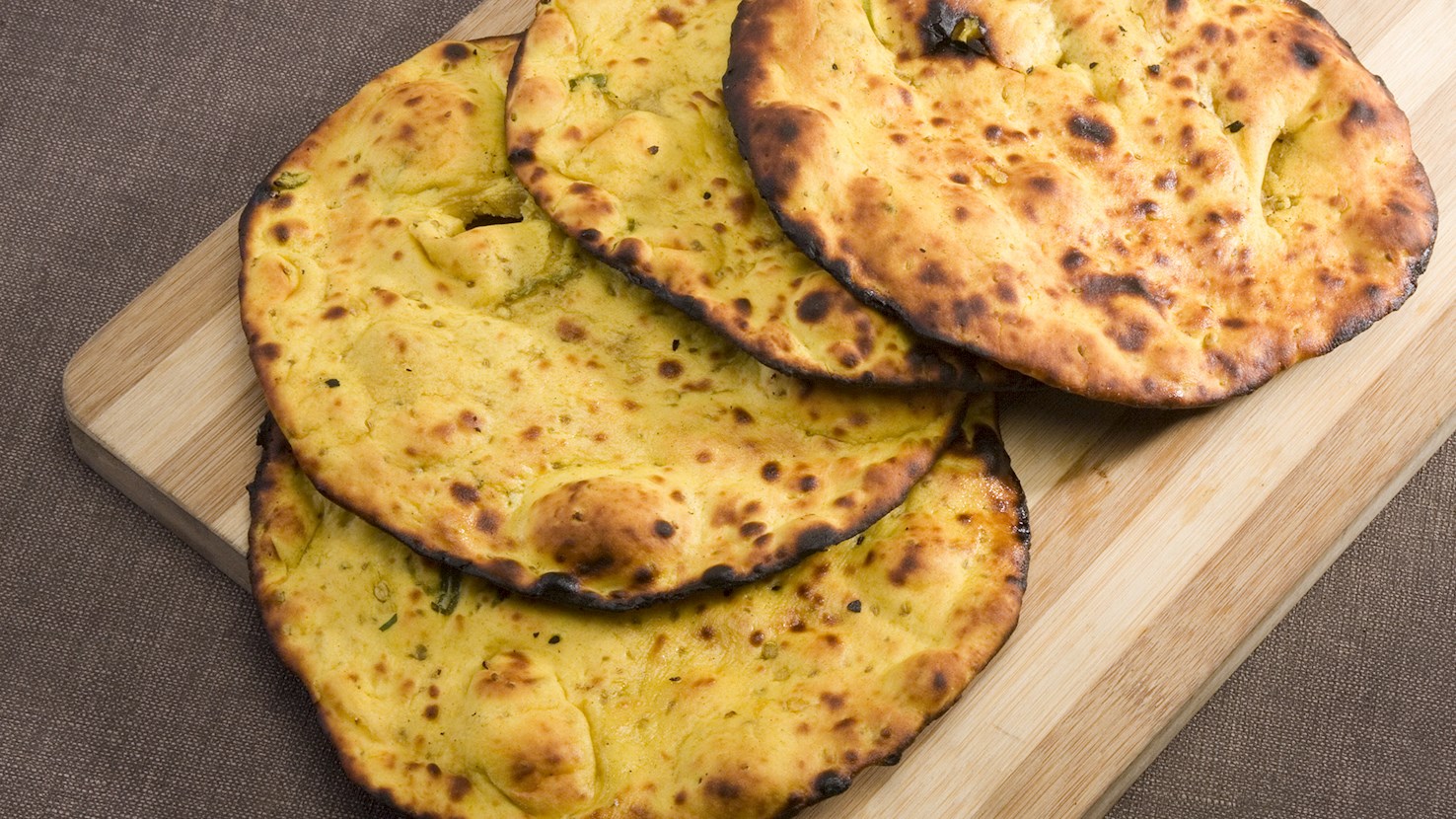
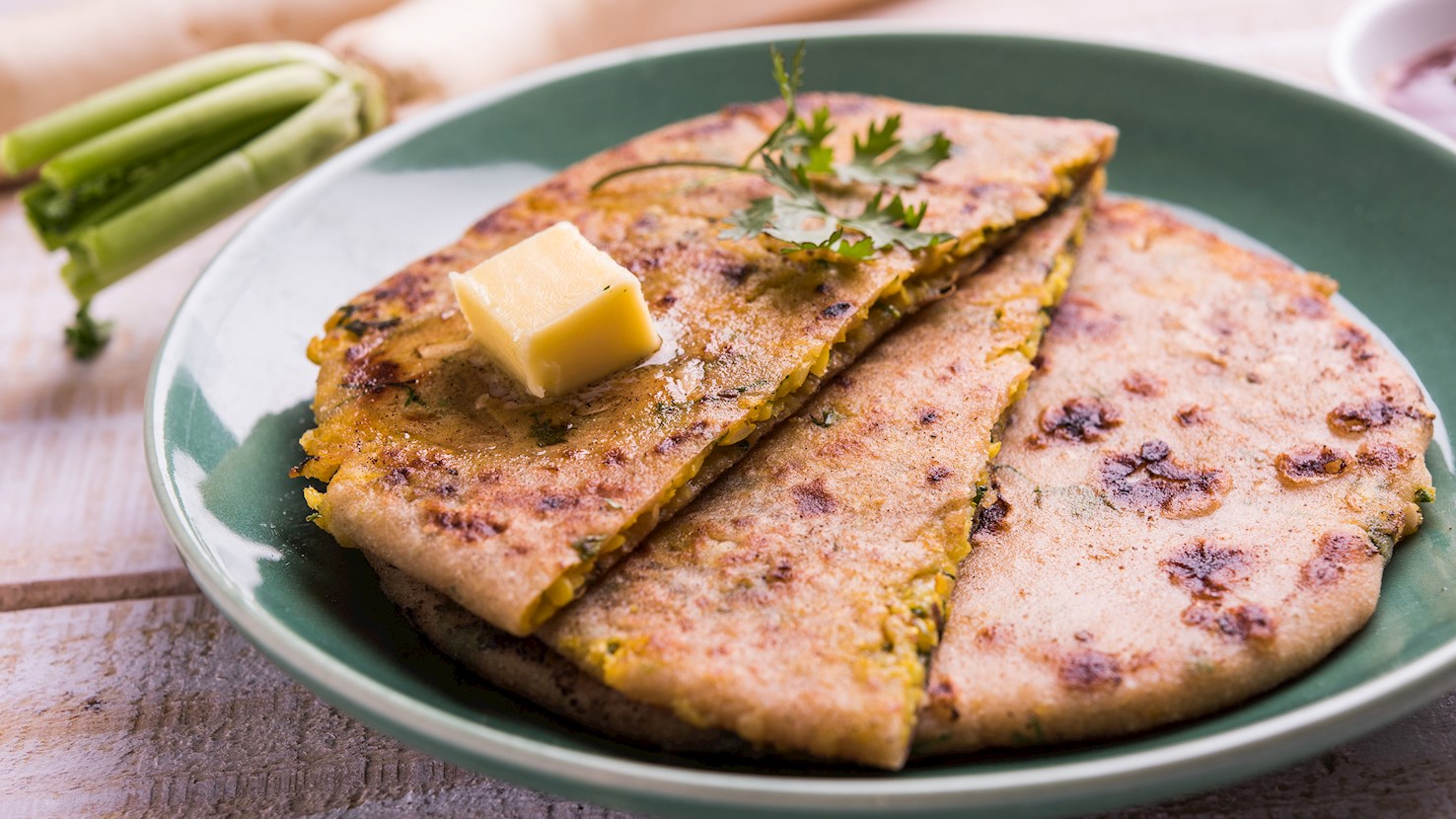
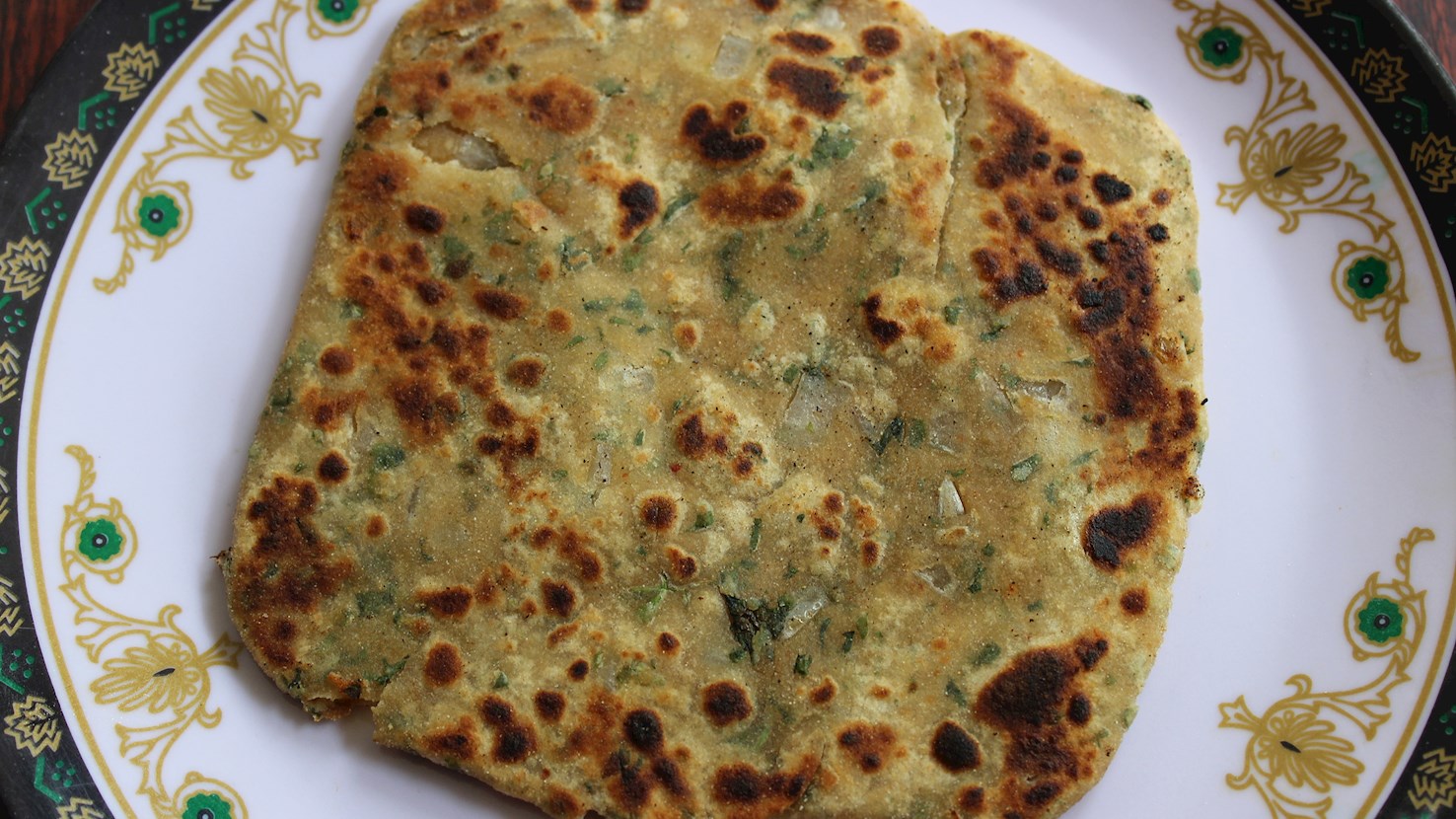
Coming from the North Indian city of Amritsari, Amritsari kulcha is a flatbread stuffed with potatoes, onions, cottage cheese, and spices. The flatbread is commonly garnished with coriander seeds, cilantro, and red chili powder. Thin, crispy, and smeared with ghee butter, it is a staple food in Amritsar, with almost every shop in the city sizzling with the sound of kulchas baked in large tandoor ovens. Not much is known about the history of this flavorful dish, and even the locals say that kulcha is just something they have always eaten, a variation on numerous flatbreads that the country is known for.
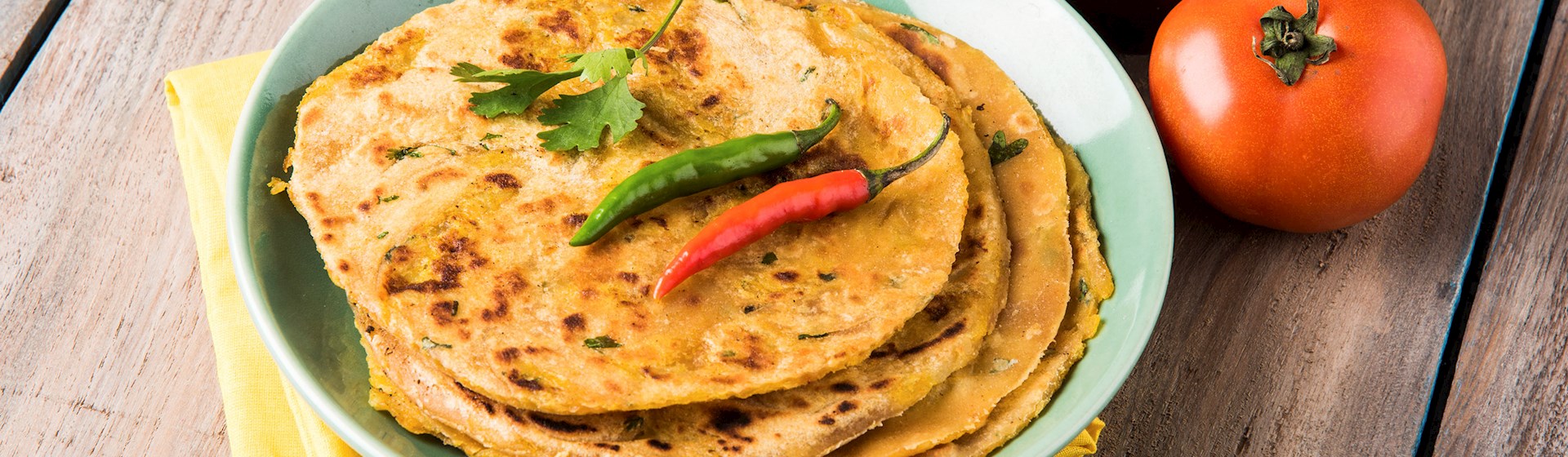
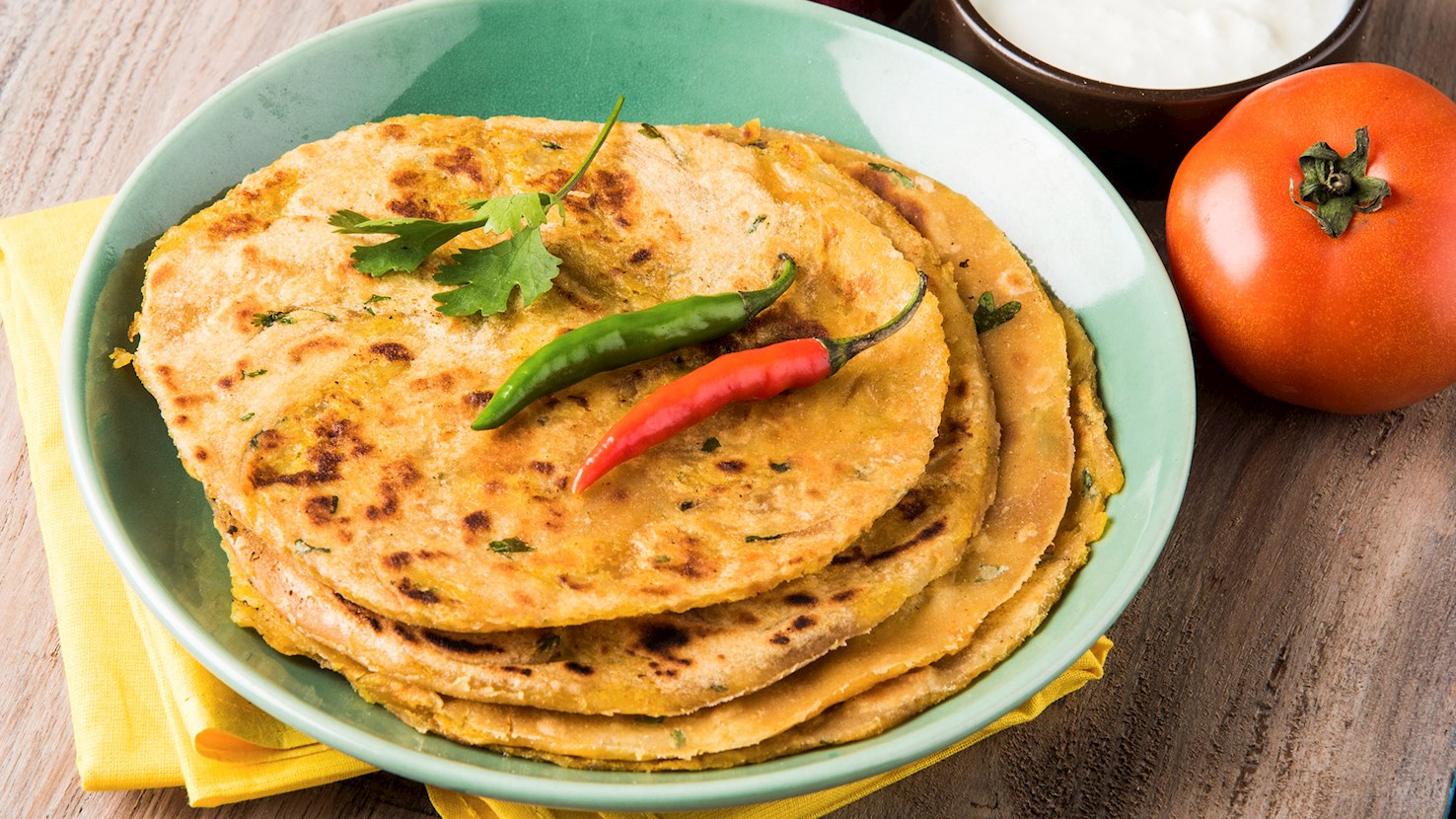
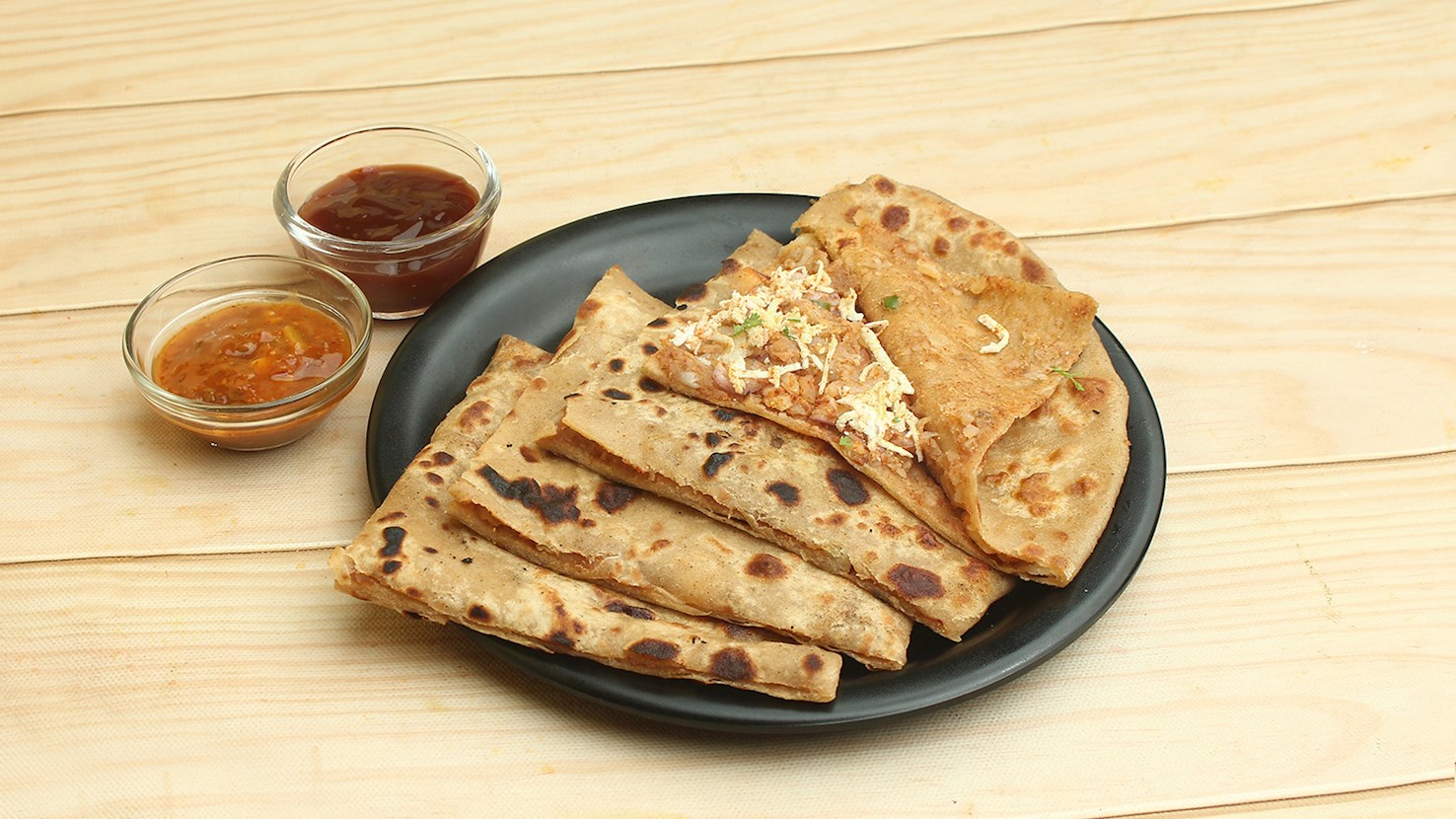
Aloo paratha is one of the most popular breakfast foods in northern India, a flatbread stuffed with a spicy potato mixture. Its name is derived from aloo, denoting a potato, parat, denoting layers, and atta, denoting flour. The flatbread is made from whole-wheat flour, salt, and ghee, forming flaky, soft, and crispy layers that are golden-brown in color. The filling consists of mashed potatoes, ginger, green chilies, coriander, dried pomegranate seeds, chili powder, and salt. The dish is often topped with Indian homemade butter called makhan and it is traditionally served with chutneys, pickles, onions, and yogurt or tea on the side. Due to its popularity, it spread from Punjab to various parts of the Indian subcontinent, but also to Malaysia, Mauritius, Singapore and the Caribbean.
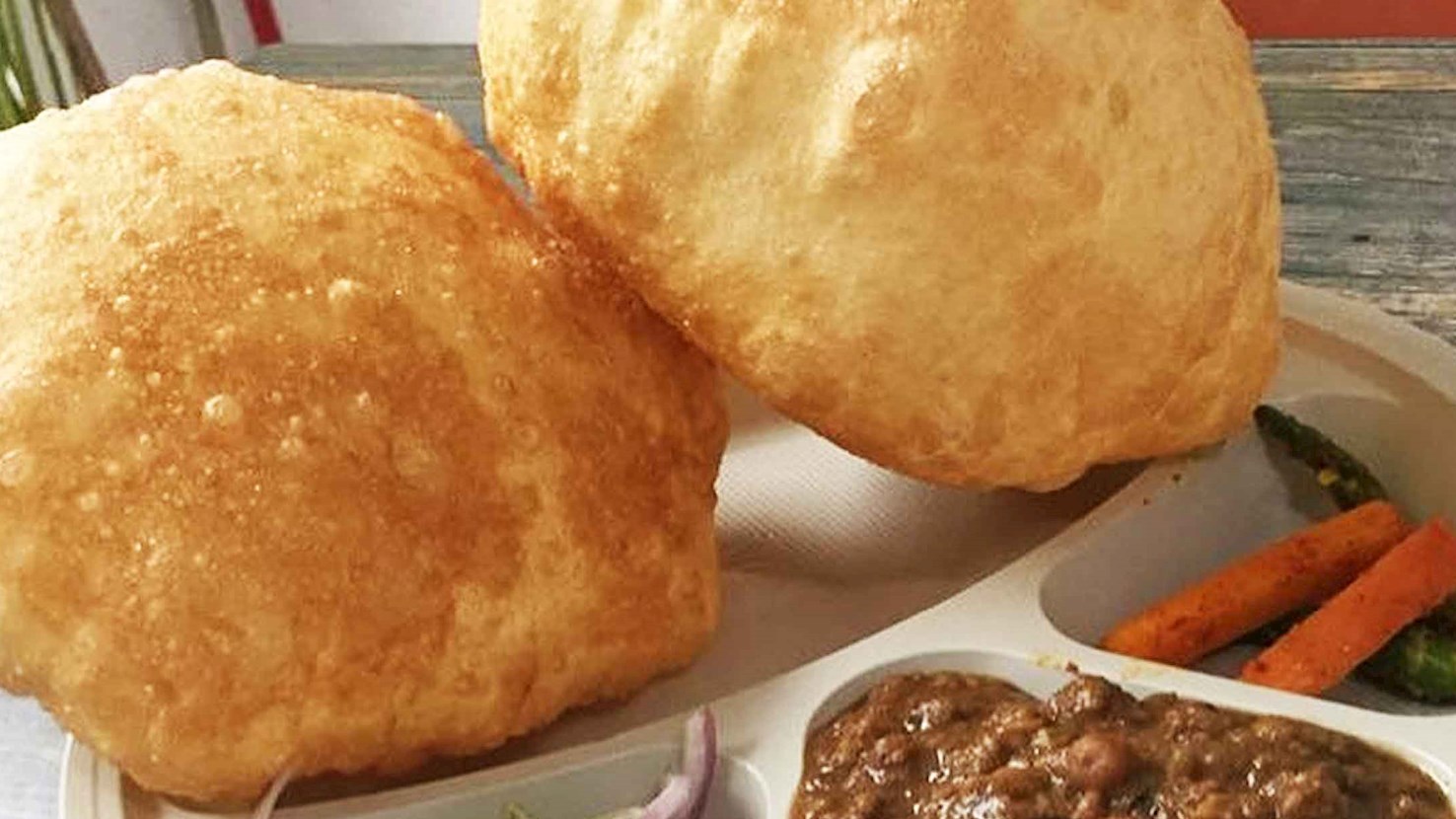
Bhatura is a deep-fried, leavened bread with North Indian origins and a light, fluffy texture. Its unique texture is achieved by letting the dough ferment for almost one hour. The dough consists of flour, oil, baking powder, and yogurt. After the bread is fried, it is usually sprinkled with Indian masalas or stuffed with paneer. If it's stuffed with chickpea curry, it becomes another popular dish, known as chole bhatura, found at almost every street corner in North India. Bhatura's versatility is seen in kulcha, which is made with the same dough, but it is baked or cooked on a pan instead of being deep-fried.
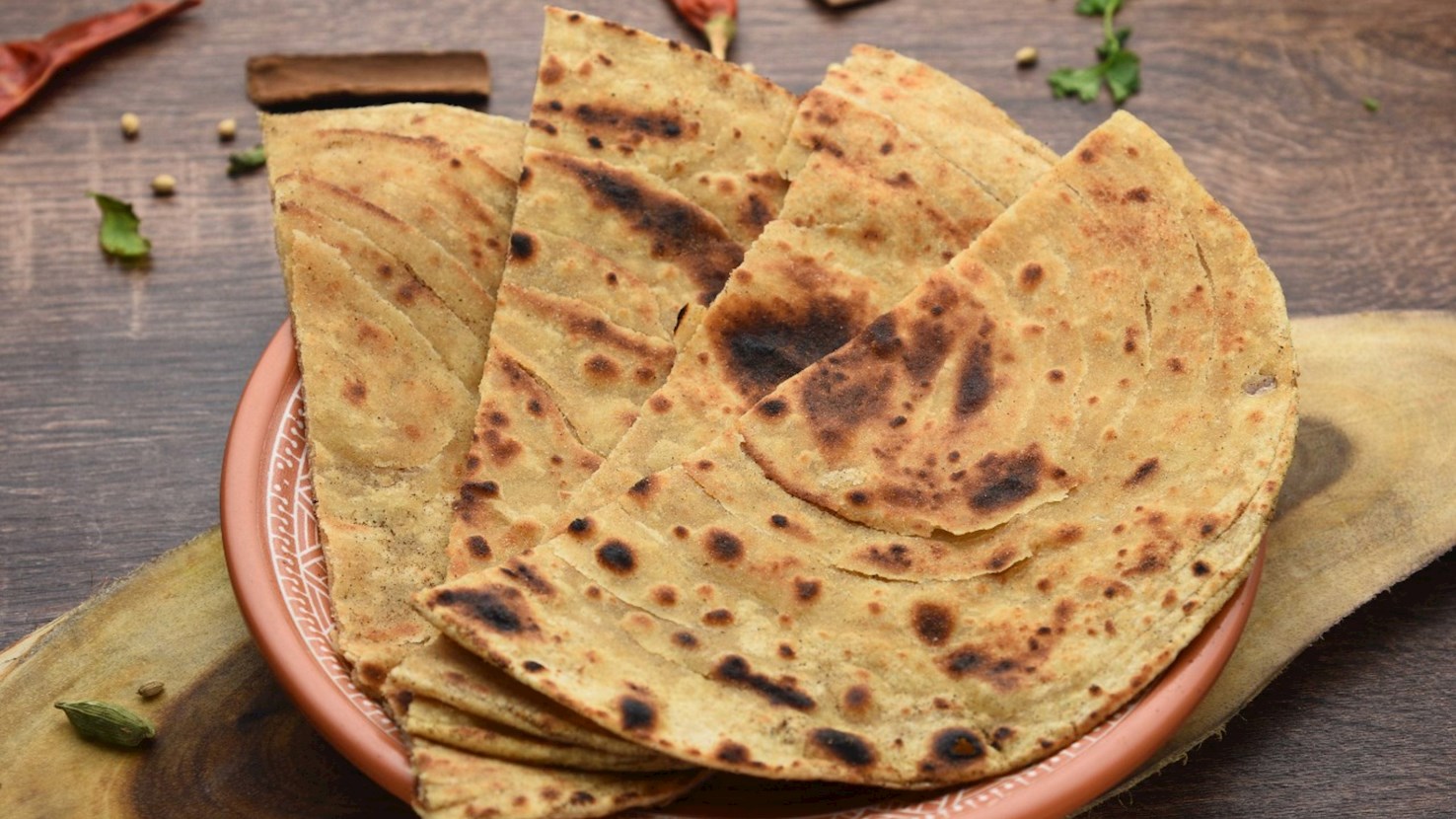
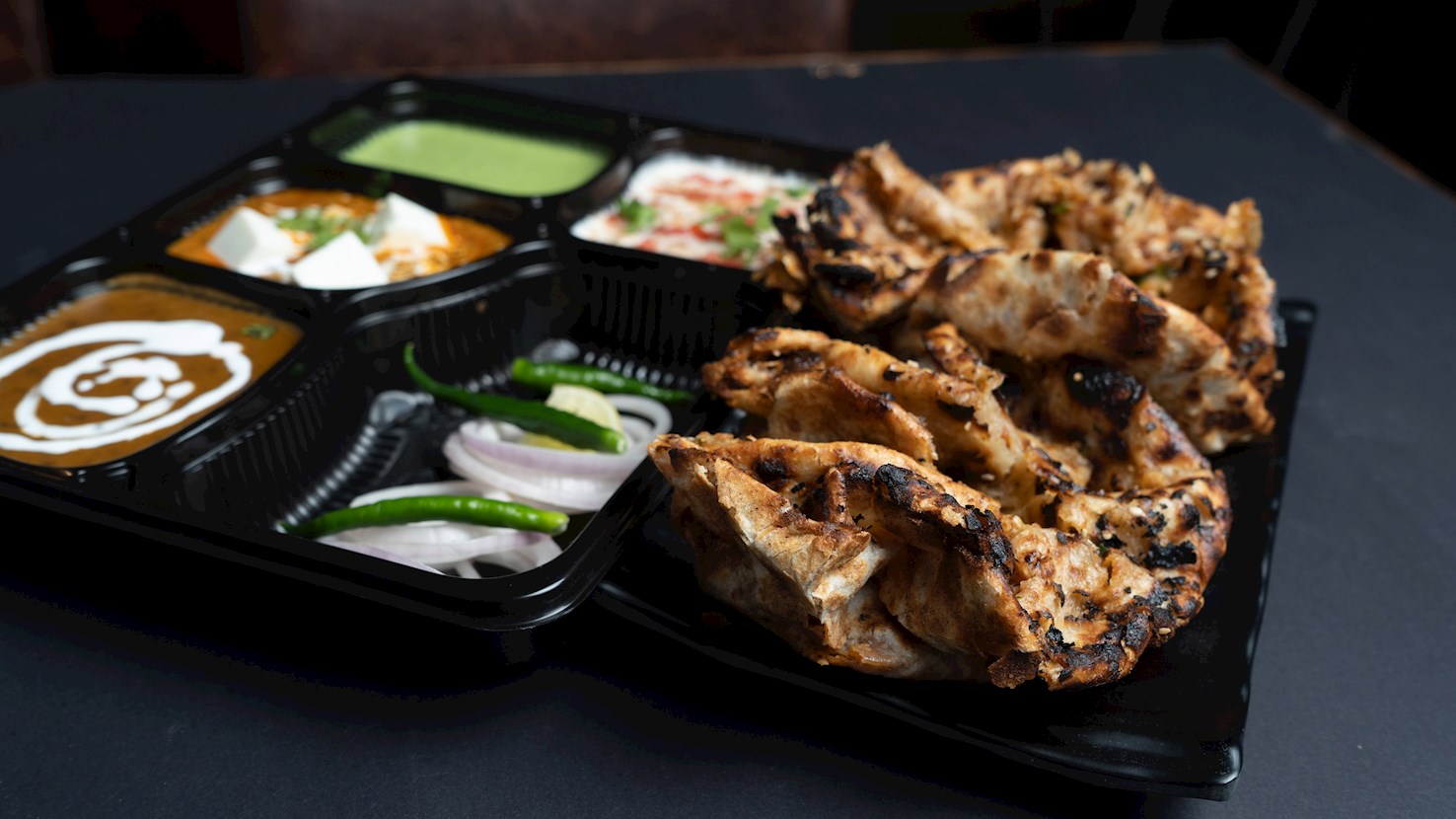
Laccha paratha is a traditional flatbread originating from the northern parts of India. The name of this paratha variety means multi-layered paratha, referring to its flaky and layered texture that goes well with rich and creamy curries and dal dishes. These layers are made by creating pleats from the dough, and it’s then folded like a pinwheel. The flatbread is made with a simple combination of flour, water, salt, and oil or ghee. After it’s been cooked in a tandoor, laccha paratha should be flaky and crispy on the exterior and soft inside.
Gobi paratha is a traditional flatbread originating from North India. This type of paratha is stuffed with spiced cauliflower. The dough is made with a combination of flour, water, salt, and oil. Once shaped, it's stuffed with spiced cauliflower, fried on both sides and brushed with butter or ghee until golden brown and fully cooked. The stuffing is typically made with a combination of cauliflower, ginger, turmeric, red chili powder, coriander, cumin, garam masala powder, dry mango powder, and salt. It's recommended to serve gobi parathas hot with chutneys, curd, raita, or Indian pickles. The dish can be found on most street food stalls in the area, where vendors serve gobi paratha for breakfast.
Paneer kulcha is a traditional dish that's especially popular in its flaky Amritsari-style version. The dish consists of leavened flatbread called kulcha that's stuffed with paneer cheese. Although there are many variations, the flatbread is usually stuffed with crumbled or grated paneer, chili peppers, coriander leaves, chaat masala, carom seeds, and salt. The dough for the kulcha is made with flour, dahi, ghee, sugar, salt, water, and baking soda and powder. Paneer kulcha is often prepared during winter, and it's traditionally cooked in a tandoor oven. Serve the dish with chole, raita, yogurt, or chutneys on the side.
Onion kulcha is a traditional flatbread originating from the northern parts of India. This kulcha variety is stuffed with onions. It’s made with a combination of wheat flour, dahi, oil, salt, milk, and a leavening agent – in this case, baking powder. The filling is made with a combination of chopped onions, cumin seeds, coriander leaves, and salt, while hot chili peppers are an optional addition. Once shaped, the round dough is stuffed with the filling and the flatbread is then cooked in a tandoor. After it’s been baked, onion kulcha is brushed with butter, if desired, and it’s then usually served with green chutneys on the side.
Kulcha is a flatbread from Punjab made from leavened refined wheat flour, typically baked in a clay tandoor oven, and celebrated for its soft, pillowy interior and golden-brown, blistered exterior. Kulcha is historically leavened with baking powder, baking soda, or a natural sour starter, resulting in a unique, slightly denser yet exquisitely flaky crumb. The bread holds an esteemed place in Indian royal history, famously tracing back to the courts of the Nizams of Hyderabad in the 18th century, where legend states that the first Nizam, Mir Qamar-ud-Din, chose the simple kulcha as the official emblem on the royal Asaf Jahi flag because a holy sufi saint had blessed his rule while offering him a handful of the humble breads. The absolute pinnacle of the craft is found in the city of Amritsar, where the world-renowned Amritsari kulcha has been elevated to an art form through meticulous dough engineering. Bakers create a laminated dough by repeatedly folding and rolling out the flour with generous layers of ghee or butter, a process similar to crafting puff pastry. This layered dough is then stuffed with a highly seasoned mixture of boiled, mashed potatoes, crumbled paneer, onions, and a vibrant spice blend featuring crushed coriander seeds, carom seeds, dried pomegranate seeds for a sharp tang, and fiery green chilies. The stuffed dough ball is meticulously flattened by hand, pressed with coriander leaves or caraway seeds, and slapped onto the scorching inner walls of a wood-fired tandoor, where it bakes rapidly as the intense heat expands the thin layers of fat, creating a shattered, crisp shell that gives way to a soft, steaming savory center. Beyond Punjab, a distinct variation thrives in Jammu, where kulcha is a soft, unstuffed pocket bread filled with spicy kidney beans, and in Uttar Pradesh, where the spongy, plain, round bread matar kulcha is paired with a tangy, dry yellow pea curry. Crushed slightly by hand immediately upon leaving the oven to release the steam and slathered with a decadent amount of white butter, kulcha is traditionally served alongside a robust bowl of chole (spicy chickpea curry), sliced raw onions, and a tangy mint chutney.
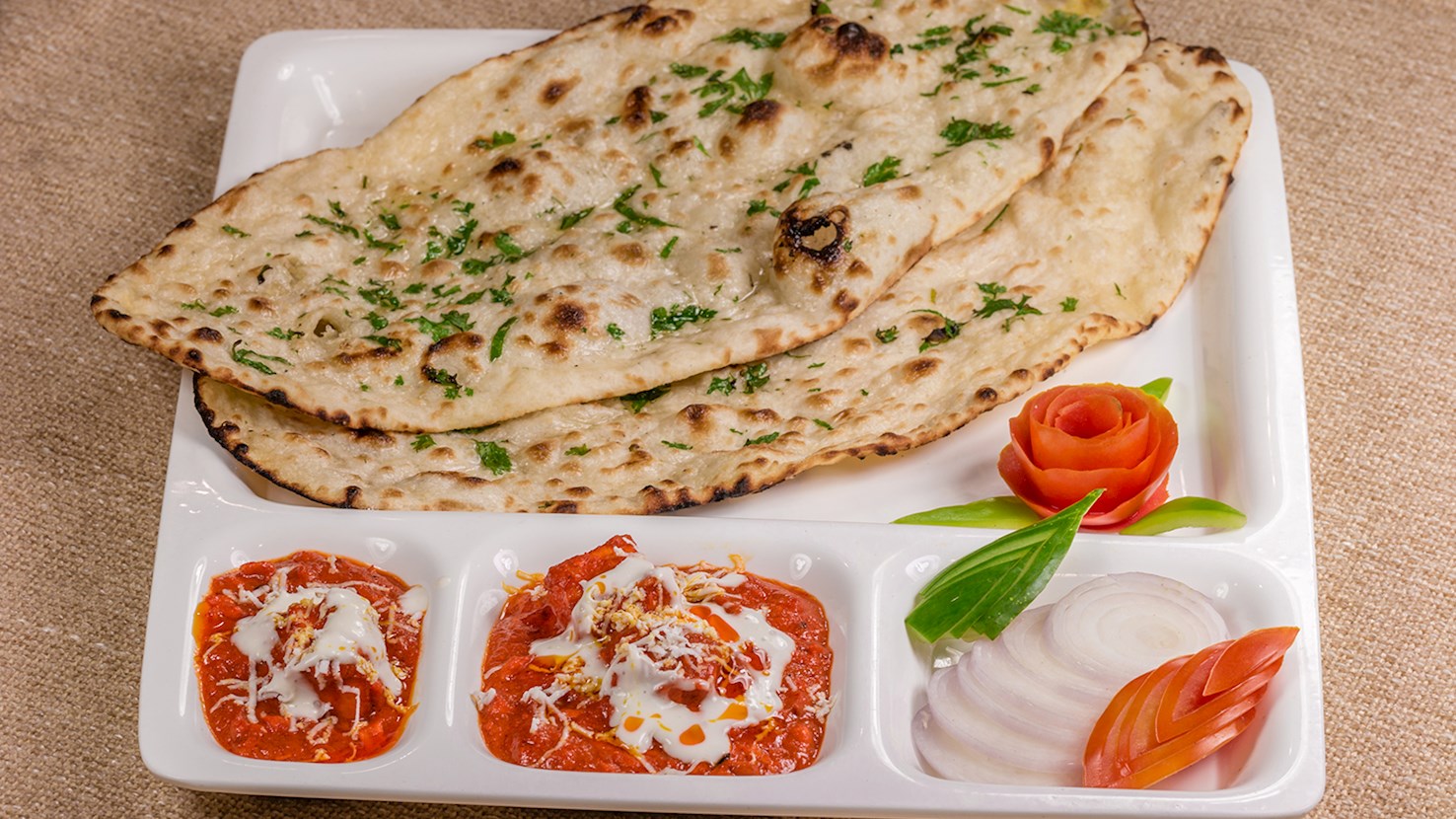
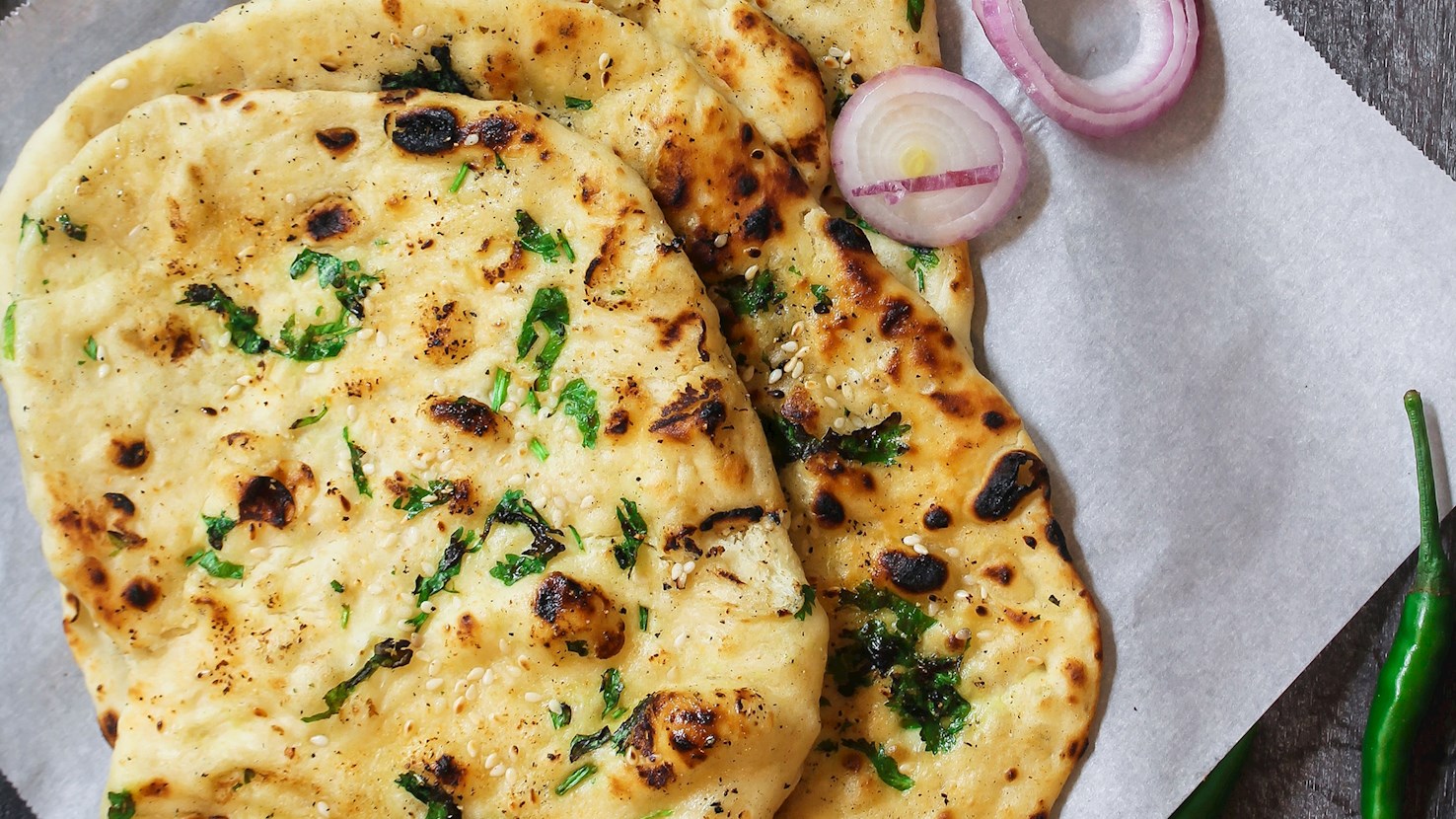
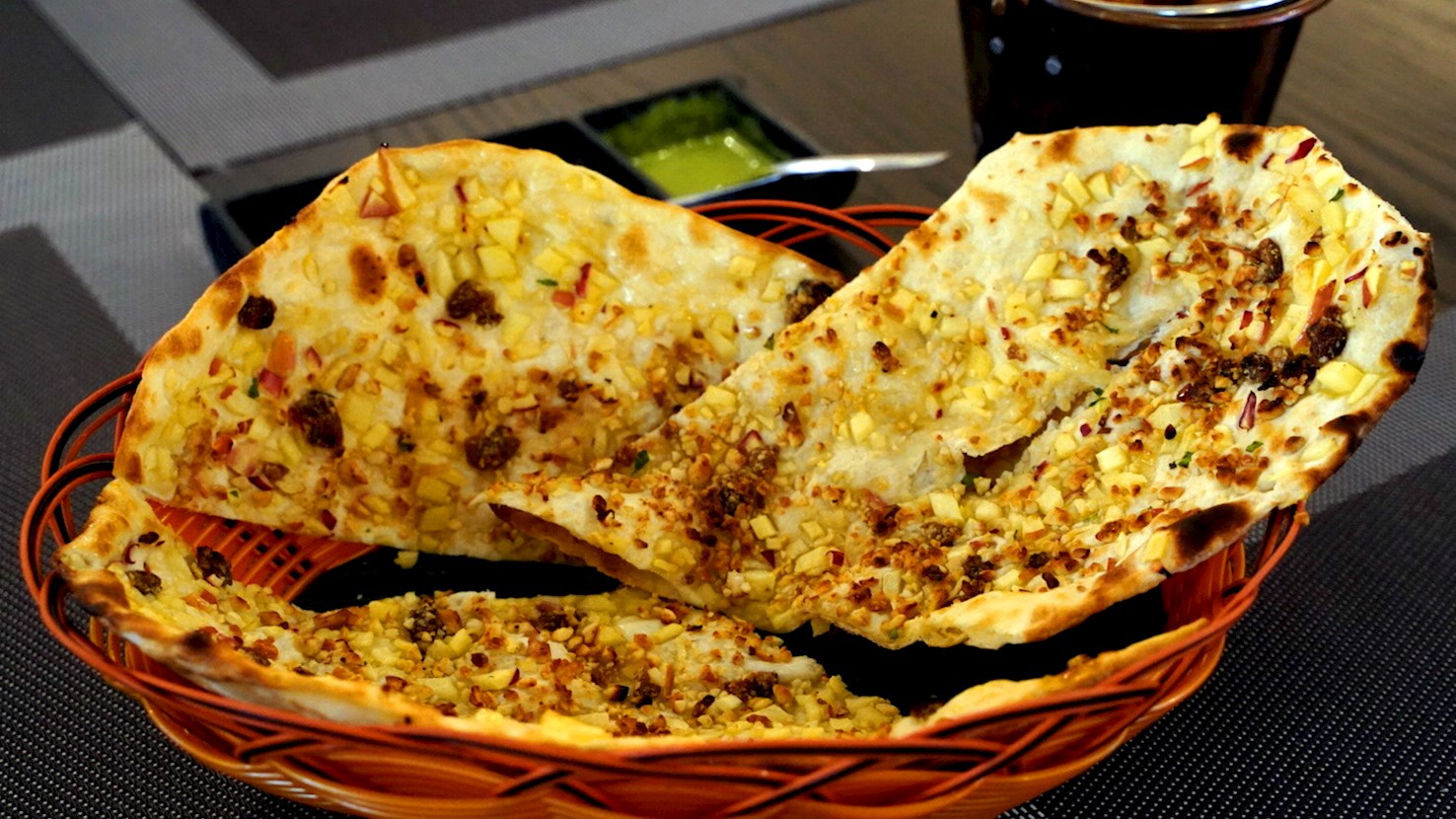
Kashmiri naan is a traditional flatbread and a variety of naan originating from Kashmir, a state that borders India and Pakistan. The dough is made with a combination of flour, yeast, salt, sugar, dahi, and ghee. Once rolled, the dough is filled with dried fruits, nuts, and spices such as raisins, almonds, cashews, cumin, and fenugreek. The naan is then baked in a hot tava pan until fully cooked, a bit puffy, and golden brown. This type of sweet naan is usually served for breakfast or as an afternoon snack, when it’s typically paired with tea (Kashmiri chai) or coffee. It’s often served with spicy curries, gravy, raita, or chutneys.
Chur chur is a traditional flatbread and a variety of naan. The dough is usually made with flour, sugar, baking powder, ghee, salt, dahi, water, and oil. Once shaped, the dough is stuffed with a mixture of boiled and mashed potatoes, grated paneer, chopped onion, hot chili peppers, ginger, red chili powder, garam masala, amchur, cumin, coriander, salt, and pepper. The stuffed dough is baked in a tandoor or cooked on a tawa until it turns golden brown. Once done, chur chur naan is lightly crushed, then brushed with ghee or butter and served as it is. If desired, the flatbread can be garnished with grated paneer on top.
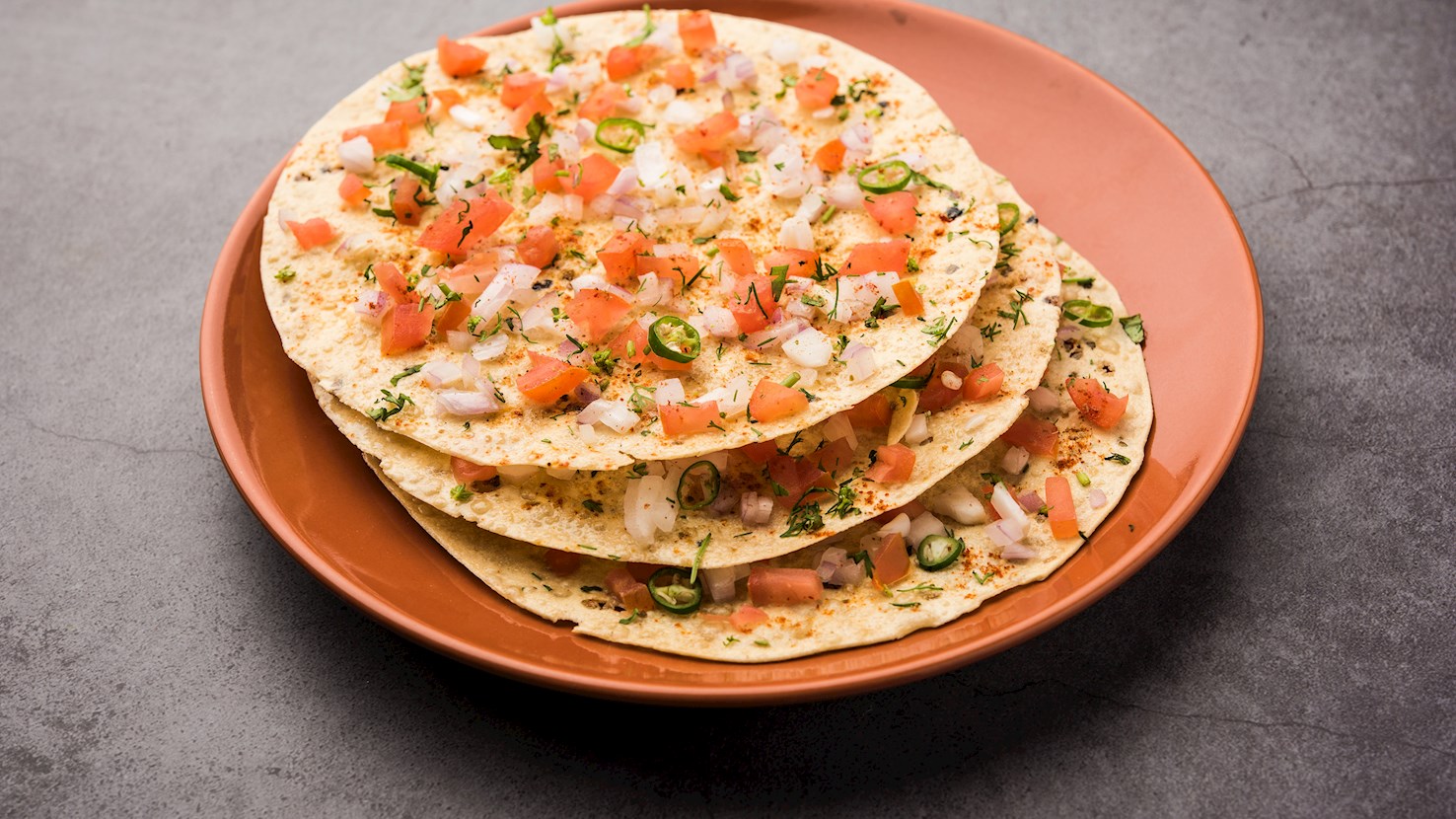
Masala papad is a traditional snack and a version of papadum flatbread that’s topped with a mix of tangy and spicy ingredients. The flatbread is roasted or fried and it’s usually made with lentil, chickpea, or rice flour. After it’s been roasted or fried until crunchy, it’s topped with a mixture of onions, tomatoes, coriander, hot chili powder, lemon juice, chaat masala, and salt. It’s important to add the topping after the flatbread has been fried or roasted, otherwise it will get soggy. If desired, additional ingredients can be added to the topping, such as cucumbers, mint leaves, carrots, or raw mango. Masala papad is traditionally served as a snack or an appetizer, but it can also be served as an accompaniment to various Indian meals.
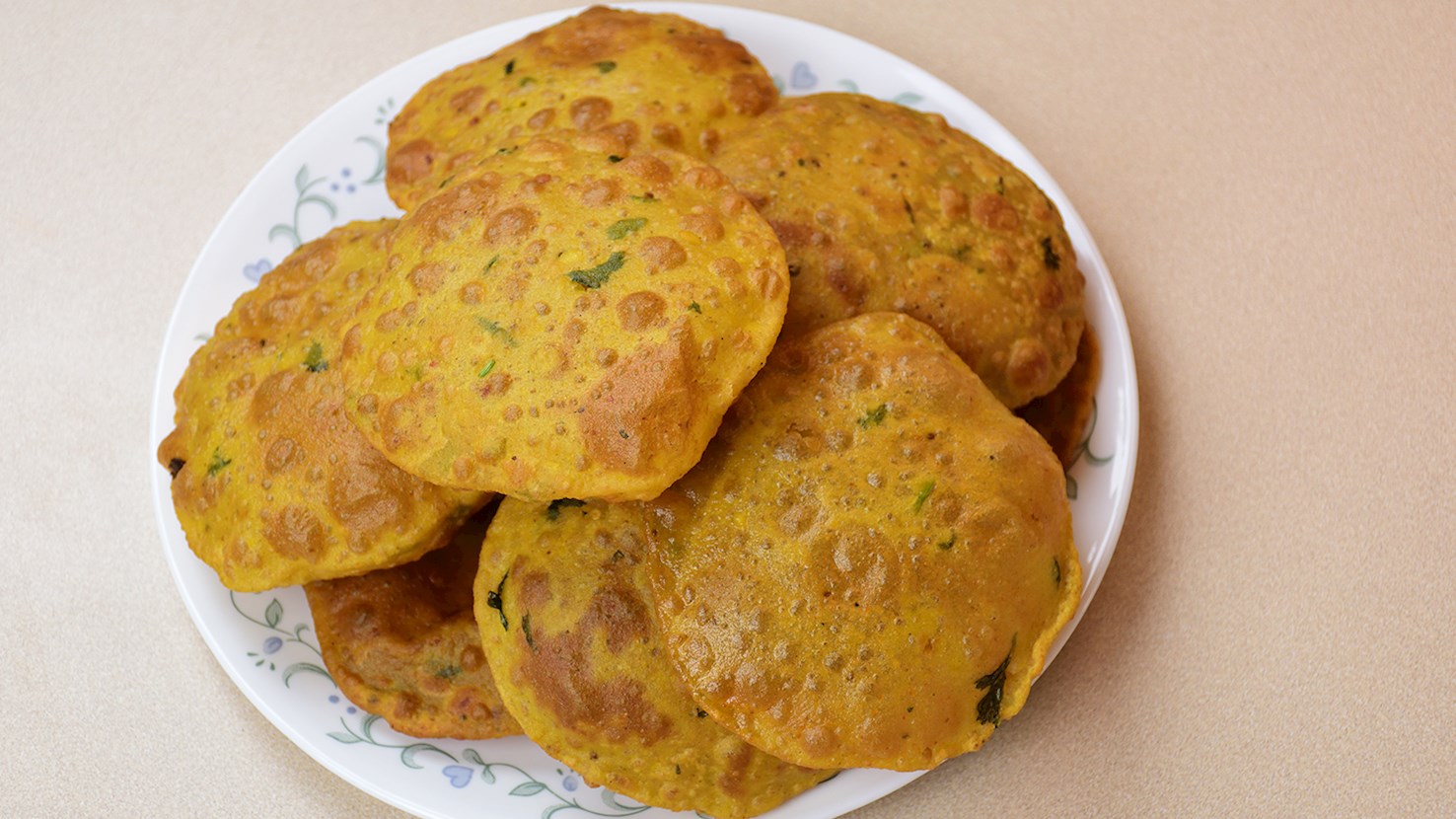
Hailing from North India, dal puri is a variety of puri, a type of round-shaped Indian bread that is deep-fried until crispy, puffy, and golden. This version of the bread consists of puri dough that’s kneaded with a lentil-based mixture. Numerous versions of the dish exist throughout different regions, and depending on the spices used for its preparation, the dish can range from mildly spicy to hot. The dough is typically made with plain flour, water, salt, and oil, while the filling usually combines mung dal lentils with oil and spices such as ginger, green chili, cumin, fennel seed powder, mango powder, asafetida, and salt. Other typical spices include garam masala powder, carom seeds, turmeric, pepper, garlic, and coriander leaves. Dal puri is traditionally prepared for various celebrations and festivals, and it is usually enjoyed for breakfast or as an accompaniment to a variety of main dishes. These crispy-fried puris pair nicely with Indian specialties such as aloo ki sabzi (potato curry), gajar ka halwa (carrot halwa), chole (chickpea curry), or spicy squash curry.
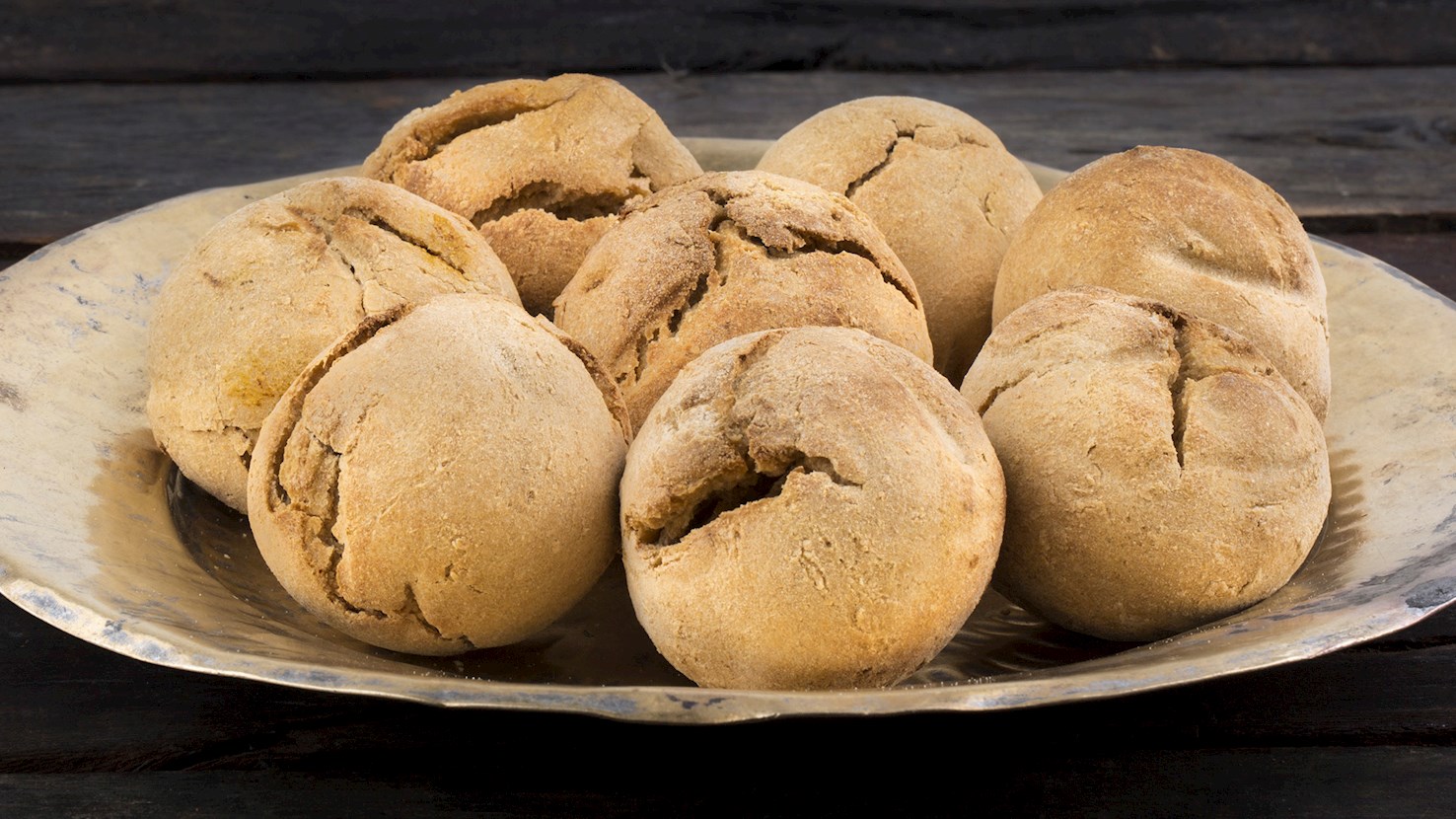
Baati is a hard, unleavened Indian bread that is typically prepared in the desert areas of Rajasthan, Uttar Pradesh, and Madhya Pradesh. Traditionally, baati is baked over the ambers of dried cow-dung. It consists of wheat flour, salt, ghee, and very little water, so the resulting low moisture and high fat content give it an extended shelf life. Baati is often eaten with dal, resulting in a dish called dal bati, a popular Rajasthani delicacy where baati is dipped in ghee and traditionally served in an earthenware pot. The bread can be prepared in a basic, plain version, but it can also be filled with peas, onions, or sattu.
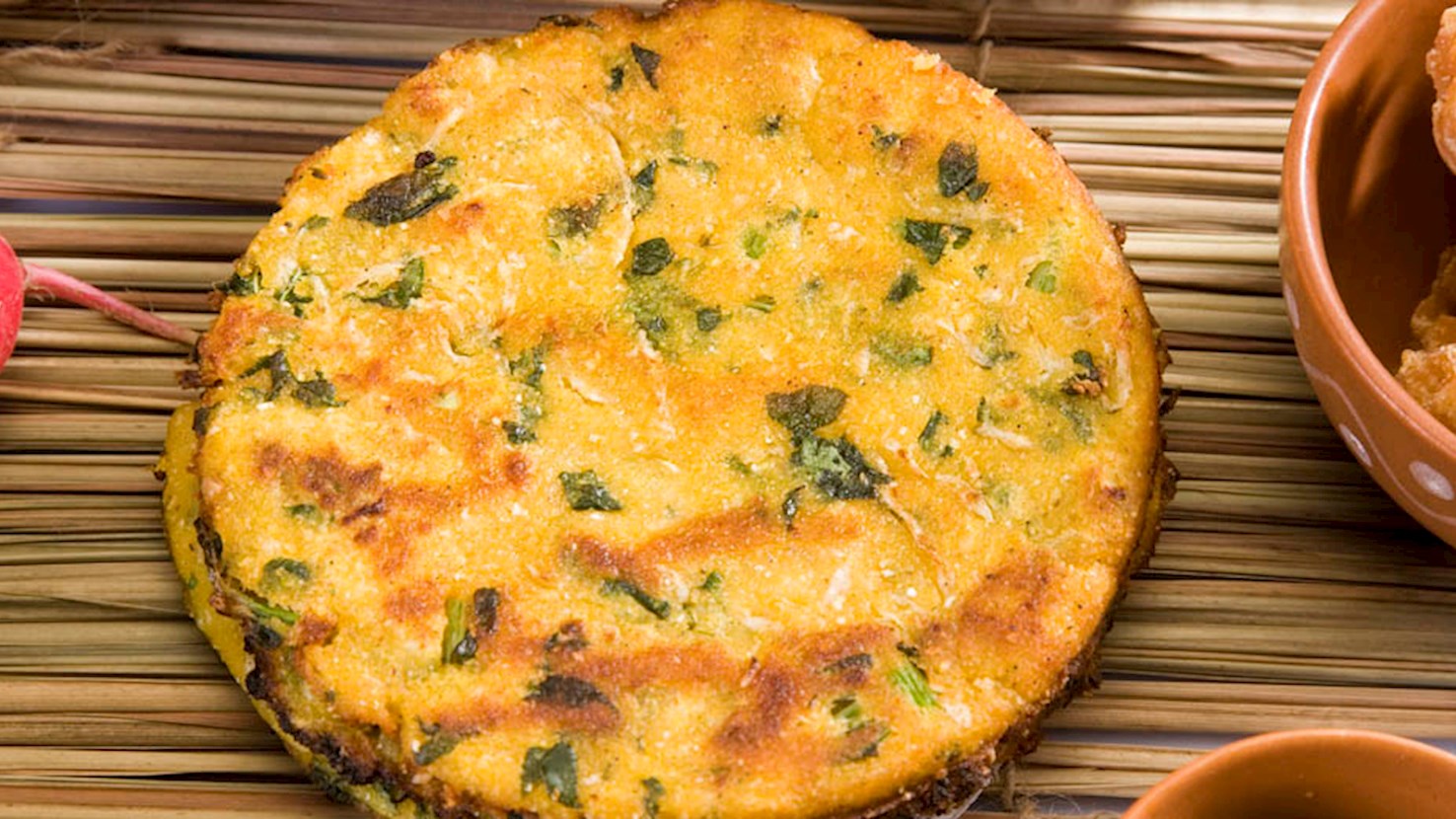
Roti is a flat, unleavened whole wheat bread, visually similar to a pancake, cooked on a traditional iron griddle called tawa, a key element of the rural cuisine of Punjabi. It is one of the most basic breads in India, a cross between pita bread and a tortilla that is buttered on one side. Makki ki roti is made from makai atta cornmeal flour, salt, and water, and once it's done, it is brushed with ghee and traditionally served piping hot with sarson da saag (cooked mustard leaves and spices), especially during the winter months. It is yellow in color and quite different from wheat flour roti. The bread is healthy, simple, nutritious and easy to prepare, so it is not a wonder that it can be found in most Punjabi homes.
Missi roti is a North Indian variety of roti, an unleavened flatbread made by combining whole wheat flour, gram flour, salt, water, and a blend of freshly ground Indian spices such as red chili powder, cumin seed powder, carom seed powder, turmeric, coriander, and crushed dry pomegranate seeds. The resulting dough is often enhanced with sliced green chilis and finely chopped vegetables such as onions, spinach, or fenugreek leaves. The dough is then rolled into flat disks before it is traditionally cooked on a hot iron griddle called tawa until brown and slightly crispy. This spiced flatbread is usually brushed with ghee or oil and it's traditionally served piping hot with a wide variety of chutneys, curries, sabzis (mixed vegetable dishes), mixed lentil dishes, pickles, or curd. Missi roti commonly accompanies Indian breakfasts, but it can be eaten at any time of the day, and with any meal.
Mooli paratha is a traditional flatbread and a type of paratha, originating from Punjabi cuisine. For this paratha variety, the flatbread is stuffed with grated white radish or daikon that should be fresh and tender. The leftover water from the radish can be added to the paratha dough, while the grated radish stuffing is often enriched with finely chopped green chili peppers, garam masala, red chili powder, and salt. Once stuffed and shaped, mooli paratha is fried in oil or ghee on a tawa until slightly browned and puffed up. It's recommended to brush mooli paratha with more ghee or butter on top, then serve it with pickles or chutneys.
Pudina paratha is a traditional flatbread originating from North India. This paratha variety is flavored with mint, hence the name, as pudina means mint. The unleavened flatbread is made with a combination of wheat flour, oil or ghee, salt, water, and mint leaves. Once prepared and shaped, the dough is sprinkled with a spice mix consisting of roasted mint leaves, cumin seeds, and fennel seeds. The flatbread is cooked in a tandoor or on a tawa griddle until crisp and fully cooked. It’s usually served hot or warm as an accompaniment to dal dishes or curries. For the best experience, try pudina paratha with a cup of tea on the side.
TasteAtlas food rankings are based on the ratings of the TasteAtlas audience, with a series of mechanisms that recognize real users and that ignore bot,
nationalist or local patriotic ratings, and give additional value to the ratings of users that the system recognizes as knowledgeable.
For the “Top 17 Northern Indian Breads and Flatbreads” list until July 16, 2026, 604 ratings were recorded, of which 412 were recognized by the system as legitimate.
TasteAtlas Rankings should not be seen as the final global conclusion about food. Their purpose is to promote excellent local foods,
instill pride in traditional dishes, and arouse curiosity about dishes you haven’t tried.