



shutterstock

Top 6 Pakistani Breads

Last updated on June 15, 2026
01

Paratha

4.2 ·

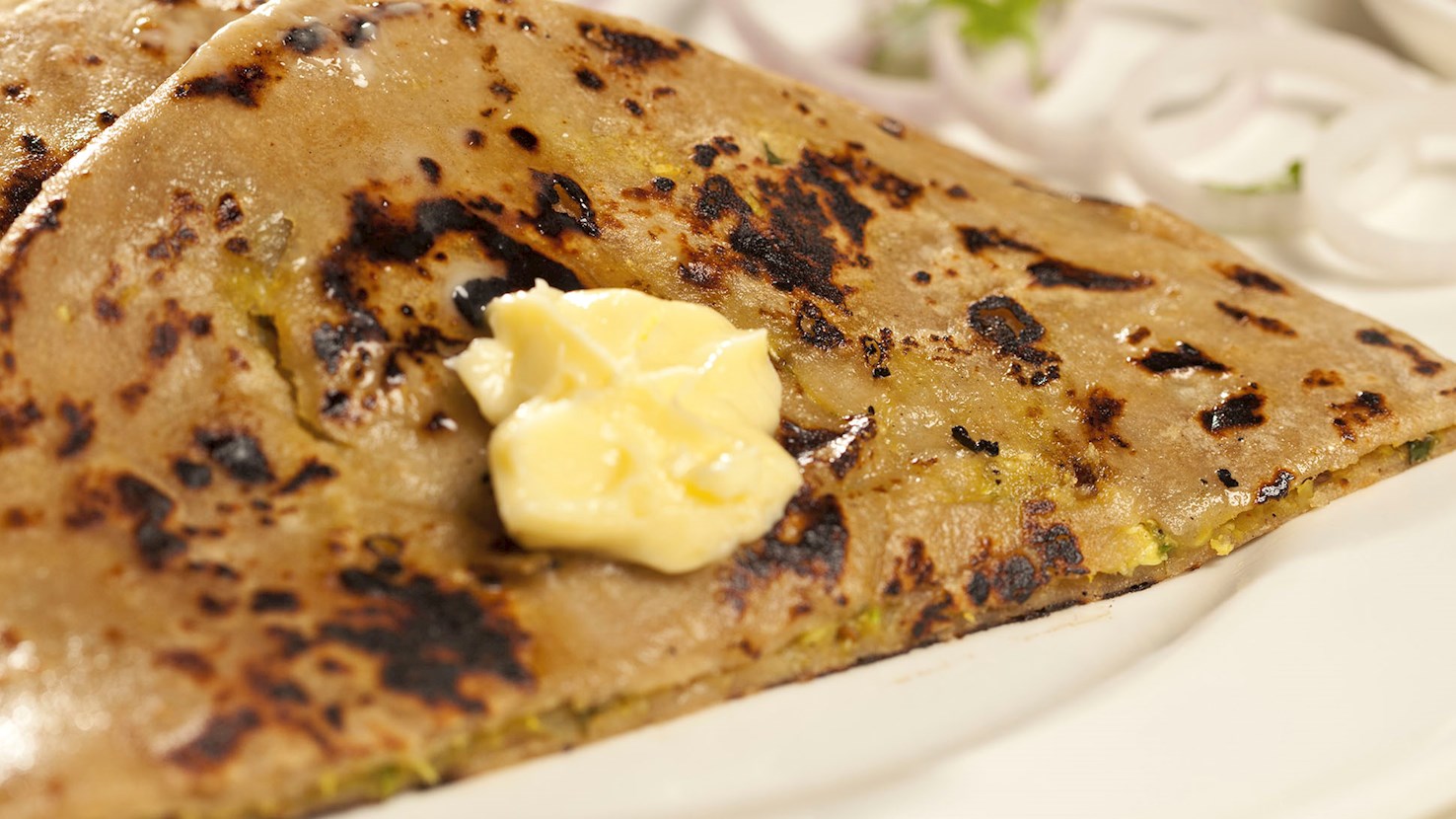
Golden-brown in color, flaky and layered, paratha is a type of Indian bread that is typically consumed for breakfast. The name comes from a combination of words parat and atta (flour), referring to the cooked, layered dough. It consists of whole wheat flour that is baked in ghee (Indian clarified butter) and comes in round, triangular, square, or heptagonal shapes. Parathas are often stuffed with ingredients such as boiled potatoes, cauliflower, garlic, ginger, chili, paneer, or radish. They are sometimes accompanied by pickles, yogurt, homemade chutneys, or meat and vegetable curries. In Punjab, paratha is traditionally paired with lassi, a popular yogurt-based drink. Although the flatbread originated in Peshawar, Pakistan, it has spread throughout India where it can be found at numerous street stands and roadside eateries. The southern Indian version is called parotta. Another way of eating paratha is to roll it into a pipe and dip it into tea. Versatile, buttery, and aromatic - parathas are irresistible in the morning, and that just may be the key to their popularity.

02

Peshwari naan

3.9 ·

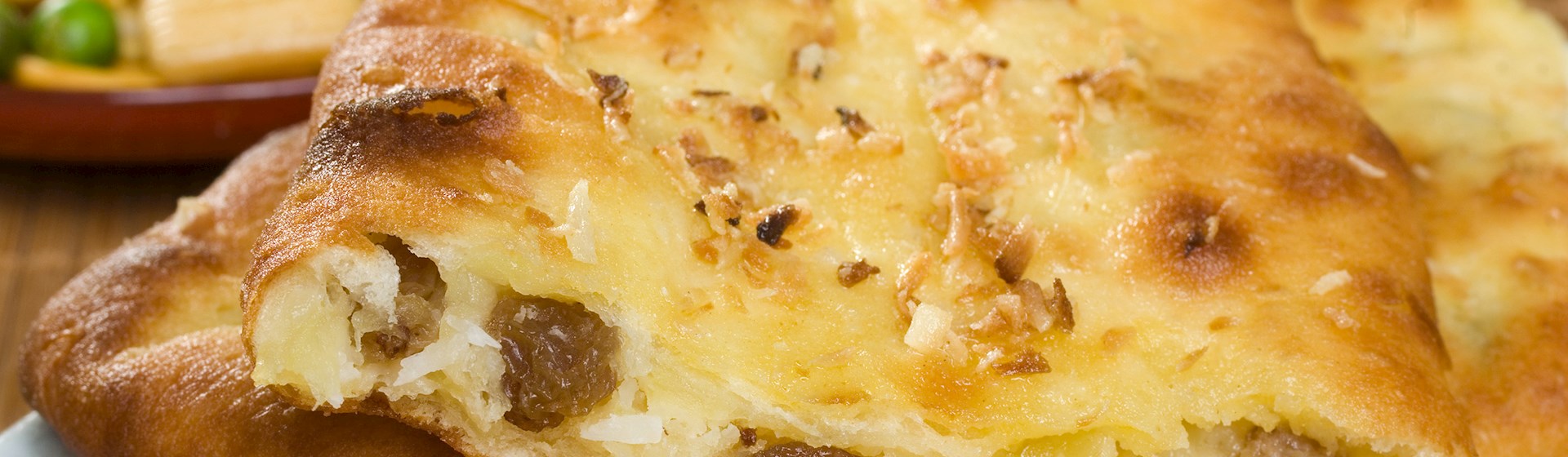
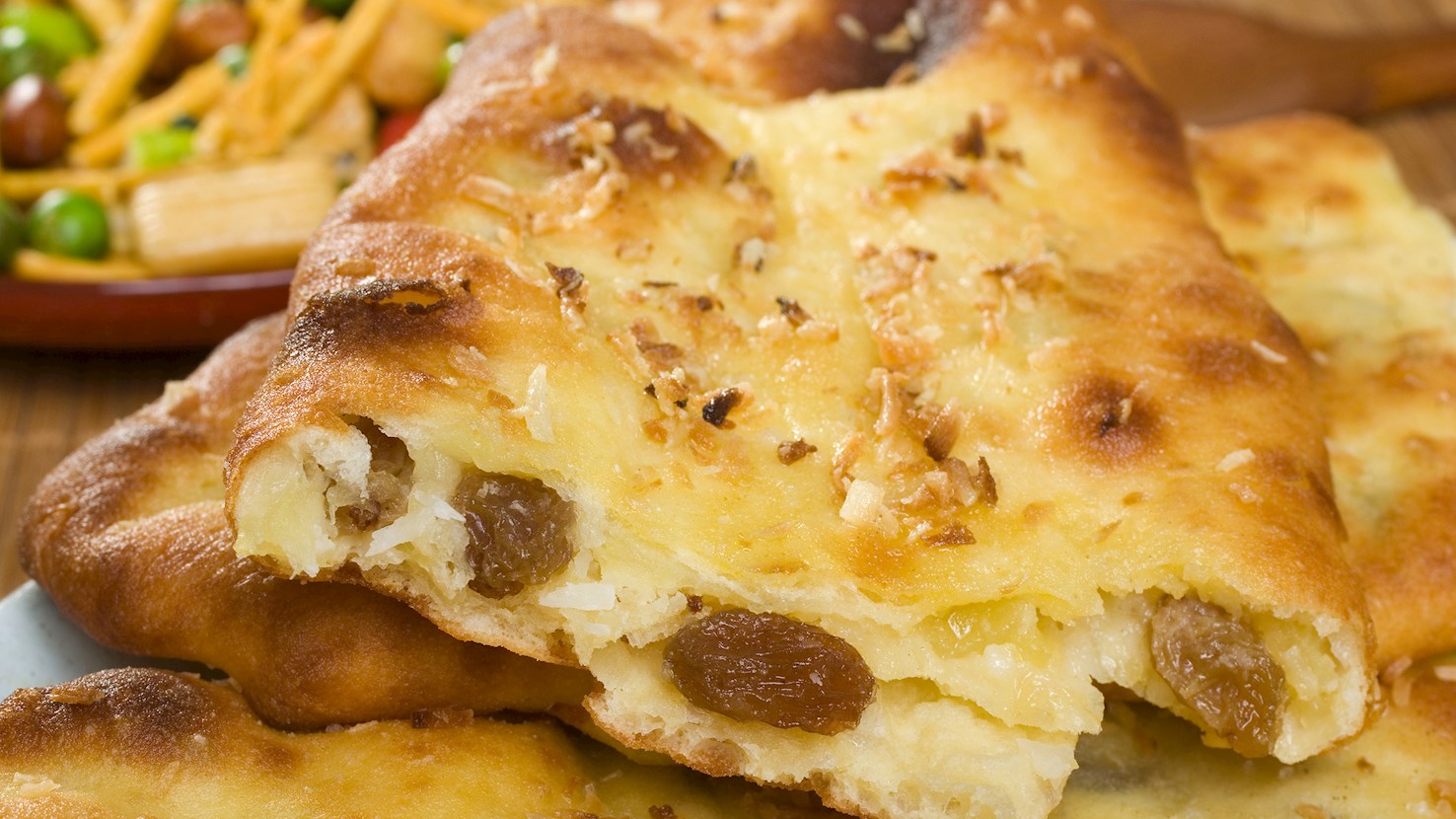
Peshwari or Peshawari naan is a traditional flatbread originating from Peshawar, Pakistan. The flatbread is characterized by its filling, consisting of almonds, desiccated coconut, and sultanas or raisins. The dough for this type of naan is made with yeast, water, flour, sugar, oil, and salt, while the filling is ground into a paste, often with the addition of butter and a bit of water. Once cooked, puffed up, and fluffy, this naan is typically brushed with melted butter or ghee, and it's then enjoyed warm alongside curries, especially the spicy ones.

03

Chapati

3.8 ·

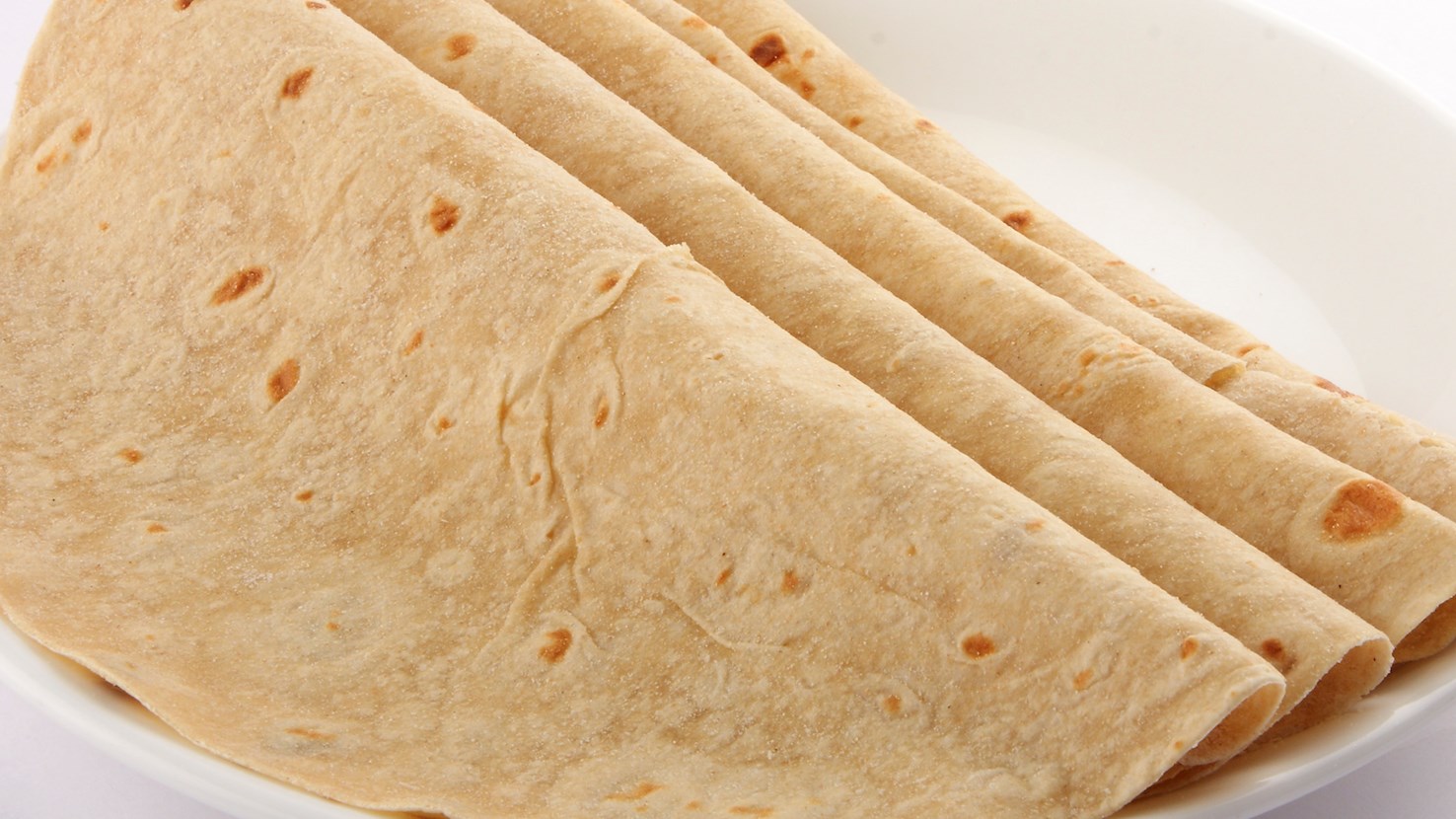
Chapati is an unleavened flatbread made with whole wheat flour, water, and salt. The dough is usually baked on a griddle. It is extremely popular throughout India, Bangladesh, Nepal, Pakistan, and Sri Lanka, but the bread had also spread to Africa and Southeast Asia. In Kenya, chapati is considered a traditional food although it arrived there at the end of the 19th century, when Indian people worked on the Kenya-Uganda railway. The name of the flatbread comes from the Hindi word chapat, meaning to slap, referring to the traditional method of forming the dough by slapping it between one's palms. Chapati is mostly consumed as an accompaniment to various dishes, but the flatbread can also be used as a scoop to collect foods of a liquid consistency. Throughout India, there is a number of regional varieties of chapati, such as paneer chapati, radish chapati, and chapati stuffed with vegetables.

04

Phitti

n/a ·

Coming from the northern Pakistani territory of Gilgit-Baltistan, phitti is a traditional bread made primarily with whole-wheat flour, sourdough, and water. The dough is typically rolled out into a thick round loaf that is then baked into a nicely colored bread with a crispy crust on the outside and a soft interior. Traditionally, the bread is baked in a cast-iron skillet which is embedded in hot coals and ashes in a hearth, but nowadays, it is often oven-baked. Phitti can also be optionally enriched with milk, eggs, oil, or butter for added flavor and a more filling dish. This Pakistani bread is typically consumed for breakfast along with rock-salted milk tea. In the Hunza valley, the Hunzakut people often rip off small pieces of phitti, drop them in their cup of tea, and then enjoy the bread pieces drenched in the strong salted tea.

05

Qatlama

n/a ·

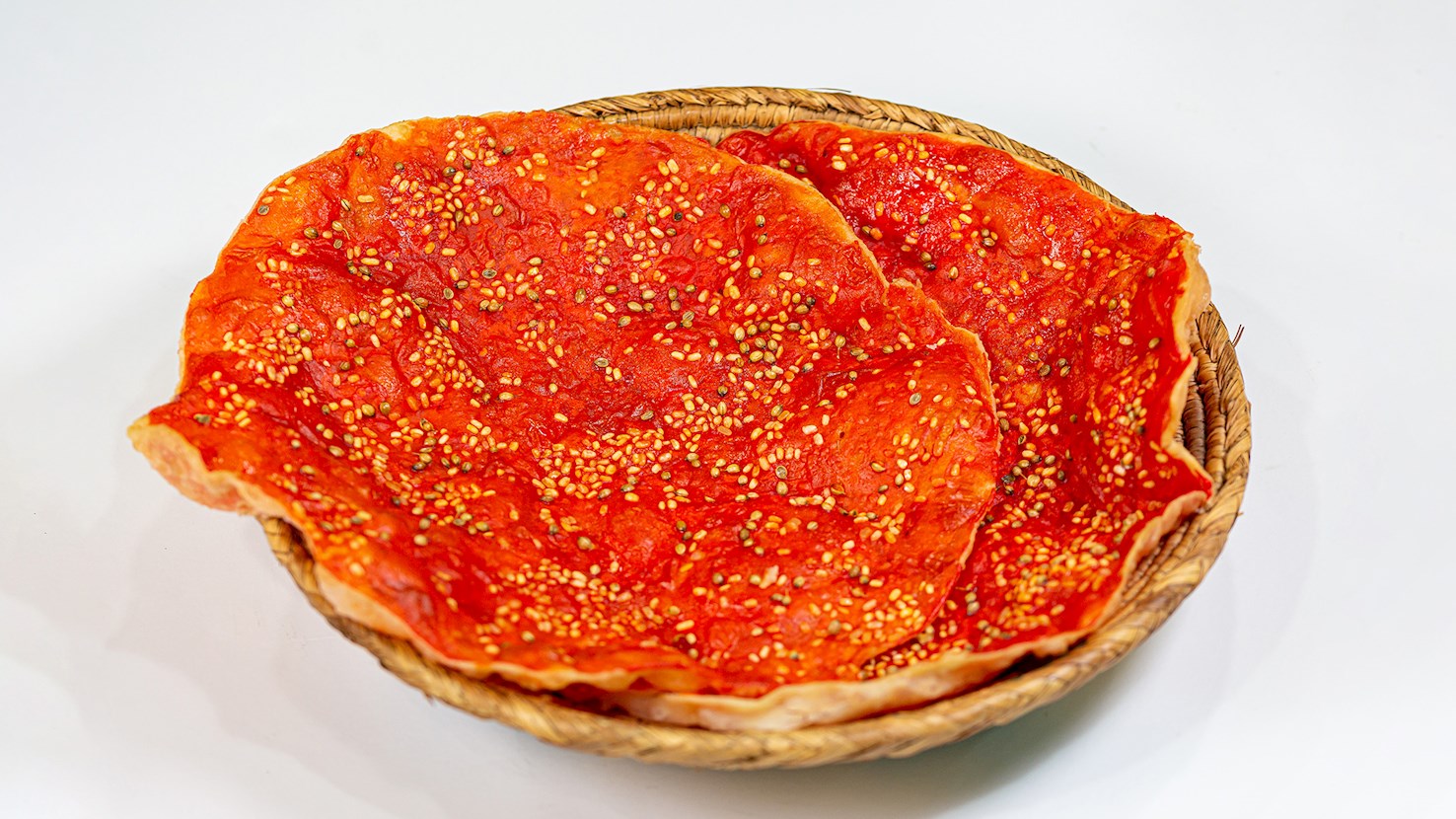
A pizza-like savory dish coming from Pakistan, qatlama is a large round flatbread that is smeared with a vibrant red-colored mixture of gram flour, spices, and herbs before getting deep-fried. The dough, usually made with plain flour, water, salt, and oil is then stretched into a huge flat disk before being covered with the spicy mixture and entirely submerged into hot oil to fry until nice and crispy. Typical ingredients used for the topping include gram flour, garam masala, mash dal, chili powder, coriander seeds, cumin seeds, dried pomegranate seeds, and artificial food coloring in order to create a more vibrant dish. This spicy and savory flatbread is a typical street food item and a common breakfast meal, but it is also found in Pakistani restaurants worldwide. Often referred to as poor man’s pizza, qatlama is usually eaten on its own or with chutneys, raitas, or a cup of tea on the side. In the Punjab region, the dish is traditionally prepared on special occasions and festivals, especially in rural areas.

06

Mitho lolo

n/a ·

Mitho lolo is a traditional Sindhi flatbread originating from Pakistan. The flatbread is usually made with a combination of wheat flour, jaggery, fennel seeds, cardamom, and ghee. This sweet flatbread is made on special occasions. The dough is rolled out and roasted over low heat until golden brown, then brushed with ghee. Mitho lolo is typically served with raita, bhindi fry, or mango pickle.

Read more
View all
View map
About this ranking

TasteAtlas food rankings are based on the ratings of the TasteAtlas audience, with a series of mechanisms that recognize real users and that ignore bot, nationalist or local patriotic ratings, and give additional value to the ratings of users that the system recognizes as knowledgeable. For the “Top 6 Pakistani Breads” list until June 15, 2026, 572 ratings were recorded, of which 452 were recognized by the system as legitimate. TasteAtlas Rankings should not be seen as the final global conclusion about food. Their purpose is to promote excellent local foods, instill pride in traditional dishes, and arouse curiosity about dishes you haven’t tried.

Similar lists