




shutterstock

Top 18 South American Breads

Last updated on July 15, 2026
01

Pan de bono

4.5 ·

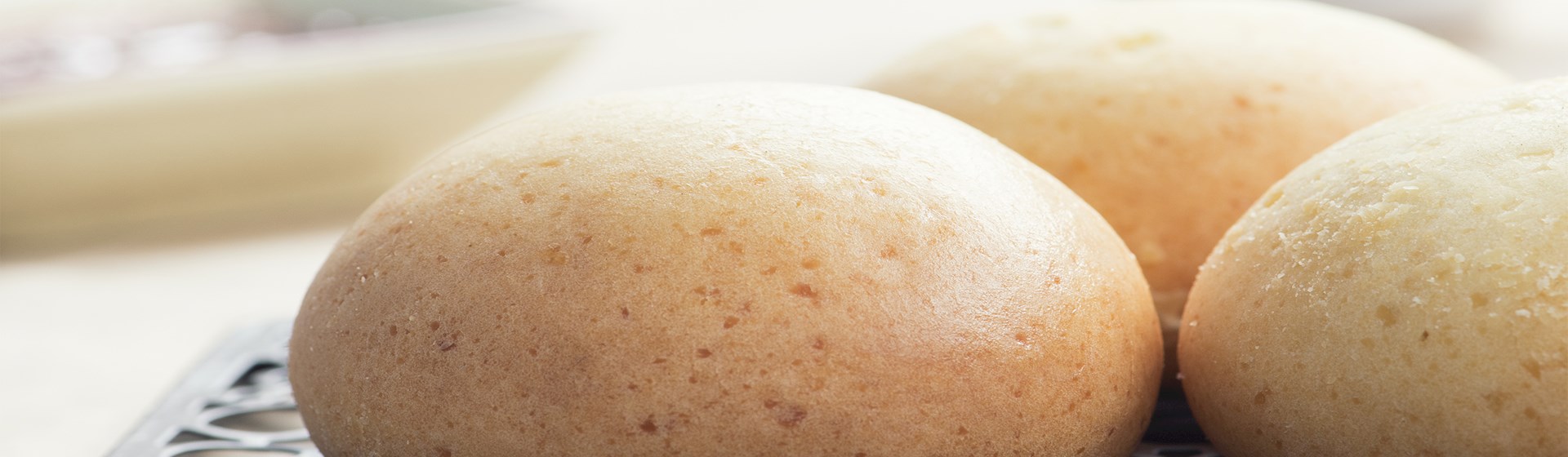
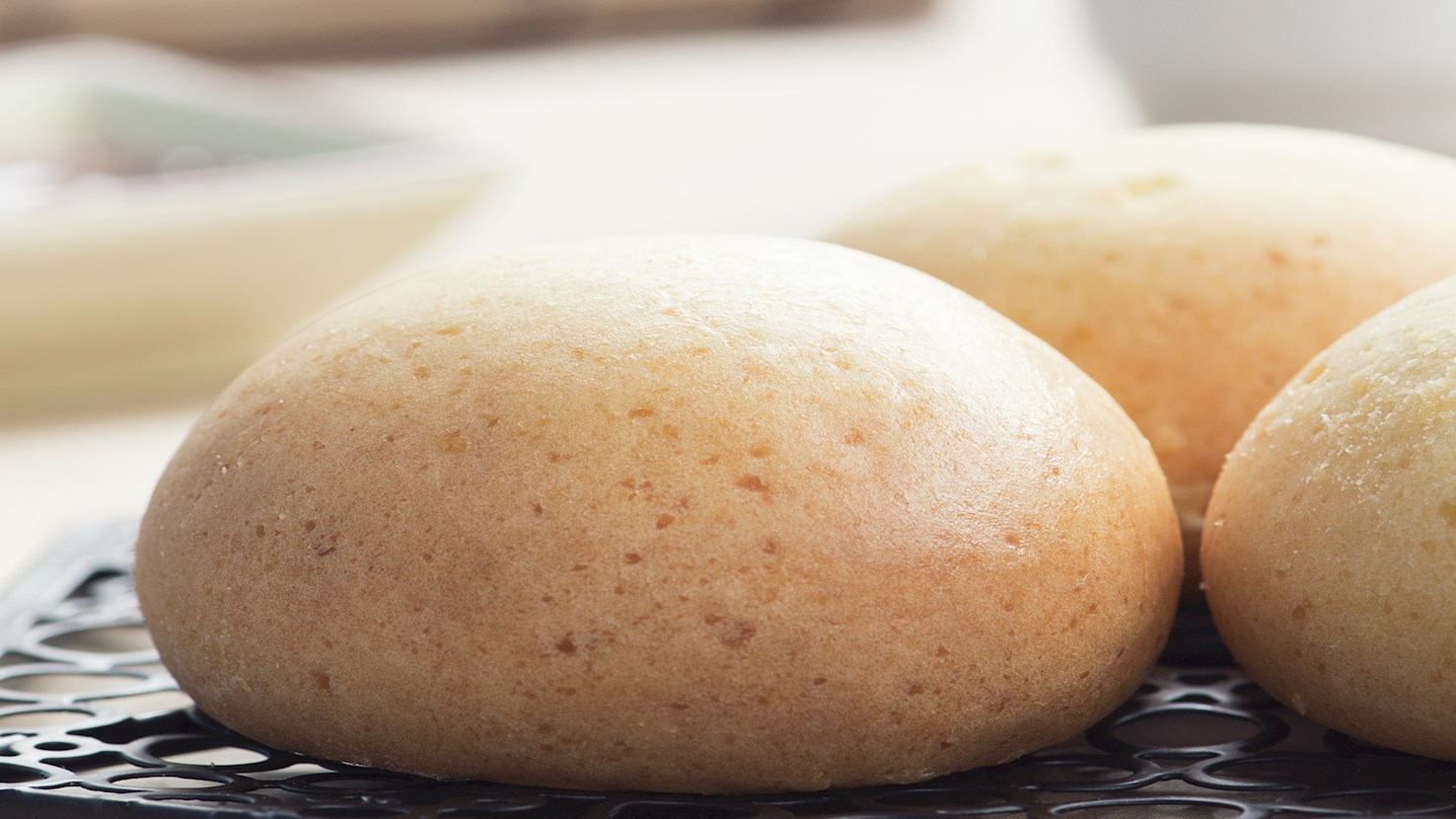
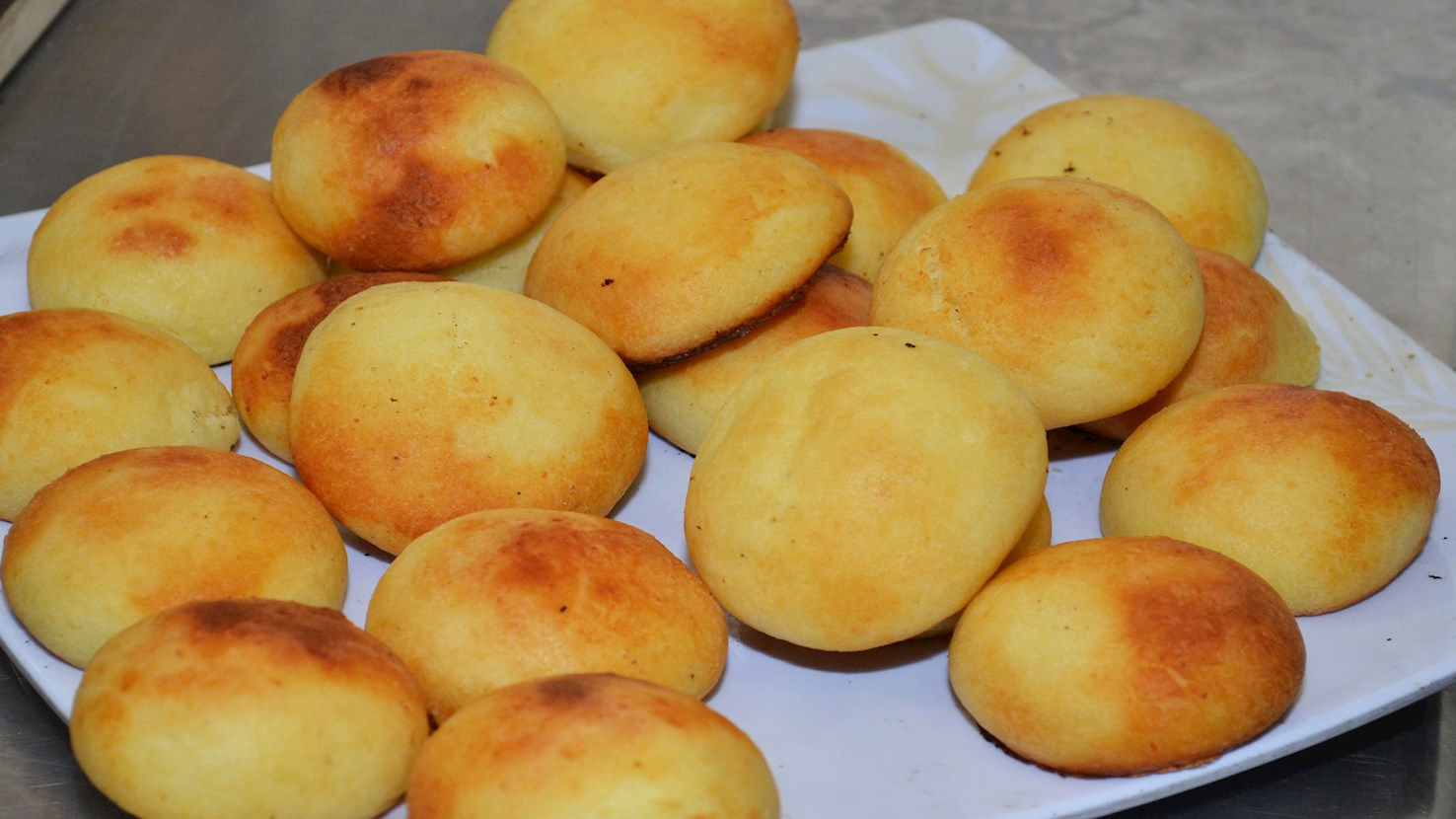
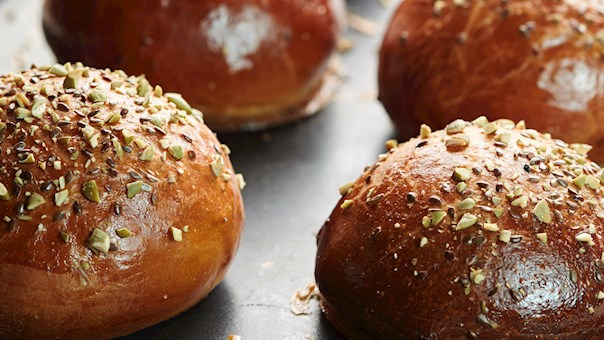
Pan de bono is a traditional bread consisting of cassava starch, cornmeal or corn flour, queso fresco, eggs, and sugar. The bread is shaped into bagels or balls that are slightly larger than golf balls. Pan de bono is similar to other South American cheese breads like pan de queso, difference being added conr flour or cornmeal, and a hint of sweeteness due to the addition of sugar. It is usually served warm with a cup of hot chocolate on the side. Some claim that the name pan de bono was created after an Italian baker in Cali who used to yell pane del buono (good bread), while others say that it is named after a place called Hacienda El Bono, where it was first made.

02

Almojábana

4.4 ·

Almojábana is a traditional and Puerto Rican bread (although it is also popular in other countries of Latin America) that is very similar to pandebono. Pandebono is usually made with yuca flour and costeño cheese, while almojábanas are made with cuajada white cheese and cornmeal flour. Almojábanas are baked until they develop a spongy texture and a golden brown color of the exterior. This small, round bread is traditionally served warm.

03

Pão de queijo

4.4 ·

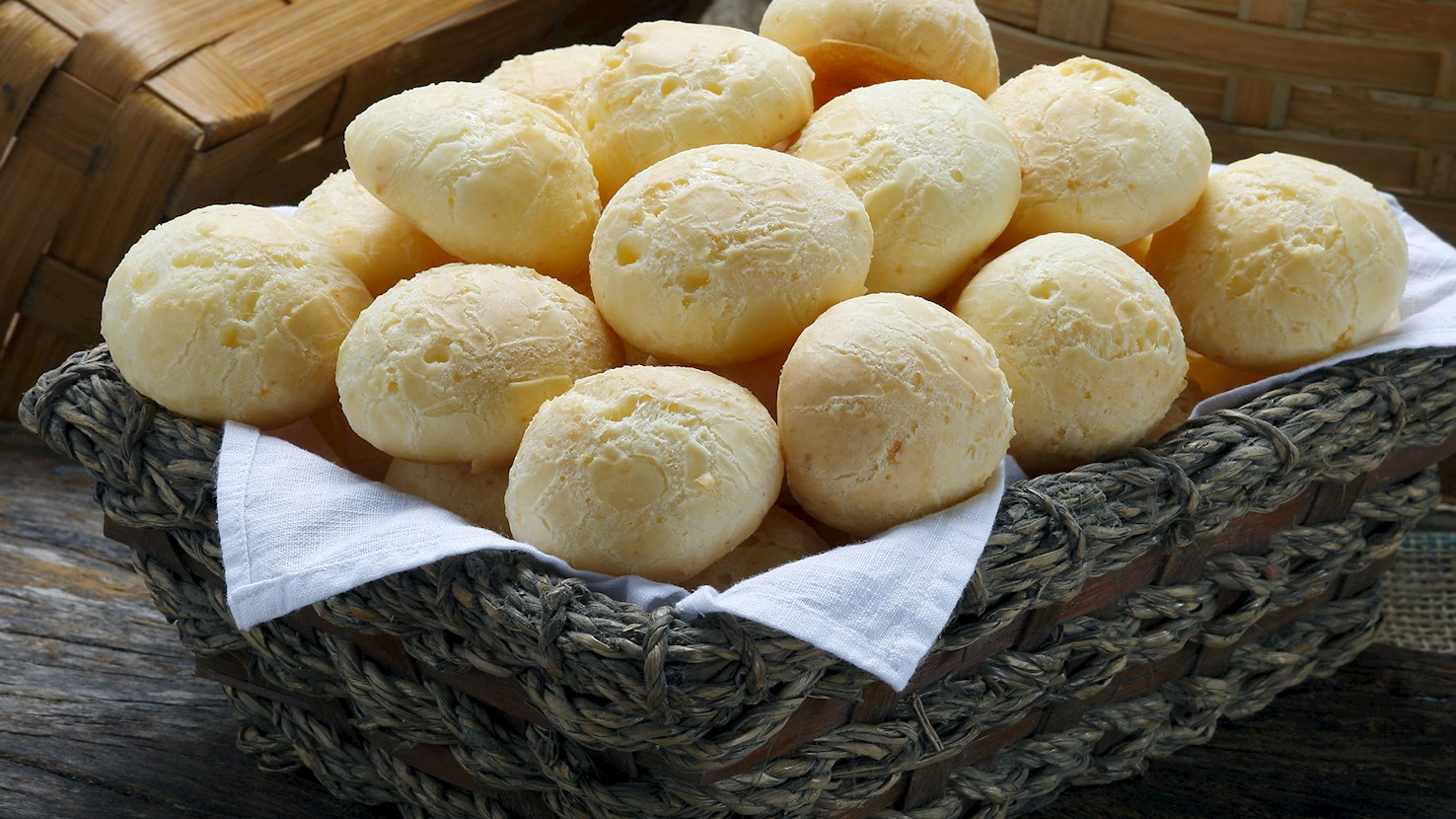
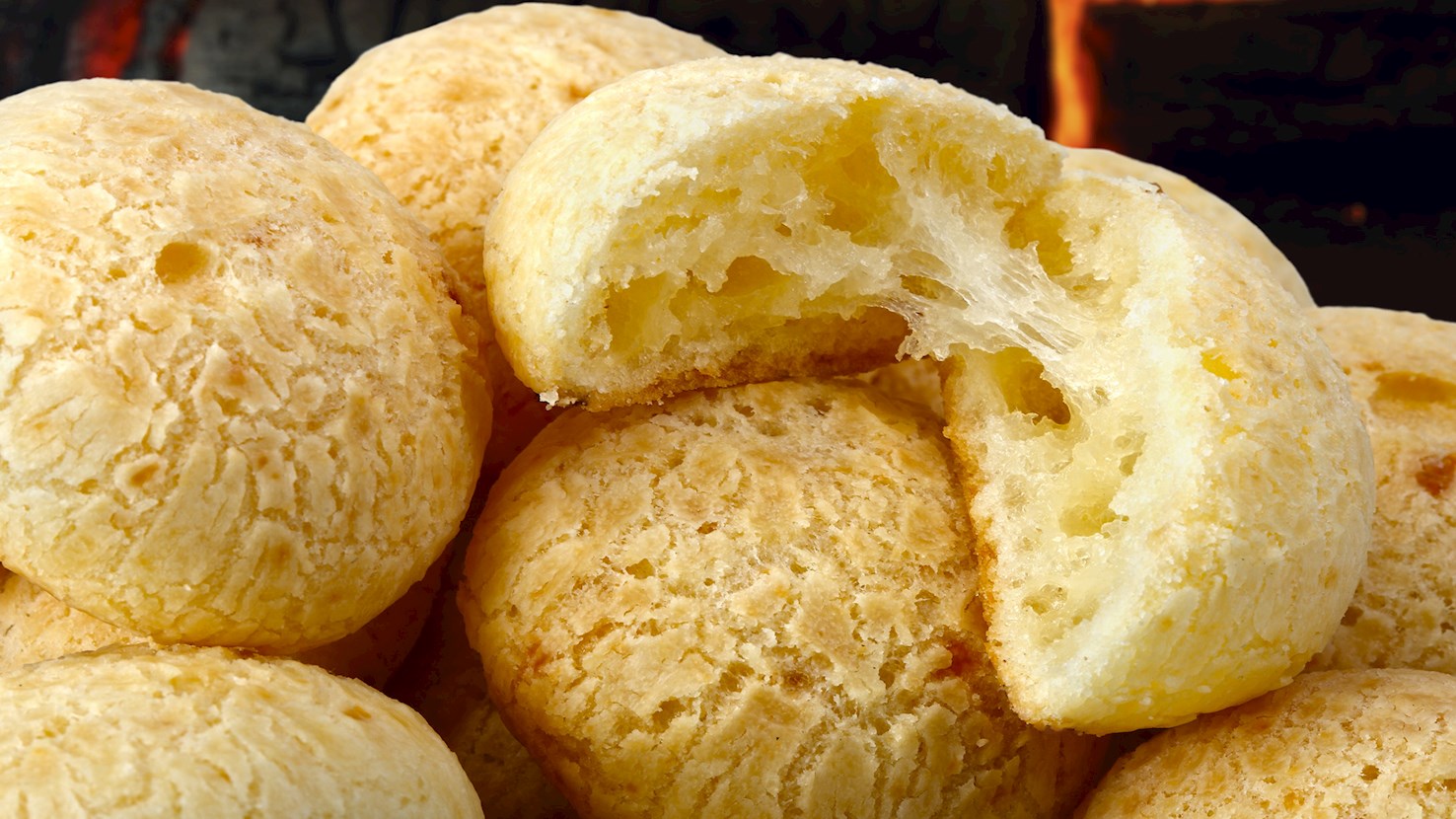
Literally translated to cheese bread, pão de queijo has its origins in the culinary inventions of African slaves, when they started to use the residue of the cassava plant. A fine white powder, or starch, was rolled into balls and baked. At the time, no cheese was added, so it was just baked starch, but at the end of the 19th century, when slavery ended, other foods started to become available to the Afro-Brazilians for the first time. In the state of Minas Gerais, the dairy center of Brazil, cheese and milk started to be added to the starchy balls, and pão de queijo was created. Today, it is a popular Brazilian snack or breakfast food that is also widely consumed in northern Argentina, sold at numerous coffee shops, snack bars, and bakeries.

04

Marraqueta

4.3 ·

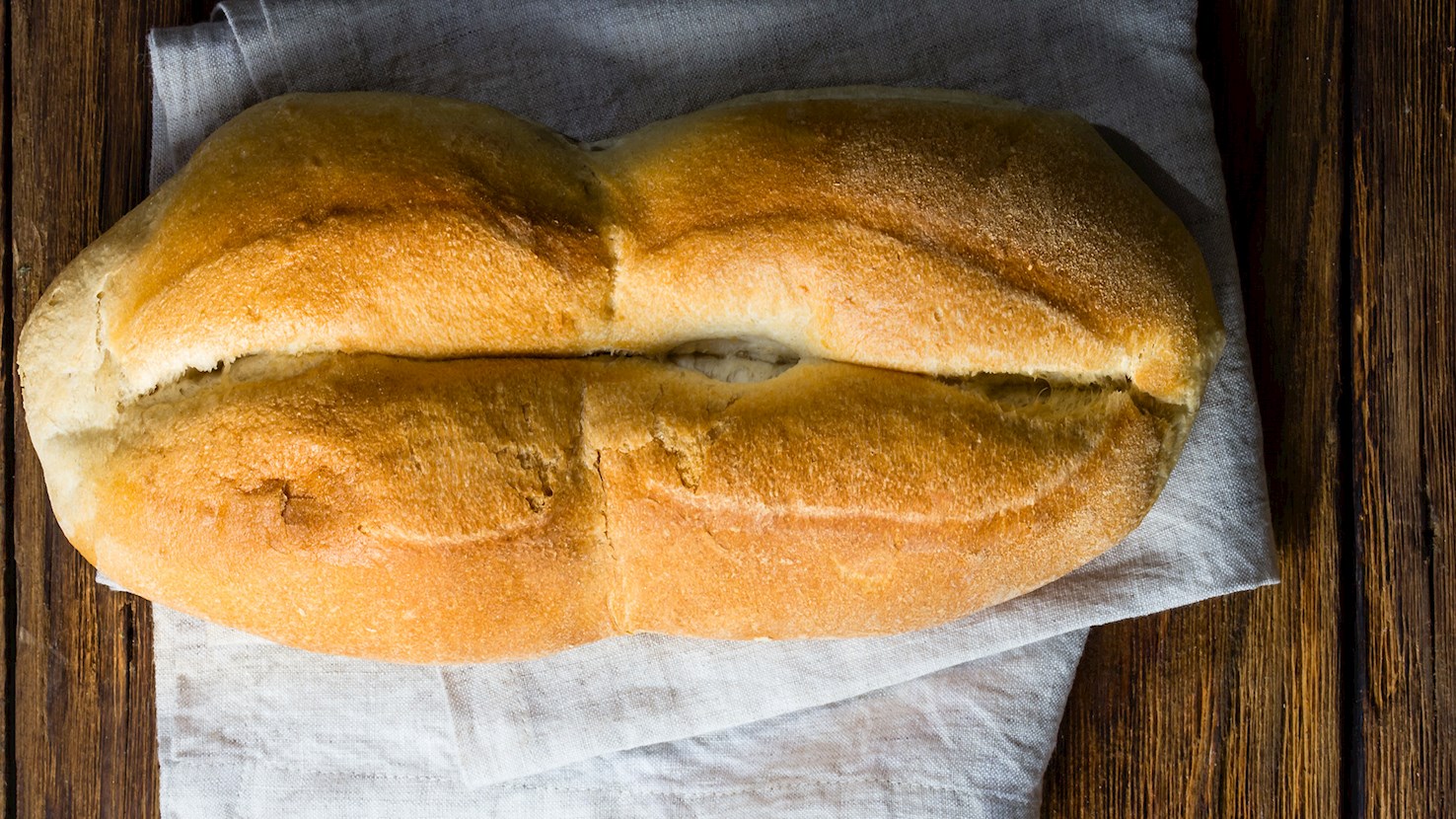
Marraqueta (also known as pan batido and pan francés) is the most popular bread in Chile and Bolivia, a staple food that is often consumed three times a day. It is made with flour, water, salt, and yeast. Two balls of dough are typically pressed together, then nearly split down the middle before the bread is baked in the oven, usually with a pan of water which gives marraqueta its characteristical crust. The crust is so beloved that some people even pull out the crumb (called miga) before consumption. It is believed that marraqueta dates back to the late 19th and early 20th century, when a large number of Europeans immigrated to Chile and Bolivia. Some claim that the bread was first baked by two French brothers called Teran-Marraquett, and that's how this daily staple got its name.

05

Pan de queso

4.3 ·

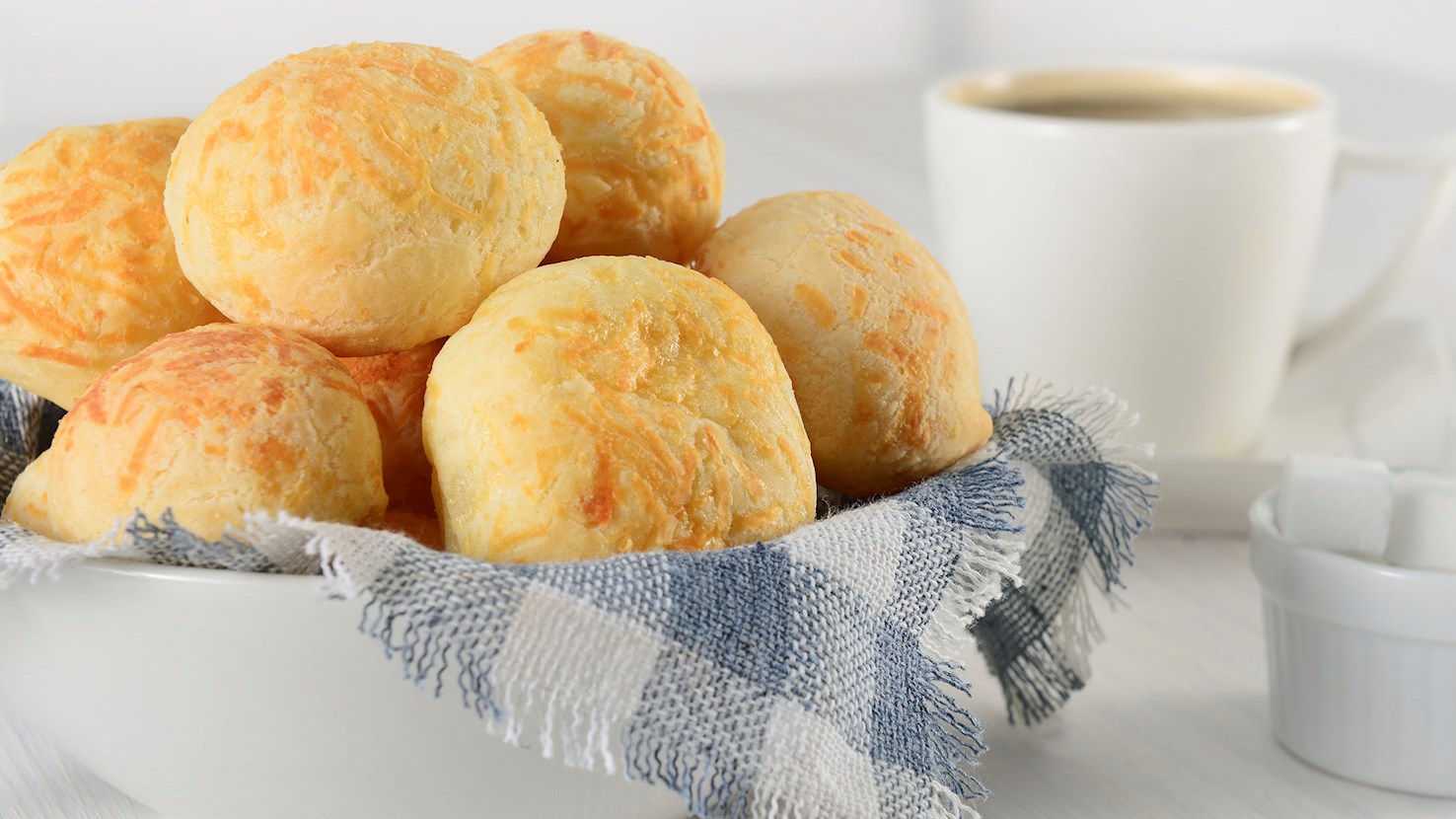
Pan de queso is a cheese bread from Colombia, namely the Paisa region where it is extremely popular. The main ingredients are tapioca flour and grated cheese, but it is the fermented cassava starch that gives these rolls their lightness and volume. They are eaten for breakfast or as a parva—a quick breakfast snack, either plain or filled with cream cheese or jelly.

06

Pan de yuca (Cassava bread)

4.2 ·

Pan de yuca is a traditional bread consisting of cassava flour, eggs, and cheese. It is usually shaped into small, round balls. The bread is popular throughout Colombia and Ecuador, although there are variations on pan de yuca throughout Latin America. It makes for a delicious warm appetizer or an afternoon snack, preferably paired with a cup of hot chocolate, tea, or coffee.

Best restaurants
07

Chipa

4.1 ·

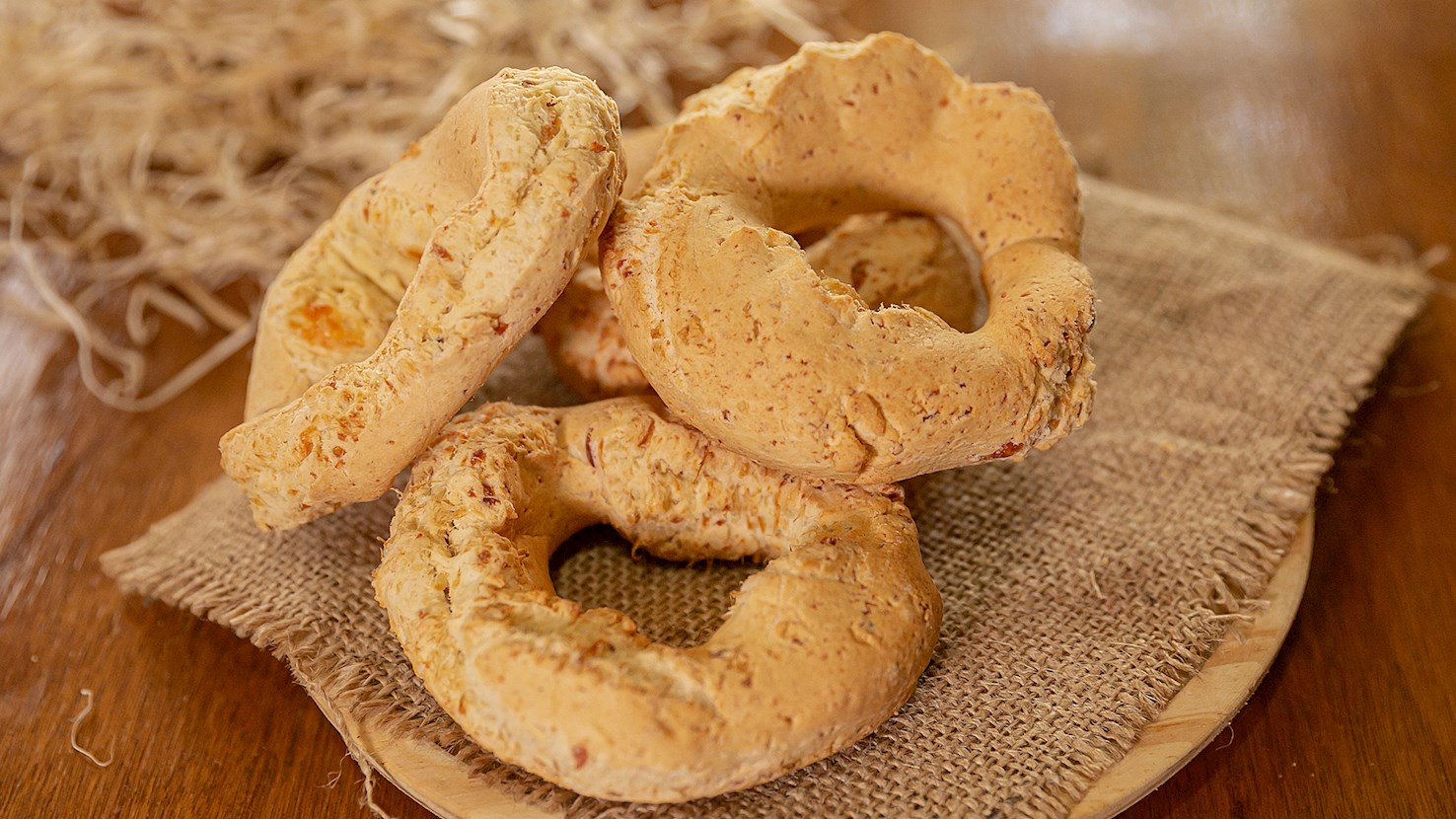
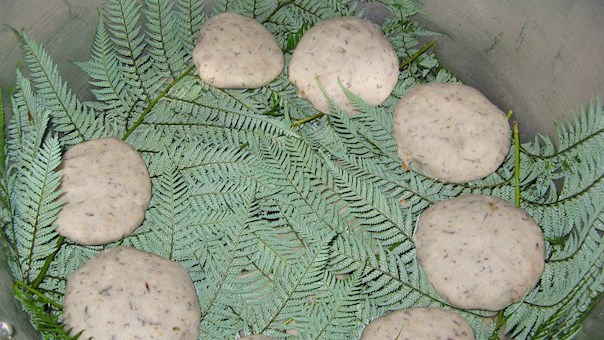
A simple bun called chipa is the most common food staple in Paraguay. The famous bread is made with cassava flour, lard, and anise. It originates from the Native American people Guarani, indigenous to the Amazon area of Brazil, Argentina, and Paraguay. The origin of chipa dates back to the time when wheat was not present in South America, and cassava was the most commonly used starch in the area. In colonial times, the Jesuit missionaries introduced milk, eggs, and cheese to the indigenous people, which finalized the chipa recipe. The use of cassava starch and lard results in the crunchy exterior of the bun, while the use of anise gives the bread buns an unusual and unique flavor. Although chipas are eaten all year round in Paraguay, they have a significant importance during the Holy Week, so they are often prepared and eaten during the Easter festivities. For the people of Paraguay, chipas represent their daily bread which is eaten together with numerous main meals or as a snack. Traditionally, the buns are prepared at home, but they are also sold by many street vendors, called chiperas, especially along Paraguayan roads.

08

Pan amasado

4.0 ·

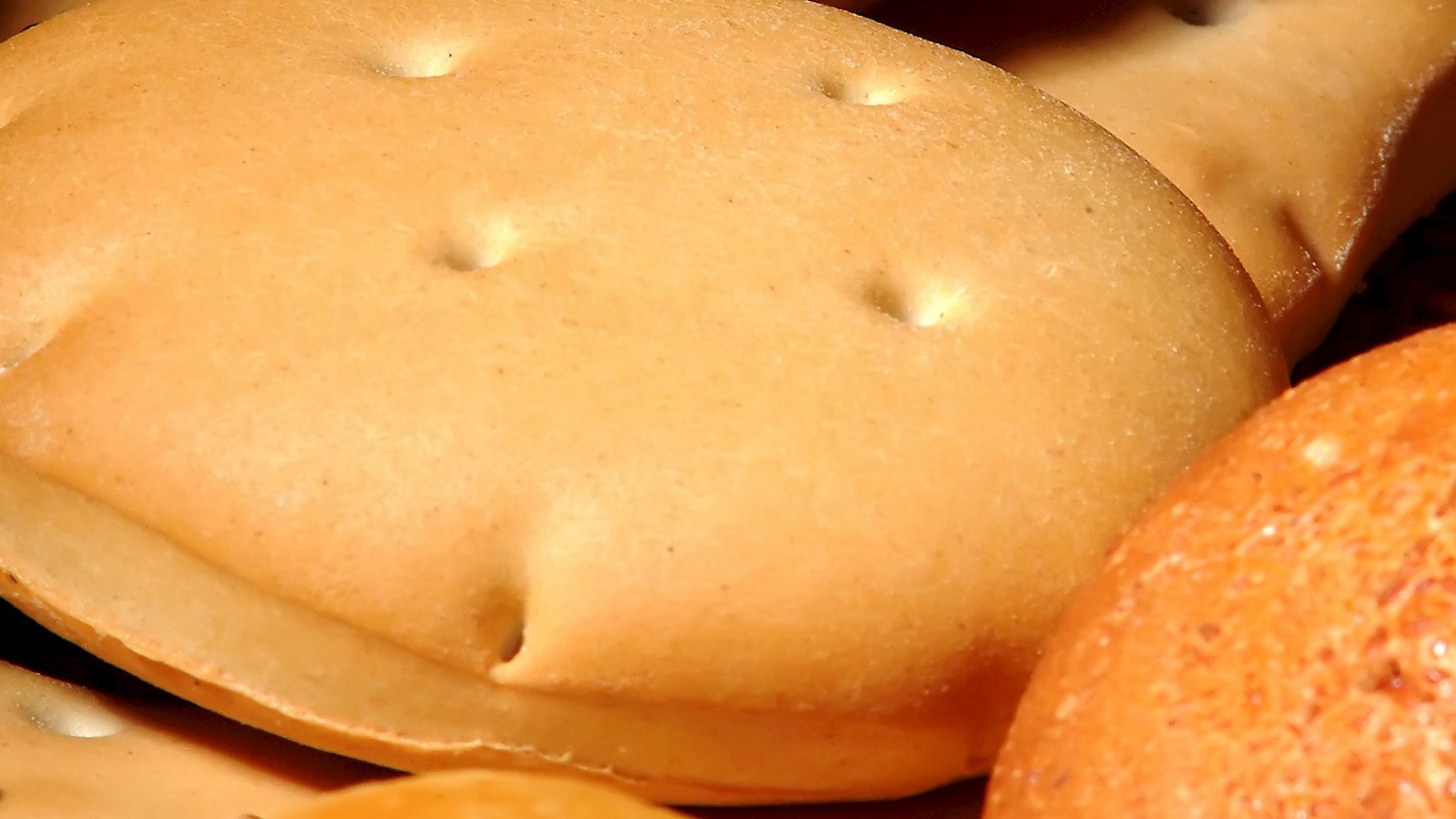
Pan amasado is a small, round, flat loaf of white bread from Chile, traditionally prepared in rural areas in wood-fired clay ovens. It is a staple of most Chilean meals due to its low price. The name pan amasado means kneaded bread, referring to the method of its production. The bread is prepared with lard or shortening, giving it a soft and tender texture. It can usually be bought from roadside vendors on the outskirts of bigger cities or in rural areas.

09

Pan de huevo

3.7 ·

Pan de huevo is a Chilean egg bread roll that is typically consumed as a snack at local beaches, where it’s traditionally sold by women wearing all-white uniforms. The bread roll is made with a combination of flour, baking powder, sugar, eggs, vanilla, and butter. It is recommended to consume pan de huevo with butter. Interestingly, pan de huevo hardens quickly, so it should be eaten as soon as possible after it has been baked.

Best restaurants
10

Sopa Paraguaya

3.7 ·

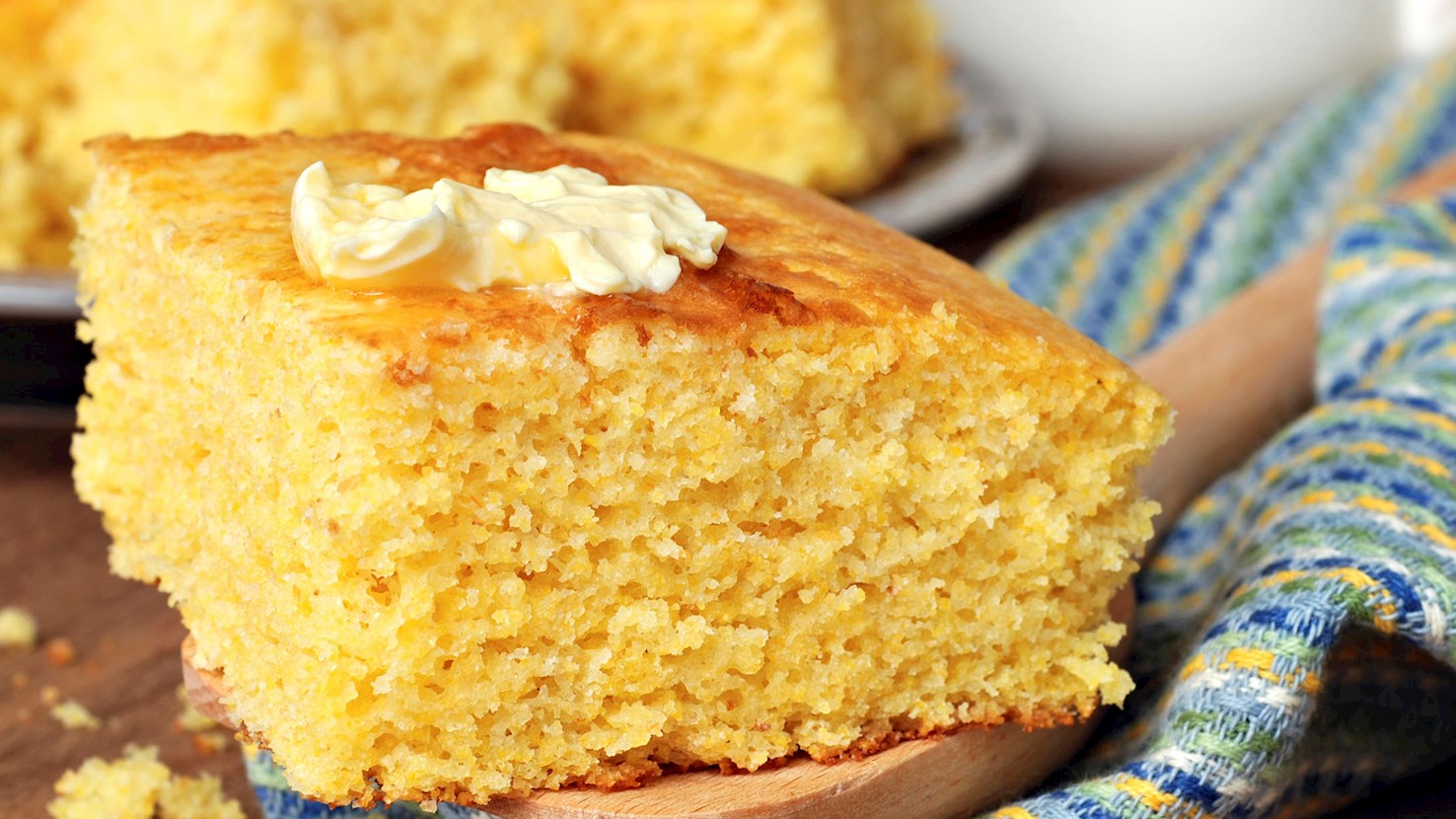
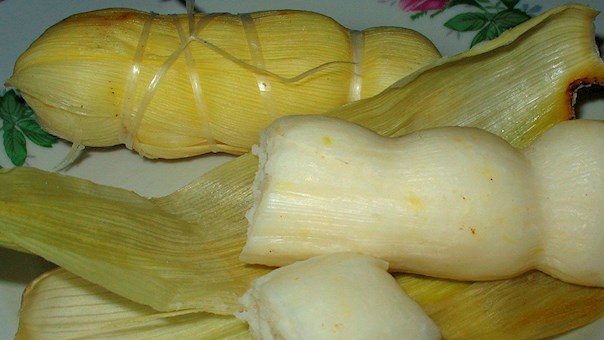
Sopa paraguaya is a typical example of a misnomer (a word with a misleading meaning) - although sopa translates to soup, this traditional Paraguayan dish does not even resemble it. In fact, it is a type of thick cornbread flavored with cheese and onions. There are numerous stories connected to the origin of the dish and many explanations for the unusual name. The most common version claims that the dish was an accidental invention of a personal chef who cooked for the Paraguayan president Don Carlos Antonio López. The chef wanted to prepare a hearty corn soup for the president but accidentally put too much corn flour into the pot, making the consistency of the soup more solid than liquid. With no other options, the alleged soup was served as a corn bread. Fortunately, the president loved this creation, and the dish was later made famous under the wrongfully given name. Today, sopa paraguaya is one the national dishes of the country and a staple during special occasions or festivities. It's traditionally eaten as an accompaniment to soups or barbecued meat, but the corn bread is also a very common breakfast or afternoon snack.

Read more
View all
View map
About this ranking

TasteAtlas food rankings are based on the ratings of the TasteAtlas audience, with a series of mechanisms that recognize real users and that ignore bot, nationalist or local patriotic ratings, and give additional value to the ratings of users that the system recognizes as knowledgeable. For the “Top 18 South American Breads” list until July 15, 2026, 2,229 ratings were recorded, of which 1,158 were recognized by the system as legitimate. TasteAtlas Rankings should not be seen as the final global conclusion about food. Their purpose is to promote excellent local foods, instill pride in traditional dishes, and arouse curiosity about dishes you haven’t tried.

Similar lists