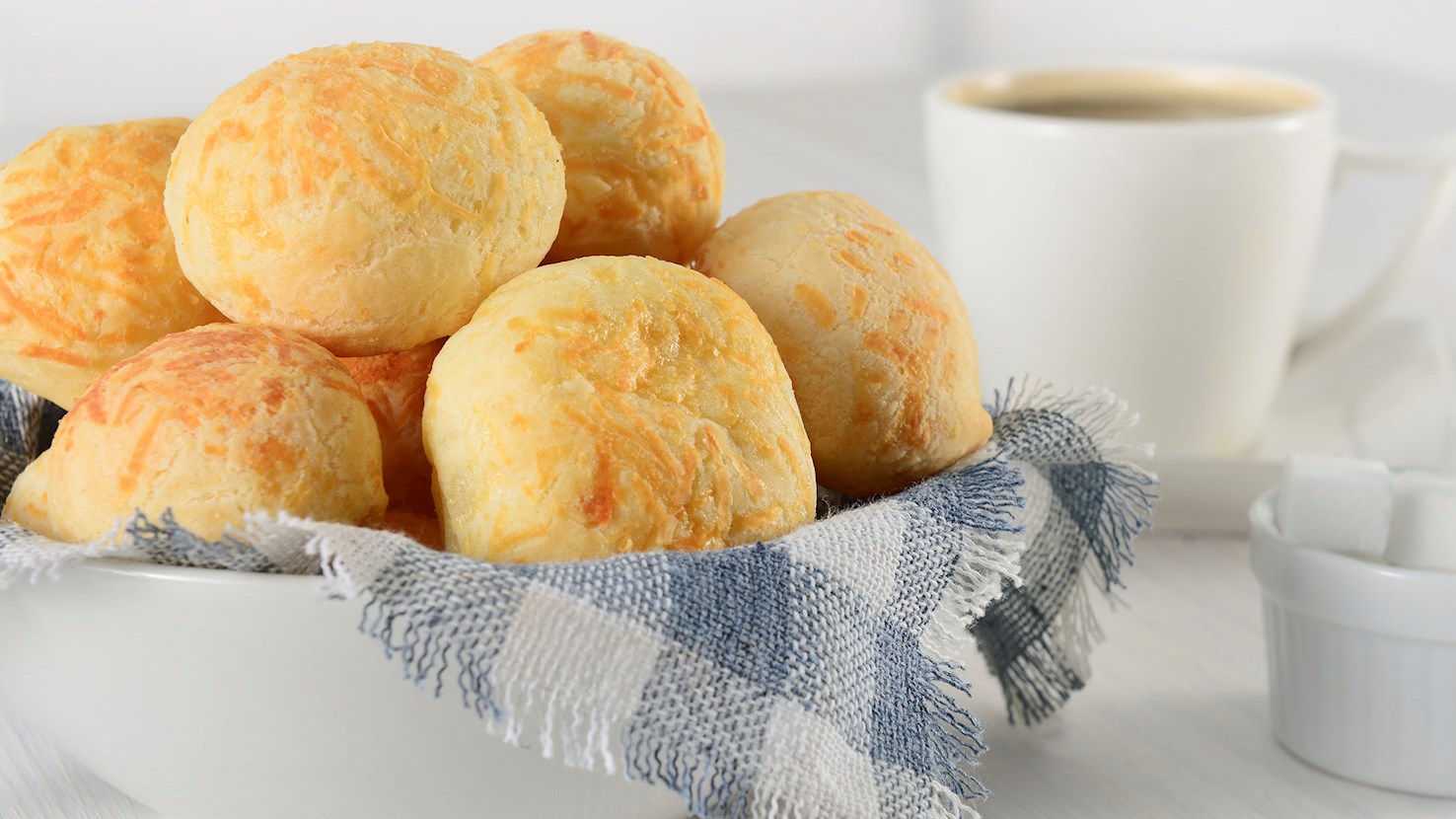
This authentic pão de queijo recipe uses real sour and sweet cassava starch along with traditional Canastra cheese for true Brazilian flavor. The dough is carefully scalded and mixed by hand, just as it’s done in Minas Gerais homes. Light, chewy, and irresistibly cheesy, these pão de queijo capture the heart of Brazil in every bite.
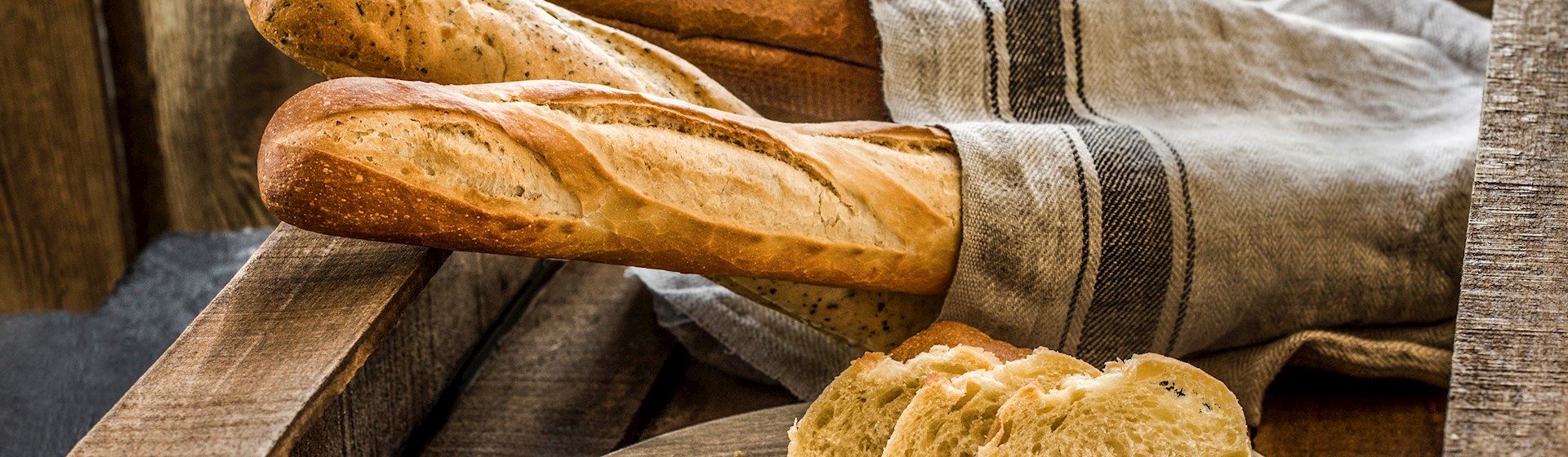
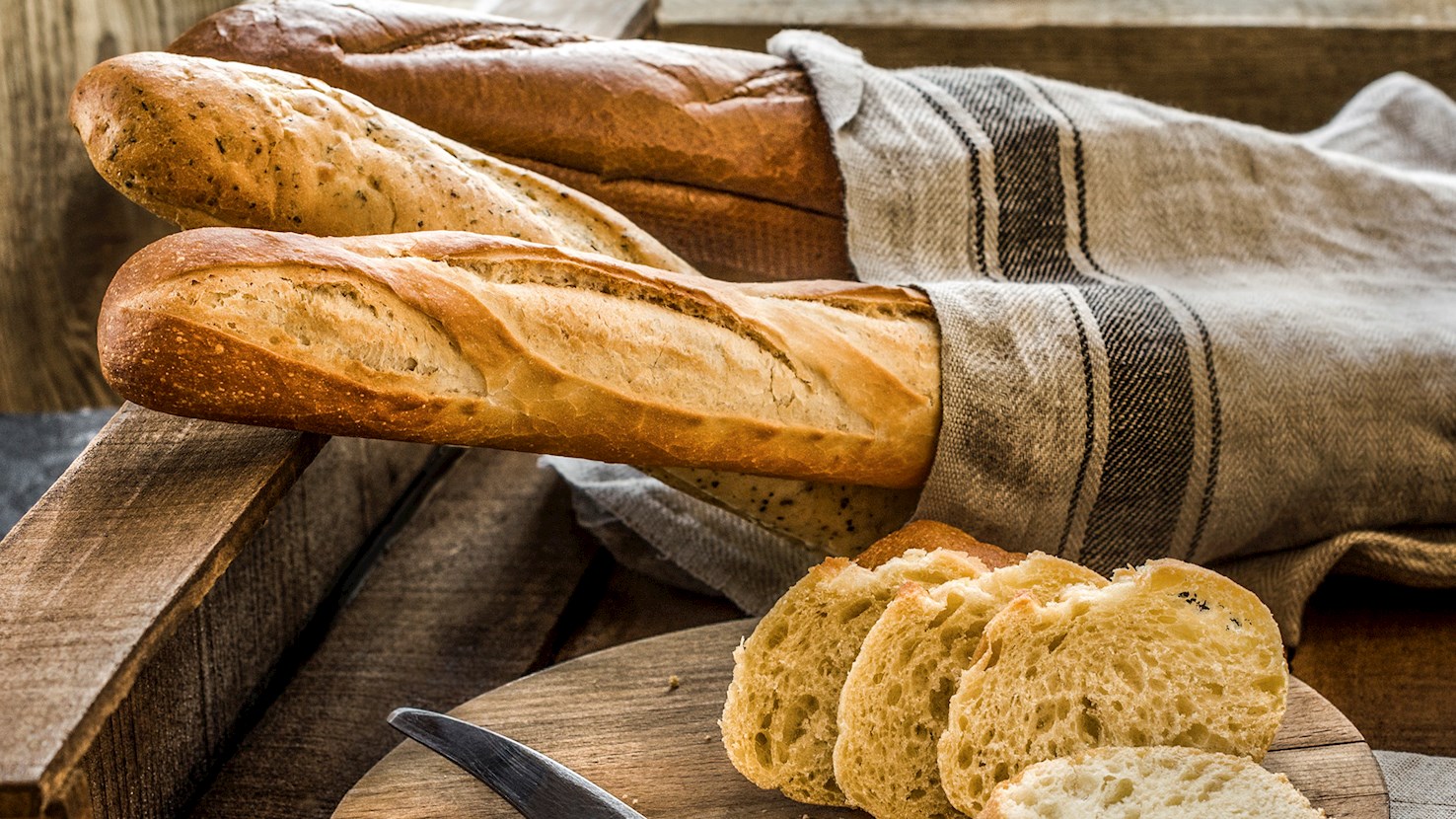
With its recognizable shape, crispy golden brown exterior, and undeniable charm, a baguette is a world-renowned staple of French cuisine and culture. Extremely prominent in its home country, the bread can be bought nearly everywhere, in one of the numerous boulangeries. This elongated, slender kind of bread is traditionally made solely with wheat flour, water, yeast, and salt. The authentic dough composition is defined by law, and can, besides the essential ingredients, incorporate small amounts of broad bean, soya, or wheat malt flour. Artisanal loaves are sometimes made with bread starter instead of yeast, which enhances the flavor complexity. A typical baguette weighs about 250 grams (8.8 oz), has about 5 or 6 cm (2 inches) in width, and is approximately 65 cm (25.6 inches) long. The preparation starts by mixing the required ingredients and kneading a smooth dough, which is then left to rise for several hours. The risen dough is then shaped into a baguette form, sliced with a knife to acquire the recognizable diagonal scores, and baked in the oven. There are three somewhat distinct variations of the bread: the baguette ordinaire with its crunchy exterior, the baguette moulée, which is industrially made and has a grid marking on the bottom side, and the pallid baguette farinée, which is covered in flour before baking. Slices are often served for breakfast, covered in butter and jam, and dipped into hot chocolate of coffee. It is also commonly served with pâté or cheese and used in the making of sandwiches.
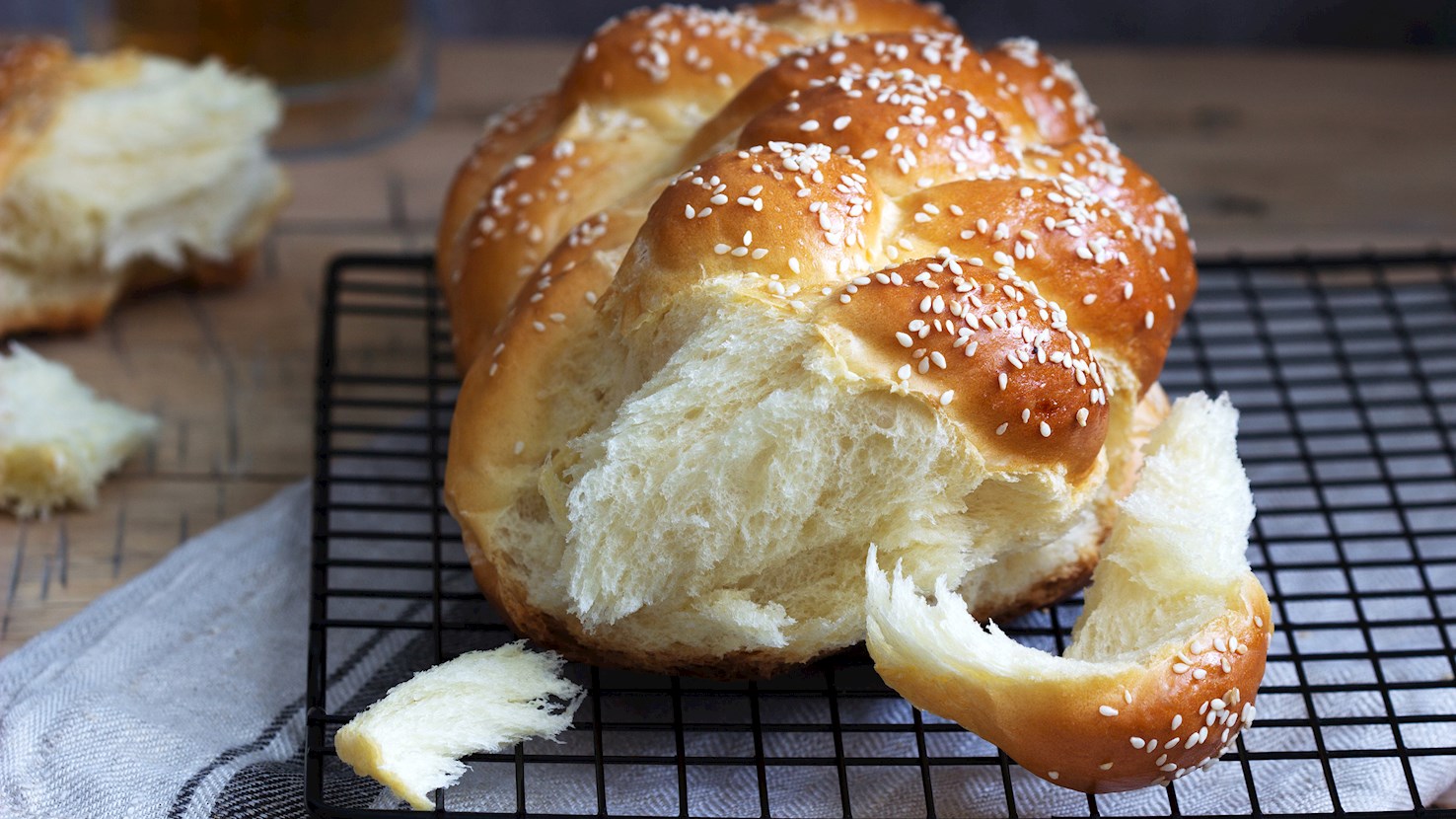
Typically a special occasion only bread, served for Shabbat and other holidays, challah is made with leavened egg dough which is usually shaped like a braid, but other shapes such as a round, a key, a ladder, a hand, a triangle, or an oblong are also traditional. Challah can also be classified depending on what ingredients are used. The challah of Ashkenazi Jews, considered to be the original version of the bread, will include eggs, oil, either poppy or sesame seeds, honey, and, if made specifically for Rosh Hashanah, raisins. Because sugar and eggs were scarce in North Africa and the Middle East, Sephardi Jews, season their challah with spices such as anise, caraway, cardamom, coriander, and za’atar. The bread is also enriched with either olive oil or nut oils, and orange blossom and rose water are also often added, as well as saffron and raisins. Mizrahi Jews, on the other hand, prepare a very plain challah with just a speck of sugar and with no fat. This version, which can be seasoned with spices, is often called water challah and is different from others in that it has a very crisp crust, similar to that of a baguette. Although challah dough is classified as enriched (over 10% fat), because kosher laws do not allow eating meat and dairy in the same meal, oil and eggs are the only fat in the dough. The amount of sugar or other sweeteners such as honey is also high, which is why this bread is baked at lower temperatures, only up to 180°C, so the exteriors are soft and golden-brown and not burned. The dough is typically twice proven, once when kneaded, and once when shaped. It is brushed either before going into the preheated oven (meanwhile, it's been covered with a damp cloth during the entire proving time) or right after it's been shaped so that the surface does not dry out during proving. As the last step, challah is generously sprinkled with either poppy or sesame seeds, or a combination of both, then baked depending on size, anywhere from 30-40 minutes to up to an hour.
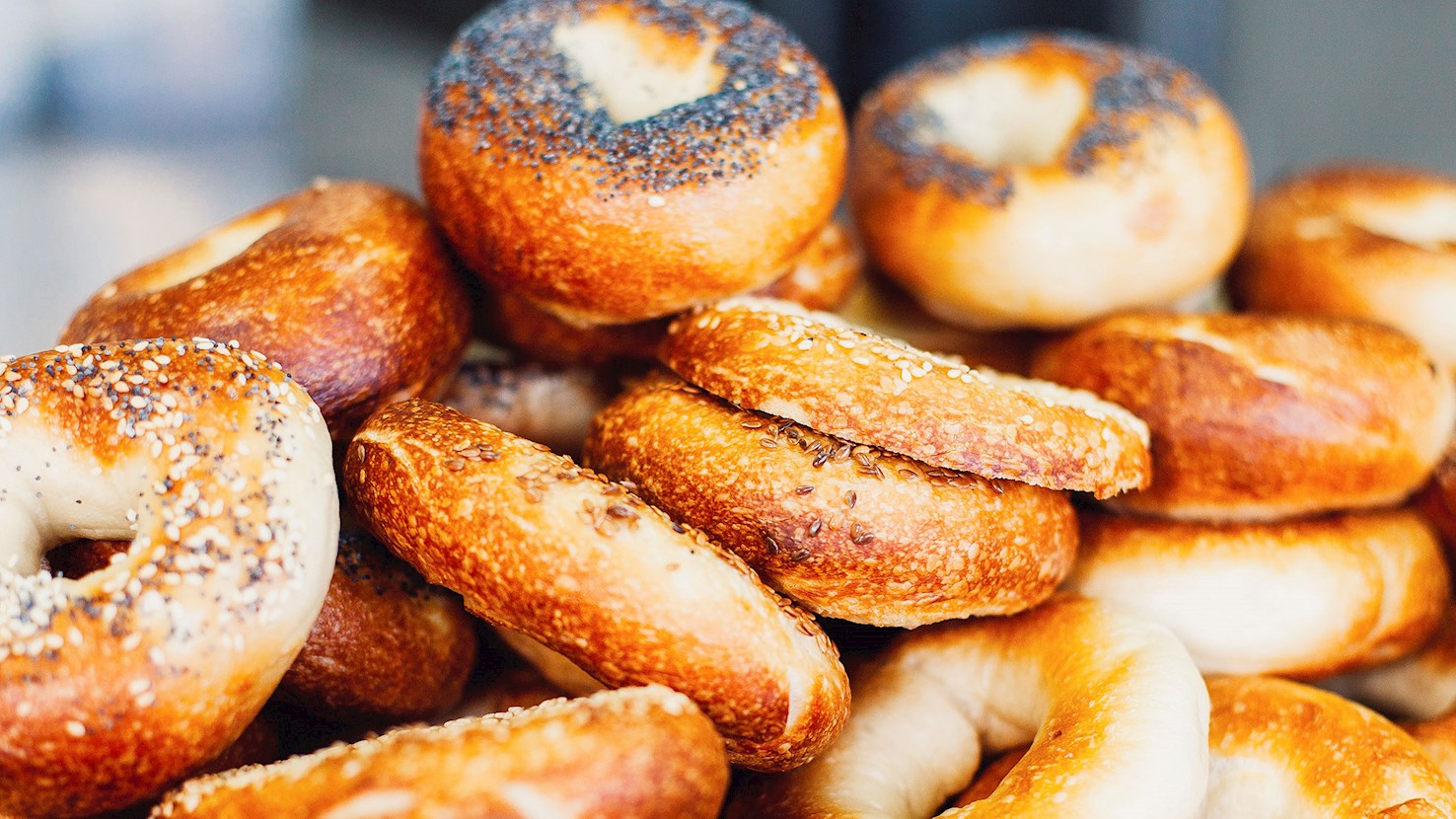
Because they are made with firm dough, bagels are probably one of the easiest things to make, and not even New York tap water, alleged to have the necessary mythical properties, is required. Indeed, if you follow a few simple rules, you can make these wherever you are in the world, and they will turn out perfectly. The dough is made with bread or high-gluten flour (about 12-14%), water, barley malt syrup, yeast, and salt. It is shaped into rolls, which are then looped around three fingers and rolled to seal. When shaped, the bagels are placed on a greased baking tray and refrigerated anywhere from 24 to 36 hours. The following day, they are first poached in a boiling mixture of water and barley malt syrup then placed on a parchment-lined baking tray and baked. If adding any toppings, such as poppy seeds, sesame seeds, or salt, they should be sprinkled as soon as the bagels are out of the water. If done properly, a bagel should be a rich, caramel color, have a slightly crispy crust with chewy insides, and should have a distinct pull when bitten into or torn. Furthermore, it should taste like freshly baked bread, eventually complemented by the toppings if they are added. Bagels should be eaten within a few hours after they've been baked when they are the freshest.
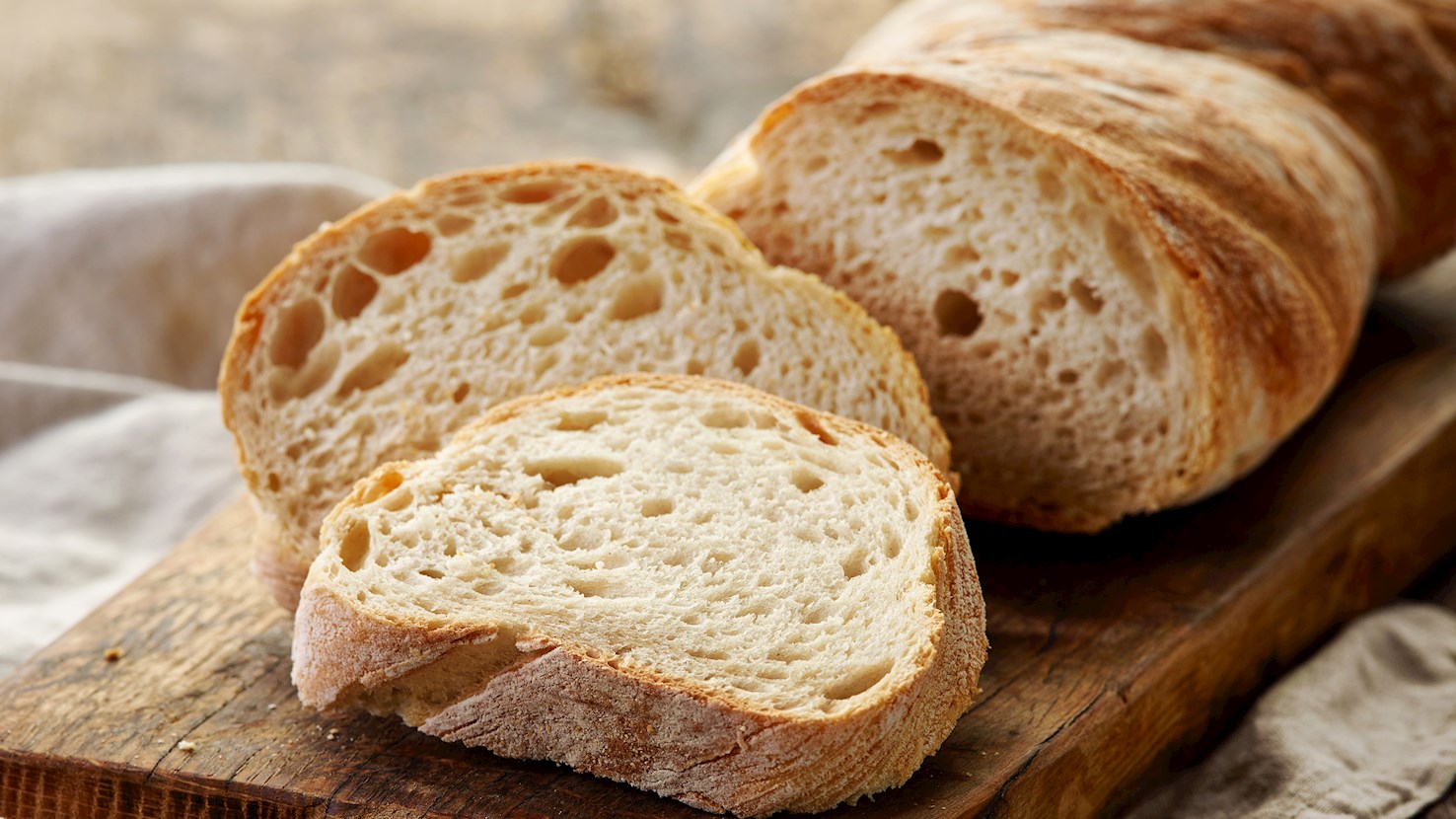
Light, crusty on the outside, and porous on the inside, ciabatta is an omnipresent Italian bread whose oval, slightly elongated form resembles a slipper. Its preparation takes quite a lot of time and skill, but the result is worth the effort. The first step is to prepare the biga or poolish, a starter dough made from beer yeast, some lukewarm water, and white wheat flour. The original recipe calls for special Uno Natura flour, but recipes for homemade ciabatta suggest using the mixture of Manitoba flour and Italian type 00 flour, which are responsible for a dough with extra elasticity. The starter dough needs to ferment between 12 and 24 hours at a controlled temperature, after which the remaining flour, sugar, salt, and water are added. The dough is folded gently and left to rise repeatedly during the process, as this way it becomes laced with bubbles which are the main characteristic of ciabatta. Ciabatta does not require additional grease or eggs, but water can be partially substituted with milk, which leads to a variation called ciabatta al latte. Optionally, other spices and fillings — such as olives, walnuts, capers, herbs, and bacon — can be added. Due to high water percentage, around 70%, the dough for a ciabatta is stickier and wetter that other bread doughs, which is why the most common mistake is adding extra flour. After the dough is finished, it is divided into separate ciabattas and left to rise one last time, and then baked in a very hot, steamed oven. The steam is released halfway through baking, which helps to form a crispy crust. A finished ciabatta can range in weight from 120 to 300 grams, and is perfect for sandwiches, and can be served with Italian cheeses, olives and meat products.
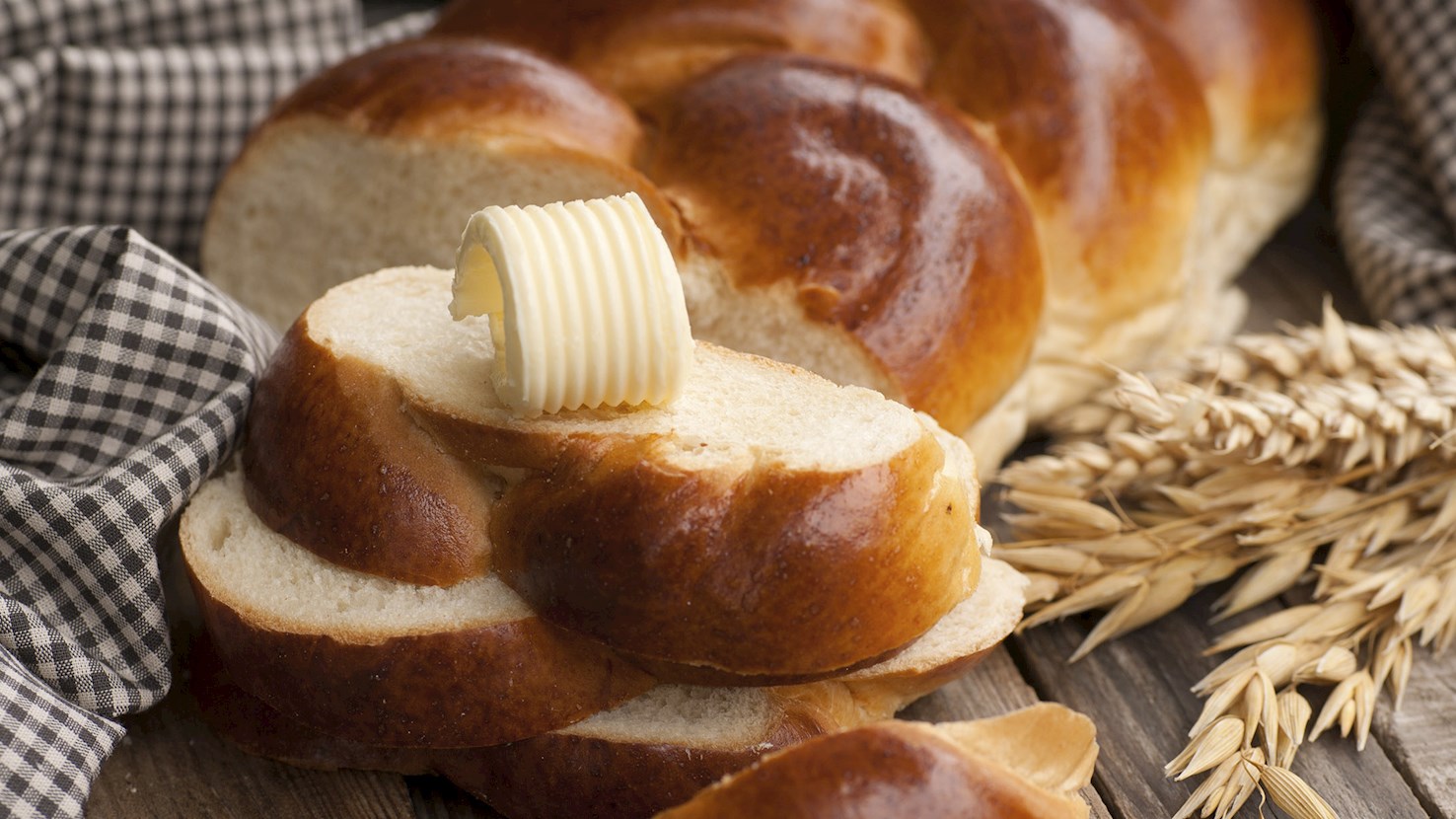
This Swiss plaited bread is made with yeasted dough which may include butter and eggs. Depending on the amount, the dough is usually divided into two or four pieces, which are then rolled and waved into a braid with a tapered end, although other braid shapes are also possible. The bread is glazed with an egg wash before going into an oven preheated to 200-220°C and is baked anywhere from 25 to 50 minutes, depending on the recipe. Usually eaten for breakfast during weekends, zopf is cut into slices which can be spread with butter, honey, or jam. The bread can also be paired with cold cuts and various cheeses or eaten plain.
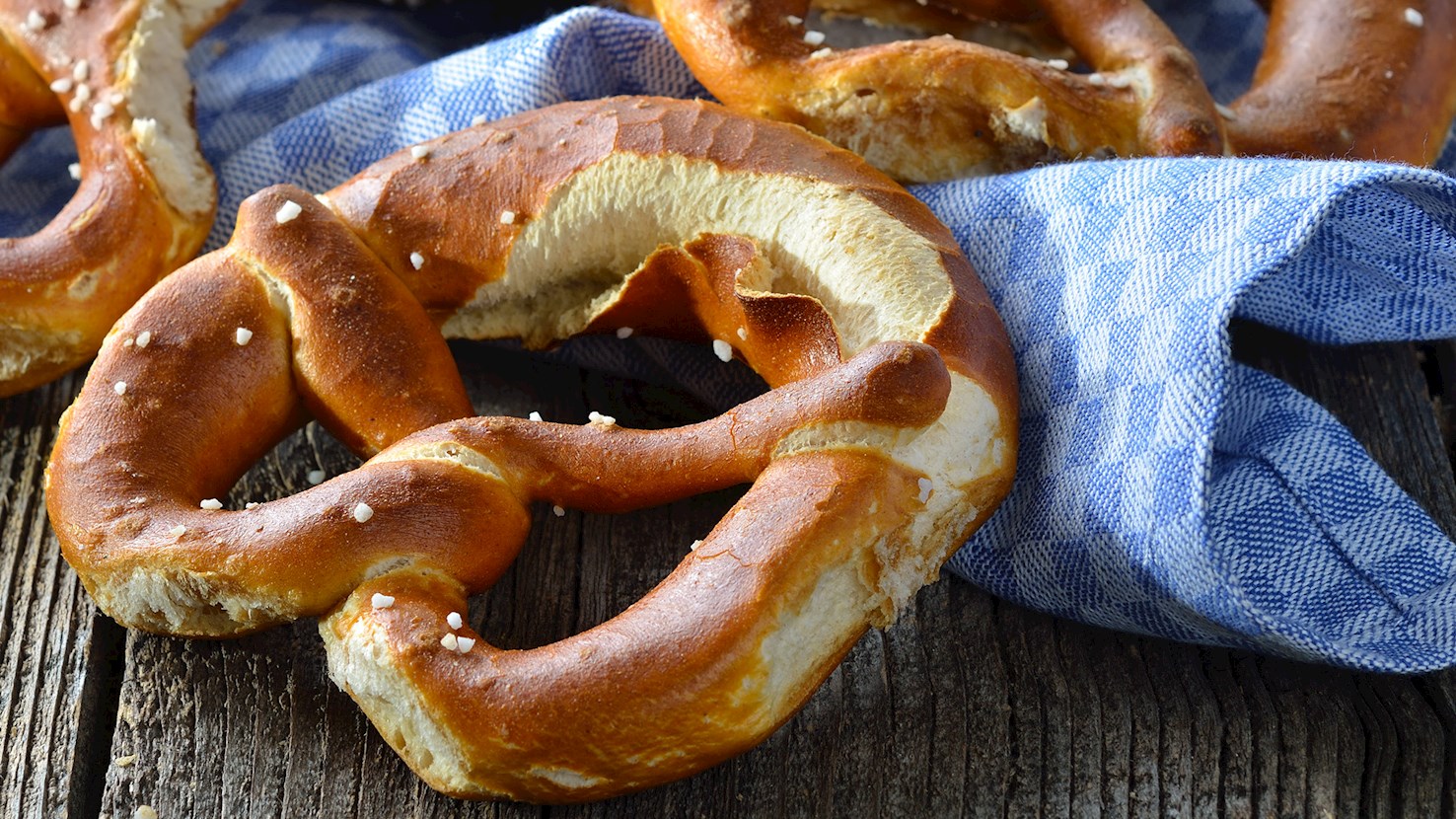
A pretzel is a baked snack prepared with a dough usually comprised of flour, yeast, sugar, butter, and water that is twisted into a specific pretzel knot. The preparation starts by gathering all the ingredients for the dough, then mixing and kneading them until a smooth dough is obtained, which is then divided into chunks that are rolled out and shaped into pretzels. Formed pastries are often dipped in lye (laugenbrezeln) or a baking soda bath, then sprinkled with some salt, and baked in the oven until brown. Besides salt, they can be topped with sugar, chocolate, cheese, cinnamon, nuts, and seeds. Numerous versions of the dish co-exist throughout Germany. In the region of Franconia, this pastry is often purchased sliced crosswise and coated in butter, or topped with some cheese or lunch meats. Swabian pretzels are thinner at the ends and have a high content of fat, while the Bavarian kind remains evenly thick throughout and incorporates a small amount of fat. In some parts of the country, sweetish New Year's pretzels are exchanged on January the 1st. Some other modifications of the dish include unglazed, pudding, and anise-flavored versions. The traditional, soft kind should be eaten in the hours following the preparation, while hard-baked ones, an American invention, will stay fresh longer. Pretzels can be served as a snack or a side dish.
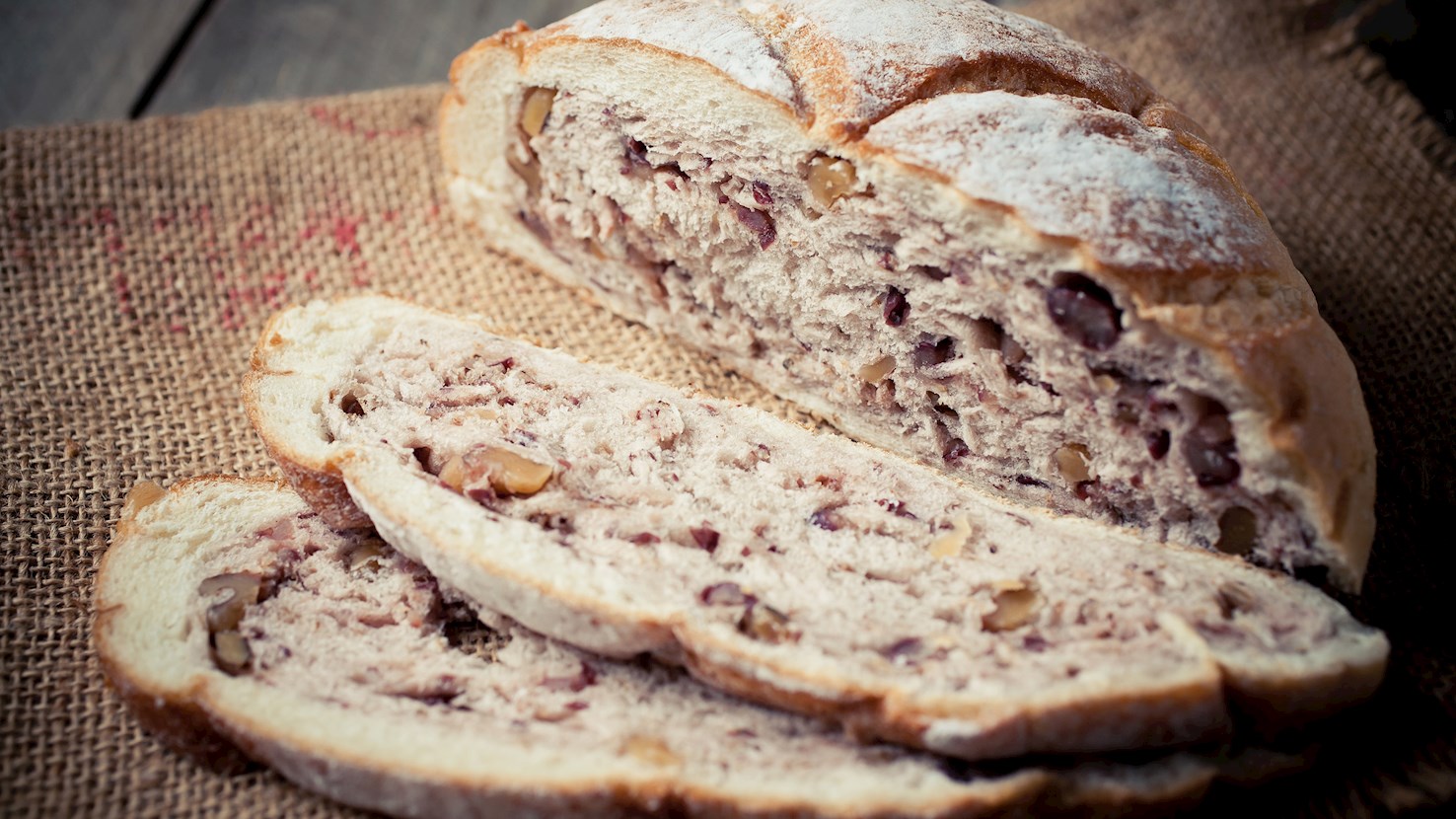
At its basic, pain aux noix is made with nothing more than just either whole wheat flour or all-purpose flour, walnuts, yeast, salt, and water. Variations on the basic recipe include mixing two or more types of flour, adding walnut oil, using different kinds of nuts, adding milk or butter, or using a sourdough starter instead of yeast. The bread is typically shaped like a loaf but can be made as smaller, single-serving loaves of bread, in which case they should be baked at a lower temperature and for a shorter amount of time. Pain aux noix can be eaten with various either sweet or savory spreads, and pairs wonderfully with charcuterie and cheese, most notably soft cheese like brie de Melun and brie de Meaux.
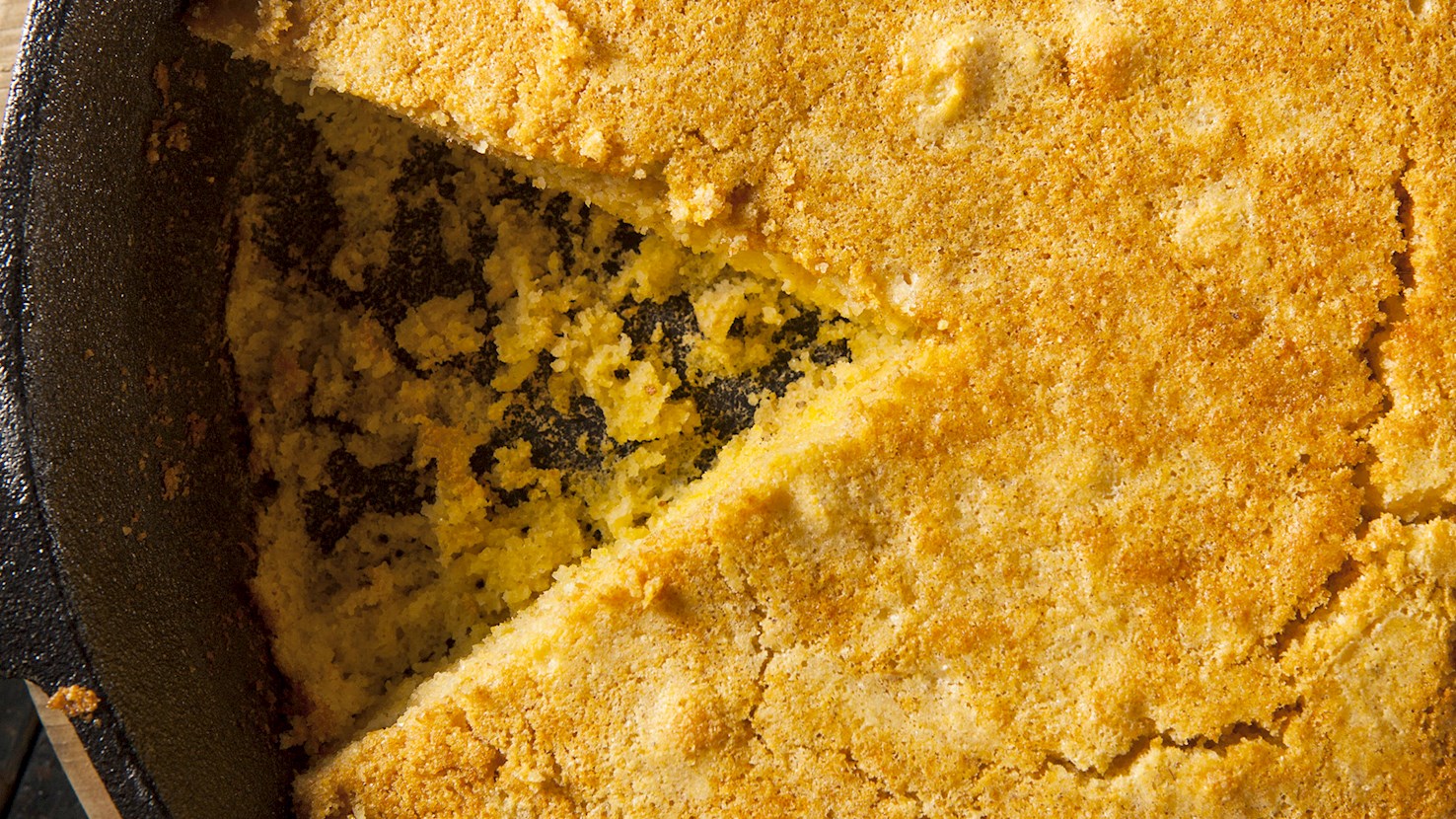
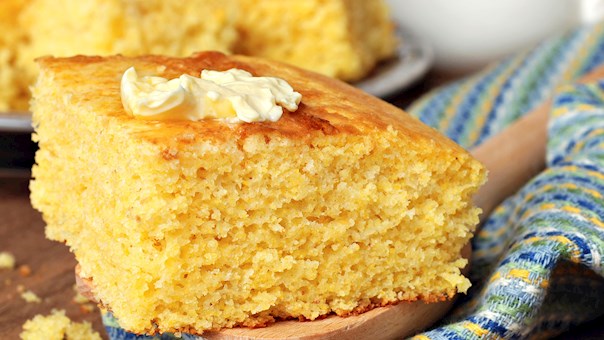
Mainly associated with the South, in its simplest and most traditional form cornbread — also known as corn pone — is made from cornmeal, salt, and water batter and is baked in a cast iron skillet over an open fire. Today, there is a general divide on how cornbread is prepared depending on where you are in the United States. In the South, the batter is prepared with white cornmeal, sometimes buttermilk, and little to no sugar, while in the North they will use yellow cornmeal, and add wheat flour, eggs, milk or buttermilk, a leavening agent, and some sugar, which gives for a sweeter, more cake-like cornbread. The most popular way to cook cornbread, however, is to skillet-bake it, meaning the prepared batter is poured into a hot, greased cast-iron skillet and then baked until the cornbread is lightly brown. Albeit, cornbread, and its many derivatives — hush puppies, johnnycakes, and spoon bread — can also be baked, fried, or steamed, depending on the recipe. This bread can be served a myriad of different ways. It can be steeped in milk or buttermilk and eaten with a spoon for breakfast, or served as a side with barbecue, chili con carne, and pinto beans. In the South, they eat it with molasses, while in the Northern regions of United States they pair it with honey. Besides being a side to almost any meal imaginable, cornbread is also used as stuffing for Thanksgiving, especially in the South.
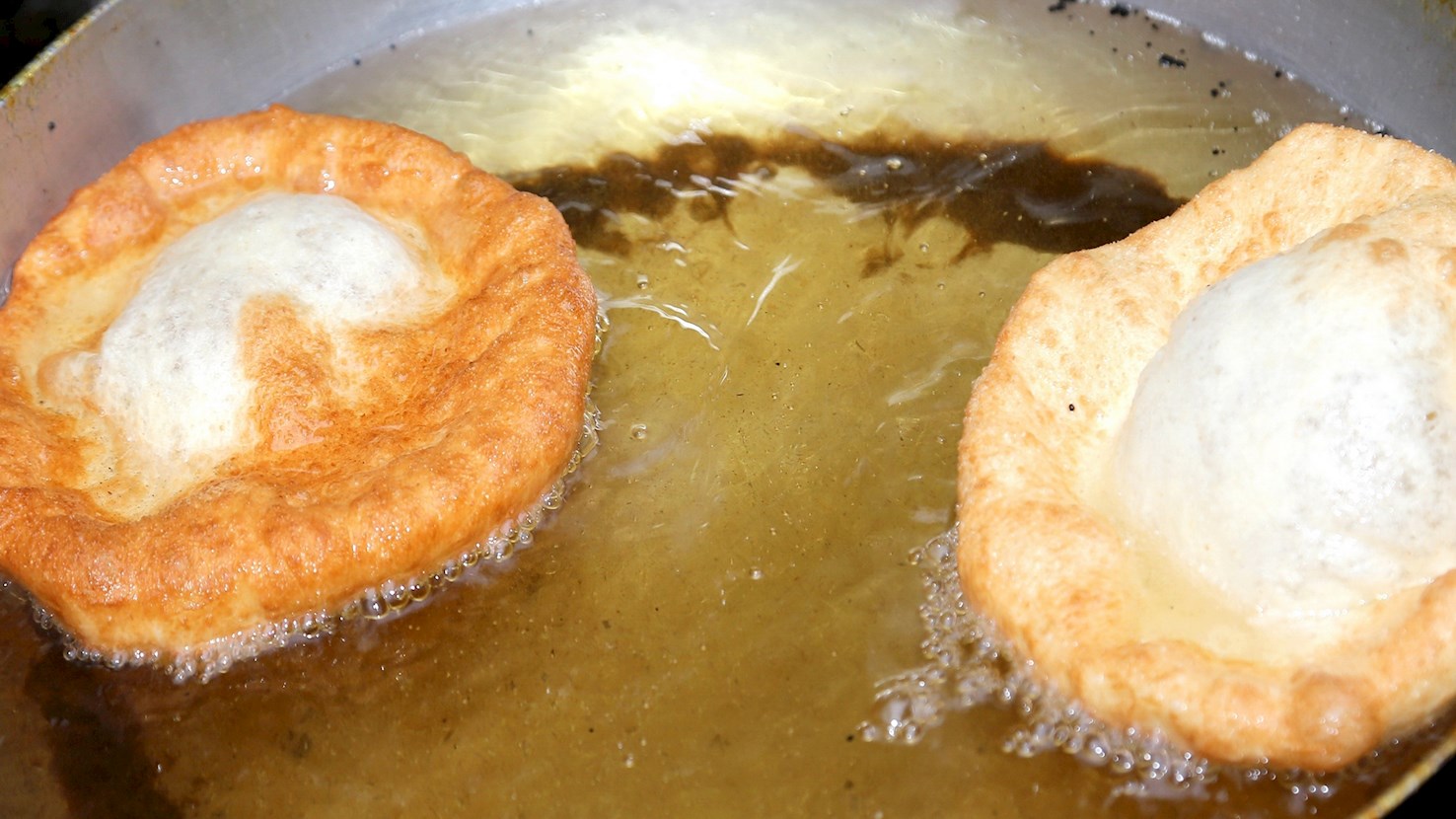
This staple Native American dish is traditionally made with only five ingredients — flour, baking powder, powdered milk, salt, and water are mixed together and kneaded into a smooth, soft dough, which is then divided into small fist- or egg-sized balls. These dough balls are then patted or stretched by hand into disks, usually only 1/4 to 1/2-inch (0.6 to 1.25 cm) thick. They are then shallow-fried or deep-fried until golden on both sides and are then placed on paper towels to drain. An important step is to leave the dough to rest for at least 20 to 30 minutes, either before or after it has been divided into balls. The longer the rest, the better — this will give the frybread a light and fluffy texture. The liquid ingredients are typically added to the dry ones, but some recipes do the opposite. In addition to this basic recipe, oil or lard is also often added, and milk and yeast are sometimes used instead of water and baking powder. Eggs, yogurt, buttermilk, and cornmeal also make frequent appearances in frybread recipes. Frybread is often sweetened by adding pieces of pumpkin, sugar, and spices. It is eaten hot on its own, as a side, or with savory or sweet toppings such as jam, powdered sugar and cinnamon, honey, and butter. Frybread is also used in a Native American taco-style dish in place of a tortilla to hold usual taco toppings like ground beef, salsa, and grated cheese.
TasteAtlas food rankings are based on the ratings of the TasteAtlas audience, with a series of mechanisms that recognize real users and that ignore bot,
nationalist or local patriotic ratings, and give additional value to the ratings of users that the system recognizes as knowledgeable.
For the “Top 15 Bread Recipes” list until October 17, 2026, 16,375 ratings were recorded, of which 11,728 were recognized by the system as legitimate.
TasteAtlas Rankings should not be seen as the final global conclusion about food. Their purpose is to promote excellent local foods,
instill pride in traditional dishes, and arouse curiosity about dishes you haven’t tried.












What People Say