

shutterstock

Top 100 European Breakfasts

Last updated on May 15, 2026
01

Komplet lepinja

4.5 ·

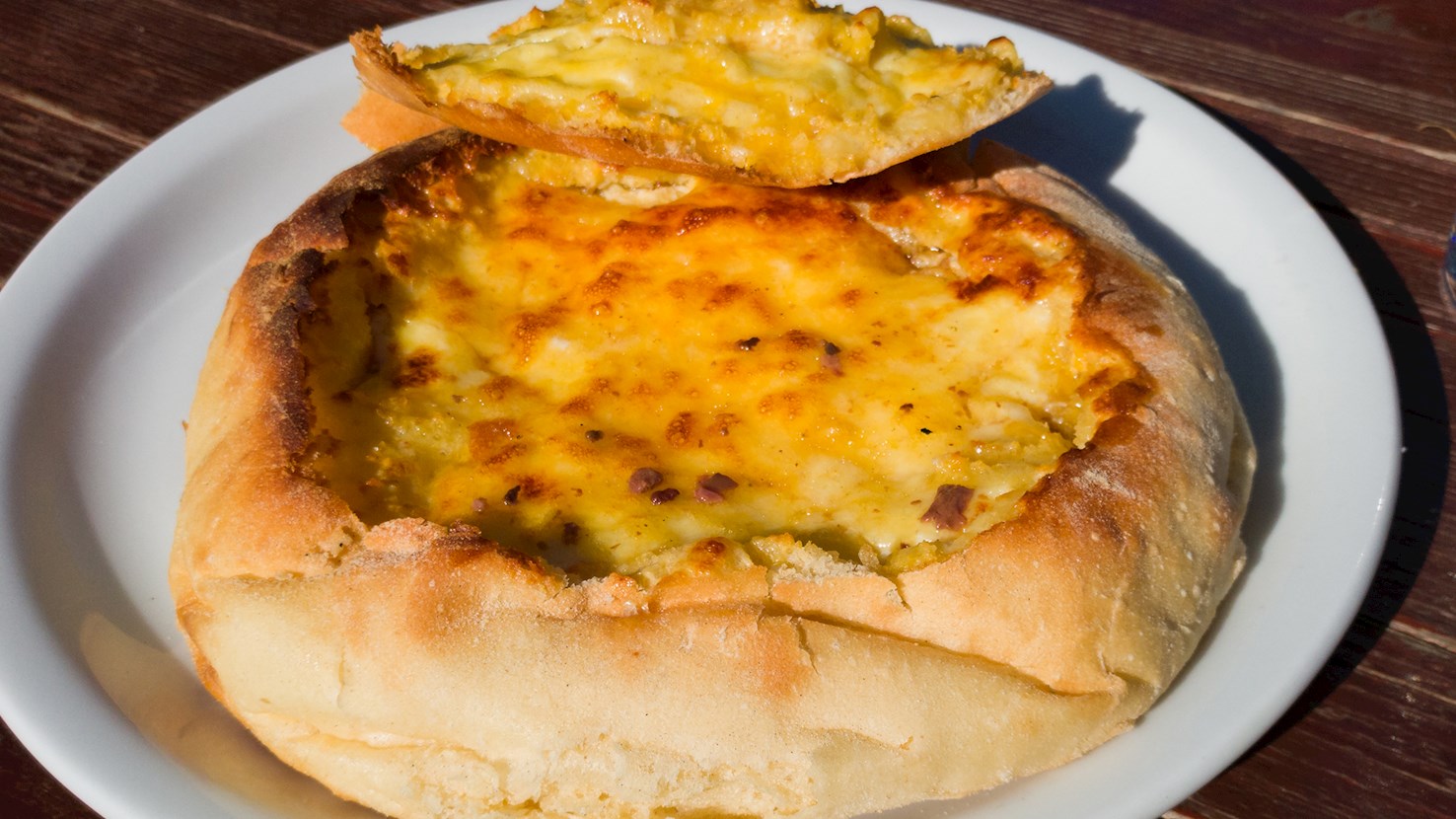
This delicacy consists of a traditional flatbread (lepinja) that is cut in half, coated in thick cream (kajmak), and topped with an egg. The combination is shortly baked and should be doused with a mixture of warm meat drippings, which is locally known as pretop. Komplet can be loosely translated as with everything in it, and is traditionally associated with Užice and Zlatibor. It is believed to have originated sometime before WWII, and the name was officially registered by Dragan Lazić, a current owner of the bakery Kod Šuljage in Užice. Although it is nutritious and highly caloric, the dish is commonly enjoyed for breakfast and is best paired with a glass of yogurt or sour milk on the side. For the most authentic experience, it is recommended to eat it with your hands.

02

Bundás kenyér

4.4 ·

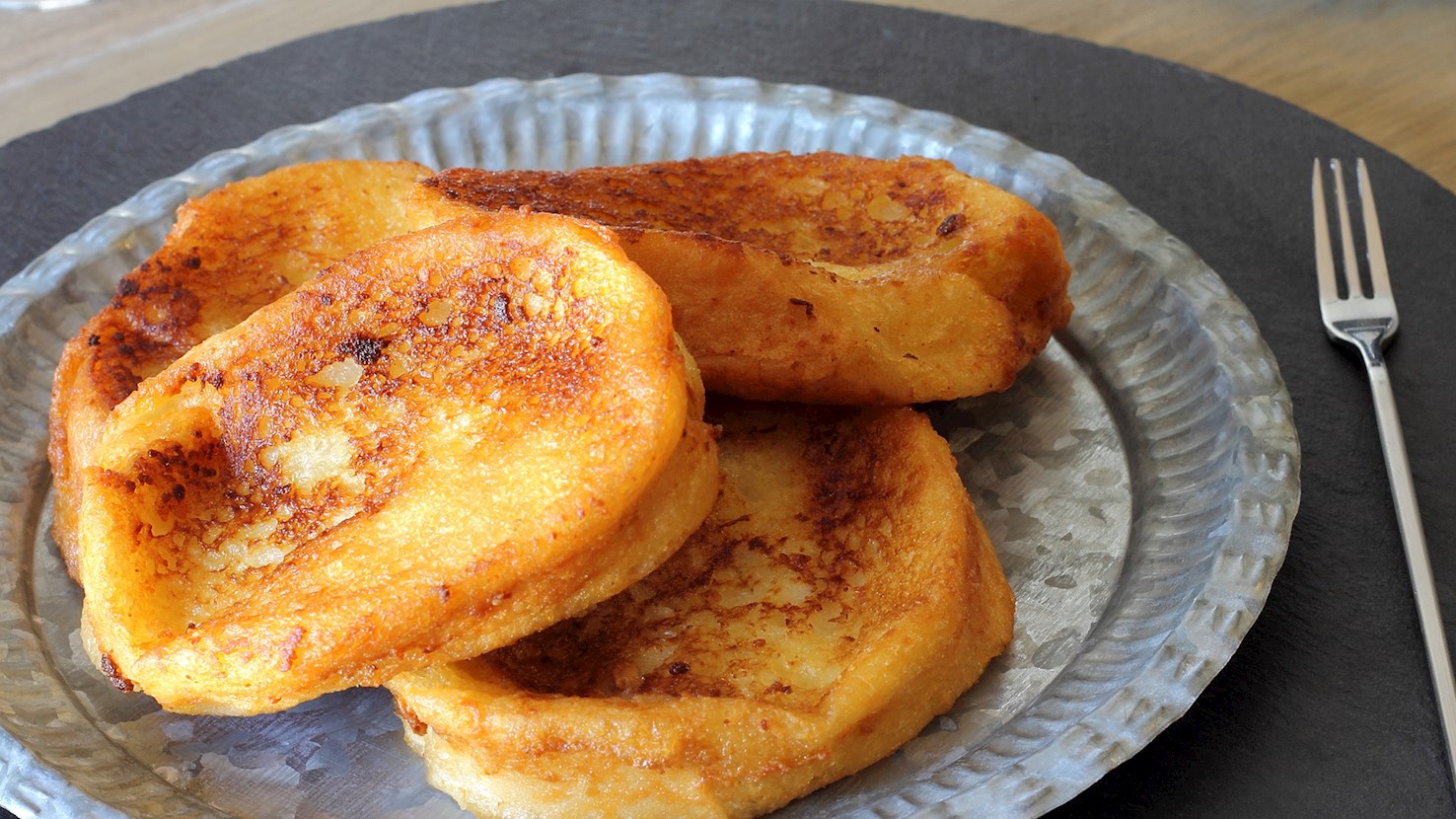
This traditional Hungarian dish is a savory version of the popular French toast. It can be prepared with various types of sliced bread that are coated in lightly beaten eggs, then shortly pan-fried until crispy. The dish is typically enjoyed as breakfast or a light evening snack and is often accompanied by creamy condiments such as mayonnaise and sour cream.

03

Bougatsa

4.4 ·

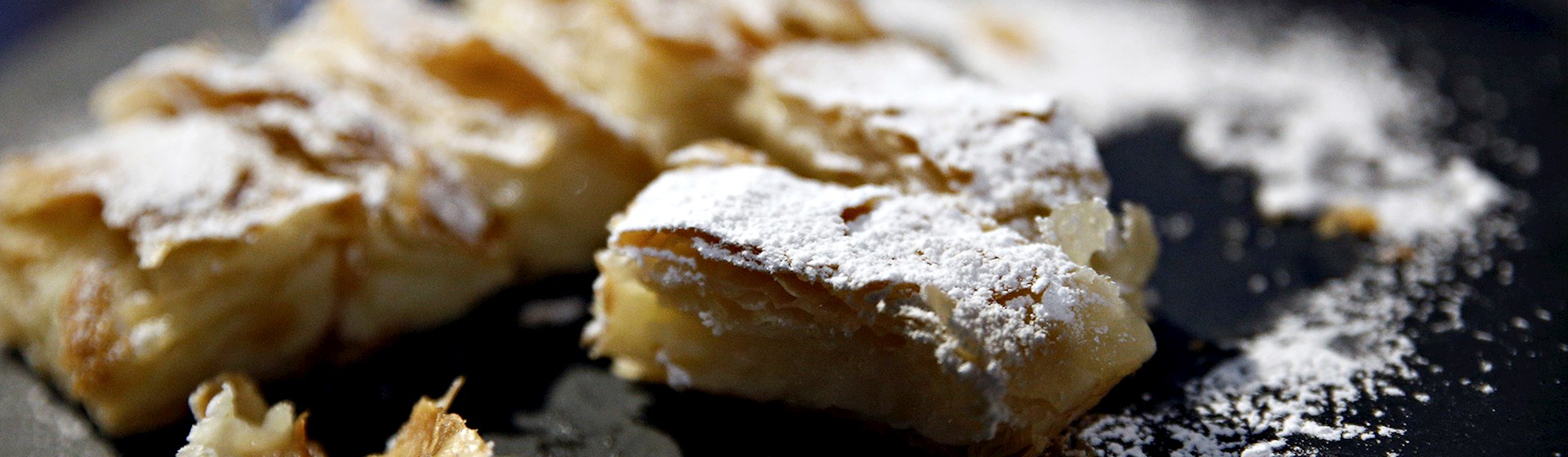
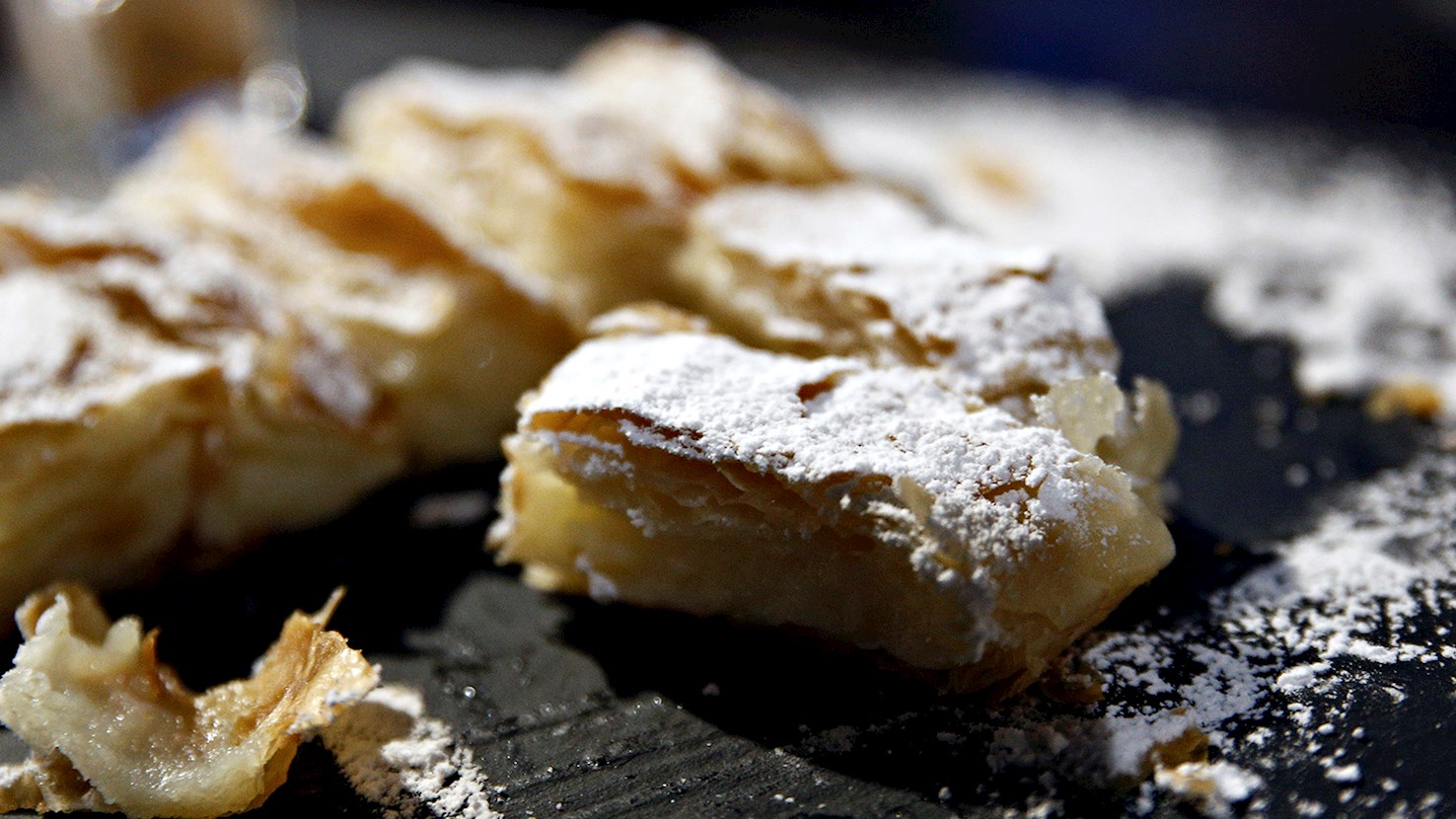
Bougatsa is a traditional, rustic Greek pie consisting of a phyllo pastry layered with a filling of semolina custard, although there are variations with minced meat or cheese. The name of the dish is a derivation of the Ottoman word pogatsa, denoting a pie filled with cheese. Bougatsa has origins from the Byzantine period, when Constantinople was Greek, and it began as a dough that was stuffed with numerous sweet and savory fillings. Over time, bougatsa evolved to incorporate a thinly rolled, hand-made phyllo pastry. As many Turkish immigrants settled in Northen Greece, bougatsa became a specialty of Serres and Thessaloniki. Today, the pies can be found throughout Greece in specialty shops called bougatsopolia, selling bougatsas exclusively.

04

Sirnica

4.4 ·

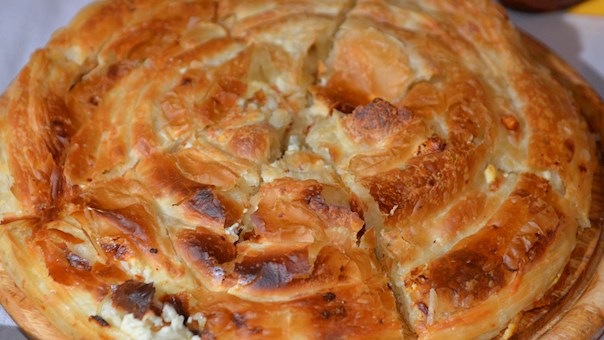
Sirnica is a savory Bosnian pie consisting of phyllo dough that is filled with a combination of fresh cow cheese, sour cream, and eggs. Thin sheets of dough, locally known as jufka, are spread with the cheese mixture and the whole pie is traditionally rolled into a spiral. Before serving, sirnica is occasionally sprinkled with water, oil, or milk. Although it can be enjoyed on its own, this savory pie is often accompanied by yogurt or sour cream.

05

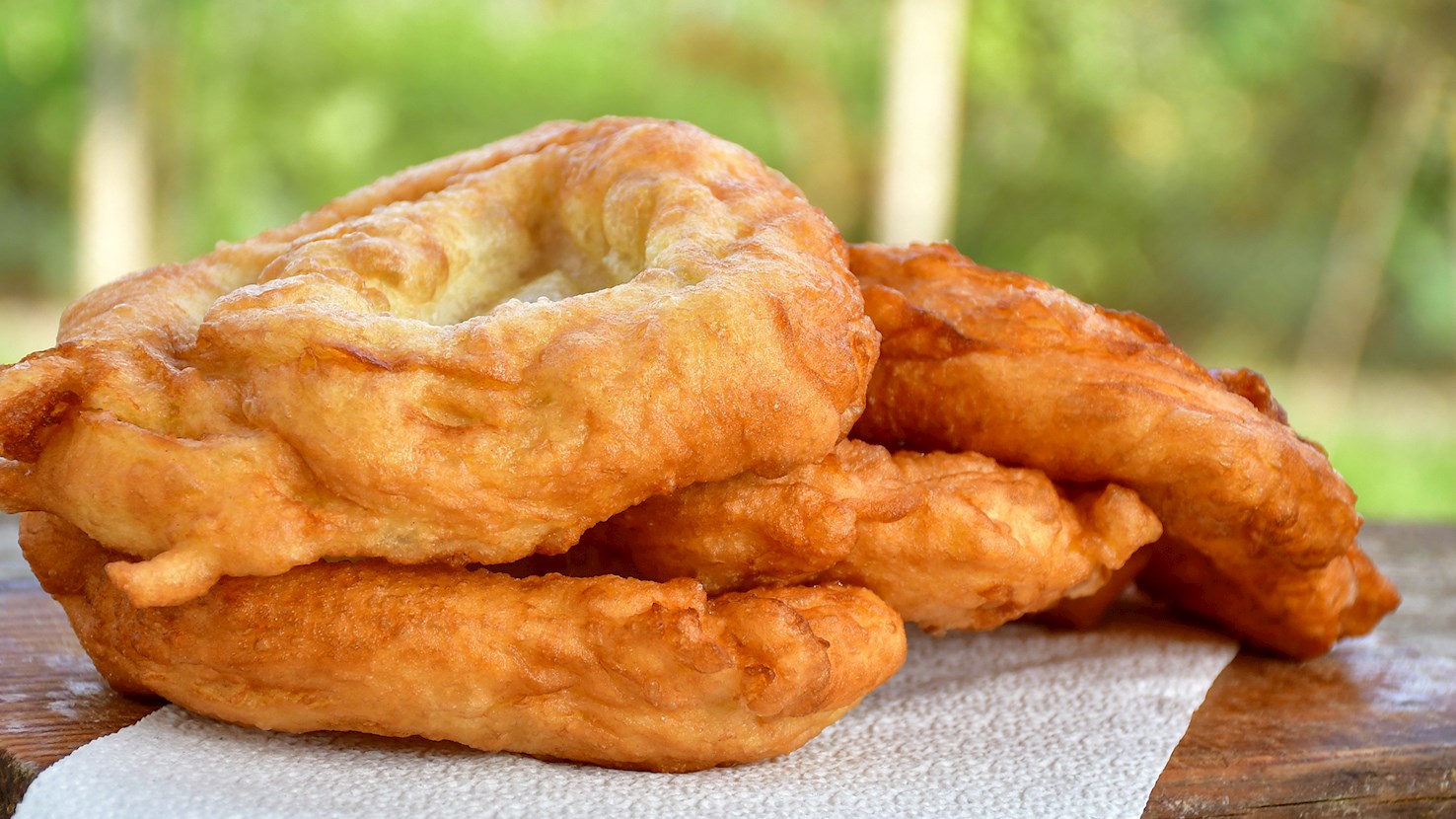
Mekica

4.4 ·

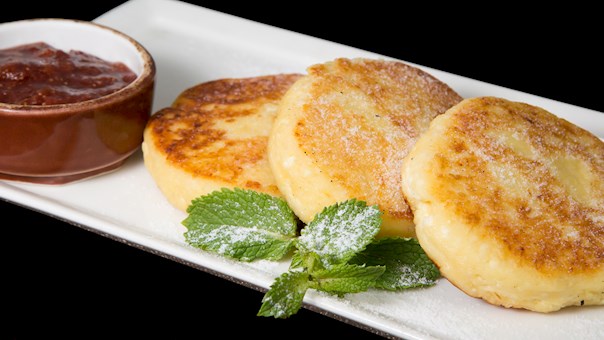
Mekitsa is a popular Bulgarian dish that is traditionally served for breakfast. It is a flatbread made with kneaded dough that is then deep-fried in hot oil. The dough usually consists of flour, water, salt, oil, eggs, yogurt, and a leavening agent. The name mekitsa is derived from the Bulgarian root mek, meaning soft, referring to the flatbread's texture. These flatbreads can be dusted with powdered sugar or paired with yogurt, honey, cheese, or various fruit jams.

Best restaurants
06

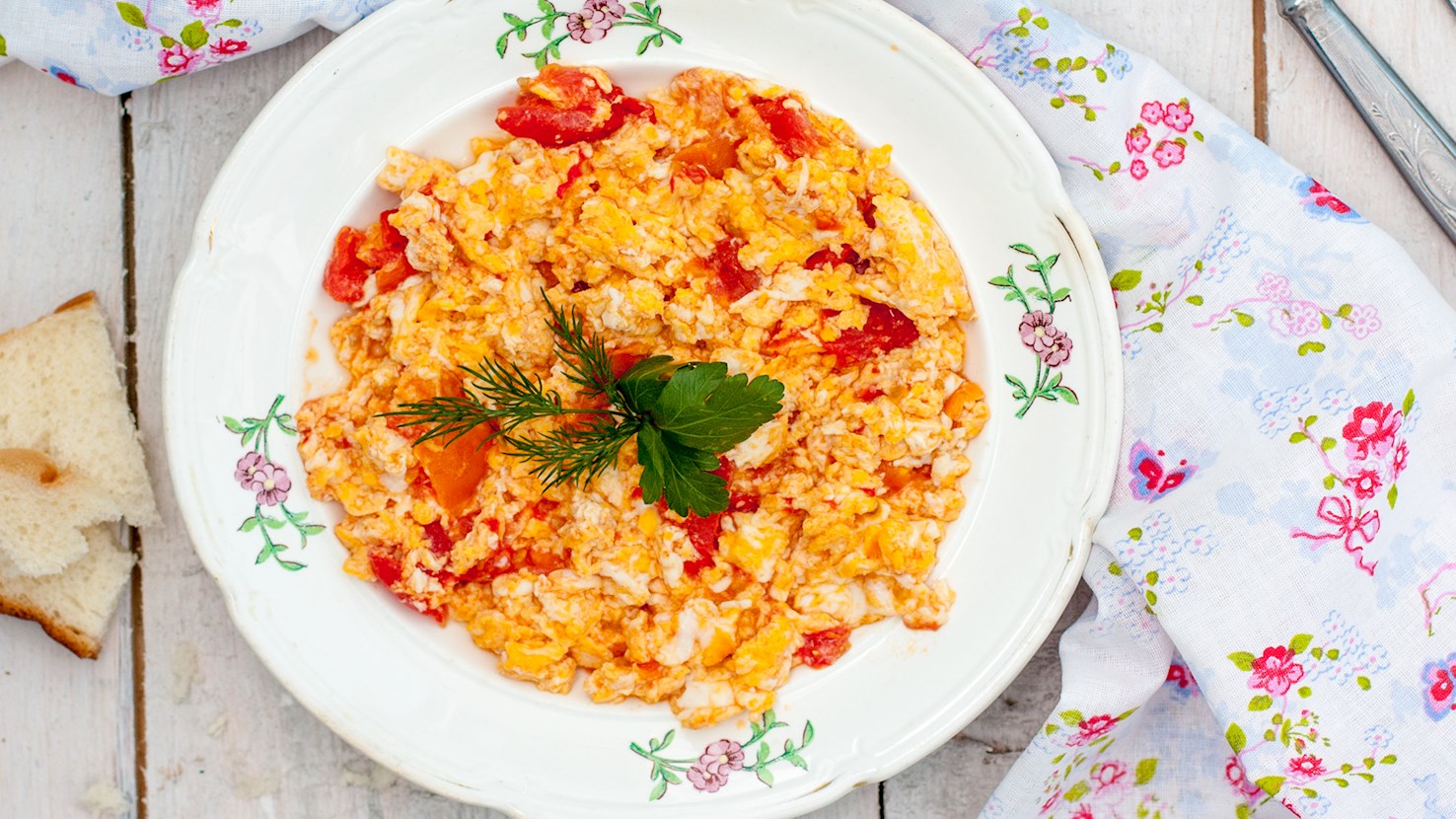
Strapatsada

4.4 ·

This popular Greek dish, which goes under the name strapatsada or kagianas, consists of diced, sautéed tomatoes that are seasoned with fresh herbs, then combined with lightly beaten eggs and topped with crumbled feta cheese. With its rustic appeal and clean, refreshing flavors, it is mainly enjoyed as a light main course or a side to various roasts or grilled meat. Even though it is traditionally associated with Ionian islands, it is commonly eaten throughout the country.

Best restaurants
07

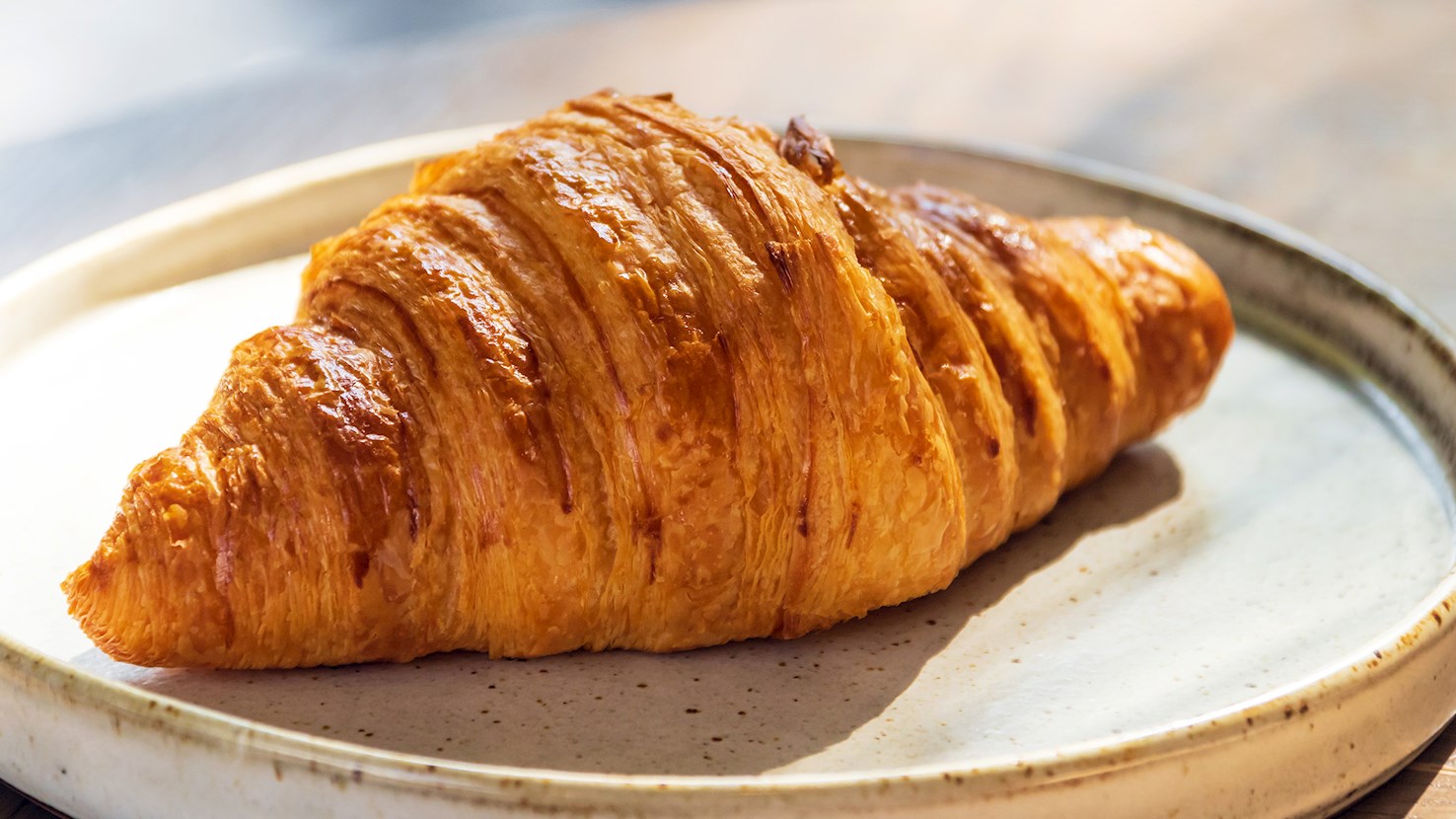
Croissant

4.3 ·

These flaky, golden-colored, crescent-shaped pastries are best made with pure butter and a slightly sweet yeast dough. If made properly, the yellow-white interior should be just the slightest bit elastic when pulled from the center, ready to be covered with a pad of butter or some fresh jam. Experts agree that the croissant was heavily influenced by Austrian kipfels. This pastry originated in 1683 as a celebration of the Austrian victory over the Ottoman Empire, its shape supposedly mimicking the crescent moon found on the Turkish flag. However, the croissant became French the moment people began to make it with puff pastry, a French innovation. Today, French croissants come filled with chocolate, jam, raisins, or even cream cheese. Sold fresh at numerous French boulangeries, they are mainly consumed as a breakfast item.

08

Banitsa sas sirene (Banitsa with cheese)

4.3 ·

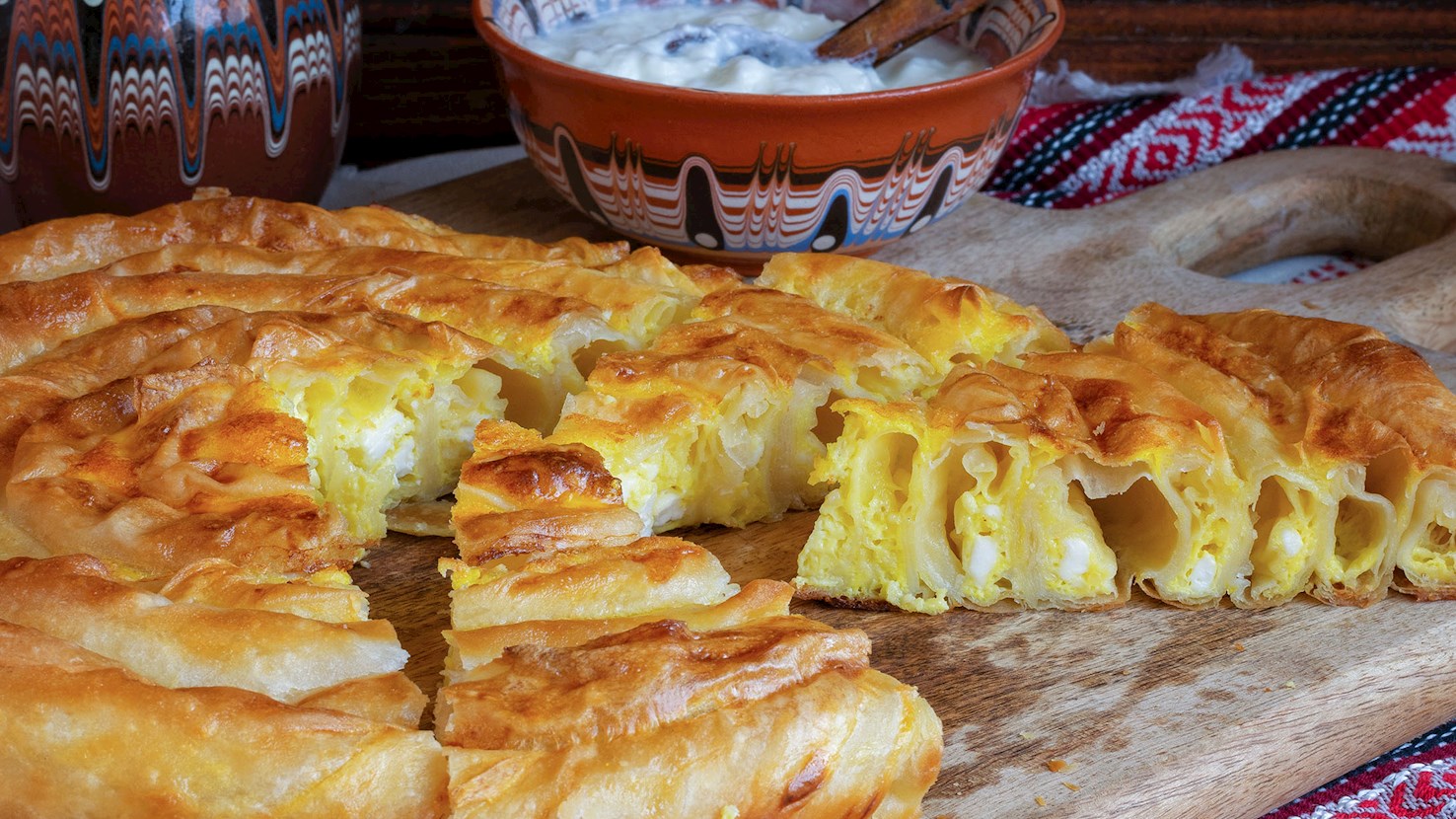
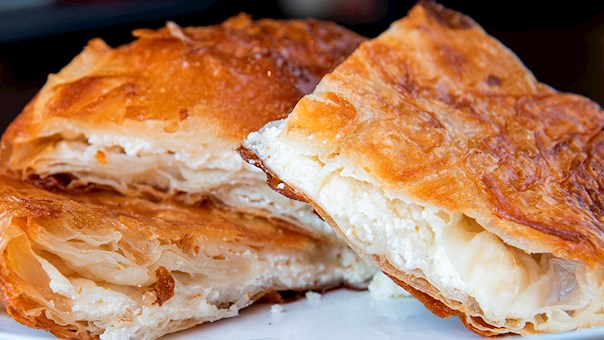
The Bulgarian pie banitsa made with cheese is the main version of this traditional pie. It's made by layering sheets of buttered phyllo pastry with a combination of eggs, yogurt, and cheese such as sirene and feta. There's an optional ingredient in the preparation of banitsa and it's baking soda, which makes the yogurt rise and makes the pie fluffier and richer in flavor. Traditionally, banitsa with cheese was prepared and served on Christmas and New Year's Eve, but nowadays it can also be bought throughout the year at grocery stores, street vendors, kiosks, and pretty much everywhere. Apart from this basic variety, there are also other types of savory or sweet banitsa pies filled with various vegetables and fruits.

09

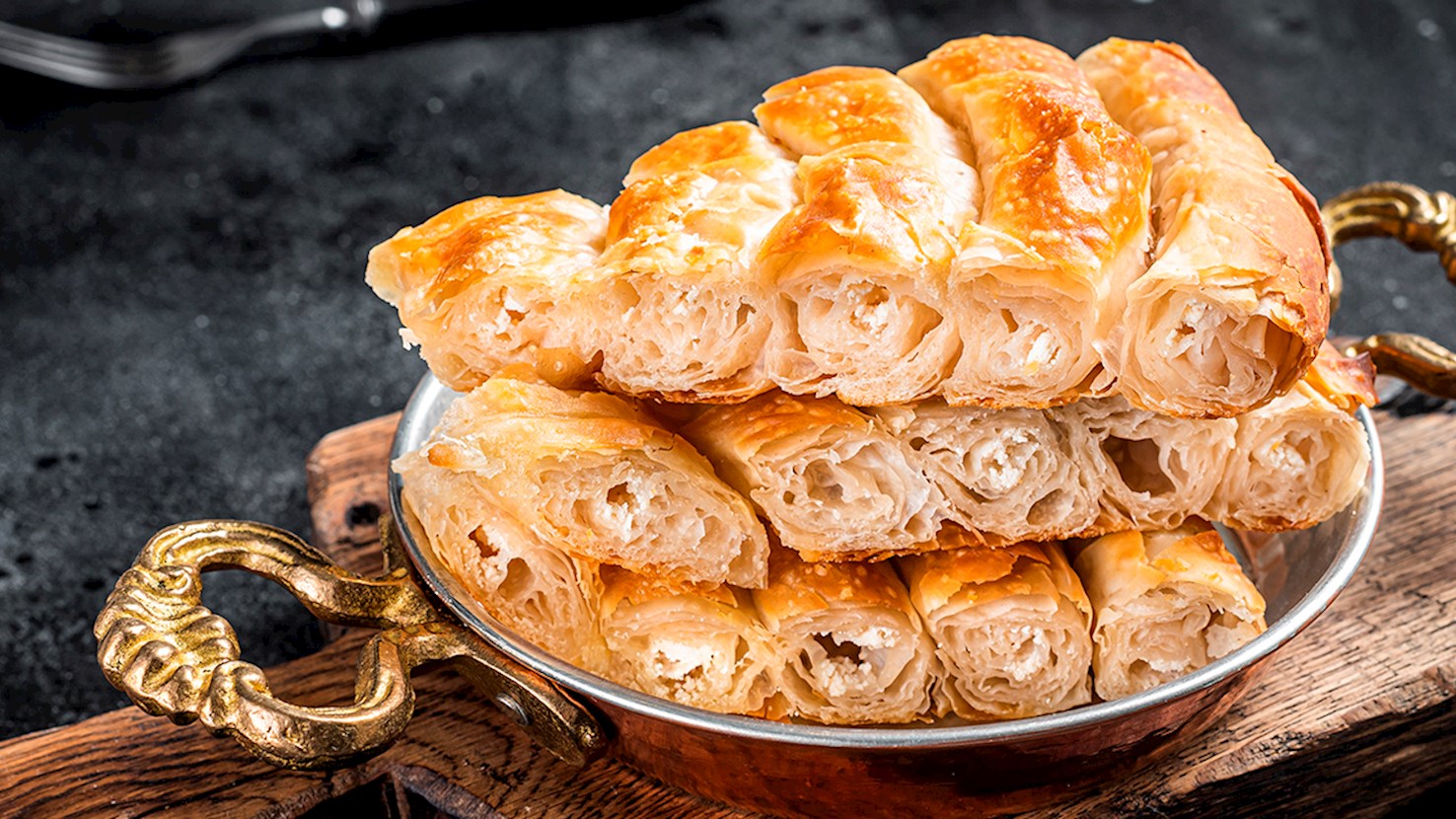
Burek

4.3 ·

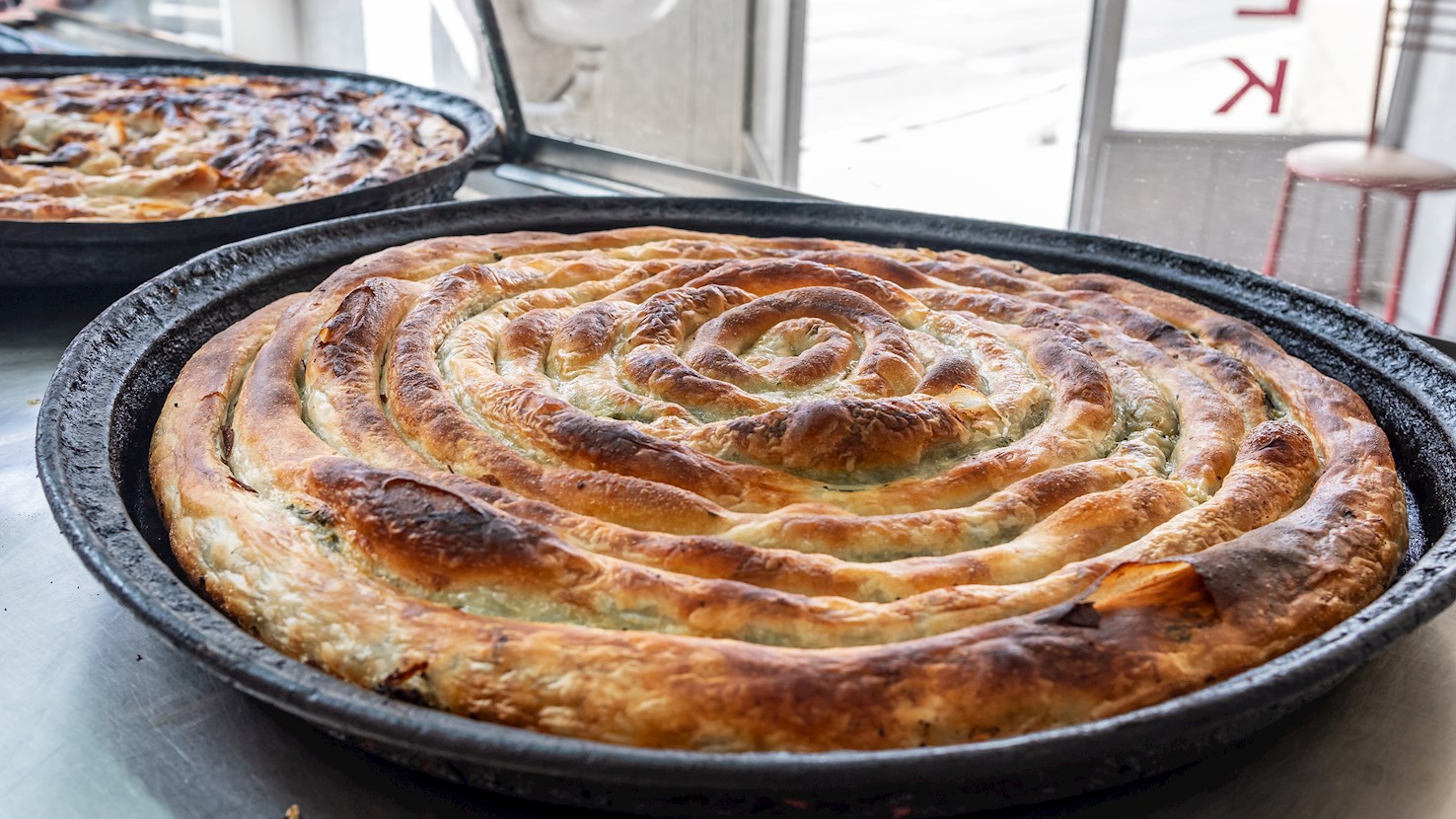
Burek consists of layers of phyllo dough stuffed with various savory fillings. Despite its Turkish origins, this dish has evolved into a proud gem of Bosnian national cuisine. Although most locals claim that only burek with ground beef can be called burek, the same dish also appears with other fillings, and these other varieties are known by different names: sirnica (cottage cheese), zeljanica (spinach), and krompiruša (potatoes). Burek is baked rolled into a snail-like shape and this type is typically found in bakeries, while traditional restaurants often make it in the form of a pie, which is sliced into quarters before serving. The dish is wildly popular all across the Balkans, though in Bosnia and Herzegovina, the cultural significance of this everyday staple is incomparable and best summed up in a number of local proverbs suggesting that if a woman can make a good burek, she's eligible for marriage.

10

Sfakianopita

4.3 ·

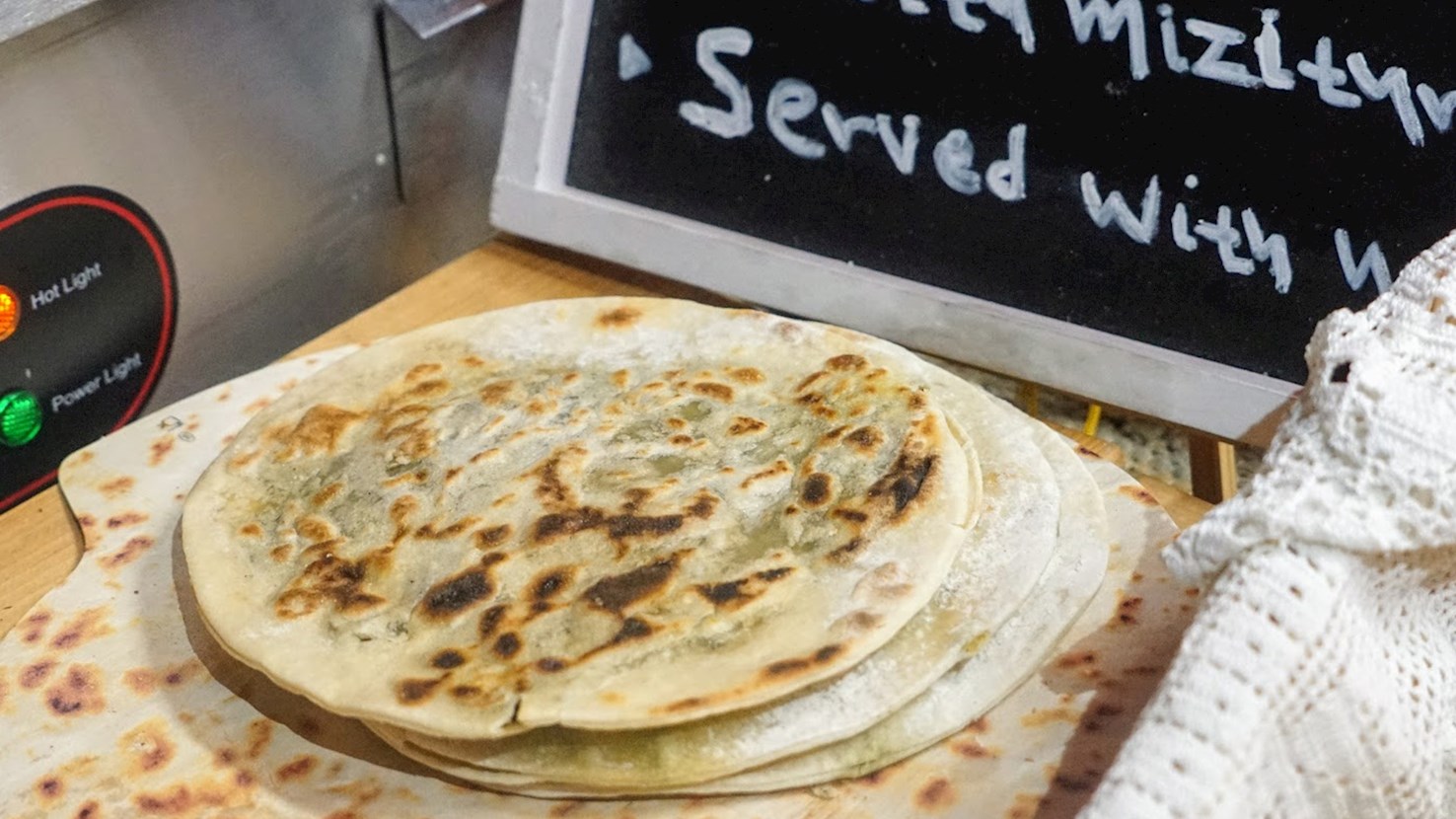
Sfakianopita is a traditional Cretan treat that couples layers of thin, unleavened dough and soft white whey cheese. The pie is typically made with flour, olive oil, water, salt, and a shot of raki (Cretan tsikoudia), and rather than being filled with local myzithra cheese, the dough is kneaded with the cheese. The whole combination is then flattened out into a thin, almost crepe-like or pancake-like circle and fried until golden, spotted, and crispy. Also known as sfakiani pita or mizithropita, this specialty is believed to have been created by Cretan shepherds from Sfakia, hence the name sfakianopita. The pie is usually enjoyed warm as a sweet breakfast and is traditionally served drizzled with thyme honey, creating a perfect blend of sweet and savory flavors. Other typical toppings used for flavoring the pie include sesame seeds, cinnamon, and almond slivers. It can also be transformed into a savory pie, depending on personal preferences. Sfakianopita can be found in almost any traditional tavern, and it is usually accompanied by cold tsikoudia on the side.

Read more
View all
View map
About this ranking

TasteAtlas food rankings are based on the ratings of the TasteAtlas audience, with a series of mechanisms that recognize real users and that ignore bot, nationalist or local patriotic ratings, and give additional value to the ratings of users that the system recognizes as knowledgeable. For the “Top 100 European Breakfasts” list until May 15, 2026, 16,678 ratings were recorded, of which 12,315 were recognized by the system as legitimate. TasteAtlas Rankings should not be seen as the final global conclusion about food. Their purpose is to promote excellent local foods, instill pride in traditional dishes, and arouse curiosity about dishes you haven’t tried.

Similar lists