

shutterstock

Top 13 Hungarian Cakes

Last updated on June 15, 2026
01

Krémes

4.1 ·

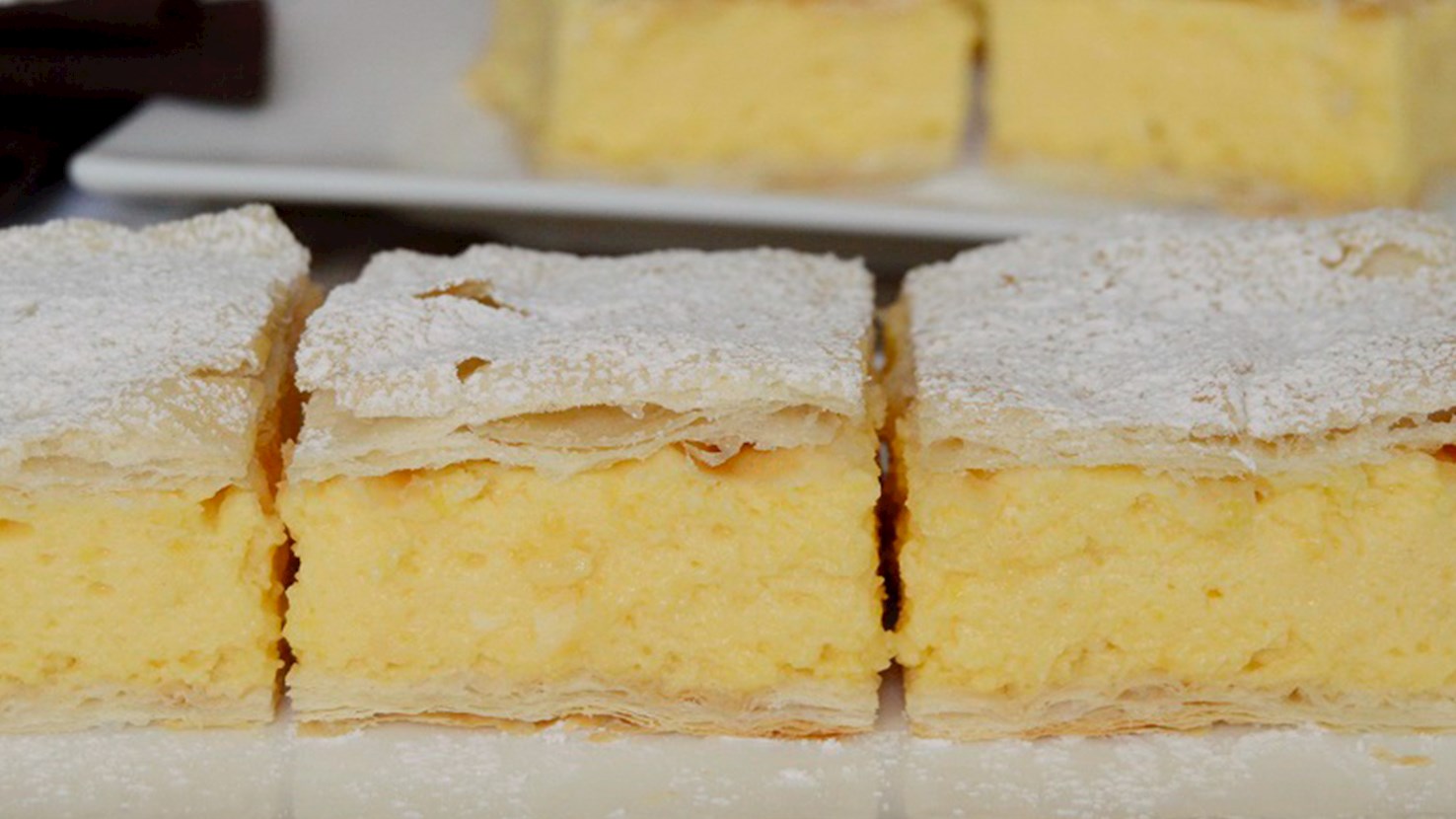
The Hungarian version of the famous cremeschnitte goes under the name krémes, meaning creamy. It combines two layers of puff pastry held together with a generous amount of smooth pastry cream. Though the recipe has been slightly modernized, the classic krémes pastry cream should be light and airy, while the top is usually dusted with powdered sugar. Traditionally served cut into large, rectangular slices, the dessert is a Hungarian classic and a staple at numerous pastry shops throughout the country.

02

Esterházy torta

4 ·

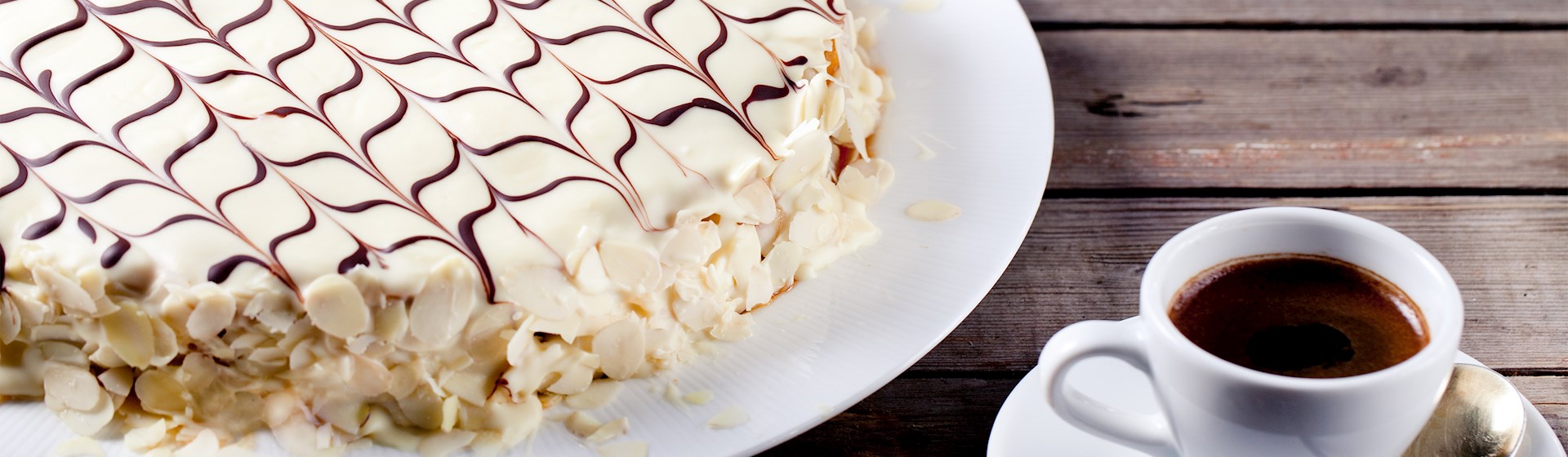
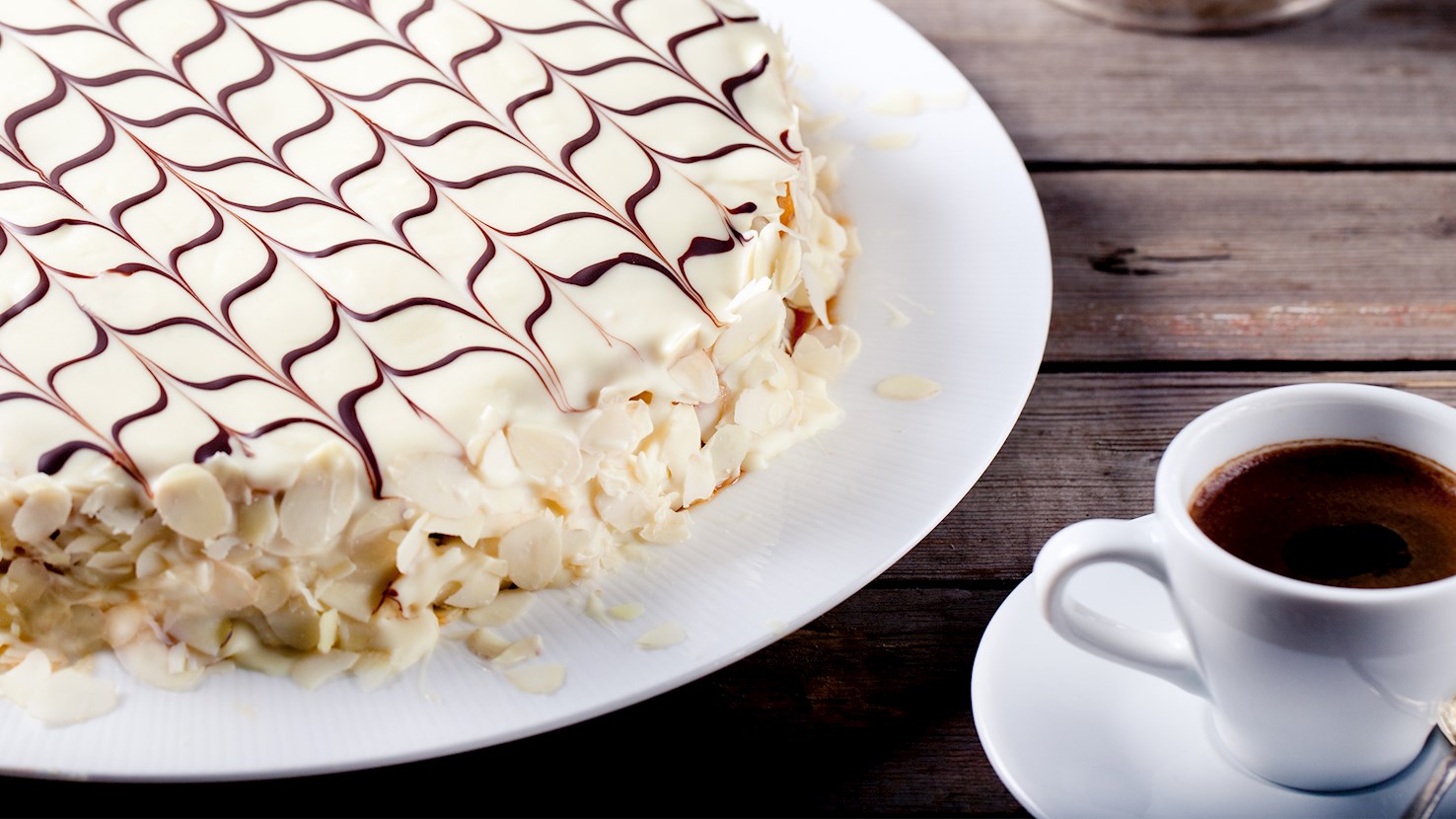
This decadent Hungarian dessert is said to have been invented by Budapest confectioners in the 19th century. It is named after a member of the Esterházy dynasty, Prince Paul III Anton Esterházy de Galántha, a nobleman and diplomat, and also a well-known gourmand. Traditionally, Esterházy torta consists of several layers of almond meringue and a rich, cognac-spiked vanilla buttercream, although in modern versions almonds are often replaced with either walnuts or hazelnuts. The cake is topped with a white fondant icing and decorated with chocolate in either a spiderweb or chevron marbling style. Today, it is one of the most popular desserts not only in Hungary, but also in Austria and a number of other Central European countries.

03

Dobostorta

4 ·

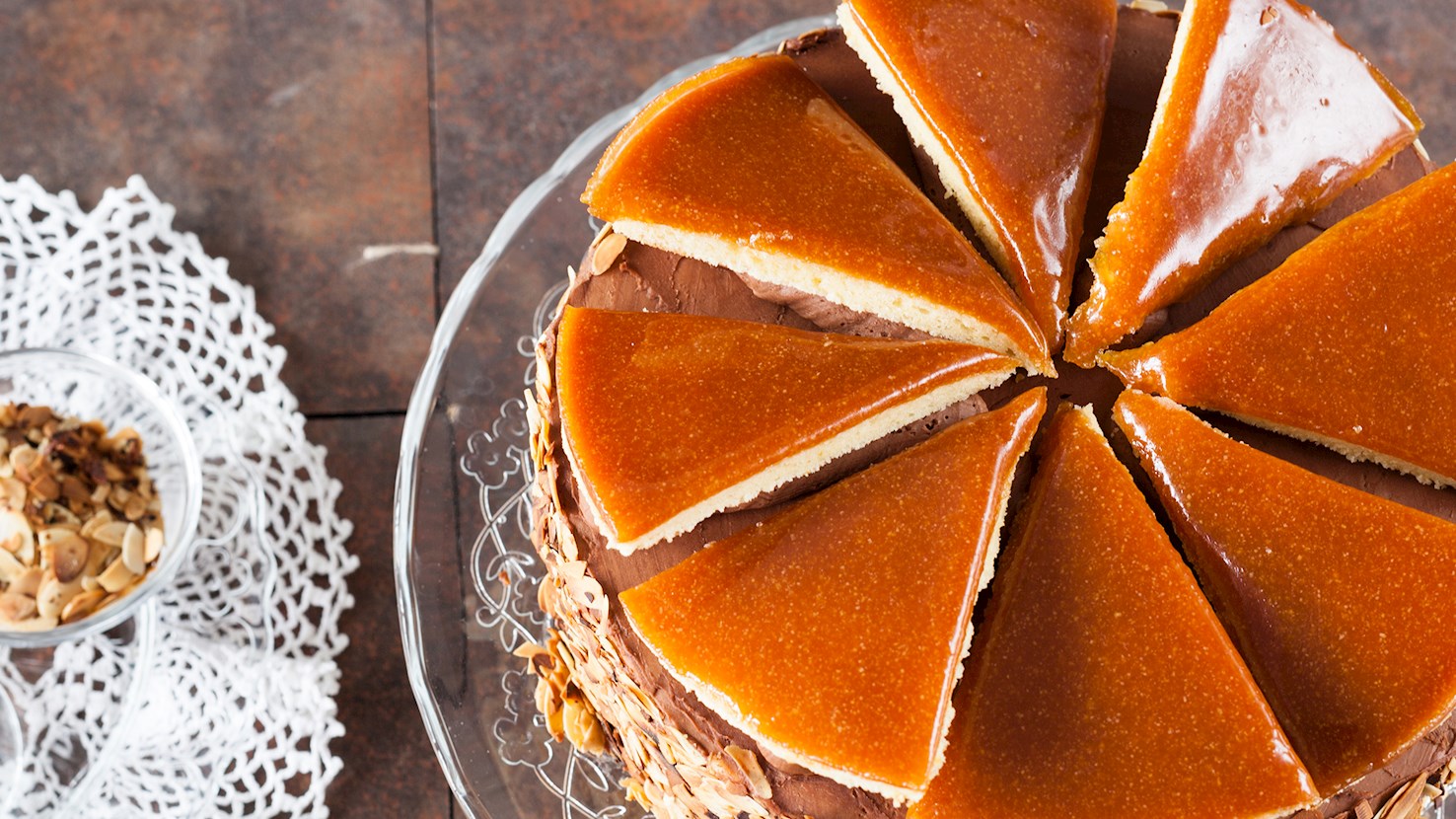
Dobostorta is a round cake consisting of six thin sponge cake layers and five layers of chocolate buttercream. As an attempt to make a cake that would be able to keep longer than usual, the Hungarian confectioner named József C. Dobos first introduced the Dobostorta at the National General Exhibition of Budapest in 1885. To prevent it from drying out, the cake also has a glistening layer of hard caramel on top, while the sides are often coated with ground nuts. Before it hardens, the layer of caramel should be cut into slices with a special Dobos knife, and the pieces of caramel are then arranged on top of the cake. Interestingly, Dobostorta had inspired the chocolate or lemon flavored New Orleans creation known as doberge cake, which was first made in the 1920s by Beulah Ledner.

04

Somlói galuska

3.9 ·

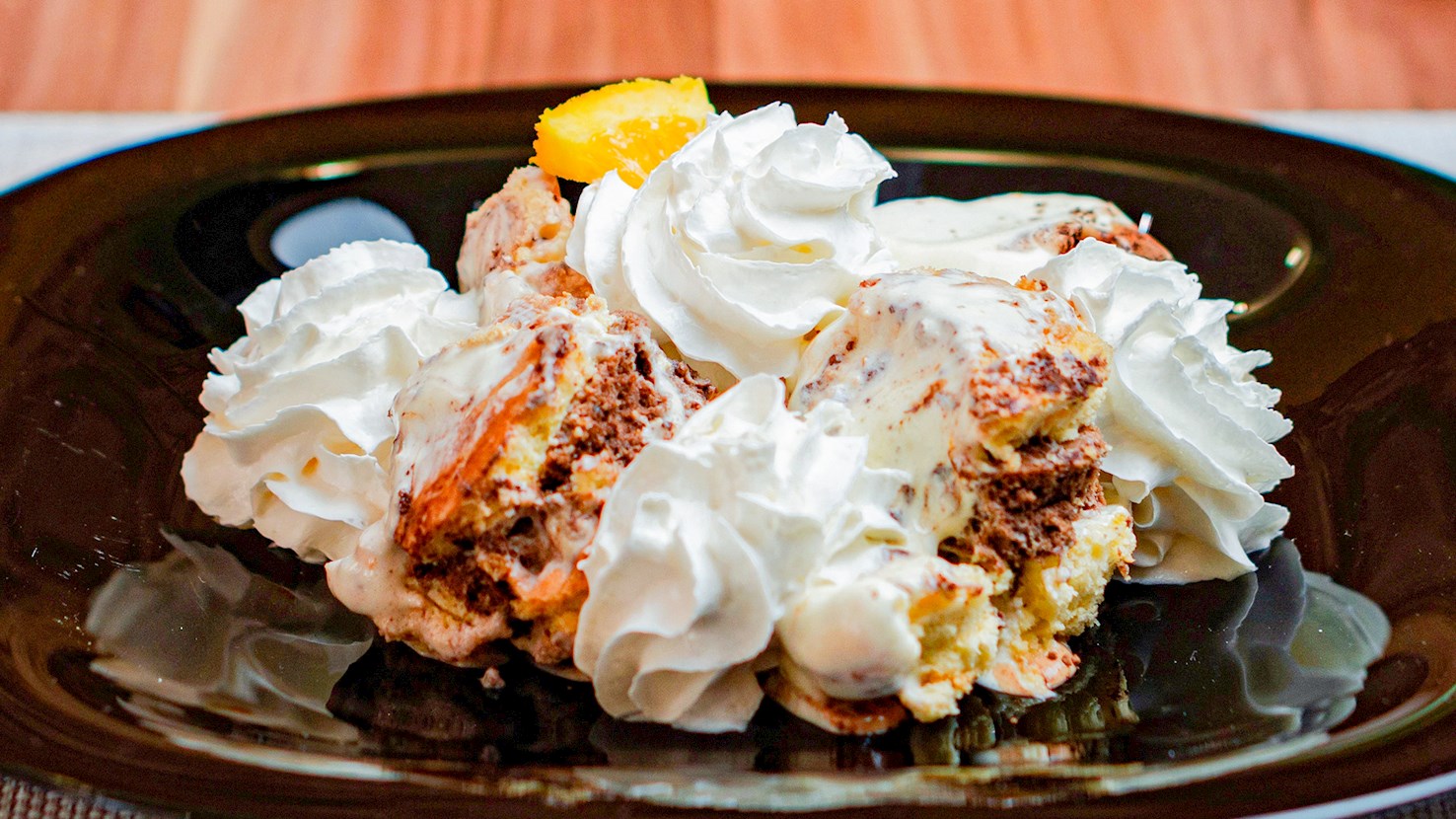
Even though its name translates to somló dumpling, this classic Hungarian dessert is actually a trifle cake made of several layers of sponge and custard cream, studded with raisins soaked either in rum or the sweet Tokaji Aszú wine, then topped with whipped cream. Somlói galuska was invented in the 1950s—the novel dessert was first envisioned by Károly Gollerits, then headwaiter at the famous Gundel restaurant in Budapest, and later created by Gundel's master pastry chef József Béla Szőcs, whose cake became an award-winner at the Brussels World’s Fair of 1958. Over time, though it has been reimagined and modernized by many, and some places have even created their own signature versions, somlói galuska has remained one of Hungary's all-time favorites.

05

Zserbó

3.9 ·

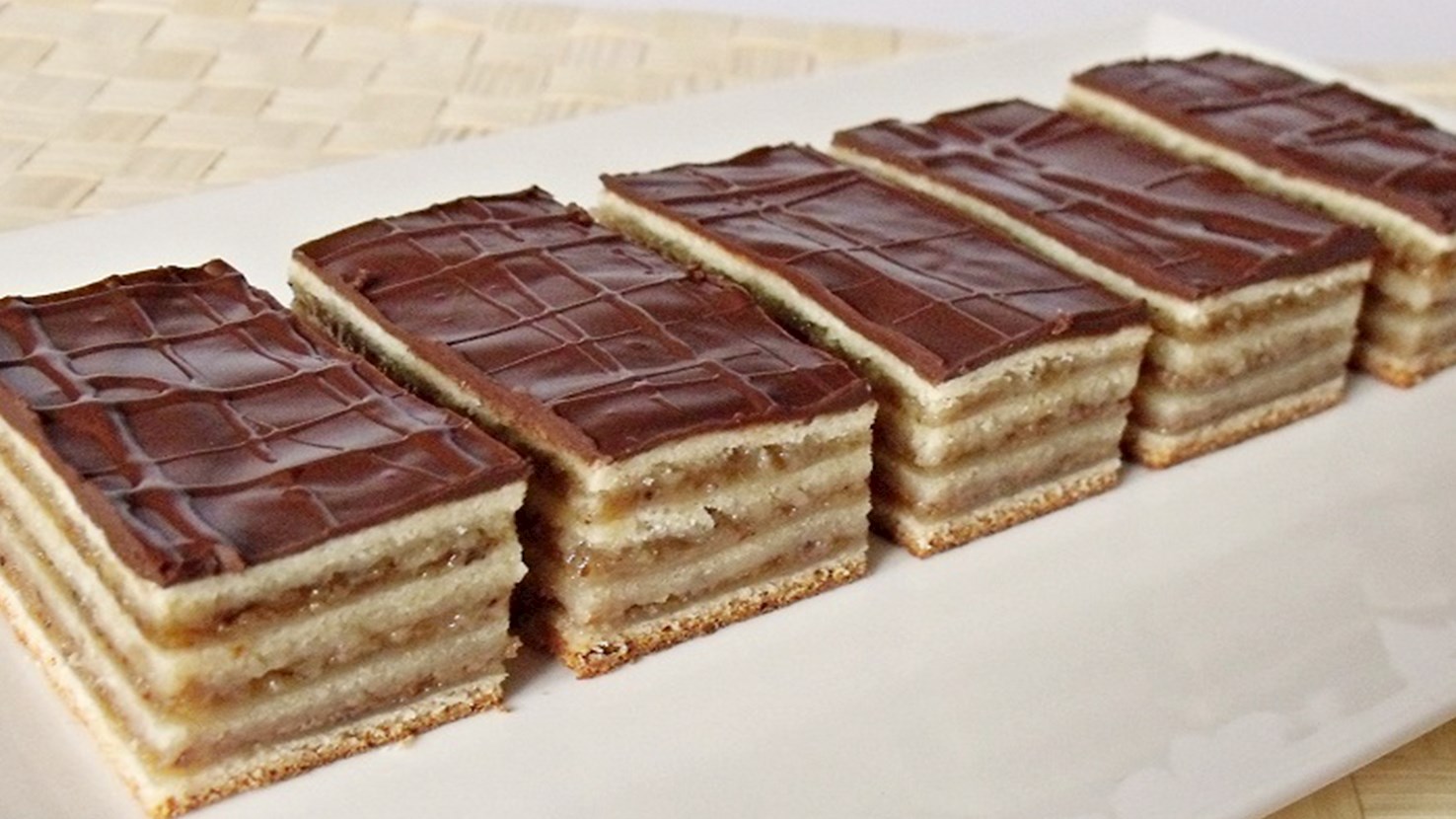
This layered, chocolate-topped apricot and walnut cake was invented by a Swiss chocolatier named Émile Gerbeaud—pronounced zserbó in Hungarian, hence the name—who moved to Budapest in 1884 to take charge of Kugler coffee house and pâtisserie, which is now the famous Café Gerbeaud. Soon after it was introduced, the delicious zserbó cake became a favorite all over Hungary. And although the original recipe calls for apricot preserve, it is not unusual to find other versions filled with ginger, apples, plum jam, or even honey and walnuts.

Best restaurants
06

Mézes krémes

3.8 ·

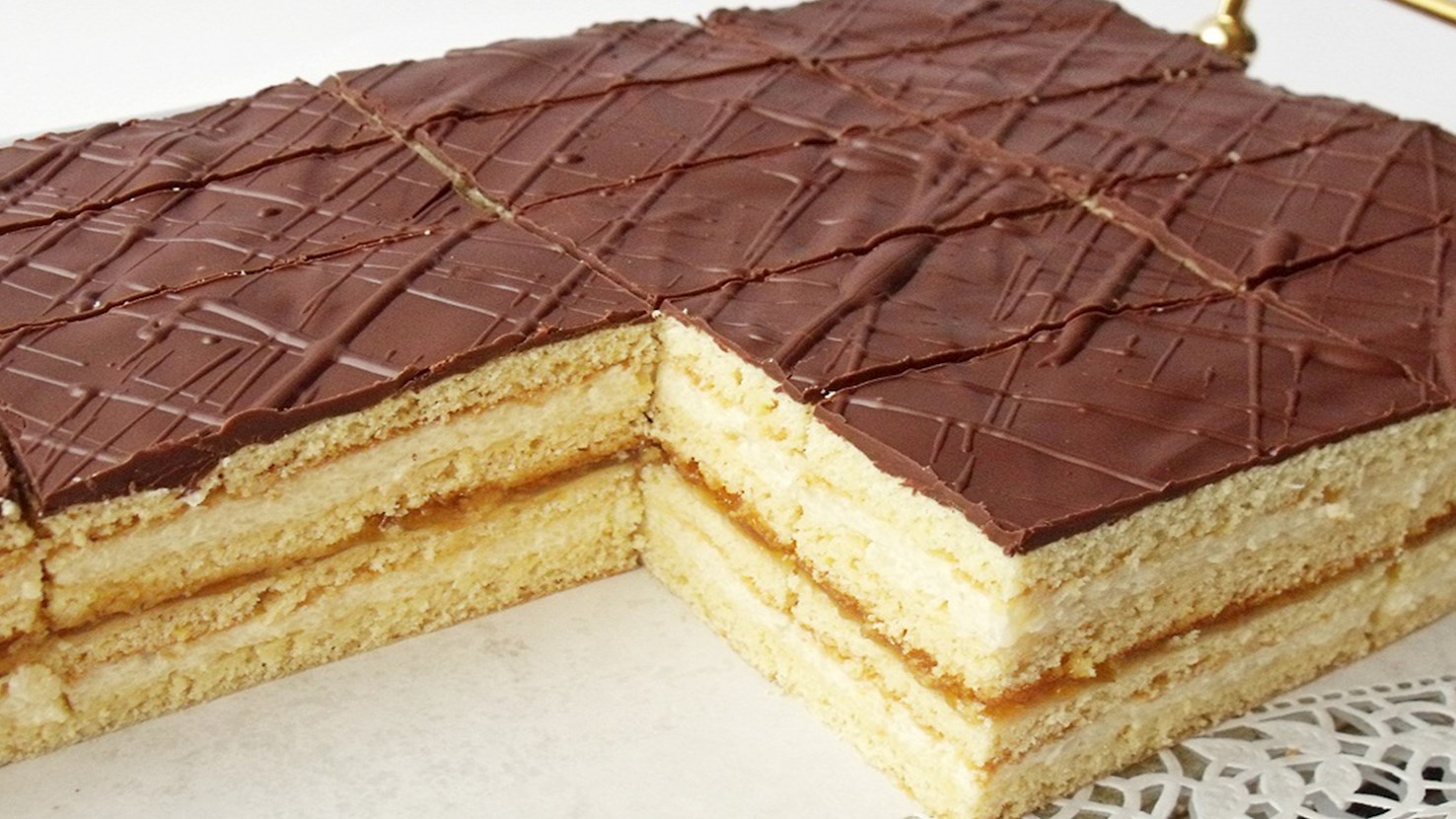
Mézes krémes is a delightful, honey-flavored dessert filled with semolina cream and apricot jam. This dish serves as an excellent representative of typical Hungarian cakes that are made from kneaded dough and cooked filling. It can be tricky to make as it requires very thin cake layers and, due to its honey content, all the ingredients have to be heated, and the dough has to be kept warm. After assembling the cake, it should stay in the fridge overnight to become soft and mellow.

07

Rigó Jancsi

3.8 ·

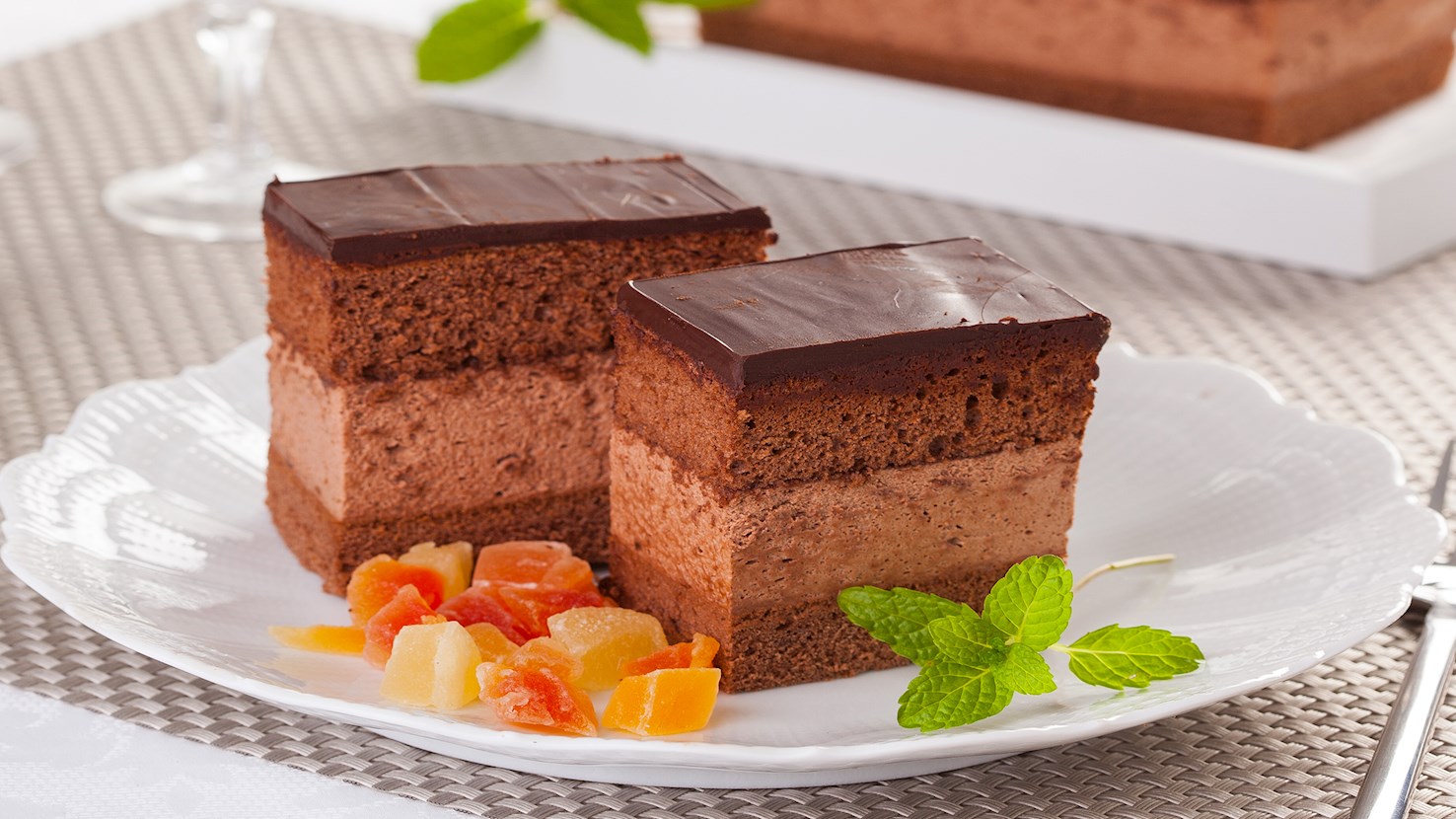
This classic Hungarian dessert consists of two layers of chocolate sponge held together by a luscious, mousse-like cocoa cream filling which is sometimes flavored with a splash of dark rum, while the cake itself is typically covered in a rich dark chocolate ganache. Rigó Jancsi is said to have been invented at the turn of the 20th century and named after a famous Hungarian Gypsy violinist who seduced and eventually married Clara Ward, the daughter of an American millionaire named Eber Brock Ward and the wife of Belgian Prince de Caraman-Chimay. The two lovers met while Rigó performed with his orchestra in a posh Paris restaurant which was frequented by a number of Belgian aristocrats. Legend has it that Clara was instantly fascinated by Rigó’s music, but even more so mesmerized by his passionate black eyes. Shortly thereafter, due to the scandalous romance story of a Belgian princess debauching into the sin of adultery, running off with a Gypsy musician and leaving behind her husband and two children, the decadent dessert also known as Gypsy John gained popularity both in Hungary and abroad, and it is still considered to be one of the most famous Hungarian desserts. It's also popular in Rijeka, a city in Croatia, because Clara and Rigó visited Rijeka in 1896, and the locals loved the cake, which is still regularly served in the city.

08

Flódni

3.7 ·

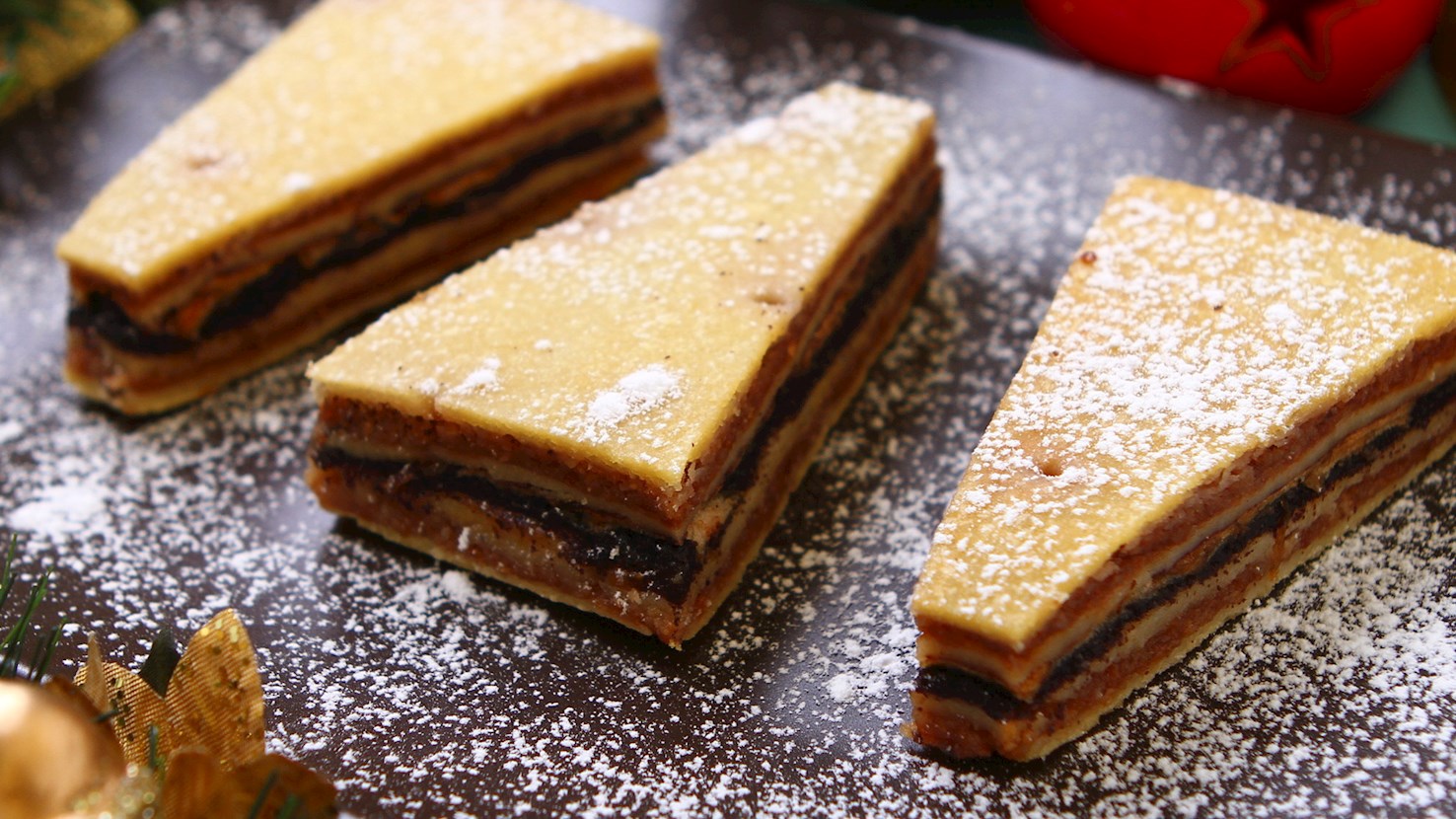
A traditional Hungarian-Jewish dessert known as flódni is a layered cake with walnut, apple, plum jam, and poppyseed fillings. The dough is made with flour, salt, sugar, butter, egg yolks, and white wine, while the fillings are enriched with lemon juice, cinnamon, chocolate, white wine, honey, and cloves. Flódni is especially popular during the festive holiday season – some bake it for Hanukkah or Christmas, while others prepare it for New Year’s Eve.

09

Dios torta

3.6 ·

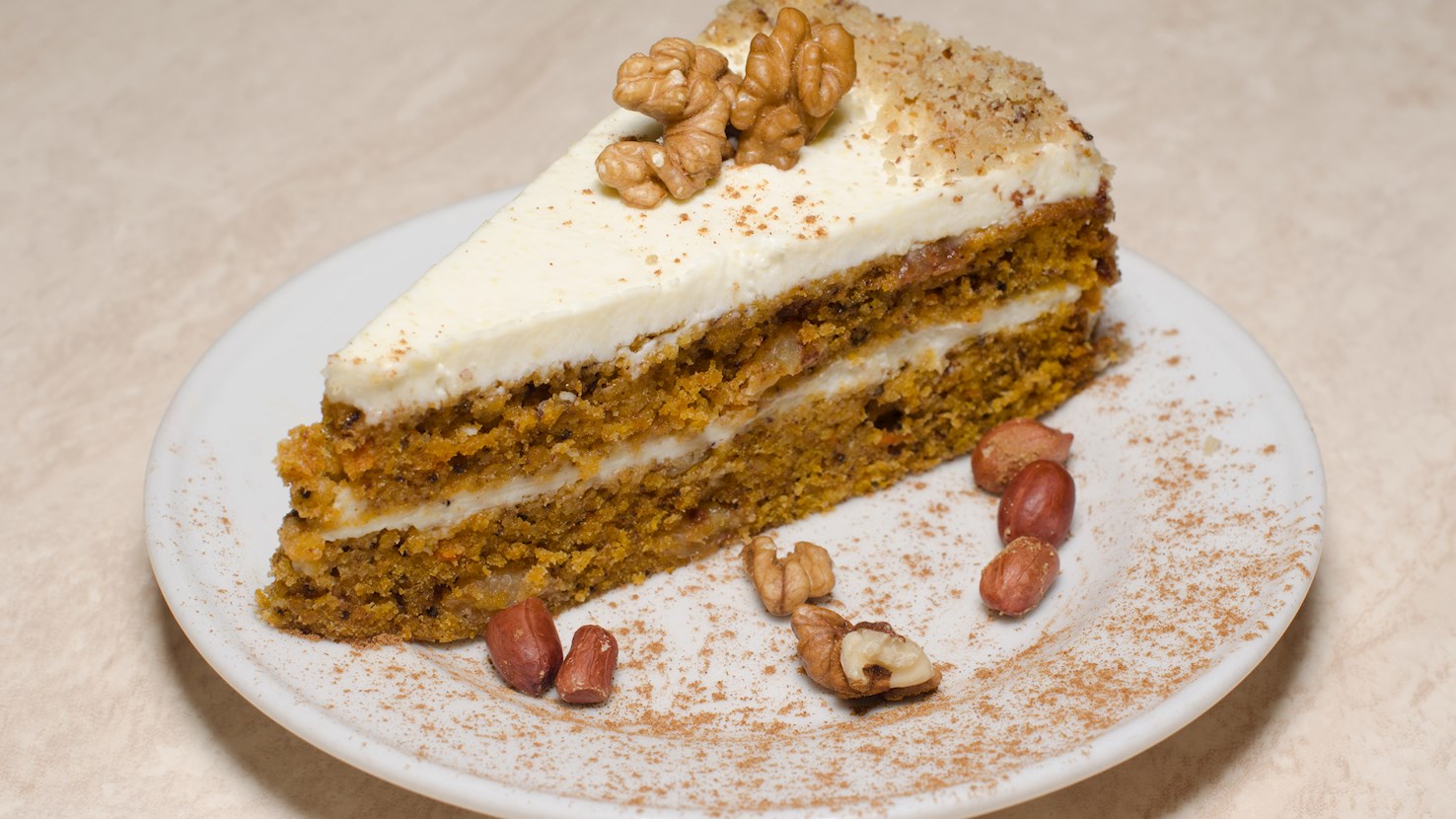
Dios torta is a traditional chocolate sponge cake originating from Hungary. It consists of a walnut sponge and layers of chocolate buttercream. The walnut sponge cake is made with a mixture of eggs, sugar, ground walnuts, baking powder, flour, and lemon zest. The chocolate buttercream is made with a combination of egg yolks, milk, sugar, chocolate, butter, and vanilla. The sponge and the buttercream are layered and stacked, and the cake is then garnished with walnuts and chocolate shavings on top.

10

Kókuszkocka

3.6 ·

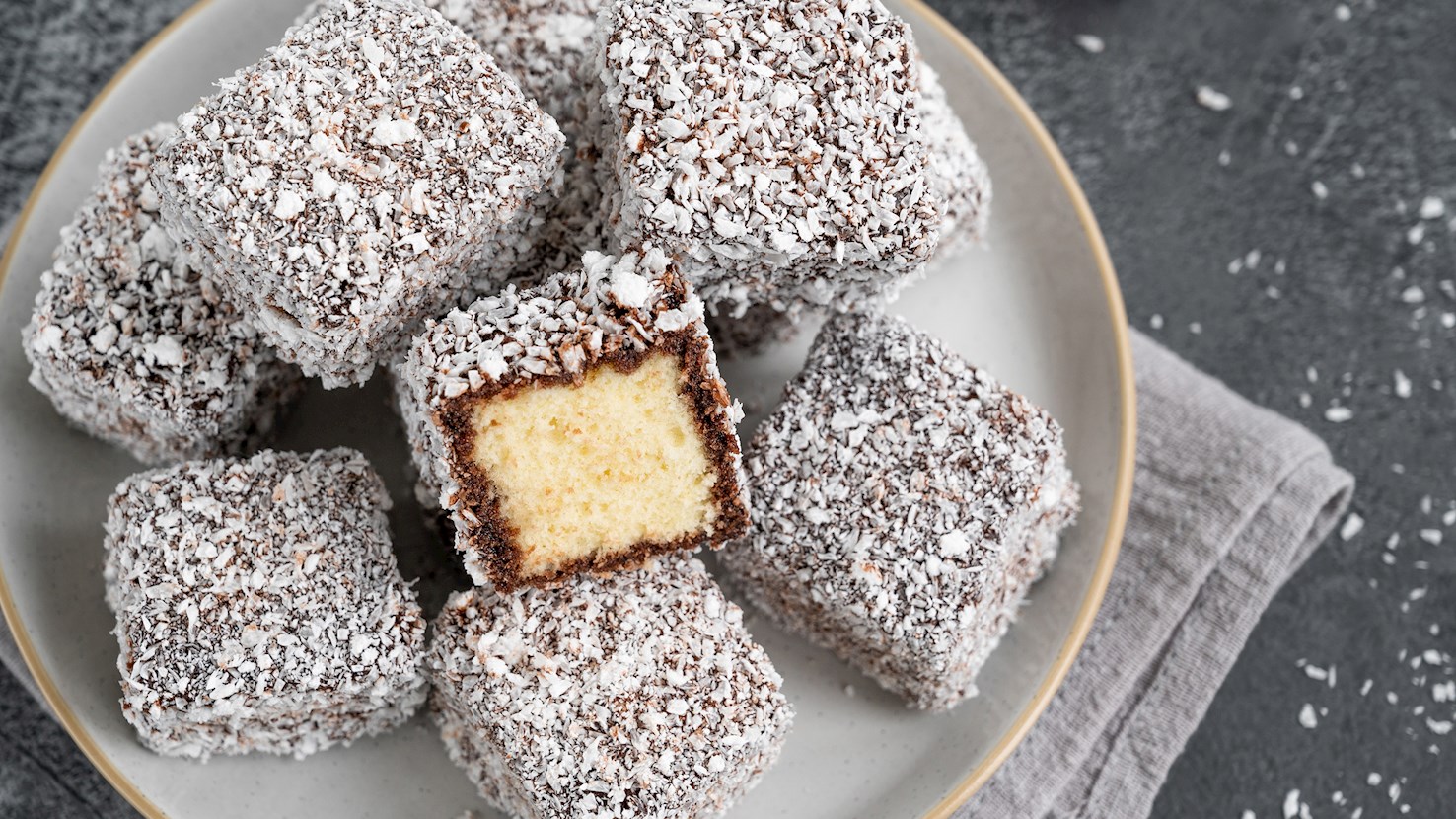
Čupavci are traditional Croatian cakes that are also popular in Poland, Slovakia, Hungary, and throughout the Balkans under different names. They consist of a sponge cake that is dipped in chocolate and sprinkled with finely desiccated coconut. Čupavci are extremely popular due to their climate suitability as they don't dry out when cut into bite-sized squares and covered in coconut. A very similar cake can also be found in Australia and New Zealand in many supermarkets, cafés, and bakeries, and it's known as lamington, but this variety is often made with a layer of fruit jam, unlike its European counterpart. In Croatia, čupavci are a Christmas staple. In Slovakia, the cake is called kokosové ježe, in Poland it's known as kostka kokosowa, while the Hungarian name is kókuszkocka.

Read more
View all
View map
About this ranking

TasteAtlas food rankings are based on the ratings of the TasteAtlas audience, with a series of mechanisms that recognize real users and that ignore bot, nationalist or local patriotic ratings, and give additional value to the ratings of users that the system recognizes as knowledgeable. For the “Top 13 Hungarian Cakes” list until June 15, 2026, 1,245 ratings were recorded, of which 892 were recognized by the system as legitimate. TasteAtlas Rankings should not be seen as the final global conclusion about food. Their purpose is to promote excellent local foods, instill pride in traditional dishes, and arouse curiosity about dishes you haven’t tried.

Similar lists