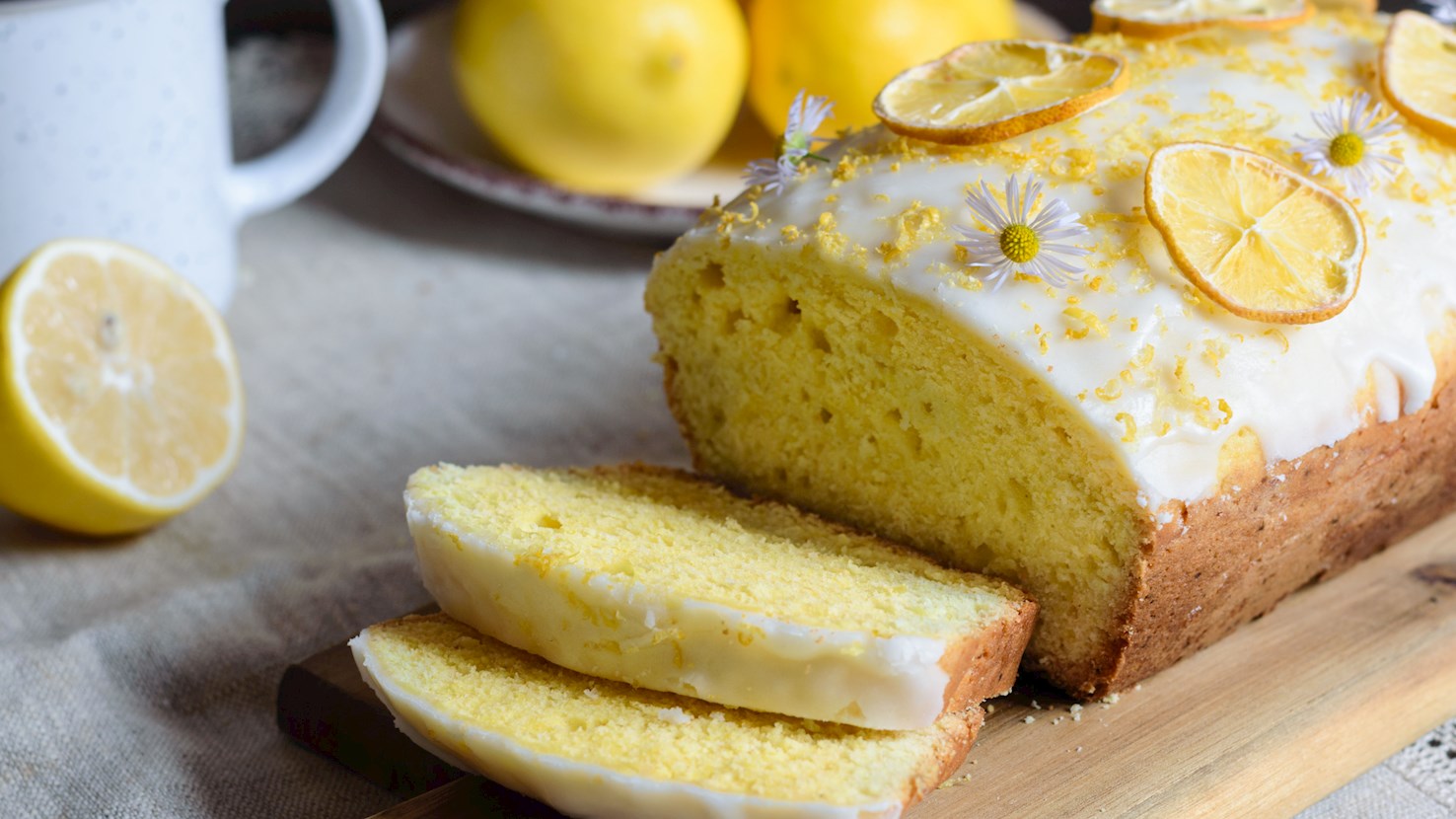
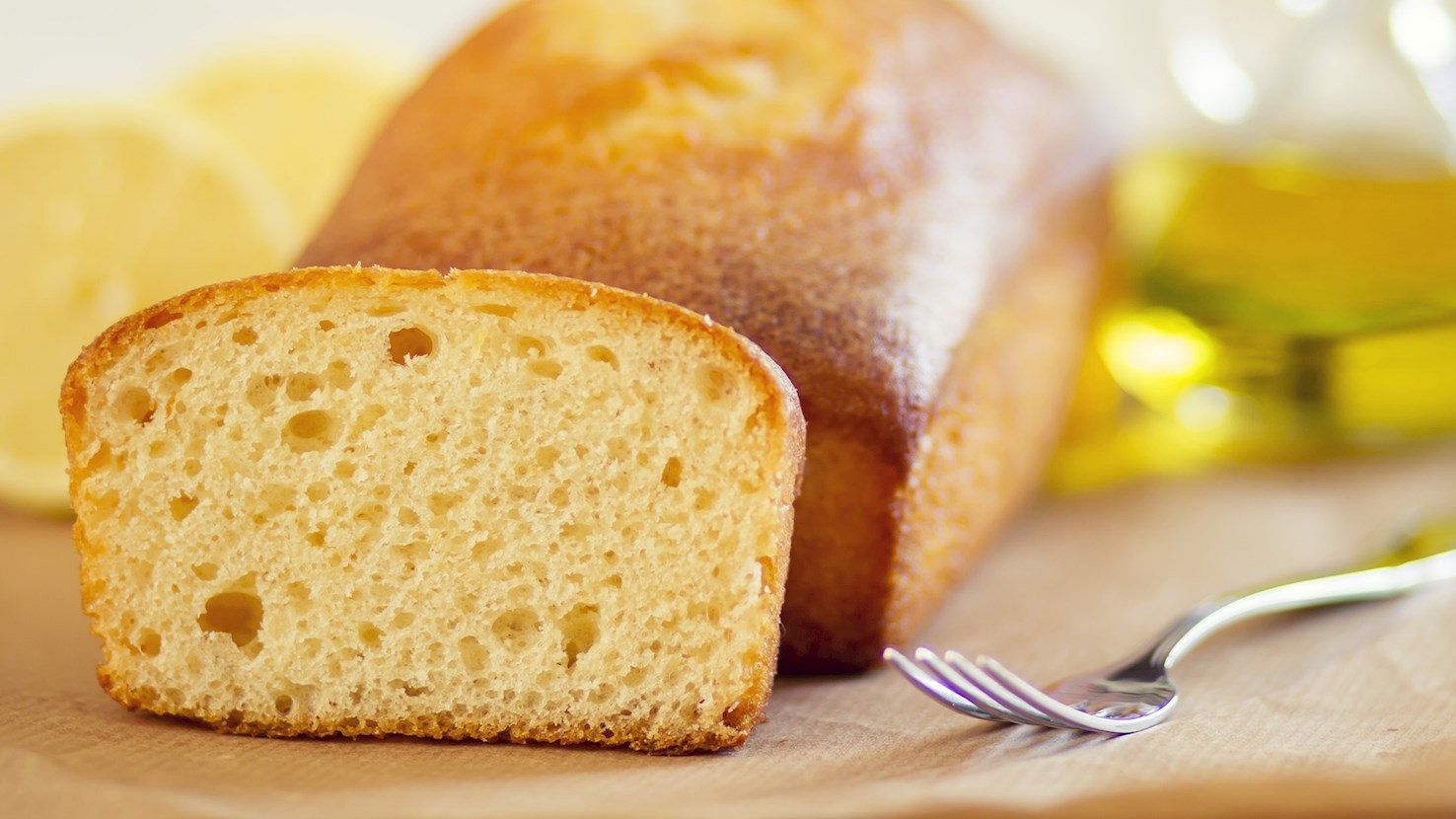
Lemon drizzle cake is a traditional cake and a staple of afternoon tea. Although not much is known about its origin, it is believed that the first lemon drizzle was made by a Jewish woman named Evelyn Rose in 1967. This simple sponge cake is usually made with a combination of flour, sugar, butter, eggs, milk, baking powder, lemon zest, and lemon juice. The ingredients are mixed in a bowl, then placed into a baking tray and baked in an oven. The lemon juice is mixed with icing sugar, and once the cake is done, the icing is drizzled over it in order to give the cake a refreshing, bright, lemony, and slightly sharp flavor. It's recommended to serve this cake with a cup of Early Grey tea on the side.
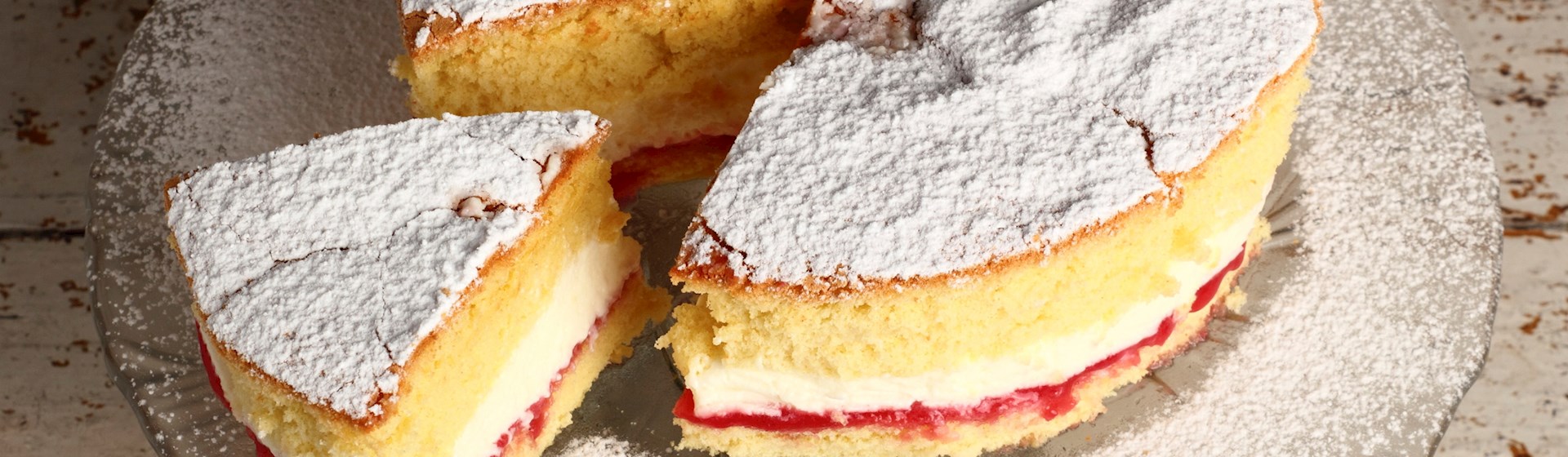
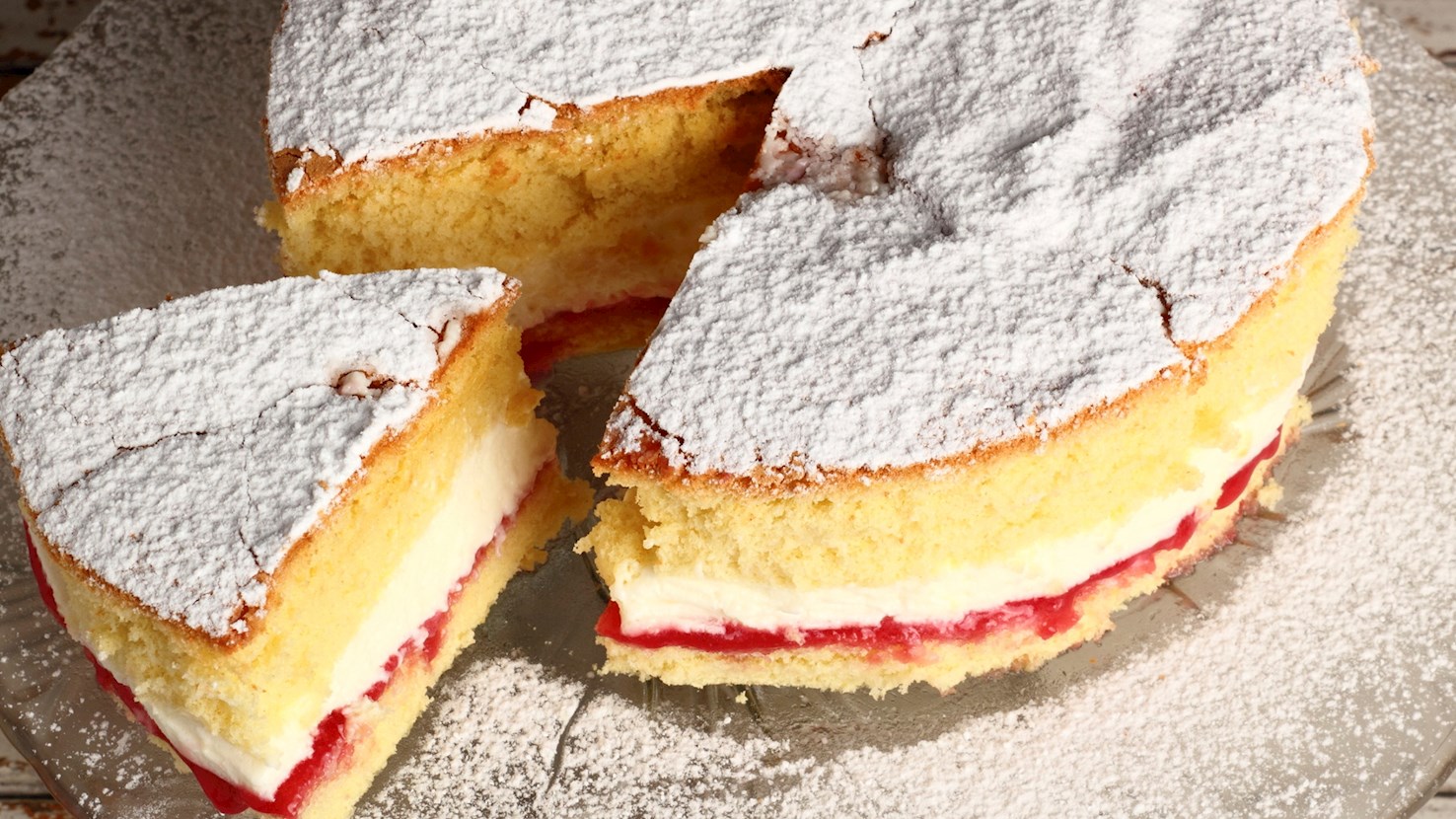
Victoria sponge is an English layer cake filled with fruit jam (and sometimes, whipped cream). It was invented by Queen Victoria's cooks in the 19th century, when it was one of the main stars at the Queen's tea parties, along with sandwiches and scones. The jam used in Victoria sponge is usually raspberry or strawberry jam, although modern variations are sometimes filled with apricot and greengage jam. Whipped cream is a 20th-century addition to the filling, and some purists, such as the official Women's Institute, claim that a true Victoria sponge can only have a jam filling. Today, the cake can be found in most English tearooms, where it is typically dusted with caster sugar and served in slices.
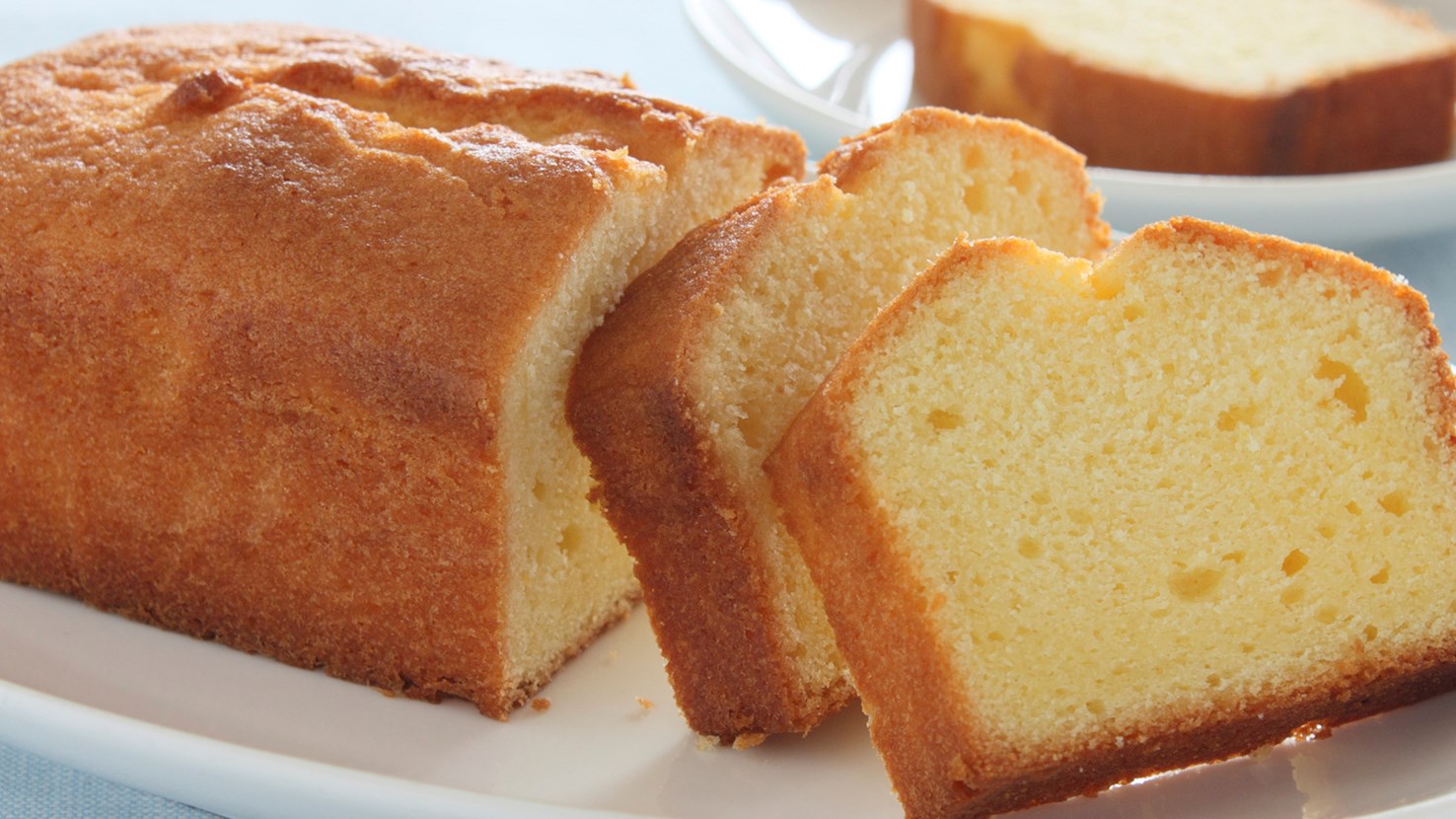
Pound cake is a dense, rich dessert originally formulated using exactly one pound each of four primary ingredients: flour, butter, eggs, and sugar. The earliest written documentation of this exact ratio appeared in 1747 in the English book The Art of Cookery by Hannah Glasse, and later crossed the Atlantic to appear in American Cookery, the first domestic recipe book published in the United States in 1796. The foundational recipe evolved significantly over the nineteenth century, most notably when author Eliza Leslie introduced a modified version in 1851 that incorporated ten beaten eggs, wine, brandy, rose water, and fresh citrus juice, fundamentally altering the flavor profile. During the same era, substituting a portion of the wheat flour with dried cornmeal gave rise to the Indian pound cake, a variation introduced in 1828 that later became highly valued in Ireland as a cheap alternative to expensive grains. The standard batter requires robust all-purpose flour, as lighter cake flours simply lack the structural strength to support the massive weight of the ingredients. To produce the loaf, equal weights of the fats and sugars are thoroughly creamed together before the eggs and flour are gently folded in, forming a thick paste that is poured into a rectangular loaf pan or a circular bundt mold. While historical iterations relied exclusively on egg aeration for lift, modern formulas often incorporate baking soda or baking powder to make the dense dough rise in the hot oven. Substituting vegetable oil for dairy butter or adding heavy dollops of sour cream heavily increases the internal moisture and introduces a sharp, tangy undertone. Once fully baked and cooled, the heavy loaf is typically sliced and served cold or slightly warmed, often dusted with powdered sugar, coated in a sugary glaze, or smothered with whipped cream and fresh fruit. Beyond the standard recipe, numerous global adaptations exist under different names. In France, the item is called quatre-quarts, translating directly to four quarters, perfectly reflecting the equal ingredient weights. French-speaking Caribbean territories modify this baseline by mashing overripe bananas directly into the batter or adding dark rum for holiday celebrations, occasionally whipping the egg whites separately to achieve a lighter crumb. In Mexico, the sweet loaf is called panqué, with popular variations that heavily incorporate crushed walnuts or dried raisins into the mix. Further south in Colombia, a phonetic translation created the ponqué, which involves drenching the baked sponge in sweet wine and coating it with heavy cream, serving as a mandatory centerpiece at weddings and birthdays. Across Germany, the foundational equal-part batter translates to Rührkuchen, or stirred cake, serving as a base cake that is heavily augmented with nuts, cocoa, or dried fruits to bake items like the marble-patterned Marmorkuchen or the Easter lamb cake. Another distinct offshoot is the British cherry cake, where bright red glacé cherries are evenly suspended throughout a Madeira sponge, using candied fruit because the heavy moisture of fresh cherries would immediately sink to the bottom and ruin the internal structure.
Even though it remains unclear exactly how long this traditional English sponge cake has been around for, one of the earliest known recipes for Madeira cake was found in Elizabeth Acton's Modern Cookery for Private Families, published in 1845. Back then, it was a custom to serve the cake with the famous Portuguese Madeira wine, hence the name. Today, the crumbly, lemon-flavored Madeira cake is a popular teatime dessert that is most often served dusted with icing sugar and topped with candied orange peel.
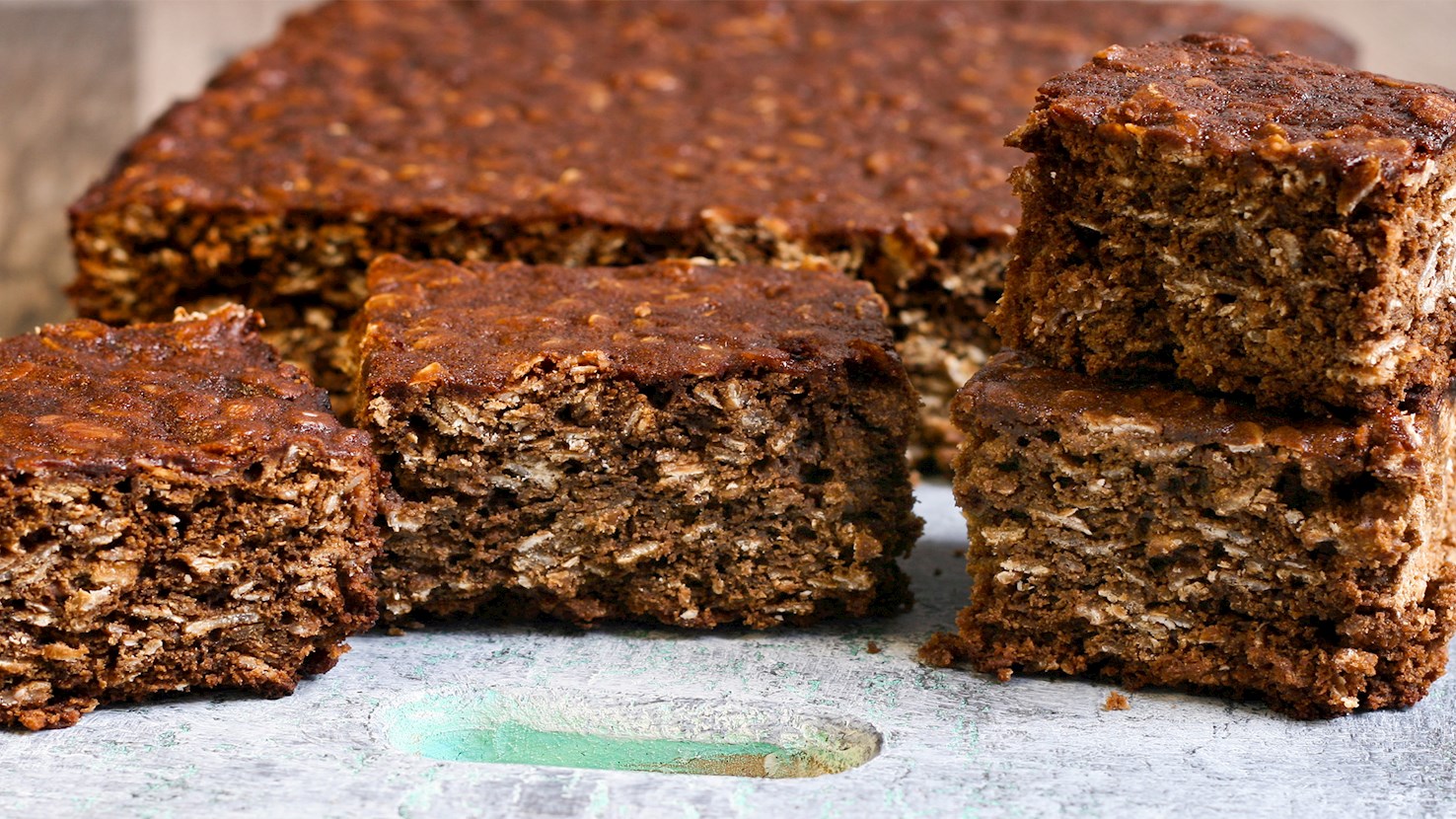
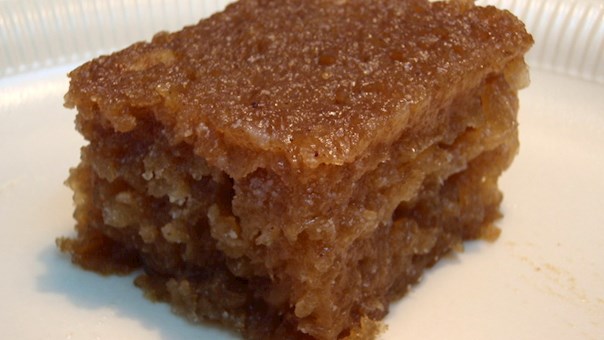
Parkin or perkin is a sticky cake originating from Northern England, although it is mostly associated with Yorkshire. It consists of flour, oatmeal, black treacle, and either lard or butter. Many cooks like to spice it up with a hefty dose of ginger in order to elevate the flavors. Parkin is characterized by its hard texture after baking, but if it is left in a sealed container, it becomes soft and moist. Parkin is always prepared for Bonfire Night (Guy Fawkes Night)—celebrated on November 5—but it is also commonly enjoyed throughout winter.
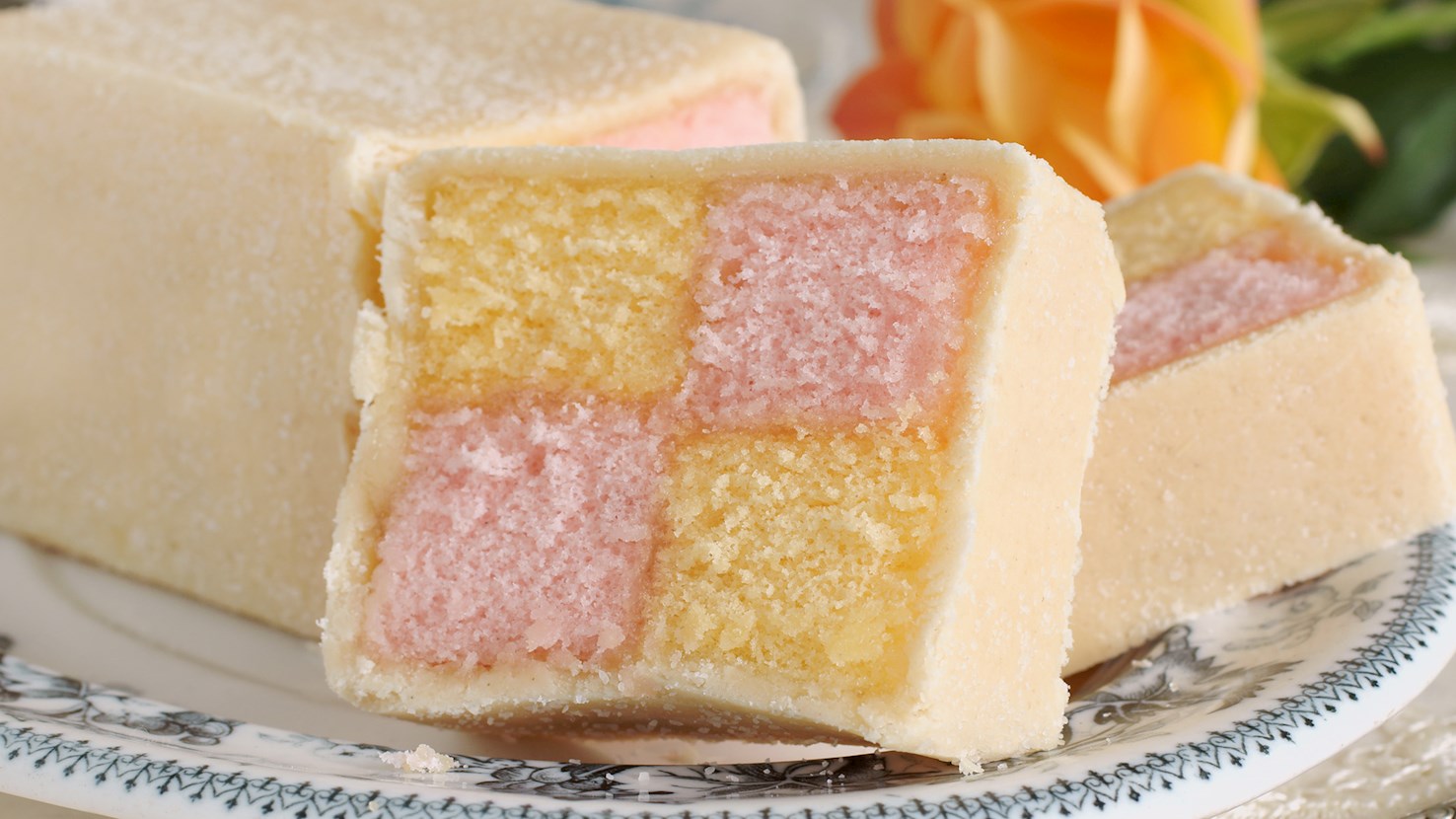
Battenberg cake is a light dessert consisting of alternating, colored squares of genoise sponge coated with an exterior of apricot jam and almond paste. It is believed that the cake was invented in order to celebrate the 1884 wedding of Prince Louis of Battenburg to Princess Victoria. The four sections of genoise sponge are supposed to represent the four Battenburg princes – Louis and his brothers. The cake is often enjoyed as a part of afternoon tea.
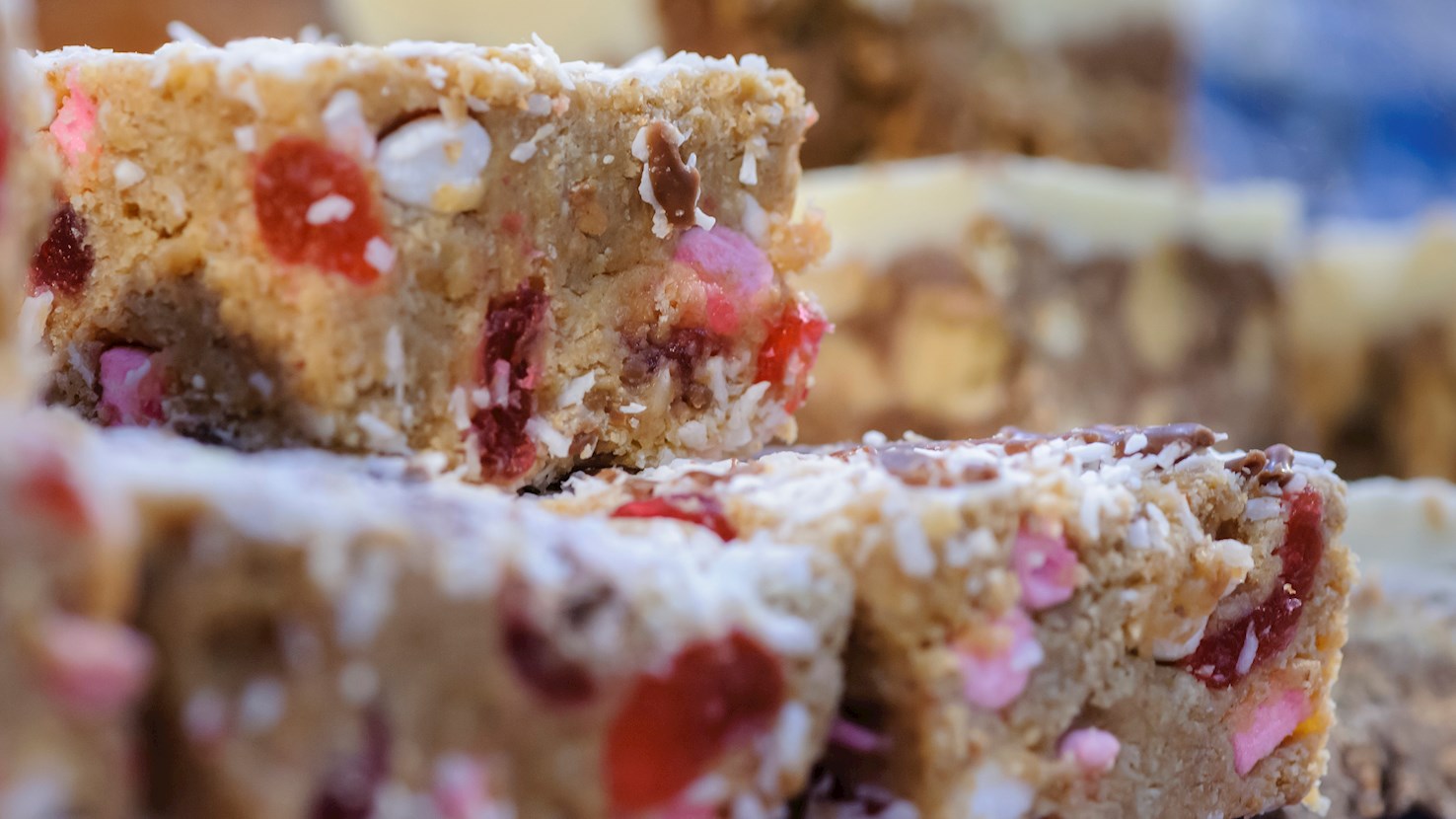
Fifteens is a traditional cake consisting of digestive cookies, coconut, marshmallows, and cherries. The dessert is usually rolled into a log, left in the fridge to set, and it's then cut in slices. It can be found in numerous bakeries and at festivities and celebrations throughout the country. The name of the dish refers to the traditional recipe which calls for fifteen of each ingredient.
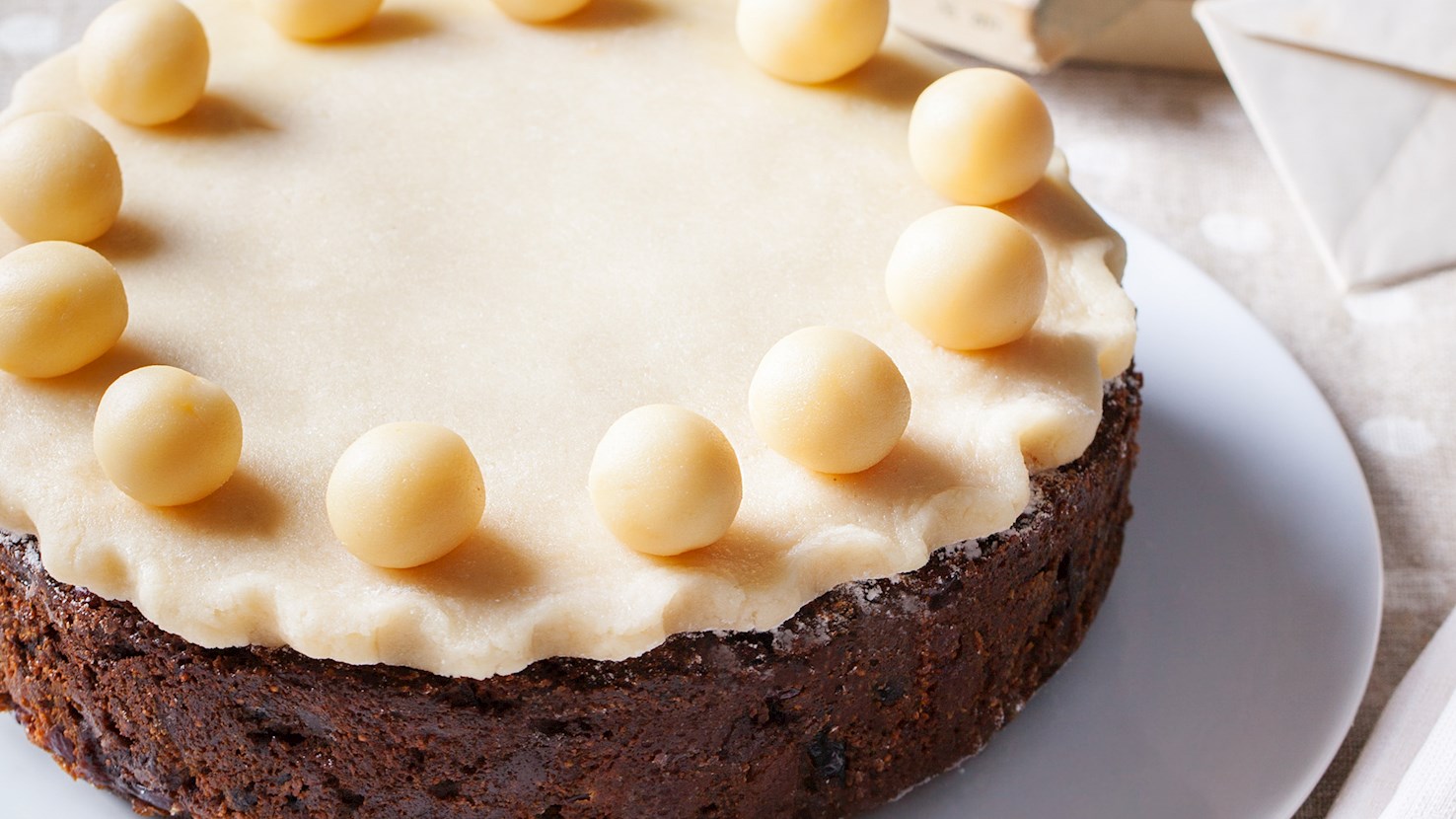
Simnel cake is an English dessert that is traditionally prepared during the Easter festivities. The base is made with flour, butter, sugar, eggs, and (sometimes) milk. Once prepared, the batter is combined with dried fruit such as currants, sultanas, and candied peel. The combination is flavored with orange zest, lemon zest, and mixed spices such as saffron, nutmeg, allspices, ginger, and cinnamon. There is also one layer of marzipan in the center of the cake and one on top of it, and once it has been baked, simnel cake is decorated with 11 marzipan balls/eggs on top, representing the apostles (minus Judas, of course). Before serving, simnel cake should be left to cool down. This rich, fruity cake dates back to medieval times, and the name is believed to come from simila, a Latin word meaning fine wheat flour. It is associated with Mothering Sunday (the fourth Sunday of Lent), when servants were allowed to leave and visit their homes or churches.
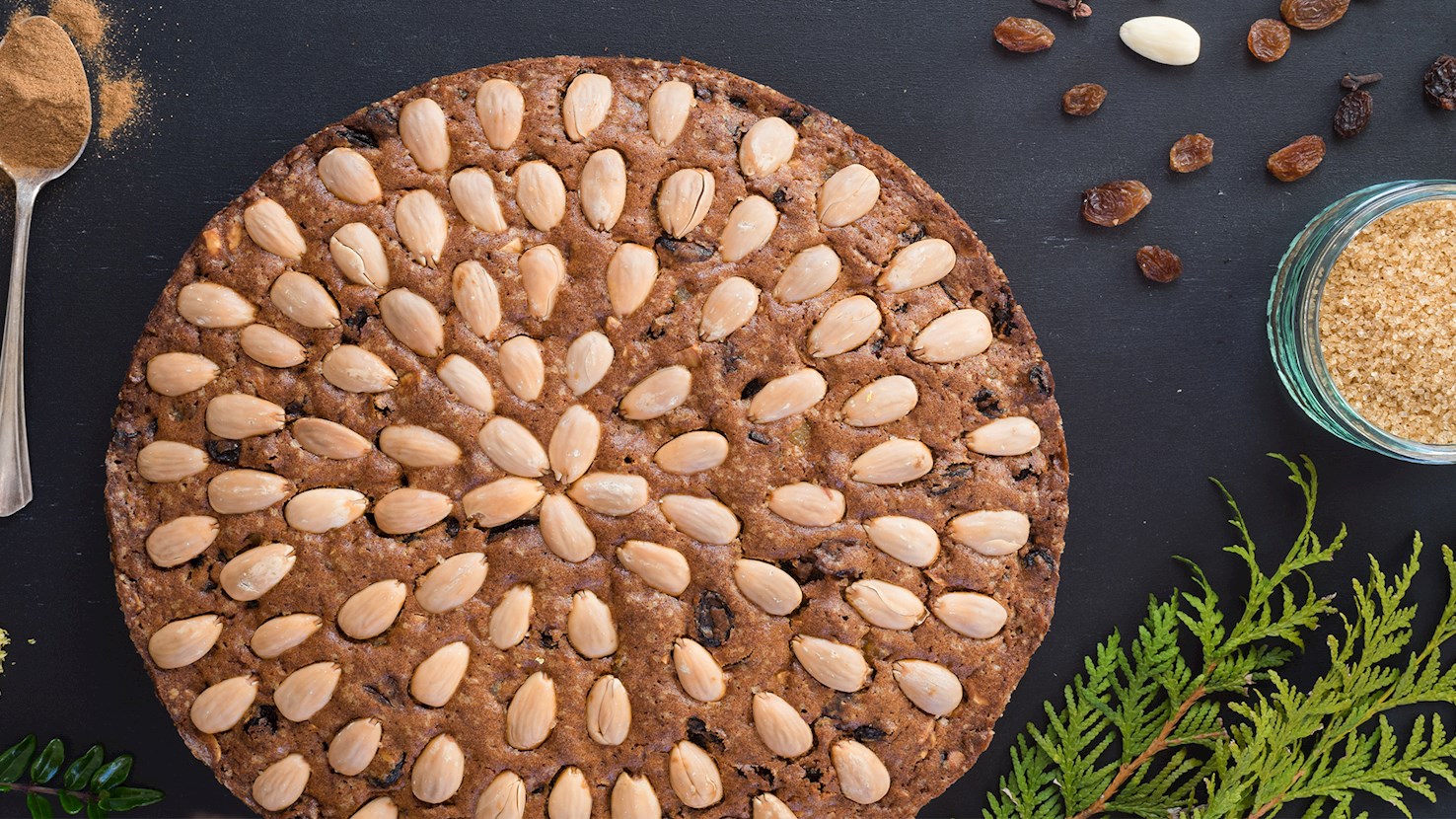
The traditional Scottish almond-studded fruitcake with sultanas and candied peel, known as Dundee cake originated in the city of Dundee while its name appears to have been first recorded in the late 19th century. Interestingly, the cake is said to be first created by Keiller’s, the renowned marmalade makers from Dundee, who apparently found it convenient to bake cakes during the part of the year when they weren't making marmalade, most likely to make use of the spare citrus peel. Until the 1970s, Keiller's were the only commercial bakers in Scotland allowed to make the famous cake, although the recipe was widely copied in other parts of Britain. In fact, bakers further south would often confuse it with other traditional recipes, suggesting it was merely the topping of whole blanched almonds which distinguished Dundee cake from similar British fruitcakes.
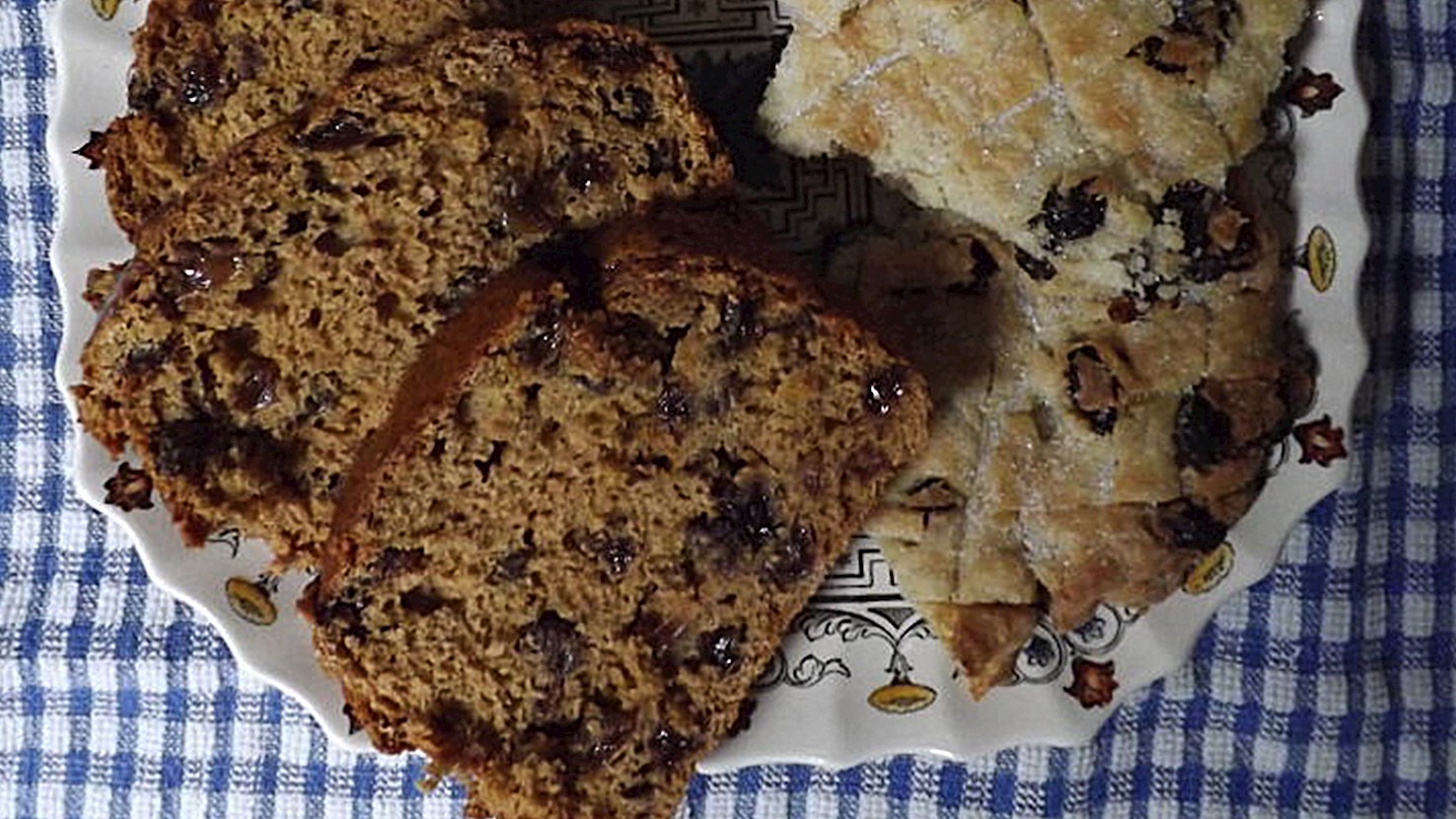
Hevva is a cake from Cornwall consisting of spelt flour, butter, sugar, milk, lard, and raisins or currants. The name hevva is linked to the landing of a shoal of fish, and then the huer would shout “hevva, hevva“, giving a cue to the fishermen's wives to go home and start baking. Traditionally, the dough should be scored diagonally before baking, in order to resemble a fishing net. It is recommended to pair this unleavened cake with a cup of hot tea on the side.
TasteAtlas food rankings are based on the ratings of the TasteAtlas audience, with a series of mechanisms that recognize real users and that ignore bot,
nationalist or local patriotic ratings, and give additional value to the ratings of users that the system recognizes as knowledgeable.
For the “Top 14 British Cakes” list until October 15, 2026, 880 ratings were recorded, of which 795 were recognized by the system as legitimate.
TasteAtlas Rankings should not be seen as the final global conclusion about food. Their purpose is to promote excellent local foods,
instill pride in traditional dishes, and arouse curiosity about dishes you haven’t tried.






What People Say