shutterstock

Top 7 European Caviars

Last updated on June 10, 2026

Best European Caviars
01

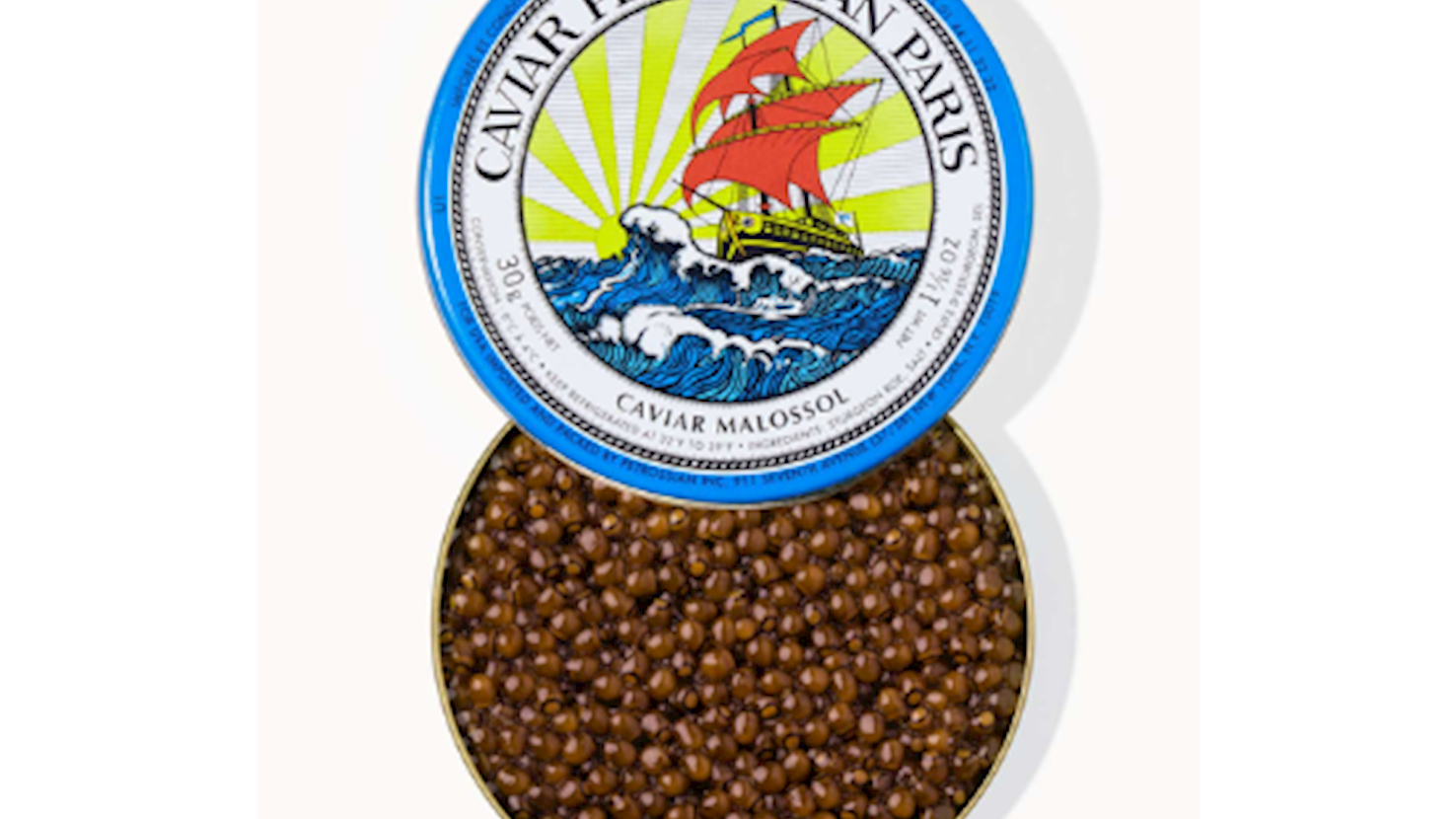
Petrossian

5 ·

Petrossian is one of the most iconic names in French luxury gastronomy, internationally recognized for its long-standing expertise in caviar and fine delicacies. Founded in Paris in 1920 by Armenian brothers Melkoum and Mouchegh Petrossian, the company played a defining role in introducing caviar to French haute cuisine and transforming it into a global symbol of refinement and luxury. Over more than a century, Petrossian has evolved from a specialist caviar house into a broader gourmet brand offering smoked salmon, seafood delicacies, foie gras, truffle products, pastries, chocolates, and curated gastronomic gift collections. The company’s core identity remains rooted in its expertise in sourcing, selecting, salting, and maturing caviar rather than farming sturgeon directly, with craftsmanship and sensory precision central to its positioning. Petrossian is also known for pioneering its own concept of “caviarology”, emphasizing deep product knowledge and tasting expertise. While firmly anchored in French savoir-faire, the brand maintains strong ties to its Armenian heritage and the historic caviar traditions of the Caspian region. Its original Paris boutique remains a landmark of the brand’s identity, while Petrossian has expanded internationally through boutiques, restaurants, and premium retail distribution. Today, Petrossian is widely regarded as one of the global benchmark brands in the world of high-end gourmet food and luxury caviar.

02

Los Peperetes

5 ·
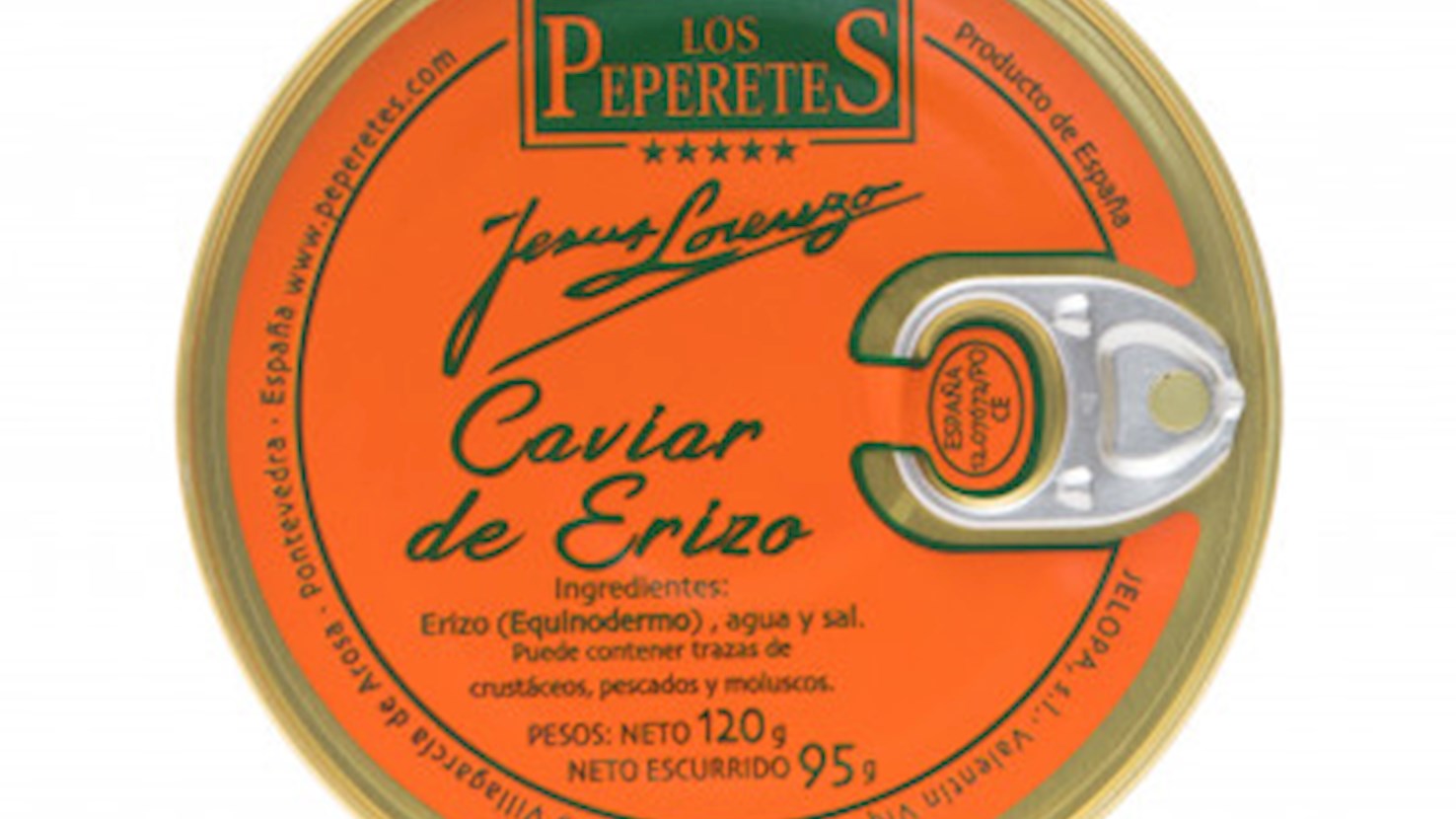
Founded by Jesús Lorenzo in the 1990s, the Los Peperetes is celebrated for its commitment to traditional, artisanal methods that enhance the natural flavors of its seafood. Known for products like octopus, razor clams, mussels, and sardines, Los Peperetes sources locally from the Galician coast, where the seafood is cleaned, cooked, and packed by hand. Their meticulous preparation process ensures high-quality taste and presentation, appealing to gourmet and culinary markets worldwide. The brand has become emblematic of Spanish culinary heritage and is recognized in international canned fish rankings.
Awards
World's 101 Best Canned Products from the Sea - Top 10 Sardines (2024)
World's 101 Best Canned Products from the Sea - Top 10 Tuna (2024)
03

Riofrío Caviar

4.9 ·
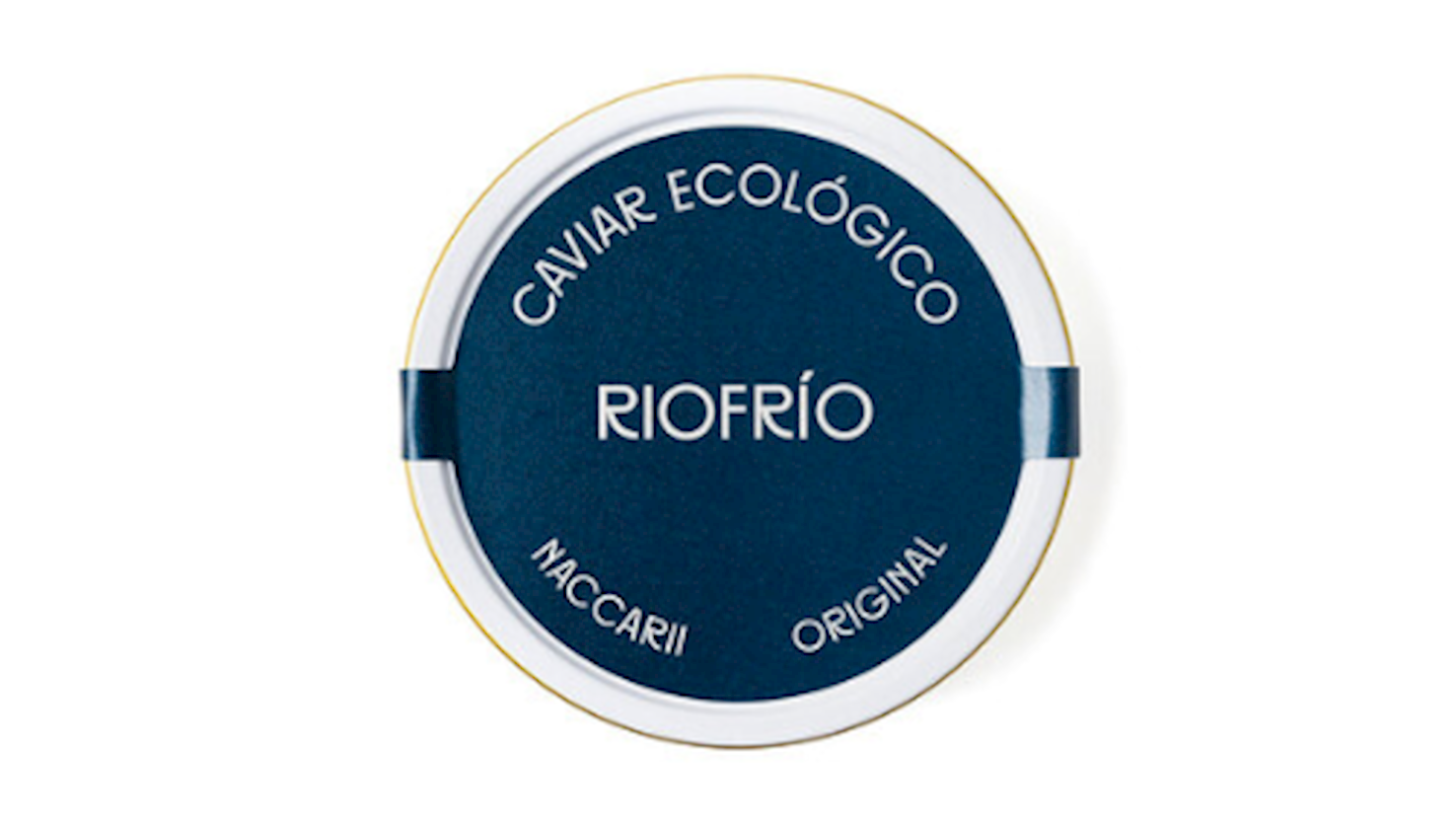
Riofrío Caviar is a premium Spanish caviar produced in the village of Riofrío in the province of Granada, Andalusia. The origins of the farm date back to 1963, when the site was selected for sturgeon farming because of its exceptionally pure spring water and stable natural conditions. These cold, oxygen-rich waters provide an environment similar to the natural habitat of sturgeon, allowing the fish to grow slowly and naturally. Riofrío is internationally recognized for producing the first certified organic caviar in the world, obtained without preservatives and under strict standards of sustainable aquaculture. The farm raises several species of sturgeon, including Acipenser naccarii, a rare Mediterranean species whose roe is valued for its refined character. The production process is long and demanding, as female sturgeons may take around 18 years to reach maturity before their roe can be harvested. After extraction, the caviar is processed using traditional methods and lightly salted to preserve the natural flavor and delicate texture of the eggs. Riofrío caviar is known for its clean, elegant taste with subtle nutty and mineral notes, as well as a smooth, creamy mouthfeel. Due to its quality and limited production, it is widely used in high-end gastronomy and served in fine dining restaurants across Europe.
04

Kaviari

4.9 ·

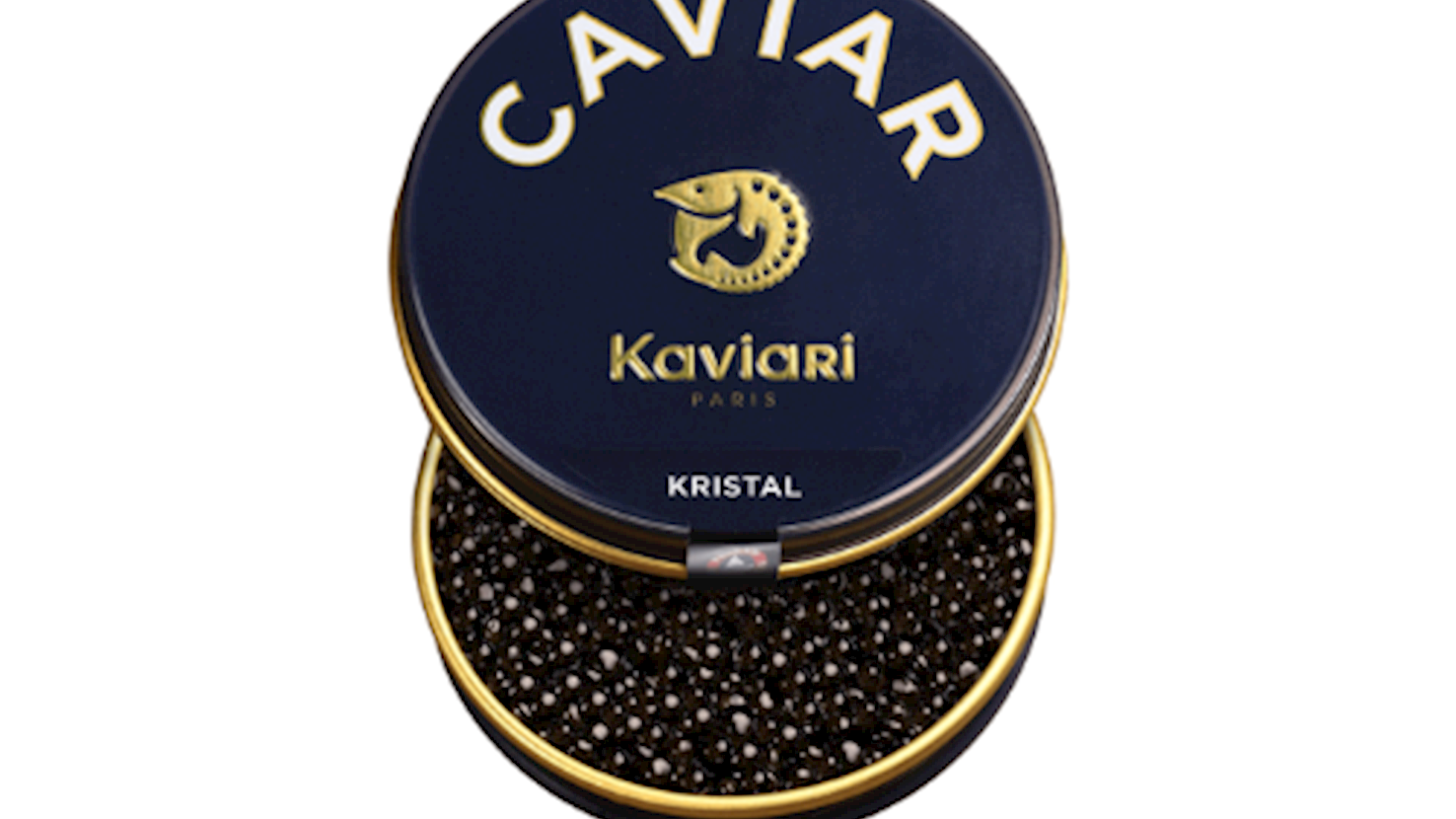
Kaviari is a Paris-based caviar house founded in 1980 by Jacques Nebot and Raphaël Bouchez. The brand specializes in selecting, maturing and distributing premium caviar, with a strong focus on traceability, consistency and close relationships with carefully chosen sturgeon farms. Originally created during the era of wild caviar, Kaviari later adapted to the global shift toward farmed sturgeon, maintaining its role as a specialist rather than a conventional producer. Its portfolio includes several caviar selections such as Kristal, Ossetra, Baeri, Sevruga and Beluga, alongside smoked fish, taramas, seafood delicacies and fine grocery products. Kaviari is particularly respected among chefs and luxury restaurants, supplying many high-end culinary establishments in France and abroad. The brand’s Paris site, La Manufacture Kaviari, also functions as a space dedicated to caviar maturation, tasting, education and professional exchange. Its identity combines French gourmet savoir-faire with a contemporary approach to responsible sourcing and product transparency. Today, Kaviari is considered one of the important modern caviar houses in France, positioned between traditional luxury gastronomy and chef-driven fine dining.

05

Antonius Caviar

4.8 ·
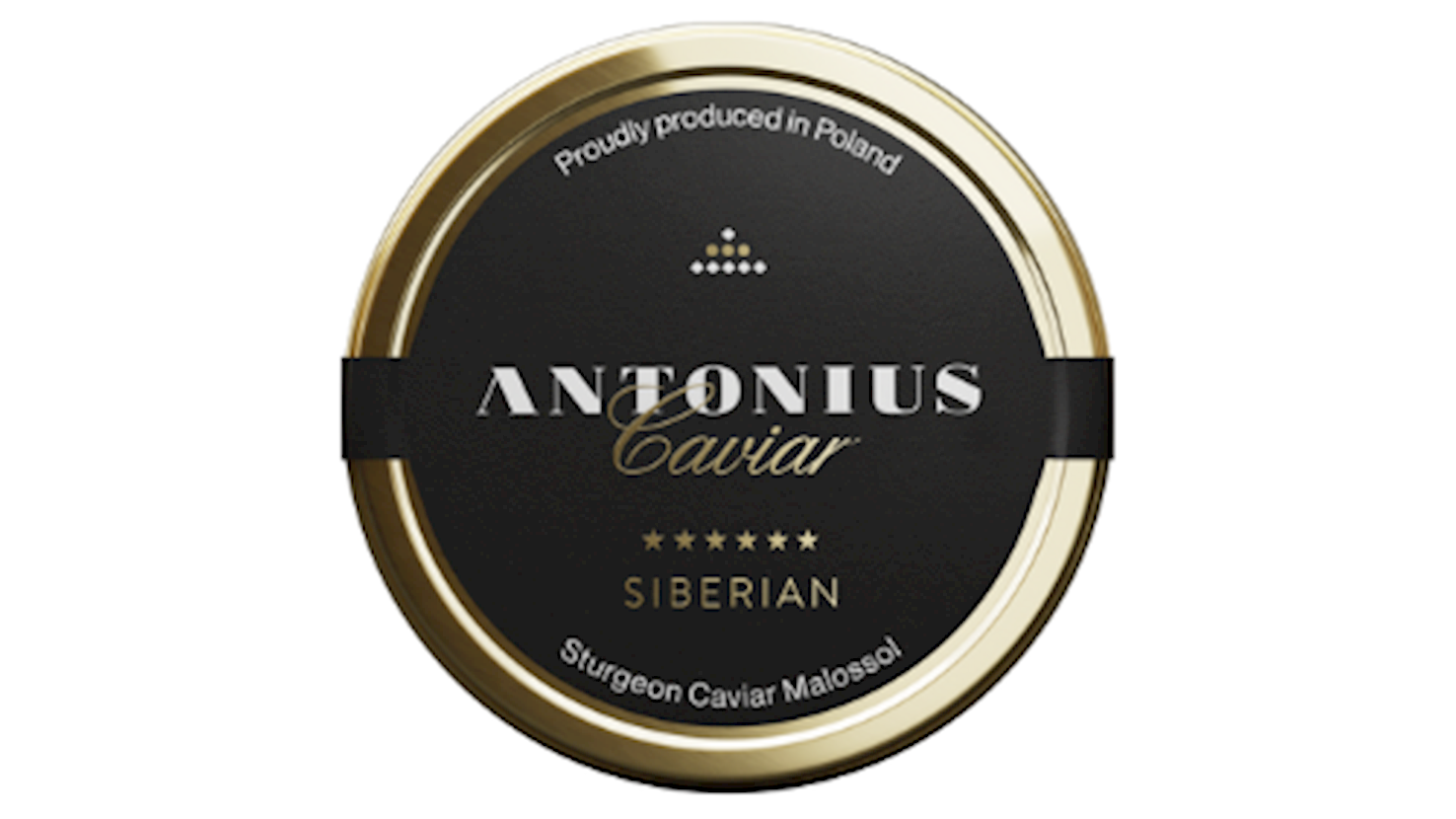
Antonius Caviar is a premium caviar brand from Poland, built on decades of expertise in sturgeon farming and recognized as one of the leading caviar producers in Europe. The brand is rooted in a family tradition and based on full control of the production process, from fish breeding to final packaging. All sturgeon are raised exclusively on the company’s own farms, under strictly controlled and sustainable conditions, without reliance on wild populations. This approach ensures consistent quality and complete traceability of origin. The caviar is produced using the traditional Malossol method, with a minimal amount of salt and without pasteurization, preserving the natural texture and depth of flavor. The portfolio includes varieties such as Siberian sturgeon and Oscietra caviar, known for their clean, elegant, and subtly nutty profiles. Limited and rare selections, including albino caviar, further highlight the brand’s craftsmanship. The entire roe processing is done by hand, following strict hygiene and food safety standards. Antonius Caviar operates in compliance with international quality and food safety certifications. Its products are distributed globally and featured in high-end restaurants. The brand positions itself at the intersection of tradition, modern aquaculture, and sustainability. The focus remains on authenticity, natural taste, and long-term resource preservation.
06

Prunier

4.8 ·

Prunier is a historic French caviar and seafood house founded in Paris in 1872 by Alfred Prunier. Originally established as a refined seafood restaurant, it became closely associated with oysters, champagne, fish and later caviar, building a reputation as one of the pioneering names in French luxury seafood gastronomy. Prunier is especially important in the history of caviar because it became the first French caviar producer in the early twentieth century and later developed one of the world’s earliest sturgeon farming and processing centres in Dordogne. Today, the brand is known for French caviar made from sturgeon raised in France, with a strong emphasis on controlled production, maturation and traceability. Its portfolio includes several caviar selections, such as Saint-James, Paris, Malossol and Heritage, along with seafood delicacies and gourmet products connected to the brand’s restaurant heritage. Prunier combines the tradition of Parisian fine dining with a specialist approach to caviar production, positioning itself as one of the reference houses for French caviar. The brand remains closely linked to Parisian art de vivre, while its production story is rooted in French aquaculture and long-term expertise in sturgeon farming.

07

Caviar & Cocktails

4.8 ·
Caviar & Cocktails is a caviar producer based in Shrewsbury, England. They specialize in offering a variety of caviar products sourced from sustainable sturgeon farms. The company also provides curated cocktail pairings designed to complement their caviar selection.
Awards
Great Taste Awards - 3 Stars (2022)

Best European Caviar Types
01

Beluga Caviar

4.2 ·

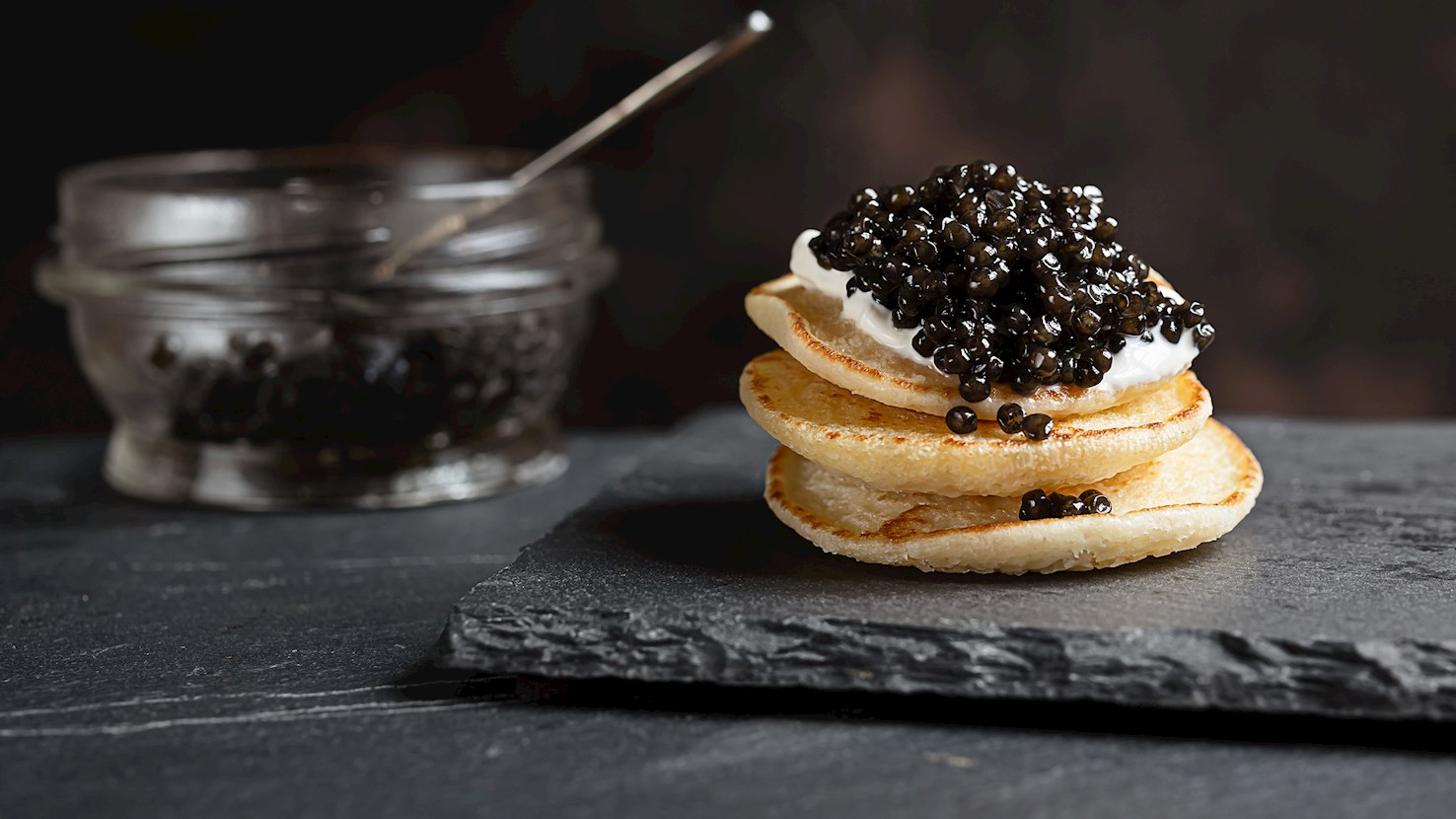
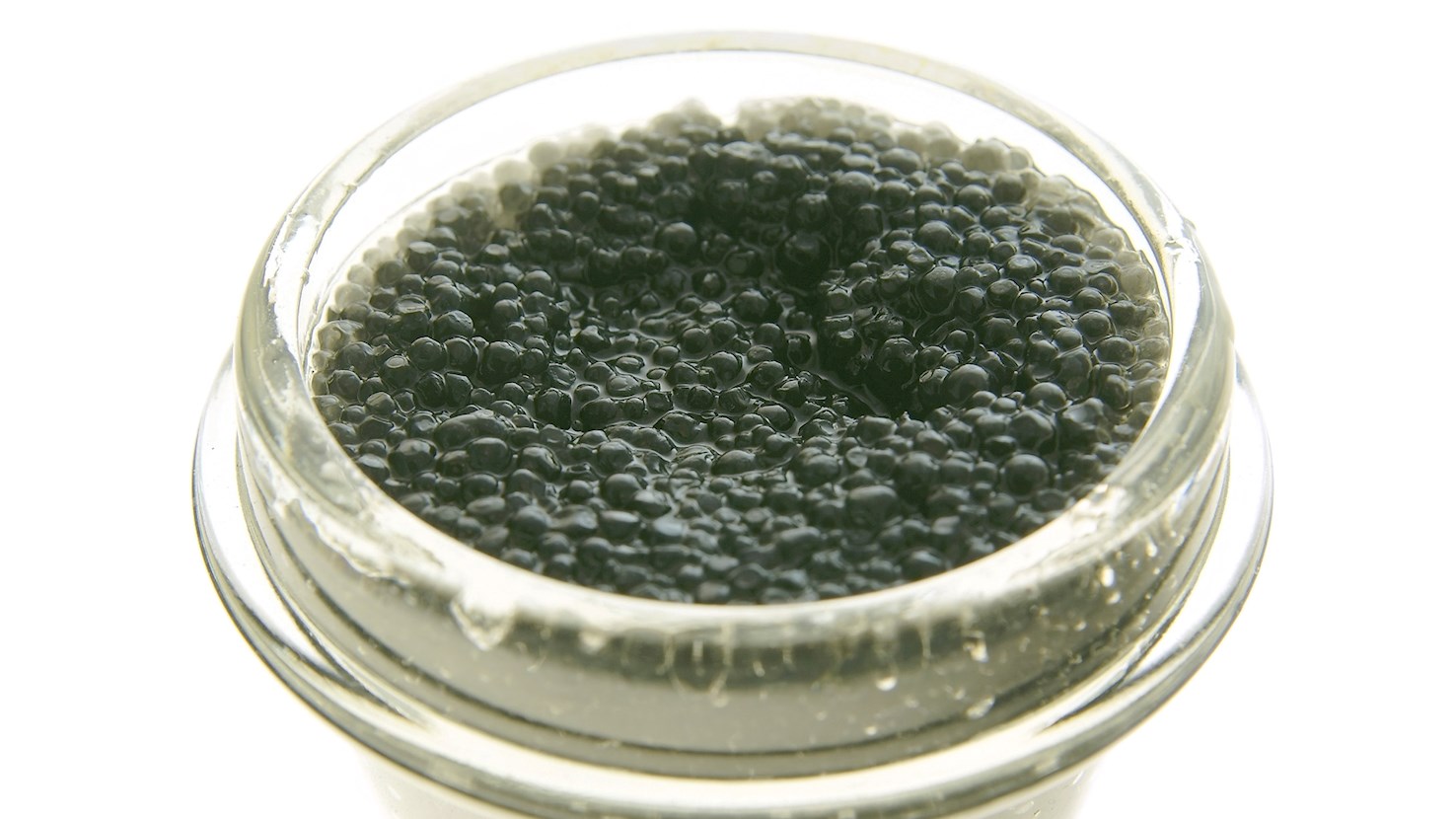
Beluga caviar (the roe of beluga sturgeon) is one of the most prized caviar varieties in the world. Since it can take up to 25 years for the animal to mature and start producing roe, this caviar is extremely rare, expensive, and extravagant. Beluga caviar beads are large, plump, and firm, with a color that can range from light to dark gray. With a delicate, tender, and almost buttery flavor, beluga caviar can be eaten plain, allowing the complex layers to develop individually. It is also commonly combined with boiled potatoes, blini pancakes, or sour cream. Recently, wild beluga varieties have become critically endangered, partially due to wild poaching in the Caspian Sea, and strong sanctions have been introduced to limit the production, sales, and trade of this rare ingredient.

02

Osetra Caviar

4.2 ·

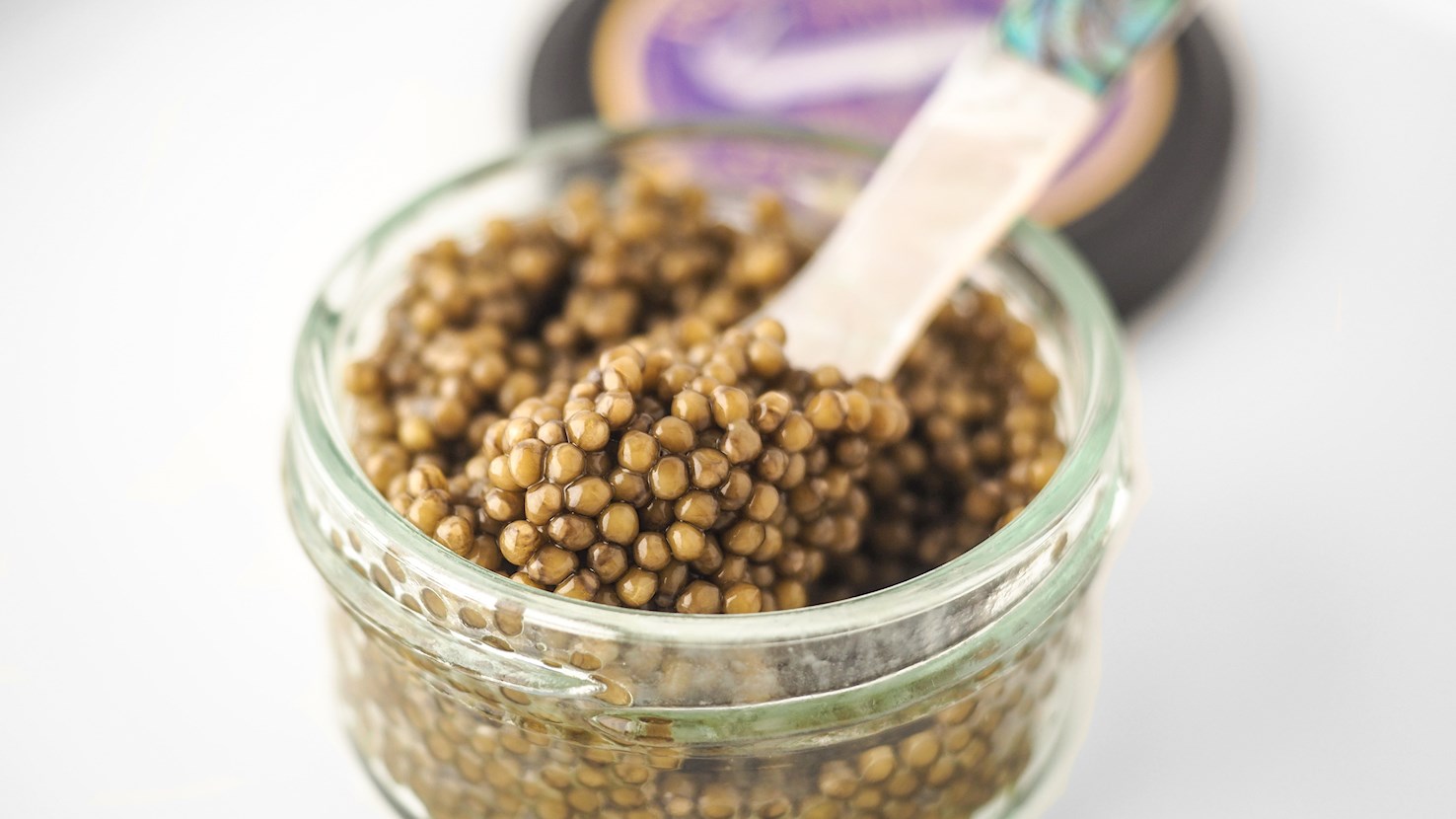
Osetra is a prized caviar variety that is harvested from the Russian osetra sturgeon (Acipenser gueldenstaedtii). Osetra is native to the Caspian Sea, the Black Sea, and the Sea of Azov, including their river basins. Since it is a critically endangered species, it is rarely found or caught wild, and caviar is mostly harvested from farmed varieties. Osetra has medium-sized eggs that often vary in color, flavor, and texture. They typically range from olive green to dark brown, sometimes with an appealing golden hue. Their texture is firm, while the flavor is usually briny, buttery, and distinctively nutty. Caviar is graded by color, and larger and lighter eggs are considered of better quality. Osetra caviar can be enjoyed on its own, but it also works well when served with creamy sauces, seafood, or poultry. It should be noted that the term osetra caviar is not regulated and is often loosely used. Producers tend to use it regardless of the type of sturgeon roe. By the 1990s, the number of sturgeons significantly declined, mostly due to overfishing and pollution. Several countries now ban the sales of wild caviar for various environmental and political reasons. At the same time, aqua farms became the future of caviar trade. Sustainable and ethical farms are now the most reliable places to buy caviar. Their caviar is more consistent since the sturgeons are fed a controlled diet. This has also influenced the price, and caviar has become more accessible. Caviar trade now does not depend on the location, and the focus has been shifted to the type of sturgeon—which should always be clearly labeled—and ethical and sustainable harvesting methods.

Best producers
03

Siberian Sturgeon Caviar

4 ·

Siberian sturgeon is mostly prized for its dark and glossy caviar. As the name suggests, Siberian sturgeon (Acipenser baerii) is mainly associated with Siberian rivers, lakes, and seas. The population is listed as endangered on the IUCN Red List, and caviar is mostly harvested from farm-raised sturgeons. This caviar ranges from dark brown to black, and it typically has medium-sized, glistening beads. The flavor is earthy, nutty, buttery, and subtly sweet. It can be served on its own—preferably well-chilled—or paired with simple dishes such as the classic combination of blini pancakes and crème fraiche. By the 1990s, the number of sturgeons significantly declined, mostly due to overfishing and pollution. Several countries now ban the sales of wild caviar for various environmental and political reasons. At the same time, aqua farms became the future of caviar trade. Sustainable and ethical farms are now the most reliable places to buy caviar. Their caviar is more consistent since the sturgeons are fed a controlled diet. This has also influenced the price, and caviar has become more accessible. Caviar trade now does not depend on the location, and the focus has been shifted to the type of sturgeon—which should always be clearly labeled—and ethical and sustainable harvesting methods.

Best producers
04

Sevruga Caviar

3.6 ·

Salted roe of the sevruga sturgeon is one of the most common and renowned caviar varieties in the world. Native to the Black and Caspian Sea, sevruga reproduces faster than other sturgeon varieties, which makes the caviar plentiful and more affordable. Although small in size, the crunchy caviar beads are packed with salty, buttery flavors and usually range from light gray to black. Although it is said that this specialty is best enjoyed plain, eaten exclusively with a pearl or wooden spoon and paired with Champagne, sparkling wines, or vodka, it is also commonly combined with blini pancakes, potatoes, or bread.

05

Sterlet Caviar

n/a ·

Sterlet caviar is a variety harvested from sterlet sturgeon (Acipenser ruthenus)—which is native to rivers that flow into the Caspian Sea, Black Sea, Baltic Sea, Barents Sea, and the Sea of Azov. It is one of the smallest sturgeons, and it matures faster than other sturgeon varieties, which makes it especially suitable for farming. On the IUCN list, starlet sturgeon is listed as vulnerable, and the fish is now mostly farm-raised. Sterlet roe has small and delicate eggs that range from light to dark gray. The flavor is mild, subtly sweet, and buttery. This caviar is best paired with buttered toast, blini, potatoes, or eggs. By the 1990s, the number of sturgeons significantly declined, mostly due to overfishing and pollution. Several countries now ban the sales of wild caviar for various environmental and political reasons. At the same time, aqua farms became the future of caviar trade. Sustainable and ethical farms are now the most reliable places to buy caviar. Their caviar is more consistent since the sturgeons are fed a controlled diet. This has also influenced the price, and caviar has become more accessible. Caviar trade now does not depend on the location, and the focus has been shifted to the type of sturgeon—which should always be clearly labeled—and ethical and sustainable harvesting methods.

06

Brescia Caviar

n/a ·

Caviar from Brescia is one of the most popular regional products, and the entire region has become the center of caviar production in Italy. Sturgeon farming started with white sturgeon (Acipenser transmontanus), but other species and caviars are now farmed and produced. White sturgeon caviar (Calvisius) is round, large, smooth, and tender, while the flavor is intense and complex, dominated by fruity, briny, and nutty notes. The tradition of farming sturgeons was started in Calvisano by the Tolettini family. They used the water for steel mills and directed it into large fish tanks. The family first went into eel business, but when it became unprofitable, they turned to white sturgeons, which proved to be a great success. Regional producers now offer a wide range of caviars, and most products are exported, making Italy one of the leading caviar producers and exporters. Although large-scale industrial caviar production is relatively recent, sturgeons inhabited several Italian rivers before they became extinct. Brescian Caviar tastes the best when it's well-chilled. It can be enjoyed on its own, but it can also be used as a garnish on simple dishes that would not disguise its flavor. Caviar is best paired with sparkling wines.

Read more
View all
View map
About this ranking

TasteAtlas food rankings are based on the ratings of the TasteAtlas audience, with a series of mechanisms that recognize real users and that ignore bot, nationalist or local patriotic ratings, and give additional value to the ratings of users that the system recognizes as knowledgeable. For the “Top 7 European Caviars” list until June 10, 2026, 145 ratings were recorded, of which 101 were recognized by the system as legitimate. TasteAtlas Rankings should not be seen as the final global conclusion about food. Their purpose is to promote excellent local foods, instill pride in traditional dishes, and arouse curiosity about dishes you haven’t tried.

The initial list of top producers was compiled based on available reviews, awards, local recommendations, media and blog coverage, and consumer reviews. The list will be updated with ratings from TasteAtlas local ambassadors and TasteAtlas users.

Similar lists