Queserías Picos de Europa

Top 39 Castilian-Leonese Cheeses

Last updated on August 19, 2026

Best Castilian-Leonese Cheeses
01

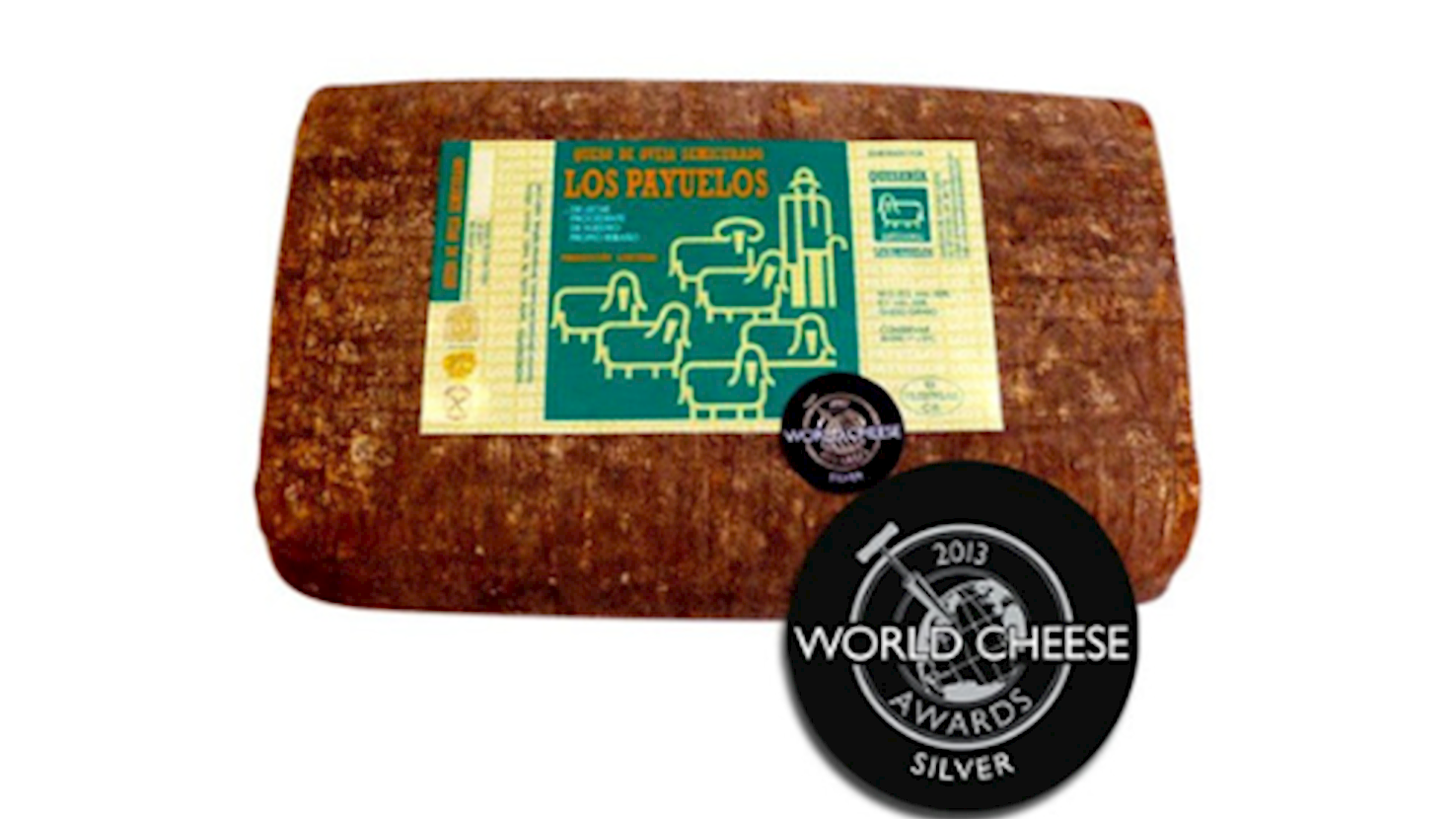
Quesería Artesanal Los Payuelos

5.0 ·

Quesería Artesanal Los Payuelos is a cheese producer located in Leon, Spain, specializing in artisanal cheeses that leverage local milk and traditional methods. They are known for producing cheese using milk from sheep breeds indigenous to the region.

Their products often feature in Spanish gourmet markets and are highlighted for their unique regional flavors.

Awards
World Cheese Awards - Super Gold (2024, 2023, 2022)
Culture Cheese Magazine Best Cheeses issue - Best (2023)
02

Quesos Cañarejal

5.0 ·

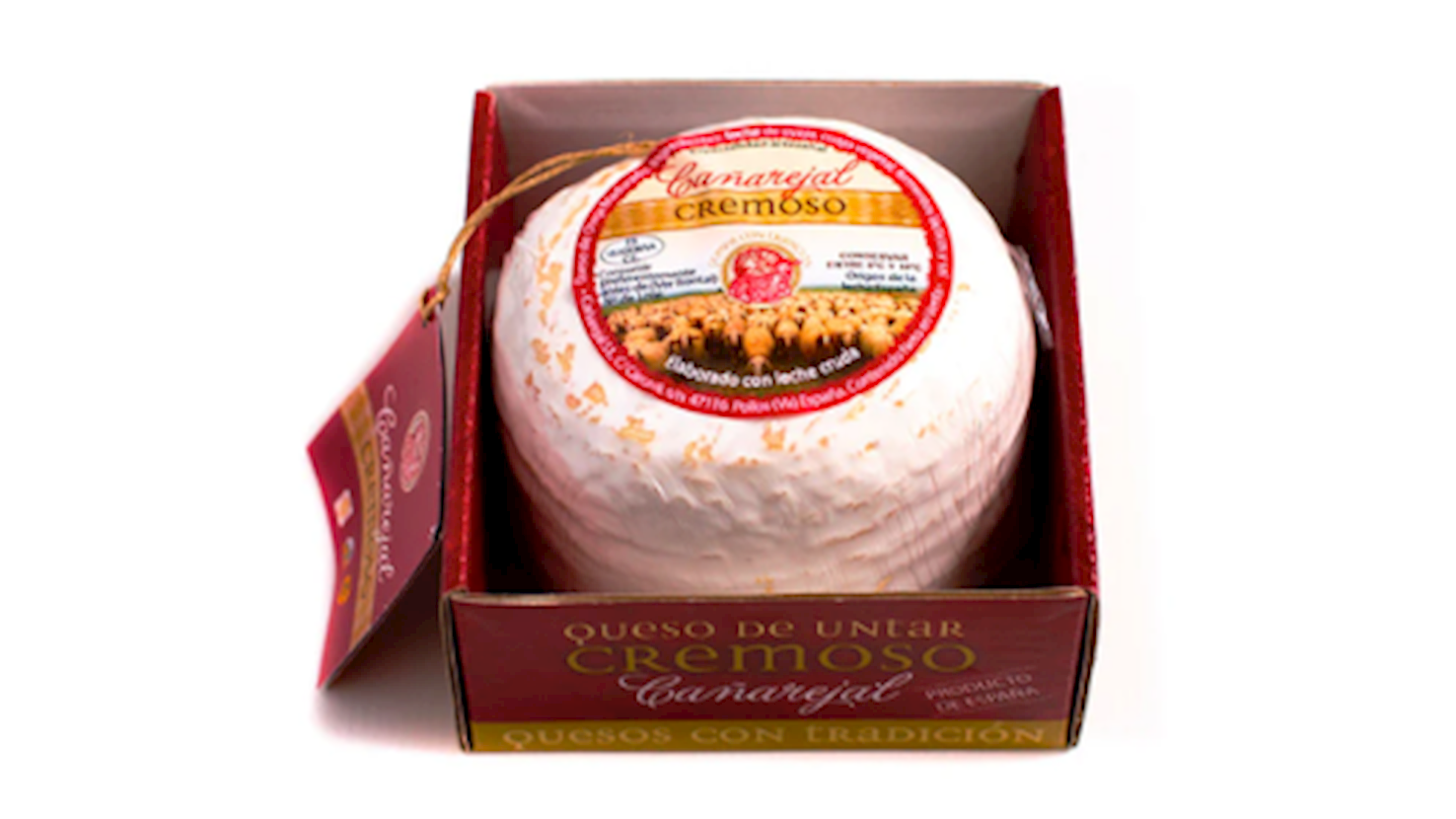
Quesos Cañarejal is a family-run cheesemaker based in Pollos, in the Valladolid province of Castilla y León, founded in 1996 with a strong focus on producing artisanal sheep’s milk cheeses. The dairy operates with full control over the production chain, from managing its own flock of sheep to milking and cheesemaking, ensuring consistency and a clear expression of local terroir.

It is best known for its soft, creamy cheeses in the “torta” style, made from raw sheep’s milk and often using vegetable rennet derived from thistle, which contributes to their distinctive texture and flavor. These cheeses develop a thin, edible rind with white mold and a nearly liquid interior when fully ripened.

On the palate, they are intensely creamy and spreadable, with buttery notes, gentle acidity, and subtle herbal nuances reflecting the pasture. As they mature, the flavor becomes more complex, gaining slightly fermented, savory tones while retaining balance.

In addition to its signature creamy cheeses, Quesos Cañarejal also produces semi-cured and cured varieties that offer firmer textures and more pronounced nutty and slightly spicy profiles. The producer stands out for combining traditional techniques with a refined approach to texture and maturation, making its cheeses highly valued both for direct consumption and in contemporary gastronomy.

Awards
World Cheese Awards - Super Gold (2021)
World Cheese Awards - Gold (2025, 2018, 2015)
03

Hacienda Zorita

4.9 ·

Hacienda Zorita is a Spanish cheese producer located in the Duero Valley near Salamanca, operating an organic 300-hectare farm where indigenous breeds such as Churra sheep and Verata goats are raised. The milk used in their cheeses comes exclusively from their own herds, while the cheesemaking and ageing processes take place on-site using traditional methods and small-batch production.

Their cheeses are primarily made from raw sheep’s milk and aged for around ten months, developing a firm texture and a complex aromatic profile with nutty, earthy, and subtly spicy notes. In addition to sheep’s milk cheeses, they also produce goat cheeses and are known for experimental batches made from donkey milk, contributing to the preservation of rare local breeds.

The combination of limited production, organic farming, and distinctive terroir has made Hacienda Zorita one of Spain’s most notable artisanal cheese producers, recognized internationally for quality and authenticity.

Awards
World Cheese Awards - Super Gold (2013)
World Championship Cheese Contest - Best of Class (2022)
04

Quesos El Pastor

4.9 ·

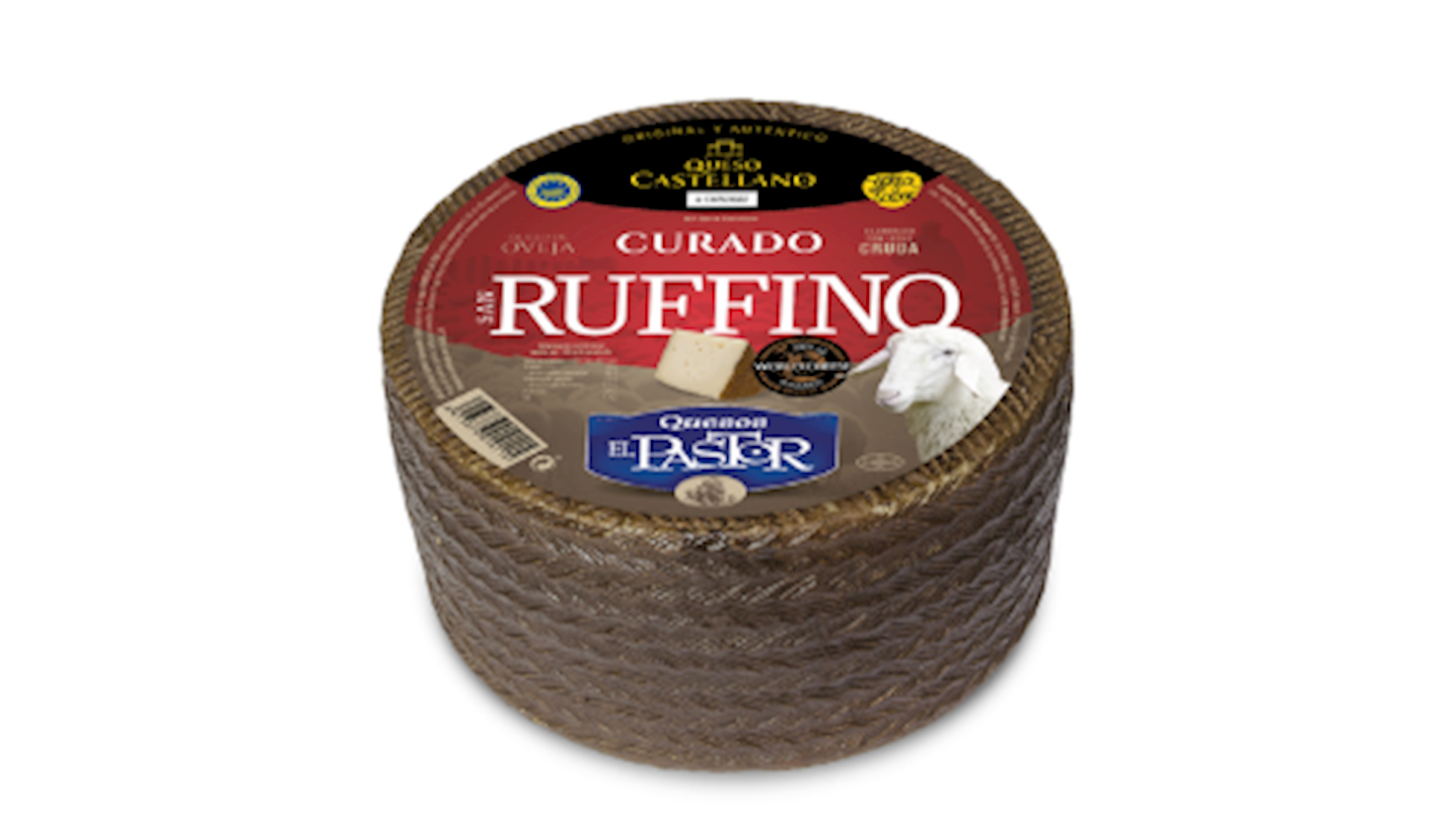
Quesos El Pastor is a Spanish cheese producer based in Santa Cristina de la Polvorosa, founded in 1967 as a small family dairy and developed into a large-scale operation with a strong focus on quality and diversification. The company was established by the Lorenzo brothers and is now managed by the second generation, maintaining continuity while expanding technologically and commercially.

Its portfolio includes a wide range of cheeses - from fresh and soft to semi-hard and aged - produced from sheep’s, goat’s, and cow’s milk, as well as mixed-milk varieties tailored to different markets. A defining feature of El Pastor is the combination of traditional cheesemaking knowledge with modern industrial processes, supported by continuous investment in production facilities, including lines for pressed cheeses, blue cheeses, and fermented products.

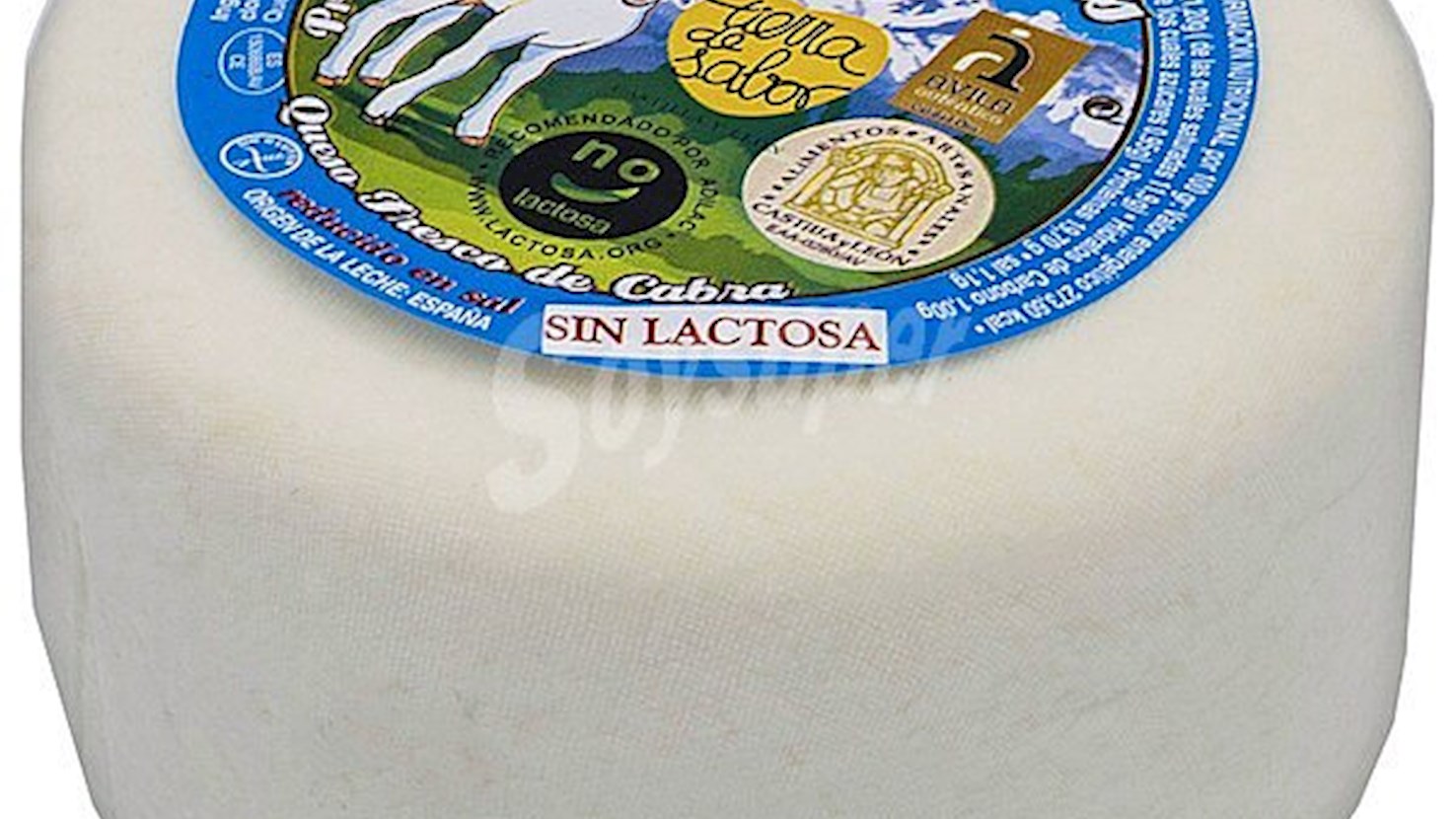
The company places strong emphasis on raw material quality and has adapted its range to contemporary consumer demands, including lactose-free options. Today, Quesos El Pastor exports to more than 80 countries, positioning itself as a significant global representative of Spanish cheesemaking.

Awards
World Championship Cheese Contest - Best of Class (2024)
World Cheese Awards - Gold (2024, 2023)
05

Queserías Entrepinares

4.9 ·

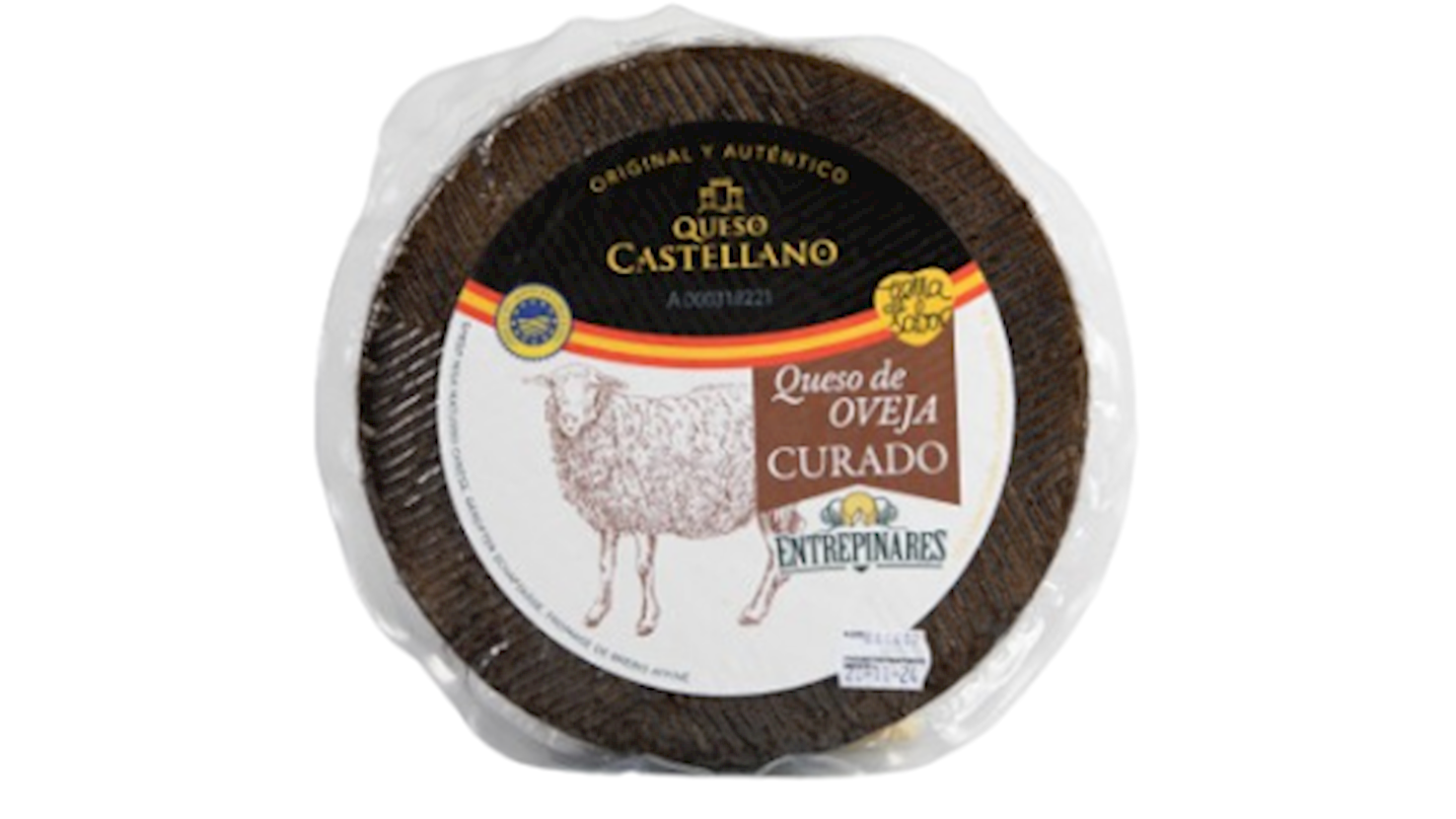
Queserías Entrepinares, based in Valladolid, Spain, is a family-owned company founded in 1984. It specializes in the production and distribution of various types of cheese and dairy products.

The company is one of the largest cheese producers in Spain, serving both domestic and international markets. Entrepinares offers a wide range of products, including sheep, goat, and cow cheeses.

Awards
World Cheese Awards - Super Gold (2021)
World Cheese Awards - Gold (2024, 2023, 2022)
06

Quesería Valdecabras

4.9 ·

Quesería Valdecabras is a cheese producer based in Spain, known for its artisanal cheeses made from sheep's milk. The company primarily operates in the region of Castilla-La Mancha.

Valdecabras emphasizes traditional cheese-making techniques and local ingredients to produce high-quality cheeses. Their product range includes different varieties of Manchego cheese.

Awards
World Cheese Awards - Gold (2024, 2023, 2021)
07

Industrias Lacteas Benaventanas S.a. (ilbesa )
4.9 ·

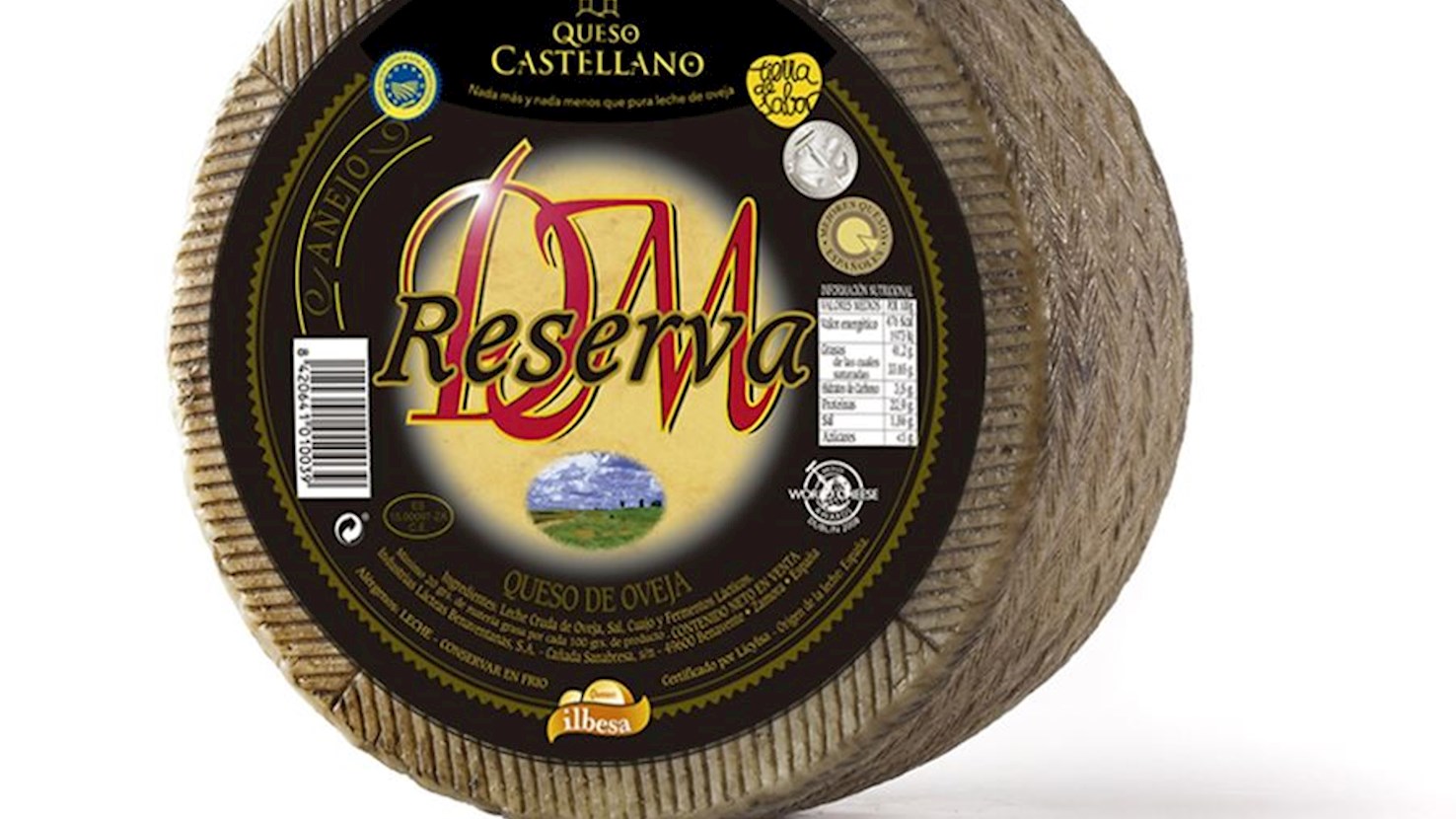
Industrias Lacteas Benaventanas S.A. (Ilbesa) is a Spanish company specializing in the production of dairy products, including various types of cheese. The company is located in Benavente, within the province of Zamora.

Ilbesa is known for using traditional methods to produce cheese, which includes a range of sheep's cheese. It operates within the broader Spanish dairy industry and contributes to the local and national economy by providing dairy products to markets.

Awards
World Cheese Awards - Gold (2023)
World Championship Cheese Contest - Best of Class (2016, 2014, 2010)
08

Quesería La Moldera Real

4.9 ·

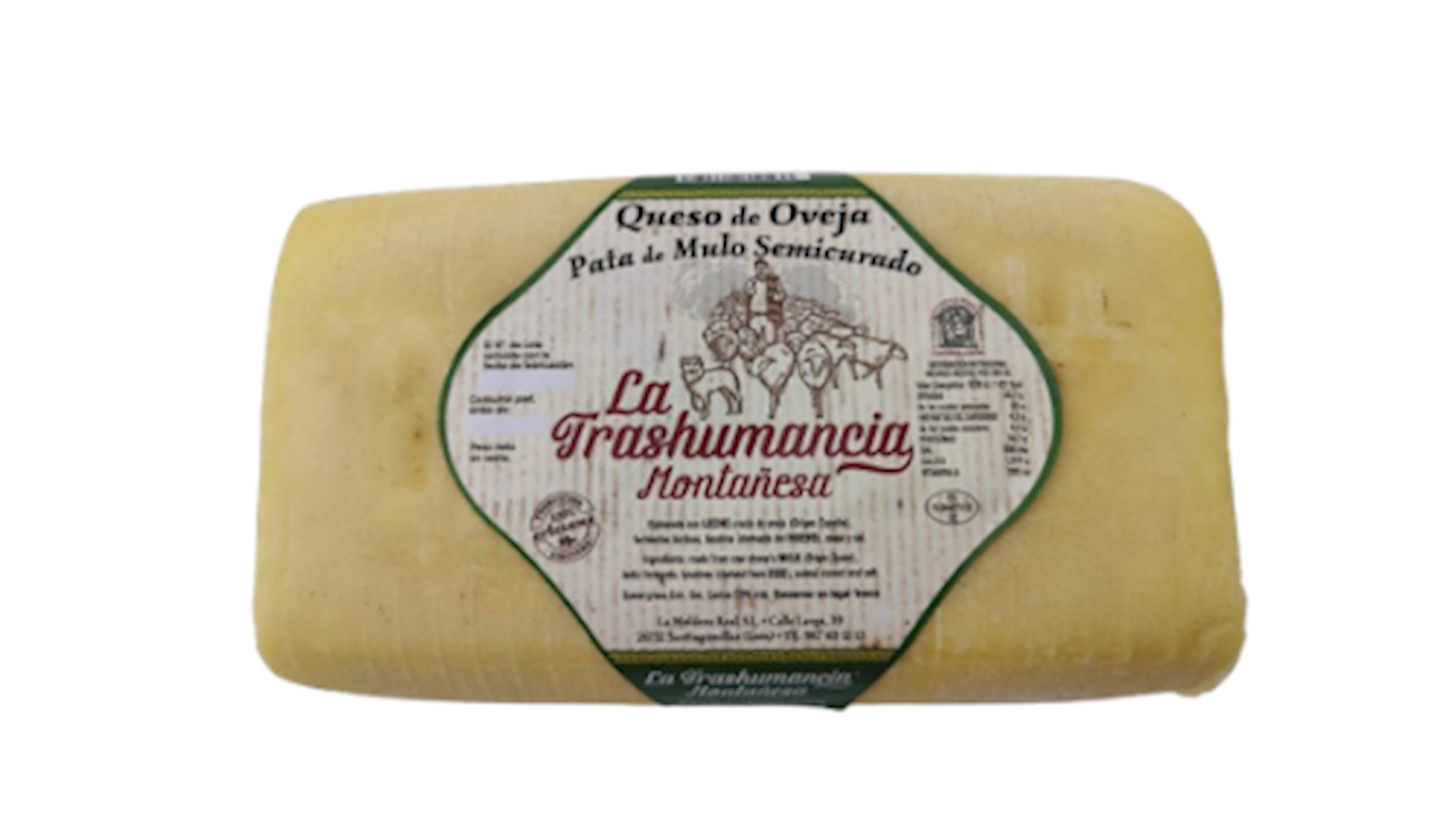
Quesería La Moldera Real is a family-run cheesemaker based in Santiago Millas, in the Maragatería region of León, Spain, founded in 1999 with a focus on preserving and reviving traditional local cheesemaking practices. The dairy works primarily with raw sheep’s and goat’s milk sourced from nearby farms, maintaining close control over milk quality and production.

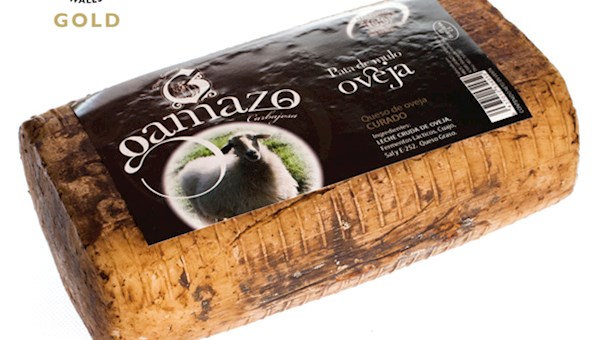
It is particularly known for bringing back the historic “Pata de Mulo” cheese, a medieval-style cheese that had nearly disappeared, now reinterpreted through careful artisanal techniques. Production follows traditional methods, including natural coagulation, manual shaping, and controlled aging without industrial standardization, allowing each cheese to develop its own character.

The resulting cheeses typically show firm or semi-firm textures, depending on maturation, with flavor profiles that evolve from clean lactic notes to more pronounced nutty, savory, and slightly spicy tones over time. The influence of local terroir is evident in both aroma and structure, reflecting the region’s pasture and climate conditions.

In addition to traditional formats, the producer also develops cheese-based creams and variations that incorporate regional ingredients.

Awards
World Cheese Awards - Gold (2023)
World Cheese Awards - Silver (2021)
09

Quesos Elvira García

4.9 ·

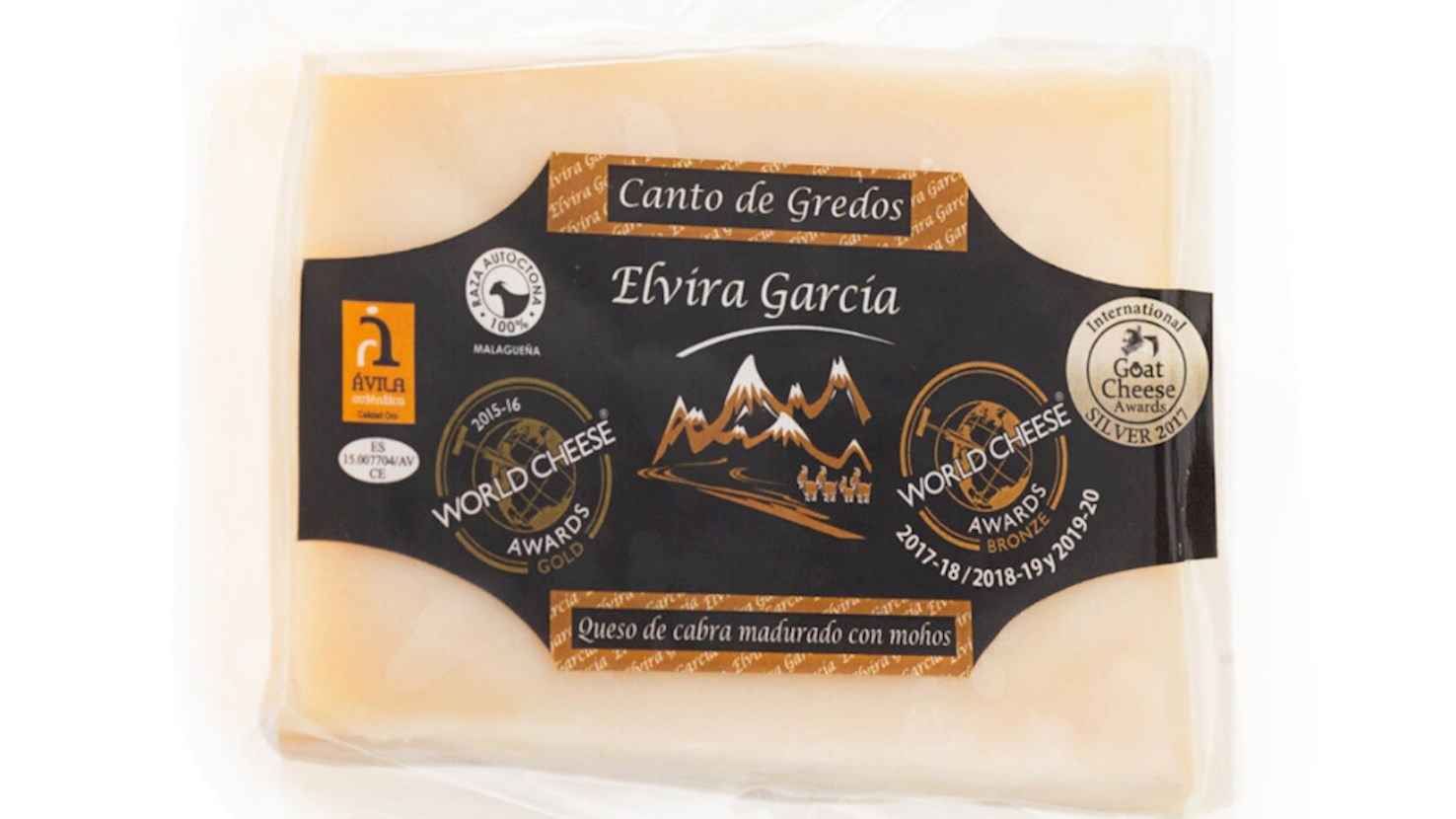
Quesos Elvira García is a cheese producer based in Zamora, Spain, specializing in the production of organic sheep cheese. The company emphasizes traditional methods combined with environmental sustainability, utilizing milk from local sheep herds.

Awards
World Cheese Awards - Gold (2024, 2022)
10

Granja Cantagrullas

4.9 ·

Granja Cantagrullas is a small-scale, artisanal dairy located in the village of Ramiro, in the Valladolid province of Castile and León, Spain, recognized as one of the most distinctive projects in contemporary Spanish cheesemaking. Founded by Rubén Valbuena, the dairy combines scientific knowledge with hands-on experimentation, resulting in a constantly evolving approach to cheese production.

The farm manages its own flock of around 1,200 native Churra sheep, ensuring full control over milk quality and traceability. Production is based on raw sheep’s milk, positioning Cantagrullas among the pioneers in Spain working with this method within a regulated framework.

Their cheeses are defined by an experimental character, often incorporating ingredients such as paprika or lavender, while exploring different textures and maturation techniques. Rather than maintaining a fixed portfolio, the dairy frequently develops cheeses in collaboration with high-end restaurants, adapting its range to gastronomic needs.

This dynamic approach prioritizes quality, seasonality, and innovation over standardization. Granja Cantagrullas has also become a reference point for professionals in the sector, functioning as a hub for knowledge exchange among cheesemakers.

Their work reflects a balance between local terroir and contemporary creativity, contributing to the evolution of Spain’s artisanal cheese scene. In addition to production, they actively support education and the development of a more informed cheese culture.

The result is a distinctive identity built on authenticity, technical precision, and a strong connection to modern gastronomy.

Awards
World Cheese Awards - Gold (2017)

Best Castilian-Leonese Cheese Types
01

Queso Zamorano

4.2 ·

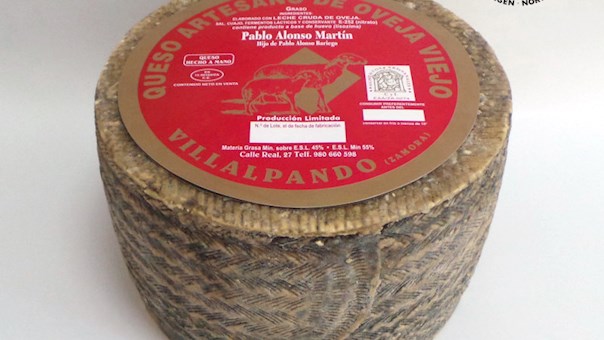
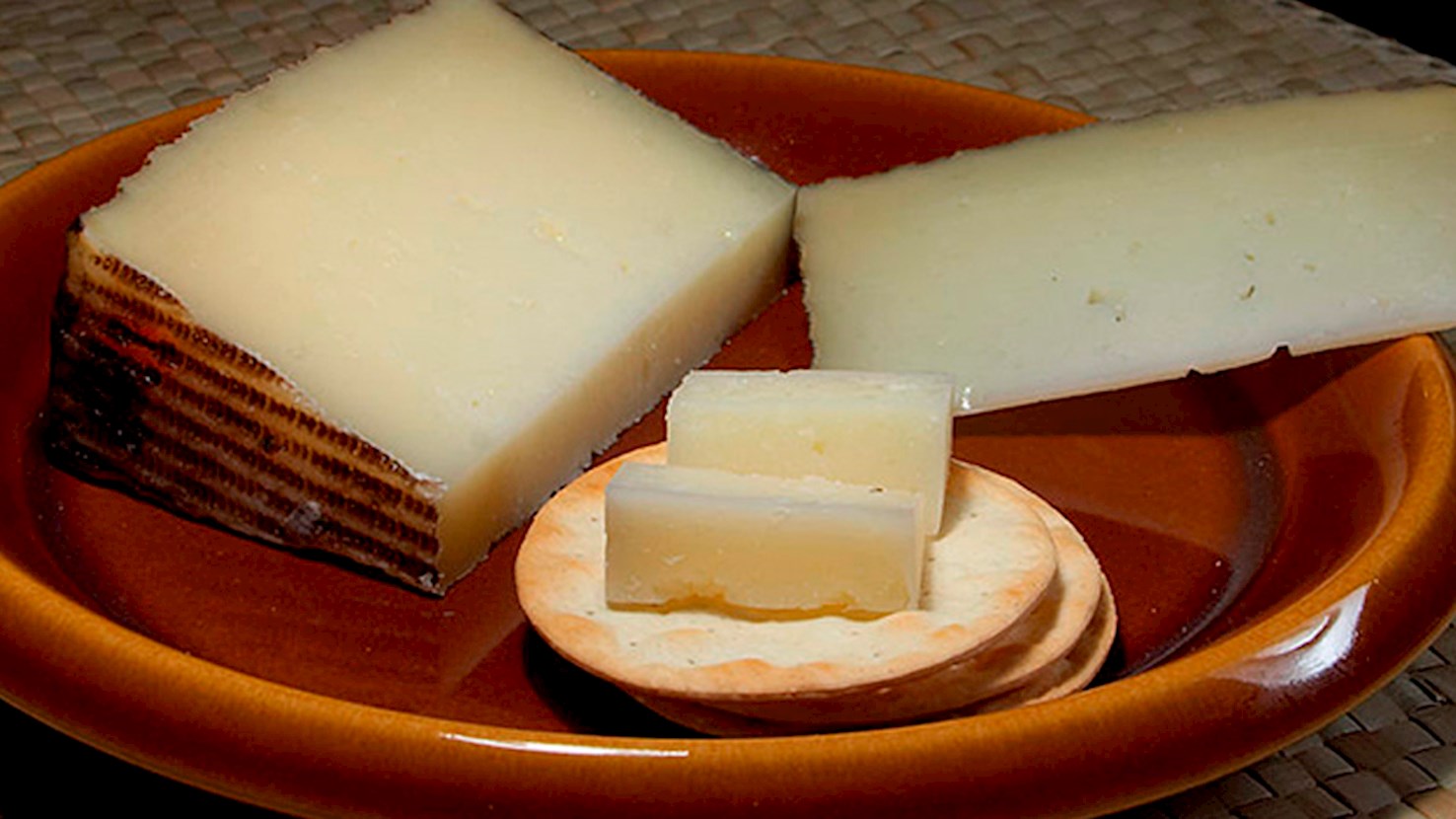
Queso Zamorano is a cheese made from the milk of Churra and Castellana sheep breeds in the province of Zamora, in Castilla y León. It has a characteristic herringbone pattern imprinted on the top and bottom and a woven esparto grass (zigzag) pattern on the sides. Depending on the weight of this cheese, its maturation period can range from 60 to 100 days. During this period, it is regularly turned and rubbed with olive oil, which causes the rind to become brown in color. Queso Zamorano has a full, piquant flavor with a delicate, tart aftertaste, and it's mostly consumed as a table cheese.

02

Queso de Valdeón

3.8 ·

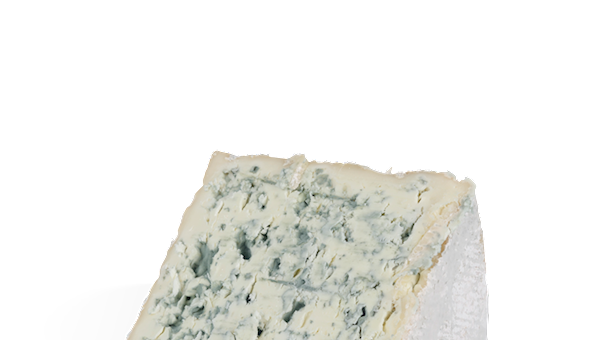
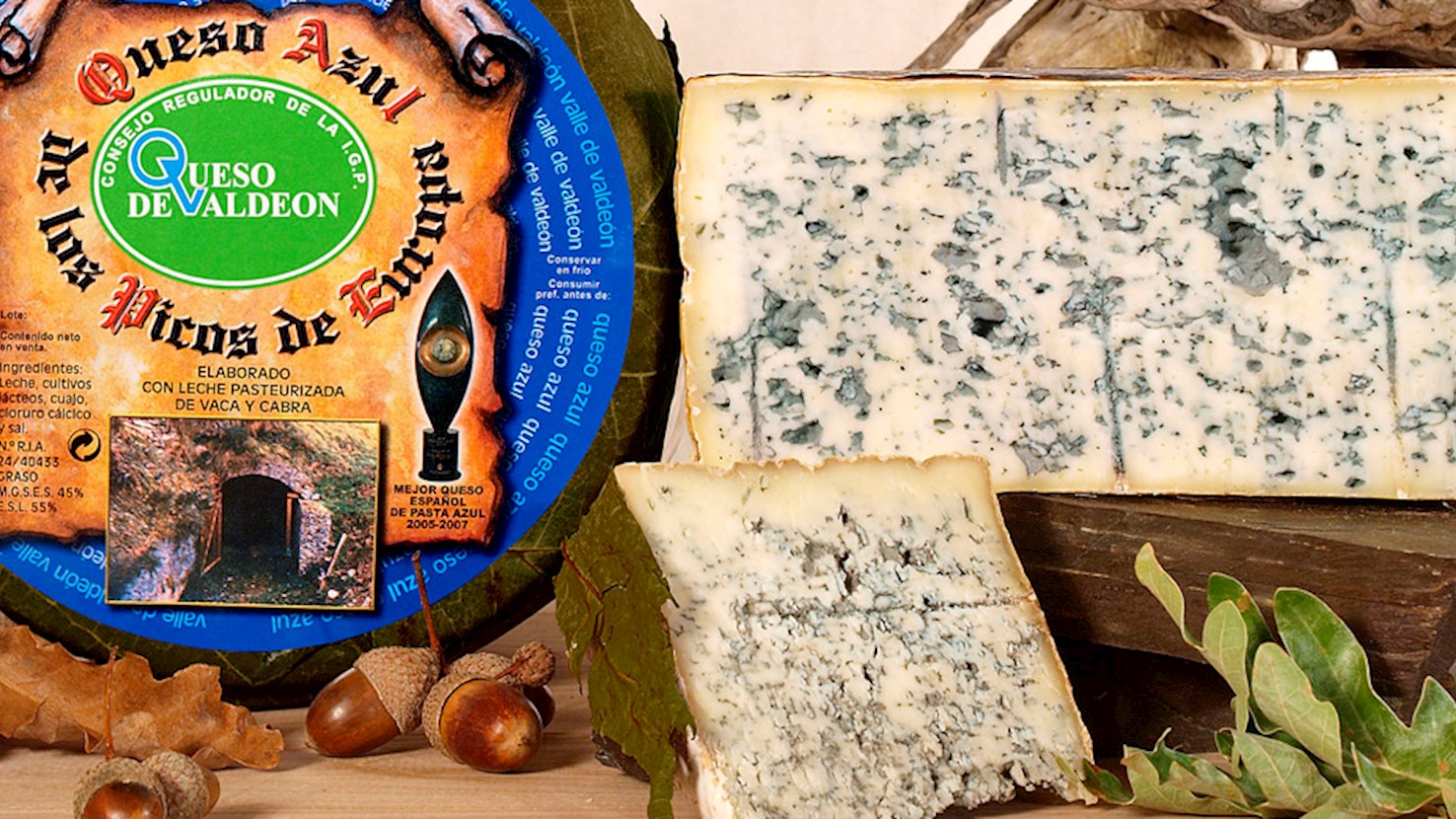
One of the great blues of Europe, this Spanish cheese is produced in the Picos de Europa Mountains, namely the valley of Valdeón. The smooth and creamy Valdeón blue cheese is made from either pure cow's milk or a combination of cow's, sheep's, and goat's milk. It is matured for about 45-60 days and sold wrapped in sycamore maple or chestnut leaves. Although it has all the character of a blue and a very intense, piquant flavor, Valdeón's bite is not as strong as the one in most other blue cheeses. It is best paired with sherry and young, fresh white wines, which offer a good counterpoint to Valdeón's richness and pungency.

03

Queso de Burgos

3.5 ·

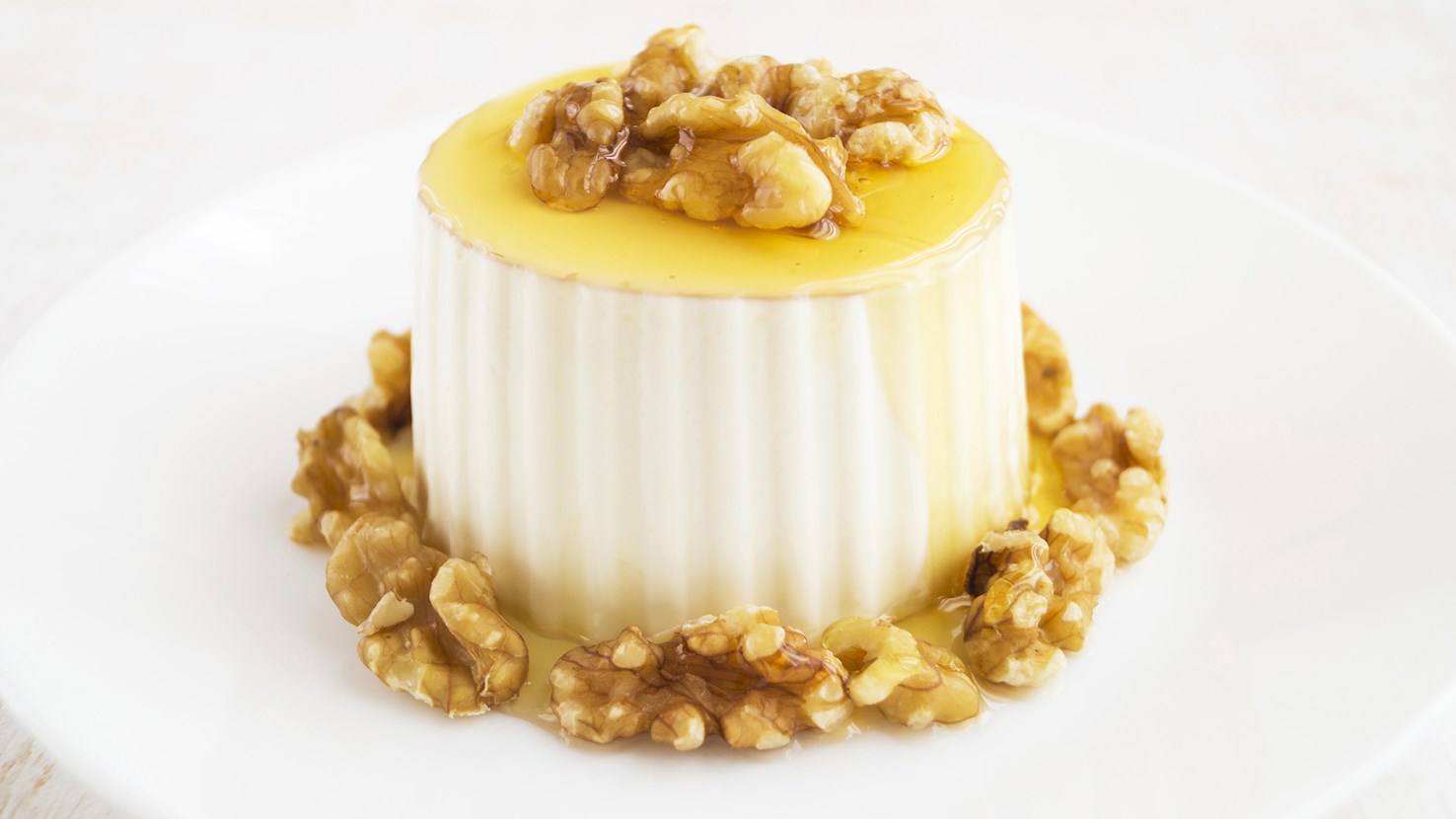
Queso de Burgos is a Spanish cheese made from pasteurized or unpasteurized cow's and sheep's milk. The cheese has a pure white color, and it is traditionally shaped into a wheel with characteristical ridges on top. Its texture is silky and creamy, while the flavors are very mild, fresh, milky, and slightly acidic. It is recommended to pair it with honey, walnuts, and dry white wines.

04

Leonora

n/a ·

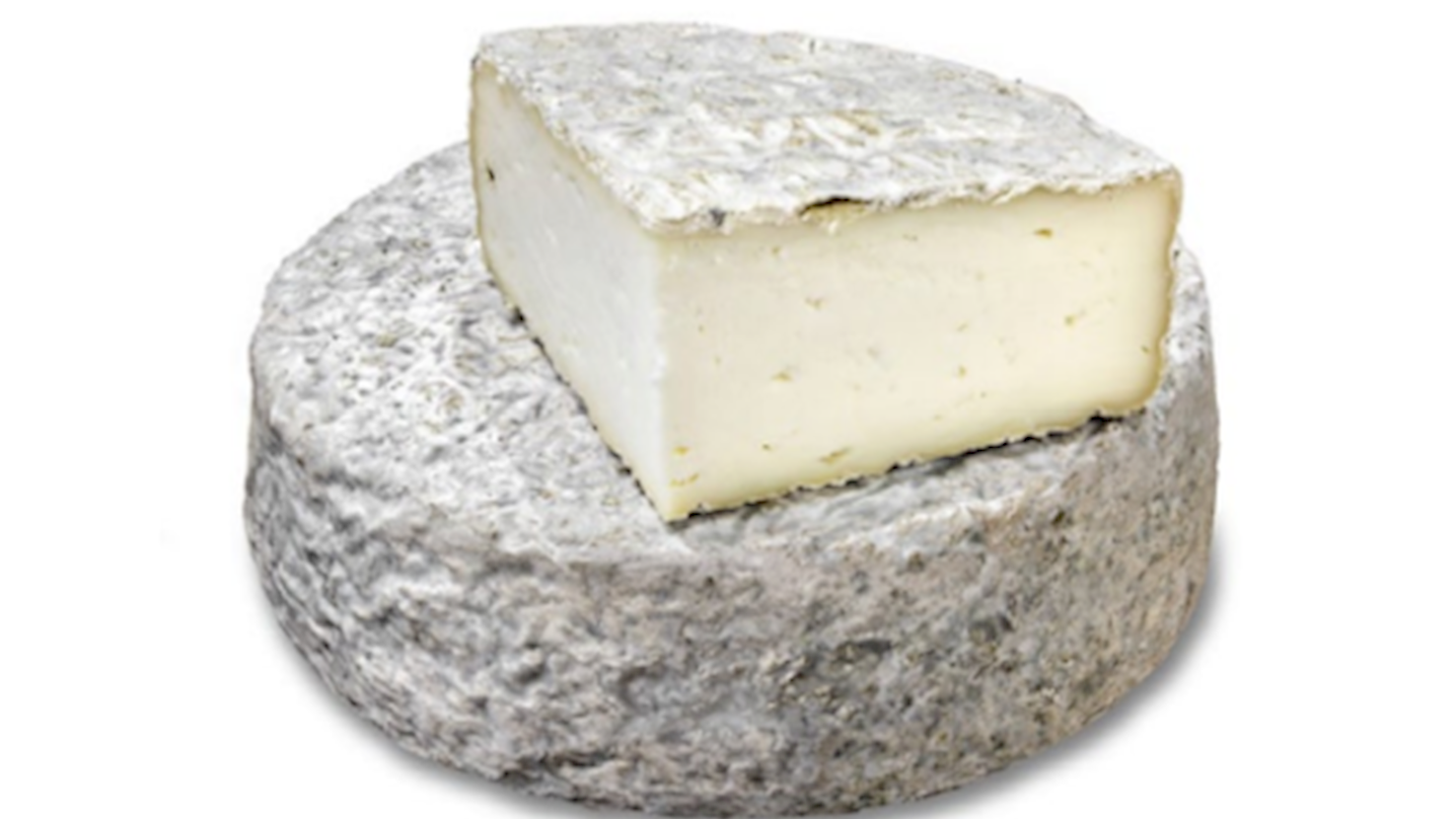
Leonora is a Spanish cheese originating from the region of Leon. The cheese is made from pasteurized goat's milk. It has a mold-ripened rind that's occasionally mottled with grey spots. Underneath it, the texture is dense and very smooth. With age, the paste breaks down under the rind, becoming a bit runny. When young, Leonora's flavors are creamy, bright, milky, and balanced, with grassy and lemony hints, and with age it becomes stronger and more intense, especially near the rind. It's recommended to pair the cheese with dried meat and a glass of dessert wine.

05

Monte Enebro

n/a ·

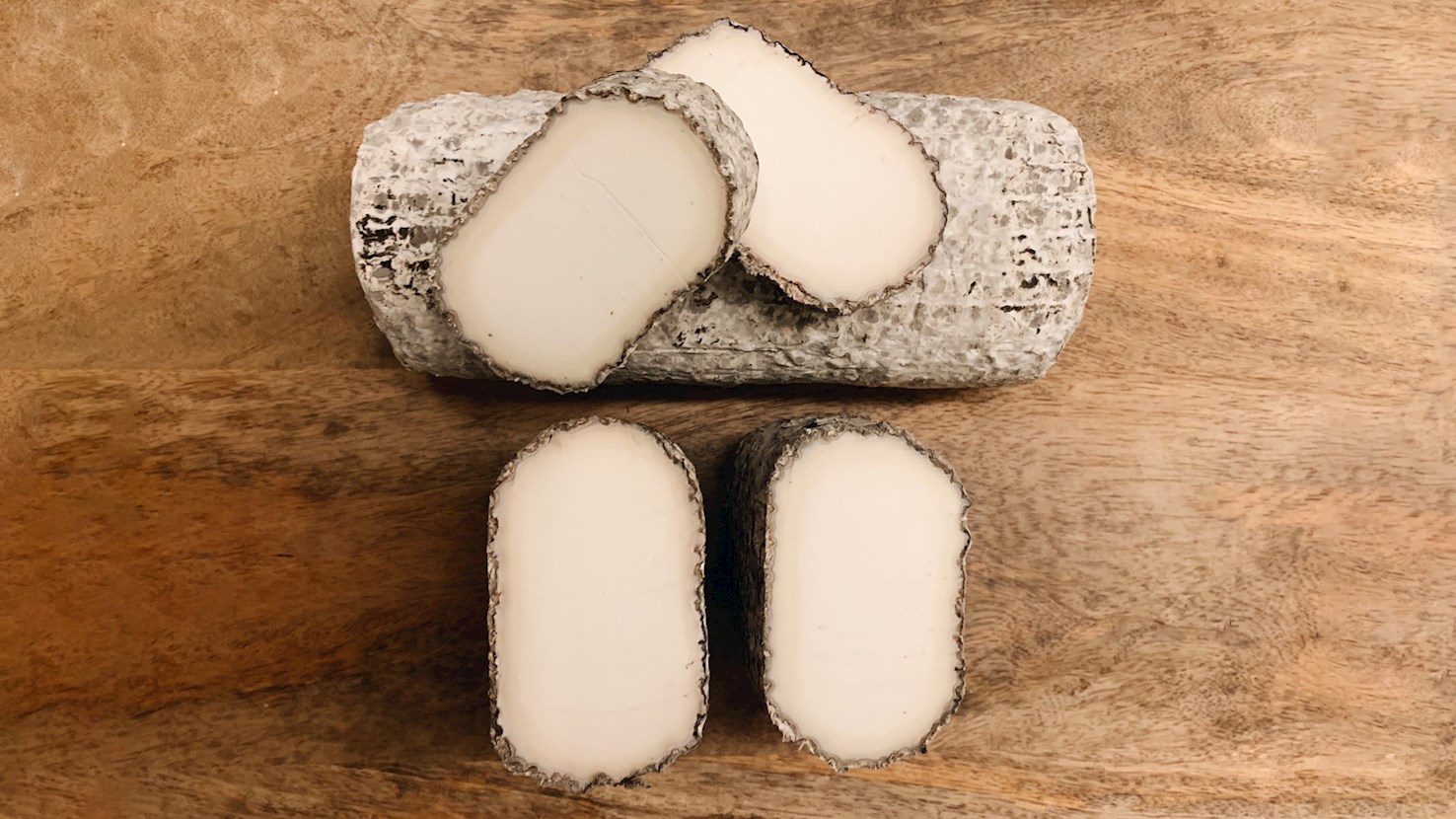
Monte Enebro is a soft-ripened Spanish cheese produced in the region of Avila by Rafael Báez and his daughter Paloma. The cheese is made from pasteurized goat's milk and ages for 6 to 8 weeks. It's shaped into a log, or to be more precise, mule's hoof. The distinctive rind is covered in gray and black mold. The aromas are intense, barnyardy and goaty, while the flavors are pungent, tangy, lemony, and acidic, depending on age. The texture of Monte Enebro is dense, brittle, and chalky when young, but with age it breaks down and becomes runny. It's recommended to add the cheese to a beetroot salad or fry it in tempura batter before serving it with orange blossom honey.

06

Queso Los Beyos

n/a ·

The artisan cheeses of Los Beyos are traditionally produced in the Picos de Europa mountains and made with either cow's, sheep's or goat's milk. Depending on the type of milk, this hard to semi-hard cheese is ripened for about 20 to 60 days and has a unique, flinty texture but at the very first bite, the firmness of Los Beyos melts into a creamy, buttery paste with a long balanced tangy aftertaste. The overall flavor is rich and reminiscent of the grass and aromatic herbs on which the animals graze in the lush valleys of the Sella River. Los Beyos cheese is best paired with Spanish ciders, Galician white wines or young Mencia-based red wines.

07

Queso Castellano

n/a ·

Queso Castellano is a pressed, firm-textured cheese made exclusively from sheep's milk within the autonomous community of Castilla y León in northwestern Spain, recognized legally under a Protected Georgraphical Indication (PGI) status granted by the European Union in 2020. The development of this cheese is linked to the historical sheep-rearing practices of the northern Spanish plateau (Meseta Norte), where the nomadic grazing of Churra and Castellana sheep breeds was organized by the Mesta, powerful association of sheep holders established in 1273, which secured migratory routes and grazing rights across Castile, thereby establishing a continuous supply of high-fat sheep's milk that was preserved through cheese-making using local molds and manual pressing techniques. Preparation of the cheese requires the use of raw or pasteurized milk from Churra, Castellana, or Assaf sheep, which undergoes coagulation using animal rennet at thirty to thirty-two degrees Celsius, followed by cutting the curd to grain size, draining the whey, pressing the curd in cylindrical molds to stamp the exterior with a distinctive Esparto grass weave pattern, salting the wheels by immersion in brine, and aging them in temperature-controlled chambers for a minimum of thirty days for small wheels under 1.5 kilograms and at least sixty days for larger wheels, though reserve versions can age for over nine months to develop concentrated flavors. Queso Castellano has naturally high dry-matter content of at least fifty-five percent, combined with a fat-in-dry-matter ratio of no less than fifty percent, which results in a dense, compact interior that lacks holes or exhibits only tiny, unevenly distributed eyes, while the natural rind is occasionally treated with olive oil or lard during curing to regulate moisture loss and mold development. The cheese is served at room temperature, ideally between eighteen and twenty degrees Celsius, sliced into triangular wedges of approximately half a centimeter in thickness to allow the fat to soften slightly, which releases volatile aroma compounds dominated by lactic, toasted, and nutty notes. It is consumed across Spain and in international markets, commonly presented on shared platters in local tapas establishments, specialized cheese shops, and domestic households. For food and beverage pairings, the pronounced sheep's milk fat and savory, slightly piquant finish of aged Queso Castellano complement robust flavors, meaning it is eaten alongside cured meats like Jamón Ibérico, cecina de León, quince paste (membrillo), walnuts, and crusty wheat bread, and is paired with full-bodied, oak-aged red wines from local denominations of origin such as Ribera del Duero, Toro, or Cigales.

08

Veigadarte

n/a ·

Veigadarte is a Spanish cheese made in small batches, originating from Ambasmestas in the Castilla-Leon region. The cheese is made from pasteurized goat's milk and it's usually left to age for a month before consumption. The cheesemaker Joaquin Casado uses milk from a mix of two Spanish breeds, Florida and Murciana, with a high butterfat content. Underneath its bloomy, ash-coated rind, the texture of the cheese is firm, smooth, and creamy. The aromas are earthy and yeasty, while the flavors are tangy, creamy, and smooth. It's recommended to pair Veigadarte with a glass of sparkling wine and sevre it with raspberries or almonds. There's also versions with added garlic, quince, green chili peppers, black pepper, and red pepper.

09

Beato de Tábara

n/a ·

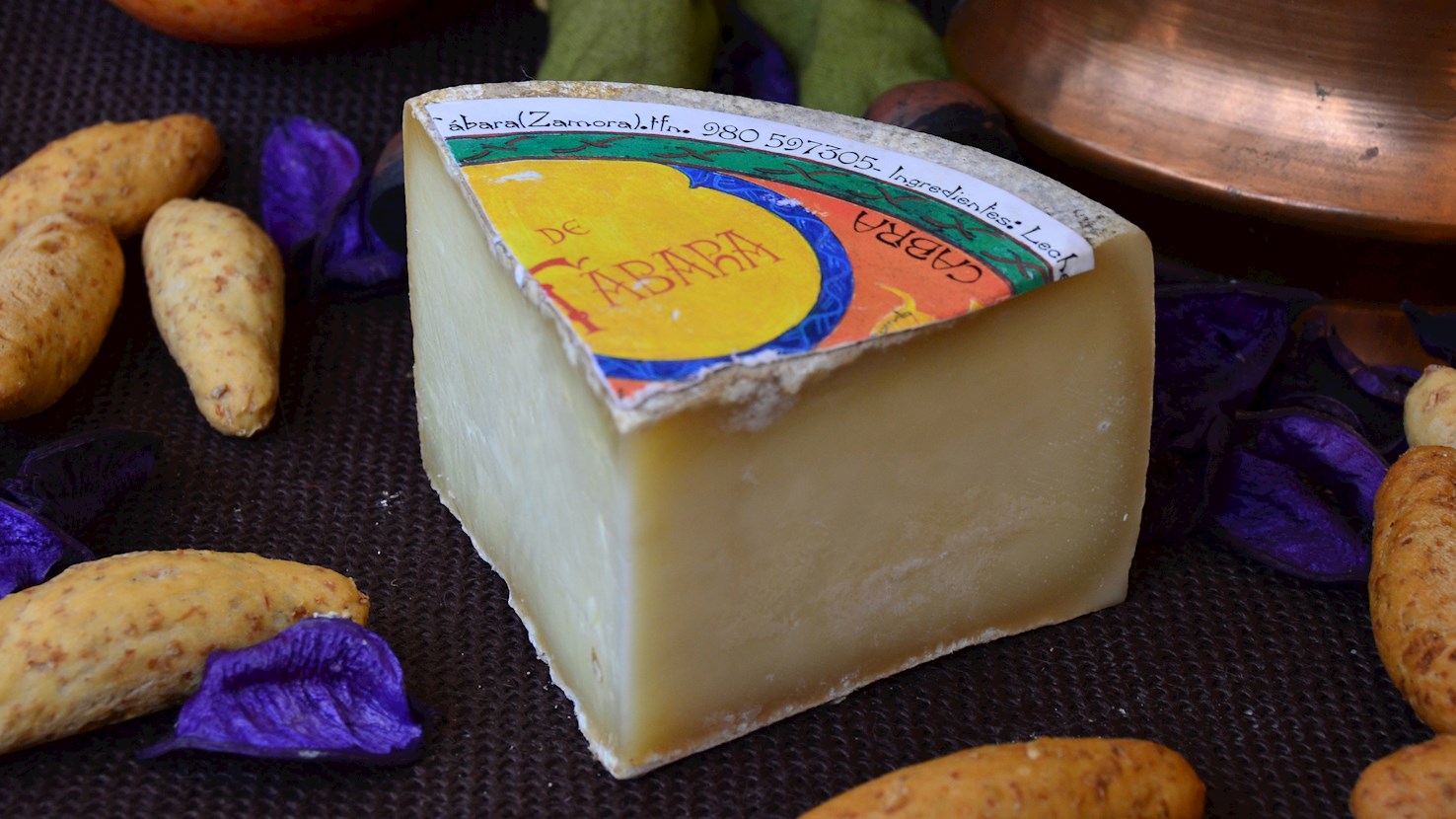
Beato de Tábara is a Spanish cheese hailing from San Martin de Tábara in Castilla-León. The cheese is made from raw goat's milk and it's usually left to age from 60 to 100 days. Underneath its thin moldy rind with a cellar-like aroma, the texture is semi-firm and dense. The flavors are sweet, goaty, and earthy, with grassy notes. It's recommended to serve Beato de Tábara with ripe pears and a glass of Riesling or Tempranillo.

About this Ranking

TasteAtlas food rankings are based on the ratings of the TasteAtlas audience, with a series of mechanisms that recognize real users and that ignore bot, nationalist or local patriotic ratings, and give additional value to the ratings of users that the system recognizes as knowledgeable.

TasteAtlas Rankings should not be seen as the final global conclusion about food. Their purpose is to promote excellent local foods, instill pride in traditional dishes, and arouse curiosity about dishes you haven’t tried.

The initial list of top producers was compiled based on available reviews, awards, local recommendations, media and blog coverage, and consumer reviews. The list will be updated with ratings from TasteAtlas local ambassadors and TasteAtlas users.

What People Say

Similar Lists