shutterstock

Top 10 Cycladic Cheeses

Last updated on June 10, 2026

Best Cycladic Cheeses
01

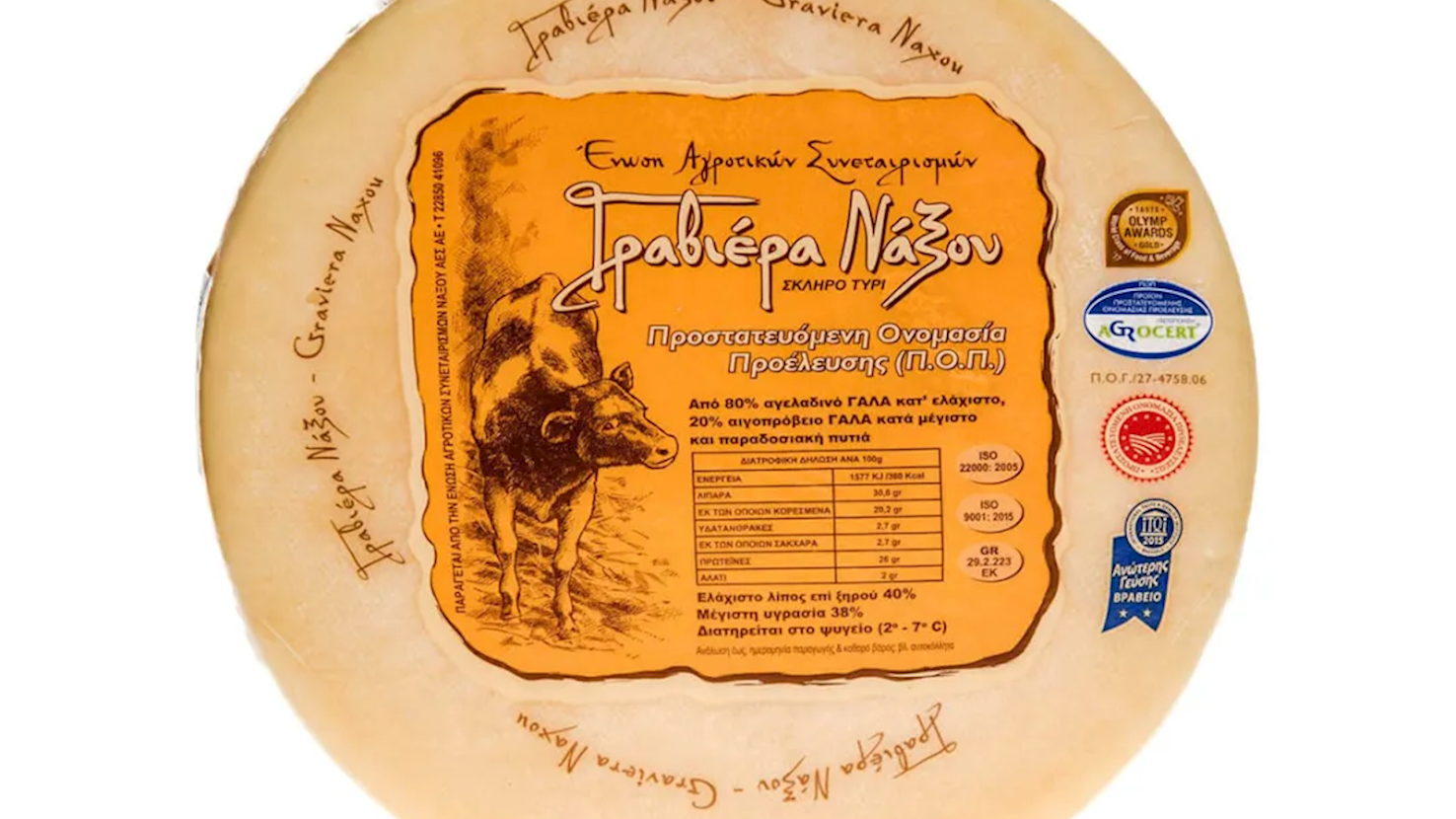
E.A.S. Naxos

4.9 ·
E.A.S. Naxos was founded in 1926 and is a key player in Naxos's agricultural sector, especially known for its dairy and cheese production. This cooperative is significant for its contributions to the local economy and for supporting the agricultural activities on the island. E.A.S. Naxos has several primary products, with Graviera Naxou P.D.O. cheese being its most famous. This cheese is protected under the Protected Designation of Origin status, signifying its unique regional characteristics. The cooperative also produces other dairy products and operates a modern milk processing plant. Furthermore, the cooperative has expanded into other agricultural products like the Patata Naxou, which is recognized with a Protected Geographical Indication.
Awards
Taste Olymp Awards - Gold (2017)
02

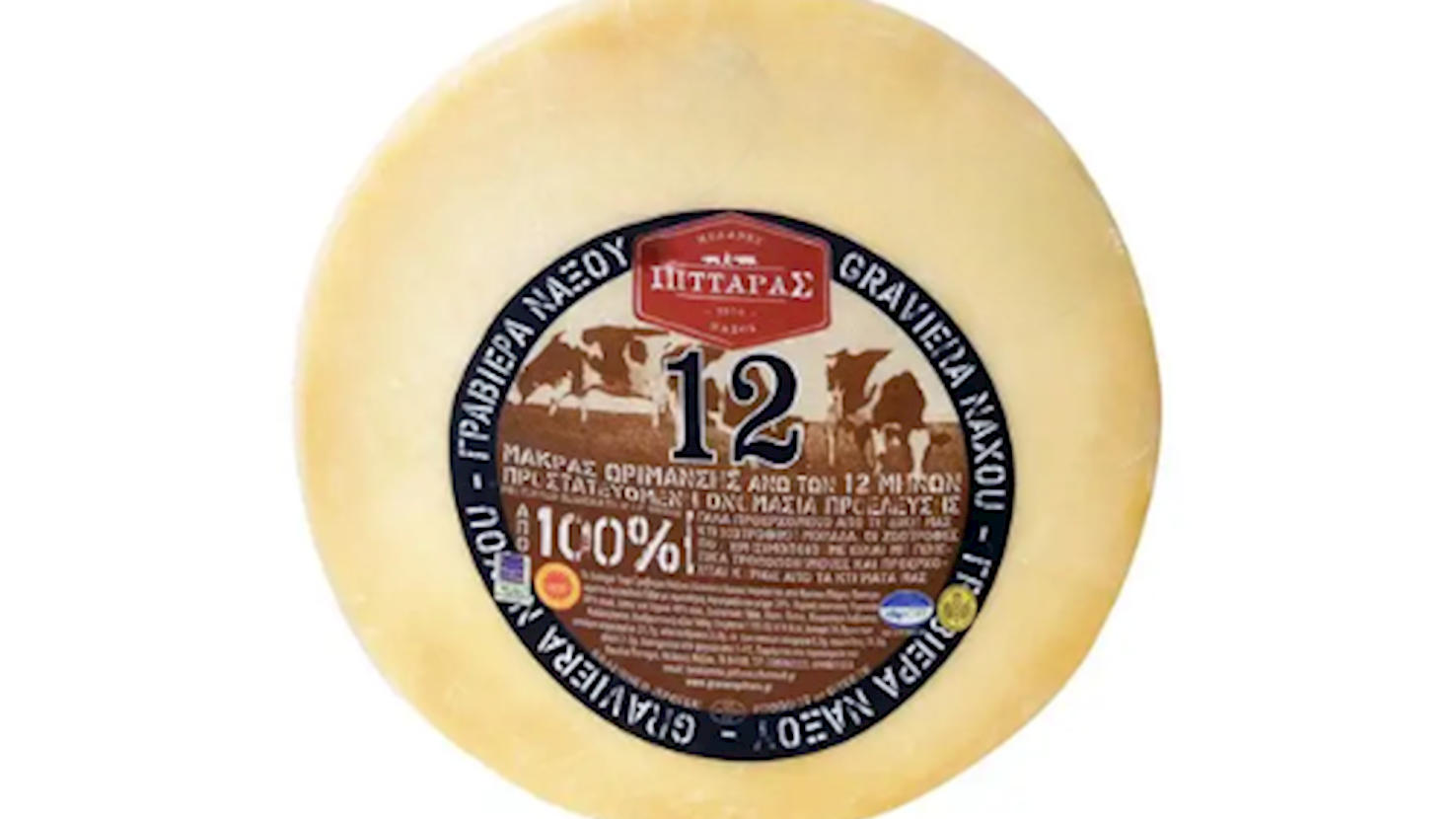
Graviera Pittara

4.8 ·
Graviera Pittara is a family-owned dairy producer located on the picturesque island of Naxos, Greece. Established with a mission to preserve and promote the island's rich cheesemaking traditions, the company specializes in crafting high-quality artisanal cheeses using fresh milk from local farmers. In addition to Graviera, the company produces other traditional Greek cheeses such as Kefalotyri, Xynotyro, and specialty matured varieties. Graviera Pittara seamlessly combines age-old practices with modern technology, ensuring both quality and authenticity in every product.The dairy has earned numerous accolades at international competitions, highlighting their commitment to excellence and the unique character of their cheeses. Graviera Pittara's products are celebrated not only in Greece but also internationally, bringing the taste of Naxos to tables worldwide.
Awards
Mediterranean Taste Awards - Platinum (2024, 2023, 2022, 2021)
Superior Taste Awards - 3 stars (2025, 2024)

Best Cycladic Cheese Types

01

Graviera Naxou

4.6 ·

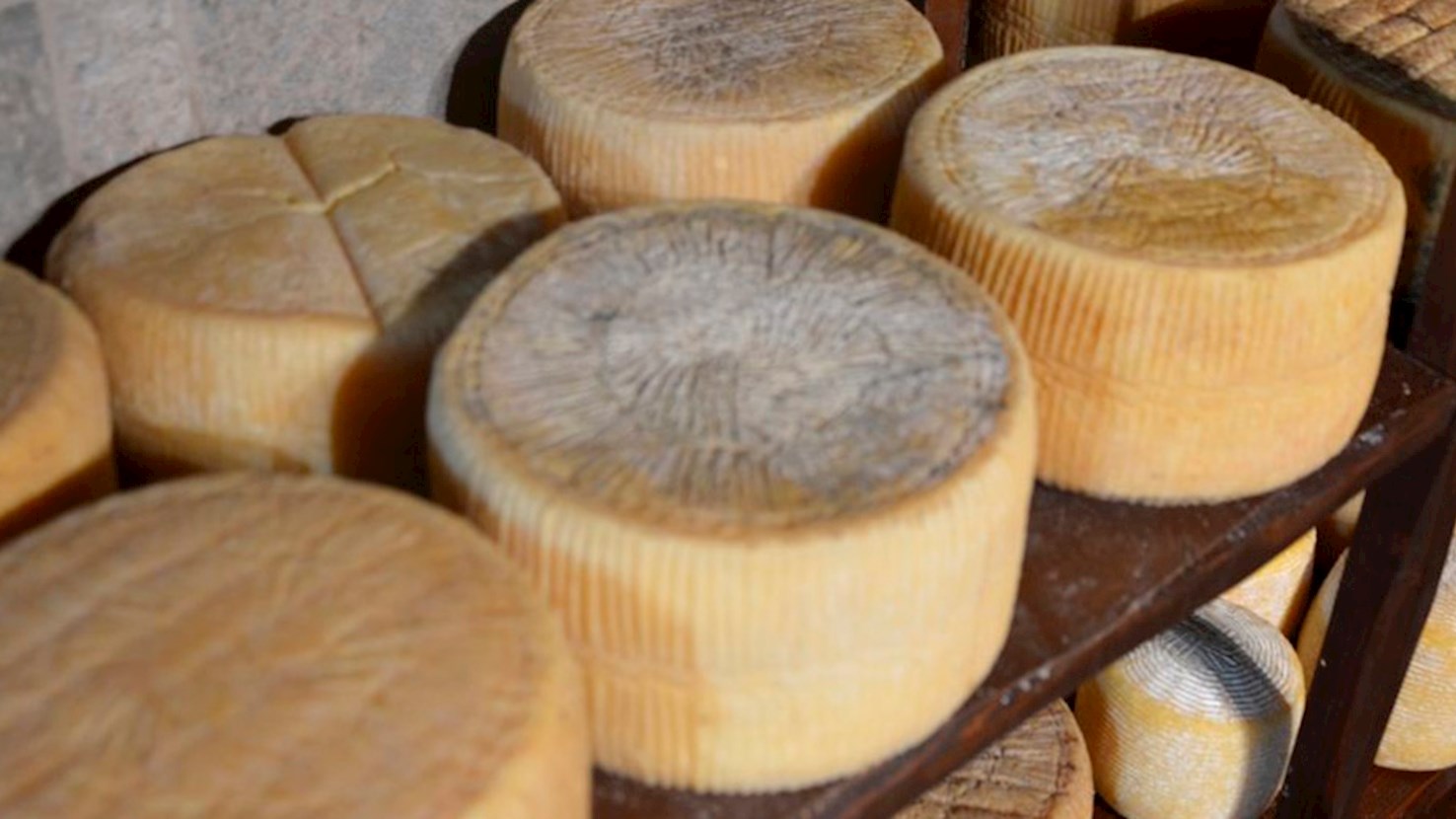
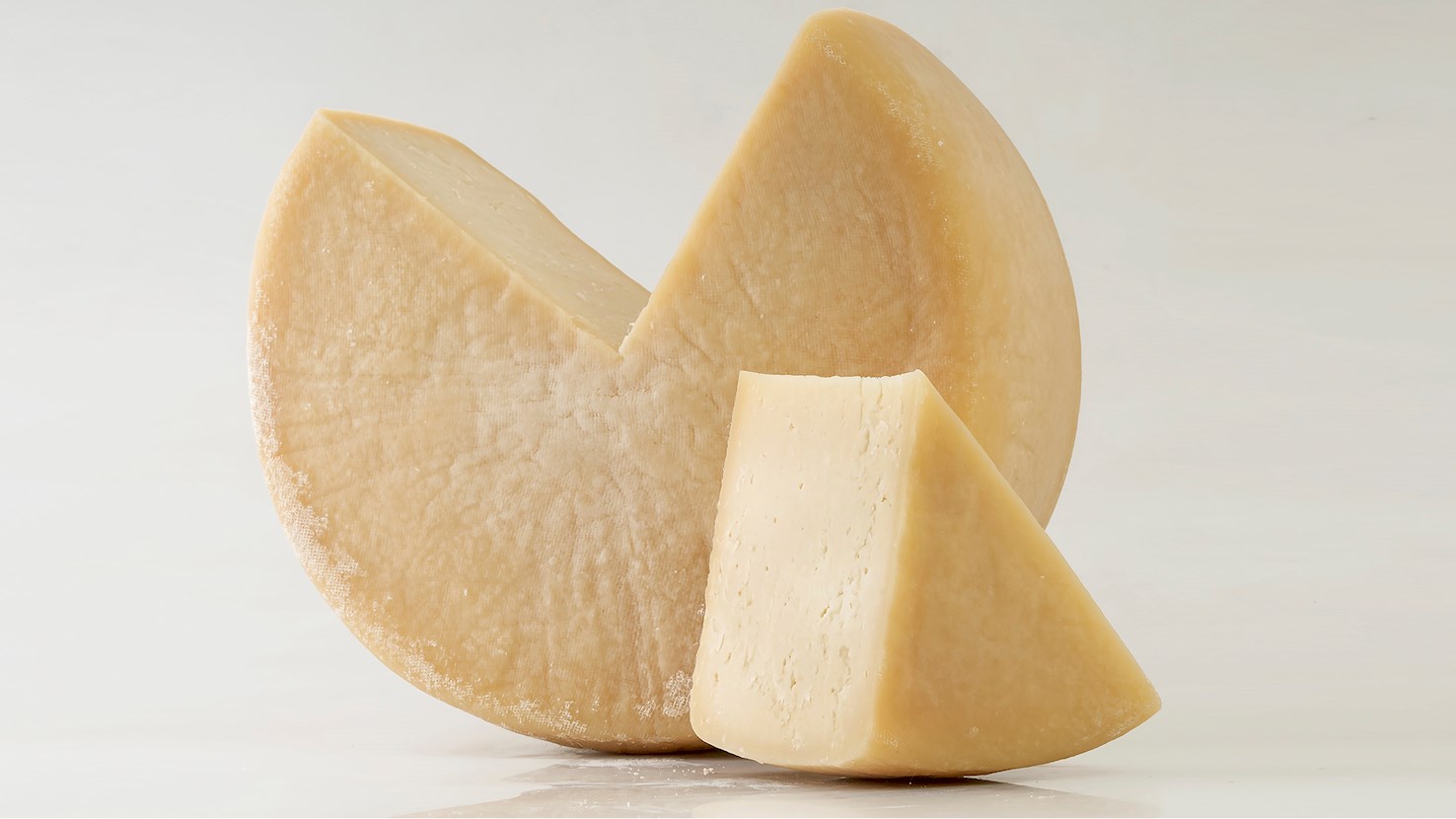
This cheese has been produced on the island of Naxos in the Cyclades for at least a century. Graviera Naxou is made from pasteurised cow milk or a mixture of sheep milk and a maximum of 20% goat milk. It has a thin rind and a light yellow, compact interior filled with small holes. Graviera Naxou is a hard table cheese with a refreshing taste and light aroma. It has a maximum moisture content of 38% and at least 40% fat content. The milk used for its production comes from breeds that are traditionally raised on the island, which feed on a diet of local plants and herbs that give their milk a unique flavor. It can be sliced and served as an appetizer, fried and eaten as a snack, or grated over pasta.

02

San Michali

4.4 ·

This hard cheese is obtained exclusively from the milk of cows bred on the island of Syros in the Cyclades archipelago, where this famous cheese has been produced for more than half a century using the same traditional methods. The local cows are fed a diet of aromatic local plants and herbs, which contribute to the buttery scent of this cheese. It is quite hard and compact with many irregular holes. It has a cylindrical shape and a color that varies from light to intense yellow. Its aroma is unique and it has a pleasantly spicy taste with an aftertaste reminiscent of dried fruit. It can be eaten plain as a table cheese, and it is also often used as an ingredient in soufflés or omelettes.

03

Arseniko Naxou

4.4 ·

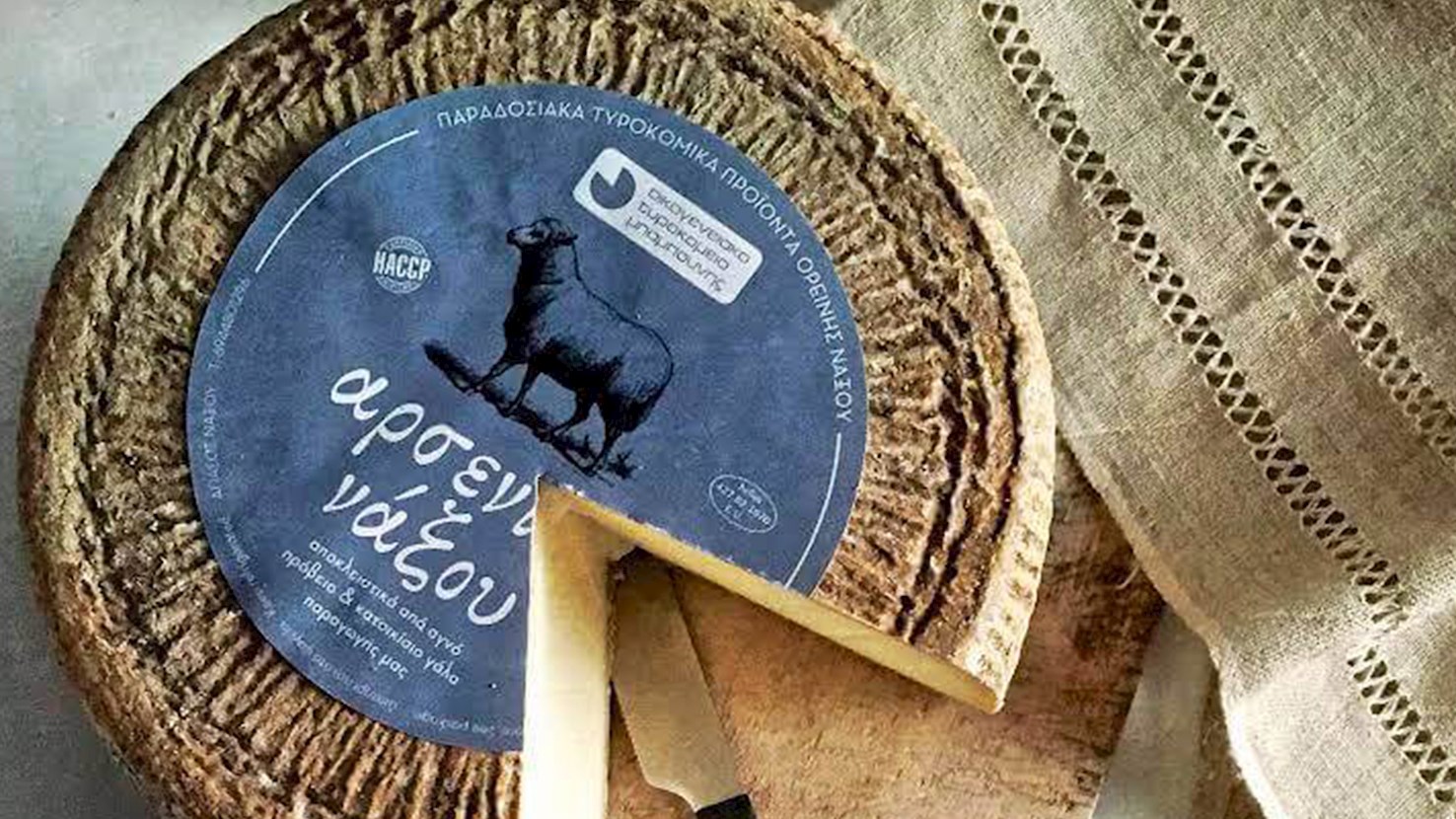
Arseniko Naxou is a Greek cheese originating from the island of Naxos, hence the name. The word arseniko means male or masculine. The cheese is made from raw sheep’s and goat’s milk with the addition of whey. After it thickens, the cheese is drained in specially designed baskets known as tirovola. In the beginning, its flavor is sweet, but after a few months it develops a spicy and aromatic flavor.

04

Kopanisti

4.2 ·

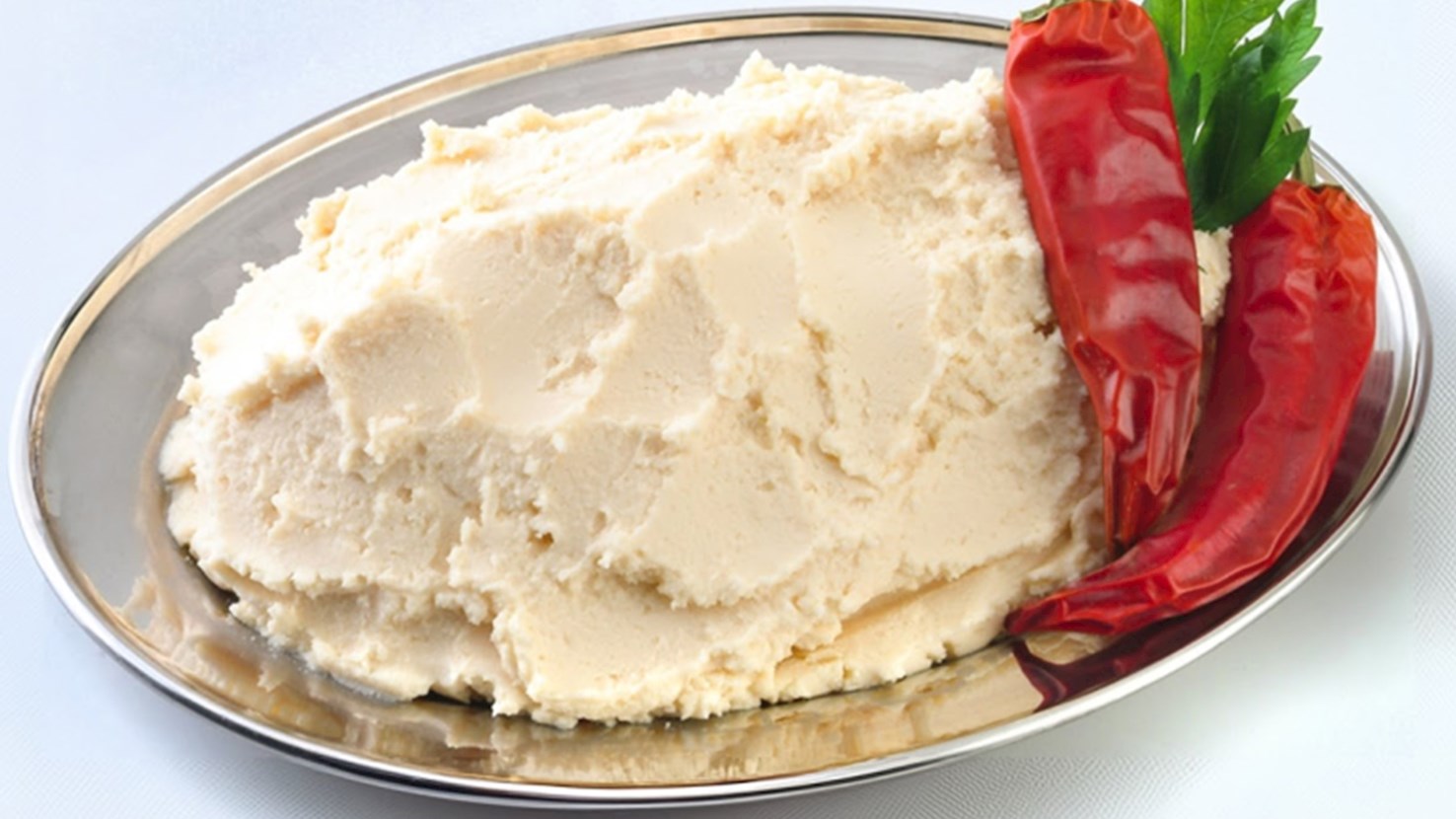
This cheese is traditionally produced from goat's or sheep's milk, although some dairies also use cow’s milk or a mixture of the three, taken from breeds reared on the Cyclades in the southern Aegean Sea. The diet of the animals is based on the area's endemic aromatic plants, which affect the flavor of their milk. In recent past, the traditional method of producing this cheese was improved by the addition of fresh butter made from the cream obtained after skimming the milk, but this butter can only amount to 15% of the total weight of the cheese. It increases the fat content and gives Kopanisti an even creamier texture. The flavor of this white to slightly pink cheese is often described as spicy, pungent, peppery, and reminiscent of Roquefort due to fermentation of bacteria such as penicillium and lactobacilli. The best-known types of Kopanisti are from Tinos and Mykonos. The cheese is mainly served as an appetizer alongside a glass of ouzo, retsina, or raki, and is often used in traditional dishes and sandwiches due to its creamy and spreadable texture. One of the most popular ways to use it is in a Myconian variation of ntakos - a barley rusk that's softened in olive oil and water, topped with chopped tomatoes, Kopanisti cheese, olive oil, and oregano.

05

Souroto

3.6 ·

Souroto is a soft white cheese produced on the Greek island of Folegandros. It is typically made with fresh goat’s or sheep’s milk (or a mixture of both kinds). The texture of the cheese is soft and creamy while the flavors are salty, light, and peppery. It is often compared to the Mykonian tyrovolia, another variety of soft cheese made from goat’s, sheep’s, and cow’s milk. Souroto is considered to be among the best-known dairy products on the island, and it is traditionally enjoyed as an appetizer or a snack alongside a glass of wine. It is usually eaten as a table cheese, although it can also be incorporated in traditional cheese pies or sprinkled over salads and pasta dishes (such as the local matsata noodles).

06

Xynotyro

3.4 ·

Xynotyro is a Greek whey cheese originating from the island of Mykonos. It is made from goat’s or sheep’s milk. The cheese is characterized by its hard, flaky, melt-in-the-mouth texture. Its aroma is pungent, while its flavor is sweet, sour, and reminiscent of burnt caramel. Xynotyro is traditionally drained and cured in reed baskets, then matured in bags made from animal skin. However, it can be consumed fresh or after it has been aged for three months. It is recommended to use it in baked dishes and salads.

07

Chloro

3.3 ·

Chloro is a fresh Greek cheese made from goat’s milk. It is characterized by a soft, creamy texture and a rich, distinctive flavor. The production of chloro is somewhat limited, but it can sometimes be found in Greek restaurants and shops. It is recommended to consume it as a table cheese or grate it over salads and savory dishes.

08

Naxos Kefalotyri

n/a ·

Naxos Kefalotyri is a traditional hard cheese from the Greek island of Naxos, known for its unique flavor and production methods. Unlike typical Kefalotyri, which is made from sheep or goat milk, Naxos Kefalotyri often includes a significant proportion of cow’s milk due to the island’s strong dairy farming traditions. This results in a milder and creamier taste compared to other regional variations. The cheese has a firm, crumbly texture with a slightly salty, tangy flavor and nutty undertones, making it versatile for grating, frying, or enjoying as a table cheese. Its pale yellow color and compact surface are characteristic of its traditional production. Naxos Kefalotyri is often used in classic Greek dishes such as saganaki or grated over pasta and pairs well with bread and wine.

09

Gidino

n/a ·

Gidino is a traditional cheese made exclusively from goat's milk, produced primarily on the island of Naxos. It is known for being slightly harder than feta and has a white color. Its texture is firmer and less fatty compared to other goat cheeses, making it an excellent table cheese. It is often praised for its nutritional benefits, being rich in calcium, magnesium, and phosphorus. Moreover, because it is made from goat's milk, it contains proteins that can be easier to digest and are considered antiallergenic. Gidino cheese can be used in a variety of dishes or simply enjoyed on its own with bread and olive oil​.

10

Kariki

n/a ·

Kariki is a unique and traditional cheese originating from the Greek island of Tinos. Kariki is essentially a blue cheese, but what makes it particularly special is that it's made from the milk of cows, sheep, or goats, and then aged in hollowed out and dried gourds, a method that contributes to its unique taste and texture. The aging process is crucial to developing Kariki's characteristic flavors. The cheese is first left to mature in the gourds for up to six months, where it naturally ferments and develops a strong, pungent flavor, similar to other well-known blue cheeses. However, unlike many blue cheeses that are inoculated with specific molds, Kariki's fermentation process relies on the natural flora present in the gourds and the environment, which gives it a distinct terroir-specific taste that cannot be replicated elsewhere. Kariki is not very well-known outside of Greece, making it a rare find for cheese enthusiasts. Its flavor is described as intensely spicy and salty, with a creamy yet crumbly texture. Due to its strong taste, Kariki is often enjoyed as part of a cheese platter, paired with sweet fruits like figs or pears, or used sparingly in salads and other dishes to add a depth of flavor.

Read more
View all
View map
About this ranking

TasteAtlas food rankings are based on the ratings of the TasteAtlas audience, with a series of mechanisms that recognize real users and that ignore bot, nationalist or local patriotic ratings, and give additional value to the ratings of users that the system recognizes as knowledgeable. For the “Top 10 Cycladic Cheeses” list until June 10, 2026, 1,042 ratings were recorded, of which 363 were recognized by the system as legitimate. TasteAtlas Rankings should not be seen as the final global conclusion about food. Their purpose is to promote excellent local foods, instill pride in traditional dishes, and arouse curiosity about dishes you haven’t tried.

The initial list of top producers was compiled based on available reviews, awards, local recommendations, media and blog coverage, and consumer reviews. The list will be updated with ratings from TasteAtlas local ambassadors and TasteAtlas users.

Similar lists