Top 7 Romanian Cheeses

Last updated on June 10, 2026

Best Romanian Cheeses
01

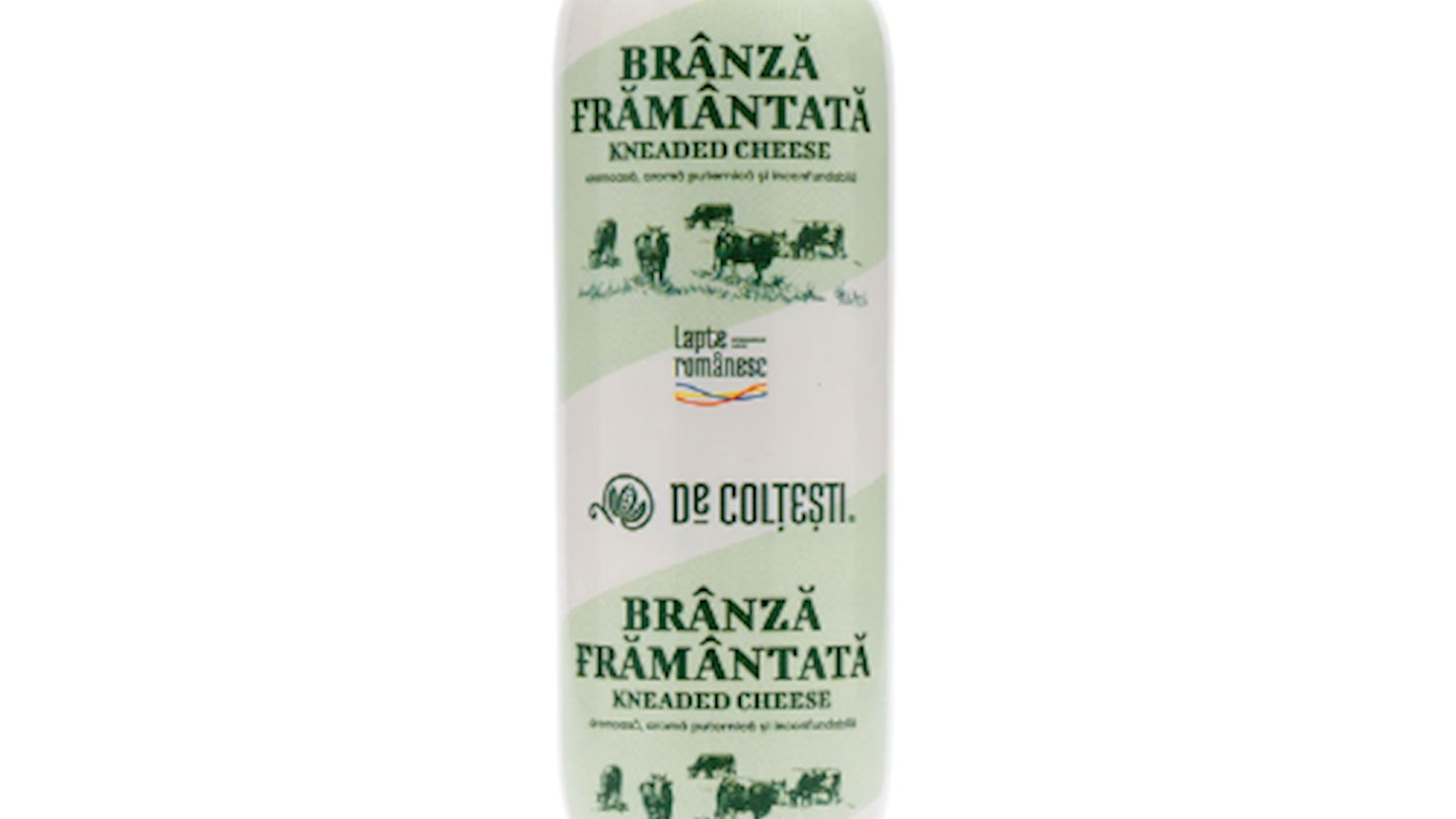
De Colțești

5 ·
De Colțești is a Romanian cheese producer based in the village of Colțești, in the Rimetea area of Alba County, in the heart of Transylvania, founded in 1994. The company has developed as a modern dairy that combines local milk-making traditions with contemporary technological standards, relying on milk sourced from the mountainous Trascău region. It is best known for its mature and long-aged cheeses, particularly hard cheeses with a pronounced, full-bodied flavor, often marketed under the Torockoi brand. Its portfolio includes both traditional Romanian cheese styles and products inspired by broader European cheesemaking traditions, adapted to modern consumer preferences. The production philosophy emphasizes quality control, consistency of flavor, and carefully managed aging processes, while preserving a strong regional identity. De Colțești is regarded as one of the notable representatives of the modern Romanian cheese scene, successfully bridging Transylvanian tradition with industrial precision and market-oriented production.
02

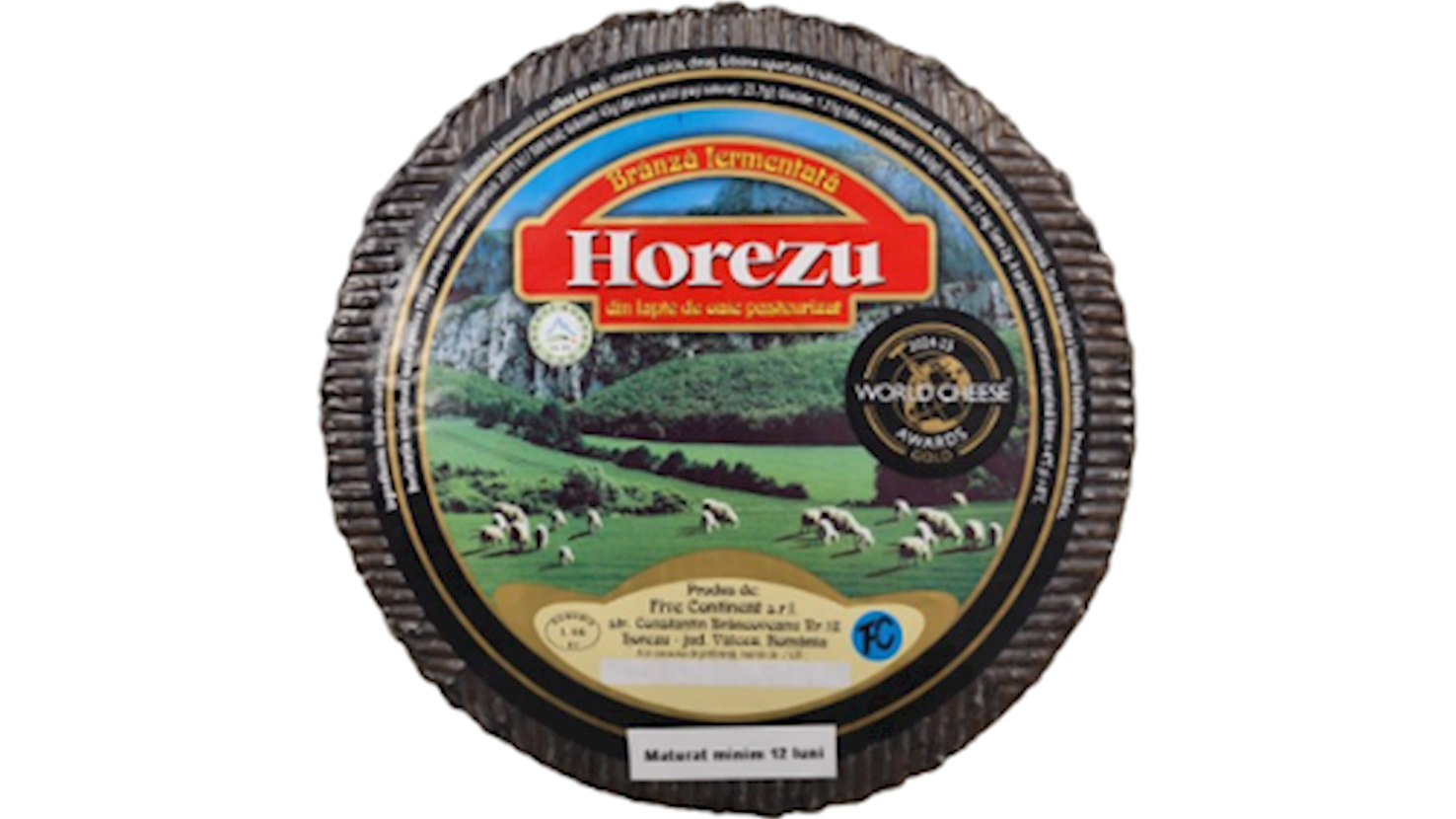
Five Continent

4.9 ·
Awards
World Cheese Awards - Gold (2025)
World Cheese Awards - Gold (2024)
03

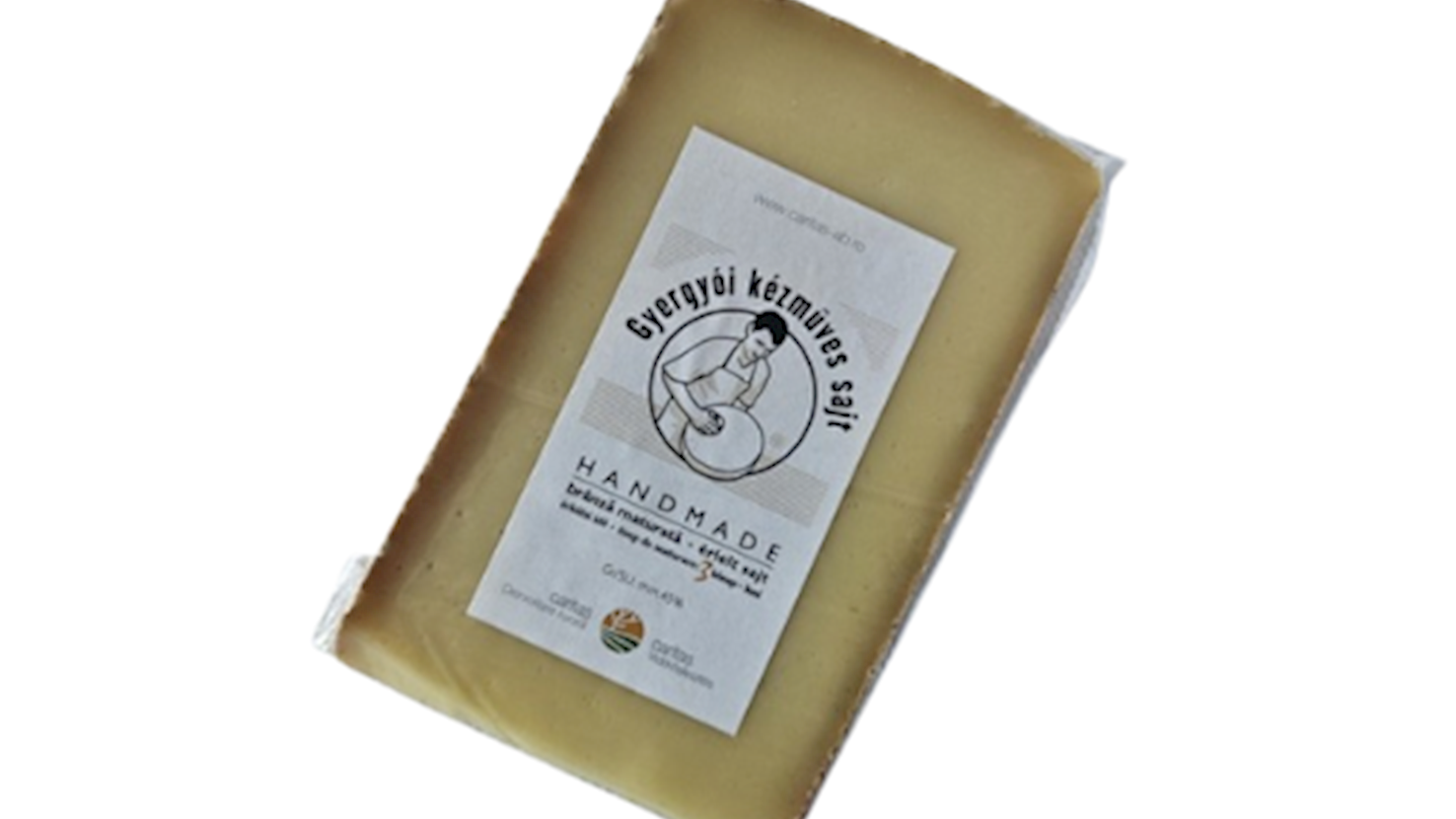
Caritas

4.9 ·
Awards
World Cheese Awards - Gold (2024)

Best Romanian Cheese Types

01

Telemea de Ibăneşti

4.2 ·

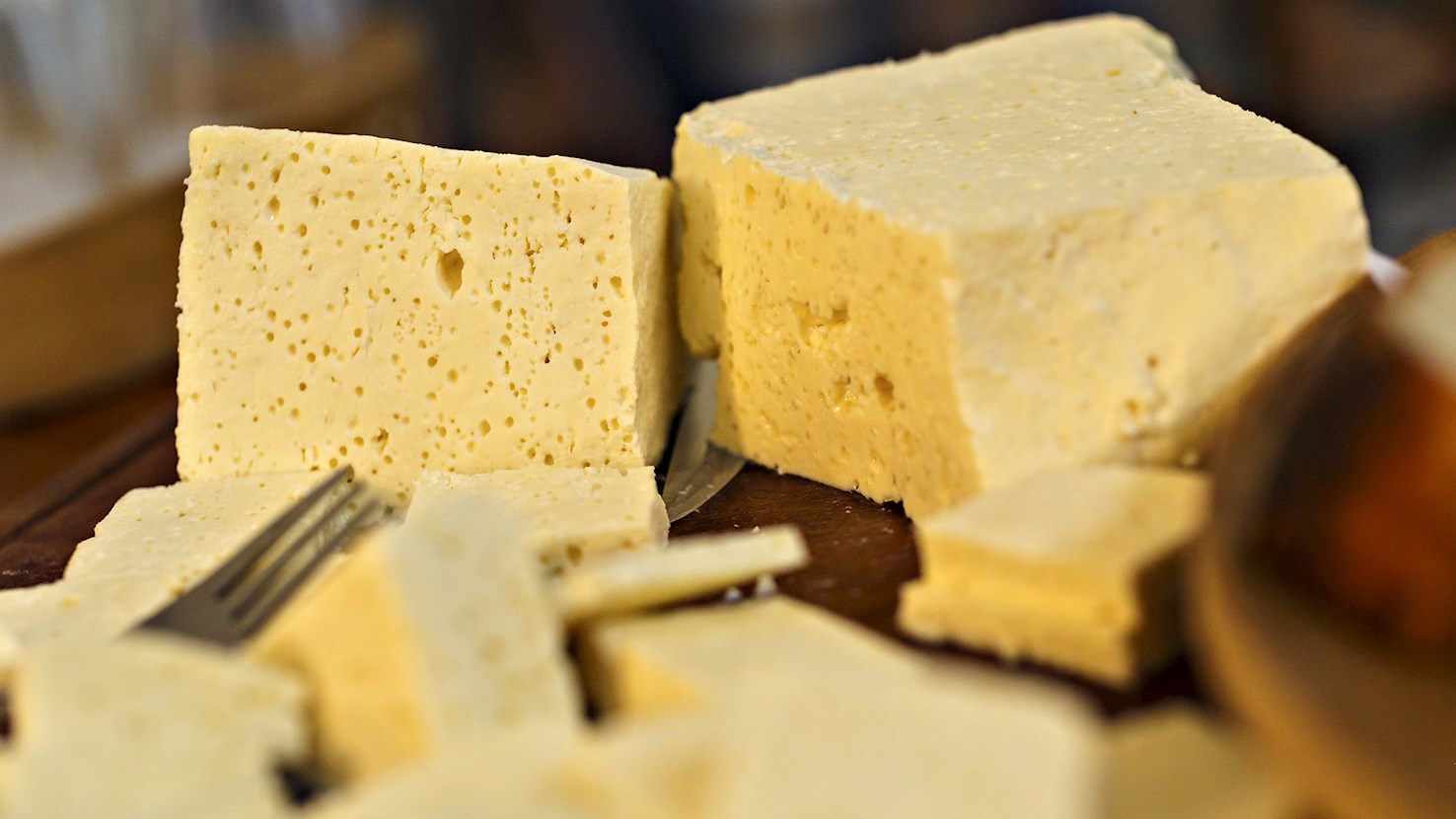
Telemea de Ibanesti is a traditional cheese made in the Gurghiu valley from cow's or sheep's milk. Its texture is quite wet and crumbly because the block-shaped cheese is placed in brine during the production. Telemea is white to yellowish-white in color and has a sweet, sour, creamy, and salty flavor that gets more intense as the cheese ages. The maturation process lasts for a minimum of 20 days. These tasty blocks of cheese are sold in vacuum-sealed bags or drums to preserve the shape and flavor. Due to the fact that it is similar to feta cheese, Telemea is used in salads, snacks, and omelets, and it’s typically paired with white wines.

02

Brânză de burduf

4.1 ·

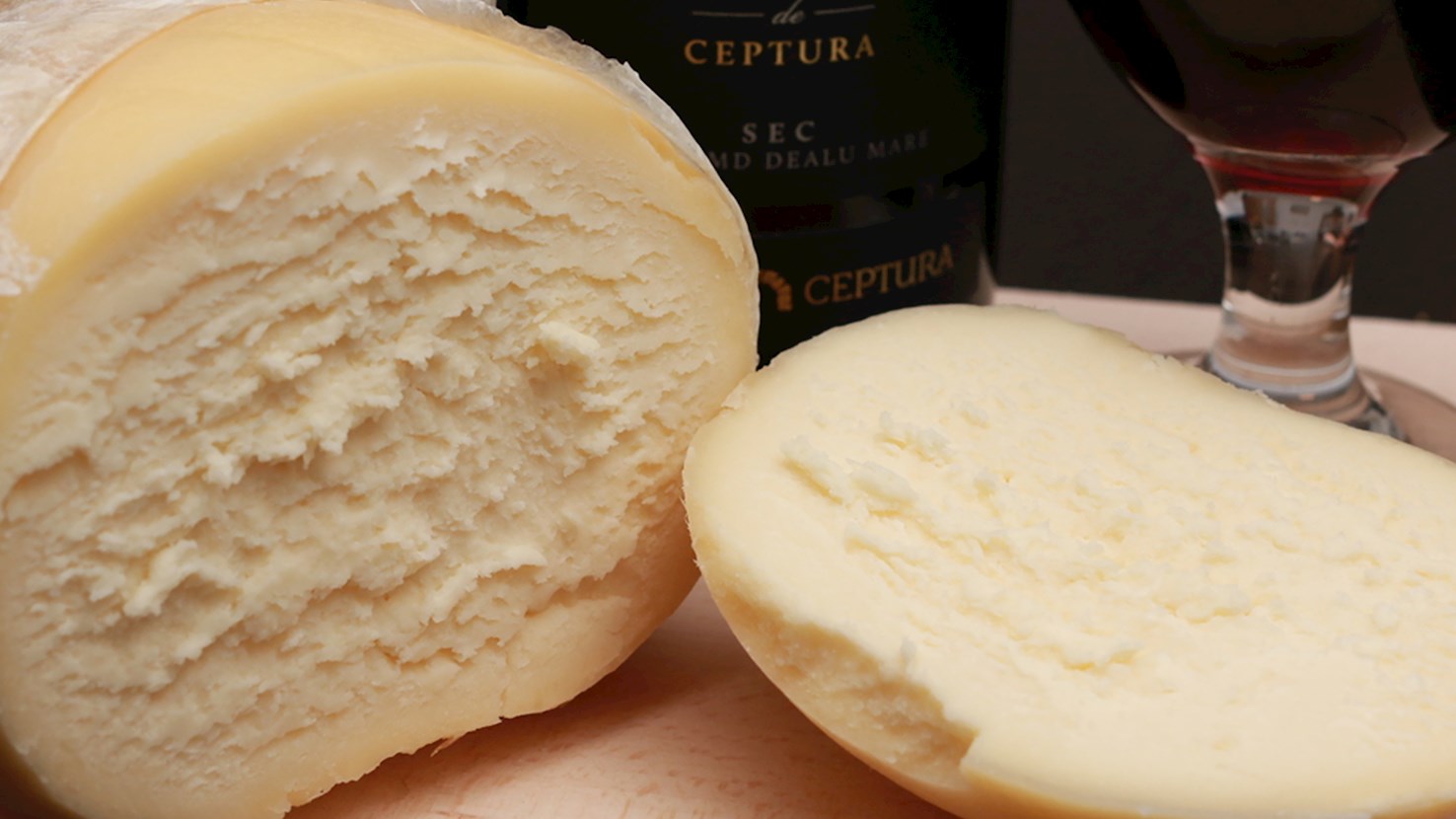
Brânză de burduf is a traditional cheese made from sheep's or (sometimes) buffalo's milk. The cheese is placed in sheep's stomach or skin that's previously been cleaned. Alternatively, it can be placed in a tube made of pine bark. The texture of this cheese is slightly soft, while the aromas and flavors are intense. The name brânză de burduf means kneaded cheese, referring to the method of production in which a traditional sweet cheese called caș is cut, salted, and then kneaded in a large wooden bowl.

03

Cascaval afumat

4.1 ·

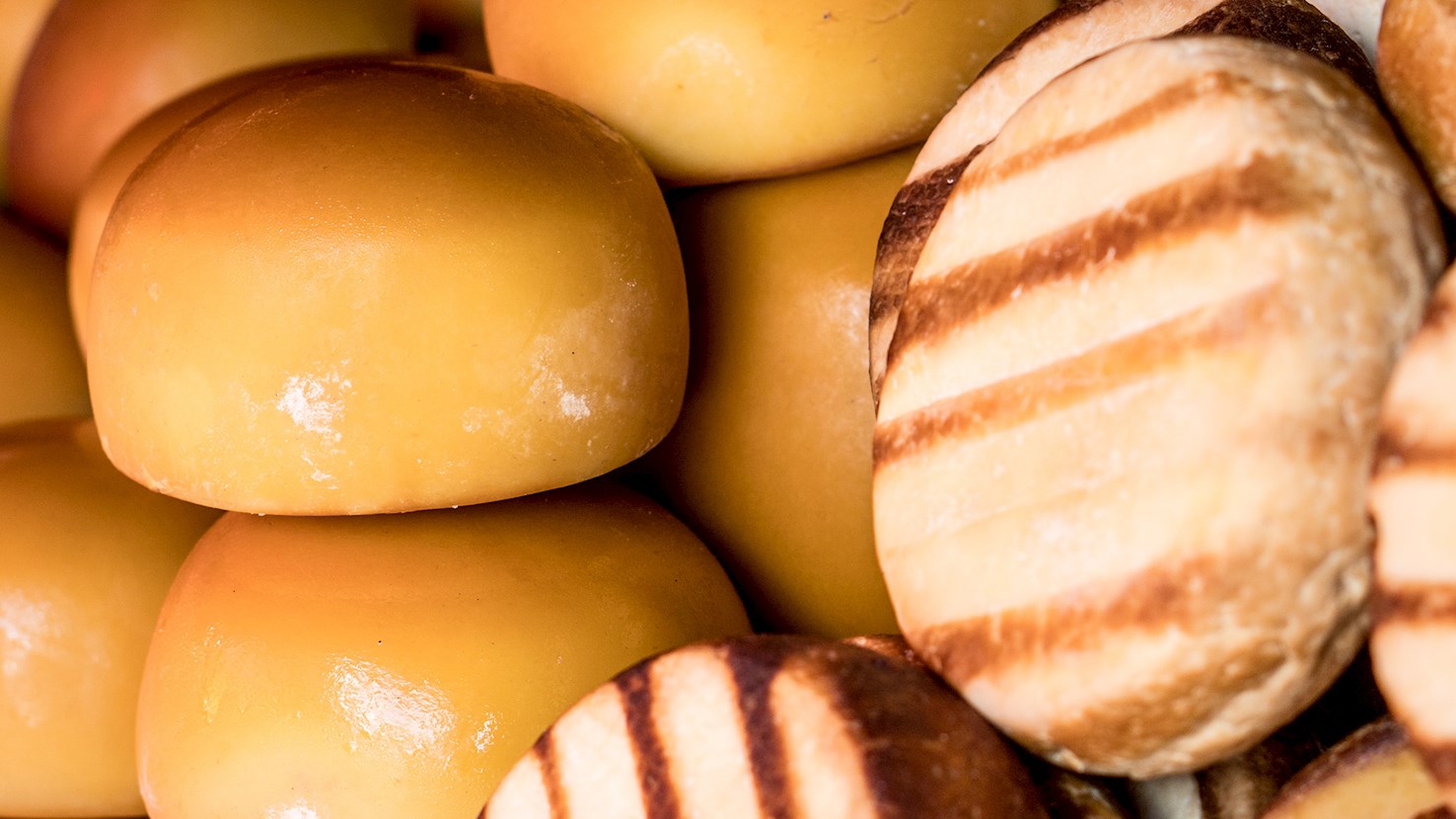
Cascaval afumat is a Romanian cheese made from cow's milk. It's shaped into wheels and blocks, but cascaval afumat can also be braided. The name of this cheese means smoked cascaval. The texture is semi-soft and rubbery, while the flavors are smoky and slightly bitter. It's recommended to serve it with garlic sausages on crusty bread.

04

Năsal

4 ·

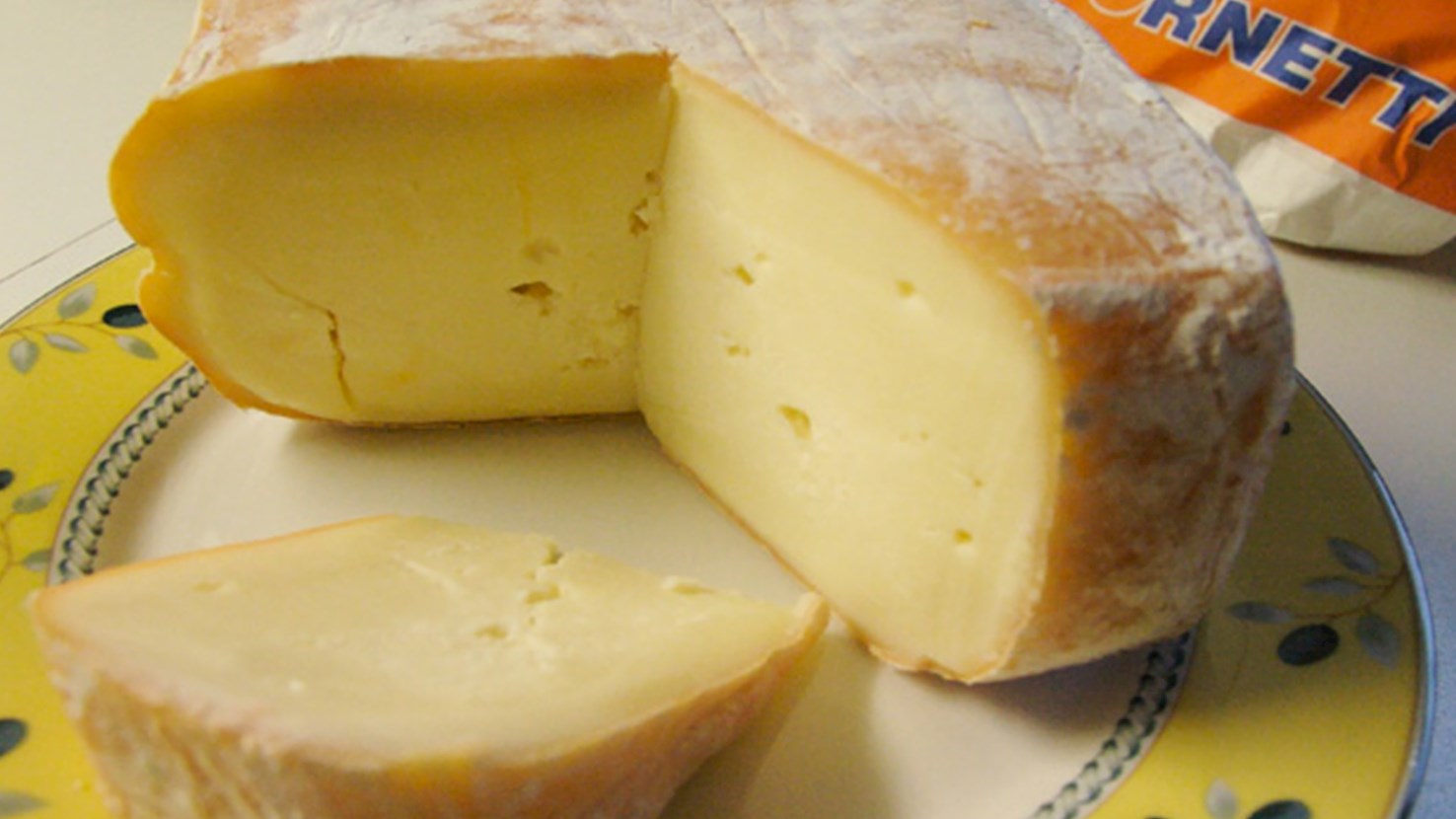
Năsal is a traditional cheese that's named after a village in Cluj, Transylvania. The soft and creamy cheese is made from cow's milk, and it has been smear-ripened in caves since the Middle Ages. The cave features the Brevibacterium linens bacteria which grows on the rind, giving the cheese a strong, deep, and earthy flavor that's pretty much impossible to recreate anywhere else. The production of Năsal is very limited. It is recommended to serve it with grapes, nuts, onions, or meat, and pair it with a Romanian dry red wine such as Fetească Neagră.

05

Caș

3.9 ·

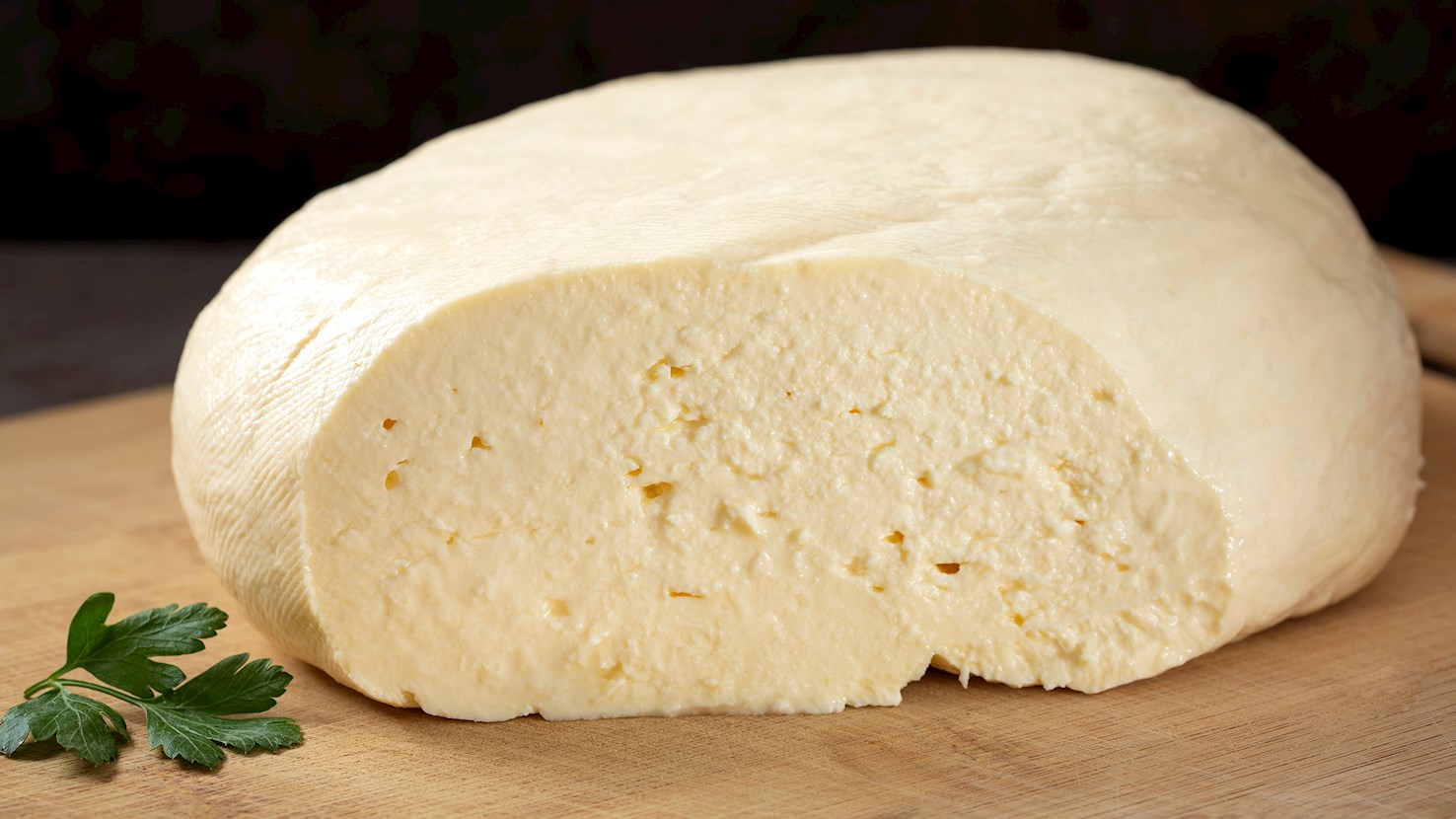
Caș is a traditional fresh cheese made from raw cow's or sheep's milk. The milk is curdled with rennet, and it's later drained to separate the whey. This semi-soft cheese is usually unsalted (or lightly salted) and white in color. In texture, it is smooth and almost squeaky. The flavors are fresh and slightly acidic. Caș is used to make other types of cheeses such as Brânză de burduf and Cașcaval, and if it's stored in brine, after 2-3 weeks it turns into Telemea. The cheese is usually eaten for breakfast with eggs, but it can also be used in pies or shredded and added to salads.

06

Urda

3.6 ·

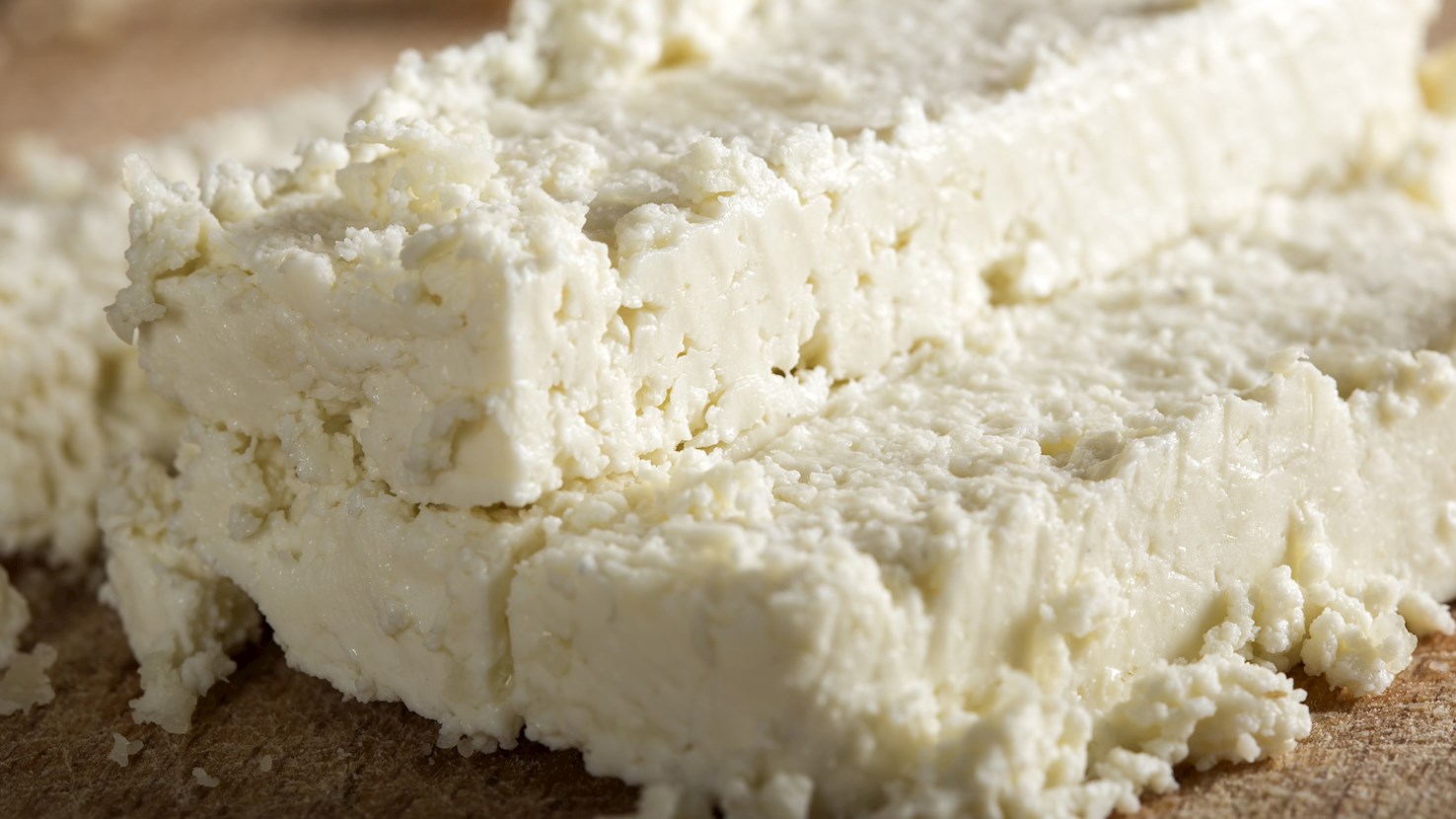
Urda is a fresh whey cheese produced throughout the Balkans. The cheese is made from the whey of cow's, sheep's, or goat's milk. Its texture is smooth, grainy, and crumbly. The aromas are fresh, and the flavor is mild, sweet, and milky. Urda is often molded into half-spheres. The cheese is used in the preparation of desserts and as a pastry filling. Numerous countries claim urda as their own, but it's commonly enjoyed in Romania, Macedonia, Moldova, Hungary, Bulgaria, Serbia, and Epirus, Greece (during summer).

07

Branza lui Voda

n/a ·

Branza lui Voda is a Romanian cheese produced from pasteurized cow's milk, salt, rennet, and lactic cultures. Each wheel of cheese is handmade according to old artisanal cheesemaking techniques. In the past, the cheese was served to local rulers and nobility, which is how it got its name, meaning King's Cheese. It comes in three varieties – Red Collar, with a hay-like aroma and a dense texture, Blue Collar, with a sweet and tangy flavor and a hay-like aroma, and White Collar, with an open and creamy texture and a flavor that's sweet, fruity, and floral. The cheeses vary from semi-hard to hard, depending on the aging duration. Between 2016 and 2019, Branza lui Voda has been awarded two Golds and two Silvers at the International Cheese Awards in Nantwich.

Read more
View all
View map
About this ranking

TasteAtlas food rankings are based on the ratings of the TasteAtlas audience, with a series of mechanisms that recognize real users and that ignore bot, nationalist or local patriotic ratings, and give additional value to the ratings of users that the system recognizes as knowledgeable. For the “Top 7 Romanian Cheeses” list until June 10, 2026, 972 ratings were recorded, of which 361 were recognized by the system as legitimate. TasteAtlas Rankings should not be seen as the final global conclusion about food. Their purpose is to promote excellent local foods, instill pride in traditional dishes, and arouse curiosity about dishes you haven’t tried.

The initial list of top producers was compiled based on available reviews, awards, local recommendations, media and blog coverage, and consumer reviews. The list will be updated with ratings from TasteAtlas local ambassadors and TasteAtlas users.

Similar lists