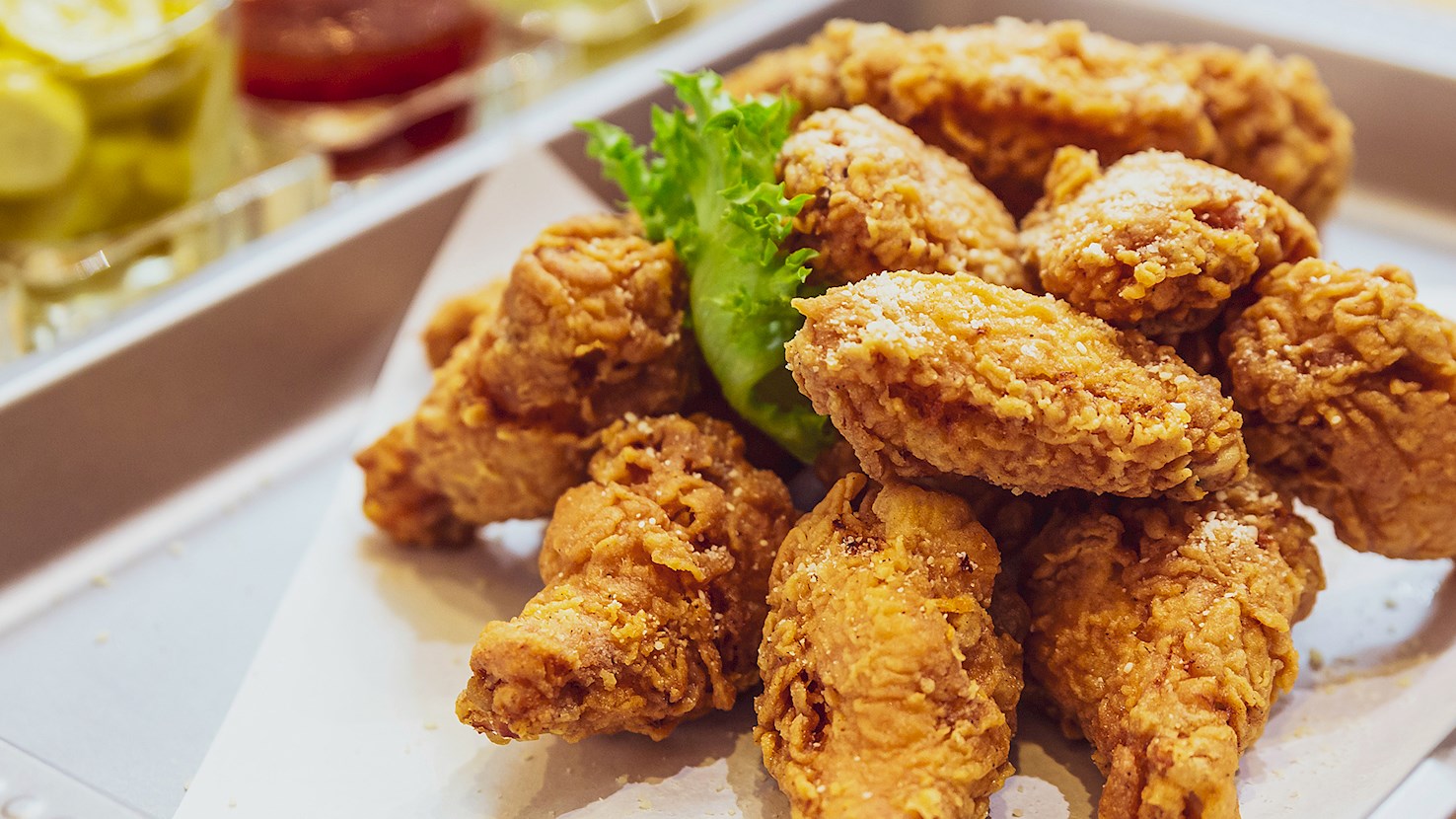
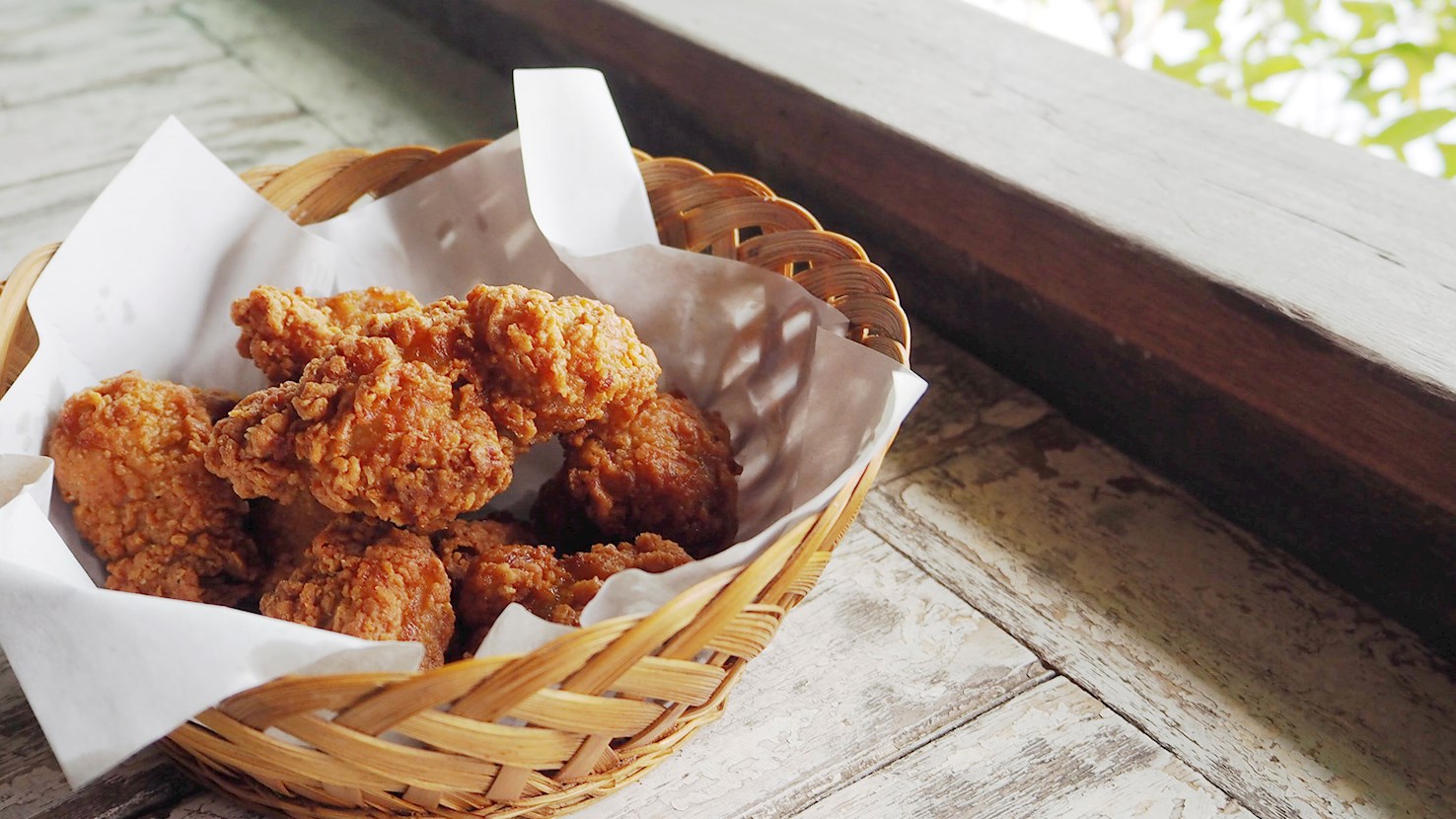
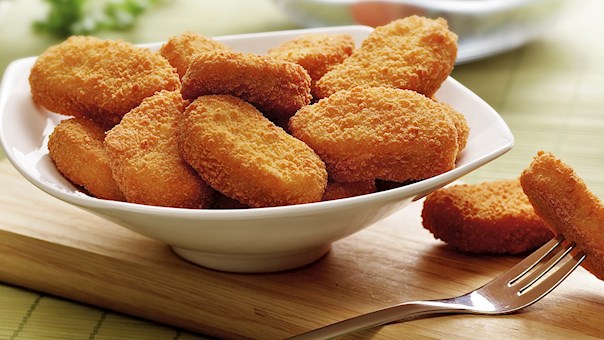
Chikin refers to Korean-style fried chicken, a popular dish known for its ultra-crispy, paper-thin skin and bold, flavorful sauces. The preparation starts with small cuts of chicken (often wings, drumsticks, or boneless pieces) that are lightly coated in flour, corn or potato starch, and baking soda, then deep-fried twice — a technique that ensures a crisp, non-greasy texture. After frying, the chicken is typically brushed or tossed in sauces such as soy garlic, yangnyeom (a sweet and spicy chili sauce), or honey butter glaze. Korean fried chicken emphasizes light seasoning before frying (usually just salt and pepper), letting the sauces provide the main flavor punch afterward. Unlike traditional American fried chicken, chikin is lighter, crispier, and often eaten as a social food, paired with beer in the popular combination known as chimaek (chicken + maekju, or beer). It is commonly served as anju — food meant to accompany drinking — but also enjoyed as a casual snack or full meal.
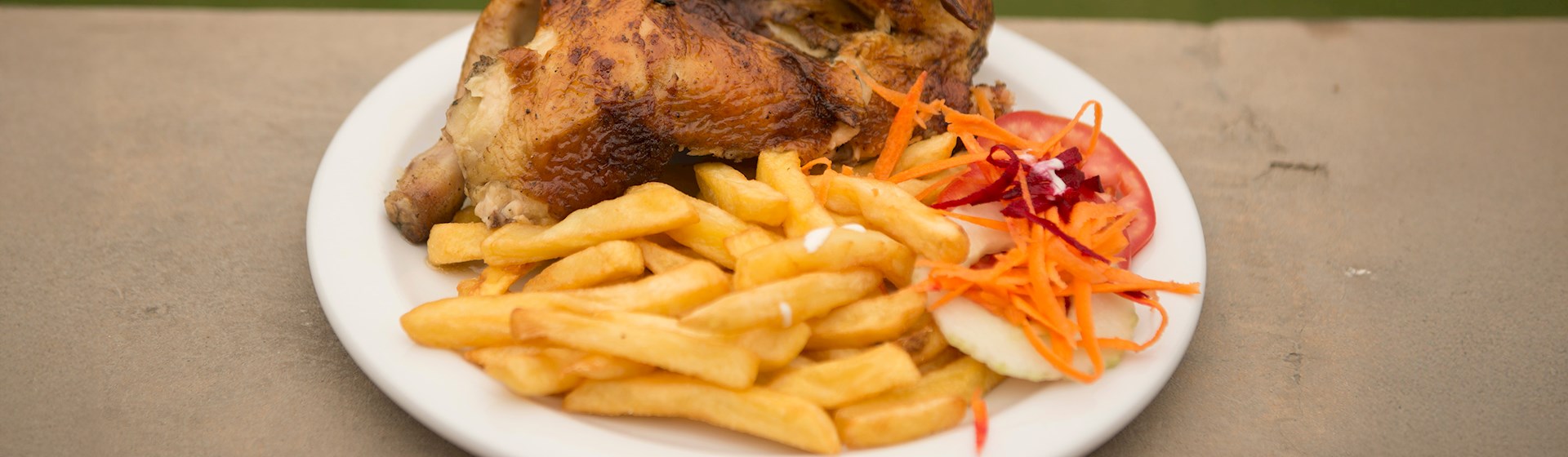
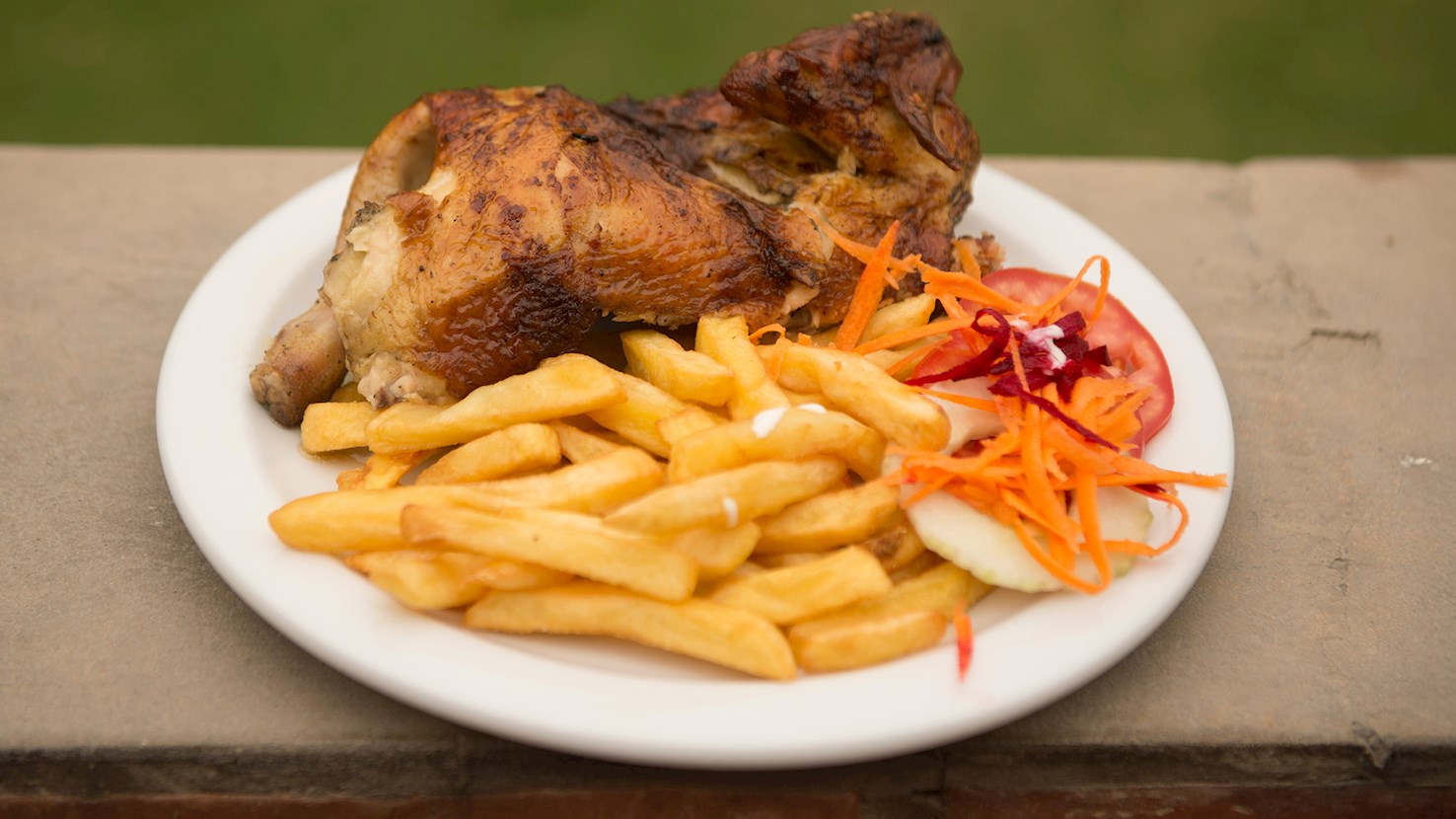
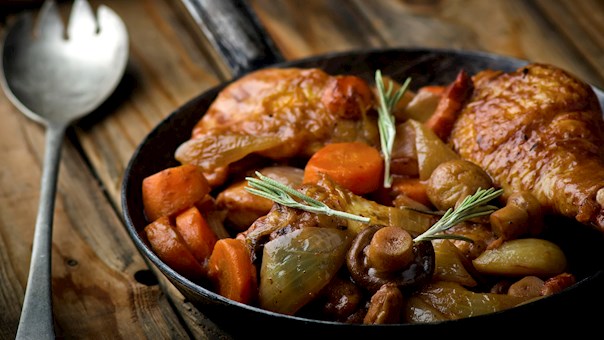
Pollo a la brasa is a beloved dish in Peru, considered the classic Peruvian dish, surpassing dishes like ceviche. It is considered the national heritage of Peru and is celebrated annually on the third Sunday of July. The preparation begins with creating the marinade—a vital component that infuses the chicken with its characteristic flavors. The marinade typically consists of garlic, cumin, oregano, rosemary, Peruvian aji panca (a type of chili pepper), salt, pepper, soy sauce, vinegar, and beer. Still, it can also include chicha, huacatay, and even pisco. These ingredients are blended together and used to marinate the chicken, which is thoroughly cleaned beforehand. For the best results, the chicken should marinate for several hours, ideally overnight, allowing the spices to deeply penetrate and tenderize the meat. Traditionally, pollo a la brasa is cooked in a rotisserie known as rotombo by roasting over embers. The slow rotation ensures even cooking and helps keep the chicken moist and tender, while the charcoal imparts a subtle smokiness that is signature to the dish. Pollo a la brasa is typically served with sides that complement its rich flavors. These include French fries or fried yuca, which offer a crispy texture contrast, and a fresh, crisp salad to balance the hearty meal. Various spicy aji sauces made from Peruvian peppers are also provided for those who prefer an extra kick of flavor. The chicken itself is usually presented either whole, ideal for sharing among diners at the table, or cut into halves or quarters, which are meant as individual portions. One can choose between legs and breasts when ordering pollo a la brasa as an individual portion.
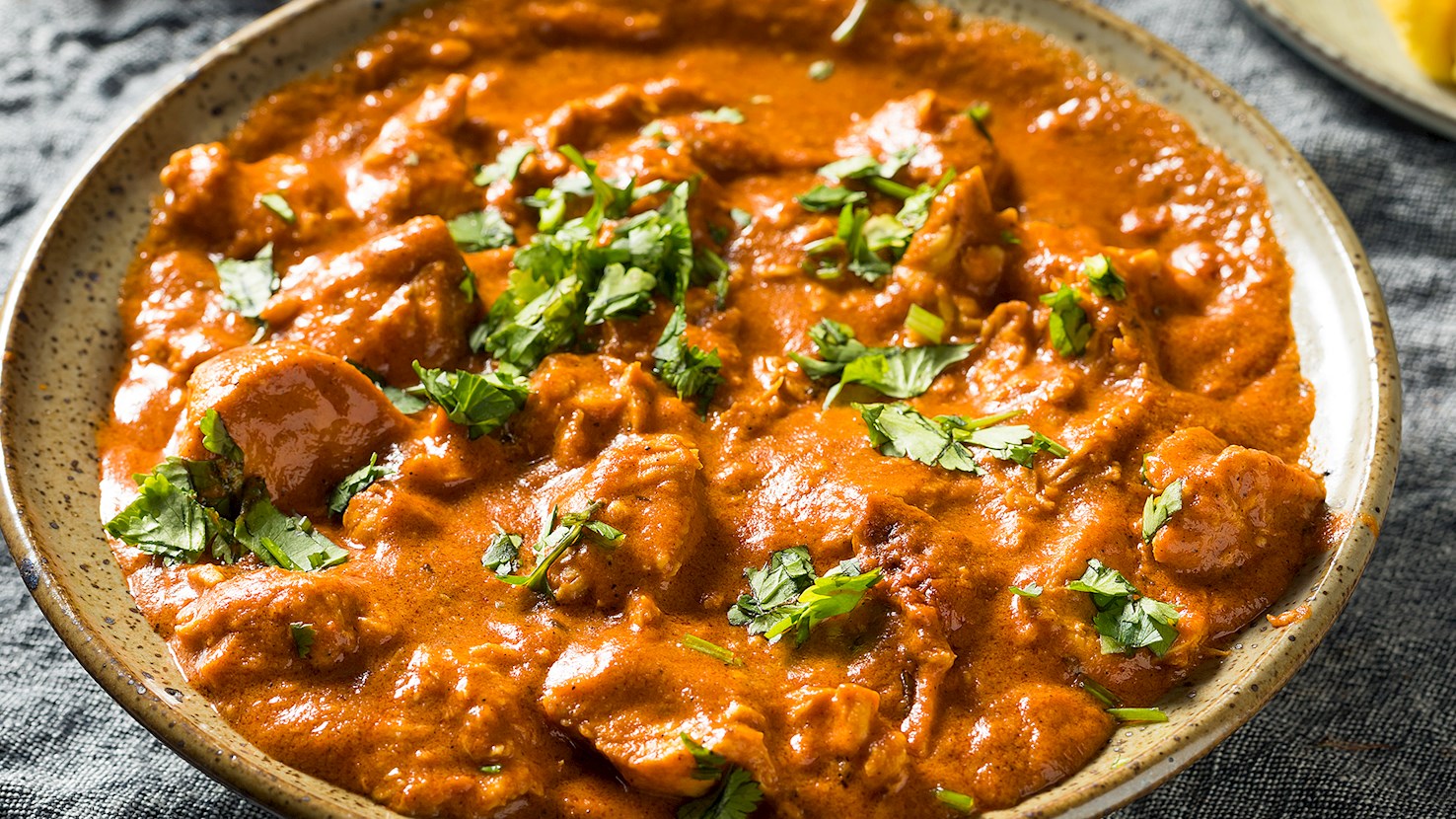
The essential elements of butter chicken are tandoori-cooked, bone-in, chicken pieces and a mild curry gravy consisting of tomatoes, butter, and cream. The chicken is marinated in spices and yogurt or cream for at least a few hours, but best if overnight, and then roasted in a clay oven (tandoor). The meat can be grilled or pan-fried instead of roasted, and the spices used in the marinade vary as each chef has his preferred combination. However, spices like garam masala, ginger, garlic, lemon, chili, turmeric, and much more are typically called for in most recipes. Once the meat is done, it is simmered in butter, tomato, and cream curry that is seasoned with a variety of spices, typically red chili powder, turmeric, cumin, and fenugreek leaves. The gravy can be thickened with cashew paste, and the cream can be used as a garnish instead of being added to the sauce. When done, butter chicken is garnished with a sprinkle of green chilies or coriander and served either ladled over a bowl of rice or with a side of naan flatbread.
Karaage, a staple of Japanese cuisine, is celebrated for its delightful crunch and tender interior. Although primarily made with chicken, it's not uncommon to find variations made with chicken cartilage, fish, seafood, and vegetables such as gobo or burdock roots. The meat is typically marinated in a mix of soy sauce, sake, and ginger. Still, depending on the recipe, garlic, sesame oil, mirin, oyster sauce, curry powder, egg yolk, and Japanese mayonnaise will also be present. A distinctive feature of karaage is its coating. Traditionally, potato starch is used, creating a light, crispy shell. However, a blend of potato starch and flour is also common. Some regional variations even employ an egg batter for a richer coating. The cooking process involves a double-frying technique. Initially, the chicken is fried at a lower temperature to cook thoroughly, then shortly after, re-fried at a higher temperature for a crispy exterior. Across Japan, regional versions of karaage can be found, reflecting local tastes and ingredients. Typically served with a lemon wedge, karaage is often accompanied by fresh vegetables like shredded cabbage and rice. However, the list of food items that can be paired with it is virtually endless. Karaage is a staple in the casual and sociable setting of izakayas, informal gastropubs where people gather for after-work drinks and snacks. These bite-sized, fried delicacies are not only a favorite in these relaxed environments but also widely available as fresh take-out options in numerous supermarkets and convenience stores. Additionally, karaage finds its place in bento boxes, adding a savory and satisfying element to these well-balanced and portable meals, often enjoyed during lunch breaks or on trips.
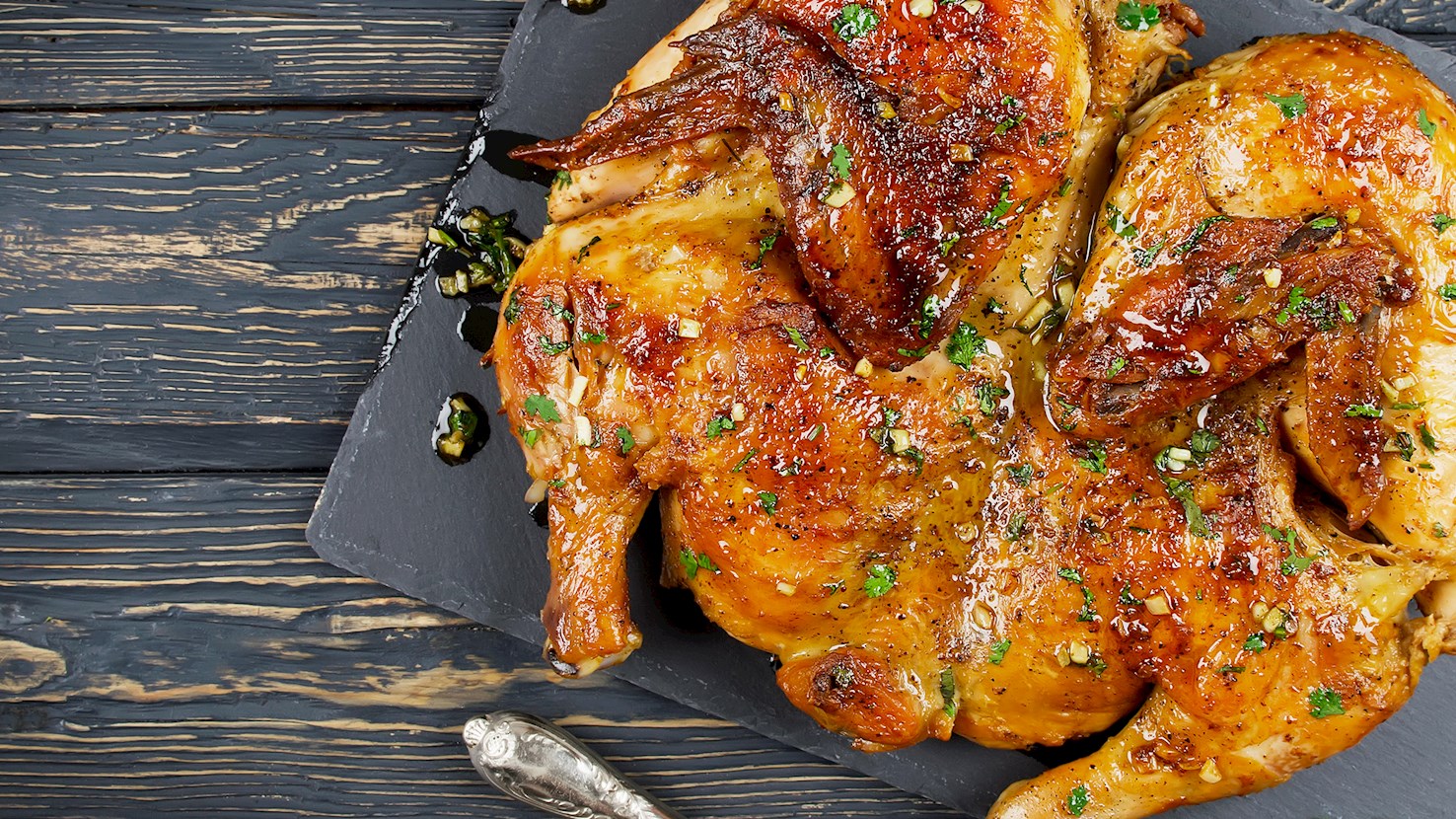
Tsitsila tabaka is a traditional Georgian dish of roasted chicken that has been flattened and cooked in a cast-iron skillet or heavy pan to achieve crispy skin and tender meat. The dish is known for its flavorful seasoning and preparation method, which involves pressing the chicken with a weight to ensure even cooking and a golden-brown crust. A small chicken is used and butterflied to lay flat, helping it cook evenly. The chicken is usually marinated or rubbed with a mix of salt and pepper or salt and paprika. Sometimes garlic and herbs can be used as well. Tsitsila tabaka is often served with a garlic sauce, and other typical accompaniments include the traditional Georgian side dishes like tkemali (plum sauce), bazhe (hazelnut sauce), satsivi (walnut sauce), or adjika (spicy paste). This beloved Georgian dish is also very popular in other Caucasian cuisines and Russia.
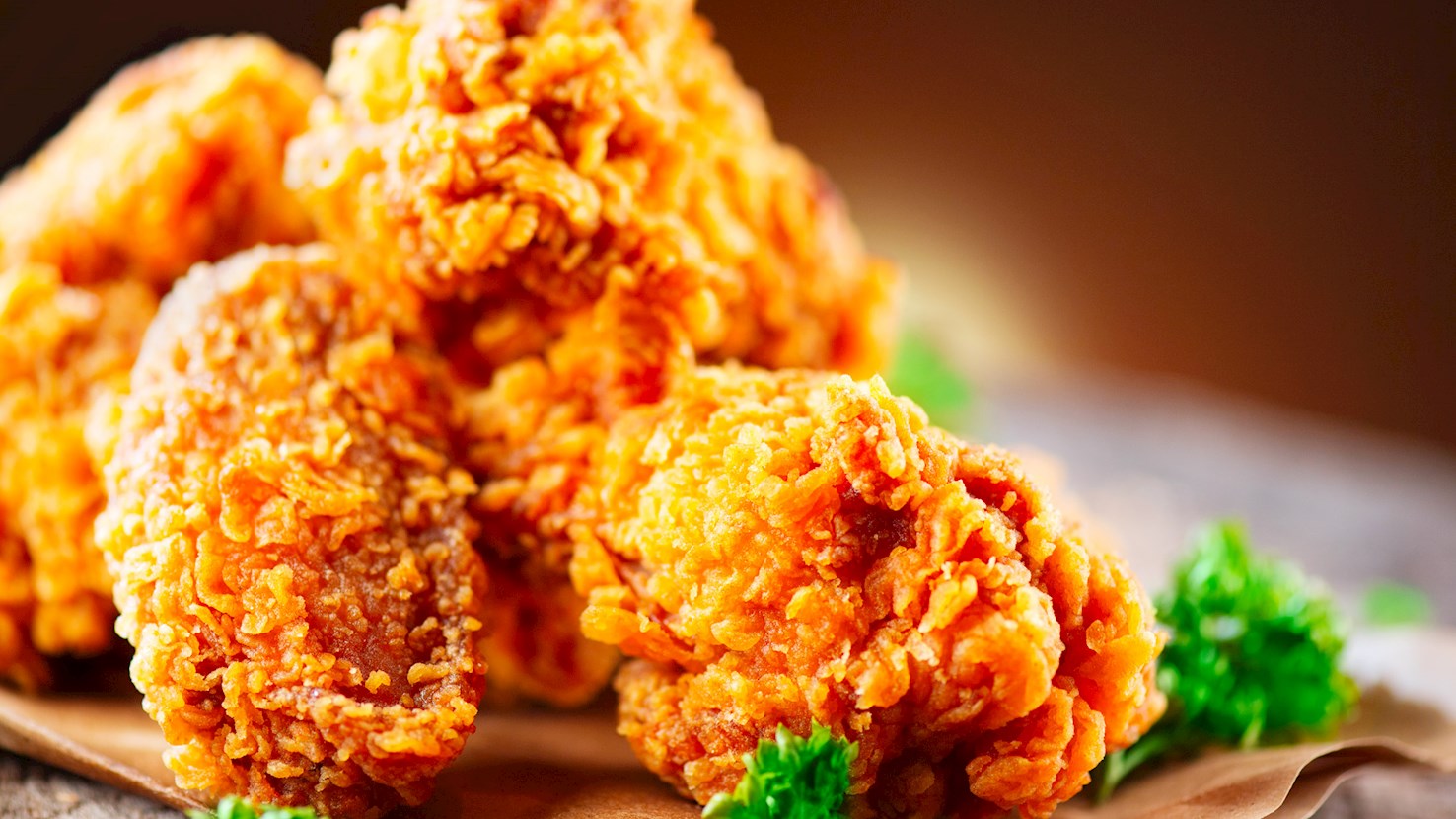
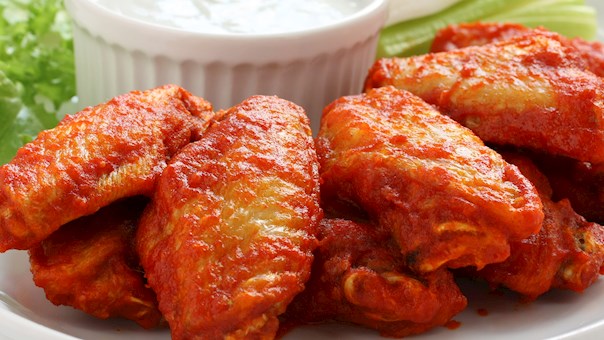
Fried chicken, which emerged in the USA, is a world-renowned dish involving chicken meat covered in a blend made with flour and seasonings, then cooked in pig lard or vegetable oil. The preparation starts with dividing a whole chicken into portions: the white meat sections include the breast and the wings, while the dark meat parts consist of thighs and legs. The back is usually disposed of, while the breast is often divided into two bits or cut into long strips, the latter version being called chicken fingers. For tenderizing the meat, chicken pieces are sometimes drenched in buttermilk and then coated in a batter made with flour, seasonings, and occasionally milk or eggs. The batter flavoring commonly includes salt, black pepper, and paprika, sometimes accompanied by chili, garlic, or onion powder. Some extra crunchiness is occasionally acquired by applying a layer of breadcrumbs as well. The chicken pieces are traditionally fried in lard; however, vegetable oils, such as canola, peanut, or corn oil, are regularly used as well. There are three techniques one can use for frying chicken – pan-frying, deep-frying, and broasting, which is a method of cooking chicken using a pressure fryer to accelerate the process. Pan-frying, or shallow frying, includes frying the chicken in a solid pan, using a smaller amount of fat. Deep frying, on the other hand, includes submerging the meat entirely in hot fat, using a deep fryer or a similar device. Fried chicken is traditionally served with mashed potato, macaroni and cheese, gravy, corn on the cob, coleslaw, and biscuits, and is sometimes topped with some hot sauce or paprika for extra spiciness. Cooks from different regions and states of the USA have their own special versions of the dish; for example, the ones from Louisiana like to add Cajun flavorings such as garlic and onion powder, paprika, celery salt, and cayenne, while Nashville cooks often coat the cooked chicken in some spicy chile oil or hot sauce breading. Buffalo wings that allegedly originated in upstate New York are coated in hot sauce and butter, whereas hot chicken stands for chicken pieces covered in cayenne pepper paste and lard. Further modifications include popcorn chicken, small boneless chunks which are dipped in batter, and chicken Maryland, bits covered in spices and flour, then served with some cream gravy.
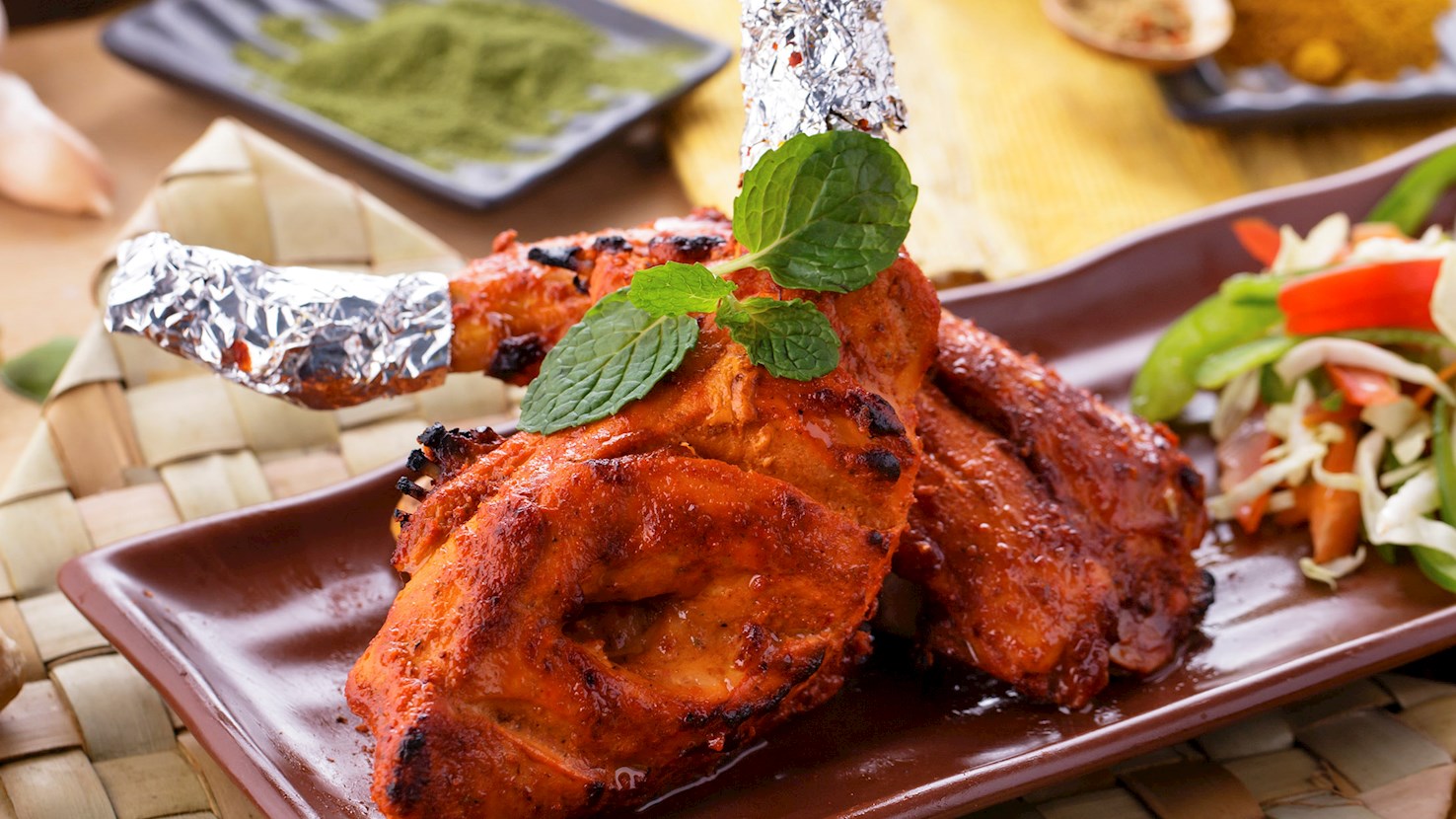
Named after the clay oven in which it’s baked, tandoori chicken is one of the best-known dishes of Indian cuisine, that, because it’s hard to imitate without using a tandoor oven, is typically an eat-out dish. The preparation starts by removing the skin, then halving or quartering the chicken which is then marinated twice. The first marinade is made up of salt and an acid component, typically lime juice whereas the second one is yogurt-based. Garam masala, Kashmiri red chili powder, garlic, ginger, cumin, cayenne pepper, and other spices are added to the second marinade, although the acid-based marinade can also include some, most commonly red chili powder. Once marinated for a few hours, the chicken is skewered and baked in the traditional clay oven tandoor for no more than 15 minutes. The finished chicken is characterized by an orangey-yellow hue — not red, which is often achieved by adding red food color to the marinade — and a crispy, charcoaled exterior that hides succulent, flavorful, smoked meat. Traditionally, tandoori chicken is served with onion rings, lime wedges, and Indian flatbread naan.
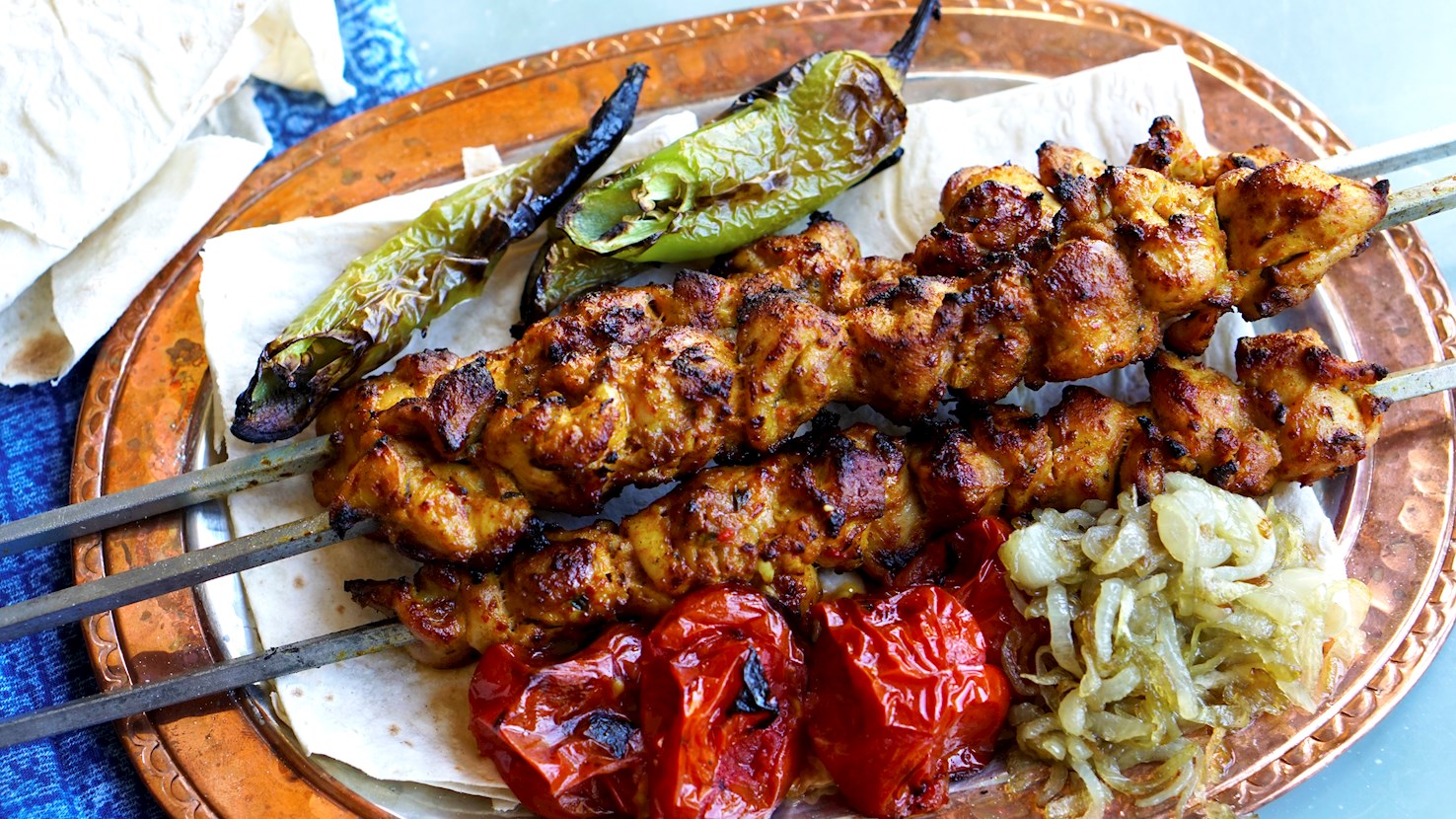
These marinated chicken skewers are a staple of Middle Eastern cuisine, present in Turkey, Azerbaijan, Lebanon, Egypt, Jordan, Syria, Iraq, and Israel. The preparation starts with dicing the meat into equally-sized pieces which are then tossed in a marinade of yogurt, lemon juice, garlic, paprika, and pepper. This marinade is more typical of Turkish cuisine, while in other countries where şiş tavuk is prepared different spice blends are used. For example, in Lebanon sumac is added, in Iran saffron, and in Marocco ginger and paprika. Ideally, the meat would be marinated overnight in a refrigerator, but even two to four hours will do. The marinated meat is threaded onto skewers and grilled until caramelized on the outside but juicy and cooked throughout on the inside. While grilling, the meat should be turned often and brushed with the leftover marinade, so it retains moisture and to prevent burning. Şiş tavuk can be served either with side dishes like vegetables, rice, and even French fries or in a sandwich. However, depending on what country you’re in, these skewers will have completely different side dishes. In Turkey, they serve it with rice and yogurt, while in Syria and Lebanon garlic paste toum, hummus and tabbouleh are the typical accompaniments. In Israel side dishes include sumac-flavored tahini, fried onions, pita bread, grilled hot chili peppers, with either tabbouleh or Israeli salad.
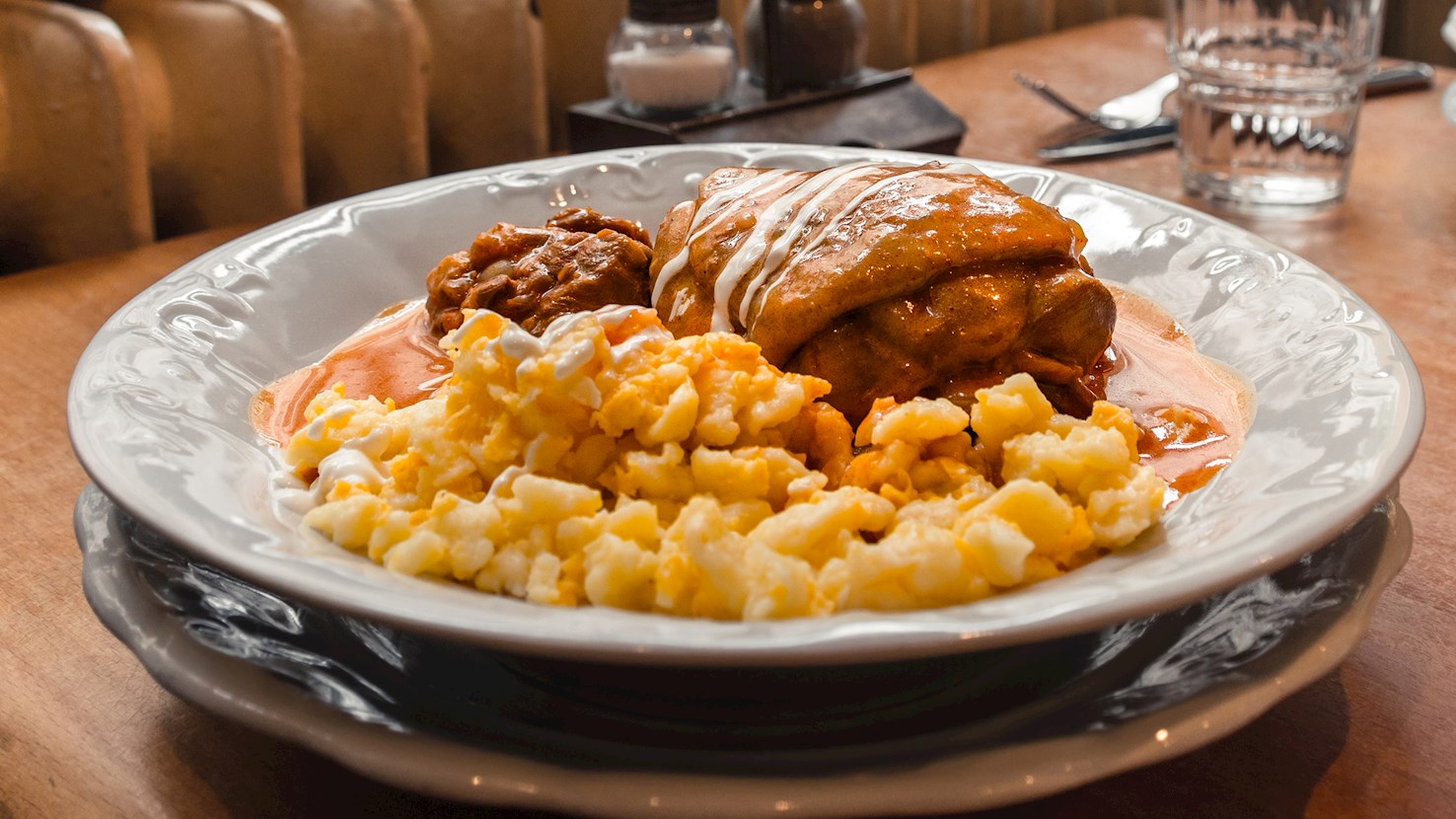
Regarded as the best known Hungarian dish after goulash, paprikás csirke is considered by some researchers as one of the four staple dishes of the Hungarian cuisine, along with gulyás, pörkölt, and tokány. It is a traditional, simple, and homey dish prepared with only a few humble ingredients. Although there are various versions of the recipe, almost all of them start with sautéeing onions in lard, then adding paprika and lightly toasting it for a few minutes with onions, which will intensify and develop the flavor of the spice. However, the amount of paprika added will vary from recipe to recipe, most of them calling for only two tablespoons, but some chefs claim that for a dish to have the most satisfying flavor, no less than a quarter of a cup is acceptable. Chicken meat which should preferably be skin-on, is added next. The pot is then covered, and the chicken is simmered over low heat until cooked, at which point sour cream is carefully stirred in. The finished paprikás is traditionally served ladled over galuska or csipetke dumplings, accompanied by cucumber salad.
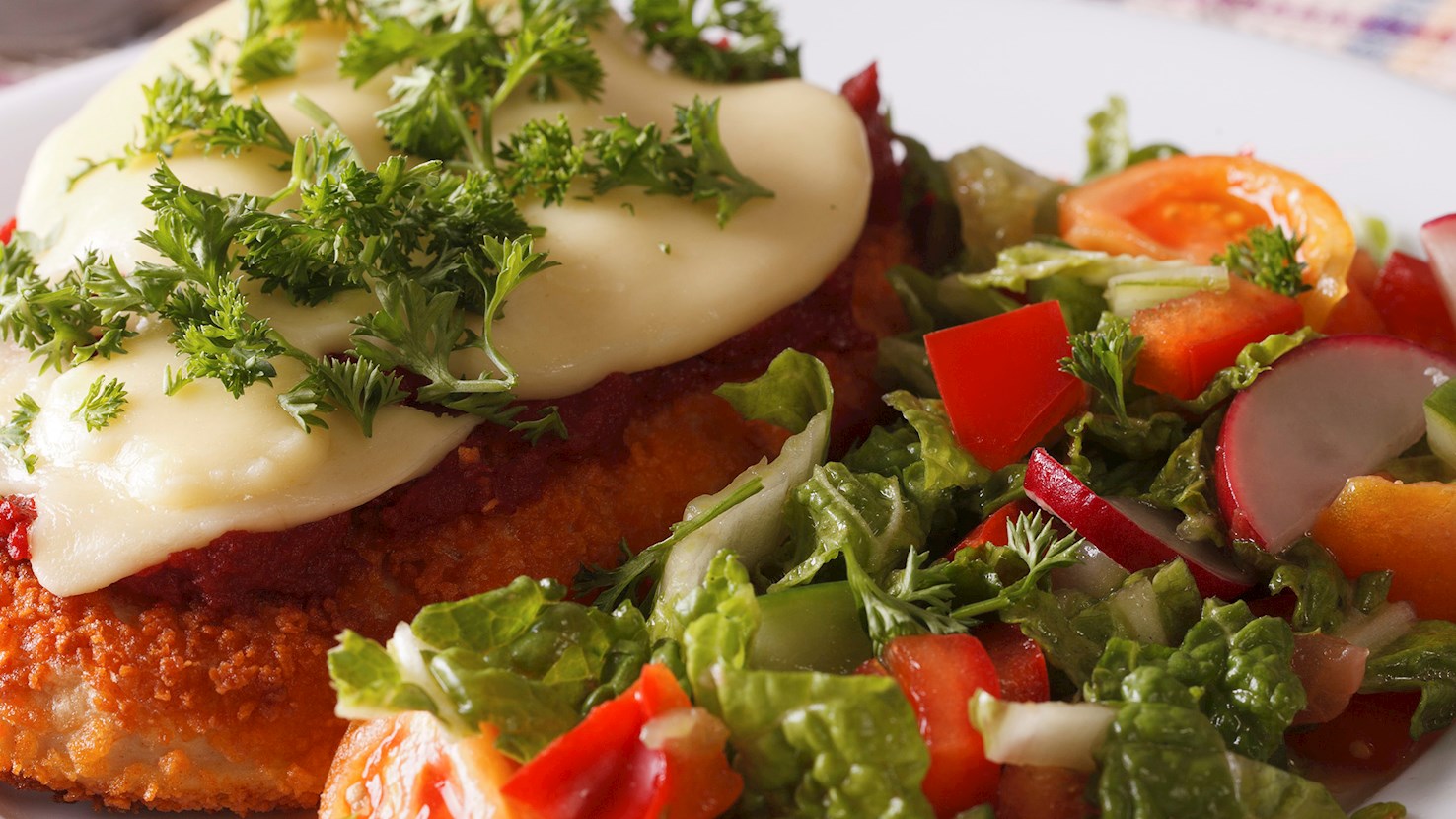
Colloquially also know as chicken parm, chicken parmigiana is a breaded chicken cutlet topped with tomato sauce and typically mozzarella and parmesan, although provolone cheese can be used as well. Sometimes chefs will also add a slice of ham or bacon. The chicken breast is the traditional choice, but boneless, skinless chicken thighs can be used instead and are a more flavorful option. The preparation starts with breading the meat, then frying it and subsequently ends with layering the breaded and fried chicken with tomato sauce and mozzarella and/or parmesan. Chicken parmigiana is typically served atop a bed of pasta, or with pasta on the side, but sides like garlic bread, french fries, and salads work just as well. A chicken parmigiana sandwich is also quite popular.
TasteAtlas food rankings are based on the ratings of the TasteAtlas audience, with a series of mechanisms that recognize real users and that ignore bot,
nationalist or local patriotic ratings, and give additional value to the ratings of users that the system recognizes as knowledgeable.
For the “Top 17 Chicken Dish Recipes” list until June 17, 2026, 20,705 ratings were recorded, of which 14,373 were recognized by the system as legitimate.
TasteAtlas Rankings should not be seen as the final global conclusion about food. Their purpose is to promote excellent local foods,
instill pride in traditional dishes, and arouse curiosity about dishes you haven’t tried.