shutterstock

Top 31 European Chocolate Cakes
Last updated on May 16, 2026
01

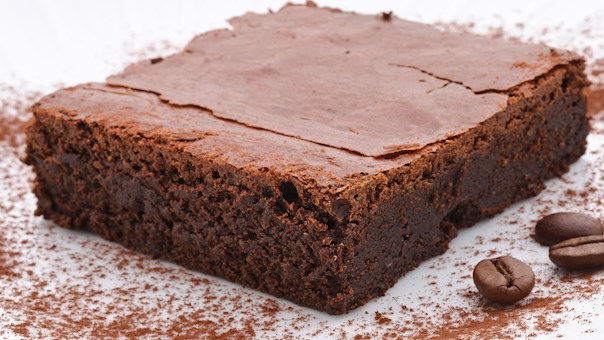
Kladdkaka

4.4 ·

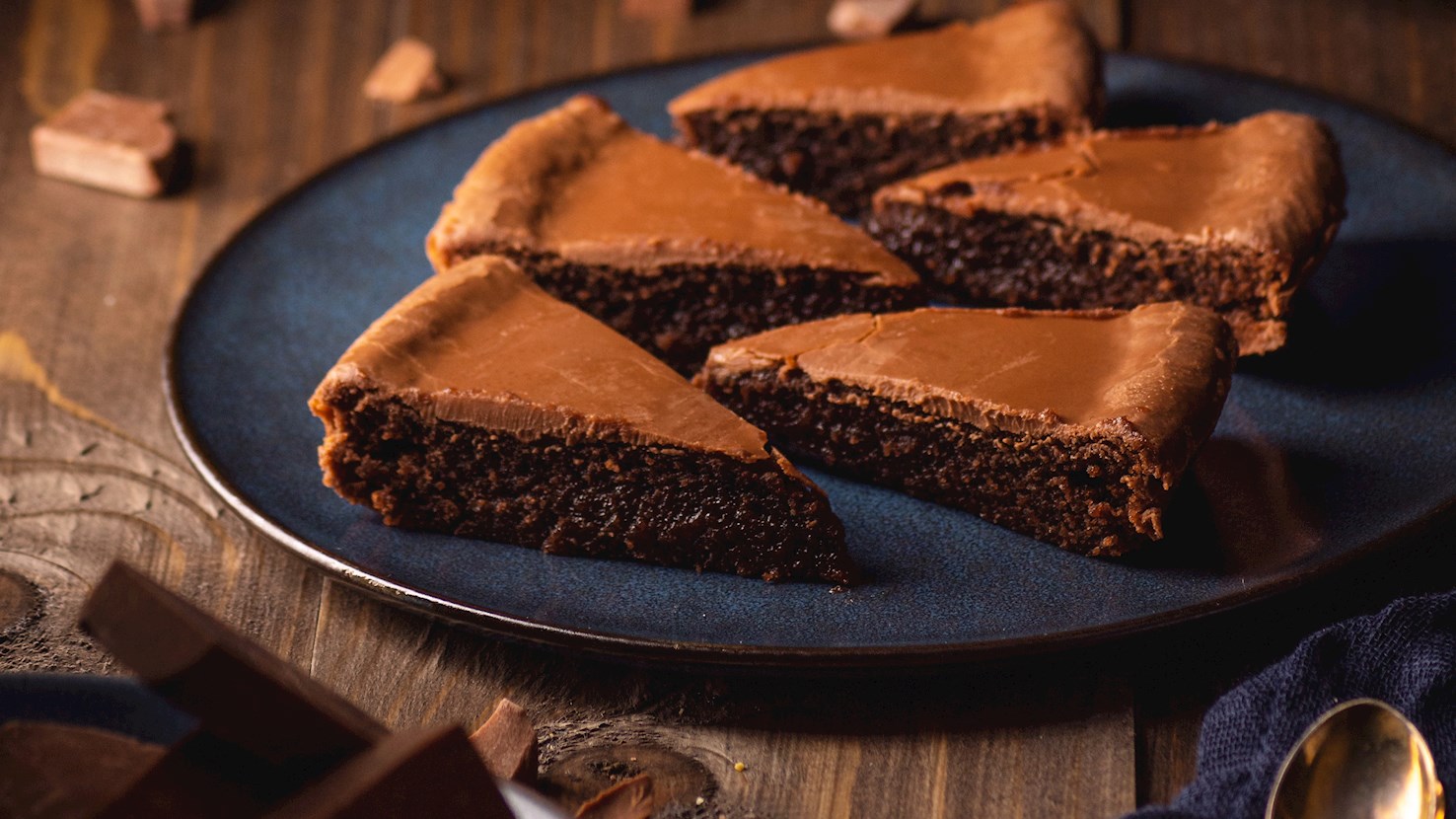
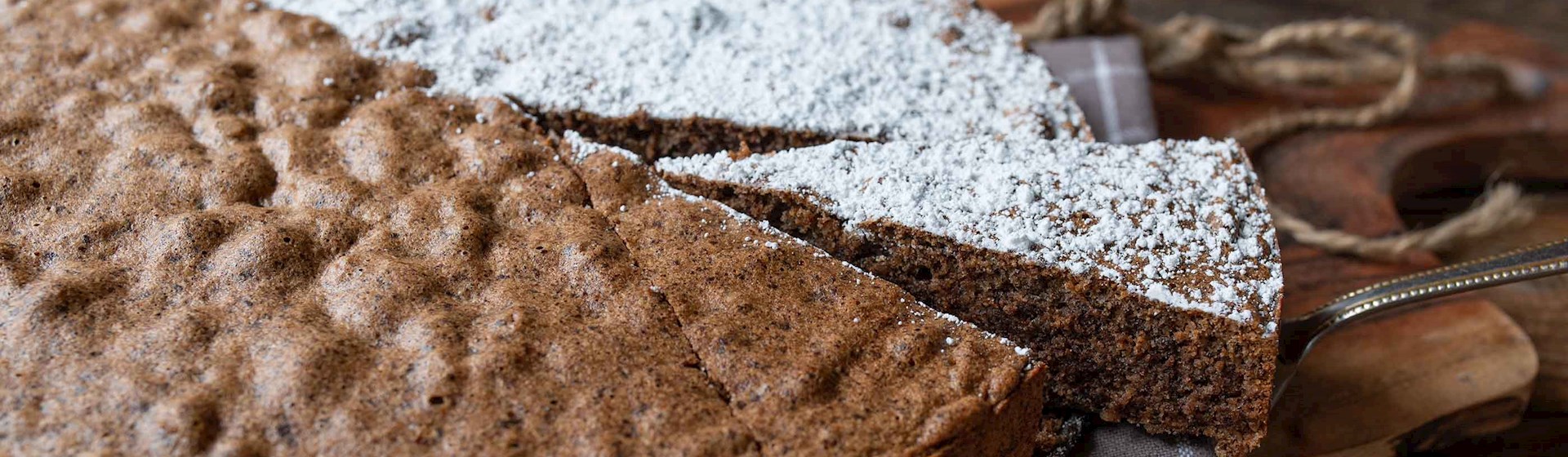
One of the most popular Swedish desserts is a rich chocolate cake known as kladdkaka. This classic Swedish creation combines eggs, cocoa (or chocolate), butter, sugar, and flour into a dense and luscious dessert. During baking, the cake should always remain moist in the center, while the outer layer is transformed into a thin, crunchy coating. Since the cake is incredibly dense, and typically heavy on the bitter chocolate or cocoa, it is usually dusted with a delicate layer of powdered sugar, and traditionally served with a dollop of ice cream or whipped cream on the side. It is one the most beloved Swedish desserts, typically enjoyed during fika, a traditional Swedish coffee break.

02

Torta Caprese

4.2 ·

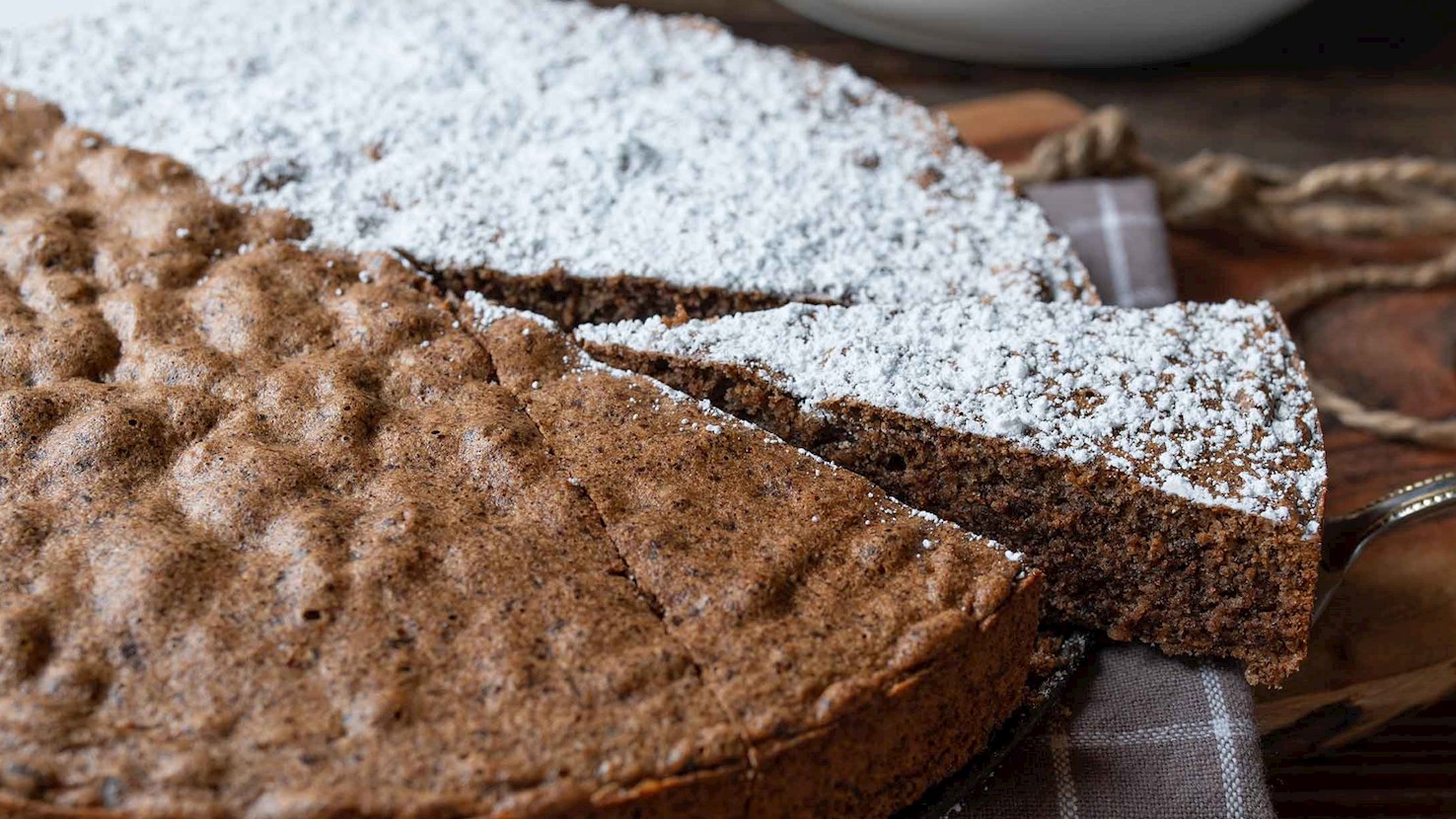
Torta Caprese is a dark chocolate cake made without any flour. This specialty of the Italian island of Capri consists of dark chocolate, eggs, sugar, almonds, and butter. It is characterized by its dense chocolate texture and a layer of powdered sugar on top. The cake is often garnished with halved strawberries or raspberries, while the restaurant versions are often served with a scoop of vanilla ice cream on the side. Although the origins of torta Caprese are quite murky, many believe that it was invented by mistake, when a cook left out the flour from a recipe. Today, the cake is an important part of many Italian celebrations and special events.

03

Torta Garash

4.1 ·

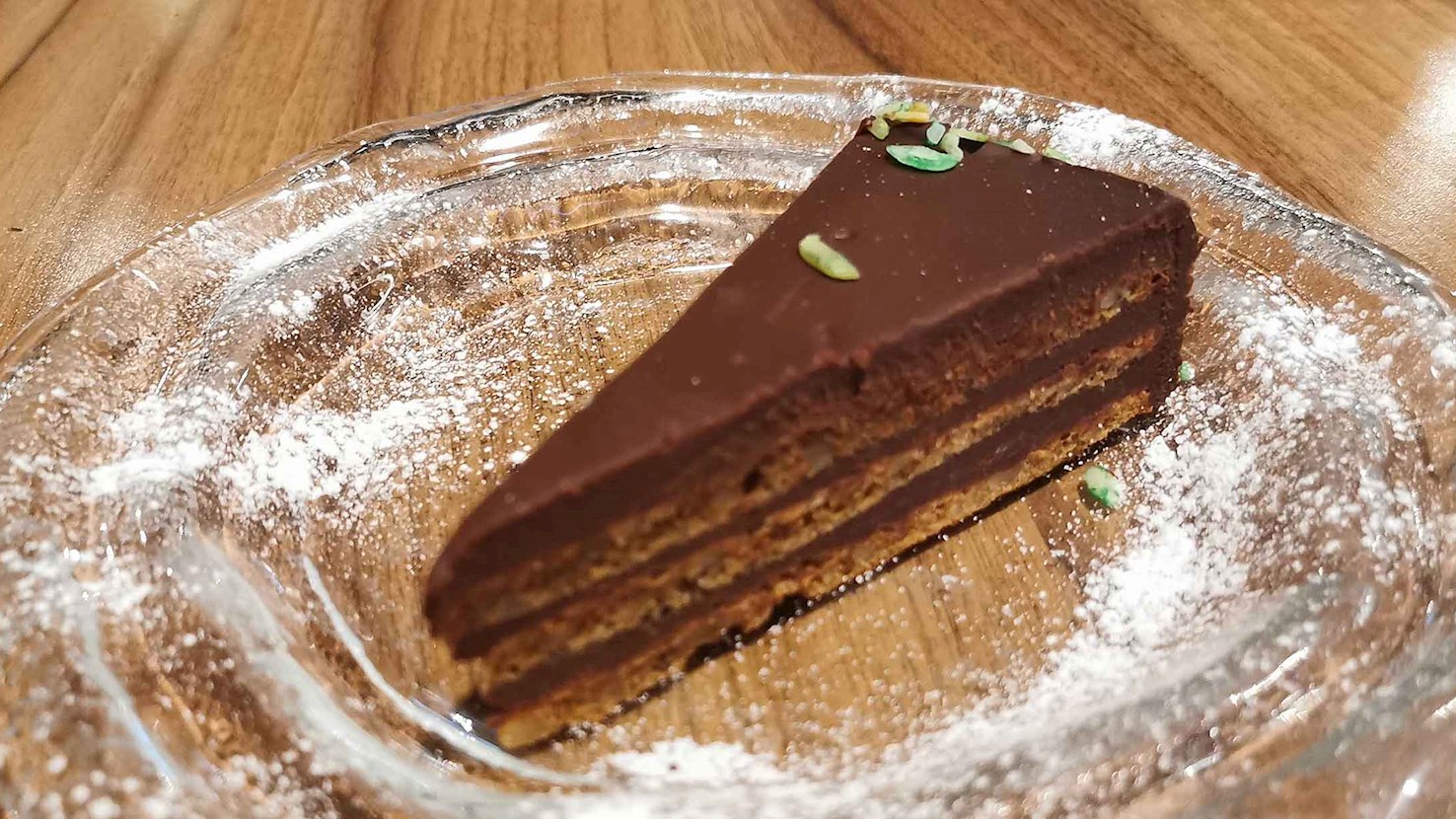
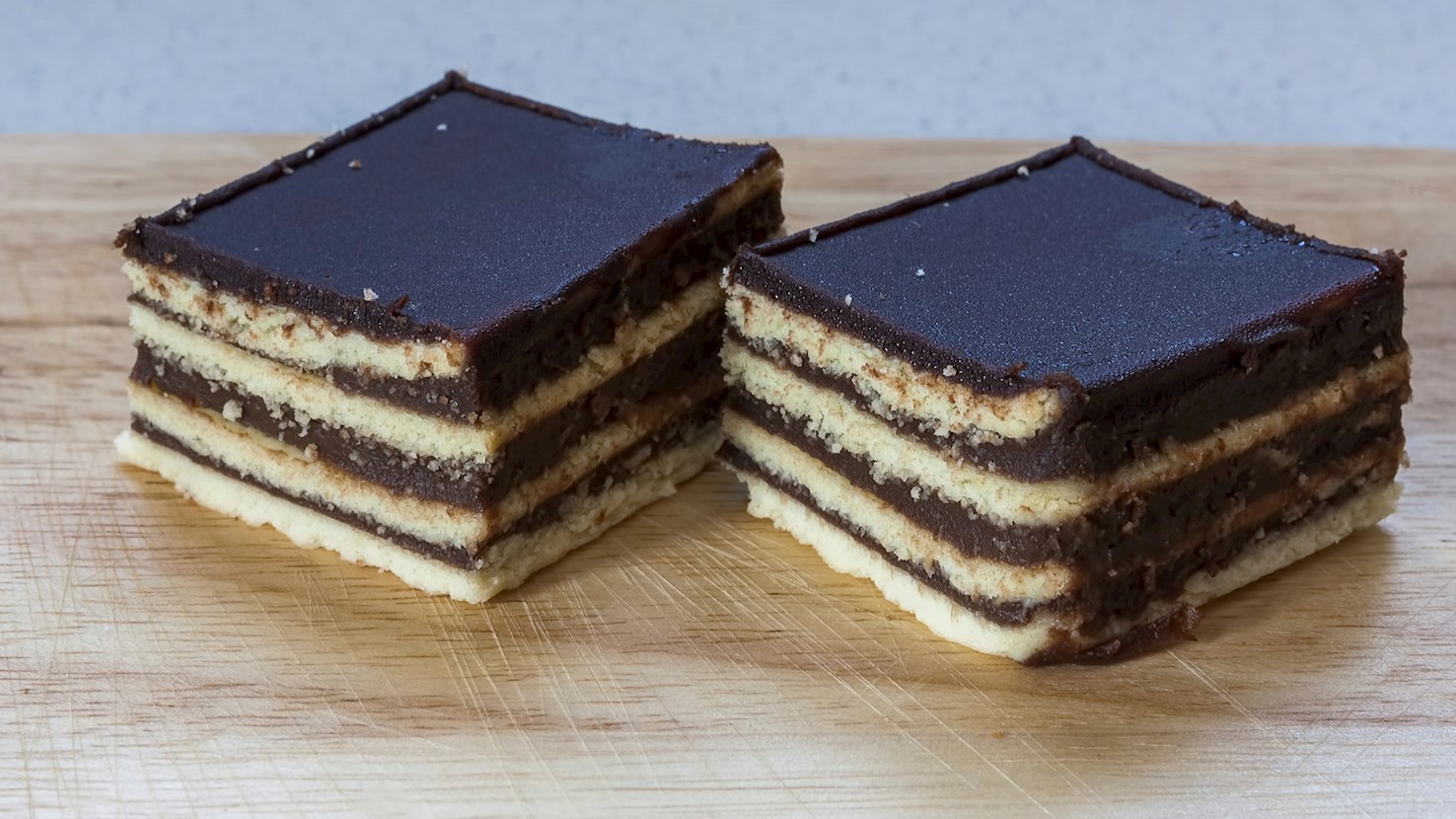
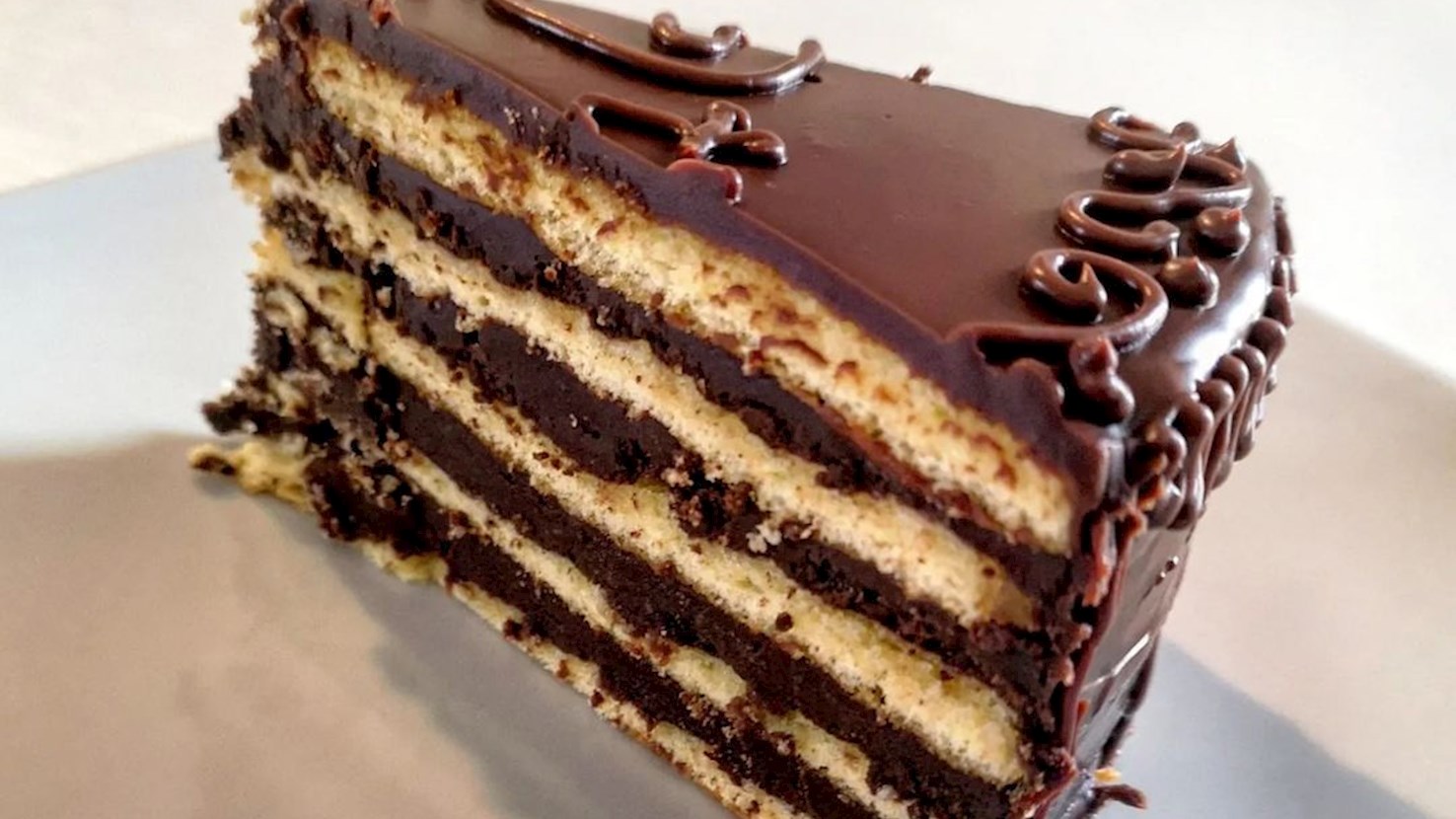
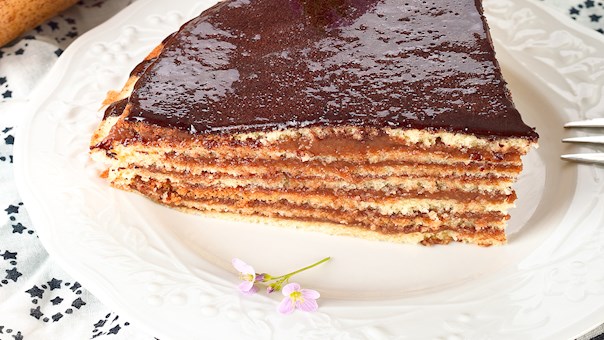
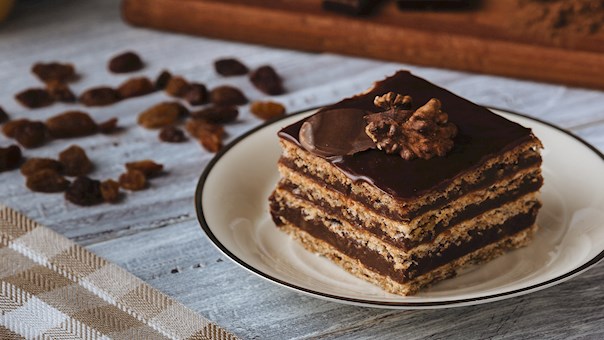
This decadent cake is one of the most popular Bulgarian desserts. It consists of five delicate walnut sponges layered with dark chocolate. The whole cake is then covered in a glistening chocolate icing or creamy ganache, decorated with walnuts, desiccated coconut, sliced almonds, or chocolate ornaments. The cake was invented by an Austro-Hungarian confectioner Kosta Garash in 1885. At the time, he was working at a lavish hotel in the city of Ruse, where he first served the cake. He later went to Sofia and continued to prepare the cake—which soon became a renowned Bulgarian dessert that is nowadays found on the menus of numerous pâtisseries and restaurants across the country.

04

Torta Tenerina

4.1 ·

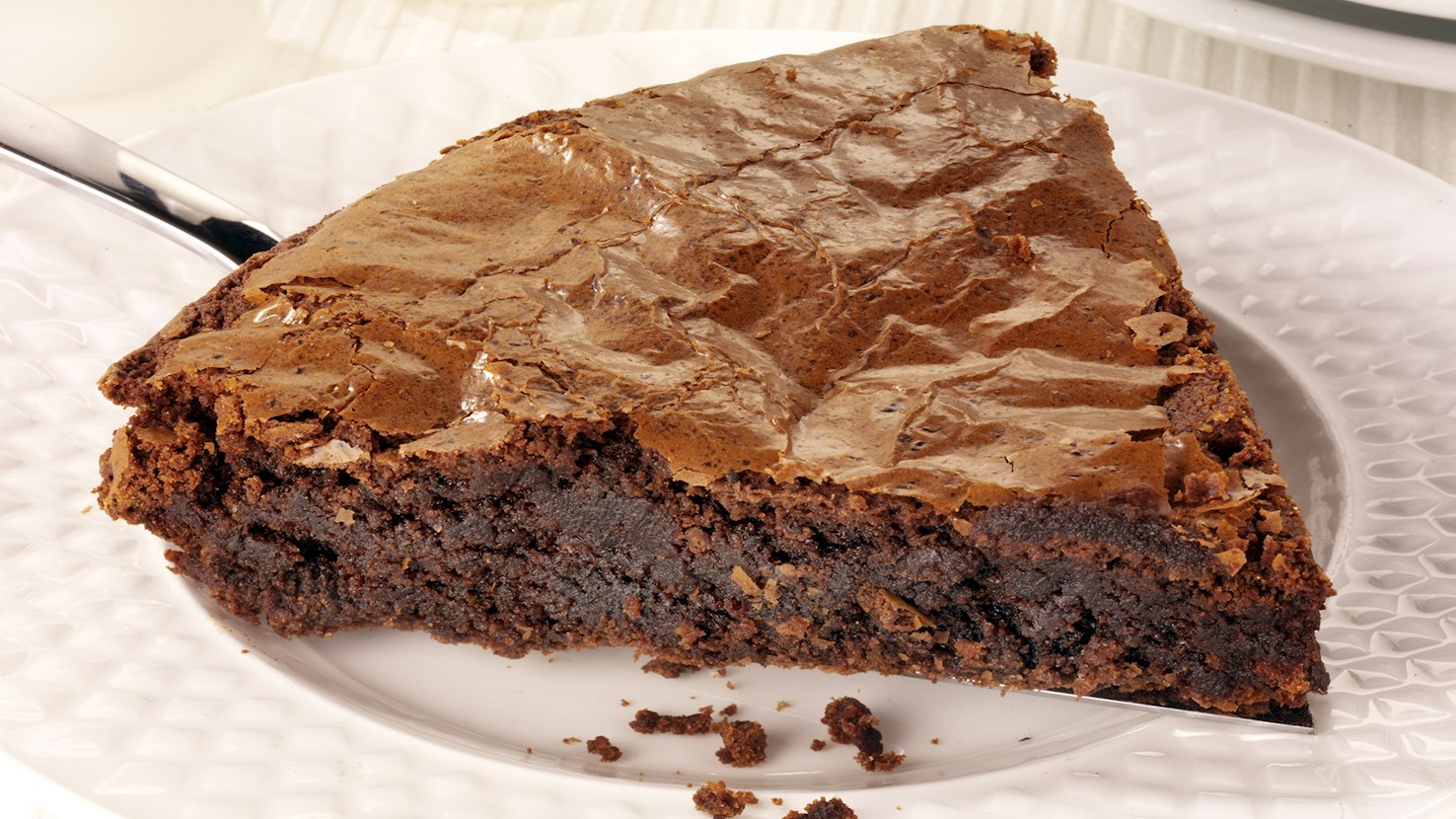
Ferrara's pastry chefs created torta tenerina in the early 1900s to honor Elena Petrovich, the queen of Montenegro and the wife of the Italian King Vittorio Emanuele III. The name of this Italian classic translates to tender cake, and with only five ingredients - chocolate, butter, eggs, sugar, and cornstarch, this flourless dessert truly lives up to its name. Torta tenerina has a light, meringue-like crust that holds its rich, yet incredibly light and tender chocolate heart. This traditional treat is found in almost every patisserie in Ferrara, but it is also equally popular throughout the country.

05

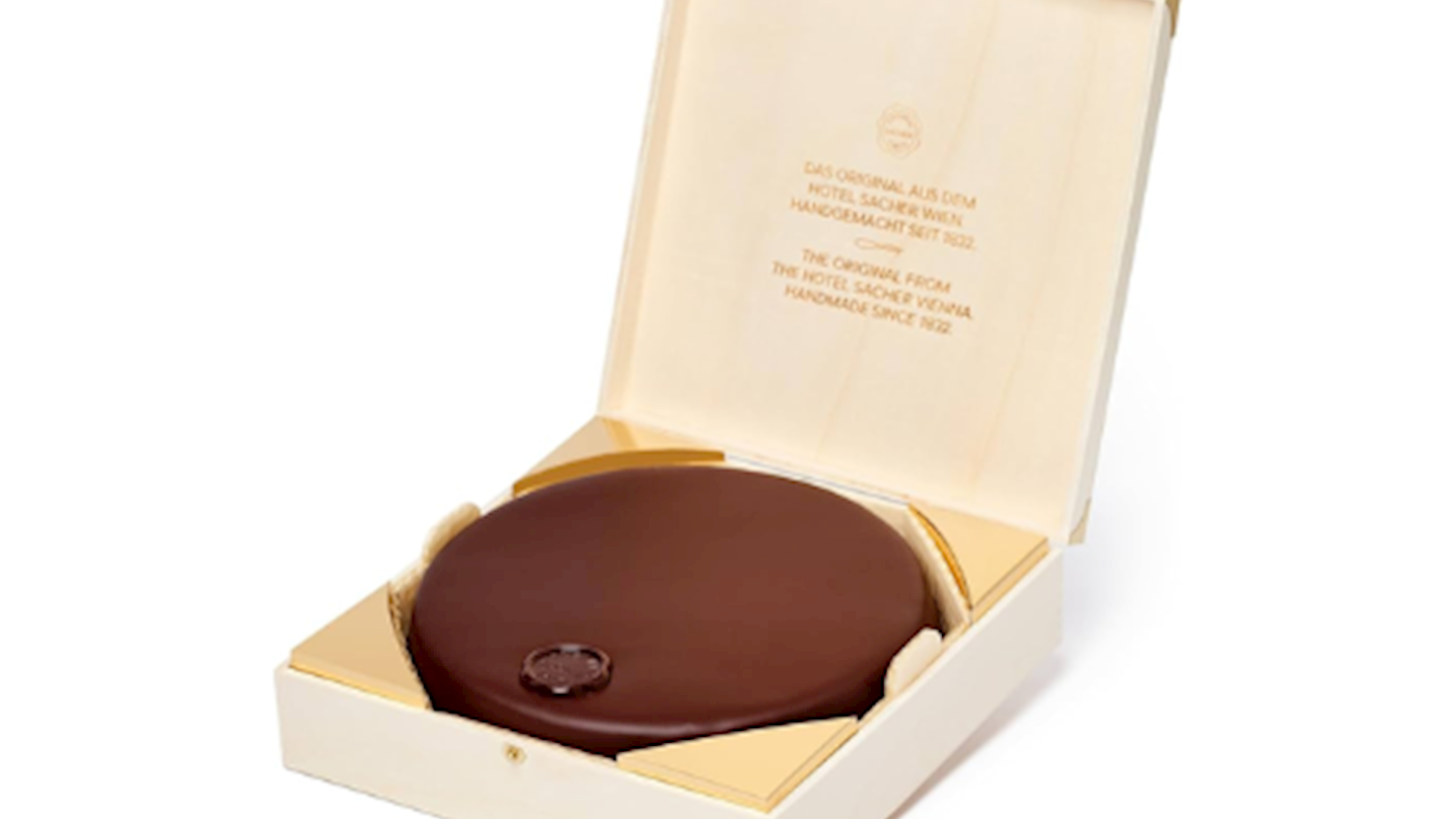
Sacher-Torte

4 ·

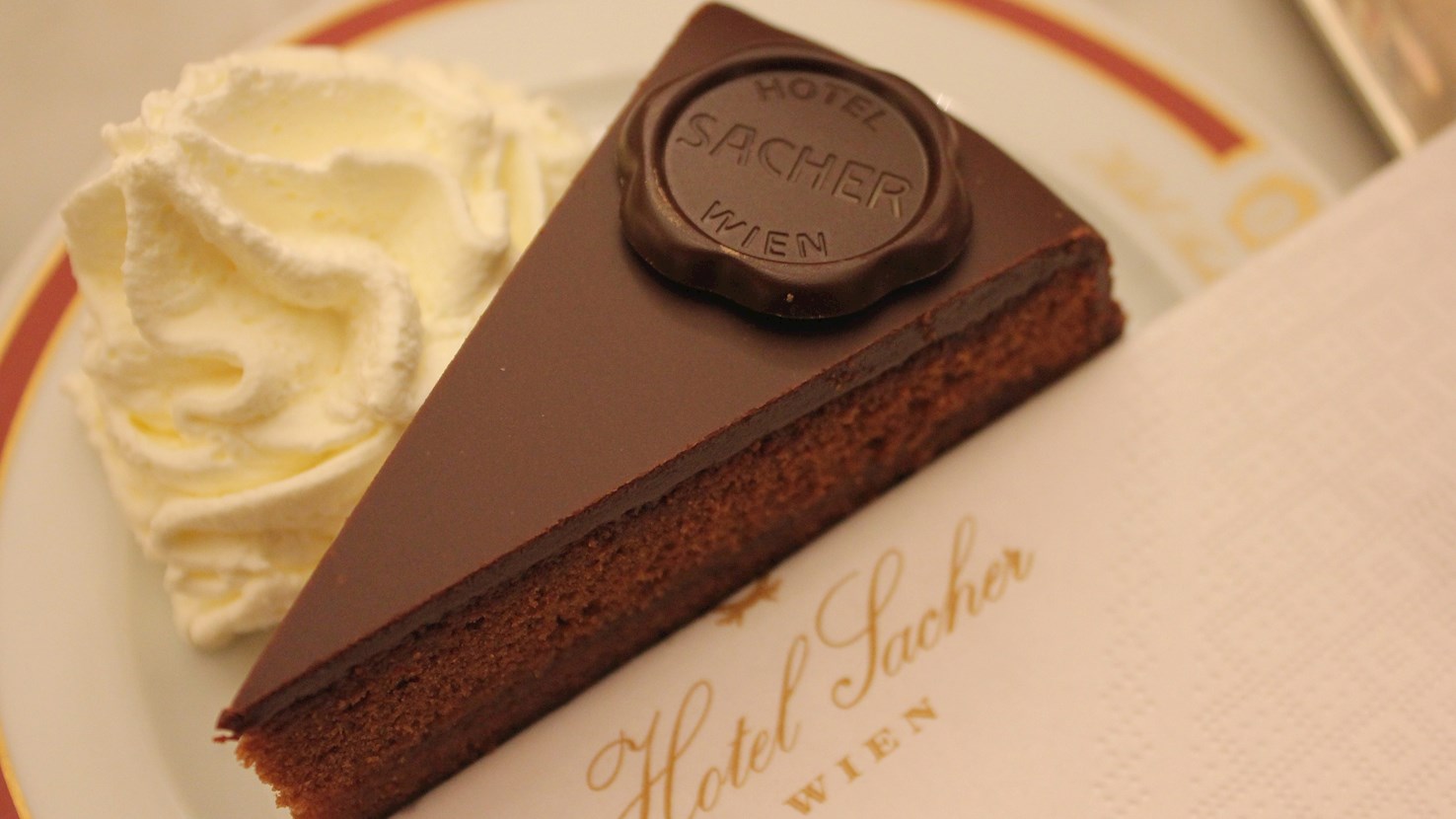
The original Sacher-Torte is the most famous Austrian cake. It is a classic, layered chocolate sponge cake that is thinly coated with high-quality apricot jam and topped with chocolate icing. Sacher-Torte is said to taste the best when accompanied by a small cloud of unsweetened whipped cream on the side. It was invented in 1832 by Franz Sacher, a pastry chef for Prince Clemens Lothar Wensel Metternich, the State Chancellor of Austria at the time. The prince wanted a new cake, and Sacher, 16 years old at the time, obliged him by creating something new from ingredients that were readily available in the kitchen. Suffice to say, the cake was a huge hit, and Franz's son Eduard opened a hotel called Sacher in 1876, serving the popular cake up to this day. Today, almost every coffee house in Vienna has its own version of the cake, but no two cakes are quite alike. In order to avoid confusion, it is recommended to look for the official Sacher chocolate seal on top of the cake, which can only be found on the Original Sacher, produced by Hotel Sacher in a quantity of approximately 360,000 cakes per year. Interestingly, from 1954 to 1963, Hotel Sacher went through a legal battle with their rival, Demel cafe, and the court proceedings focused on which one had the right to call its Sacher-Torte the original. The issues that were discussed included whether the cake should have an additional layer of apricot jam in the middle, and whether to use margarine or butter. Following a long seven-year dispute, the parties have reached an agreement—and the original Sacher-Torte is now only found at the Hotel Sacher. Nevertheless, Demel version, which does not have the additional layer of apricot jam in the middle, is almost equally popular.

06

Torta Setteveli

4 ·

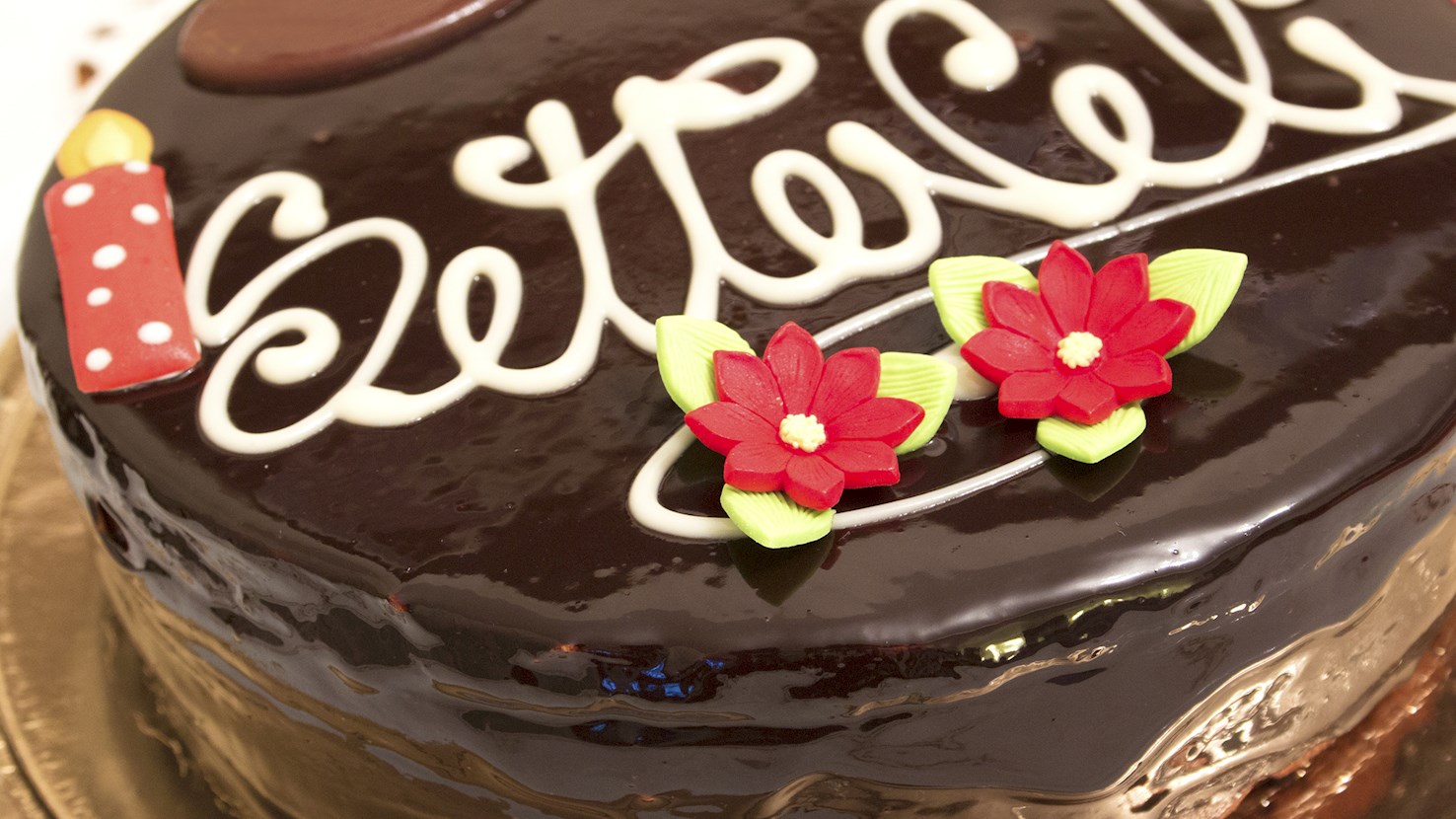
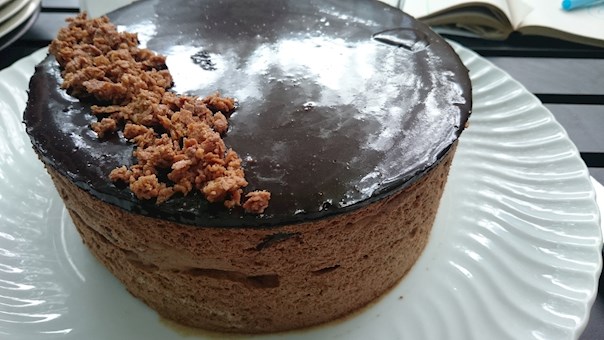
Named after Salome's dance to make Herod crazy with lust, torta setteveli (cake of the seven veils) unsurprisingly achieves more or less the same results. This traditional Sicilian birthday cake consists of an alternating combination of chocolate and hazelnut layers. From bottom to top: chocolate sponge, praline crunch, hazelnut Bavarian cream, chocolate sponge, hazelnut Bavarian cream, chocolate mousse, and finally, a layer of chocolate glaze on top. It is still unclear who had created this delicious cake, so some credit Capello of Pasticceria Capello in Palermo, while others claim that Luca Mannori from Prato made it first (and won the 1997 Pastry World Cup in France).

07

Schwarzwälder Kirschtorte

4 ·

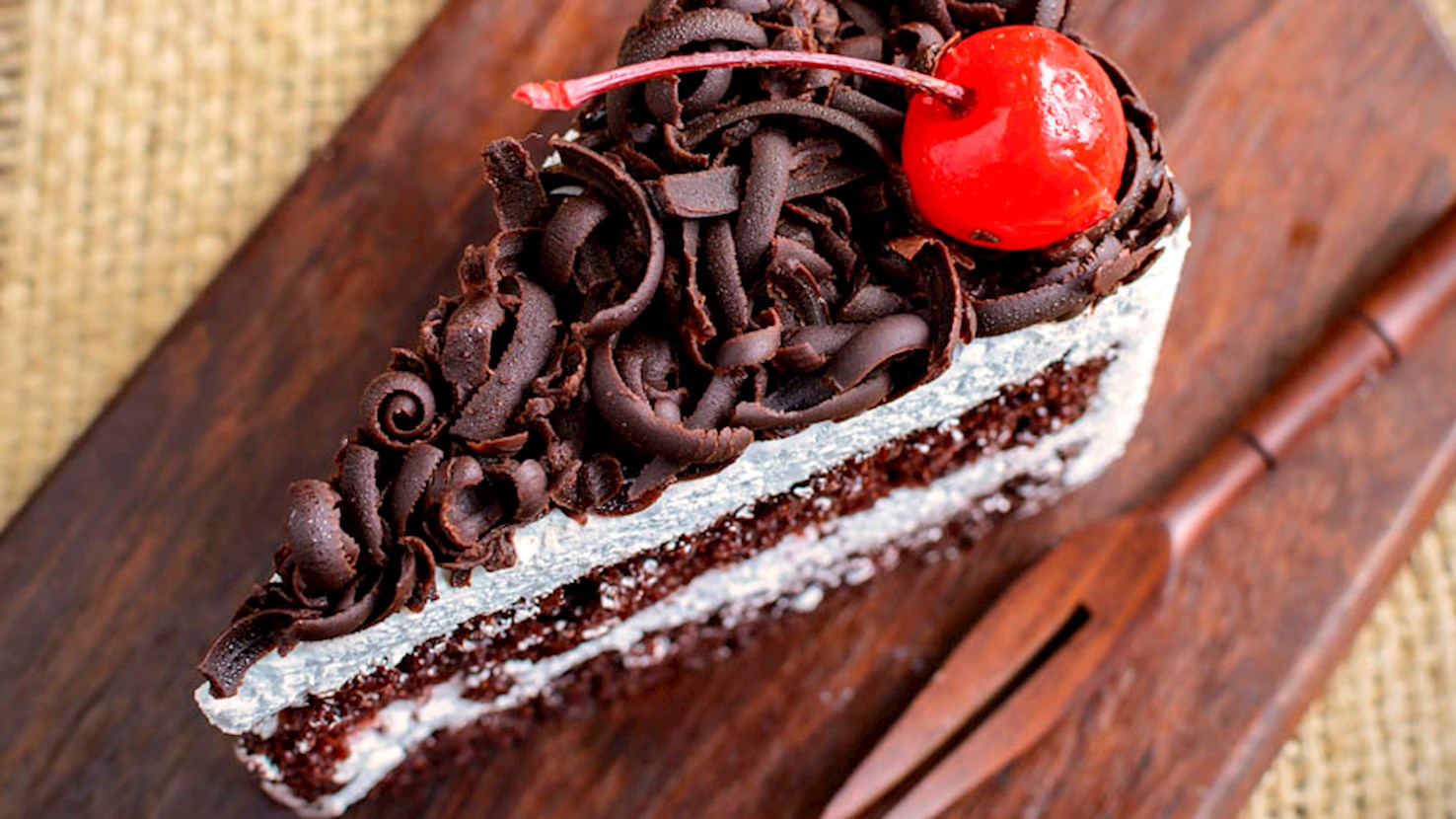
Black Forest cherry cake is a popular German dessert consisting of chocolate sponges that are coated in whipped cream and dotted with kirschwasser-infused cherries. Some varieties use the kirschwasser brandy to soak the chocolate layers or to lightly flavor the whipped cream. When assembled, the cake is lavishly decorated with whipped cream, chocolate shavings, and cherries. Among the numerous theories about its invention, it is still debated whether the cake was created by confectioner Josef Keller or pastry chef Erwin Hildenbrand. What is certain is that Schwarzwälder Kirschtorte originated in the Black Forest area and was in all likelihood modeled on the colors of the regional folk dresses. Since its first appearance in written form in 1934, it has become a well-known German dessert that is enjoyed throughout the country.

08

Mađarica

3.9 ·

Mađarica, meaning Hungarian girl, is a traditional layered cake that is usually associated with festive occasions. The layers are coated in a velvety, chocolate-infused cream, and the whole cake is finished with a dark chocolate glaze. Although not much is known about its origin or etymology, mađarica is believed to be an original Croatian dessert that was modeled on traditional Hungarian layered cakes.

09

Torta Savoia

3.9 ·

Torta Savoia is a layered chocolate cake that hails from Sicily. It consists of several sponge layers coated in a rich chocolate hazelnut cream. The entire combination is covered with a glossy chocolate glaze, and in some variations, sponges are lightly soaked with rum. It is said that the cake was created when Sicily was merged with the Kingdom of Italy in 1861. The legend says that the Benedictine nuns from Catania thought of the recipe and included hazelnuts from Piedmont to honor the House of Savoy—hence the cake's name. This legend is still the most prominent, but some argue that the cake was a creation of a local pastry chef from Palermo who invented it when Victor Amadeus II, the Duke of Savoy, was crowned as the King of Sicily in 1713.

10

Amandine

3.8 ·

Amandine is a traditional chocolate cake that's filled either with chocolate or almond cream. The cake has four components – the sponge cake, the syrup, the filling, and the glaze. The sponge cake is made with eggs, sugar, water, flour, oil, and cocoa, the filling (chocolate buttercream) consists of eggs, sugar, butter, vanilla, and cocoa, the syrup is made with water, sugar, and rum, and the glaze is made with chocolate and whipping cream. Of course, there are many recipes for this cake, so the ingredients may vary in some cases. Amandina has been popular in Romanian confectioneries ever since the 1960s, and it's usually decorated with a bit of the cream and a thin, diamond-shaped chocolate piece on top.

Best restaurants
11

Reform torta

3.8 ·
12

Rigó Jancsi

3.8 ·
13

Wuzetka

3.6 ·
14

Dios torta

3.6 ·
15

Royal

3.6 ·
17

Arretje nof

3.5 ·
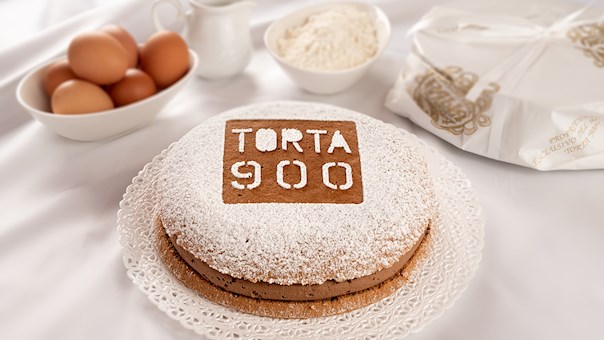
18

Torta 900

3.5 ·
19

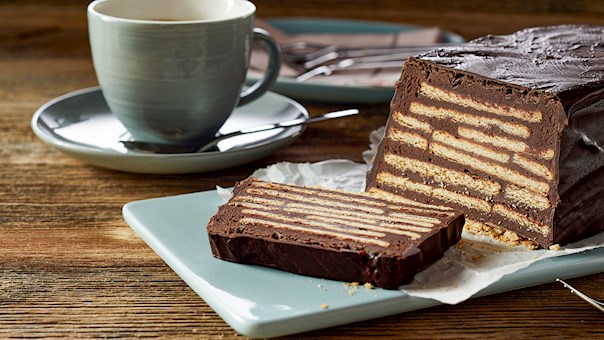
Kalter Hund

3.4 ·
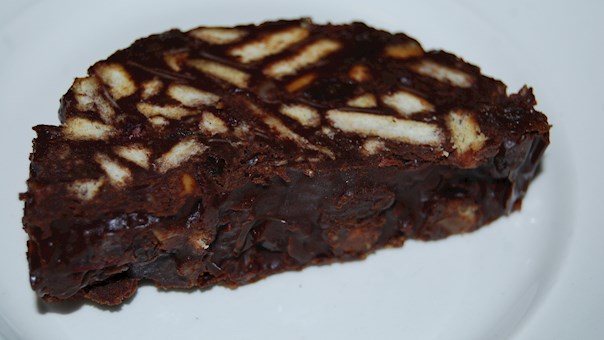
Read more
View all
View map
About this ranking

TasteAtlas food rankings are based on the ratings of the TasteAtlas audience, with a series of mechanisms that recognize real users and that ignore bot, nationalist or local patriotic ratings, and give additional value to the ratings of users that the system recognizes as knowledgeable. For the “Top 31 European Chocolate Cakes” list until May 16, 2026, 2,335 ratings were recorded, of which 1,572 were recognized by the system as legitimate. TasteAtlas Rankings should not be seen as the final global conclusion about food. Their purpose is to promote excellent local foods, instill pride in traditional dishes, and arouse curiosity about dishes you haven’t tried.

Similar lists