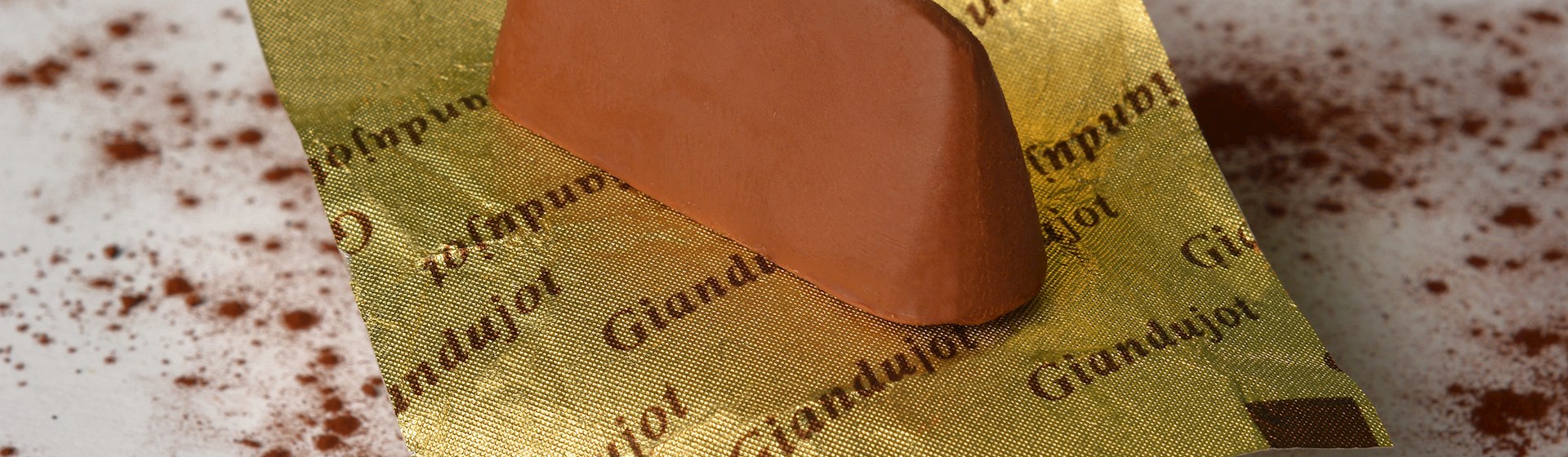
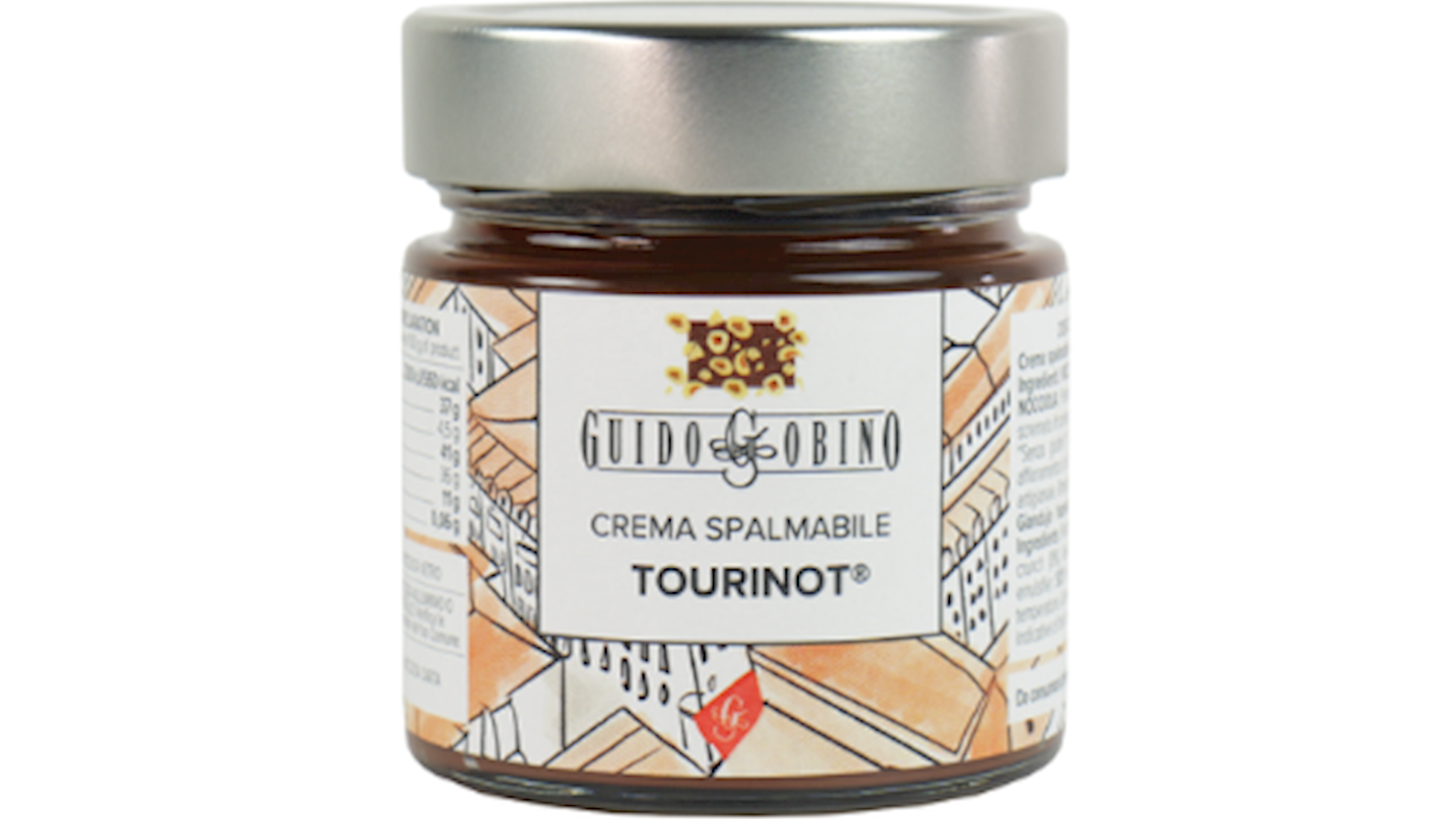
Guido Gobino is a prestigious Turin-based chocolatier and master of gianduja, whose name today stands as a symbol of exceptional Italian artisanal chocolate. His story begins in 1964, when his father Giuseppe founded the “Laboratorio Artigianale del Giandujotto” dedicated to preserving and elevating the traditional craft of gianduja – a chocolate specialty made with hazelnuts and cocoa. Guido took over the family business and transformed it into an internationally acclaimed brand by blending time-honored techniques with modern innovations and a continuous pursuit of excellence. At the heart of his creations are premium ingredients: Tonda Gentile delle Langhe hazelnuts, milk from Piedmont, and carefully selected cocoa beans sourced from Latin America, all within a strict “bean-to-bar” philosophy. His collection includes original giandujotti, Tourinot pralines, cremino with olive oil and sea salt, refined filled chocolates, and single-origin chocolate bars. Today, his creations can be found in fine boutiques and gourmet shops across Europe, the United States, and Asia. Thanks to his unwavering commitment to quality, sustainability, and authenticity, Guido Gobino has become a global ambassador of Turin’s chocolate-making tradition and one of Italy’s most respected chocolatiers.
Awards
Tavoletta D'Oro - The best in category
(2024, 2023, 2022, 2021, 2020, 2019, 2018, 2017, 2016, 2015, 2014, 2013, 2012, 2011, 2010, 2005, 2004, 2002)
Tavoletta D'Oro - Premio del ventennale Award
(2024, 2023)
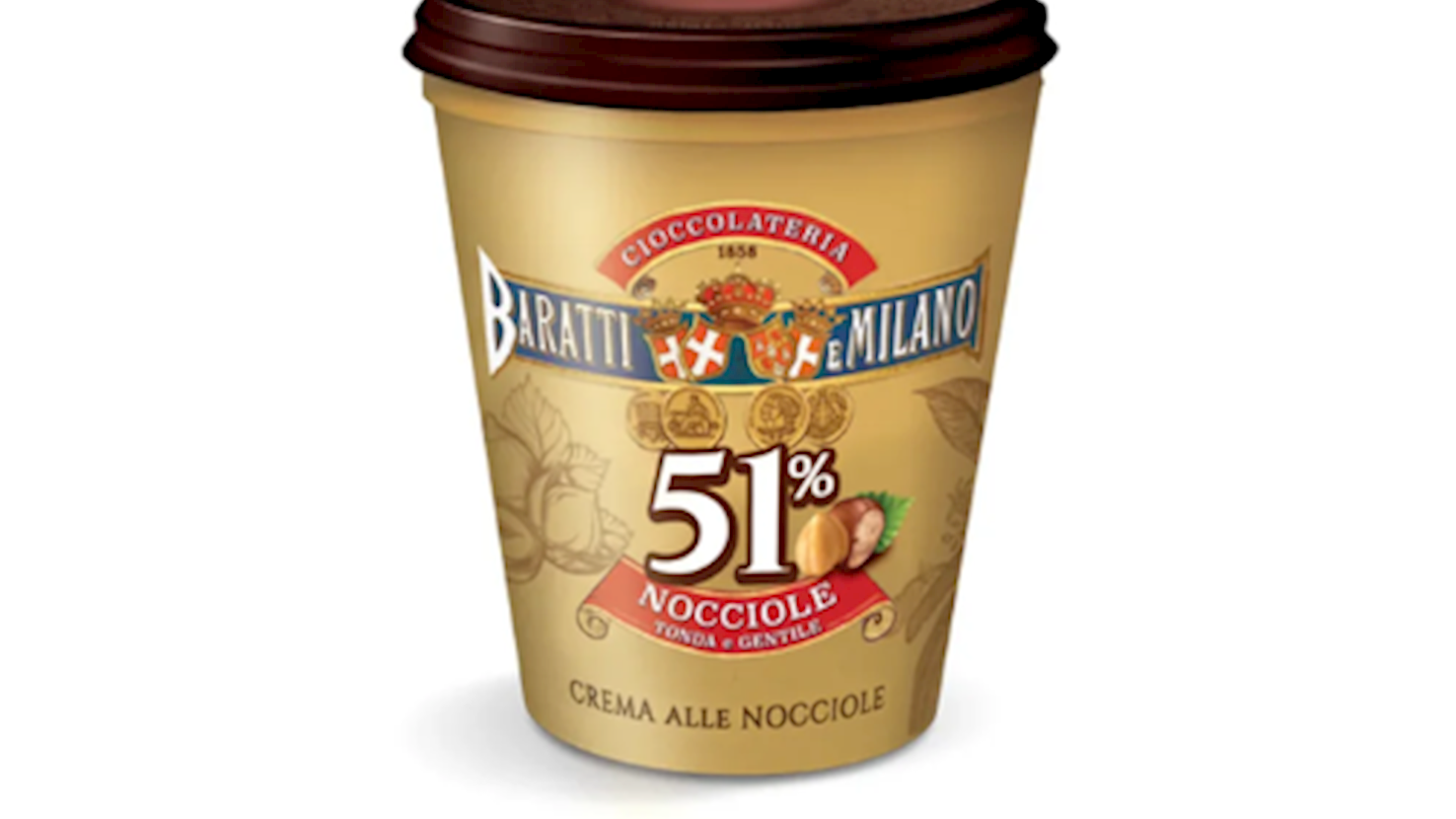
Baratti & Milano is one of Italy’s most historic chocolate and confectionery producers, originating from Turin in the Piedmont region. The company was founded in 1858 by Ferdinando Baratti and Edoardo Milano and gradually became a symbol of Turin’s refined chocolate-making tradition. Its famous Caffè Baratti & Milano, located inside the historic Galleria Subalpina in central Turin since 1875, is considered one of the city’s iconic culinary landmarks. The brand is especially renowned for its gianduja chocolate, made with cocoa and the prestigious Piedmont hazelnut variety Tonda Gentile delle Langhe. Baratti & Milano is also closely associated with the tradition of cremino chocolates, a classic layered praline specialty from Turin. Throughout its history, the company served as an official supplier to the House of Savoy, reinforcing its reputation within Italian gastronomic culture. Today, its assortment includes gianduiotti chocolates, cremini, premium chocolate bars, pralines with pistachios and hazelnuts, candies, and traditional Italian hot chocolate products. The brand is recognized for combining elegant packaging with long-standing artisan recipes and high-quality ingredients. Particular attention is given to the selection of cocoa and Piedmont hazelnuts, which remain central to its identity. Baratti & Milano continues to represent one of the most distinguished names in Turin’s historic confectionery and chocolate heritage.
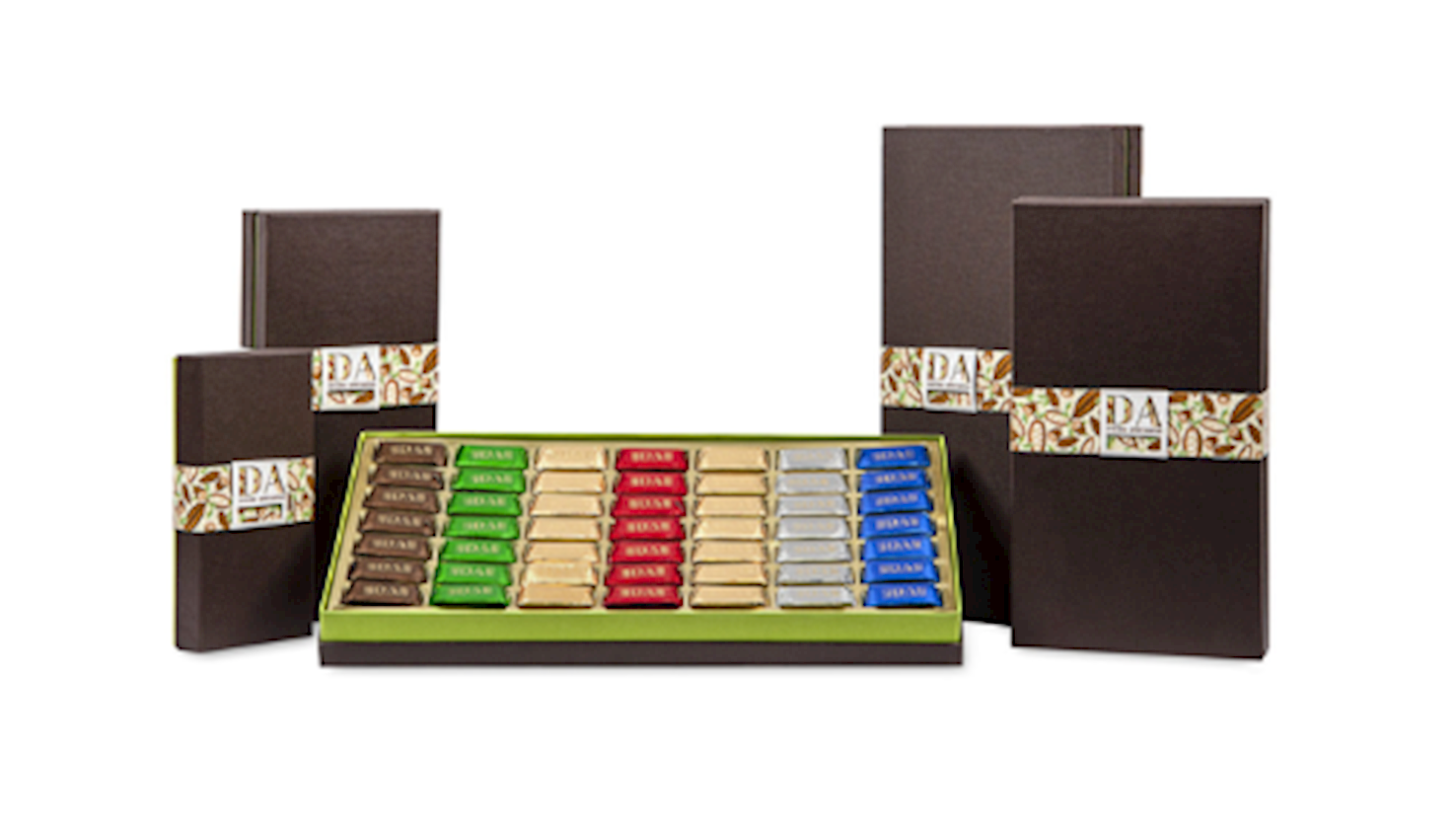
Davide Appendino is a Turin-based master chocolatier who follows the bean-to-bar philosophy, overseeing the entire process from selecting cocoa beans to crafting the final product. His chocolate shop in the heart of Turin blends tradition with modern design, featuring details such as a metal structure shaped like a cocoa molecule and a greenhouse where a cacao plant is grown. In his production, he uses only the finest beans and raw cane sugar, highlighting the purity of flavor and the distinctiveness of each terroir. His assortment includes single-origin chocolate bars, pralines, cremini, chocolate-covered fruits, and, above all, gianduiotti, with standout varieties made from Venezuelan, Cuban, or Madagascan cacao. Appendino also holds the title of Maestro del Gusto, affirming his place among the most distinguished representatives of Turin’s chocolate-making tradition. His work reflects a balance between artisanal precision and creativity, resulting in chocolates that tell the story of the origin and character of every single bean.
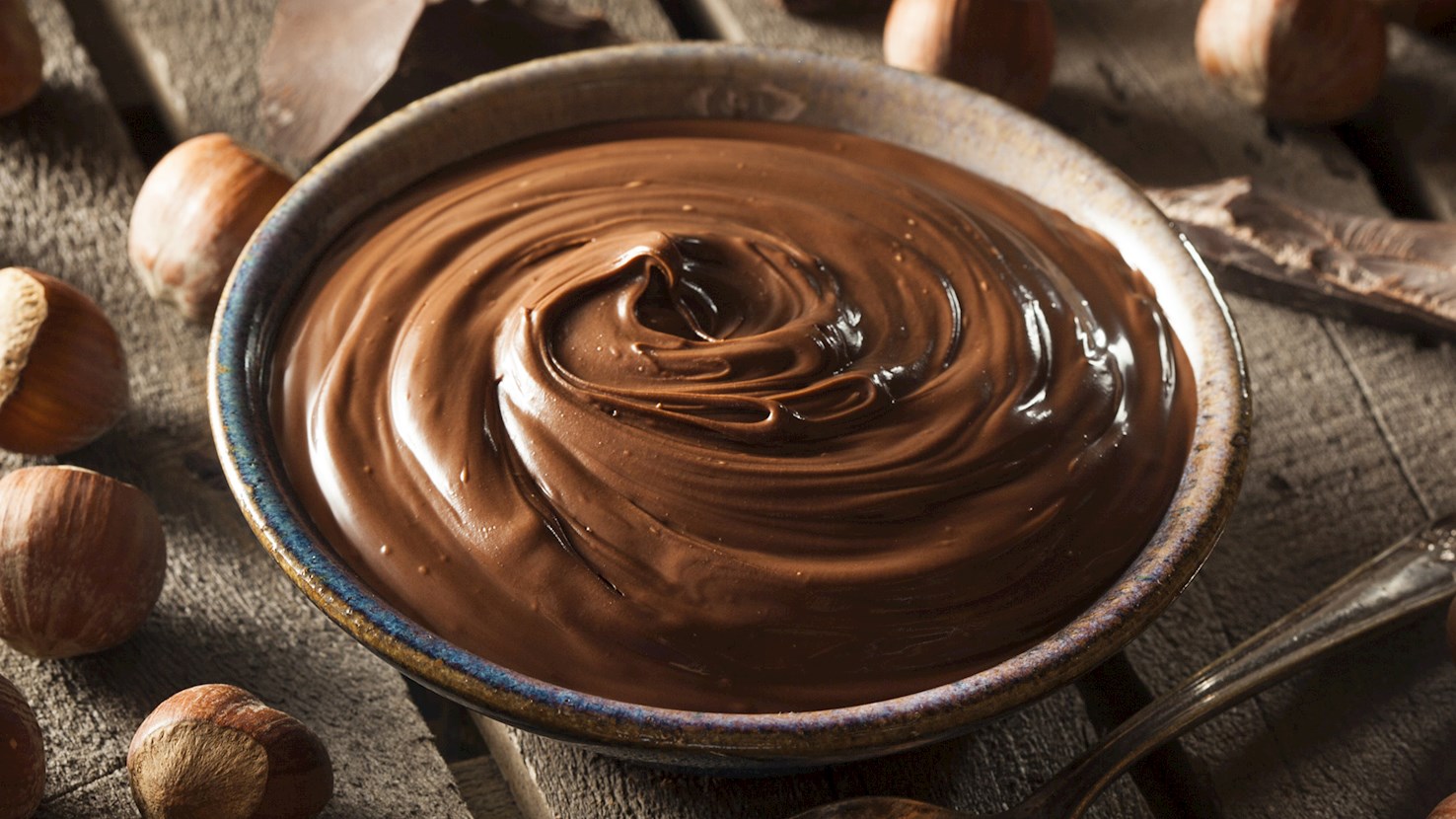
Gianduja is a sweet creamy spread made of chocolate and ground hazelnuts. It was invented in Turin in the 19th century as a means of stretching the limited amount of chocolate available due to an imposed shortage of cocoa supplies in Italy. Since the area of Piedmont has always been rich in high-quality hazelnuts due to the region's indigenous hazelnut trees, a chocolatier named Michele Prochet created the first gianduja by extending the insufficient amount of chocolate with the region's exceptional hazelnuts. The recipe calls for about 30% of hazelnut paste; however, the most famous gianduja-inspired spread, Nutella (originally called Pasta Gianduja), contains less than half of the amount.
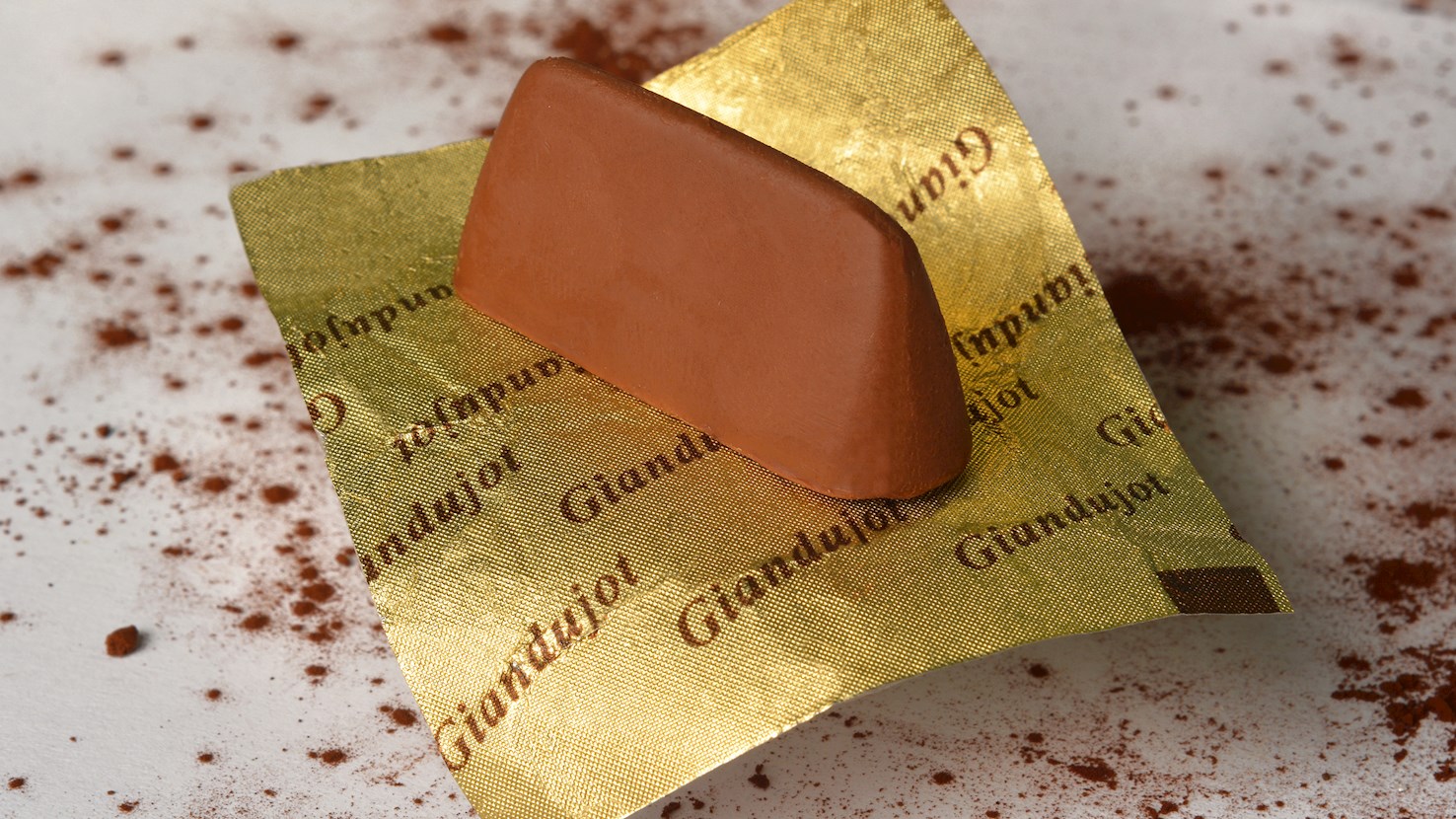
Piedmont's signature pralines are made with gianduia — a silky smooth cocoa, sugar, and hazelnut paste that owes its unmistakable flavor to roasted Piedmontese hazelnuts of the Tonda gentile variety. Even though some sources claim the blend was invented in the early 1800s, it wasn't until half a century later that gianduia was perfected by a Turinese chocolatier named Caffarel. According to one legend, the first gianduia pralines were introduced in 1865 during the Turin carnival. They were originally called givù, which means tidbits in local dialect, and supposedly gained the name gianduiotto after being handed out to the people in the streets by Caffarel himself, who was dressed as Giandujot, one of the most popular characters of the Italian commedia dell'arte.
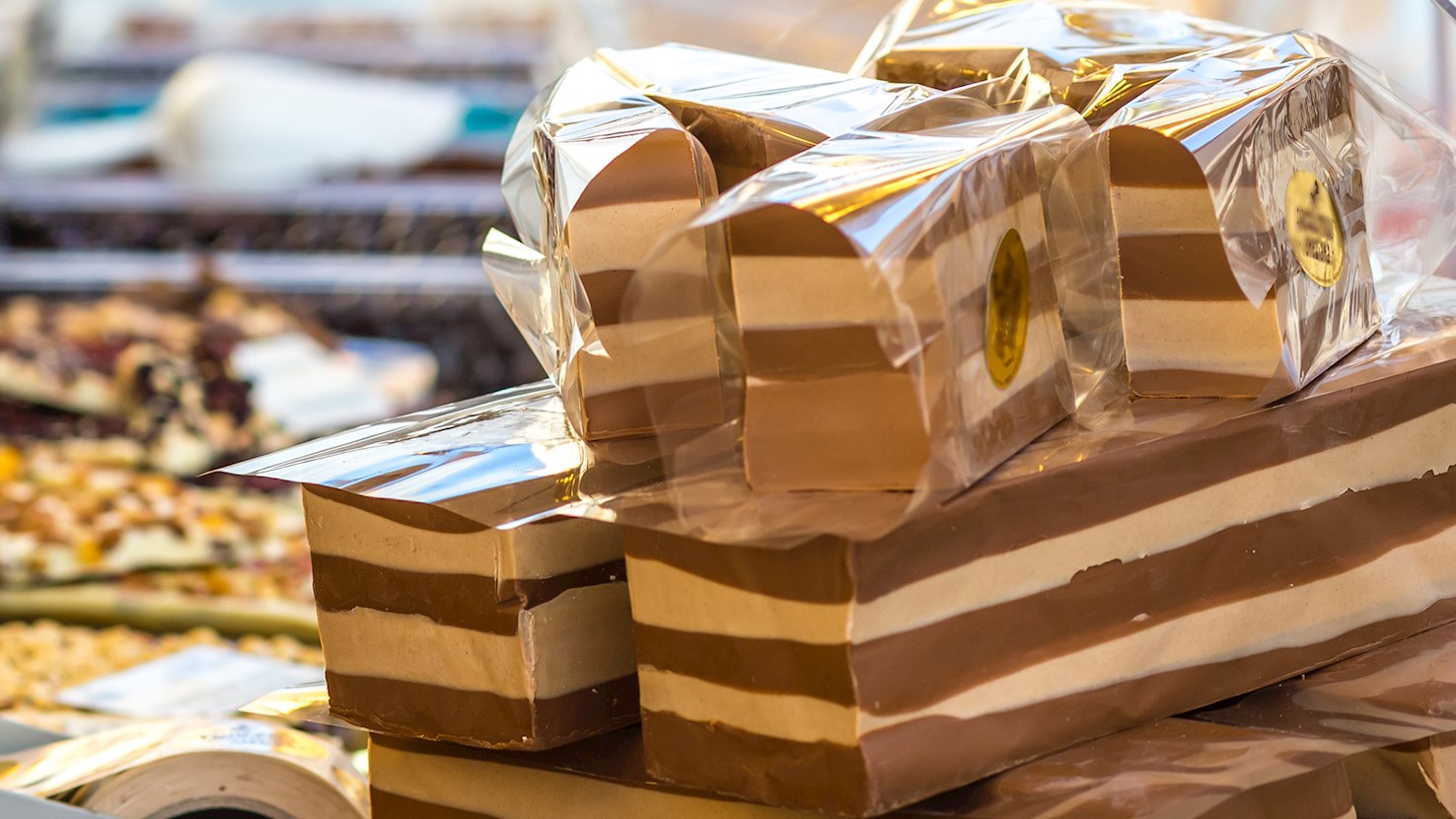
Cremino is an Italian confection made of layered chocolate, known for its soft texture, square shape, and delicate balance of sweetness and nut flavor. It originates from Turin in the Piedmont region of northern Italy, an area long associated with fine chocolate and hazelnut production. The sweet is composed of three smooth layers: two outer layers of gianduja (a blend of milk chocolate and hazelnut paste) and a central layer that varies in flavor, often made with almond, coffee, or lemon cream. The result is a creamy, velvety cube that melts evenly, uniting cocoa and nuts in perfect proportion. The creation of cremino is credited to Ferdinando Baratti, a chocolatier who, together with Edoardo Milano, founded Baratti & Milano in Turin in 1858. During the late nineteenth century, Turin was a center of Italian chocolate-making, known for its refinement and precision. Building upon the earlier invention of gianduja, which had been developed as a way to extend scarce cocoa with local hazelnuts, Baratti created a new type of chocolate that emphasized smoothness and layering rather than filling. The confection’s reputation soon spread beyond Turin, admired for its craftsmanship and restrained elegance. In the early twentieth century, the chocolate gained further recognition when Majani, a confectionery from Bologna, produced a special version called Cremino Fiat in 1911 to celebrate the launch of the Fiat Tipo 4 automobile. Though Majani popularized it nationally, the structure and concept remained rooted in Baratti’s original creation. The Piedmontese cremino retained its identity as a luxurious but understated chocolate, representing the refinement and technical skill of Turin’s confectioners. To prepare cremino, milk chocolate is blended with finely ground hazelnut paste to make the gianduja base. This forms the top and bottom layers. The filling (almond cream, coffee-flavored chocolate, or another variant) is poured or spread between them. The block is cooled until firm, then cut into precise cubes. The texture must be perfectly balanced: firm enough to hold its layers but soft enough to yield immediately when eaten. The flavor depends on the proportion of cocoa and nuts, resulting in a chocolate that is rich but never heavy. Some modern interpretations use pistachio or dark chocolate centers, but the essential structure, a triple-layer composition of smooth creams, remains the same. In Italy, cremino is eaten throughout the year, often enjoyed with espresso or as a small sweet after meals. It is sold in cafés and pastry shops across Turin, wrapped individually or arranged in neat rows that highlight its layered colors. Outside Italy, it remains a symbol of refined chocolate craft, valued by those who appreciate careful blending and smooth texture over showiness. It pairs naturally with coffee, dessert wines such as Moscato d’Asti, or aged grappa, each complementing its nutty warmth.
TasteAtlas food rankings are based on the ratings of the TasteAtlas audience, with a series of mechanisms that recognize real users and that ignore bot,
nationalist or local patriotic ratings, and give additional value to the ratings of users that the system recognizes as knowledgeable.
For the “Top 3 Local Chocolate Confectioneries in Turin” list until May 29, 2026, 310 ratings were recorded, of which 240 were recognized by the system as legitimate.
TasteAtlas Rankings should not be seen as the final global conclusion about food. Their purpose is to promote excellent local foods,
instill pride in traditional dishes, and arouse curiosity about dishes you haven’t tried.
The initial list of top producers was compiled based on available reviews, awards, local recommendations, media and blog coverage, and consumer reviews.
The list will be updated with ratings from TasteAtlas local ambassadors and TasteAtlas users.