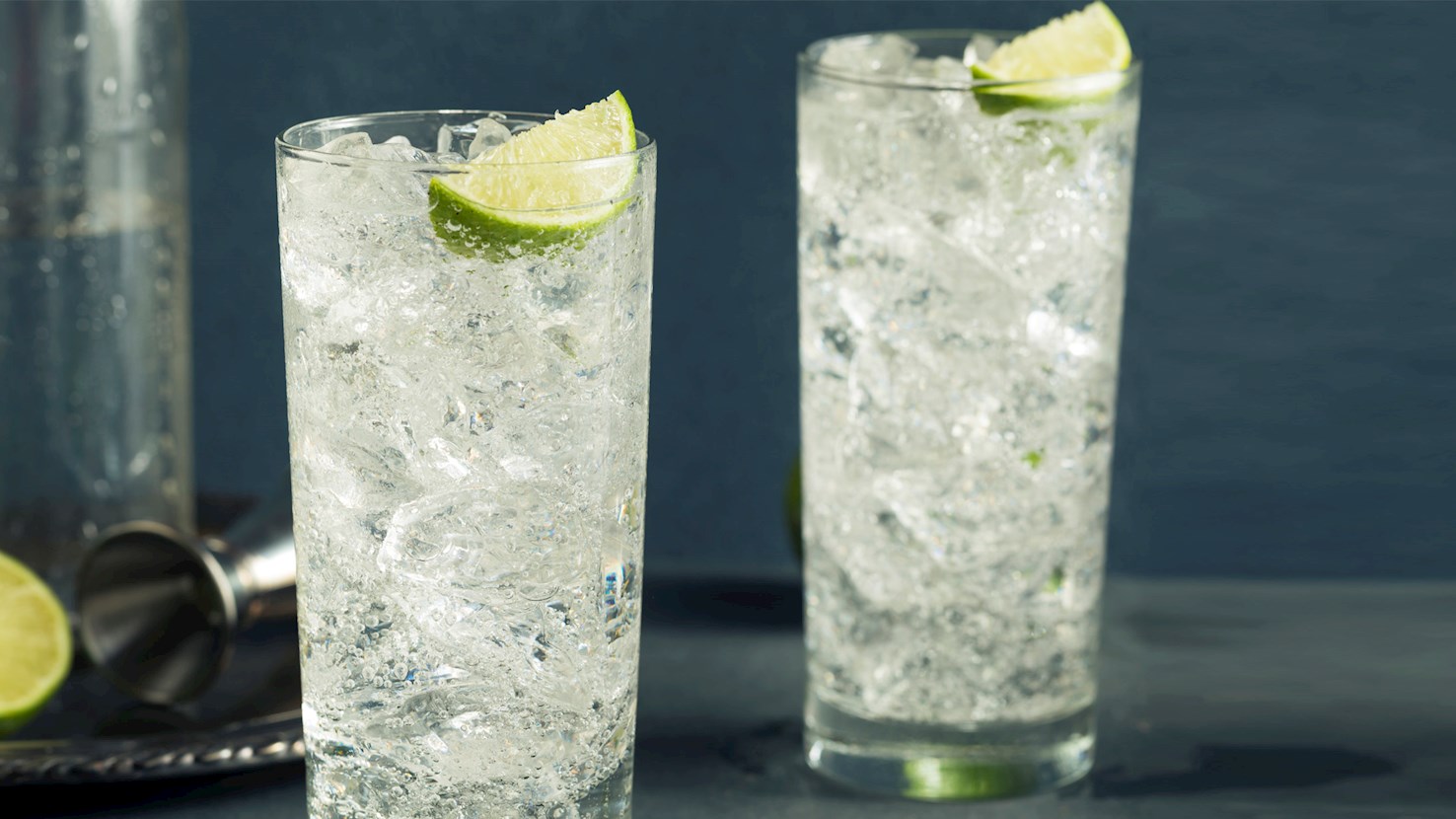
A simple highball cocktail made with gin and tonic water poured over ice, then garnished with a lime wheel is called Gin and Tonic. In the early 19th century, the cocktail was introduced to India by British officers. Malaria was a persistent problem in India, so the officers used the cocktail to prevent and treat the disease with the tonic's quinine. Due to its bitterness and sour notes, this cocktail is hugely popular worldwide, especially during the summer months. One can experiment with ratios of the components, even though suggested ratios of gin to tonic water range between 1:1 and 1:3. In some countries, it is commonly referred to as Gin Tonic, while people in English-speaking countries often simply call it G & T. Today, the cocktail is so popular that it is celebrated on October 19th, when it is known as International Gin & Tonic Day.
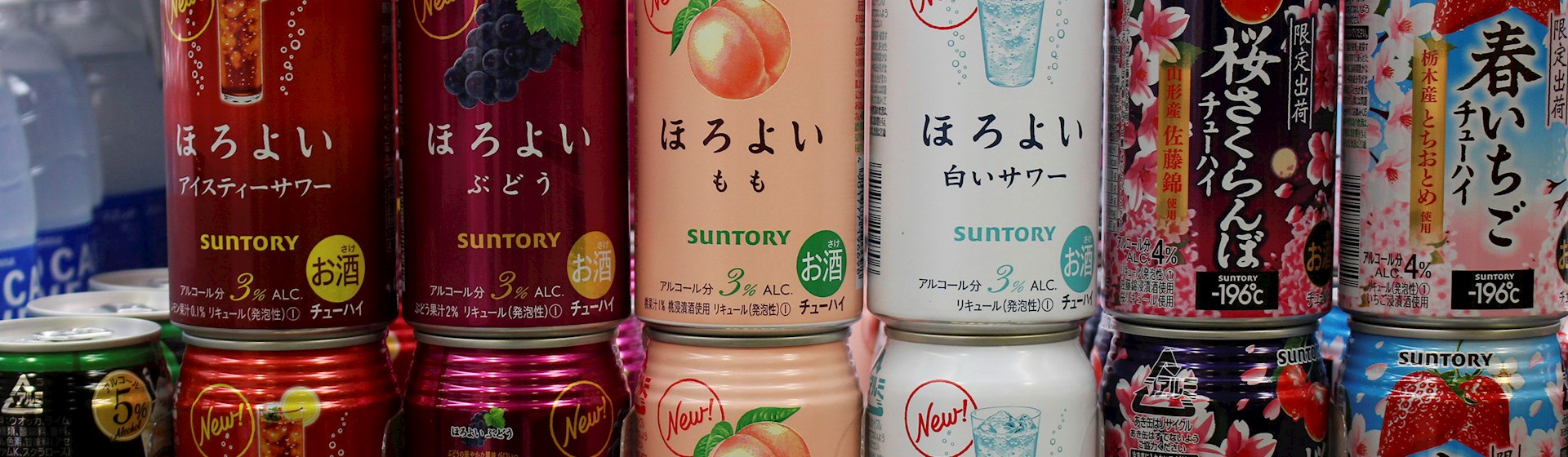
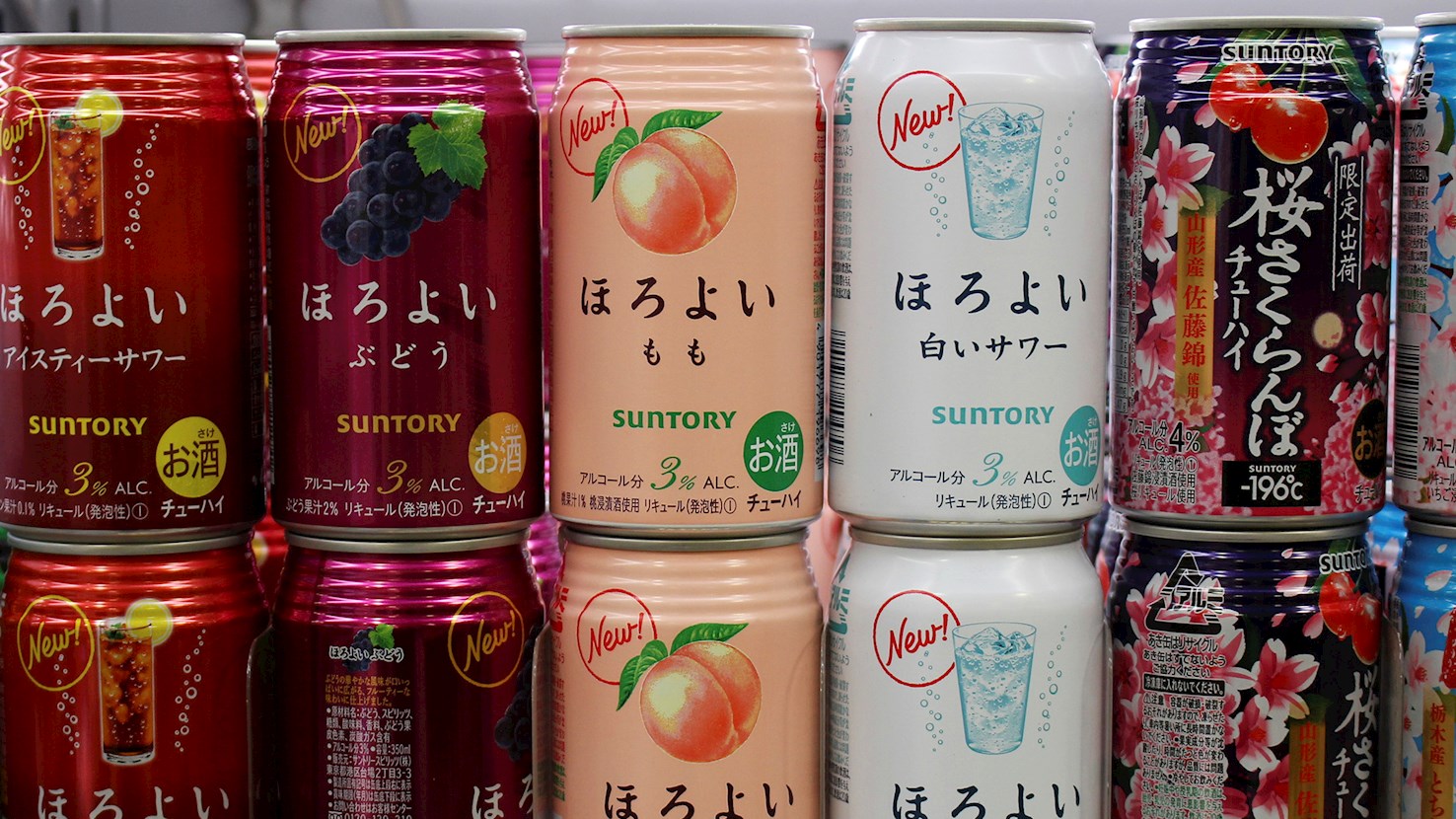
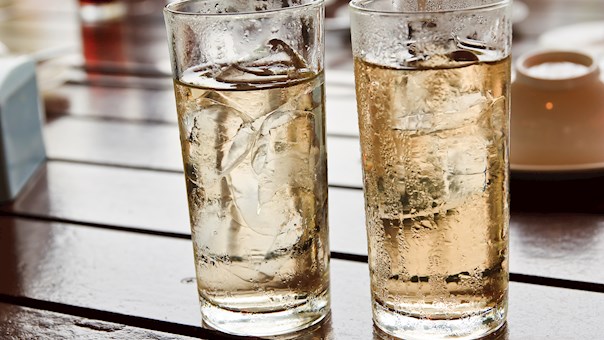
Chūhai is a mixed Japanese drink with fairly low alcohol content. In its original form, it was made with soda water and shōchū—Japanese spirit distilled from various ingredients such as barley, sweet potatoes, rice, or buckwheat. Nowadays, shōchū is sometimes replaced with vodka, and the combinations usually include various types of fruit-flavored soda water, fruit juices, or syrups. The name chūhai originated as a portmanteau of the words shōchū and highball, and it is believed that the drink first appeared in izakayas in Tokyo. Although it is still freshly prepared in bars, where it is served in high glasses or mugs, canned versions of the drink are also incredibly popular and widely available through the country. A version prepared with fresh juice typically goes under the name nama chūhai.
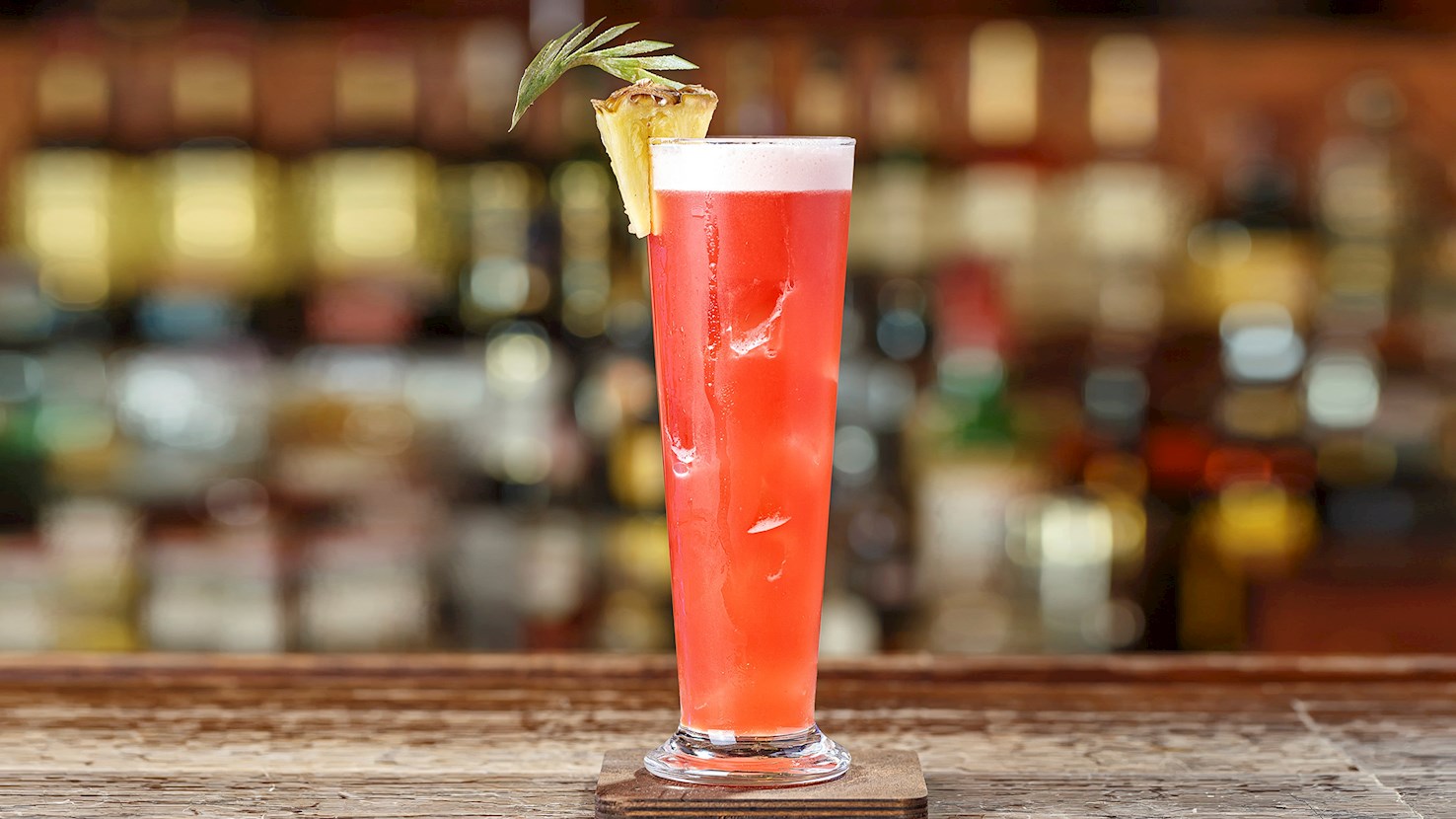
Originally known as Gin Sling, Singapore Sling is a gin-based cocktail that was invented around 1915 in Singapore by a bartender named Ngiam Tong Boon. While the original recipe calls for gin, cherry brandy, and orange, pineapple, and lime juice, the cocktail is nowadays prepared by shaking gin with cherry liqueur, Cointreau, grenadine, Bénédictine herbal liqueur, pineapple juice, freshly squeezed lime juice, and Angostura bitters. Singapore Sling is typically served straight up in a hurricane glass garnished with a Maraschino cherry and a pineapple wedge.
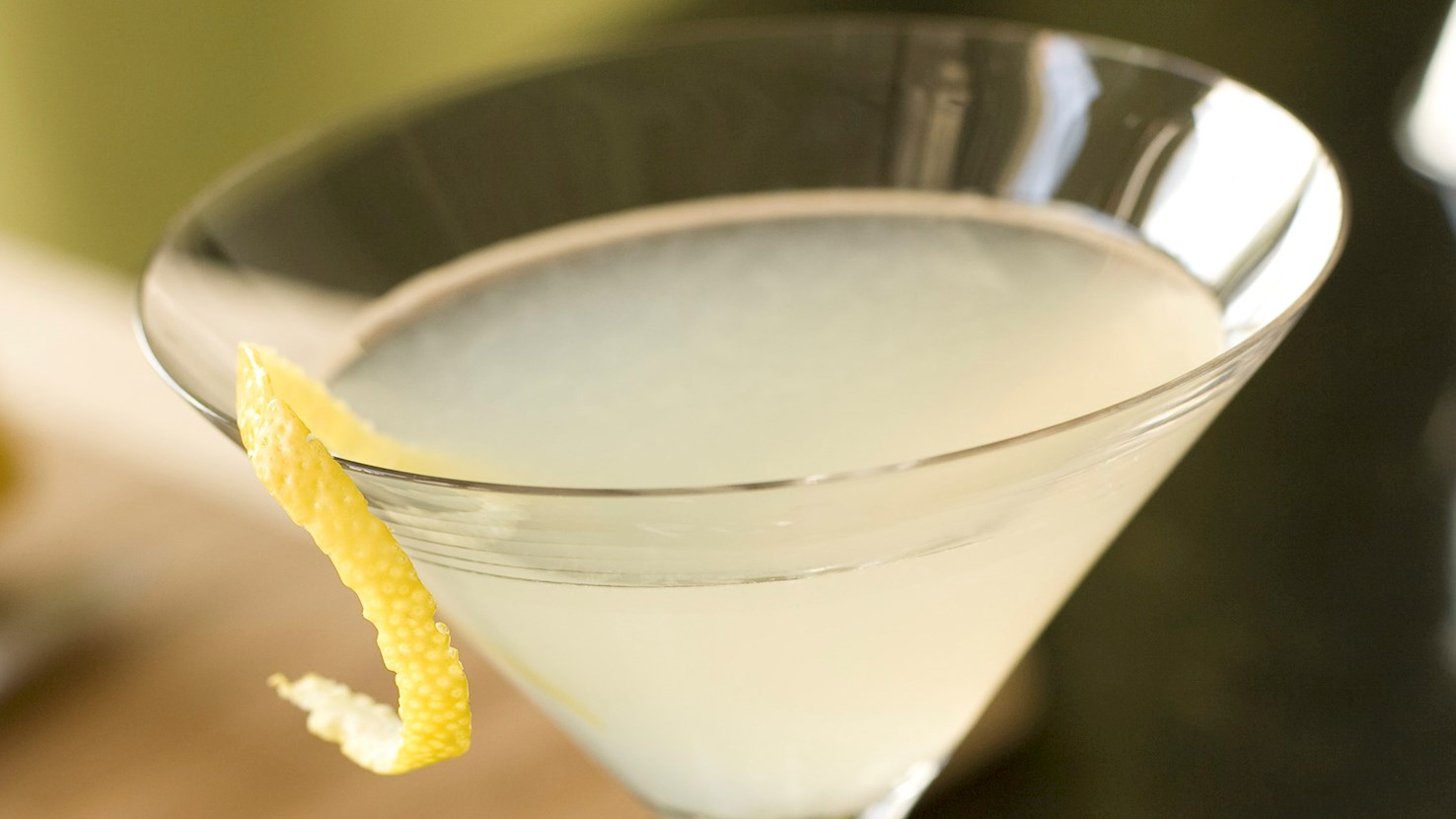
Although some claim that it originated during the 1970s as a classic disco cocktail, the elegant Kamikaze cocktail was probably invented in Tokyo after World War II, during the American occupation of Japan. Kamikaze, which means divine wind in Japanese, is made with equal parts vodka, triple sec (orange liqueur), and freshly squeezed lime or lemon juice. It is often served as an apéritif, straight up in a cocktail glass, typically with a lime or lemon twist. It is recommended to pair Kamikaze with pasta dishes or spicy chicken wings.
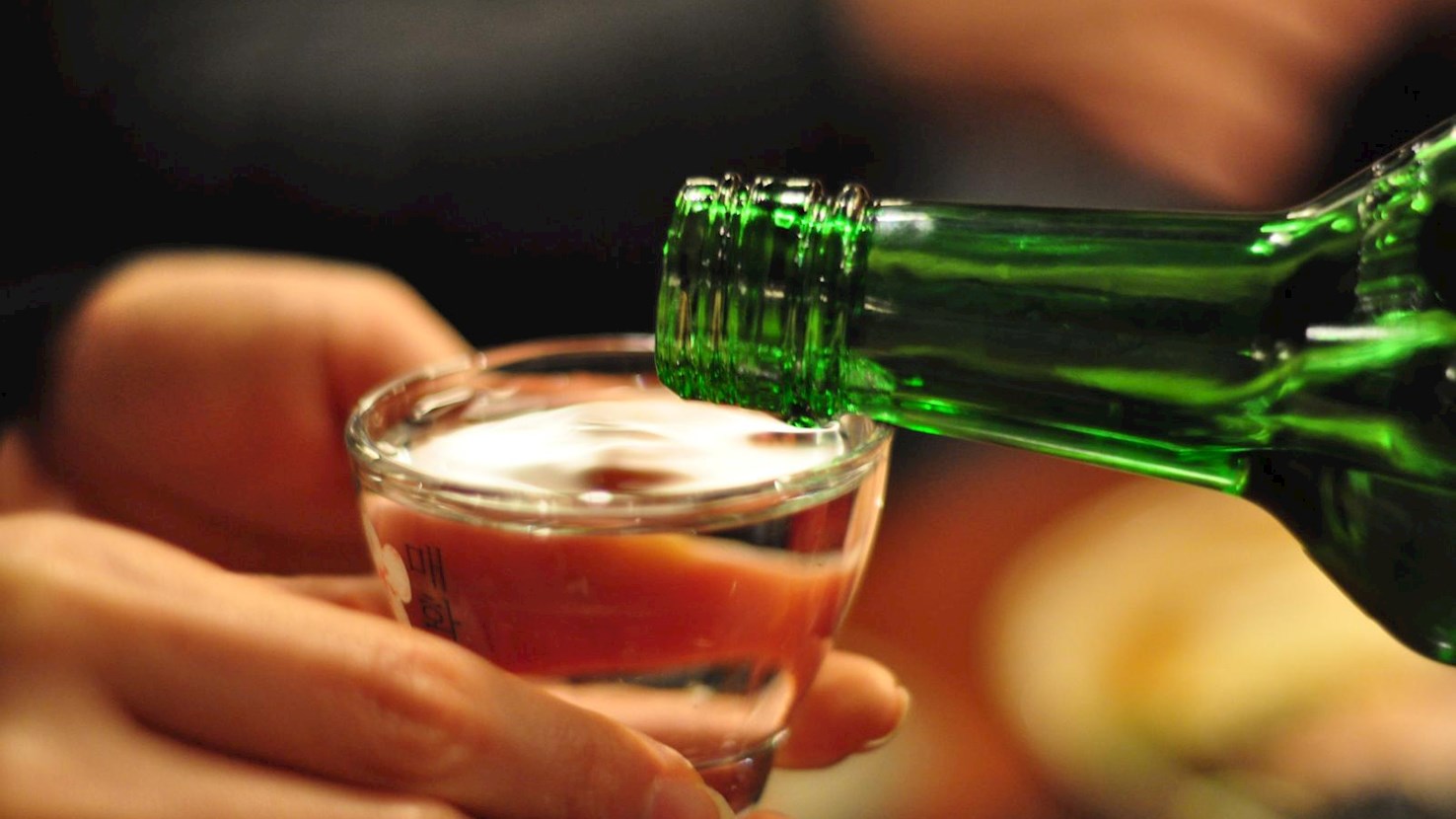
Poktanju is a simple South Korean combination of beer and soju—a traditional Koran rice spirit. Also known as soju shot or bomb shot, the drink is made by dropping a shot of soju in a glass of beer. Once prepared, the cocktail is gulped as quickly as possible. Unsurprisingly, this mixed drink can get people intoxicated quickly. Poktanju is often enjoyed as a social drink. It is considered a slightly more robust and heavier version of somaek, which also combines beer and soju.
Haibōru or Japanese highball combines Japanese whisky and soda water, and though it may sound simple, the preparation of this cocktail entails tedious steps that have been elevated almost to an art form. The best versions would use a perfectly carved cube of ice that is first stirred until frost appears on the glass. Any excess water should be removed, and another block of ice is added before the whisky is slowly poured in the glass. The finishing touch is another block of ice, and the cocktail is then topped off with soda water. Optionally, a lemon wedge can be used as a garnish. For a perfect Japanese highball, only the best-quality Japanese whisky should be used, and it is said that when the whisky is added, the drink should be stirred exactly thirteen times clockwise. Japanese highball is a staple drink throughout the country, and apart from the high-quality versions, many izakayas—informal Japanese establishments—will also serve a cheaper version where the guest does not choose the type of whisky. Interestingly, pre-mixed canned versions are also quite popular. Although it first appeared in the 1920s, Japanese highball slowly fell out of fashion after 1980s, but Japanese whisky producer initiated its revival in the mid-2000s.
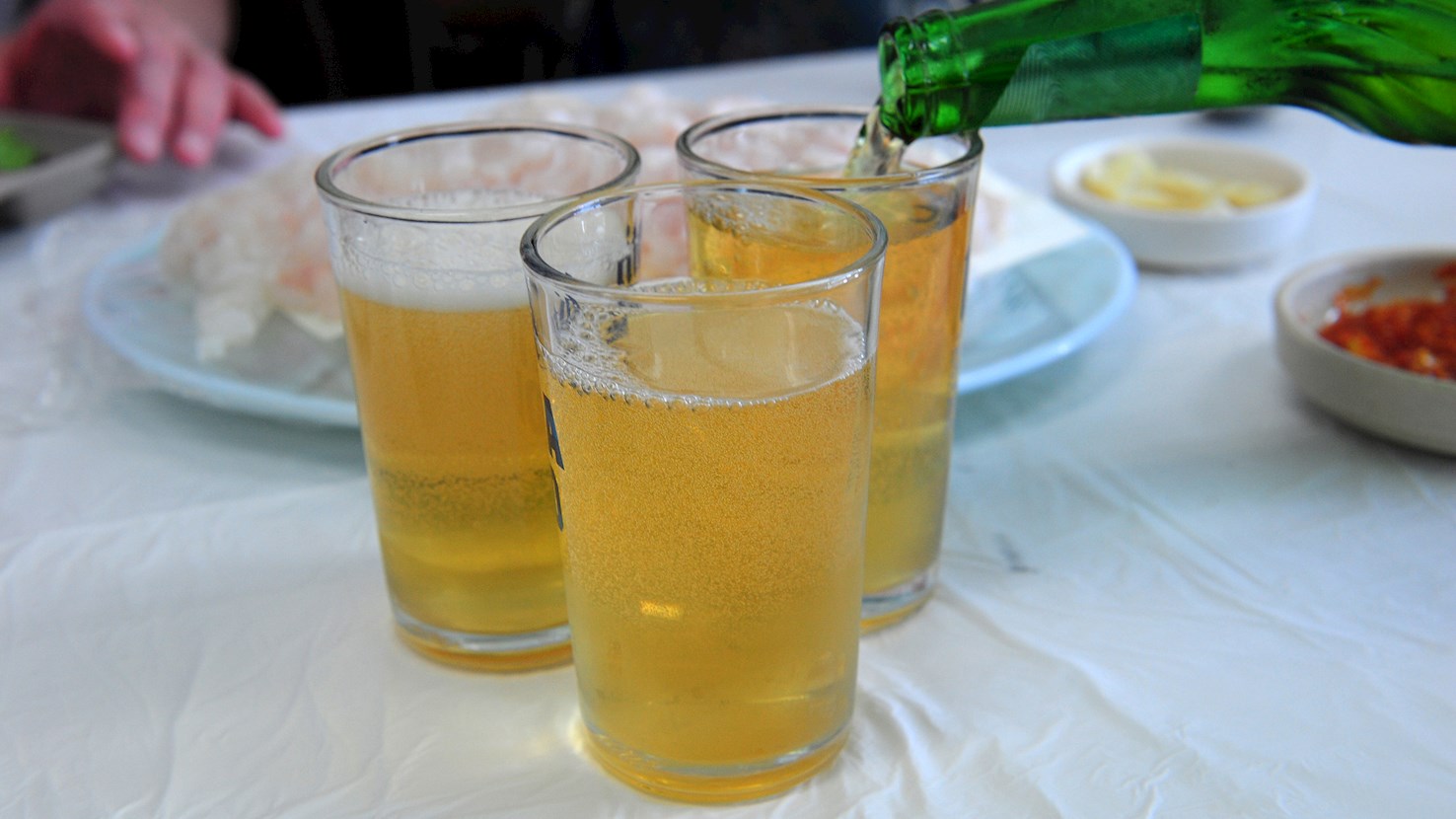
Somaek is a simple Korean cocktail that combines beer and soju—a traditional Korean rice spirit. The ideal choice for this cocktail is lager or pilsner, which should provide a nice neutral base for soju. The ratio of the drinks can vary, but the suggested combination is three parts soju to seven parts beer. There are several ways to make somaek, but beer is usually poured first, and a shot of soju is added next. Adding a shot of soju and then topping it with beer is also common. Somaek is mixed with chopsticks or a spoon. Chopsticks are placed inside the drink and are then quickly struck, while the spoon is used to hit the bottom of the glass. Both techniques create bubbles, foam, and a light fizz.
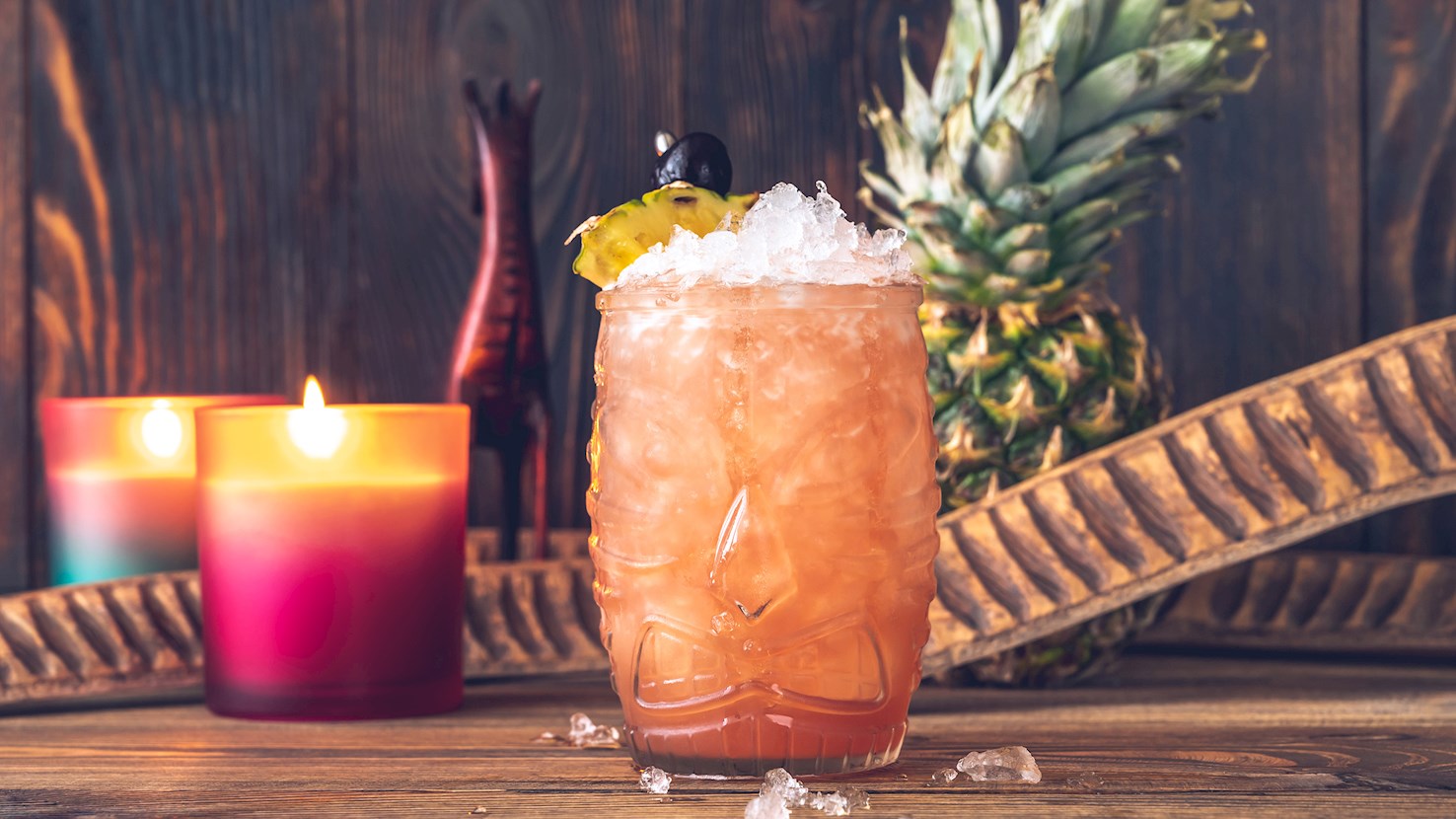
Jungle Bird is a tiki cocktail that combines rum, Campari, simple syrup, and pineapple and lime juice. The traditional version is usually made with dark rum, while some opt for Jamaican or blackstrap rum. The ingredients are shaken with ice and are then strained into an ice-filled glass. Jungle Bird is usually served in a tiki mug or a rocks glass, and it is usually garnished with a pineapple wedge and a maraschino cherry. The cocktail most likely originated at the Hilton in Kuala Lumpur, sometime in the 1970s, while the first written recipe is found in New American Bartender's Guide, written by John J. Poiste and published in 1989. The original cocktail was allegedly served in a bird-shaped porcelain bowl.
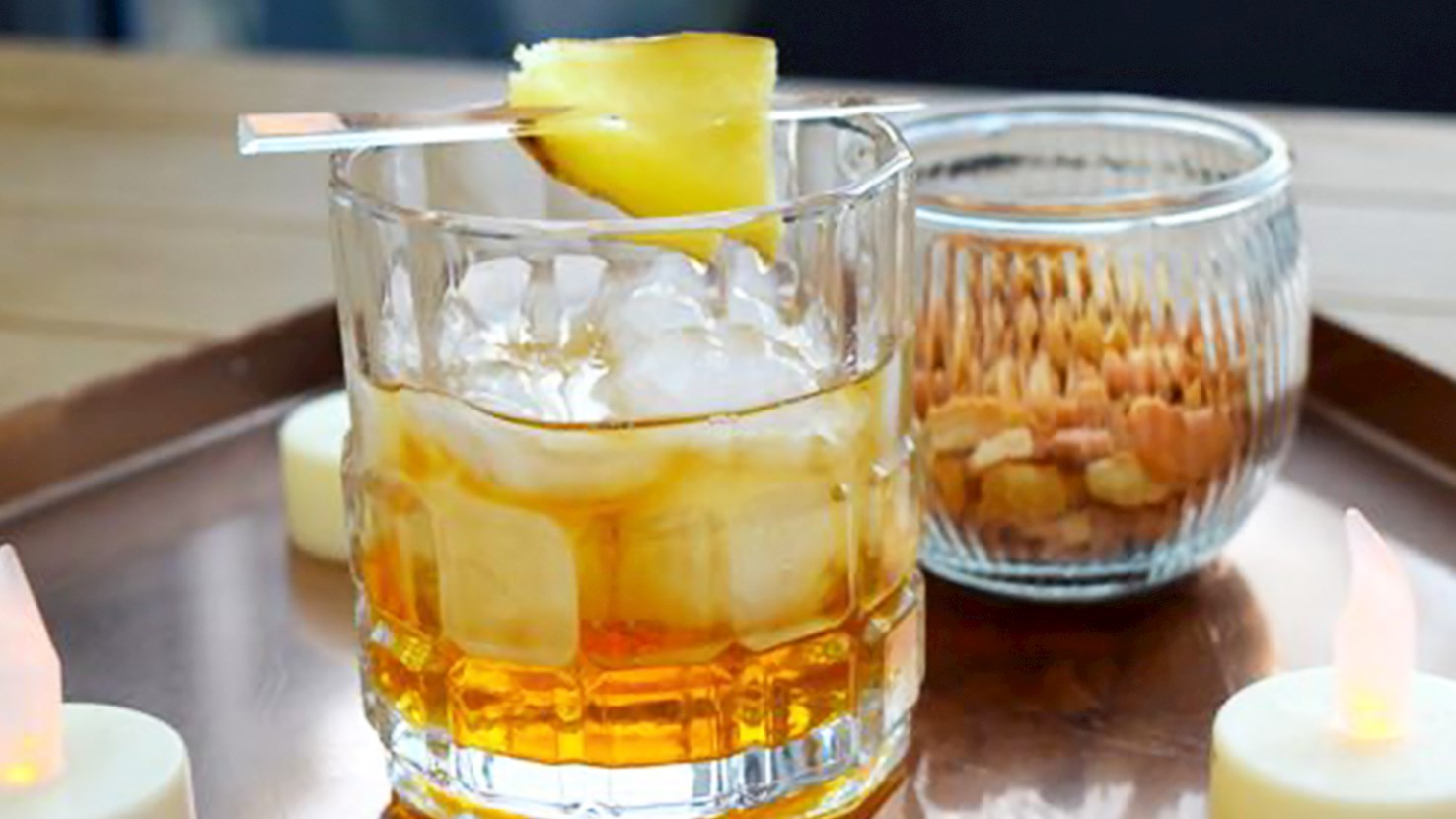
Whisky Mac is a cocktail made with a combination of blended scotch and ginger-flavored currant wine. In order to prepare it, the ingredients should be poured into a rocks glass over ice, then gently stirred. It is believed that the drink was invented by Colonel Hector MacDonald while he was serving during the British Raj in India, hence the word Mac in the name of the cocktail. There is also an alternative name for this drink – Golfer’s Favorite, named after the fact that golfers drank it after a chilly round on the links.
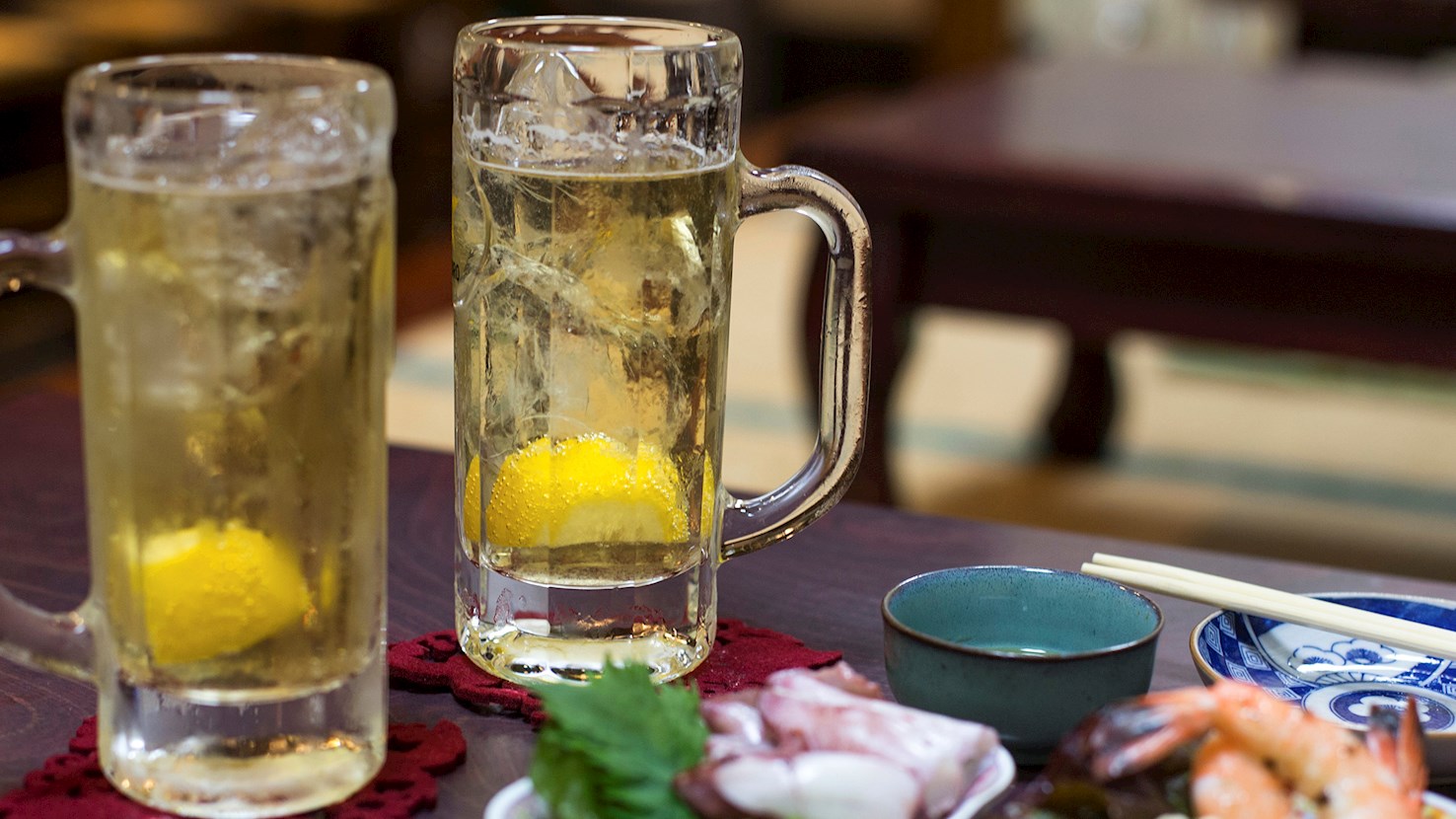
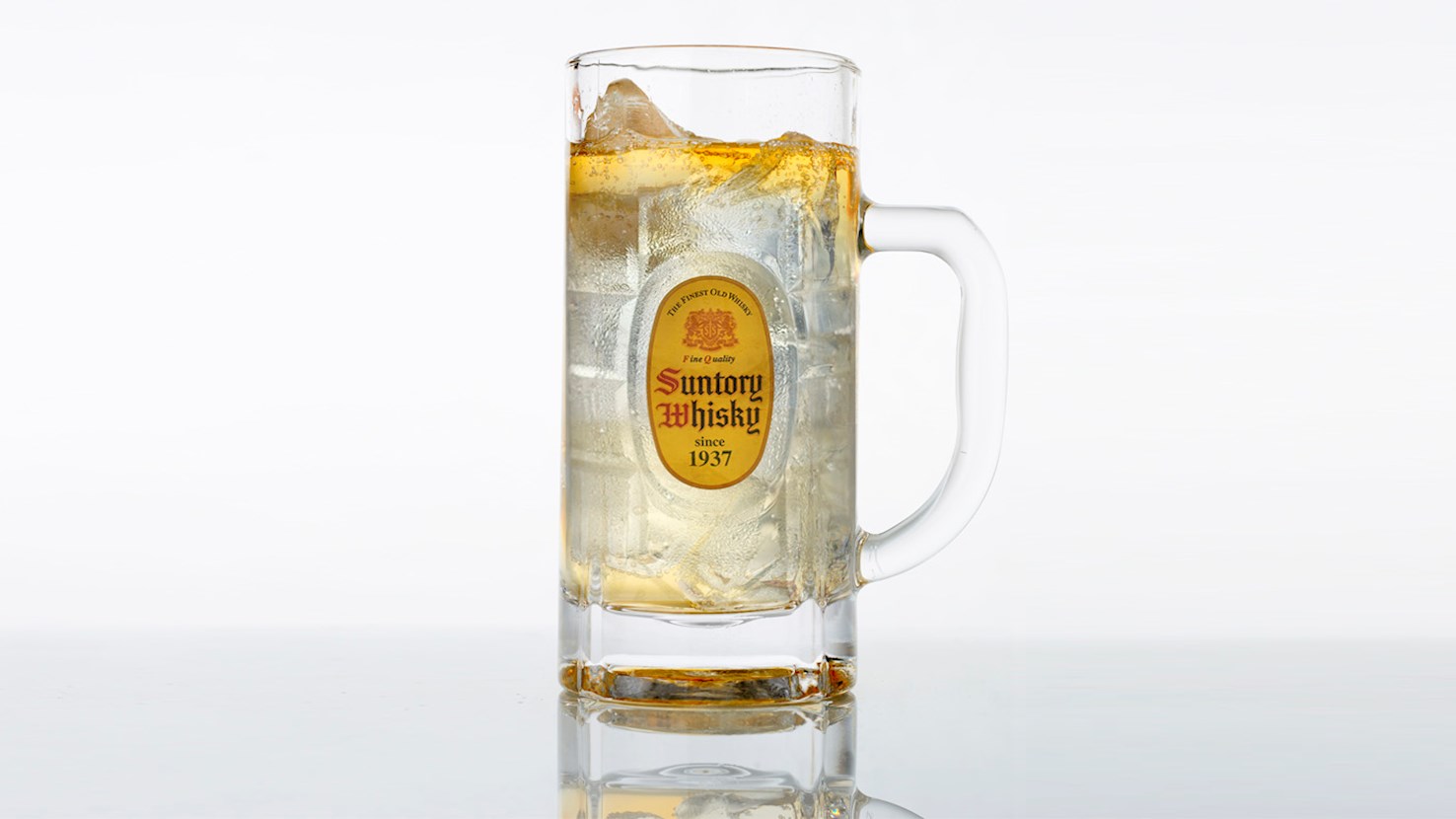
Kaku highball is a version of a Japanese highball made with Kakubin whisky and soda water. Although Japanese highball can be made with any Japanese whisky, Kakubin is the most common option, and if it is not otherwise stated, most establishments will use this whisky in a standard highball. Kaku is usually prepared and served in a large glass mug. It is made by squeezing a lemon wedge and pouring whisky in the ice-filled mug, and then topping the drink with soda water. This is a light and refreshing cocktail intended for easy drinking and pairing with food. Kakubin is a blended, golden-colored whisky (40% ABV) with a sweet, grain-like aroma. On the palate, it is creamy and displays subtle fruity and spicy notes while the finish is dry. It is a versatile whisky with a light character, making it a perfect option for cocktails. Kakubin was a creation of Shinjiro Torii, the founder of Suntory. The whisky was first released in 1937 under the name Suntory Whisky, but the name was later changed to Kakubin—meaning square bottle—as a reference to its distinctive bottle design. Kaku highball is also available in a canned version.
TasteAtlas food rankings are based on the ratings of the TasteAtlas audience, with a series of mechanisms that recognize real users and that ignore bot,
nationalist or local patriotic ratings, and give additional value to the ratings of users that the system recognizes as knowledgeable.
TasteAtlas Rankings should not be seen as the final global conclusion about food. Their purpose is to promote excellent local foods,
instill pride in traditional dishes, and arouse curiosity about dishes you haven’t tried.









What People Say