Gesha Village Coffee Estate – Redefining Excellence in Coffee Cultivation Gesha Village Coffee Estate is a world-renowned coffee farm located in western Ethiopia, near the border with South Sudan, in a region known for its lush forests and rich biodiversity. Founded in 2011 by Rachel Samuel and Adam Overton, who transitioned from careers in photography and documentary filmmaking to coffee farming, Gesha Village is dedicated to preserving and elevating the legacy of Ethiopian coffee.
Spanning 471 hectares, with 341 hectares dedicated to coffee cultivation and 27% of the land preserved for natural conservation, the estate is home to over 730,000 coffee trees. Gesha Village is best known for cultivating Gesha 1931, a variety traced back to the nearby Gori Gesha forest, where the legendary Gesha variety was originally discovered.
The estate employs meticulously controlled processing methods, including both natural and washed techniques, resulting in coffees with exquisite flavor profiles characterized by jasmine, brown sugar, and raspberry notes. Beyond coffee production, Gesha Village is committed to sustainability and community development, as demonstrated by the establishment of the first high school in the area in 2021, providing essential educational opportunities for local families.
The estate has gained global recognition, achieving record-breaking auction prices, including a remarkable $105 per pound, the highest price ever paid for an African coffee. Their mission is to connect the world to Ethiopia through an exceptional coffee experience while preserving the environment and improving the livelihoods of the surrounding community.
Ngororero Coffee Washing Station is owned and operated by Rwacof Exports Ltd, a subsidiary of the global trading company Sucafina. Rwacof is one of the largest coffee processors and exporters in Rwanda, with significant investments in the coffee sector, including operations at 22 out of the country’s 300 coffee washing stations.
Ngororero focuses primarily on fully washed coffee processing, while also experimenting with honey and natural processing in smaller quantities.
After purchasing ripe coffee cherries from farmers, a strict selection process is conducted, which includes flotation to remove lower-quality cherries and visual inspection by trained staff.
Following this, the cherries are pulped, fermented, and dried on raised beds, with regular sorting to ensure consistent quality.
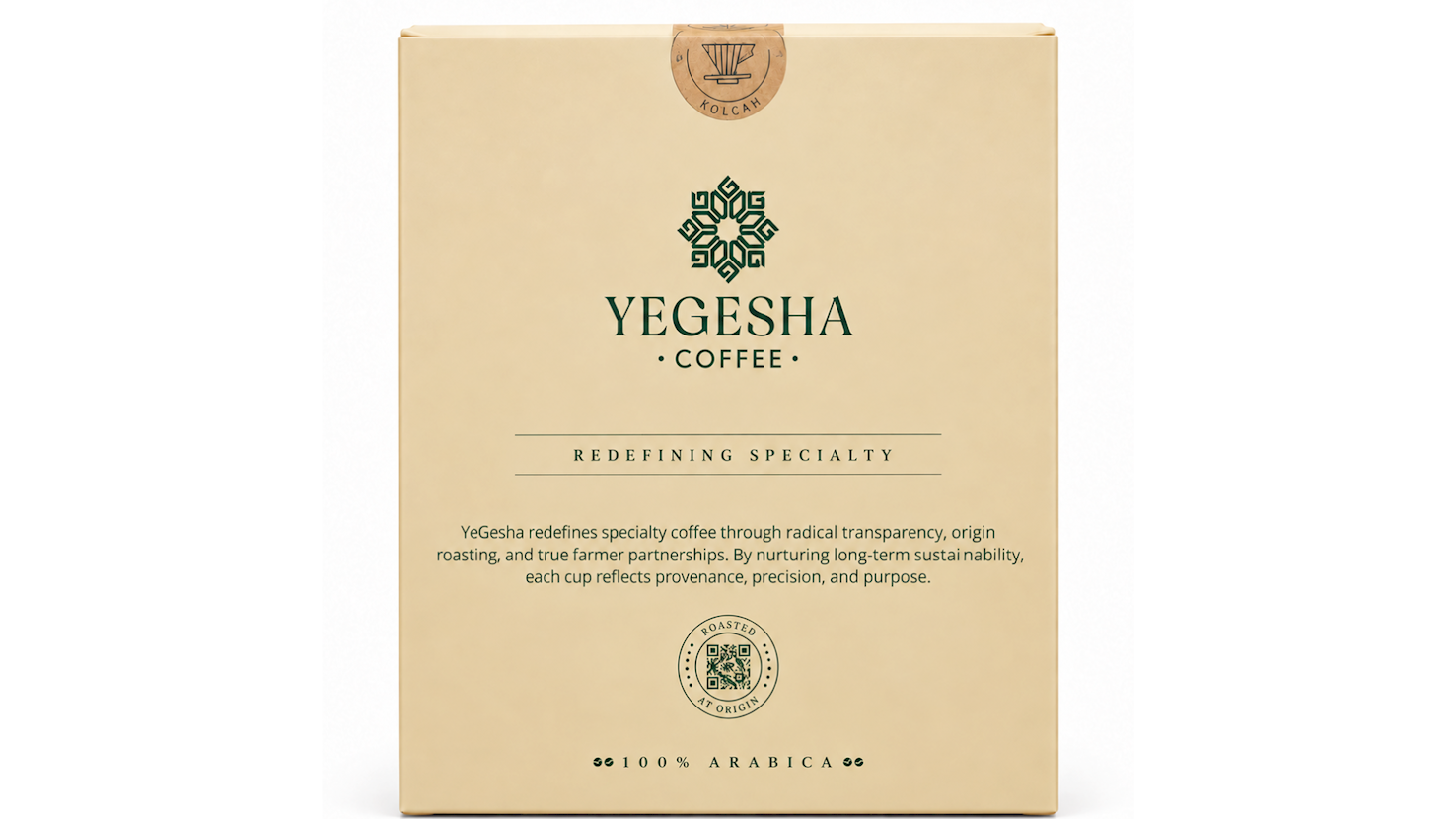
YeGesha Coffee is an Ethiopian specialty coffee brand, roastery, and café based in Addis Ababa. The brand is particularly dedicated to promoting Gesha coffee, a variety originating from the eponymous region in southwestern Ethiopia and prized for its complex aromatic profile, pronounced sweetness, and elegant floral notes.
YeGesha selects Ethiopian Arabica beans, roasts them in-house, and prepares them using various brewing methods to highlight their origin and natural characteristics. Gesha coffee is central to its offering, while the café also serves espresso, filter coffee, cold brew, and Ethiopian macchiato. Its approach combines contemporary specialty coffee culture with Ethiopia’s long tradition of cultivating, roasting, and preparing coffee. Gesha is especially recognizable for its aromas of jasmine and other flowers, nuances of tea and tropical fruit, and clean, lingering sweetness.
In addition to serving café customers, YeGesha presents itself as a link between Ethiopian coffee and roasters, cafés, and specialty coffee buyers. This reflects the brand’s ambition to introduce Ethiopia’s native Gesha heritage to a broader international audience.
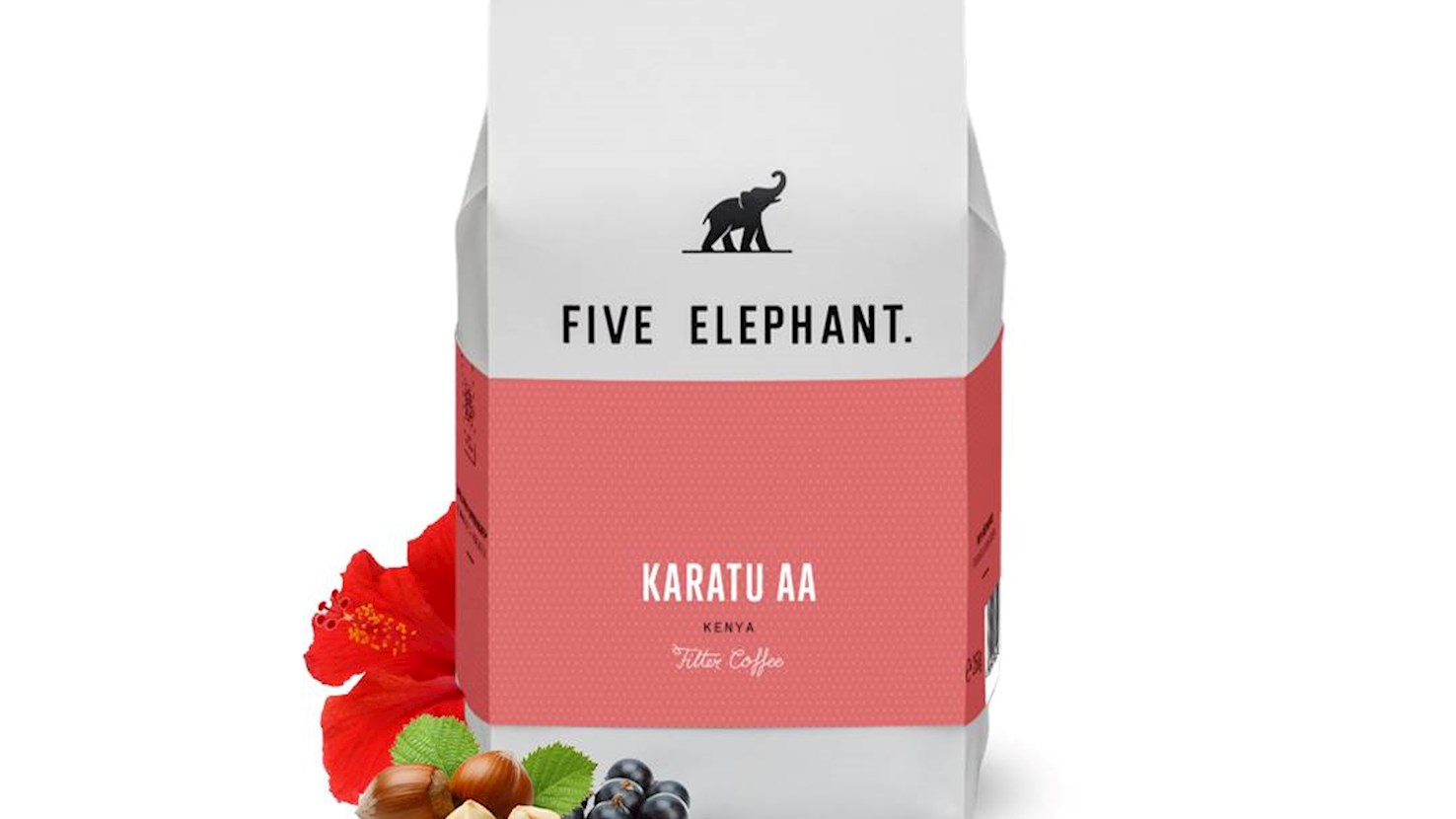
Founded in 1965, Karatu Coffee Factory is a renowned processing facility located in the heart of Kiambu County, Kenya, near the town of Gatundu. The factory operates under the Gitwe Farmers Co-operative Society Ltd and collaborates with approximately 800 small-scale farmers from the villages of Karatu, Gitwe, Kibiru, and Kigaa.
Each of these farmers cultivates an average of 150 coffee trees, following traditional methods that ensure premium quality.
Karatu Factory is well known for its wet processing methods, which enhance the coffee's unique flavor and aroma.
Karatu Coffee Factory is a symbol of quality, tradition, and sustainability – a true experience of exceptional Kenyan coffee.
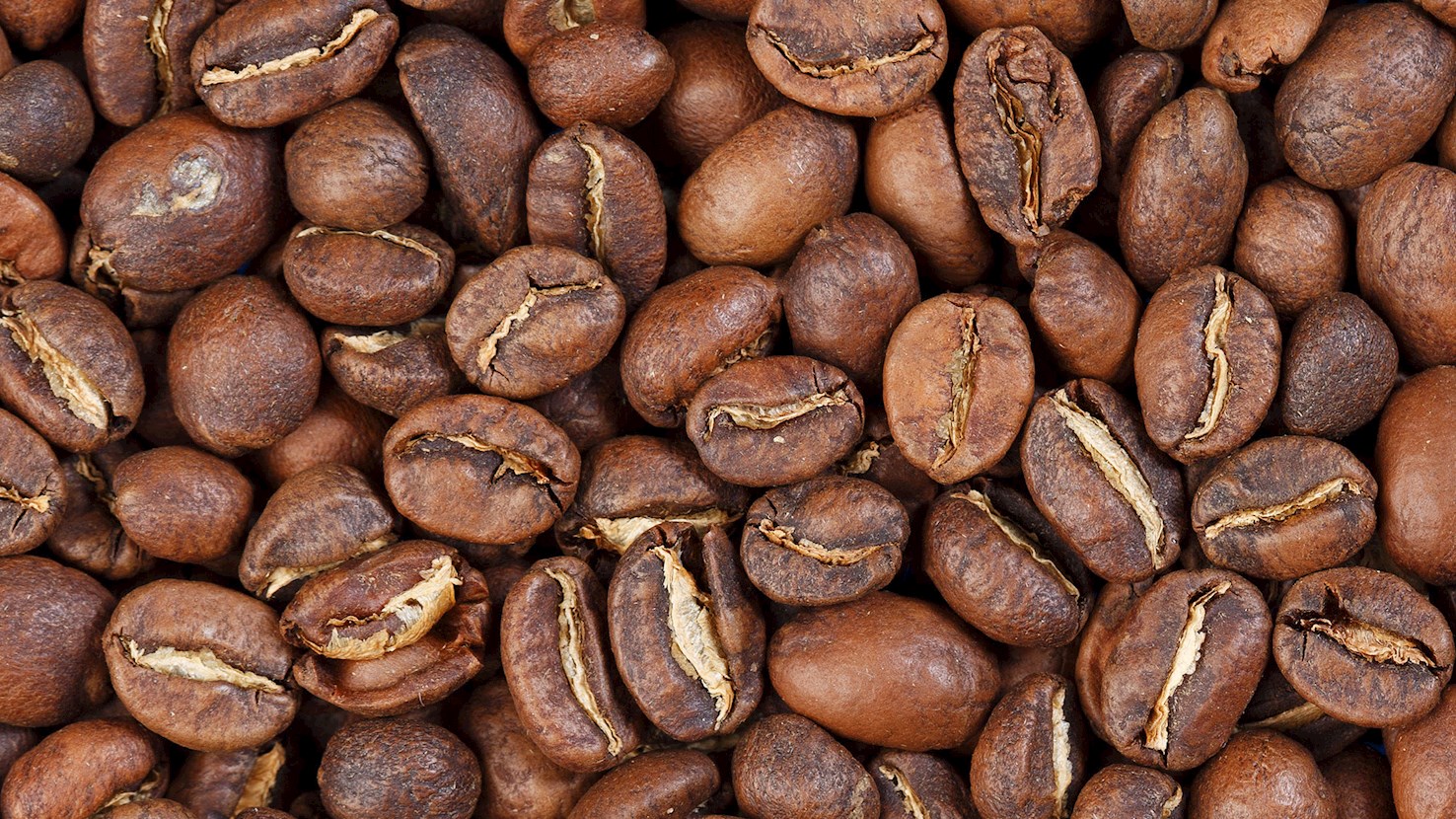
Arabica is considered the first species of coffee that today makes up about 60% of total coffee production. It is native to the southern highlands of Ethiopia but today is grown in many parts of the world, namely parts of Africa, Latin America, Southeast Asia, India, China, the Caribbean, and the Pacific. Since the bean only succeeds in wet and dry tropical climates, with constant temperatures, where it grows at high altitudes and gets lots of indirect sun, all of the countries in which Arabica is grown are located between the Tropic of Capricorn and the Tropic of Cancer, which is an area also known as The Coffee Belt. Arabica coffee is a delicate plant that is difficult to cultivate, does not stand frost and harsh climate changes, and produces a lower yield compared to robusta, for example. It has a mild and rich flavor, with hints of chocolate, fruit, nuts, and berries, and has very little caffeine and fine acidity. The bean is oval, slightly bigger than the robusta bean, and develops an uneven and s-shaped groove when roasted. Because of these characteristics, including the growing conditions needed to produce it, Arabica is the most sought-after, prized, and most expensive coffee bean. At present, there are about 70 different varieties of Arabica coffee, the most noted of which are Typica and Bourbon.
Robusta is a coffee species characterized by its high acidity, bitterness, and woody and nutty taste. The Robusta bean is smallish and round, with a straight line down its center. It was first discovered in Congo but is native to Central and West Africa, in countries like Angola, Liberia, and Tanzania. Scientifically, Robusta is identified as caffea canephora and has two varieties, robusta and nganda. Robusta production makes for about 30% of total coffee production. The plant grows at low elevations, can withstand many harsh conditions, has a greater crop yield, and is less prone to disease, making it easier and cheaper to produce than the more prized Arabica. However, despite the benefits when it comes to cultivation and price, Robusta is considered subpar in the taste department when compared to Arabica. Some would even go as far as to say it tastes like burnt rubber. Because of this, it is often used as filler in lower-grade coffee blends and instant coffee. In fact, in Italy, espresso is usually and traditionally made with a blend of 85-90% Arabica and 10-15% Robusta. One reason for this is that Robusta produces a honey-colored, long-lasting, and stable cream on top of the shot Italians call crema. The other reason is Robusta's woody, bitter, earthy taste and high caffeine amount. Today, Vietnam is the world's largest producer of Robusta coffee, followed by Brazil, Indonesia, and India.
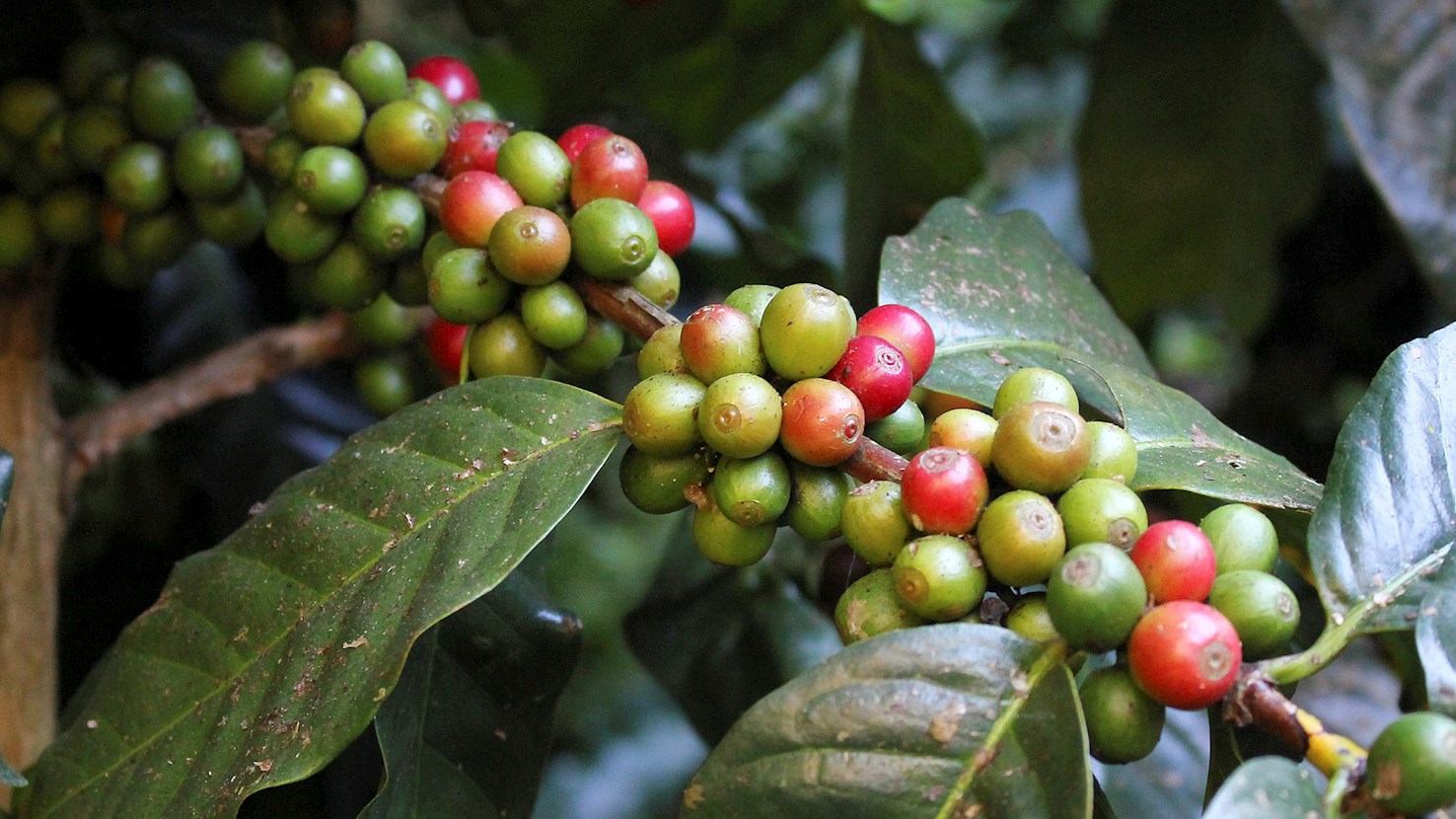
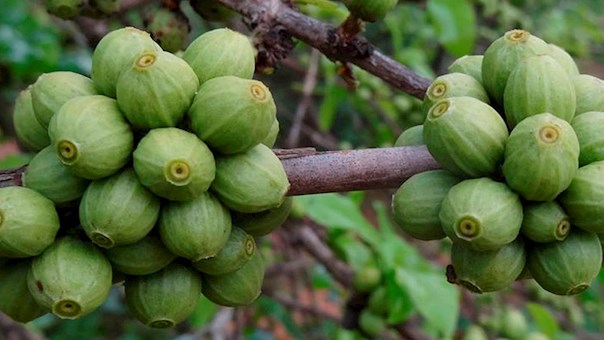
In the Harenna forest in the Ethiopian region of Oromia, wild arabica coffee grows in the shade of tall trees. For the local farmers, selling this coffee is the main source of income. They harvest the ripe fruit by hand, a process that is quite often obstructed by cheeky baboons. After the harvest, these berries don’t need to be stripped or washed – they are simply dried in the sun. The preparation of coffee in Ethiopia is a daily ceremony including all social classes. The coffee beans are roasted and ground in a mortar, and the obtained powder is traditionally poured into a coffee pot (known as jabana) filled with boiling water. The first coffee, called abol, is sweetened with sugar and served in a small cup without handles to the oldest person. The next two coffees (tona and baraka) are made by adding water to the jabana. All three types of coffee are typically served with wheat, corn, or toasted barley.
Kaffa coffee is an Arabica coffee from Kafa Zone in southwestern Ethiopia. The area is especially important because its humid mountain forests form part of the natural homeland of Coffea arabica, and the Kafa Biosphere Reserve contains extensive wild coffee populations. Coffee has been gathered and cultivated here for generations, often beneath existing forest canopies rather than on open plantations. Production today ranges from forest and semi-forest coffee to small garden plots near homes, with most growers working on a relatively small scale. The region does not depend on one cultivar; local Arabica landraces and research selections are both grown, while elevations commonly range from about 1,100 to 2,000 meters. Harvest usually begins in October and can continue into January at higher sites. Both washed and natural processing are common. Washed coffee is pulped, fermented, cleaned of its mucilage, and dried, producing a cleaner and brighter cup, while natural coffee is dried inside the whole cherry and usually develops more body and fruit sweetness. High-quality Kaffa can show floral, citrus, berry, stone-fruit, spice, chocolate, or herbal notes, depending on the farm, harvest, and processing method. Light to medium roasting is usually preferred for specialty lots because it preserves acidity and aromatic detail. Washed Kaffa works well with pour-over and other filter methods, while fruitier natural examples can also make expressive espresso. In Ethiopia, Kaffa-grown beans are also consumed as buna and may be freshly roasted, ground, and brewed in a jebena. The coffee pairs well with bread, popcorn, roasted grains, nuts, mild cheese, and lightly sweet pastries, while fuller natural lots suit dates, chocolate, and berry-based desserts.
Jimma coffee is an Arabica coffee from Jimma Zone in southwestern Ethiopia’s Oromia Region, one of the country’s major coffee-producing areas. It is grown mostly by smallholders in districts such as Gera, Gomma, Limu Kosa, and Limu Seka, often in shaded garden or semi-forest systems where coffee grows alongside other crops and native vegetation. The region lies close to the natural forest range of Coffea arabica, which helps explain the considerable genetic diversity found in local coffee populations. Coffee has been part of Jimma’s economy for centuries, and by the 18th and 19th centuries beans from the southwestern highlands were already moving through regional trade networks toward larger Ethiopian markets and export routes. Jimma became especially familiar in the international trade under spellings such as Djimma and Djimmah, historically referring largely to naturally processed coffees sold in significant volumes. Today the region produces both natural and washed coffee, including increasingly high-quality specialty lots. Natural processing leaves the harvested cherries intact while they dry, usually producing a heavier body, greater sweetness, and ripe-fruit flavors. Washed coffee is pulped, fermented, cleaned of its mucilage, and dried as parchment, resulting in a brighter and more clearly defined cup. Growing elevations vary widely, with many notable coffees coming from roughly 1,500 to more than 2,000 meters, and harvest generally taking place from autumn into the beginning of the year. Jimma coffee does not have one fixed flavor profile because of the region’s size and diverse plant material, but good examples can show stone fruit, berries, citrus, jasmine, black tea, caramel, chocolate, and mild spice. Natural lots often lean toward cherry, berry, or tropical-fruit sweetness, while washed versions tend to be cleaner, more floral, and more acidic. Higher-quality Jimma is usually roasted light to medium to preserve these characteristics, with washed coffees working particularly well as filter brews and fuller natural versions also performing well as espresso. In Ethiopia, Jimma-grown beans are also consumed as buna and may be freshly roasted, ground, and brewed in a jebena. The coffee pairs well with lightly sweet pastries, dates, nuts, fresh cheese, stone fruit, and citrus desserts, while fruitier natural lots suit dark chocolate and richer baked goods. Popcorn, roasted grains, and simple bread also fit Ethiopian-style coffee service.
Limu coffee is an Arabica coffee from the western highlands of Ethiopia, centered on Limu Seka and Limu Kosa in Jimma Zone. It is best known for washed coffees with a balanced profile, combining moderate to bright acidity, a rounded body, floral notes, citrus, stone fruit, tea-like character, and gentle sweetness. The name refers to a regional coffee origin rather than one cultivar, and farms grow a mixture of local Arabica landraces and Ethiopian selections. Coffee in the area is produced mainly by smallholders, often in shaded or semi-forest farming systems where shrubs grow beneath taller vegetation and alongside other crops. Limu became especially recognized through wet processing, which expanded around Jimma as washing stations became more common. Ripe cherries are hand-picked, pulped soon after harvest, fermented to loosen the mucilage, washed, and then dried on raised beds. This method gives the coffee the clean, bright character most closely associated with the Limu name. Natural-processed examples also exist, but they are generally sweeter, heavier, and more fruit-driven. Growing elevations commonly range from about 1,500 to over 2,100 meters, with the main harvest running from roughly October into January. High-quality lots can show flavors such as lemon, bergamot, jasmine, peach, melon, black tea, spice, or mild wine-like notes, though individual coffees vary by farm, washing station, and season. Compared with some of Ethiopia’s lighter floral coffees, Limu often has a little more body and a softer, more rounded structure. Light to medium roasting is usually preferred, and washed lots work particularly well with pour-over, batch filter, and other methods that emphasize clarity. Fuller examples can also perform well as espresso. In Ethiopia, Limu-grown beans may also be roasted and brewed as buna in a jebena. The coffee pairs well with lightly sweet pastries, sesame or almond biscuits, fresh cheese, citrus desserts, stone fruit, dates, and simple breads, while popcorn and roasted grains suit Ethiopian-style service.
Harar coffee is an Arabica coffee from the highlands of eastern Ethiopia around Harar and the wider East and West Hararghe areas, known for a full body, ripe fruit, cocoa, spice, and wine-like acidity. It is one of Ethiopia’s oldest internationally recognized coffee origins and is especially associated with naturally processed beans. Harar became important to the coffee trade because the city was a major commercial center linking inland Ethiopia with Red Sea and Gulf of Aden ports, and by the 18th and 19th centuries coffee from the surrounding region was moving through caravan routes toward Zeila, Berbera, and overseas markets. This long export history helped establish Harar as a recognizable coffee name well before the development of the modern specialty market. Production today remains dominated by small family farms spread across the eastern highlands, often at elevations from roughly 1,200 to more than 2,000 meters. The relatively dry climate has favored natural processing, in which ripe cherries are harvested and dried whole before the fruit is removed from the bean. Drying can take place on raised beds or other prepared surfaces, with regular turning to encourage even moisture loss. Because the beans remain in contact with the fruit throughout drying, Harar coffees often develop greater sweetness, heavier body, and more pronounced ripe-fruit character than washed Ethiopian coffees. The flavor can include raisin, grape, berry, peach, cocoa, cedar, herbs, caramel, or spice, while some especially celebrated lots show a distinct blueberry note. That blueberry character is not present in every Harar and should be treated as a possible regional expression rather than a defining requirement. The coffee is usually roasted light to medium when the aim is to preserve its fruit and acidity, while a slightly deeper roast can bring out more chocolate, spice, and body. Filter brewing works well for cleaner lots, and immersion methods or espresso can suit denser, fruitier coffees. Harar-grown beans are also consumed locally as buna, including coffee roasted, ground, and brewed in a jebena. Dark chocolate, dates, figs, raisins, roasted nuts, and spiced pastries pair particularly well with its richer profile, while popcorn, bread, and roasted grains suit Ethiopian-style coffee service.
Guji coffee is a high-altitude Arabica coffee from the Guji Zone of Ethiopia’s Oromia Region, known for pronounced sweetness, bright acidity, floral aromas, and fruit notes that can range from citrus and stone fruit to berries and tropical fruit. The name refers to geographic origin rather than a single cultivar, and coffees from districts such as Uraga, Hambela Wamena, Kercha, Shakiso, and Adola can differ noticeably in character. Coffee has been cultivated by Guji Oromo communities for generations, but for much of the 20th century it was marketed under the broader Sidamo name. Guji began to gain stronger recognition as a separate specialty-coffee origin in the early 2000s, helped by the creation of Guji Zone in 2002 and by greater international attention to individual Ethiopian growing areas. Production is dominated by smallholders, with many farms located around 1,800–2,300 meters above sea level. Ripe cherries are generally hand-picked and delivered to washing stations or processed locally. Natural processing is especially common: whole cherries are dried on raised beds and turned regularly until the beans can be removed from the dried fruit, usually producing sweeter, fuller coffees with strong berry, peach, jam, or tropical-fruit notes. Washed Guji is pulped soon after harvest, fermented, washed, and dried, resulting in a cleaner cup with more pronounced floral, citrus, tea-like, and fresh-fruit characteristics. The region’s cool highland conditions slow cherry maturation and contribute to dense beans and concentrated flavor, while local Arabica diversity creates further differences between villages and individual lots. For this reason, high-quality Guji is often sold under the name of a specific washing station, cooperative, farm, or district rather than simply as regional coffee. Light and medium roasting are generally preferred because they preserve the fruit, floral character, and acidity that define the style. Washed lots work particularly well with pour-over and other filter methods, while natural coffees can produce richer filter brews or fruit-forward espresso. In Ethiopia, Guji-grown beans are also consumed as buna, including coffee roasted, ground, and brewed in a jebena. Washed Guji pairs well with citrus desserts, almonds, fresh cheese, peach, or lightly sweet pastries, while natural versions suit dark chocolate, berries, dates, and richer baked goods.
Sidama coffee is a high-altitude Arabica coffee from the Sidama Region of southern Ethiopia, grown mainly on small farms spread across the highlands south of Lake Hawassa. It is known for lively acidity, a medium to full body, and a wide aromatic range that can include citrus, flowers, spice, berries, tropical fruit, and black tea. Internationally, the older spelling Sidamo is still common on coffee bags and in Ethiopia’s historic trademark system, but Sidama is the current regional name and is increasingly preferred by producers and specialty-coffee traders. Coffee has been cultivated in the area for generations as part of mixed household farming systems in which coffee shrubs grow alongside enset, fruit trees, and native shade trees. This garden-style agriculture remains one of the defining features of Sidama production, and most farms are relatively small rather than large estates. Ripe cherries are usually picked by hand and taken to nearby washing stations or cooperative facilities, where they are sorted and processed. Sidama is not tied to one single cultivar. The region contains a wide range of local Arabica material as well as widely planted Ethiopian selections such as 74110 and 74112, and the exact character of the coffee changes noticeably between districts, villages, and even neighboring farms. Elevation is one of the main reasons for this variation, with many coffee-growing areas lying between roughly 1,500 and 2,200 meters above sea level. At higher elevations, cooler temperatures slow cherry maturation, giving sugars and aromatic compounds more time to develop before harvest. Washed processing has played a particularly important role in Sidama’s international reputation. In this method, freshly picked cherries are pulped, fermented to remove the remaining mucilage, washed with clean water, and dried, usually on raised beds. The resulting coffees tend to show greater clarity, crisp acidity, floral notes, citrus, and spice. Natural processing follows a different path: the whole cherries are dried before the beans are removed, producing fuller-bodied coffees with greater sweetness and more pronounced fruit flavors, often suggesting berries, peach, or tropical fruit. The main harvest generally runs from early autumn through the end of the year, although timing shifts with altitude and local weather. Once dried, hulled, graded, and exported, high-quality Sidama is usually roasted light to medium so that its regional character remains visible rather than being dominated by roast flavor. Washed lots work especially well with pour-over and other filter methods that emphasize brightness and clean aromatics, while natural coffees can produce richer filter brews and expressive espresso. In Ethiopia, Sidama-grown beans are also consumed within the broader buna coffee culture, where coffee may be roasted shortly before brewing and prepared in a jebena rather than through modern specialty-coffee equipment. The same crop therefore exists in two overlapping contexts: as an everyday regional beverage and as one of Ethiopia’s most important specialty-coffee exports. Sidama coffee is usually best served with relatively simple foods that do not overpower its aroma. Citrus-driven washed versions pair well with lightly sweet pastries, almond cakes, plain biscuits, fresh cheese, and fruit such as apricot or peach, while sweeter natural lots work well with chocolate, dates, berries, and richer baked goods.
Yirgacheffe coffee is a high-altitude Arabica coffee from the Yirgacheffe area of Ethiopia’s Gedeo Zone, known for a clean cup, pronounced floral aroma, lively acidity, and flavors that often suggest citrus, stone fruit, tea, and delicate herbs. The name identifies a geographic origin rather than a single coffee variety, and lots may include several locally cultivated Arabica types such as Kurume, Dega, and Wolisho. Coffee grows mainly on small farms within the densely planted Gedeo highlands, often under shade alongside enset and other crops, at elevations commonly ranging from about 1,600 to more than 2,000 meters. Coffee cultivation has been part of the area’s farming system for generations, but Yirgacheffe became especially prominent in the international market during the 20th century as buyers began distinguishing its cup profile from the broader Sidamo region. The expansion of washing stations played a major role in this development. Farmers typically deliver ripe cherries to nearby stations, where they are sorted and processed collectively rather than on large individual estates. In the washed method, the cherries are pulped, fermented to loosen the remaining mucilage, washed, and dried, producing coffees with especially clear floral, citrus, and tea-like characteristics. Natural processing leaves the coffee inside the whole cherry while it dries, usually resulting in a sweeter, fuller cup with more pronounced berry, peach, or tropical-fruit notes. The region’s altitude contributes to both styles by slowing cherry maturation and allowing flavor compounds and sugars to develop over a longer period. Harvesting is generally selective, with ripe red cherries picked by hand, and the resulting coffee may be identified by a village, cooperative, washing station, or individual producer. Yirgacheffe also became one of Ethiopia’s flagship protected coffee names in the 2000s, alongside Sidamo and Harar, as part of the country’s international trademark and licensing initiative. It is usually roasted light to medium when the aim is to preserve its floral and fruit character, and washed lots are particularly well suited to pour-over and other filter methods that emphasize clarity. Natural lots can also perform well as espresso because of their greater sweetness and body. In Ethiopia, beans from the region may also be roasted and brewed within the broader buna coffee culture, while internationally Yirgacheffe is most often encountered as specialty filter coffee. It pairs especially well with lightly sweet pastries, almond cakes, citrus desserts, mild cheeses, peaches, apricots, and simple breakfast foods, while fruitier natural versions can handle chocolate and berry-based desserts.
TasteAtlas food rankings are based on the ratings of the TasteAtlas audience, with a series of mechanisms that recognize real users and that ignore bot,
nationalist or local patriotic ratings, and give additional value to the ratings of users that the system recognizes as knowledgeable.
TasteAtlas Rankings should not be seen as the final global conclusion about food. Their purpose is to promote excellent local foods,
instill pride in traditional dishes, and arouse curiosity about dishes you haven’t tried.
The initial list of top producers was compiled based on available reviews, awards, local recommendations, media and blog coverage, and consumer reviews.
The list will be updated with ratings from TasteAtlas local ambassadors and TasteAtlas users.












What People Say