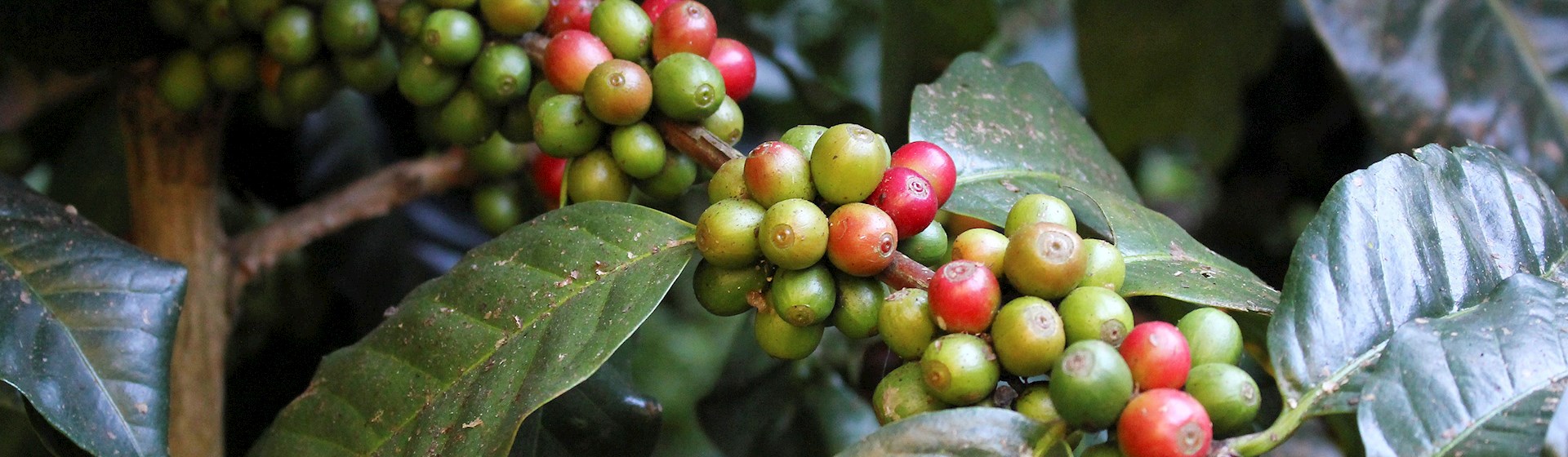
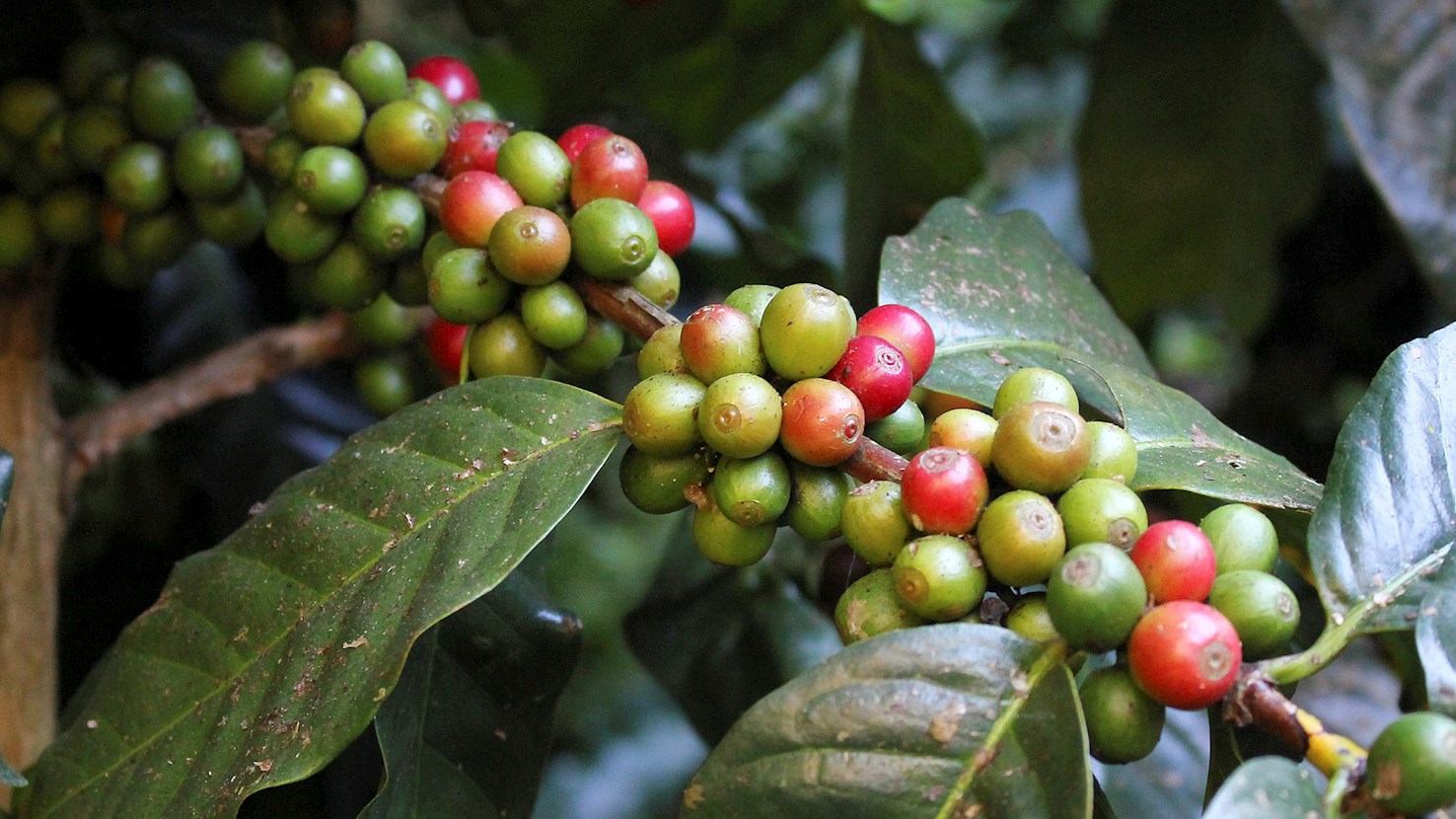
Gesha Village Coffee Estate – Redefining Excellence in Coffee Cultivation Gesha Village Coffee Estate is a world-renowned coffee farm located in western Ethiopia, near the border with South Sudan, in a region known for its lush forests and rich biodiversity. Founded in 2011 by Rachel Samuel and Adam Overton, who transitioned from careers in photography and documentary filmmaking to coffee farming, Gesha Village is dedicated to preserving and elevating the legacy of Ethiopian coffee. Spanning 471 hectares, with 341 hectares dedicated to coffee cultivation and 27% of the land preserved for natural conservation, the estate is home to over 730,000 coffee trees. Gesha Village is best known for cultivating Gesha 1931, a variety traced back to the nearby Gori Gesha forest, where the legendary Gesha variety was originally discovered. The estate employs meticulously controlled processing methods, including both natural and washed techniques, resulting in coffees with exquisite flavor profiles characterized by jasmine, brown sugar, and raspberry notes. Beyond coffee production, Gesha Village is committed to sustainability and community development, as demonstrated by the establishment of the first high school in the area in 2021, providing essential educational opportunities for local families. The estate has gained global recognition, achieving record-breaking auction prices, including a remarkable $105 per pound, the highest price ever paid for an African coffee. Their mission is to connect the world to Ethiopia through an exceptional coffee experience while preserving the environment and improving the livelihoods of the surrounding community.
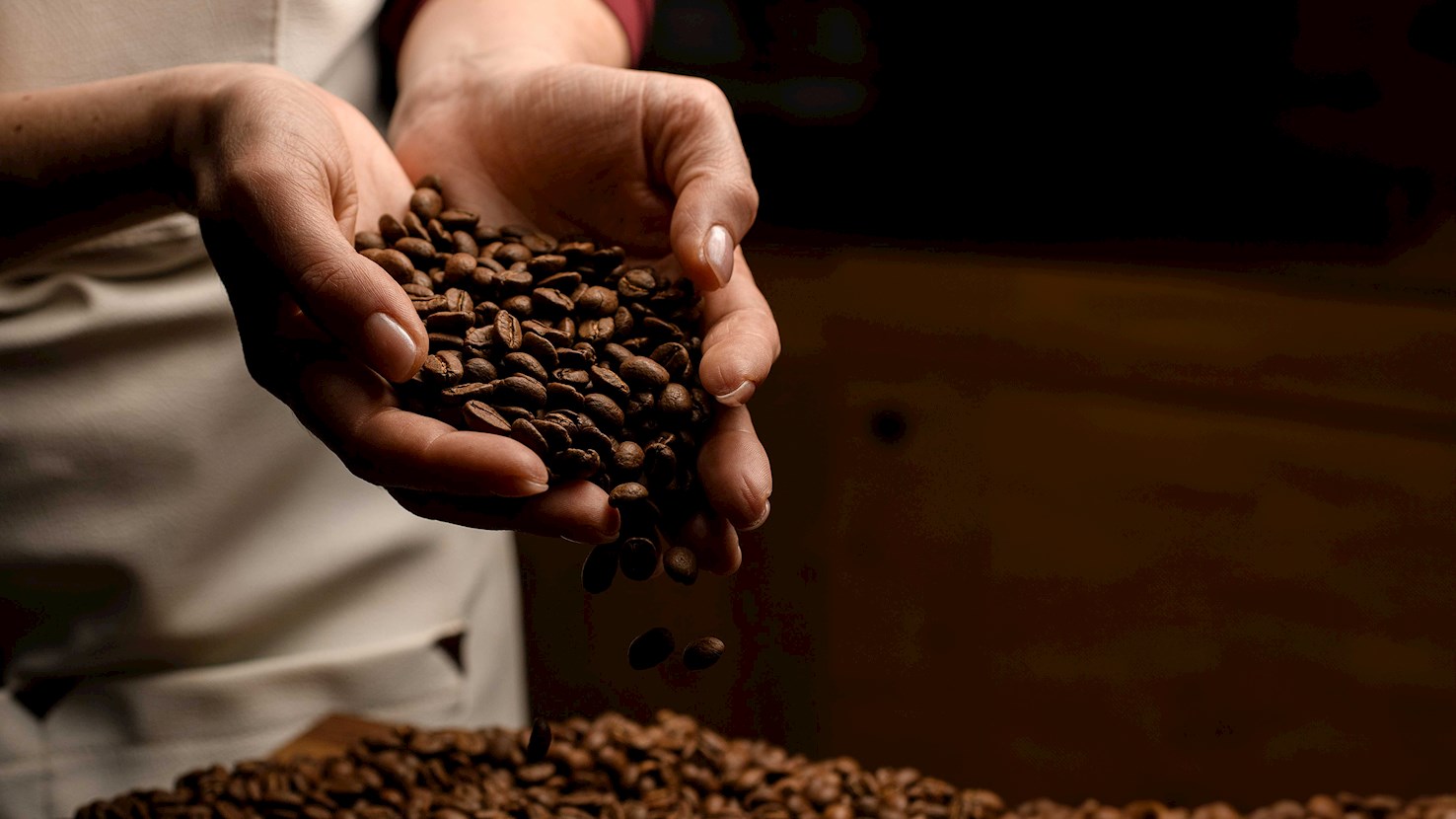
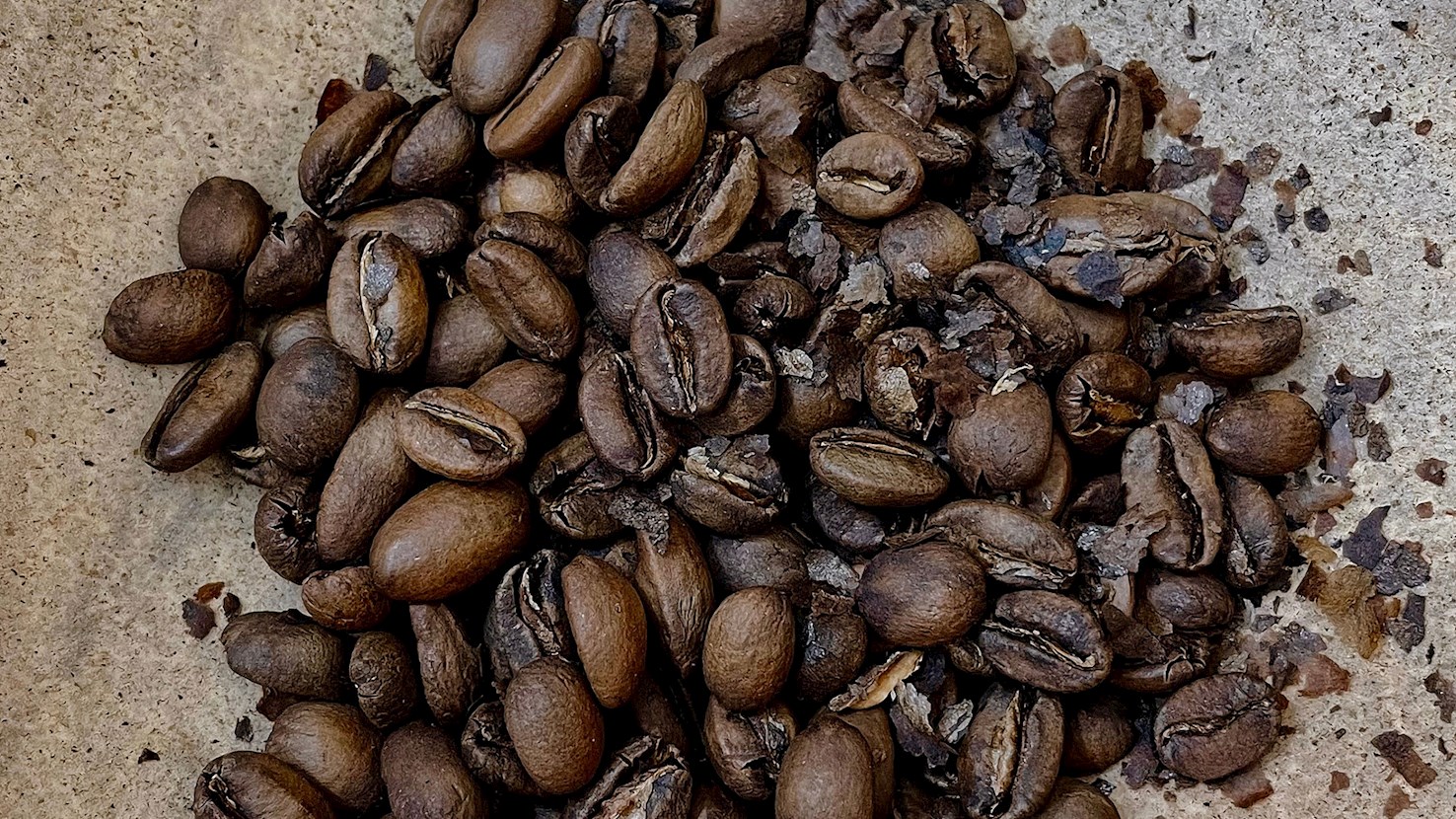
Arabica is considered the first species of coffee that today makes up about 60% of total coffee production. It is native to the southern highlands of Ethiopia but today is grown in many parts of the world, namely parts of Africa, Latin America, Southeast Asia, India, China, the Caribbean, and the Pacific. Since the bean only succeeds in wet and dry tropical climates, with constant temperatures, where it grows at high altitudes and gets lots of indirect sun, all of the countries in which Arabica is grown are located between the Tropic of Capricorn and the Tropic of Cancer, which is an area also known as The Coffee Belt. Arabica coffee is a delicate plant that is difficult to cultivate, does not stand frost and harsh climate changes, and produces a lower yield compared to robusta, for example. It has a mild and rich flavor, with hints of chocolate, fruit, nuts, and berries, and has very little caffeine and fine acidity. The bean is oval, slightly bigger than the robusta bean, and develops an uneven and s-shaped groove when roasted. Because of these characteristics, including the growing conditions needed to produce it, Arabica is the most sought-after, prized, and most expensive coffee bean. At present, there are about 70 different varieties of Arabica coffee, the most noted of which are Typica and Bourbon.
In the Harenna forest in the Ethiopian region of Oromia, wild arabica coffee grows in the shade of tall trees. For the local farmers, selling this coffee is the main source of income. They harvest the ripe fruit by hand, a process that is quite often obstructed by cheeky baboons. After the harvest, these berries don’t need to be stripped or washed – they are simply dried in the sun. The preparation of coffee in Ethiopia is a daily ceremony including all social classes. The coffee beans are roasted and ground in a mortar, and the obtained powder is traditionally poured into a coffee pot (known as jabana) filled with boiling water. The first coffee, called abol, is sweetened with sugar and served in a small cup without handles to the oldest person. The next two coffees (tona and baraka) are made by adding water to the jabana. All three types of coffee are typically served with wheat, corn, or toasted barley.
Gesha coffee, often spelled Geisha, is a high-altitude variety of the Coffea arabica species characterized by an elongated bean shape and a distinctively floral, tea-like sensory profile. It is defined by its light body and aromatic complexity, frequently exhibiting notes of jasmine, bergamot, and stone fruits. The variety was originally collected in the 1930s from the Gori Gesha forest in Ethiopia by British colonial administrators and subsequently sent to the Lyamungu Research Station in Tanzania. In the 1950s, it was transported to the Centro Agronómico Tropical de Investigación y Enseñanza in Costa Rica, designated as accession T2722, primarily because of its observed resistance to coffee leaf rust. It reached Panama in the 1960s via Francisco Serracin, but remained largely unrecognized in the global market until 2004, when the Peterson family of Hacienda La Esmeralda entered the variety into the Best of Panama competition, where it achieved record-breaking prices and international attention. Preparation of Gesha coffee typically involves precision brewing methods designed to highlight its delicate volatile compounds. To maintain clarity, it is most frequently prepared using pour-over methods, such as the V60 or Chemex, utilizing a high water-to-coffee ratio, often between 15:1 and 17:1. The water temperature is usually kept between 92°C and 96°C to ensure optimal extraction without introducing excessive bitterness. Grinding is performed just before brewing to a medium-coarse consistency. Unlike standard commercial coffees, Gesha is rarely roasted beyond a light or "cinnamon" level, as darker roasting would destroy the floral aromatics that define the variety. A specific technical aspect of serving Gesha is the use of specialized glassware, such as tulip-shaped carafes or sensory cups, which concentrate the aromatics at the rim for the consumer. A unique botanical characteristic of the Gesha tree is its thin, brittle branches and sparse foliage, which necessitates careful manual harvesting and specific microclimates, usually above 1,500 meters, to develop its complex sugars. The item is consumed as a standalone beverage to appreciate its unadulterated flavor profile; the addition of milk or sugar is generally discouraged in professional and enthusiast settings as it masks the nuanced acidity. It is served in high-end specialty coffee boutiques, tasting rooms, and competition environments globally. While it is predominantly enjoyed alone, it is occasionally paired with neutral-flavored shortbread or delicate citrus-based tarts, as these do not overwhelm the coffee’s floral notes. For a complementary beverage pairing, still mineral water is served alongside to cleanse the palate between sips.
TasteAtlas food rankings are based on the ratings of the TasteAtlas audience, with a series of mechanisms that recognize real users and that ignore bot,
nationalist or local patriotic ratings, and give additional value to the ratings of users that the system recognizes as knowledgeable.
For the “Top 3 Ethiopian Coffee Beans” list until June 10, 2026, 38 ratings were recorded, of which 36 were recognized by the system as legitimate.
TasteAtlas Rankings should not be seen as the final global conclusion about food. Their purpose is to promote excellent local foods,
instill pride in traditional dishes, and arouse curiosity about dishes you haven’t tried.
The initial list of top producers was compiled based on available reviews, awards, local recommendations, media and blog coverage, and consumer reviews.
The list will be updated with ratings from TasteAtlas local ambassadors and TasteAtlas users.