Porra antequerana is a thick, chilled tomato-and-bread soup from Antequera, made from ripe tomatoes, firm bread, olive oil, garlic, pepper, salt, and usually a little vinegar. It is close to Córdoba’s salmorejo and belongs to the broader Andalusian family of cold bread-based preparations. Unlike other cold soups, porra is generally denser and commonly includes pepper, giving it a slightly more vegetal character. Consistency matters: this is not a drinkable soup but a substantial cream meant to be eaten with a spoon, and in Antequera the familiar test is that it should be thick enough to support the spoon rather than immediately letting it fall over. The city identifies bread, tomato, garlic, pepper, olive oil, salt, and vinegar as the basic ingredients, and the annual porra Antequerana competition still requires contestants to make it by hand with a mortar rather than with electric equipment. The dish did not begin in exactly the red form eaten today. Mixtures of stale bread, garlic, salt, vinegar, and olive oil pounded together are much older in southern Iberia, and bread-thickened foods date back to the Roman period. Before tomatoes and peppers became established in Andalusian kitchens, an earlier pale form could be made from bread, garlic, oil, vinegar, and salt, resembling other white gazpachos and majados of southern Spain. The modern red porra could therefore only have taken shape after American tomatoes and peppers were gradually incorporated into Spanish cooking, eventually transforming an older pounded bread preparation into the intensely colored cold cream now identified with Antequera. The name is commonly linked to the porra, or heavy pestle, used to pound the ingredients in a dornillo or mortar, and this manual technique is still deliberately preserved in Antequera’s public competitions. Preparing porra begins with good bread, preferably a dense country loaf that has rested for a day or more rather than fresh, fluffy bread. Settled, slightly stale bread is preferred because fresh bread can form lumps during pounding. Garlic and chopped peppers are worked into a paste first, then the crumb is added and thoroughly incorporated, followed by peeled, seeded tomato. Olive oil is then introduced generously and gradually while the mixture is worked until it becomes smooth and emulsified. Vinegar is added according to taste and to the sweetness or acidity of the tomatoes rather than necessarily in a fixed amount. Modern cooks usually achieve the same result with a blender, but the older mortar method produces the dish through repeated crushing and emulsification rather than simple puréeing. The bread proportion gives porra much of its identity. There should be enough to make the mixture noticeably thicker than gazpacho, while olive oil adds gloss and a soft, creamy texture without dairy. Tomatoes provide moisture and acidity, garlic brings pungency, and green or red pepper adds a flavor that is usually more evident here than in Córdoba-style salmorejo. Antequera’s municipal recipe standards allow bread, tomato, garlic, pepper, salt, olive oil, and vinegar, but household versions differ on whether the pepper should be green, red, or a mixture of both. Once blended or pounded, the porra is chilled thoroughly so the texture firms and the flavors settle. It is rarely served completely bare. Chopped hard-boiled egg and diced jamón serrano are among the most recognizable toppings, while tuna in oil is equally established in Málaga and Antequera. The soup can be served with cured ham, hard-boiled egg, and tuna, turning what begins as bread and vegetables into a fairly complete meal. Other local variations broaden the garnish considerably. These include chopped tomato, figs, pomegranate seeds, or oranges in some communities when those fruits are in season. Towns closer to the Málaga coast may add anchovies. Those additions show how flexible the basic preparation can be without changing its underlying structure. Porra also differs from gazpacho in the way it is eaten: gazpacho can be thin enough to drink, whereas porra is closer to a cold vegetable-and-bread purée and can carry substantial toppings without them sinking immediately to the bottom. It is often compared with salmorejo because both share tomato, bread, garlic, and olive oil, but porra commonly includes pepper and vinegar and is characteristically very dense. In Antequera it is especially associated with the hottest months, when it is served cold as a first course, lunch, tapa, or light main meal, and it remains one of the foods most strongly identified with the city. It needs little alongside it because bread and olive oil already make it more filling than most chilled soups. Jamón, egg, and tuna provide the classic savory accompaniments, while olives, anchovies, or a simple plate of cured meats can extend it into a larger meal. Extra bread is possible but hardly necessary given how much the dish already contains. Dry Andalusian white wine pairs well with the tomato, garlic, and vinegar, while fino or manzanilla handles versions topped with ham or tuna particularly well; a cold lager is an easier informal option. For a non-alcoholic pairing, chilled sparkling water, unsweetened iced tea, or a lightly acidic citrus drink keeps the meal refreshing without adding more sweetness.
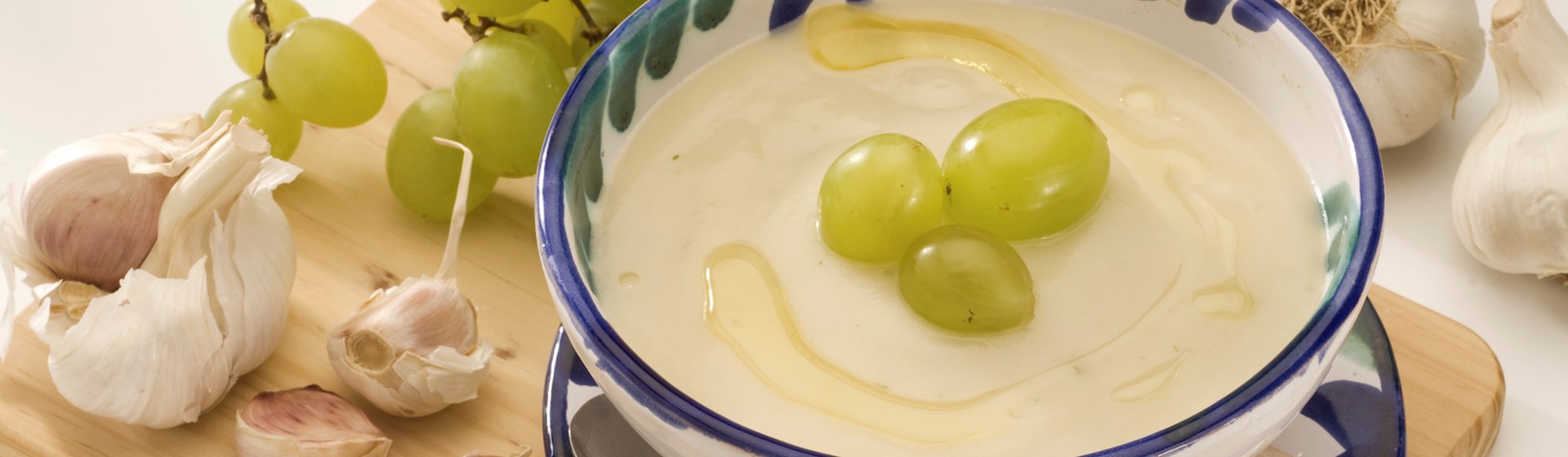
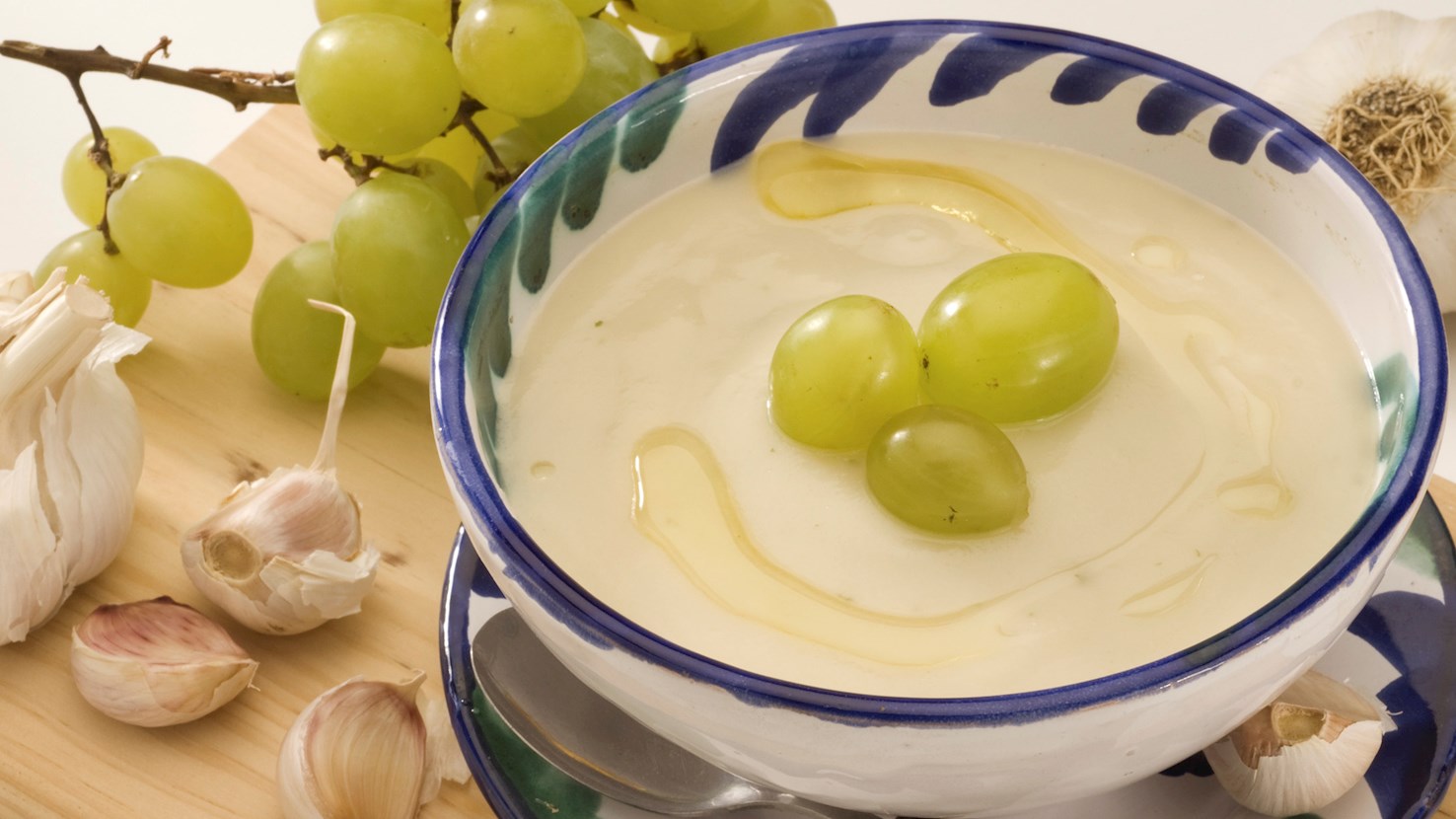
This Andalusian cold almond soup is known as the precursor of gazpacho; it originated during the Moorish middle ages, predating the arrival of tomatoes and peppers by several centuries. Ajoblanco traditionally consisted of a puréed mixture of stale bread that was moistened with vinegar and water, a hefty amount of fresh garlic, and almonds — the region's most abundant crop, but modern recipes also often include ingredients such as milk and green grapes. If available, always use Marcona almonds when making ajoblanco. The perfect starter for a summer lunch, this creamy soup is best enjoyed well chilled, drizzled with olive oil, and topped with toasted almonds.
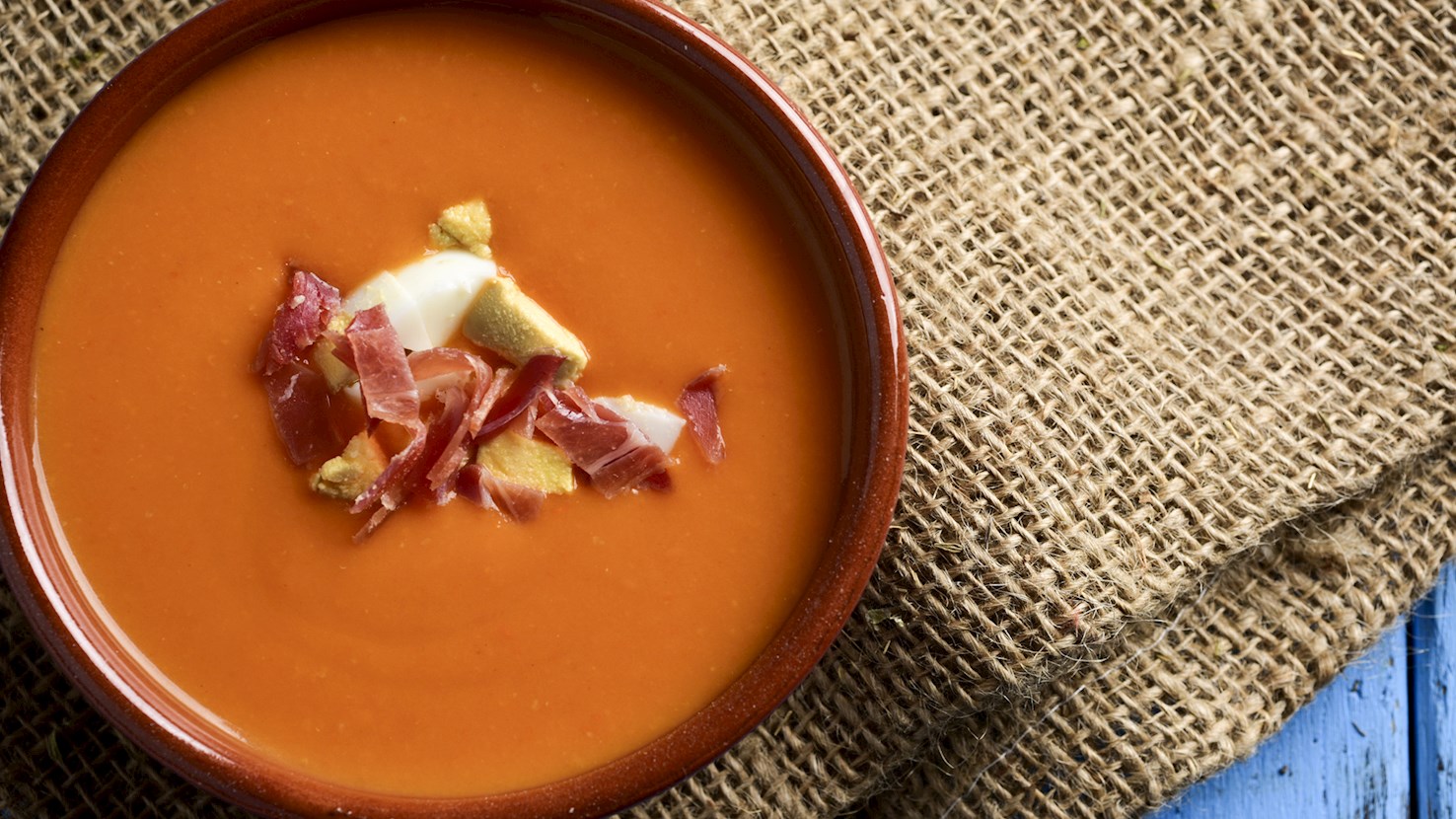
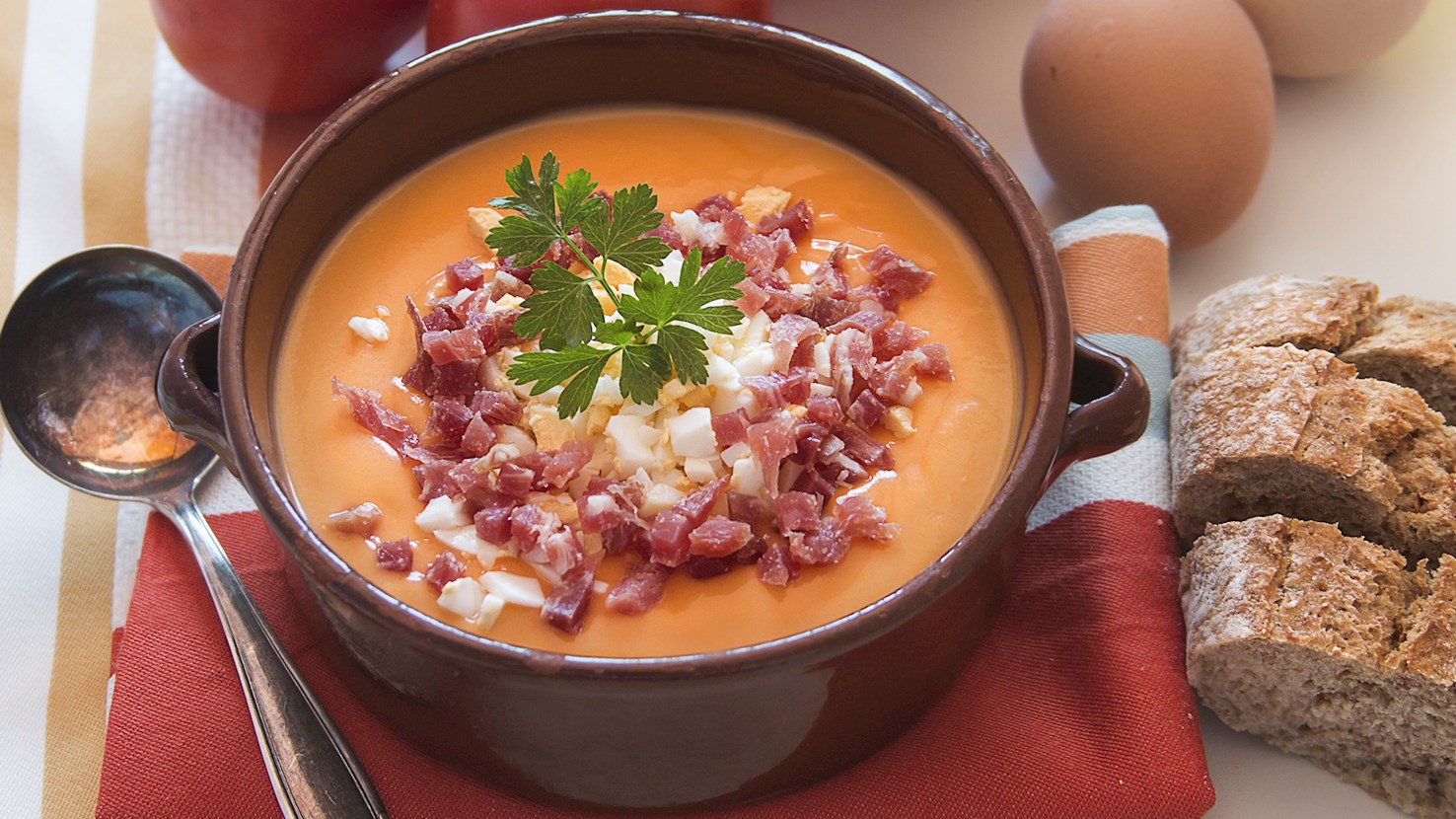
Salmorejo is a refreshing Andalusian soup that is traditionally served cold. It is especially popular during the warm, summer days. The soup consists of puréed tomatoes, bread, garlic, oil, and vinegar. Thick and creamy, salmorejo is often garnished with ingredients such as hard-boiled eggs or Spanish ham. In some cases, it can be served as a tapa dish or as a sauce accompanying toasts or omelets.
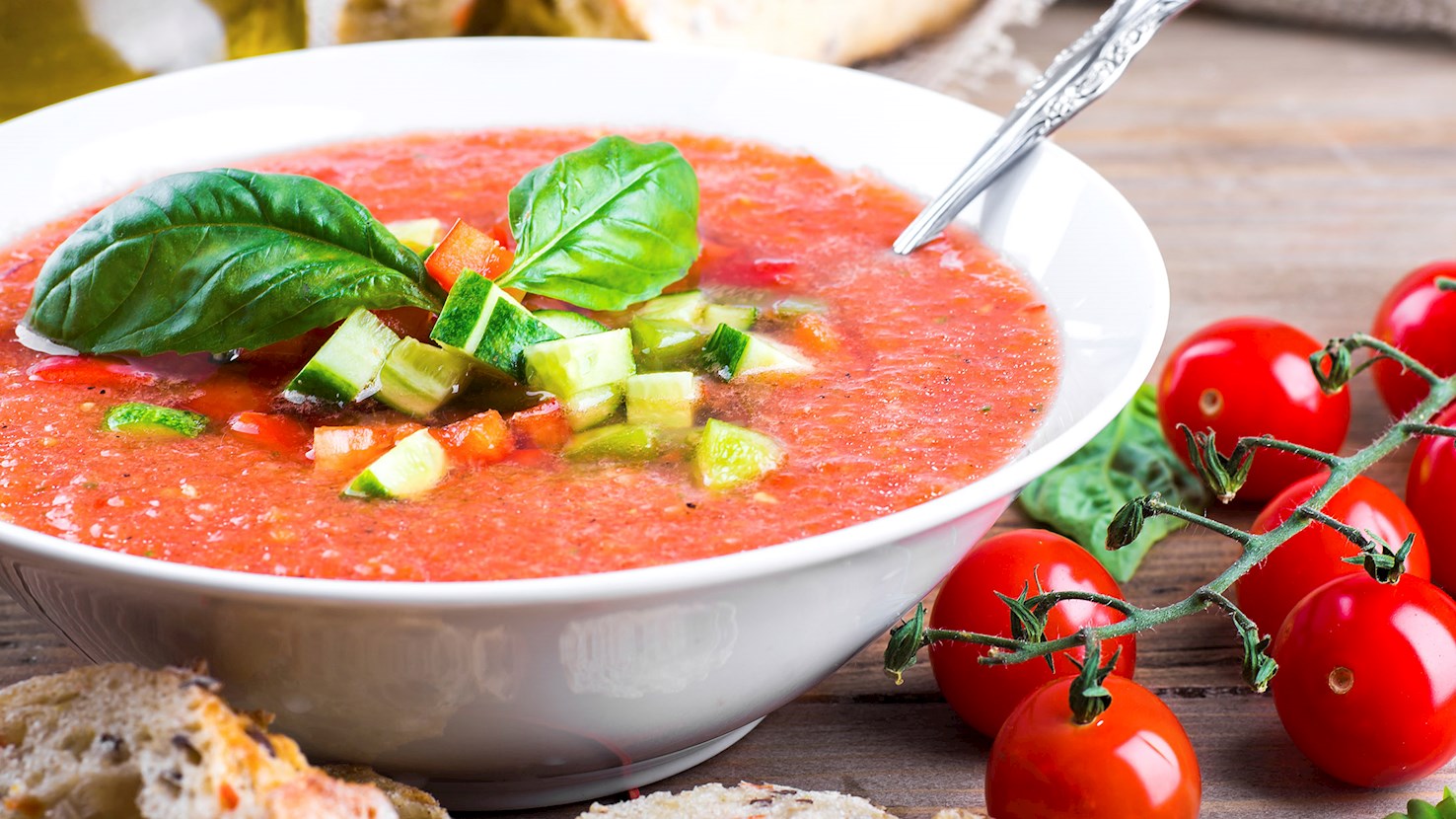
A perfect remedy for a hot summer day called gazpacho is a cold soup consisting of crushed tomatoes, finely chopped cucumbers, onions, peppers, croutons, vinegar, and olive oil. With the same level of familiarity as paella to the consumers worldwide, the soup's refreshing, cool and acidic flavors promote Spanish cuisine at its best. The dish began as a light lunch that the wives brought to their husbands in the field in order to cool them down from the hot summer sun. Shortly after, it began to be served at the end of big meals, although today it is a popular summer appetizer. Throughout Spain, there are a number of gazpacho varieties, such as gazpacho blanco (white gazpacho) or ajo blanco, a Málaga specialty made with garlic, bread, and almonds, with a garnish of green grapes. As the dish evolved, all kinds of ingredients started to be added to the soup, such as watermelon and cantaloupe. Regardless of the varieties, all gazpachos share a common thread of three key ingredients - bread, vinegar, and oil.
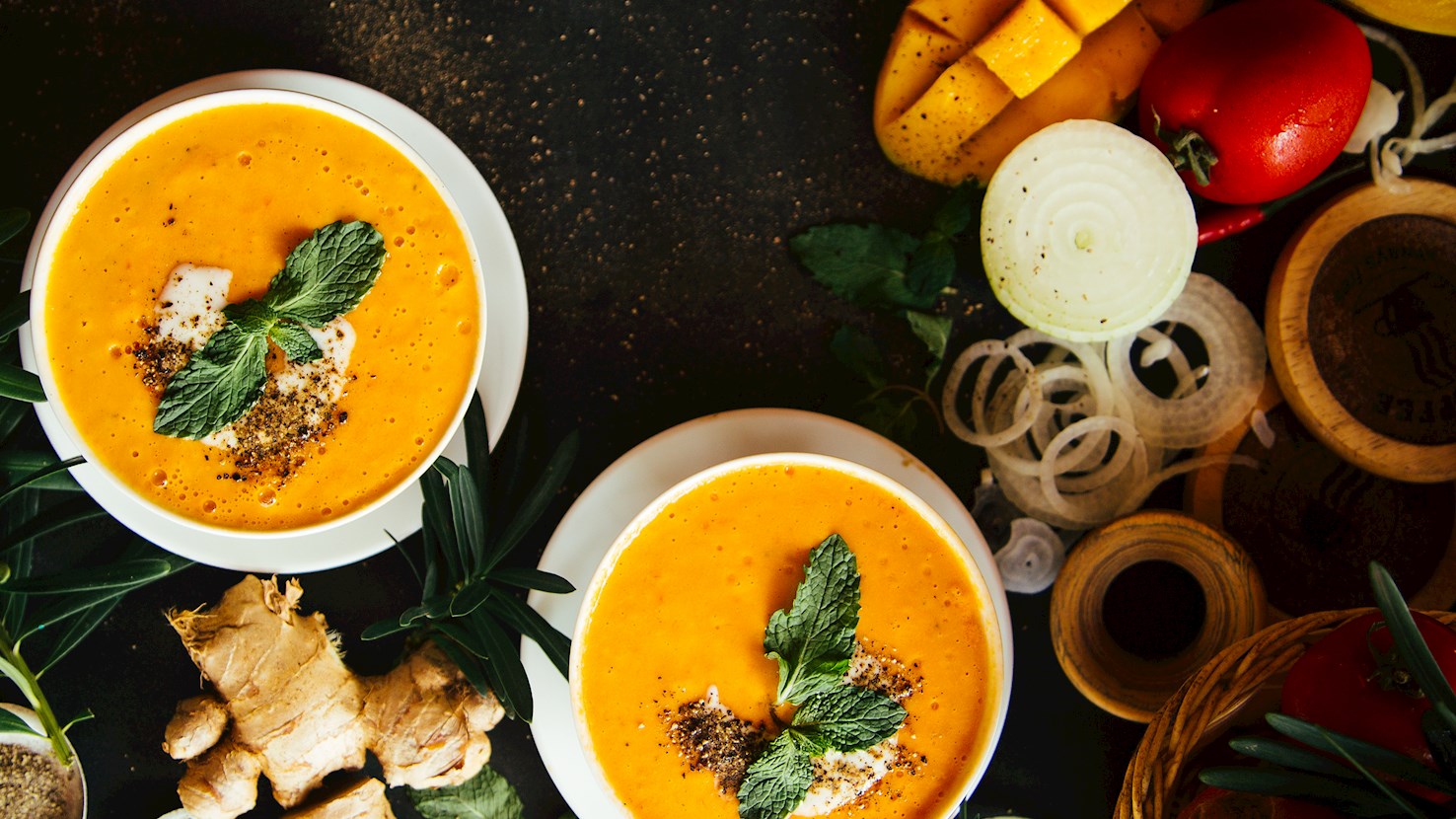
Gazpacho de mango or mango gazpacho is a variety of Spanish gazpacho, a refreshing soup that’s traditionally enjoyed cold. As the name suggests, this version is based on mangoes, which are combined with other ingredients such as cucumbers, tomatoes, peppers, jalapeño peppers or chili, onions, shallots, and garlic. All the ingredients are peeled and diced before they’re blended with cold water and olive oil into a mixture with a smooth consistency and a silky texture. Orange juice, lime juice, or vinegar are usually added to the combination to add the necessary acidity, and the soup is typically flavored with spices and herbs such as cilantro, basil, or tarragon. With a subtle sweet and savory flavor, mango gazpacho is traditionally enjoyed well-chilled alongside salads, grilled meat or seafood, skewered vegetables, and crusty bread. This simple soup makes for a great summer appetizer due to its refreshing nature, although it is also commonly eaten as a light meal for lunch or dinner.
Mazamorra is a simple, yet flavorful traditional cold soup that originates from the southern region of Andalusia, particularly Cordoba, and is made primarily from bread, garlic, olive oil, salt, and vinegar, thickened with ground almonds. The consistency is typically creamy, similar to a thick soup or a puree. This dish is served cold, making it especially popular in the hot summer months. It's typically garnished with ingredients like hard-boiled eggs, fruits like apples and grapes, or pieces of ham, which add texture and flavor contrasts to the creamy base. Mazamorra is similar to ajo blanco, another popular cold soup in Spanish cuisine, but differs in regard to some ingredients, such as breadcrumbs (uses more), almonds (uses less), and traditional garnishes.
Sopeao is a variation on gazpacho that's prepared in Andalusia, particulary in the area of Sevilla. This cold soup is made with tomatoes, onions, garlic, bell peppers, stale bread, olive oil, salt, and vinegar. Hard-boiled eggs and tuna are often added to the soup in order to enhance the flavors and add more texture. Once prepared (usually in summer), the soup is served either in wide platters with pieces of tuna and hard-boiled eggs, or in individual plates. The soup is served with crusty bread that soaks up the creamy tomatoes, and the name of the dish is derived from the word sopear, meaning to soak up with bread. In Sevilla, during the spring fair, people sometimes also add lettuce, melon, and even pieces of rabbit or pigeon.
TasteAtlas food rankings are based on the ratings of the TasteAtlas audience, with a series of mechanisms that recognize real users and that ignore bot,
nationalist or local patriotic ratings, and give additional value to the ratings of users that the system recognizes as knowledgeable.
For the “Top 7 Andalusian Cold Soups” list until October 15, 2026, 1,113 ratings were recorded, of which 866 were recognized by the system as legitimate.
TasteAtlas Rankings should not be seen as the final global conclusion about food. Their purpose is to promote excellent local foods,
instill pride in traditional dishes, and arouse curiosity about dishes you haven’t tried.





What People Say