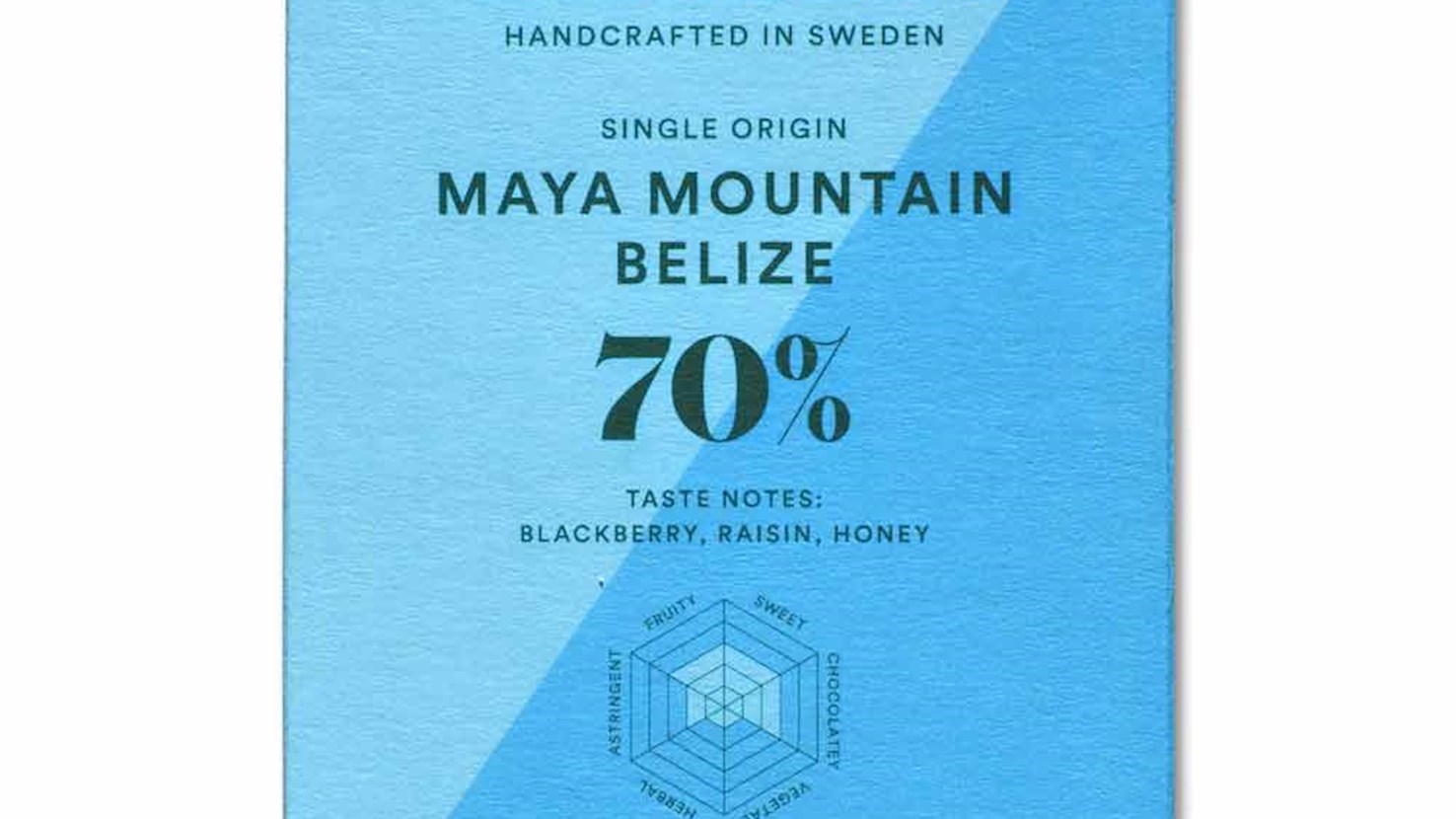
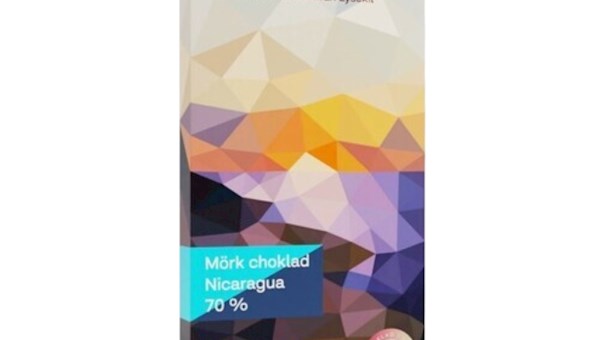
Standout Chocolate is a chocolate producer based in Mölndal, Sweden, known for its dedication to crafting fine single-origin chocolate bars. The company focuses on transparently sourced cacao and employs a bean-to-bar process, ensuring control over every step of production from cacao bean to finished chocolate. Standout Chocolate prioritizes sustainability both in its sourcing practices and through its packaging solutions.
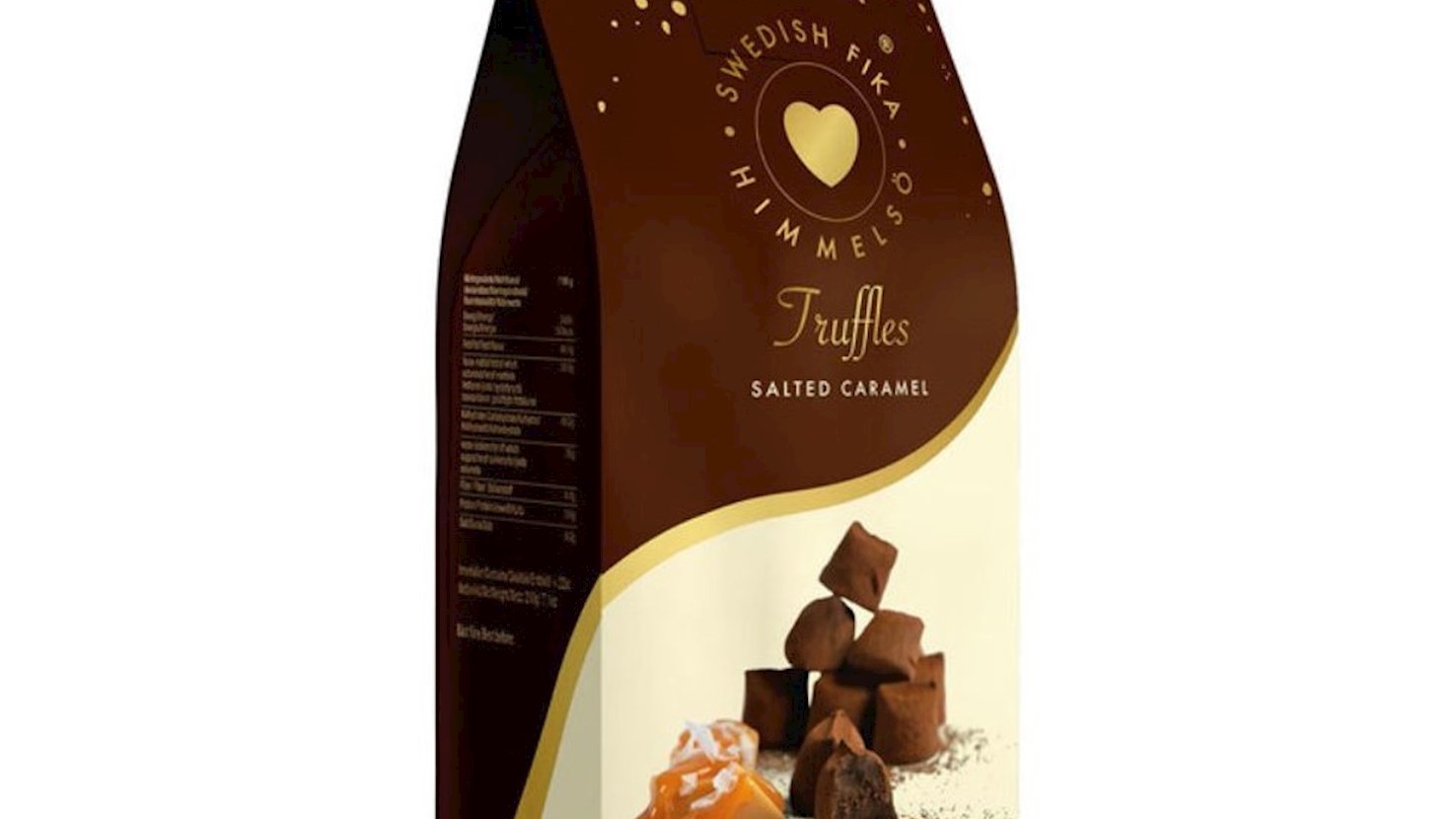
Swedish Fika Choklad is a Swedish chocolatier offering artisanal chocolates with a focus on high-quality ingredients. They create a variety of chocolate products, including bars and seasonal treats, with a commitment to sustainability and craftsmanship. Their chocolates are crafted with carefully sourced cocoa beans from renowned regions such as the Dominican Republic. They also feature products like vegan milk chocolates and bars flavored with unique ingredients like cardamom and licorice.
Awards
International Chocolate Awards - Gold
(2014, 2013)
International Chocolate Awards - Silver
(2014, 2013, 2012)
Chocolatte is a chocolate producer based in Helsingborg, Sweden. The company specializes in crafting high-quality chocolates with a focus on using natural ingredients. Chocolatte's products include a variety of chocolate bars, pralines, and other confections.
Awards
International Chocolate Awards - Gold
(2015)
International Chocolate Awards - Silver
(2023, 2019, 2018, 2015)
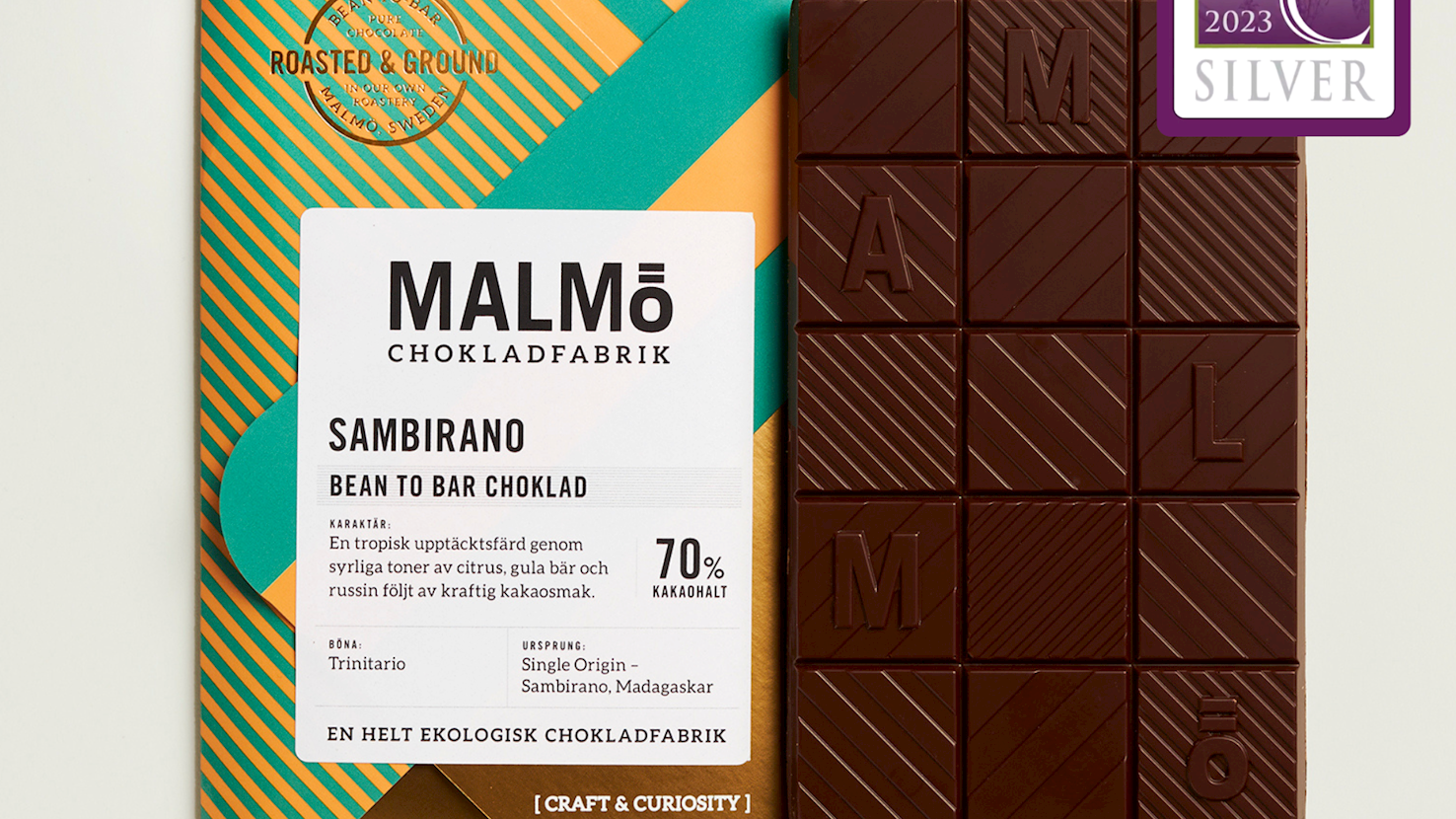
Malmö Chokladfabrik is a Swedish producer of organic craft chocolate based in Malmö, known for its bean-to-bar approach that covers the entire production process, from cacao beans to finished chocolate. The range includes chocolate bars, pralines, and specialized products for professional gastronomy, often featuring clearly defined single-origin profiles or carefully balanced blends. Malmö Chokladfabrik has received numerous international awards and is recognized as one of the key representatives of the contemporary Swedish chocolate scene. Its chocolate is also used in high-end gastronomy, including official events such as the Nobel Prize dinner, further confirming the quality and consistency of its production.
Gånsviks Choklad is a chocolate producer based in Härnösand, Sweden. It specializes in crafting handmade chocolates using traditional methods. The company sources high-quality ingredients, emphasizing organic and locally sourced products where possible.
LABYs is a chocolate producer based in Dalarna County, Sweden. They are known for using high-quality ingredients and traditional methods to create their chocolate products. Their offerings include a range of chocolates, truffles, and confectionery items. LABYs places an emphasis on sustainability and ethical sourcing in their production process.
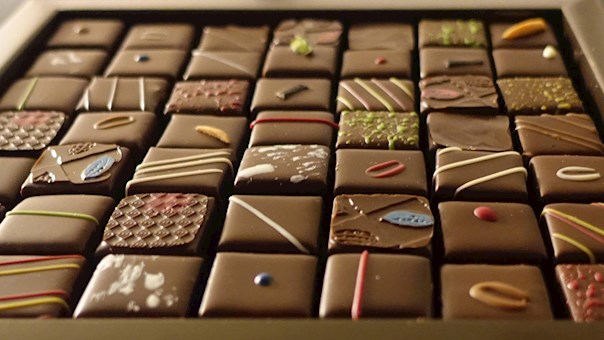
Malmstens Mat & Choklad is a small artisanal chocolate producer in Sweden, rooted in family craftsmanship and hand production in very limited batches. The brand focuses on pralines and chocolate products made without industrial processes, allowing full control over every stage of production. Fillings are often inspired by seasonal and local ingredients, such as fruits, spices, and traditional Nordic flavor combinations, without aggressive aromas or additives. Malmstens Mat & Choklad positions itself as an example of authentic, home-scale chocolate craftsmanship.
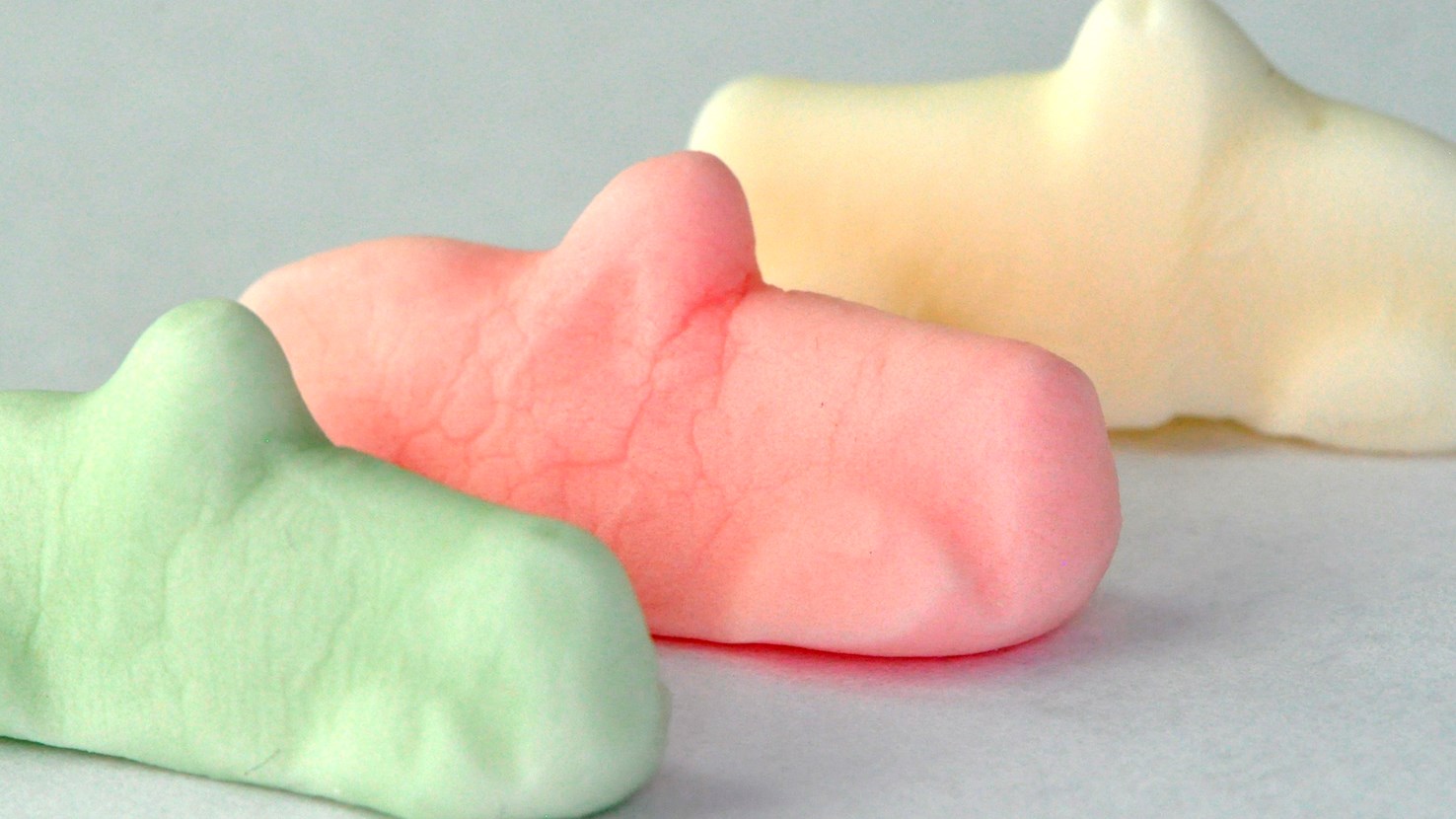
Ahlgrens is a Swedish confectionery company which is most known by its Ahlgrens bilar (Ahlgren's cars), a fruit-flavored marshmallow that is extremely popular with most Swedes. The unique flavor and design of these sweet treats has been unchanged since 1953, when the first Ahlgren bilar went into production. These small marshmallow cars are marketed as the world's most sold car, which is probably technically correct, due to a large number of sweet cars that are in each bag. Recently, the brand has expanded to other automotive-related products, such as sweet and sour elk warning signs and salty licorice car tires. Today, Ahlgrens bilar are sold in Sweden, Norway, Finland, Poland, Denmark, Cyprus, and the United States of America.
Arraksbollar are a type of spherical confectionery from Sweden, characterized by their dense texture and a distinct flavor derived from arrack or punsch essence. The item is a staple of Swedish konditori culture and is categorized as a no-bake pastry. It consists of a mixture of cake crumbs, butter, cocoa powder, and arrack flavoring, which is then rolled into balls and coated entirely in dark chocolate sprinkles. Unlike the similar chokladboll which uses oats, the arraksboll relies on a fine crumb base, giving it a smoother and more compact consistency. The emergence of the arraksboll is linked to the industrial and commercial expansion of Swedish bakeries in the early to mid-20th century. Bakeries required a systematic method to manage the surplus of broken cookies, cake ends, and dry sponge remnants produced during daily operations. By grinding these high-quality leftovers into fine crumbs and emulsifying them with fat and flavoring, bakers created a high-margin product from secondary ingredients. The inclusion of arrack flavoring is a result of Sweden's historical maritime trade with Southeast Asia, which introduced arrack spirit to the region, eventually leading to the creation of Swedish punsch, a local liqueur that became the primary aromatic profile for this confectionery. Preparation begins with the mechanical or manual crumbling of sponge cake or biscuits until they reach a fine, uniform grain. This base is combined with room-temperature unsalted butter, sifted cocoa powder, and a precise amount of arrack essence or Swedish punsch until a pliable, dark dough forms. The mixture is portioned into spheres typically weighing between 30 and 50 grams. These spheres are then rolled through a tray of chocolate sprinkles, which adhere to the moist surface of the dough. The finished items must be refrigerated for at least one hour to allow the butter to solidify, which ensures the necessary firm yet melt-in-the-mouth texture. While the arraksboll remains a simple sphere coated in sprinkles, the punschrulle involves wrapping the dough in green-tinted marzipan and dipping the ends in melted chocolate. Both items serve as the primary conduits for arrack flavoring in Swedish pastry displays. They are eaten as a component of the fika, the Swedish social coffee break, and are served at room temperature or slightly chilled. The standard beverage pairing is strong black coffee, as the bitterness of the roast balances the sugar content and highlights the smoky notes of the arrack. They are also served with cold milk or dark teas such as Earl Grey.
Mintkyssar is a Swedish confection consisting of small mint fondant disks topped with a drop of dark chocolate. They are made and sold throughout Sweden and are especially common during the winter season in shops, cafés, and home kitchens. The confection is based on mint fondant, a sugar mixture beaten to a smooth paste and flavored with peppermint, which is shaped into small rounds and allowed to set before being finished with a chocolate center. Its development is linked to Swedish candy production during the late nineteenth and early twentieth centuries, when fondant-based sweets became common in bakeries and confectionery factories. As peppermint extracts and molded chocolates became widely available, Swedish confectioners adapted fondant techniques into a mint-and-chocolate format that fit the country’s growing interest in small, easily portioned sweets. Mintkyssar eventually became well recognized as a seasonal candy associated with winter gatherings and holiday tables, though they are not restricted to that period. Preparation starts with heating sugar, water, and glucose syrup until fully dissolved. The mixture is cooled and beaten until opaque and thick, forming a smooth fondant that holds its shape. Peppermint oil is added to give a clear mint flavor. The fondant is piped or spooned into small disks on parchment and left to firm slightly. Separately, dark chocolate is melted and allowed to cool until thickened enough to sit as a stable drop without spreading. A small amount is placed in the center of each mint disk, and the candies are left to set fully at room temperature. The contrast between the soft fondant and the firm chocolate center is characteristic of mintkyssar; the chocolate is not intended to cover the mint entirely but to provide a focused accent in the center of each piece. Because the chocolate remains distinct from the fondant rather than mixed with it, the flavor and texture stay clearly divided in each bite. Mintkyssar are eaten across Sweden, often served with coffee, glögg, or hot chocolate during gatherings, though they also appear as everyday sweets in confectionery shops. They are stored at cool room temperature and presented on small plates or in gift boxes. Beverage pairings usually include coffee, black tea, or mild herbal teas, and during winter months they are often set out alongside warm spiced drinks or simple cookies that balance their mint and chocolate flavors.
Äkta Gränna Polkagrisar are peppermint-flavored candy sticks originating from the small town of Gränna in southern Sweden. Recognizable by their red and white stripes, they are considered one of Sweden’s most iconic sweets and are deeply tied to the identity of the town where they were first created. They were invented in 1859 by Amalia Eriksson, a widow in Gränna who received permission from the local authorities to start a confectionery business as a way to support herself and her daughter. She began producing hard candy flavored with peppermint oil, rolling and shaping them by hand into the form of sticks. Over time, her candy became famous not only in Gränna but across Sweden, turning the small town into a destination for visitors eager to see how the sweets were made and to bring some home. The preparation of Polkagrisar follows a specific process. Sugar is boiled and worked into a pliable dough, to which peppermint oil is added for flavor. The candy mass is stretched and folded repeatedly, which gives it a firm but slightly glossy texture. Part of the mass is colored red, then combined with the uncolored portion to create the striped pattern. The candy is then pulled and rolled into long sticks, cut to size, and cooled until hard. Though machines can replicate the steps, in Gränna the production is still carried out largely by hand, maintaining a craft-based character. One notable aspect is that Äkta Gränna Polkagrisar are protected within the European Union under a designation that limits their production to Gränna itself, ensuring that only candies made there can bear the name. This safeguard preserves both the method and the geographical link to the town. They are sold throughout Sweden but are especially associated with visits to Gränna, where numerous small shops continue to make and demonstrate the process to visitors. Polkagrisar are eaten as a sweet treat on their own, given as gifts, or taken home as souvenirs.
TasteAtlas food rankings are based on the ratings of the TasteAtlas audience, with a series of mechanisms that recognize real users and that ignore bot,
nationalist or local patriotic ratings, and give additional value to the ratings of users that the system recognizes as knowledgeable.
For the “Top 16 Swedish Confectioneries” list until June 02, 2026, 69 ratings were recorded, of which 63 were recognized by the system as legitimate.
TasteAtlas Rankings should not be seen as the final global conclusion about food. Their purpose is to promote excellent local foods,
instill pride in traditional dishes, and arouse curiosity about dishes you haven’t tried.
The initial list of top producers was compiled based on available reviews, awards, local recommendations, media and blog coverage, and consumer reviews.
The list will be updated with ratings from TasteAtlas local ambassadors and TasteAtlas users.