shutterstock

Top 6 Czech Cookies

Last updated on June 15, 2026

Best Czech Cookies

01

Perníčkův Sen

4.3 ·
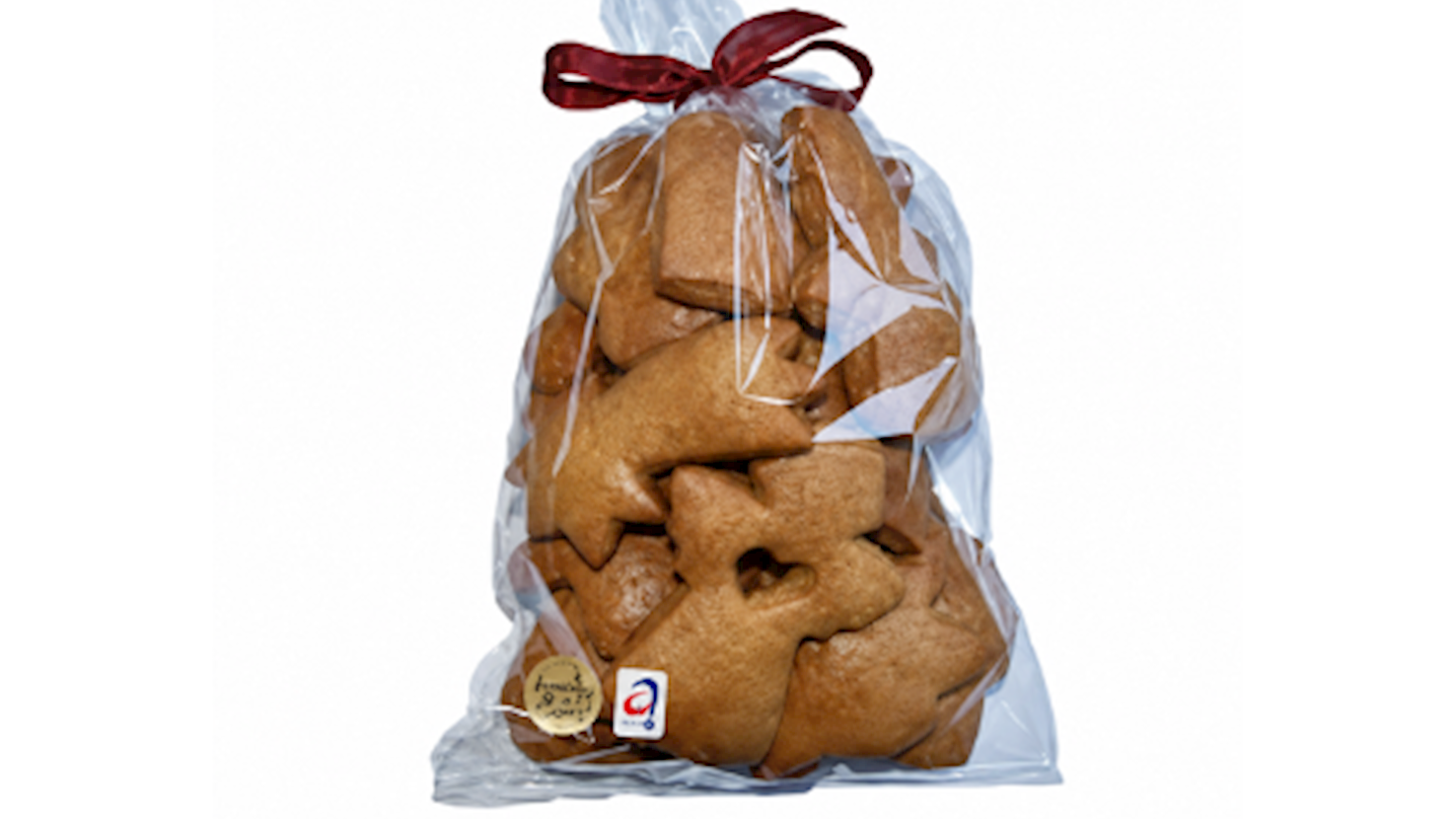
Perníčkův Sen is a Prague-based artisan gingerbread producer specializing in traditional Czech perník, with a strong focus on handcrafted production and authentic recipes. Located in the historic center of Prague, the brand builds its identity around traditional baking craftsmanship and products deeply rooted in Czech confectionery heritage. Its portfolio includes classic gingerbread, hand-decorated varieties, filled specialties with fruit preserves, and traditional pastries such as strudels and regional baked goods. The company emphasizes its own dough recipe made with wheat flour, real honey, a generous blend of spices, butter, and fat, while avoiding palm oil, preservatives, and artificial additives, reinforcing its artisanal approach. Decorative gingerbread pieces are finished using the traditional white icing technique made from egg whites and sugar, reflecting long-standing Central European confectionery traditions. One of its distinctive specialties is Sakrajda, a traditional gingerbread-based pastry filled with plum jam and walnuts, inspired by historic regional recipes and produced year-round. The brand places strong emphasis on ingredient quality and manual craftsmanship, and its products carry the Czech Klasa quality label. Perníčkův Sen represents a compelling example of a contemporary producer preserving and reinterpreting Czech sweet culinary heritage in a commercially relevant yet authentic way.
02

Cukrárna Myšák

4.2 ·
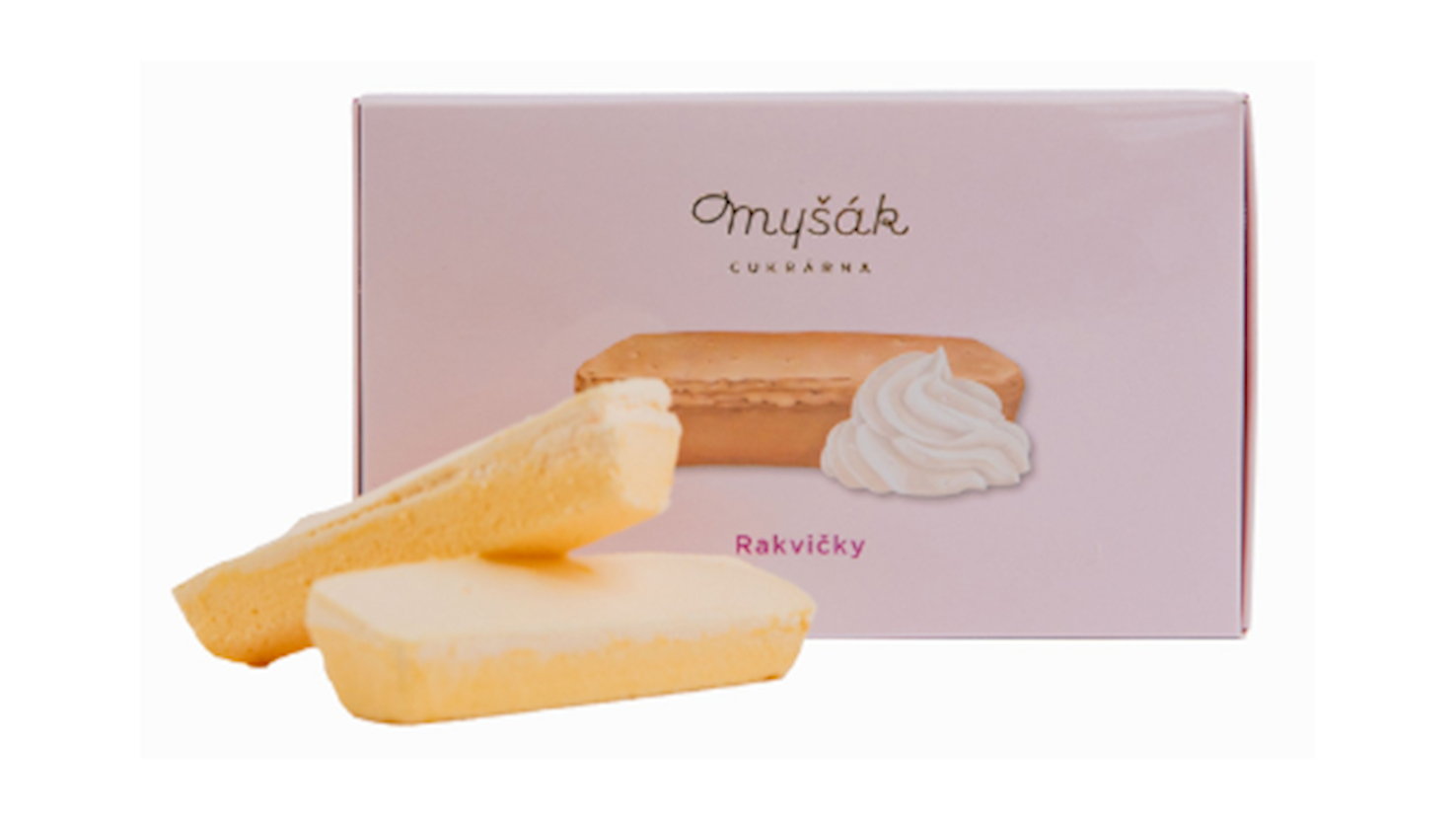
Cukrárna Myšák is a legendary Prague patisserie and one of the most iconic symbols of Czech confectionery heritage. Its history at the current Vodičkova Street location dates back to 1911, when renowned pastry chef František Myšák established the venue, which quickly became a favorite gathering place for Prague’s elite, artists, and prominent public figures during the First Czechoslovak Republic. Known for its combination of elegance and exceptional craftsmanship, Cukrárna Myšák built its reputation on classic Czech pastries made according to traditional recipes. After a turbulent period during the 20th century, the brand was carefully revived and now operates under the Ambiente hospitality group, preserving its historic identity while embracing contemporary quality standards. Its offering focuses on authentic Czech desserts such as věneček, laskonka, indiánek, kremrole, and other traditional pastries deeply rooted in local culinary culture. Strong emphasis is placed on premium ingredients including butter, eggs, cream, and fruit, reflecting a commitment to artisanal production without compromise. The interior has been designed to evoke the refined atmosphere of early 20th-century Prague, further reinforcing the brand’s historic character. Today, Cukrárna Myšák is not simply a pastry shop but an important part of Prague’s gastronomic identity, where Czech confectionery tradition is respectfully reinterpreted for modern audiences.
03

Erhartova Cukrárna

3.7 ·
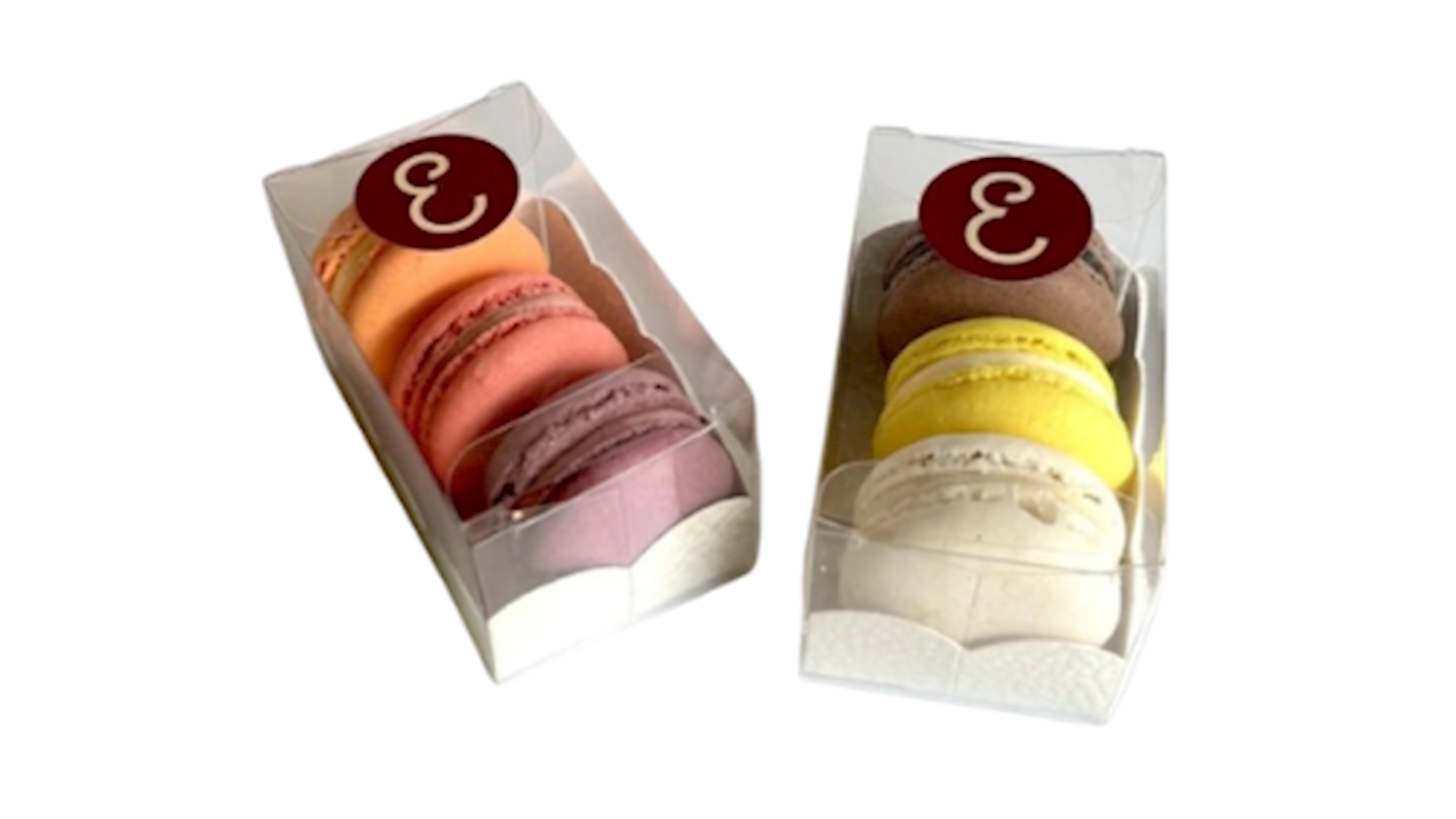
Erhartova Cukrárna is a traditional Prague patisserie whose history dates back to 1937, when it was established in a newly built functionalist building in the Letná district. Its distinction lies not only in its pastry offering but also in its interior, which has been carefully preserved and restored in the functionalist style, making it a notable cultural space in Prague. The patisserie was reopened in 2007, exactly 70 years after its original opening, with the aim of reviving one of the city’s historic gastronomic destinations. Its assortment includes cakes, pastries, chocolate pralines, and traditional Czech desserts, with specialties such as větrník, laskonka, and kremrole among its well-known offerings. While part of the portfolio draws inspiration from Italian and French pastry traditions, the brand maintains a strong connection to classic Czech confectionery heritage. Products are prepared daily with an emphasis on artisanal craftsmanship and quality ingredients. In addition to its original Letná location, Erhartova Cukrárna expanded with a second branch in Vinohrady in 2012, also designed in its signature functionalist aesthetic. Today, the brand is regarded as an important representative of Prague’s pastry tradition, combining historic atmosphere, local recipes, and contemporary dessert culture.
04

Karlovarské Oplatky

3 ·

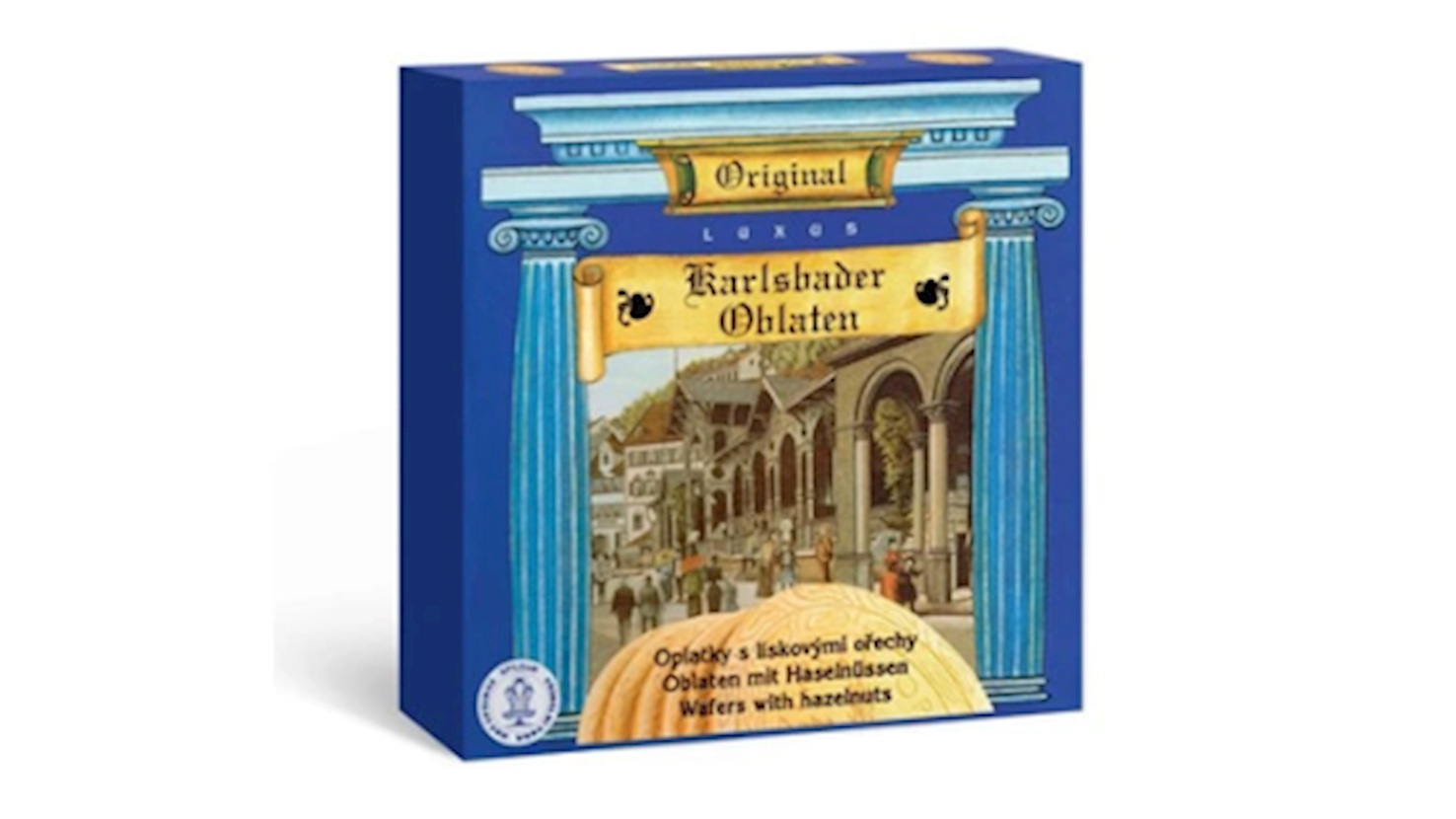
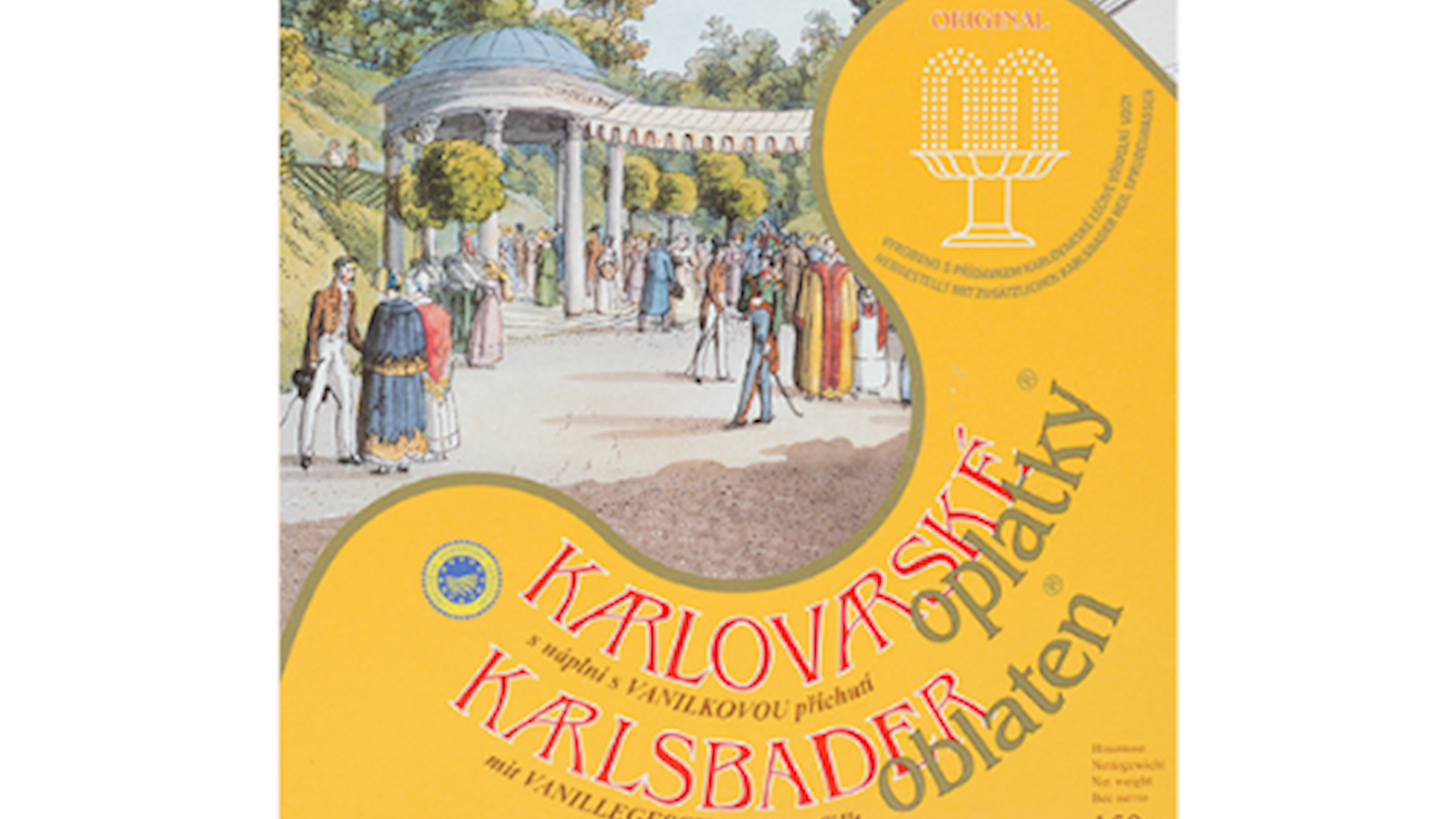
Karlovarské Oplatky are one of the most iconic traditional Czech confectionery specialties, deeply associated with the historic spa town of Karlovy Vary. These ultra-thin round spa wafers consist of two delicate crisp layers with a lightly sweet aromatic filling, commonly available in flavors such as hazelnut, vanilla, chocolate, and cinnamon. Their history dates back to at least the 18th century, with the first written reference appearing in 1788, while the modern producer continues a family manufacturing tradition that resumed in 1990 after earlier historical production phases. The wafers became closely tied to the spa culture of Karlovy Vary, where they were traditionally offered to visitors as an elegant accompaniment to tea and quickly evolved into a signature regional delicacy. Their distinctive character lies in their fragile crispness, warm aroma, and restrained sweetness, making them quite different from heavier industrial wafer products. Karlovarské Oplatky also hold Protected Geographical Indication status, reinforcing their authentic connection to the Karlovy Vary region and its culinary heritage. Today, the brand Karlovarské oplatky s.r.o. preserves this legacy through a range of traditional spa wafers and related confectionery, positioning the product as both a gourmet souvenir and a living symbol of Czech spa tradition.

05

Karlovarská Pekárna

2.9 ·

Karlovarská pekárna is a traditional Czech bakery brand rooted in the baking heritage of Karlovy Vary, focused on artisanal bread, pastries, and regional specialty baked goods. The company positions itself as a craft bakery, emphasizing hand-made production methods, traditional recipes, and the avoidance of industrial baking improvers commonly used in mass production. A distinctive part of its brand identity is its connection to Karlovy Vary’s local heritage, particularly through products made with the city’s famous thermal spring water, which serves as a unique differentiating element in selected breads and traditional specialties. The brand combines everyday bakery staples with regionally specific products such as traditional Karlovy Vary spa wafers and rusks, reinforcing its local cultural relevance. Its portfolio includes sourdough breads, sweet pastries, savory baked goods, and heritage regional items, balancing traditional Czech baking culture with contemporary retail bakery operations. Karlovarská pekárna has developed from a local bakery business into a recognizable regional brand with multiple retail outlets across the Karlovy Vary area and neighboring towns. The brand identity is built around craftsmanship, locality, freshness, and strong regional authenticity rather than industrial-scale commodity production. As a brand, Karlovarská pekárna represents the intersection of everyday Czech bakery culture and Karlovy Vary’s distinctive gastronomic heritage.

06

Kolonáda

2.8 ·
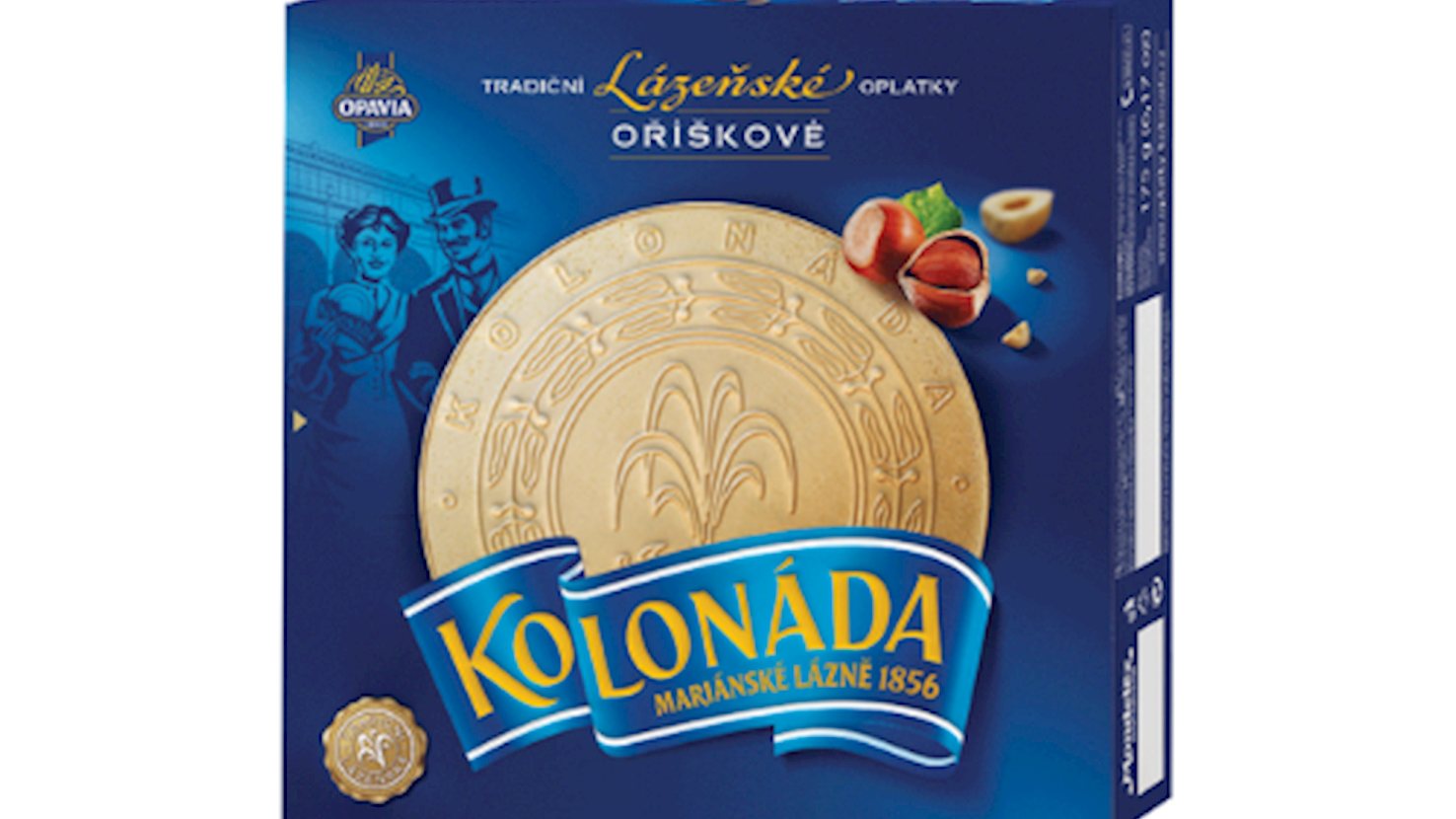
Kolonáda is a well-known Czech brand of spa wafers, the thin and crisp wafer confection strongly associated with the country’s historic spa culture. The brand is closely linked to Mariánské Lázně, where the tradition of producing this specialty dates back to 1856. Kolonáda builds on the heritage of traditional spa wafers that were originally prepared in special metal molds with embossed patterns and delicate thin layers of batter. Its most recognizable products are the classic round spa wafers filled with blends such as hazelnut, sugar, and cinnamon, flavors that have become closely associated with this traditional Czech treat. The brand also offers chocolate, vanilla, and triangular wafer variations, though its identity remains rooted in the iconic round format. Kolonáda products are positioned as a light, crisp confection typically enjoyed with coffee or tea, as well as a classic souvenir from Czech spa towns. Today, the brand combines long-standing regional tradition with modern industrial production while preserving the recognizable texture, shape, and flavor profile of this historic specialty. Because of its strong connection to spa culture, Mariánské Lázně, and Czech confectionery heritage, Kolonáda is considered one of the most recognizable commercial representatives of traditional Czech spa wafers.

Best Czech Cookies

01

Pardubický perník

4 ·

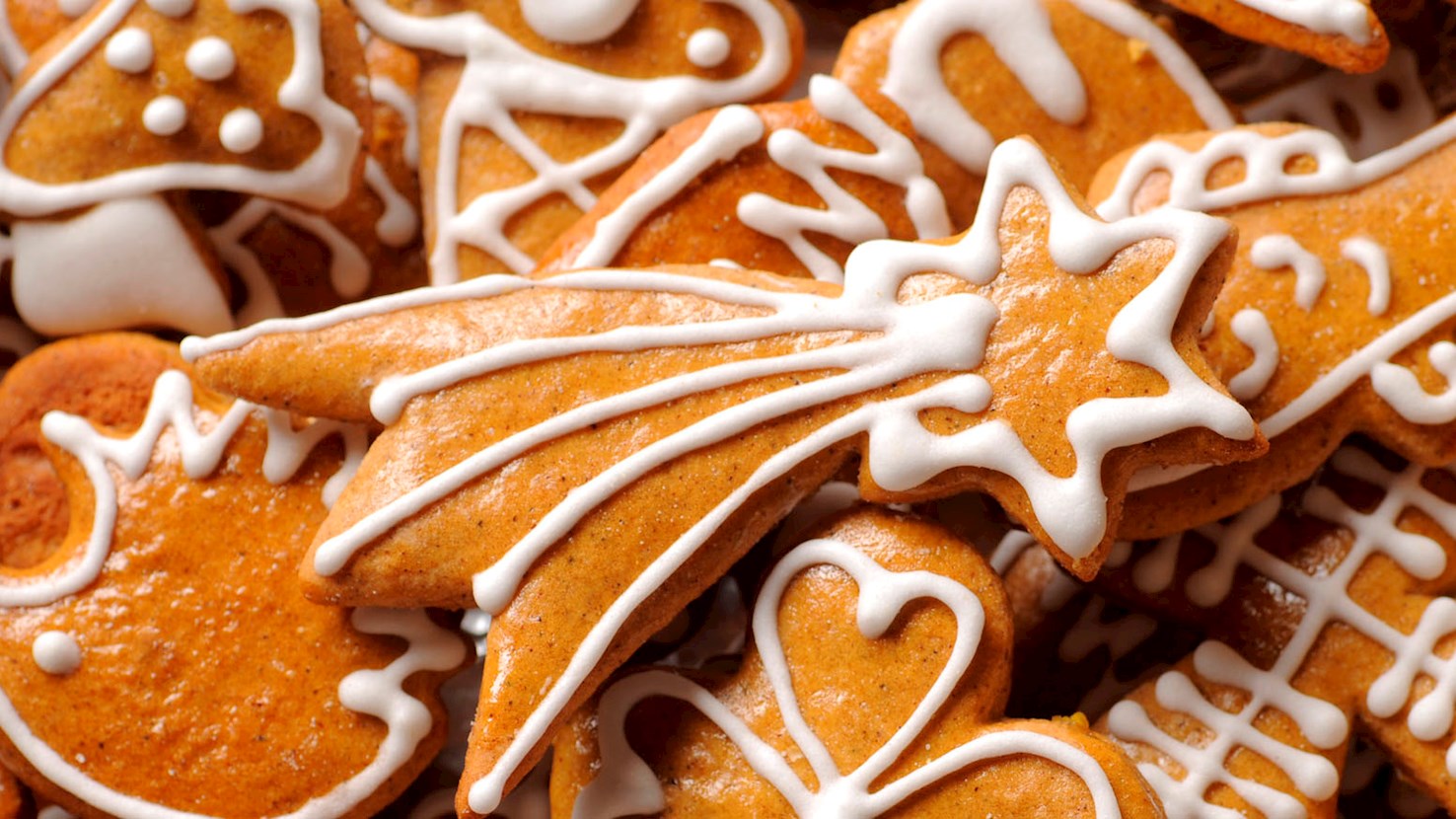
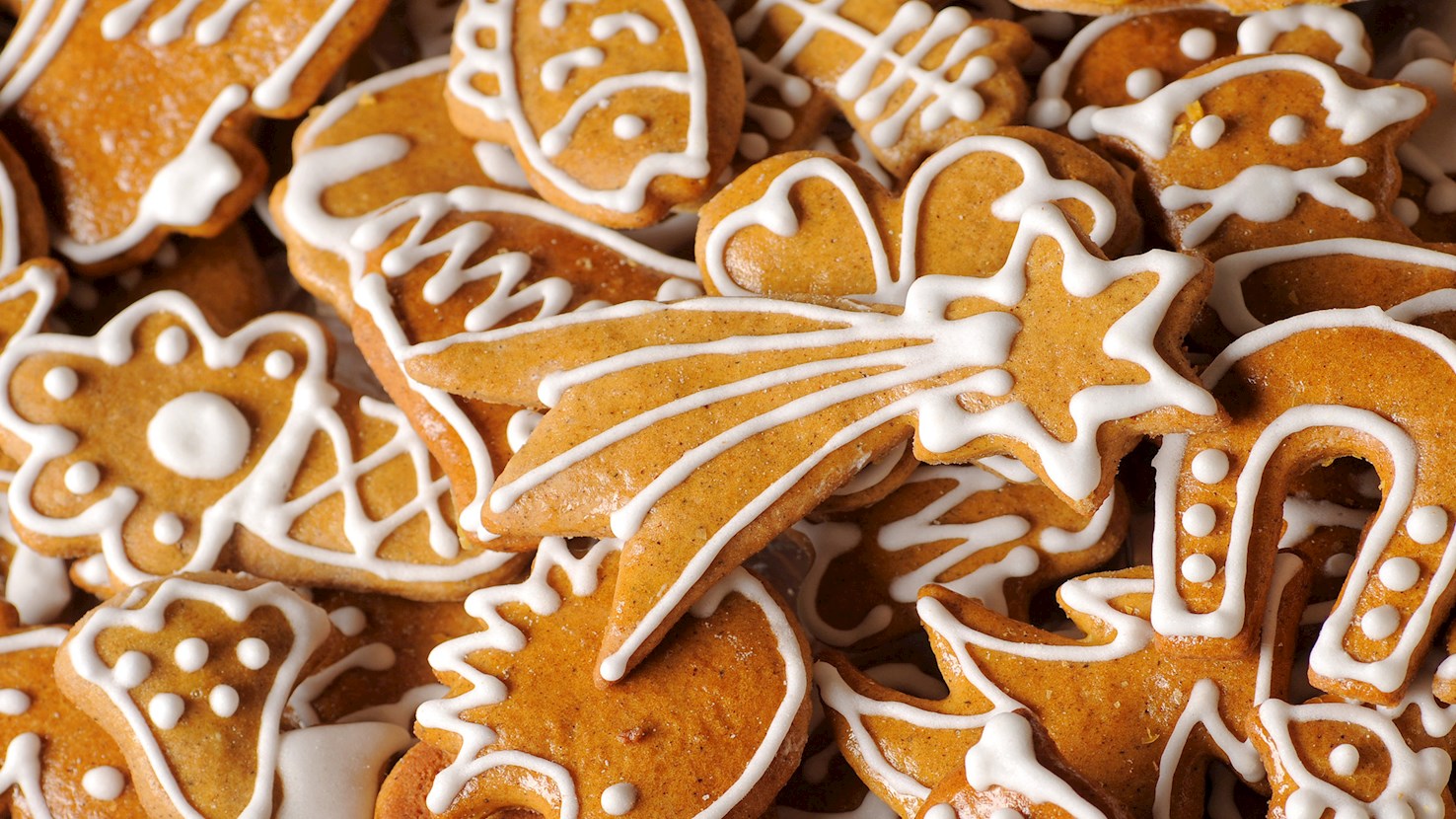
Pardubický perník is a baked pastry product made in the city of Pardubice and the municipality of Spojil in the Czech Republic since the 16th century, but the production really took off in the 20th century. It is a decorated gingerbread product made in two varieties. One is a filled product where the filling is placed between two pieces of gingerbread and coated with sugar or chocolate, and the second variety are gingerbread figures cut in various two or three-dimensional shapes such as hearts, stars, animals, cars, boxes, sledges or Christmas trees, and coated with sugar or fat glaze. Both products are made from wheat flour, eggs, sugar, honey, jam, cocoa and gingerbread mixture - including cloves, coriander, cinnamon, allspice and aniseed. The gingerbread products make a great sweet gift and are commonly bought for special occasions such as Easter, St. Valentine's Day, St. Nicholas Day, Christmas and New Year's Eve.

02

Štramberské uši

3.9 ·

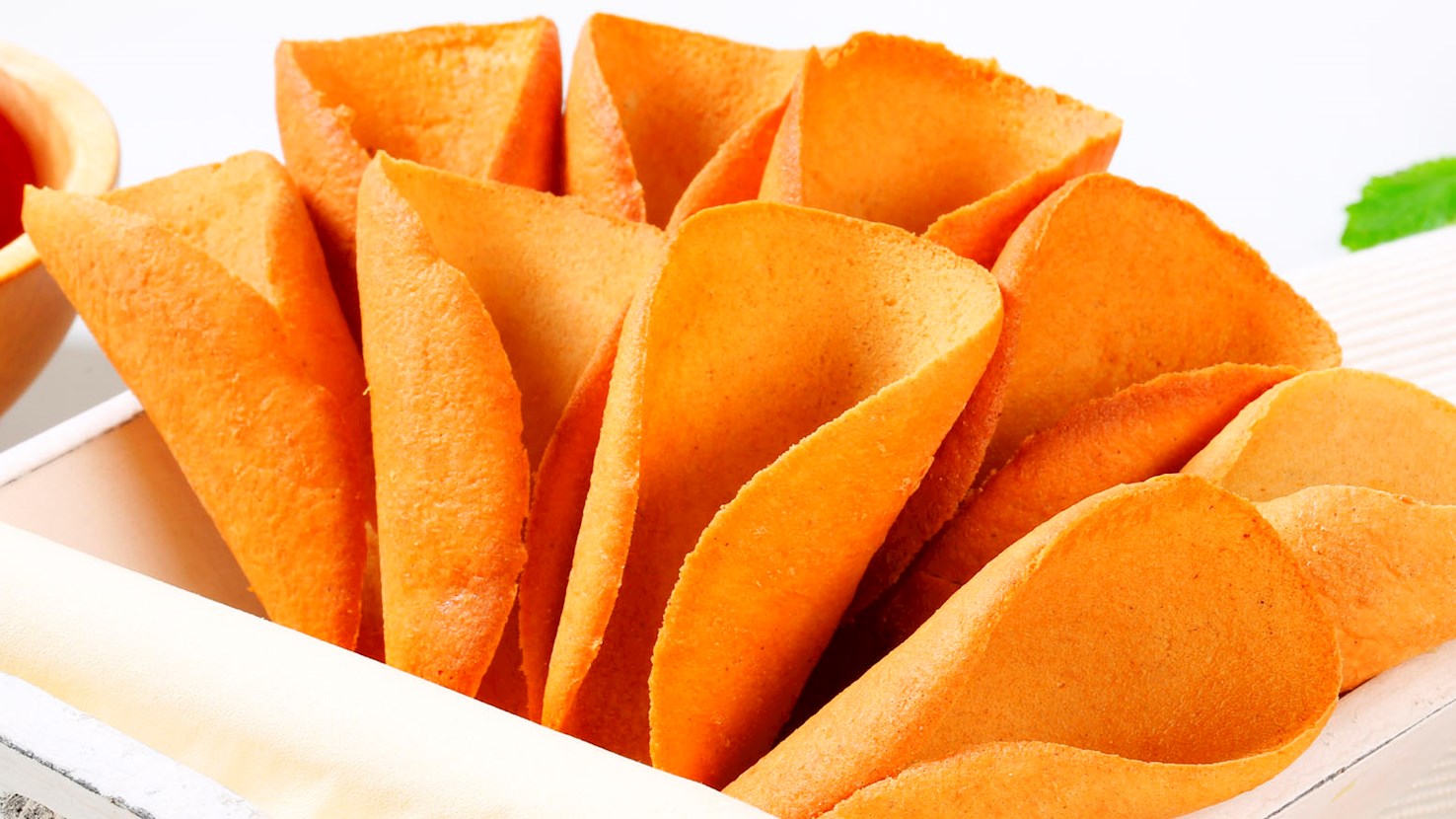
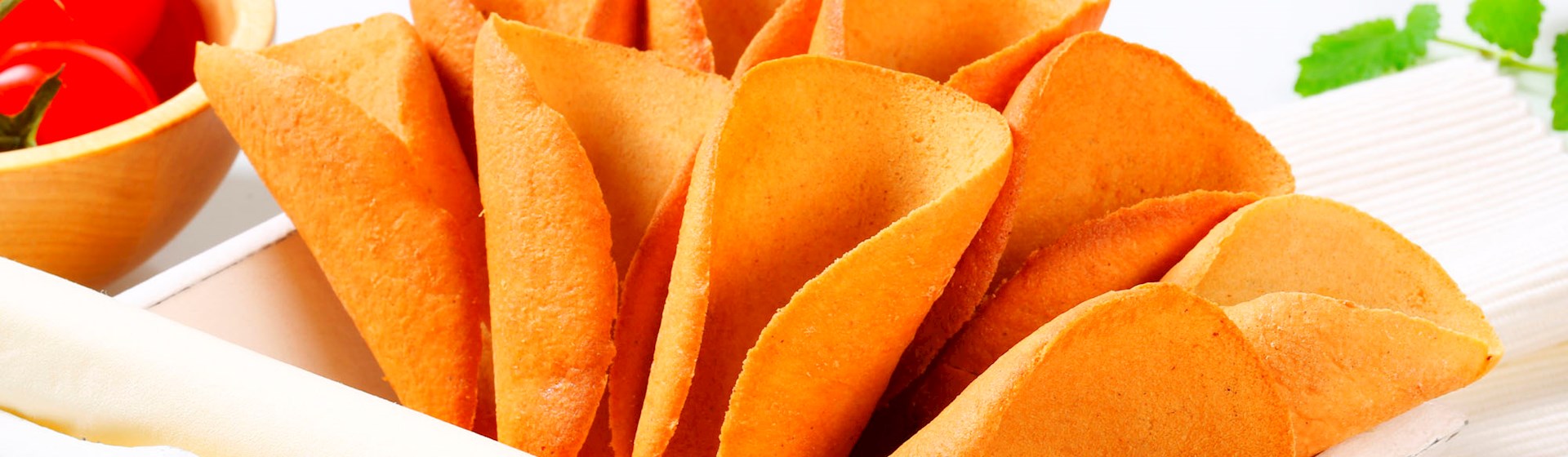
Štramberské uši is a baked product made from flour, sugar, eggs, water, baking powder, honey or caramel, and spices such as cloves, aniseed, cinnamon, and star anise. After baking, the dough is twisted into a cone shape, making it look like a human ear (uši means ears in Czech). The final product should be light brown, firm, with a balanced, delicate taste that is not overpowered by spices. The invention of uši is linked to a legend that tells a story of how a great storm swept through the Tatar troops who surrounded Štramberk castle in 1241. As the troops withdrew, the citizens of Štramberk found bags of human ears, which were presumably cut from the Christian prisoners. As a symbol of gratitude to God, the citizens started the tradition of baking uši, initially for the Ascension Day procession, while today they are commonly enjoyed on various special occasions.

03

Perníčky

3.8 ·

Perníčky is a term used to describe traditional Czech cookies spiced with cinnamon, cloves, nutmeg, allspice, and ginger. They are usually cut out into different shapes and decorated with chocolate, yogurt, sliced almonds, candy, and sugar glaze, or simply dusted with powdered sugar. In the Czech Republic, the cookies initially appeared in 1335, when they were mainly enjoyed as a dessert or as a thickening agent in savory sauces. Today, these crispy and fragrant cookies are appreciated for their artistic value, and the lavish decorations make them a unique, edible artwork. They are also a staple of numerous Christmas markets and one of the authentic Czech souvenirs.

Read more
View all
View map
About this ranking

TasteAtlas food rankings are based on the ratings of the TasteAtlas audience, with a series of mechanisms that recognize real users and that ignore bot, nationalist or local patriotic ratings, and give additional value to the ratings of users that the system recognizes as knowledgeable. For the “Top 6 Czech Cookies” list until June 15, 2026, 286 ratings were recorded, of which 220 were recognized by the system as legitimate. TasteAtlas Rankings should not be seen as the final global conclusion about food. Their purpose is to promote excellent local foods, instill pride in traditional dishes, and arouse curiosity about dishes you haven’t tried.

The initial list of top producers was compiled based on available reviews, awards, local recommendations, media and blog coverage, and consumer reviews. The list will be updated with ratings from TasteAtlas local ambassadors and TasteAtlas users.

Similar lists