Top 3 Local Cow's Milk Cheeses
in the Canton of Graubünden

Last updated on May 29, 2026

Best Canton of Graubünden Cow's Milk Cheeses
01

Chascharia Val Müstair

5 ·
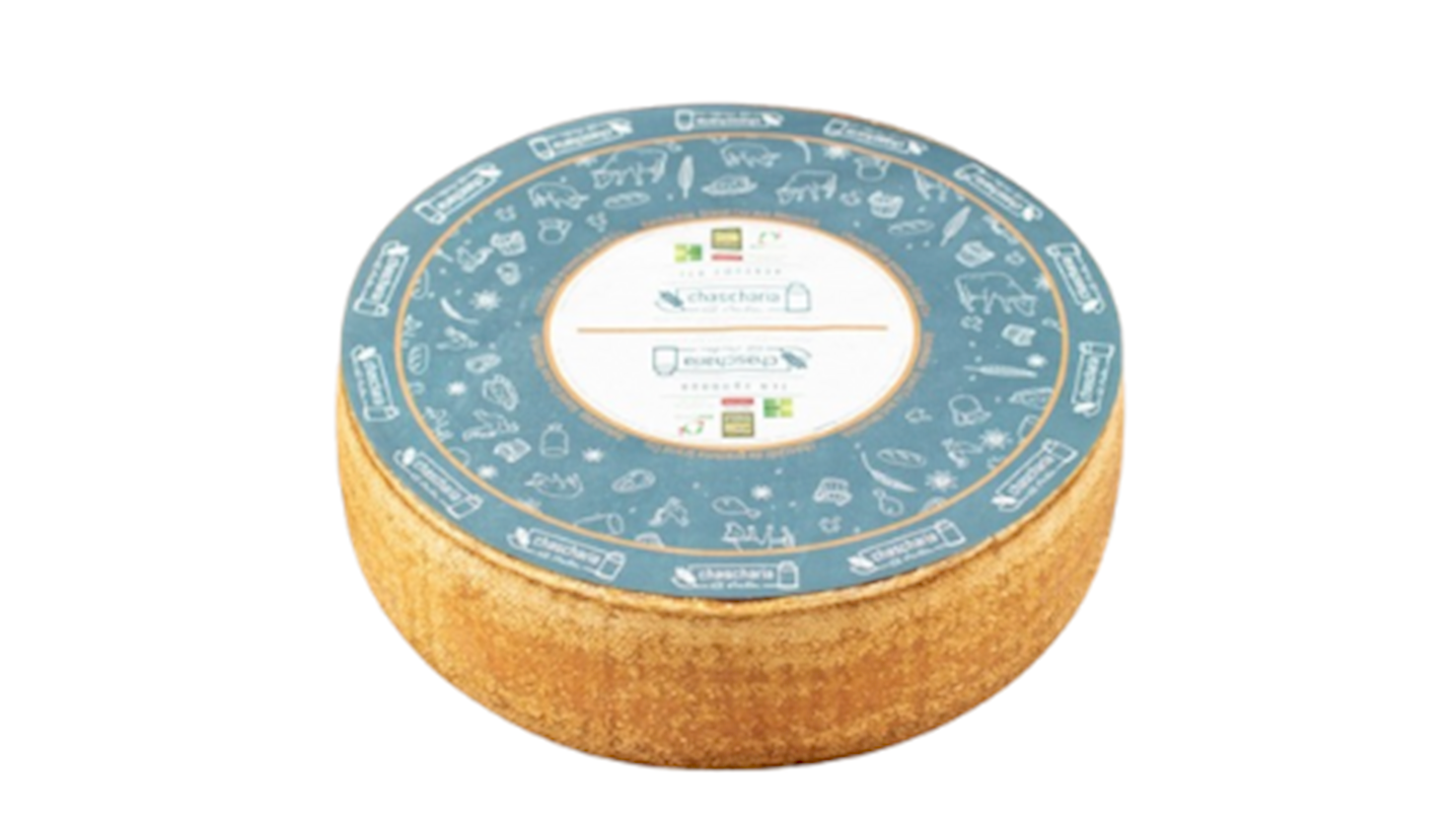
Chascharia Val Müstair is a cooperative cheese dairy located in the Val Müstair valley, in the Swiss canton of Graubünden, near the Italian border. It was founded in 1987 with the aim of uniting local farmers and preserving the region’s alpine cheesemaking tradition. Production is based exclusively on organic hay milk, free from silage, supplied by local farms and certified according to Bio-Suisse standards. The dairy operates as a central element of the Agricultura Val Müstair network and the Biosfera Val Müstair brand, highlighting the close relationship between agriculture, nature, and the local economy. Its range includes semi-hard and hard cheeses, as well as specialties made from both cow’s and goat’s milk, all shaped by seasonality and alpine terroir. Cheesemaking follows traditional alpine techniques supported by modern quality control and careful maturation. Chascharia Val Müstair has received multiple international awards, reflecting the technical precision and distinct character of its cheeses. In addition to production, the dairy serves an educational role, welcoming visitors for tours and tastings and actively contributing to the cultural and gastronomic identity of the Val Müstair region.
Awards
World Cheese Awards - Super Gold (2024)
World Cheese Awards - Gold (2024, 2022, 2021)
02

Molkerei Davos

4.9 ·
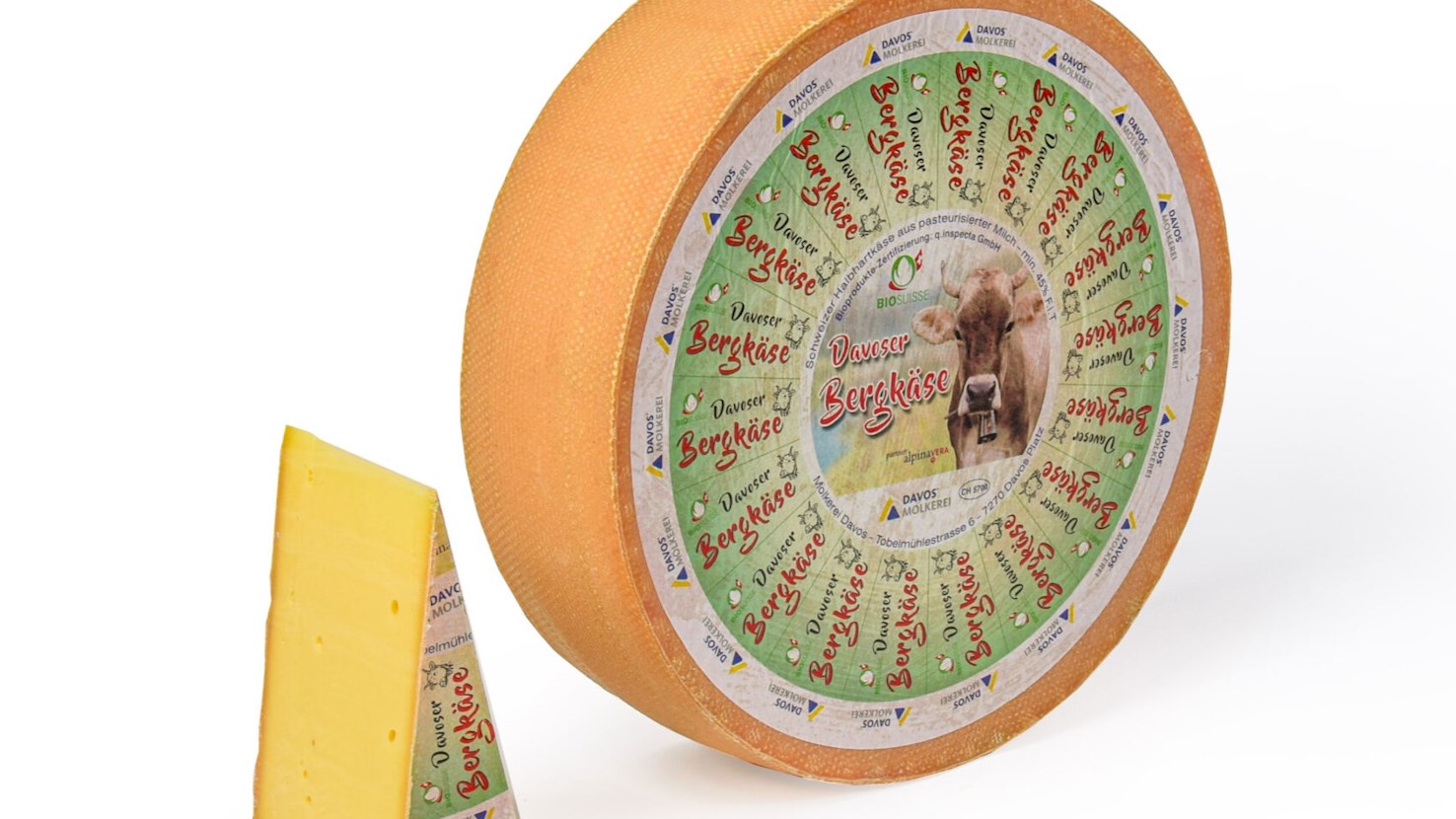
Molkerei Davos is a dairy company based in Davos, Switzerland, that specializes in the production of cheese and other dairy products. Established to support local agriculture, the company focuses on utilizing milk from regional farms to create its products, emphasizing sustainable practices and the promotion of local economic development.
Awards
World Cheese Awards - Super Gold (2021)
World Cheese Awards - Gold (2024, 2022, 2021)

Best Canton of Graubünden Cow's Milk Cheese Types

01

Formaggella

n/a ·

Formaggella is a semi-hard, medium-sized cheese produced from goat's milk, cow's milk, or a mixture of both, with a texture that can range from fresh soft to semi-hard, depending on the production method and aging process. The name derives from formaggio (lit. cheese), with the diminutive "-ella" suggesting a traditionally lower status compared to long-aged alpine cheeses. A Swiss-Italian expression about strabismus (cross-eyed people) references "an eye that looks at the board of formaggella," referring to the wooden boards in kitchens where the cheese was stored to dry and kept safe from mice. Formaggella has a cylindrical shape, with a diameter of 10-20 cm, a height of 3-5 cm, and a weight of 400g to 2kg. The paste varies in color from white (if made with more goat’s milk) to straw yellow (if made with more cow’s milk), while the rind is thin, soft, and gray, sometimes covered with molds called mucor, similar to those found on Tomme de Savoie. Its ingredients include goat’s or cow’s milk, direct thermophilic ferment, rennet, sometimes mold, and salt. Historically, formaggella has been produced since at least the 13th century, in the pre- and post-alpine grazing periods (spring and winter). Originally intended for household consumption, it was not as highly regarded as long-matured alpine cheeses. Production begins with thermizing the milk at 65°C for 15 minutes to improve health safety while preserving flavor. The milk is then cooled to 35°C, and thermophilic ferments and sometimes molds are added. After coagulating for 30-40 minutes with rennet, the curd is cut first with a curd cutter (lyre/harp) into thin slices, then further reduced with a spannarola until hazelnut-sized pieces are obtained. Some whey may be removed and replaced with water to reduce acidity, though this practice is rare due to contamination risks. The mixture is heated again to 38°C before being placed in perforated baskets or molds. The cheese is turned multiple times within 24 hours, then brined for 4-6 hours or dry-salted. Aging occurs in cellars at 12-14°C with 70-90% humidity for at least three weeks. Traditionally a domestic product, formaggella was consumed as a side dish, in recipes, or even for breakfast. Today, it is widely available in markets, shops, and restaurants in the Ticino region and is highly sought after in its various fat-content variations (full-fat, semi-fat, lean). Depending on the region, formaggella is known by different names: chiasörin in Leventina, crenga in Val di Blenio, maioca in Biasca, mota or motign in Valmaggia, and fromagela in Verzasca. Some varieties develop a gray moldy rind with fine hairs, known as "cat hair" or "pei da ratt," due to mucor molds. These characteristics highlight formaggella’s deep roots in Swiss alpine dairy traditions. Today, it remains a cherished cheese due to its delicate flavor, artisanal craftsmanship, and versatility in various culinary applications.

02

Bündner bergkäse

n/a ·

Bündner bergkäse (Bündner Mountain Cheese) is a semi-hard, full-fat cheese made from thermized mountain milk. Each wheel weighs around 4.5 kg, with a 27 cm diameter, and has a firm texture with very few holes. Produced year-round in village cheese dairies above 600 meters in altitude, it differs from Bündner Alpkäse, which is made seasonally in high-altitude alpine pastures. The cheese is crafted using thermized milk, briefly heated to 68°C to remove harmful bacteria while preserving part of the milk’s natural flora for flavor. The milk is then curdled with rennet, cut into small curds, and heated to 41-47°C to remove excess moisture. After pressing for 24 hours, the cheese is placed in a salt bath, which enhances flavor and helps form a natural rind. The cheese ages for at least three months in humid cellars, where it is regularly brushed with salted water to encourage the growth of beneficial bacteria, yeasts, and molds, giving it its distinct aroma and reddish-brown rind.

Historically, the 1950s marked the official introduction of Bündner bergkäse, with further refinements in the 1970s, leading to its reputation as one of Switzerland’s most well-known mountain cheeses. Bündner bergkäse is versatile, enjoyed sliced with bread, served with boiled potatoes ("Gschwellti"), used in fondue, or for gratinating dishes. It comes in mild, spicy, and tangy varieties, depending on its aging period, and is also available in half-fat (25% fat) and quarter-fat (15% fat) versions, which are made from pasteurized milk and aged for a shorter time (4-6 weeks).

With 540 tons produced annually by nine village dairies across Graubünden, the cheese is distributed throughout Switzerland, reaching wholesalers, retailers, and the hospitality industry. Among its producers, the Bever alpine dairy, at 1,700 meters above sea level, is recognized as Europe’s highest cheese dairy. Bündner Bergkäse continues to be a cornerstone of Swiss mountain cheesemaking, valued for its rich, natural flavors and deep-rooted alpine tradition.

03

Bündner Alpkäse

n/a ·

Bündner Alpkäse is a semi-hard, full-fat cheese, made exclusively from raw cow’s milk in alpine dairies during the summer months. Under the Swiss Mountain and Alpine Ordinance, it must be produced in high-altitude pastures, where cows graze freely on rich alpine vegetation. A wheel weighs between 4 to 6 kg, with a firm texture and small holes, and it is available in mild (2-3 months), spicy, and tangy (6+ months) varieties. The cheese is made by mixing evening milk (partially skimmed) and fresh morning milk, ensuring a minimum fat content of 45% in dry matter. Coagulated with rennet at 32°C, the curds are cut into small grains and heated to 45-47°C to extract moisture. The curds are then pressed into molds for 24 hours, brined for 1-2 days, and aged in cellars, where bacterial cultures and natural smear flora develop, forming its distinct reddish-brown rind. Each alpine pasture imparts unique flavors, influenced by the cows’ diet of local herbs. Bündner Alpkäse is commonly eaten sliced with bread, served with boiled potatoes ("Gschwellti"), or used in gratin dishes.

About this ranking

TasteAtlas food rankings are based on the ratings of the TasteAtlas audience, with a series of mechanisms that recognize real users and that ignore bot, nationalist or local patriotic ratings, and give additional value to the ratings of users that the system recognizes as knowledgeable. For the “Top 3 Local Cow's Milk Cheeses in the Canton of Graubünden” list until May 29, 2026, 6 ratings were recorded, of which 6 were recognized by the system as legitimate. TasteAtlas Rankings should not be seen as the final global conclusion about food. Their purpose is to promote excellent local foods, instill pride in traditional dishes, and arouse curiosity about dishes you haven’t tried.

The initial list of top producers was compiled based on available reviews, awards, local recommendations, media and blog coverage, and consumer reviews. The list will be updated with ratings from TasteAtlas local ambassadors and TasteAtlas users.

Similar lists