Top 13 Norman Cow's Milk Cheeses

Last updated on May 29, 2026

Best Norman Cow's Milk Cheeses
01

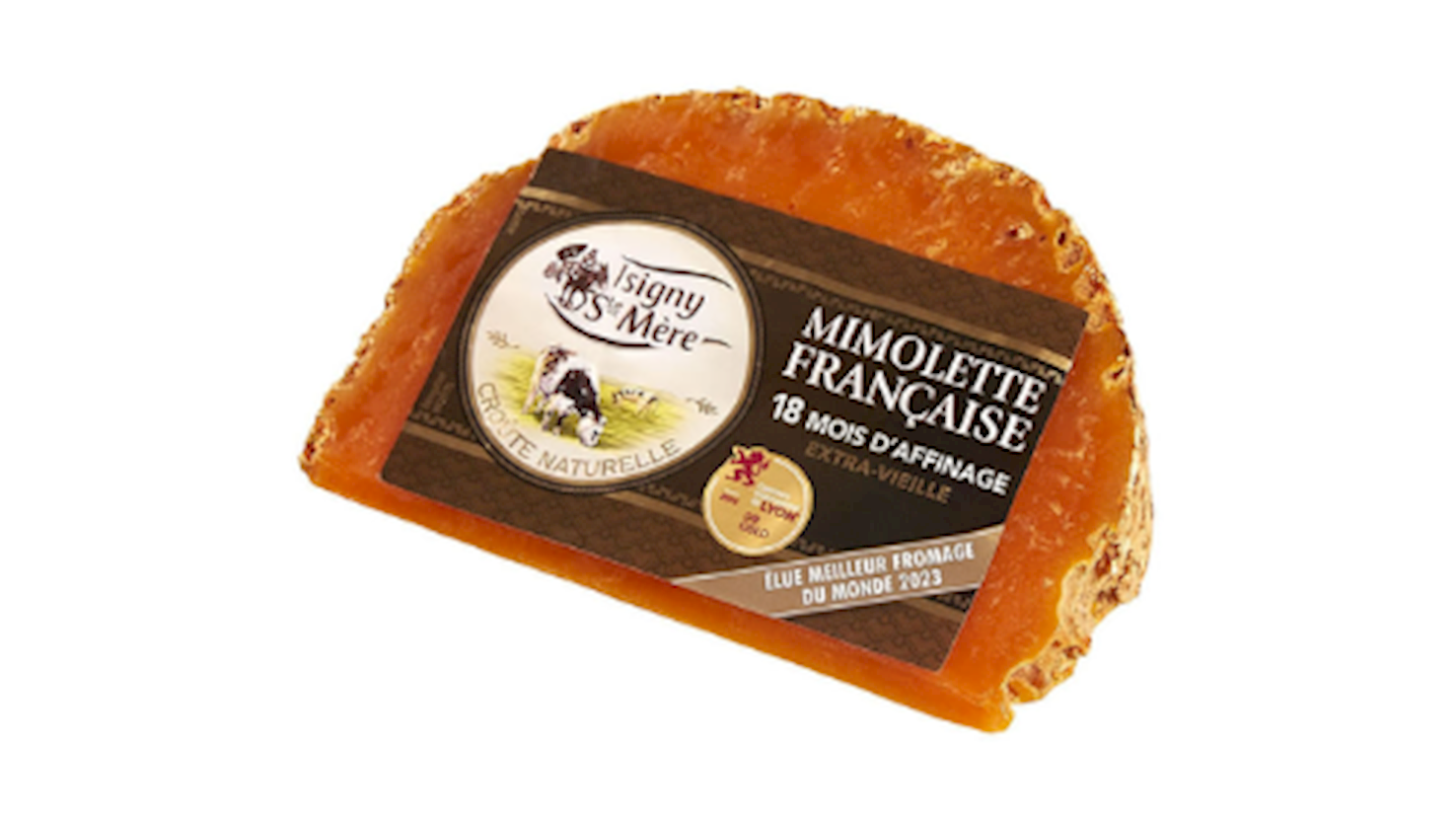
Isigny Sainte-Mère

4.7 ·
Isigny Sainte-Mère is a renowned dairy cooperative located in the heart of Normandy, France, known for producing premium dairy products with Protected Designation of Origin (PDO) status. The cooperative brings together over 300 local milk producers who, using traditional methods and the highest quality standards, create authentic French delicacies. Isigny Sainte-Mère blends tradition and innovation - their products are made following time-honored recipes, yet processed in modern facilities that meet strict sanitary and environmental regulations. The cooperative not only preserves Normandy’s rich dairy heritage but also promotes sustainable practices, respect for nature, and animal welfare. Isigny Sainte-Mère enjoys an international reputation and exports its products to more than 50 countries worldwide, all while remaining deeply rooted in its local community.
Awards
Concours International de Lyon - Gold (2025)
Great Taste Awards - 3 Stars (2024)
02

E. Graindorge Fromagerie

4.5 ·
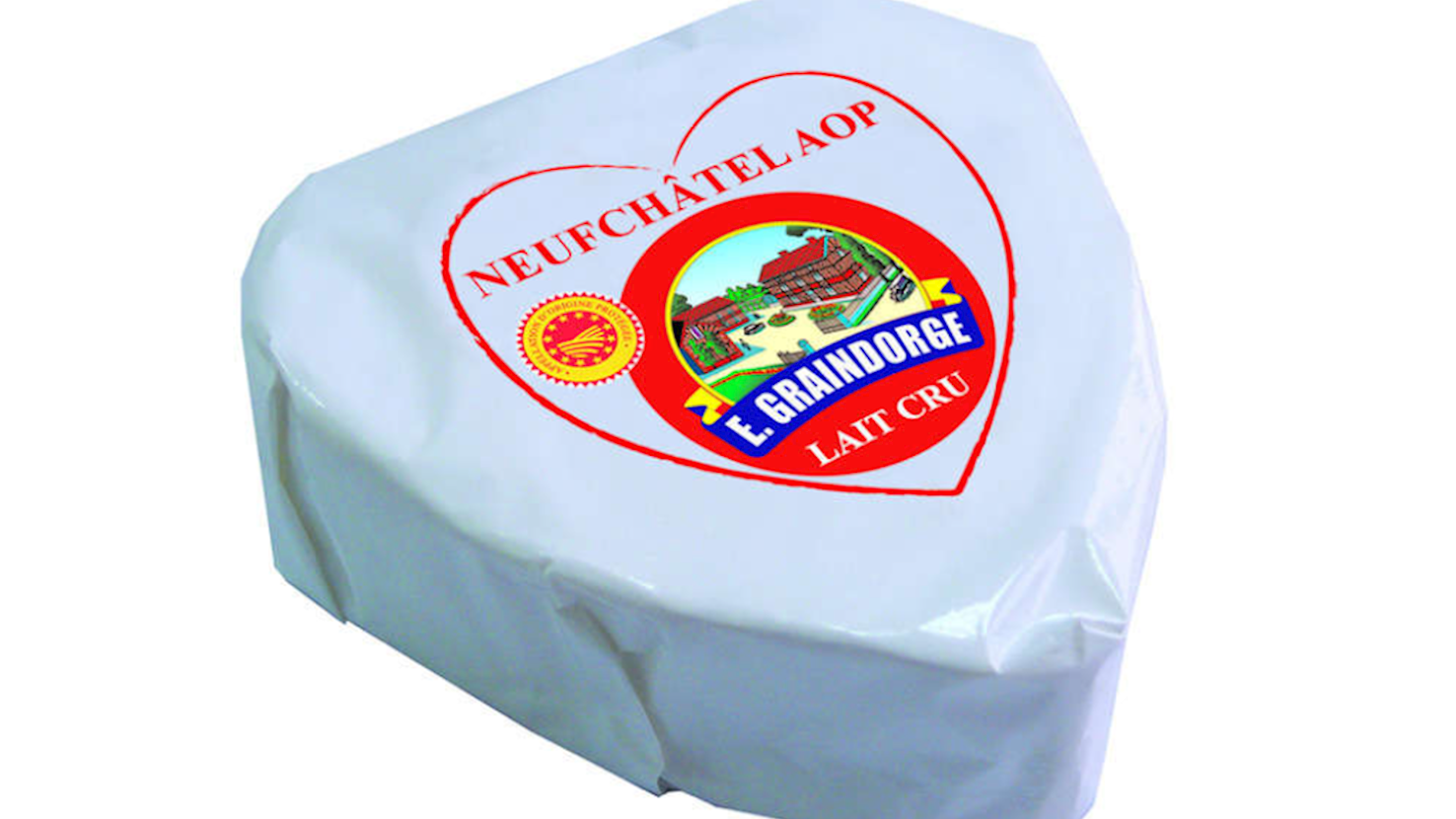
Fromagerie E. Graindorge is a renowned cheese dairy located in Livarot, in the heart of the Normandy region of France. Founded in 1910 by Eugène Graindorge, this family-run business has, over generations, become synonymous with the production of traditional Norman cheeses with Protected Designation of Origin (PDO) status. The dairy sources its milk exclusively from local producers, collecting it from around one hundred farms that raise Normande cows, known for their high-quality milk ideal for cheesemaking. Despite modernizing its operations, Graindorge remains committed to traditional production methods, preserving the authenticity and rich flavors of its cheeses. Visitors can explore the "Village Fromager," an educational center featuring glass galleries that showcase every stage of cheese production, from milk reception to packaging. The tours include informative panels, video presentations, and interactive activities, and conclude with a cheese tasting in the on-site shop.
Awards
Concours International de Lyon - Gold (2025)

Best Norman Cow's Milk Cheese Types
01

Saint-André

4.4 ·

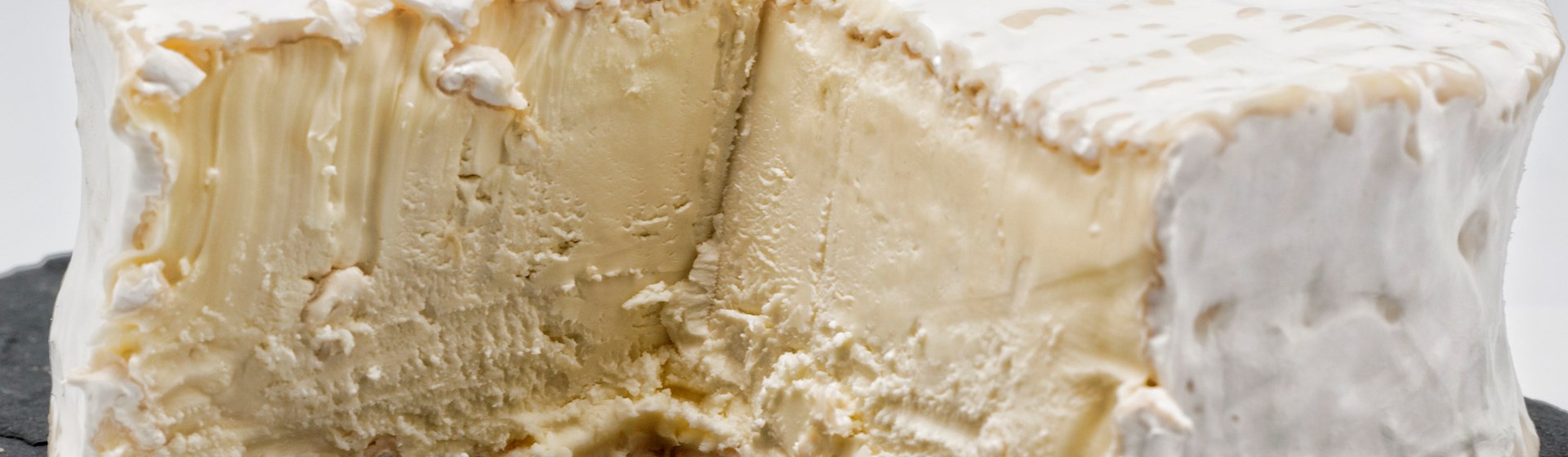
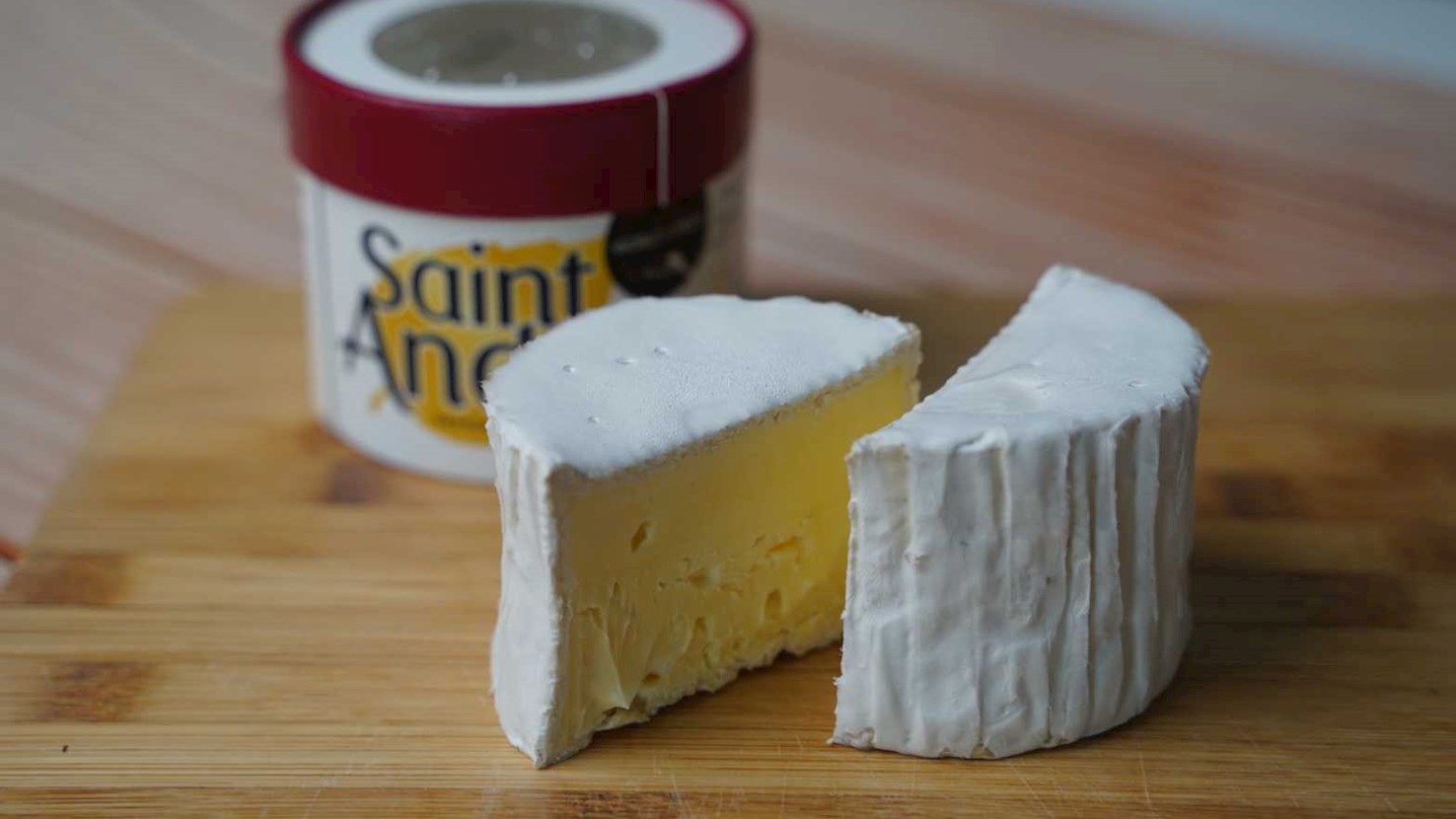
Often called the heavenly cheese, St. André is a French triple-crème cheese made from cow’s milk. It originated from Coutances in the region of Normandy. Underneath its bloomy edible rind, there is a dense, creamy-textured body with mild and rich aromas and flavors which can best be described as sour, tangy, buttery, and salty. Because it is enhanced with the addition of heavy cream, its fat content is quite high - typically 75%. It is recommended to pair it with crusty bread, pear slices, or a glass of light and fruity rosé.

02

Brillat-Savarin

4.4 ·

Originally known as Excelsior, Délice des Gourmets, or Le Magnum, this triple-cream cheese was first produced in the late 1800s near Forges-les-Eaux, Normandy. In the 1930s, to pay homage to an 18th-century gourmet Jean Anthelme Brillat-Savarin, the famous French cheesemaker Henri Androuët renamed the cheese to Brillat-Savarin. Available year round throughout Normandy and Burgundy, Brillat-Savarin is a soft, white-crusted cow's milk cheese with at least 75% butterfat, and an edible snowy rind. It is luscious, creamy, and neutral to faintly sour when fresh, but it can develop pronounced earthy flavors with longer aging. Like any other triple-crème cheese, Brillat-Savarin is best enjoyed with sparkling wines, and for a nice fruity twist, try pairing it with fresh berries.

03

Camembert de Normandie

4.1 ·

Camembert de Normandie, Normandy's most famous and iconic cheese is made from raw cow's milk and weighs an average of 250 grams. The flavor is intense, pungent and similar to that of mushrooms, grass and butter, while the aroma is moldy and cabbage-like. As one legend says, a farming woman named Marie Harel protected a priest who was on the run and in return, he gave her the recipe for the Camembert we know today. The cheese is ladled into molds by hand, dry-salted, then matured for 30 to 35 days. Its body is soft and creamy while its exterior is covered with a white, moldy rind. Camembert is usually packed in a small wooden box, to prevent the running and spilling of its gooey interior. It is best to try it with sliced apples, crusty baguettes, hard ciders or even in desserts.

04

Neufchâtel

4.1 ·

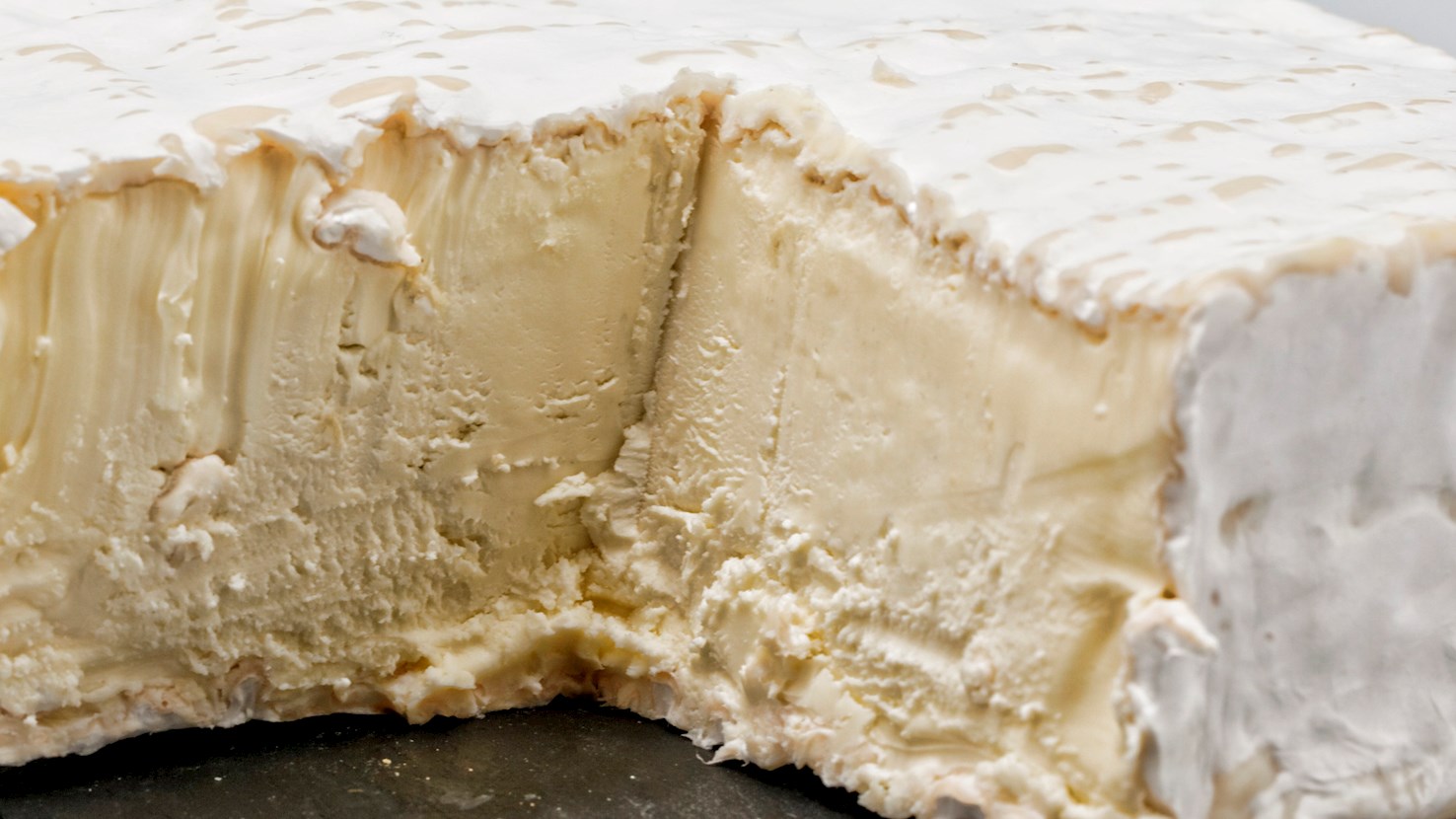
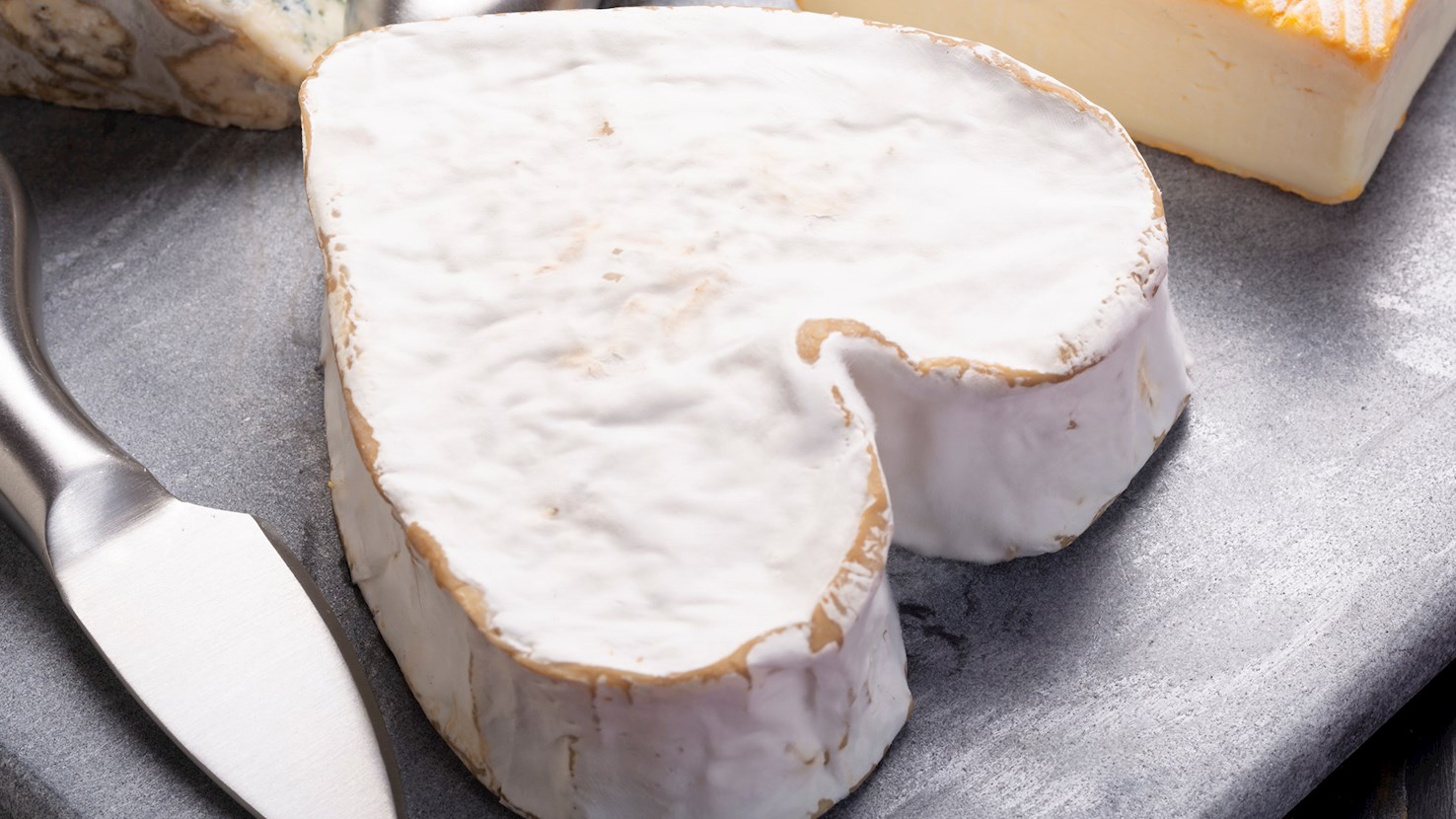
Neufchâtel is a soft cheese with a white rind made from cow's milk in the humid Bray region in France and it can come in a variety of shapes - round, brick-shaped, square-shaped, or heart-shaped. This cheese is arguable the oldest in France, and it must mature for at least 10 days. In terms of flavor, it is similar to Camembert, but saltier and more intense, with mushroomy and nutty flavors. The texture is grainy, and the cheese is usually used as a low-fat substitute for cream cheese. Neufchatel goes well with sparkling wines, and it is often consumed spread on a piece of crusty bread.

05

Livarot

3.9 ·

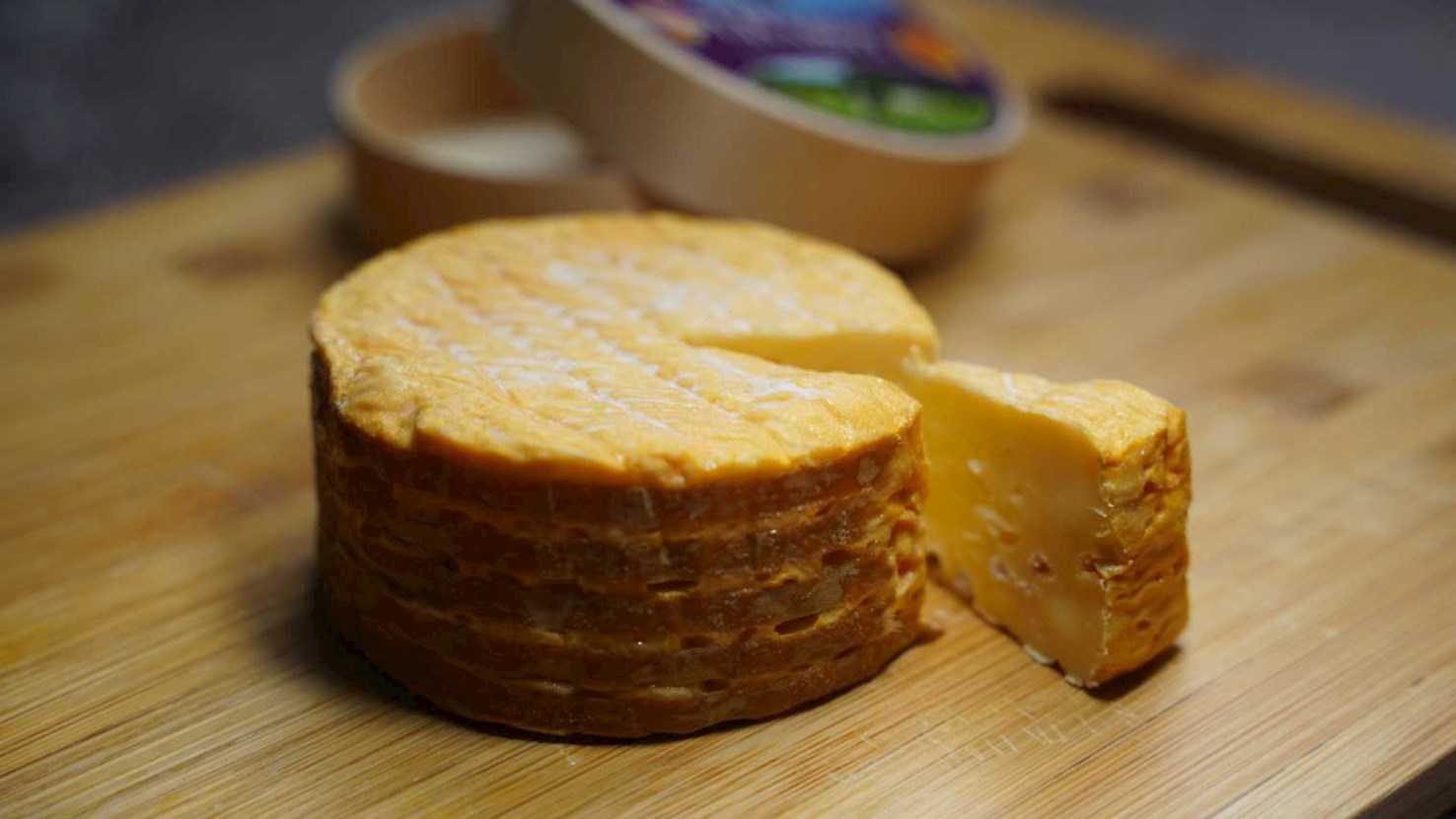
Livarot is a soft, pungent cheese made from cow's milk, and it must always be sold in cylindrical form. It matures for at least 21 days in moist, warm cellars. The cheese has a unique visual appearance - it is encircled with five strips of reed or paper, like the ones found on a French colonel's uniform, which is why Livarot is also known as the Colonel. Its rind is washed and colored with annatto, and the cheese itself has a very intense smell. The inside of the cheese is soft with tiny eyes dispersed throughout the paste, while the texture is springy and smooth. It has a nutty, lemony, and spicy flavor. Pair it with crusty baguettes, fruits, soups, salads, malty beers, or a glass of red wine.

06

Pont-l'Évêque

3.9 ·

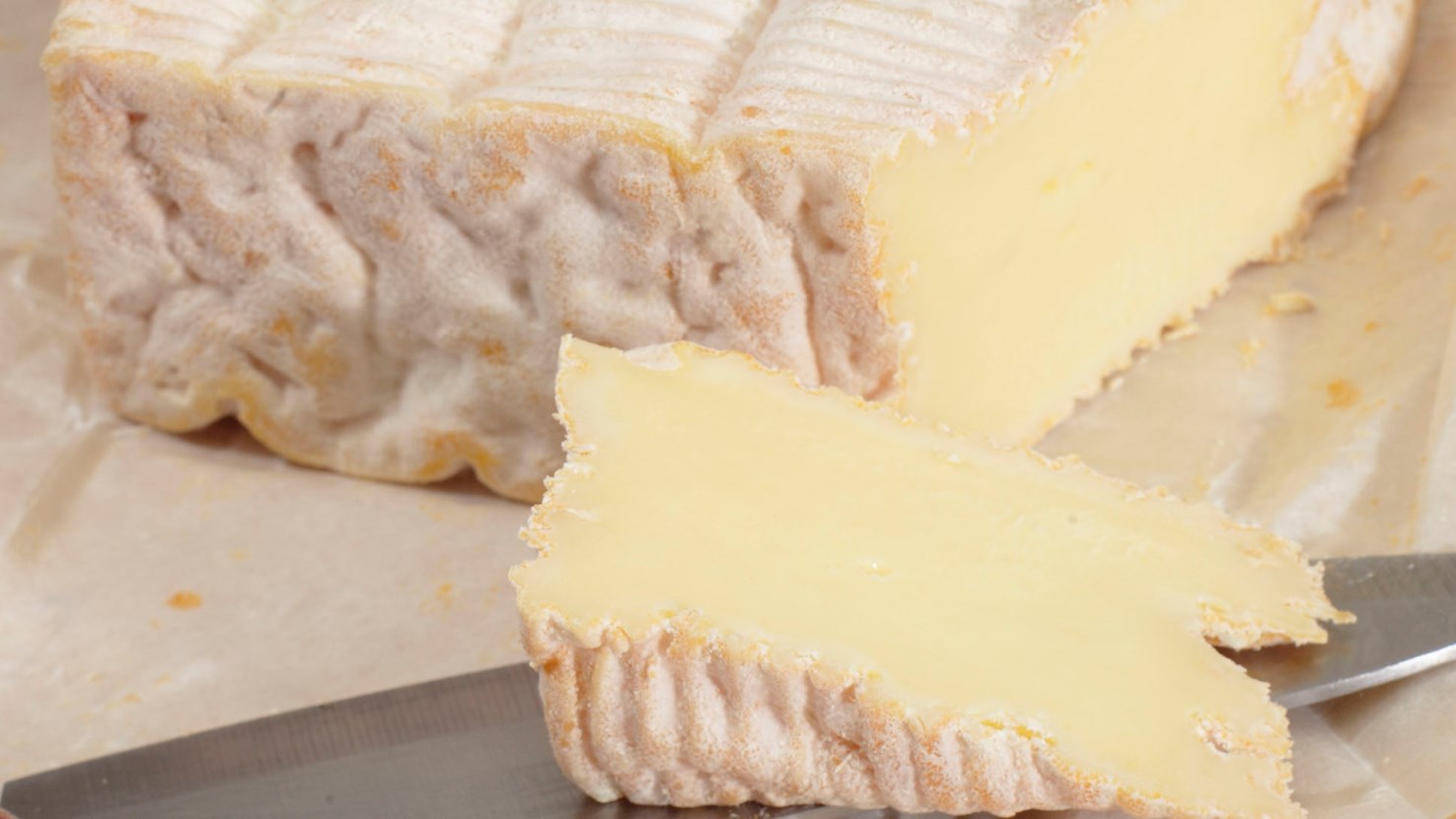
Pont-l'Eveque is a soft cow's milk cheese made in Pays d'Auge. The square-shaped cheese is sold after it had matured for at least 14 days. It owes its unique flavor to the fact that the cows graze on pastures which have mild and damp environments. The cheese is pale yellow on the inside while the washed rind on the exterior is white-orange in color. The body is neither sticky nor runny. It has a creamy, earthy flavor and makes for a great dessert cheese at the end of a meal, paired with a glass of full-bodied wine. It is recommended to take it out of the refrigerator and leave it at room temperature for an hour before consumption.

07

Petit-suisse

3.4 ·

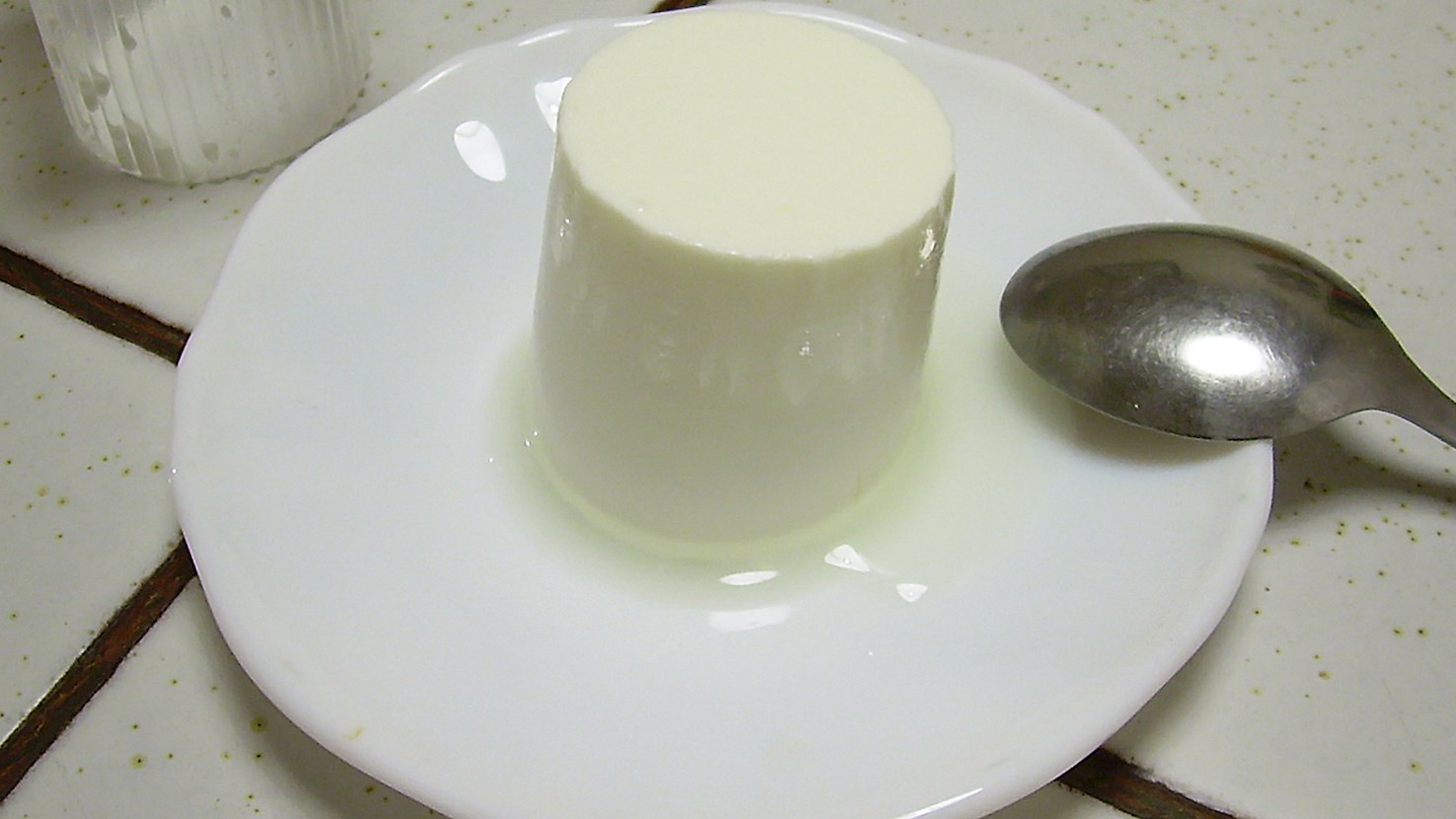
Despite its name, petit-suisse (lit. little Swissman) is not a Swiss cheese. It comes from Normandy, where it has been produced since 1850. However, there was a Swiss worker in the dairy of Auvilliers, who suggested adding cream to the curd because he thought it would enrich the flavor of the cheese, and it turns out that he was right. This fresh and soft cow's milk cheese has a smooth and creamy texture, and its flavor is quite mild, with sour, sweet, and tangy hints. It is usually eaten with honey, fruit jams, sugar, and nuts, although some like to season it with salt, pepper, and fresh herbs.

08

Coutances

3.3 ·

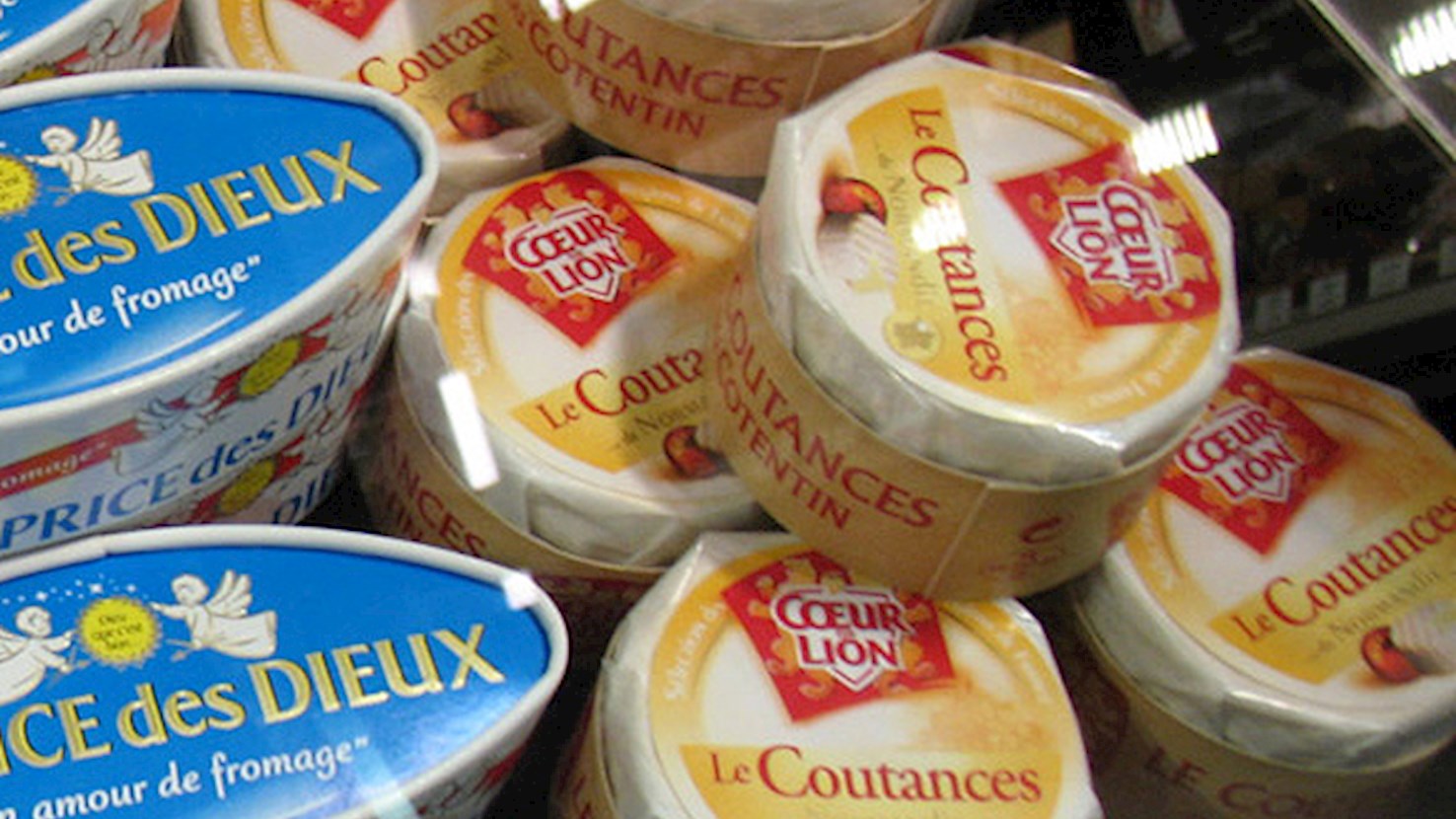
Coutances is a soft French cheese originating from the Normandy coast. The cheese is made from cow’s milk and is characterized by its rich, creamy texture, intense flavor, and milky aftertaste. On the exterior, it has a soft, bloomy white rind, while on the inside it is soft and yellow.

09

Coeur de Camembert au Calvados

n/a ·

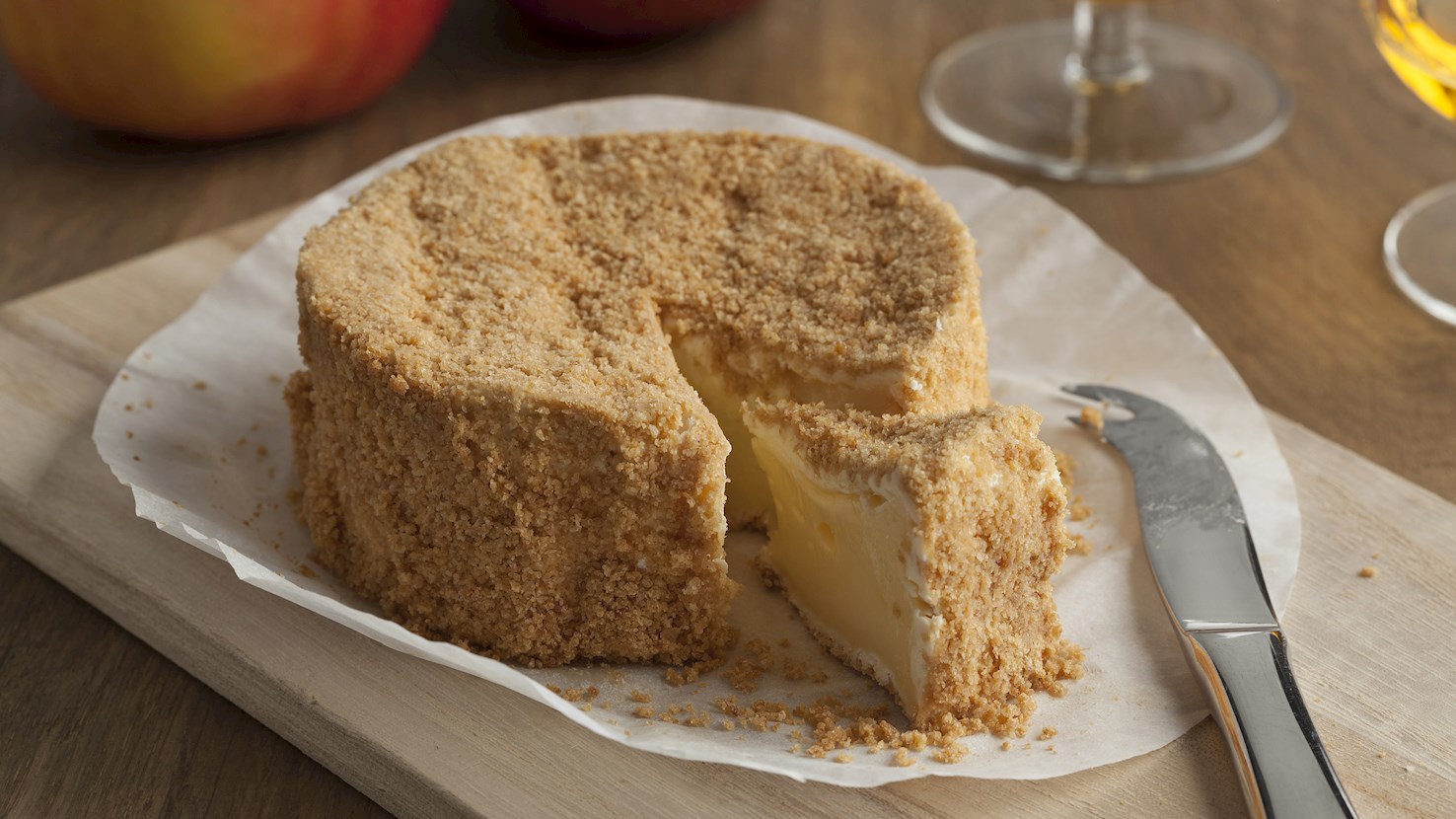
Coeur de Camembert au Calvados (also known as Calva d'Auge) is a traditional cheese produced in Lower Normandy. The cheese is aged just as Camembert, but then the rind is carefully scraped off when the cheese is half-ripe. It is soaked in Calvados apple liqueur for about 3-4 hours, and then it's dipped in breadcrumbs which absorb the alcohol and the moisture. As a result, the cheese looks like it has a crust. It is aged for 3 weeks, and then it can be served, preferably runny. The aromas are rich, while the flavors are fruity, nutty, salty, buttery, and earthy, with a kick of alcohol that's softened by the sweetness of apples. It's recommended to pair it with Calvados or a glass of Normandy cider.

10

Le Cados

n/a ·

Le Cados is a washed-rind cheese crafted from raw cow's milk. It is shaped into small cylinders and is distinguished by a sticky, orange-hued exterior. The interior paste is dense and elastic, offering a texture that is firm yet yields to pressure. The flavor profile is savory and rounded, characterized by a deep dairy richness and a subtle aromatic influence from the apple brandy used during maturation. The cheese was developed in the late 20th century as a modern regional specialty. It was created to highlight the quality of local milk while integrating the area’s strong tradition of cider and brandy production. The goal was to produce a cheese that reflected the local terroir by adapting established washed-rind techniques to include regional spirits. Production begins with the gentle coagulation of unpasteurized milk, which is then molded and drained carefully to ensure a close, compact structure. During the aging process, the cheeses are salted and regularly brushed with a brine solution enriched with Calvados. This washing encourages the growth of specific surface bacteria that color the rind and soften the paste slightly just beneath the surface, while the core remains sliceable. The primary difference between batches lies in the duration of aging. Younger cheeses tend to be milder with a springy texture, while those aged longer develop more pungent aromas and a more supple outer layer. Le Cados is best eaten at room temperature to allow its flavors to open up. It is typically sliced into wedges rather than spread. It serves well alongside crusty bread, fresh apples, or walnuts. Ideal beverage pairings include dry hard cider, light-bodied red wines, or apple-based spirits, which echo the aromatic notes introduced during the cheese's aging process.

Read more
View all
View map
About this ranking

TasteAtlas food rankings are based on the ratings of the TasteAtlas audience, with a series of mechanisms that recognize real users and that ignore bot, nationalist or local patriotic ratings, and give additional value to the ratings of users that the system recognizes as knowledgeable. For the “Top 13 Norman Cow's Milk Cheeses” list until May 29, 2026, 1,096 ratings were recorded, of which 892 were recognized by the system as legitimate. TasteAtlas Rankings should not be seen as the final global conclusion about food. Their purpose is to promote excellent local foods, instill pride in traditional dishes, and arouse curiosity about dishes you haven’t tried.

The initial list of top producers was compiled based on available reviews, awards, local recommendations, media and blog coverage, and consumer reviews. The list will be updated with ratings from TasteAtlas local ambassadors and TasteAtlas users.

Similar lists