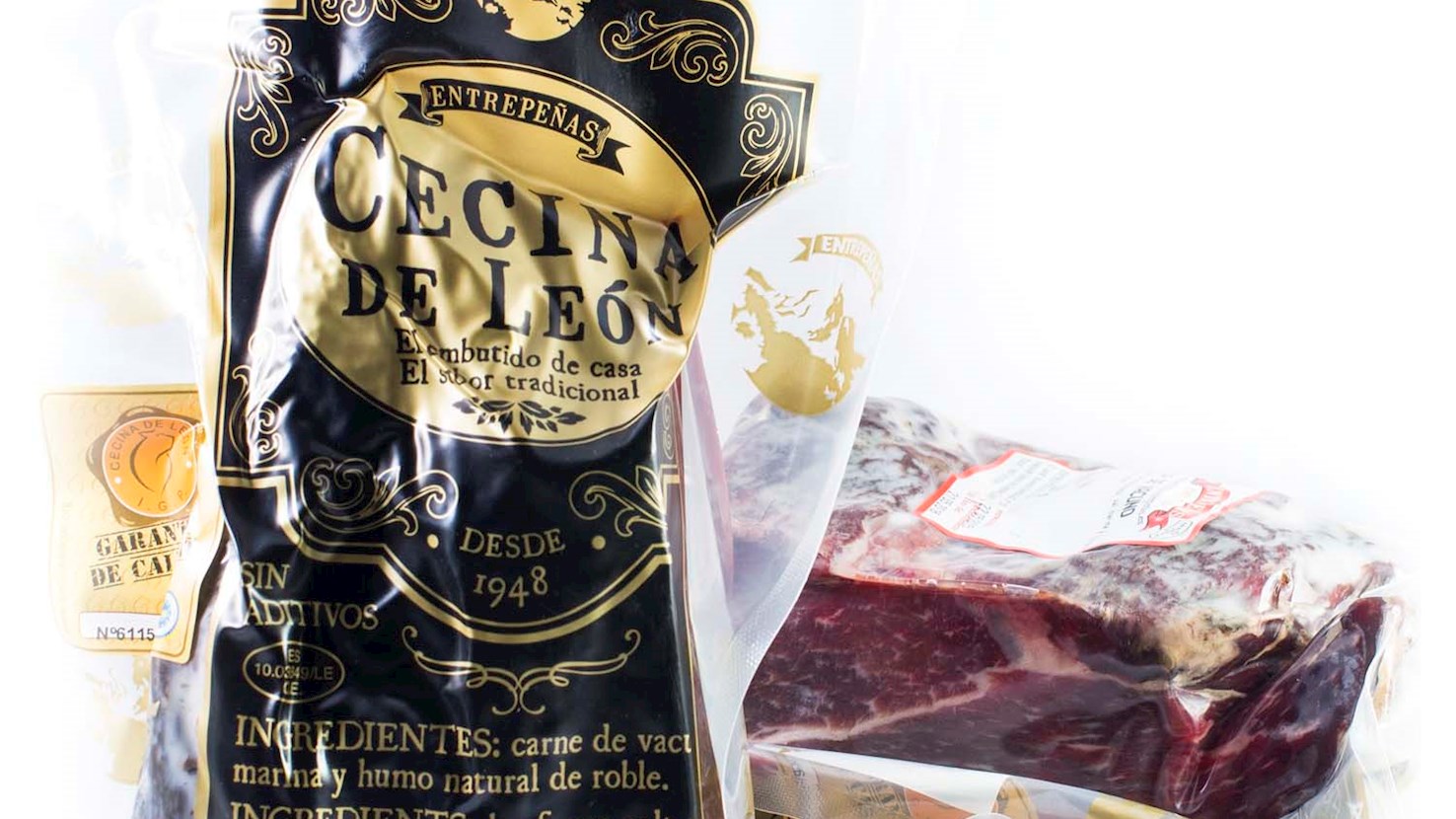
Embutidos Entrepeñas is a family-owned company with over 60 years of tradition, dedicated to the artisanal production of premium cured meats in the heart of the Spanish region of León. Located in the picturesque village of Geras de Gordón, at an altitude of 1,200 meters, the company benefits from exceptional climatic conditions that allow for the natural drying and aging of its meat delicacies. A perfect blend of traditional techniques and modern quality standards makes each product authentic and unique. Their Cecina de León I.G.P., a delicately cured beef ham with a protected geographical indication, is renowned for its rich flavor and perfect texture, while Chorizo de Geras represents the region’s gastronomic heritage, crafted using time-honored recipes that preserve its intense aroma and distinctive spicy notes. In addition to these specialties, the company offers traditional Spanish cured meats such as ham, pork loin, and salchichón, all produced following strict natural curing methods, including marination, smoking, and air-drying, without artificial additives. The superior quality of its products and commitment to preserving authentic recipes place Embutidos Entrepeñas among the most esteemed cured meat producers, while their dedication to sustainability and environmental conservation reflects a long-term vision that seamlessly combines tradition with modern gastronomic trends.
Cecinas Nieto is a family-owned producer based in the León region of Spain, specializing in traditional cecina de León, a dry-cured beef product with Protected Geographical Indication (PGI) status. Founded in 1965, the company relies on artisanal methods that include the careful selection of beef cuts, salting, light smoking, and a long maturation process that can exceed one year. During this time, the meat develops a pronounced yet balanced flavor profile, combining smoky, savory, and subtly nutty notes, along with a firm yet tender, fibrous texture. Unlike most Spanish cured meat producers focused on pork, Cecinas Nieto is dedicated to beef, positioning itself distinctly within both local gastronomy and international markets. Production takes place under the natural climatic conditions of the Maragatería area, which play a key role in the curing process. The company maintains strict quality control while preserving traditional techniques, resulting in products with a strong sense of authenticity. Its cecina is widely regarded as a premium ingredient, commonly served thinly sliced or incorporated into contemporary culinary applications.
Divan Pastırma ve Sucuk is a Turkish company specializing in the production and sale of traditional meat products, including pastırma, sujuk, and mantı. Established in 1952 by H. Mehmet Sözduyar in Kayseri, the company began as a small workshop in the Karpuzatan area, focusing on wholesale and retail operations. Later, the leadership was taken over by H. İbrahim Sözduyar, and today, the third generation - brothers Metin, Murat, and Mehmet Sözduyar - continues the family tradition under the brand Sözduyar Sucuk ve Pastırma. The company is dedicated to preserving traditional production methods while integrating modern technologies to ensure high quality and authentic flavors in its products. Their product range includes various types of pastırma, sujuk, kavurma, and mantı, which are available both in physical stores and through online orders.
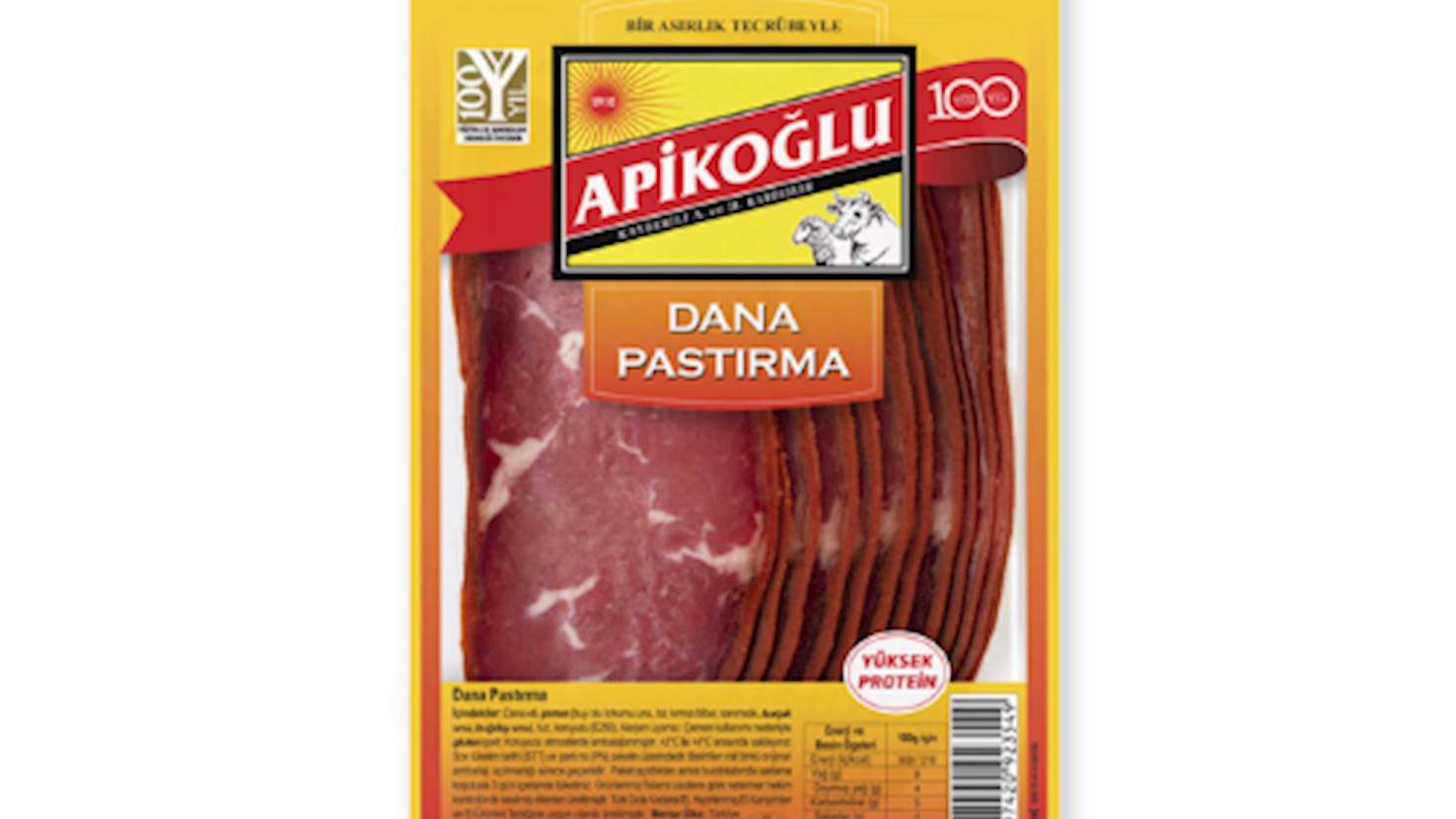
Apikoğlu is a renowned Turkish family-owned company specializing in the production of processed meat products, with a rich tradition dating back to 1910. It was founded by Kirkor Apikoğlu in Kayseri and is now recognized as a pioneer in the industrial production of cured meats in Turkey, especially sujuk and pastirma. Carefully selected cuts of beef, natural spices, and a fermentation process lasting 7–8 days ensure authentic flavor and texture.
Today, Apikoğlu proudly operates a modern production facility in Tuzla, which combines state-of-the-art technology with over a century of experience. The facility produces a wide range of delicacies, including sujuk, pastirma, kavurma, salami, sausages, and other high-quality meat products. At the heart of every product remains the same philosophy - no compromise on taste, hygiene, or tradition.
Apikoğlu continues to honor the legacy of its founders while meeting the demands of the modern market, both in Turkey and abroad.
Embutidos Ferju is a cured meat producer based in León, Spain. The company specializes in traditional Spanish cured meats, including chorizo, salchichón, and lomo. They emphasize traditional preparation methods and local ingredients to maintain the authenticity and quality of their products. The company operates both locally and internationally, supplying their products to various markets.
Yağcı Gıda Gurme Mağazası is a renowned store located in Kayseri, Turkey, specializing in high-quality traditional products such as pastırma, sujuk, mantı, kavurma, tulum cheese, and other regional specialties. Their products are well-known for their authentic taste and meticulous preparation, making them a popular choice among fans of Turkish cuisine. In addition to their physical store, Yağcı Gıda offers online ordering, allowing customers across Turkey to enjoy these delicacies.
Embutidos Artesanos La Pradera de Fontún is a sausage and salami producer from León, Spain. The company specializes in traditional Spanish charcuterie, including chorizo and other regional meat products. Their production methods follow artisanal processes, preserving traditional flavors. The company sources local, high-quality ingredients for their products.
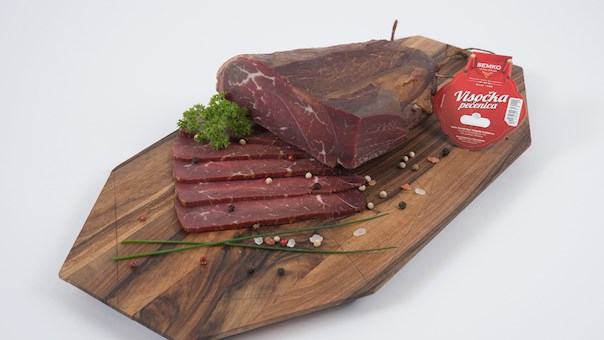
Suho meso is a Bosnian specialty made by salting, drying, and smoking beef over oak fire. The meat should not be too dry, and it takes a special set of skills and knowledge to make the dish properly. Since it takes special expertise to prepare suho meso, the methods are typically passed down from one generation to another. The meat is traditionally seasoned with garlic or pepper. Suho meso is so popular that it is a staple at most Bosnian feasts and celebrations.
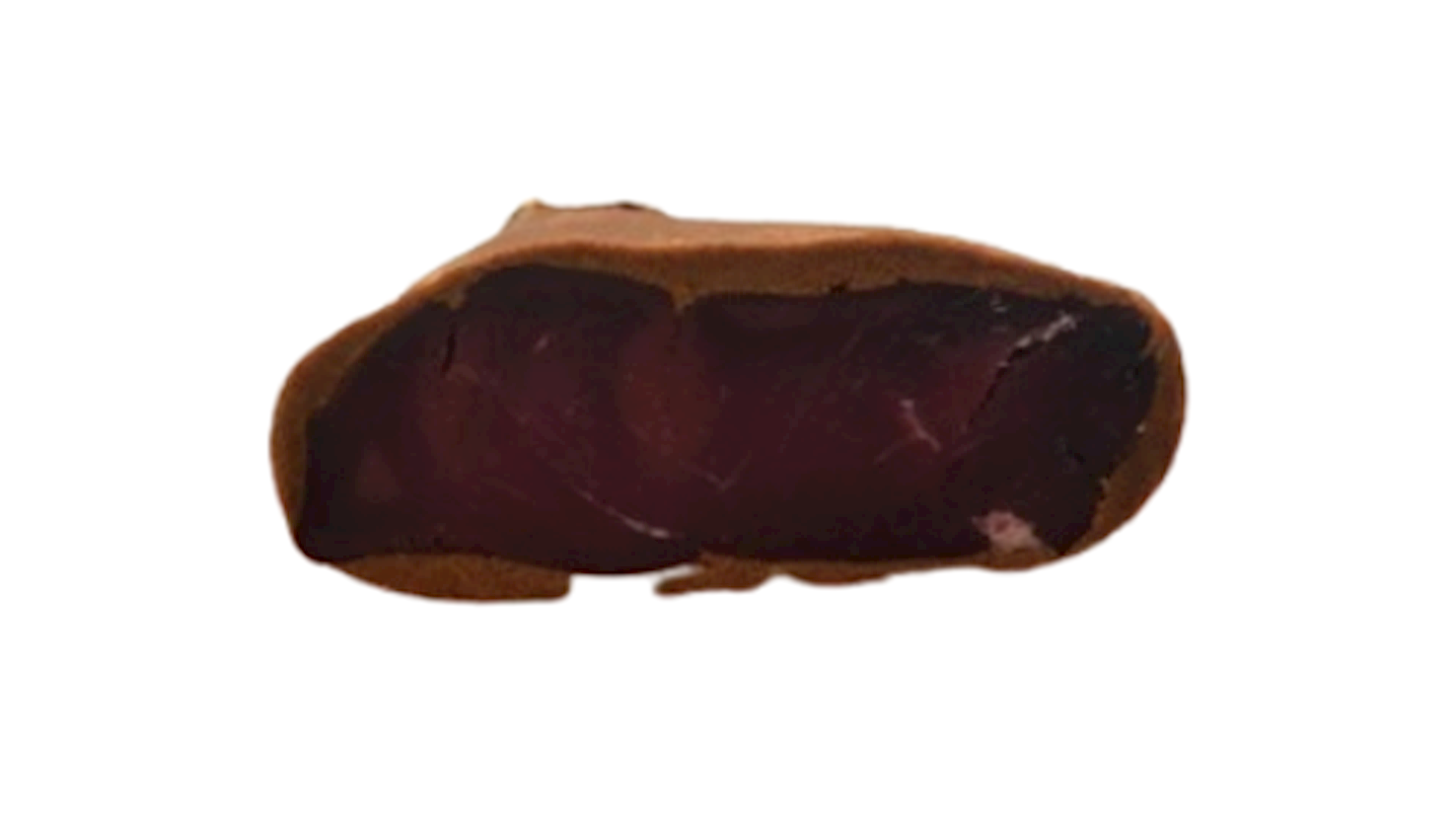
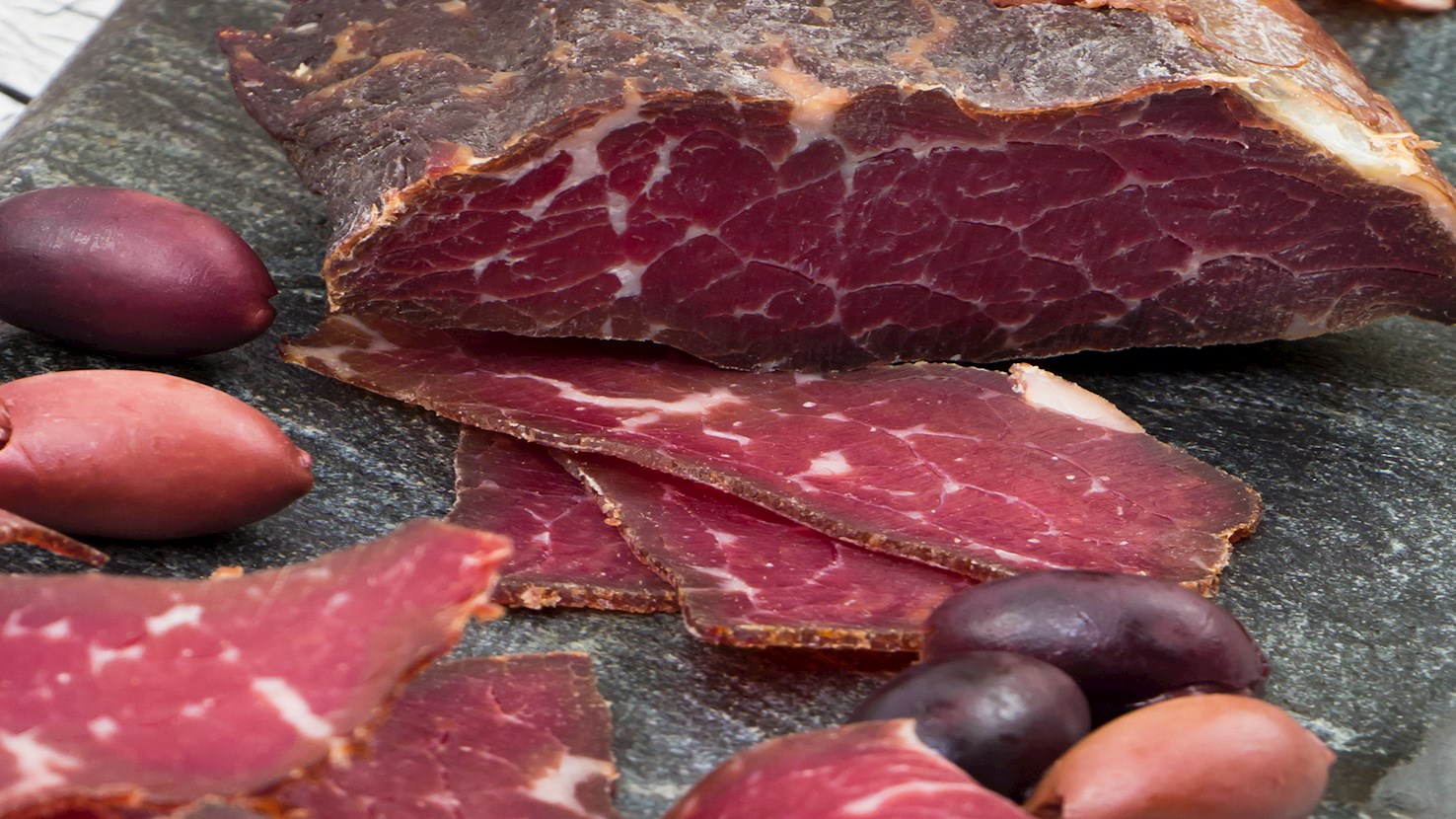
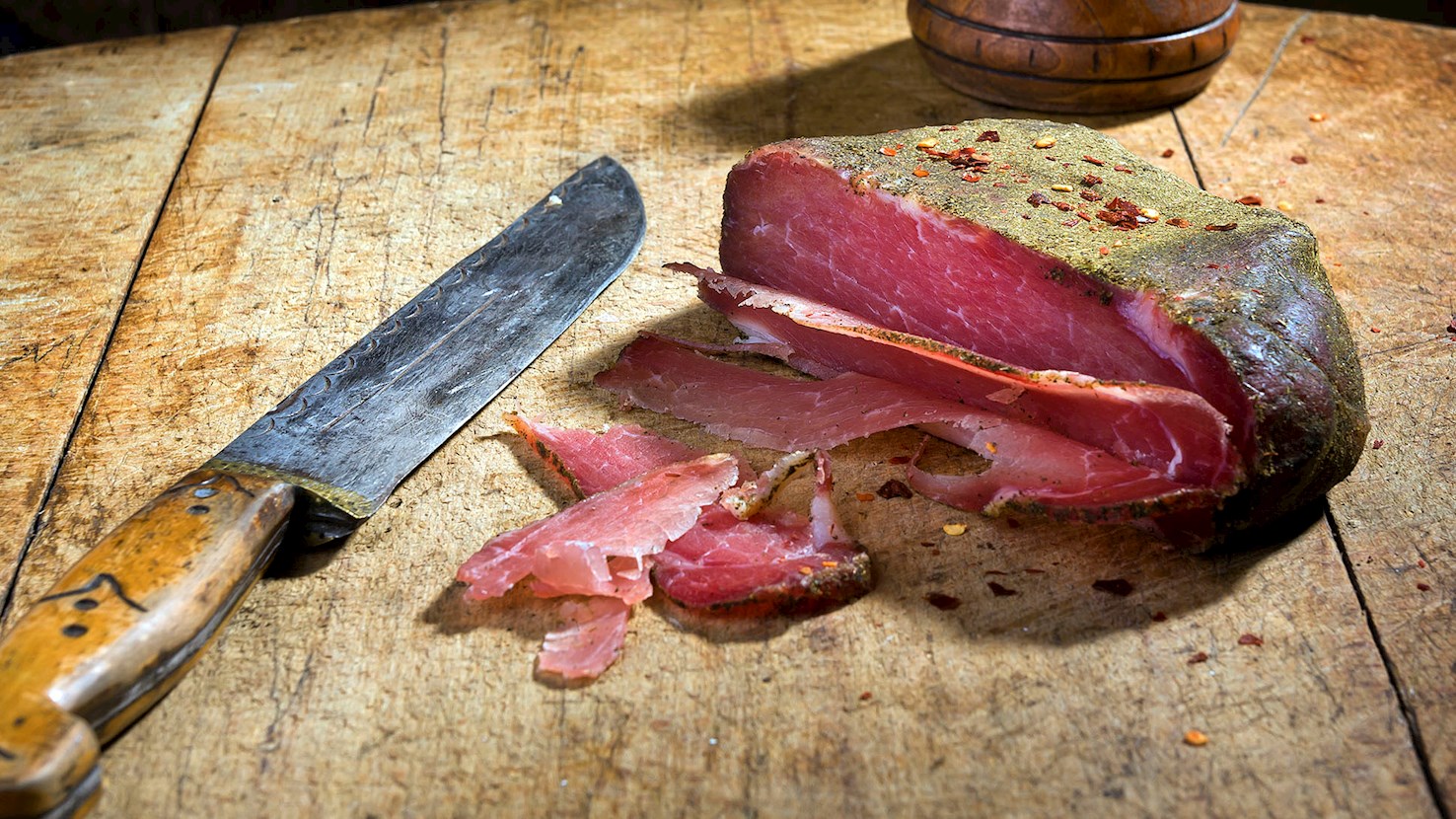
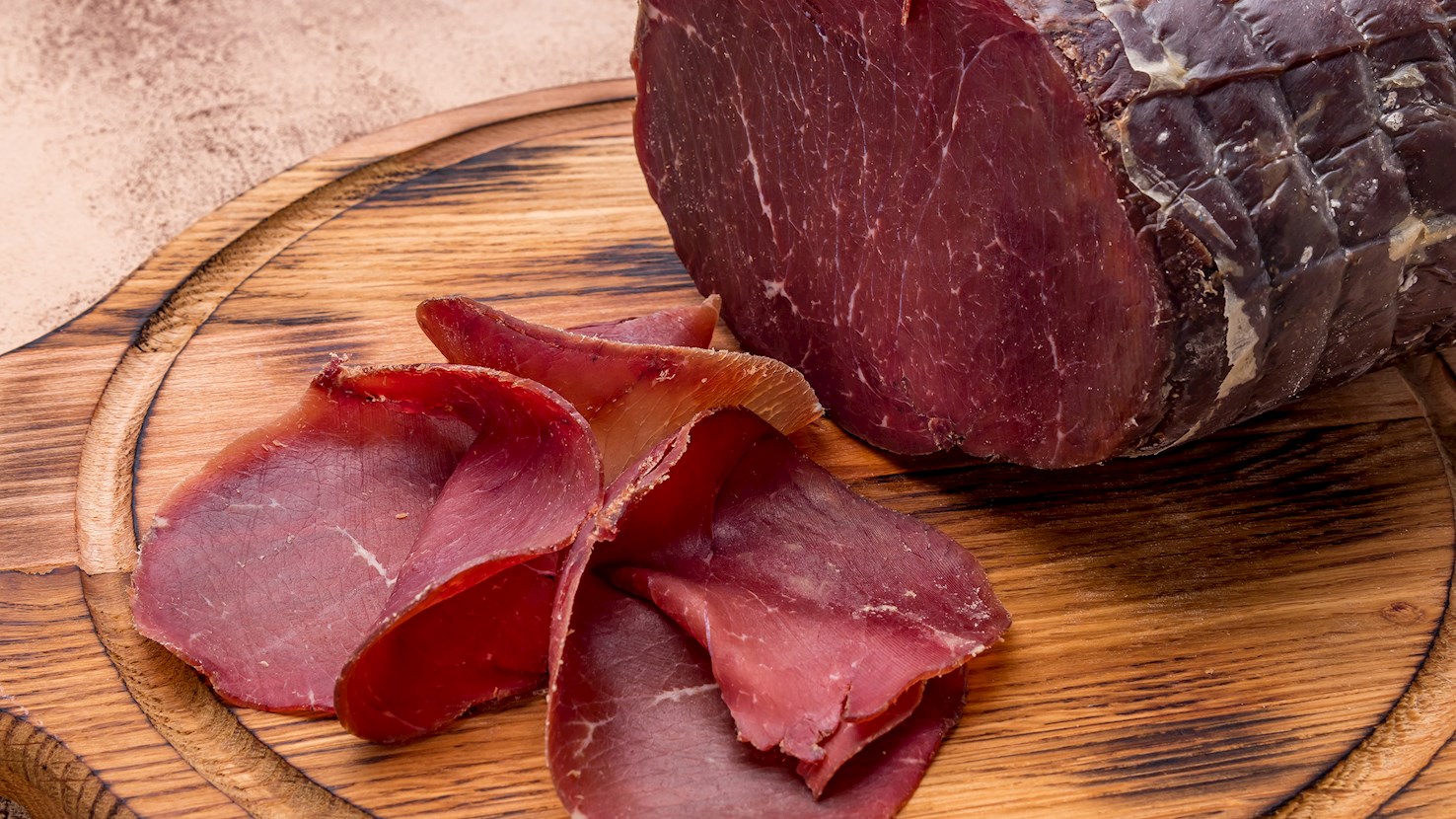
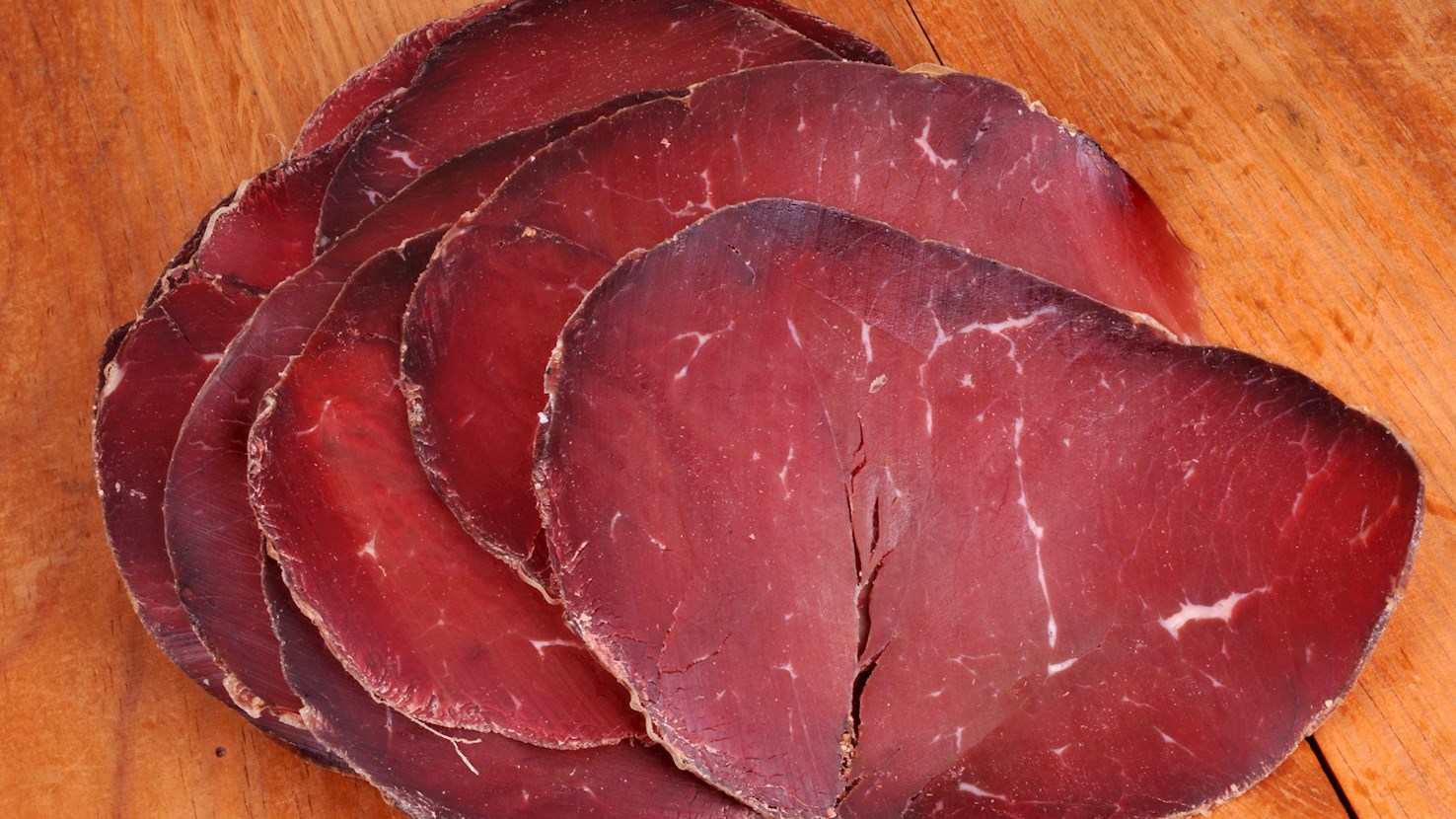
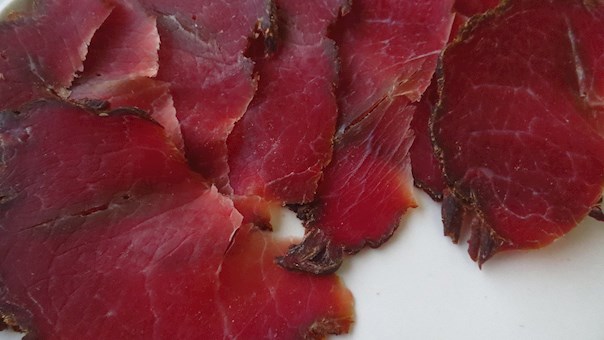
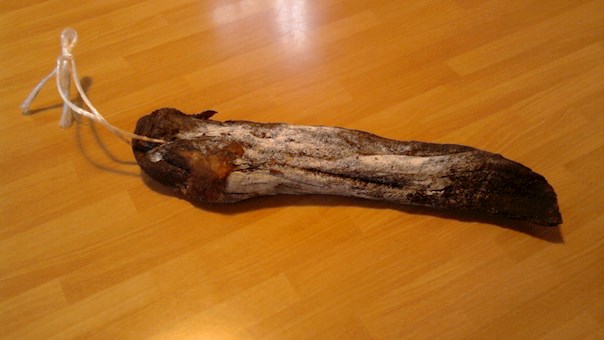
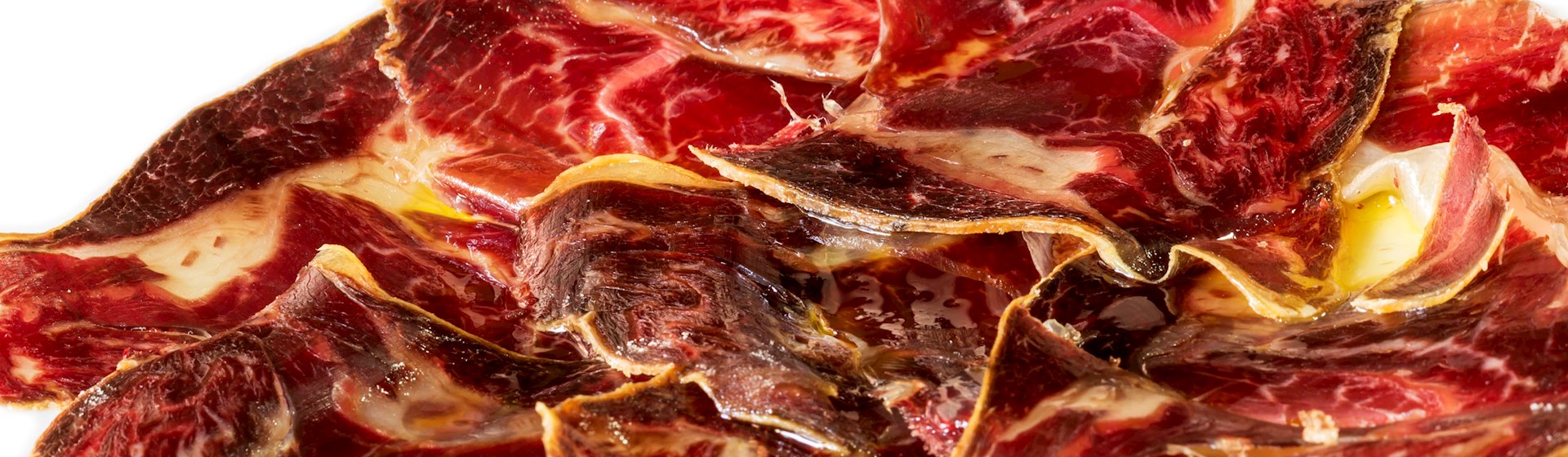
Cecina de León is a cured meat product made from beef sirloin, centre leg, round and stifle. It is traditionally produced in the province of León. The production, which includes salting, curing and drying, can last for more than seven months. It is smoked using oak found in local forests which gives it a characteristic taste and aroma. This cured meat is a dark brown on the outside and deep dark red on the inside. Cecina de León has a characteristic beef flavor with smoky undertones and is very succulent and smooth in texture.
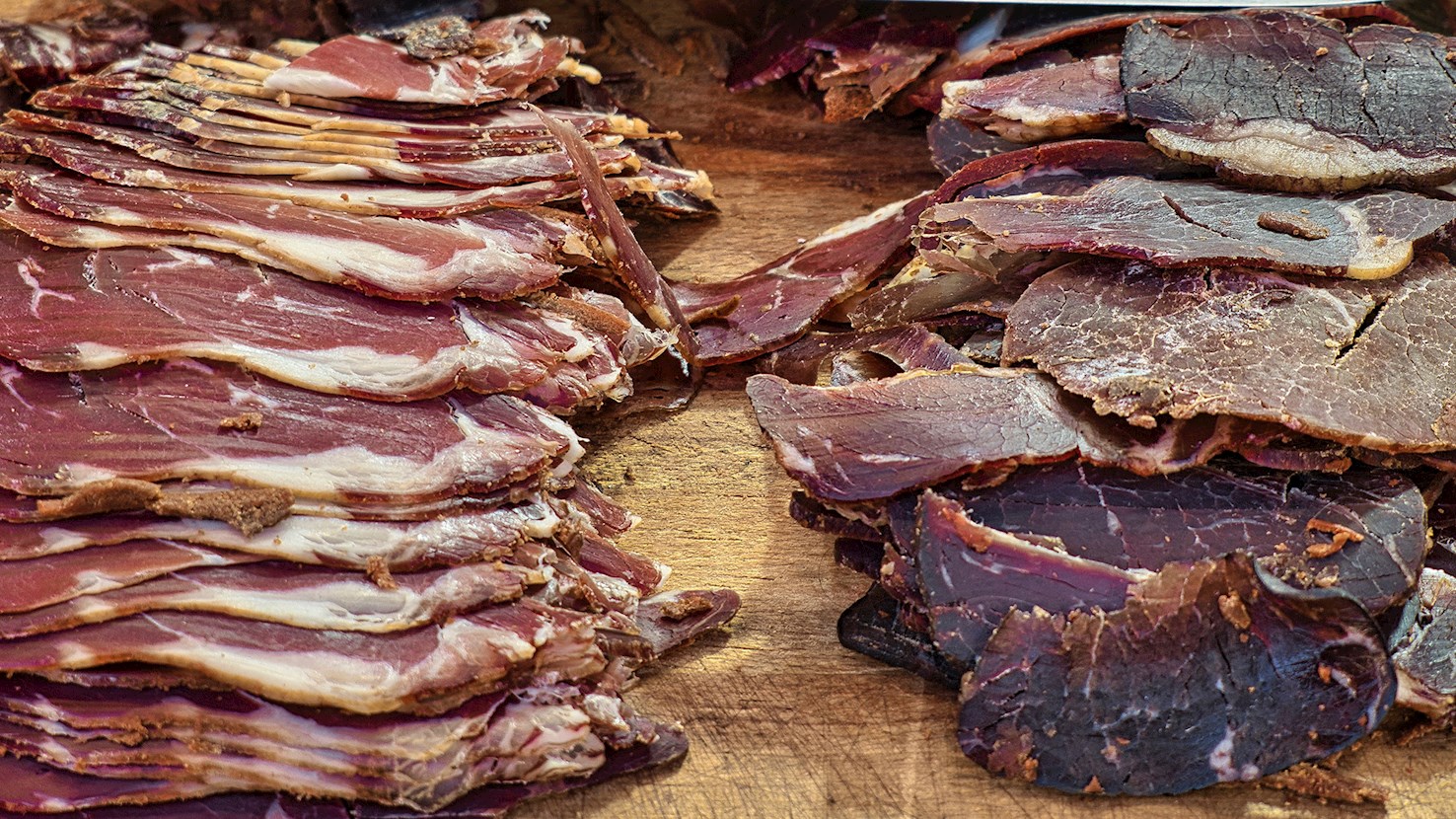
Pastarma govezhda is dried raw meat that has been produced in Bulgaria since the 19th century. The word pastarma is of Turkish origin and means pressed and salted dried meat. Despite production becoming industrialized, the traditional recipe remained unchanged. Therefore, only fresh beef is to be used and salted. It is strictly forbidden to add any other spices or foreign extracts that would alter pastarma’s original flavor. The most important part of the procedure is drying in air-conditioned chambers where the temperature and humidity are constantly monitored in order to create favorable conditions for the development of the specific micrococci and lactobacilli that give pastarma its distinctive flavor. During this phase, pastarma is pressed in wooden-panel presses to develop a dense texture. Due to pressing, it has a smooth surface and an oblong, flattened shape. With the pleasant, clean flavor of mature beef, pastarma is often served sliced and enjoyed as a cold appetizer.
The origins of this air-dried, salted beef charcuterie can be traced back to the late Middle Ages, when the techniques of preserving beer, lamb and game had already spread throughout the Lombardian Valtellina valley and Alps. This lean and tender beef cut comes in five different varieties: Punta d’Anca (loin), Sottofesa (top beef), Magatello (round roll), Sottosso (silverside), and Fesa (rump). The meat needs to age for about two to three months, until it completely dries out, becomes hard and turns dark red. Bresaola has a particularly sweet and musky aroma, and it is best enjoyed in traditional Lombardian starter dishes such as Bresaola della Valtellina Santa, where the meat is thinly sliced and served on rye bread with curls of juniper butter. Another famous local dish is Carpaccio di Bresaola della Valtellina, drizzled with extra virgin olive oil and lemon, and served with parmesan cheese shavings.
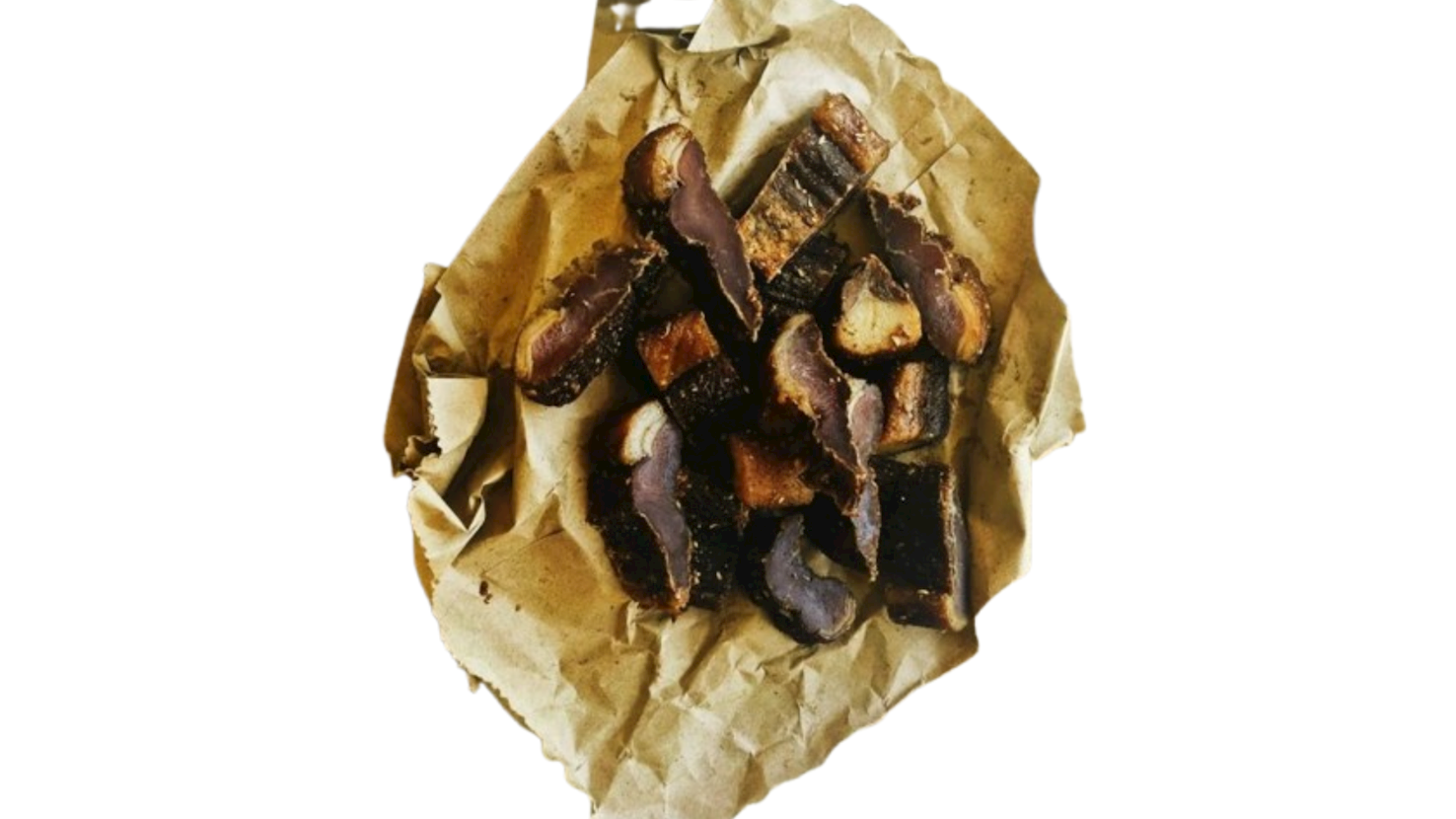
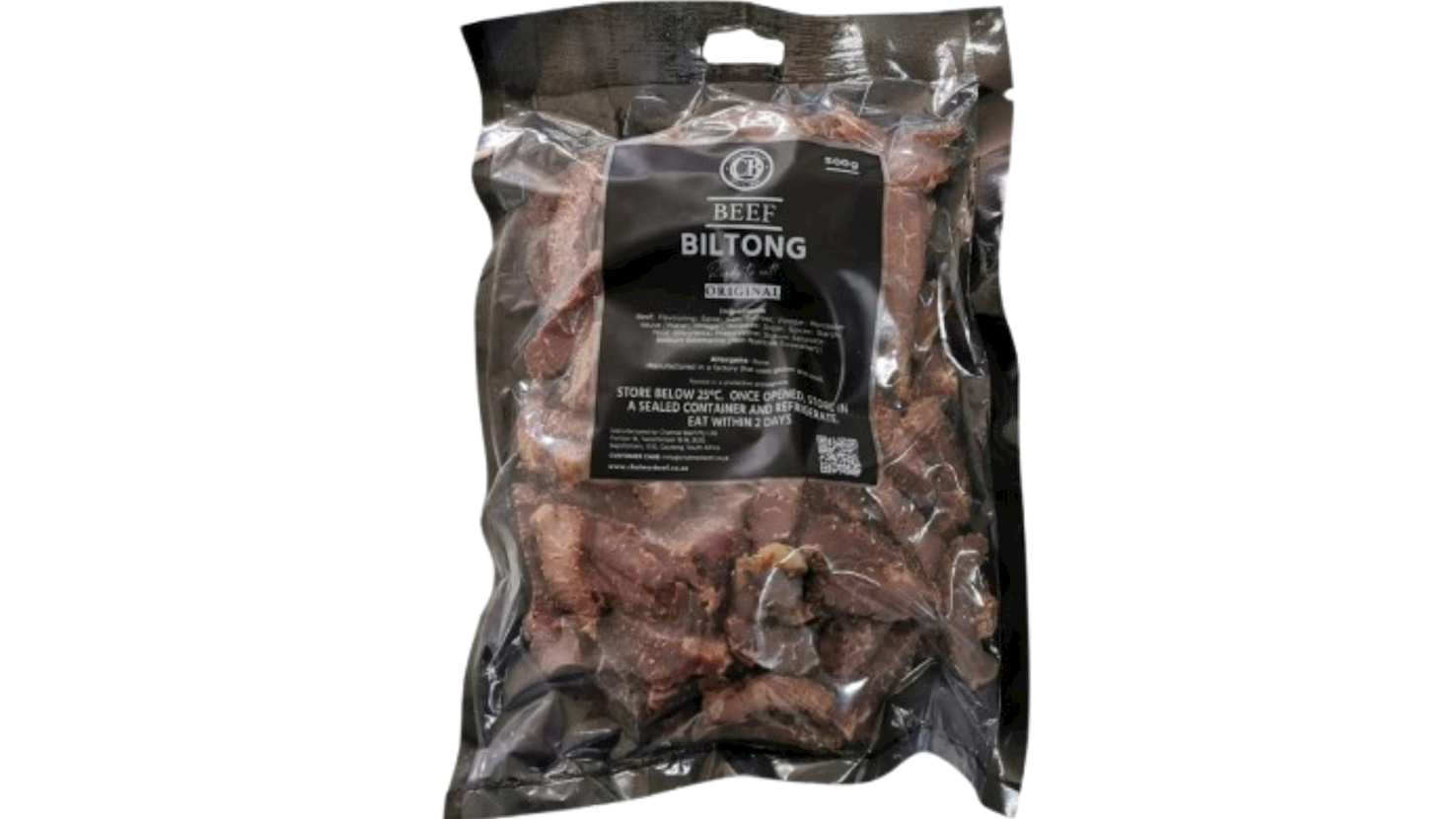
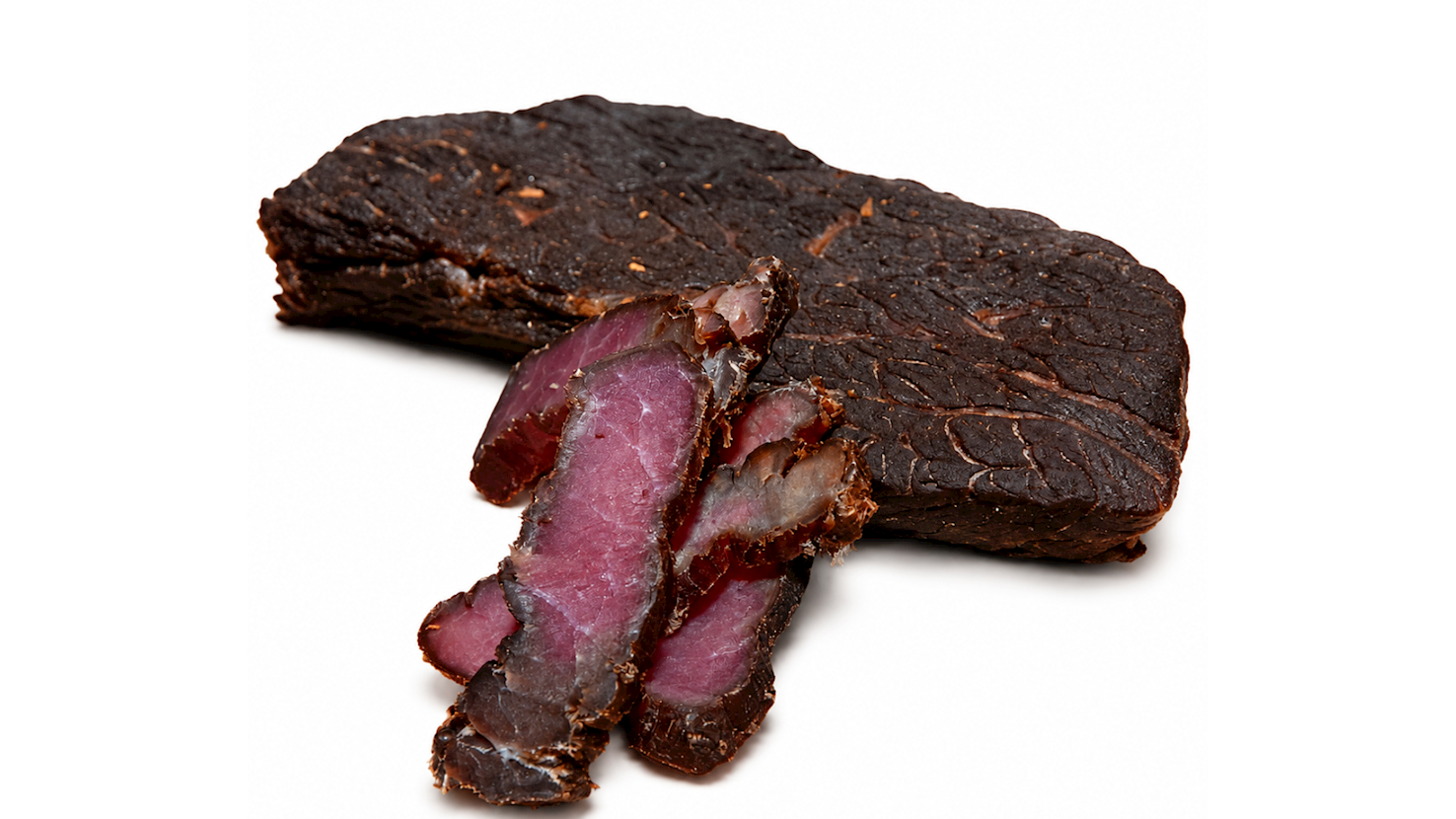
Biltong is a form of dried, cured meat (mostly beef) that originated in Southern Africa, specifically within the borders of present-day South Africa, Namibia, and Zimbabwe. It is a protein-rich foodstuff produced by marinating thick strips of raw meat in an acidic solution and spices before air-drying them in a controlled environment. Unlike American beef jerky, biltong is typically much thicker, cured with vinegar rather than smoke, and is not cooked during the drying process, resulting in a texture that ranges from soft and "wet" to hard and "snap-dry" depending on the duration of exposure to airflow. The development of this meat preservation method is linked to the 17th-century arrival of Dutch, French, and German settlers in the Cape of Good Hope. These populations required stable food sources for long-distance travel into the interior of the continent. They adapted European curing techniques, specifically the use of salt and saltpeter, to the local climate, substituting wine vinegar for cider vinegar and incorporating indigenous and imported spices like coriander and black pepper. The term itself is derived from the Dutch words "bil" meaning rump and "tong" meaning strip or tongue, reflecting the specific cut of meat frequently used by these early nomadic farmers and hunters. Preparation begins with selecting high-quality cuts of beef, such as silverside, topside, or fillet, though game meats like ostrich, kudu, and springbok are also utilized. The meat is sliced into thick longitudinal strips following the grain of the muscle. These strips are then rubbed with a mixture consisting of coarse salt, toasted and crushed coriander seeds, black pepper, and brown sugar. The meat is submerged in brown vinegar for several hours, which serves both as a tenderizer and an antimicrobial agent. Once marinated, the strips are hung on hooks in a biltong box or a dedicated drying room with consistent airflow and low humidity. The drying process usually lasts between three and seven days. A unique technical aspect of biltong is the specific chemical role of coriander. Beyond flavor, the oils in the coriander seeds possess natural antioxidant and antifungal properties that assist the vinegar in preventing spoilage during the air-drying phase. Furthermore, because biltong is not heat-treated, it retains a high degree of its original vitamin and mineral content, particularly iron and Vitamin B12, making it a common choice for high-protein diets and as a natural teething aid for infants in Southern African cultures. Biltong is eaten as a versatile snack, often purchased in large "sticks" and sliced immediately before consumption with a specialized biltong slicer or a sharp knife. It is frequently found in sports stadiums, social gatherings, and as a staple item in hiking rations. In culinary applications, it is finely shredded into salads, added to cream cheese spreads, or used as a topping for savory muffins. Regarding beverage pairings, the high salt and spice content makes it a standard accompaniment to South African red wines, particularly Pinotages or Syrahs, which complement the earthy notes of the coriander. It is also paired with dry ciders or amber lagers, which provide a crisp, refreshing finish that balances the richness of the cured fat.
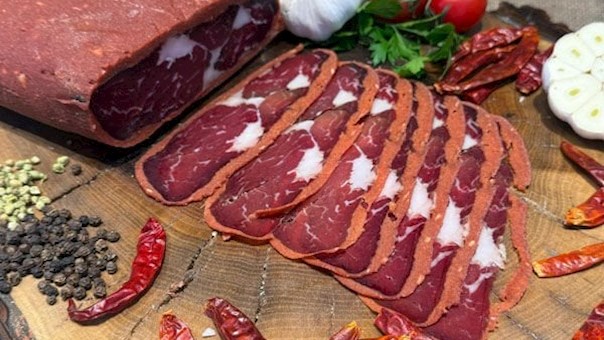
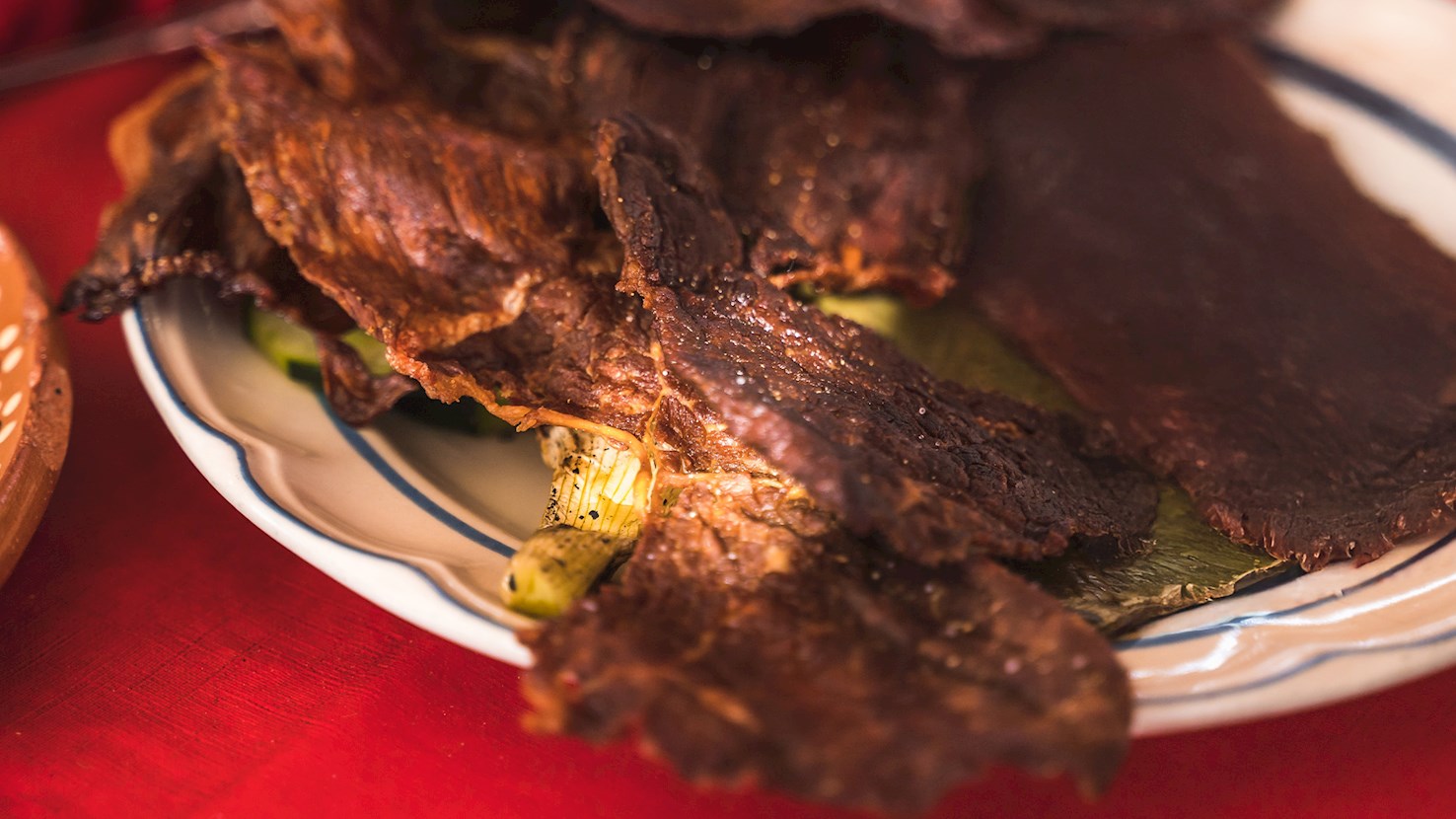
Traditionally produced in the Aegean province of Afyonkarahisar, Pastırması is a Halāl certified cured meat product of Anatolian origin. Also known as pastirma, pastourma, bastirma, basterma or basturma (Turkish for 'pressed meat'), the heavily seasoned, spice-coated beef is one of the essential ingredients of Ottoman cuisine. In fact, in Türkiye alone there are more than twenty different varieties of pastırma. Afyon Pastırması is prepared by salting the beef, then washing it with water and letting it dry. After about two weeks, the blood and excess salt are pressed out of the meat which is, prior to thorough air-drying, thickly coated with çemen, a red spice paste made with garlic, fenugreek, cumin and hot paprika. Afyon Pastırması is usually served with eggs for breakfast or enjoyed as mezze, thinly sliced and washed down with rakı, an unsweetened, anise-flavored Turkish liqueur.
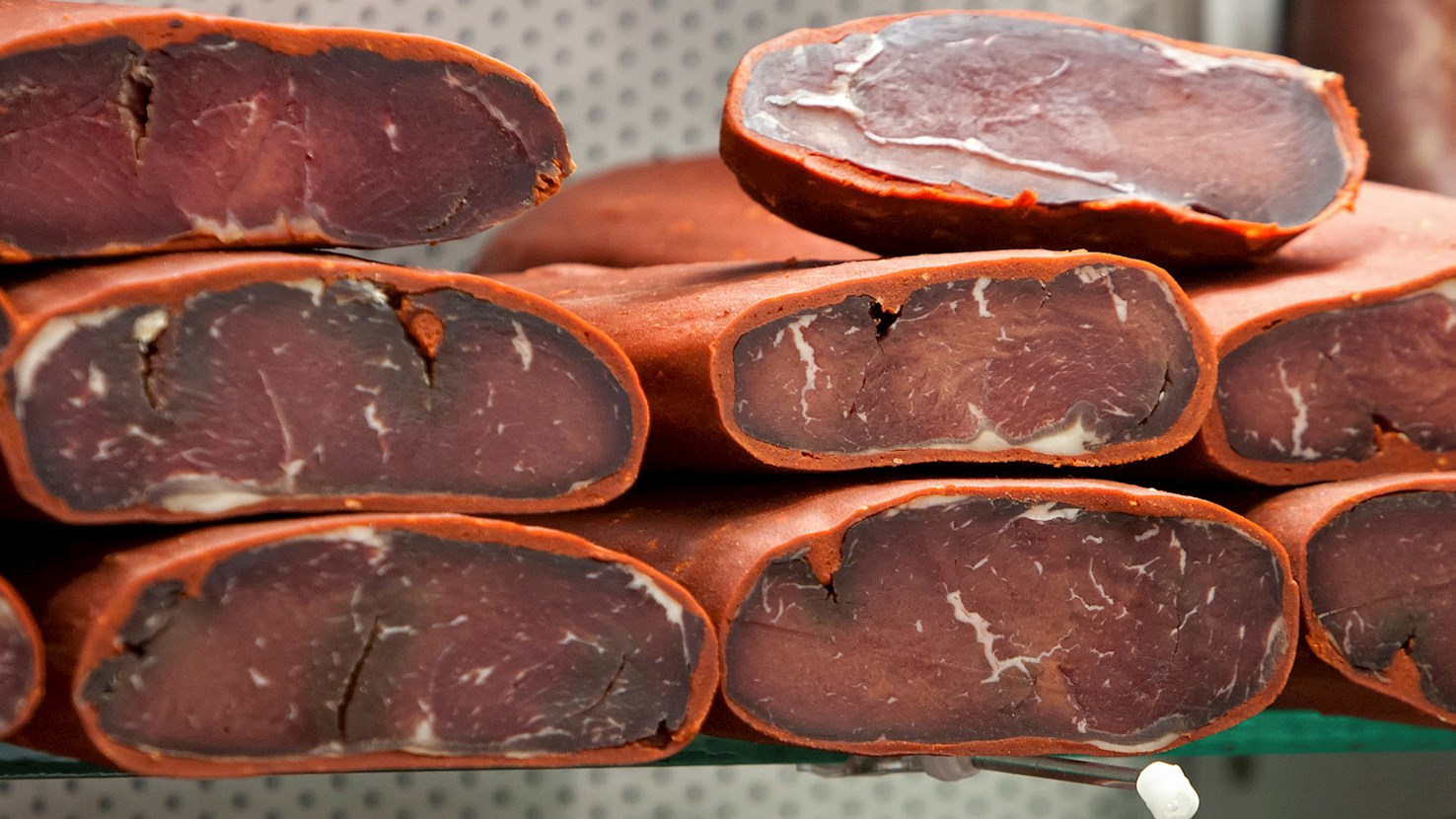
Pastırma is a highly seasoned, air-dried cured beef from Türkiye. It is made by pressing and salting beef, then drying it and coating it with a thick spice paste known as çemen, which contains ground fenugreek, garlic, paprika, and a mix of other spices. This paste not only infuses the meat with a distinctive aroma and flavor but also acts as a protective layer during the final drying stage. The process results in a richly colored, firm-textured meat that is sliced thinly and served uncooked or lightly cooked in various dishes. Pastırma is prized for its deep umami taste and intense spice character, often enjoyed on its own, with eggs, in börek, or folded into stews and pilafs for added richness. The preparation of pastırma is labor-intensive and follows a careful balance of drying and seasoning that preserves the meat while enhancing its flavor. While beef is the most common base, other cuts and meats have been historically used, though rarely today. The word itself is believed to come from the Turkish verb "bastırmak," meaning to press, referencing the pressing stages of its preparation. Pastırma has a long culinary history in Türkiye, with links to both Ottoman and earlier Turkic preservation techniques, and it is often considered one of the most refined examples of cured meat in the region.
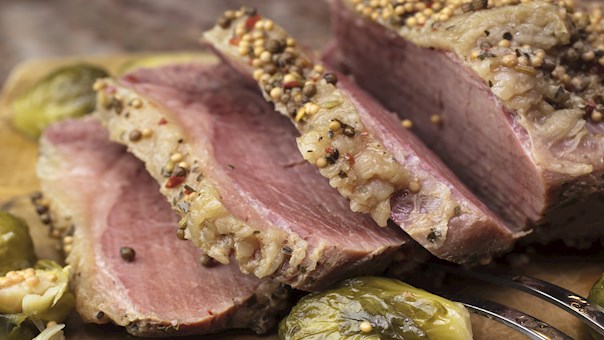
Montreal-style smoked meat is a type of deli meat that originated in Montreal, Canada. It's similar to corned beef and pastrami but has its own distinct preparation process and flavor profile. The meat, typically a high-quality cut of beef brisket, is first cured in a mixture of spices, which often includes coriander, garlic, black pepper, and mustard seeds. The curing process can last a week or more, during which time the meat absorbs the flavors of the spices. After curing, the meat is hot-smoked to cook through and absorb the flavors of the smoke. The final step in preparing Montreal smoked meat is steaming the meat until it is tender enough to fall apart. Montreal-style smoked meat is typically served in thick slices on light rye bread with yellow mustard. It's a staple at delis and sandwich shops in Montreal, and it has gained popularity in other parts of Canada and the United States as well.
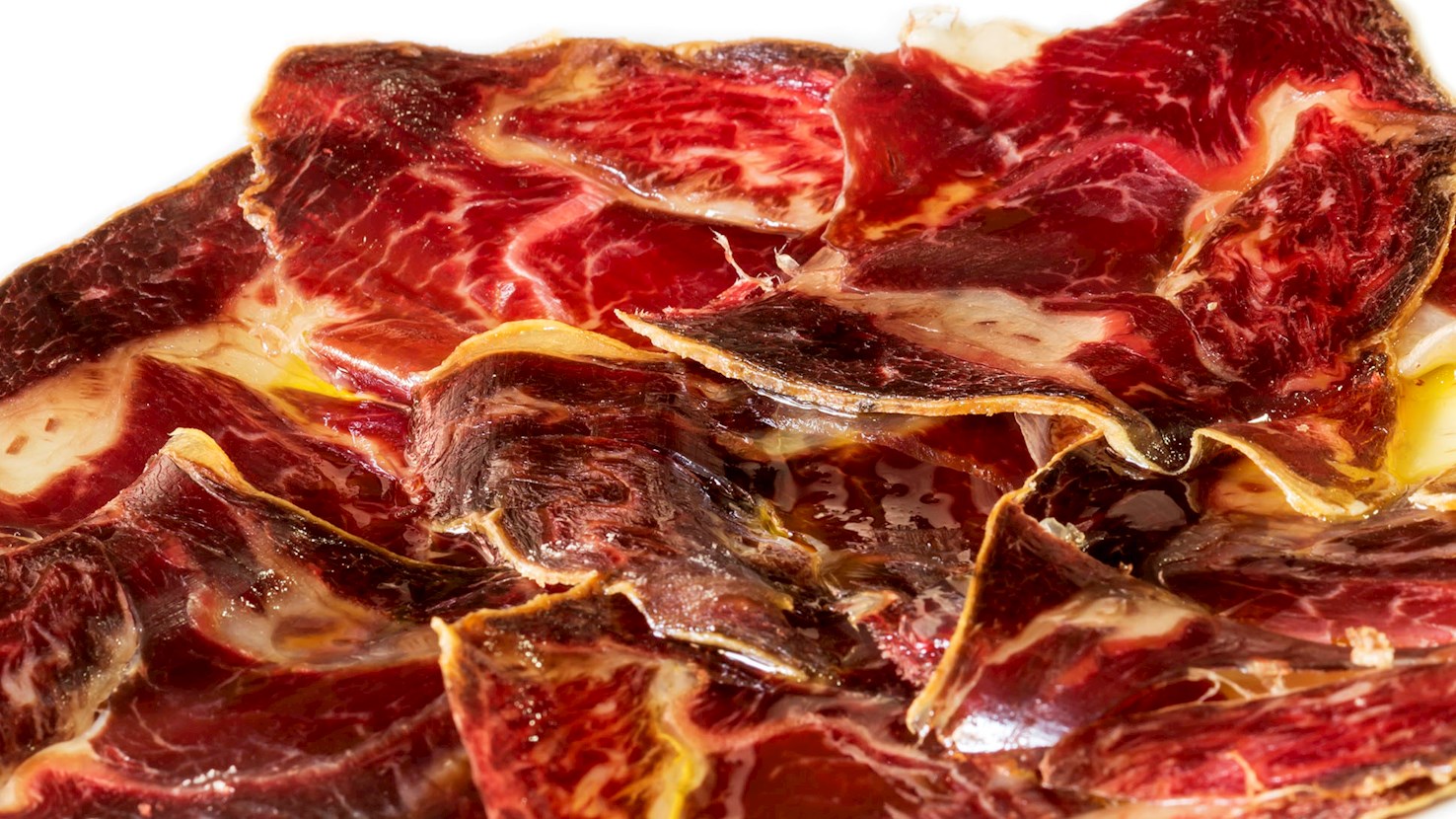
Zlatiborska pršuta is a traditional smoked ham hailing from the mountainous region of Zlatibor, and it is usually associated with the village of Mačkat. Following a century-old method of preparation, this meat specialty is typically made with the highest-quality beef or pork that is salted, then cold-smoked and air-dried. The whole process usually lasts for about a month, and during this time, the unique climate and terrain of the Zlatibor Mountains, as well as the beech wood used for smoking, infuse the meat with a distinctive, rich flavor and a pleasant aroma. This smoked meat is dark brown to red on the outside and dark red on the inside. A signature meat product of the country, zlatiborska pršuta is typically thinly sliced before serving.
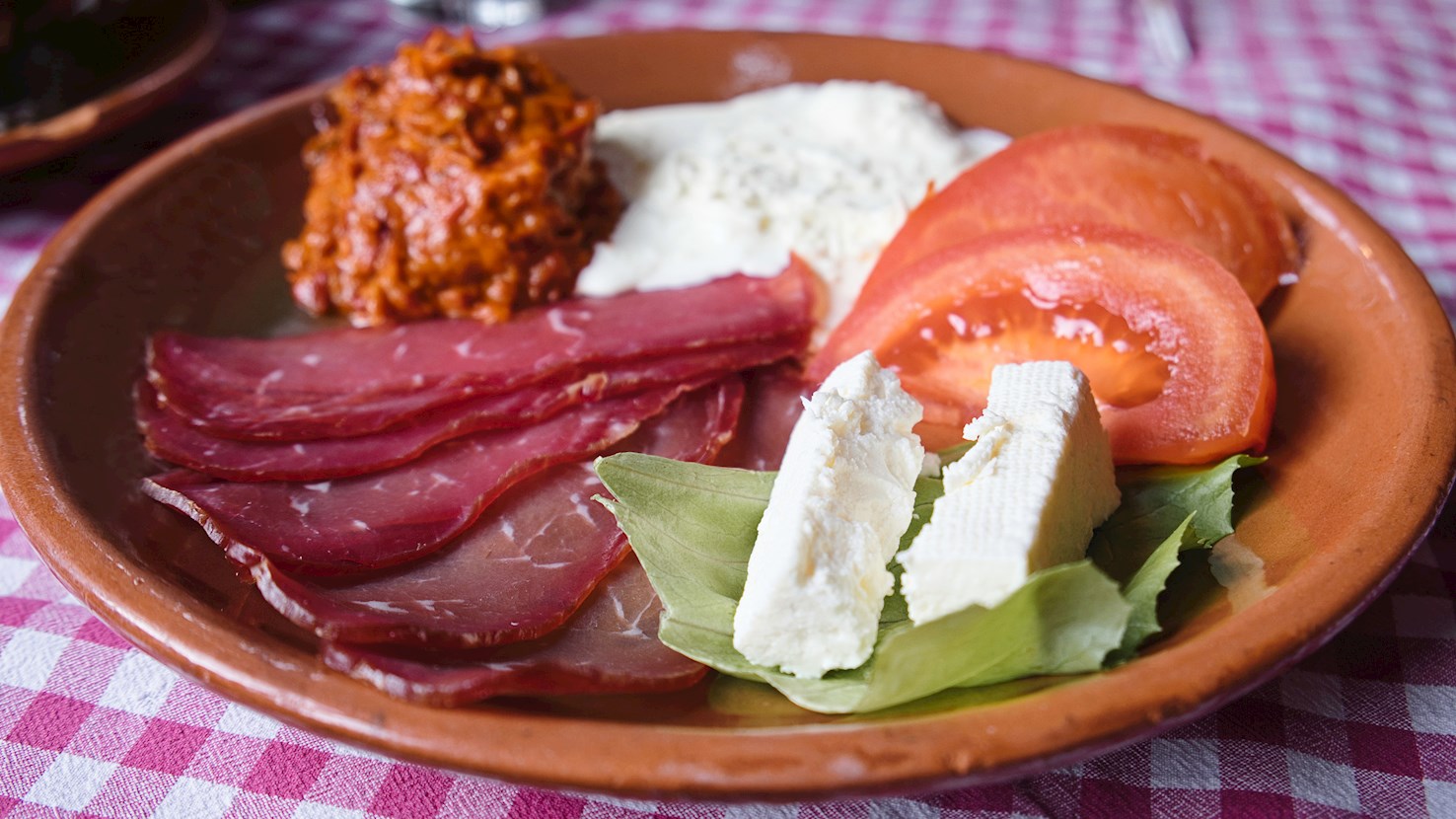
Užička pršuta is a variety of smoked meat that has been traditionally prepared in the mountainous district of Zlatibor, namely in Čajetina, Užice, and Nova Varoš municipalities. This meat specialty came to be known as užička pršuta because it used to be sold in Užice along many other regional products at the time. Beef, pork, and mutton can be used for the preparation of this meat product, although the most traditional is smoked beef meat, which is known as užička goveđa pršuta in Serbia. The finest beef pieces from parts of the legs, tenderloins, sirloins, and the low end of the back of 4 to 6-year-old oxen are salted, then smoked with dry beech wood, and dried in the cool mountain air. The final product is distinguished by a dark brownish-red exterior, a dark red interior with a nice marbling, and a strong beef flavor. This Serbian delicacy is typically thinly sliced and served with cheese, pickled vegetables, bread, and a glass of local brandy or fine wine on the side.
TasteAtlas food rankings are based on the ratings of the TasteAtlas audience, with a series of mechanisms that recognize real users and that ignore bot,
nationalist or local patriotic ratings, and give additional value to the ratings of users that the system recognizes as knowledgeable.
For the “Top 17 Cured Beef in the World” list until June 10, 2026, 887 ratings were recorded, of which 488 were recognized by the system as legitimate.
TasteAtlas Rankings should not be seen as the final global conclusion about food. Their purpose is to promote excellent local foods,
instill pride in traditional dishes, and arouse curiosity about dishes you haven’t tried.
The initial list of top producers was compiled based on available reviews, awards, local recommendations, media and blog coverage, and consumer reviews.
The list will be updated with ratings from TasteAtlas local ambassadors and TasteAtlas users.