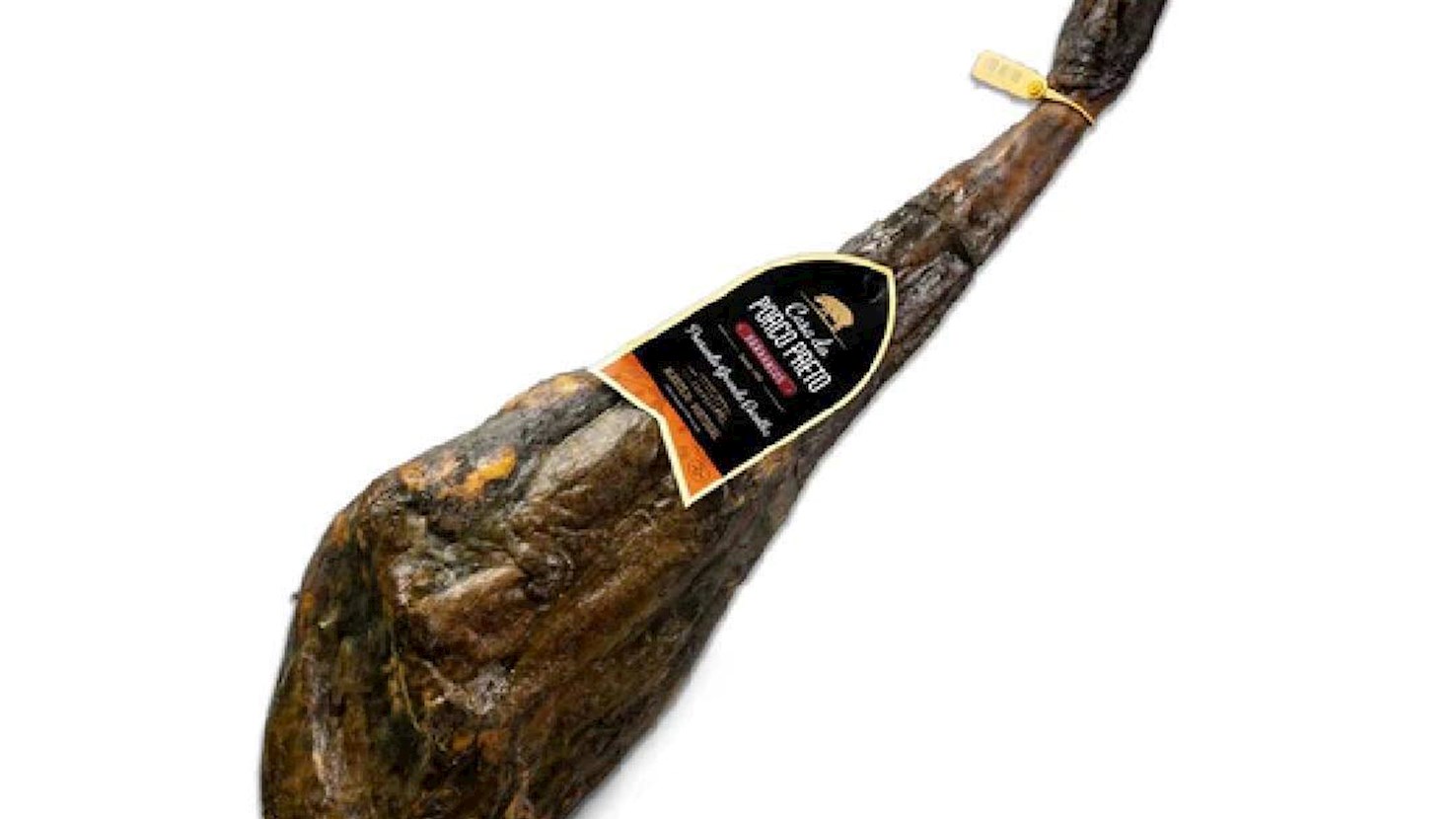
Casa do Porco Preto is a renowned Portuguese producer specializing in Presunto de Barrancos DOP, a dry-cured ham made from free-range Alentejano black pigs. Located in the Alentejo region, the company emphasizes sustainable farming practices, allowing pigs to roam freely and feed on acorns, which enhances the flavor of the meat.
Their presunto is aged for extended periods, often over 24 to 36 months, resulting in an intense, nutty, and melt-in-the-mouth flavor. Casa do Porco Preto has received numerous accolades for its dedication to artisanal craftsmanship and adherence to traditional curing methods.
Their products are exported globally, making them a symbol of Portuguese culinary excellence.
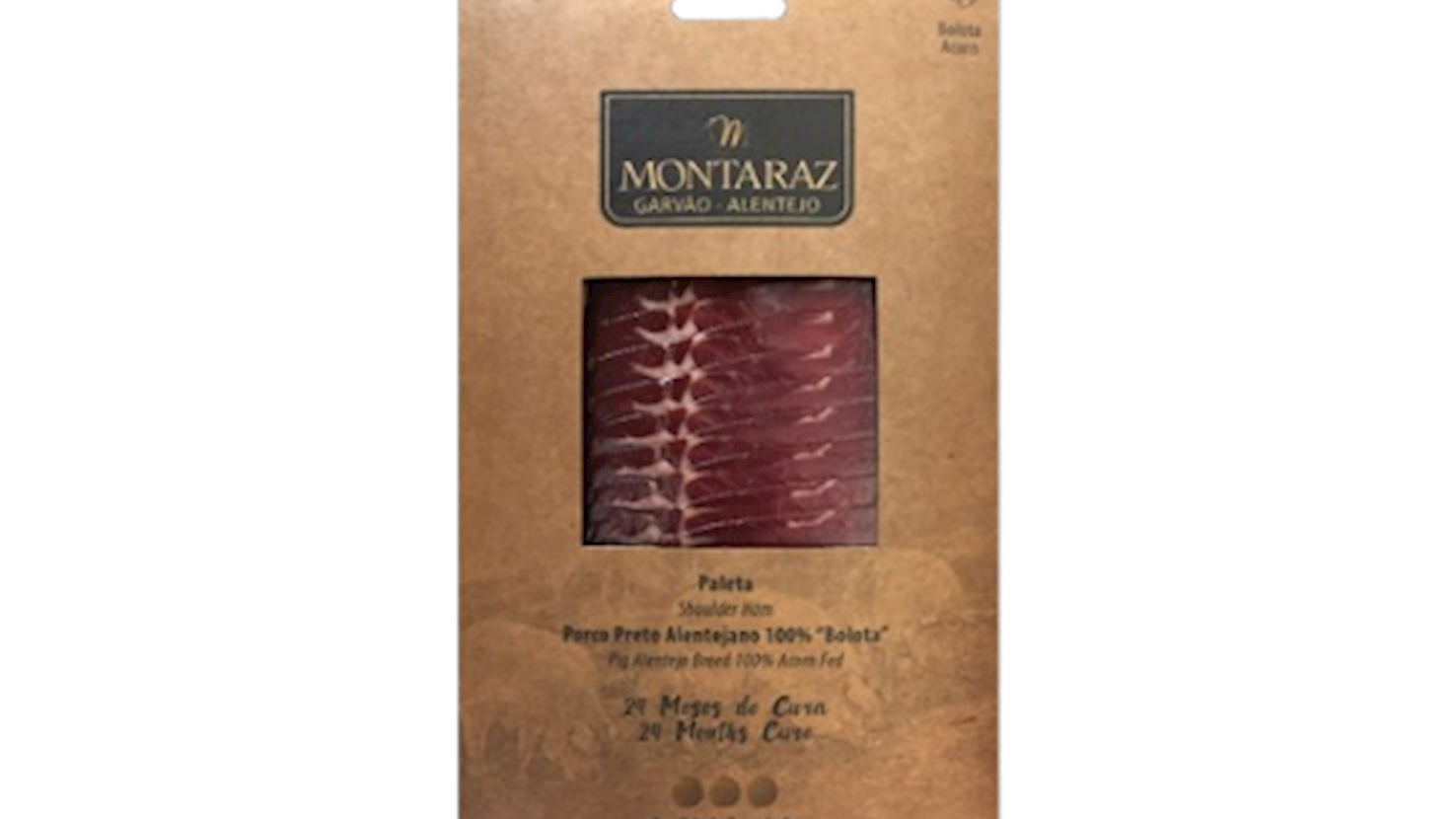
Montaraz de Garvão is a Portuguese producer of traditional pork products based in the village of Garvão, in the municipality of Ourique in the Alentejo region. The company specializes in products made from Porco Preto Alentejano, the traditional Iberian black pig raised in the montado ecosystem of southern Portugal.
These pigs are typically raised outdoors and feed on natural resources such as grass, roots, and acorns, which contribute to the distinctive flavor and texture of the meat. Montaraz produces a wide range of cured and processed products, including presunto, chouriço, paio, and other traditional sausages, following methods rooted in regional culinary traditions.
The curing process is generally slow and natural, allowing the meat to develop a rich aroma and balanced flavor. Through its focus on local raw materials and traditional techniques, Montaraz reflects the gastronomic heritage of Alentejo and the longstanding culture of Iberian pig farming in the region.
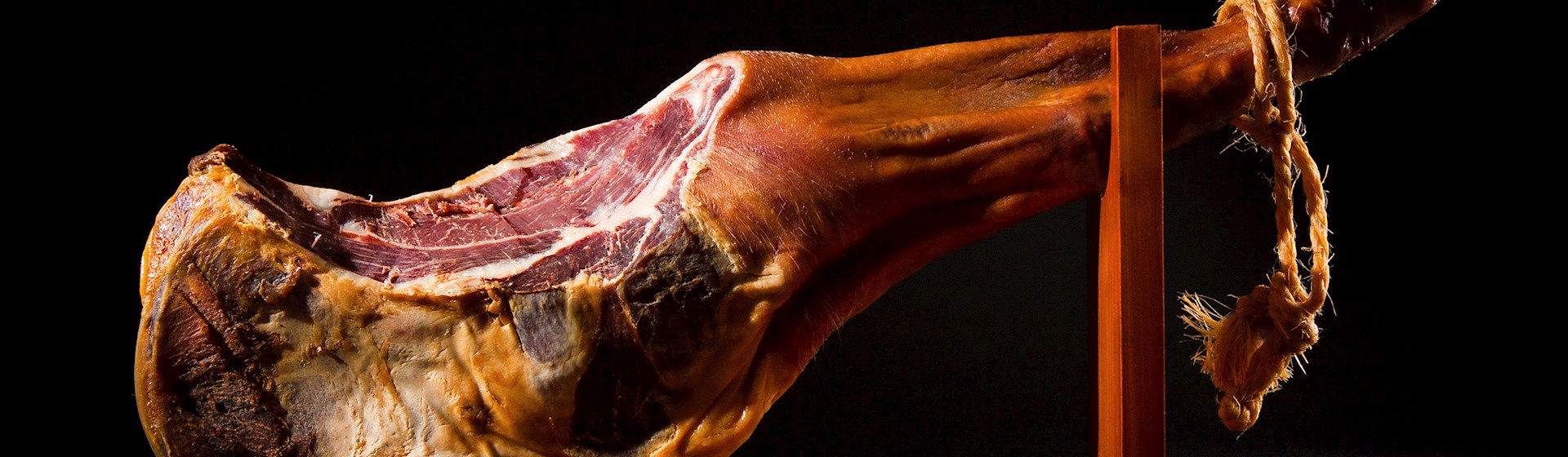
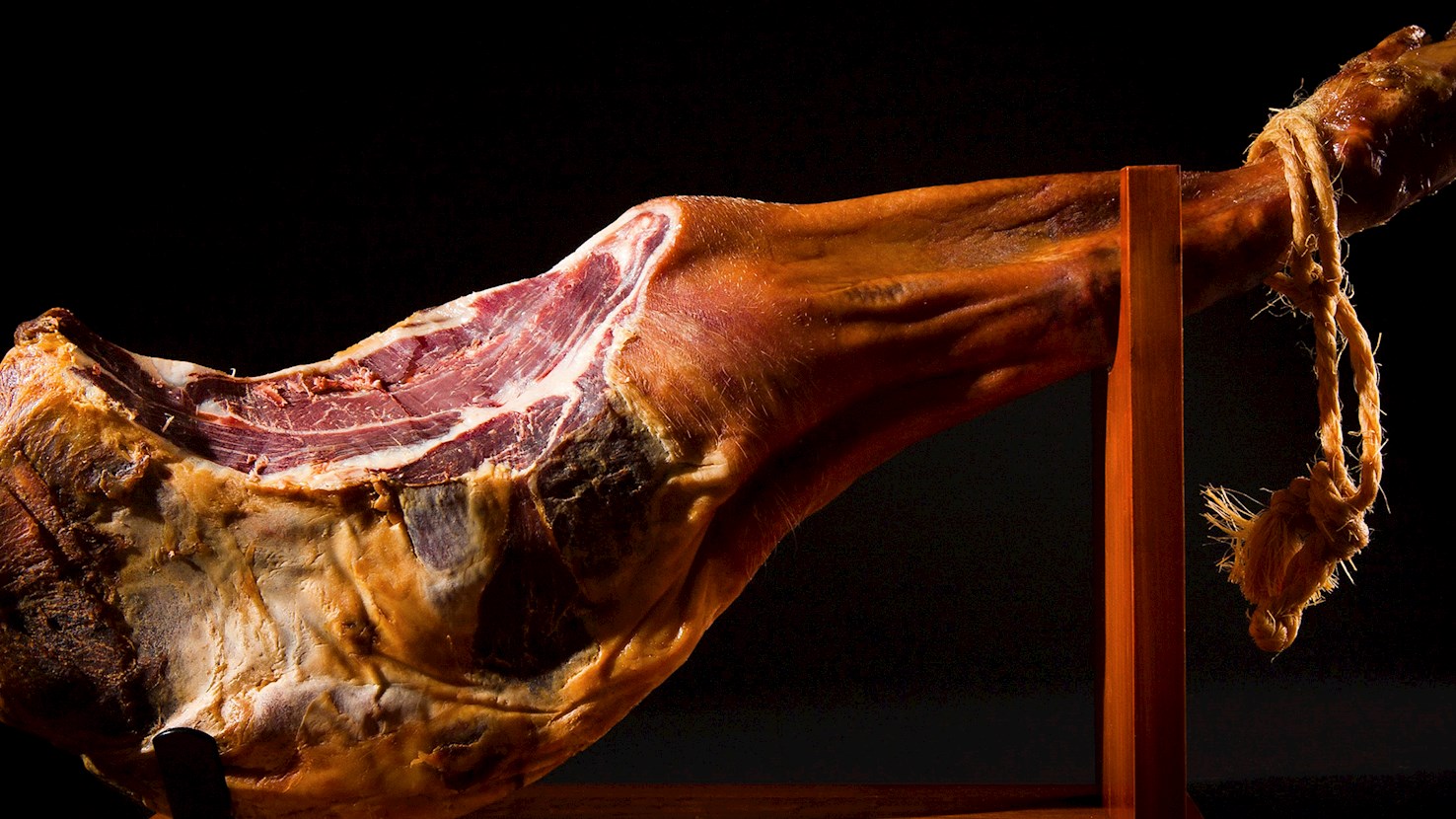
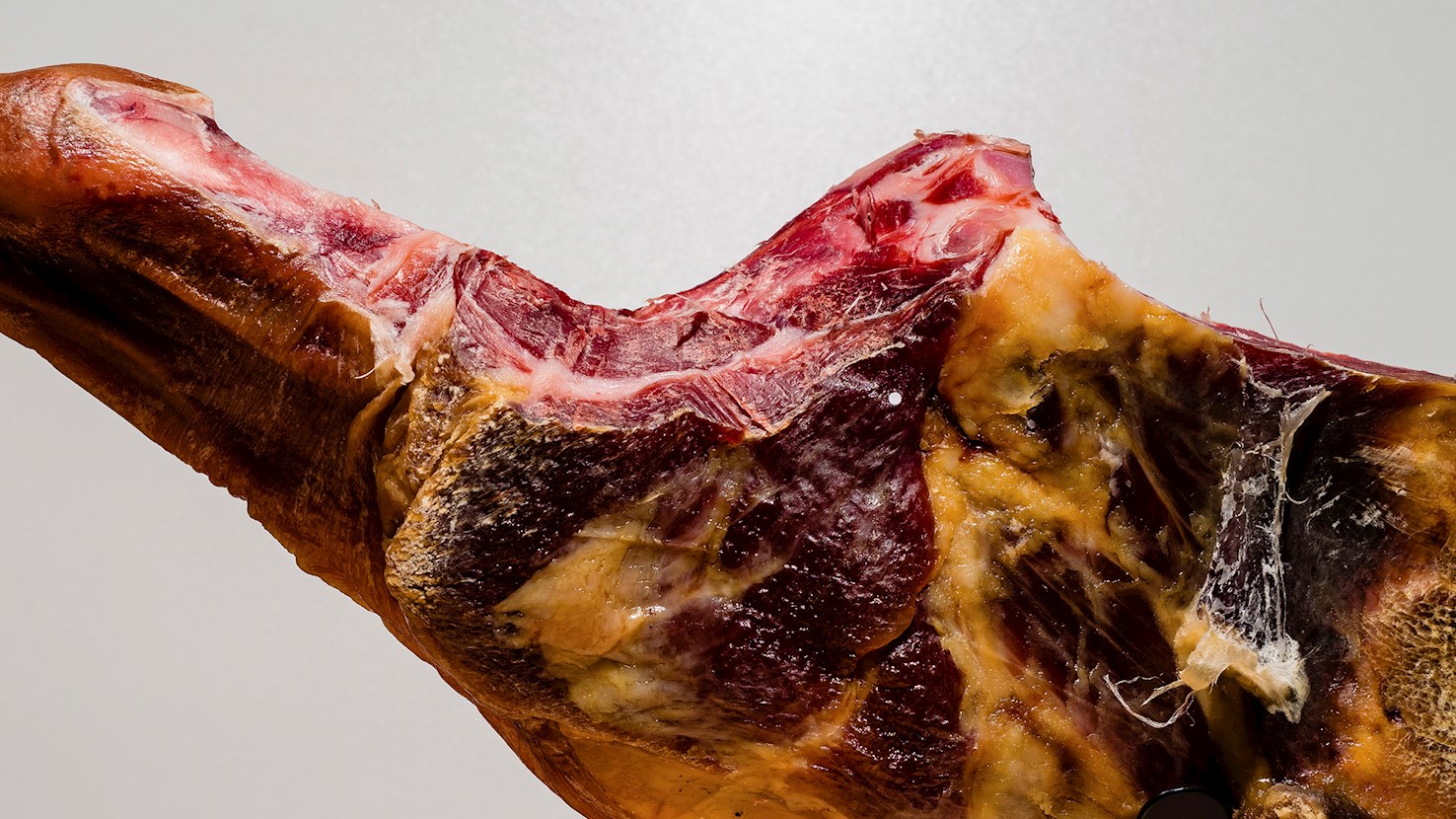
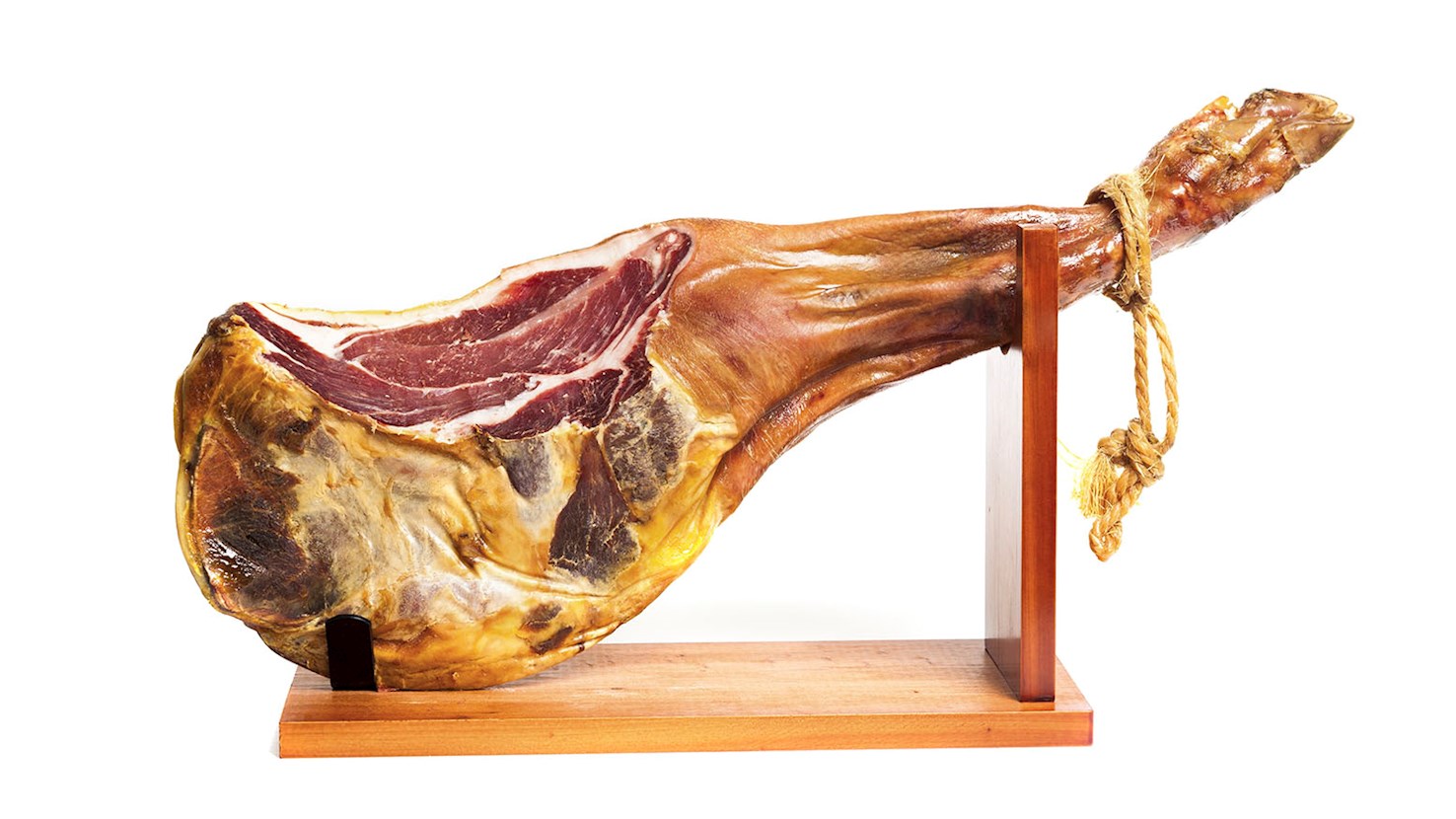
Alentejo ham is a regional specialty made from the legs and shoulders of Alentejo pigs produced in the districts of Castelo Branco, Portalegre, Santarém, Évora, Beja, Setubal, and Faro. These areas typically have hot and dry summers and cold winters. Throughout the centuries, the residents of these regions learned to work with this climate to develop a natural drying process for ham that does not resort to the use of smoke or any other external factors besides the addition of salt. When cut, the ham is reddish-pink to dark red and highly marbled. It has a soft and mildly fibrous texture that is tender and succulent when sliced. The ham has a sweet and slightly salty flavor with a lingering spicy note, and its aroma is pleasant and mild. It is traditionally served in slices with bread or cheese. To make the most of this ham, the leftover bone is often used to flavor soup stock.
Presunto de Barrancos is a cured ham specialty originating from the small town of Barrancos in southeastern Portugal. Barrancos ham comes from the Alentejo region, which has a Mediterranean microclimate with high summer temperatures, high relative humidity, and steady winds. These are the ideal conditions for air-drying ham. The regions dense oak forests enable the Alentejo pigs to roam free, feeding on acorns and grass. This ham is therefore finely marbled, and the oleic acid in the acorns provides an additional distinct flavor. The ham matures for at least 6 months in cellars. Fully-ripened Barrancos ham has an elongated, tapered shape and a minimum weight of 5kg per leg. The surface is rosy to red in color, the fat is glossy and very fragrant, and the meat is very tender. The taste of Barrancos ham is pleasant and mildly salty with a slightly piquant aftertaste.
The Campo Maior and Elvas ham and paleta are made using pork taken from Alentejo breed pigs raised in the municipalities of Campo Maior and Elvas in Portalegre. These pigs are raised outdoors, feeding on grasses, cereals, and legumes. The ham is made from the hind leg of the pig, while the paleta is made from the foreleg. In both cases, the hoof and the outer skin is left on. The production process is based on local methods, and is divided into several stages: cutting, salting, the post-brining (drying), and curing or aging, which lasts up to a year under natural conditions. The finished hams usually weigh more than 5kg. When cut, the meat is red, bright, marbled, and has an oily surface. The aroma is very mild and pleasant, and the taste is moderately salty. The ham should be stored in a cool, dry place after it is sliced, otherwise it may spoil easily. This ham is traditionally served sliced and undoctored – it is so good raw, cooking it is considered a waste. It goes well paired with a good local wine.
Santana da Serra ham is made using pork taken from Alentejo breed pigs, which are raised outdoors and feed on a diet consisting of wild herbs and cereals. Santana da Serra presunto is made of thigh meat, while paleta is made from shoulder. The skin is left on the hams in both cuts. The production process is a lengthy one – the meat is first cut, and then salted and hung to dry for several days before being left to cure for one to two months. The meat is then dried for two to four months, and then aged under special conditions for three to six months. The finished product is a bright red in colour and well-marbled, soft, and quite fibrous. The aroma is very mild but pleasant. Santana da Serra ham should be stored in a cool, dry place as its fat deteriorates easily with exposure to air and high temperatures. It is traditionally served as an appetizer in thin slices.
Presunto 100% ibérico de bolota is a dry-cured ham from Portugal made exclusively from pure Iberian-breed pigs that undergo an acorn-based fattening period in the montanheira season, mainly in the Alentejo region where porco preto is raised in extensive systems within cork oak and holm oak landscapes. It comes from areas where free-range grazing, acorn availability, and a climate suitable for long curing created conditions that allowed producers to refine methods for working with meat from pigs that develop high intramuscular fat and a distinctive fatty composition shaped by the acorn diet. Its development is tied to regions such as Barrancos and southeastern Alentejo, where curing houses relied on natural seasonal temperature shifts and controlled airflow to mature hams for extended periods, taking advantage of the oxidative and enzymatic changes that pure Iberian meat undergoes when cured for years. Preparation starts with salting the hind legs, resting them for moisture reduction, washing them, and hanging them in drying chambers where they remain for two to four years depending on size and producer goals; during this time, the fat slowly penetrates the muscle and the leg loses a significant percentage of its weight while developing its characteristic firmness and aroma. A notable feature is the requirement that the pigs be 100% Iberian in genetics, which influences muscle fiber structure and fat distribution, combined with the montanheira diet that raises the oleic acid content of the fat and gives the slices their soft texture and glossy appearance when served at room temperature. Presunto 100% ibérico de bolota is eaten throughout Portugal in homes, restaurants, and wine bars, usually sliced very thinly and served at room temperature as part of petiscos, festive meals, and tasting boards with bread, olives, and mild cheeses, and it pairs well with structured Alentejo reds, Douro reds, aged white wines, dry sparkling wines, and lighter beers that balance its richness.
Presunto ibérico de bolota is a dry-cured ham produced in Portugal from Iberian-breed pigs that are fattened on acorns during the montanheira season, mainly in the Alentejo region where porco preto herds graze in cork oak and holm oak landscapes. It comes from areas where the climate, pasture systems, and forested terrain allow pigs to roam freely and feed on acorns, grass, and natural vegetation, conditions that influence both the fat composition and the curing potential of the meat. Its development is linked to Portuguese curing zones such as Barrancos and parts of southeastern Alentejo, where producers refined long curing periods to take advantage of the high oleic acid content found in acorn-fed pigs, a factor that supports extended maturation without compromising texture or aroma. Preparation begins with salting the hind legs, resting them to draw out moisture, washing the salt away, and hanging the legs in curing rooms that follow seasonal temperature and humidity shifts; the curing process often lasts two to three years, during which enzymatic and oxidative changes shape the flavor and firmness. One notable aspect is the influence of the montanheira feeding period, which occurs from autumn to early winter and results in pronounced marbling and a fat layer that melts readily at room temperature, giving the slices a supple feel and a glossy surface when cut thinly. Presunto ibérico de bolota is eaten across Portugal, usually served in thin slices as part of petiscos, festive meals, and restaurant menus, often at room temperature so the fat softens properly. It pairs well with Alentejo or Douro red wines, dry sparkling wines from Bairrada, aged white wines, and in more casual settings with lighter beers that contrast the richness of the ham.
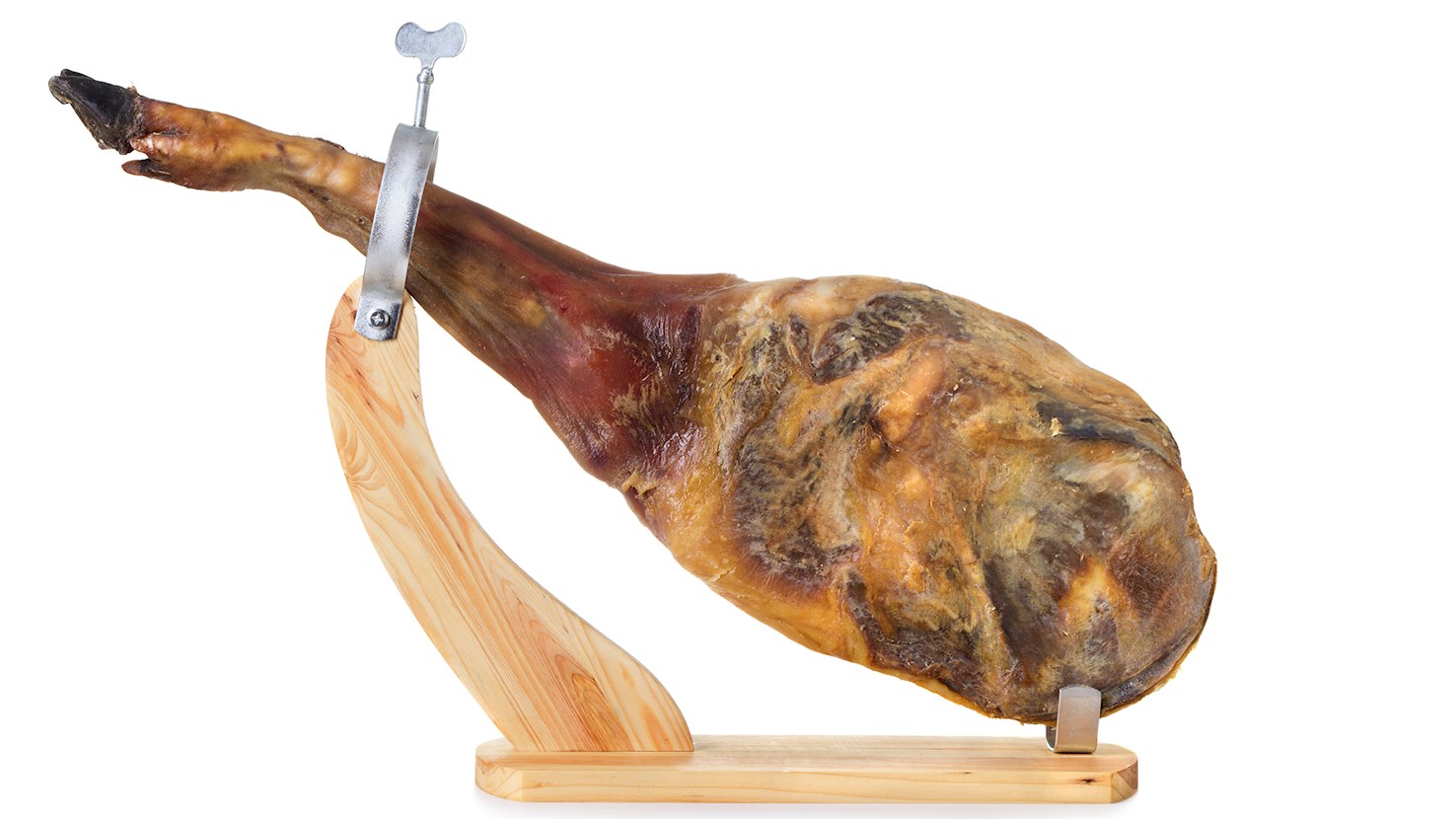
Presunto ibérico is a dry-cured ham produced in Portugal from Iberian-breed pigs, most prominently in the Alentejo region where porco preto livestock has long been raised in extensive grazing systems. It is closely linked to areas where oak forests, pastureland, and a climate suited for air-drying meats shaped local curing practices, and it developed alongside Spanish Iberian ham due to shared geography, similar pig genetics, and comparable environmental conditions. Production centers emerged in places such as Barrancos, Monchique, and other parts of Alentejo, where curing houses refined salting and drying processes that depended on seasonal temperature changes and controlled ventilation rather than artificial methods. Preparation begins with the hind leg of the Iberian pig, which is covered in salt, rested to expel moisture, cleaned, and hung in curing rooms for extended periods that may last from many months to several years depending on the classification and intended result. Over time the fat infiltrates the muscle and the leg gradually loses water, developing a firm yet delicate texture and a scent shaped by the pig’s diet and by slow biochemical changes during curing. One notable feature is the high intramuscular fat content of Iberian pigs, which is rich in oleic acid and melts easily at low temperatures, creating the characteristic sheen found on thin slices cut at room temperature. Presunto ibérico is eaten throughout Portugal and in Portuguese communities abroad, served in thin slices as part of petiscos, with bread, cheeses, and olives, and used in cold platters or simple meals where the ham is the central element. It pairs well with dry white wines, espumante from Bairrada, aged reds from Alentejo or Douro, and also with lighter beers when served in informal settings.
TasteAtlas food rankings are based on the ratings of the TasteAtlas audience, with a series of mechanisms that recognize real users and that ignore bot,
nationalist or local patriotic ratings, and give additional value to the ratings of users that the system recognizes as knowledgeable.
TasteAtlas Rankings should not be seen as the final global conclusion about food. Their purpose is to promote excellent local foods,
instill pride in traditional dishes, and arouse curiosity about dishes you haven’t tried.
The initial list of top producers was compiled based on available reviews, awards, local recommendations, media and blog coverage, and consumer reviews.
The list will be updated with ratings from TasteAtlas local ambassadors and TasteAtlas users.





What People Say