shutterstock

Top 15 North American Cured Meats

Last updated on June 15, 2026

Best North American Cured Meats
01

Fra’ Mani

4.9 ·
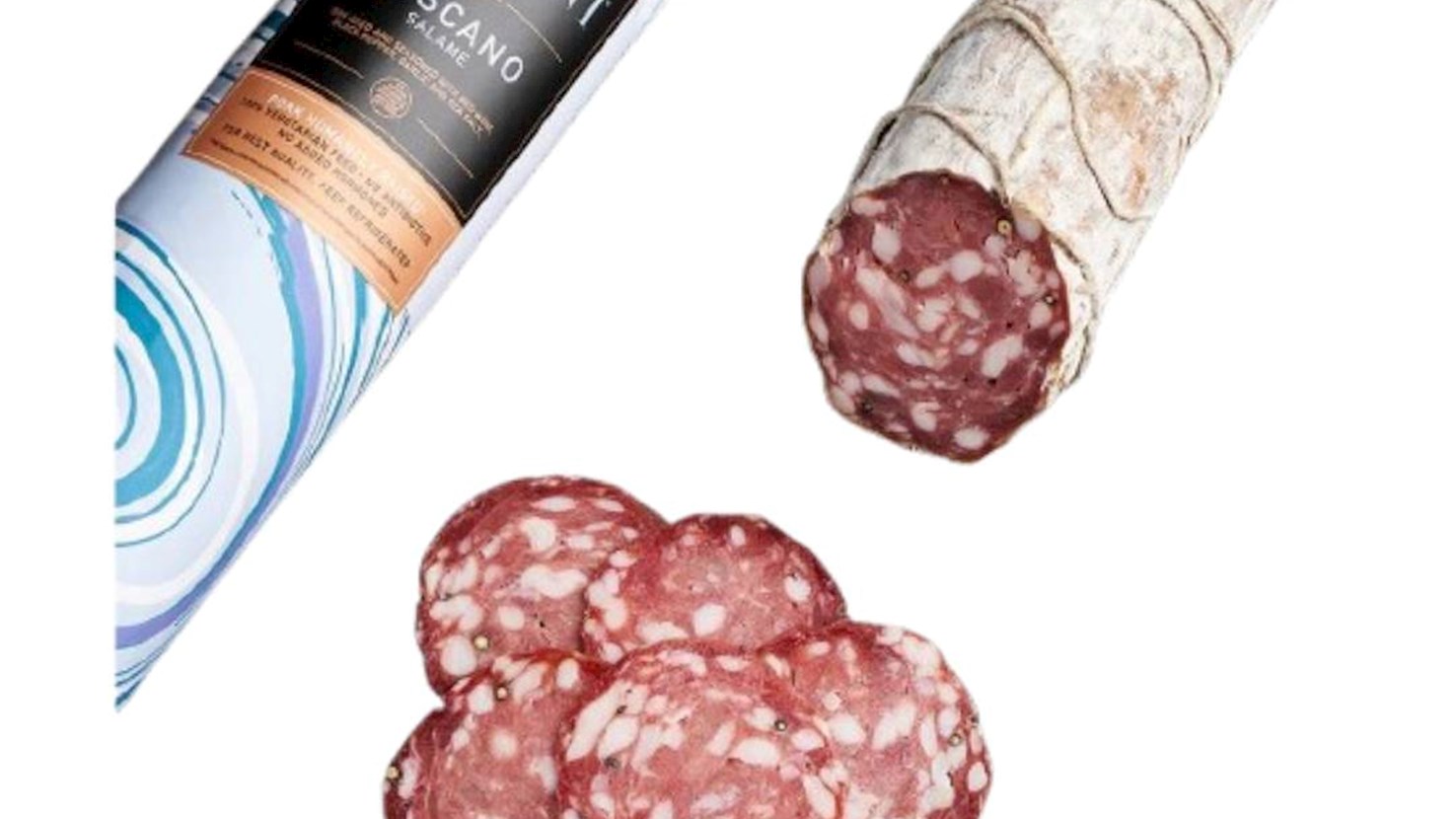
Fra' Mani is a distinguished producer of premium charcuterie, based in Berkeley, California, and founded in 2006 by renowned chef and cookbook author Paul Bertolli. Inspired by Italian flavors, techniques, and traditions, Fra' Mani is dedicated to preserving time-honored culinary customs through its products. Their philosophy is based on the belief that time is the key ingredient in crafting exceptional products and that flavor cannot be rushed. Fra' Mani uses only the highest quality ingredients, sourced from family farms committed to the land, animals, and people, without the use of antibiotics, artificial growth hormones, or meat by-products. Their product range includes a variety of cured meats, such as dry-aged salami, cooked sausages, and other specialties, all available for purchase through their official website. Fra' Mani is committed to sustainable practices, ensuring that its operations contribute to the well-being of the planet while delivering premium products that celebrate the rich traditions of Italian cuisine.
Awards
World Charcuterie Awards - Gold (2023)
02

Katz’s Delicatessen

4.9 ·
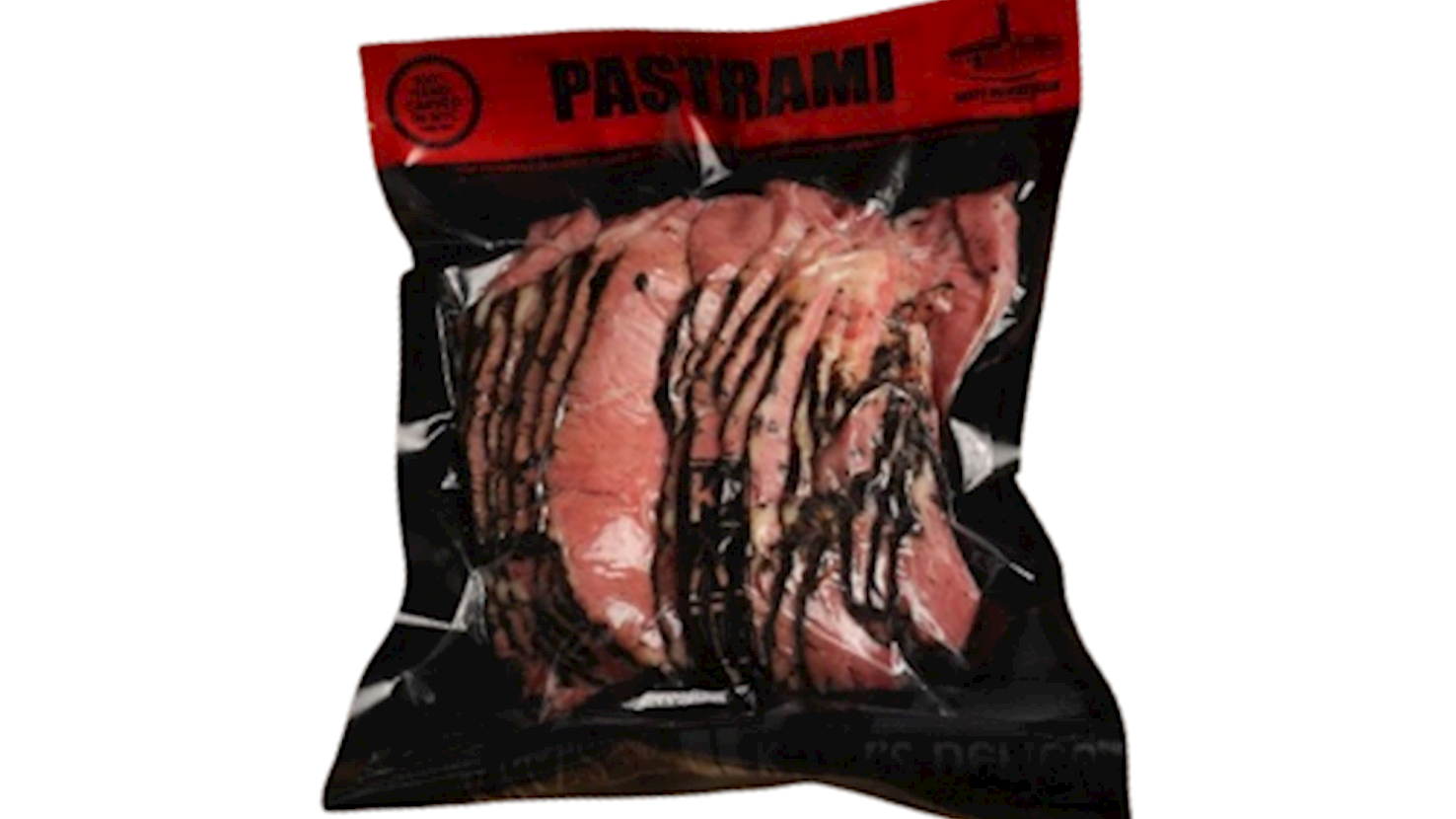
Katz’s Delicatessen is one of New York City’s most enduring culinary landmarks, operating continuously since 1888 on the Lower East Side. Rooted in the food culture of Eastern European Jewish immigrants, it developed as a classic New York delicatessen built around robust, generously portioned meat specialties. Although closely associated with Jewish culinary tradition, Katz’s is not kosher-certified, instead preserving the historic style of the New York deli. Its defining specialty is the pastrami on rye - beef navel cured in a seasoned brine, smoked, steamed, and hand-sliced to order - valued for its tenderness, juiciness, and pronounced peppery, smoky character. The menu also includes corned beef, Reuben sandwiches, hot dogs, and traditional accompaniments such as pickles and knishes. A distinctive ticket system and multiple service counters structure the experience, maintaining the rhythm of an old-style deli. The interior remains deliberately utilitarian, with walls lined in photographs and memorabilia that document more than a century of history. Katz’s has become a fixture of popular culture through film and television appearances, but its reputation ultimately rests on consistency, technique, and scale. Today, it stands as a reference point for understanding the classic New York deli tradition at its most uncompromising and iconic.
03

Smoking Goose

4.7 ·
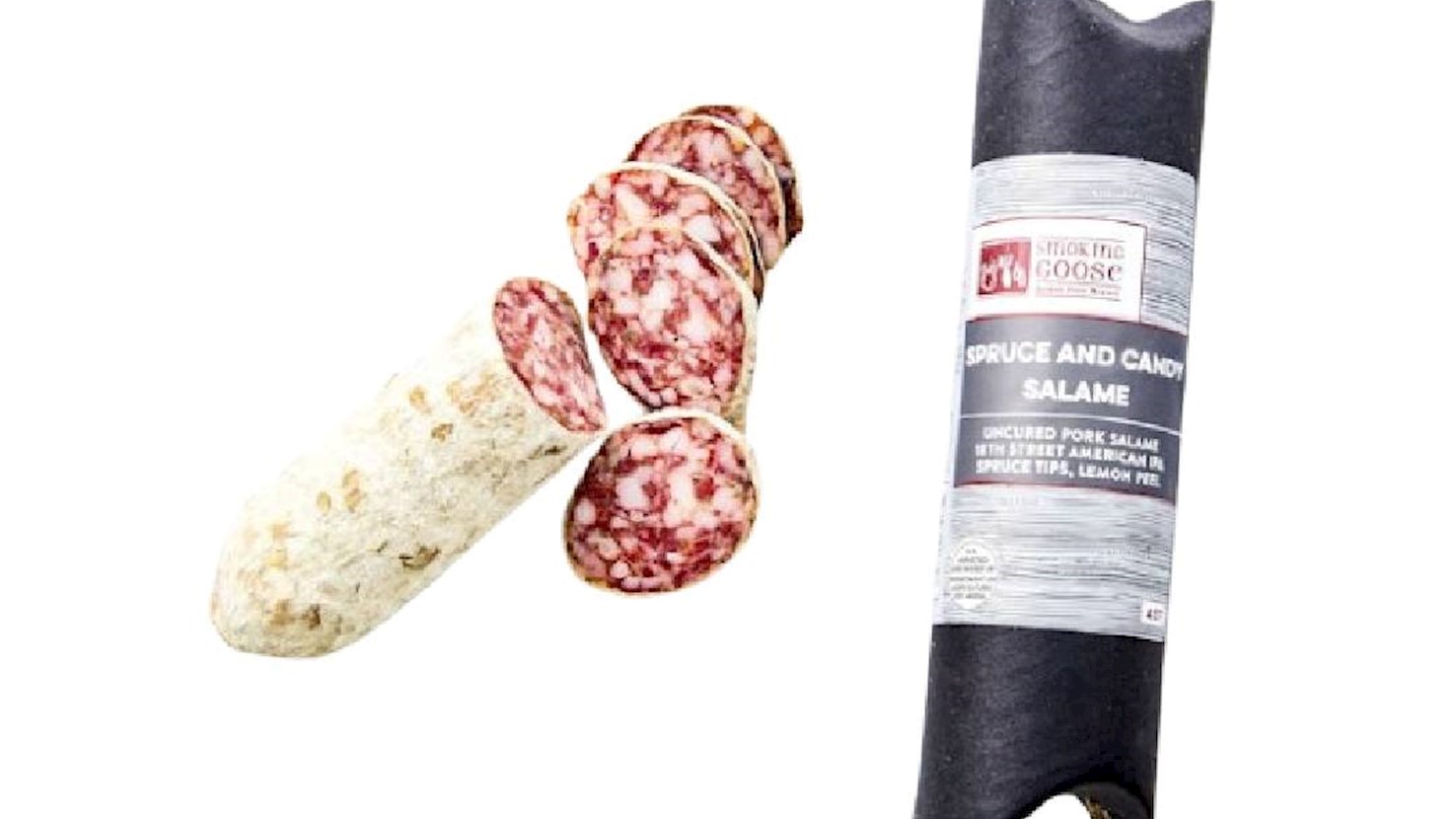
Smoking Goose is a renowned American producer of premium cured meats, celebrated for its dedication to traditional butchering techniques and innovative recipes. Based in Indianapolis, the company has been crafting hand-made, slow-cured, and carefully smoked meat specialties since its founding in 2011. Their product range includes a diverse selection of salumi, sausages, smoked, and dry-aged meats, all created with a commitment to quality and responsible sourcing. Smoking Goose partners exclusively with small, family-run farms in Indiana and neighboring states that practice ethical and sustainable animal husbandry—free from antibiotics, growth hormones, and industrial farming methods. This commitment to high-quality ingredients ensures authentic flavors and exceptional products. Their specialties have gained recognition across the United States, earning accolades from prestigious organizations and media outlets, including the James Beard Foundation, Food & Wine, Bon Appétit, and The New York Times. Additionally, Smoking Goose has received multiple Good Food Awards, reinforcing its dedication to premium quality and sustainable production.
04

Tempesta Salumi

4.7 ·
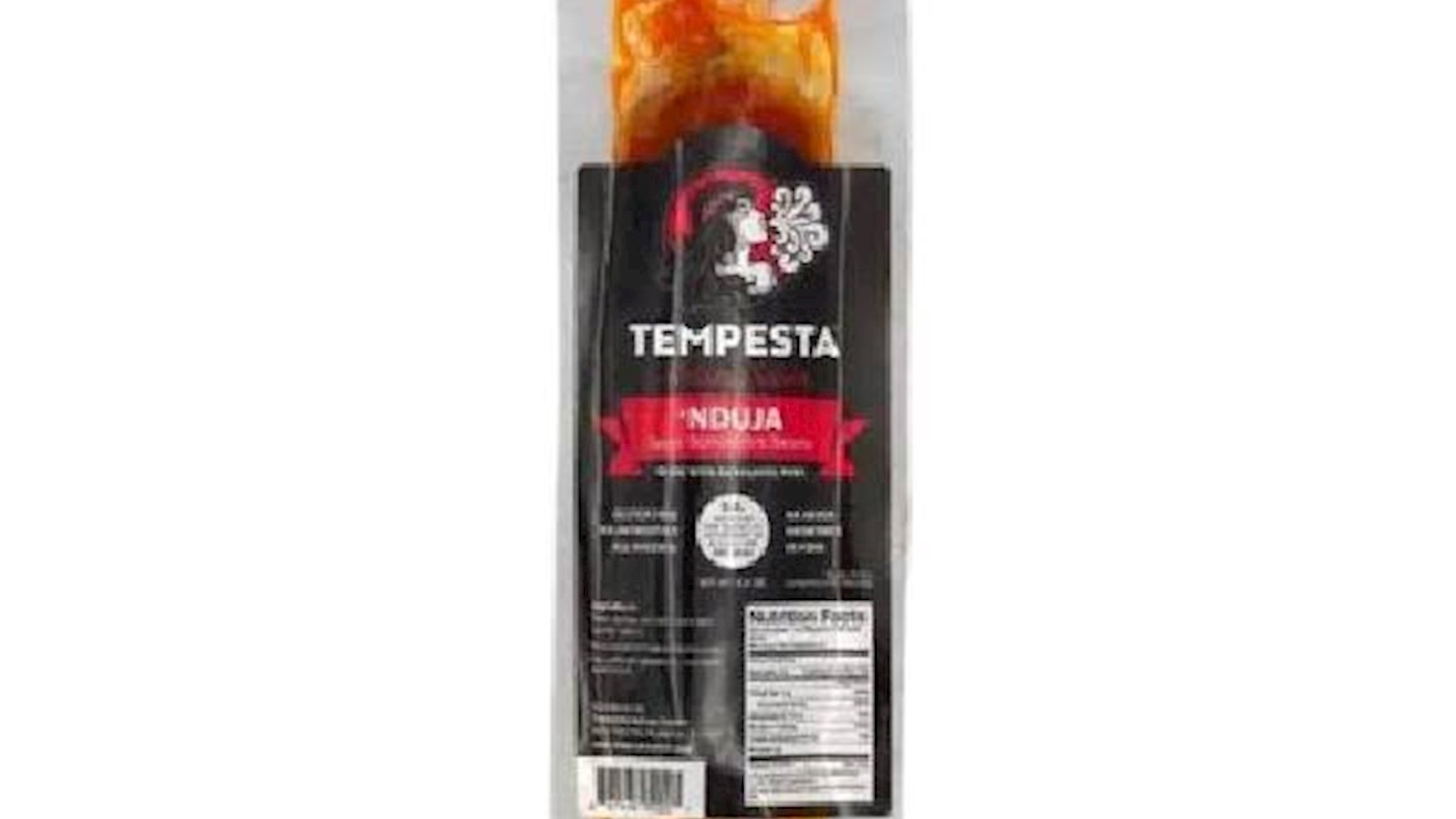
Tempesta Artisan Salumi is a family-run company specializing in the production of premium Italian-style cured meats made using traditional recipes. Their approach combines artisanal craftsmanship with a deep respect for culinary heritage. Their most iconic product is ’nduja—a spicy, spreadable salami known for its bold, rich flavor, made with carefully selected ingredients. The range also includes specialties such as sopressata, finocchiona, chorizo, pistachio-studded mortadella, and wagyu bresaola. All products are made from high-quality pork, raised without hormones or antibiotics, with a strong focus on sustainability and transparency. Tempesta is widely recognized for its commitment to authenticity and quality, earning numerous awards and accolades. Their creations are highly regarded among cured meat enthusiasts and are available in fine food shops and restaurants across the country. With every product, Tempesta brings together tradition and modern standards to offer a truly memorable culinary experience.
Awards
Good Food Award - Winner (2023)
05

Olympia Provisions

4.6 ·
Olympia Provisions is Oregon’s first USDA-approved salumeria, dedicated to crafting premium European-style cured meats using traditional methods. Founded in 2009 in Portland, the company was born from a deep passion for authentic charcuterie, inherited by founder Elias Cairo from his father and perfected through years of training in Europe. Driven by the vision of making artisan meats without compromise, Elias gathered a team of experts and established Olympia Provisions in a small workshop inside the historic Olympic Cereal Mill building. Over the years, the company has grown into one of America’s leading cured meat producers, now operating a 34,000-square-foot production facility alongside multiple restaurants across Portland. Their philosophy is built on carefully sourcing meat from sustainable farms, using traditional curing and fermentation techniques, and incorporating only natural ingredients. Their product range includes premium salamis, sausages, pâtés, and pickled delicacies, all crafted with meticulous attention to detail and a deep respect for tradition. The quality and authenticity of Olympia Provisions’ products are recognized across the United States – they are available in gourmet shops and specialty stores, as well as through their "Salami of the Month Club" subscription, allowing cured meat enthusiasts to enjoy their exceptional products nationwide. With an uncompromising dedication to quality, rich heritage, and an innovative approach, Olympia Provisions continues to be a true symbol of artisan charcuterie, bringing the authentic flavors of Europe to the American table.
Awards
Good Food Award - Winner (2019, 2011)
06

La Quercia

4.6 ·
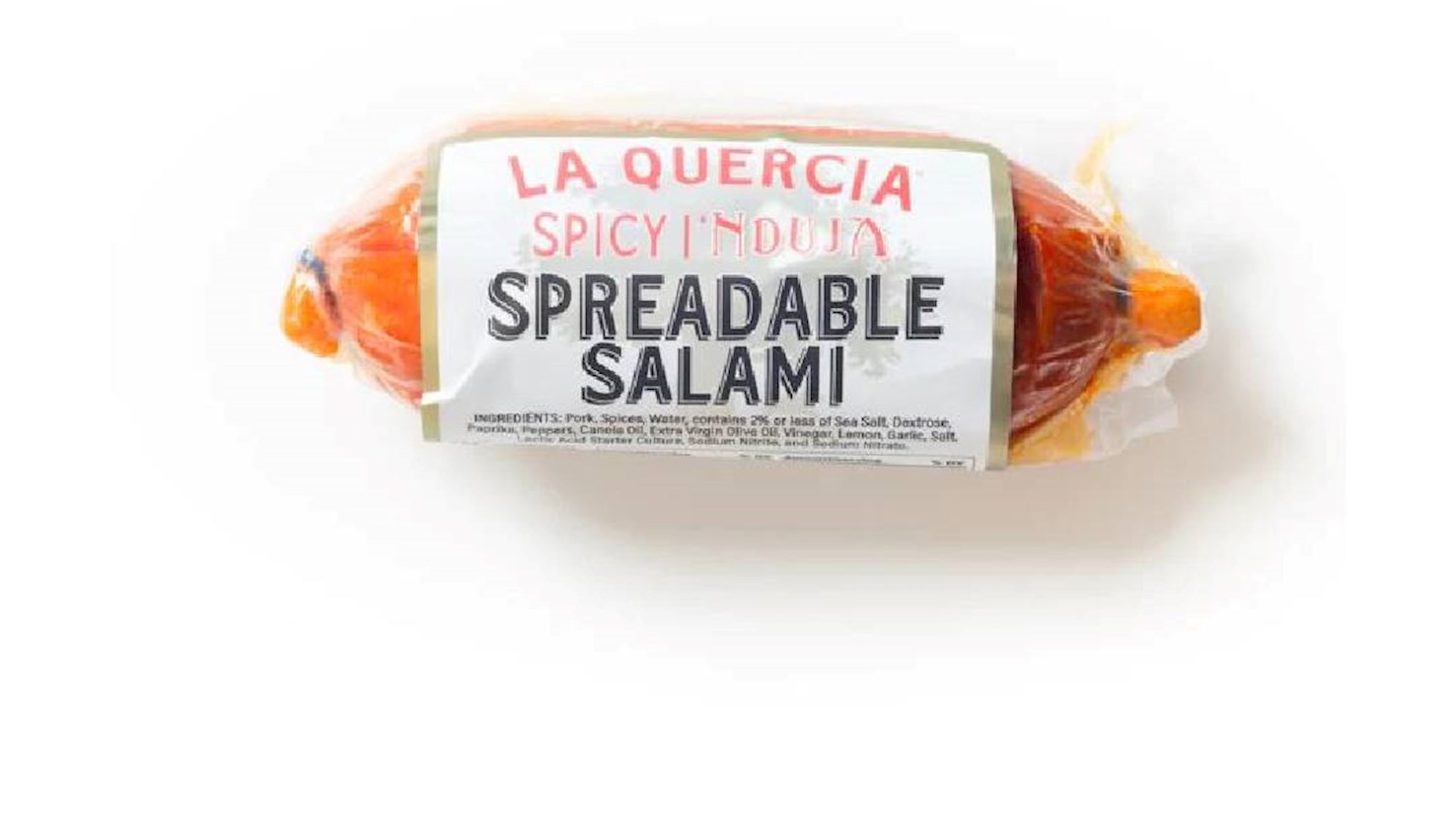
La Quercia is a distinguished American producer of cured meats, founded in 2005 by Herb and Kathy Eckhouse. Their mission is to craft premium-quality charcuterie, such as prosciutto and pancetta, using responsibly sourced ingredients and proprietary recipes. Their inspiration came from over three years spent living in Parma, Italy, where they witnessed firsthand how high-quality ingredients are transformed into exquisite local cured meats. The pork used by La Quercia comes from sustainable farms, primarily raised and processed within 200 miles of their facility. They use organic spices whenever possible and source sea salt from the United States. Their first production facility was built with energy-efficient materials and environmentally friendly refrigerants. In 2009, they expanded their aging space, incorporating high-density, ozone-friendly polyurethane foam insulation and a heat recovery system from refrigeration compressors. Additionally, they installed high-efficiency fluorescent lighting and an on-demand water heating system. Their landscape is designed with low-maintenance prairie grasses, native flowers, and oak trees, while their packaging incorporates several measures to reduce waste and emissions.
07

Schaller & Weber

4.6 ·
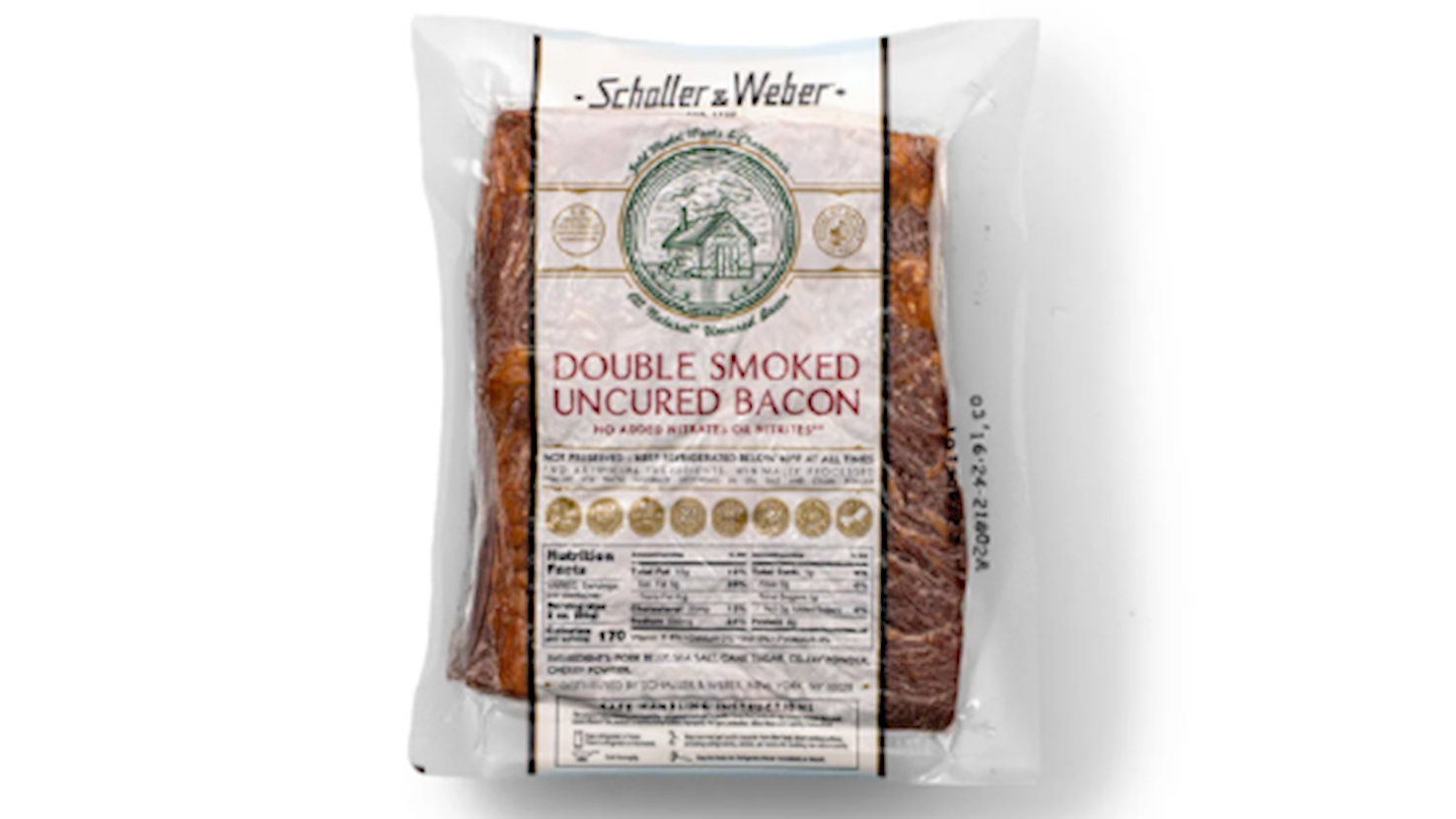
Schaller & Weber is a landmark New York butcher shop and delicatessen founded in 1937, deeply rooted in German and Central European meat-craft traditions. The brand has built its reputation on authentic recipes, technical precision, and consistent ingredient quality, with a clear focus on sausages, cured meats, pâtés, and classic cold cuts. Its range includes specialties such as bratwurst, knackwurst, assorted salamis, and smoked hams, all produced using traditional methods of curing, smoking, and aging. Schaller & Weber maintains a distinctly artisanal approach, prioritizing flavor, texture, and structure over industrial uniformity. The Upper East Side shop operates as a hybrid of an old-world European butcher and a long-standing New York food institution, complemented by traditional accompaniments like mustards and sauerkraut. Over decades, the brand has become a reference point for German-style charcuterie in the United States. It is valued for authenticity, continuity, and a clearly defined identity grounded in craftsmanship rather than modern shortcuts.
08

Three Little Pigs Charcuterie

4.5 ·
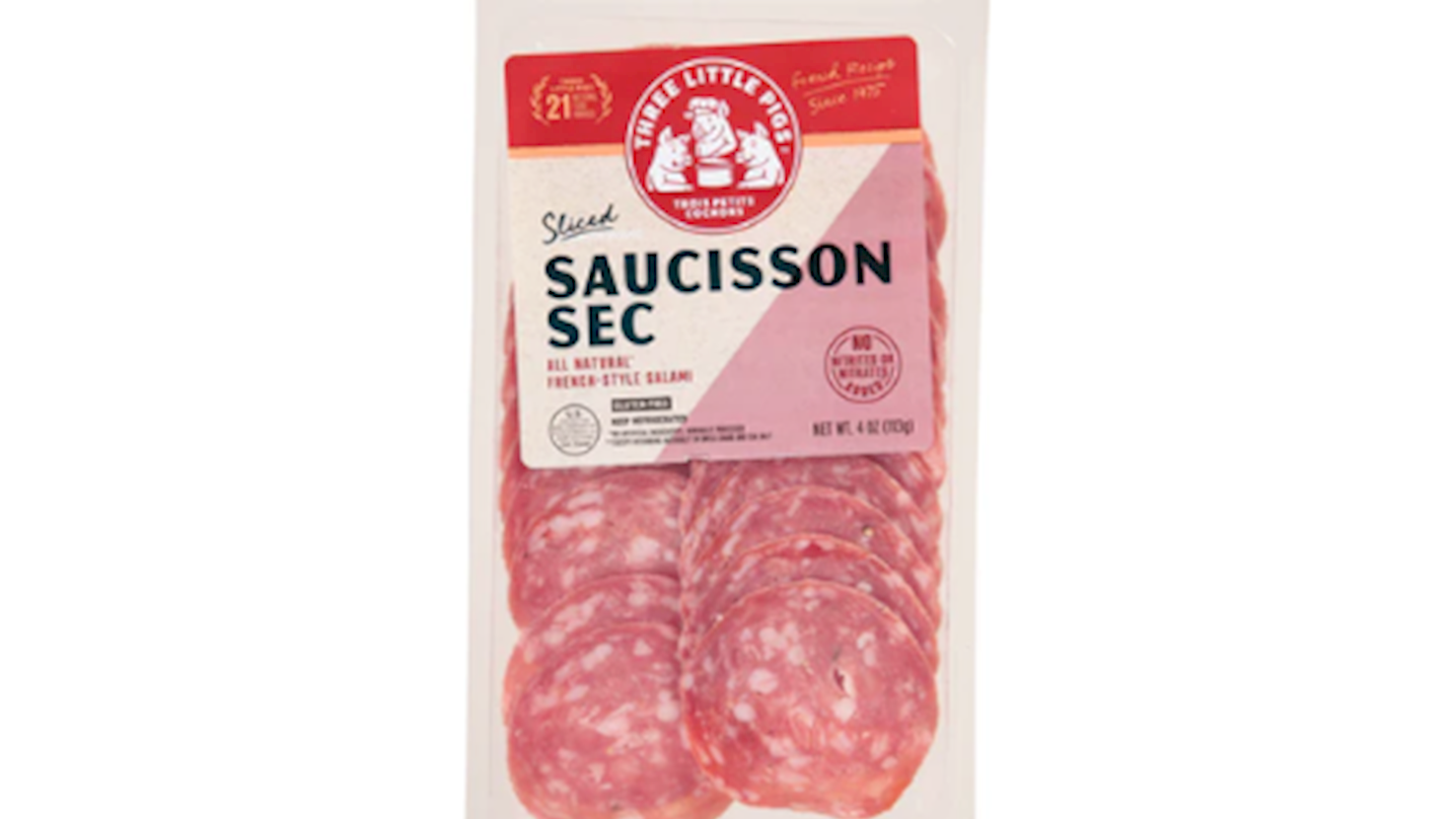
Three Little Pigs Charcuterie is a renowned company specializing in high-quality French-inspired charcuterie, pâtés, mousses, and other gourmet snacks. Founded in 1975, the company introduced American kitchens to the art of charcuterie, with a focus on using only the finest ingredients. They offer a wide range of products, including cured meats, pâtés, foie gras, and sous-vide egg bites. Located in New York, Three Little Pigs is committed to providing customers with authentic and artisanal French-inspired delicacies, perfect for parties, special occasions, or everyday indulgence. Their products are available for purchase directly through their online store, where you can explore their curated selections and seasonal offerings.
09

Creminelli Fine Meats
4.5 ·
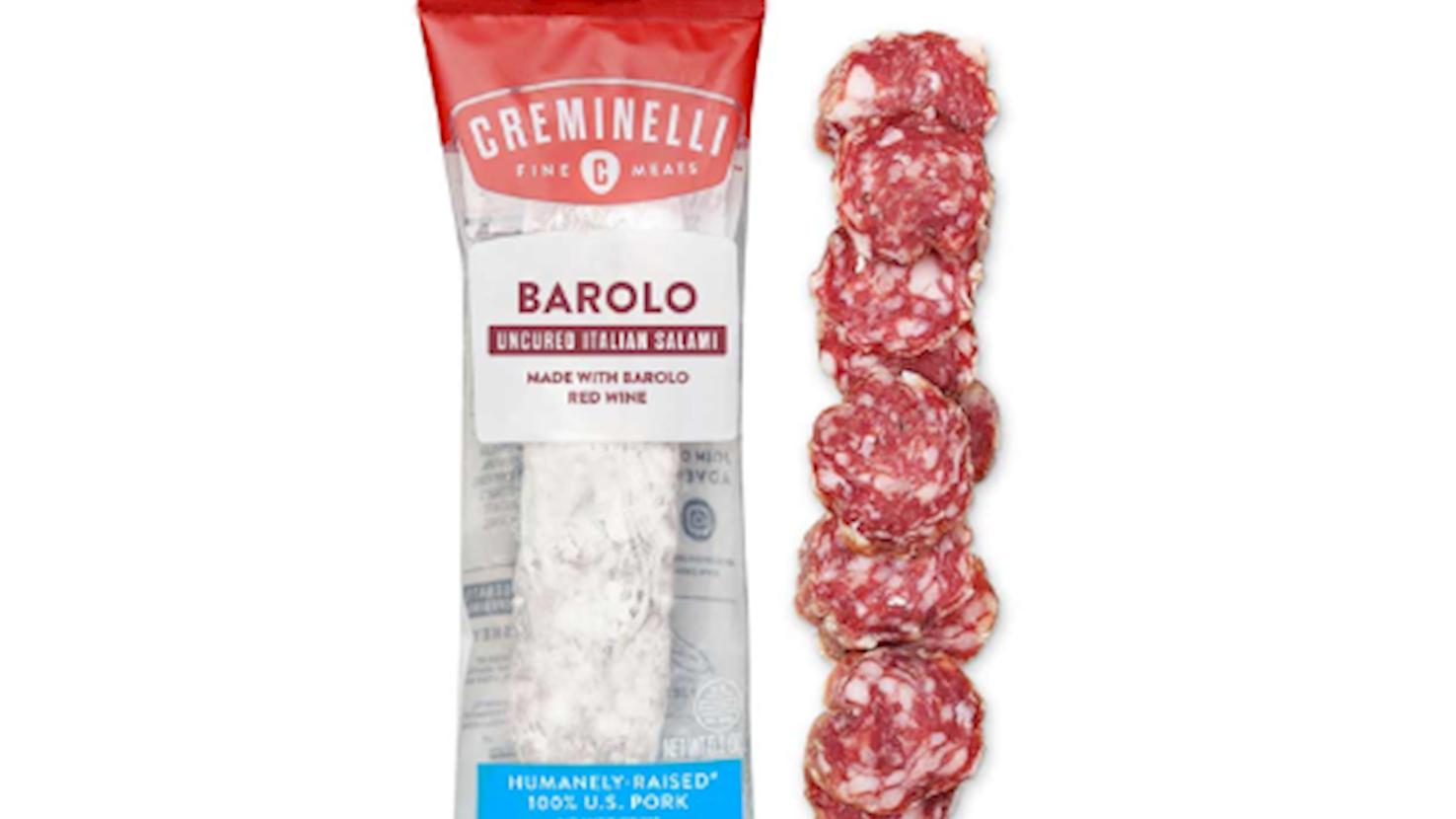
Creminelli Fine Meats is a renowned producer of artisan charcuterie, offering a range of high-quality cured meats. Founded by Cristian Creminelli, the company specializes in crafting salami, prosciutto, and other traditional Italian cured meats using time-honored methods. The meats are carefully selected from farms that prioritize humane animal treatment, and all products are free from antibiotics and hormones. Creminelli is known for its commitment to sustainability, using eco-friendly packaging and promoting responsible farming practices. Their signature products include various types of salami, including spicy, garlic, and classic flavors, all made with simple, natural ingredients. Creminelli's commitment to craftsmanship and tradition sets them apart in the world of fine charcuterie. With a focus on authenticity, they continue to innovate while staying true to the roots of Italian charcuterie.
10

Olli Salumeria

4.5 ·
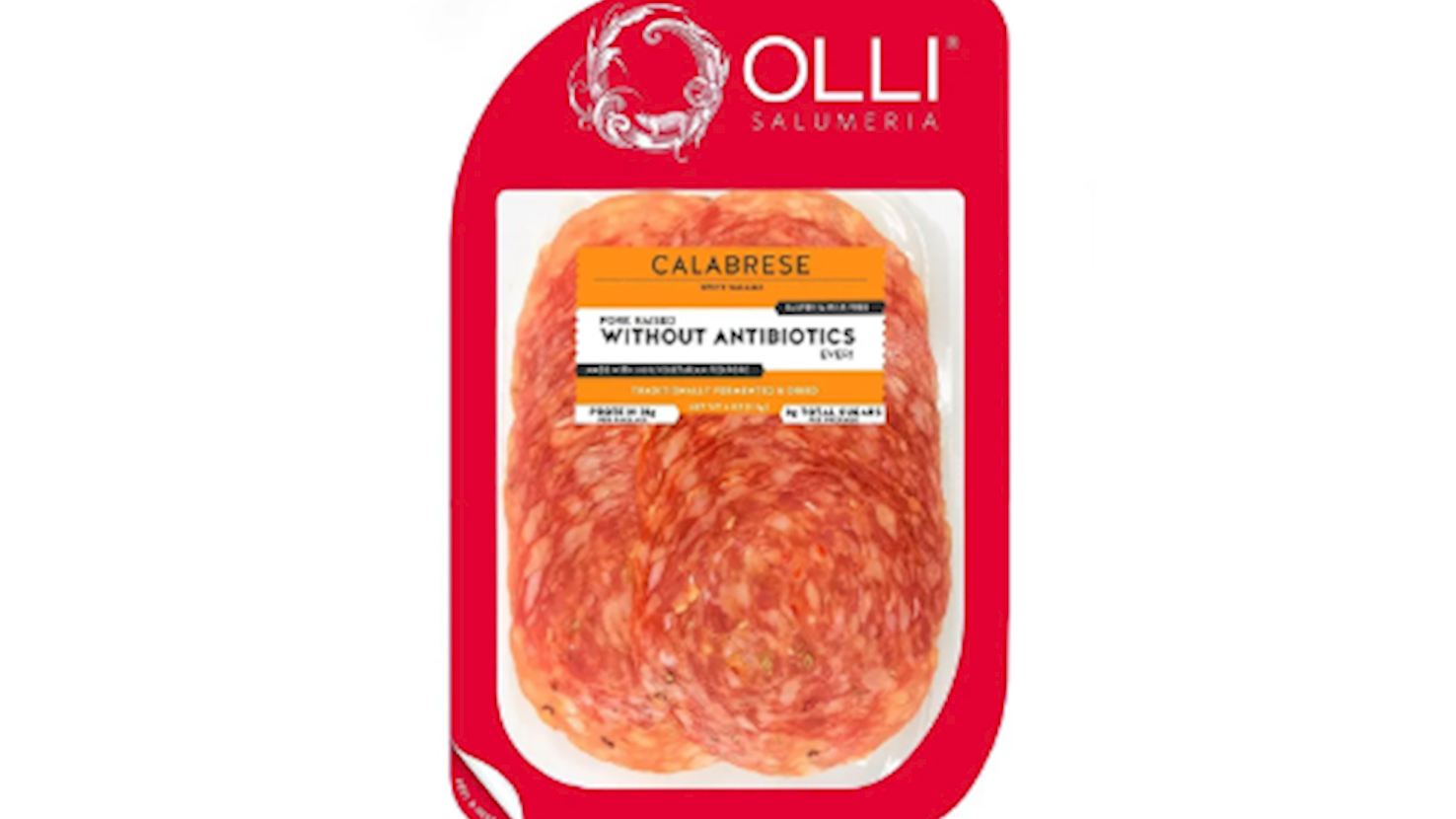
Olli Salumeria is a renowned producer of artisanal, hand-crafted charcuterie, based in the United States. Specializing in high-quality Italian-style cured meats, Olli has gained a reputation for its exceptional taste and traditional production methods. The company produces a wide variety of products, including salami, prosciutto, and other cured meat specialties, all made from the finest ingredients. The meats are made using traditional curing techniques, where each product is carefully crafted, air-dried, and aged to perfection. They source high-quality, humanely raised pork from trusted farms, ensuring that the meats have a rich flavor and superior texture. Their salamis, in particular, are known for their distinct flavor profiles, often enhanced by a blend of spices and herbs.

Best North American Cured Meat Types

01

Montreal-style smoked meat

4 ·

Montreal-style smoked meat is a type of deli meat that originated in Montreal, Canada. It's similar to corned beef and pastrami but has its own distinct preparation process and flavor profile. The meat, typically a high-quality cut of beef brisket, is first cured in a mixture of spices, which often includes coriander, garlic, black pepper, and mustard seeds. The curing process can last a week or more, during which time the meat absorbs the flavors of the spices. After curing, the meat is hot-smoked to cook through and absorb the flavors of the smoke. The final step in preparing Montreal smoked meat is steaming the meat until it is tender enough to fall apart. Montreal-style smoked meat is typically served in thick slices on light rye bread with yellow mustard. It's a staple at delis and sandwich shops in Montreal, and it has gained popularity in other parts of Canada and the United States as well.

02

Pastrami

4 ·

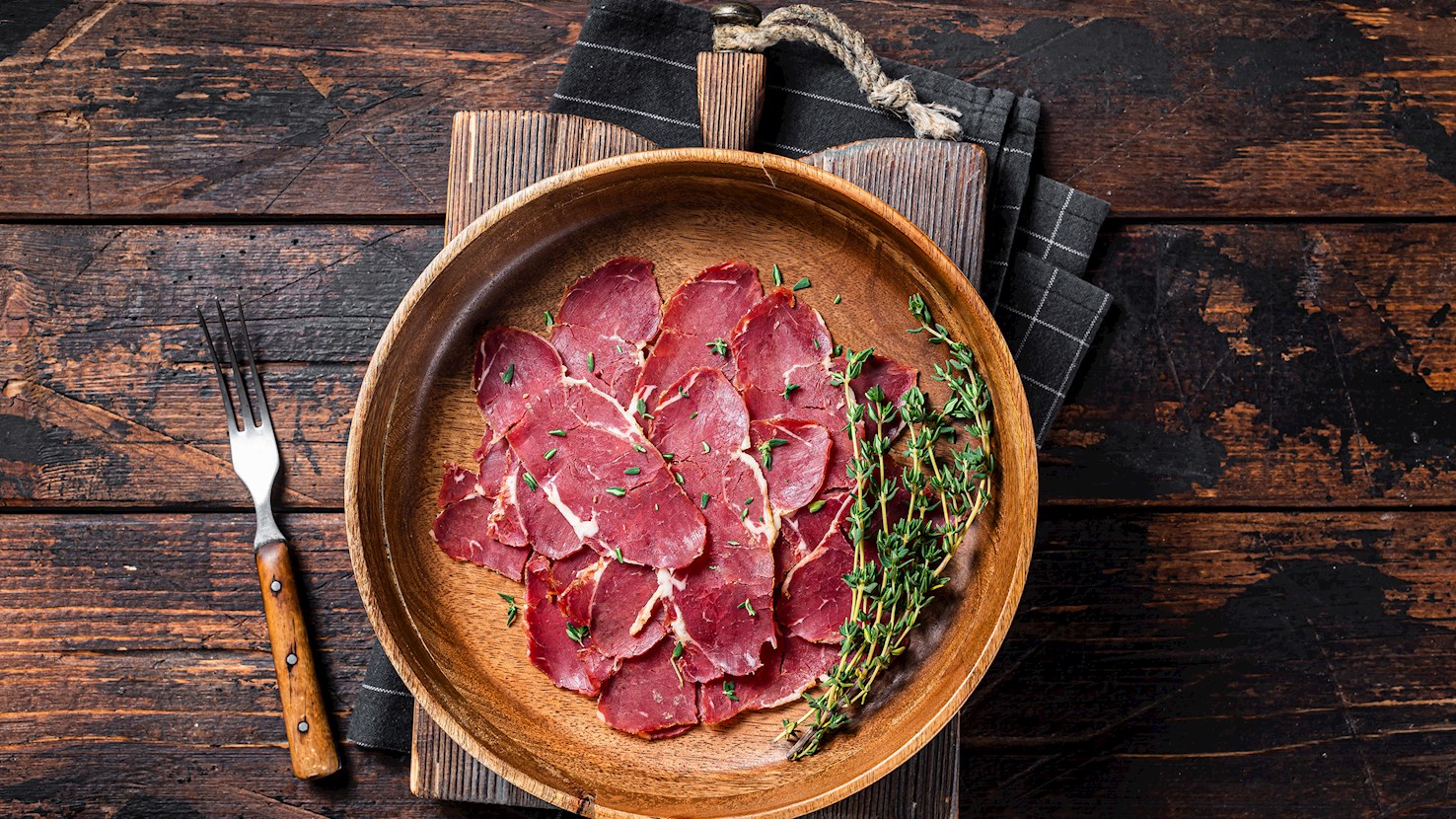
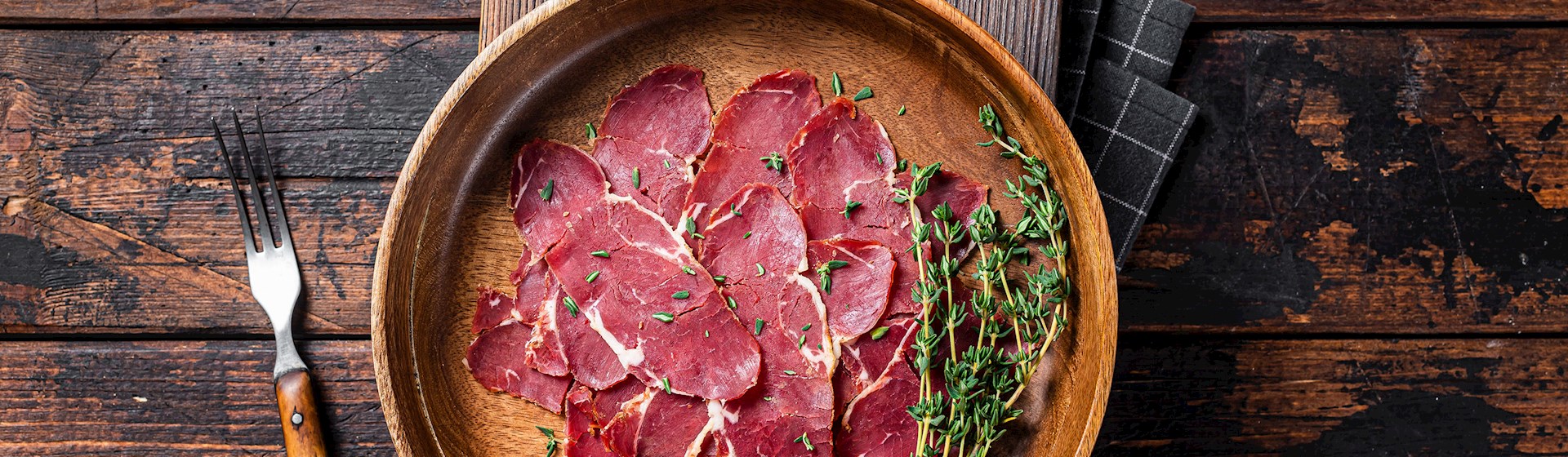
Pastramă (internationally better known as pastrami) is a traditional Romanian cured meat, usually made from goose, beef, lamb, pork, chicken, or turkey. It was created as a form of preservation in which the raw meat is brined, dried, seasoned with herbs and spices, smoked, and finally steamed. Pastramă was introduced to the United States in the second half of the 19th century, with the wave of Romanian Jews who emigrated to the East Coast of the US, mostly to New York City. There, the word pastramă changed to the more American-sounding pastrami. It is believed to be an imitation of the word salami, which was widely known and beloved among the locals. But the wording was not the only thing that adapted. Since the beef plate was a lot cheaper than the more traditional goose meat, Romanian Jews started to make pastrami with it and then used it to make sandwiches. That was the origin of pastrami on rye, one of the most iconic New York dishes. Today, the pastrami is made from different cuts of beef (although New Yorkers still mainly use the beef plate) and mostly sold in Jewish delis', piled high onto rye bread or bagels, and topped with mustard and pickles.

03

Mexican Chorizo

3.9 ·

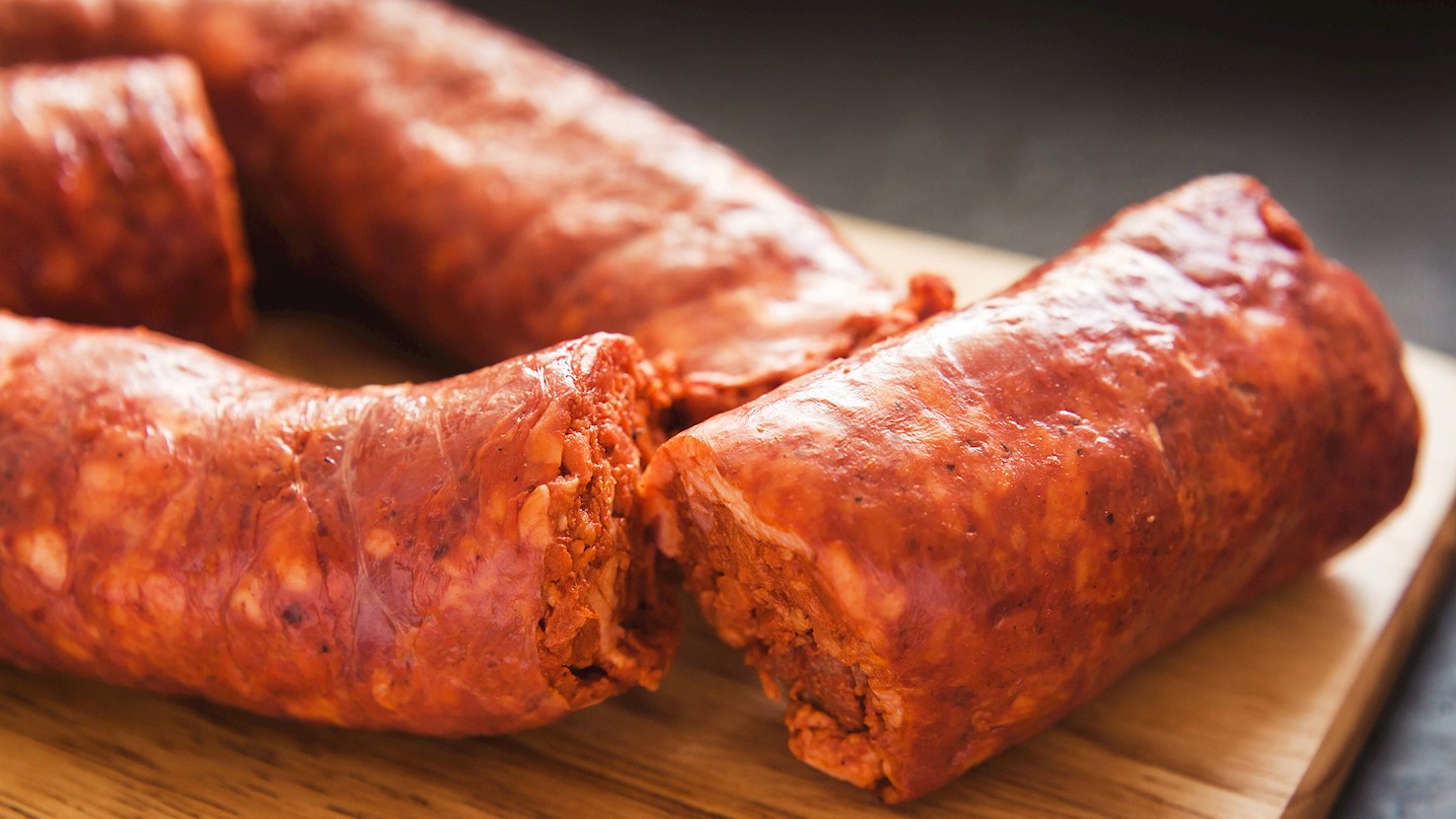
Mexican chorizo is a traditional sausage that differs from Spanish chorizo in many ways. The pork is not chopped, but ground, and the sausage itself isn’t cured, but fresh and raw, which means that it must be cooked before consumption. The red color doesn’t come from paprika, but from red chili peppers, making Mexican chorizo much spicier. The mat mixture is often enriched with pork fat, vinegar, and various spices. The sausage is air-dried from one day to a full week. The versatile Mexican chorizo can be used in egg dishes, tacos, burgers, stuffed peppers, and similar savory dishes. It is believed that the first Mexican chorizos were prepared in Toluca.

04

Vienna Beef Hot Dog

3.8 ·

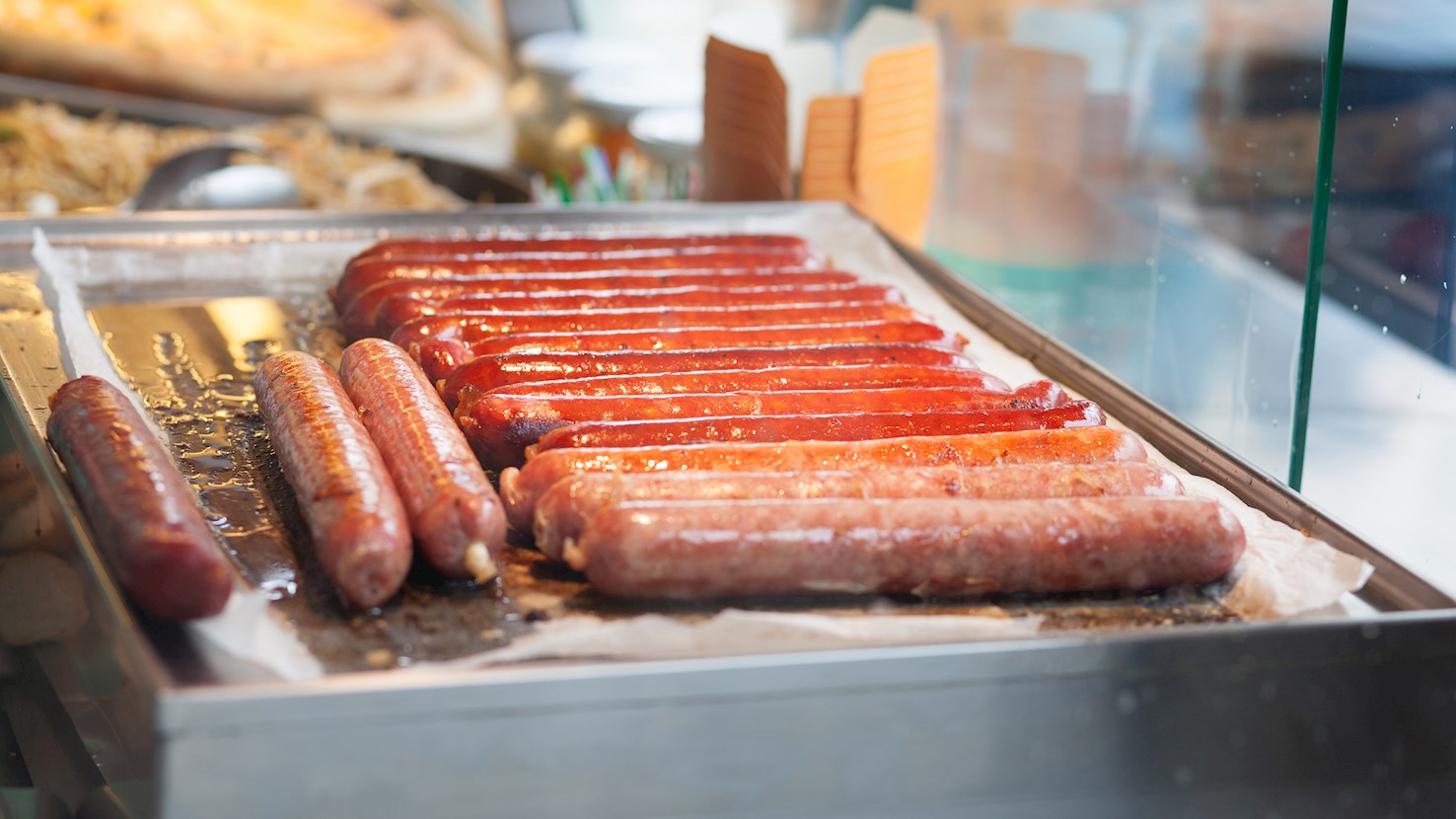
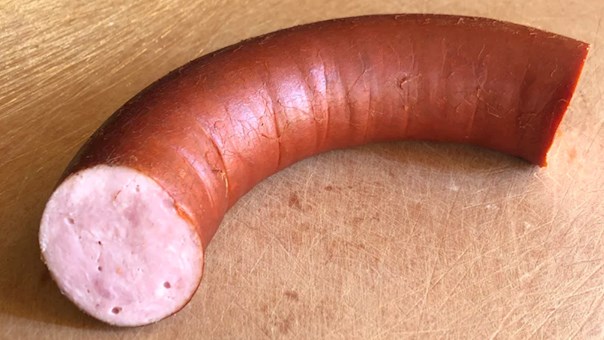
Vienna Beef hot dog is a sausage variety manufactured by Vienna Beef Inc., mainly used in the iconic Chicago-style hot dog. It consists of at least 75% ground bull beef, garlic juice, salt, paprika, and a secret blend of flavorings and seasoning, all encased in the natural sheep intestine. But what sets it apart is the high quality of said ingredients and a unique production process — only premium cuts of beef are slow-cooked to perfection and then smoked to bring out their flavor. Vienna Beef Inc. was founded in 1893 by Viennese immigrants Emil Reichel and Sam Ladany, who were selling hot dogs with Viennese sausages during Chicago World's Fair. Their quality product, famous for its distinctive "snap" denoting natural casing and high quality of the meat inside, soon rose in popularity and, by the beginning of the 20th century, became a staple in The Windy City. Although it's most commonly enjoyed as a hot dog, Vienna Beef hot dog can also be added to casseroles, chilis, or stir-fries.

05

Pepperoni

3.7 ·

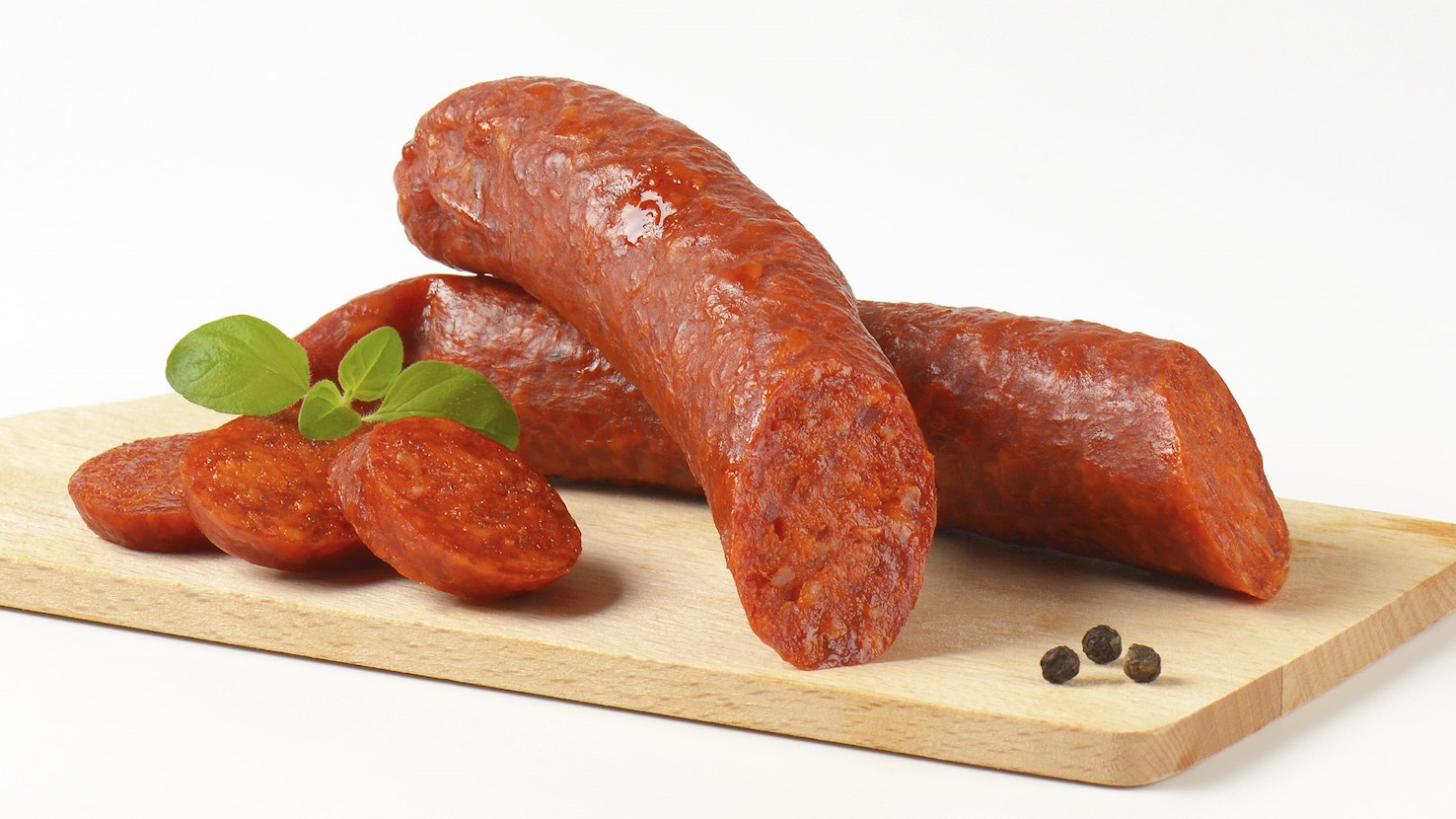
Traditional American pepperoni is a dry sausage that is smoked and air dried, although sometimes it can also be cooked. It is made from pork, beef, or a combination of both, usually 30% beef and 70% pork. The sausage is typically soft, with a slightly smoky flavor and a bright red color due to paprika and cayenne pepper. It is often seasoned with peppers, fennel, garlic, or mustard seeds. Its fast-fermented, thinly sliced variety often ends up as a pizza topping in numerous American-style pizza establishments. In fact, it is the most popular topping in America, served on more than 35% of all pizza orders. It can commonly be found in American deli counters in supermarkets, and it is also used in the preparation of some varieties of submarine sandwiches.

06

Jerky

3.7 ·

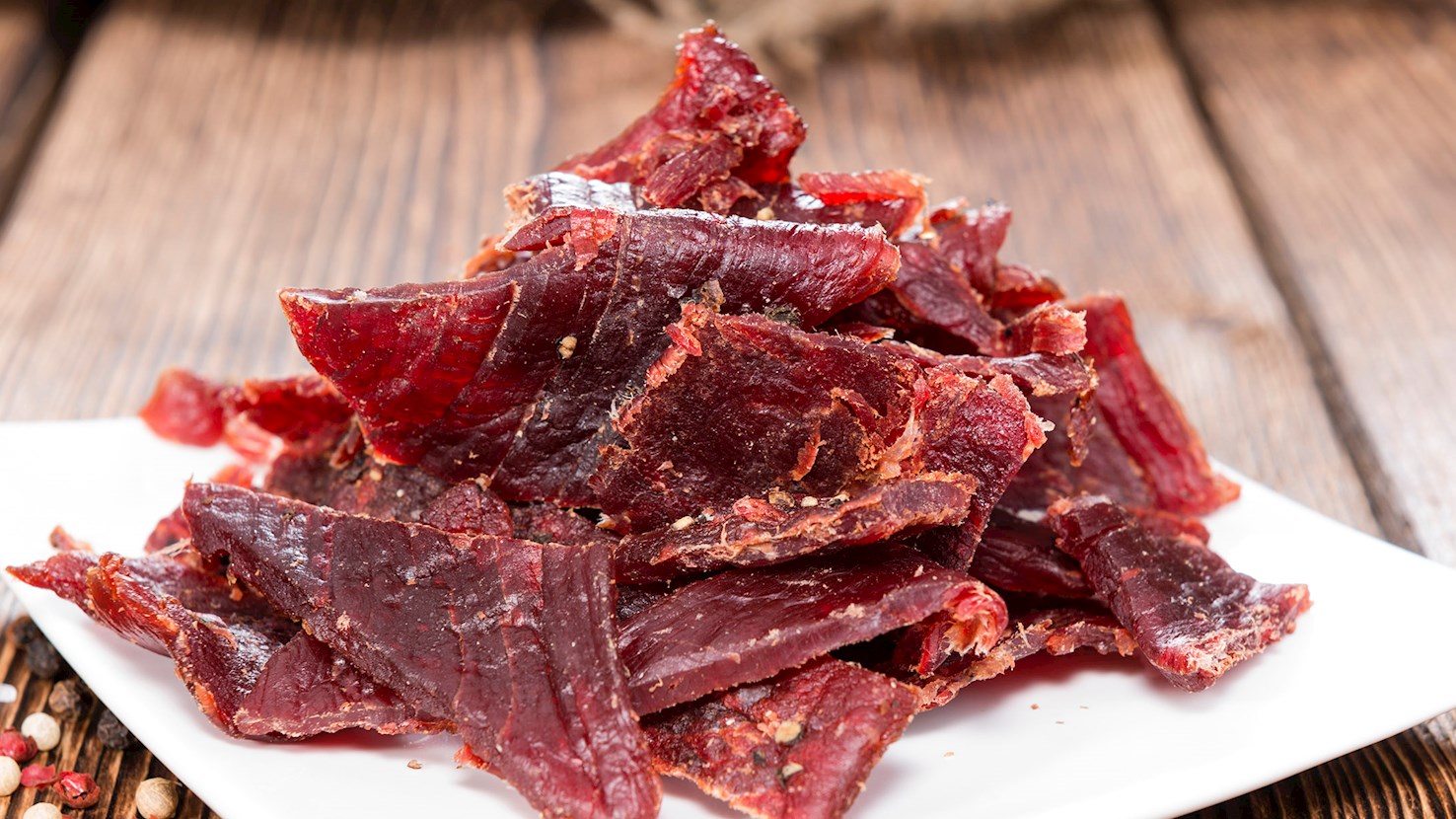
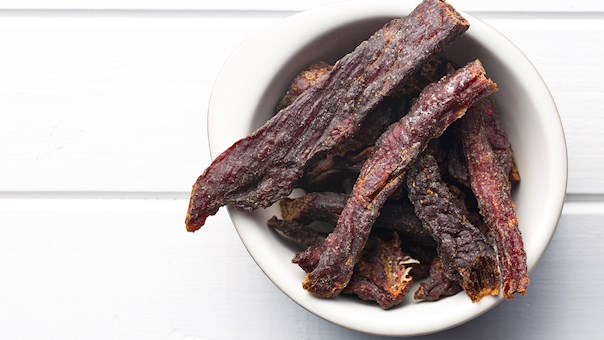
This delicious snack is made with lean meat that is trimmed of fat, cut into thin strips, dried, and salted to preserve it. There is evidence that jerky was consumed and prepared in ancient Egypt, and it is known to have been a popular food among Native American civilizations. It would be made when game was plentiful, and the dried, salted meat could be stored to help them survive the winter when hunting or farming was impossible. Jerky was also ideal as it was easy to transport, which perfectly suited the nomadic lifestyle of many Native American tribes. The first Europeans to make dried meat on American soil were Spanish conquistadors, whose dried meat staple food was called charque. This word later evolved into jerky in the English language. Today, jerky is mass-produced in carefully controlled environments and prepared by artisans as well. It is made using various meats, marinades, and curing processes, and is available in numerous different flavors. Although it is extremely popular in the United States and Canada, jerky is becoming more and more common in Australia, New Zealand, and the United Kingdom.

Best producers
07

Carne seca

3.6 ·

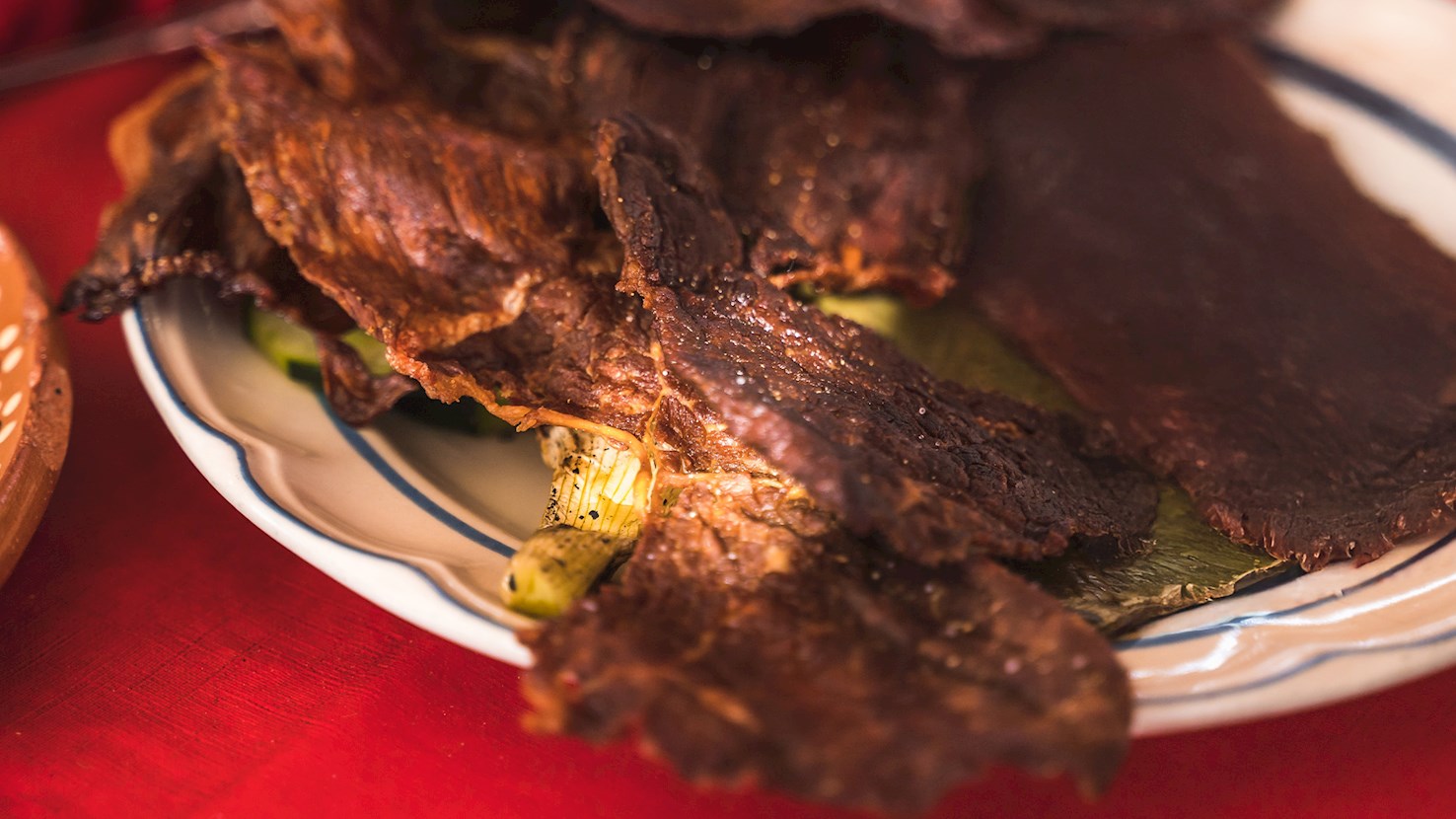
Carne seca (translates to dry meat in English) is a type of cured meat commonly found in Mexican cuisine, made by marinating thin slices of beef in a mixture of salt, lime juice, and spices (which are different in each region, but most often chili powder, cumin, garlic, and various dried herbs are used), then drying the meat to remove moisture. The drying process can be done by hanging the meat in the sun or using low heat over an extended period. Once dried, carne seca becomes firm and chewy, is savory and slightly tangy, and has a rich meaty flavor. Carne seca has a long history in Mexican cuisine, dating back to the indigenous cultures that inhabited the territory. It was originally developed as a means of preserving meat in regions where refrigeration was not available. The drying process not only extends the meat's shelf life but also concentrates its flavors. It is often used as an ingredient in various Mexican dishes, including stews, soups, tacos, burritos, and scrambled eggs, but it is also commonly found in traditional dishes of other Latin American countries.

08

Country Ham

3.6 ·

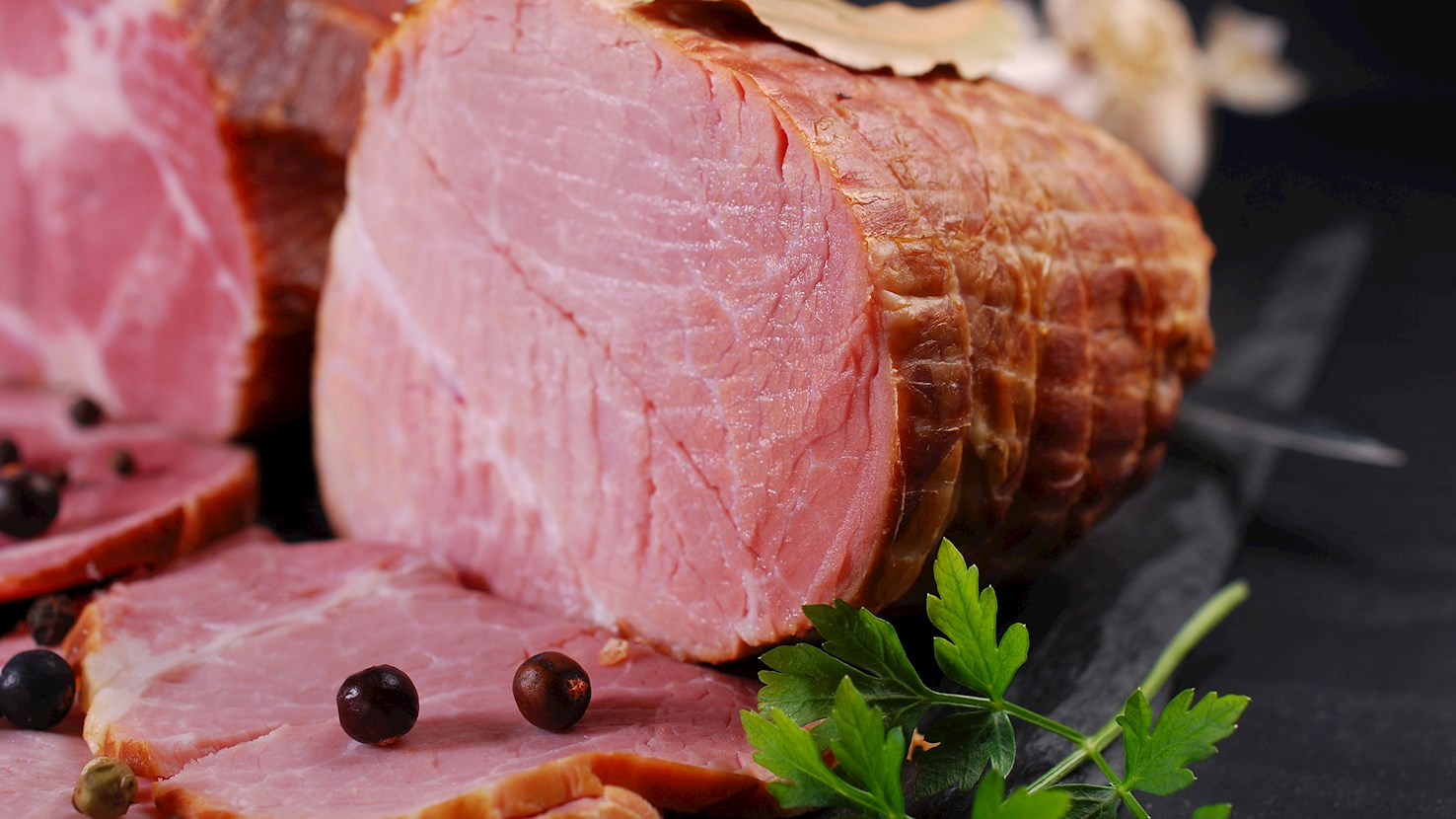
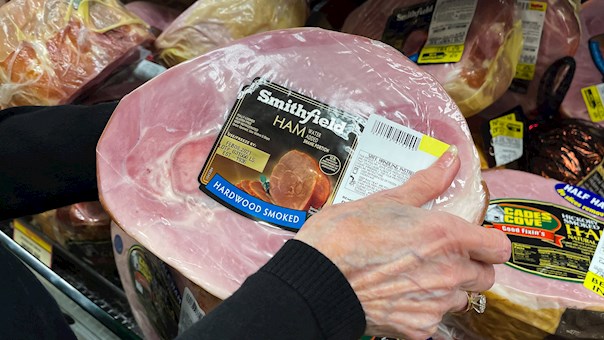
Country ham is heavily salted cured pork leg, traditionally associated with the Southern United States. It originated during Colonial times as means of preservation in a humid climate and is nowadays prized as an artisanally made delicacy, different in each of the Southern states. To produce it, pork leg is first cured with a mixture of salt and sodium nitrate, but some recipes also use sugar (Missouri style, for example) and spices in the cure. The leg is left to age for a month or up to three years, and washed to remove the brine and the mold. The last step of the process may or may not be hardwood smoking, depending on the region (North Carolina style is usually not smoked). The taste heavily depends on the type of rub used for curing, the time of aging and whether the ham was not or was smoked (and which wood was used for smoking). Characterized by an intense saltiness, country ham can be enjoyed as it comes, but most recipes call for frying and baking it, or using it as an ingredient in stews, gravies, and soups.

09

Peameal Bacon

3.3 ·

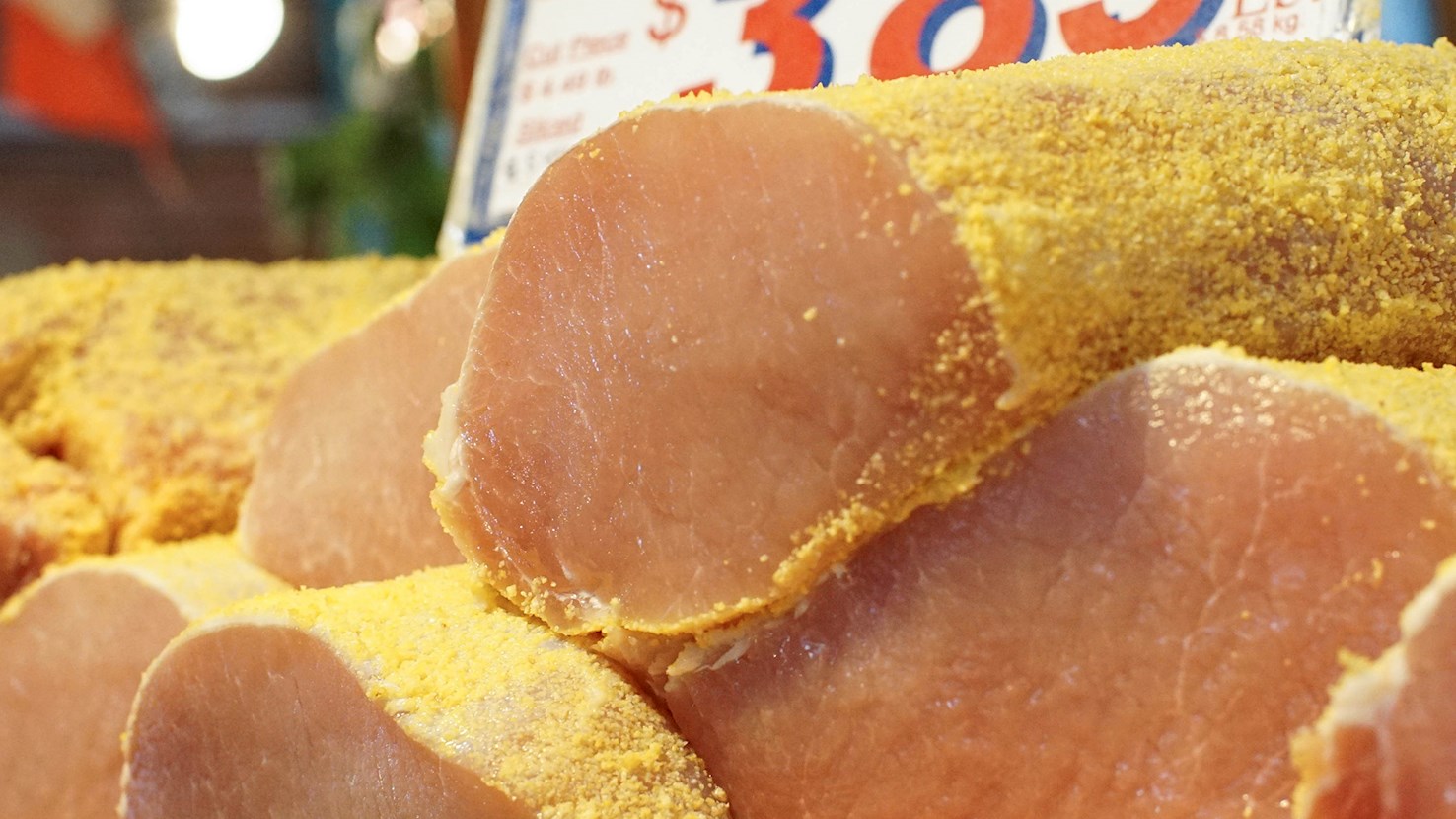
This bacon is a classic Canadian meat product made with a boneless center-cut pork loin that is typically trimmed of fat, then cured in brine, and finally enclosed in a coating of ground cornmeal, which gives it its signature yellow-hued crust and incomparable flavor. The original coating consisted of ground yellow peas called peameal, which is how the bacon got its name. Subtly sweet, nutty, and with a hint of saltiness, peameal bacon is not smoked nor pre-cooked, so it requires some preparation prior to consumption. William Davies, a successful ham and bacon curer and the owner of a Toronto-based pork processing and packing company named William Davies Company, has been attributed with the introduction of peameal bacon in Canada and has also been named a pioneer in using cornmeal for producing this bacon. Considered as one of the most authentic Candian products, peameal bacon has remained a staple breakfast item across the country for many years. This bacon is also the main ingredient of peameal bacon on a bun, a sandwich which continues to win over the hearts and bellies of locals and tourists alike. Peameal bacon is traditionally produced in Canada and is different from what is known in the U.S. as Canadian bacon, which is a variety of smoked back bacon.

10

Tasso Ham

3.3 ·

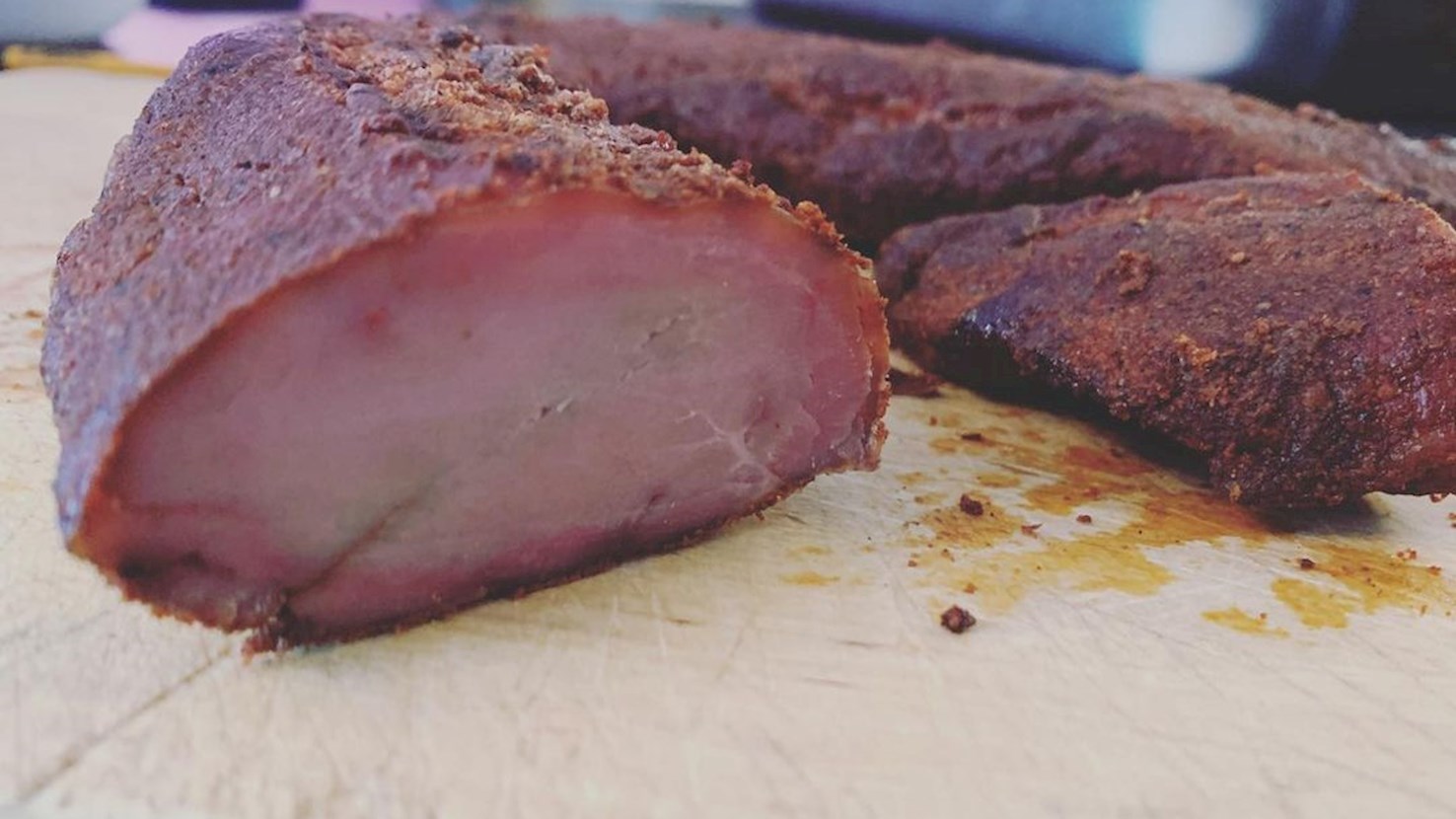
Tasso ham is a traditional Cajun cured meat product originating from Louisiana. Although this cured meat product contains the word ham in its name, it's actually made from pork shoulder. The meat is sliced across the grain and the slices are then cured in salt and a bit of sugar for a few hours before they're rinsed, rubbed with salt, pepper, garlic, and cayenne pepper, and hot-smoked until fully cooked. This dish can be eaten as it is, but it's also often used in stews, soups, rice, red beans, and gumbo. The term hasso comes from the Spanish word tasajo, denoting a slice of cured dried meat. The earliest meantion of tasso ham dates back to the late 1700s.

Read more
View all
View map
About this ranking

TasteAtlas food rankings are based on the ratings of the TasteAtlas audience, with a series of mechanisms that recognize real users and that ignore bot, nationalist or local patriotic ratings, and give additional value to the ratings of users that the system recognizes as knowledgeable. For the “Top 15 North American Cured Meats” list until June 15, 2026, 937 ratings were recorded, of which 771 were recognized by the system as legitimate. TasteAtlas Rankings should not be seen as the final global conclusion about food. Their purpose is to promote excellent local foods, instill pride in traditional dishes, and arouse curiosity about dishes you haven’t tried.

The initial list of top producers was compiled based on available reviews, awards, local recommendations, media and blog coverage, and consumer reviews. The list will be updated with ratings from TasteAtlas local ambassadors and TasteAtlas users.

Similar lists