M.B.

Top 10 Southeastern European Cured Pork

Last updated on June 06, 2026

Best Southeastern European Cured Pork
01

Njeguška Pršuta - Gazdinstvo Martinović

4.7 ·
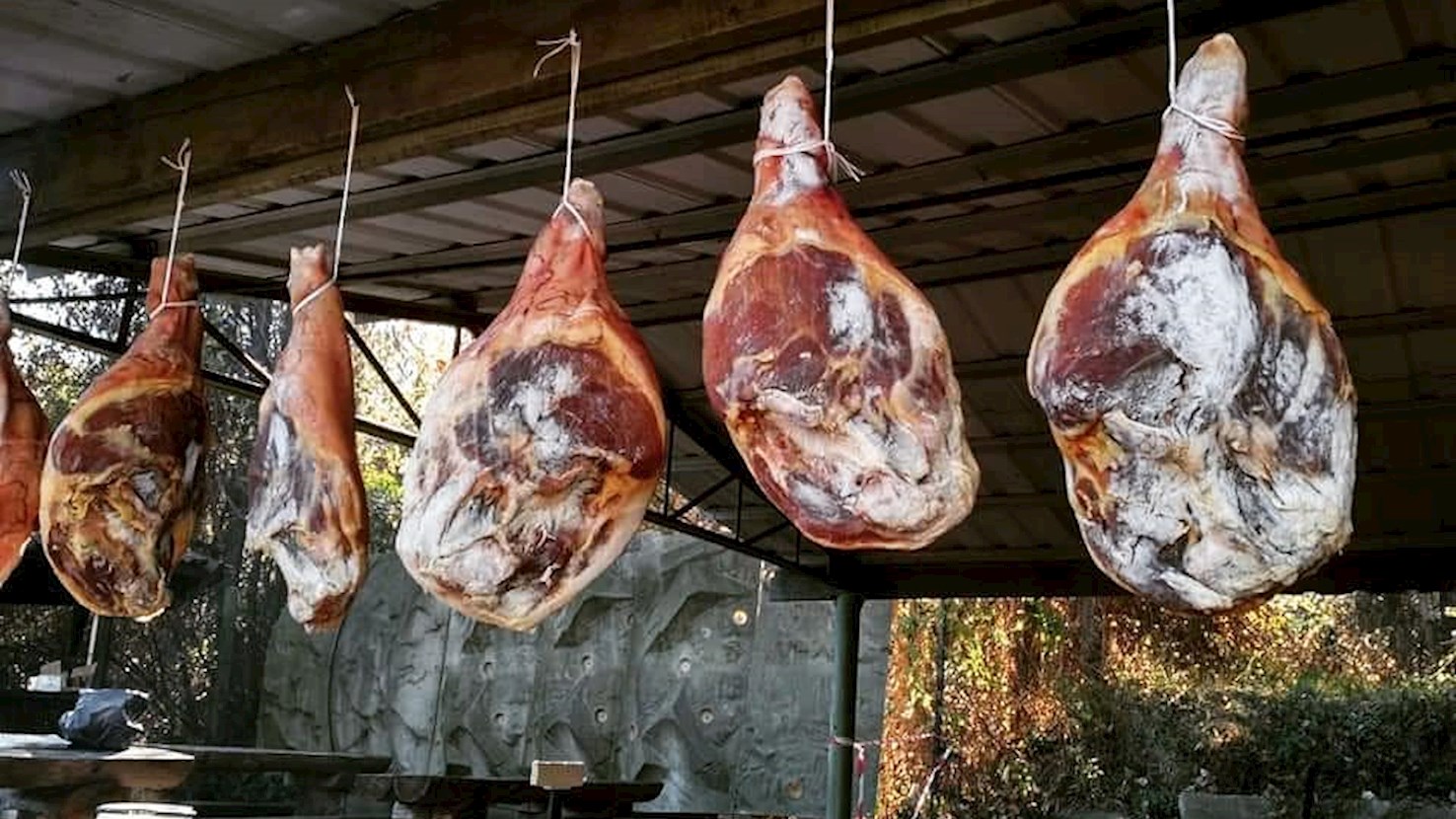
Njeguška Pršuta - Gazdinstvo Martinović from the village of Bajice near Cetinje produces traditional Njeguši prosciutto and Njeguši cheese, relying on methods that have been passed down through generations in this region. The pork legs for the pršuta are cured exclusively with sea salt, then pressed and smoked over cold beechwood smoke, after which the meat matures for about a year in the mountain air beneath Lovćen. This process creates its distinctive aroma and firm yet juicy texture. Alongside pršuta, the household is also known for Njeguški sir, made from cow’s milk, lightly salted, and aged under controlled conditions to develop a semi-firm texture, gentle buttery notes, and subtle hints of maturation. The cheese is traditionally served with the pršuta, as their flavors complement each other naturally and form the foundation of the Njeguška culinary tradition. Martinović offers their products in various formats, including vacuum-sealed packaging, ensuring freshness and wider availability of this renowned Montenegrin delicacy duo.
02

Vavourakis Farm

4.6 ·
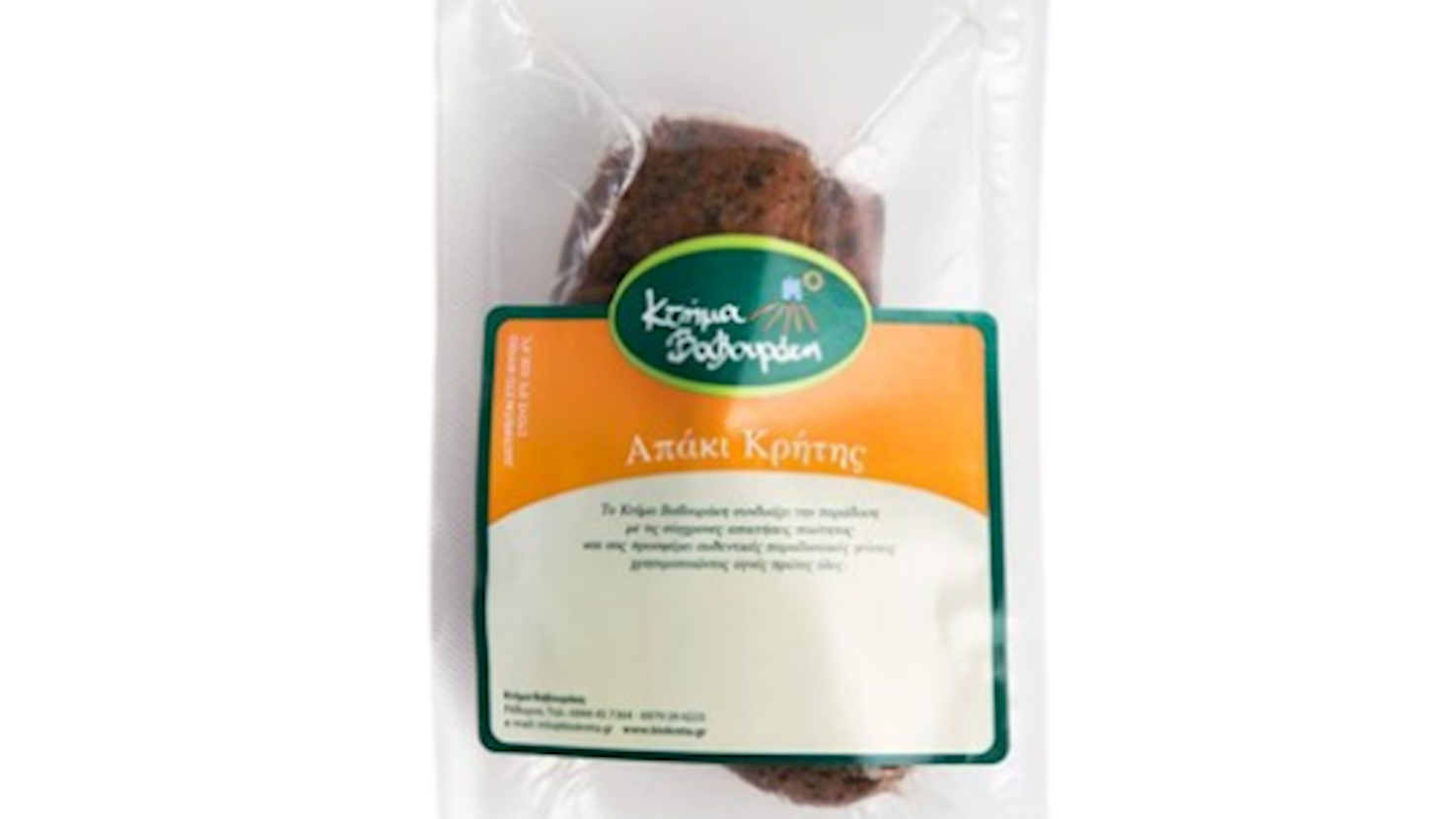
Vavourakis Farm, also known as Vavourakis Estate, is a family-run organic farm based on the island of Crete, specializing in pork and traditional cured meat products marketed under the Biokreta brand. Founded in 1995 by Michalis Vavourakis in the region of Rethymno, the farm was developed with a clear focus on sustainable agriculture and animal welfare. Located in a mountainous and relatively isolated area, it provides natural conditions for free-range pig farming, where animals are raised without hormones or routine antibiotics and are fed exclusively with certified organic feed, fruits, vegetables, and wild herbs. This approach reflects a combination of modern organic farming standards and long-standing Cretan rural practices. The production is centered on traditional local specialties such as sausages, cured meats, and especially apaki, a smoked pork delicacy deeply rooted in the island’s culinary heritage. All products come from the farm’s own livestock and are processed without artificial preservatives or chemical additives, ensuring a clean and traceable production chain. What defines Vavourakis Farm is its balance between tradition and controlled quality, where inherited recipes are preserved while meeting contemporary food safety and certification standards. The estate’s philosophy is built on sustainability, respect for the natural environment, and the preservation of local gastronomic identity. Today, it stands as a recognized example of how small-scale farming on Crete can evolve into a structured organic production model without losing its authentic character.
03

Kassaki Charcuterie

4.2 ·
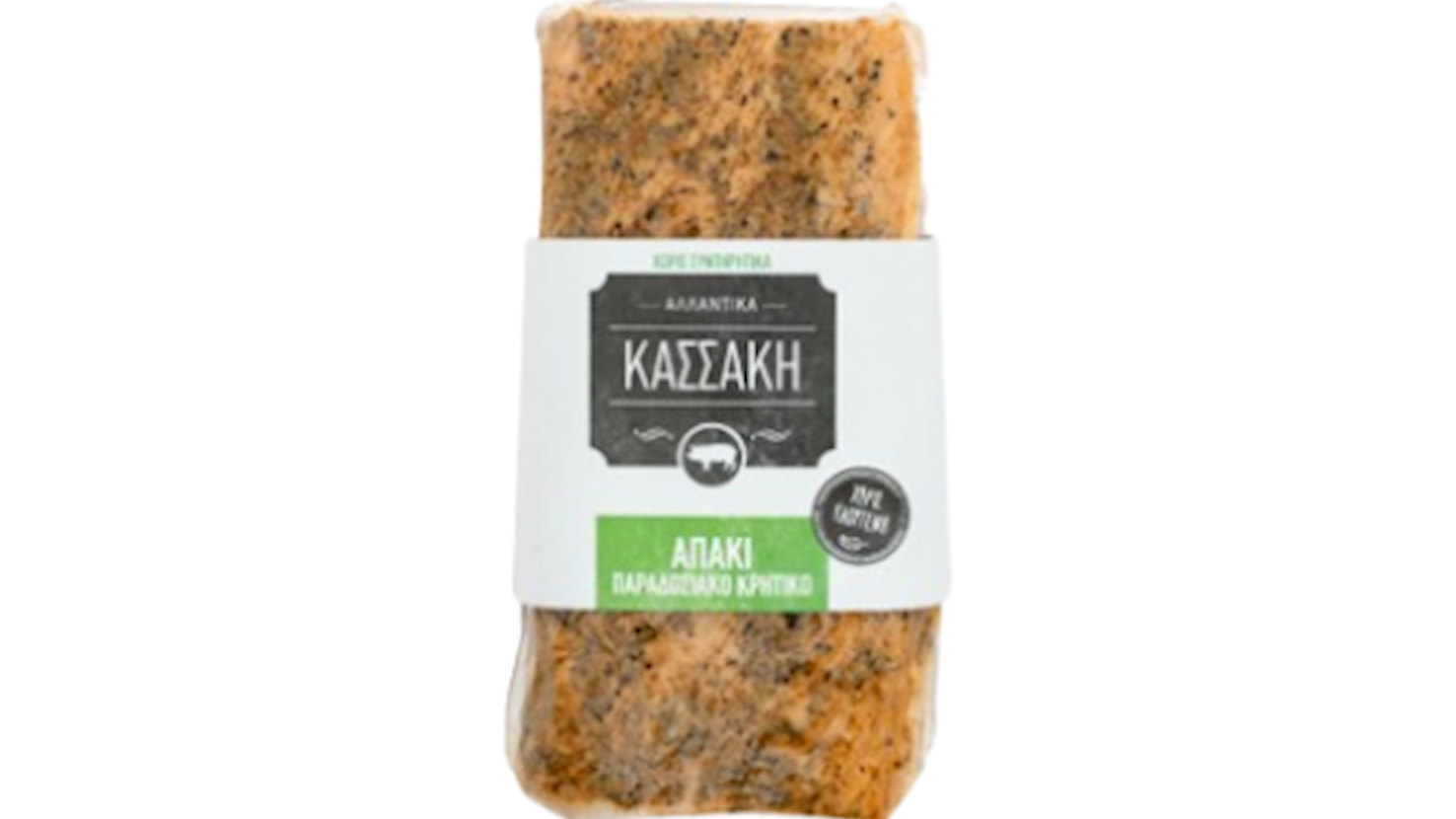
Kassaki Charcuterie is a family-run charcuterie producer based on the island of Crete, specializing in traditional cured meat products rooted in local culinary heritage. Established in 1999 and building on family practices that date back to the early 20th century, the company focuses on preserving authentic Cretan recipes while adapting them to modern production standards. Its facilities are located in the village of Galatas, Heraklion, where the entire process from raw material selection to curing and smoking is carried out under controlled conditions. The product range centers on classic regional specialties such as sausages, apaki, and other cured pork products, all made using natural methods without unnecessary additives. Kassaki emphasizes the use of traditional smoking techniques and local herbs, which contribute to the distinctive aromatic profile of its products. The recipes are based on inherited family knowledge, refined with contemporary technology to ensure consistency and food safety. In addition to production, the company also develops a visitor experience that allows guests to explore the process and taste the products in their place of origin. This integration of production and experience positions Kassaki Charcuterie as both a food producer and a representative of Cretan gastronomic identity.

Best Southeastern European Cured Pork Types
01

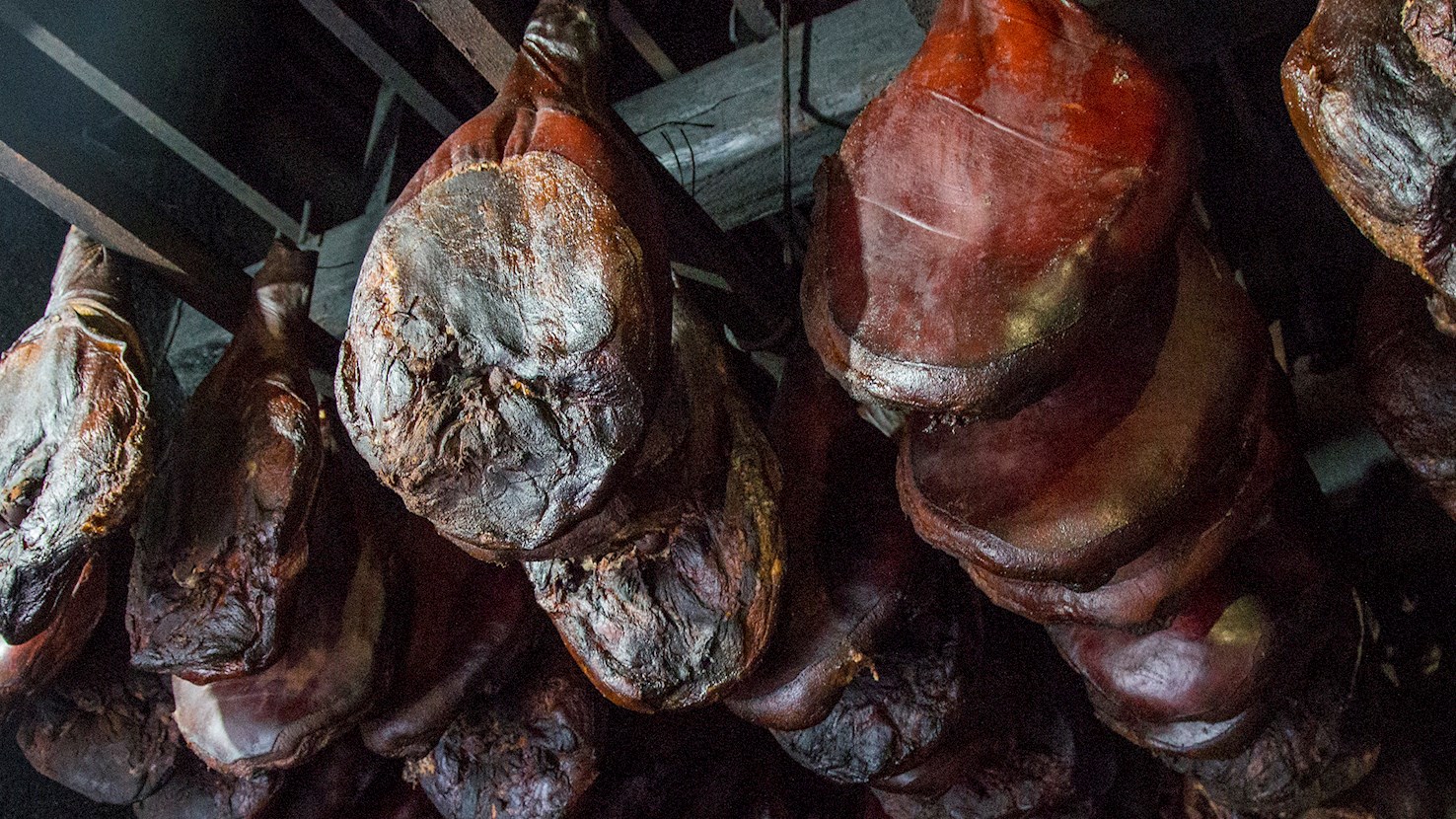
Njeguška pršuta

4.4 ·

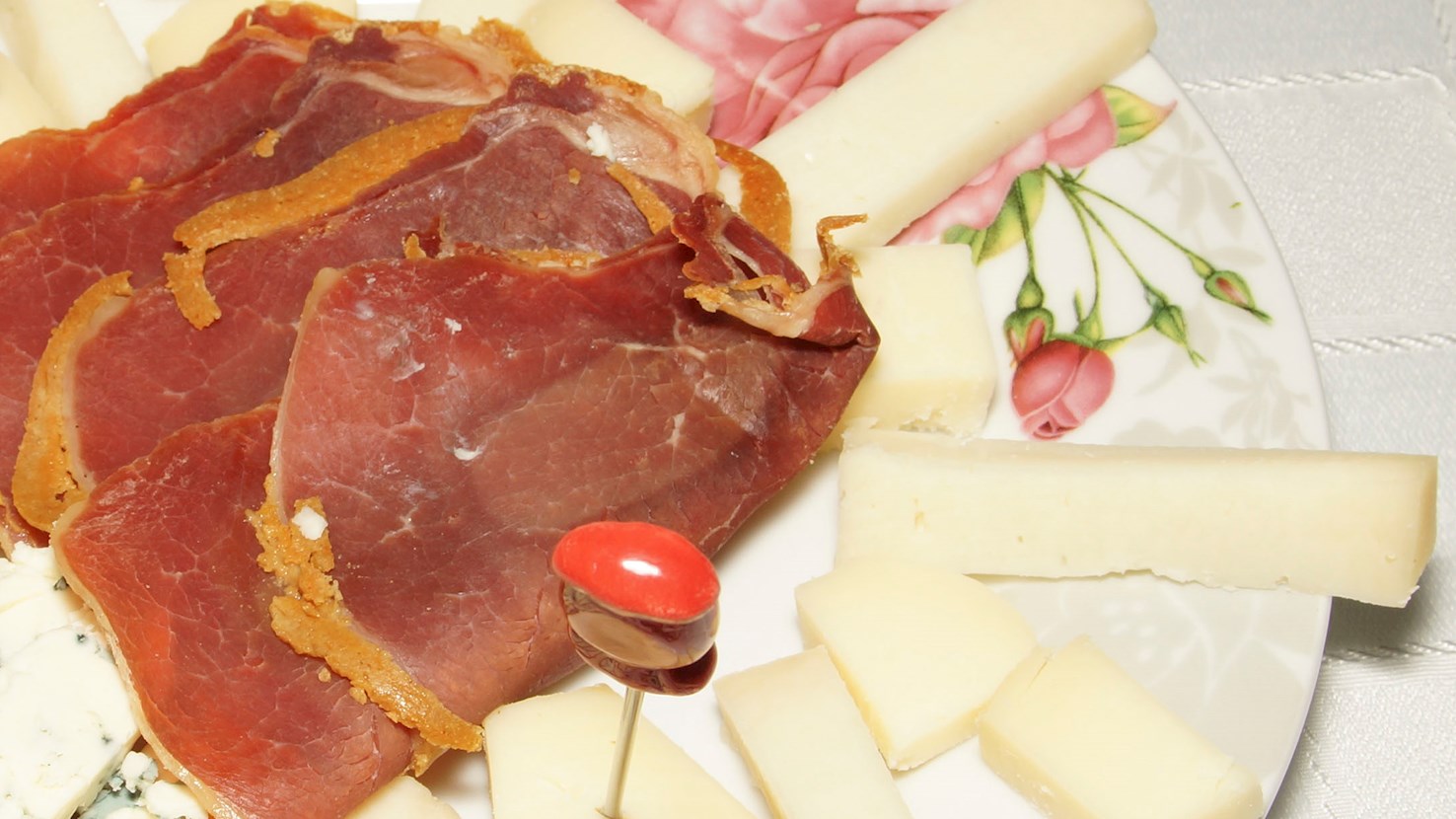
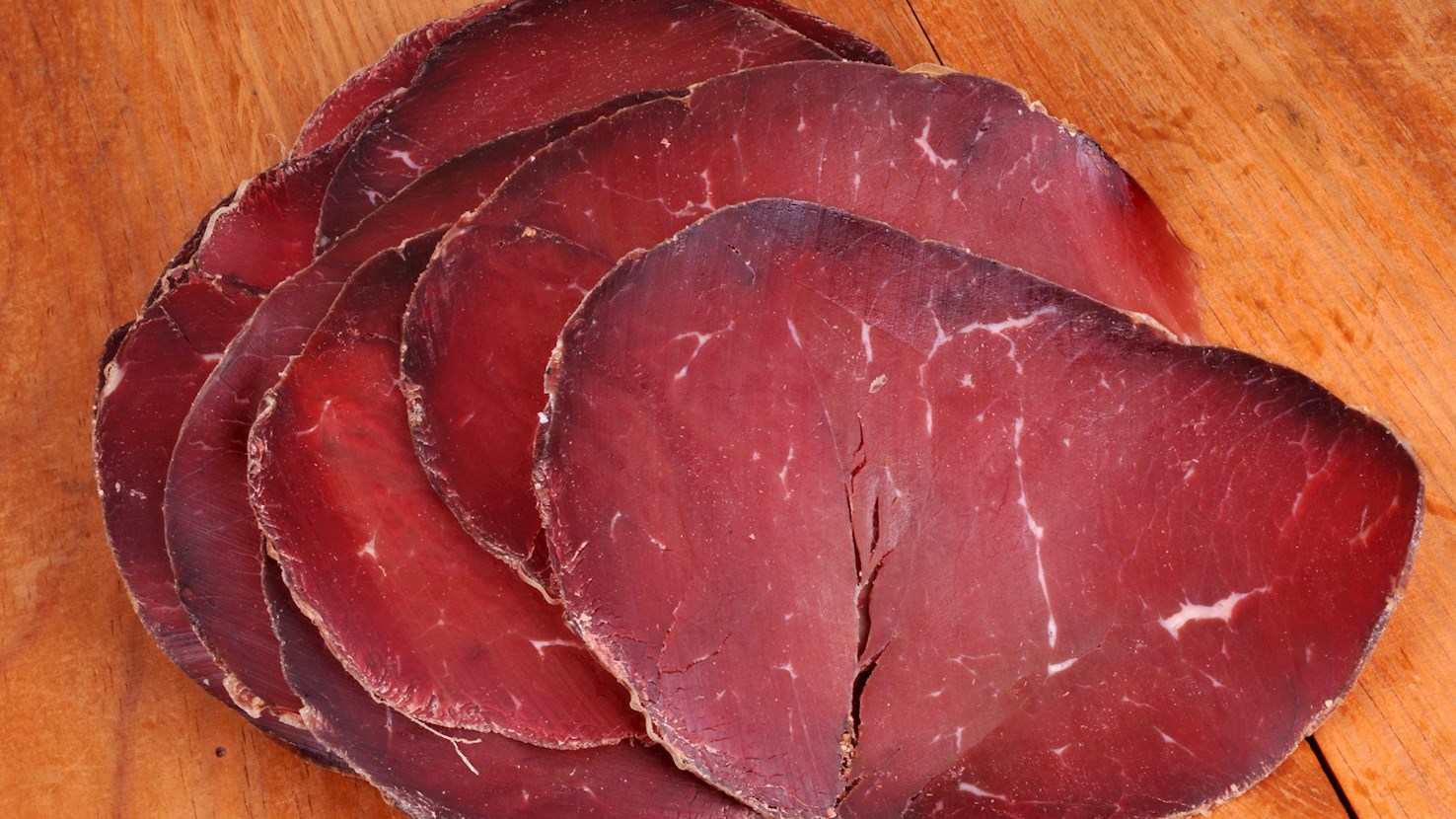
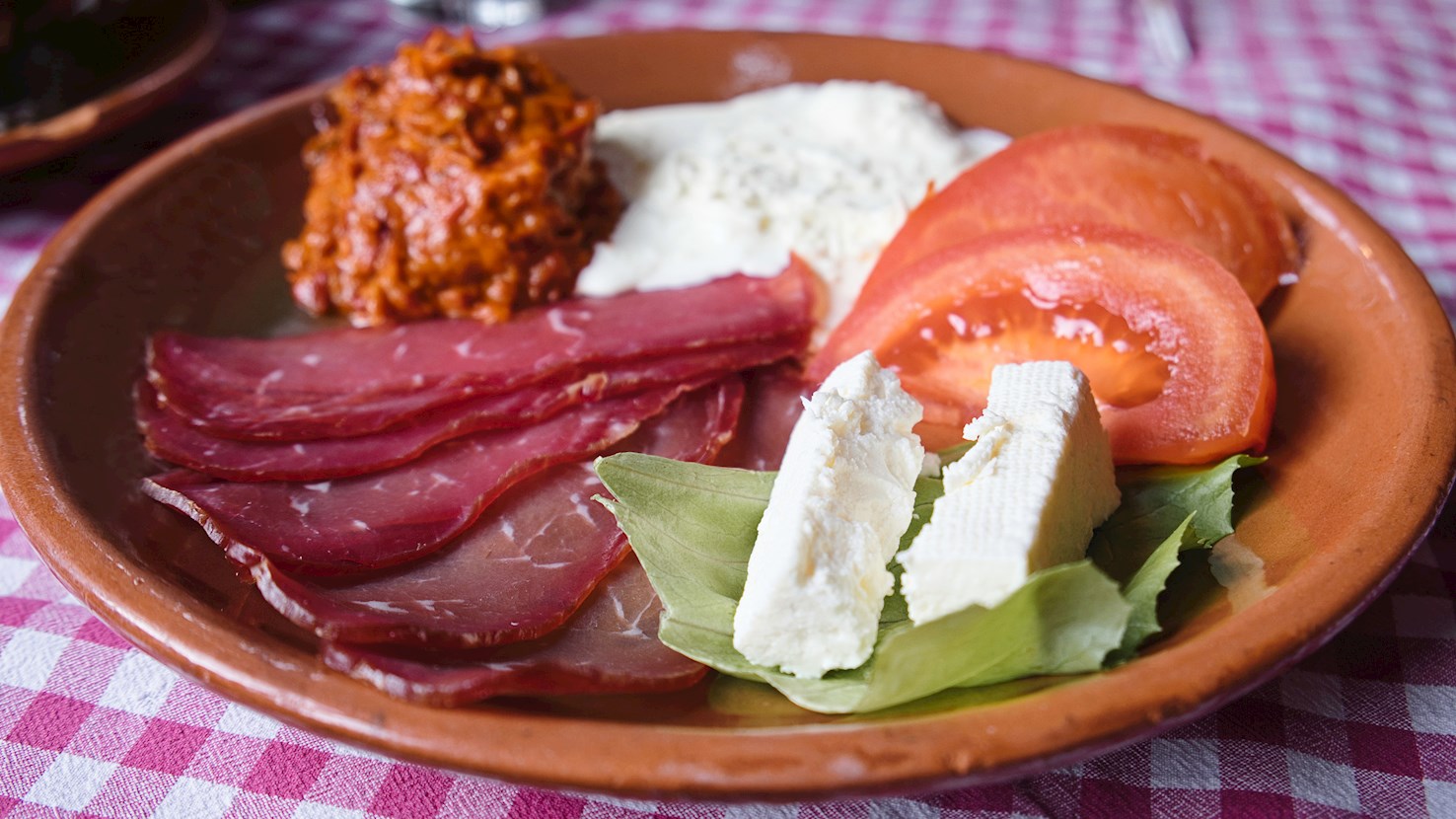
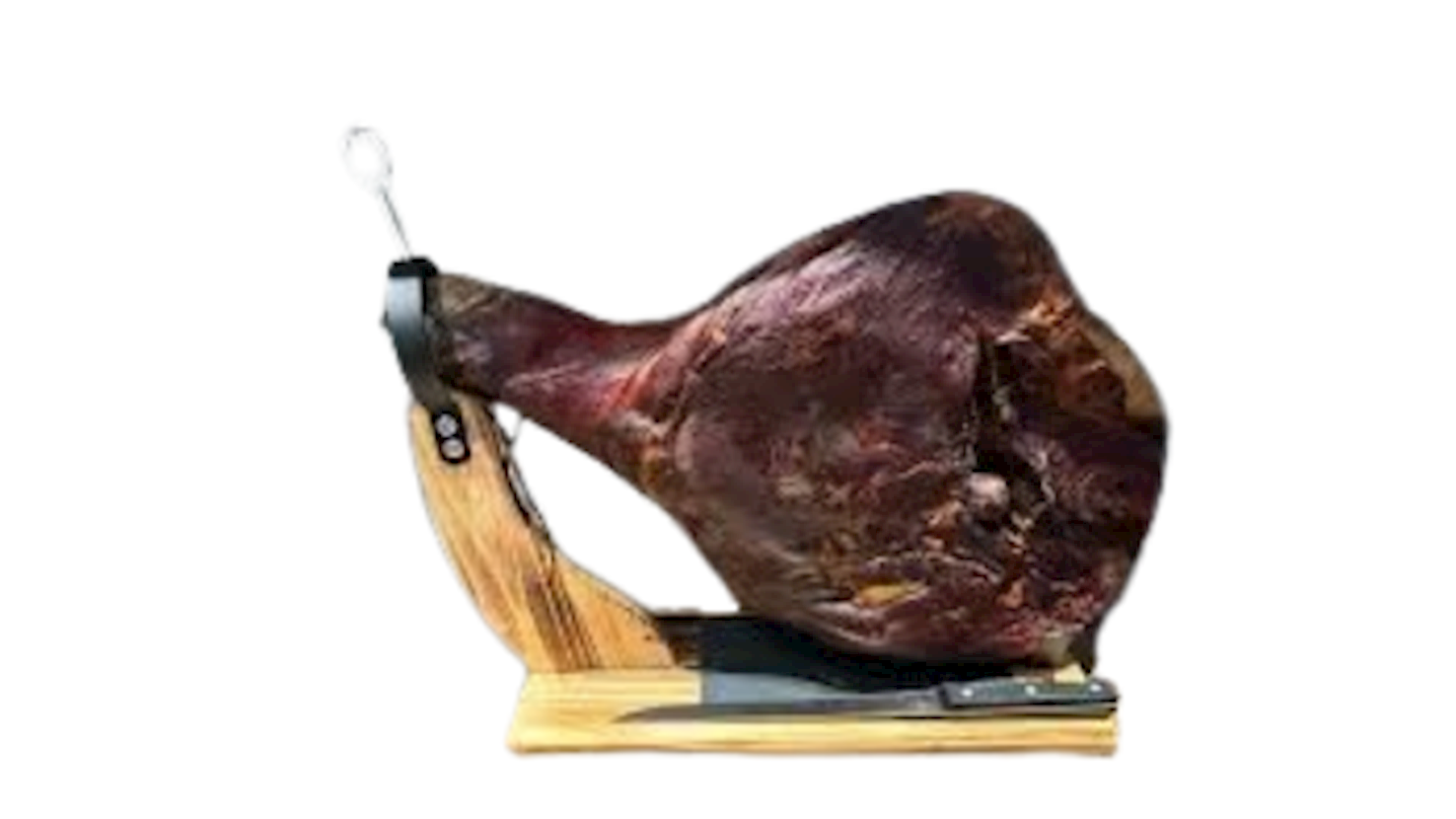
Njeguška pršuta is a prosciutto variety originating from the area of Njeguši in Montenegro, hence the name. Pork ham is traditionally salted with sea salt, pressed in order to remove excess liquid, then smoked and dried in the cool mountain air, after which it is left to mature, so the whole process typically takes about a year. The meat is smoked over beech wood, imparting a unique flavor and aroma to this delicacy. When fully matured, this meat product is thinly sliced and can be paired with anything from cheese and bread to salads and pasta dishes.

02

File Elena

4.1 ·

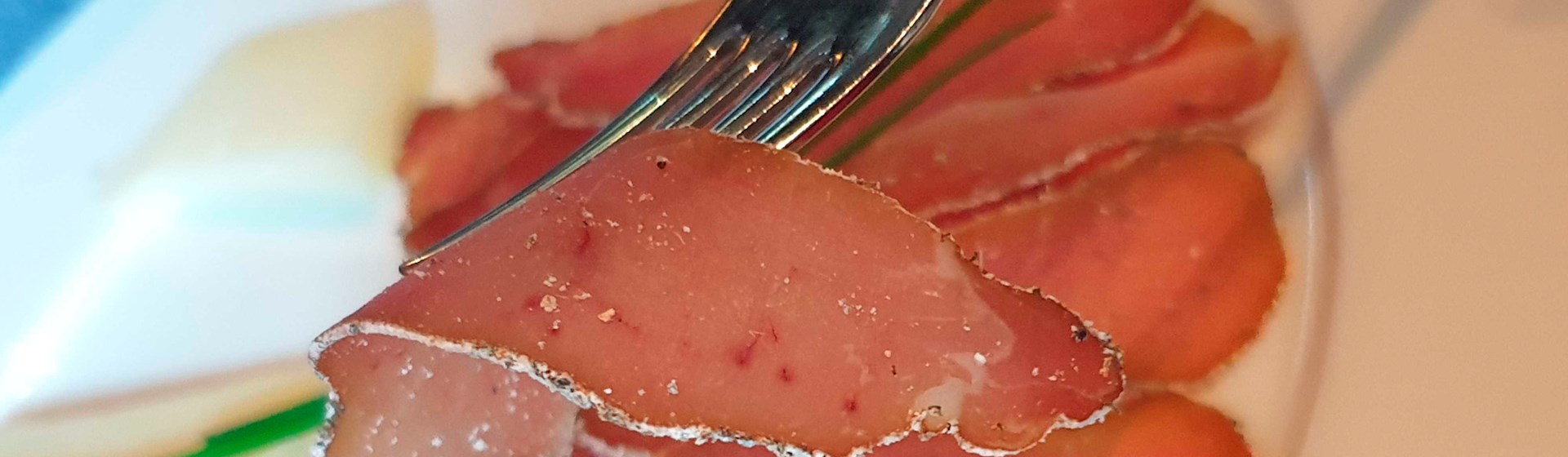
File Elena is a dried raw meat product made from chilled or frozen pork tenderloin. The name refers to the city of Elena in northern Bulgaria. When the country was a part of the Ottoman Empire, it was almost impossible to sell pork products for religious reasons. The first record of a product similar to Elena being made from pork dates back to the 1850s. The fillets, locally called ribitsa, are salted and dried in a controlled environment suitable for natural microflora to develop and provide the meat with its typical aroma. The fillets are repeatedly pressed in wooden presses giving the file Elena its flattened appearance. After the final pressing, the fillets are rolled in a mixture of ground black pepper and crumbled savory. This particular method of applying the mixture allows the essential oils in the spices to be preserved and absorbed in meat. Consequently, the final product is salty, yet aromatic and succulent. File Elena has won multiple awards at fairs and exhibitions in Bulgaria and Europe, including the 2010 and 2013 IFFA international exhibitions in Germany. Traditionally, File Elena is served as an appetizer with a glass of wine or beer on the side.

03

Kayserovan vrat Trakiya

4.1 ·

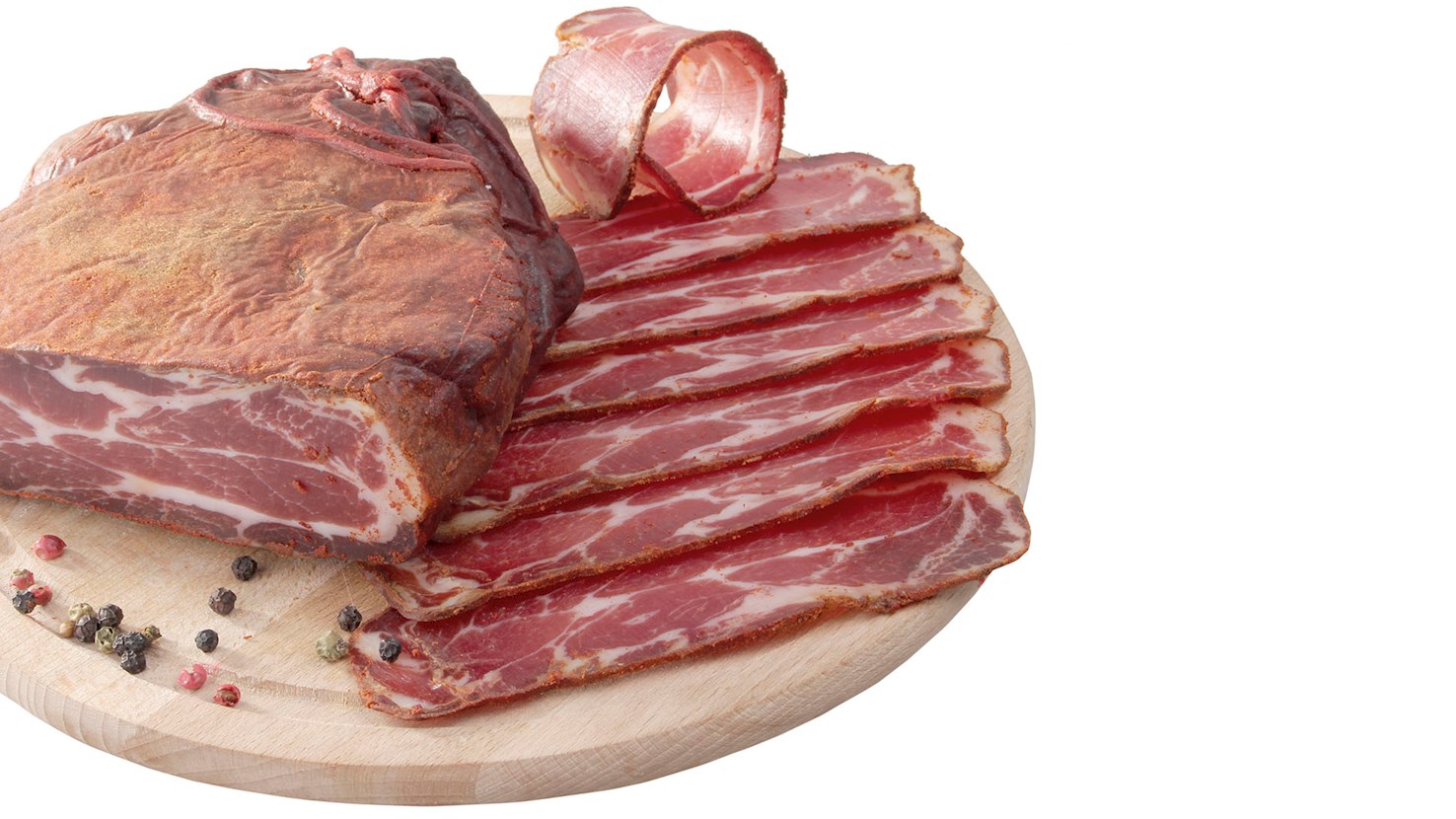
Kayserovan vrat Trakiya is raw cured meat that's been produced in Bulgaria for more than 30 years from carefully selected fresh pork collar. This delicacy obtains its flattened shape during the drying and curing phase, when the meat is repeatedly pressed. Its distinctive, well-defined brownish-red crust comes from coating the meat with the Kaiser mixture (kayserova smes) prepared from natural herbs such as red peppers, fenugreek, garlic, twine or hemp yarn, and white wine. The slices of Kayserovan vrat Trakiya are vividly red, marbled with a thin layer of salmon-pink fat. The aromas of the spices used in the Kaiser mixture transfer to the meat and make every bite special. Kayserovan vrat Trakiya is usually served with local cheeses and fresh vegetables.

04

Apáki

4 ·

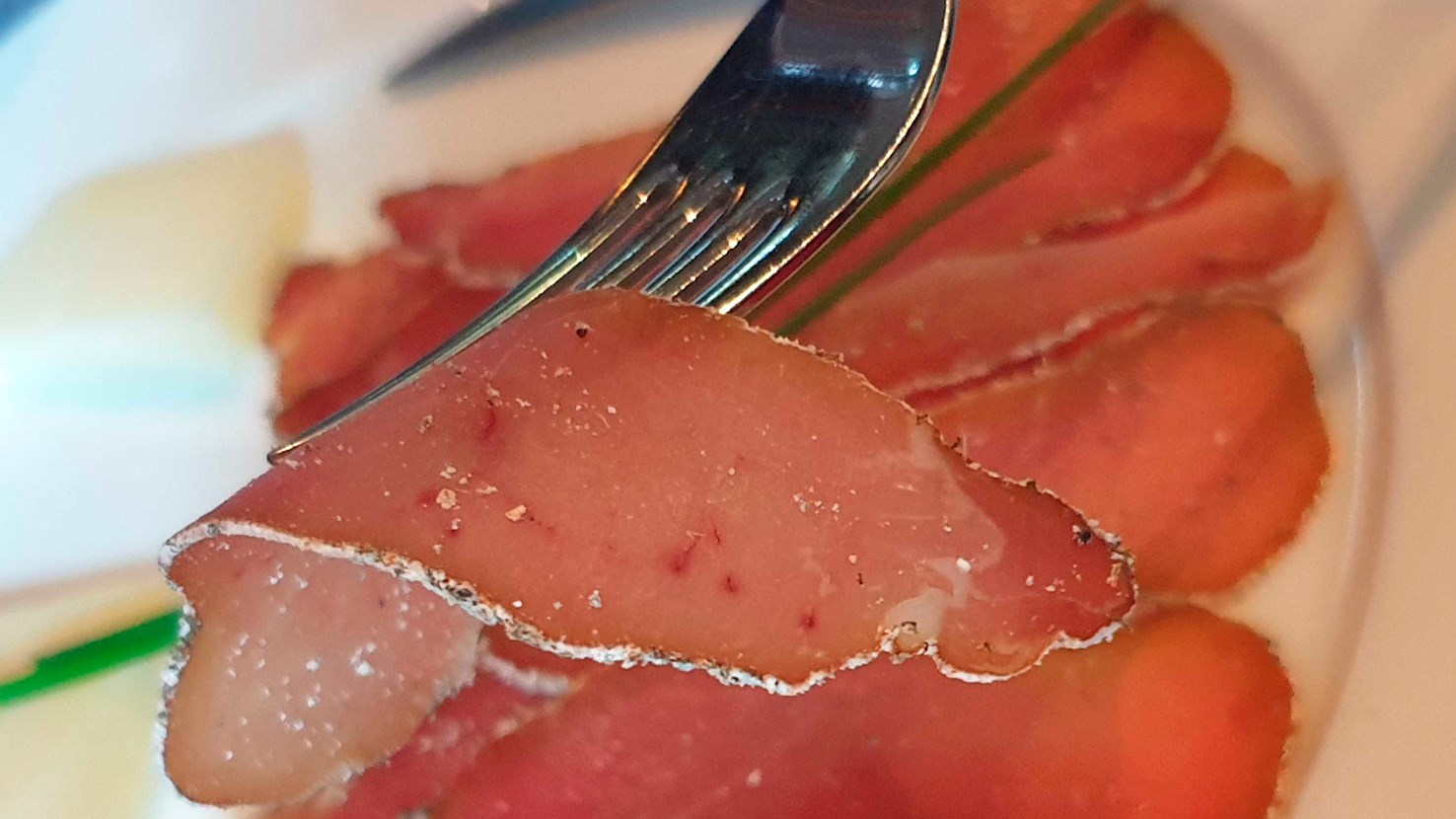
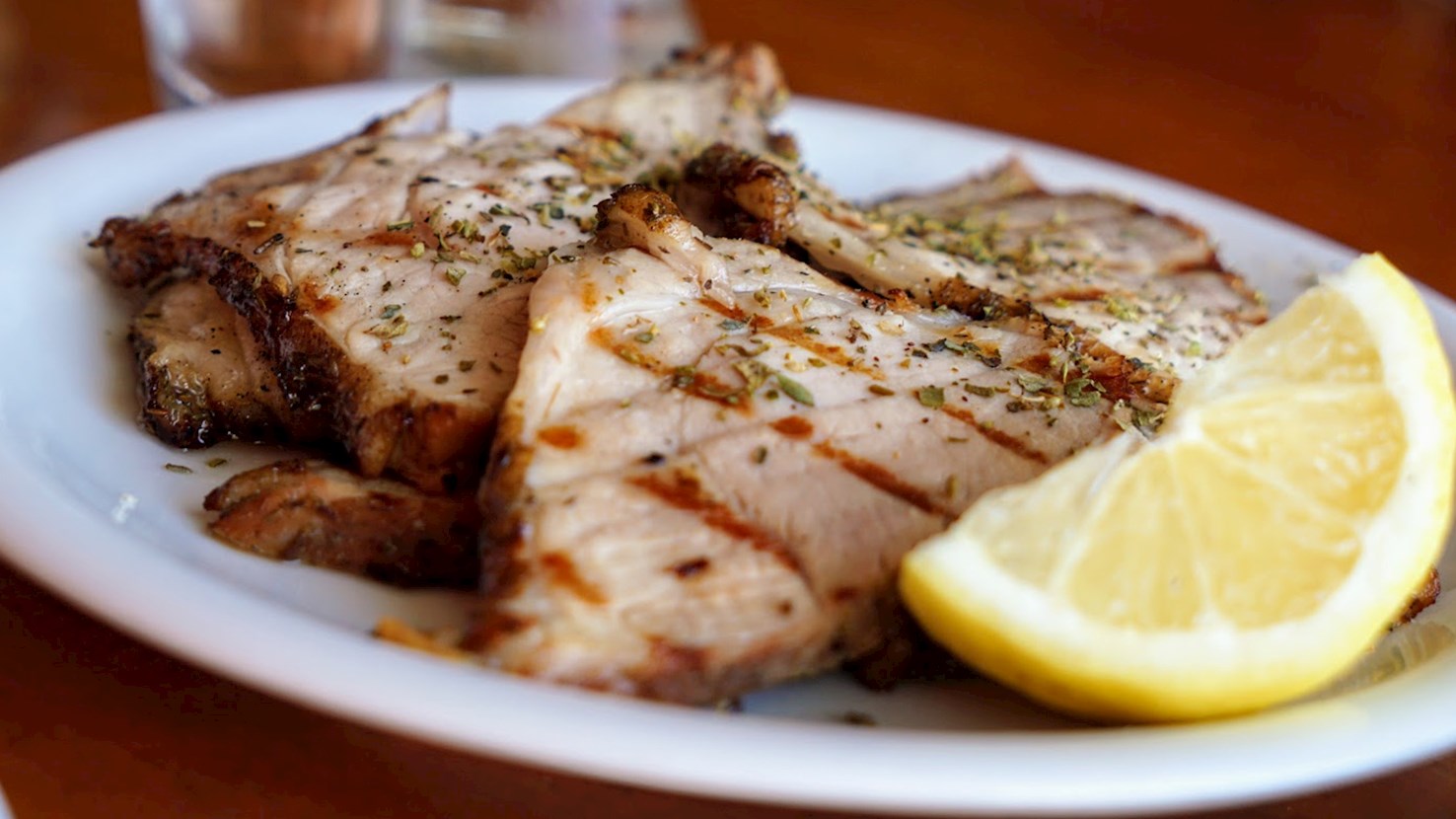
Apáki is a Cretan delicacy that is typically prepared with cured pork loin which is smoked using a combination of wood and various herbs such as oregano, marjoram, thyme, or sage. It is believed that this way of preparation hails from Byzantine times, when people used it in order to preserve meat for longer periods. Though it is commonly enjoyed as a meze dish when it is sliced into thin strips, apáki is easily incorporated into omelets or salads, and it can also be shortly cooked and paired with pasta or rice.

05

Zlatiborska pršuta

3.9 ·

Zlatiborska pršuta is a traditional smoked ham hailing from the mountainous region of Zlatibor, and it is usually associated with the village of Mačkat. Following a century-old method of preparation, this meat specialty is typically made with the highest-quality beef or pork that is salted, then cold-smoked and air-dried. The whole process usually lasts for about a month, and during this time, the unique climate and terrain of the Zlatibor Mountains, as well as the beech wood used for smoking, infuse the meat with a distinctive, rich flavor and a pleasant aroma. This smoked meat is dark brown to red on the outside and dark red on the inside. A signature meat product of the country, zlatiborska pršuta is typically thinly sliced before serving.

06

Užička pršuta

3.9 ·

Užička pršuta is a variety of smoked meat that has been traditionally prepared in the mountainous district of Zlatibor, namely in Čajetina, Užice, and Nova Varoš municipalities. This meat specialty came to be known as užička pršuta because it used to be sold in Užice along many other regional products at the time. Beef, pork, and mutton can be used for the preparation of this meat product, although the most traditional is smoked beef meat, which is known as užička goveđa pršuta in Serbia. The finest beef pieces from parts of the legs, tenderloins, sirloins, and the low end of the back of 4 to 6-year-old oxen are salted, then smoked with dry beech wood, and dried in the cool mountain air. The final product is distinguished by a dark brownish-red exterior, a dark red interior with a nice marbling, and a strong beef flavor. This Serbian delicacy is typically thinly sliced and served with cheese, pickled vegetables, bread, and a glass of local brandy or fine wine on the side.

07

Syglino

3.7 ·

Hailing from the southern Greek region of Mani, syglino is a traditional cured meat product that is made with pork. This meat specialty is typically prepared with parts such as pork shoulder, pork leg, and pork belly, which usually go through a process of salt-curing and smoking with aromatic herbs (usually with sage) over a wood-fueled fire. According to traditional methods of preparation, the cured and smoked meat is then chopped and cooked before it is finally preserved in glina (pork fat) or extra virgin olive oil. Some versions call for cooking the meat in fat, while others involve cooking it in water with a variety of spices such as orange peels, cinnamon, cloves, and peppercorns. Syglino is typically enjoyed as a meze dish, either chilled or warm, often accompanied by a glass of wine or ouzo on the side. It may also be used as an ingredient in omelets, sauces, and stir-fries.

08

Elenski But

3.5 ·

Elenski but is a traditional dry-cured meat product hailing from the Bulgarian town of Elena and nearby villages. This specialty is made with fresh pork leg that is cut, salted, and then cured over a bed of salt and bacon in a wooden cask that is typically made of oak. Once the curing process is finished, the pork leg is first rinsed with boiling water and sauerkraut juice, and it is then air-dried for at least 6 months. The finished meat product is usually consumed raw or lightly baked, and it makes for a perfect meze when served with a glass of Bulgarian red wine or beer on the side. Elenski but is still traditionally prepared in numerous households in Elena, although the practice is less common these days. This cured pork specialty is available in almost every restaurant in Elena. In the past, when no refrigerators existed, people used to bury elenski but in bran, wheat, or corn flour to keep it from spoiling.

09

Role Trapezitsa

3.5 ·

Role Tra­pe­zit­sa is a raw dry-cured meat delicacy made from frozen or chilled pork collar of the highest quality. The name of this unique product derives from Tra­pe­zit­sa, a his­tor­i­cal hill in Vel­iko Tar­no­vo, which was once a Bul­gar­ian capital. In accordance to the traditional recipe from 1981, pork collars are prepared with a mixture of salt and natural seasonings such as black or white pepper and garlic before being stuffed into natural casings. The filled casings are left to drain by hanging them on sausage trolleys. After 24 hours, the trolleys are moved to dry in natural or air-conditioned drying chambers where the temperature and humidity are constantly monitored and regulated. The meat is pressed several times, and therefore, Role Tapezitsa has a flattened shape. The final product is a very soft and tender specialty with a distinct aroma of seasonings used and an especially pronounced garlic flavor.

10

Noumboulo

n/a ·

Noumboulo is a traditional smoked and cured pork tenderloin from the Greek island of Corfu and a remnant of the age-long Venetian rule over the island. The pork tenderloin is first marinated in red wine and local spices and herbs like garlic, coriander, fennel seeds, and thyme. After marination, the meat is smoked using wood from fruit trees, which gives it a distinct flavor profile. The smoking process also helps to preserve the meat. The result is a flavorful, smoky, and aromatic piece of cured meat that is often sliced thin and served as part of a meze platter or as an accompaniment to local cheeses and wines. Noumboulo can also be used in cooking and adds a depth of flavor to various dishes.

Read more
View all
View map
About this ranking

TasteAtlas food rankings are based on the ratings of the TasteAtlas audience, with a series of mechanisms that recognize real users and that ignore bot, nationalist or local patriotic ratings, and give additional value to the ratings of users that the system recognizes as knowledgeable. For the “Top 10 Southeastern European Cured Pork” list until June 06, 2026, 656 ratings were recorded, of which 212 were recognized by the system as legitimate. TasteAtlas Rankings should not be seen as the final global conclusion about food. Their purpose is to promote excellent local foods, instill pride in traditional dishes, and arouse curiosity about dishes you haven’t tried.

The initial list of top producers was compiled based on available reviews, awards, local recommendations, media and blog coverage, and consumer reviews. The list will be updated with ratings from TasteAtlas local ambassadors and TasteAtlas users.

Similar lists