M.B.

Top 13 European Cured Pork Loins

Last updated on June 06, 2026

Best European Cured Pork Loins
01

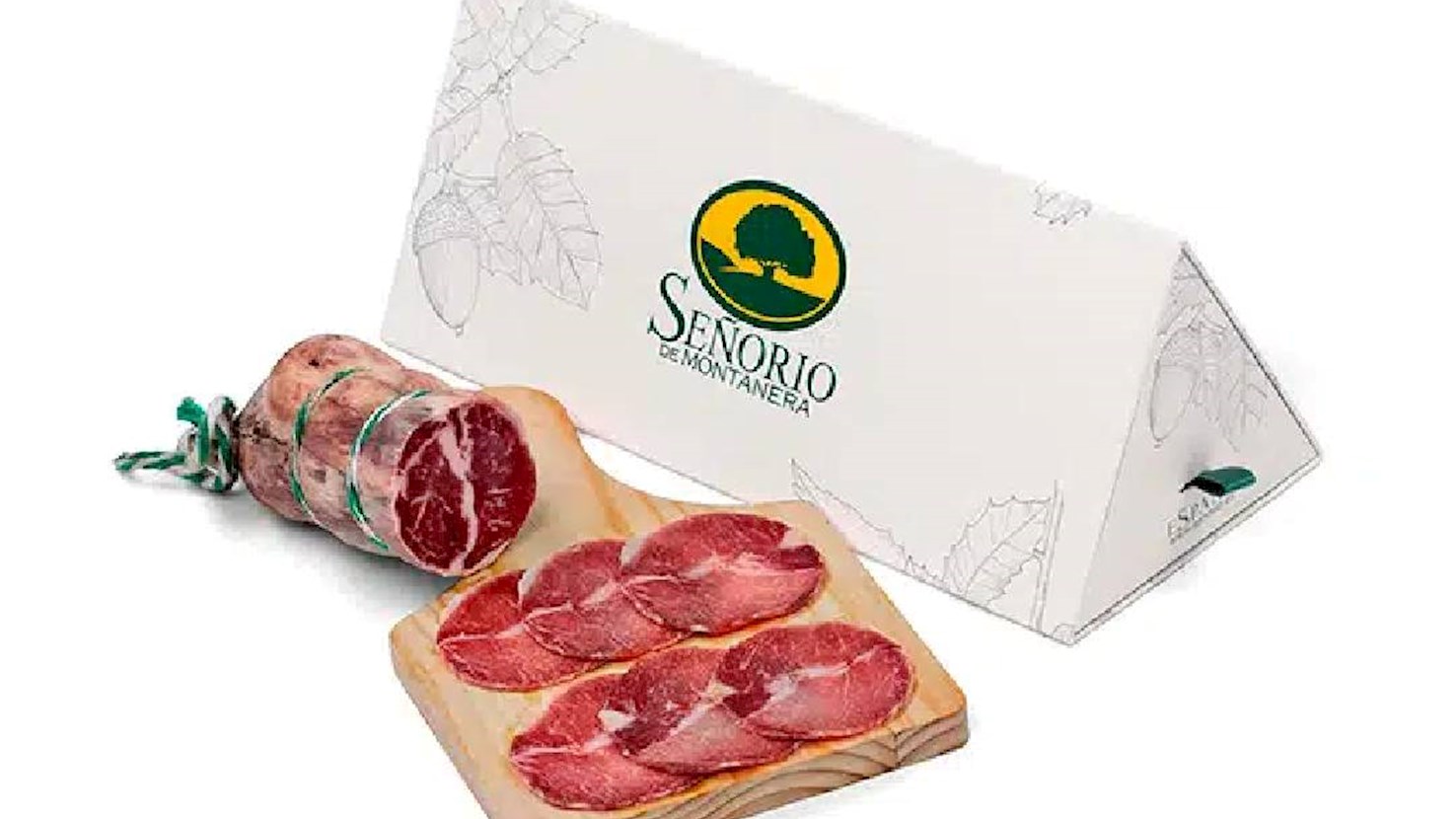
Señorío de Montanera
5 ·
Señorío de Montanera is a Spanish producer specializing in 100% Ibérico pork products, with a strong focus on jamón ibérico de bellota from the Extremadura region. The company operates under the DOP Dehesa de Extremadura designation, which ensures strict control over breed purity, feeding, and curing standards. Its pigs are raised free-range in the dehesa, a unique ecosystem of oak woodlands where they roam extensively and feed on acorns during the montanera season. This acorn-based diet contributes to a high level of oleic acid and gives the meat its distinctive nutty aroma, subtle sweetness, and deep flavor complexity. The hams undergo traditional salting and slow natural curing, often for more than 36 months, allowing aromas and texture to develop gradually. The result is a finely marbled product with fat that melts at room temperature and delivers a long, balanced finish on the palate. Beyond jamón, the range includes paleta ibérica, lomo, chorizo, and salchichón, all made exclusively from purebred Ibérico pigs. The company places strong emphasis on preserving the native breed and maintaining the sustainability of the dehesa landscape, which is essential for regional biodiversity. It also produces organic lines without artificial additives, highlighting the integrity of raw materials and traditional craftsmanship. Señorío de Montanera is widely regarded as one of the benchmark producers in the premium Ibérico segment, combining strict origin standards, extensive farming, and long curing times to define its quality profile.
Awards
Great Taste Awards - 3 Stars (2024, 2023)
Great Taste Awards - 2 Stars (2018)
02

Embutidos Fermín

4.8 ·
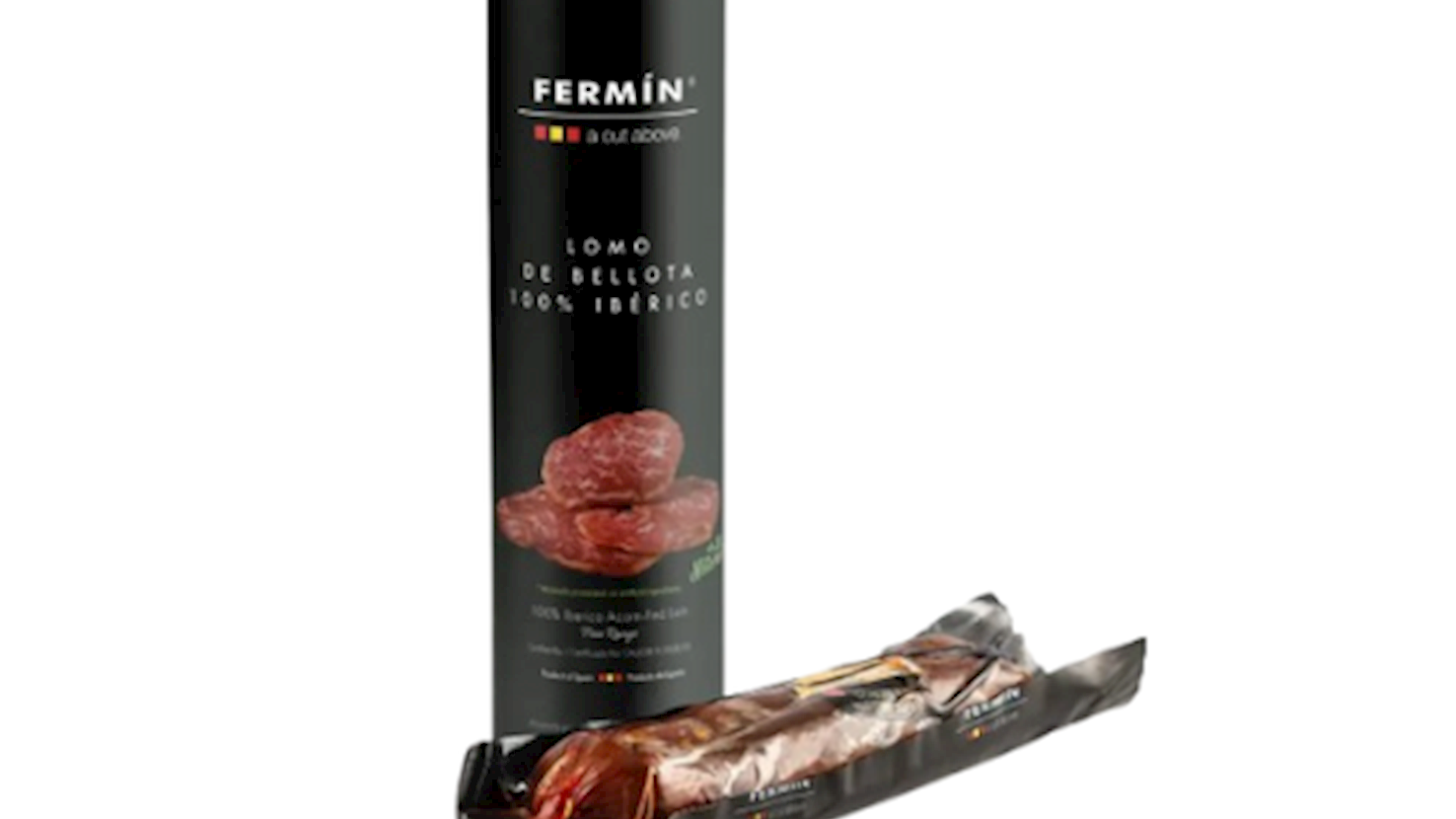
Embutidos Fermín is a family-owned company established in 1956 in La Alberca, a medieval village in the province of Salamanca, Spain. The company specializes in the production and distribution of premium Iberian hams and sausages, using traditional methods and the highest quality raw materials. With over 60 years of experience, Embutidos Fermín became the first Spanish producer authorized to export Iberian products to the United States, expanding its market to Japan, Canada, China, and Singapore. Located in a natural environment at over 1,000 meters above sea level, the company benefits from a unique microclimate that enables the natural curing of its products, enhancing their exceptional taste and quality. Embutidos Fermín is committed to maintaining high food safety standards, such as IFS and BRC, ensuring the authenticity of its products in compliance with the Norma del Ibérico.
03

Jamones Eíriz

4.7 ·
Jamones Eíriz is a company that specializes in the production of high-quality dry-cured ham. Based in Spain, this producer follows traditional methods for curing ham, emphasizing the use of natural resources and sustainable practices. They are known for their acorn-fed Iberian hams, which are aged in natural cellars. Jamones Eíriz offers guided tours of their facilities, providing an educational experience about the ham curing process.
Awards
Great Taste Awards - 2 Stars (2022, 2021)
04

Vavourakis Farm

4.6 ·
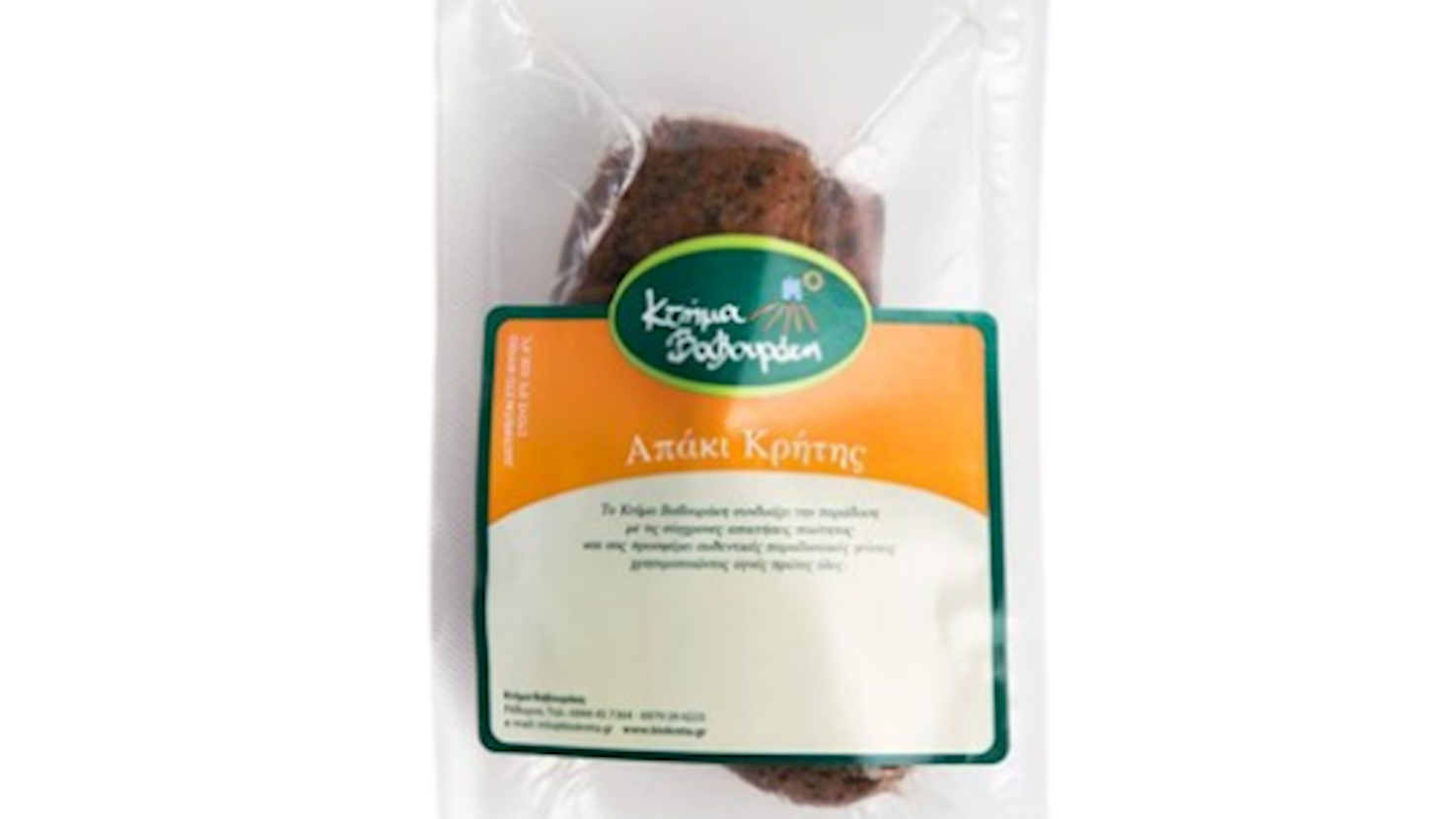
Vavourakis Farm, also known as Vavourakis Estate, is a family-run organic farm based on the island of Crete, specializing in pork and traditional cured meat products marketed under the Biokreta brand. Founded in 1995 by Michalis Vavourakis in the region of Rethymno, the farm was developed with a clear focus on sustainable agriculture and animal welfare. Located in a mountainous and relatively isolated area, it provides natural conditions for free-range pig farming, where animals are raised without hormones or routine antibiotics and are fed exclusively with certified organic feed, fruits, vegetables, and wild herbs. This approach reflects a combination of modern organic farming standards and long-standing Cretan rural practices. The production is centered on traditional local specialties such as sausages, cured meats, and especially apaki, a smoked pork delicacy deeply rooted in the island’s culinary heritage. All products come from the farm’s own livestock and are processed without artificial preservatives or chemical additives, ensuring a clean and traceable production chain. What defines Vavourakis Farm is its balance between tradition and controlled quality, where inherited recipes are preserved while meeting contemporary food safety and certification standards. The estate’s philosophy is built on sustainability, respect for the natural environment, and the preservation of local gastronomic identity. Today, it stands as a recognized example of how small-scale farming on Crete can evolve into a structured organic production model without losing its authentic character.
05

Navarretinto

4.5 ·
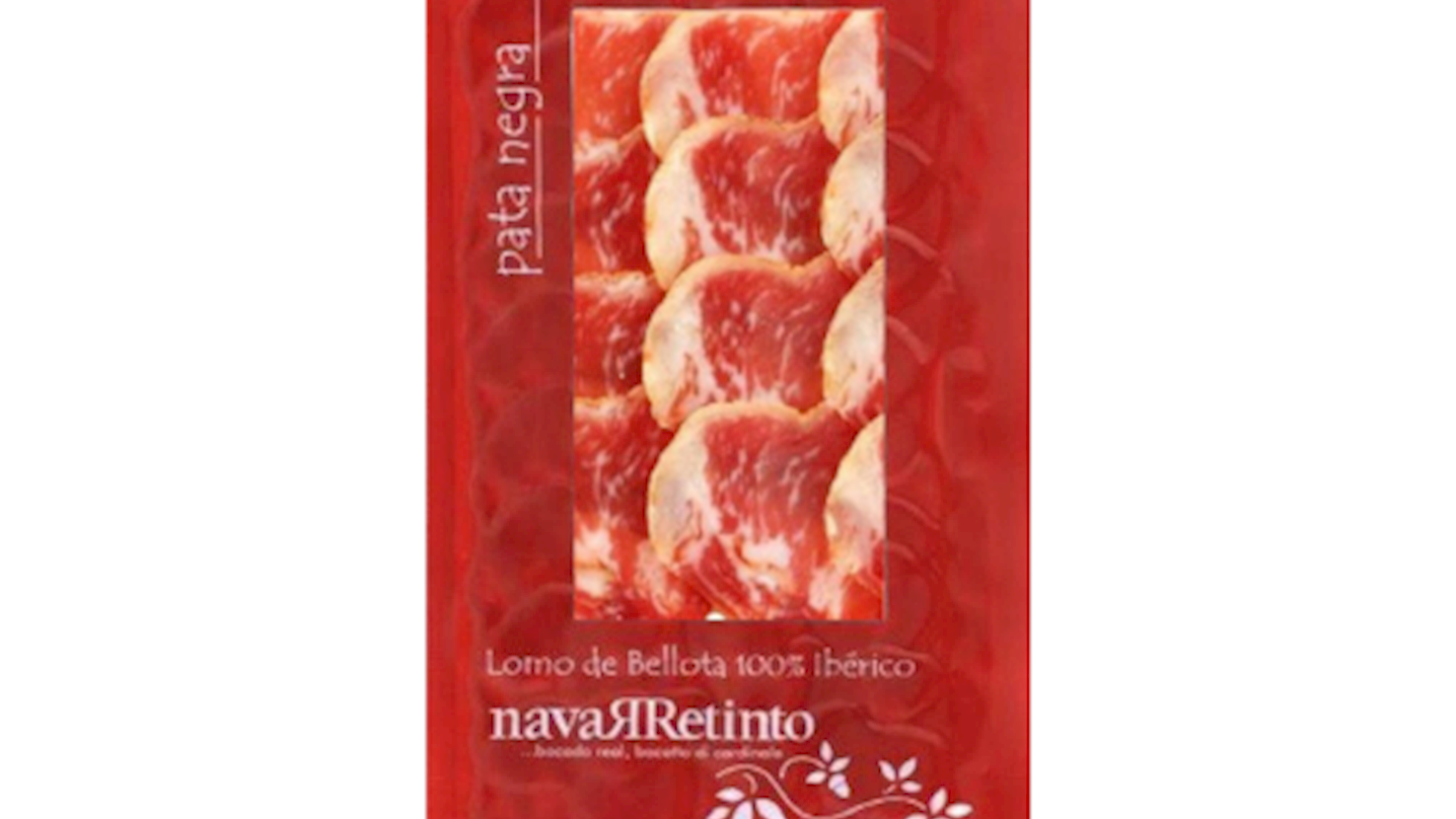
Navarretinto is a prestigious Spanish producer specializing in high-quality Iberian cured meats, particularly Jamón Ibérico de Bellota. The company takes pride in using 100% Iberian pigs, raised in natural environments and fed an acorn-based diet, which contributes to the distinctive flavor and texture of their products. With a commitment to traditional production methods and a focus on excellence, Navarretinto ensures that each piece undergoes a meticulous curing process, resulting in premium Iberian hams renowned for their rich taste, marbling, and unique character.
Awards
Great Taste Awards - 2 Stars (2021)
06

Kassaki Charcuterie

4.2 ·
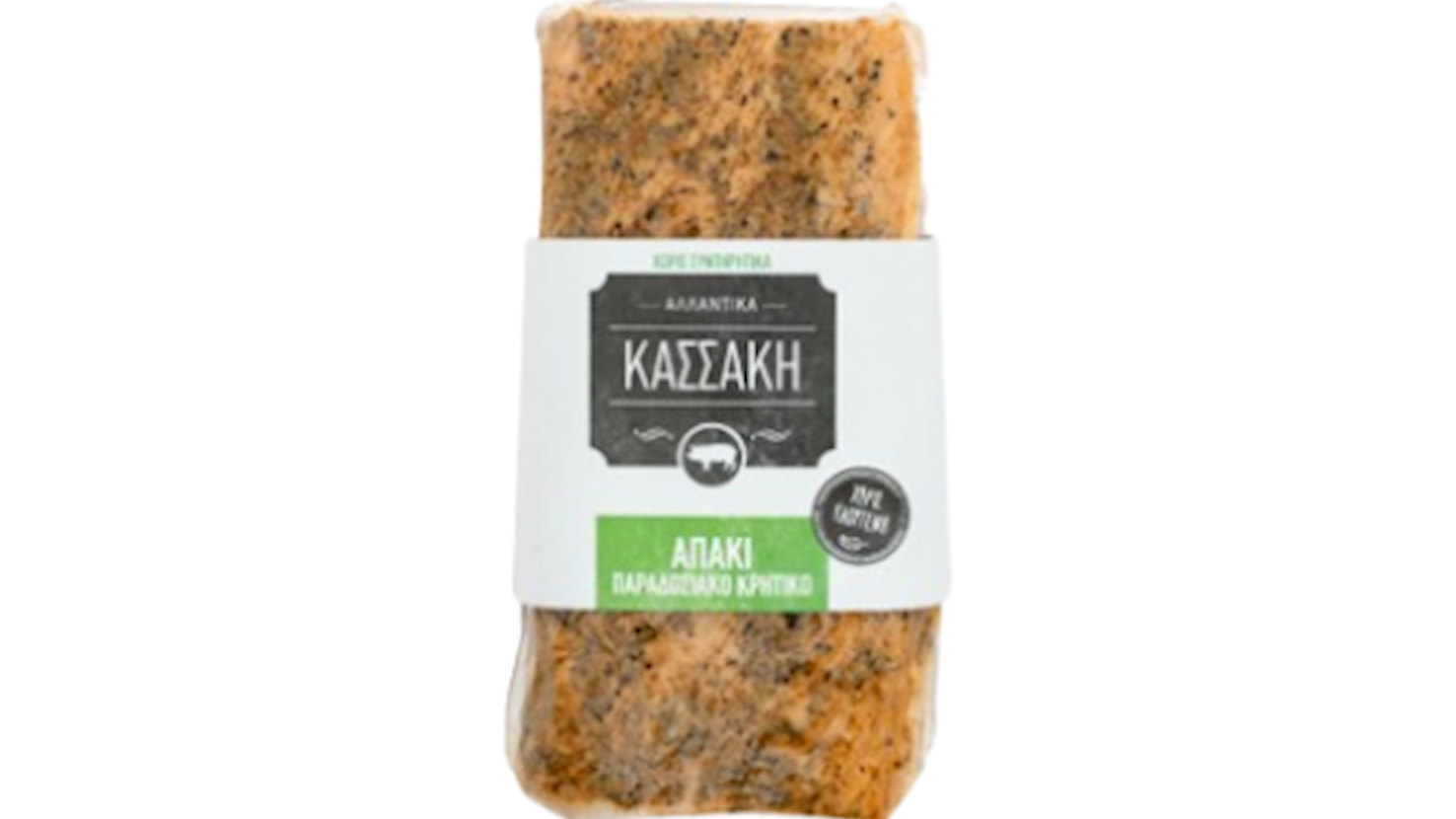
Kassaki Charcuterie is a family-run charcuterie producer based on the island of Crete, specializing in traditional cured meat products rooted in local culinary heritage. Established in 1999 and building on family practices that date back to the early 20th century, the company focuses on preserving authentic Cretan recipes while adapting them to modern production standards. Its facilities are located in the village of Galatas, Heraklion, where the entire process from raw material selection to curing and smoking is carried out under controlled conditions. The product range centers on classic regional specialties such as sausages, apaki, and other cured pork products, all made using natural methods without unnecessary additives. Kassaki emphasizes the use of traditional smoking techniques and local herbs, which contribute to the distinctive aromatic profile of its products. The recipes are based on inherited family knowledge, refined with contemporary technology to ensure consistency and food safety. In addition to production, the company also develops a visitor experience that allows guests to explore the process and taste the products in their place of origin. This integration of production and experience positions Kassaki Charcuterie as both a food producer and a representative of Cretan gastronomic identity.
07

Salumificio Su Sartizzu

n/a ·
Salumificio Campidanese Su Sartizzu is a family-run producer of traditional Sardinian cured meats based in Monastir, in the Campidano region of southern Sardinia, Italy. The company traces its origins to 1927, when the founding family began preparing cured meats according to local recipes, while the modern salumificio was officially established in 1988. Its production focuses on classic Sardinian pork specialties such as Campidanese sausage, salami, pancetta, guanciale, and mustela, all prepared using carefully selected pork and simple seasoning typical of the island’s charcuterie tradition. The recipes emphasize natural flavors and balanced fat content, reflecting the rustic style of Sardinian meat curing. The production process combines traditional family techniques with modern quality control and food safety standards, ensuring consistency while maintaining an artisanal character. Particular attention is given to seasoning, casing, and the curing stages that allow the products to develop their distinctive aroma and texture. Through this approach, Su Sartizzu continues to represent the culinary heritage of the Campidano region and the long-standing tradition of Sardinian charcuterie.

Best European Cured Pork Loin Types

01

Lomo bellota ibérico 100%

4.5 ·

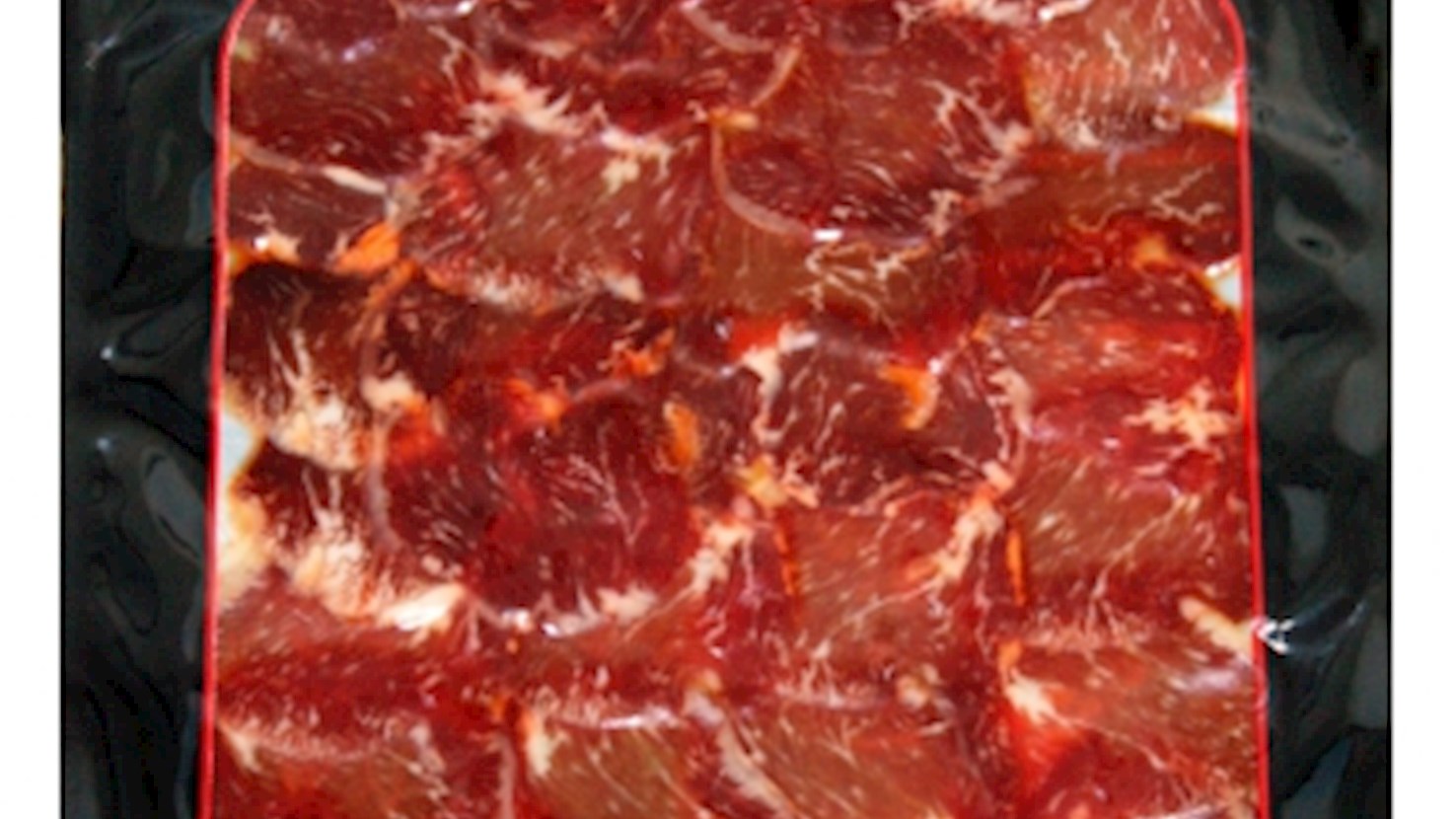
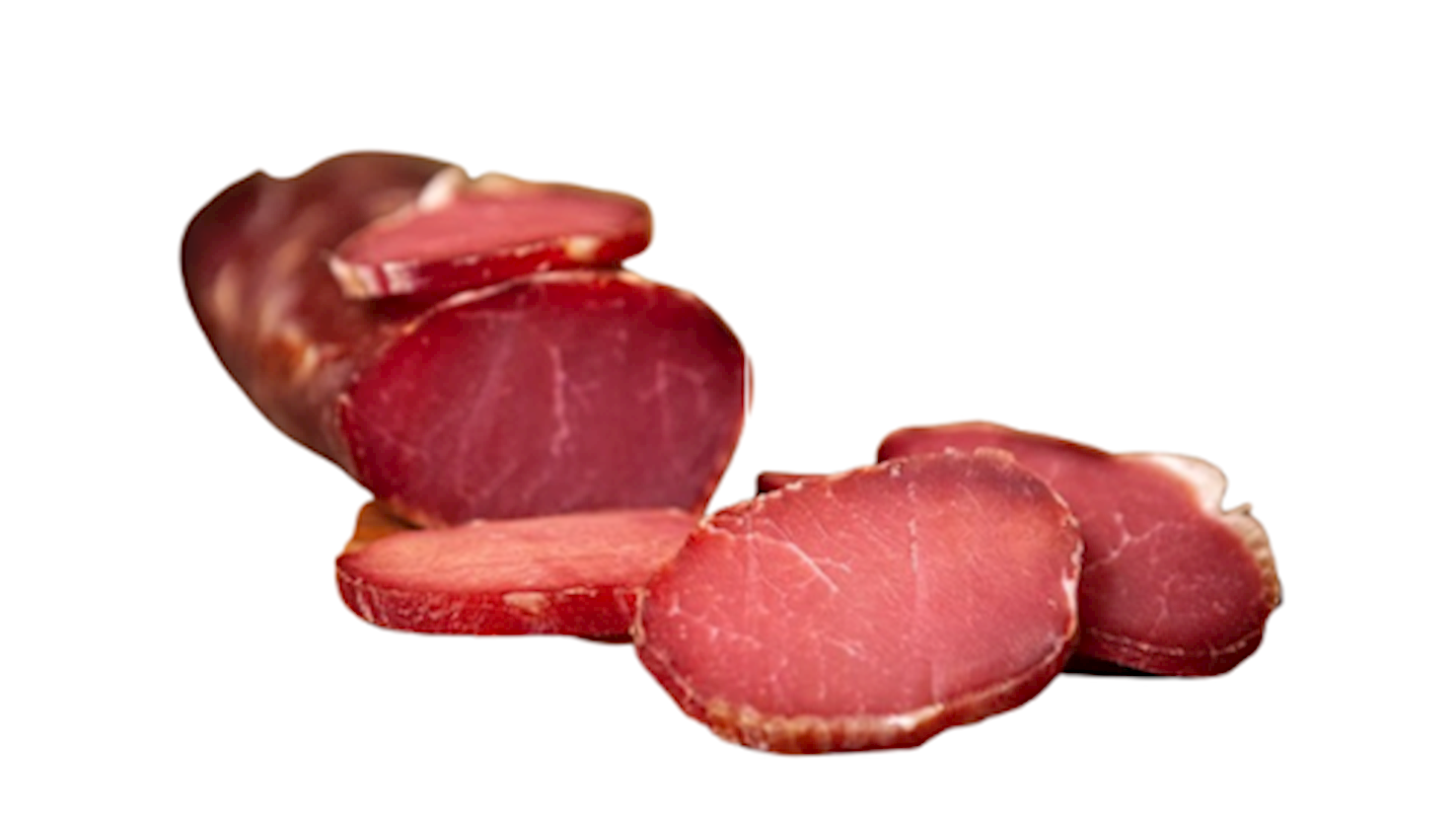
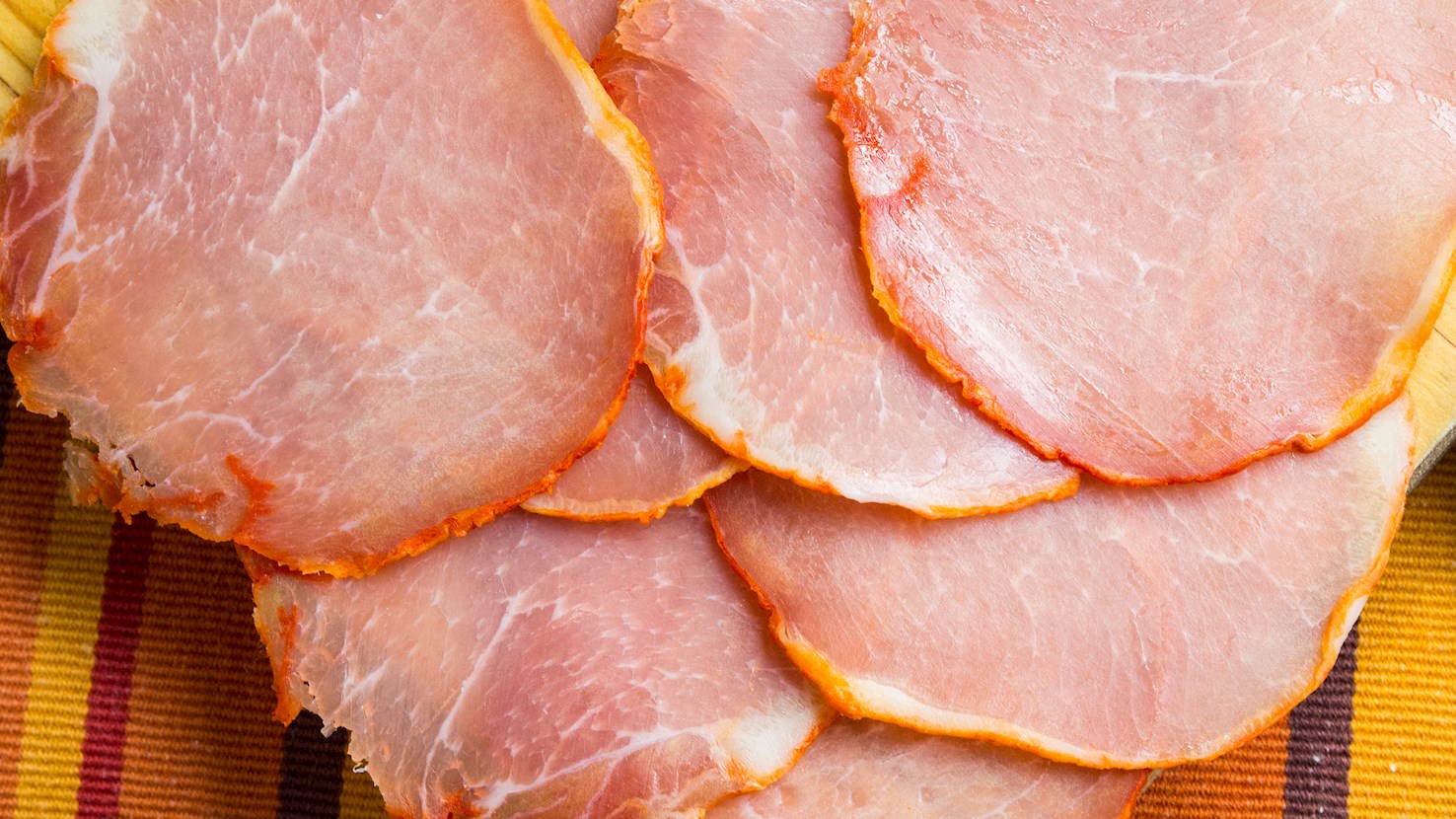
Lomo bellota ibérico 100% is a traditional pork loin. This type of pork loin is the most prized of them all because it's made from pure Iberian pigs. The flavor is the most intense of all the varieties and it has the most homogenous fat infiltration. Due to the small size of 100% Iberian pigs, lomo bellota ibérico 100% is usually shorter and narrower as well. When served, lomo is traditionally sliced thin and accompanied by breads, drizzled with olive oil, or wrapped around other foods such as cheese or fruit.

02

File Elena

4.1 ·

File Elena is a dried raw meat product made from chilled or frozen pork tenderloin. The name refers to the city of Elena in northern Bulgaria. When the country was a part of the Ottoman Empire, it was almost impossible to sell pork products for religious reasons. The first record of a product similar to Elena being made from pork dates back to the 1850s. The fillets, locally called ribitsa, are salted and dried in a controlled environment suitable for natural microflora to develop and provide the meat with its typical aroma. The fillets are repeatedly pressed in wooden presses giving the file Elena its flattened appearance. After the final pressing, the fillets are rolled in a mixture of ground black pepper and crumbled savory. This particular method of applying the mixture allows the essential oils in the spices to be preserved and absorbed in meat. Consequently, the final product is salty, yet aromatic and succulent. File Elena has won multiple awards at fairs and exhibitions in Bulgaria and Europe, including the 2010 and 2013 IFFA international exhibitions in Germany. Traditionally, File Elena is served as an appetizer with a glass of wine or beer on the side.

03

Apáki

4 ·

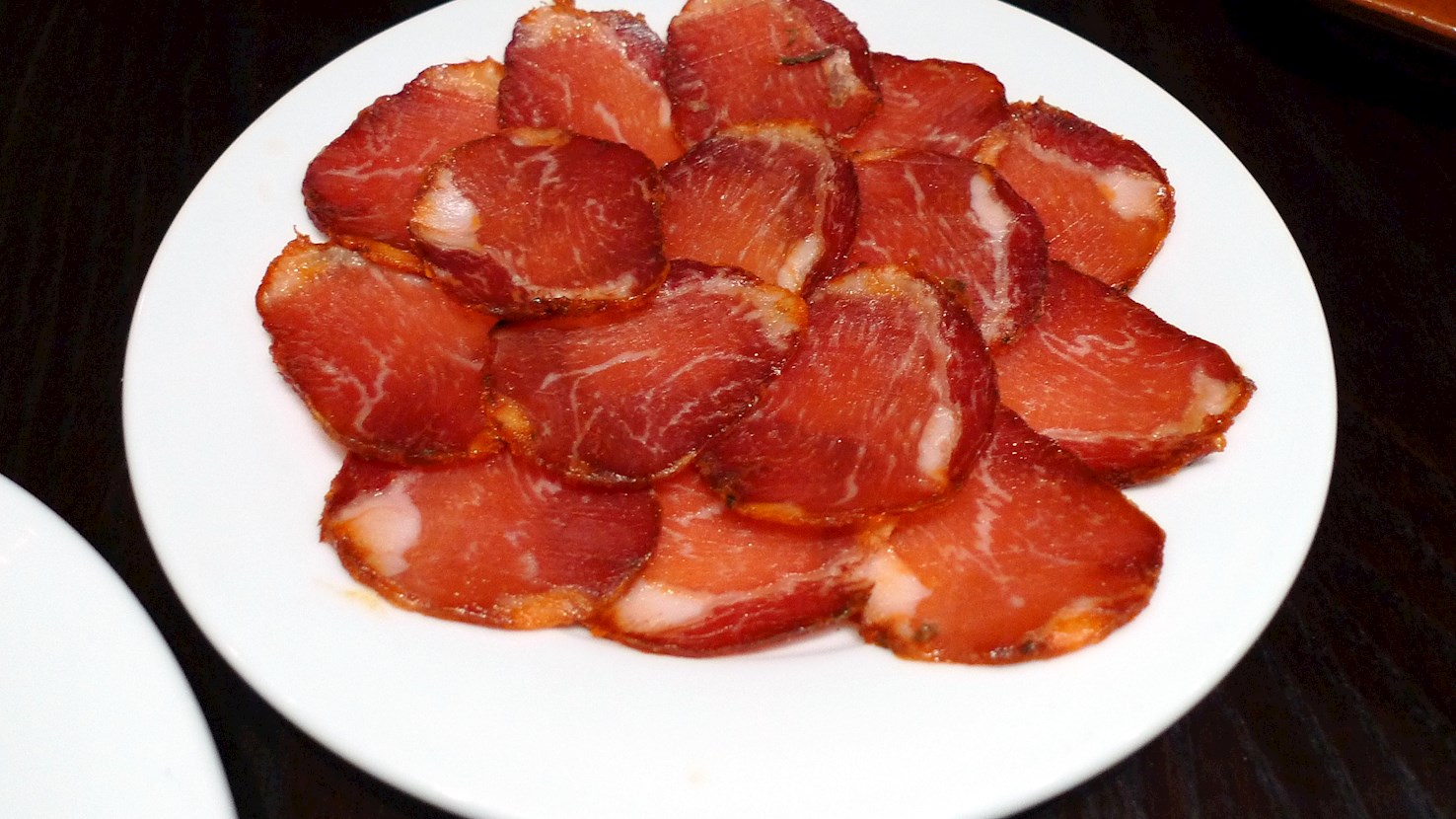
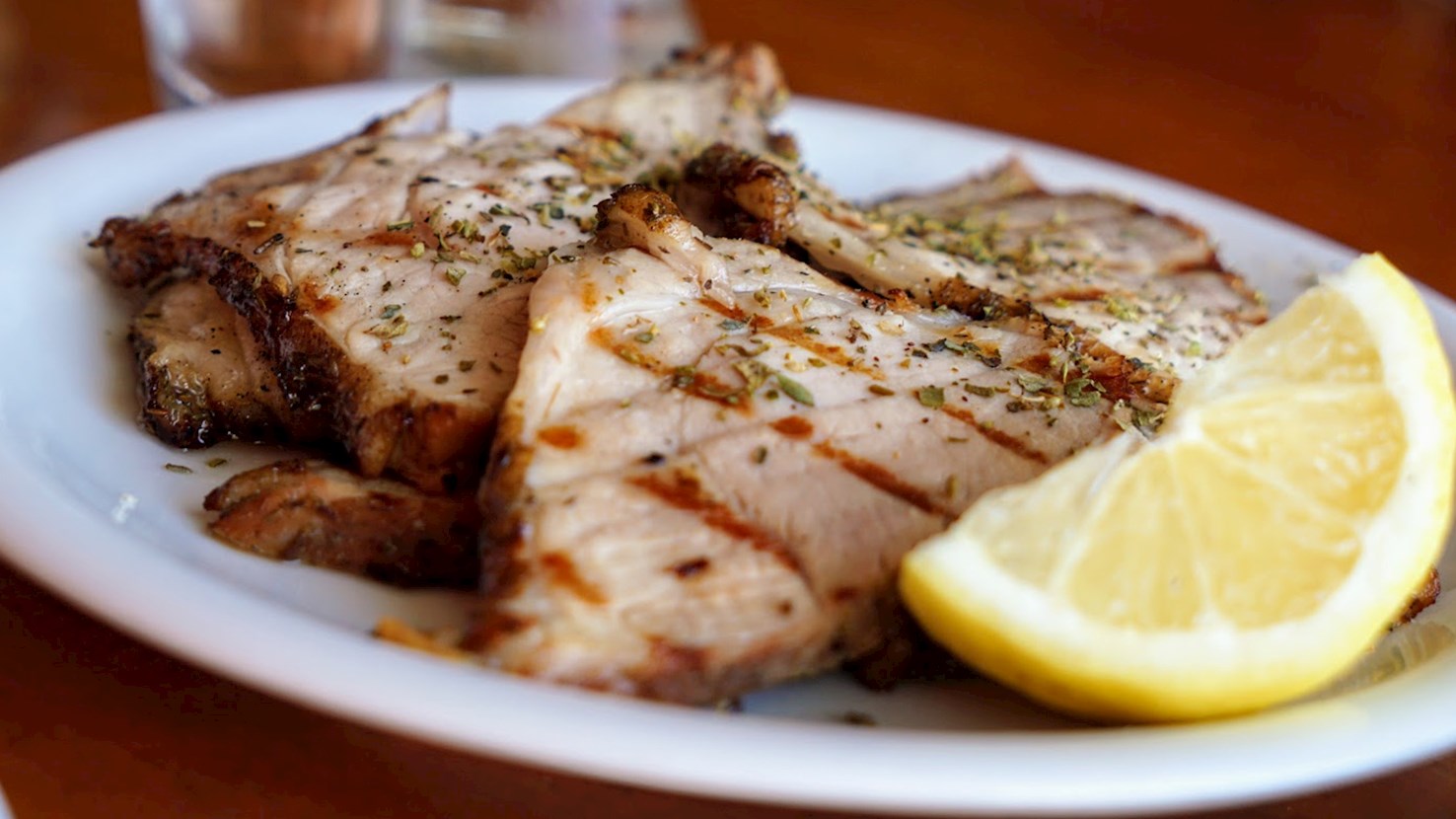
Apáki is a Cretan delicacy that is typically prepared with cured pork loin which is smoked using a combination of wood and various herbs such as oregano, marjoram, thyme, or sage. It is believed that this way of preparation hails from Byzantine times, when people used it in order to preserve meat for longer periods. Though it is commonly enjoyed as a meze dish when it is sliced into thin strips, apáki is easily incorporated into omelets or salads, and it can also be shortly cooked and paired with pasta or rice.

04

Lomo de bellota ibérico

3.7 ·

Lomo de bellota ibérico is a traditional pork loin. This pork loin is made from pigs that have been fed on acorns, giving it an extra flavor. The flavors gain in intensity and they're much better than in most other pork loin varieties. The size of lomo de bellota ibérico is somewhat smaller than other pork loins, while the fat infiltration is very high. When served, lomo is traditionally sliced thin and accompanied by breads, drizzled with olive oil, or wrapped around other foods such as cheese or fruit.

05

Lonzo de Corse

3.6 ·

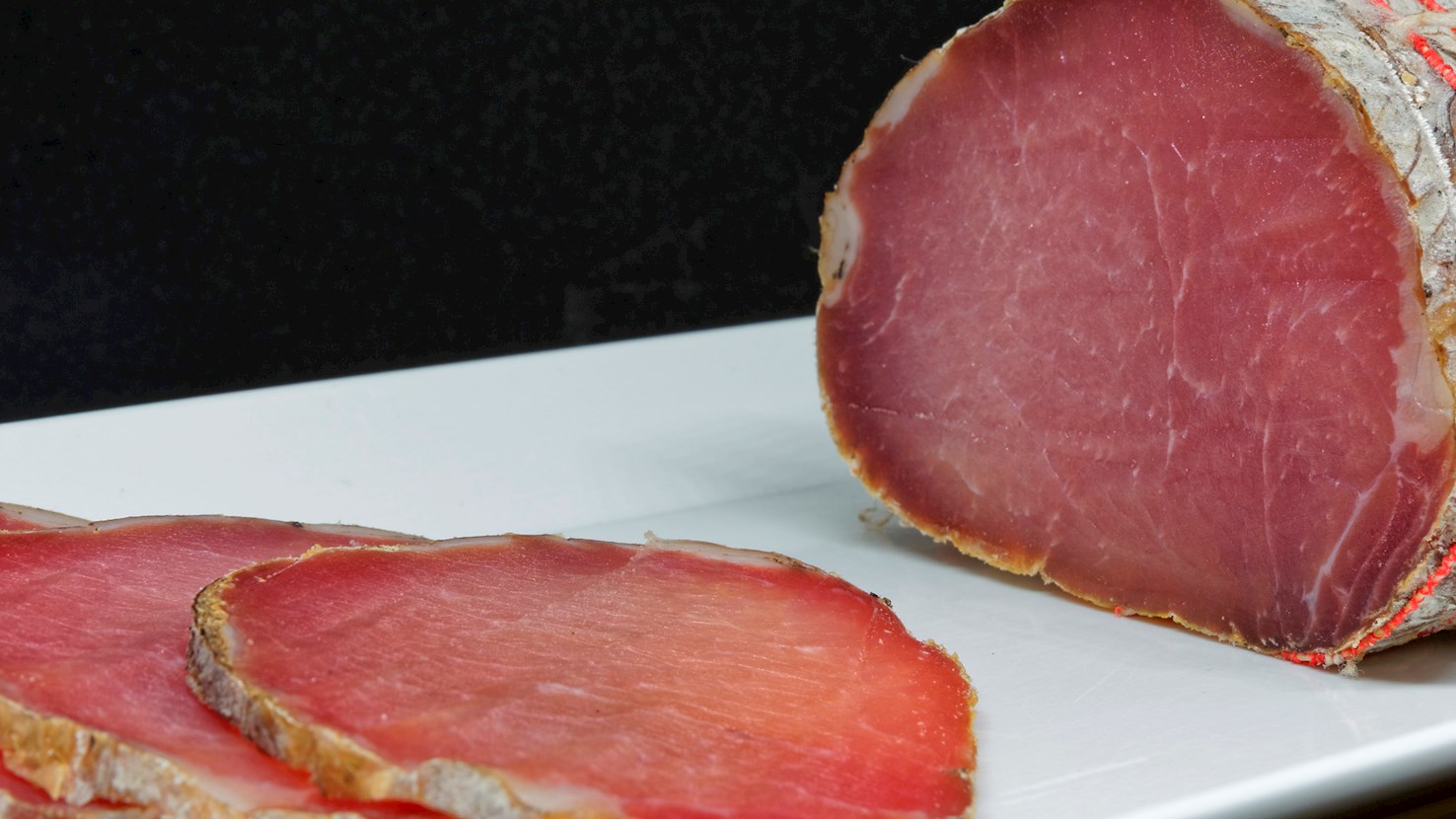
Lonzo de Corse is salted, dry-cured and matured meat made from pork loin of the Nustrale breed, native to the French island of Corsica, where the animals feed mainly on chestnuts and acorns. It must mature for at least three months, tied with a string and hung to develop its distinctive flavors. When sliced, the slices are oily and slightly marbled with white to pink, tender fat, while the meat is dense, supple, creamy and pink to red. The meat develops a characteristic variety of light and fresh, sweet flavors, ranging from those of dried ham, mushrooms, woodlands and hazelnuts to those of salt, pepper and smoke. It can be enjoyed thickly sliced as a starter, diced and paired with beer as an aperitif, or pan fried in omelettes.

06

Dalmatinska pečenica

3.6 ·

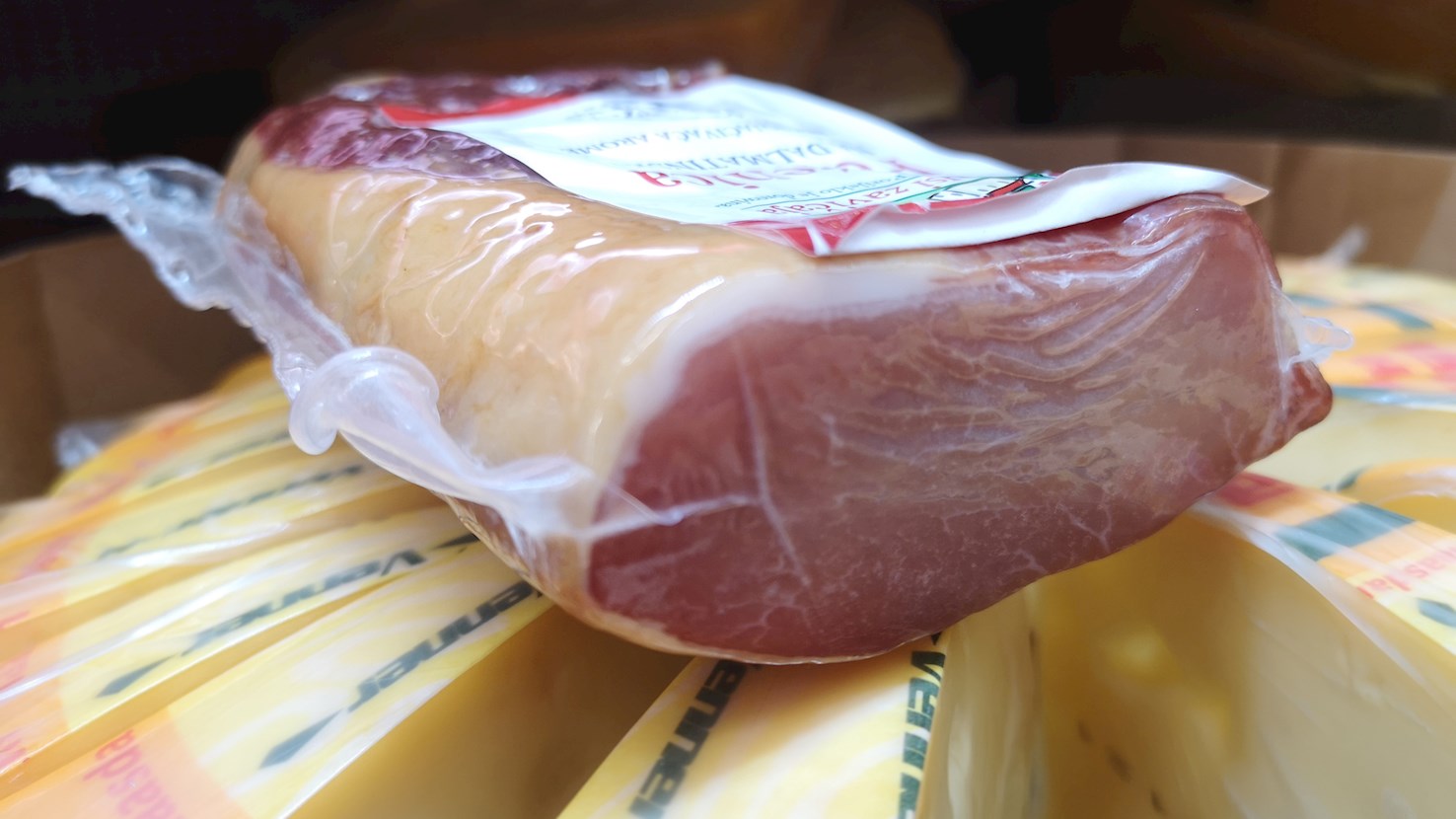
Dalmatinska pečenica is a traditional meat product that can only be produced in Lika-Senj, Zadar, Dubrovnik-Neretva, Split-Dalmatia, and Šibenik-Knin counties. This preserved and cured meat product is made from the trimmed longissimus dorsi muscle of the pig. The meat is salted or cured in brine, cold-smoked, and dried in the Bora wind. The texture is firm, elastic, compact, and easy to slice. The aroma is typical of preserved cured pork products and mildly smokey, while the flavor is slightly salty. The entire process lasts at least 45 days, from salting to maturing. Once finished, the product can be sold whole, in slices or in pieces. This delicacy is also served in many traditional restaurants throughout Croatia. It is recommended to serve this meat product with bread and cheese.

07

Lomo de cebo ibérico

3.4 ·

Lomo de cebo ibérico is a traditional pork loin produced from Iberian pigs that feed on high-quality fodder such as barley. Visually, it can be seen that the loin presents more infiltrated fat than the loins produced from white-coated pigs. It's also said that lomo de cebo ibérico is much tastier than those loins made from white-coated pigs. When served, lomo is traditionally sliced thin and accompanied by breads, drizzled with olive oil, or wrapped around other foods such as cheese or fruit.

08

Lomo embuchado de capa blanca

3.3 ·

Lomo embuchado de capa blanca is a traditional pork loin. This pork loin is made from white-coated non-Iberian pigs that have a much lower fat infiltration. It's also bigger in size than those loins obtained from Iberian pigs. The flavor is described as good, but not as good or flavorful as the one of the Iberian varieties of pork loin. It's better known as lomo embuchado (stuffed loin). When served, lomo is traditionally sliced thin and accompanied by breads, drizzled with olive oil, or wrapped around other foods such as cheese or fruit.

09

Lomo de cerdo Duroc 100%

n/a ·

Lomo de cerdo Duroc 100% is a traditional pork loin. This pork loin is somewhere on the range between the loins produced from white-coated pigs and the loins made from Iberian pigs. It has a higher level of fat infiltration than the one produced only with white-coated pigs, but it doesn't actually reach the levels of the loins made from Iberian pigs, which have a superior flavor. When served, lomo is traditionally sliced thin and accompanied by breads, drizzled with olive oil, or wrapped around other foods such as cheese or fruit.

10

Lonza

n/a ·

Lonza is a meat product made from a boneless lean pork loin that is typically salt-cured and then air-dried over a period of at least 3 to 4 months. A gourmet delicacy typical of the Marche region, lonza is traditionally made from the very lean and tender upper part of the back of pigs slaughtered during the fall and winter seasons in Italy. It is usually flavored with black pepper, fennel seeds, juniper seeds, or ground Calabrian chili pepper. The meat is stuffed in natural casings and allowed to age gradually during the cold months, resulting in a rich specialty that Italians traditionally consume in springtime. Lonza has a distinctive white mold on its surface and is characterized by a uniform pink to dark red color and a crisp-tender texture, while the flavors are robust, porky, and mildly peppery. This delicacy should not be confused with coppa, which is made from pork collar, although both types of meat are similar in flavor. Delicate, very thin slices of lonza are usually drizzled with olive oil and are typically accompanied by cheese, meats, bread, beans, or slices of juicy melon.

Read more
View all
View map
About this ranking

TasteAtlas food rankings are based on the ratings of the TasteAtlas audience, with a series of mechanisms that recognize real users and that ignore bot, nationalist or local patriotic ratings, and give additional value to the ratings of users that the system recognizes as knowledgeable. For the “Top 13 European Cured Pork Loins” list until June 06, 2026, 442 ratings were recorded, of which 202 were recognized by the system as legitimate. TasteAtlas Rankings should not be seen as the final global conclusion about food. Their purpose is to promote excellent local foods, instill pride in traditional dishes, and arouse curiosity about dishes you haven’t tried.

The initial list of top producers was compiled based on available reviews, awards, local recommendations, media and blog coverage, and consumer reviews. The list will be updated with ratings from TasteAtlas local ambassadors and TasteAtlas users.

Similar lists