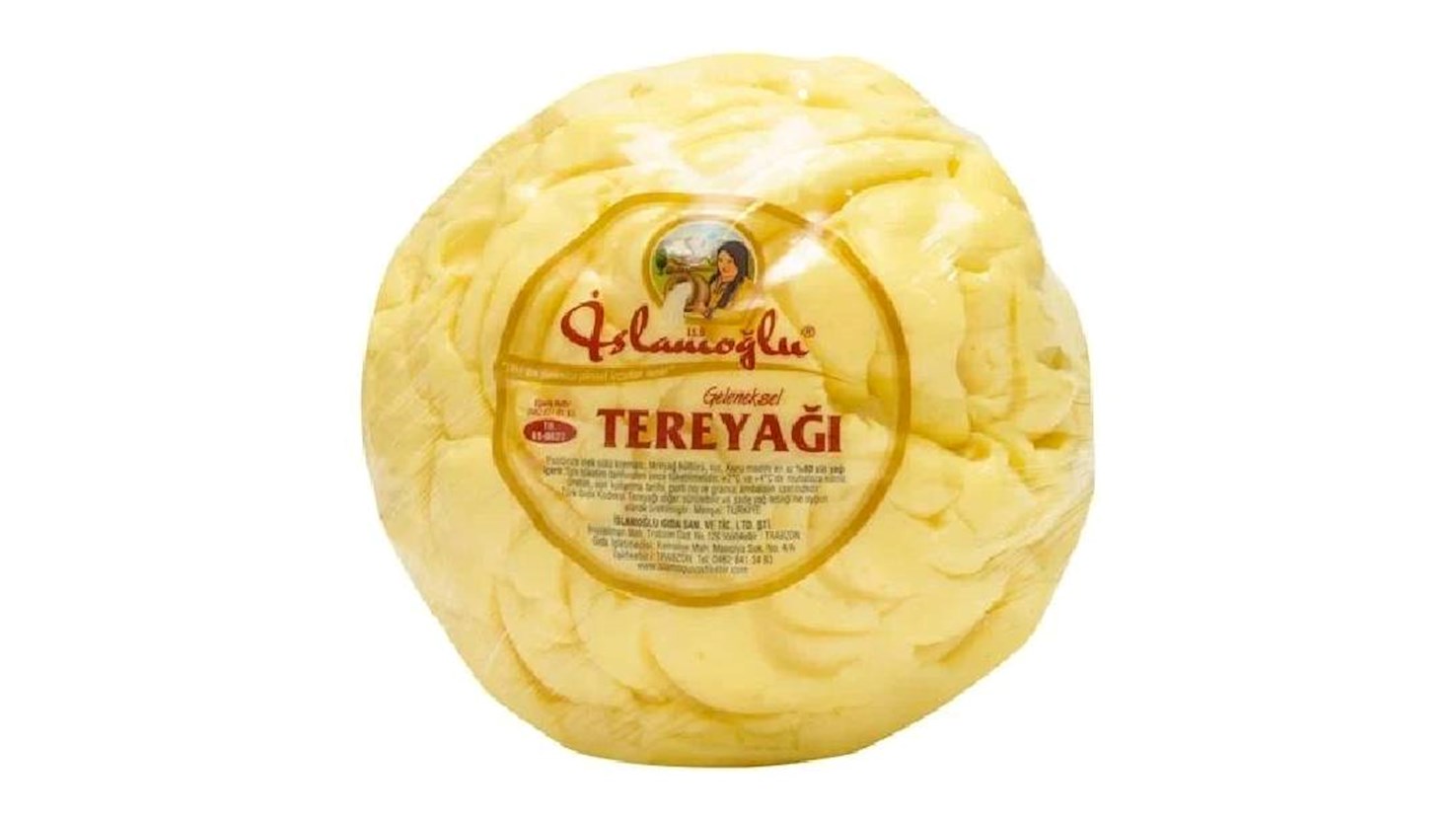
İslamoğlu Gıda is a family-owned company established in the 1960s in Vakfıkebir, Trabzon, Turkey. Initially operating in wholesale and retail sectors, the company transitioned in the 1990s to focus on dairy products under the name İslamoğlu Gıda Sanayi Ticaret Şirketi.
They specialize in traditional Turkish dairy items, notably Vakfıkebir Tereyağı (butter), and have expanded their offerings to include olives and other regional products.
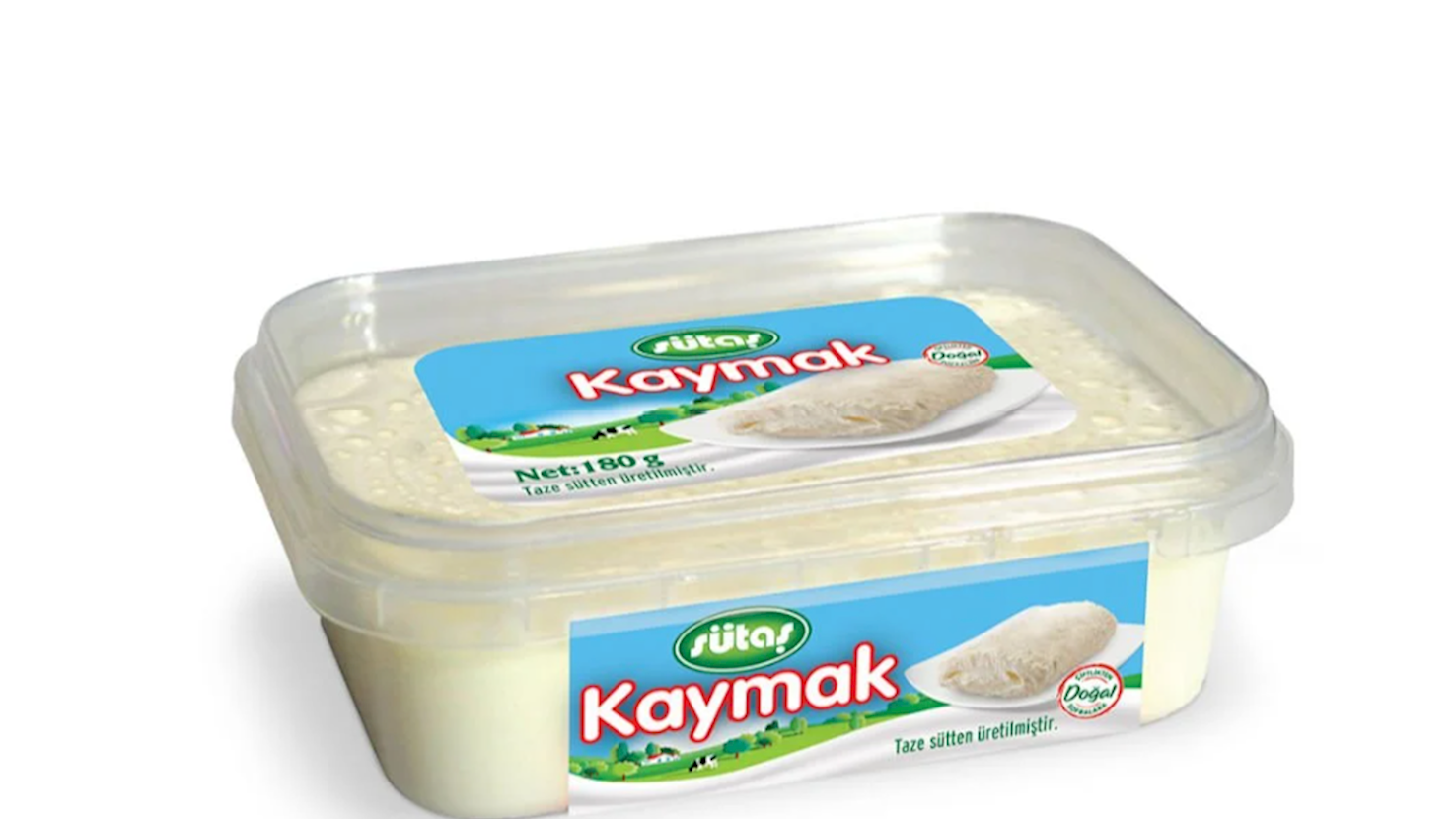
Sütaş is a leading Turkish dairy producer known for its high-quality milk and dairy products. With a focus on sustainability, innovation, and food safety, Sütaş offers a wide range of products, including milk, cheese, yogurt, and butter.
The company uses advanced technology while maintaining traditional values, ensuring freshness and taste. Sütaş has established itself as a trusted brand in Turkish households, providing wholesome and nutritious dairy options.
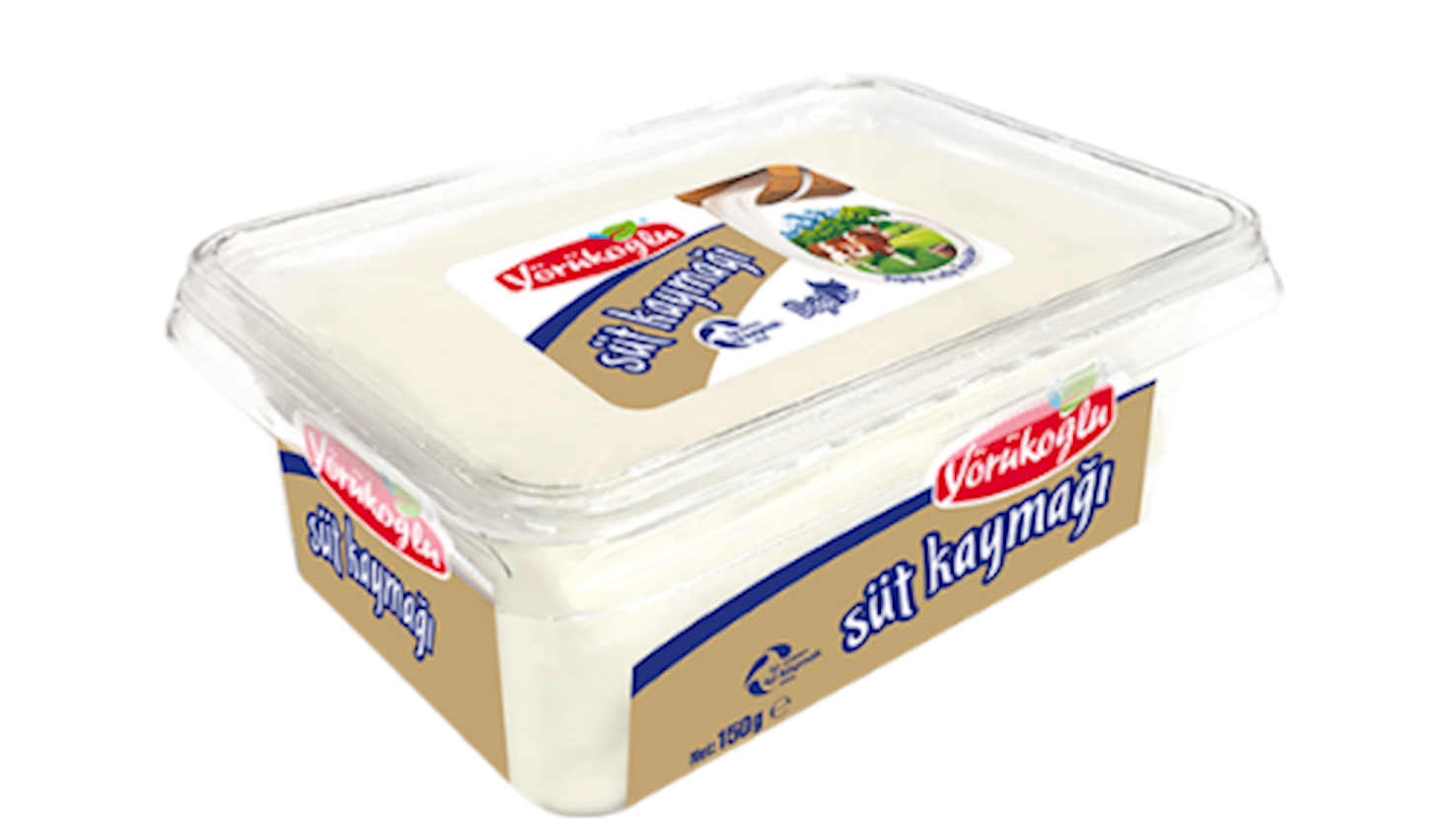
Yörükoğlu Süt is a Turkish dairy company headquartered in Antalya. It was established by a family that has been producing milk and dairy products for three generations. According to the company’s official history, industrial production began in 1977. Its first facility in the Antalya Organized Industrial Zone opened in 1996. A second facility began operating in 2020 and substantially increased the company’s processing capacity. The company currently occupies approximately 108,000 square meters, including around 47,000 square meters of enclosed production space. Its facilities can process approximately 1,250 tons of raw milk per day. The milk is mainly collected from producers in the Taurus Mountains and surrounding regions. Its range includes long-life and flavored milk, yogurt, ayran, different types of cheese, butter, cream and other dairy products. The company also produces larger packages intended for hotels, restaurants and other food-service businesses. Production involves the reception and inspection of raw milk followed by heat treatment, processing, filling and packaging on automated lines. Yörükoğlu products are distributed throughout Türkiye, while part of the production is exported under the Yörükoğlu and Alya brands. Its facilities hold international food safety and halal production certificates. Based on its production volume, Yörükoğlu is one of the larger industrial dairy manufacturers in Türkiye’s Mediterranean region.
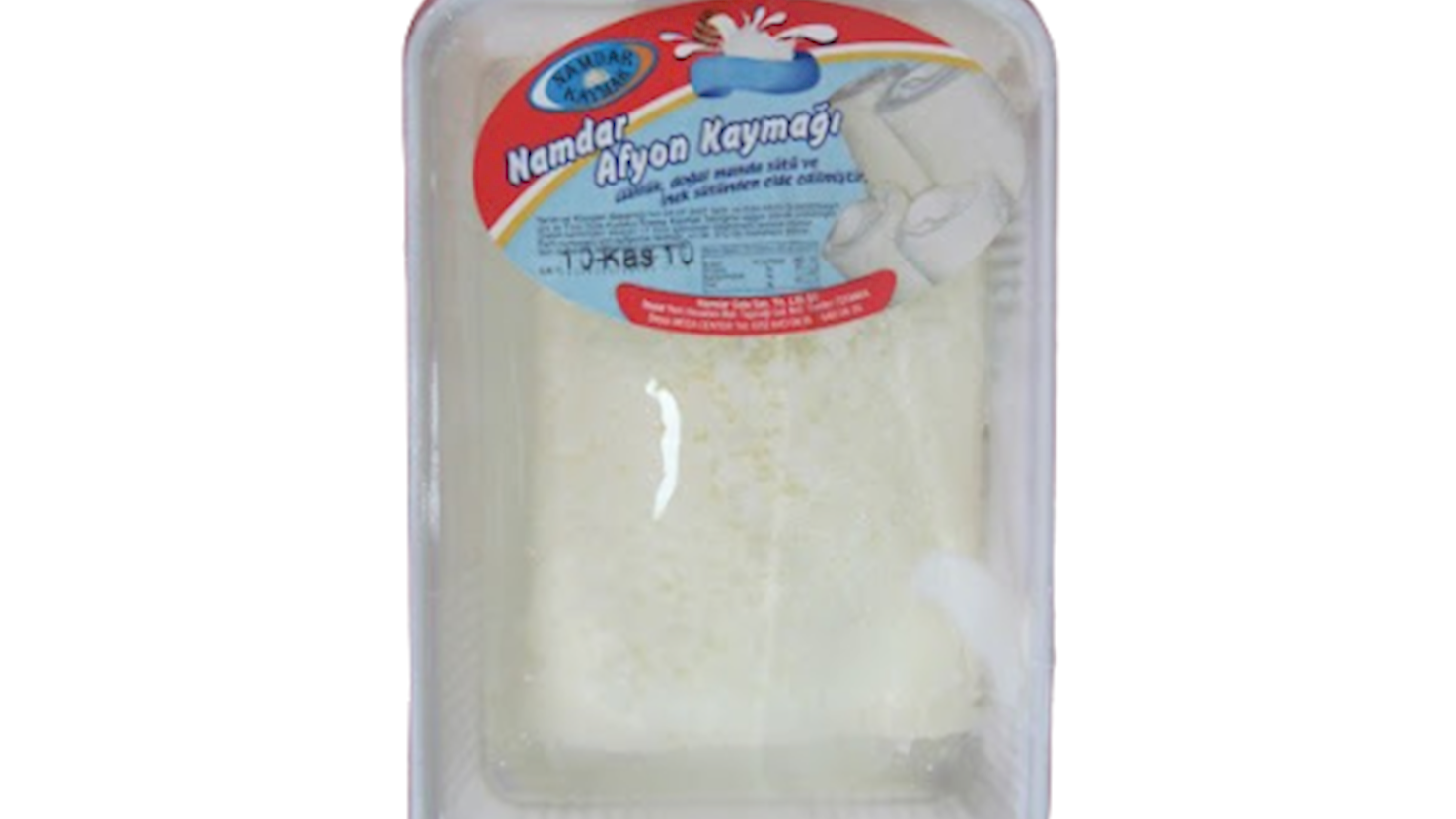
Namdar Kaymak is a Turkish manufacturer specializing in the production of high-quality clotted cream (kaymak), a popular dairy product in Turkish cuisine. Known for its rich texture and exceptional taste, Namdar Kaymak uses premium milk and traditional methods to create their products.
The company prides itself on delivering natural and fresh dairy items to the market, offering a variety of kaymak products that enhance both sweet and savory dishes.
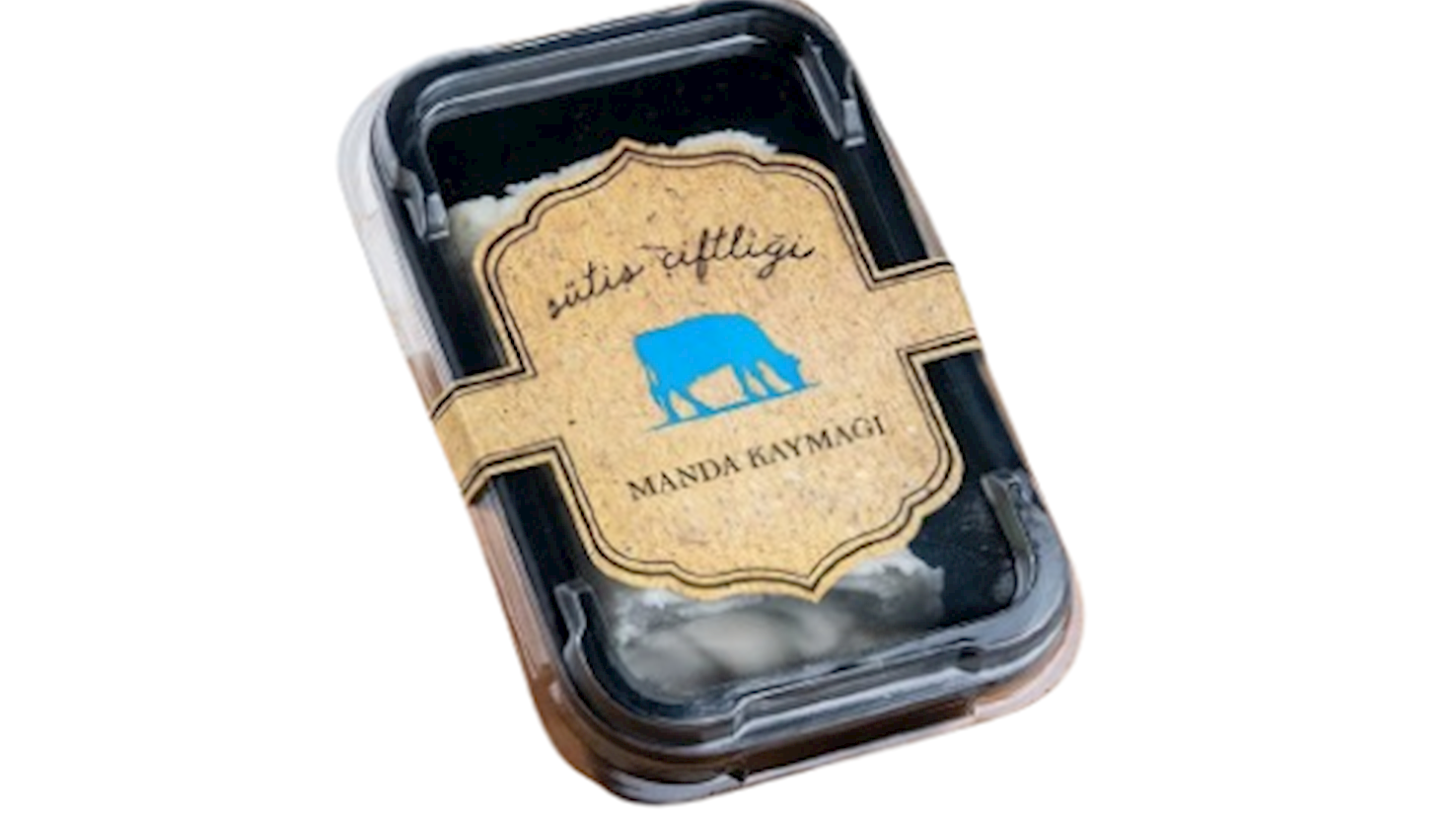
Emirgan Sütiş is a leading Turkish brand known for producing premium dairy products, including milk, cheese, yogurt, and traditional Turkish desserts. Their offerings are crafted using high-quality ingredients and traditional methods, ensuring freshness and flavor.
The company is committed to maintaining sustainability while delivering healthy, delicious products. Emirgan Sütiş is particularly famous for its iconic locations in Istanbul, where customers can enjoy fresh dairy items in a warm, welcoming environment.
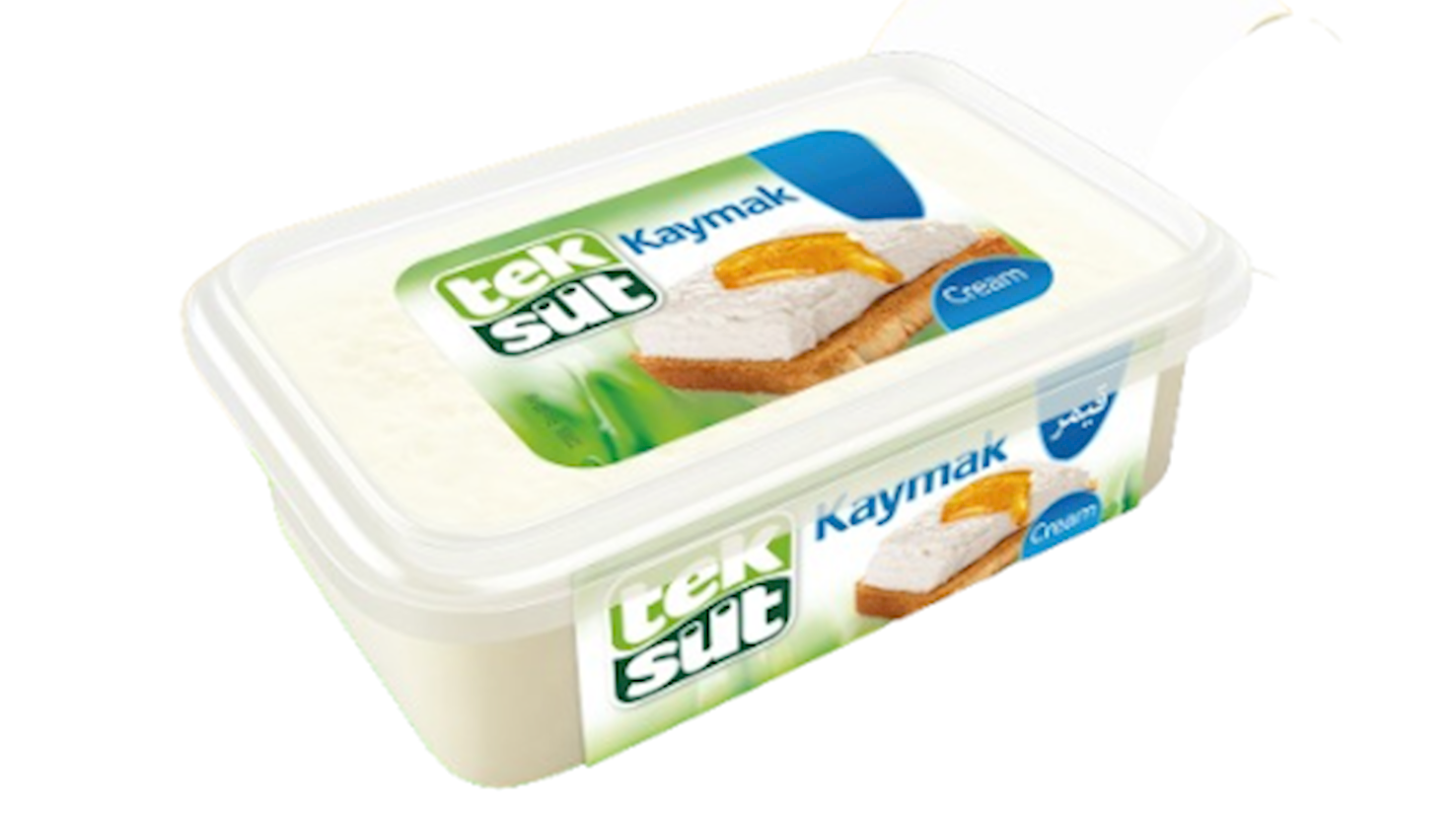
Teksüt is a leading Turkish dairy brand known for its high-quality products, ranging from milk and cheese to yogurt and butter. The company is committed to producing natural and healthy dairy items using modern technology while maintaining traditional methods.
Tek Süt ensures that all of its products are fresh and nutritious. With a strong emphasis on sustainability, the brand has gained consumer trust in Turkey.
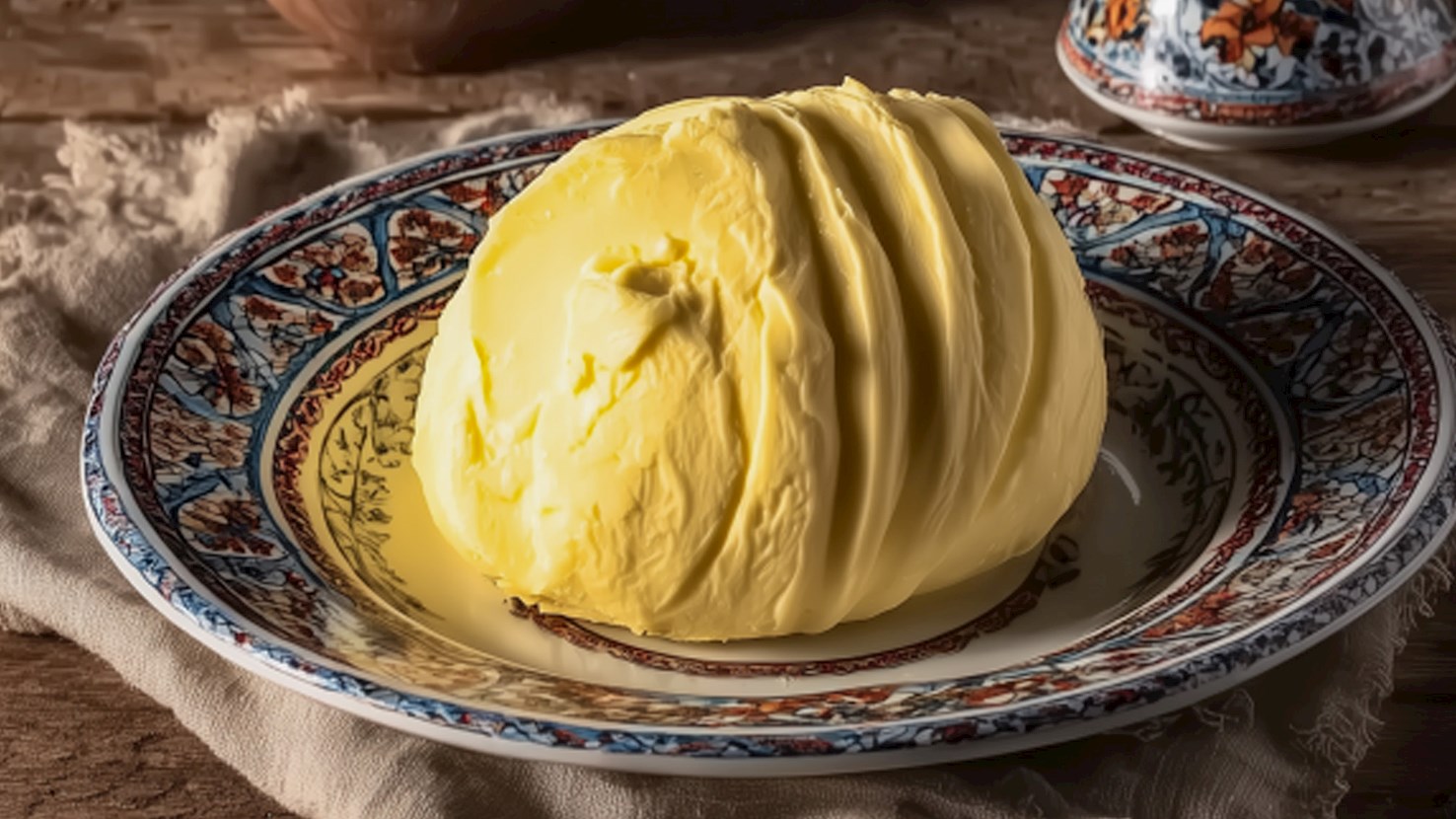
This butter originates from Turkey, specifically the Yakcukur area in the province of Trabzon. It's made with a combination of pasteurized cow's milk cream and butter cultures. Once prepared, the butter is washed with ice-cold water, then stirred with a large wooden spoon for a long time until the butter is shaped. It's traditionally decorated with a few incisions on top, usually made with a spoon. This butter with a unique flavor, color, and aroma is produced using only traditional methods. It's mostly consumed as a breakfast item.
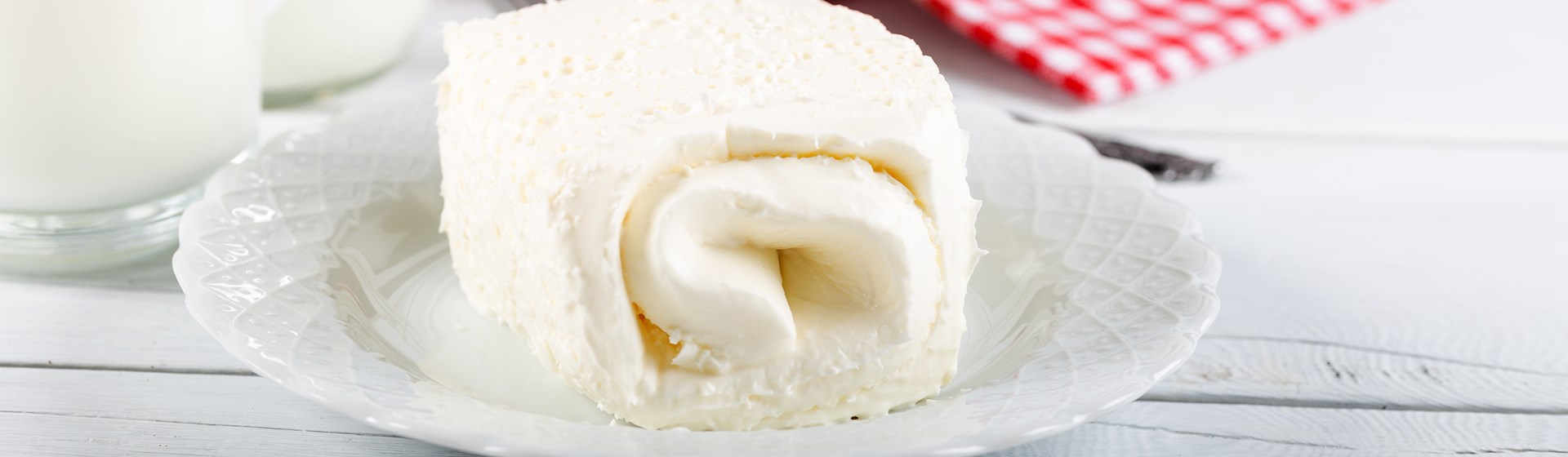
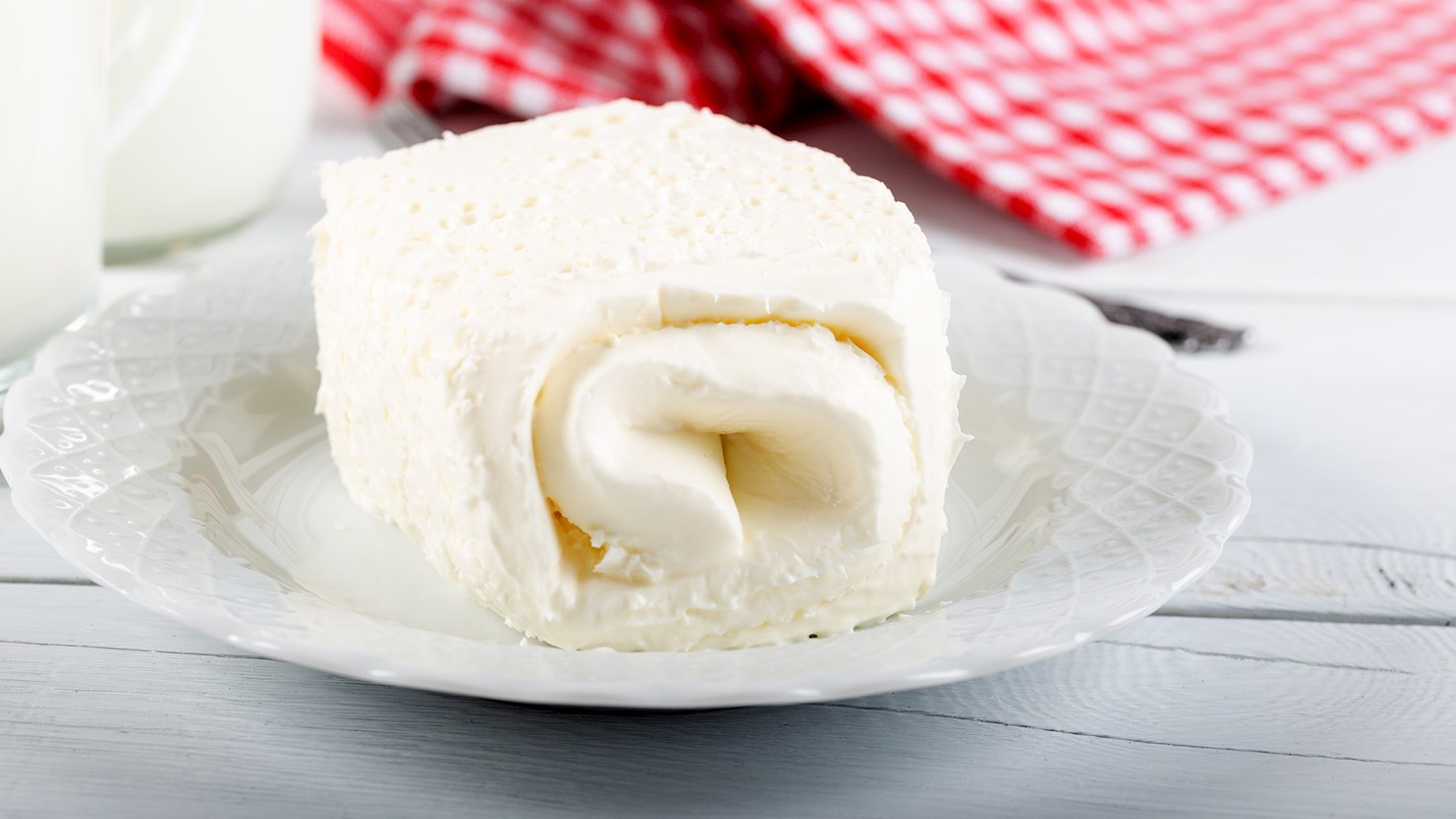
This traditional Turkish dairy product is thought to have origins among the Turkic people of Central Asia. A bit later, it has spread across the Middle East, the Balkans, and certain parts of Asia. The making of kaymak involves boiling, simmering, and skimming of fresh milk before the resulting cream is allowed to chill and develop into a thick, smooth, and velvety dairy delicacy. Kaymak purists believe that true kaymak is prepared with water buffalo's milk, which is thicker and higher in milk fat than the milk of other animals, although cow's, goat's, and sheep's milk are also traditionally used. Comparable to clotted cream, this dairy product is characterized by a rich and slightly tangy flavor and a high content of milk fat. Called kajmak in the Balkans or eishta in Arabic, kaymak is typically enjoyed for breakfast or as an accompaniment to a variety of hot beverages or desserts such as ayva tatlisi, künefe, and ekmek kadayifi. One of the most common ways to enjoy this dairy specialty is as a part of bal kaymak, a sweet delicacy and a breakfast staple in Türkiye, consisting of kaymak and honey, often sprinkled with ground nuts such as pistachios, walnuts, or almonds. In the Balkans, versions of kaymak are usually enjoyed alongside meat specialties such as ćevapi or pljeskavica.
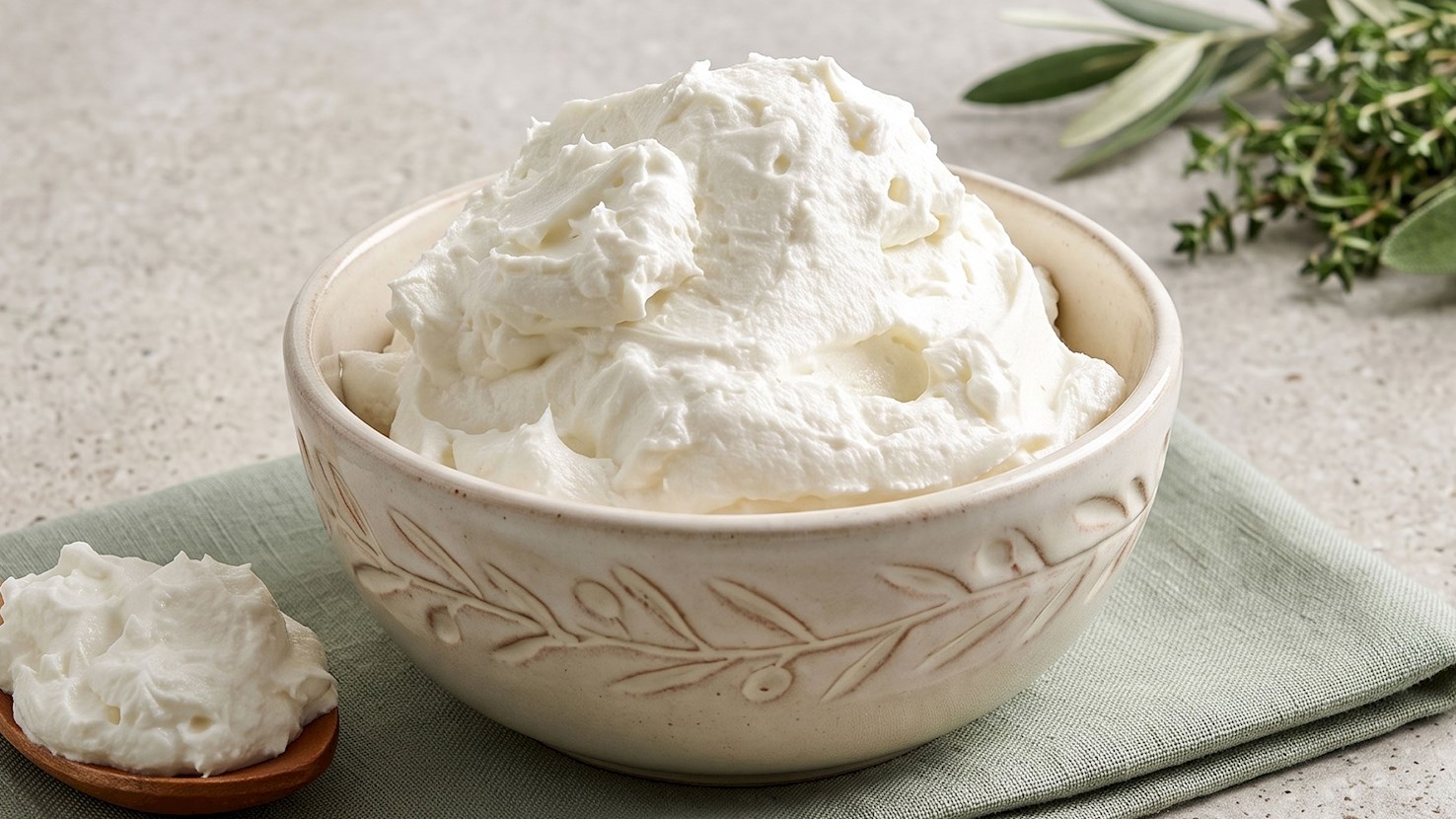
Kashk is a fermented dairy product used across Iran and parts of the Caucasus and Central Asia, known for its tangy, savory character and creamy consistency when reconstituted. In Iranian cooking, it serves as both an ingredient and a garnish, lending richness and depth to stews, soups, and vegetable dishes. The word kashk is Persian, and its preparation is part of a broader tradition of preserving milk in regions where refrigeration was historically limited. References to kashk stretch back many centuries, with early Persian texts describing it as a way to extend the shelf life of yogurt or buttermilk. Nomadic herders in Iran and neighboring lands relied on kashk as a portable, nutrient-dense food that could be stored for months in dried form. Over time, it evolved from a simple sustenance to an essential culinary component in dishes like ash reshteh and kashk-e bademjan. The preparation begins by straining yogurt, whey, or buttermilk to remove excess liquid, concentrating the solids into a thick paste. This mixture is then lightly salted and fermented to develop its distinct sour flavor. Once properly thickened, it can be dried into small balls or thin sheets and kept for later use. To prepare it for cooking, the dried kashk is soaked in warm water and blended until smooth, forming a creamy sauce that can be spooned into food or drizzled on top. Fresh kashk is also produced commercially and sold in jars with a consistency similar to sour cream. It is often heated gently and mixed into hearty stews such as khoresh kadoo, or combined with fried onions, garlic, and mint to finish dishes like ash-e jo. In kashk-e bademjan, it balances the richness of fried eggplant and adds a slight tang that complements the dish’s spices. Some cooks prefer to sprinkle crushed dried kashk over breads or flatbreads before baking to impart a savory edge. Today, kashk remains a staple in Iranian kitchens and is commonly found in grocery shops and bazaars in both dried and liquid forms. It is also used in Caucasus, Central Asia, and Kurdish regions under various local names.
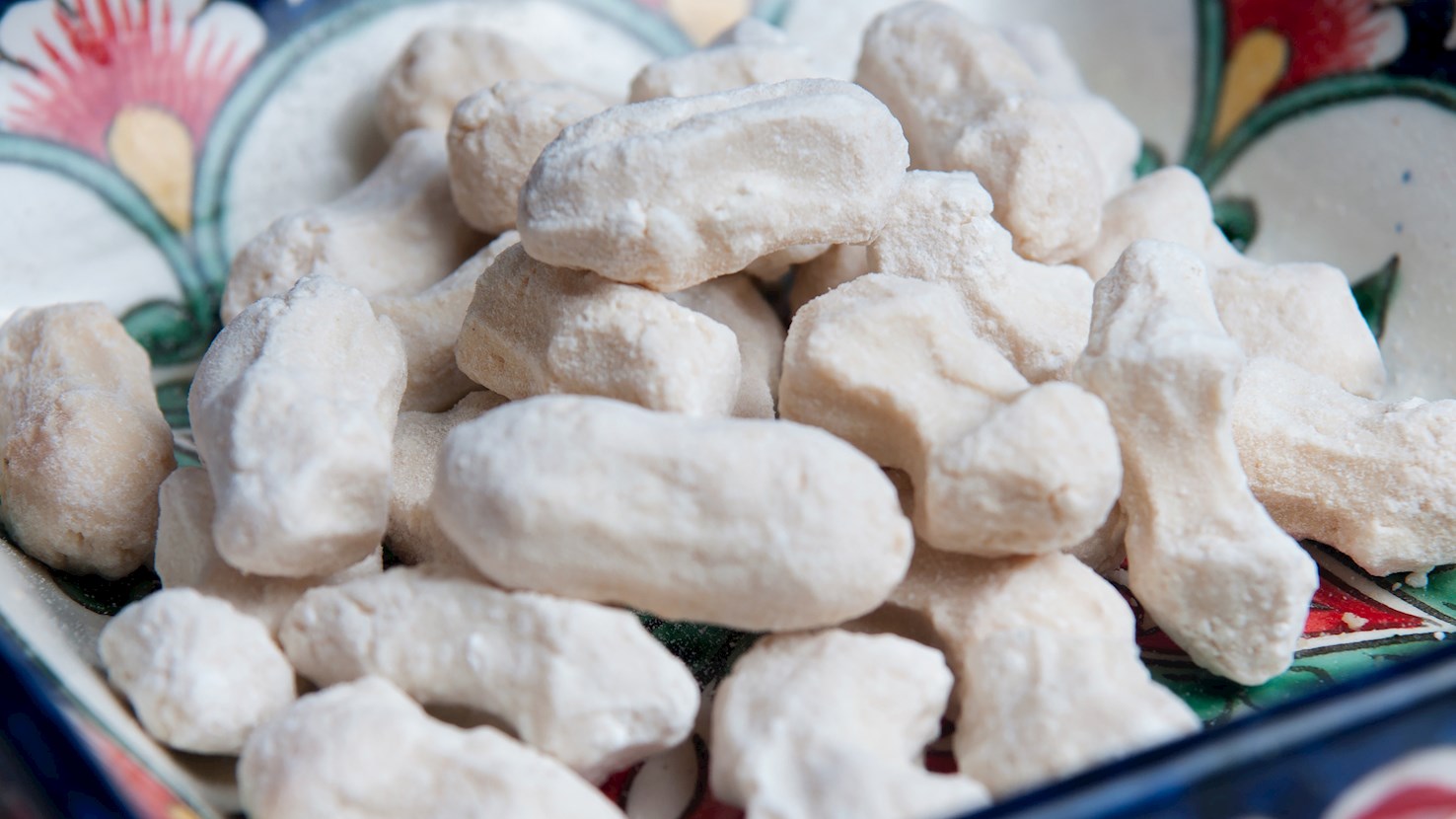
Süzme yoğurt is a concentrated dairy product created by removing the liquid whey from fermented milk, resulting in a thick, cream-like consistency that is central to the culinary landscapes of Türkiye, the Balkans, and the Middle East. It is defined by its high protein-to-water ratio and a distinct tanginess that is more pronounced than in unstrained varieties. The development of this food is rooted in the ancestral migration patterns of Turkic and Central Asian nomadic tribes, who required a method to preserve milk in arid and variable climates. By straining yogurt in cloth bags, these populations discovered they could reduce the volume for easier transport while simultaneously lowering the moisture content to inhibit the growth of spoilage-causing bacteria. This practice became a standardized method of food preservation across the Silk Road and Anatolian plateaus, where it allowed surplus milk from sheep, goats, and water buffalo to be stored for longer durations. The preparation begins with the fermentation of milk using specific bacterial cultures, primarily Lactobacillus bulgaricus and Streptococcus thermophilus, to create standard yogurt. This base is then poured into a finely woven cotton or linen bag, known as a torba, and suspended over a vessel or outdoors to allow gravity to pull the whey through the fabric. The duration of this process determines the final density, ranging from a few hours for a spoonable consistency to twenty-four hours for a firm, cheese-like texture. One technical characteristic of this product is its heat stability; the concentration of casein proteins prevents the yogurt from curdling or separating when it is incorporated into hot sauces or soups. A unique attribute of the süzme variety is its ability to be transformed into kurut, where it is shaped into small spheres and sun-dried until it becomes a rock-hard, shelf-stable solid that can be reconstituted years later. It is primarily eaten as a base for mezzes, such as haydari, or served alongside grilled meats and vegetable stews to balance their fat content. In a service setting, it is often topped with a layer of olive oil and dried herbs like mint or thyme to prevent the surface from drying out.
TasteAtlas food rankings are based on the ratings of the TasteAtlas audience, with a series of mechanisms that recognize real users and that ignore bot,
nationalist or local patriotic ratings, and give additional value to the ratings of users that the system recognizes as knowledgeable.
TasteAtlas Rankings should not be seen as the final global conclusion about food. Their purpose is to promote excellent local foods,
instill pride in traditional dishes, and arouse curiosity about dishes you haven’t tried.
The initial list of top producers was compiled based on available reviews, awards, local recommendations, media and blog coverage, and consumer reviews.
The list will be updated with ratings from TasteAtlas local ambassadors and TasteAtlas users.



What People Say