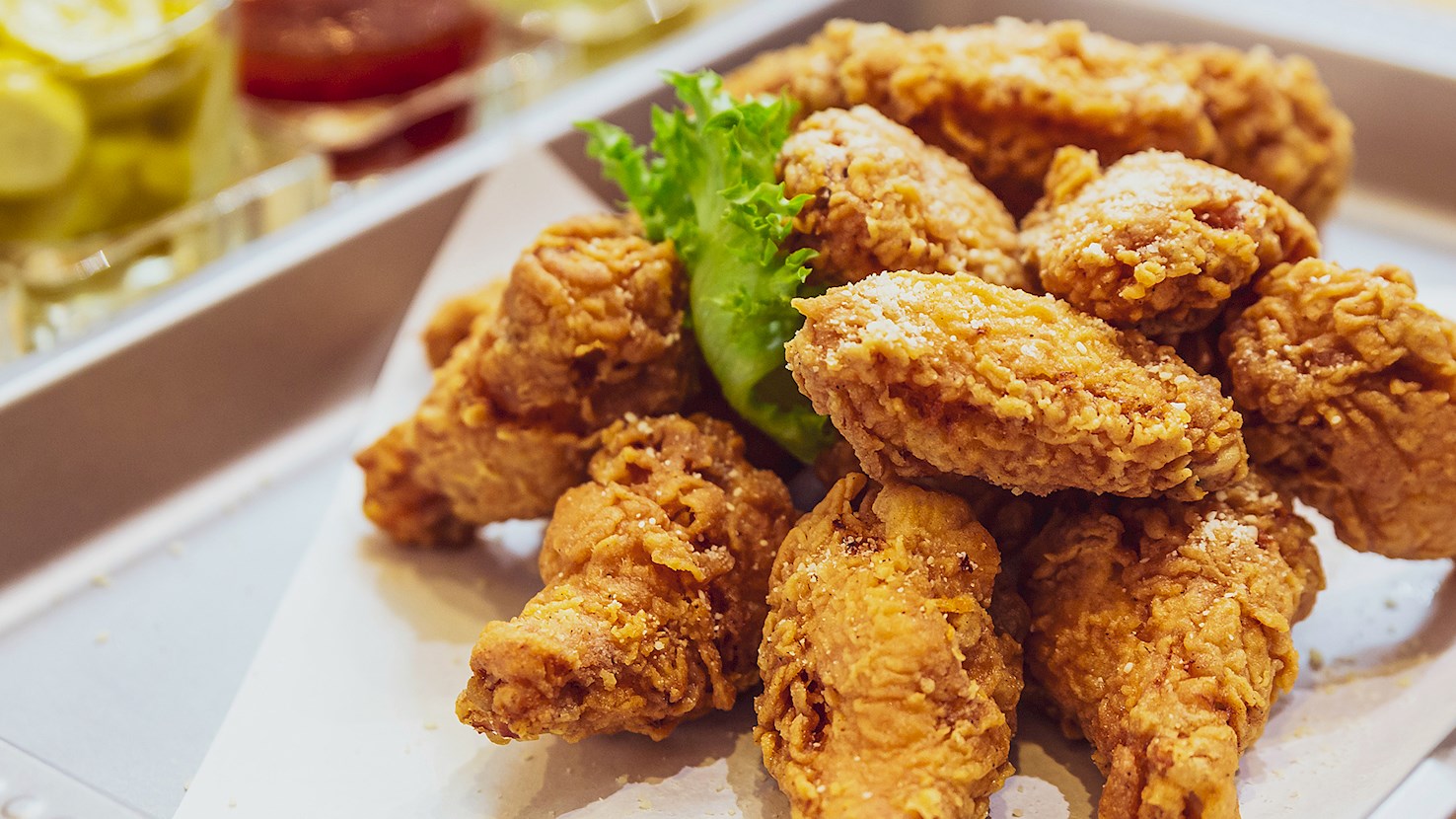
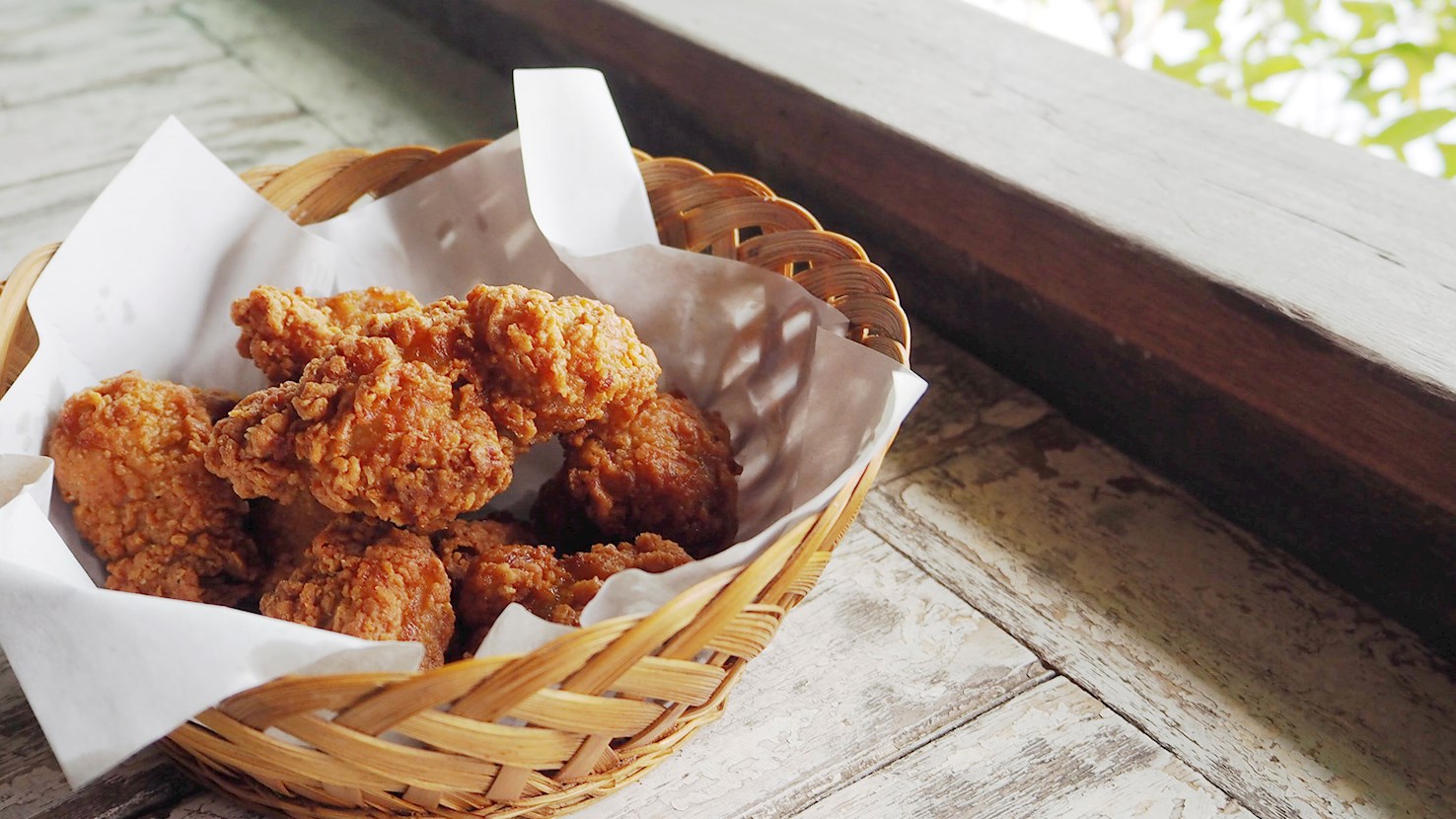
Chikin, or Korean fried chicken (KFC), is a popular dish in Korean cuisine that consists of battered and deep-fried chicken pieces. Fried chicken was introduced to South Korea by the American military during the Korean War in the 1950s. American soldiers brought the concept of fried chicken to the country, and it quickly gained popularity among Koreans. In the 1970s and 1980s, the fried chicken industry in South Korea expanded with the emergence of various fried chicken restaurant chains. These chains started experimenting with different flavors and sauces, moving beyond the original, stripped-down version of fried chicken. Finally, at the beginning of the 21st century, Korean fried chicken gained international popularity, mostly because of its unique preparation methods, distinct flavors, and crunchy texture. A few key characteristics differentiate Korean fried chicken from other types of fried chicken. One of the defining features of Korean fried chicken is the double frying technique. The chicken is first fried at a lower temperature to cook the meat thoroughly, then fried at a higher temperature to achieve a crispy and crunchy outer layer. Korean fried chicken is often served with various flavorful sauces and seasonings. Some popular sauce options include spicy gochujang (Korean red pepper paste), soy garlic, honey butter, sweet and tangy, and more. These sauces can be applied to the fried chicken either by tossing the chicken in the sauce or by drizzling the sauce over the chicken. Korean fried chicken is served with various side dishes, such as pickled radishes, coleslaw, and even refreshing slices of watermelon, and is often accompanied by beer (this combination is known as chimaek).
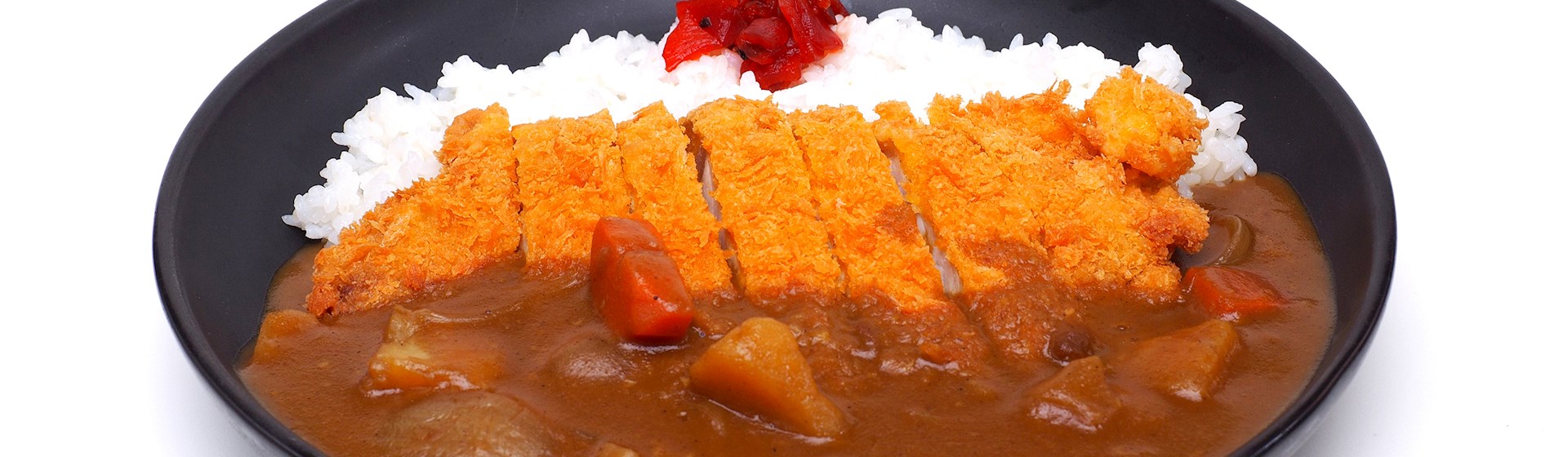
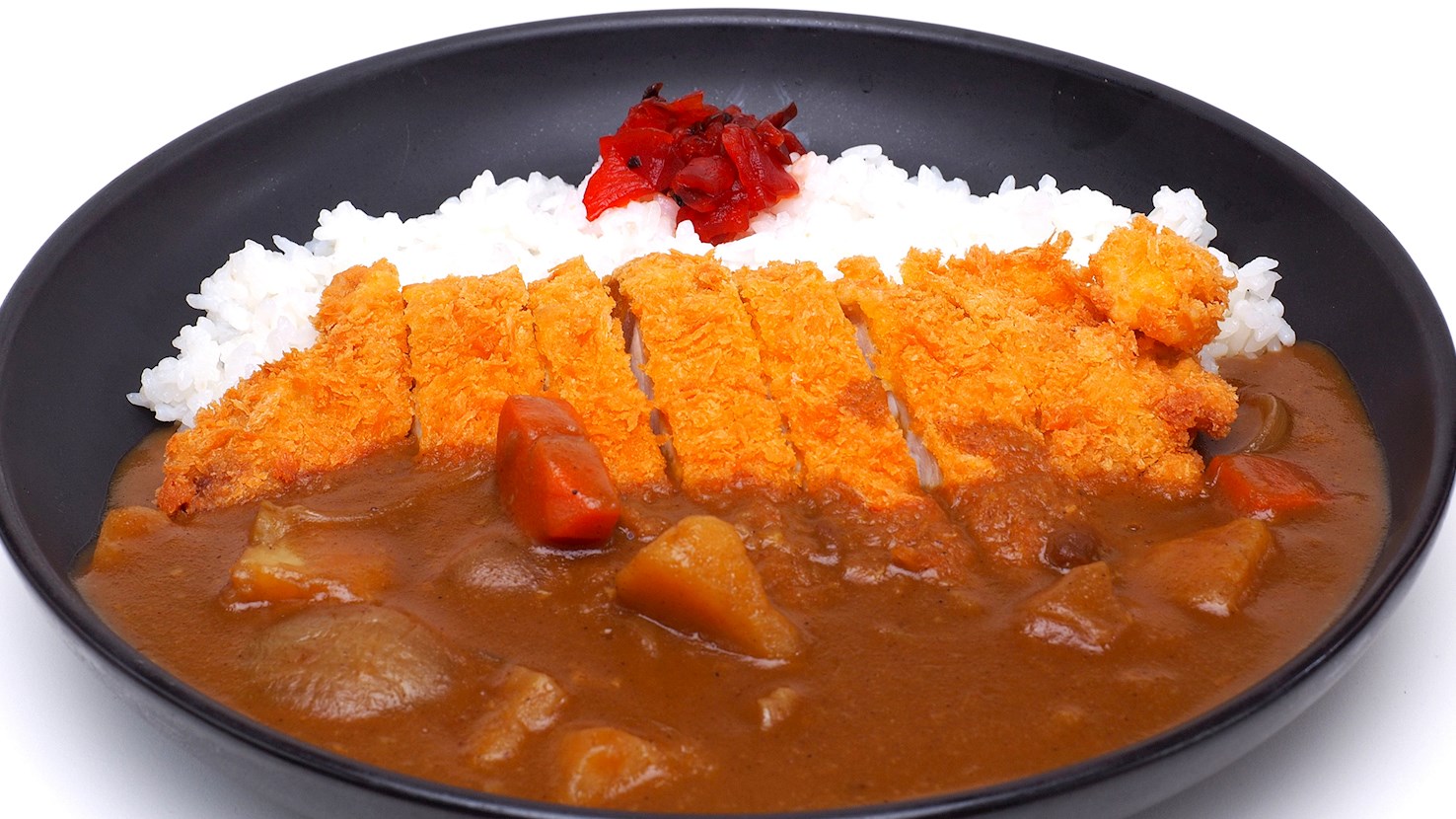
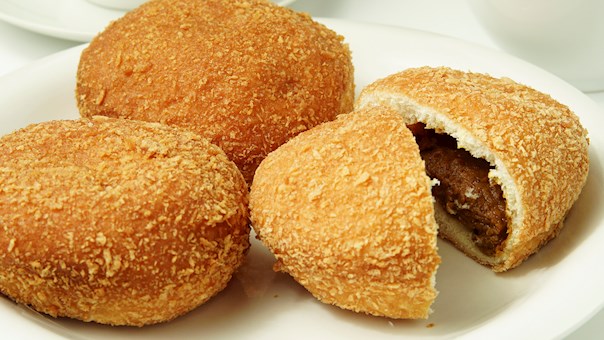
Katsu karē is a Japanese curry variation made with a combination of tonkatsu (breaded and fried pork or chicken cutlet) and curry sauce. The dish is sometimes served with just the curry sauce, and sometimes with the full curry – including meat and vegetables. On the other hand, it is almost always served with rice or over rice. In the region of Kansai, beef cutlet is typically used instead of chicken or pork.
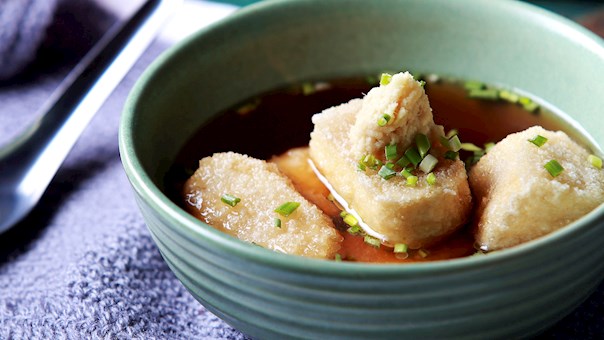
Also known as dry-frying, karaage is a Japanese cooking technique in which various foods are first lightly coated in arrowroot starch, then deep-fried. The use of arrowroot starch preserves the natural water content of fried foods and produces a crispy outer surface, but alternatively, other coating ingredients such as wheat flour, tapioca, or potato starch can also be used. Karaage can be used for frying various meats and fish, but it is most often associated with chicken, and involves a special variant called tatsutaage, where pieces of chicken are first marinated in a mixture of sake, soy sauce, and sugar which are then lightly covered with arrowroot starch and deep-fried. This method makes the meat succulent on the inside and particularly crispy on the outside. If not specified otherwise, karaage usually refers to fried chicken, but apart from chicken, the technique is sometimes used with other ingredients such as askarei (flounder), ika (bits of squid), and gobo (burdock root). Japanese karaage dishes are usually seasoned with garlic and ginger, and served with soy sauce on the side. They are a staple of informal Japanese gastropubs called izakayas, casual places for after-work drinks and snacks, but they are also available freshly fried as take-out food in numerous supermarkets and convenience stores.
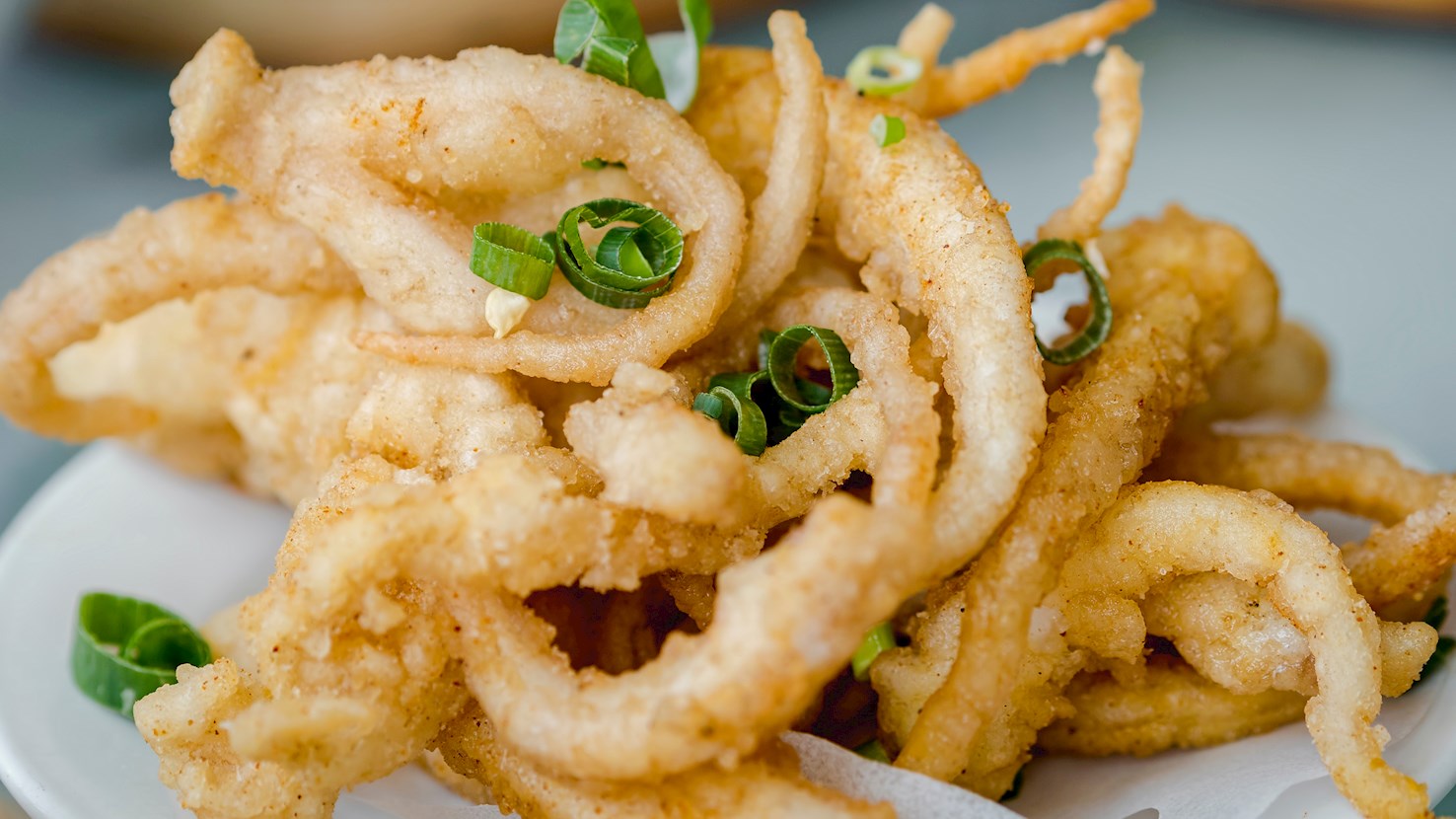
Jiao yan you yu or salt-and-pepper squid is a traditional dish originating from Guangzhou. This Cantonese dish is usually made with a combination of squid, potato flour, scallions, Shaoxing wine, garlic, oil, hot peppers, Sichuan pepper or white pepper, and salt. The surface of the squid is cross-hatched and the body is cut into bite-sized pieces. It's mixed with Shaoxing wine, drained, dredged in flour, and deep-fried in hot oil until lightly golden. The squid is removed from the pan. The garlic, scallions, and hot peppers are stir-fried in the same oil, and the squid is placed back into the pan with a mixture of Sichuan pepper and salt. The dish is stir-fried a bit more, tossed, and served hot as an appetizer or a main course.
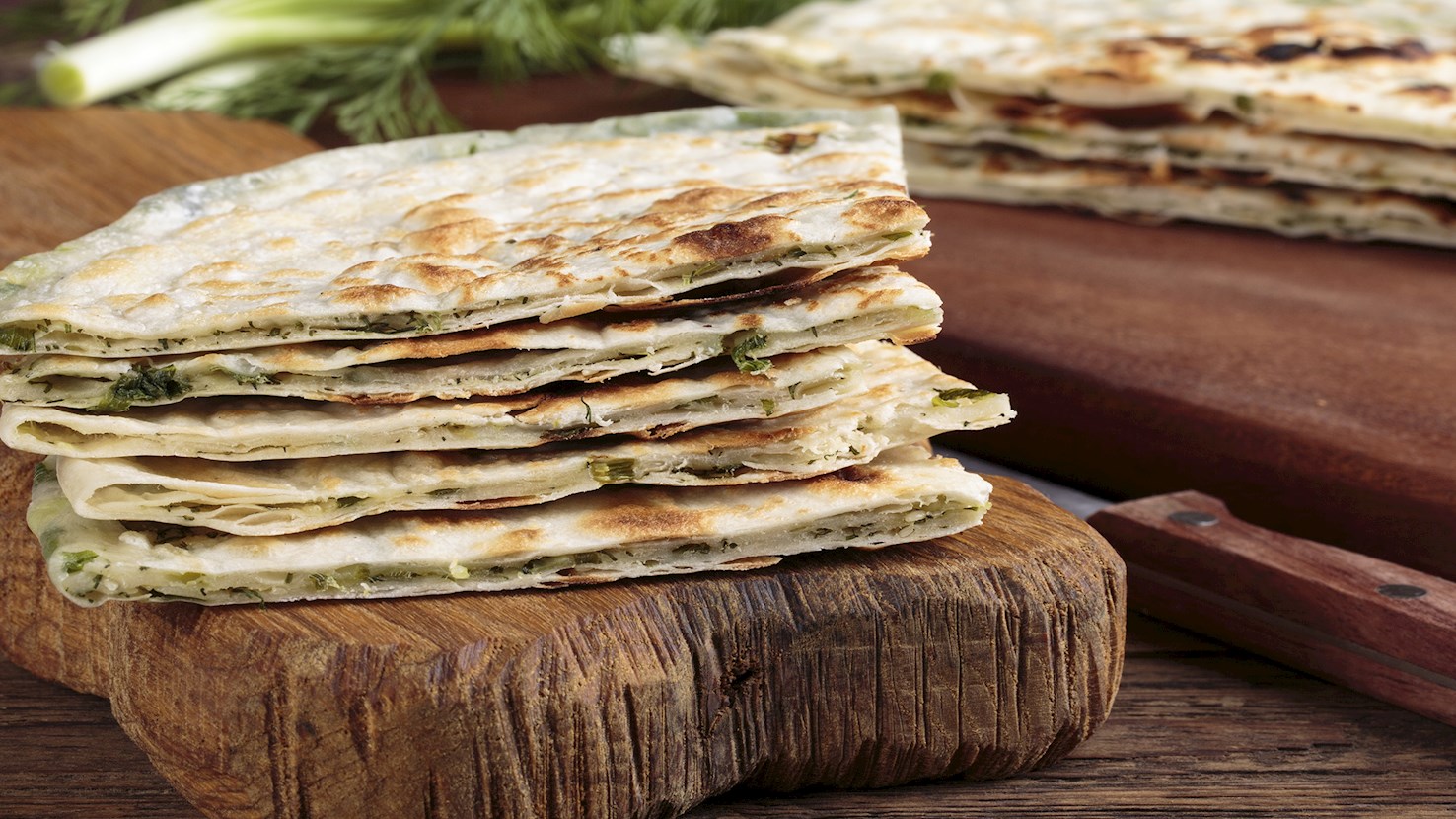
Though similar varieties of scallion pancakes can be found in other Asian countries, in Taiwan they are a common and sought-after treat that is usually enjoyed as a snack or an accompaniment to other dishes. The pancakes are prepared with an unleavened dough that is flattened, sprinkled with sliced scallions, and then rolled and pressed to form a flat pancake that is pan-fried until crispy. Apart from the traditional version, these tasty snacks are occasionally prepared with the same type of dough that is rolled and deep-fried, before it is smeared with a flavorful combination of scallions. Regardless of the varieties, scallion pancakes are a staple street food in Taiwan, especially popular at traditional night markets. The pancakes can be paired with other dishes, but they are usually merely accompanied by various dipping sauces.
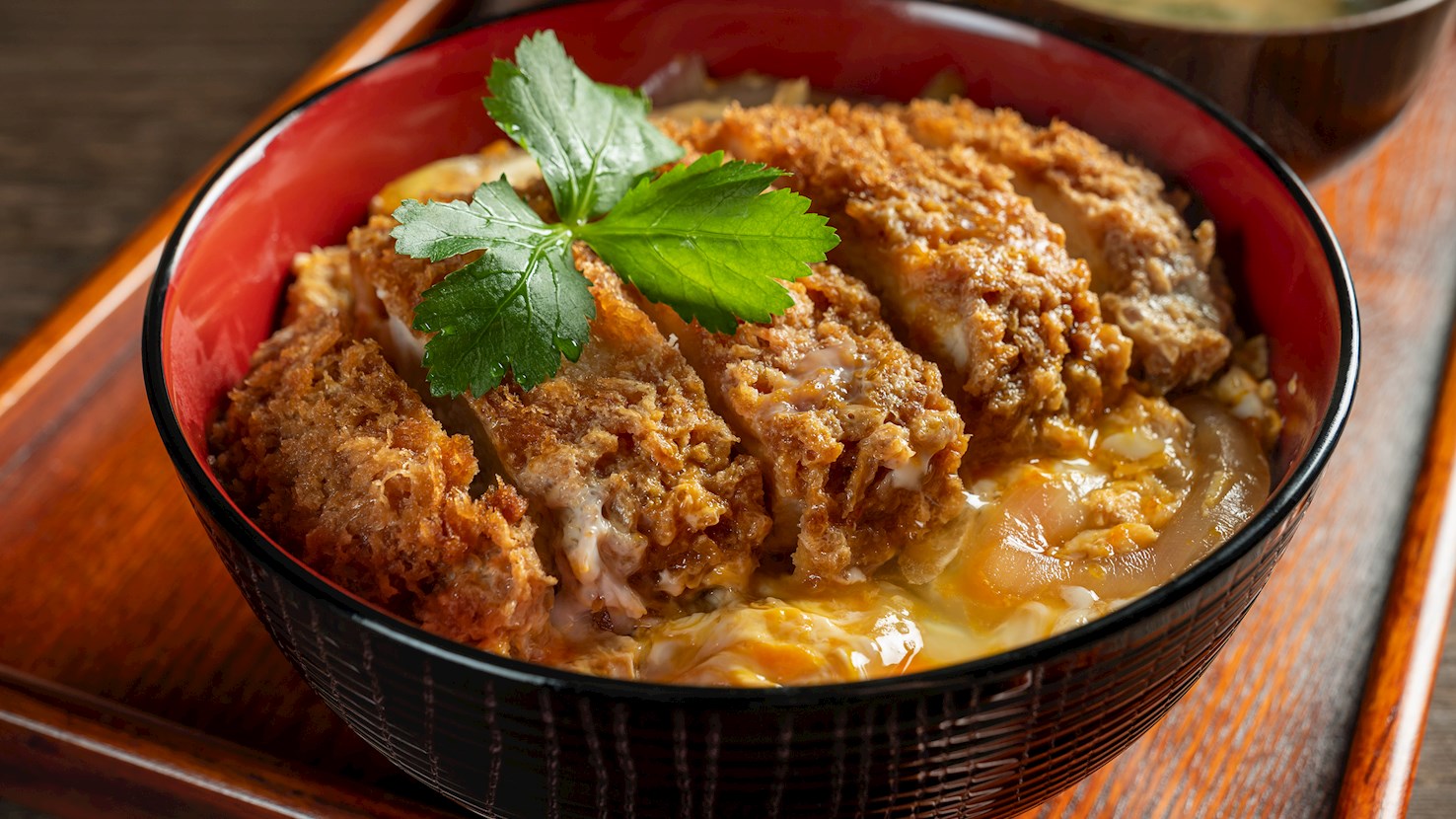
Katsudon is a type of donburi, meaning it's a rice dish served in a bowl topped with simmered ingredients. In this case, the topping is another Japanese favorite — tonkatsu — a deep-fried and crumbed pork cutlet, but here it is simmered together with vegetables in a seasoned sauce bound with eggs. The earliest reference to the dish dates back to 1921 and since then numerous varieties have been developed by adding or replacing the ingredients from the original recipe. The best-known versions include katsudon made with Worcestershire sauce, miso, and soy sauce, but there are also ones that replace pork with beef or chicken.
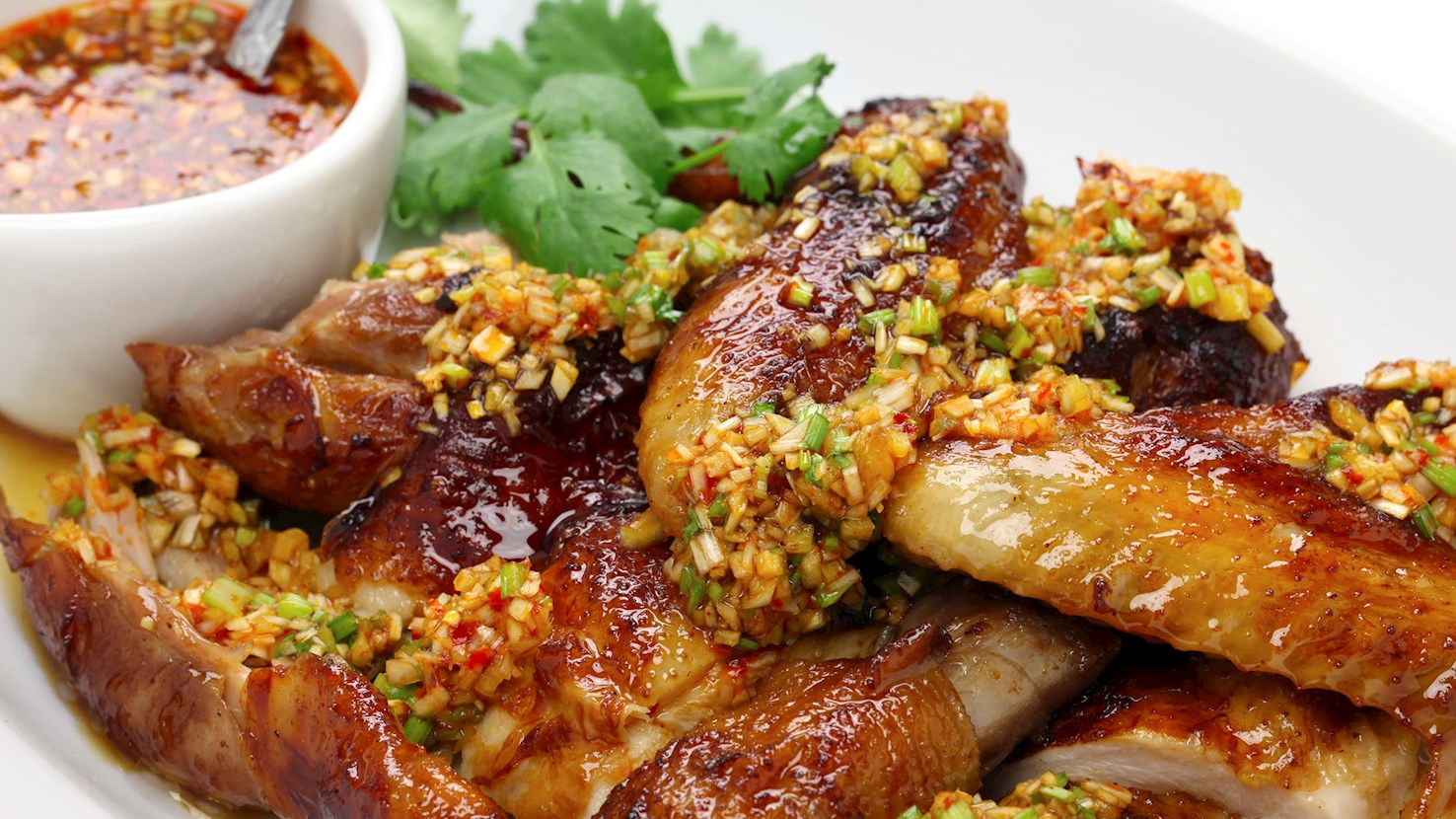
A traditional dish of the Cantonese cuisine, crispy fried chicken consists of chicken that is first steamed and dried, then deep-fried in a special way so that the skin remains extremely crunchy, and the meat underneath gets tender. The chicken is steamed with spices such as cinnamon, Sichuan pepper, ginger, anise, and nutmeg. Later, it usually gets drizzled over with a combination of sugar and vinegar, helping the skin achieve its typical crispiness in the process. According to tradition, crispy fried chicken is a dish that should be eaten at night, while it is also regularly consumed at most Chinese wedding feasts. It is usually accompanied by two side dishes: prawn crackers and pepper salt.
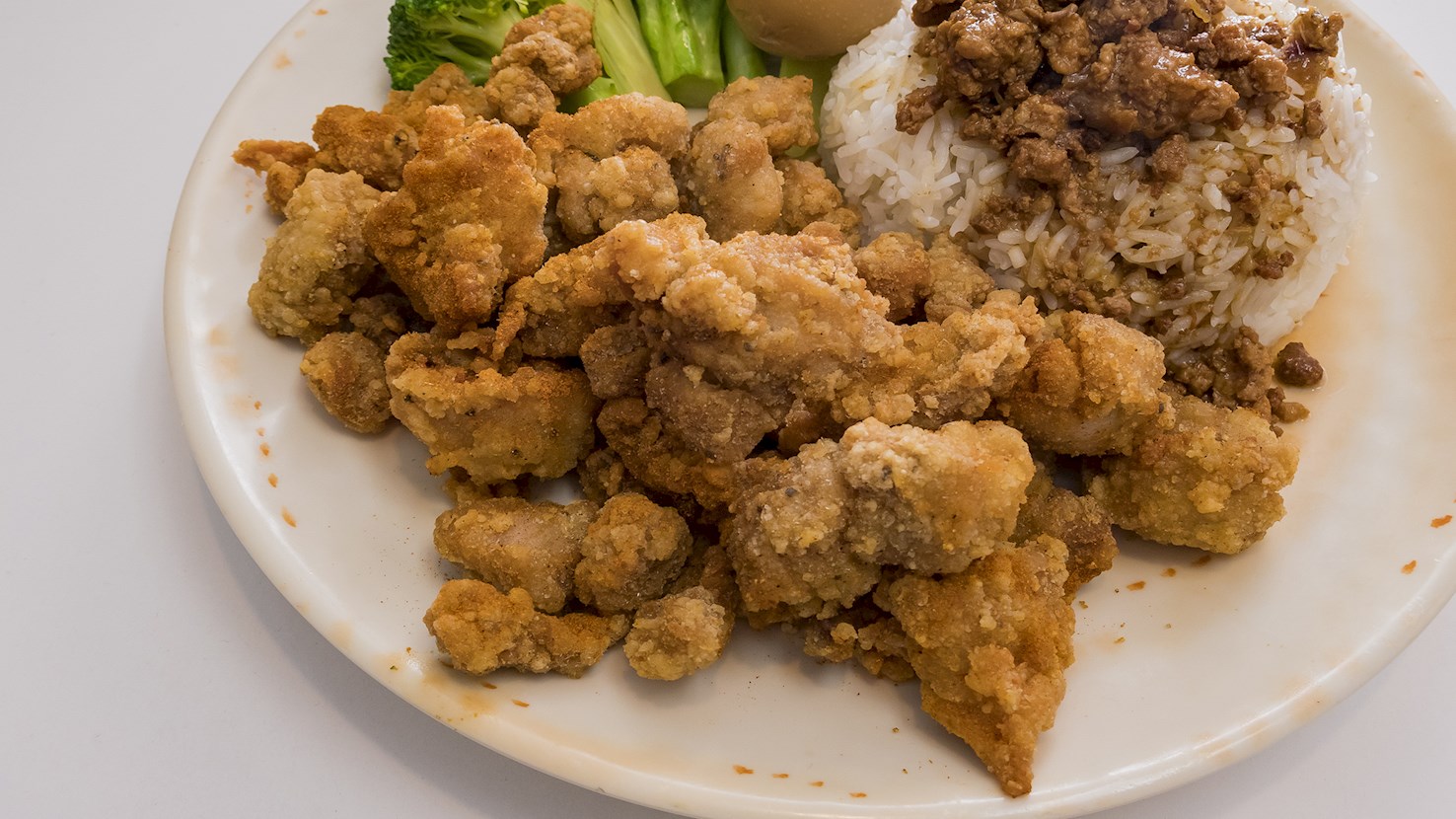
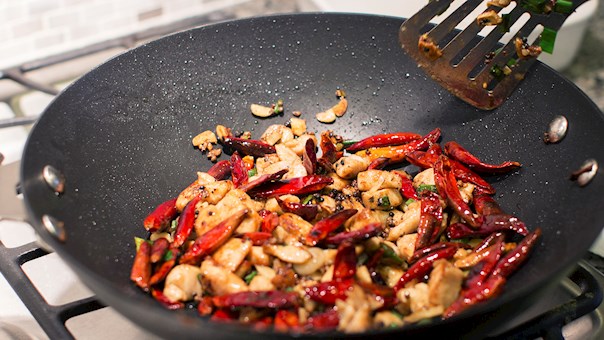
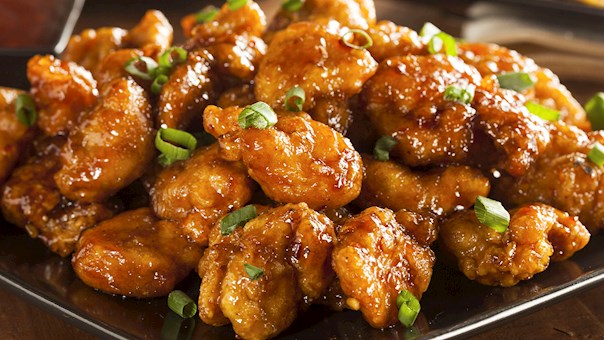
This Taiwanese classic consists of bite-sized pieces of chicken that are primarily marinated in a flavorful combination of soy sauce, garlic, ginger, rice wine, and various spices. The pieces are then coated in potato or corn starch and deep-fried until crispy. The dish is usually prepared with boneless chicken thighs, and while traditional seasonings include salt, pepper, and five-spice, modern variations may employ a variety of spices such as seaweed powder, mustard powder, or allspice. Taiwanese popcorn chicken is known by many names and it is one of the iconic street food items, enjoyed throughout the country. The dish is usually served without an accompanying sauce, but it frequently comes garnished with deep-fried basil leaves.
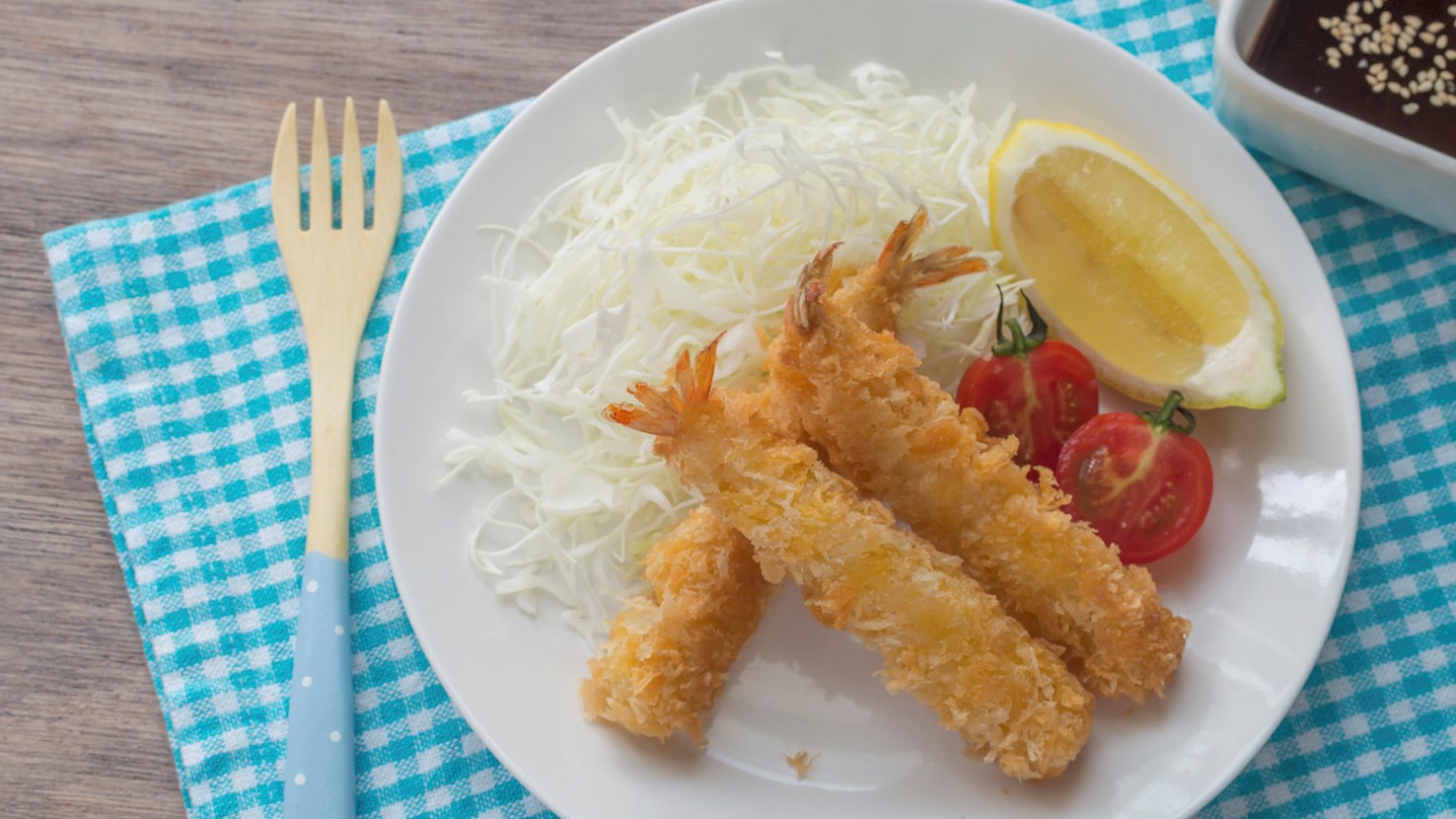
These large prawns are typically dipped in egg wash, coated in panko breadcrumbs, then deep-fried. They are one of the most popular yōshoku dishes; western-inspired Japanese meals which originated during the Meiji Restoration between the 1860s and the early 1900s. Ebi furai falls into the kawari-age category of breaded, deep-fried foods, and it is also regarded as a meibutsu, which is a Japanese term for famous foods associated with particular regions, as these fried prawns are one of Nagoya's signature dishes. Traditionally, kuruma ebi or Japanese tiger shrimps were used for preparing ebi furai, but due to a decline in their cultivation, Nagoyans have started using black tiger shrimps or even the Japanese spiny lobster called ise ebi, which can measure up to a whopping 30 centimeters in length. Ebi furai is usually served with shredded cabbage, garnished with a lemon wedge, and enjoyed with either tartar, hoisin, or Worcestershire sauce. It is either ordered à la carte or served in a bento box, a single-portion takeout meal common in Japanese cuisine, and some places even offer these delicious shrimp fritters as ebi-sando (shrimp sandwich) and ebi-dog (shrimp hot dog), while the most impressive variety is the so-called maki ebi furai: deep-fried prawns rolled and sliced in the style of maki sushi. The dish can easily be found not only in Nagoya, but all over the country, in virtually any seafood-orientated izakaya gastropub and every restaurant that sells yōshoku foods.
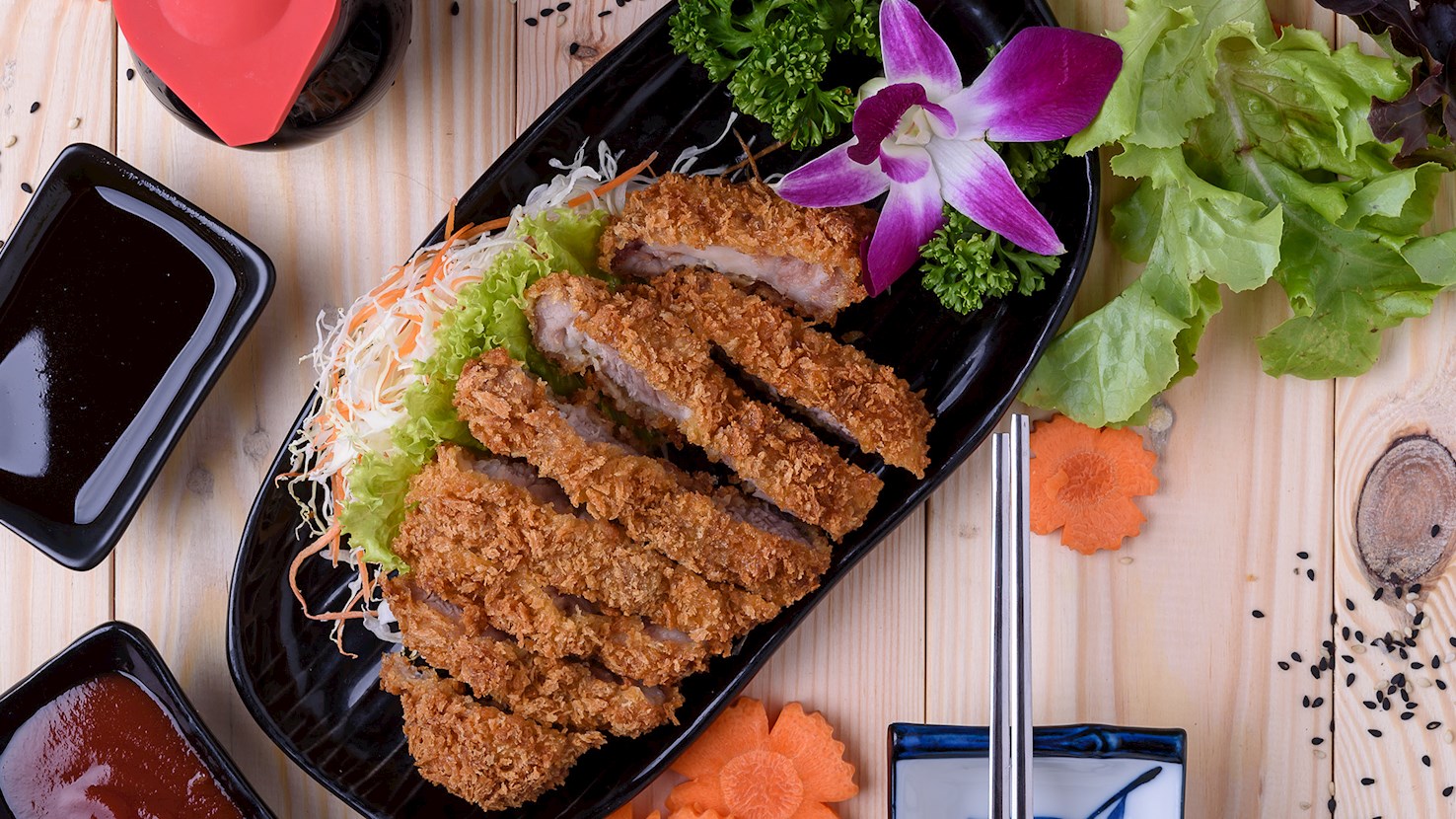
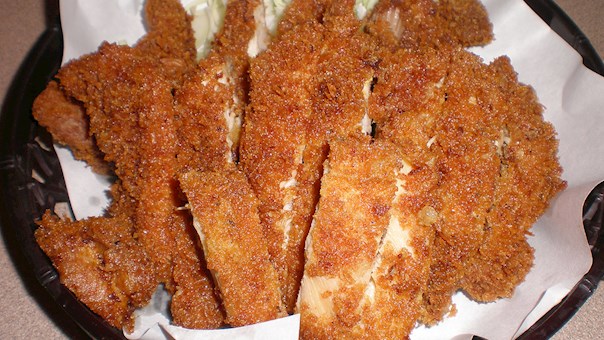
The breaded, deep-fried pork cutlet tonkatsu is a Japanese dish with a very recent history. It first appeared at the end of the 19th century as a type of yoshoku — the Western-influenced Japanese dishes — but with time, tonkatsu has become increasingly Japanized, widely available to the masses and thus more popular. Tonkatsu is a dish in itself or, if married with other ingredients, it can turn into many of its almost endless variations; made like a sandwich, paired with ramen or rice, poured over with a thick miso sauce as done in Nagoya, or served with curry to make katsu karē. As a result of such popularity, many other fried dishes were developed using ham, beef, minced patties, and chicken as substitutes. For serving, tonkatsu is sliced, then placed on a plate together with shredded cabbage. Rice and miso come in separate bowls, while pickled vegetables and a citrus-based sauce are placed on the side. An essential element is the seasoning, traditionally either a type of thick Worcestershire sauce called sōsu or mustard.
TasteAtlas food rankings are based on the ratings of the TasteAtlas audience, with a series of mechanisms that recognize real users and that ignore bot,
nationalist or local patriotic ratings, and give additional value to the ratings of users that the system recognizes as knowledgeable.
For the “Top 47 Deep-fried Dishes in East Asia” list until May 16, 2026, 5,979 ratings were recorded, of which 5,098 were recognized by the system as legitimate.
TasteAtlas Rankings should not be seen as the final global conclusion about food. Their purpose is to promote excellent local foods,
instill pride in traditional dishes, and arouse curiosity about dishes you haven’t tried.