

shutterstock

Top 24 Japanese Deep-fried Dishes

Last updated on June 15, 2026
01

Katsu karē

4.4 ·

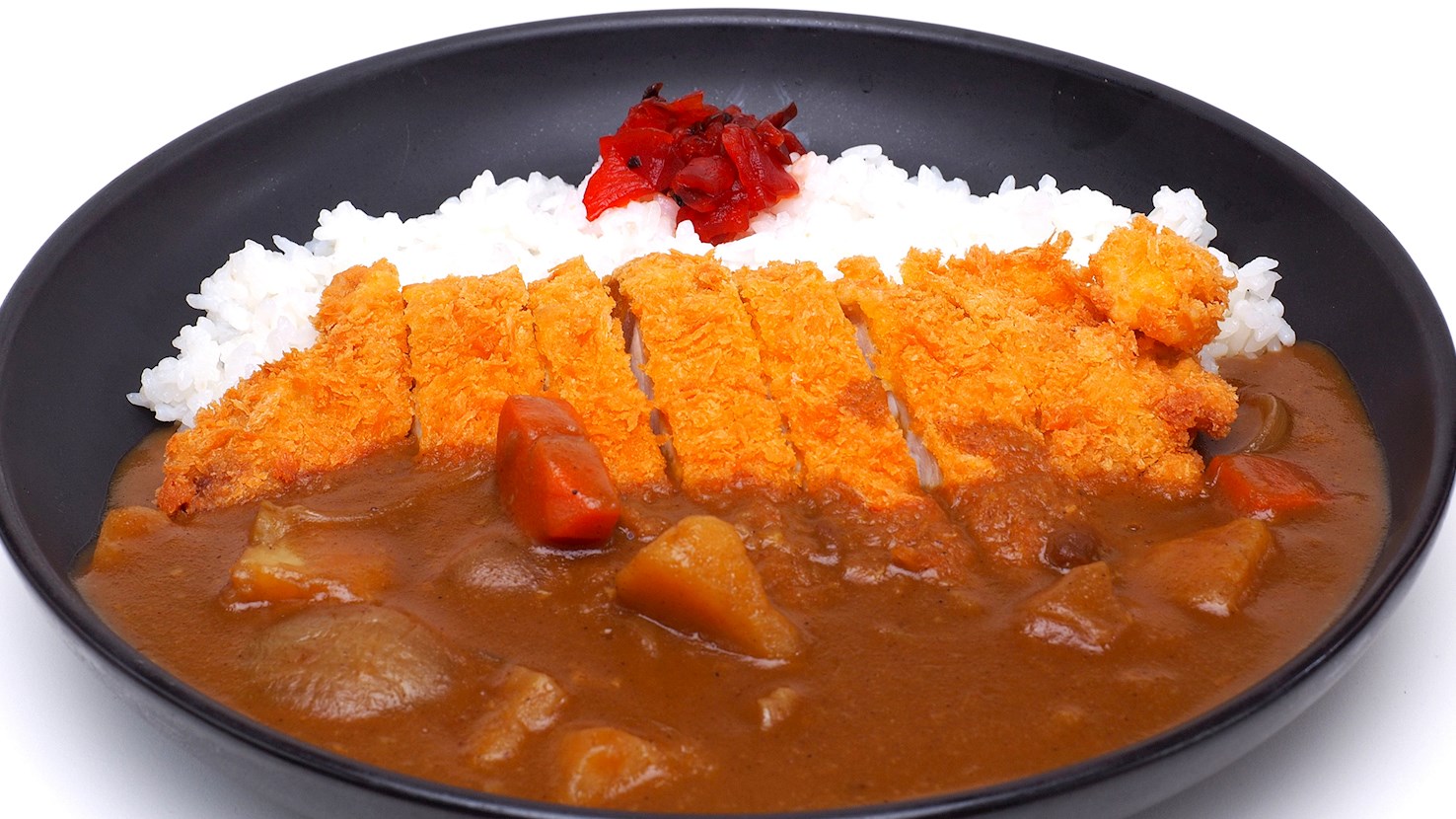
Katsu karē is a Japanese curry variation made with a combination of tonkatsu (breaded and fried pork or chicken cutlet) and curry sauce. The dish is sometimes served with just the curry sauce, and sometimes with the full curry – including meat and vegetables. On the other hand, it is almost always served with rice or over rice. In the region of Kansai, beef cutlet is typically used instead of chicken or pork.

02

Karaage

4.3 ·

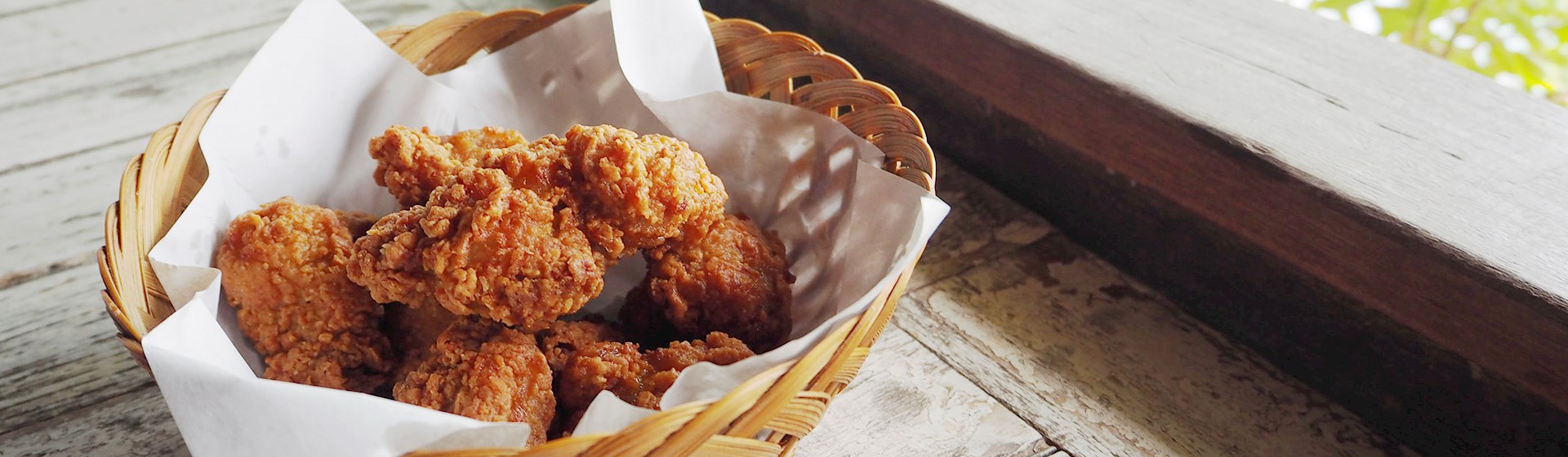
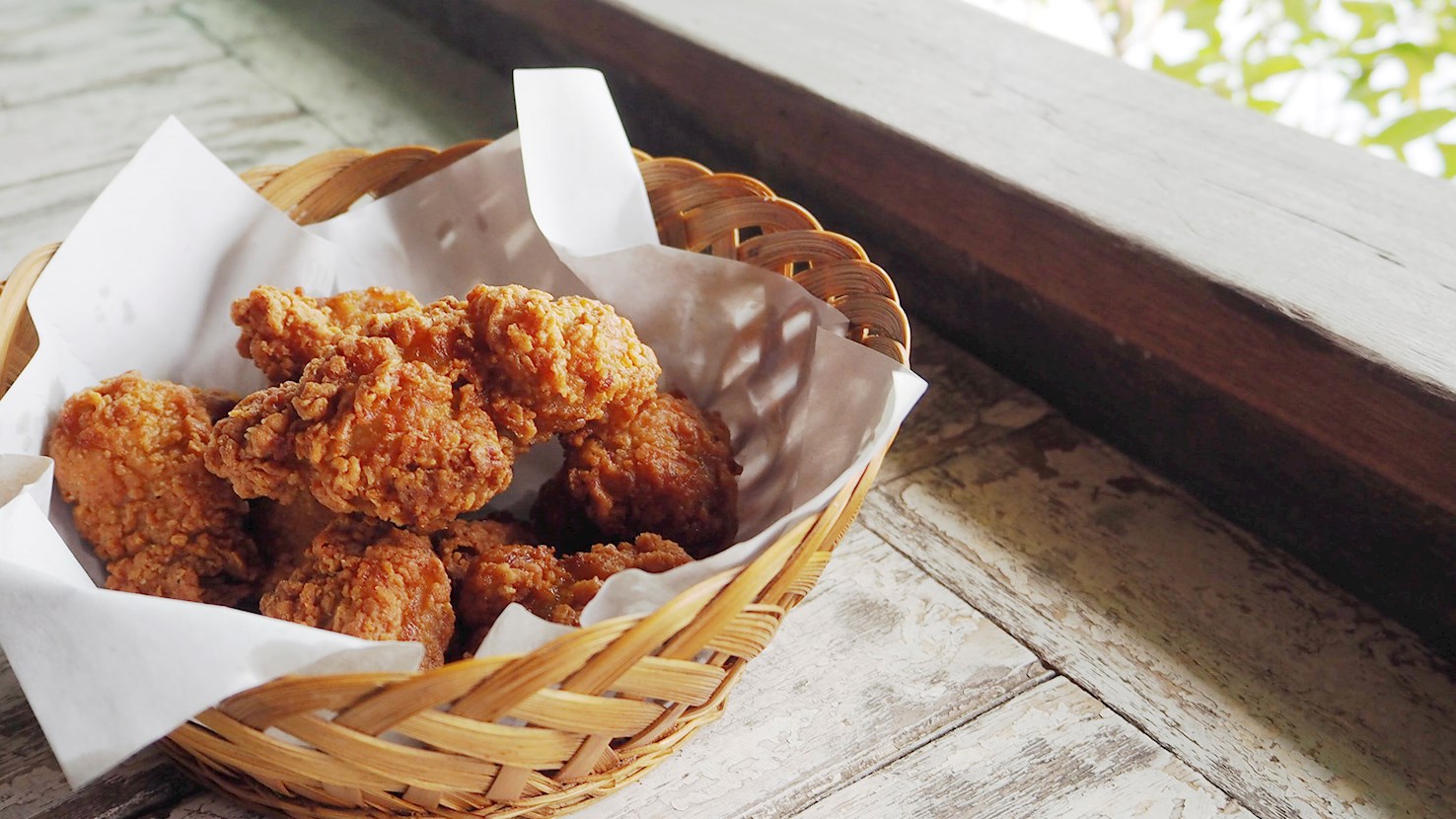
Also known as dry-frying, karaage is a Japanese cooking technique in which various foods are first lightly coated in arrowroot starch, then deep-fried. The use of arrowroot starch preserves the natural water content of fried foods and produces a crispy outer surface, but alternatively, other coating ingredients such as wheat flour, tapioca, or potato starch can also be used. Karaage can be used for frying various meats and fish, but it is most often associated with chicken, and involves a special variant called tatsutaage, where pieces of chicken are first marinated in a mixture of sake, soy sauce, and sugar which are then lightly covered with arrowroot starch and deep-fried. This method makes the meat succulent on the inside and particularly crispy on the outside. If not specified otherwise, karaage usually refers to fried chicken, but apart from chicken, the technique is sometimes used with other ingredients such as askarei (flounder), ika (bits of squid), and gobo (burdock root). Japanese karaage dishes are usually seasoned with garlic and ginger, and served with soy sauce on the side. They are a staple of informal Japanese gastropubs called izakayas, casual places for after-work drinks and snacks, but they are also available freshly fried as take-out food in numerous supermarkets and convenience stores.

03

Katsudon

4.2 ·

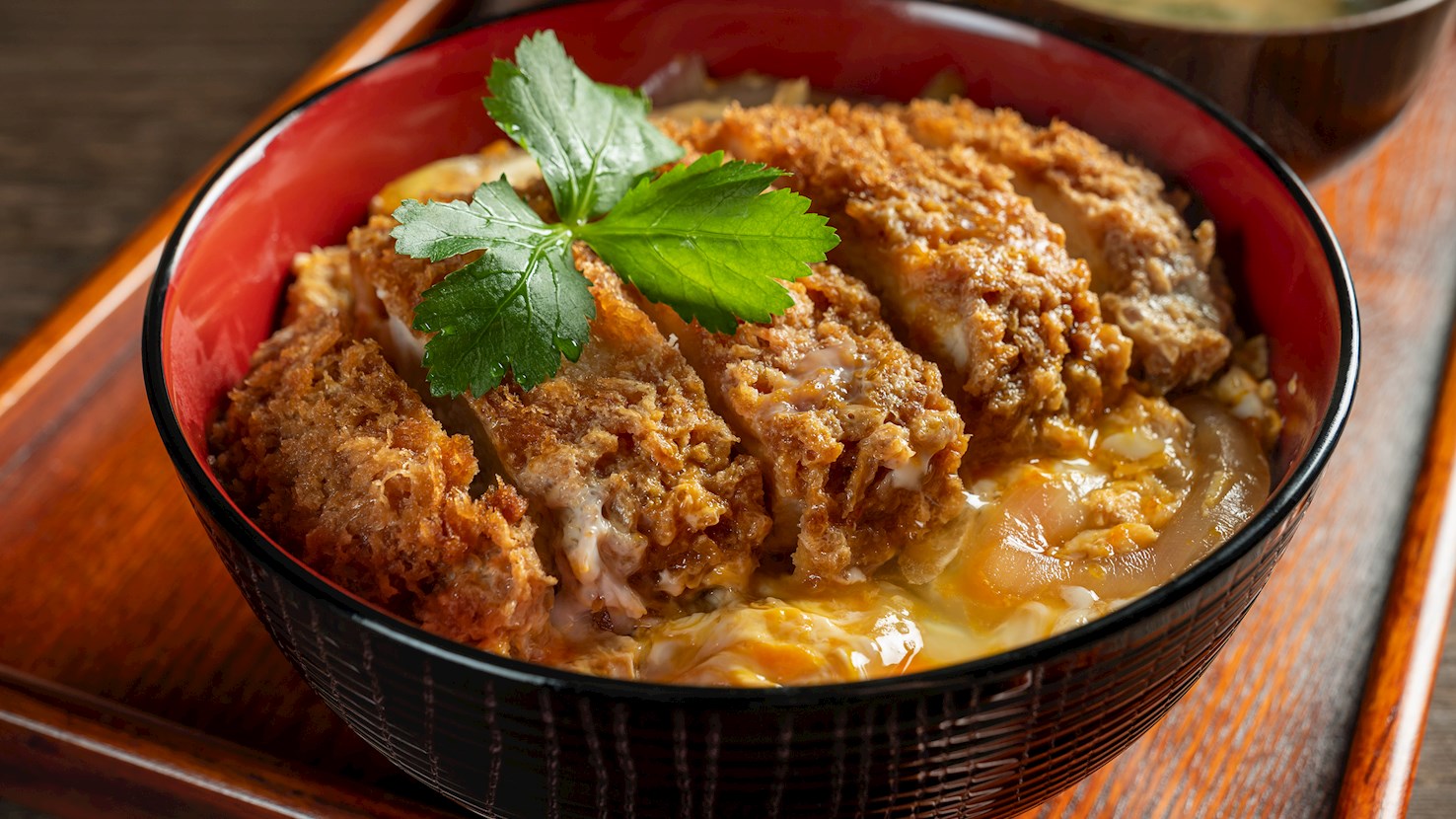
Katsudon is a type of donburi, meaning it's a rice dish served in a bowl topped with simmered ingredients. In this case, the topping is another Japanese favorite — tonkatsu — a deep-fried and crumbed pork cutlet, but here it is simmered together with vegetables in a seasoned sauce bound with eggs. The earliest reference to the dish dates back to 1921 and since then numerous varieties have been developed by adding or replacing the ingredients from the original recipe. The best-known versions include katsudon made with Worcestershire sauce, miso, and soy sauce, but there are also ones that replace pork with beef or chicken.

04

Ebi furai

4.2 ·

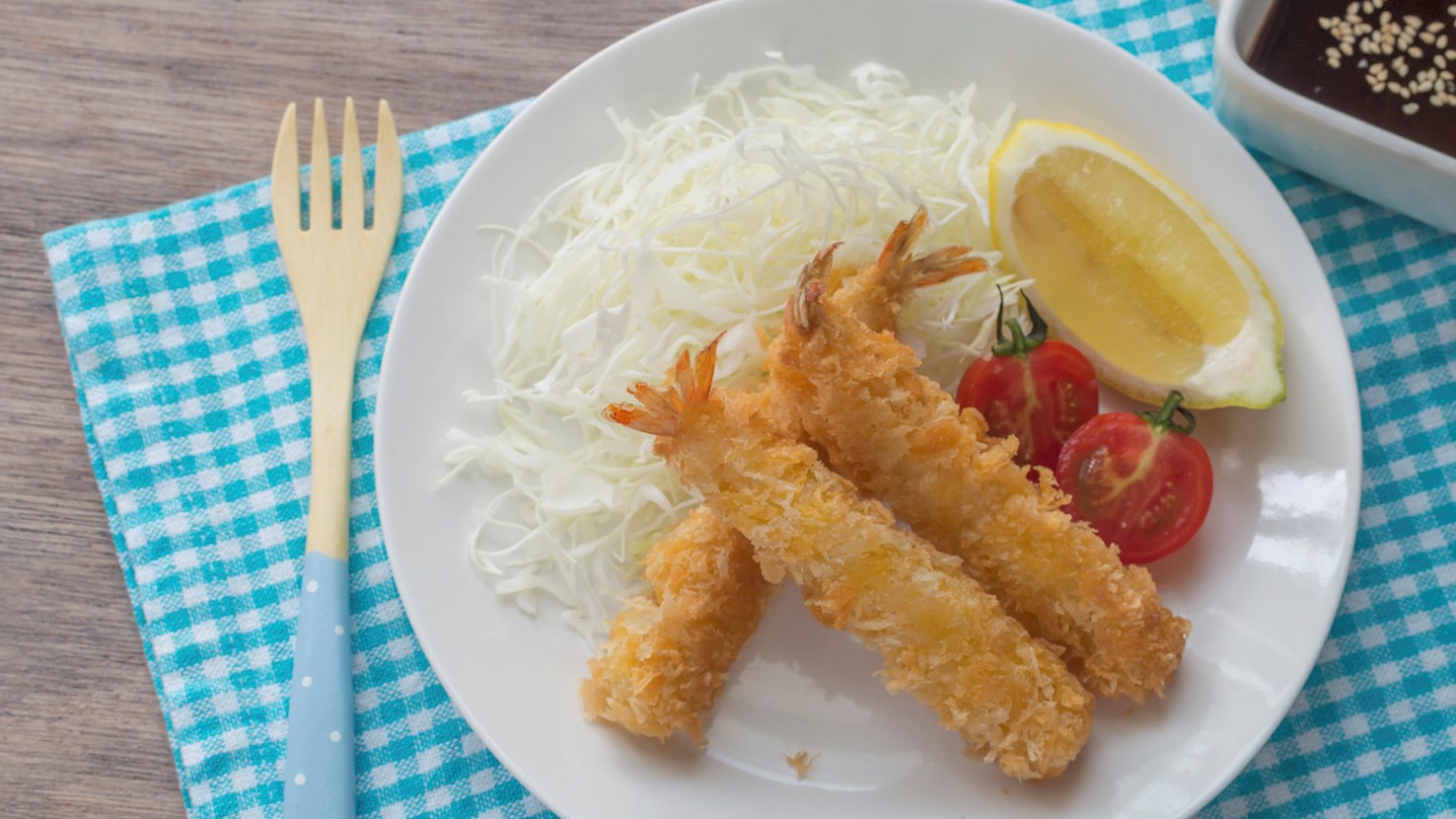
These large prawns are typically dipped in egg wash, coated in panko breadcrumbs, then deep-fried. They are one of the most popular yōshoku dishes; western-inspired Japanese meals which originated during the Meiji Restoration between the 1860s and the early 1900s. Ebi furai falls into the kawari-age category of breaded, deep-fried foods, and it is also regarded as a meibutsu, which is a Japanese term for famous foods associated with particular regions, as these fried prawns are one of Nagoya's signature dishes. Traditionally, kuruma ebi or Japanese tiger shrimps were used for preparing ebi furai, but due to a decline in their cultivation, Nagoyans have started using black tiger shrimps or even the Japanese spiny lobster called ise ebi, which can measure up to a whopping 30 centimeters in length. Ebi furai is usually served with shredded cabbage, garnished with a lemon wedge, and enjoyed with either tartar, hoisin, or Worcestershire sauce. It is either ordered à la carte or served in a bento box, a single-portion takeout meal common in Japanese cuisine, and some places even offer these delicious shrimp fritters as ebi-sando (shrimp sandwich) and ebi-dog (shrimp hot dog), while the most impressive variety is the so-called maki ebi furai: deep-fried prawns rolled and sliced in the style of maki sushi. The dish can easily be found not only in Nagoya, but all over the country, in virtually any seafood-orientated izakaya gastropub and every restaurant that sells yōshoku foods.

05

Tonkatsu

4.2 ·

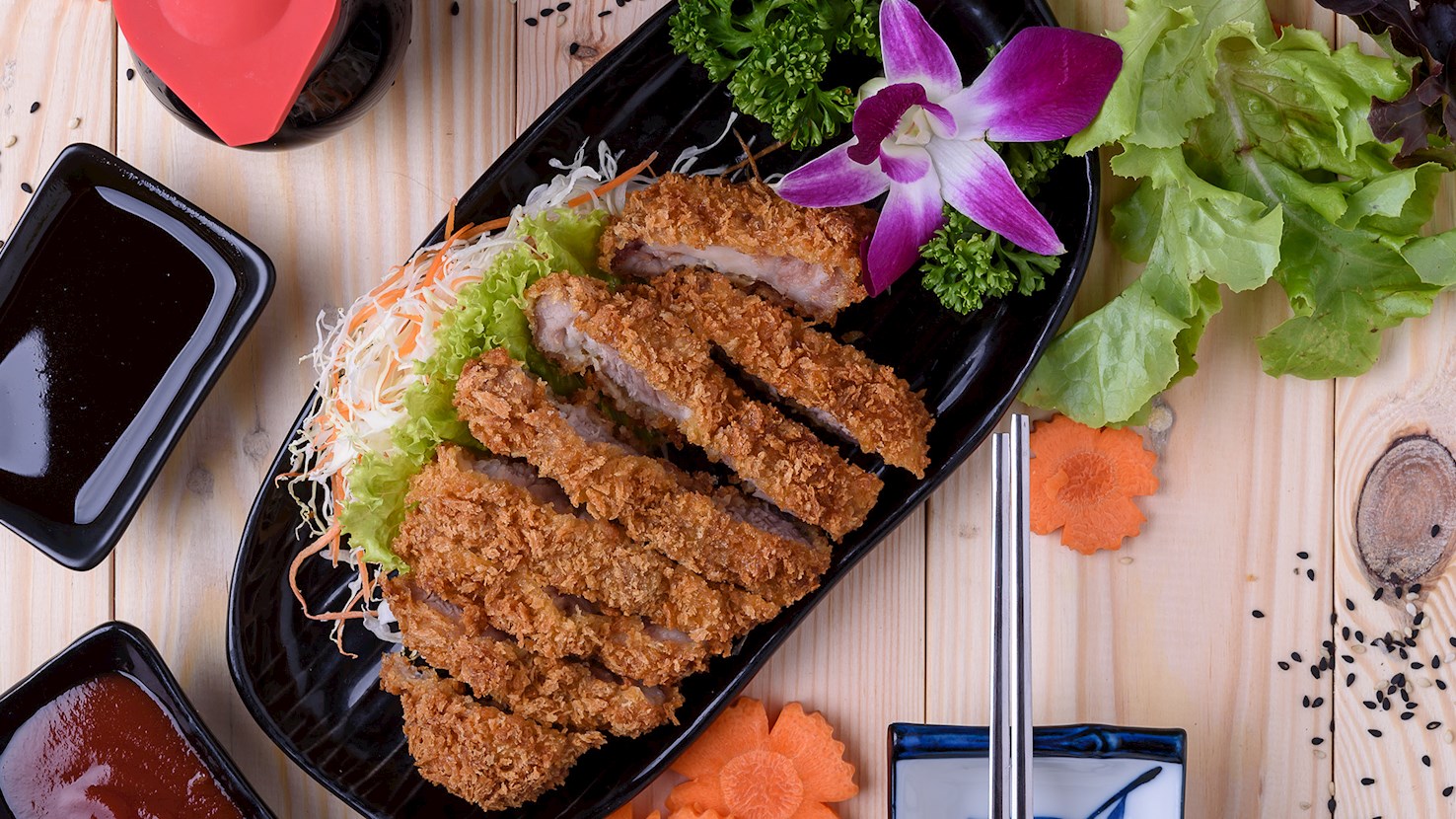
The breaded, deep-fried pork cutlet tonkatsu is a Japanese dish with a very recent history. It first appeared at the end of the 19th century as a type of yoshoku — the Western-influenced Japanese dishes — but with time, tonkatsu has become increasingly Japanized, widely available to the masses and thus more popular. Tonkatsu is a dish in itself or, if married with other ingredients, it can turn into many of its almost endless variations; made like a sandwich, paired with ramen or rice, poured over with a thick miso sauce as done in Nagoya, or served with curry to make katsu karē. As a result of such popularity, many other fried dishes were developed using ham, beef, minced patties, and chicken as substitutes. For serving, tonkatsu is sliced, then placed on a plate together with shredded cabbage. Rice and miso come in separate bowls, while pickled vegetables and a citrus-based sauce are placed on the side. An essential element is the seasoning, traditionally either a type of thick Worcestershire sauce called sōsu or mustard.

06

Tendon

4.2 ·

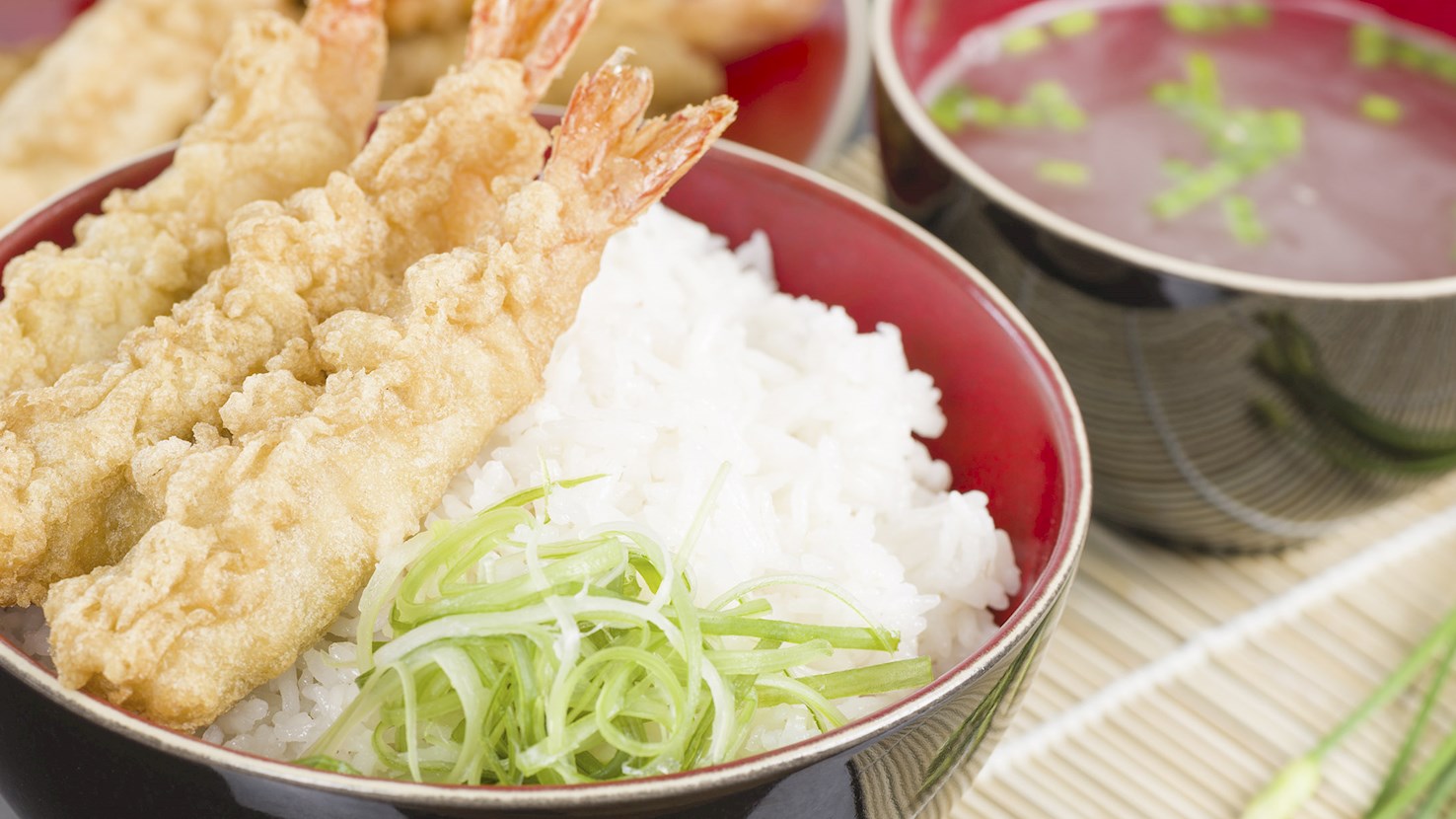
A delicious combination of tempura and donburi - hence the name tendon - this classic Japanese one-bowl meal consists of battered and deep-fried seafood or vegetables laid over freshly steamed rice. The most popular ingredients for tendon include ebi or shrimps, which can be found in virtually all tempura dishes, and Japanese eggplant called nasu, but also other vegetables such as daikon radish and kabocha squash. Tendon is usually drizzled with the umami-imparting tentsuyu, a savory tempura sauce made with dashi soup stock and a mixture of soy sauce, mirin, and sugar called kaeshi. Alternatively, to make your tendon bowl look even more appetizing, the tempura pieces can be separately dipped in any dashi or soy-based sauce before being neatly arranged on top of a steamy bed of rice. In Japan, tendon dishes are most often enjoyed for lunch or as a light evening meal.

07

Age gyoza

4.2 ·

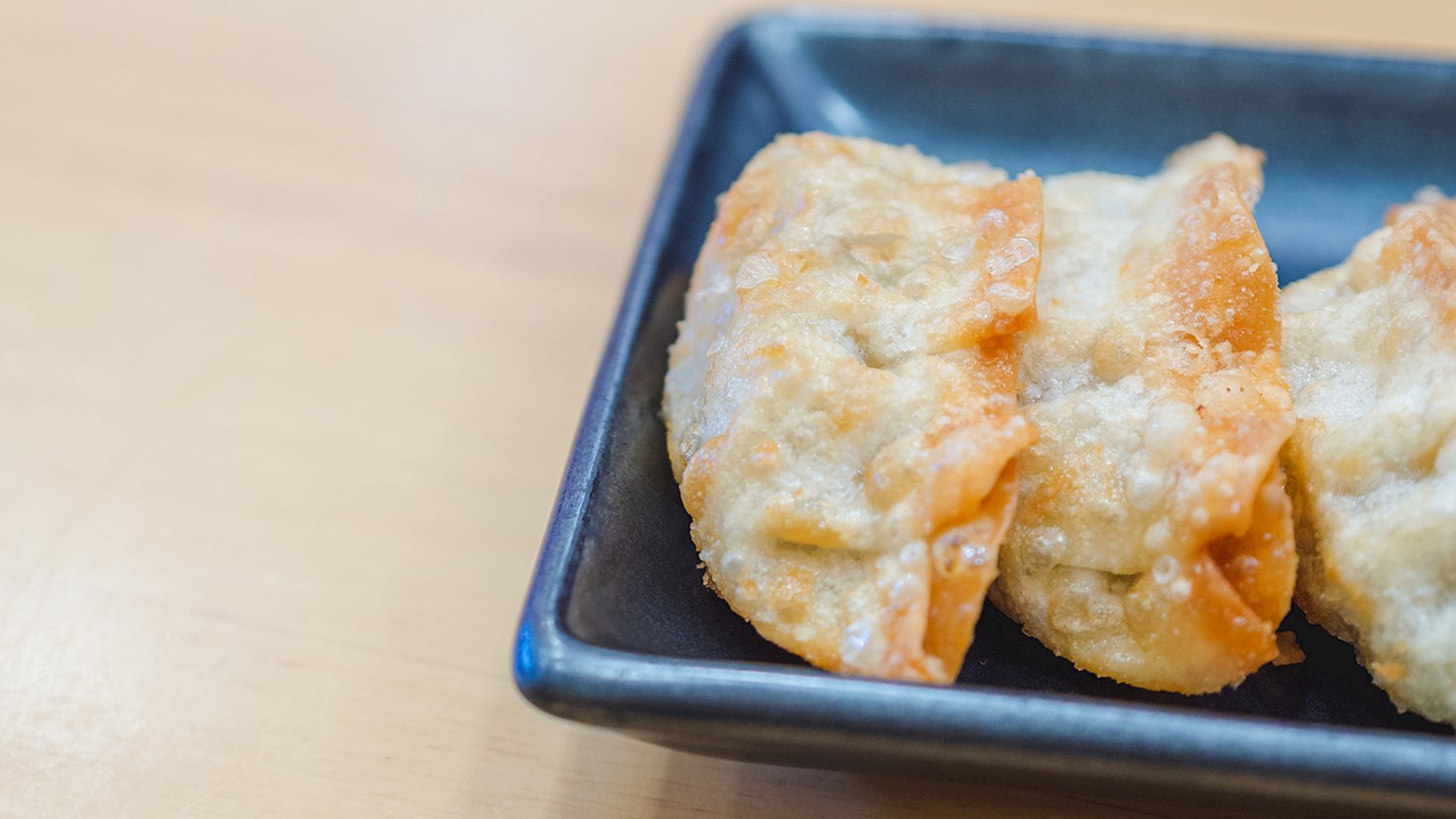
Age gyoza is a Japanese gyoza variety that's deep-fried. The dish consists of a wrapper that's filled with different kinds of ingredients such as kimchi, shrimp, mushrooms, and pork, among others. Once assembled, the gyoza are deep-fried in hot oil until crunchy, then served piping hot, so it's recommended to excercise caution while eating it. Age gyoza is traditionally dipped in soy sauce that's customarily served on the side.

08

Tempura

4.2 ·

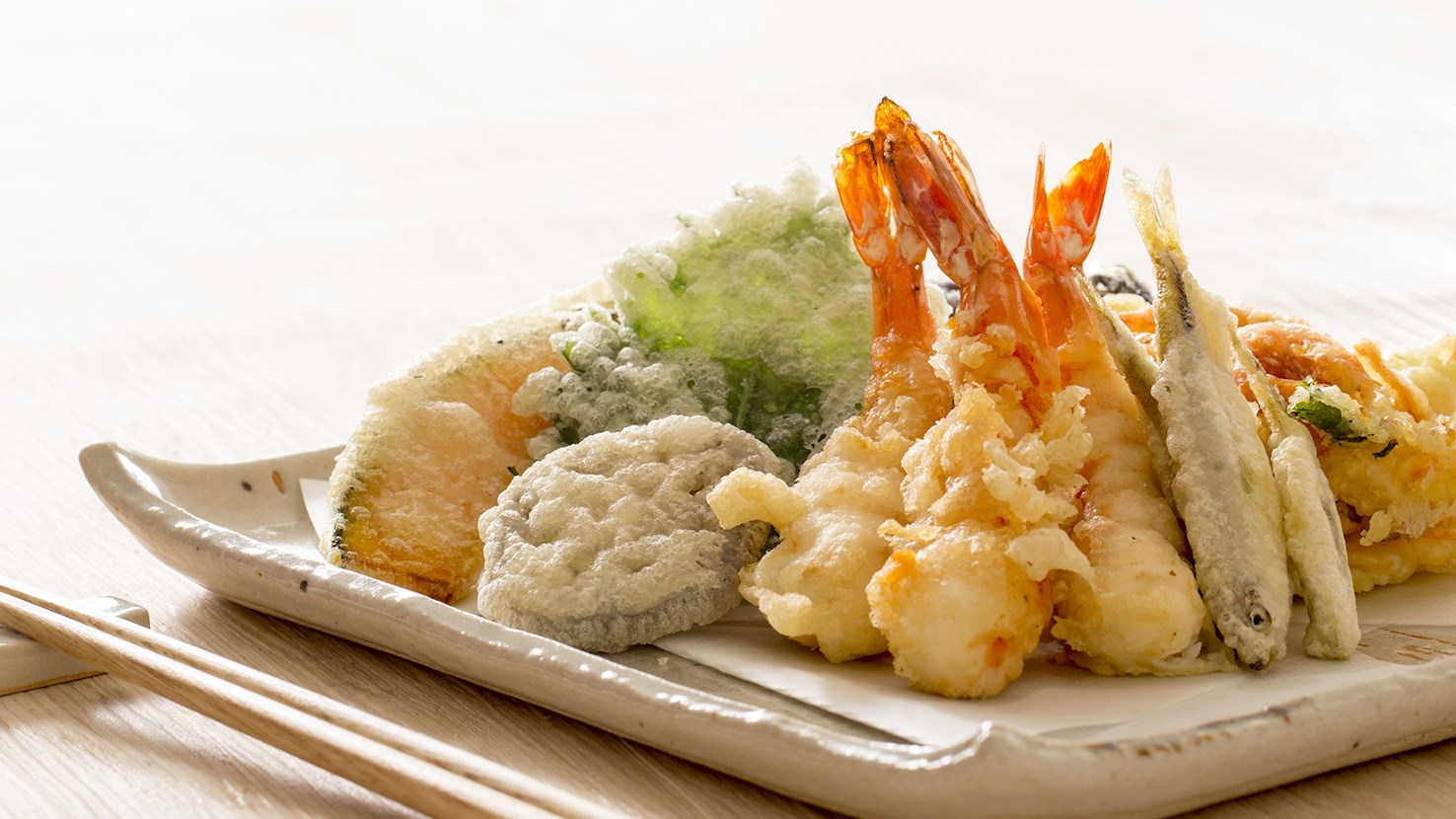
Although tempura is battered and deep-fried, the Japanese approach to food, characterized by clean flavors, simplicity, and minimalistic approach to ingredients remains intact. The most favorable ingredients for the dish include shrimp, scallops, squid, and small crabs, or vegetables such as shiitake mushrooms, asparagus, Japanese eggplant, and snow peas. The batter is the most crucial part of tempura, consisting of flour, eggs, and water, keeping the ingredients moist and flavorful. Even though the dish is very simple, it has quite murky origins. The most popular theory says that the Jesuit missionaries who came to Japan from Portugal in the 16th century were the most probable inspiration for the dish, consuming vegetable and seafood fritters on ember days (days on which no meat was allowed to be consumed). Another theory says that battered and deep-fried food was introduced to Japan by the Chinese, initially embraced by Zen priests who wanted to make their vegetarian diet more flavorful. Regardless of the origins of tempura, it remains an iconic dish that is served in a wide variety of ways: on its own, over rice, accompanied by tentsuyu or soy sauce, or even as a filling in sushi rolls.

09

Tori katsu

4.1 ·

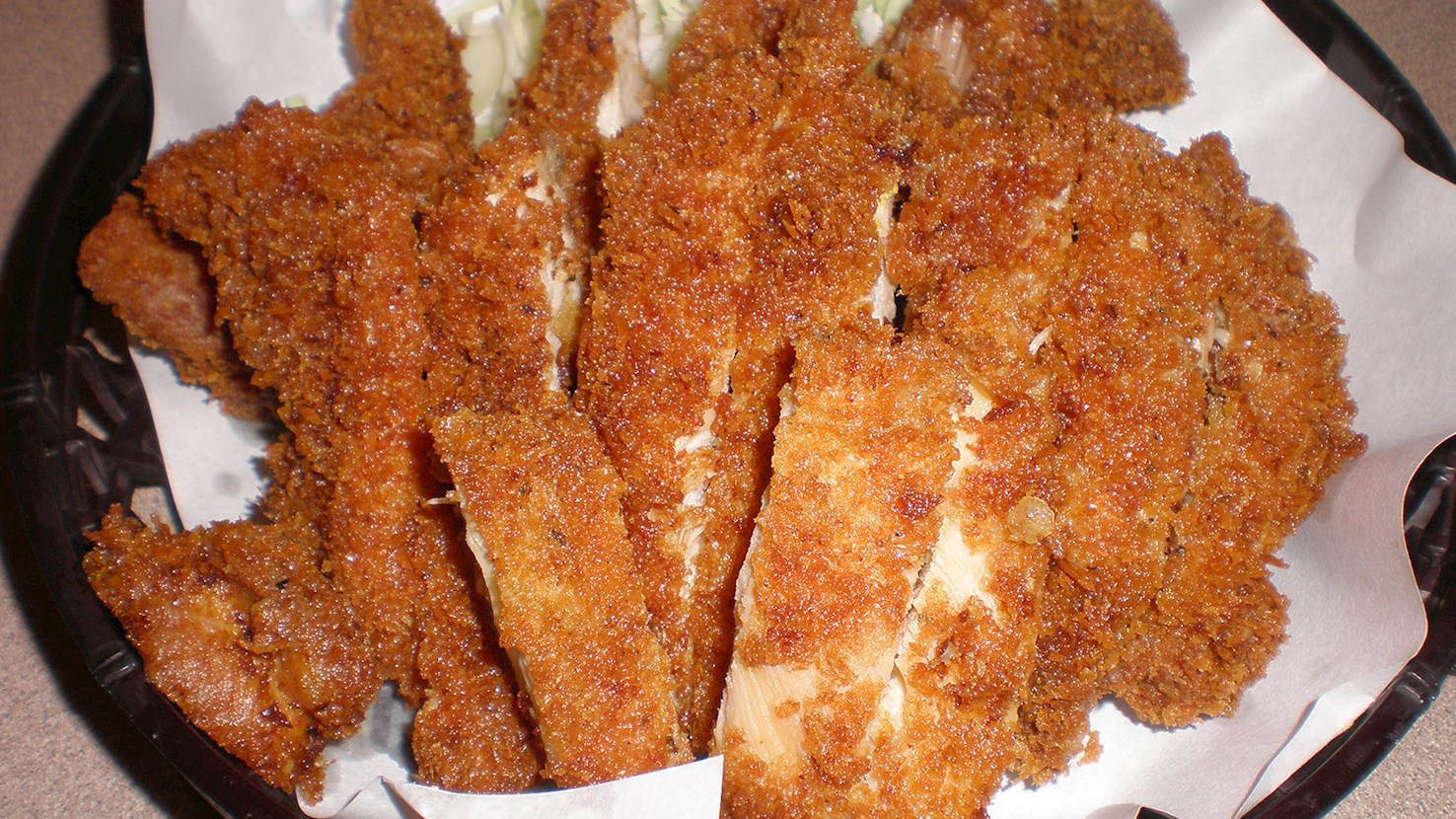
Chicken katsu is a traditional dish and a type of katsu. It's made by dredging tender chicken breast in flour, eggs, and panko breadcrumbs, then frying the cutlets in hot oil until they become golden and crunchy. Although chicken breast is the most popular choice, other parts of the bird can be used as well. The cutlet is traditionally served cut into smaller pieces since it's eaten with chopsticks. The dish is served with steamed white rice and katsu sauce, a tangy, sweet, and thick Worcestershire-like concoction made from apple purée.

10

Agedashi tofu

4.1 ·

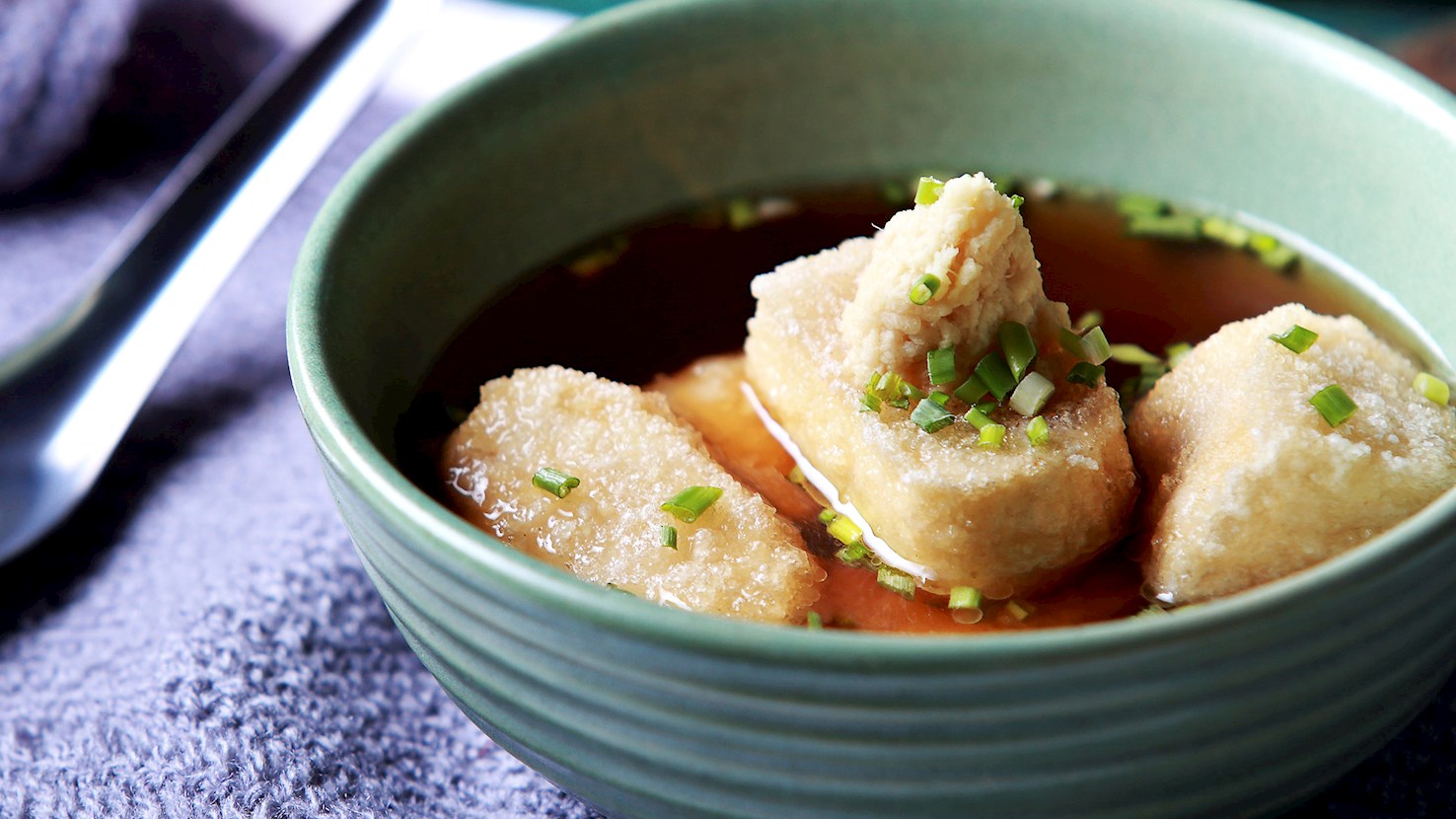
Commonly eaten as a side dish or an appetizer, agedashidofu is a popular dish consisting of deep-fried tofu that is typically served with tentsuyu dipping sauce, made with dashi, soy sauce, and mirin. It is a well known, old dish, and the recipe for it was included in a 1782 Japanese tofu cookbook called Tofu Hyakuchin, alongside other tofu dishes such as simmered and chilled tofu. Although it is easy to prepare, one can find agedashidofu in almost every Japanese restaurant. The dish is commonly topped with chopped negi spring onions, grated daikon, or dried bonito fish flakes.

11

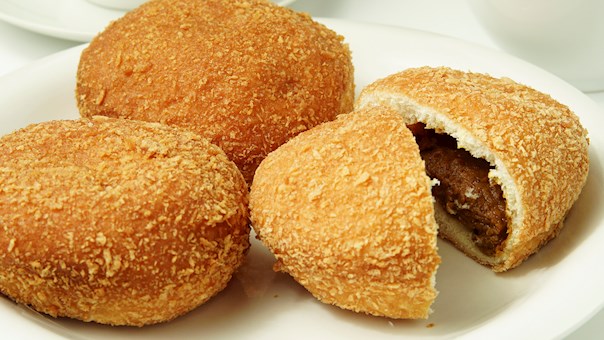
Karē pan

4.1 ·
12

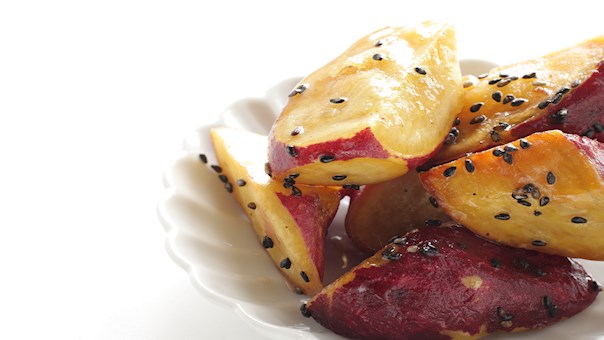
Daigaku imo

4 ·
13

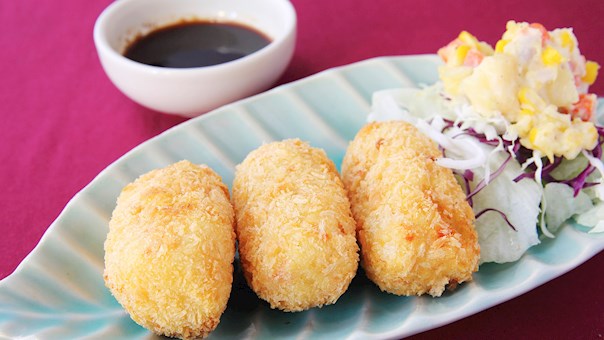
Korokke

4 ·
14

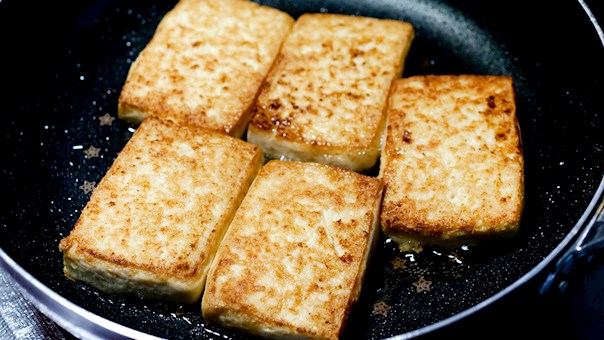
Atsuage

4 ·
15

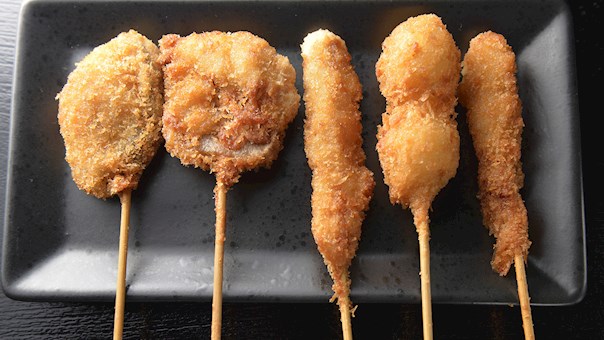
Kushiage

3.9 ·
16

Kaki Fry

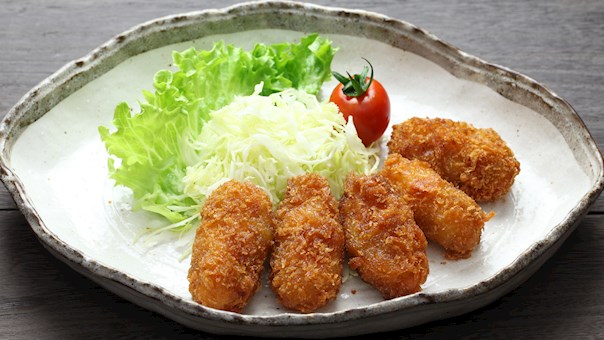
3.9 ·
17

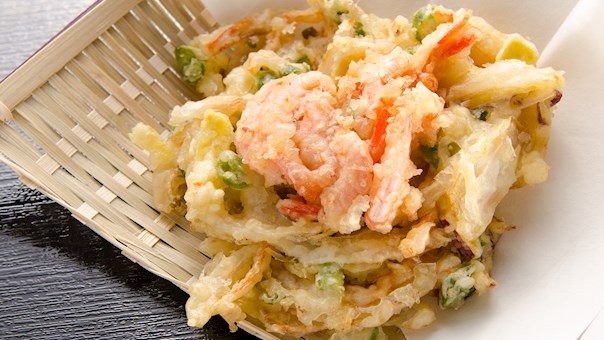
Kakiage

3.9 ·
18

Aburaage

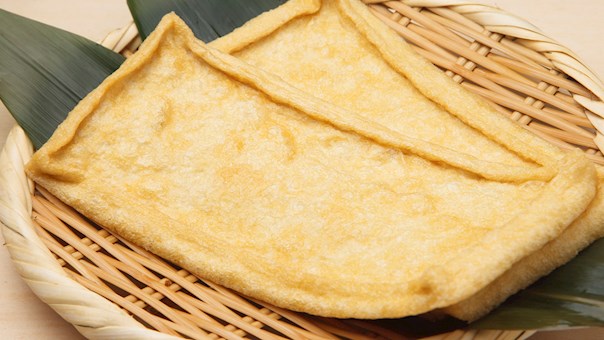
3.8 ·
19

Gyukatsu

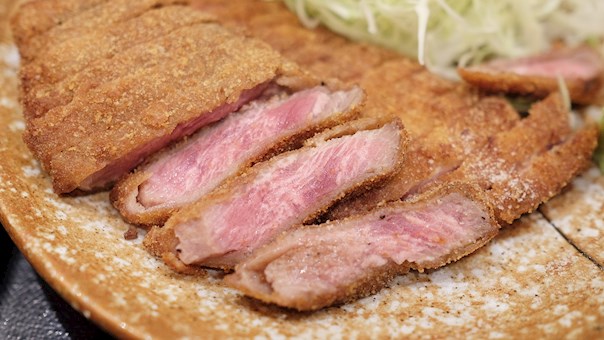
3.7 ·
20

Menchi katsu

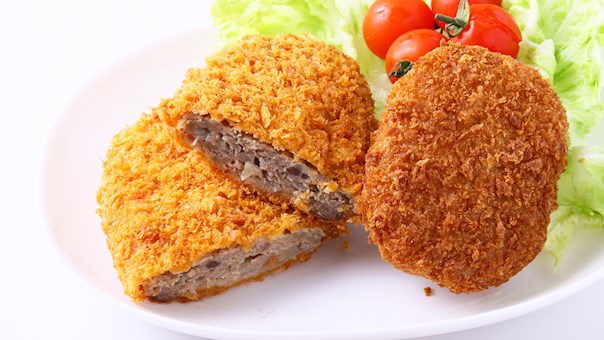
3.3 ·
Read more
View all
View map
About this ranking

TasteAtlas food rankings are based on the ratings of the TasteAtlas audience, with a series of mechanisms that recognize real users and that ignore bot, nationalist or local patriotic ratings, and give additional value to the ratings of users that the system recognizes as knowledgeable. For the “Top 24 Japanese Deep-fried Dishes” list until June 15, 2026, 3,241 ratings were recorded, of which 2,872 were recognized by the system as legitimate. TasteAtlas Rankings should not be seen as the final global conclusion about food. Their purpose is to promote excellent local foods, instill pride in traditional dishes, and arouse curiosity about dishes you haven’t tried.

Similar lists