Top 44 Italian Dessert Wines

Last updated on July 01, 2026

Best Italian Dessert Wine Types
01

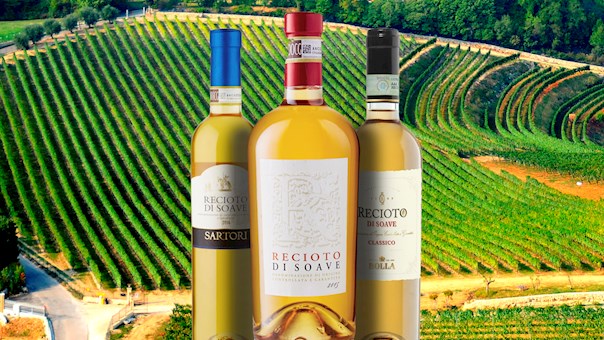
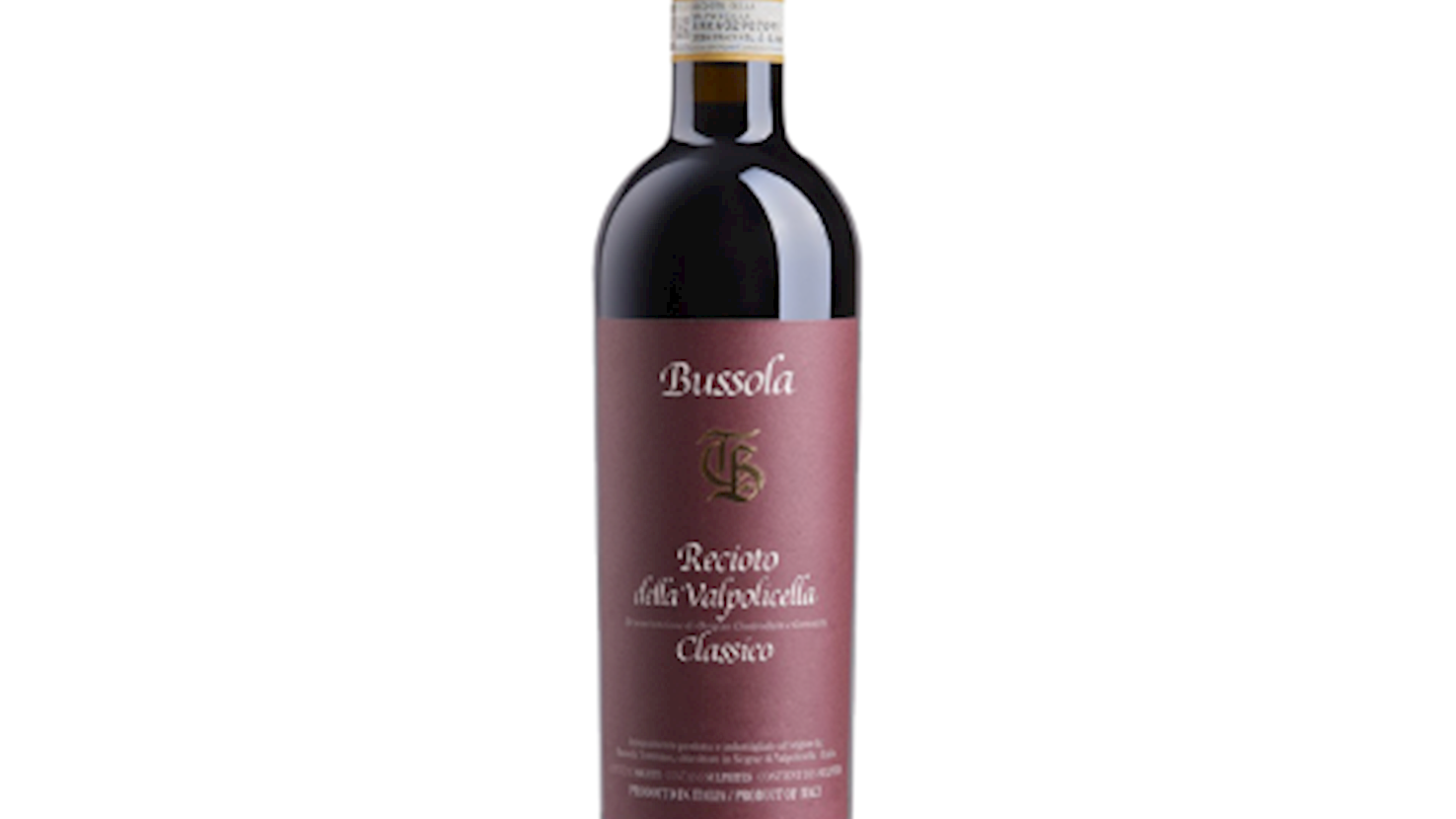
Recioto della Valpolicella

3.8 ·

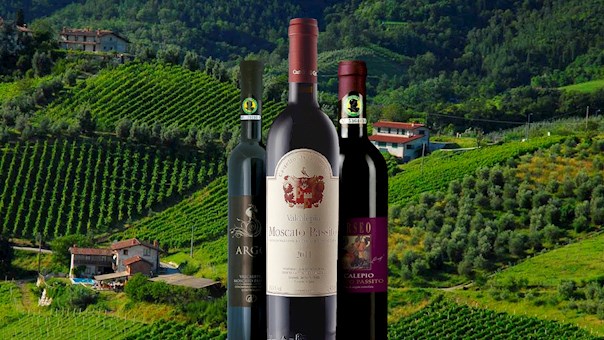
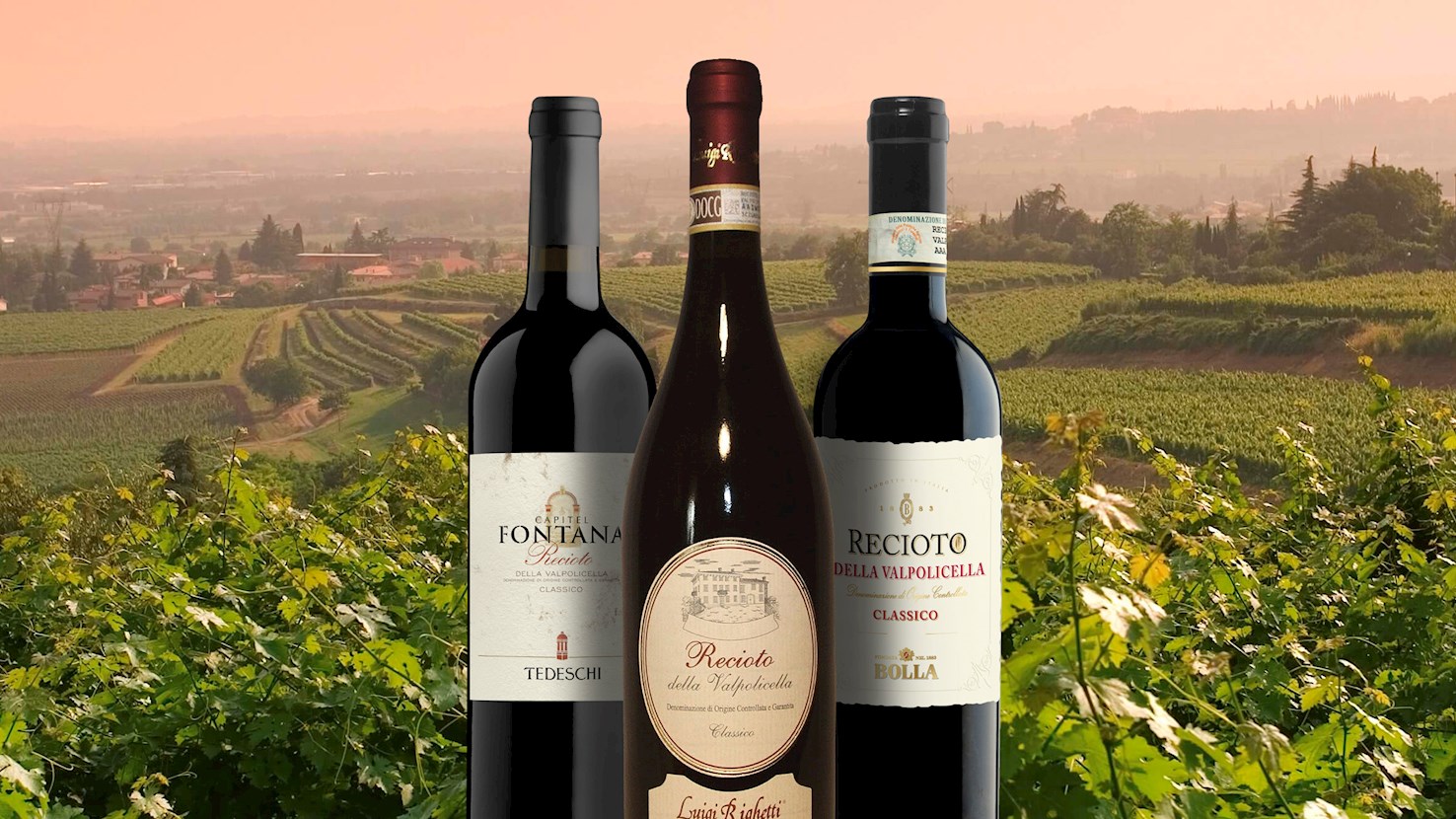
This sweet, well-structured Italian wine is produced in Veneto region with air-dried (passito) grapes. Corvina is the principal grape variety, while the blends commonly include Corvinone, Rondinella, and Molinara. Recioto della Valpolicella is an intense, aromatic wine with floral and fruit notes reminiscent of ripe red fruit and spices. It can be enjoyed as a digestif, but it also goes well with matured and blue cheese, pastries, cookies, and various desserts that incorporate chocolate, coffee, or cherries. The wine also comes in a sparkling (spumante) version.

02

Vin Santo del Chianti

3.7 ·

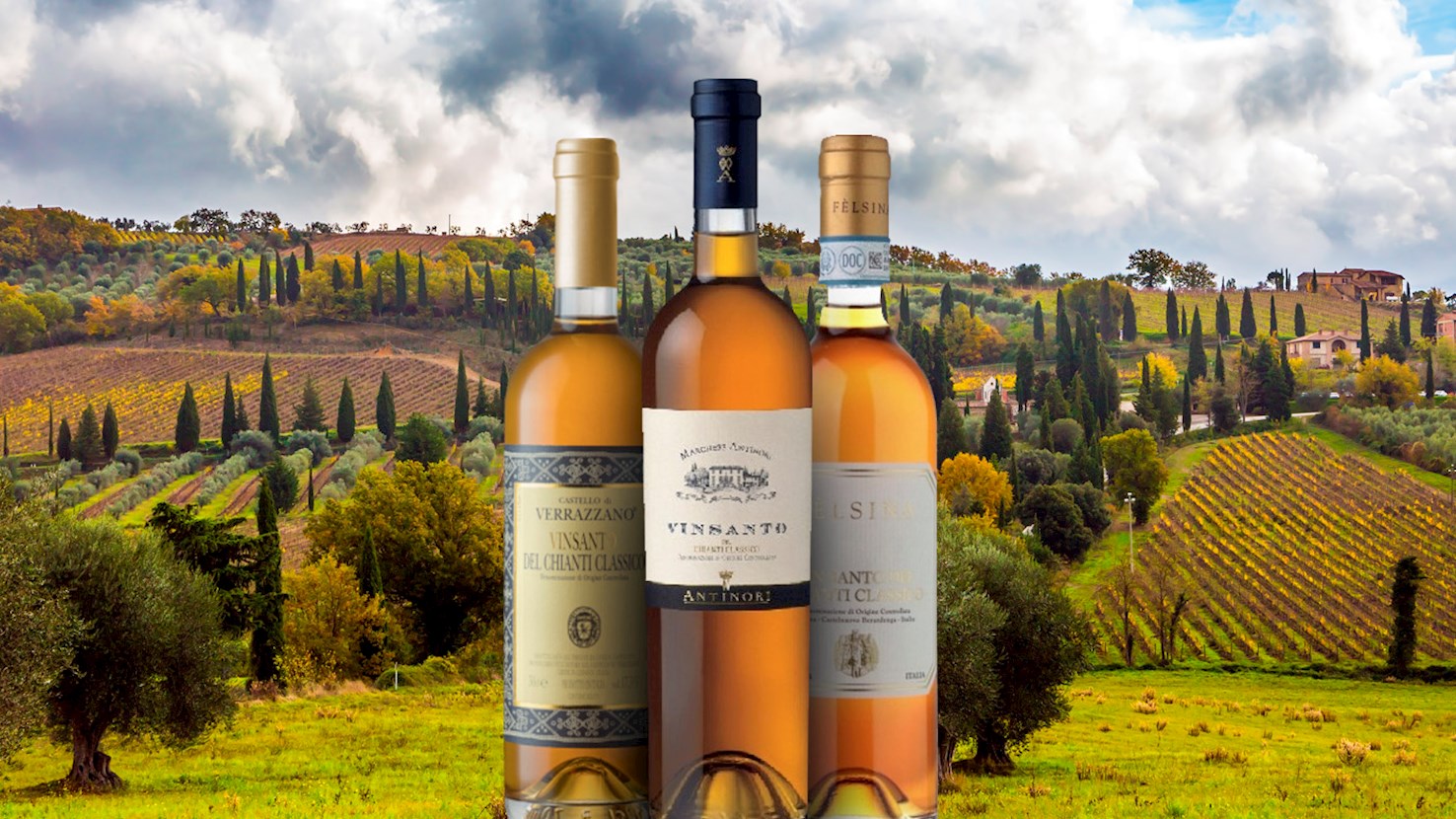
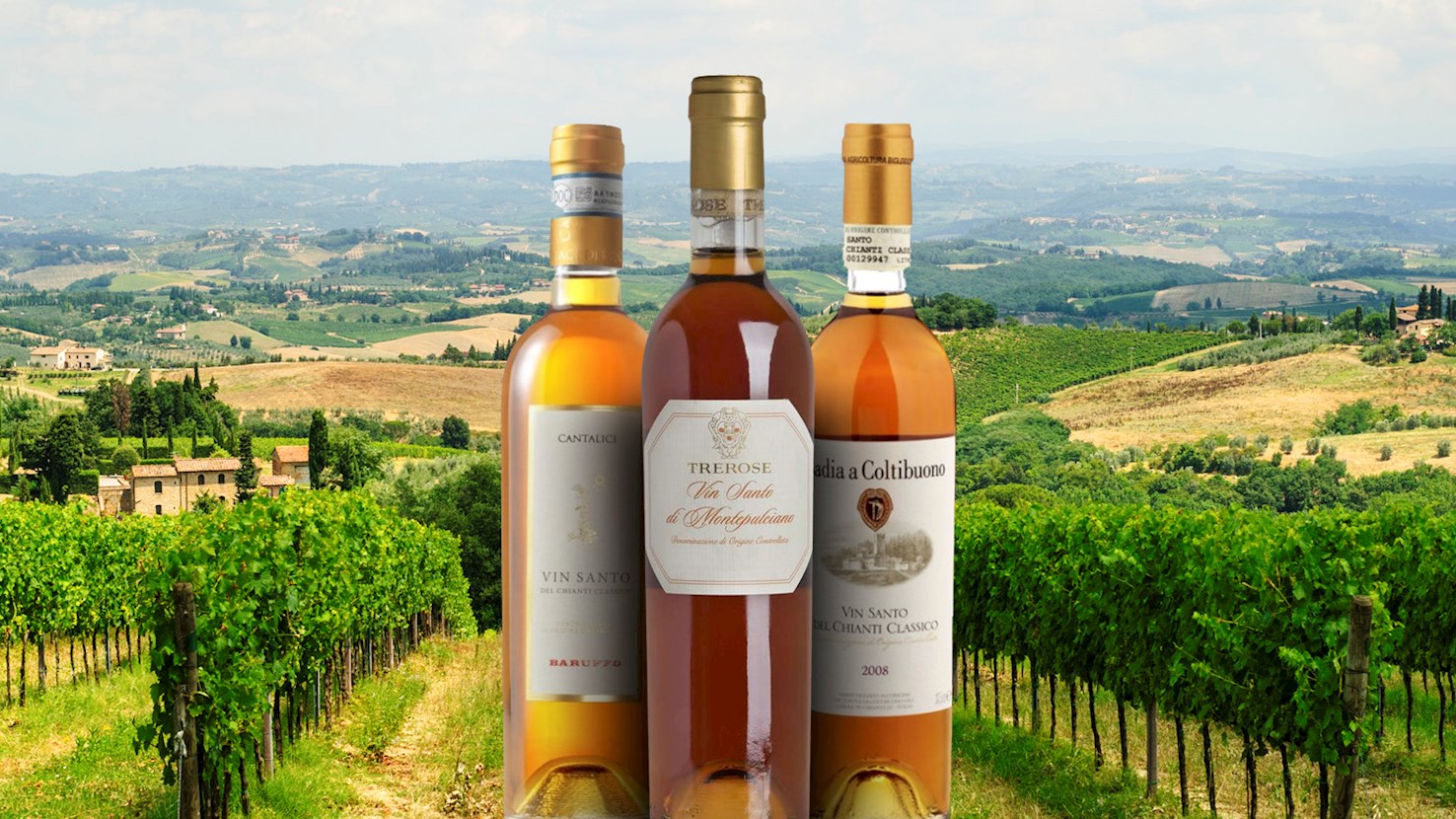
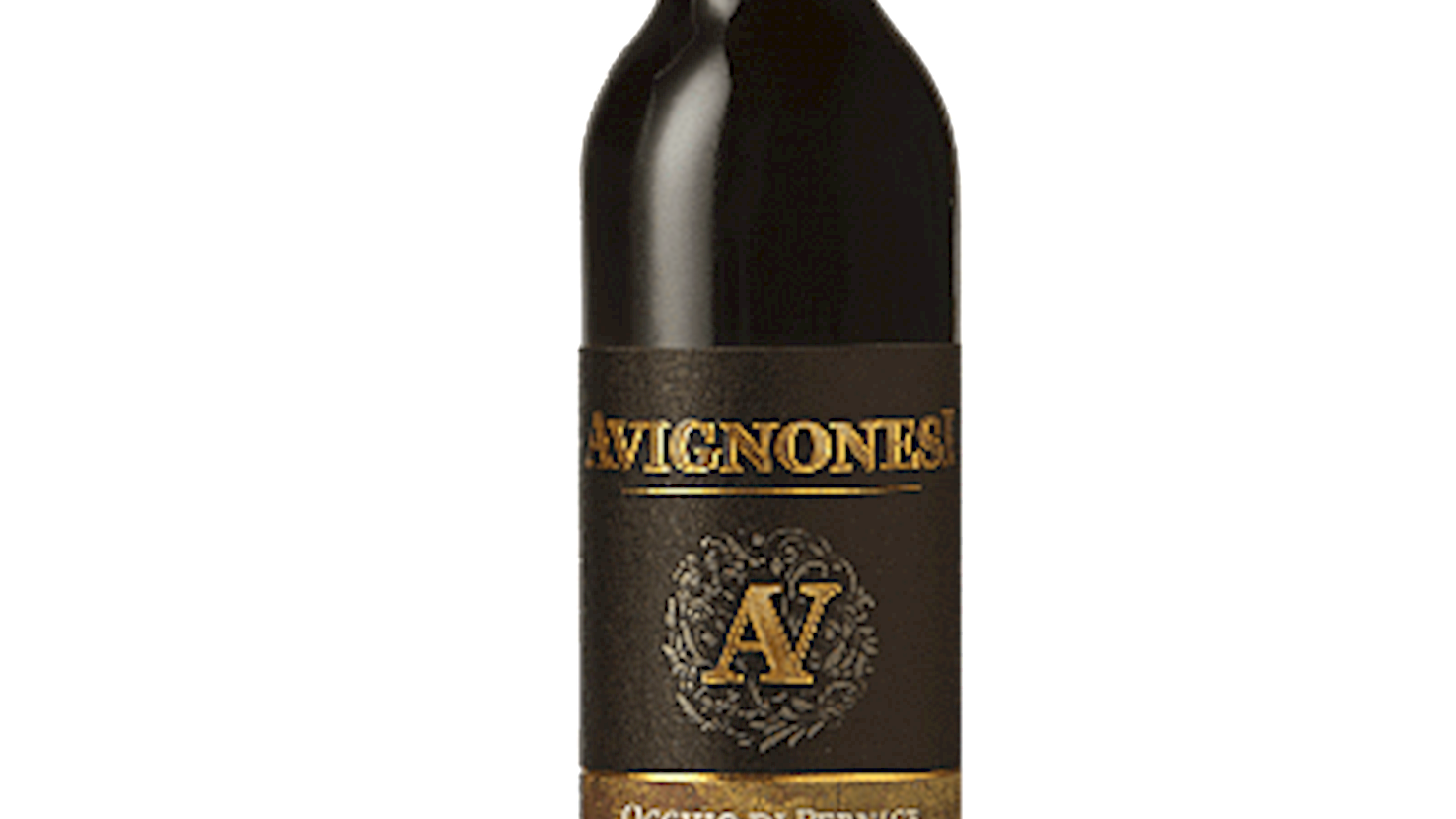
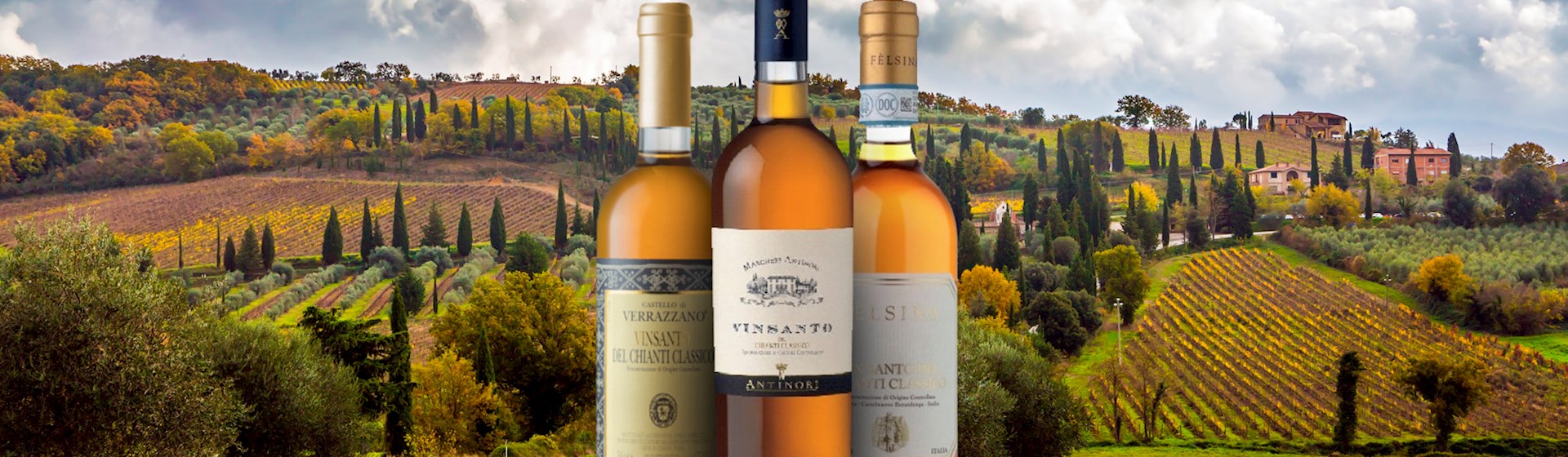
Vin Santo is a type of Italian wine made with dry grapes (passito method) that is produced in various styles. Vin Santo del Chianti is a regional variety from Tuscany—the birthplace of the style—and it can only be produced in the provinces of Arezzo, Florence, Pisa, Pistoia, Prato, and Siena. The wines can be made with Trebbiano Toscano and Malvasia, which can be used separately or in a blend. Vin Santo del Chianti is golden or amber-colored wine that is aromatic and richly flavored. The aroma is intense, usually reminiscent of dried fruit, nuts, and quince, along with honeyed and caramel notes. The wines are sweet but have enough acidity to retain freshness and avoid being cloying. Vin Santo del Chianti is a wine best paired with desserts, especially traditional Tuscan specialties. The appellation includes several subzones and Occhio di Pernice, a red variety made from Sangiovese.

03

Zibibbo (Muscat of Alexandria)

3.6 ·

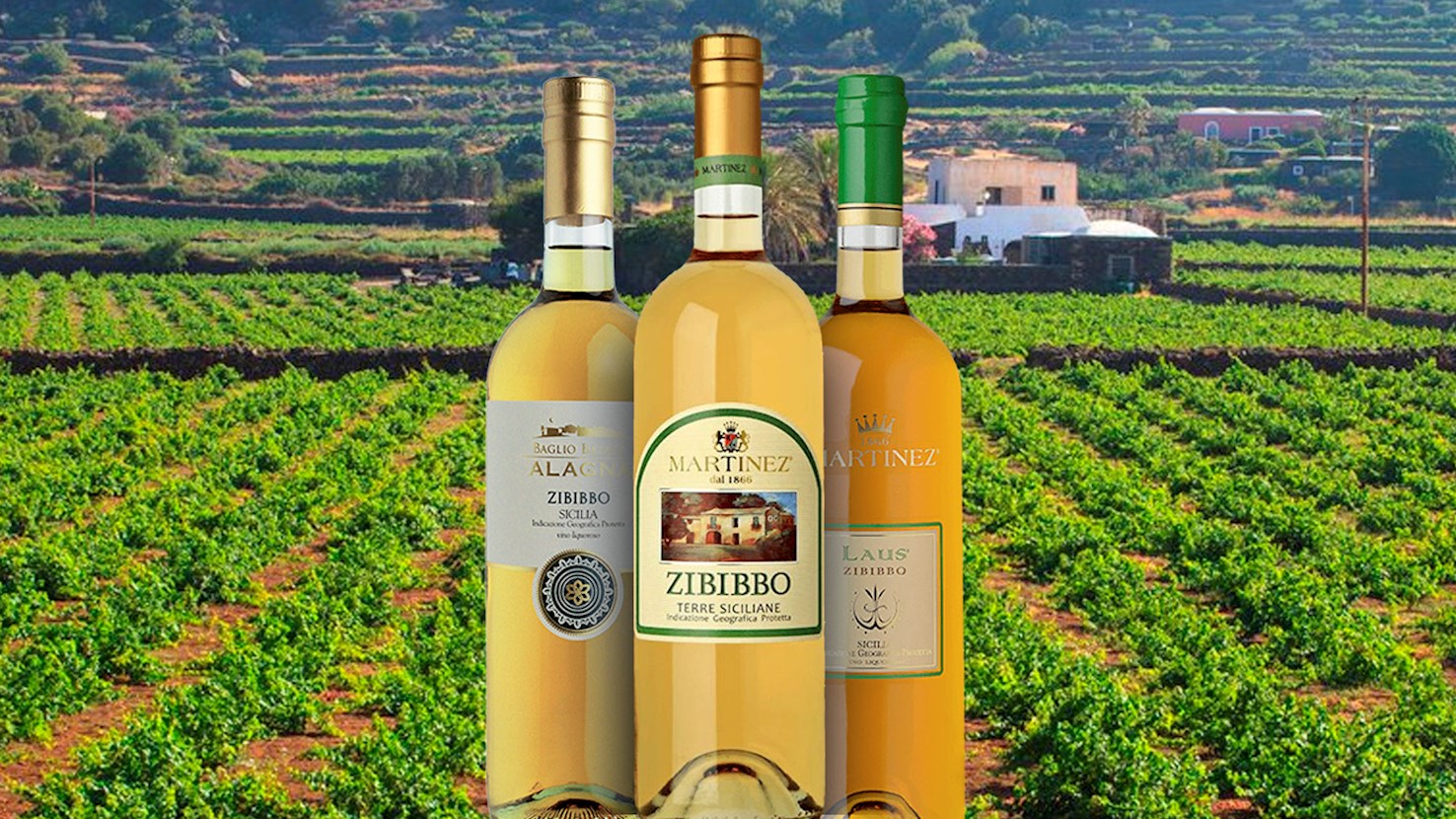
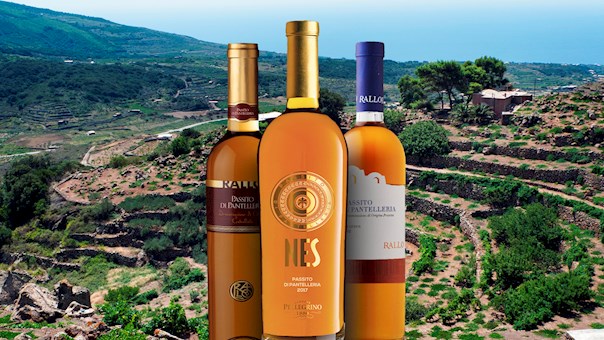
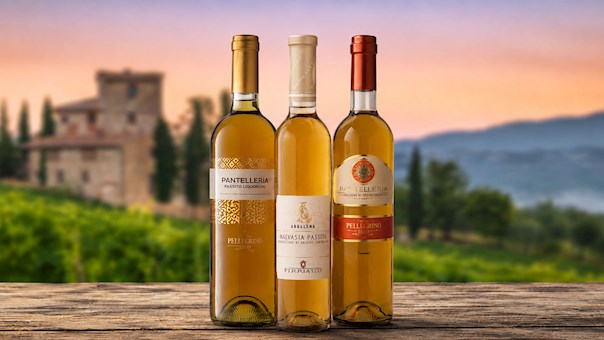
Zibibbo is the local Sicilian name for Muscat of Alexandria grapes. This grape belongs to a large family of Moscato grapes, which are famous for their perfumed aromas and sweet flavors. Muscat of Alexandria is believed to be one of the oldest genetically unmodified vines still in existence. The grape is praised for its ability to produce incredibly aromatic wines. Zibibbo is cultivated throughout Sicily, but it is best known for its use in Pantelleria, a small DOC on the eponymous island located southwest of Sicily. The grape is used in the production of dry and dessert wines. Dry wines made from Zibibo usually have floral and citrus notes, while dessert styles are dense and honeyed, with an aroma often reminiscent of candied citrus fruit, figs, dates, and nuts. It is believed that the grape was introduced by Arabs—the name z’bīb is of Arabic origin and translates as dried grape or raisin. It is a highly resilient grape that could prosper despite harsh conditions and a warm climate. Pairing Zibibbo with food will mainly depend on the wine style. Dry wines pair well with fish, seafood, or white meat, while sweeter styles naturally pair with desserts and cheese.

Best producers
04

Moscato Giallo

n/a ·

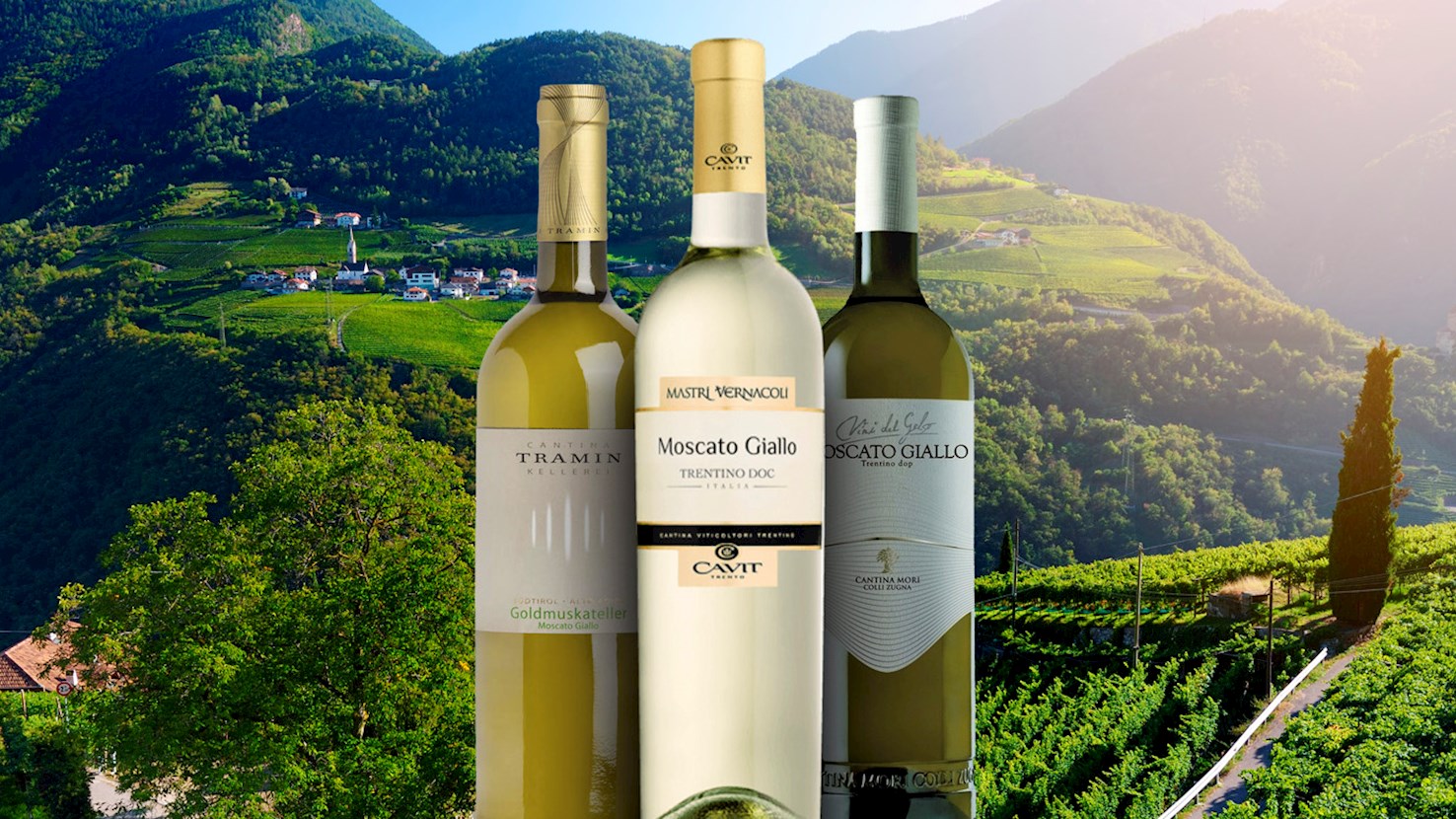
Moscato Giallo is a white grape variety that probably originated in Italy. It is mainly cultivated in northern Italy, with the best expressions coming from Trentino-Alto Adige. The grape belongs to the broad Moscato family. It is used in the production of dry, sweet, and sparkling styles, and it is included in several Italian appellations. Moscato Giallo produces aromatic and subtly sweet white wines with moderate acidity. On the nose, they usually display tropical fruit, citruses, peaches, and sweet spices. Dessert styles are sweeter and more complex, with more concentrated aromas. There are several theories about the origin of Muscato Giallo, but most remain unconfirmed. It was only proven that it is related to Moscato Bianco (Muscat Blanc à Petits Grains). These wines can pair with various dishes, but pairing options will mostly depend on vinification. Sweet styles match traditional desserts, while dry wines can be enjoyed as an aperitif. They can also go well with cheese, cold cuts, light appetizers, and fish.

05

Nosiola

n/a ·

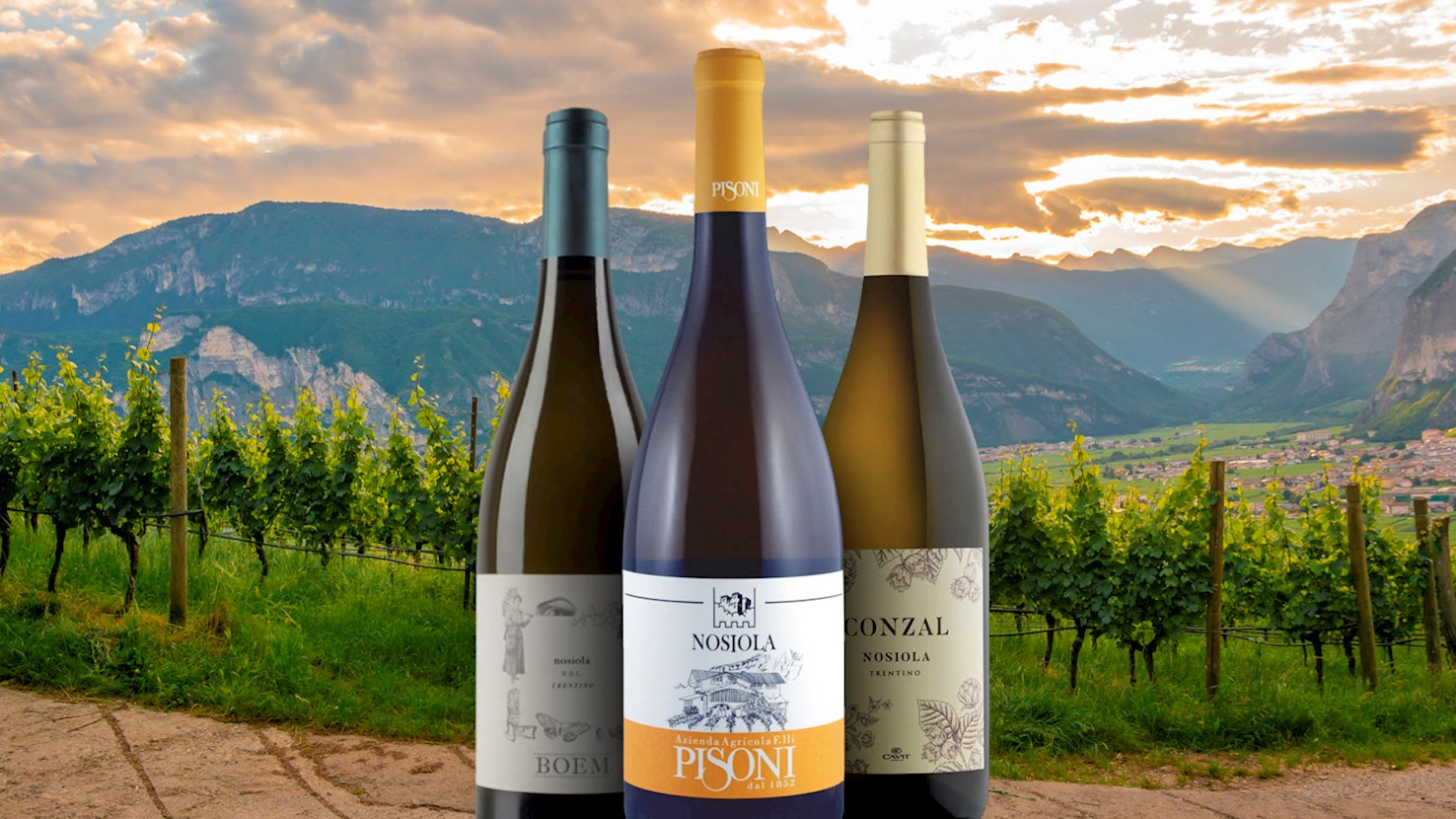
Nosiola is the only remaining native Trentino grape. The variety makes both dry and sweet white wines, and it is the main grape used in the rare Trentino Vino Santo, a wine made from dried grapes (passito) affected by noble rot. Dry white wines made from Nosiola are light-bodied and approachable. They usually have a refreshing and mineral character with lemon and apple aromas. Nosiola will usually display a distinctive nutty note, and it is believed that this feature gave the grape its name—Italian nocciola translates as hazelnut. Nosiola is now cultivated only in Trentino, but it was once common in Alto Adige. Dry Nesiola wines make an excellent aperitif and pair with freshwater fish, seafood, vegetables, or fresh cheese. Vino Santo labels are best paired with desserts.

06

Vin Santo di Montepulciano

n/a ·

Vin Santo di Montepulciano is an Italian wine that belongs to the group of renowned Vin Santo dessert wines. White Montepulciano is typically produced from a minimum of 70% Grechetto (Pulcinculo), Malvasia, and Trebbiano Toscano grapes, while the red variety, known as Occhio di Pernice, is primarily based on Sangiovese grapes. Sweet and complex white Vin Santo di Montepulciano is typically dark yellow in color, with notes of fresh and dry fruits, almonds, caramel, vanilla, or white tea. It is traditionally paired with Tuscan cantuccini biscuits, but it can also work well with cheese and can be enjoyed as an aperitif.

07

Moscato Rosa

n/a ·

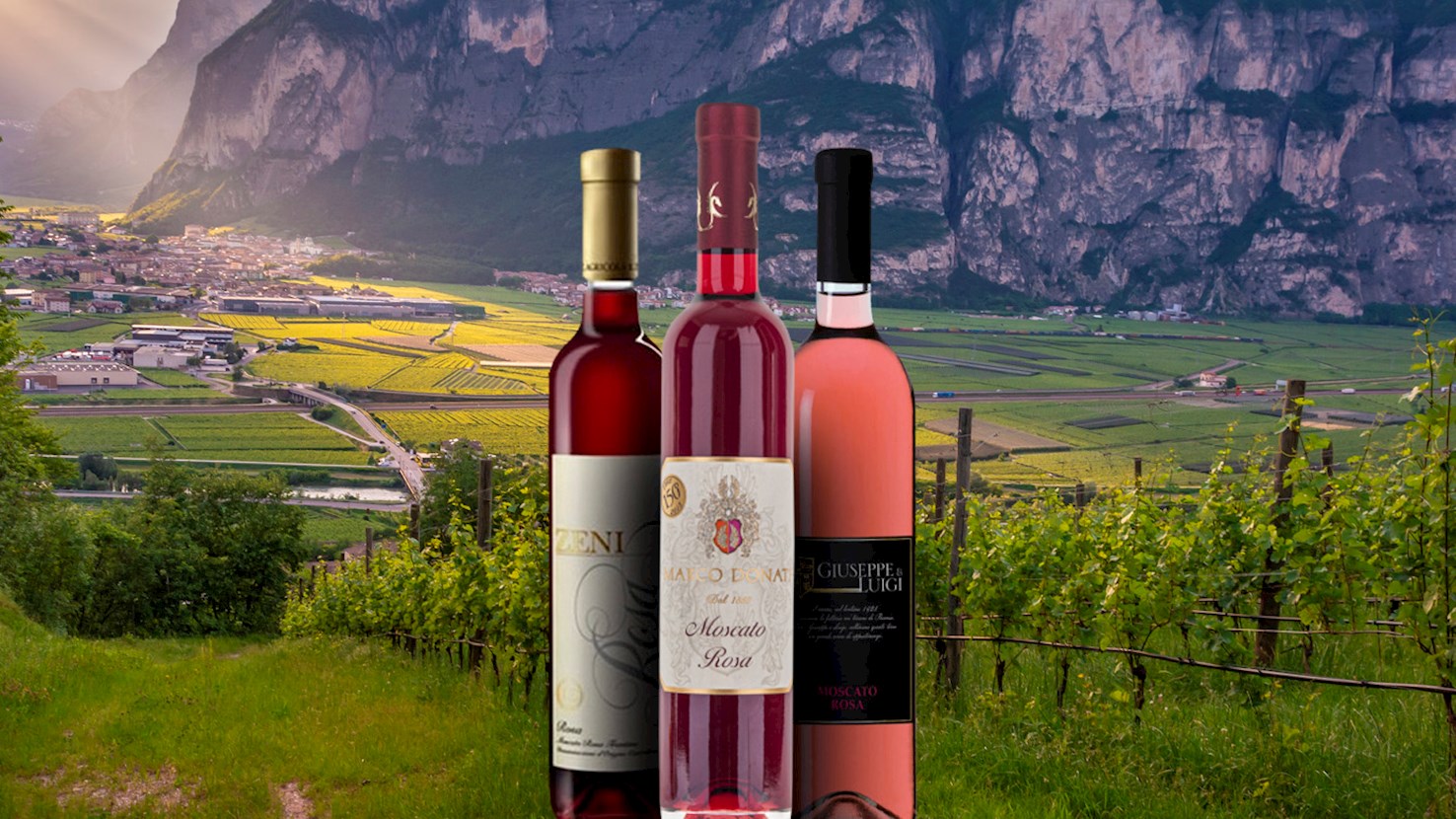
Moscato Rosa is a red-skinned Italian grape mostly cultivated in Alto Adige and Trentino. The name rosa (pink) is not a reference to the color of the skins or the wine but to the rose aroma that is typical for these wines. The grape is mainly used to produce sweet wines, especially late-harvest and passito (made from dried grapes) styles. The wines are garnet-colored with an intense aroma reminiscent of berries and rosewater, with hints of spice (mostly cinnamon). The wines have a good balance of acidity and sweetness and a long, fruity, and subtly spicy finish. This wine should be paired with chocolate or fruit desserts, pastries, or blue cheese. It can also be excellent on its own. There are many speculations about the origin of Moscato Rosa, but the most cited version suggests possible Croatian origins. Interestingly, it turned out that Trentino Moscato Rosa is identical to a Croatian variety Muškat Ruža Porečki. The grape is also cultivated in Austria and France (Alsace), but the Italian version is believed to be a distinct variety. Italian Moscato Rosa is usually of exceptional quality, and it should not be confused with eponymous wines based on Muscat Blanc with the addition of red wine.

08

Verduzzo

n/a ·

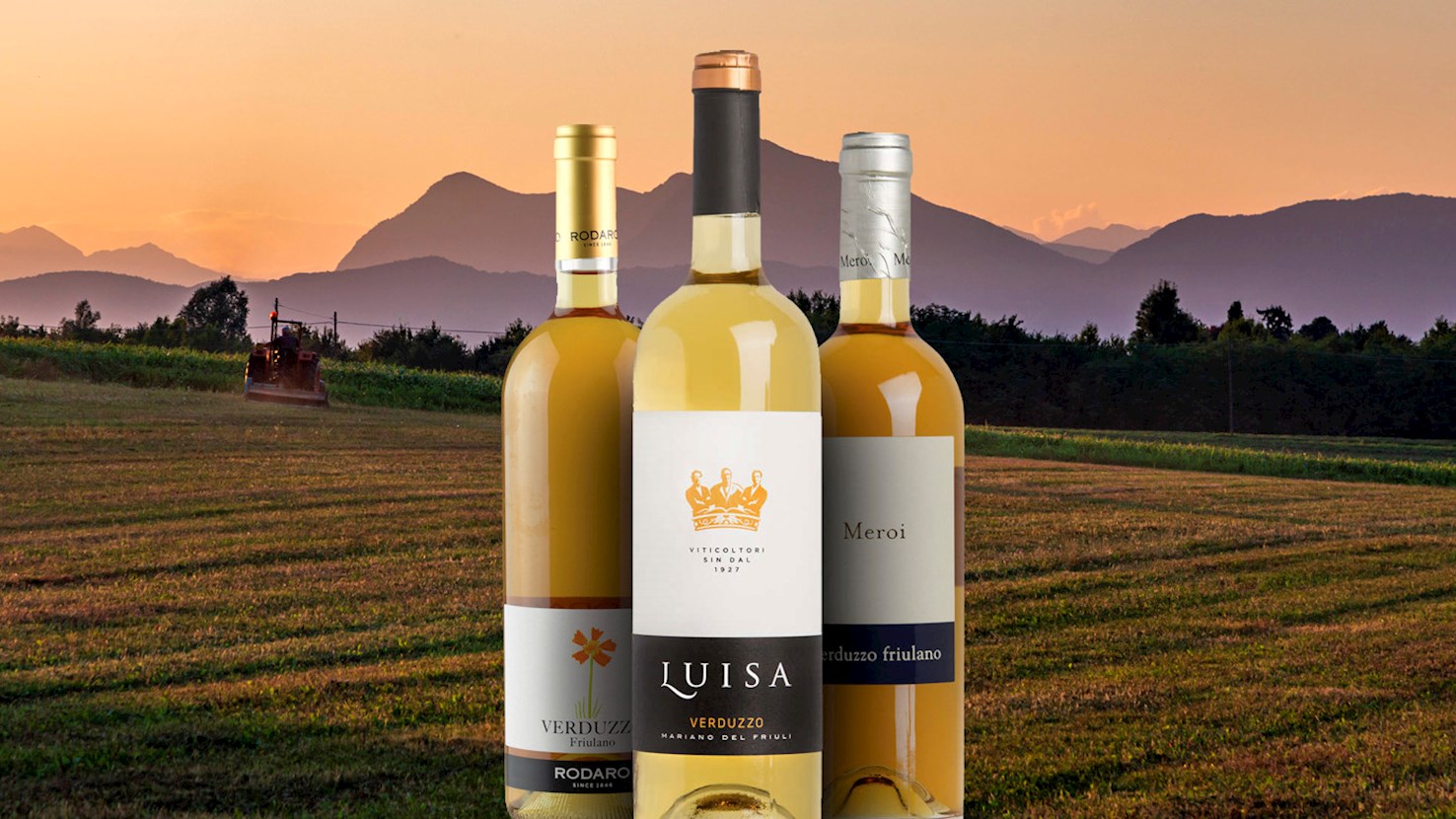
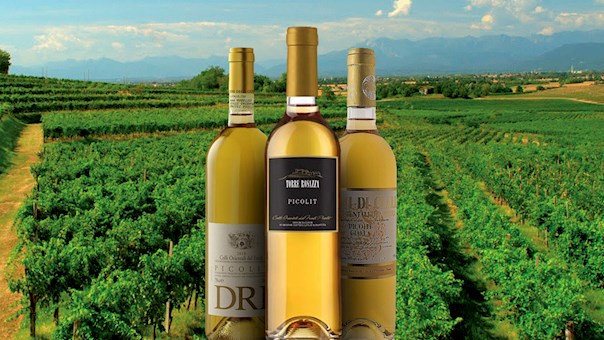
Verduzzo is a white Italian grape that is mainly cultivated in Friuli-Venezia Giulia. The name is used for two (unrelated) grapes, but it is mostly associated with Verduzzo Friulano, which can produce versatile wines of excellent quality. The other, less common variety is Verduzzo Trevigiano, which is planted around Treviso. Verduzzo Friulano is a versatile grape that can produce a variety of wine styles. It is predominantly vinified into dry and sweet white wines that are often aromatic, complex, and have aging potential. Dry wines range from light, refreshing and citrusy styles to full-bodied wines with honey-like notes. Sweet late-harvest wines have herbal and honeyed nuances, while passito (semi-dried grapes) tend to attain notes of dried and candied fruit. Sweet styles usually retain freshness and avoid being cloying or overly sweet. The best expression for sweet Verduzo is in Ramandolo DOCG. Dry wines are a good match with appetizers and fish dishes, and sweet styles make a good match with traditional pastries.

09

Recioto di Gambellara

n/a ·

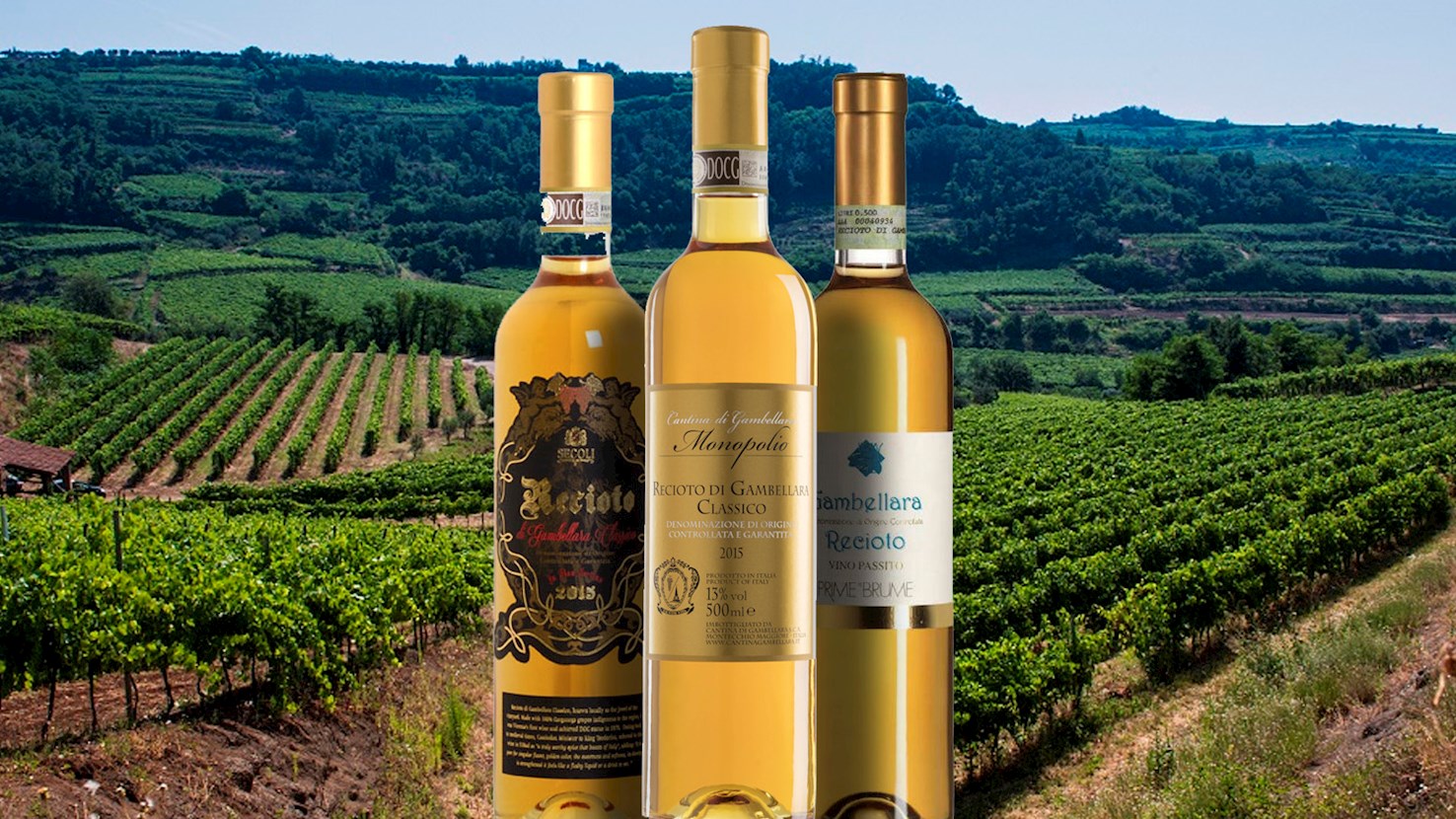
Produced in the province of Vicenza, these sweet wines are exclusively made from air-dried Garganega grapes. The region produces dry Classico styles, as well as harmonious sparkling (spumante) wines. Dry Recioto di Gambellara wines range from bright yellow to amber, and typically display notes of ripe fruit, with occasional hints of vanilla. Although intense, on the palate they remain lively, fresh, and mineral. Sparkling varieties are characterized by fine and persistent perlage and similar fruity notes. Both styles can be enjoyed on their own, but are best paired with desserts, primarily cookies and the local sweet bread known as brasadelo. They can also match creamy sweets such as gelato or zabaione.

10

Moscato di Saracena

n/a ·

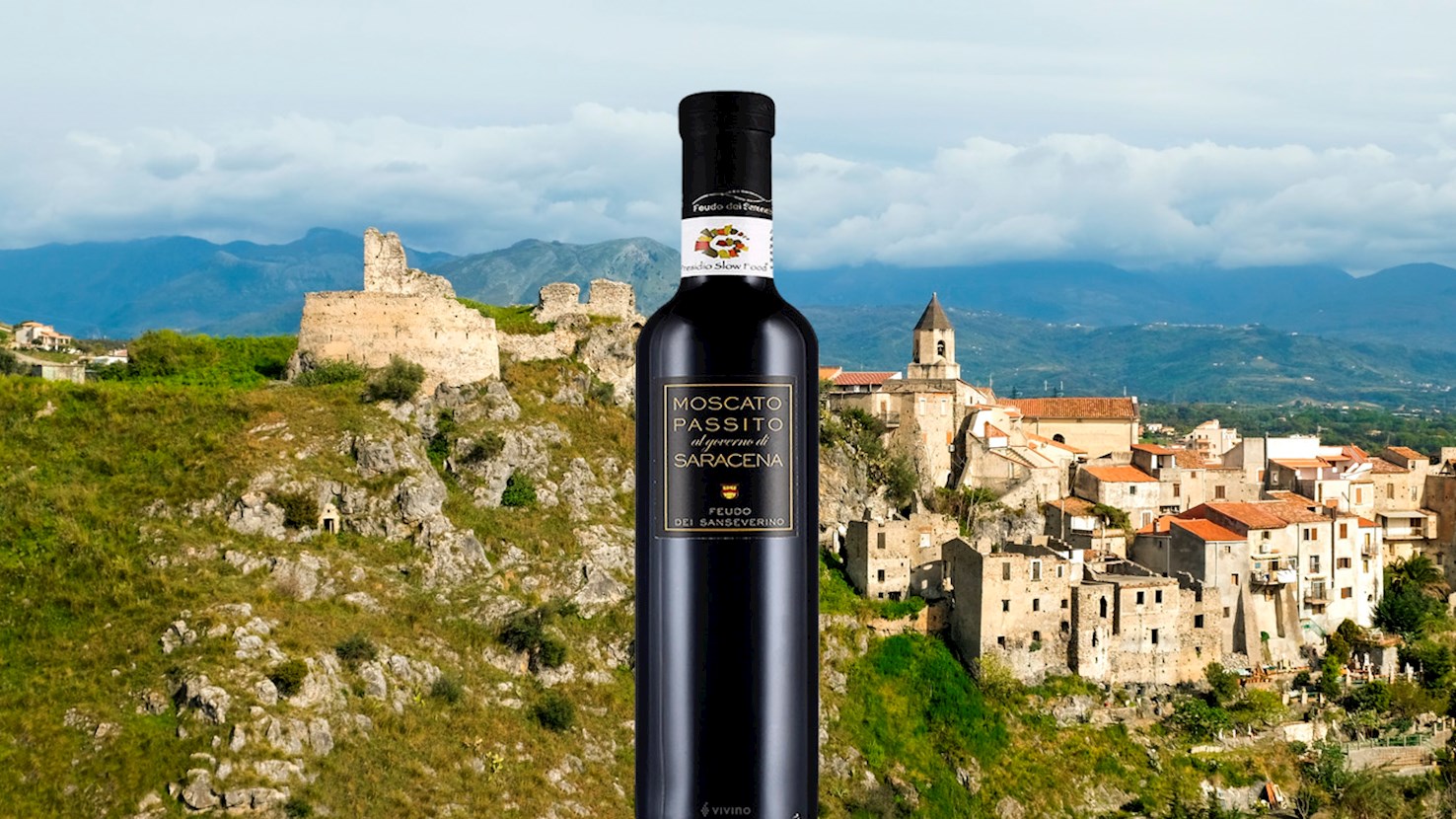
Moscato di Saracena is a dessert wine produced around Saracena in the province of Cosenza, Calabria. The wine is made from various local varieties, usually Guarnaccia, Malvasia, Duraca and Muscat (Moscatello di Saracena). The production method is unique to the region and involves two types of must. The base is usually made with Malvasia and Guarnaccia, and it is then mixed with the must made from dried Moscat. The blend is aged for six months before bottling. Moscato di Saracena wines range from bright golden to amber. They are intensely aromatic, with notes of tropical fruit, dates, figs, candied fruit, and some honeyed nuances. On the palate, they are sweet but with enough freshness and acidity. The finish is long and persistent. These wines have enough character to be served on their own, but they could also pair with fruit-based desserts, chocolate, or aged cheese. Moscato di Saracena is an ancient wine, first mentioned in the 16th century. The tradition was almost lost and forgotten, and it was only practiced among local families. The wine was recently reintroduced by local winemakers who started commercial production.

Best Italian Dessert Wines
01

Donnafugata

5.0 ·

Donnafugata is one of Sicily’s most influential family-owned wineries, known for wines that interpret the island’s diversity with clarity, elegance, and a strong sense of place. Founded in the early 1980s by Giacomo and Gabriella Rallo, and rooted in a much longer family winegrowing tradition, the estate is today led by the next generation with a clear focus on quality, sustainability, and territorial identity.

Donnafugata operates vineyards and wineries across several key Sicilian areas, including Contessa Entellina, Marsala, Pantelleria, Vittoria, and Mount Etna, allowing for a wide range of stylistic expressions shaped by distinct climates and soils. Particular emphasis is placed on indigenous varieties such as Nero d’Avola, Frappato, Carricante, Nerello Mascalese, and Zibibbo, each vinified to highlight varietal character rather than winemaking effect.

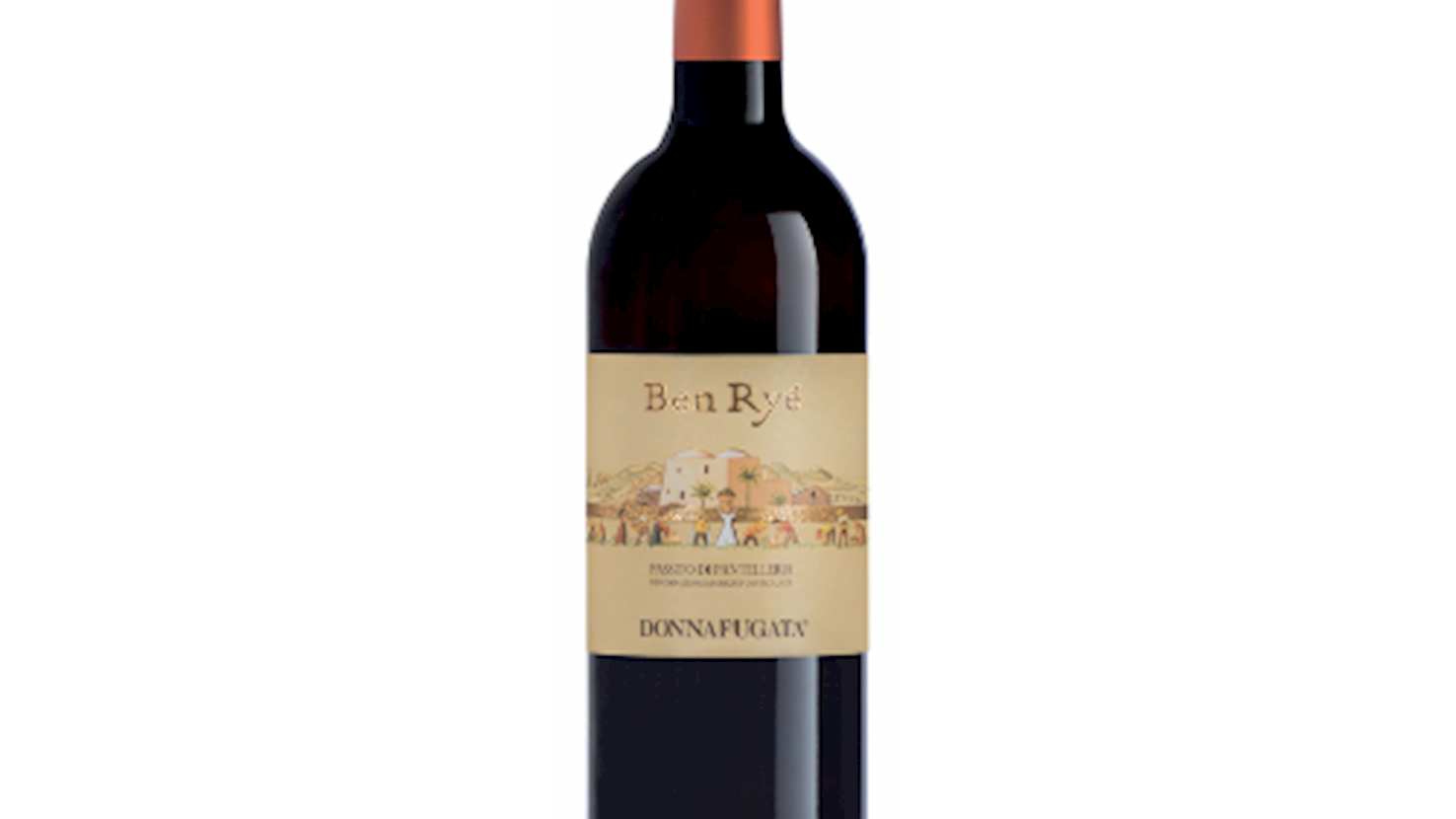
The wines are defined by aromatic precision, balance, and freshness, avoiding excess extraction or heaviness. Donnafugata is especially renowned for Ben Ryé from Pantelleria, a benchmark passito wine, as well as for its refined dry wines that underscore Sicily’s potential as a world-class wine region.

Through a combination of tradition, innovation, and a strong visual and cultural identity, Donnafugata stands as a reference point for contemporary Sicilian winemaking.

Awards
Decanter World Wine Awards - Platinum (2024, 2021, 2020, 2019, 2017)
Decanter World Wine Awards - Best in Show (2018)
03

Bussola

4.8 ·

Bussola is a family-run winery based in Negrar di Valpolicella, at the heart of the Valpolicella Classica zone in Veneto, an area renowned for its structured and age-worthy red wines. Founded and shaped by Tommaso Bussola since the late 1970s, the estate focuses on traditional local grape varieties such as Corvina, Corvinone, Rondinella, Molinara, and Croatina.

The vineyards are spread across different altitudes and exposures, with soils rich in limestone and volcanic elements that contribute to depth, freshness, and mineral tension in the wines. Vineyard work follows sustainable principles, relying on manual harvesting and minimal chemical treatments to preserve grape integrity.

Bussola is particularly known for its mastery of the appassimento technique, producing Valpolicella Ripasso, Amarone della Valpolicella Classico, and Recioto, alongside more straightforward and terroir-driven Valpolicella styles. Winemaking emphasizes long, slow fermentations and extended aging in a combination of large oak casks and barriques.

The resulting wines are concentrated yet balanced, marked by precision, structure, and strong aging potential. Today, the winery is supported by the next generation of the Bussola family, ensuring continuity of its artisanal approach and deep connection to Valpolicella’s winemaking heritage.

Awards
Vivino - 4.6
Vivino - 4.5
04

Vignalta

4.8 ·

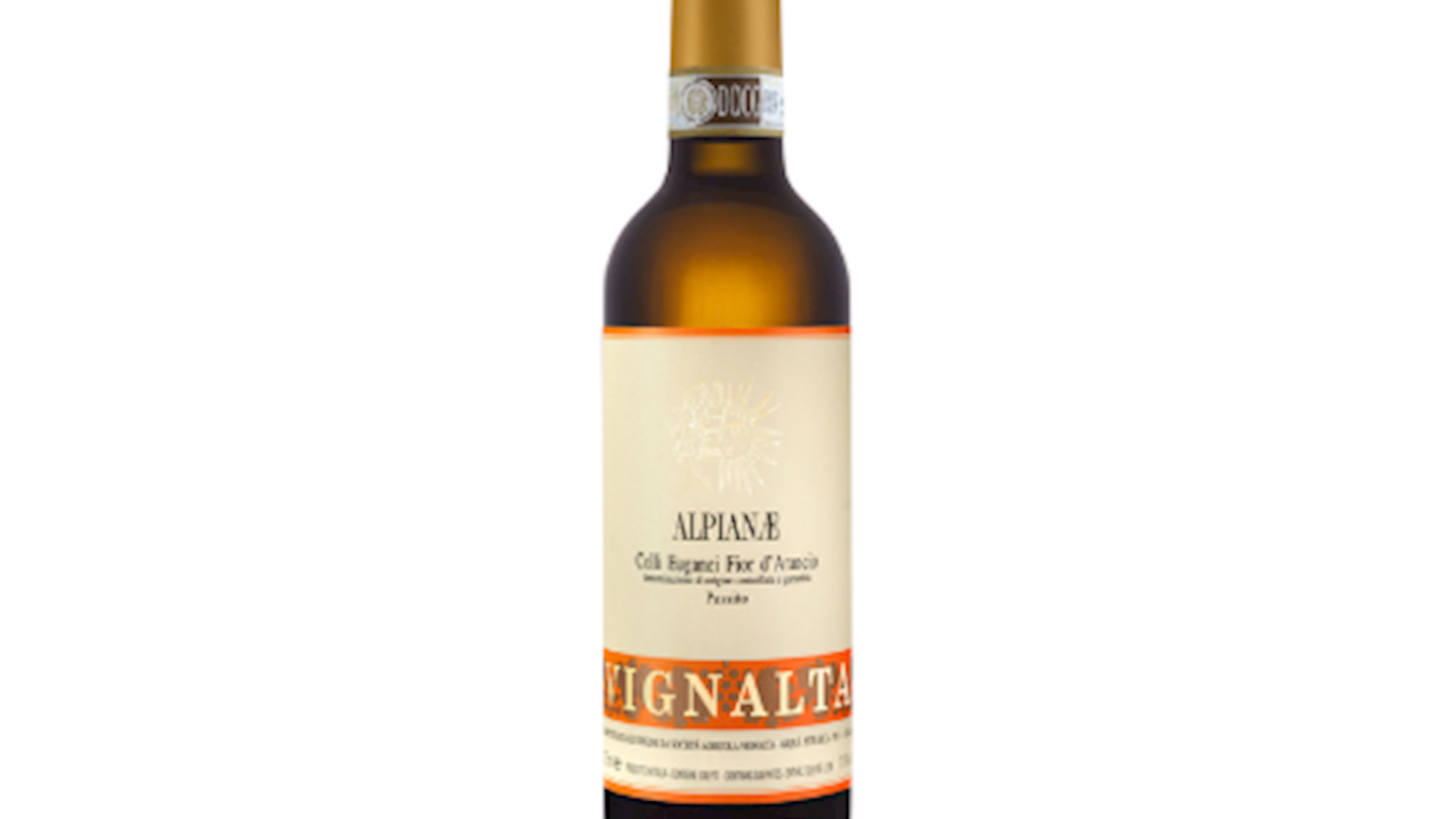
Vignalta is a winery located in the Colli Euganei area, southwest of Padua in the Veneto region, an area known for its volcanic soils and strong territorial identity. The estate was established in the late 20th century with a clear focus on expressing terroir through low yields and careful vineyard management.

Its vineyards are planted on hilly sites characterized by basaltic and clay-rich volcanic soils, which give the wines structure, depth, and a distinctive mineral character. Vignalta works primarily with varieties such as Merlot, Cabernet Franc, Carménère, and selected local white grapes, producing wines that emphasize precision and balance.

The winery is particularly known for its structured, age-worthy red wines, made through meticulous vinification and extended aging. Its style combines concentration with elegance, avoiding excess while highlighting varietal clarity and site expression.

Vignalta’s wines are considered among the most refined examples from the Colli Euganei area, clearly reflecting the uniqueness of its volcanic terroir.

Awards
Decanter World Wine Awards - Platinum (2019)
Vivino - 4.3
Read more
View all
View map
About this ranking

TasteAtlas food rankings are based on the ratings of the TasteAtlas audience, with a series of mechanisms that recognize real users and that ignore bot, nationalist or local patriotic ratings, and give additional value to the ratings of users that the system recognizes as knowledgeable. For the “Top 44 Italian Dessert Wines” list until July 01, 2026, 78 ratings were recorded, of which 45 were recognized by the system as legitimate. TasteAtlas Rankings should not be seen as the final global conclusion about food. Their purpose is to promote excellent local foods, instill pride in traditional dishes, and arouse curiosity about dishes you haven’t tried.

The initial list of top producers was compiled based on available reviews, awards, local recommendations, media and blog coverage, and consumer reviews. The list will be updated with ratings from TasteAtlas local ambassadors and TasteAtlas users.

Similar lists