shutterstock

Top 62 German Desserts

Last updated on June 15, 2026

Best German Desserts
01

Quarkbällchen

4.2 ·

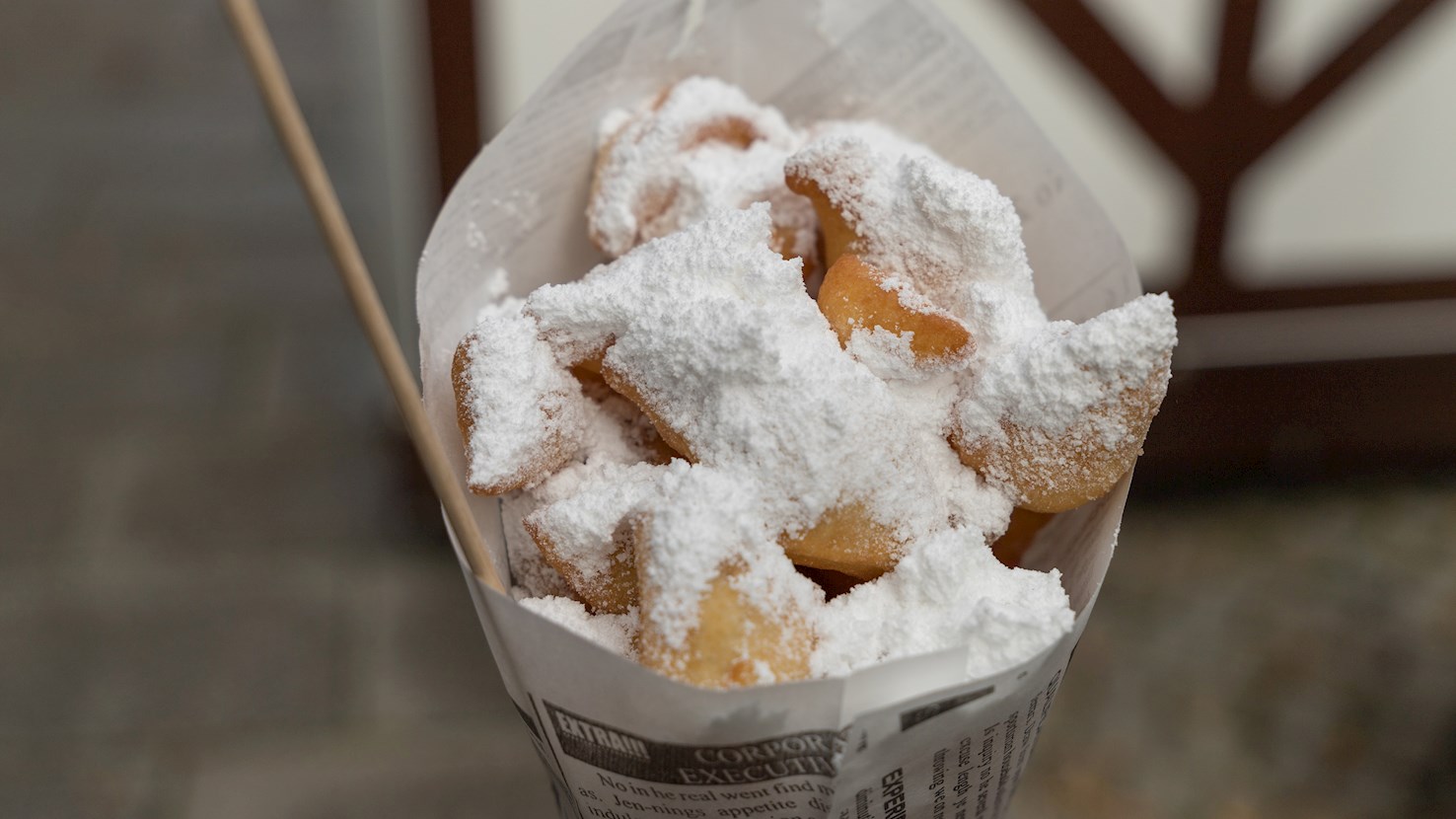
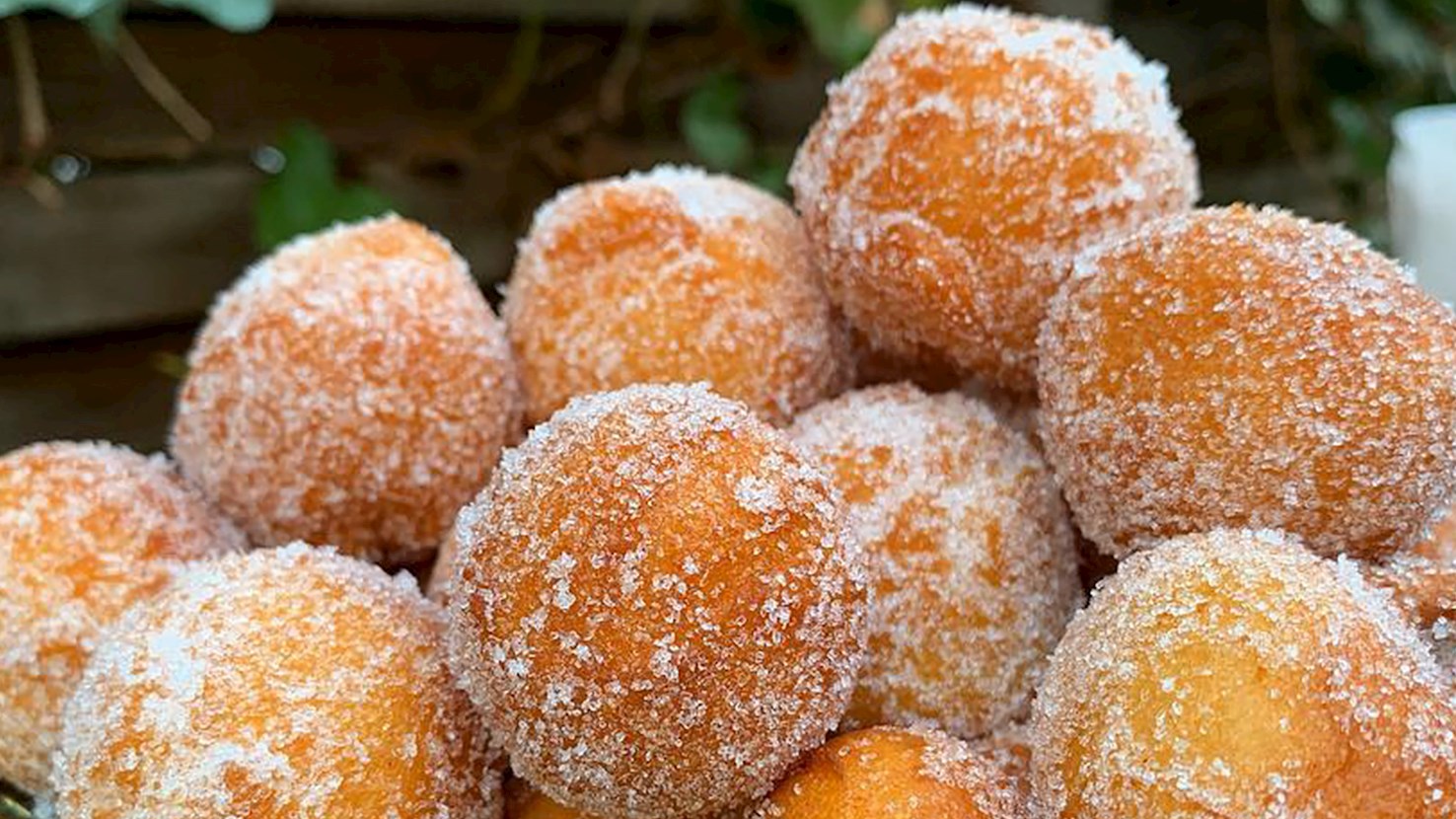
Quarkbällchen, meaning quark balls, is a traditional snack that is typically made by combining quark, flour, eggs, sugar, vanilla sugar, and baking powder. Milk, melted butter, cinnamon, lemon zest, and corn or potato starch are also sometimes added to the combination. The quark mixture is shaped into small balls which are deep-fried until golden brown on the outside and soft and fluffy on the inside. Once done, the fried balls are usually coated in powdered or granulated sugar or a cinnamon-sugar mixture. Thought to hail from Bavaria, this sweet treat is generally enjoyed as an afternoon snack alongside a cup of tea or coffee. Resembling donuts, quarkbällchen are available in bakeries throughout Germany, and they’re often prepared during the festive Christmas season, New Year’s Eve, Fasching (Germany’s carnival season), and Oktoberfest.

02

Bergische Waffles

4.2 ·

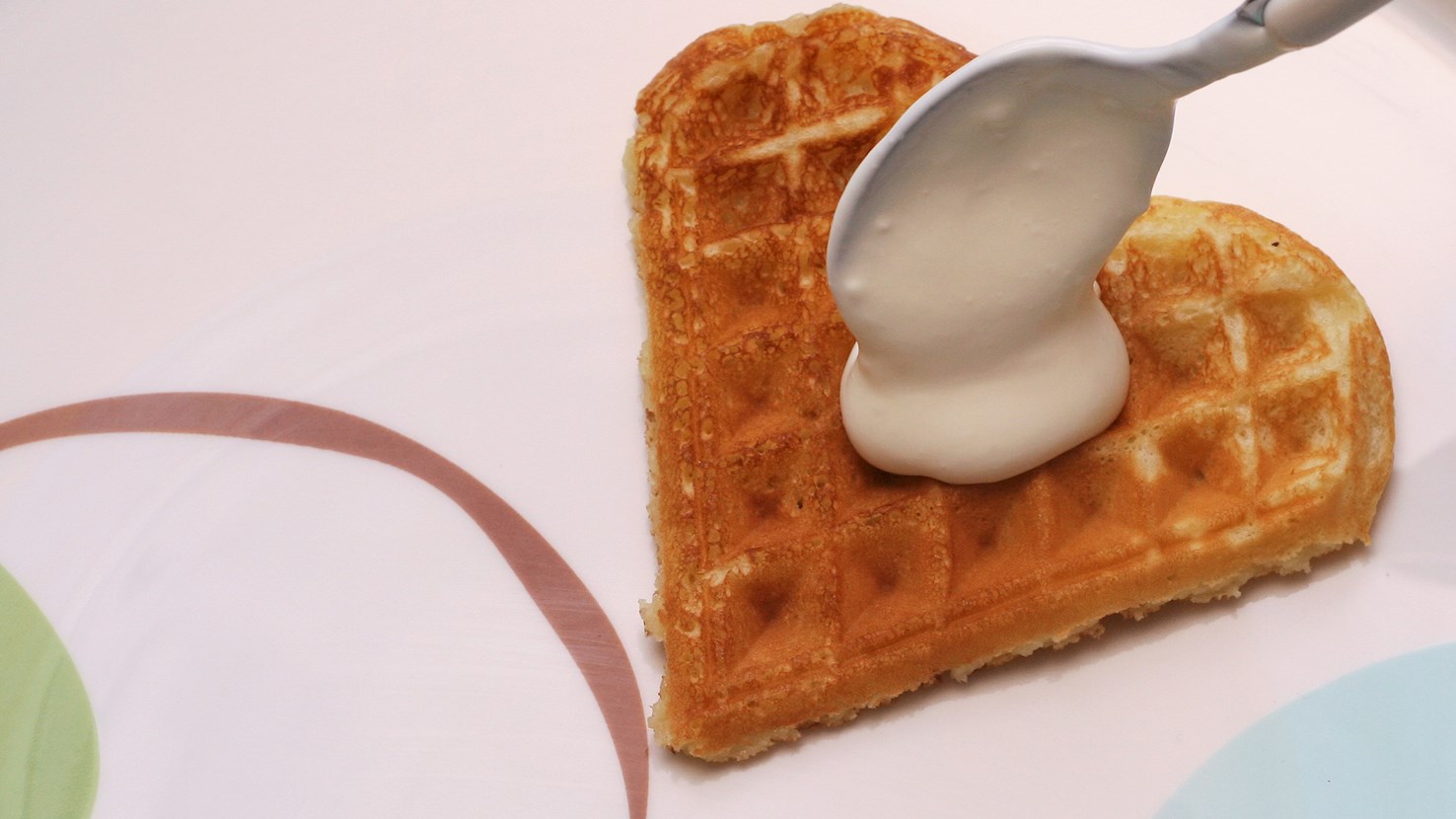
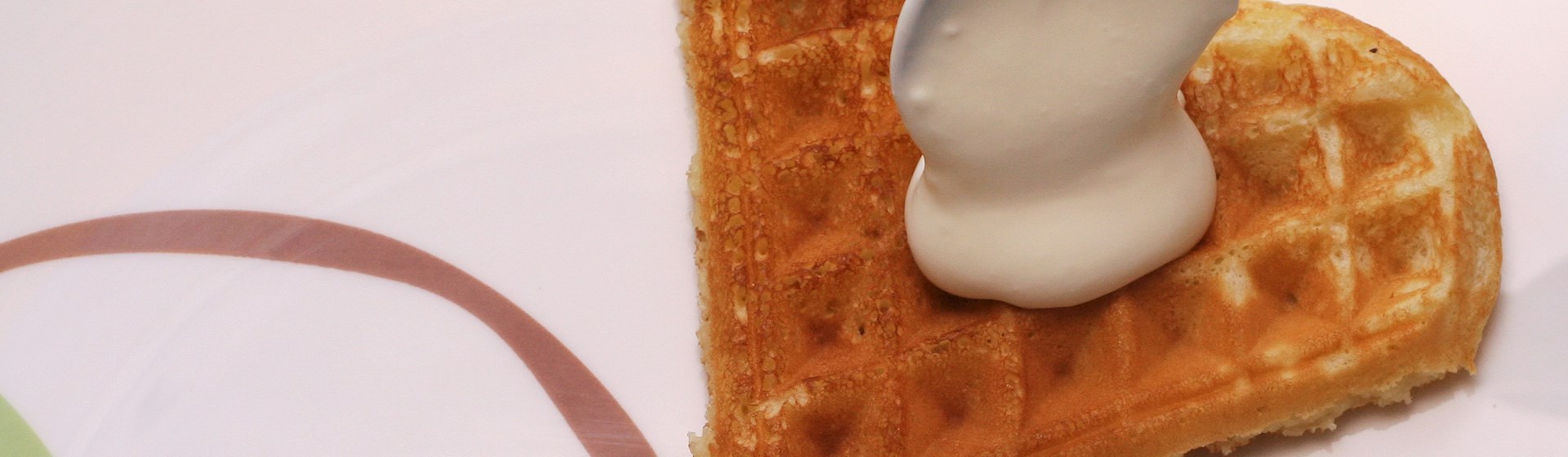
Bergische waffles are traditional German waffles originating from the Bergisches Land area. They’re usually made with a combination of flour, sugar, butter, vanilla, eggs, baking powder, and milk. What differentiates these waffles is that they are always heart-shaped but also more crisp and less dense than their Belgian cousins. Traditional accompaniments include whipped cream and pitted sour cherries. Bergische waffles are usually not served for breakfast but as an afternoon treat, especially on Sundays, when they’re occasionally served with rice pudding.

03

Berliner Pfannkuchen

4.1 ·

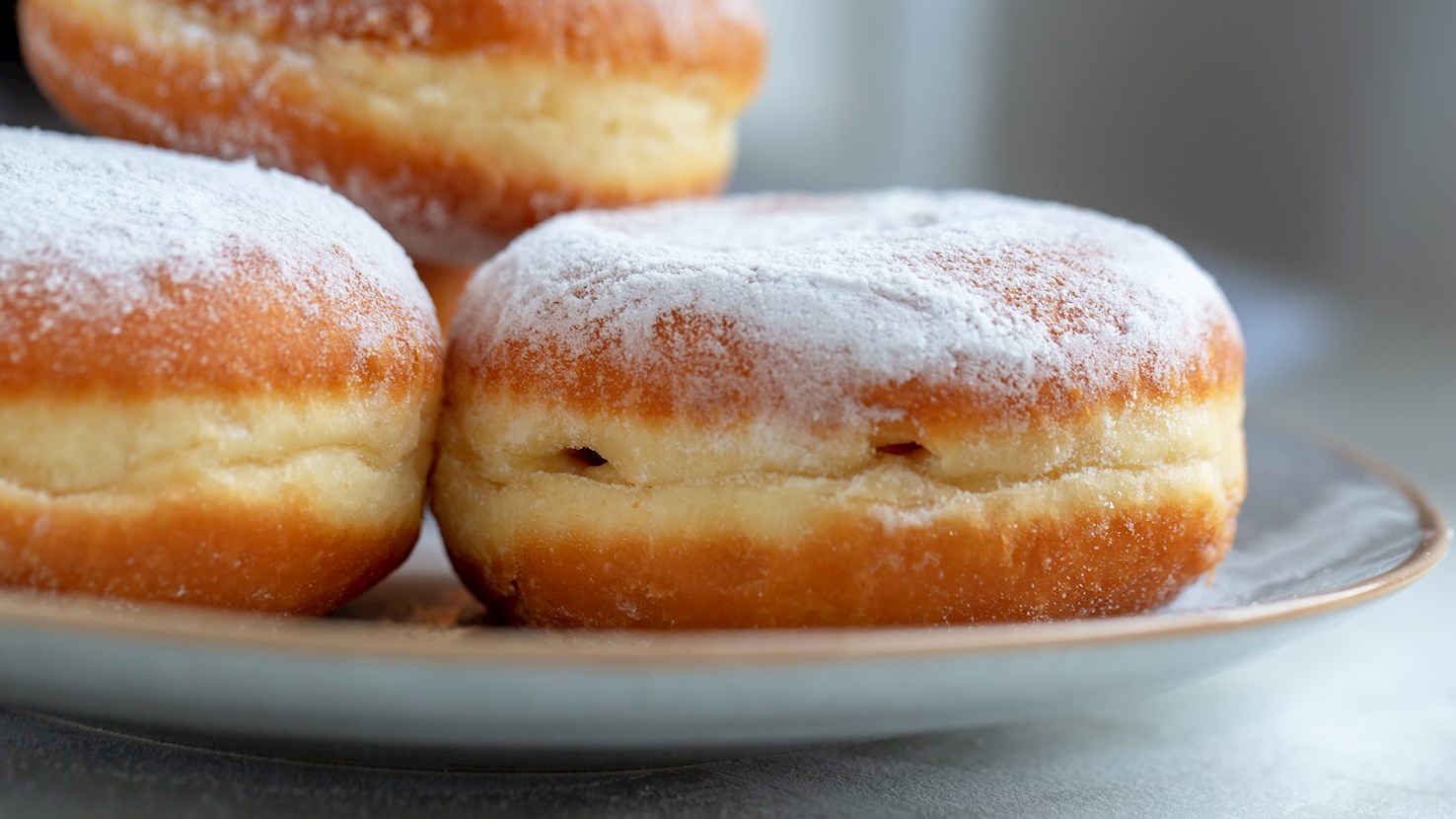
Krapfen was probably the first European-style doughnut to appear, followed by similar varieties in other countries. These pastries are traditionally prepared with leavened dough that is deep-fried until golden and crispy on the outside, while they remain soft, light, and airy on the inside. Though krapfen can be prepared plain, they are most often filled or topped with jams, and vanilla or chocolate custards, while the top is usually dusted with powdered sugar or drizzled with chocolate. The origin of the word krapfen dates back to 9th century, and the recipes in German can be found as early as the 14th century. The sweet versions of the pastry became predominant, and have remained closely associated with the Carnival, a festive period which precedes Christian Lent. Interestingly, during the Carnival, one krapfen in a batch filled with jam and fruit preserves might contain a filling of mustard as a prank. It is believed that doughnuts spread throughout many central European countries, which adopted the technique but used different regional names. Consequently, krapfen in Germany goes under Berliner, pfannkuchen, faschingskrapfen, krebbel, or kreppel. In Poland, they are known as pączki or krepel, Hungarians refer to them as fánk, Slovak as šišky, while the Czechs use the term koblihy. In Slovenia, they are better known as krofi, while the standard name throughout Croatia, Bosnia, and Serbia is krofne or krafne. In St. Petersburg, Russia, the doughnuts are known as pyshki (either ring-shaped or without a hole), and there is a local café that has been serving pyshki prepared from the original recipe since the 1960s.

Best restaurants
04

Apfelkuchen

4.1 ·

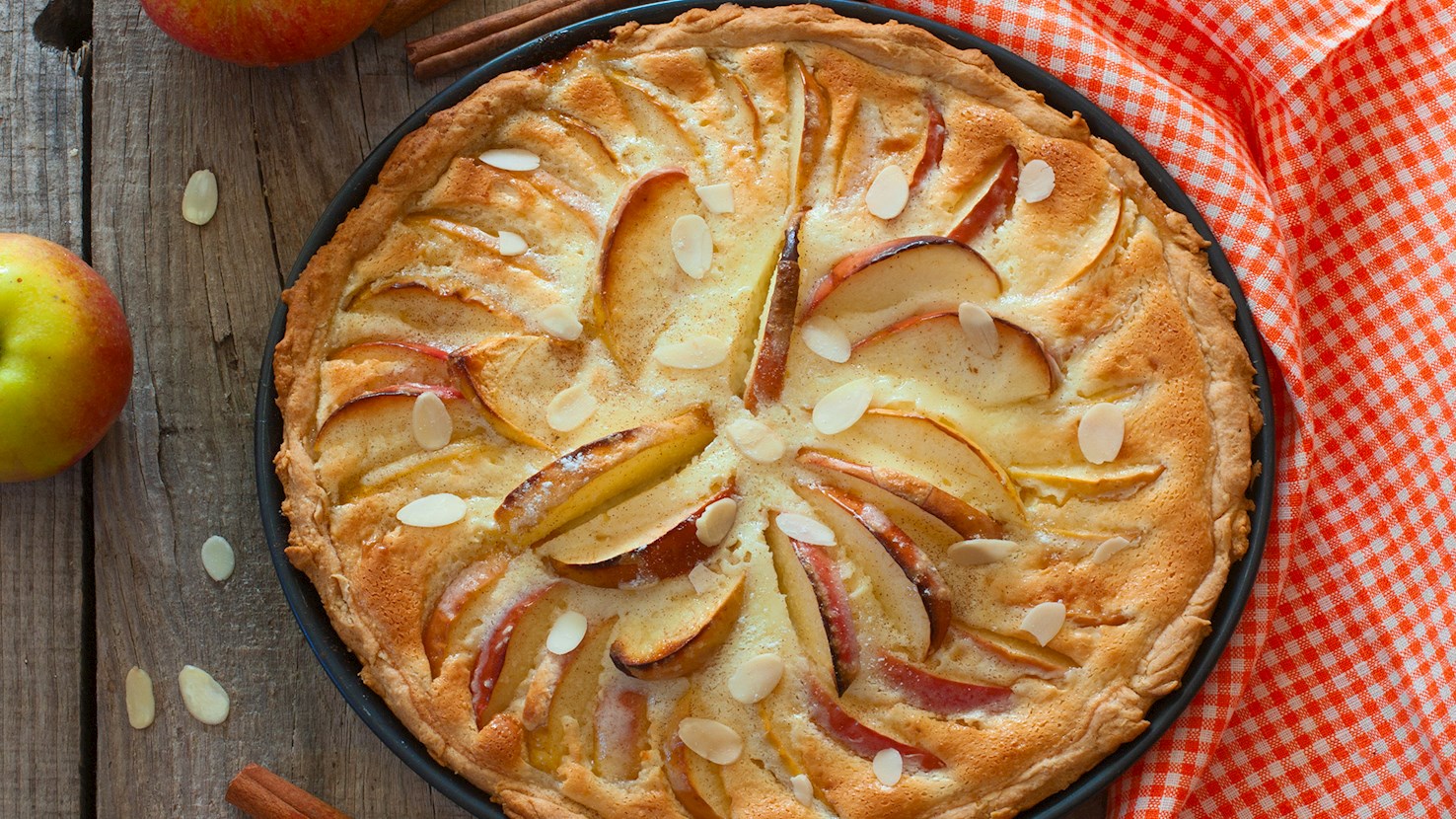
German apple cake is a delightful combination of dense, buttery dough and sliced, halved, or diced apples. Depending on the region, the cake is often dusted with cinnamon sugar, covered in crumbly streusel, or doused in vanilla-flavored custard. Traditionally baked in round tins, sliced apple cake is usually enjoyed as a filling afternoon dessert that is often paired with coffee or tea.

05

Topfenstrudel

4.1 ·

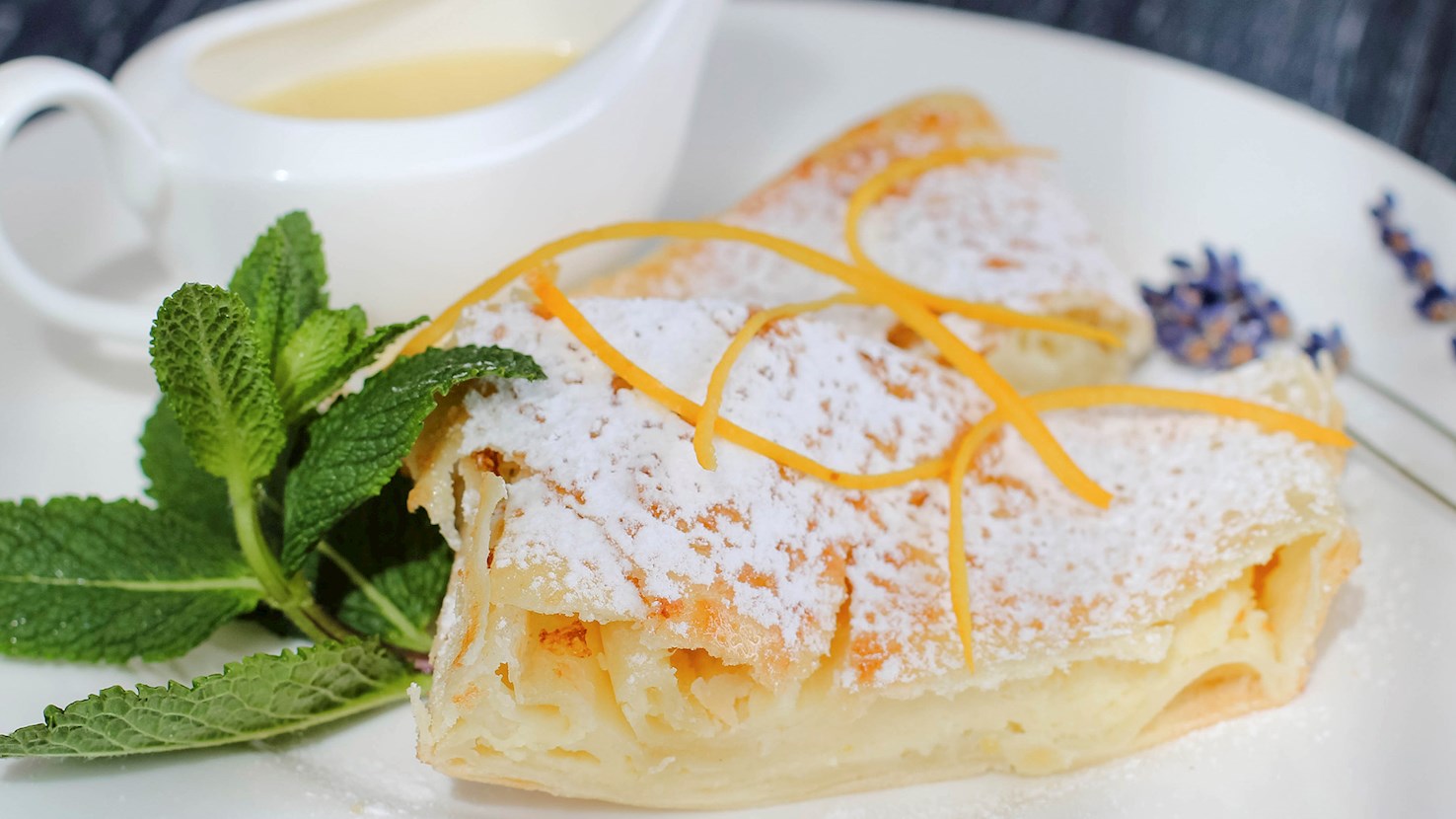
Austrian cuisine prides in their old traditional pastry desserts, and the delicate strudels are surely the most popular variety. Even though it is not as famous as the apple filled version, topfenstrudel is regarded as one of Austria’s favorites. Made with soft, mildly sweetened quark cheese which is folded with the elastic and almost see-through dough or puff pastry, the strudel is baked until a crispy golden crust is formed on top. Raisins, apricots, and peaches are occasionally added to the quark cheese mixture, which is gently spiced with vanilla or lemon. Even though they are most commonly associated with Austria, topfenstrudel, and all other strudel varieties, are eaten throughout the former Austro-Hungarian Empire. Their origins are believed to be in the Ottoman Empire, whose culinary influence spread across the Balkans, and Hungary, before finally reaching Vienna. The topfenstrudel can be found everywhere in Austria, served in both traditional and modern restaurants, as well as in classic Austrian patisseries. Commonly, a slice of warm topfenstrudel is paired with a sweet vanilla sauce or fresh fruit on the side.

06

Käsekuchen

4.1 ·

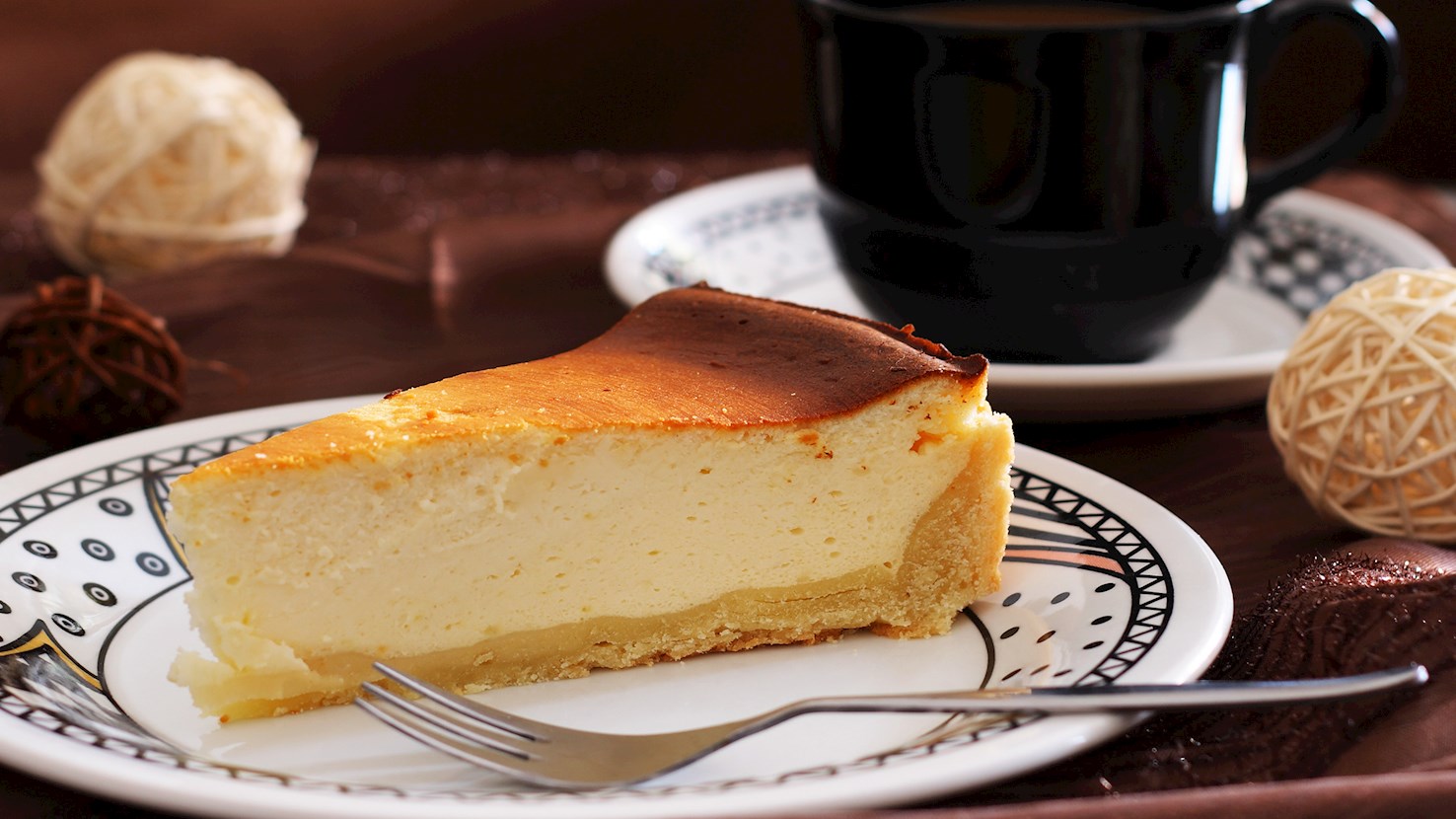
German-style cheesecake is a traditional dessert consisting of a thin layer of shortcrust pastry that is topped with a creamy combination of quark cheese, eggs, and (occasionally) various fruits. Even though käsekuchen is often compared to the classic American cheesecake, the use of lightly acidic quark cheese results in a light, scrumptious treat that perfectly combines sweet and sour flavors. Usually served dusted with powdered sugar, käsekuchen is a classic German dessert that is commonly enjoyed as an everyday treat alongside coffee or tea.

07

Bayrisch Creme (Bavarian cream)

4 ·

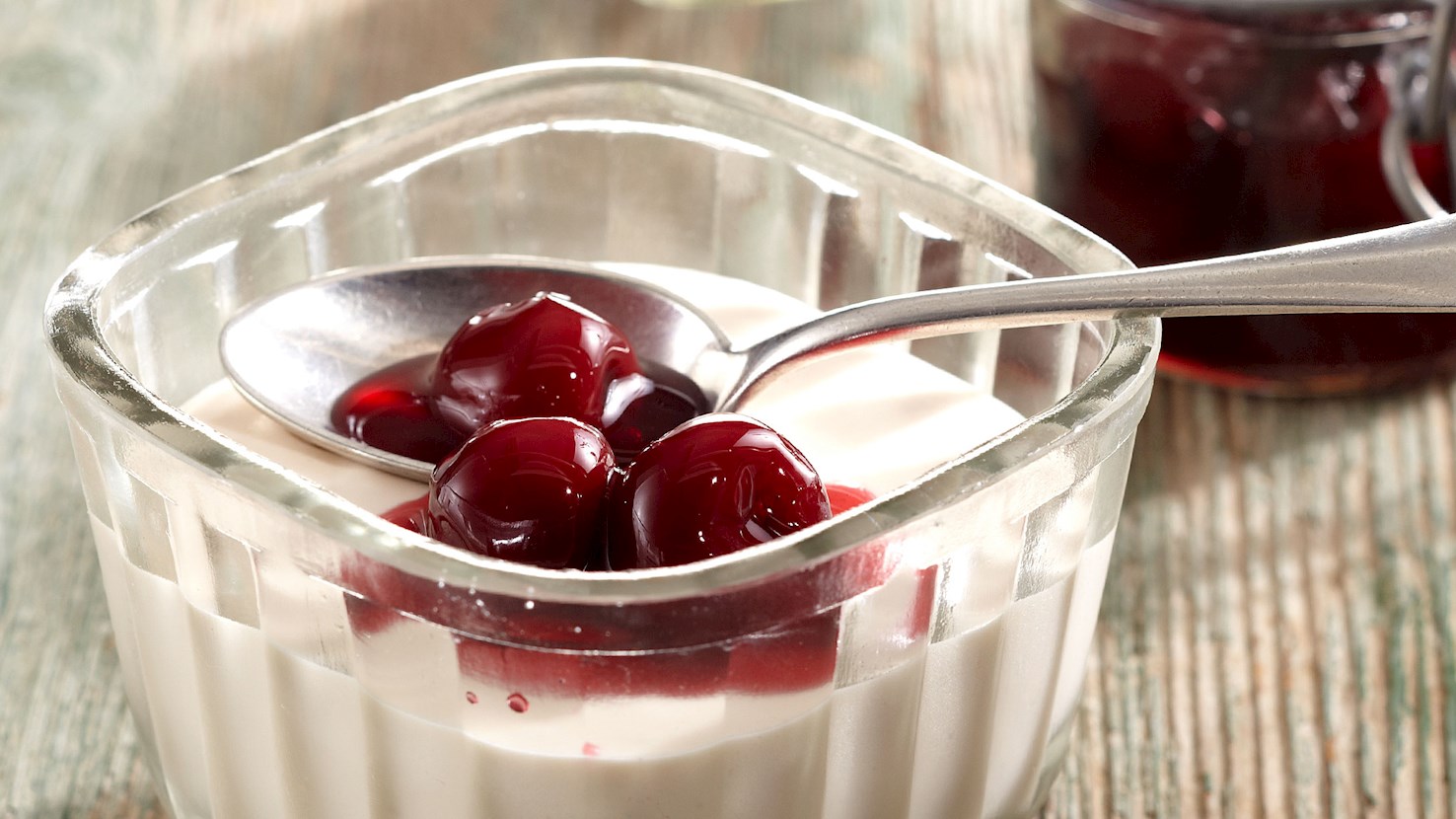
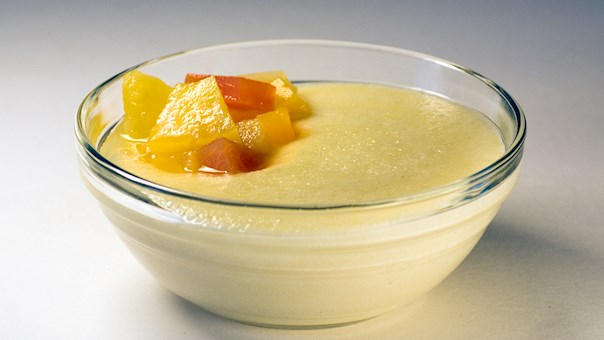
This rich, silky egg custard is thickened with gelatin and combined with whipped cream. It is traditionally served cold, and is usually garnished with pieces of fresh fruit or drizzled over with sweet sauces. Although its origins are quite unclear, it is known that Bavarian cream hails from either Germany or France. Many French chefs worked in Bavaria during the 17th and 18th century, so it is believed that they learned the recipe there. Some believe that the dish was invented by a famous French chef Marie-Antoine Carême, who wrote a recipe for it in the early 18th century. Today, Bavarian cream is consumed on its own as a decadent dessert or used as a filling for various cakes and pastries.

08

Baumkuchen

4 ·

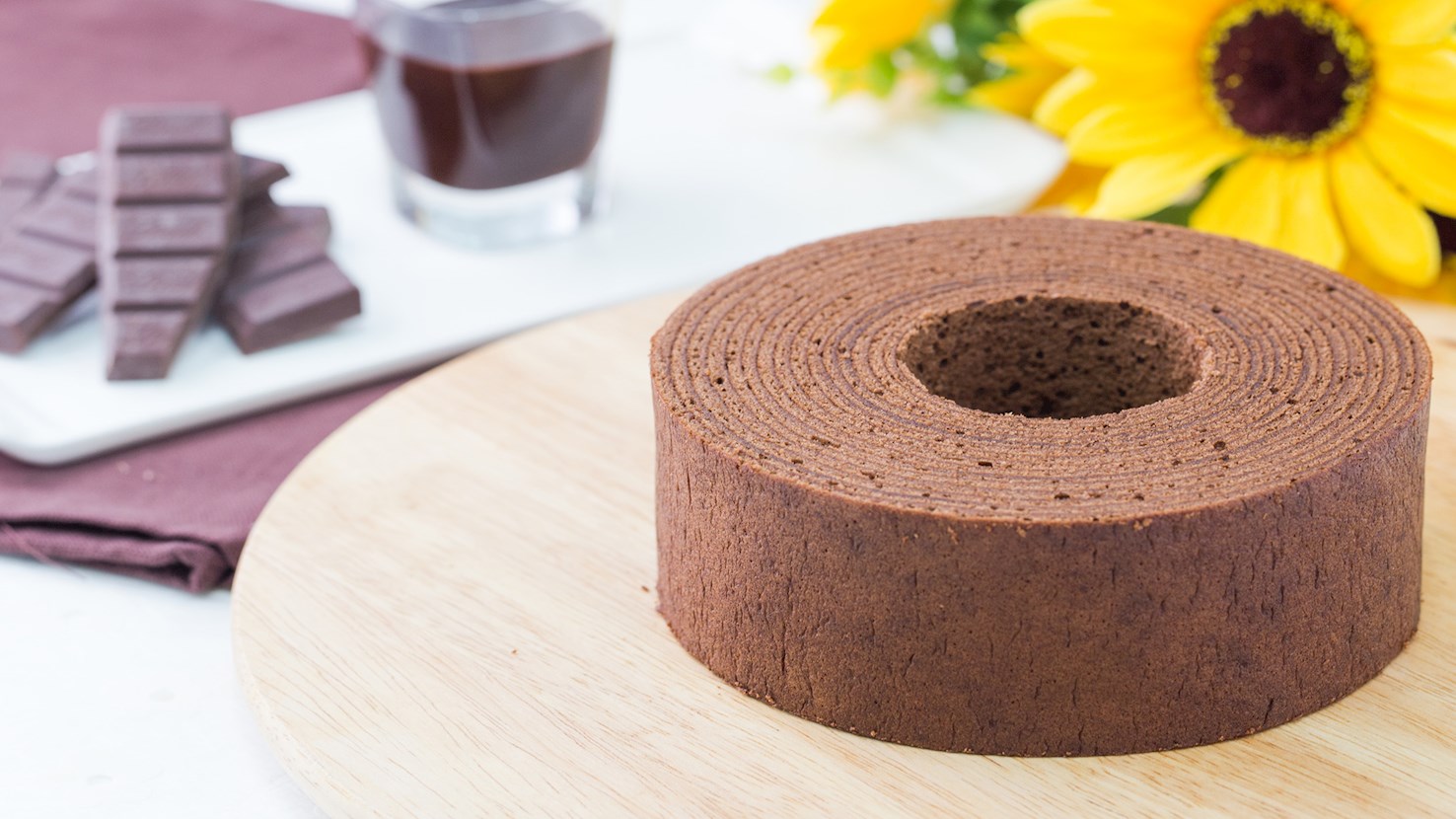
The German version of spit cake, known as baumkuchen, is just one of many similar cakes found throughout Europe. There are various conflicting theories about its origin—one points in the direction of a German town called Salzwedel in the 19th century, while others say it’s a descendant of the Hungarian wedding cake. The batter–typically made from flour, eggs, sugar, vanilla, salt, and butter–is thinly coated on a spit that’s rotating over a heat source. Before each new layer is applied, the previous one must be fully dry. Once sliced, the cake has a lovely texture and appearance which resembles growth rings, hence its name–baumkuchen or tree cake. The basic dough can be enriched by various ingredients such as nuts, honey, and brandy. The cake is often additionally coated with sugar or chocolate glaze. Miniature, cut up slices of this cake - called baumkuchenspitzen or tree cake tips - are usually glazed in chocolate and sold individually.

09

Magdeburger Schmalzkuchen

4 ·

Magdeburger schmalzkuchen is a small, deep-fried pastry, considered a local specialty in the city of Magdeburg. It usually consists of yeast dough flavored with vanilla extract or vanilla sugar and lemon zest or juice. Typically rectangular or diamond-shaped, the fried pastries are consumed warm, dusted with confectioners' sugar. These small doughy pillows coated with confectioners' sugar are a staple at festivals, carnivals, and Christmas markets throughout the country.

10

Schwarzwälder Kirschtorte

4 ·

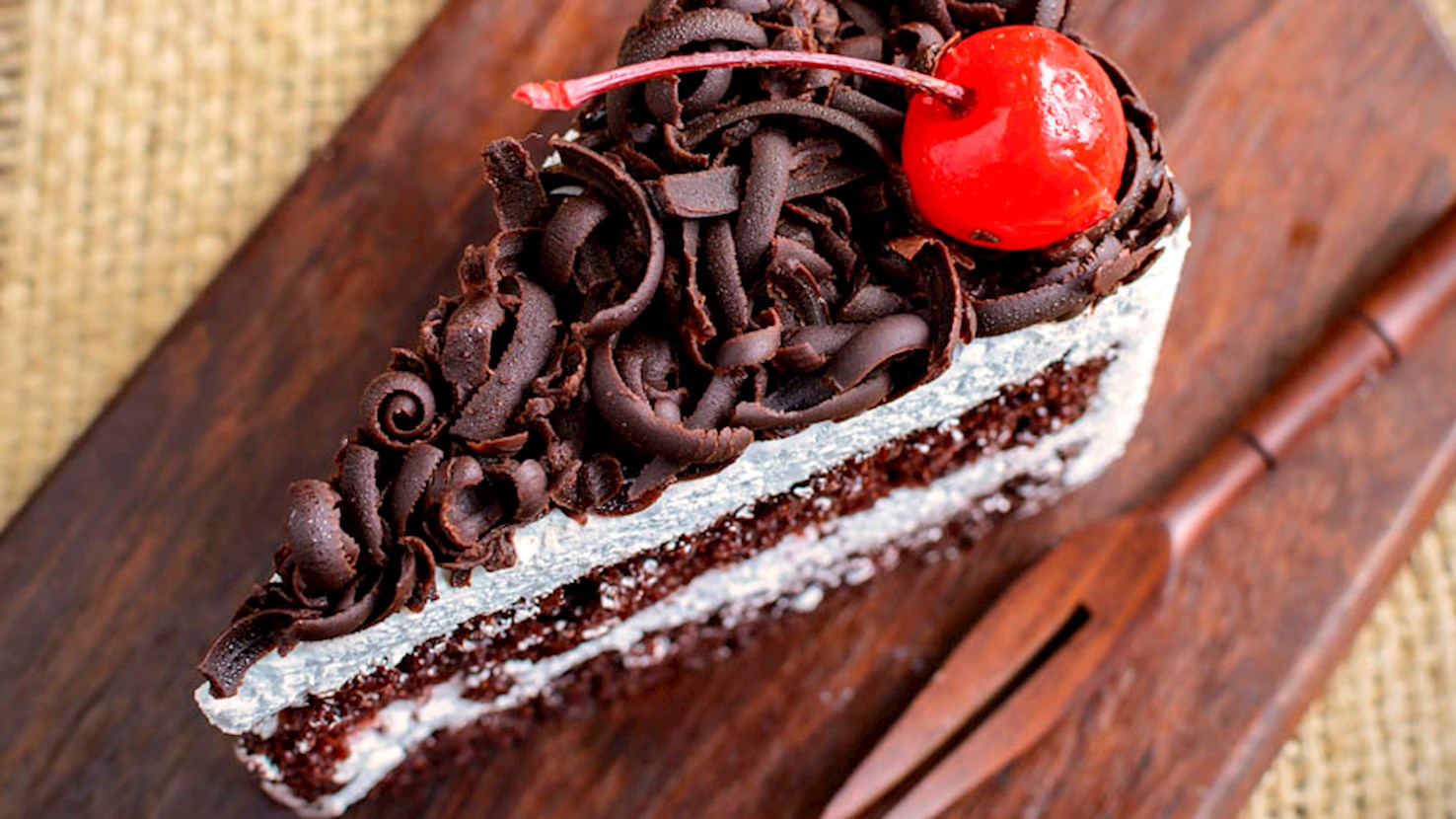
Black Forest cherry cake is a popular German dessert consisting of chocolate sponges that are coated in whipped cream and dotted with kirschwasser-infused cherries. Some varieties use the kirschwasser brandy to soak the chocolate layers or to lightly flavor the whipped cream. When assembled, the cake is lavishly decorated with whipped cream, chocolate shavings, and cherries. Among the numerous theories about its invention, it is still debated whether the cake was created by confectioner Josef Keller or pastry chef Erwin Hildenbrand. What is certain is that Schwarzwälder Kirschtorte originated in the Black Forest area and was in all likelihood modeled on the colors of the regional folk dresses. Since its first appearance in written form in 1934, it has become a well-known German dessert that is enjoyed throughout the country.

11

Bienenstich

4 ·
12

Butterkuchen

3.9 ·
17

Donauwelle

3.8 ·
18

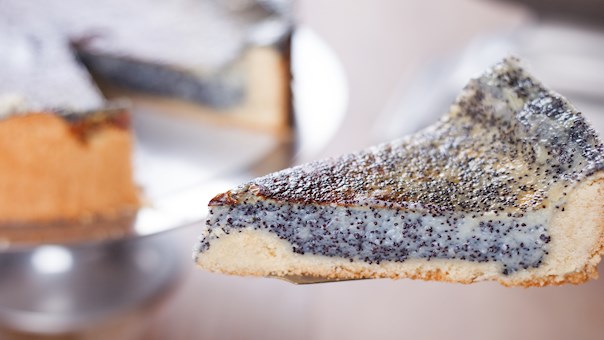
Mohnkuchen

3.8 ·
19

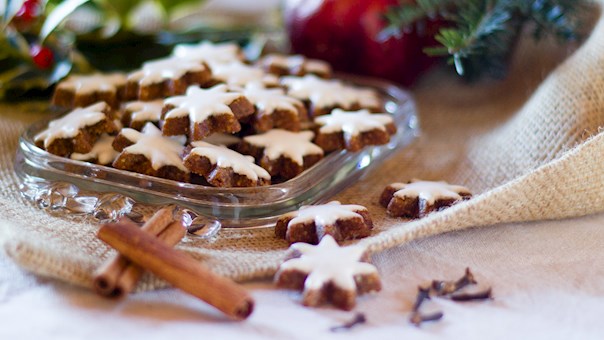
Zimtsterne

3.8 ·
20

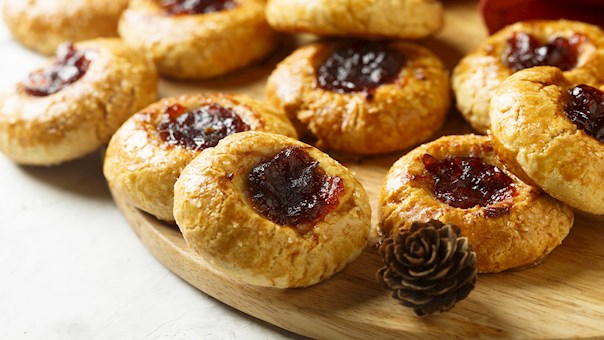
Engelsaugen

3.8 ·

Best German Desserts

01

Käserei Champignon Hofmeister

4.8 ·
Käserei Champignon Hofmeister is a German cheese producer located in Bavaria. The company was established in 1908, and it specializes in producing soft cheeses, including the famous Cambozola, a blue-veined cheese that blends characteristics of Gorgonzola and Camembert. Käserei Champignon Hofmeister uses traditional handcrafting techniques alongside modern technology to ensure the quality of their products. Their cheeses are made using milk from local farms, ensuring high freshness and quality standards.
Awards
Global Cheese Awards - Best (2019)
Global Cheese Awards - Gold (2023, 2021, 2019, 2018)
02

Wicklein

4.8 ·
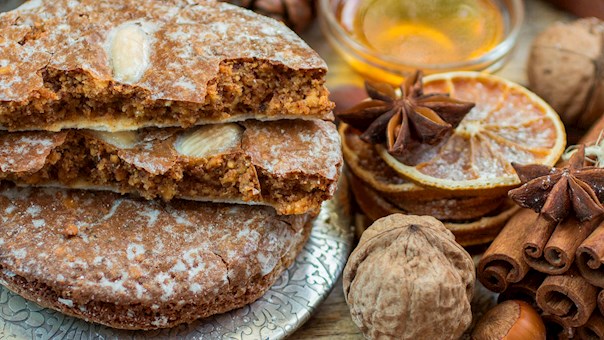
Wicklein is one of the oldest gingerbread producers in Germany, with a heritage dating back to 1615 in Nuremberg, a city historically recognized as the center of Lebkuchen production. Its origins are closely tied to Nuremberg’s role as a major spice trading hub, which shaped recipes rich in honey, nuts, and aromatic spices. Today, Wicklein remains one of the oldest active Lebkuchen bakeries in the city, with production still based in Nuremberg, preserving both authenticity and geographical identity. The company’s portfolio focuses on traditional Nürnberger Lebkuchen, particularly Elisenlebkuchen known for their high nut content and minimal flour, alongside wafer-based varieties and a range of seasonal and year-round baked goods. Production relies on long-established recipes passed down through generations, while also incorporating modern adaptations such as organic and vegan options. Over time, Wicklein has evolved through industrial and ownership changes but has maintained its core identity as a traditional producer, now operating within the Lebkuchen-Schmidt group. A key element of the brand is its “Lebküchnerei” shop in central Nuremberg, which serves both as a retail space and an experiential location where visitors can observe production and taste freshly made products, reflecting a balance between artisanal heritage and contemporary market presence.
03

Lebkuchen-Schmidt

4.7 ·
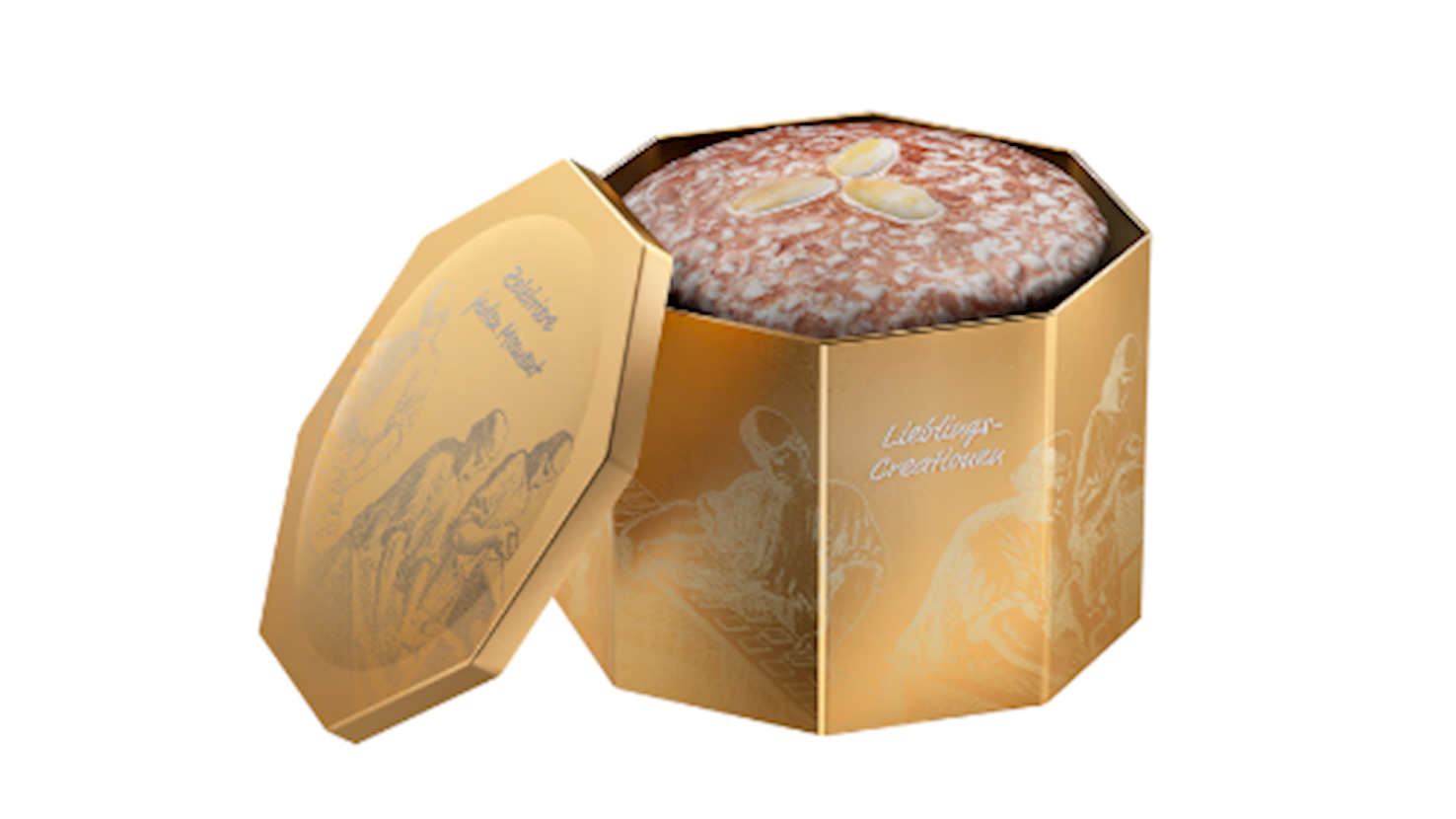
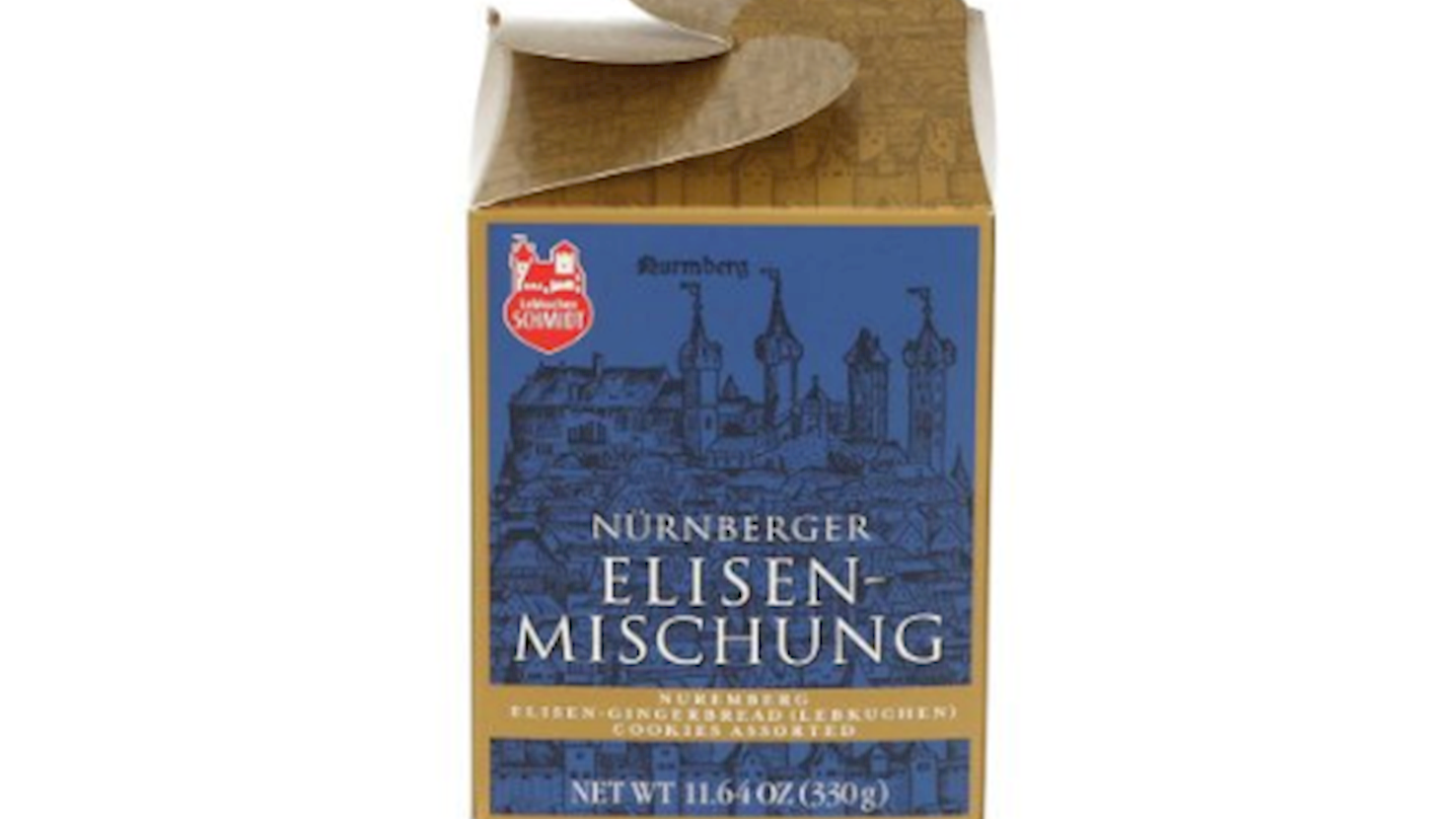
Lebkuchen-Schmidt is one of the most prominent German producers of traditional gingerbread, based in Nuremberg, a city historically known as the center of this specialty. Founded in 1927, the company developed its business model around mail-order sales, becoming one of the oldest and most successful direct distributors of Lebkuchen worldwide. Its production combines established recipes with modern industrial processes, maintaining consistent quality while relying on carefully selected ingredients such as nuts, honey, and aromatic spices. The core assortment includes classic Nürnberger Lebkuchen varieties, particularly Elisen Lebkuchen, which are characterized by a high nut content and minimal flour, alongside a broader range of biscuits, cakes, and confectionery. A distinctive feature of the brand is its elaborately designed tins and seasonal gift assortments, closely associated with German Christmas traditions. Although production is largely automated, the company emphasizes strict quality control and expertise developed over decades. Lebkuchen-Schmidt distributes its products internationally, primarily through catalog and online sales, reinforcing its strong connection to festive consumption while maintaining year-round availability. The brand also operates “Lebkuchenwelt” in Nuremberg, a visitor space that highlights the history, production, and cultural significance of Lebkuchen.
04

Café Bauer

4.7 ·
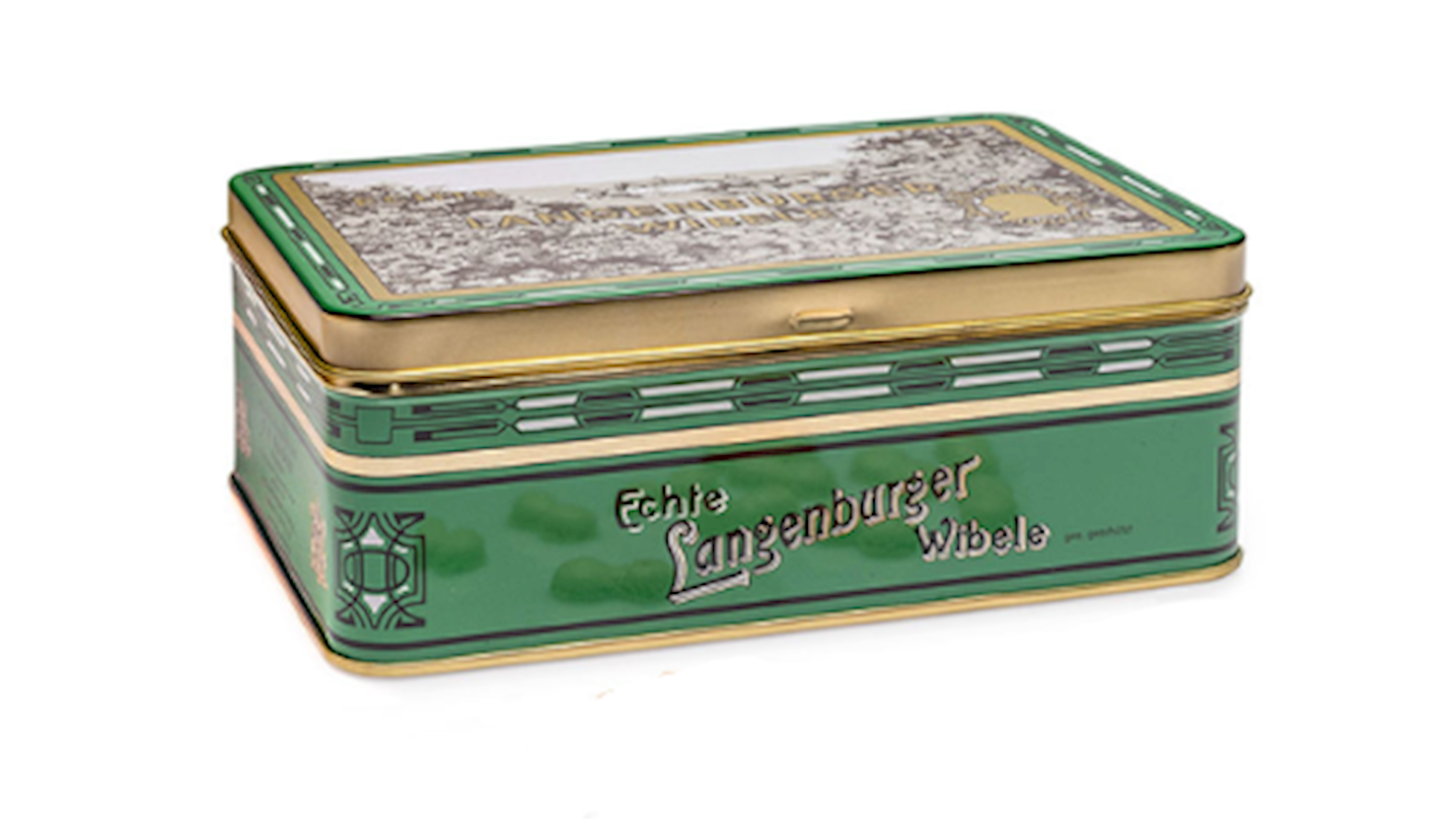
Café Bauer is the producer behind the original “Echte Wibele”, based in Langenburg in the Baden-Württemberg region of Germany, where this specialty has been continuously made since the 18th century. The company traces its origins to a court recipe created for the princely House of Hohenlohe-Langenburg, and it has preserved both the formulation and the production approach across generations. Its focus remains almost entirely on Wibele biscuits, maintaining a high level of specialization and consistency. The recipe is notably simple, based on egg whites, powdered sugar, flour, and vanilla sugar, without added fats, resulting in a light, dry, and airy texture. The distinctive figure-eight shape is formed by piping the batter, followed by a controlled resting phase before baking, which contributes to structural stability and the final texture. This precise process differentiates the original product from more industrial interpretations found elsewhere. The use of the name “Echte Wibele” signals authenticity and a direct link to its place of origin, positioning the biscuits as a regional specialty rather than a generic product. Typically packaged in tins or cartons, they are consumed as a light accompaniment to coffee or tea and are often associated with traditional gift assortments.
05

Fraunholz Elisenlebküchnerei

4.3 ·
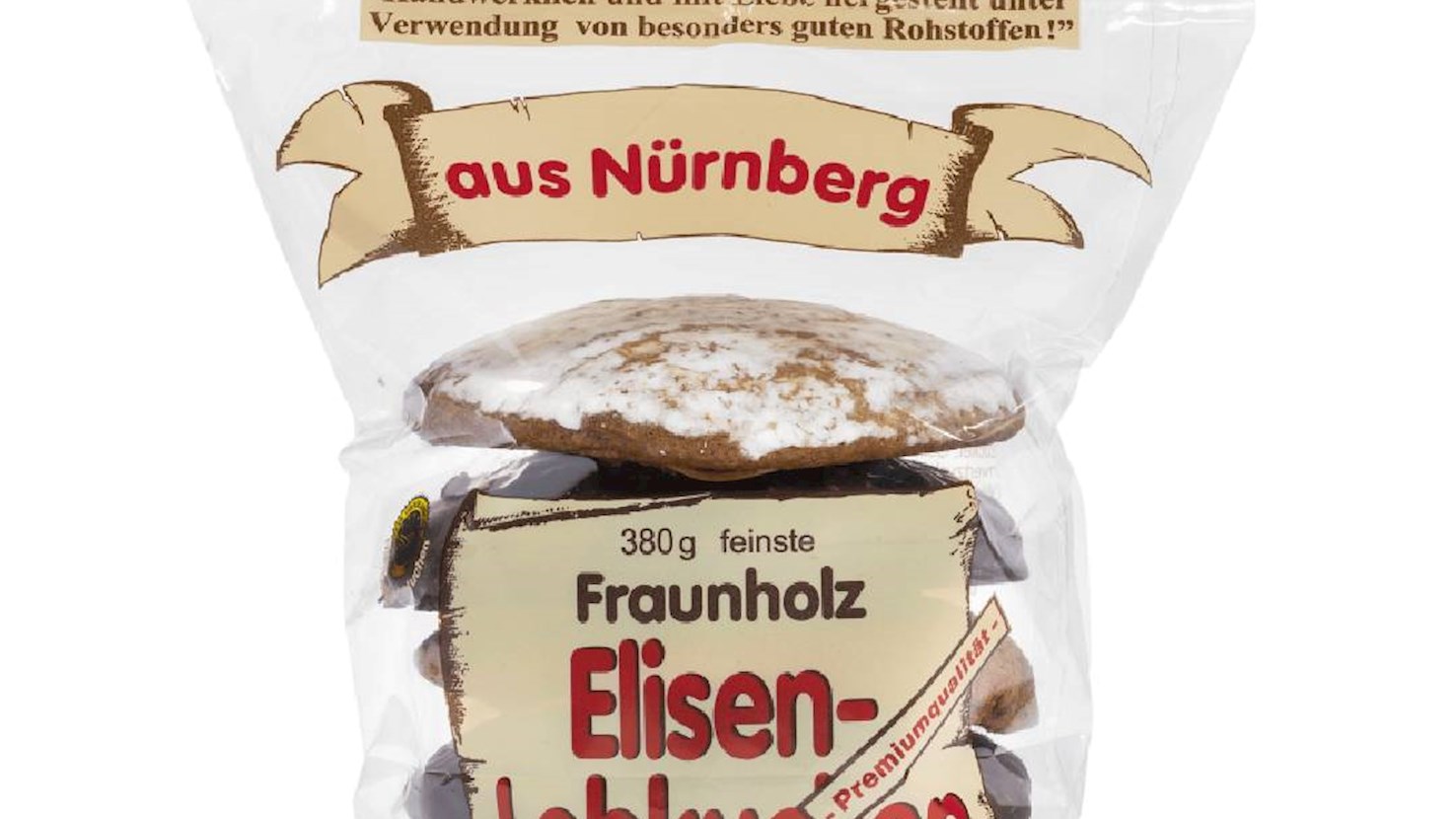
Fraunholz Elisenlebküchnerei is a traditional family-run manufacturer based in Nuremberg, specializing in authentic Elisenlebkuchen, a distinctive type of German gingerbread closely associated with the region. Their production follows a classic formulation that prioritizes a high proportion of nuts, particularly almonds and hazelnuts, which can make up a significant share of the dough, resulting in a dense, moist texture and a pronounced nutty profile with minimal reliance on flour. Unlike standard gingerbread, Elisenlebkuchen often contains little to no flour, giving it a softer, richer consistency and a more concentrated flavor. Fraunholz maintains an artisanal approach, with parts of the process still carried out manually and with a strong focus on ingredient quality and traditional methods. The range includes classic wafers-based Elisenlebkuchen, chocolate-coated versions, and smaller confectionery formats, as well as organic, gluten-free, and vegan variants that reflect modern dietary preferences. Deeply rooted in Nuremberg’s culinary identity, these products are especially associated with the Christmas season, where they function both as a traditional treat and as a representative regional specialty.
06

Rischart

4.3 ·
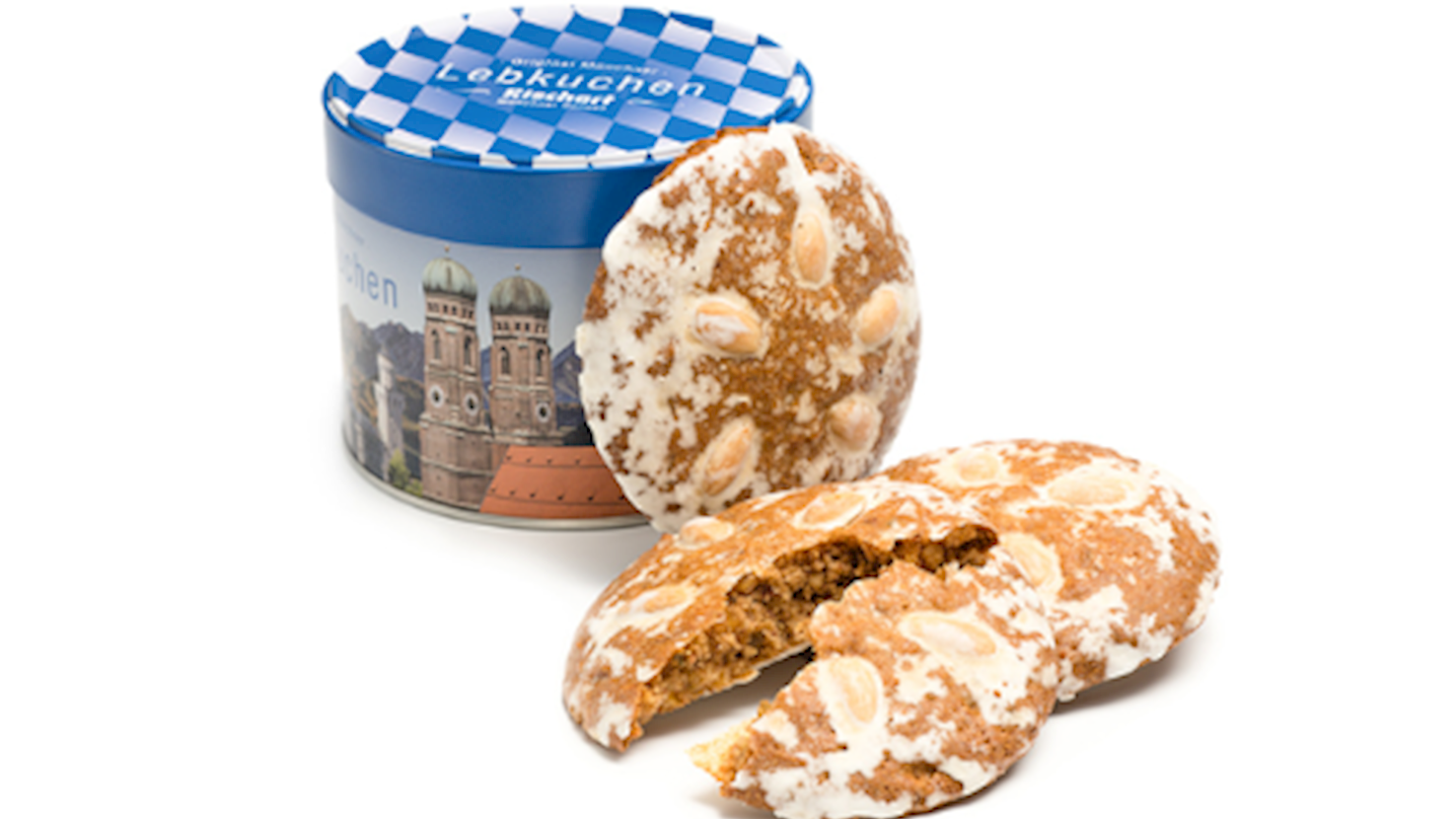
Rischart is a renowned Bavarian bakery and confectionery house based in Munich, founded in 1883 and rooted in more than a century of tradition. The brand is deeply embedded in the city’s everyday food culture and is known for combining classic German baking craftsmanship with a modern, urban approach to dining. Rischart is particularly recognized for its breads, pastries, cakes, and tortes, produced fresh daily with a strong focus on artisanal precision and carefully selected ingredients. Its portfolio includes both traditional Bavarian and German specialties as well as contemporary desserts and seasonal creations. In addition to its bakeries, Rischart operates Café & Bistro locations that serve as popular spots for breakfast, coffee breaks, and light meals. Rather than positioning itself as an industrial producer, Rischart functions as a city institution that emphasizes continuity, quality, and a clearly defined sense of place, making it a recognizable part of Munich’s bakery landscape.
Read more
View all
View map
About this ranking

TasteAtlas food rankings are based on the ratings of the TasteAtlas audience, with a series of mechanisms that recognize real users and that ignore bot, nationalist or local patriotic ratings, and give additional value to the ratings of users that the system recognizes as knowledgeable. For the “Top 62 German Desserts” list until June 15, 2026, 4,168 ratings were recorded, of which 3,560 were recognized by the system as legitimate. TasteAtlas Rankings should not be seen as the final global conclusion about food. Their purpose is to promote excellent local foods, instill pride in traditional dishes, and arouse curiosity about dishes you haven’t tried.

The initial list of top producers was compiled based on available reviews, awards, local recommendations, media and blog coverage, and consumer reviews. The list will be updated with ratings from TasteAtlas local ambassadors and TasteAtlas users.

Similar lists